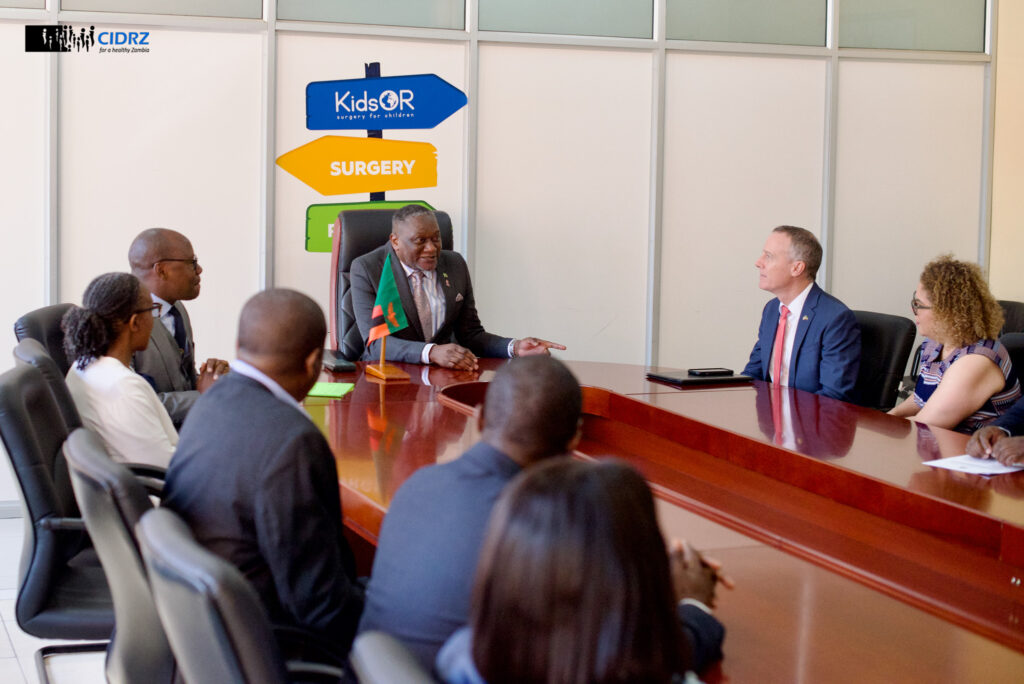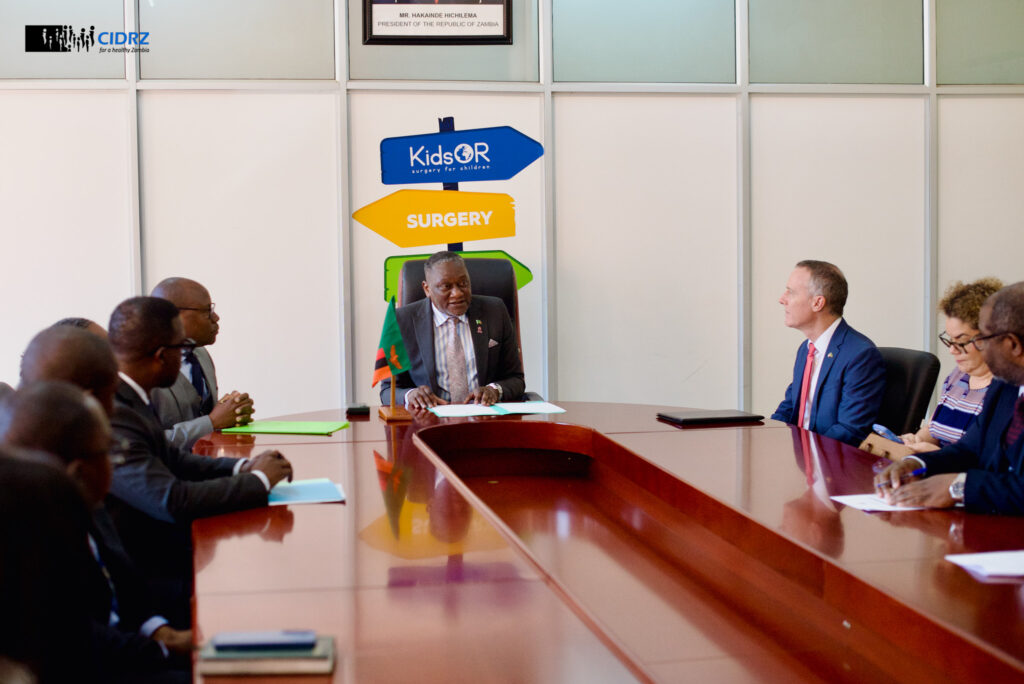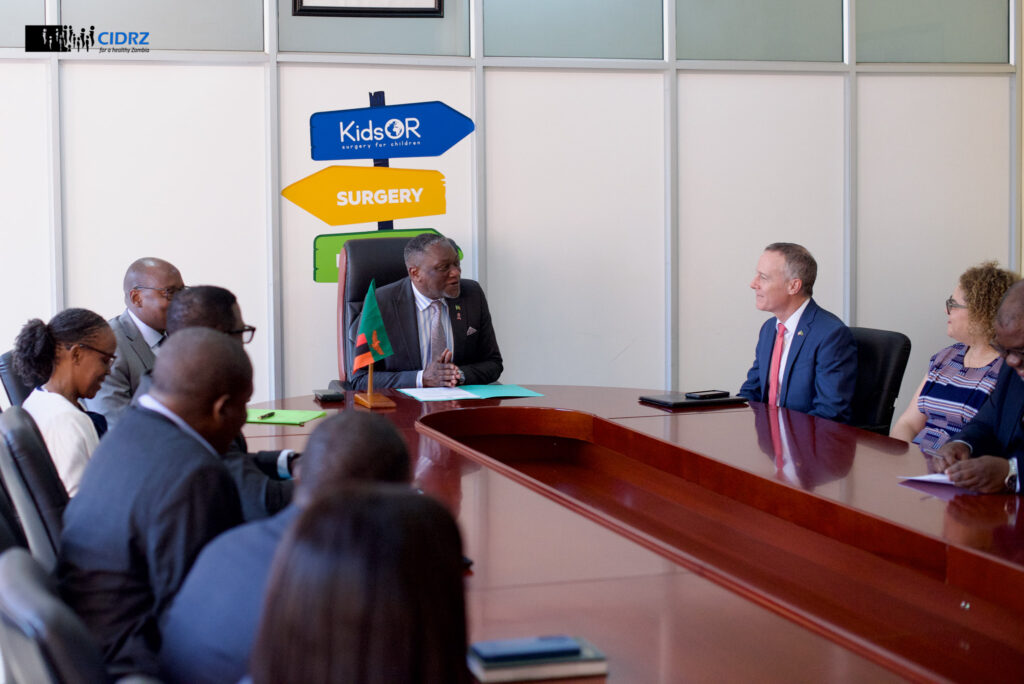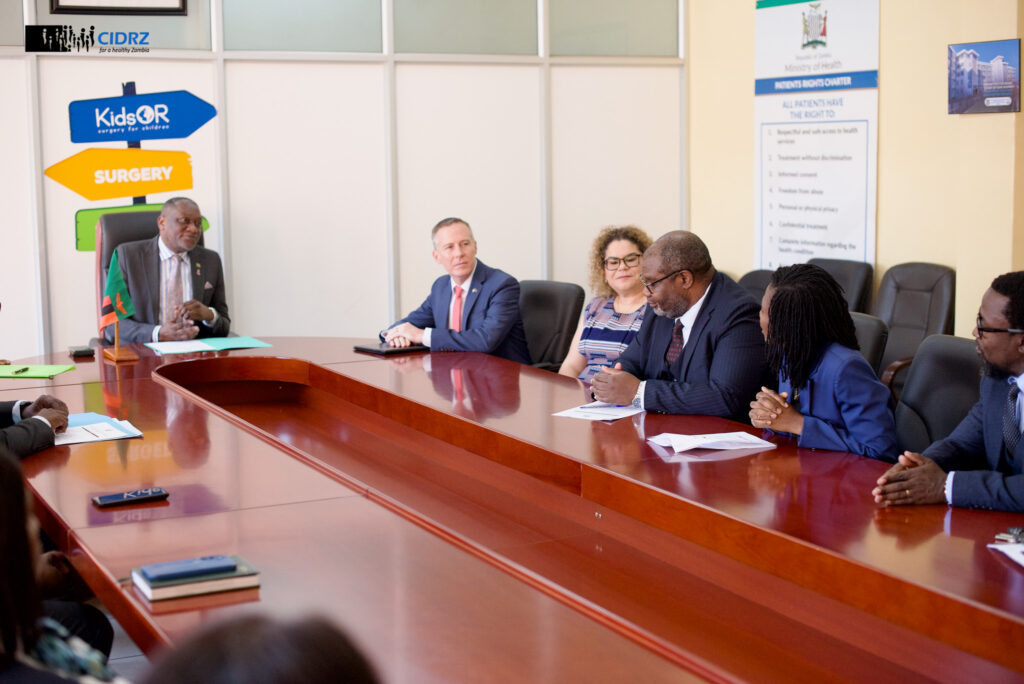
The Ministry of Health Lauds CIDRZ for Equipment Support to MoH to Strengthen TB Response in Zambia

CIDRZ Hands Over Critical TB Equipment and Refurbished Laboratory to Strengthen Zambia’s Tuberculosis Response
September 1, 2026
Tuberculosis (TB) remains a major public health challenge in Zambia, and despite significant progress in diagnosing drug-susceptible TB, gaps still exist in detecting resistance to other anti-TB medicines.
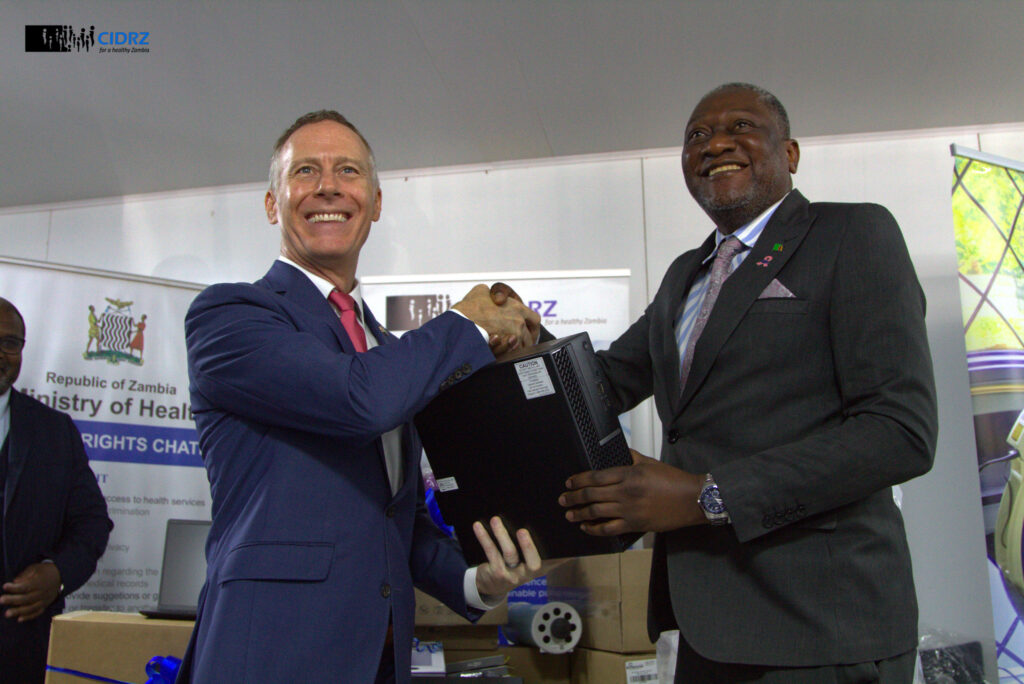
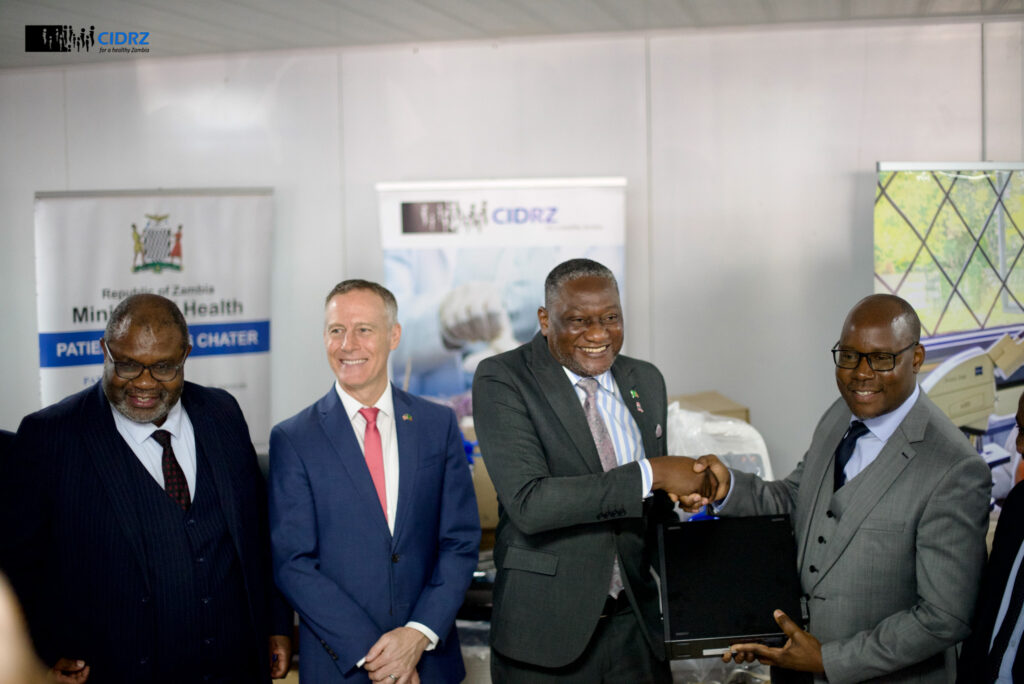
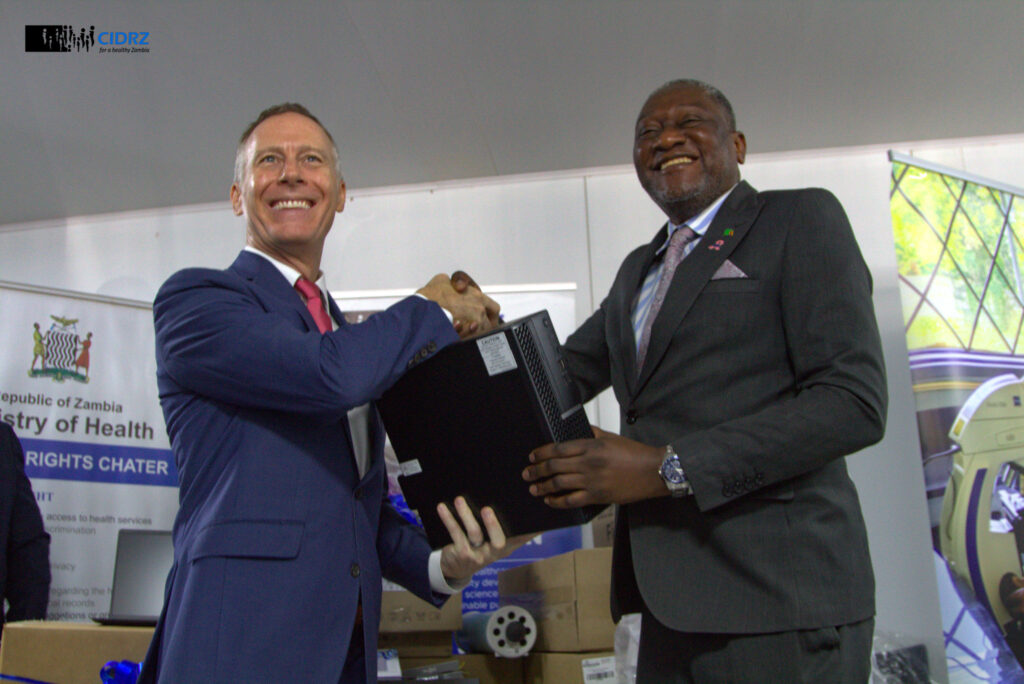
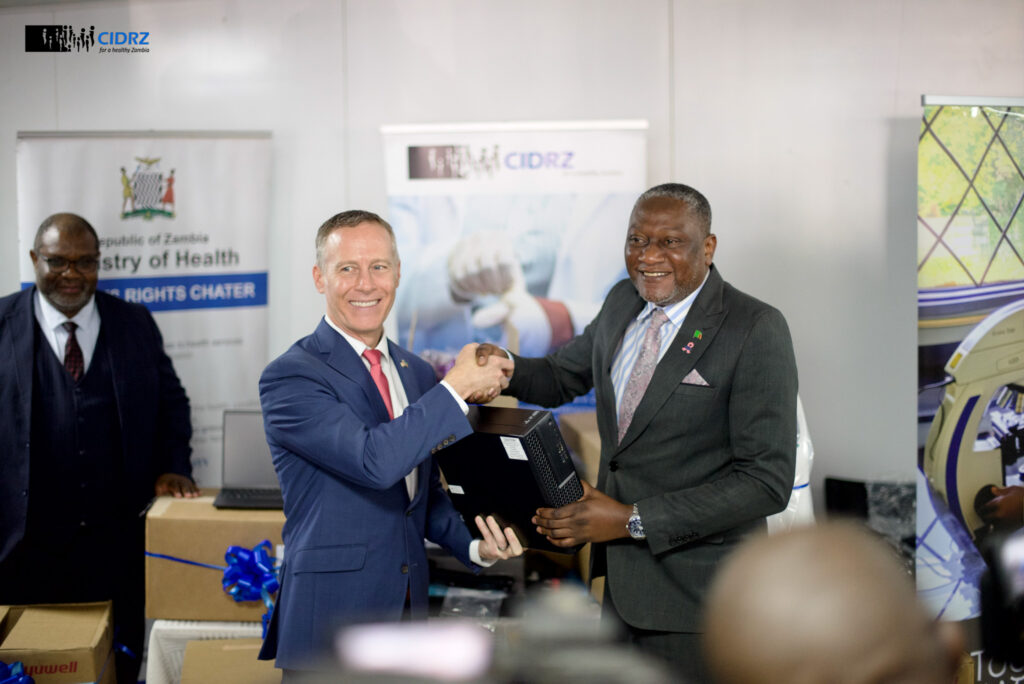
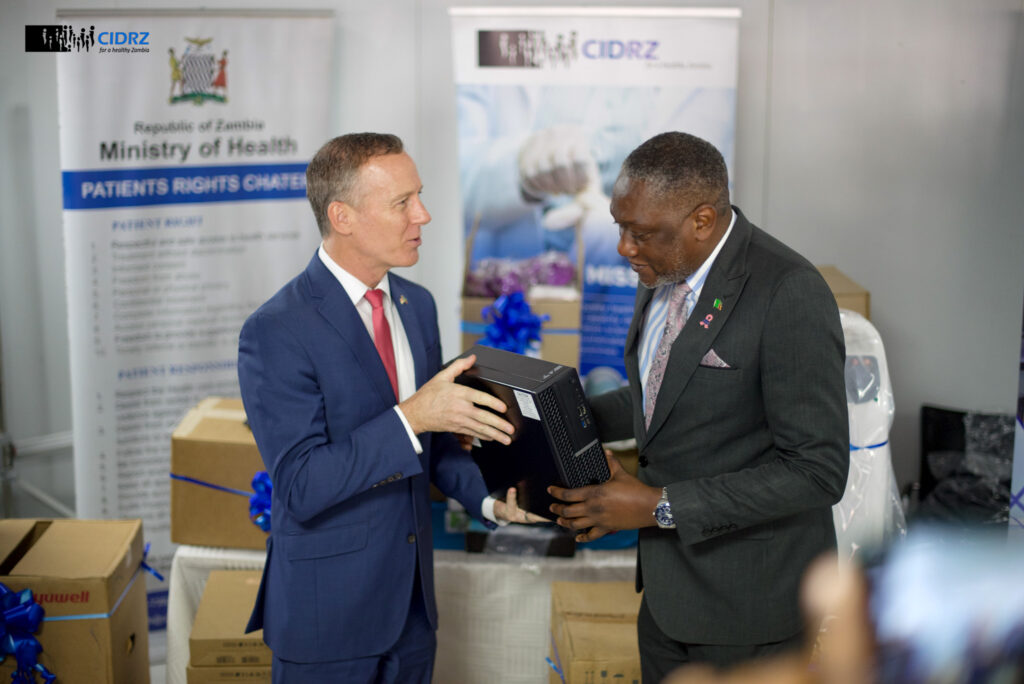
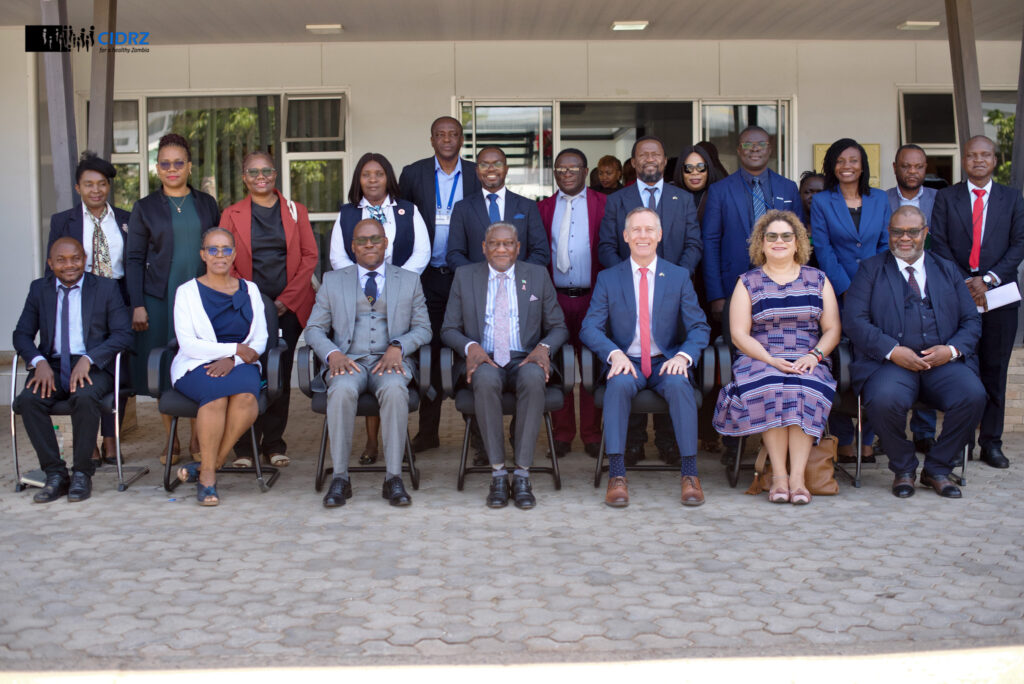
As part of efforts to help the Ministry of Health close this gap, strengthen the country’s TB response, and eliminate TB in Zambia by 2030, the Centre for Infectious Disease Research in Zambia (CIDRZ), through its Facility and Community-Based Service Delivery Support (FC-SDS) project, has donated equipment worth K5.47 million to the Ministry of Health. The donation is supported by the United States Government through the Stop TB Partnership.
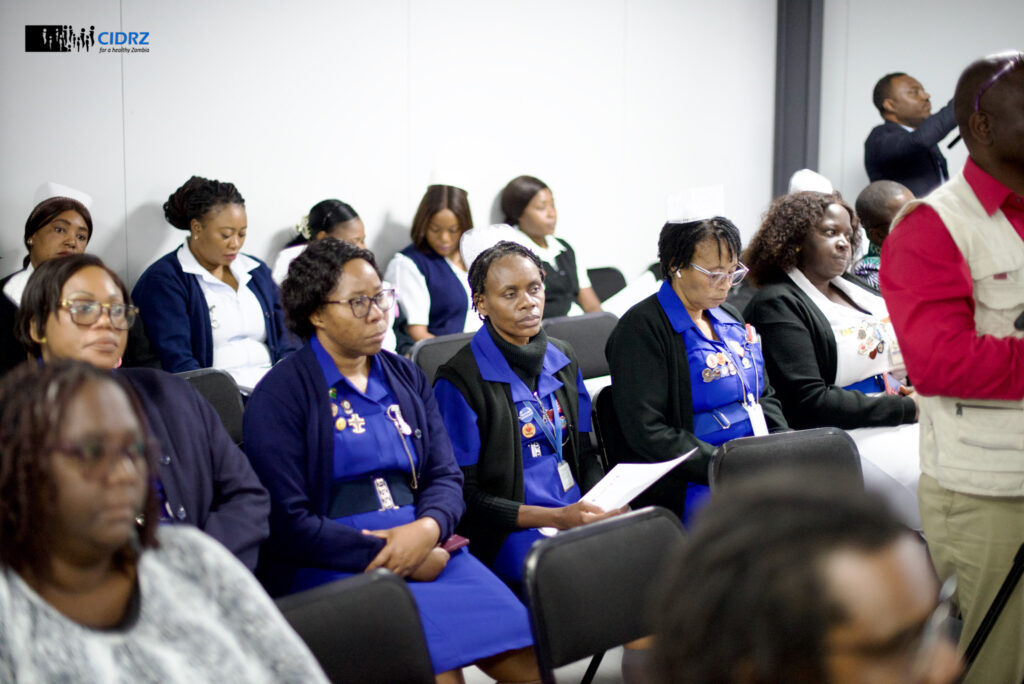
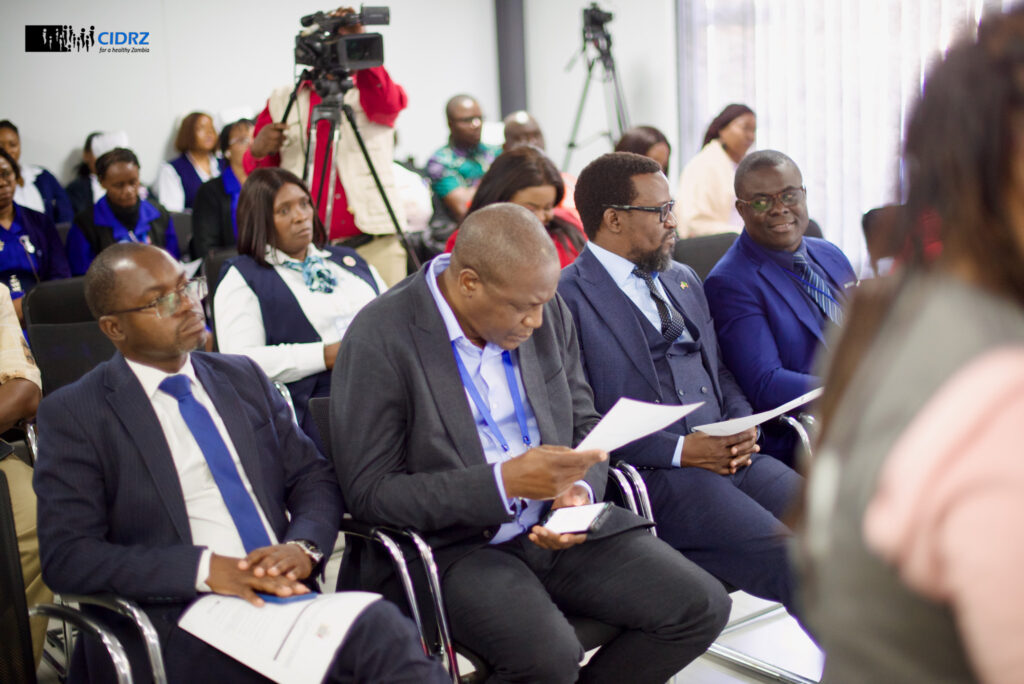
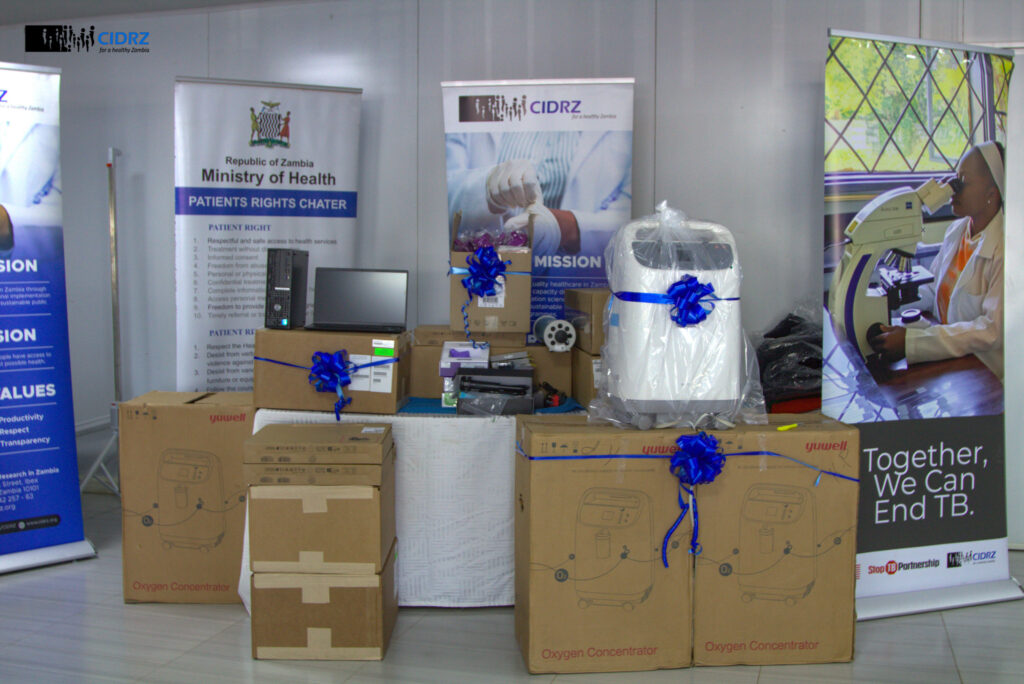
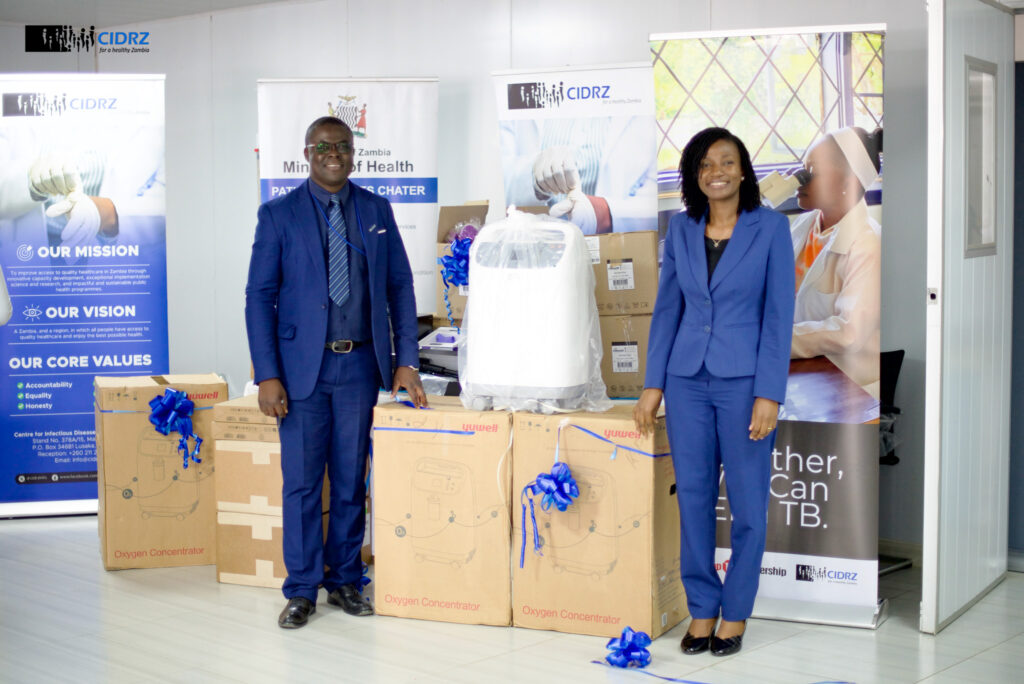
The donation comprises 200 desktop computers, eight spirometers, and five oxygen concentrators, aimed at strengthening Zambia’s tuberculosis response and expanding post-TB lung disease services.
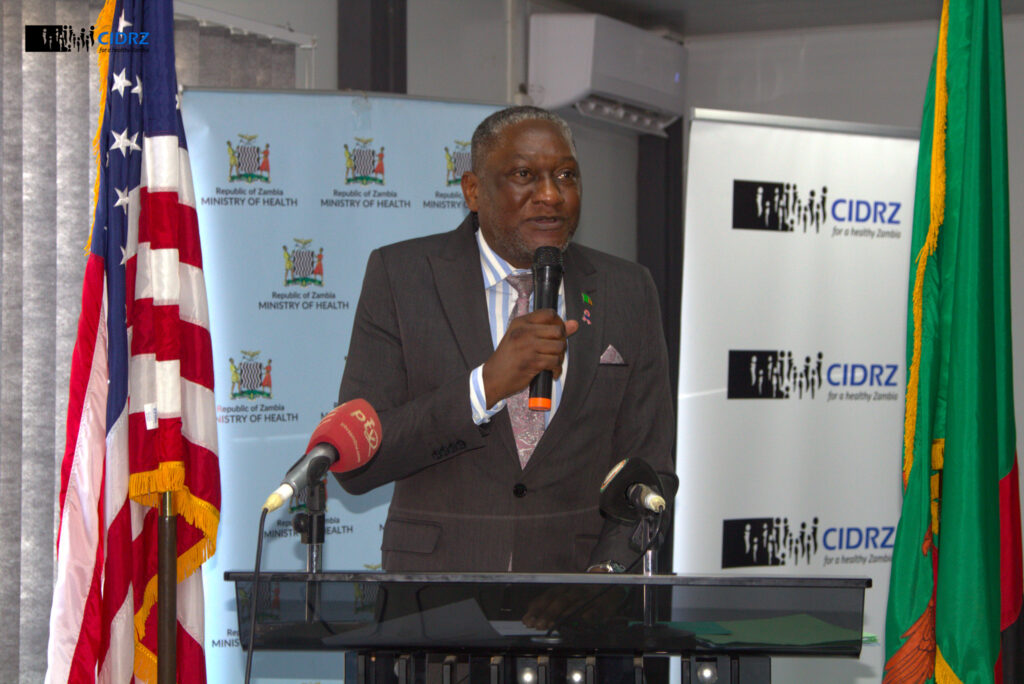
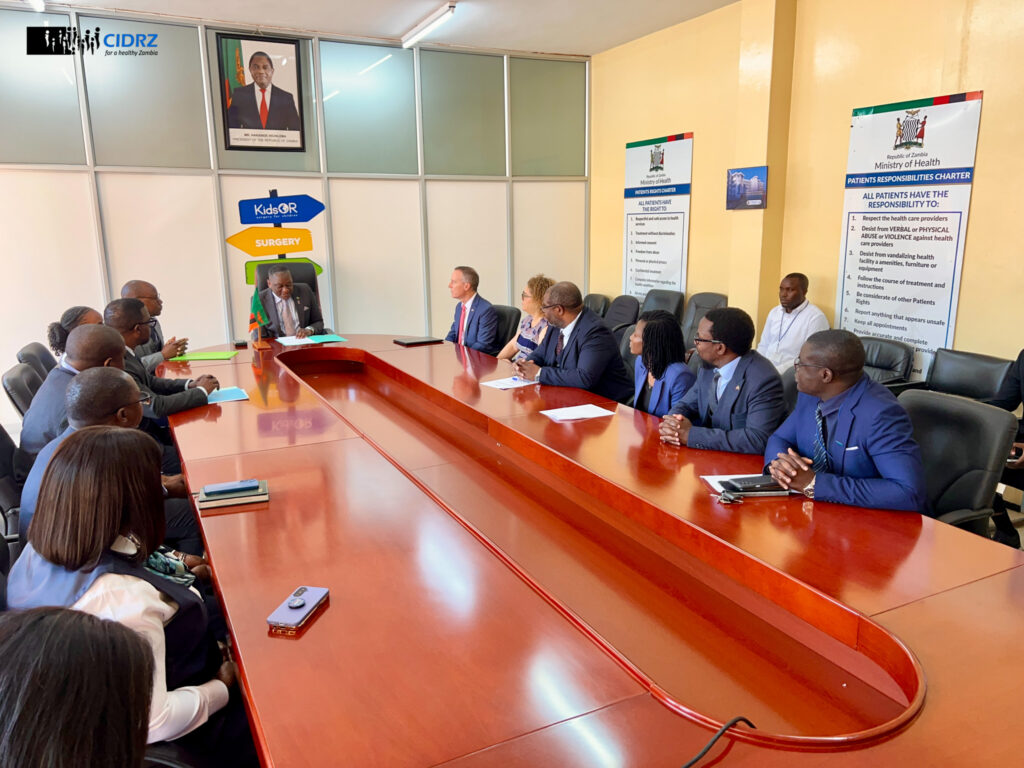
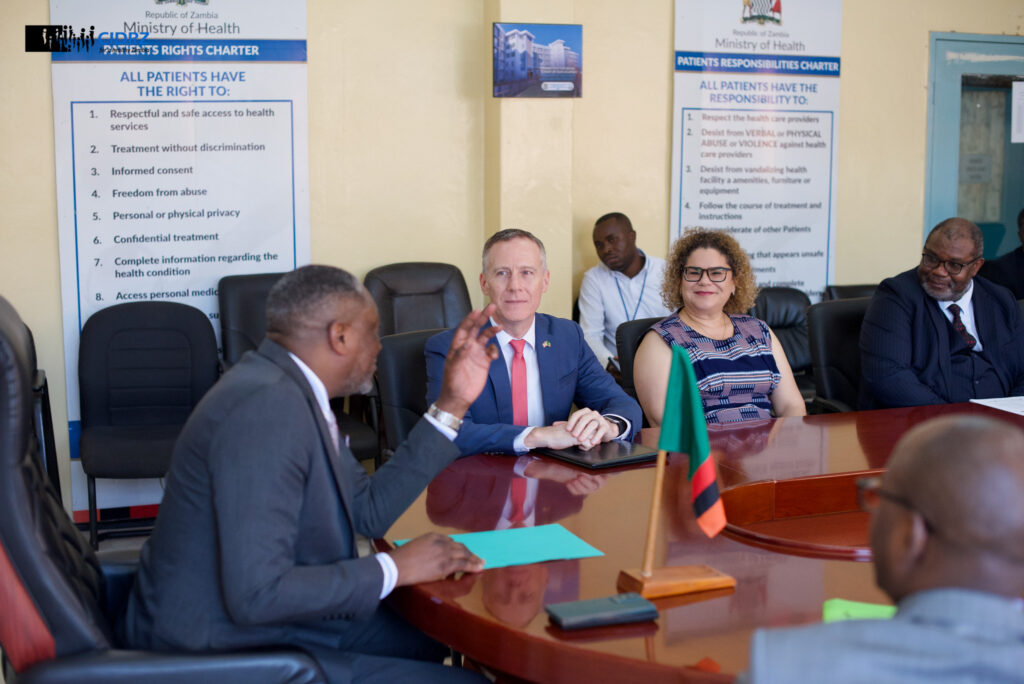
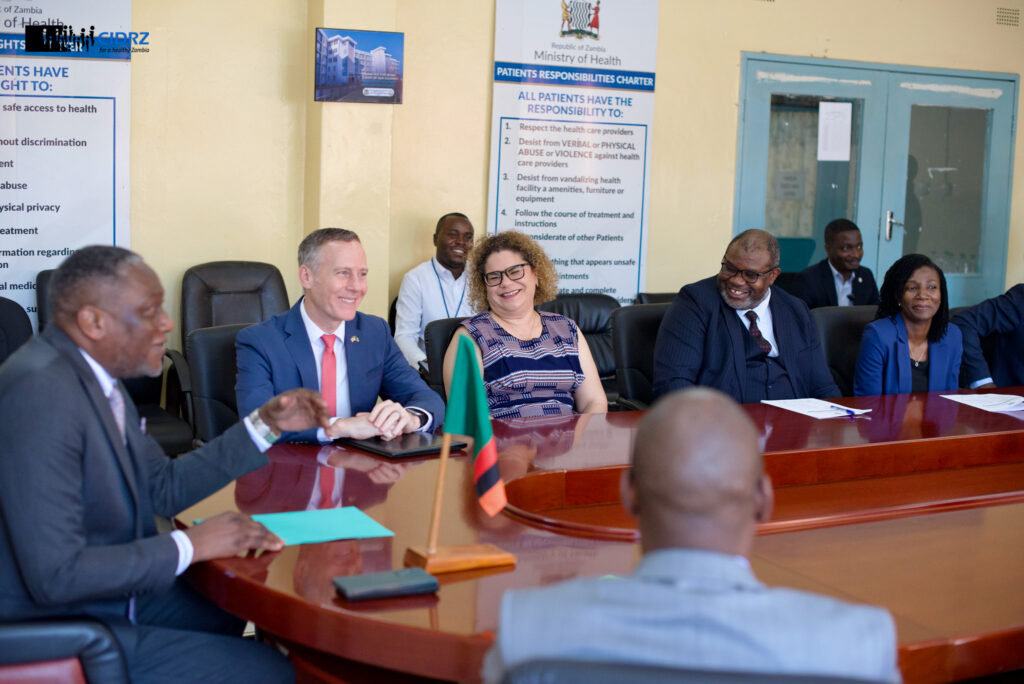
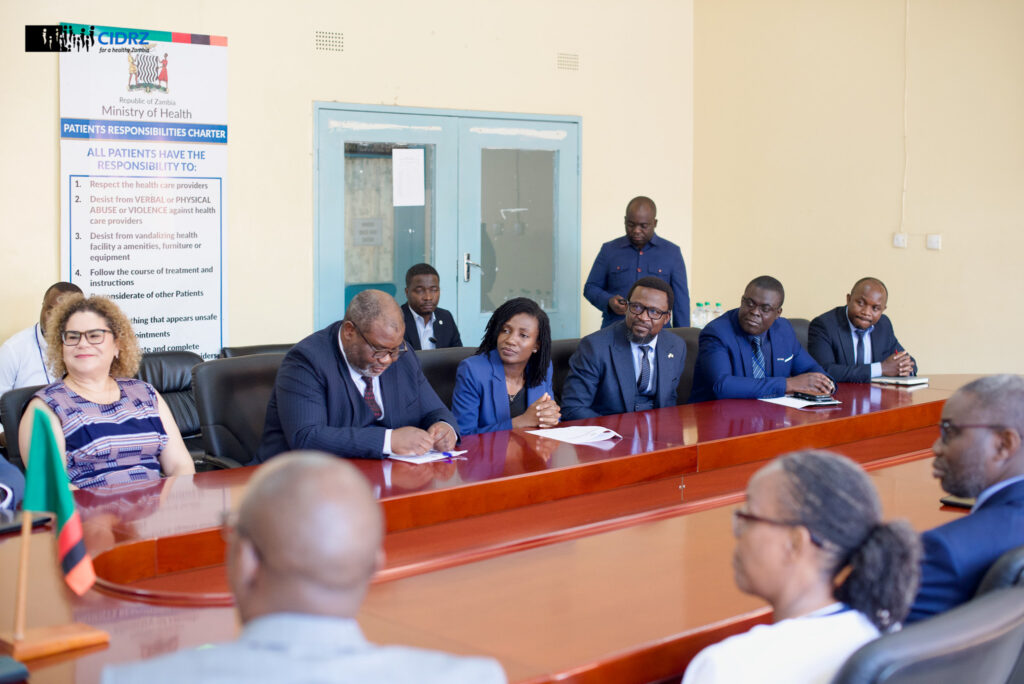
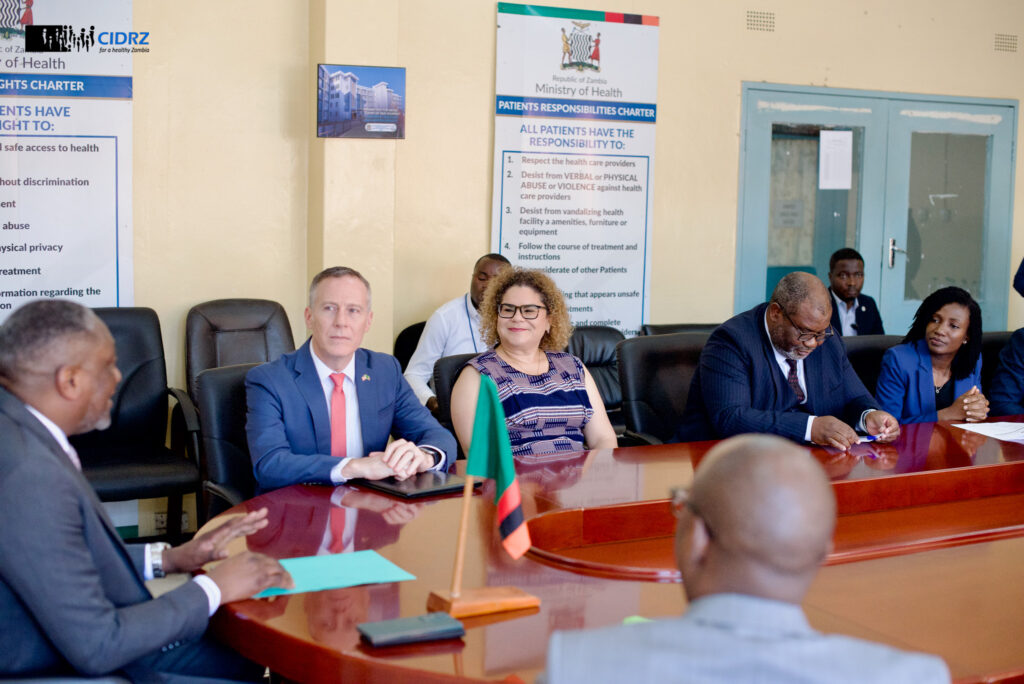
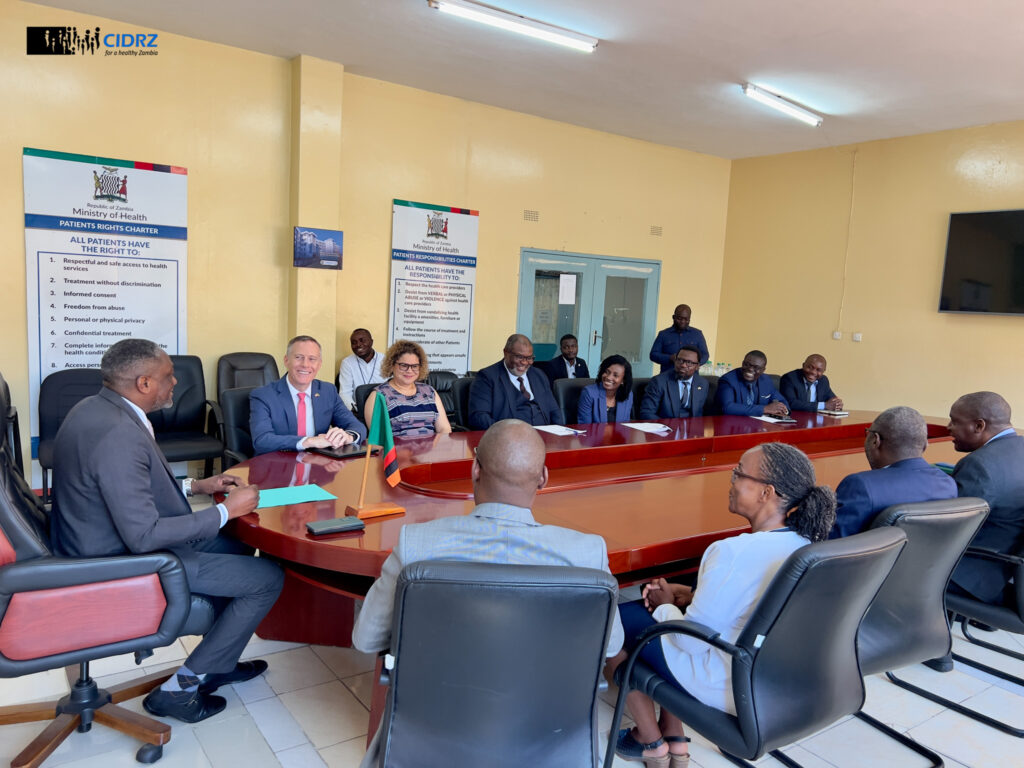
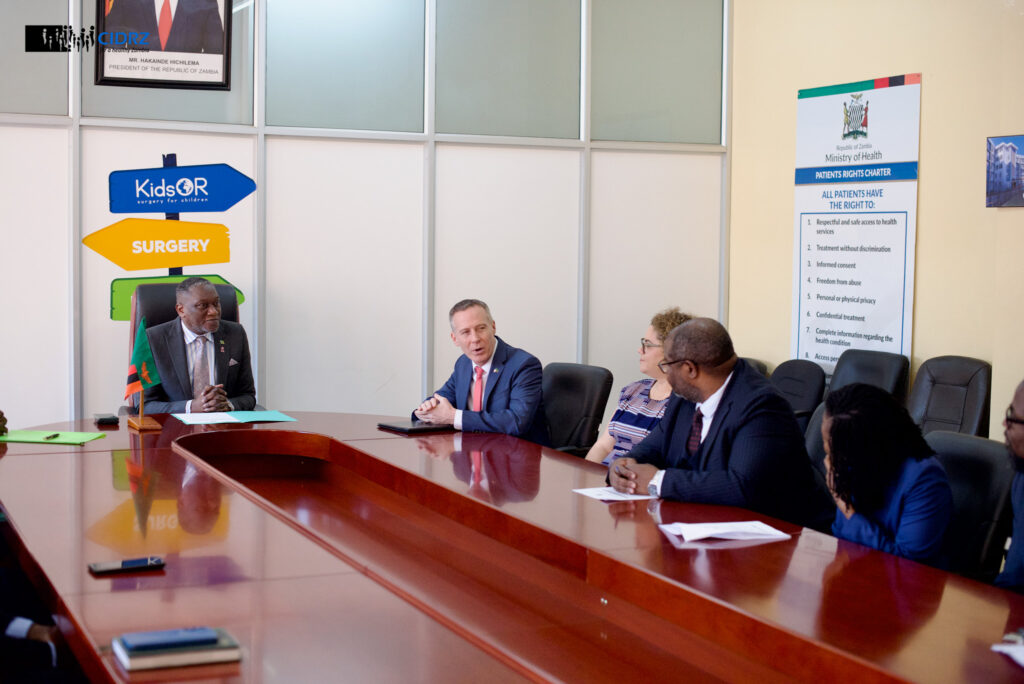
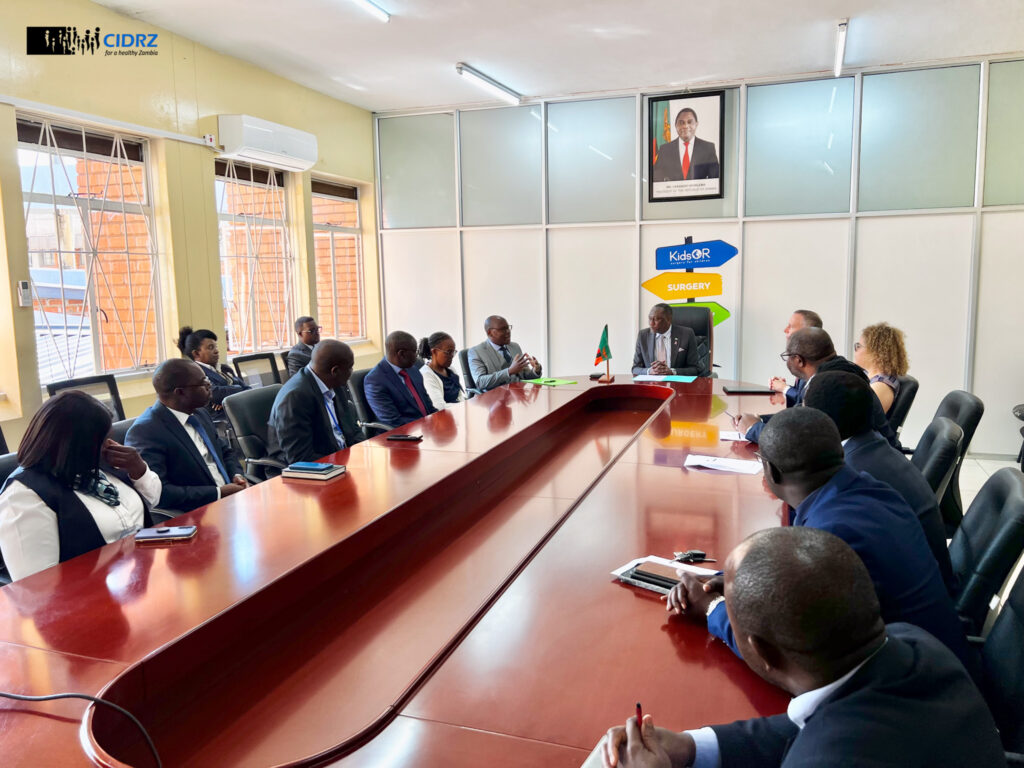
The Ministry of Health’s Permanent Secretary for Technical Services, Dr Kennedy Lishimpi, expressed gratitude to CIDRZ’s FC-SDS project, the U.S. Embassy, and the American people for their continued partnership and support, noting that the equipment would strengthen diagnostic capacity and improve the quality of care available to patients nationwide.
Dr Lishimpi said the 200 computers will enhance the country’s TB diagnostic capacity by supporting the activation and upgrading of GeneXpert systems, enabling faster and more comprehensive detection of drug-resistant tuberculosis.
He noted that while diagnosing and treating TB remains a priority, there is also a growing need to support patients who continue to experience respiratory complications long after completing treatment.
Dr Lishimpi explained that the newly donated spirometers will help healthcare workers assess lung function, guide rehabilitation programmes, and monitor patient recovery, while portable oxygen concentrators will enable some oxygen-dependent patients to receive care at home, significantly improving their quality of life.
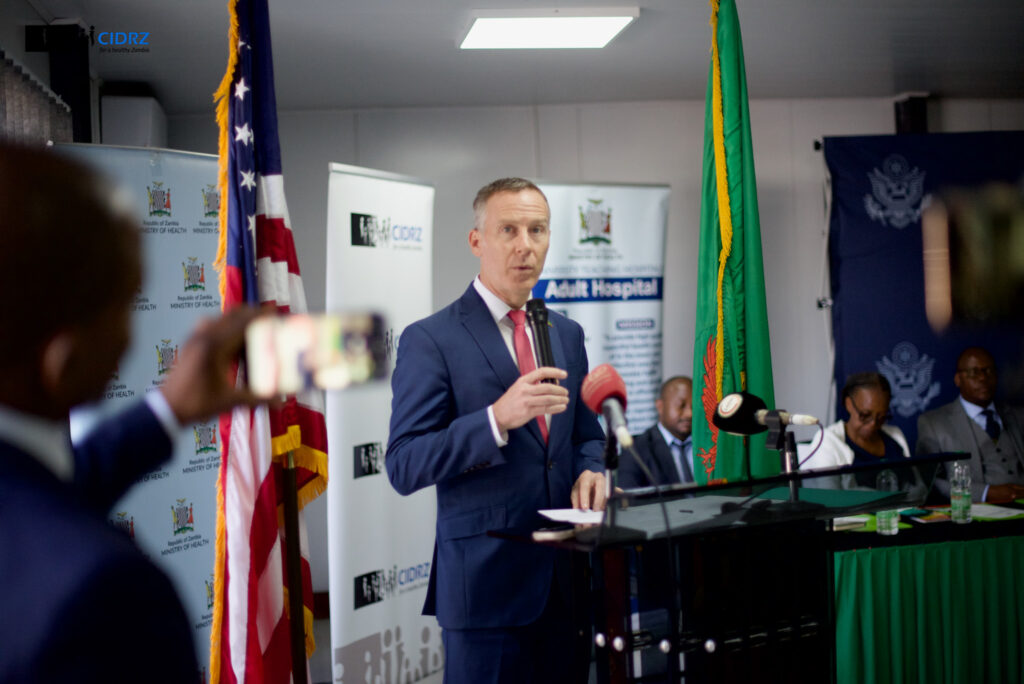
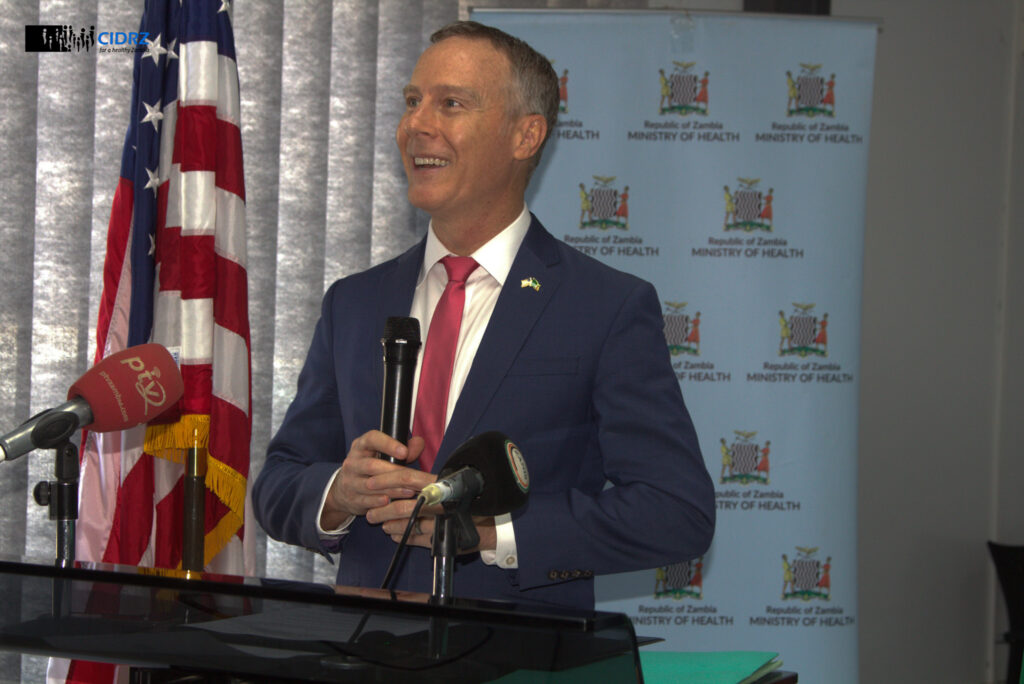
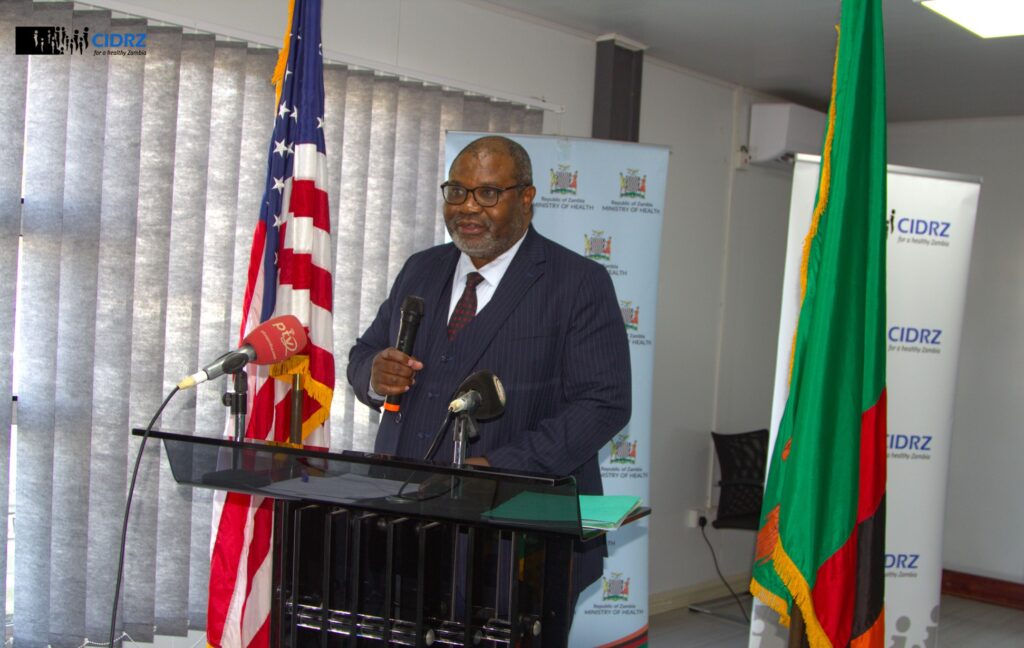
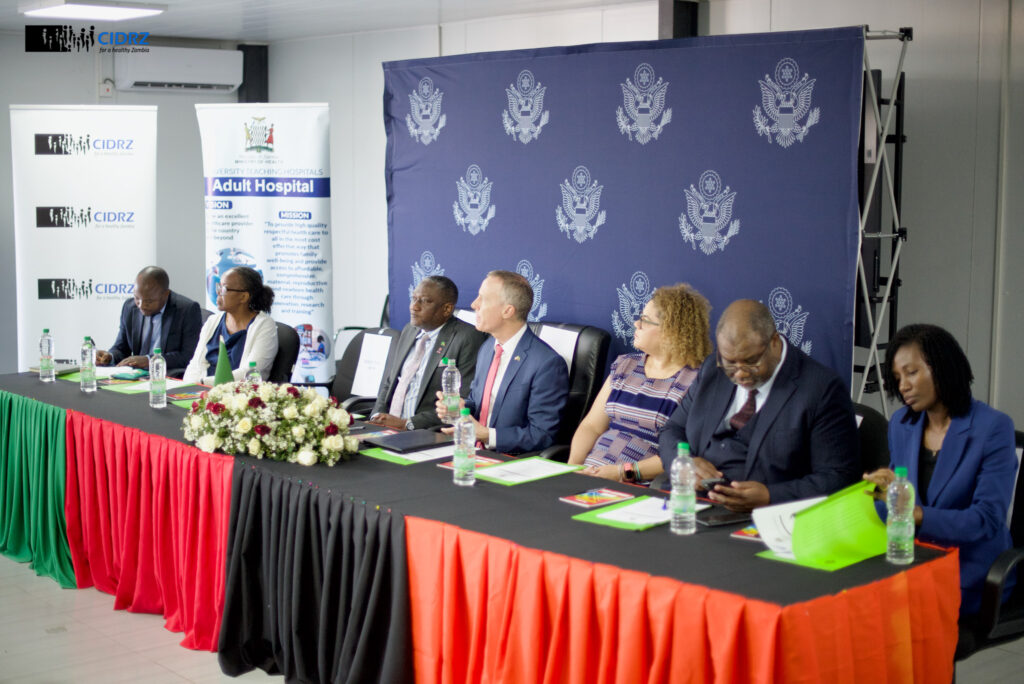
Speaking at the ceremony, United States Chargé d’Affaires Mich Coker described the handover as an important investment in both Zambia’s health system and its people.
He said the upgrading of GeneXpert machines will strengthen Zambia’s capacity to detect drug-resistant TB earlier, allowing patients to begin appropriate treatment sooner, improving outcomes and reducing transmission within communities.
Mr Coker said the impact of the donation extends far beyond diagnosis and treatment, noting that many TB survivors continue to struggle with breathing difficulties that affect their ability to work, care for their families and return to their normal lives.
“Our goal should not simply be that people survive TB,” he said. “Our goal should be that they recover, that they regain their independence, that they return to their families and livelihoods, and that they live full and dignified lives.”
He added that the spirometers will enable health workers to assess and monitor lung function, while the oxygen concentrators will provide vital respiratory support to patients requiring ongoing care.
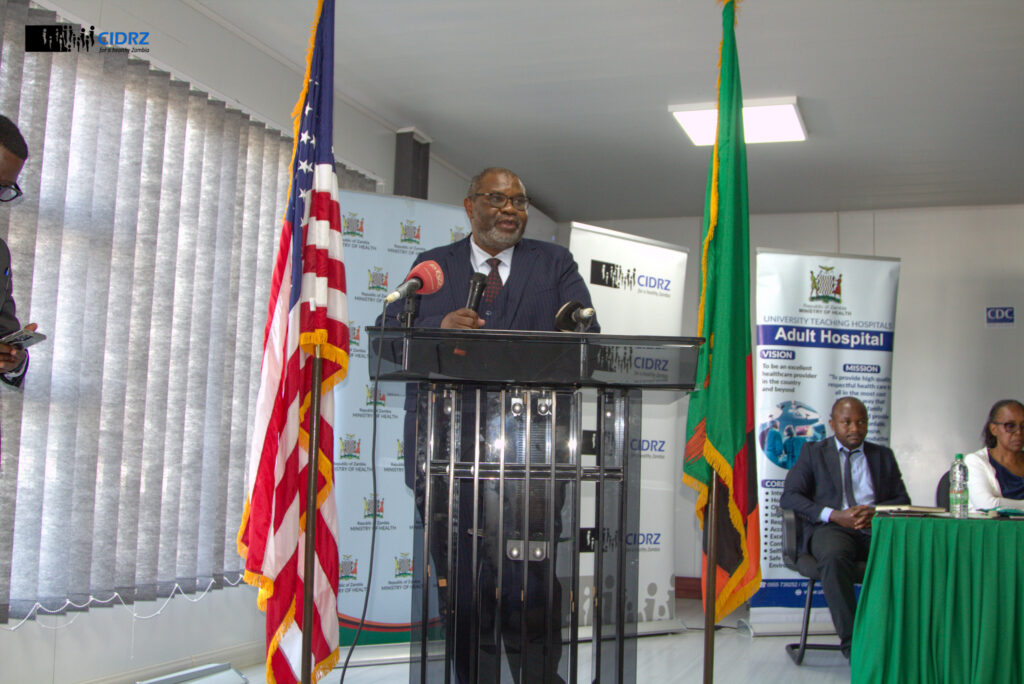
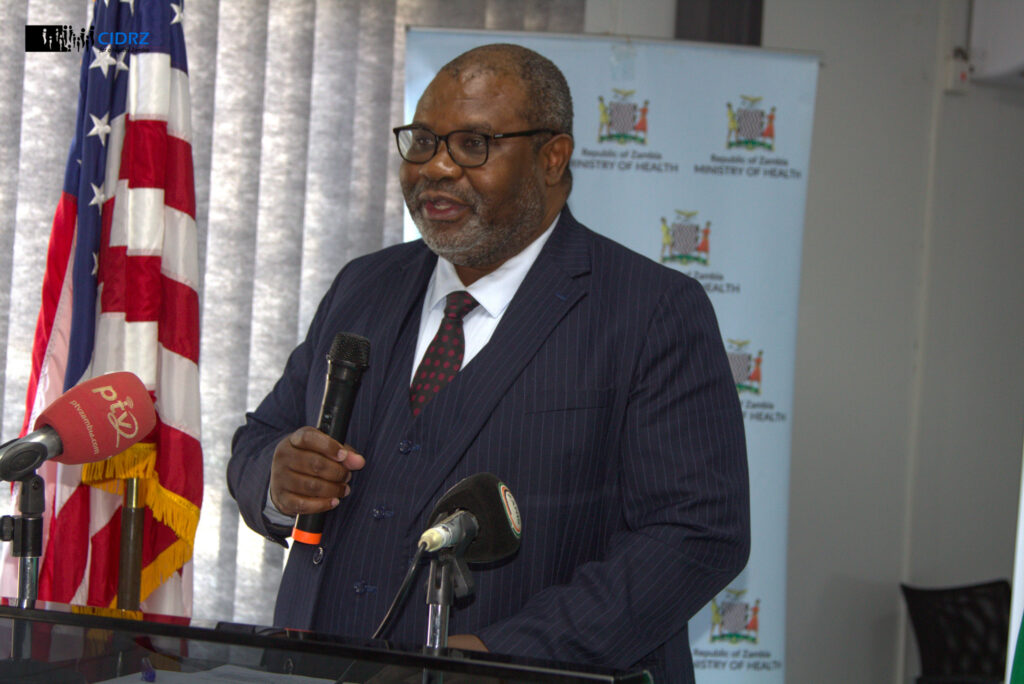
Speaking on behalf of CIDRZ Chief Executive Officer Dr Carolyn Bolton-Moore, Chief Financial Officer Mr Ronald Sinkala said the donation is aimed at supporting the Ministry of Health to strengthen the systems and capacity needed to deliver quality TB services.
“It is our hope that the resources donated will enable health workers to provide better diagnostic and clinical services, and ultimately improve TB management in the country,” Mr Sinkala said.
He added that the handover forms part of a wider package of support being provided through the FC-SDS and TB-LON projects across eight provinces.
The donation forms part of a broader package of tuberculosis commodities and equipment support, worth more than K10 million, that CIDRZ, through the FC-SDS and TB-LON projects, is providing to the Ministry of Health across eight provinces, with funding from the United States Government.
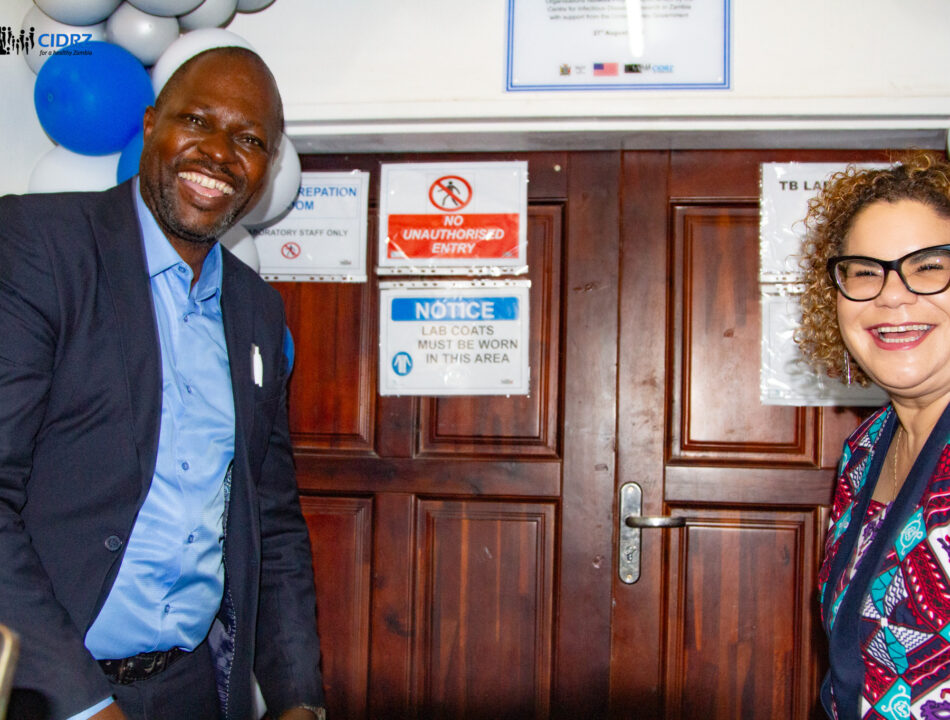
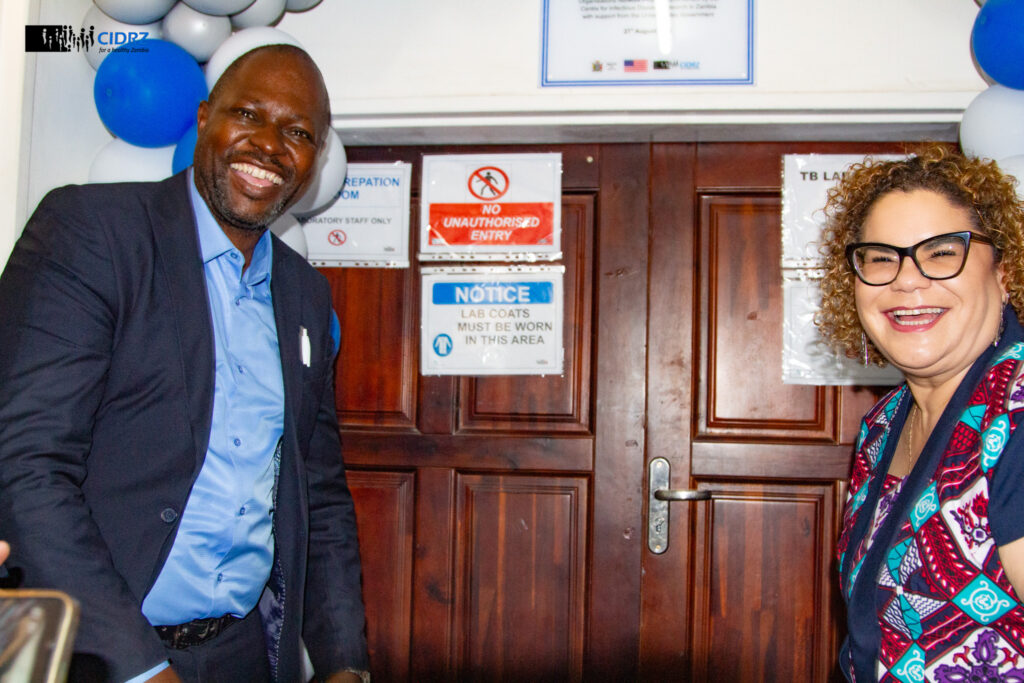
As part of this wider support, the National Health Research Training Institute at Ndola Teaching Hospital received a refrigerated centrifuge valued at K300,000 in August 2026, while Kitwe Teaching Hospital took possession of a newly renovated TB laboratory valued at K184,000.
As Zambia advances efforts to eliminate tuberculosis as a public health threat, the newly donated equipment is expected to improve access to timely diagnosis, strengthen treatment decision-making, and provide much-needed support for survivors living with the long-term effects of the disease.