
CIDRZ and DHAPP Review HIV Programme Progress to Strengthen Sustainability
November 4, 2026
A 99 per cent viral suppression rate, improved health infrastructure and strengthened digital health systems are among the achievements recorded at Charles J. Nyirenda Training School Clinic, highlighting progress in HIV service delivery within the Defence Force Medical Services.
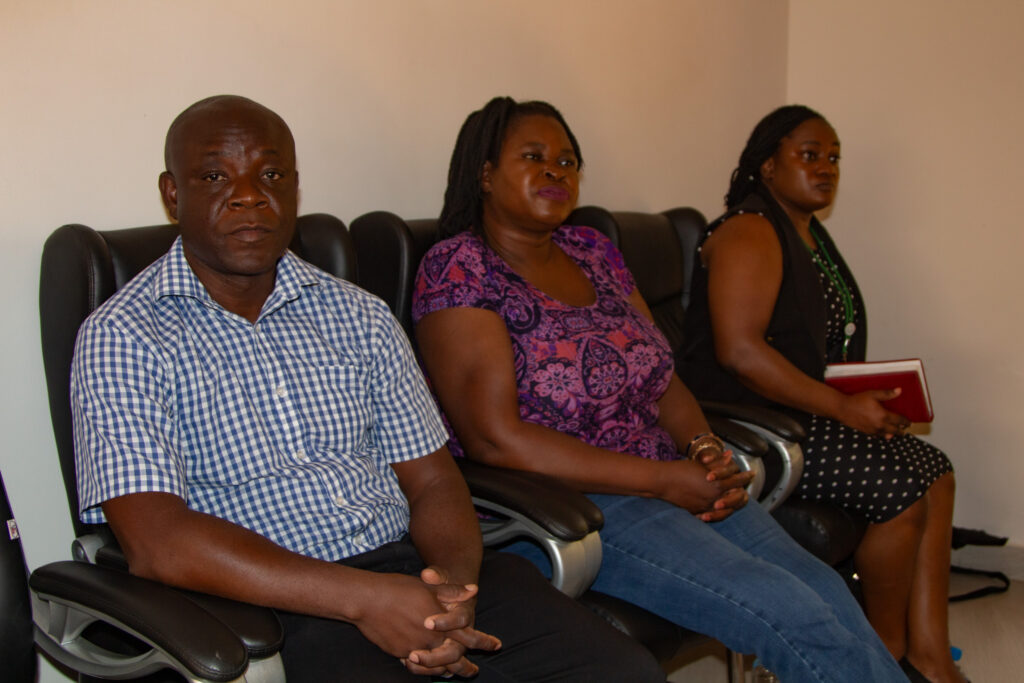
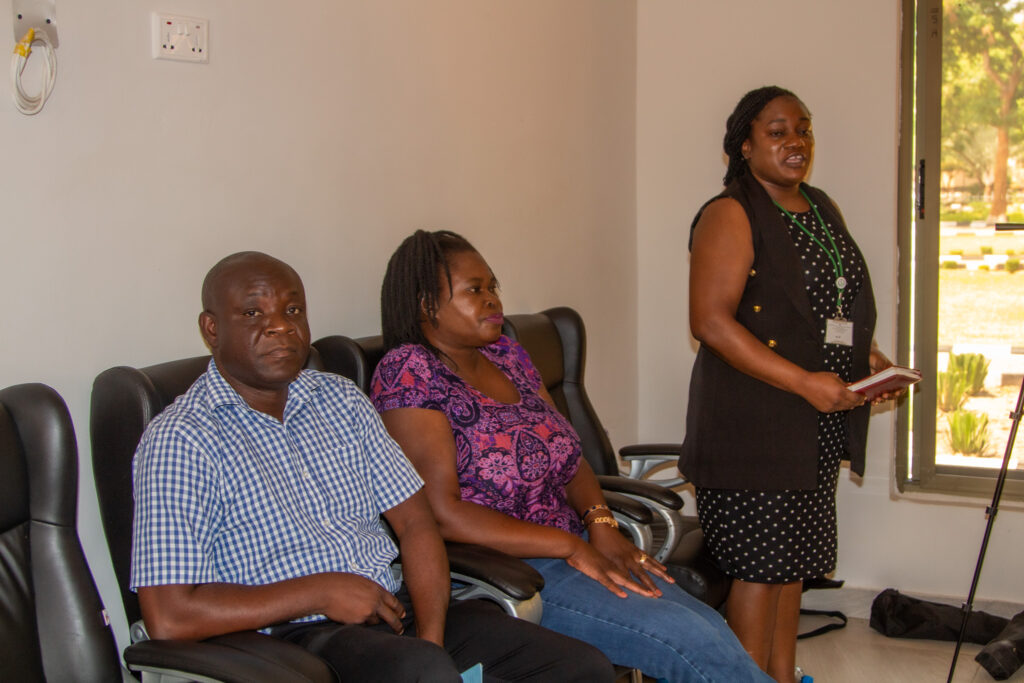
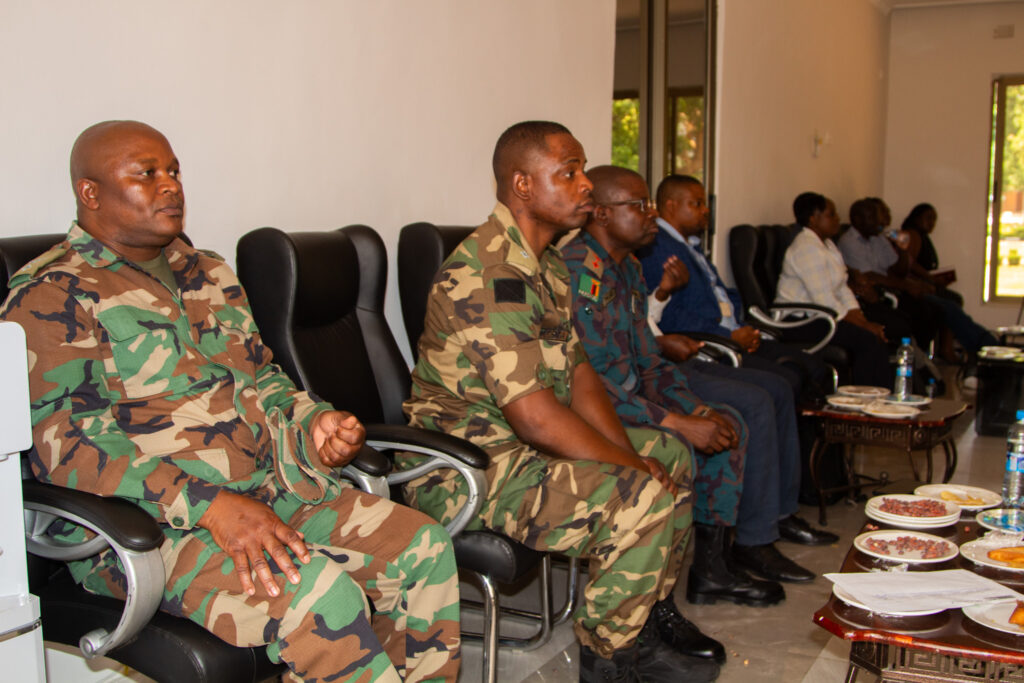
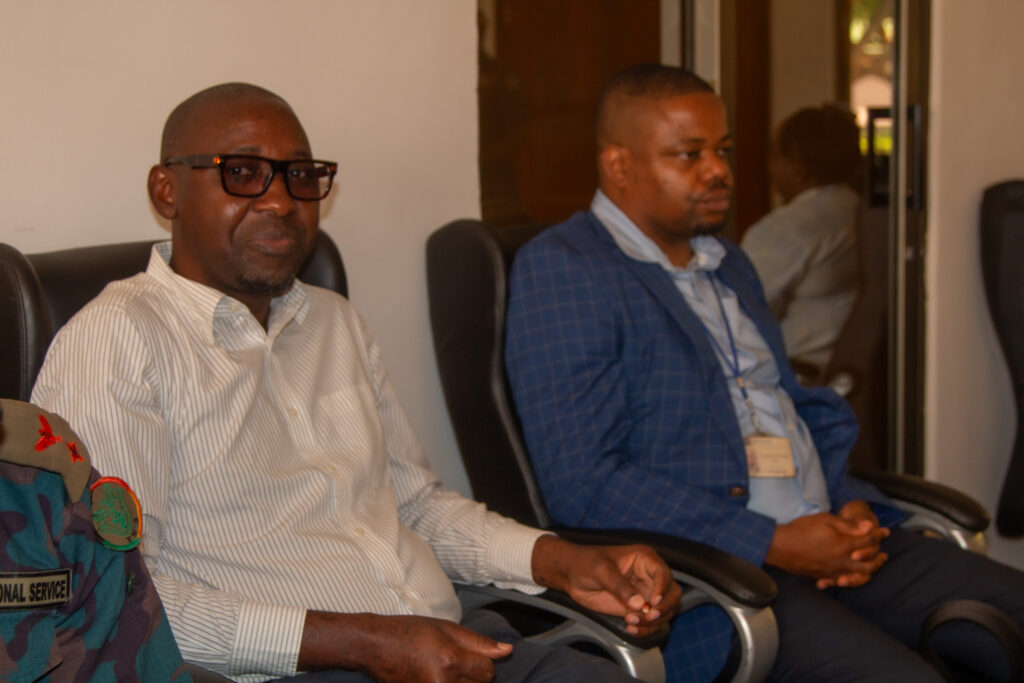
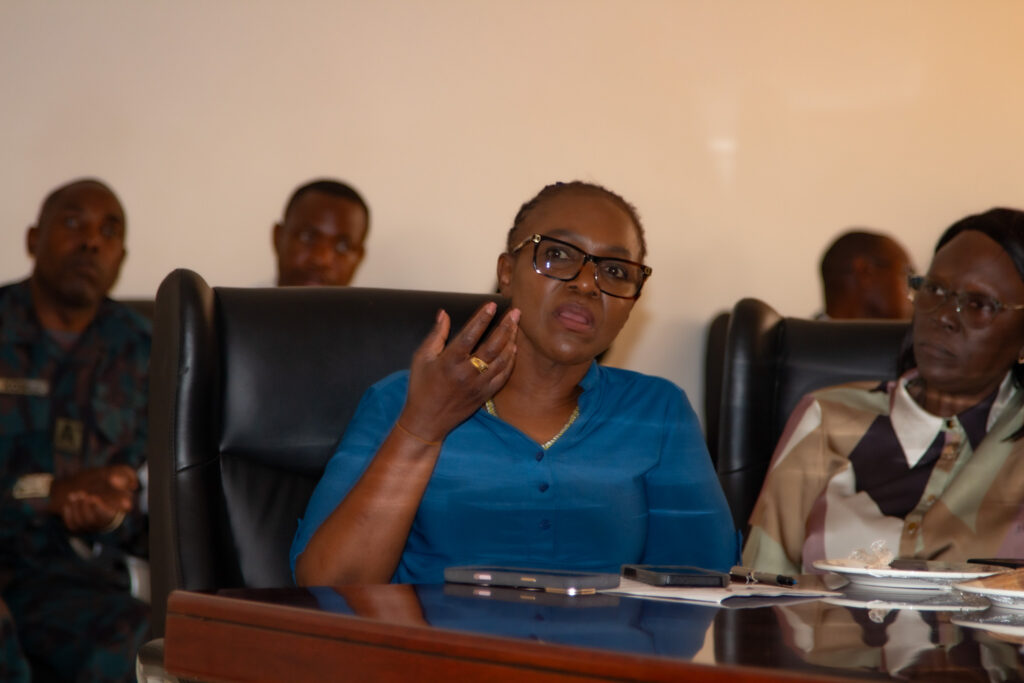
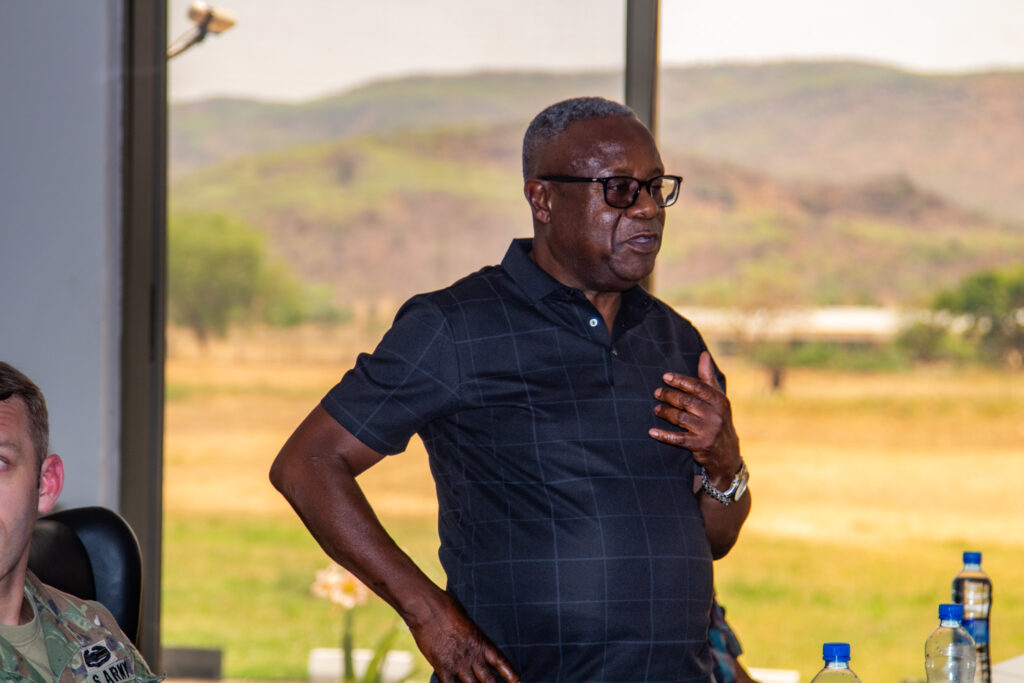
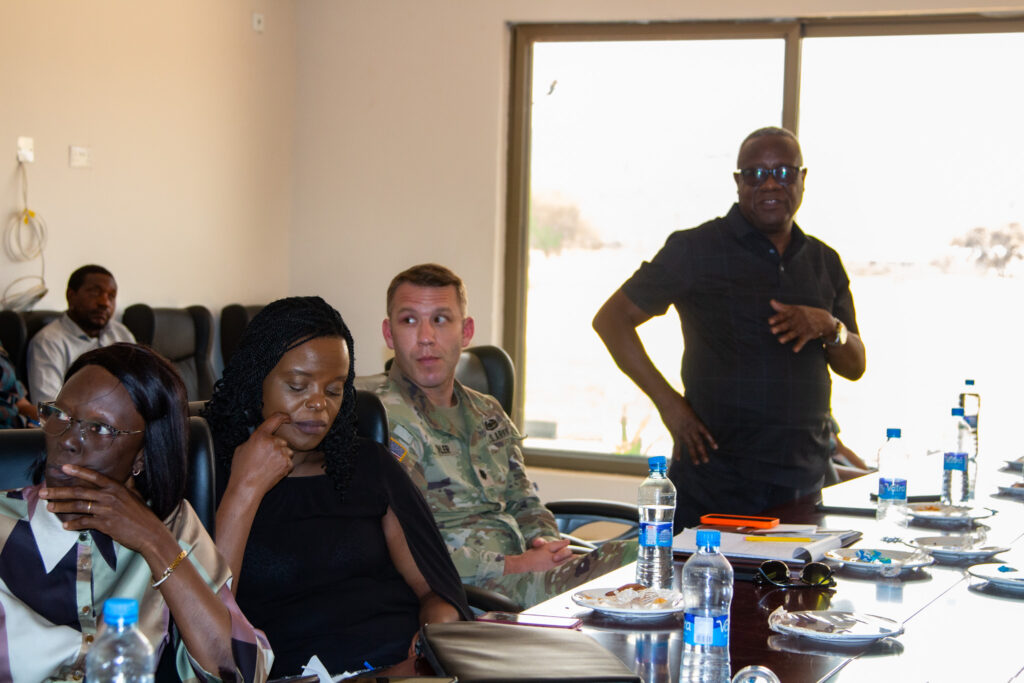
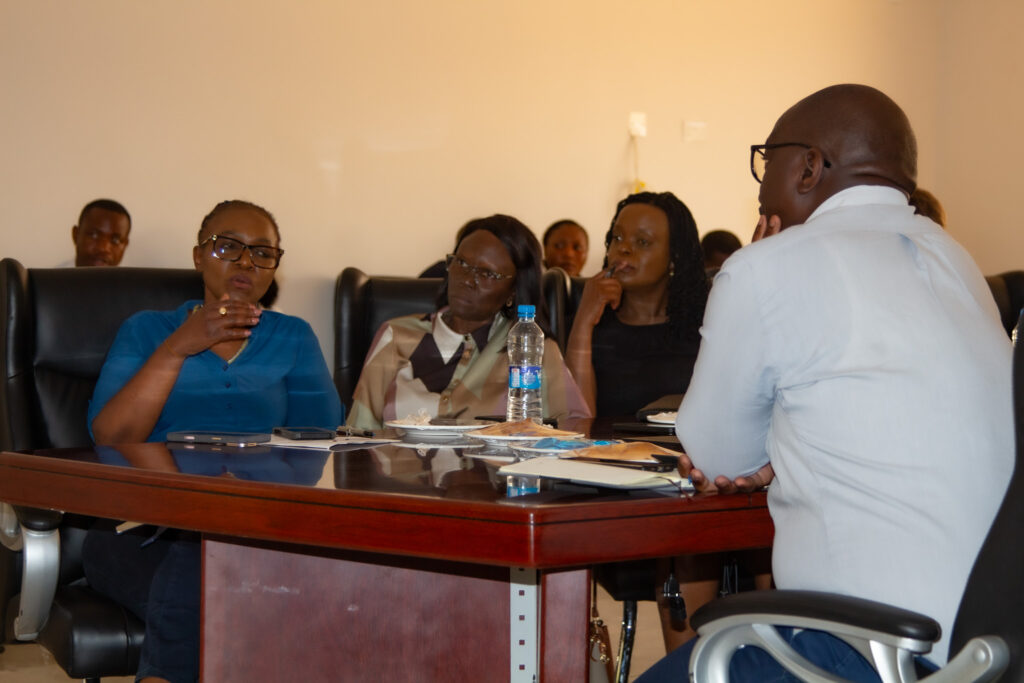
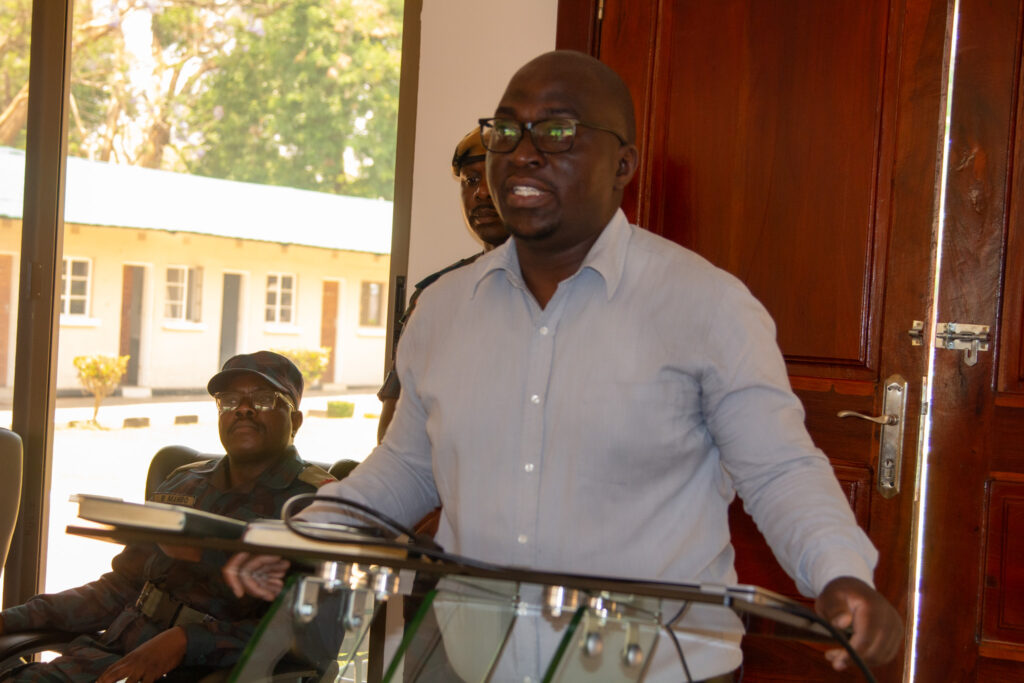
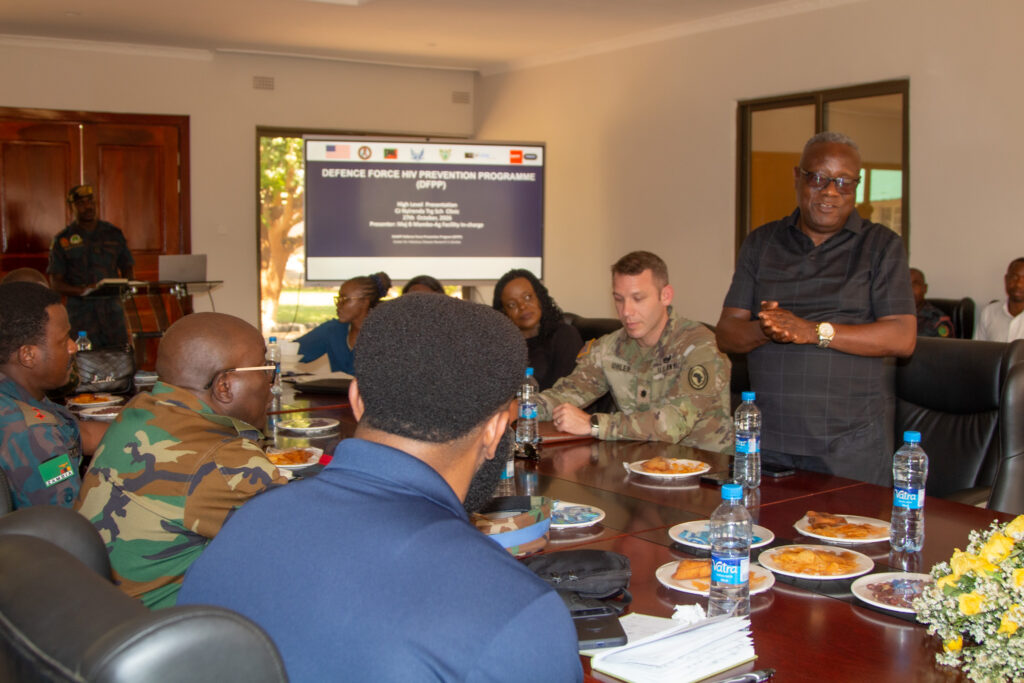
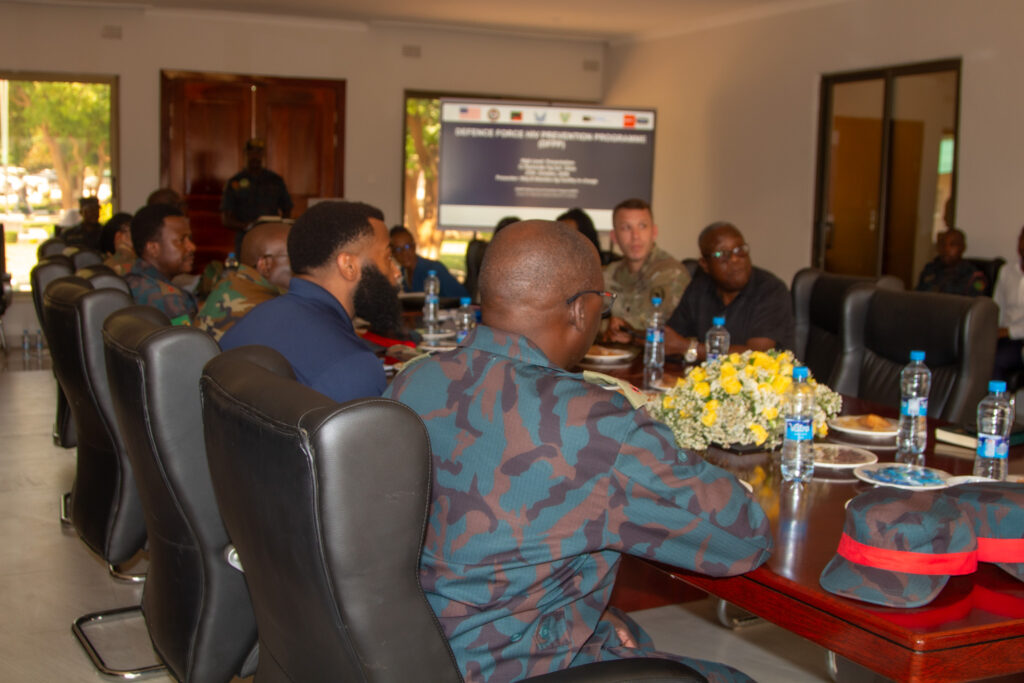
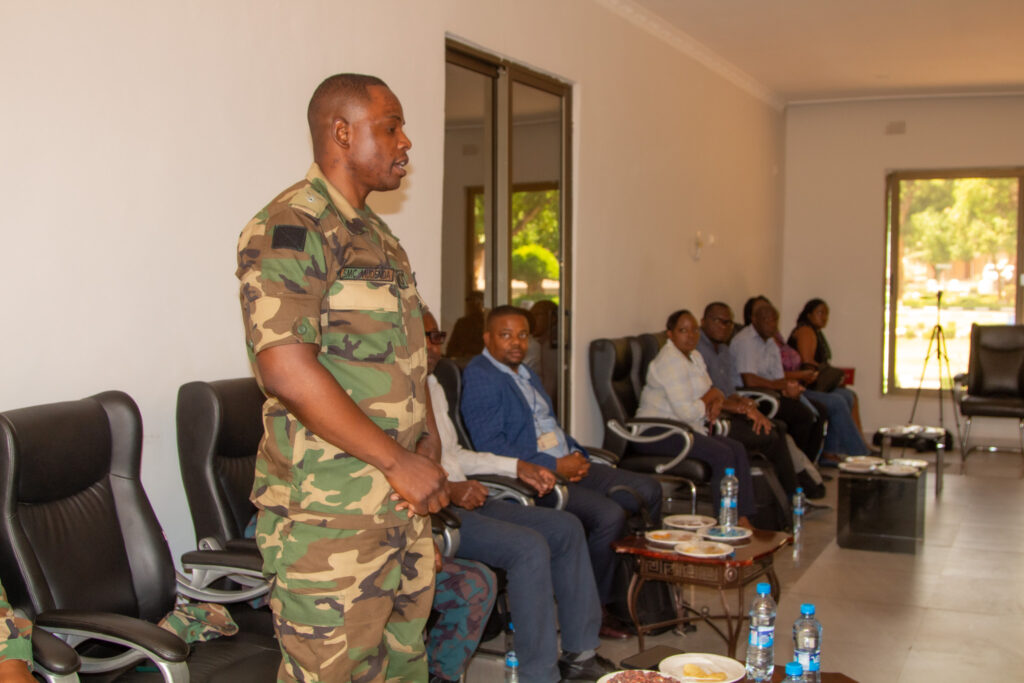
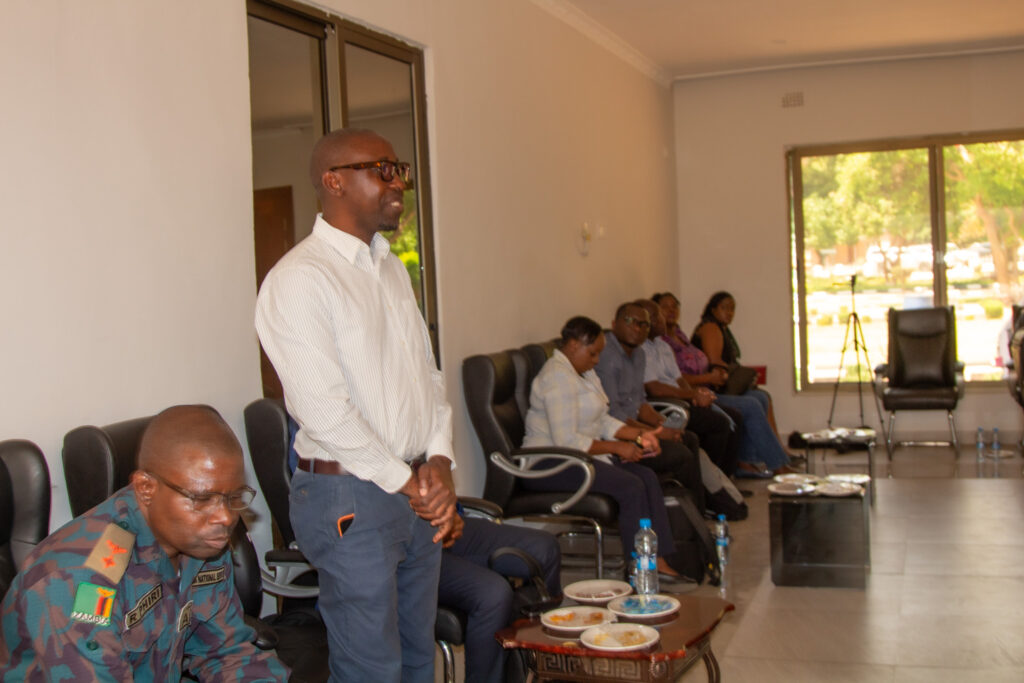
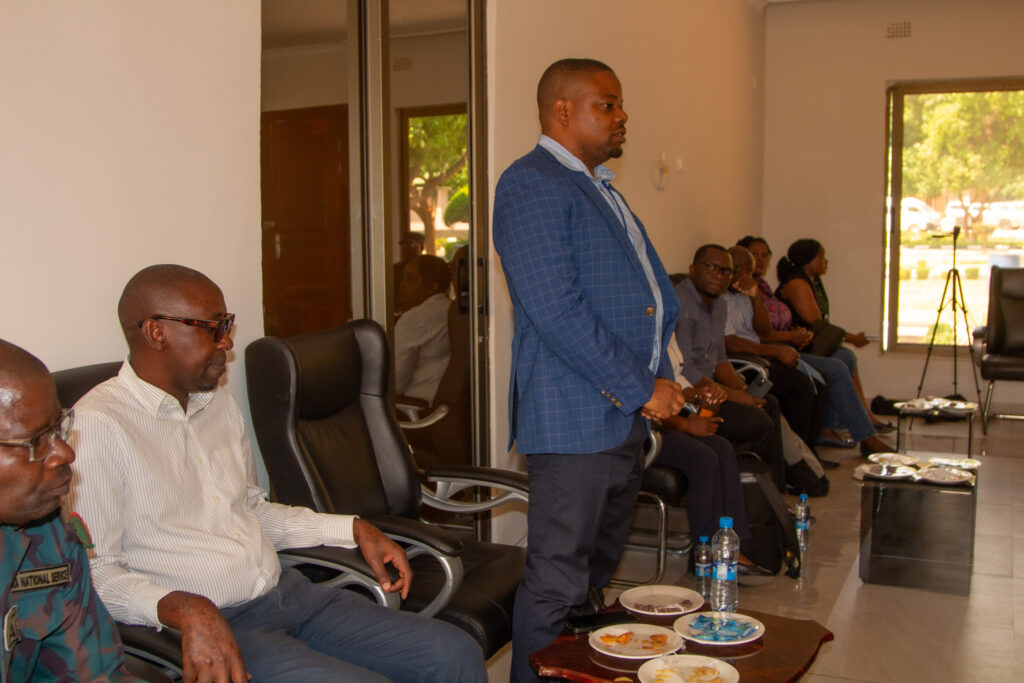
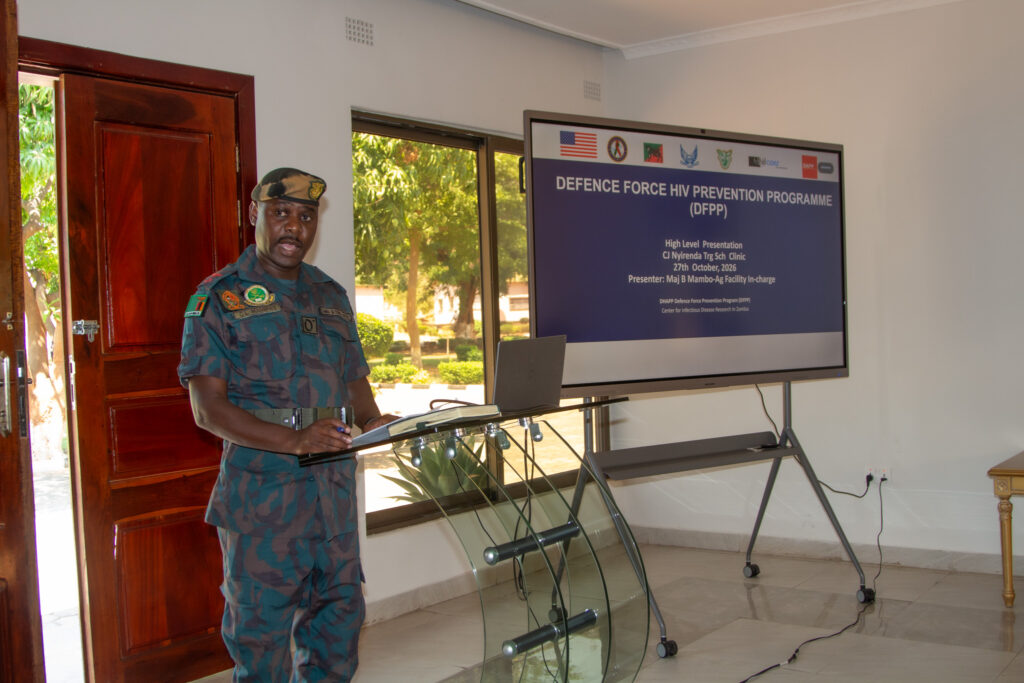
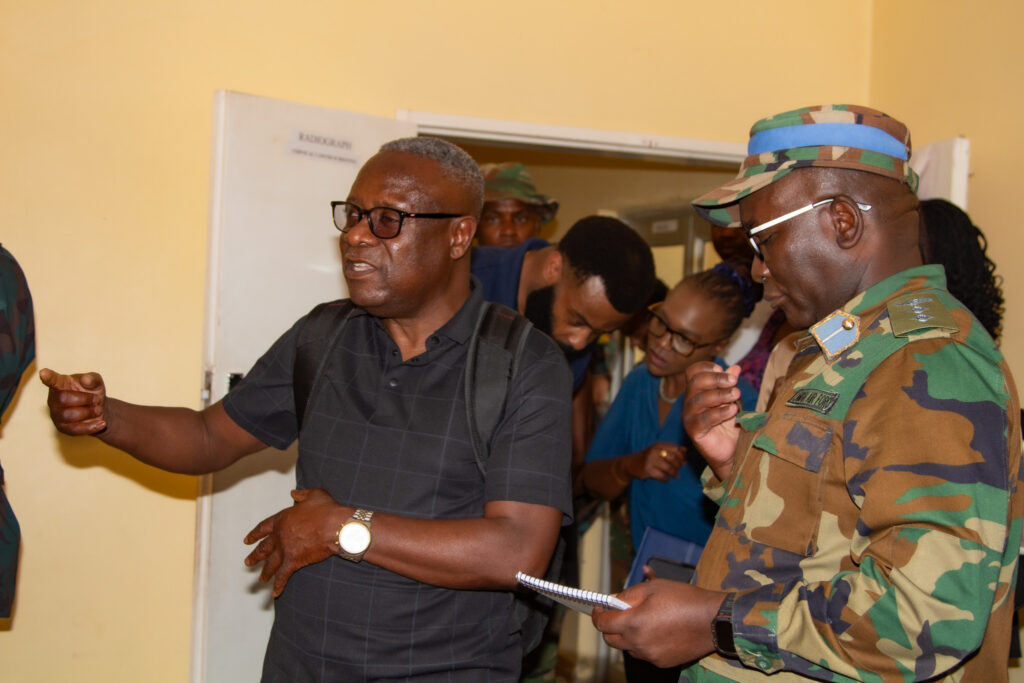
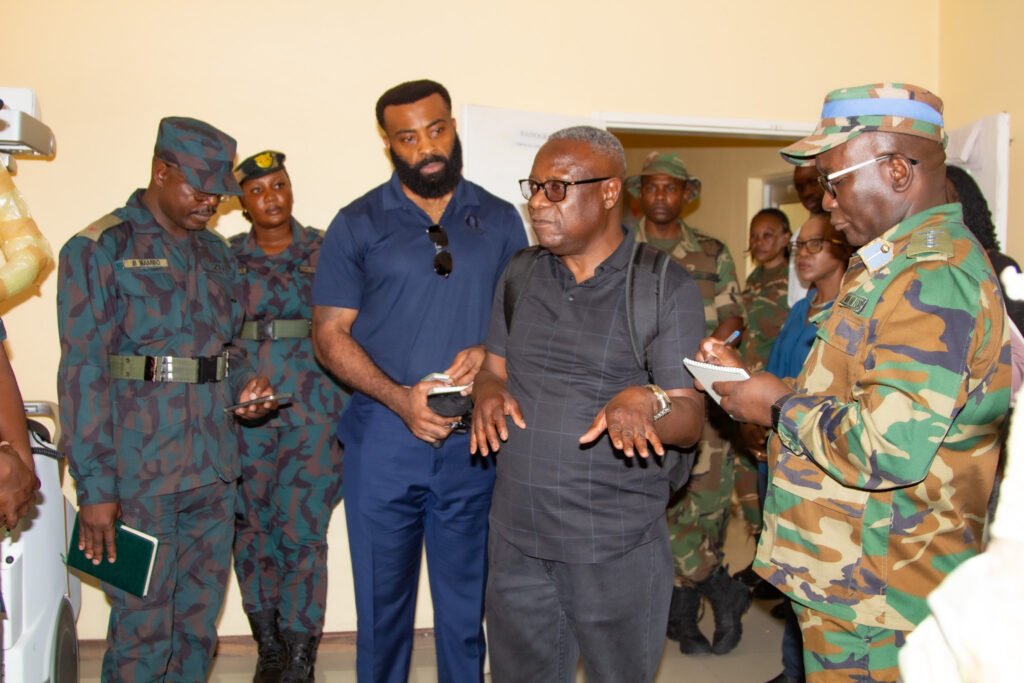
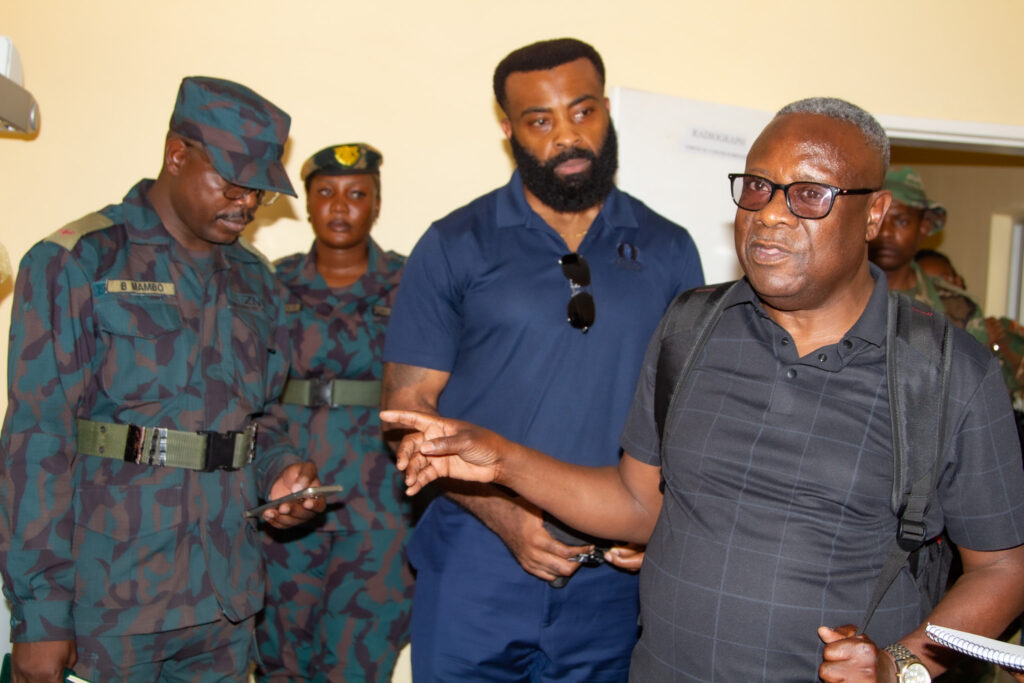
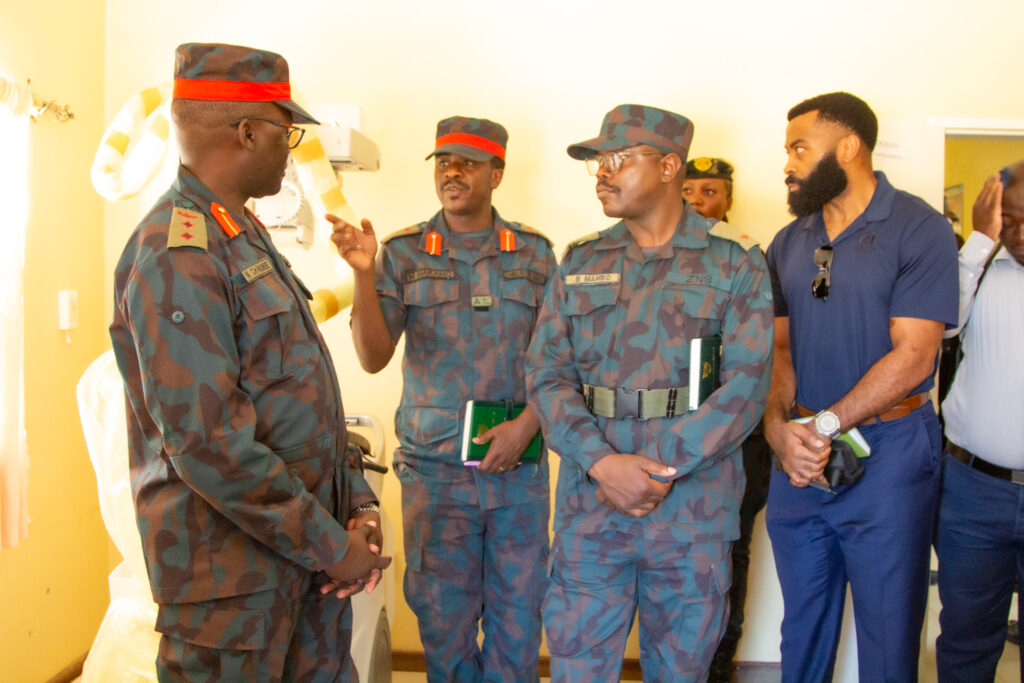
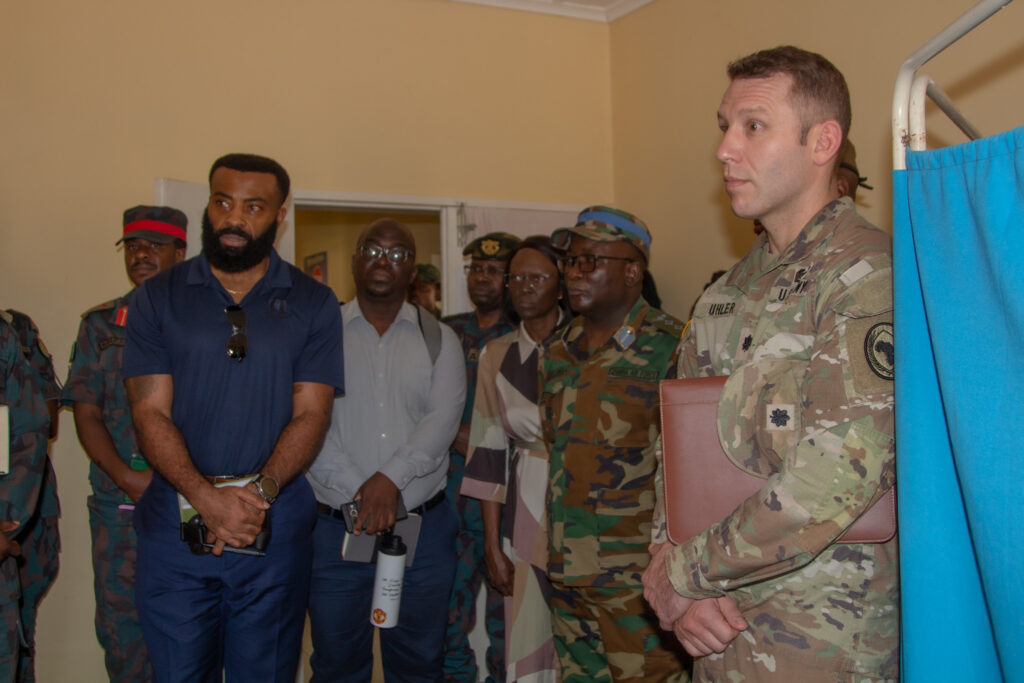
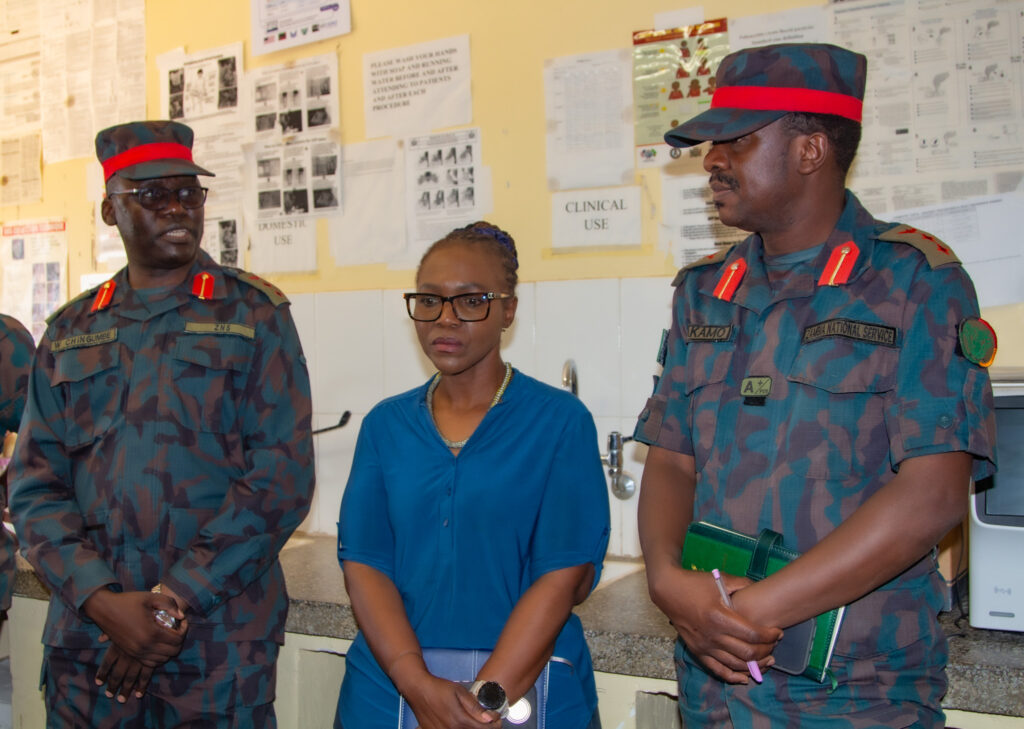
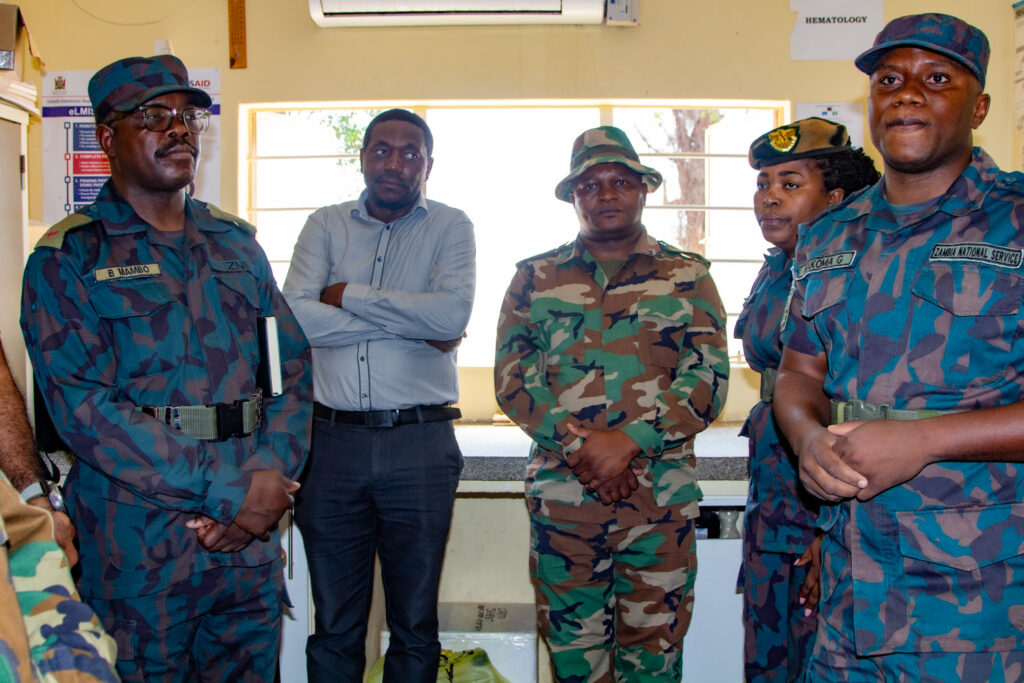
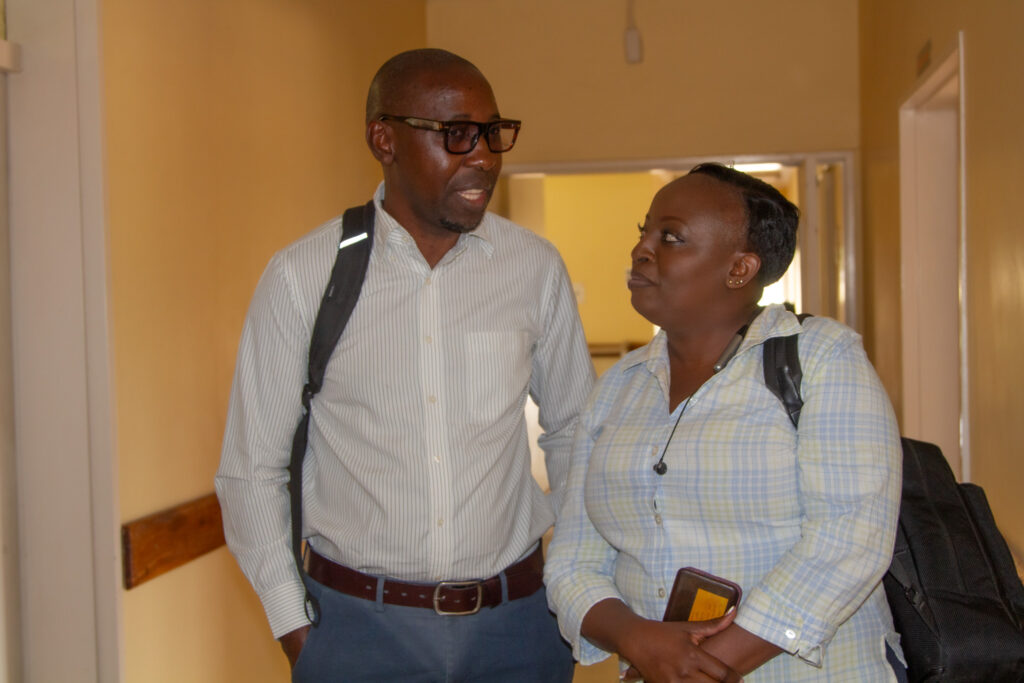
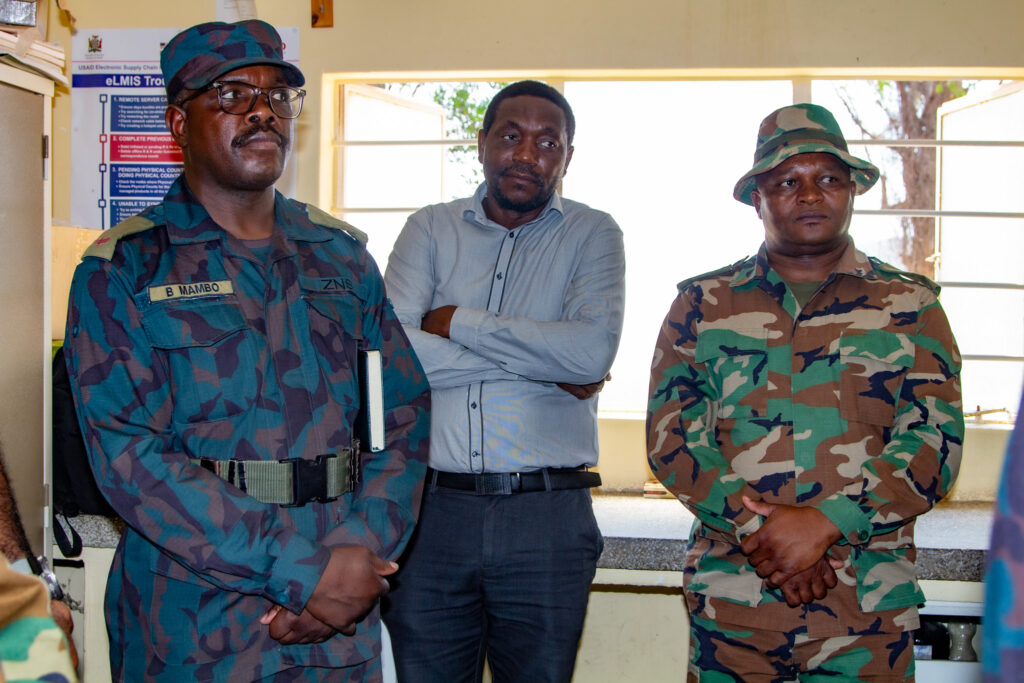
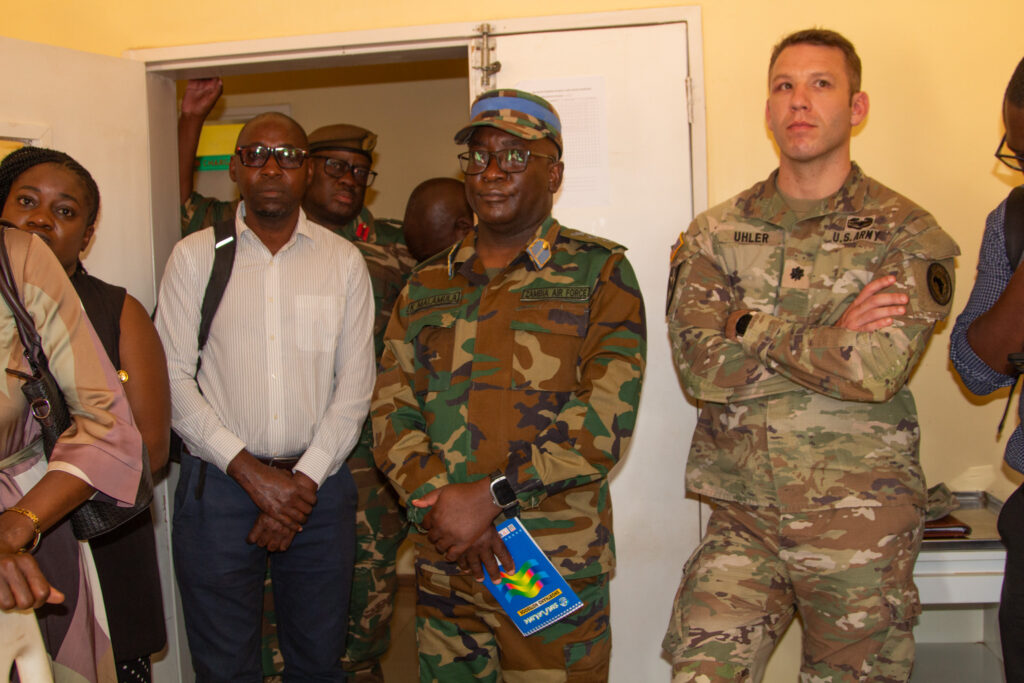
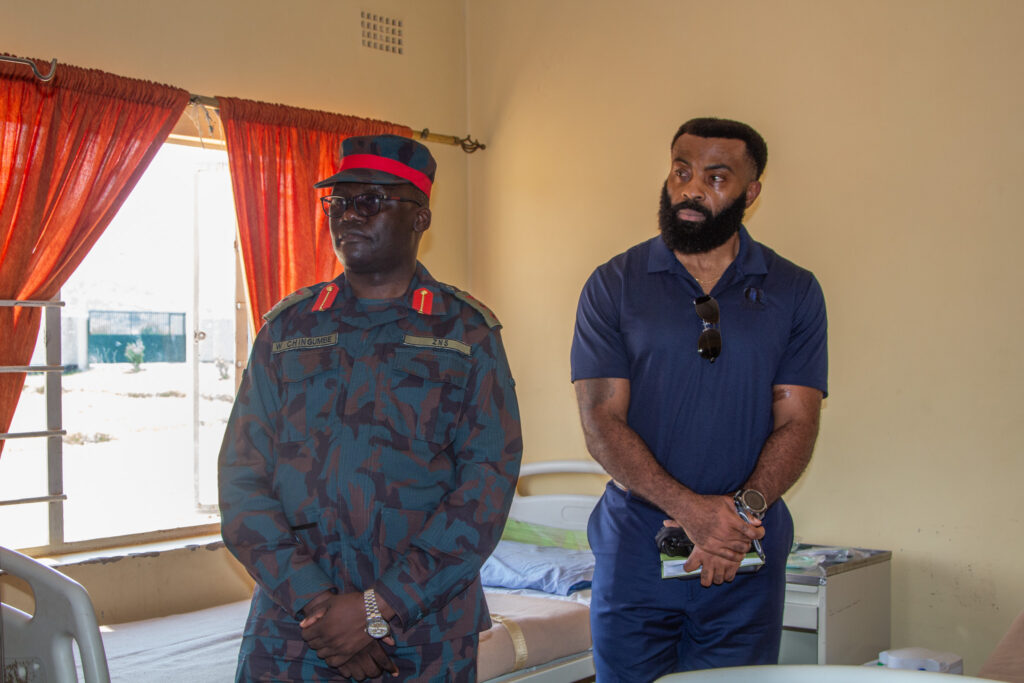
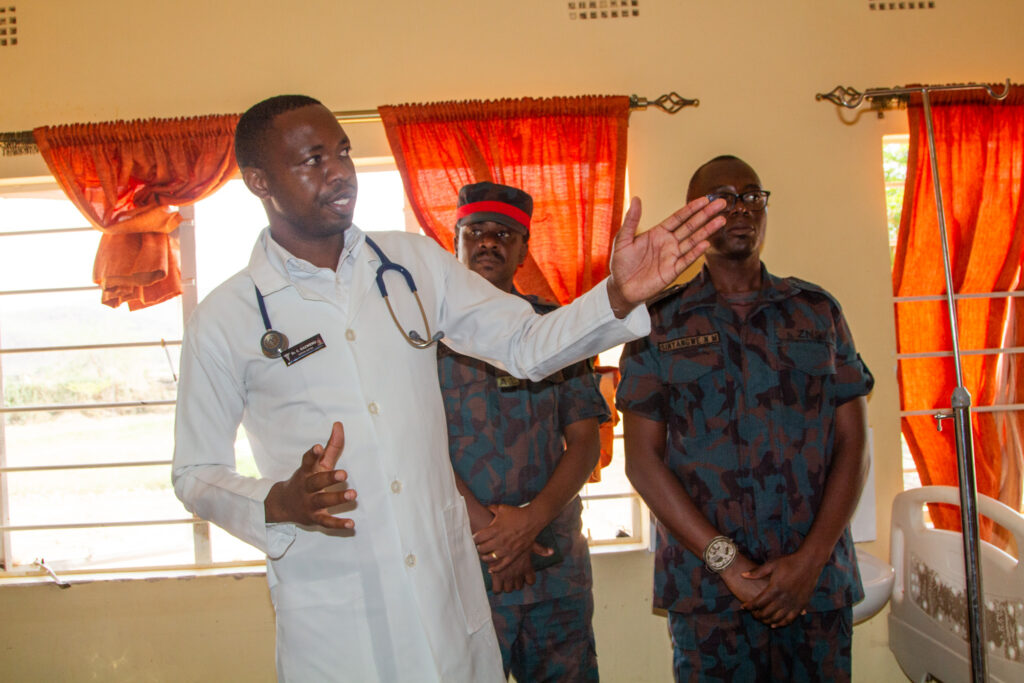
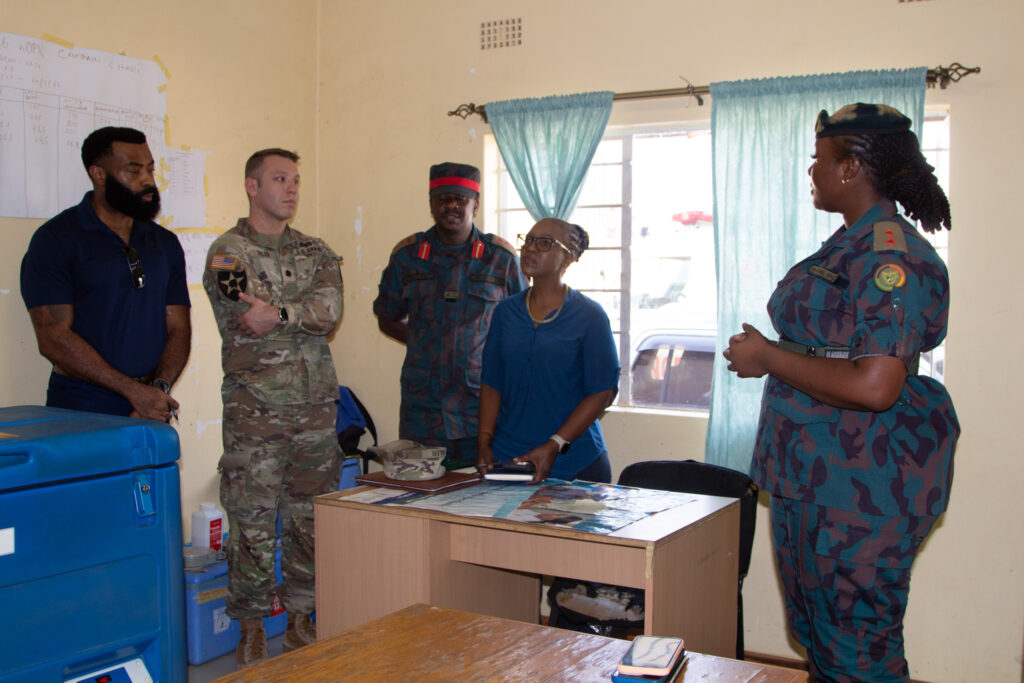
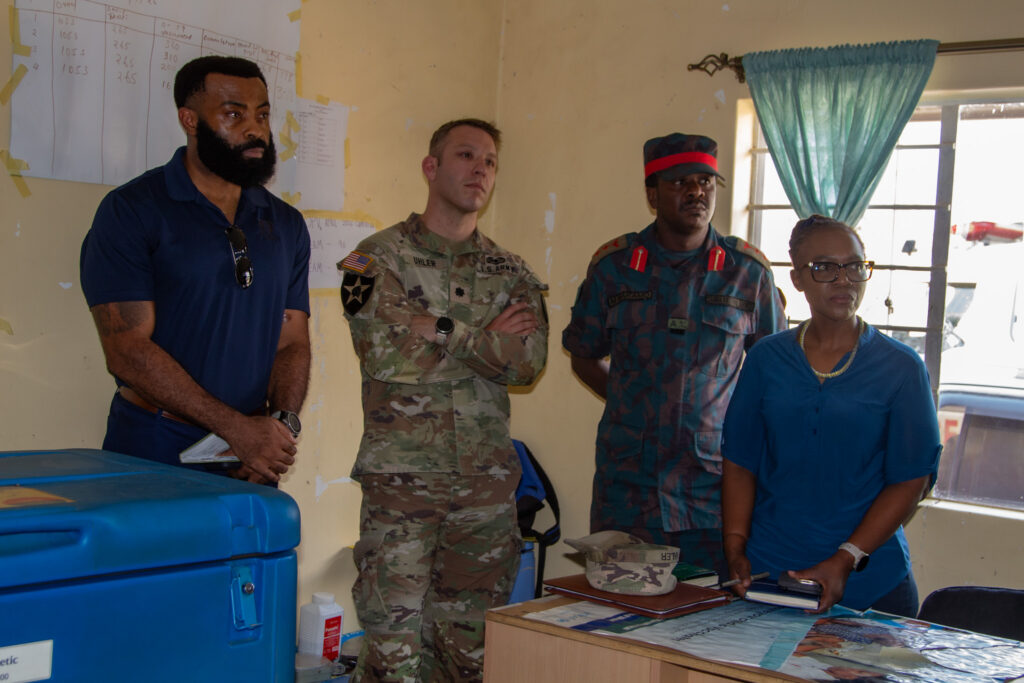
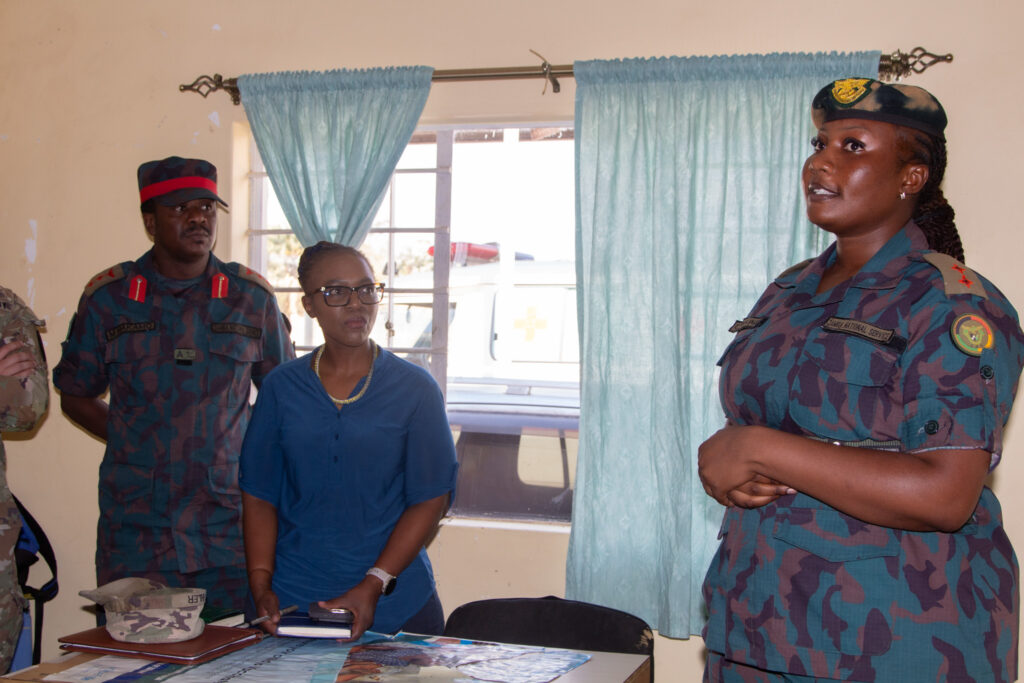
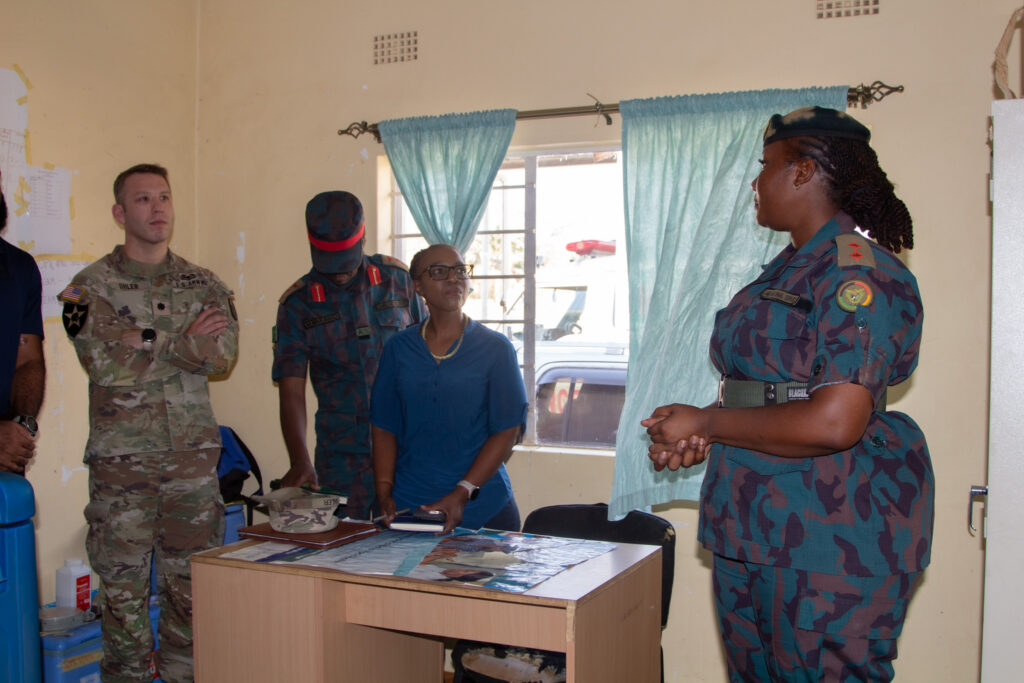
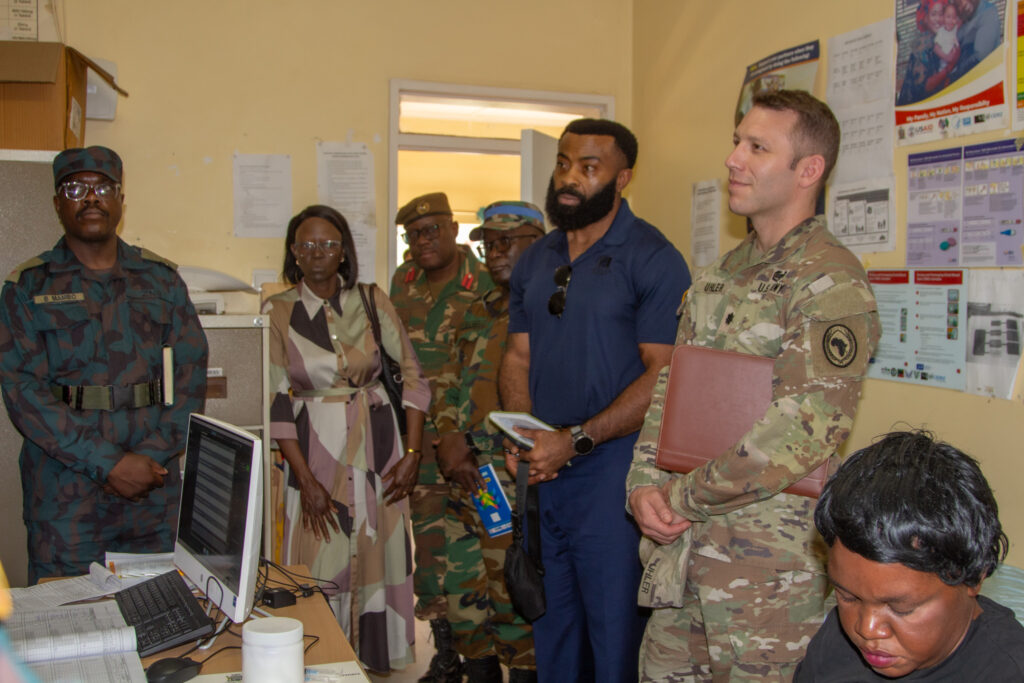
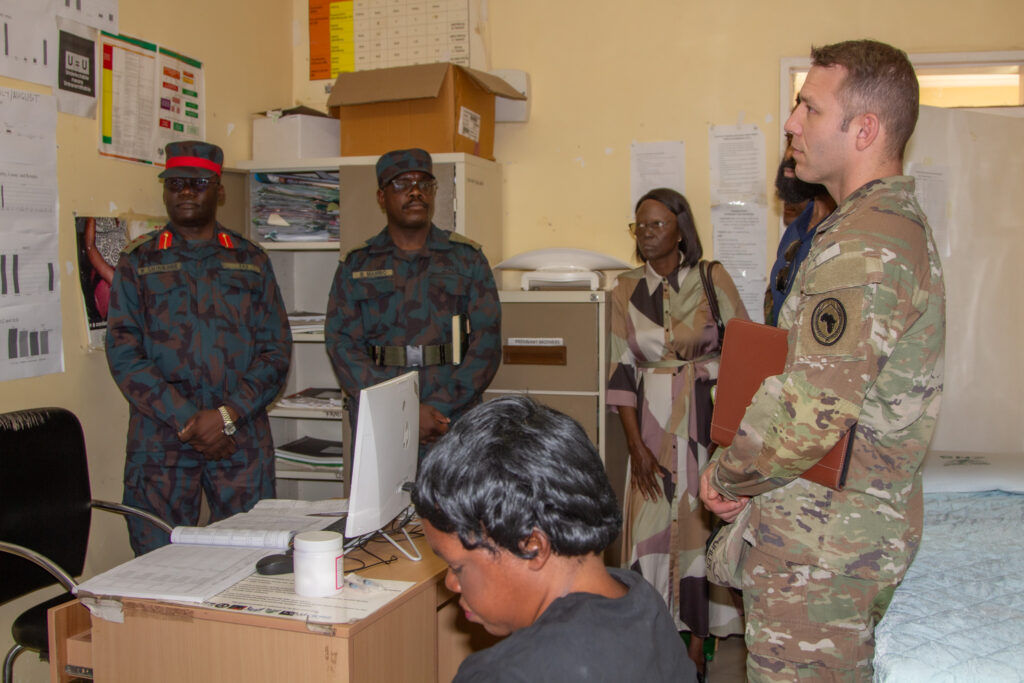
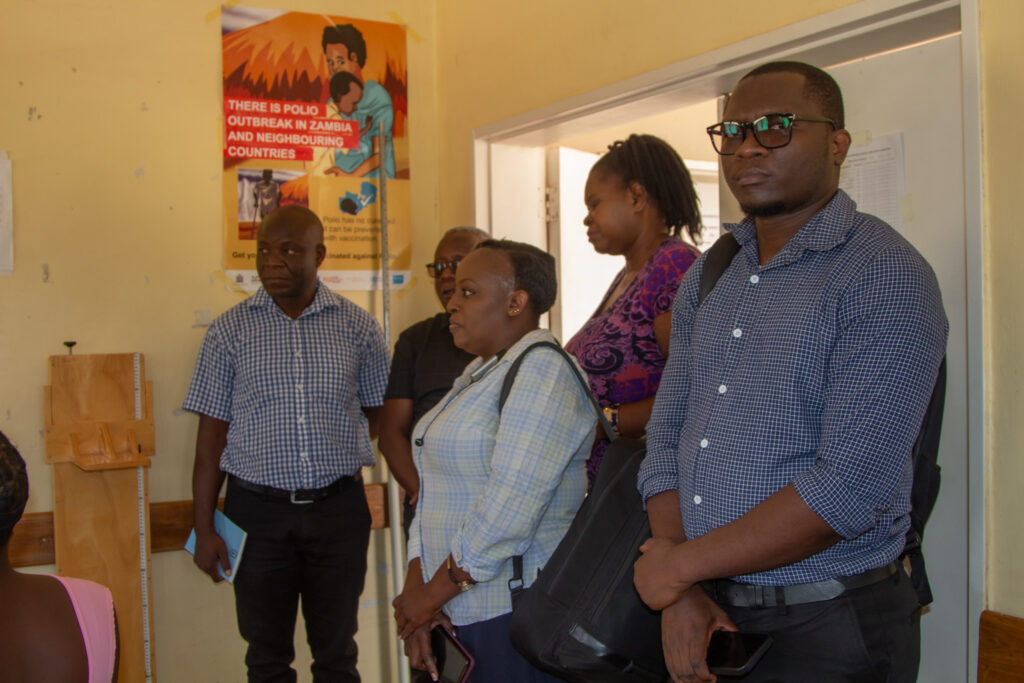
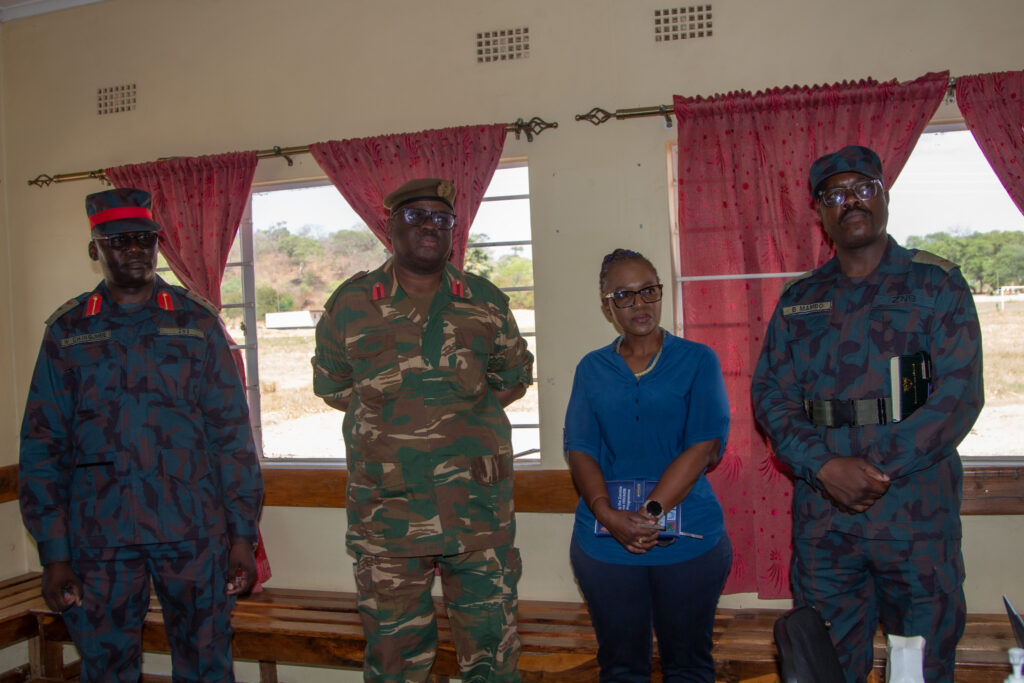
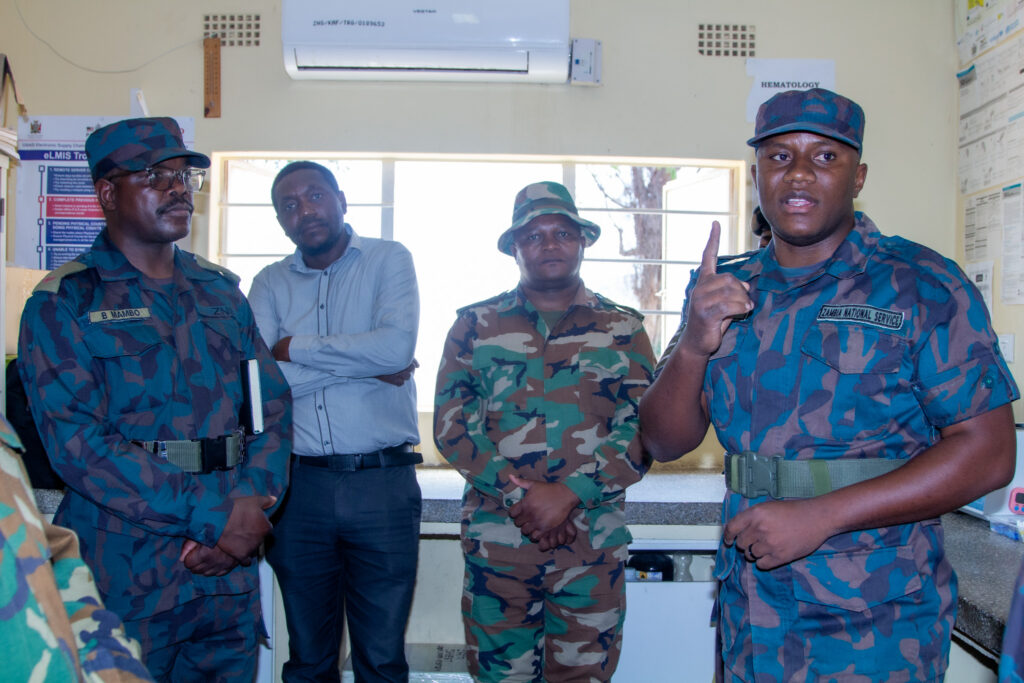
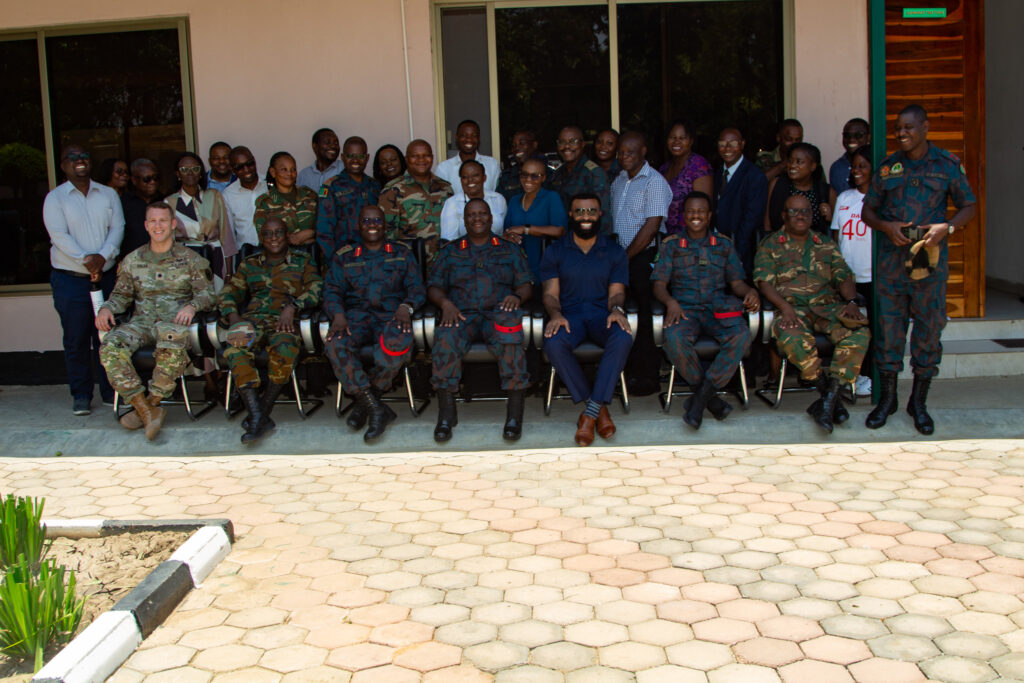
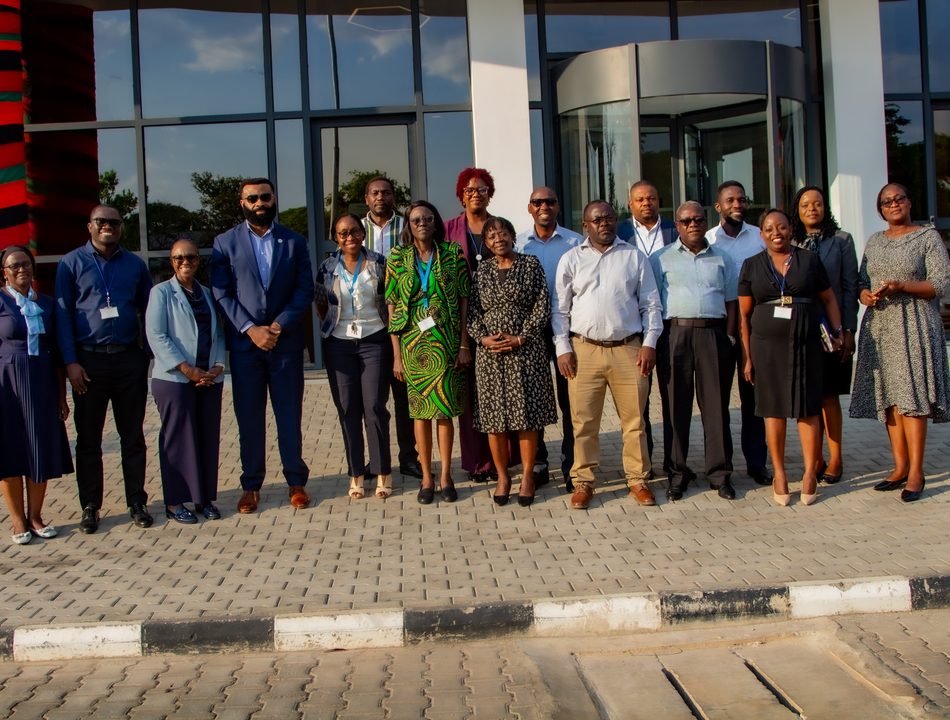
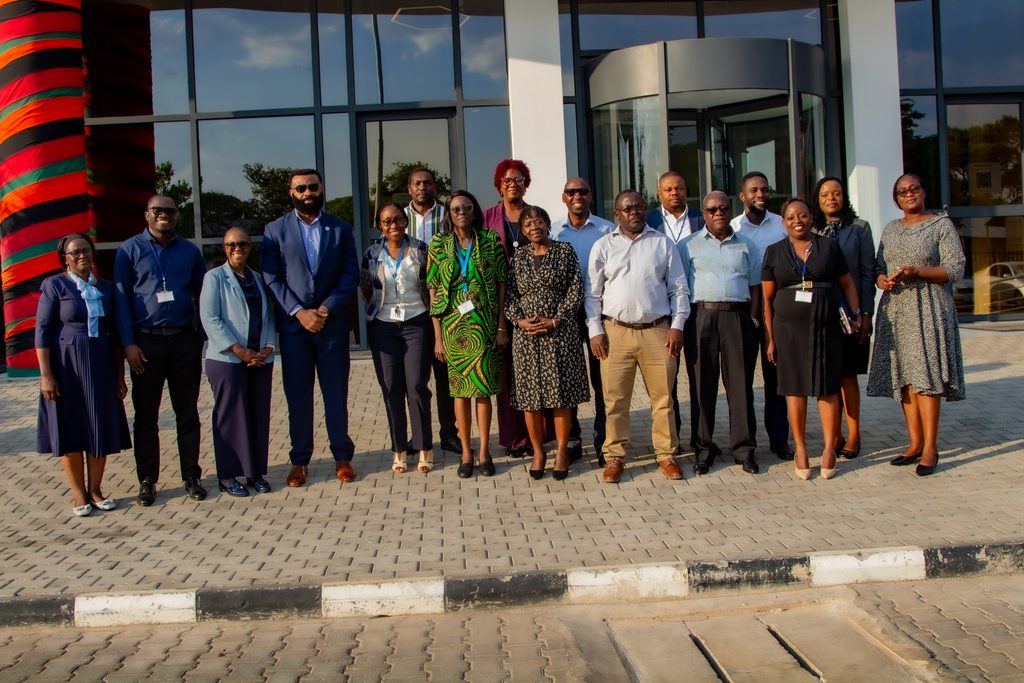
These achievements were highlighted during a programme review visit involving the Defence HIV/AIDS Prevention Programme (DHAPP), the Centre for Infectious Disease Research in Zambia (CIDRZ), the Zambia Defence Force (ZDF) and the Ministry of Health (MoH). The visit aimed to assess programme performance, acknowledge progress made and identify areas requiring further support.
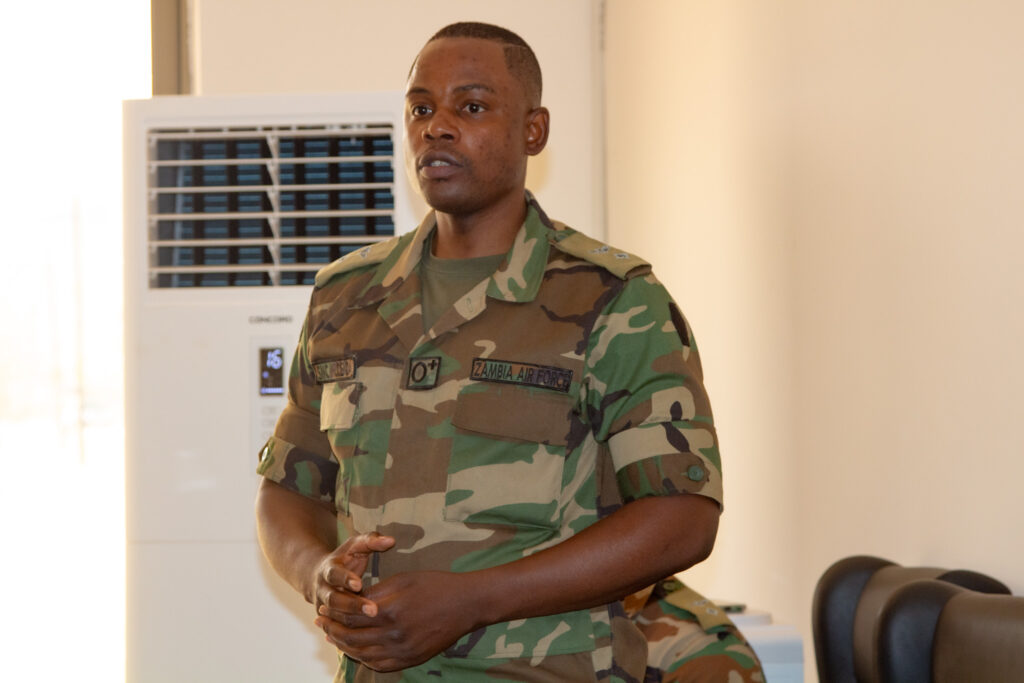
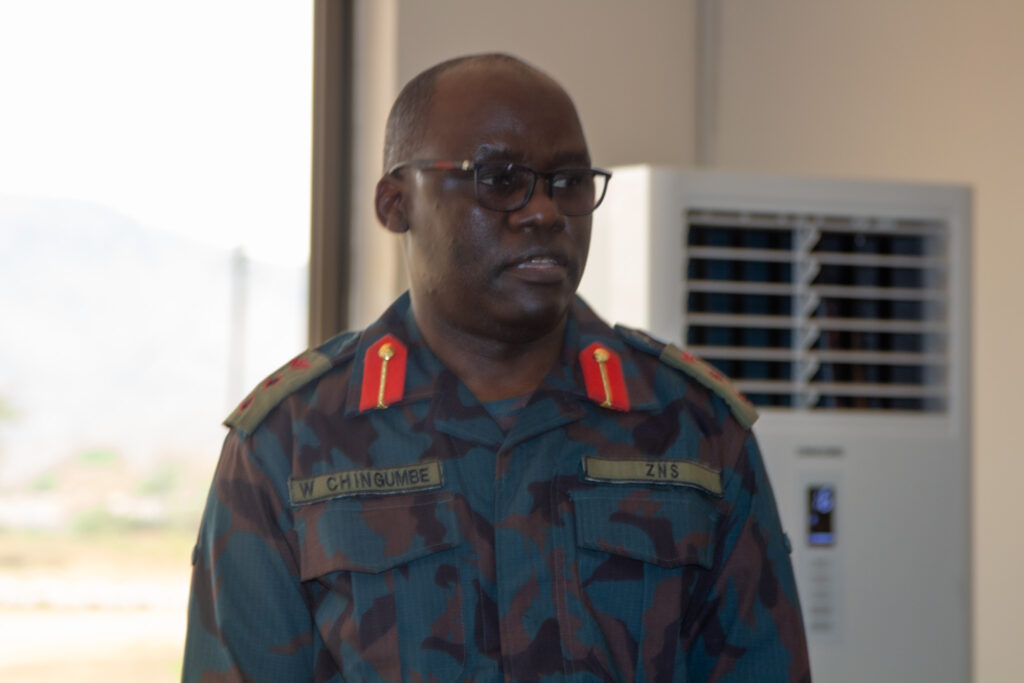
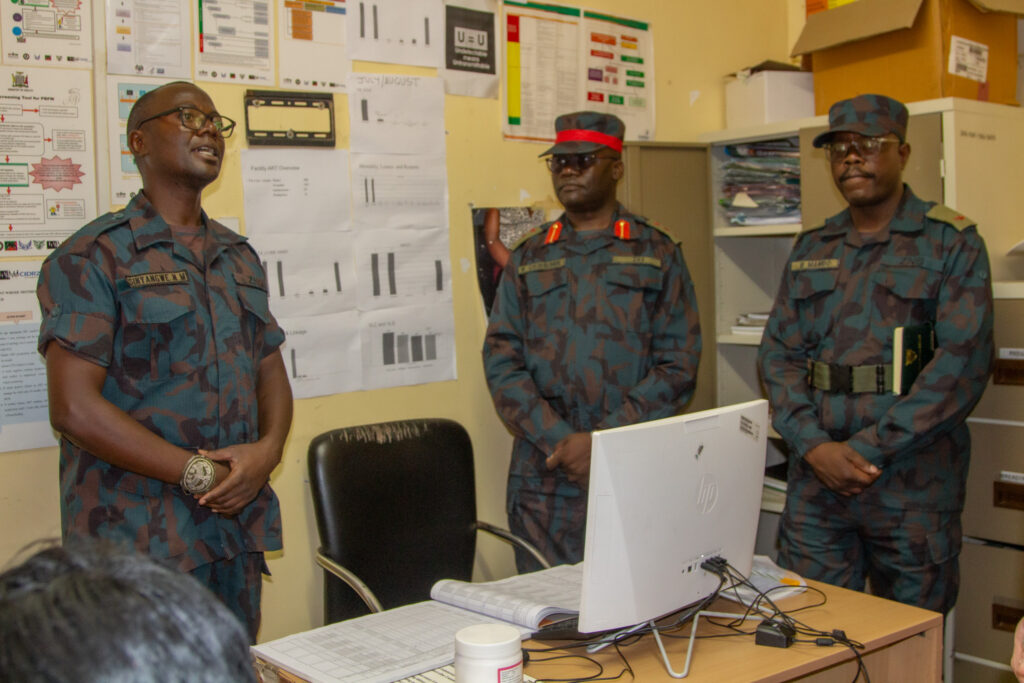
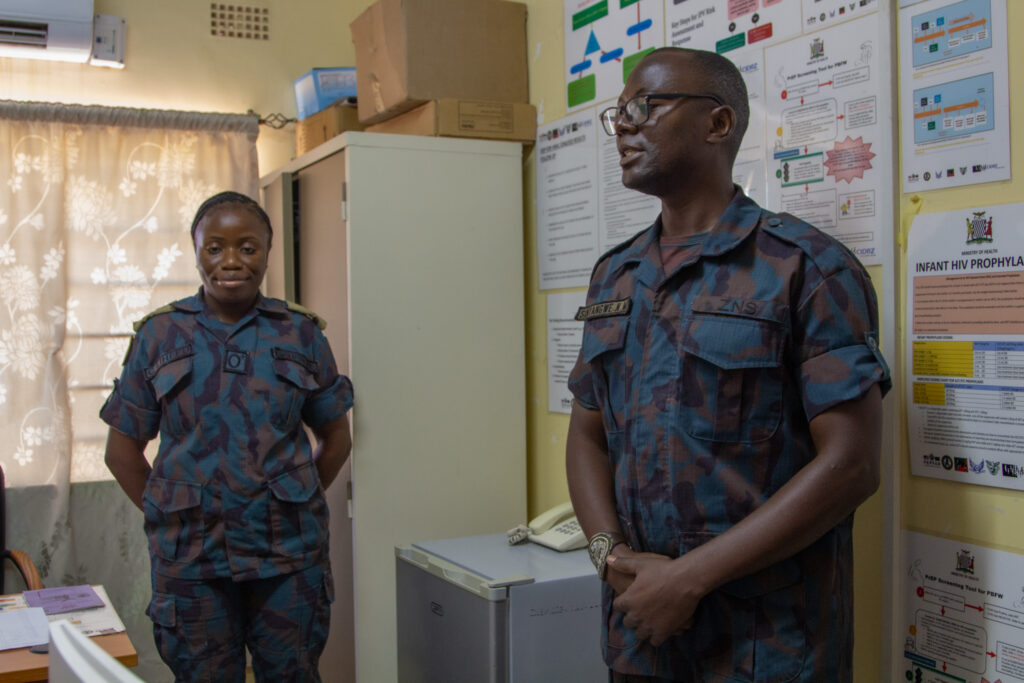
Leading the delegation, Defence Force Medical Services Director General, Colonel Dr Wamunyima Chingumbe, said the visit provided an opportunity to assess achievements, identify gaps and strengthen collaboration to ensure continued improvement in service delivery.
He commended the clinic staff for their dedication and commitment, and thanked DHAPP Desk Officer Teri Yiyen for taking the time to visit the facility and see first-hand the work being done on the ground.
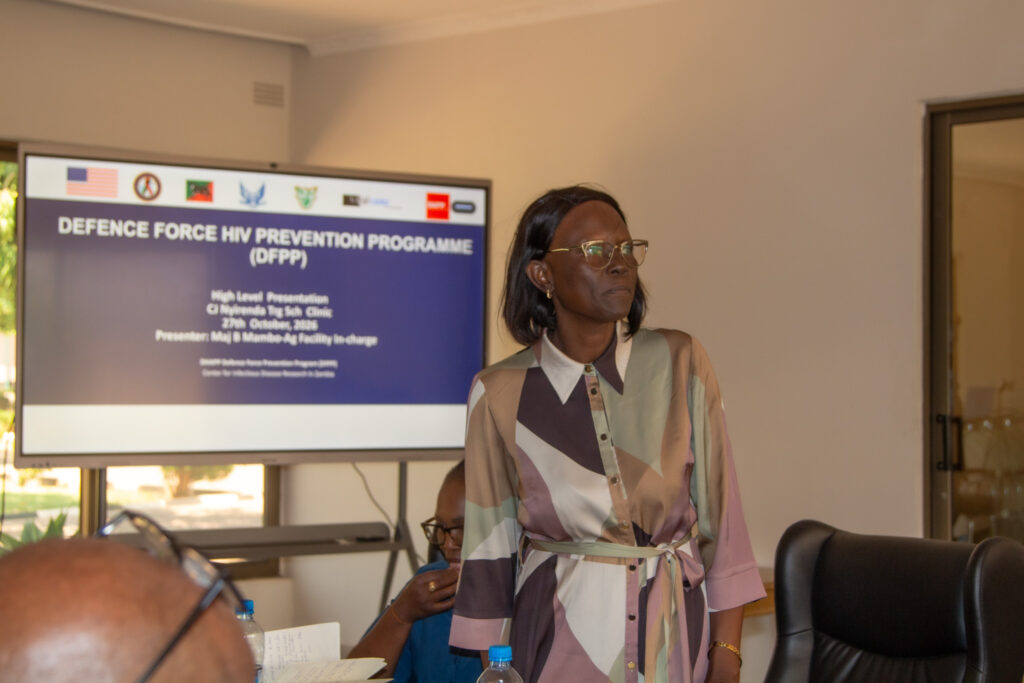
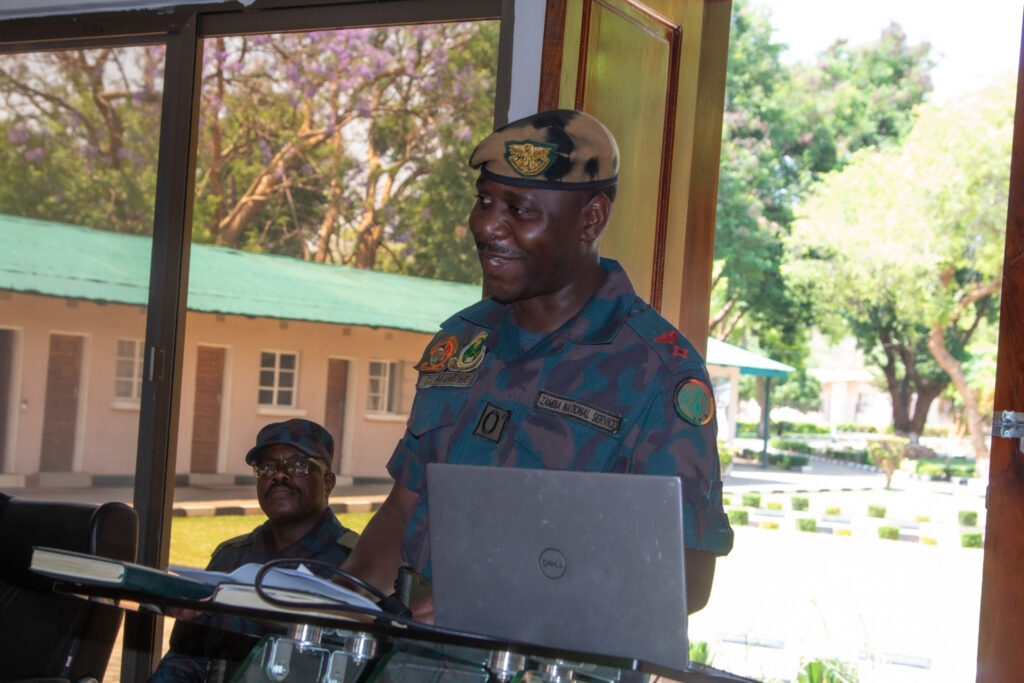
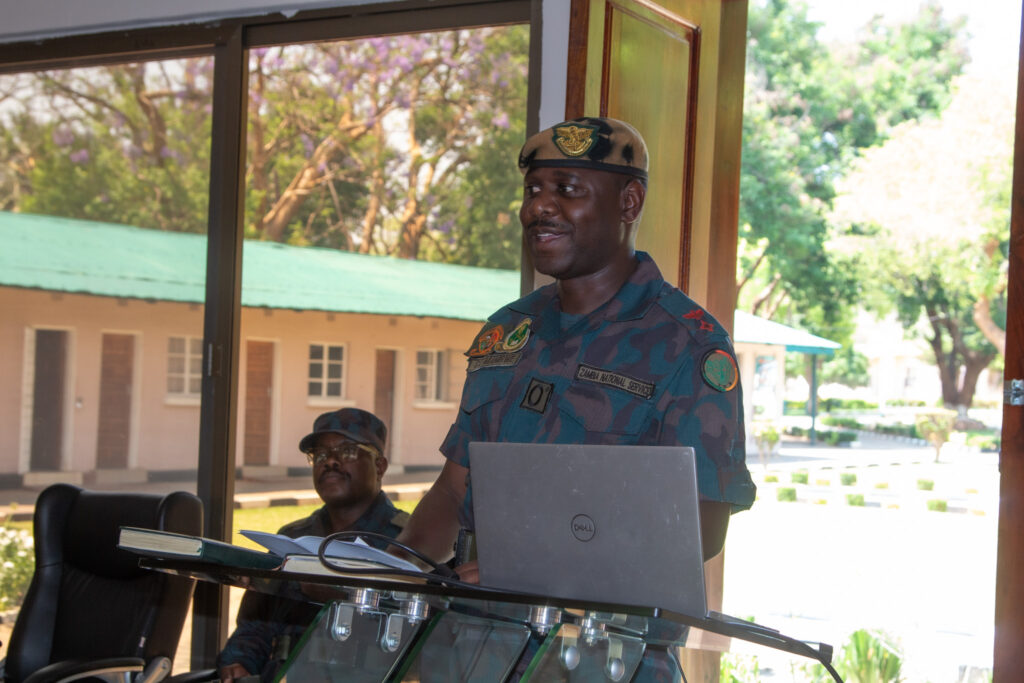
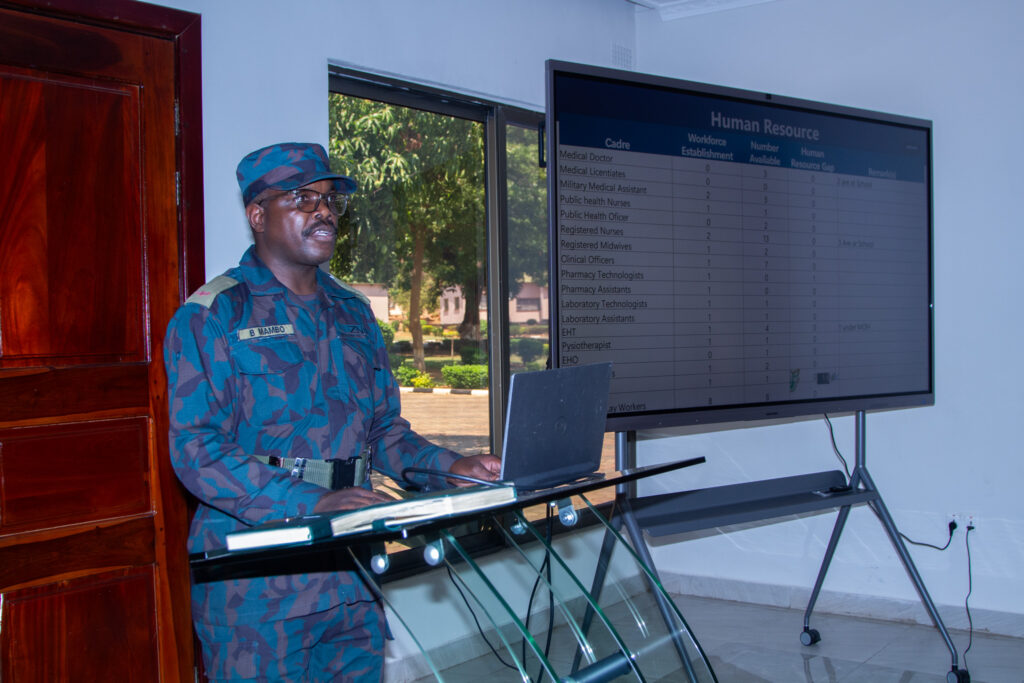
Presenting the facility’s performance, the team highlighted encouraging HIV treatment indicators, including 100 per cent ART initiation, 101 per cent treatment coverage (TX_CURR) and 99 per cent viral suppression.
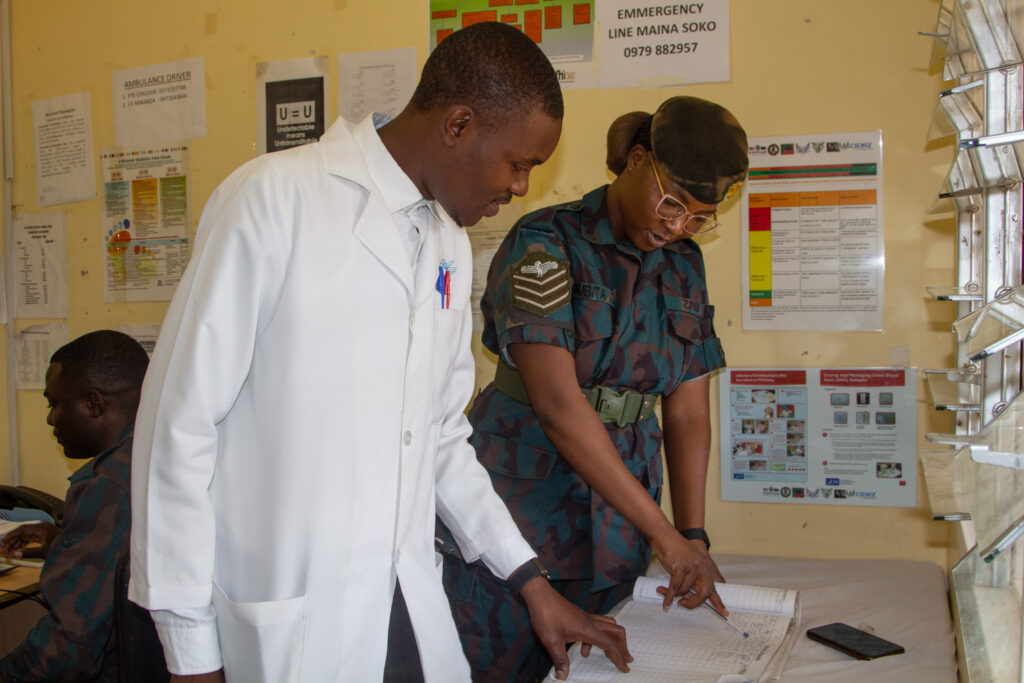
The clinic has also made significant improvements in health infrastructure and digital systems through the installation of solar power, improved internet connectivity using Starlink and the integration of SmartCare and the electronic Logistics Management Information System (eLMIS).
The transition to SmartCarePro across all points of care has further strengthened patient information management and continuity of services. Staff also participate in weekly situation room and ECHO meetings, promoting knowledge sharing and improved coordination.
Meanwhile, DHAPP Desk Officer Teri Yiyen commended CIDRZ, the Zambia Defence Force and other partners for the progress achieved, emphasising that behind every programme indicator are real people whose lives depend on quality healthcare.
“When we look at the numbers, what we sometimes forget is that those numbers represent real people. These are individuals who depend on our technical expertise and commitment to providing the care they need,” he said.
Mr Yiyen also praised the dedication and expertise demonstrated by both civilian and military personnel, noting that continued collaboration among the Ministry of Health, Zambia Defence Force, CIDRZ and United States Government personnel was essential in addressing challenges and sustaining the gains made.
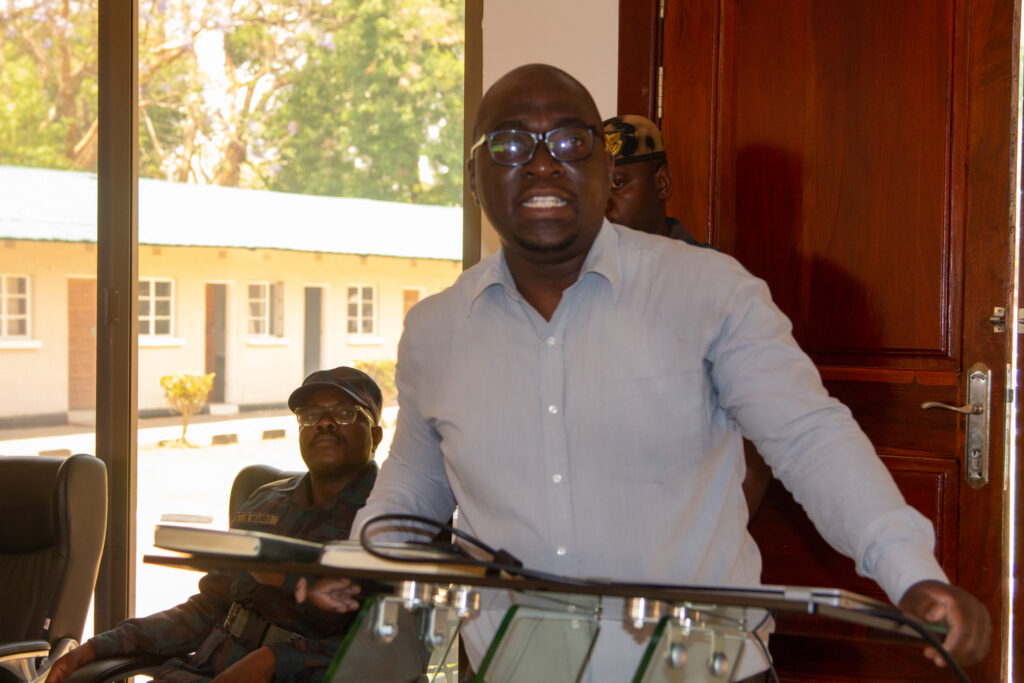
Similarly, Zanga Musakuzi, Principal Pharmaceutical Data Analyst and National Coordinator at MoH, expressed satisfaction with the facility’s data quality and progress in integrating digital health systems (SmartCarePro, eLMIS and DISA). He emphasised that effective use of these systems was key to strengthening data management, improving reporting and promoting accountability in healthcare service delivery. He further indicated that the Ministry of Health would facilitate exchange visits to enable other health personnel to learn from the clinic’s experience.
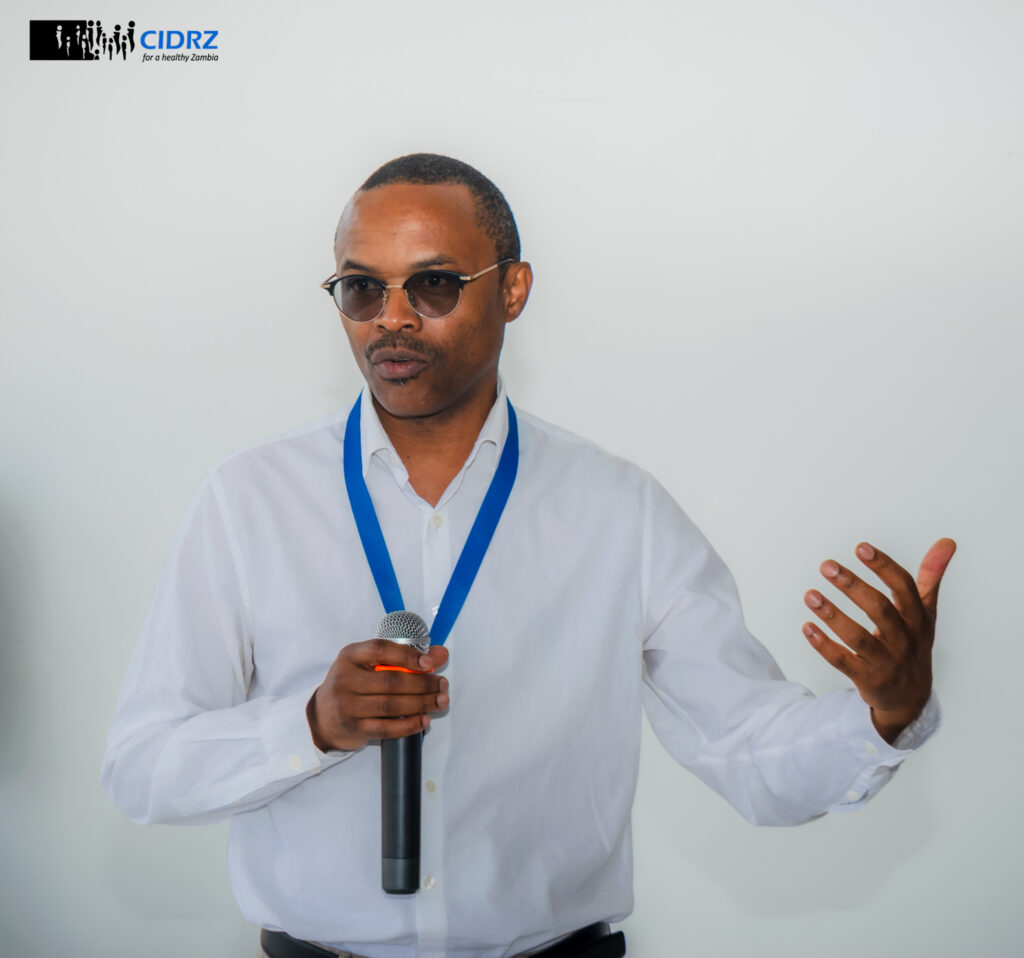
Dr Mwangelwa Mubiana-Mbewe, CIDRZ DFPP Project Director, reaffirmed the organisation’s commitment to working with the Zambia Defence Force and other partners to address identified gaps and strengthen programme implementation.
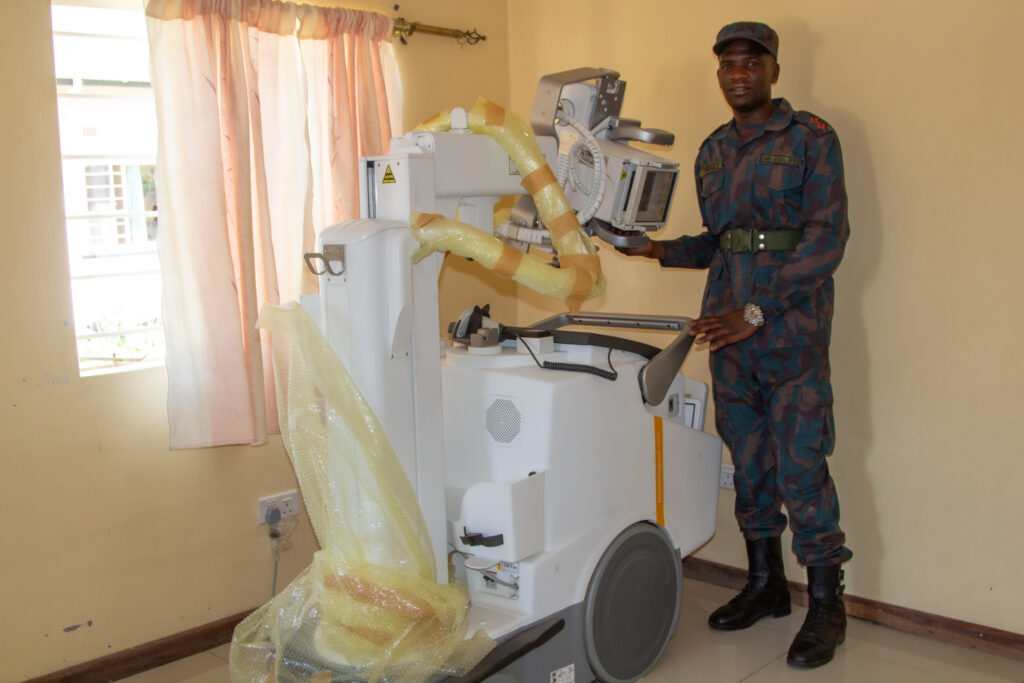
Despite the progress, the review identified areas requiring further support, including the absence of a pharmacy technologist and maternity delivery services, inadequate medical equipment, lack of a GeneXpert machine, limited space for X-ray services and lack of air conditioning in the solar power house.
Other challenges included intermittent internet connectivity and delays of in synchronising data between eLMIS and SmartCarePro.
The review provided an opportunity for stakeholders to reflect on achievements, address existing gaps and strengthen partnerships towards sustainable, high-quality HIV service delivery within the Zambia Defence Force.
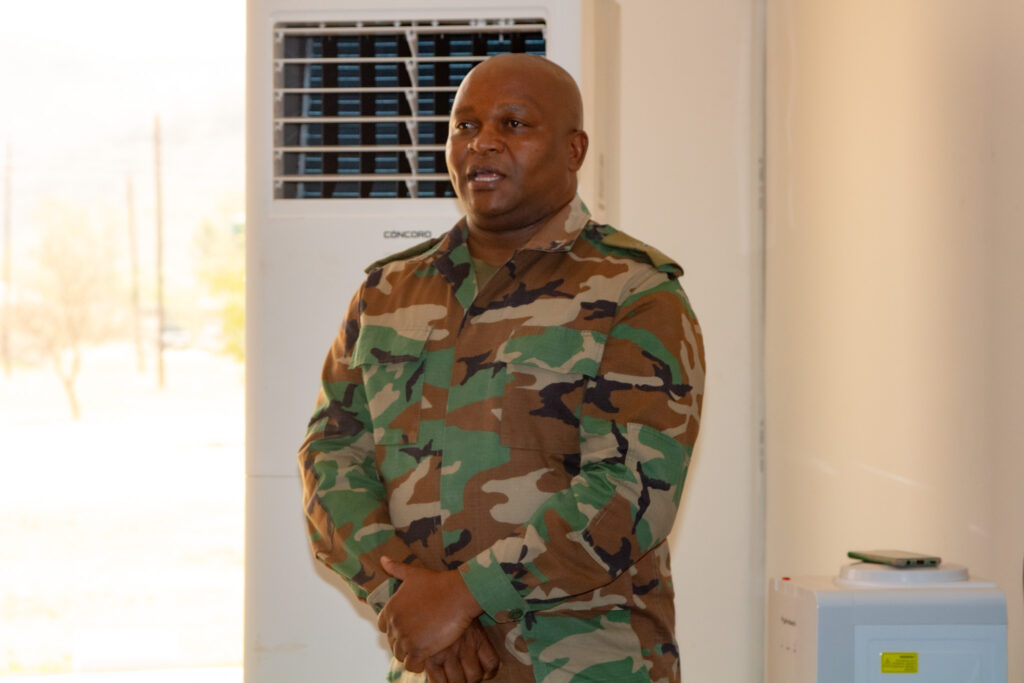
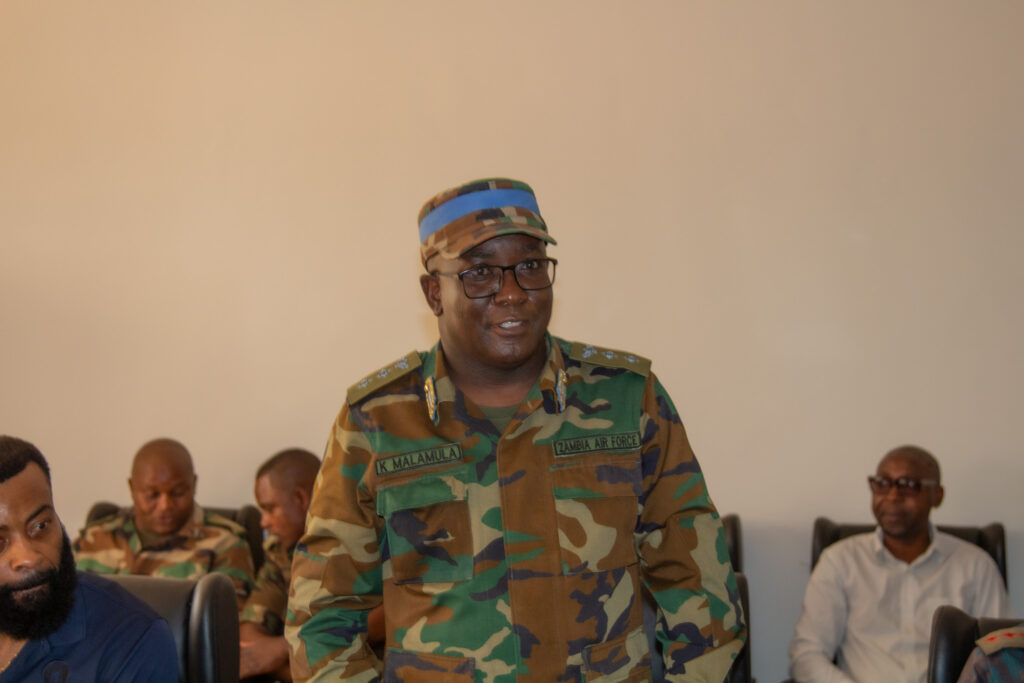
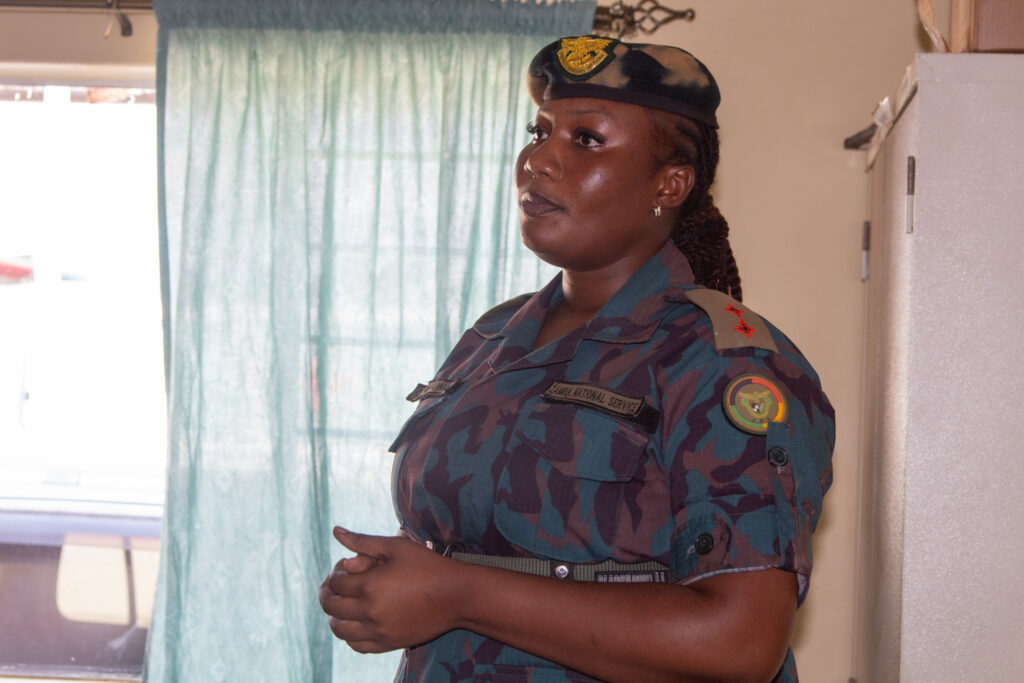
In his closing remarks, Brigadier General Sydney Anthony Chisanga Machiko, Commandant of the Zambia National Service (ZNS) Charles Joseph Nyirenda Training School, welcomed the visit, highlighting the importance of stakeholder engagement and collaboration in strengthening healthcare delivery.