DHAPP, CIDRZ and Ministry of Health Review HIV Programme Implementation at Maina Soko Medical Centre
November 19, 2026
Strengthening the capacity of health training institutions is important in building a skilled healthcare workforce that can respond to the needs of both military and civilian populations.
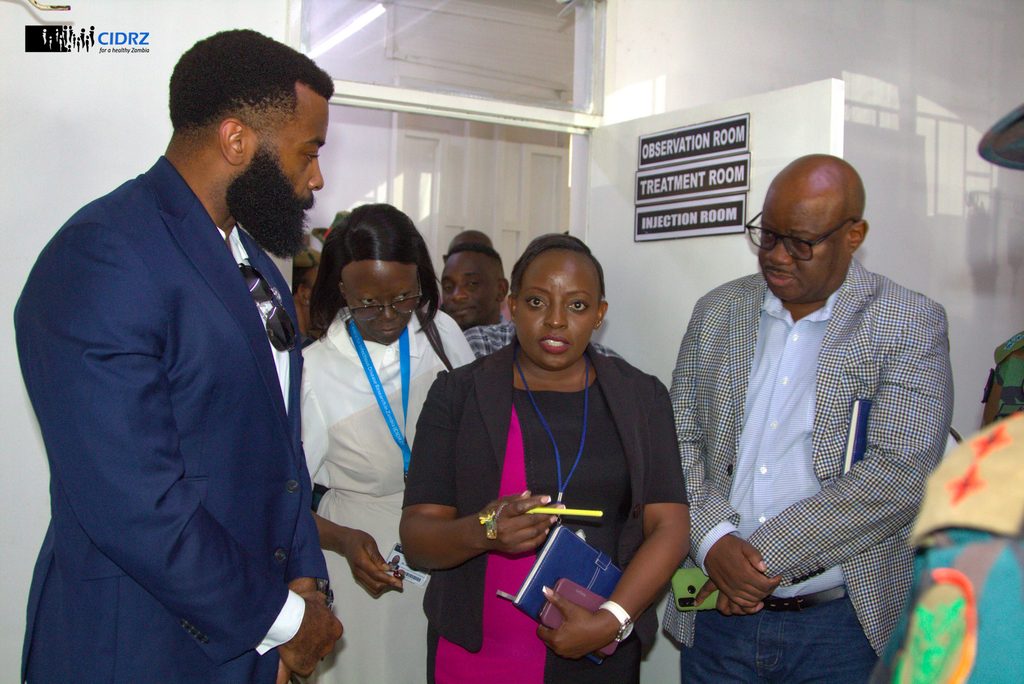
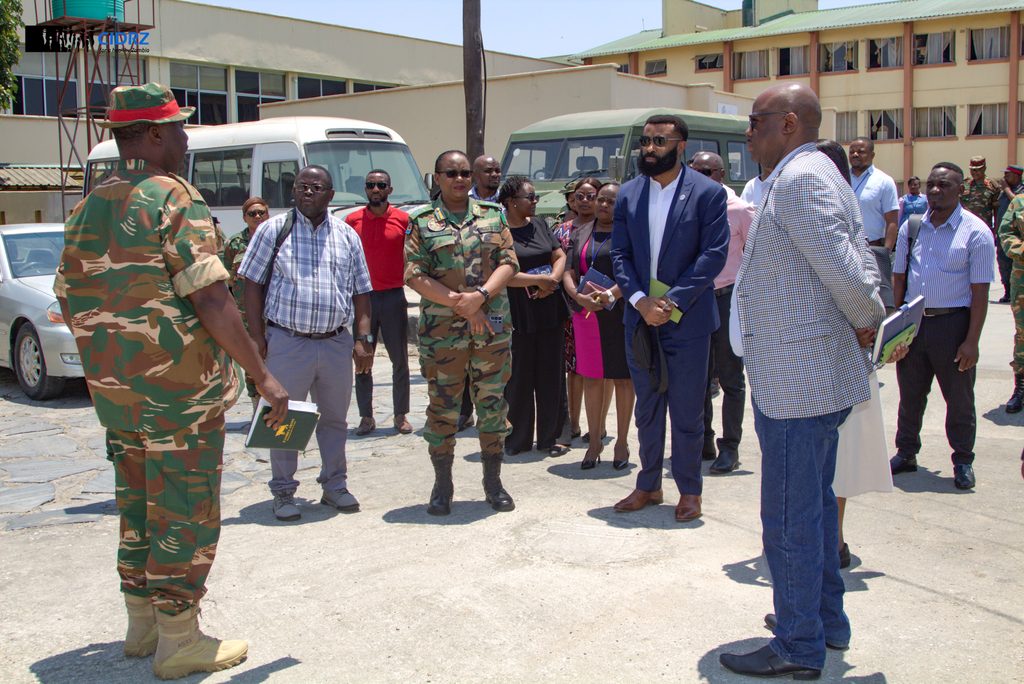
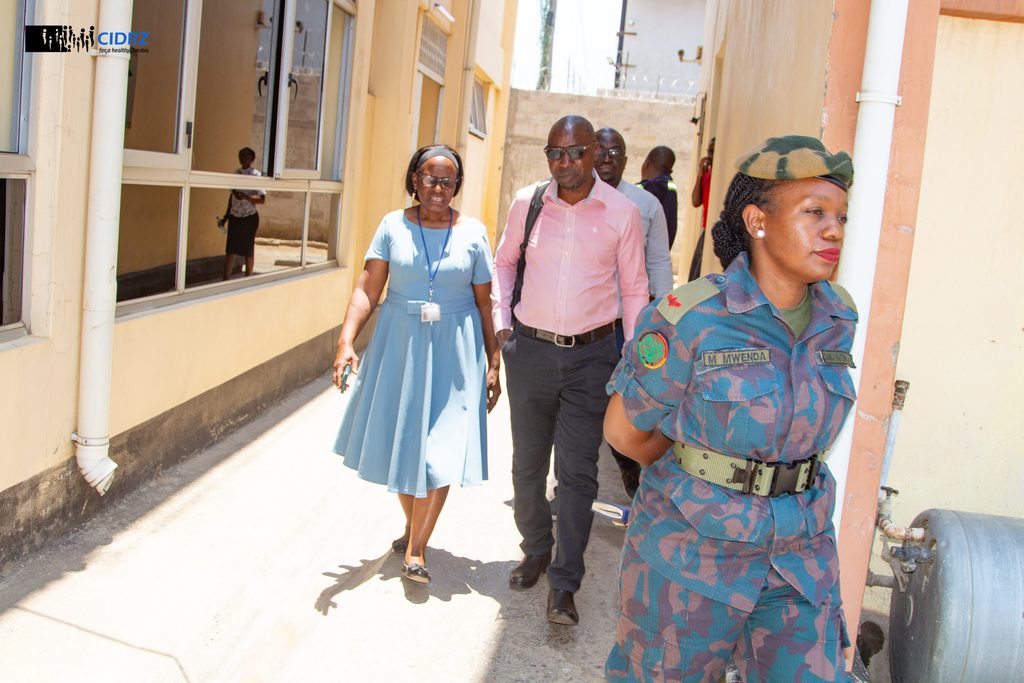
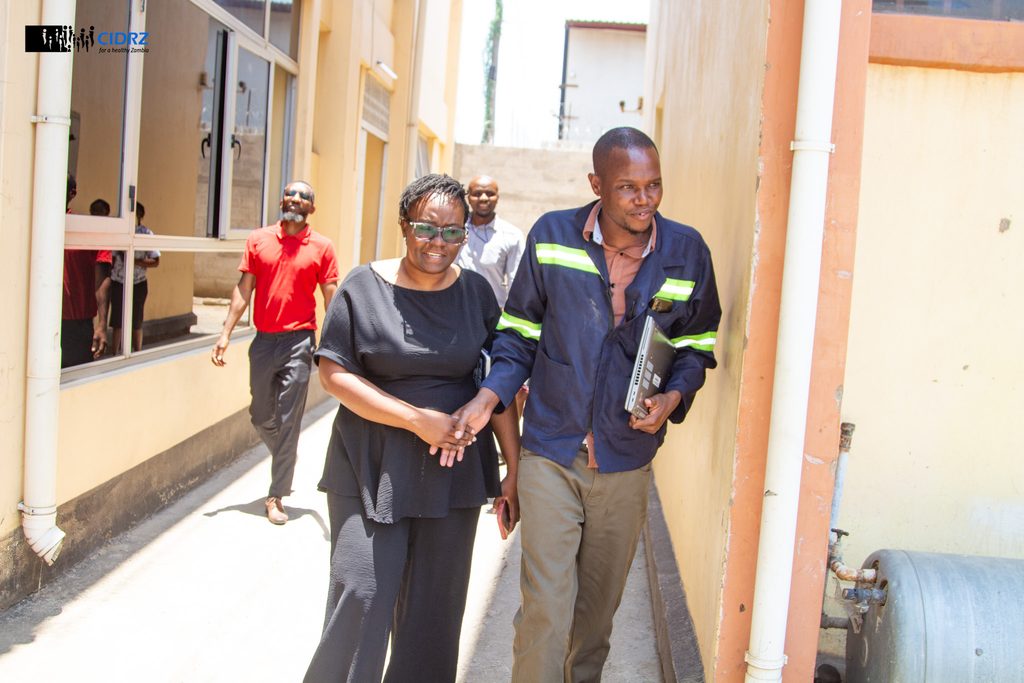
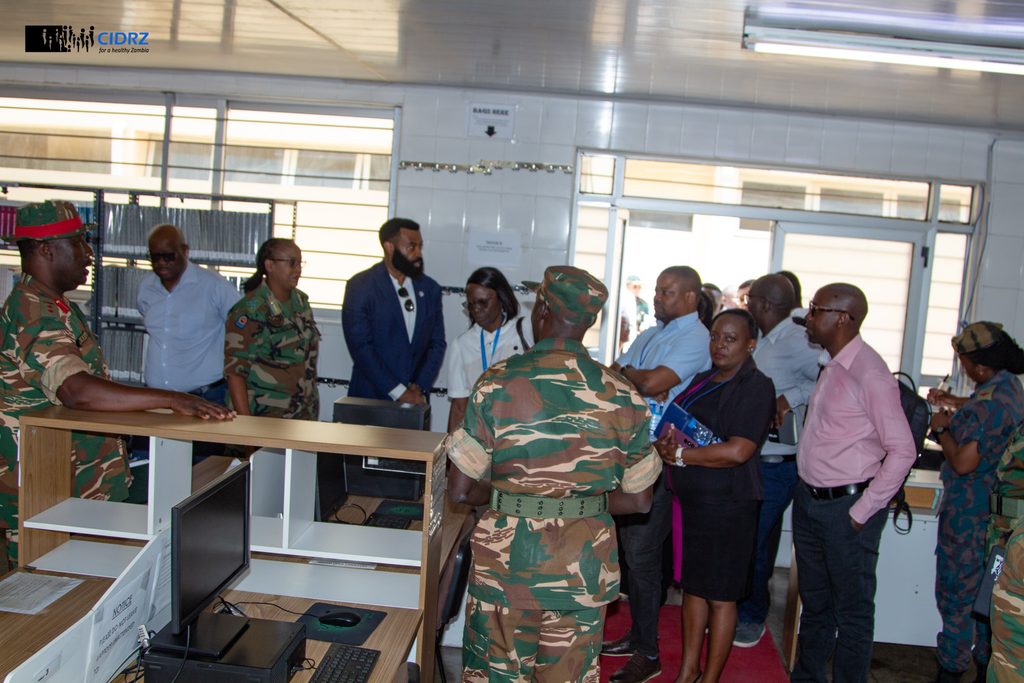
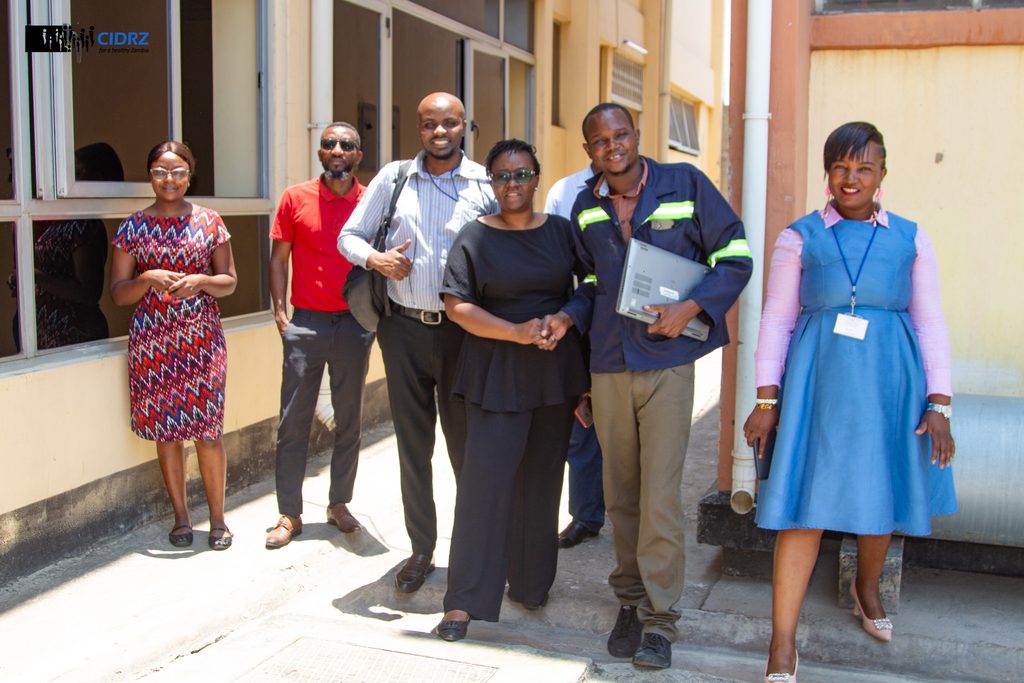
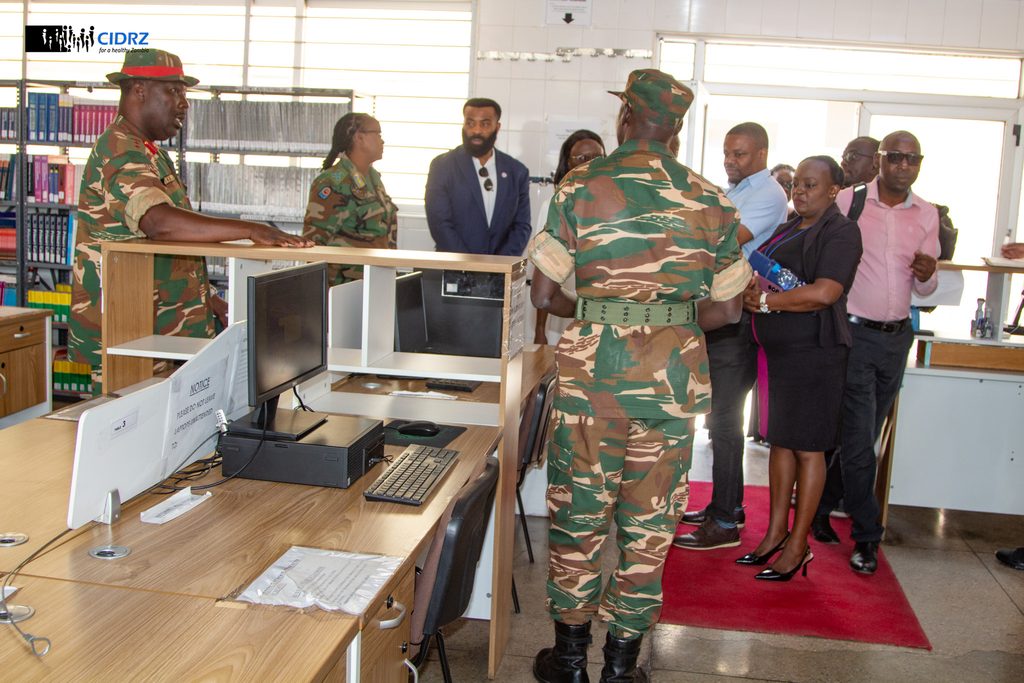
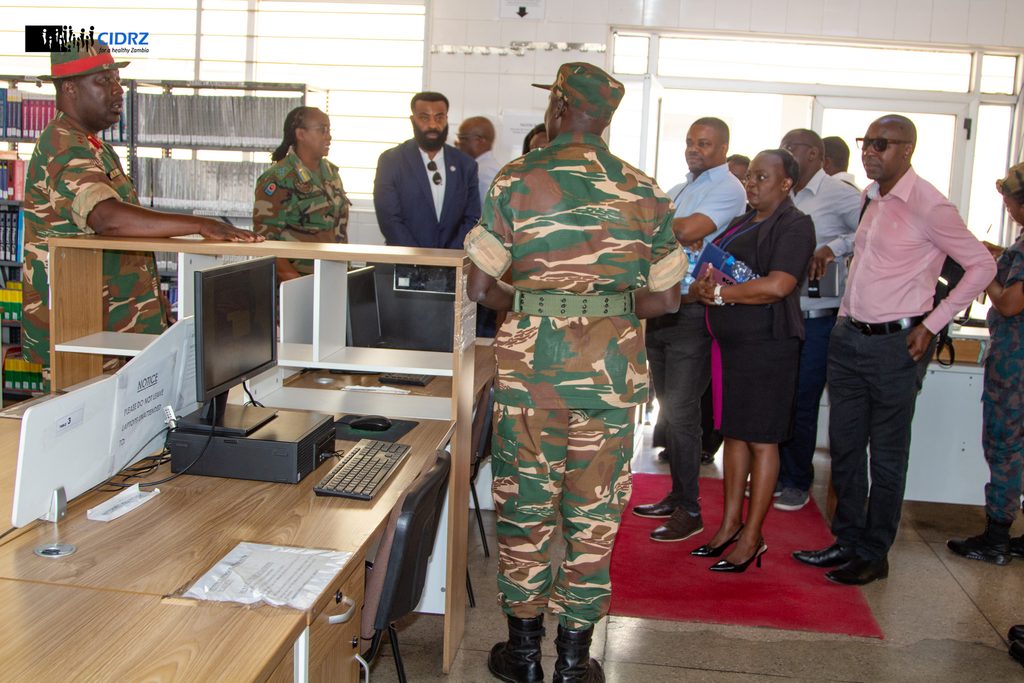
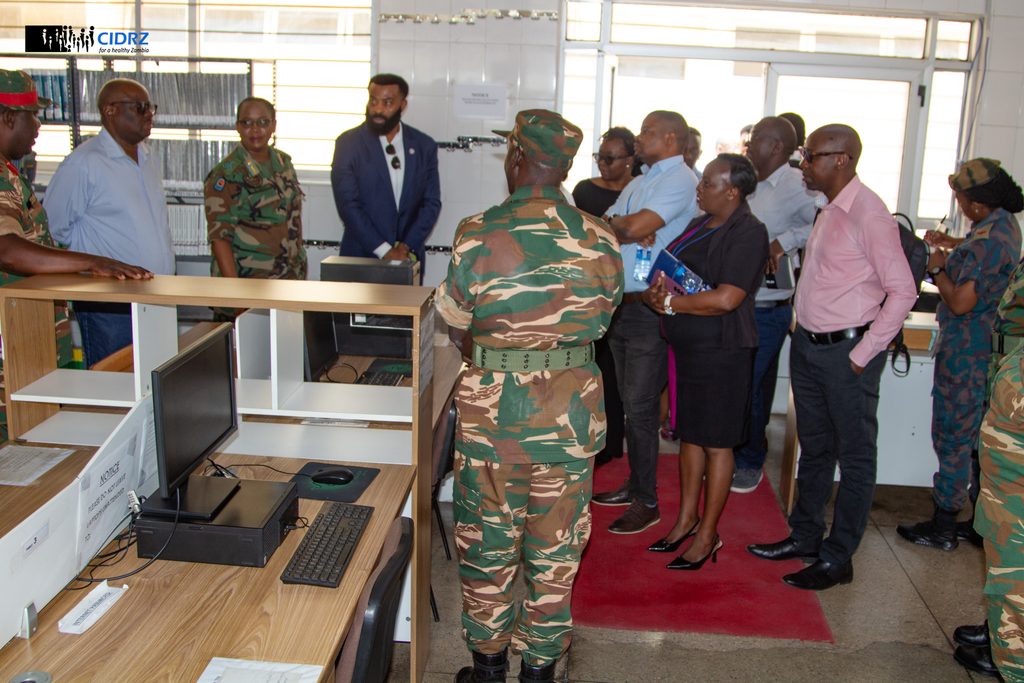
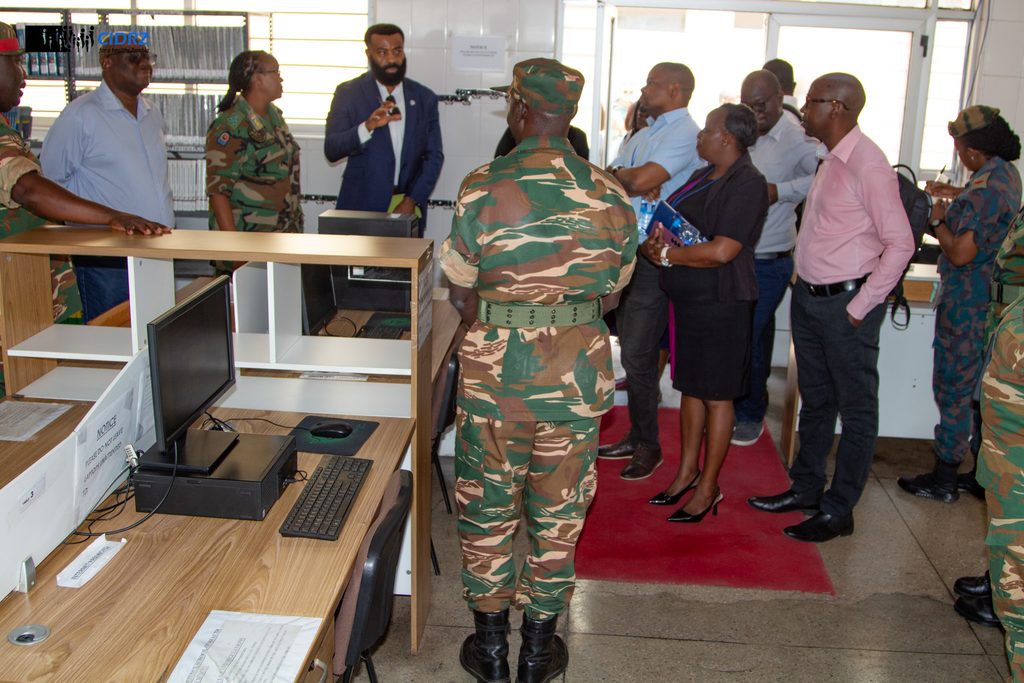
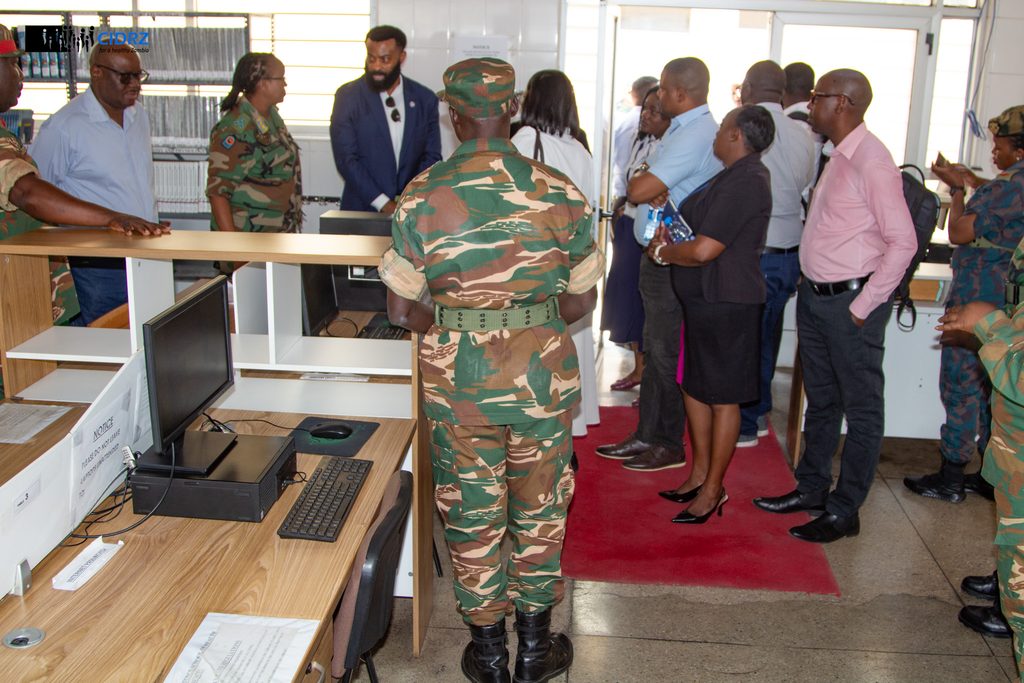
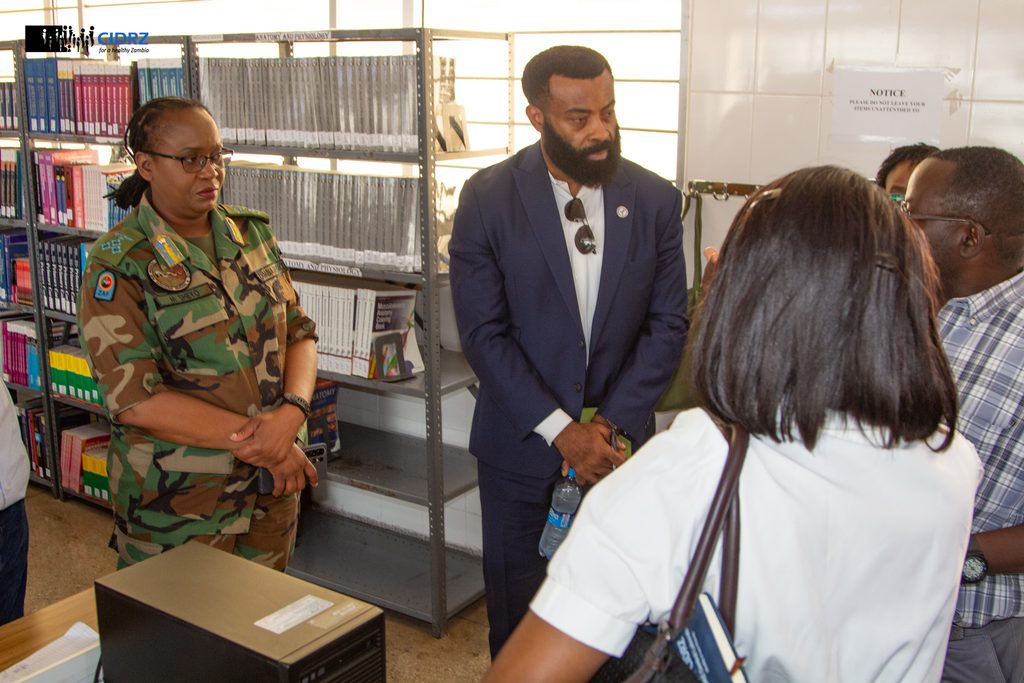
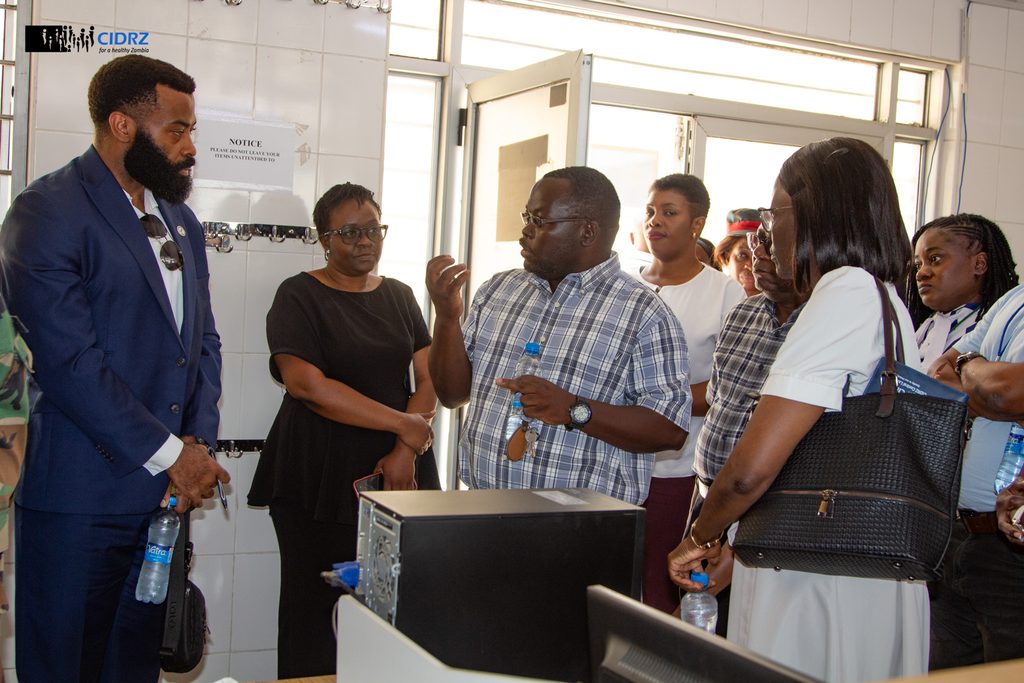
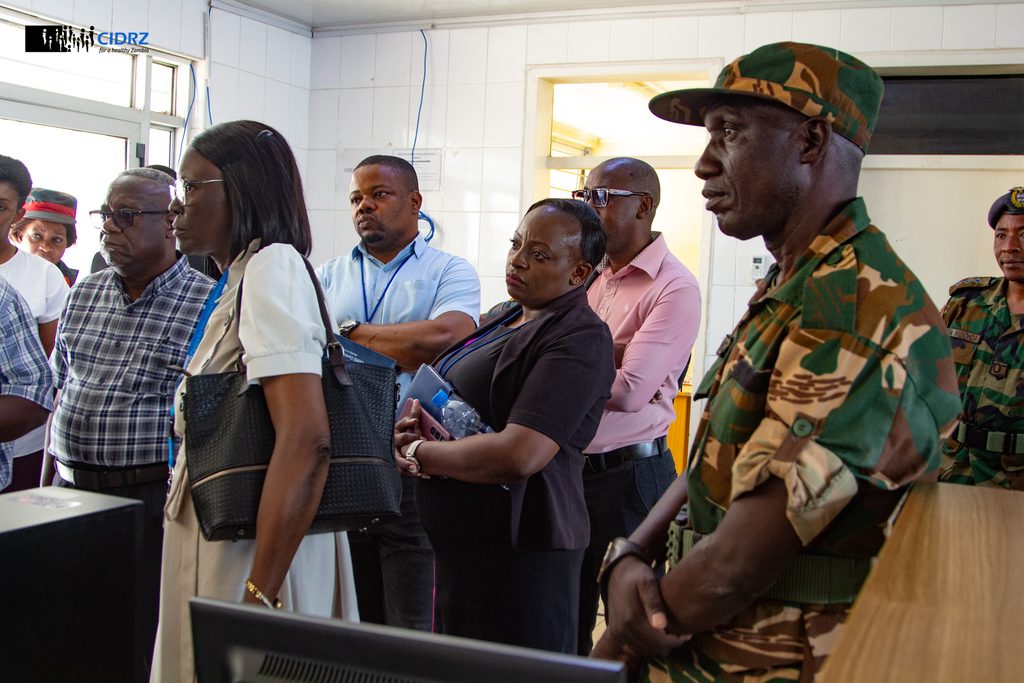
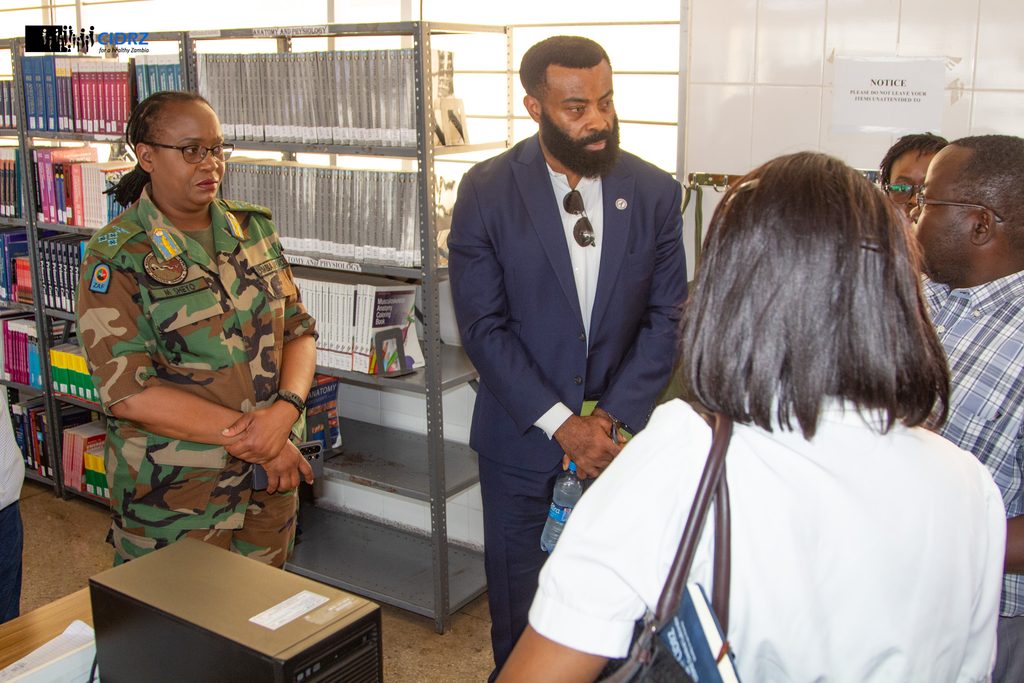
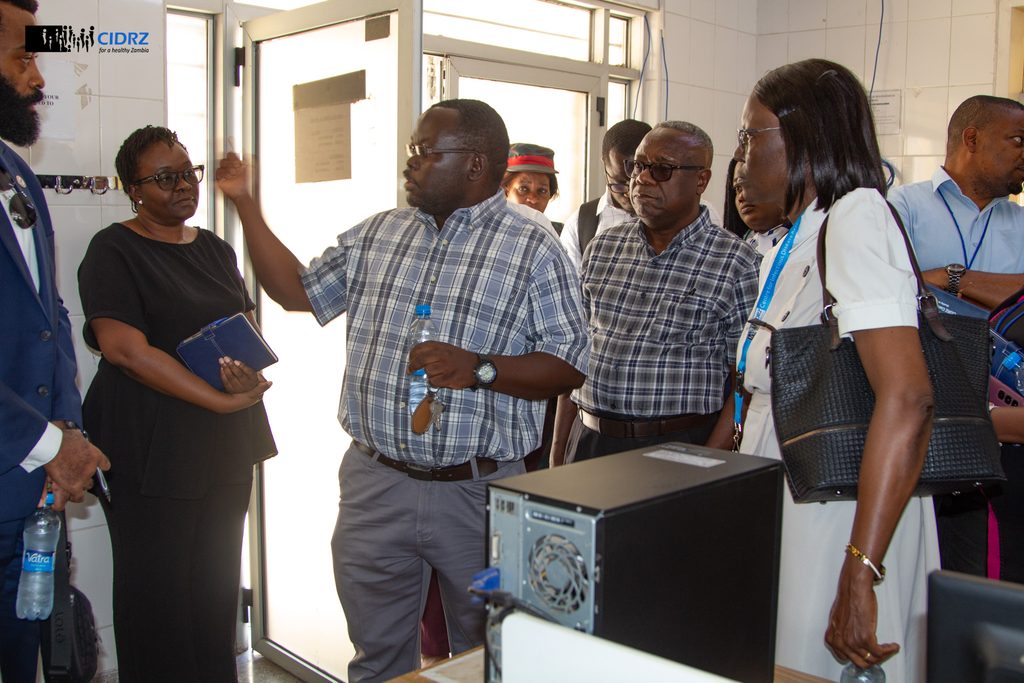
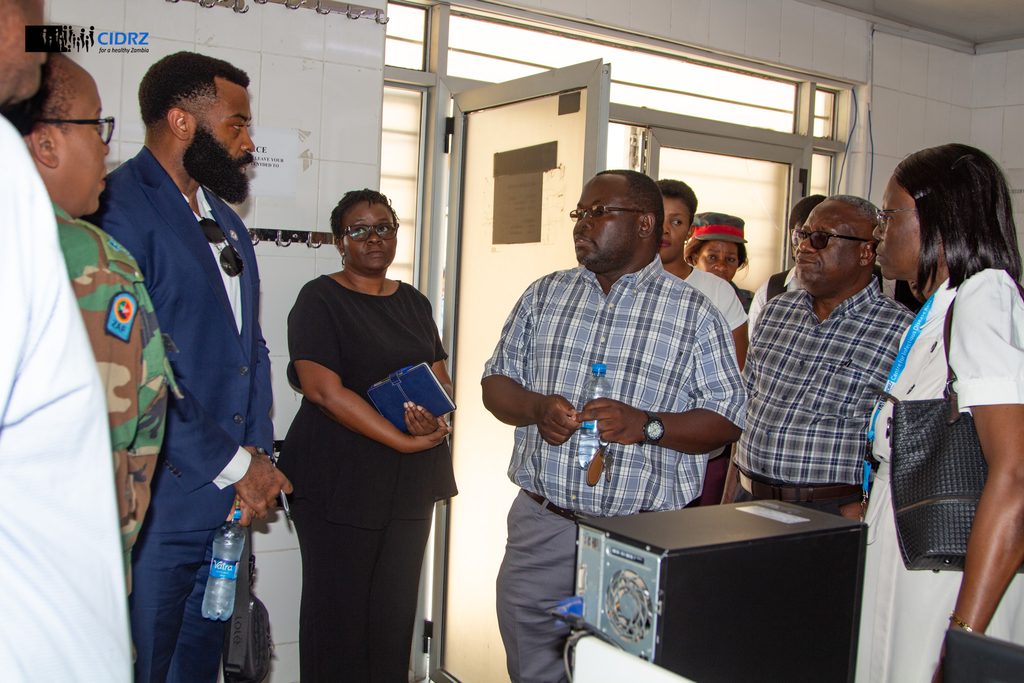
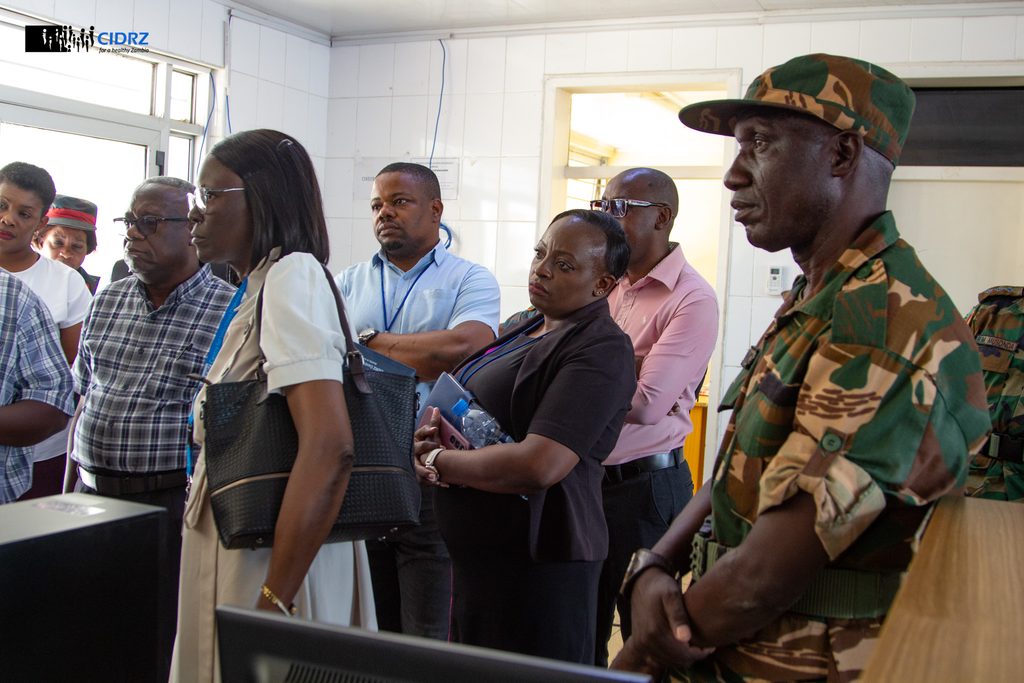
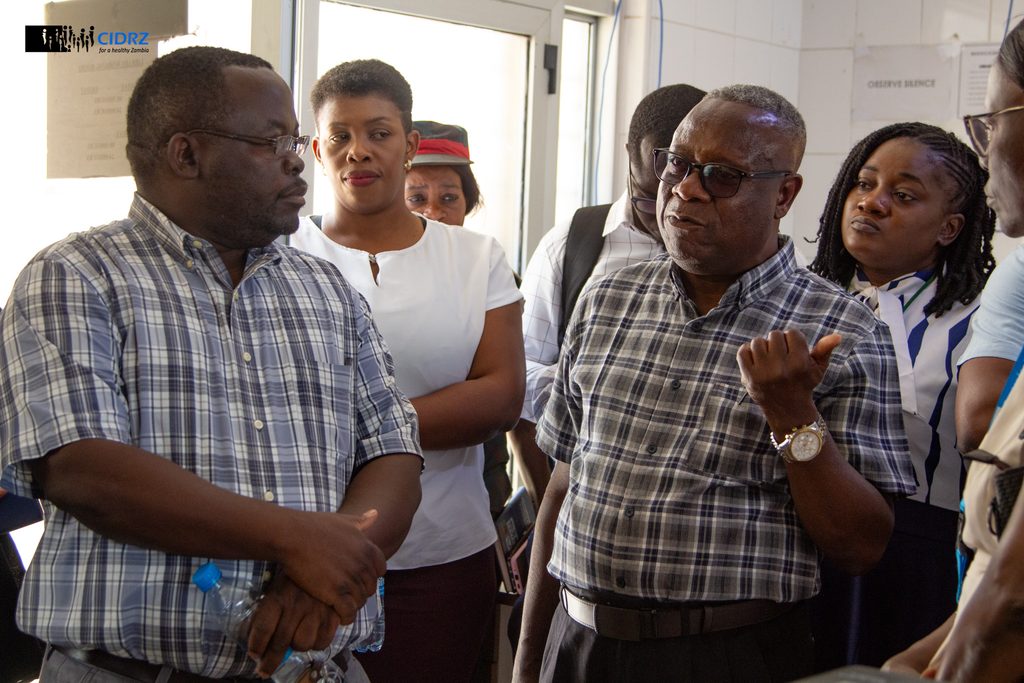
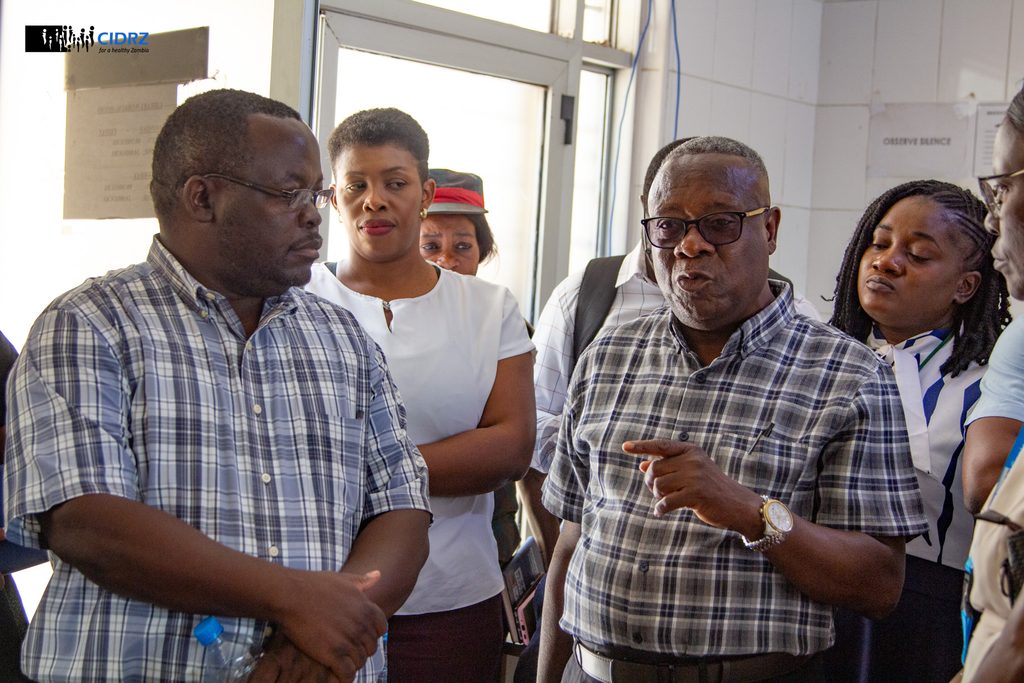
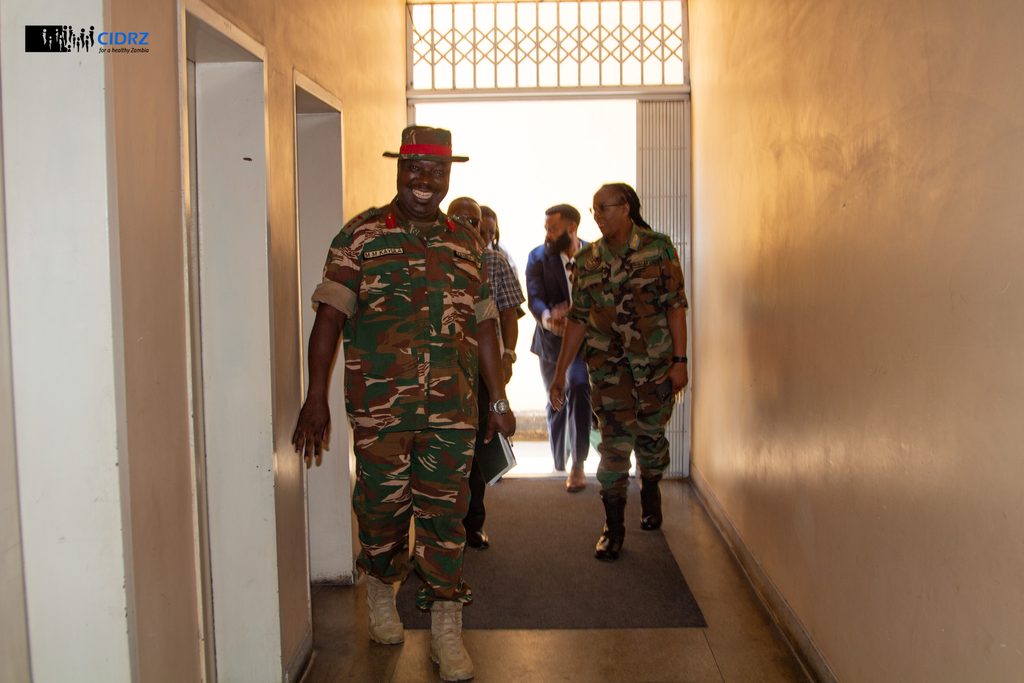
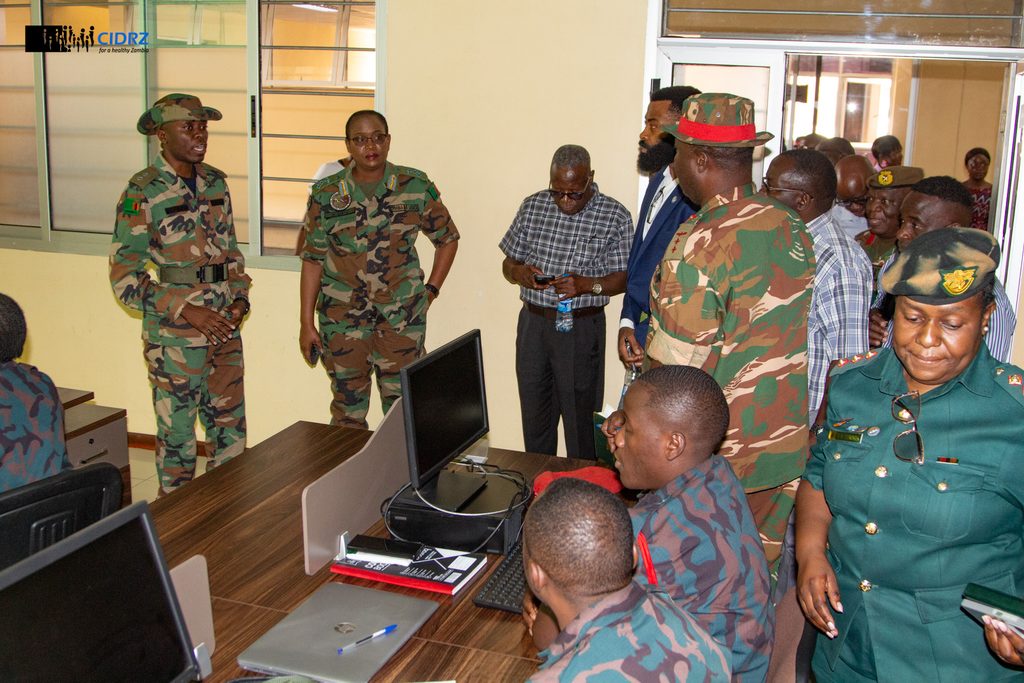
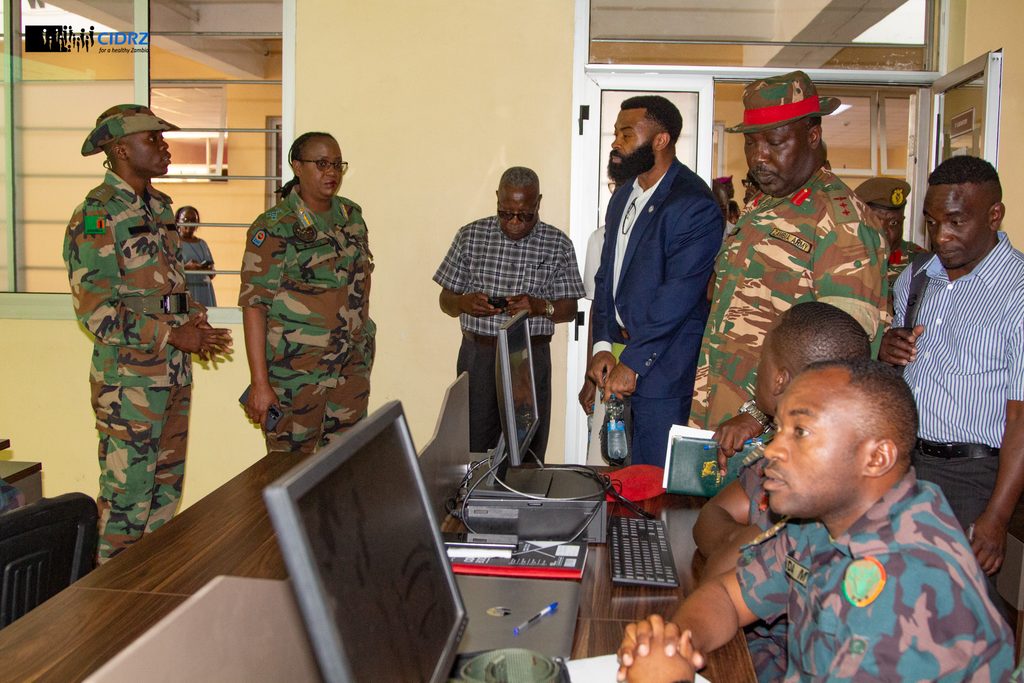
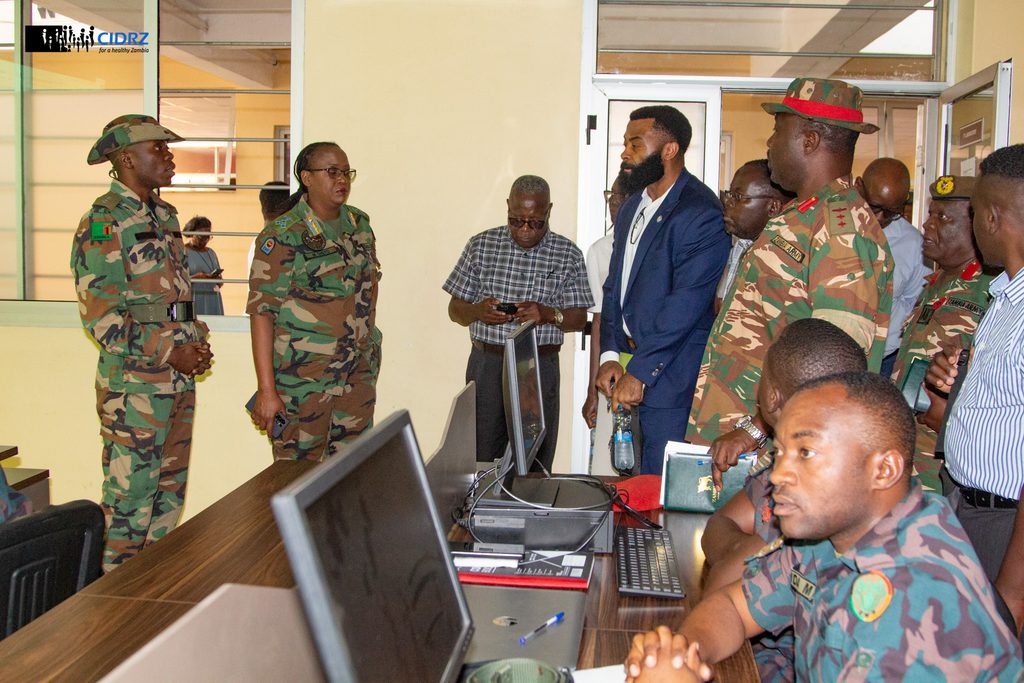
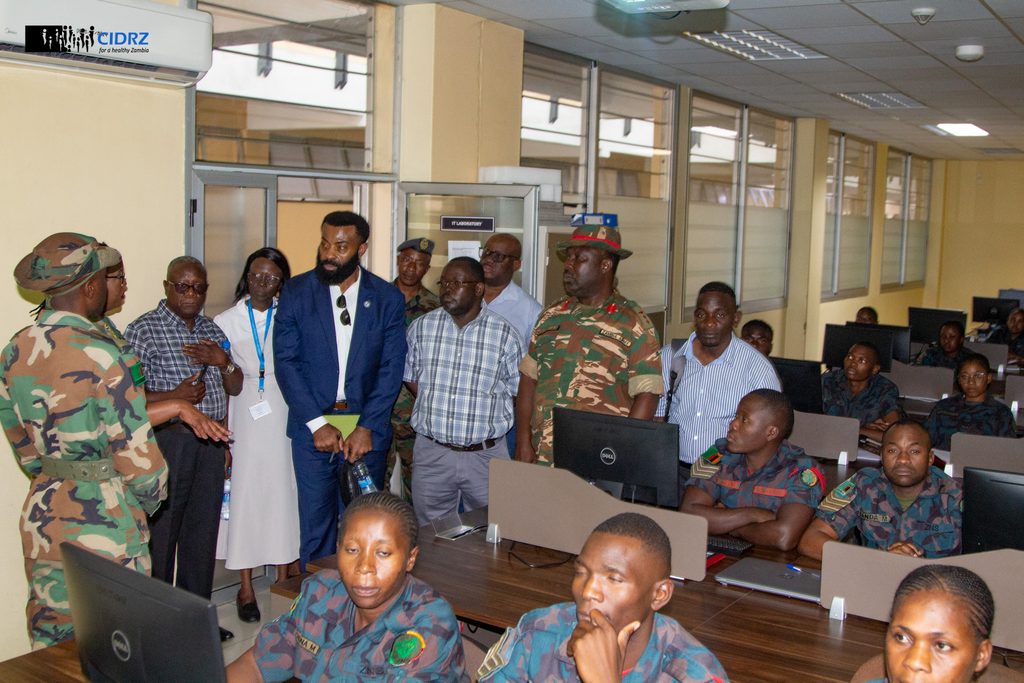
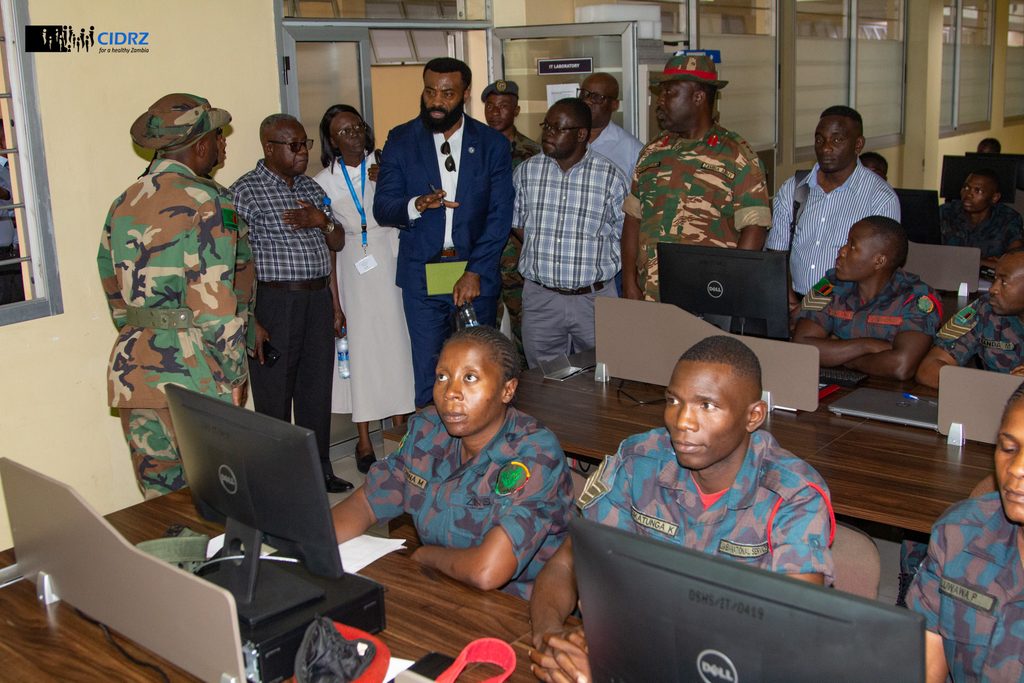
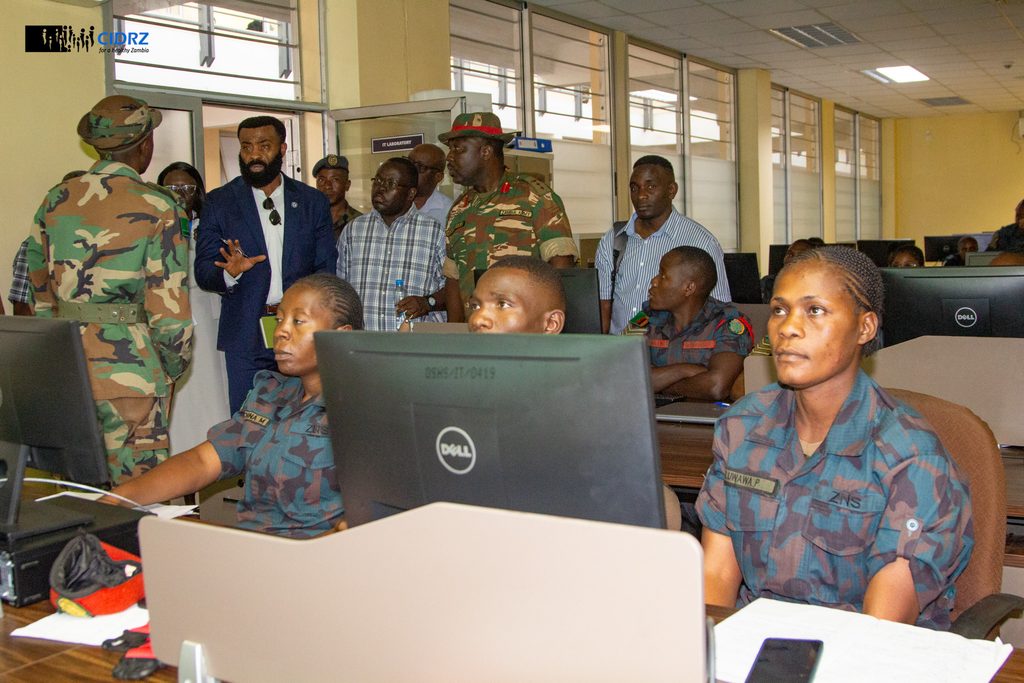
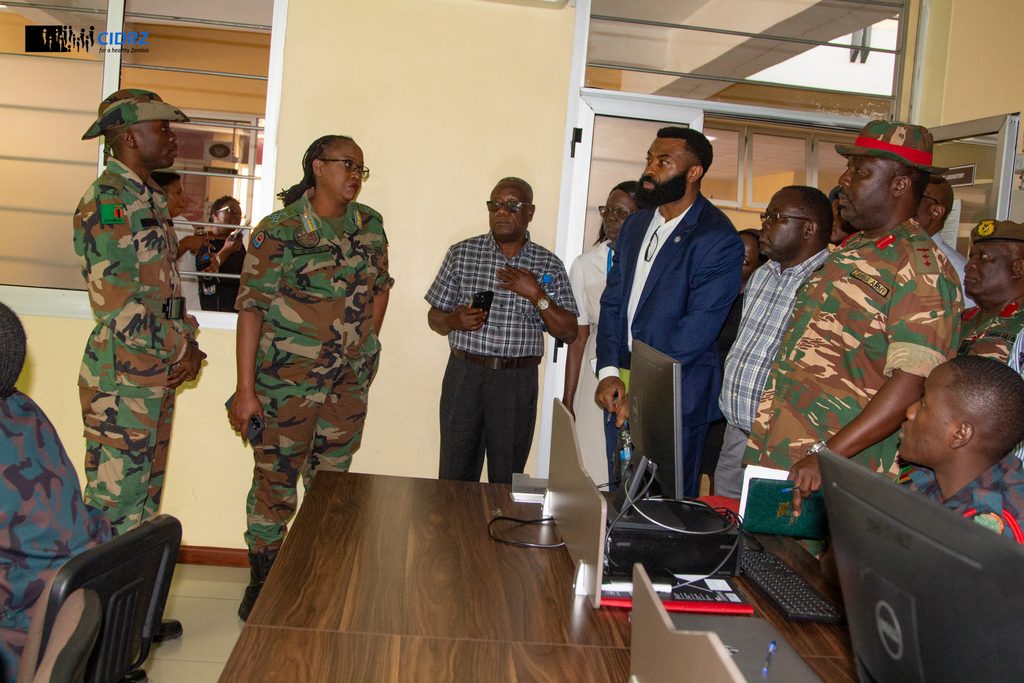
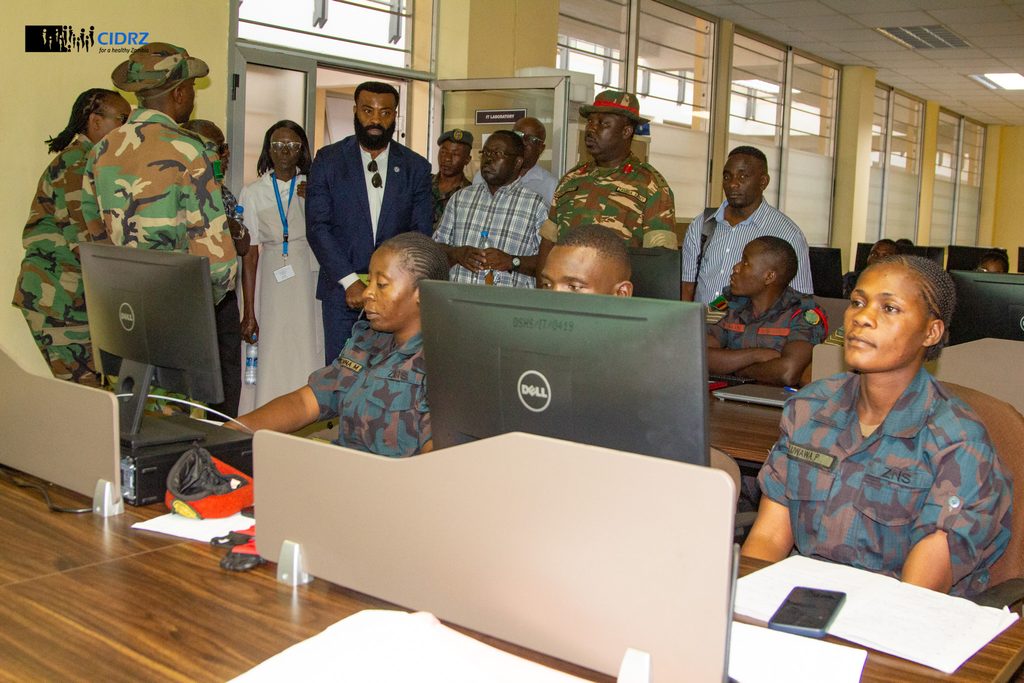
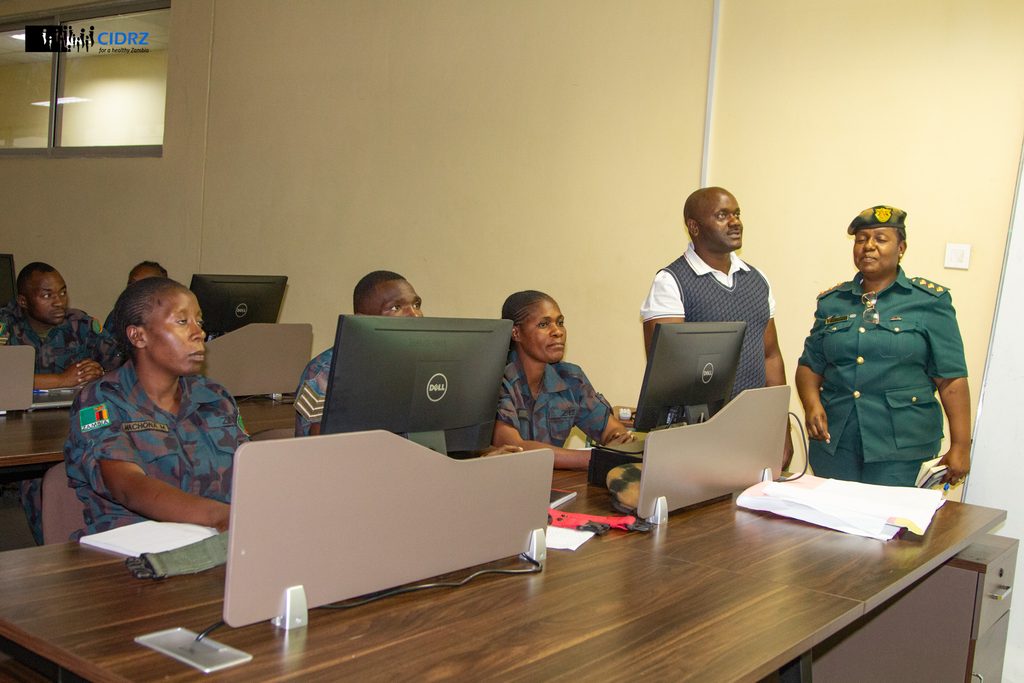
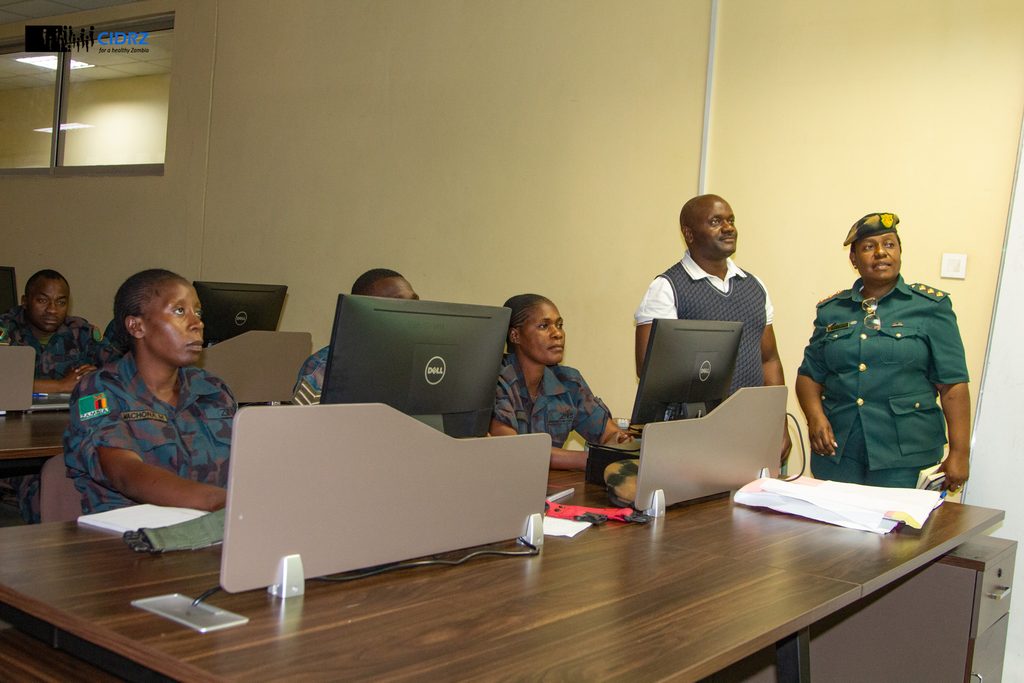
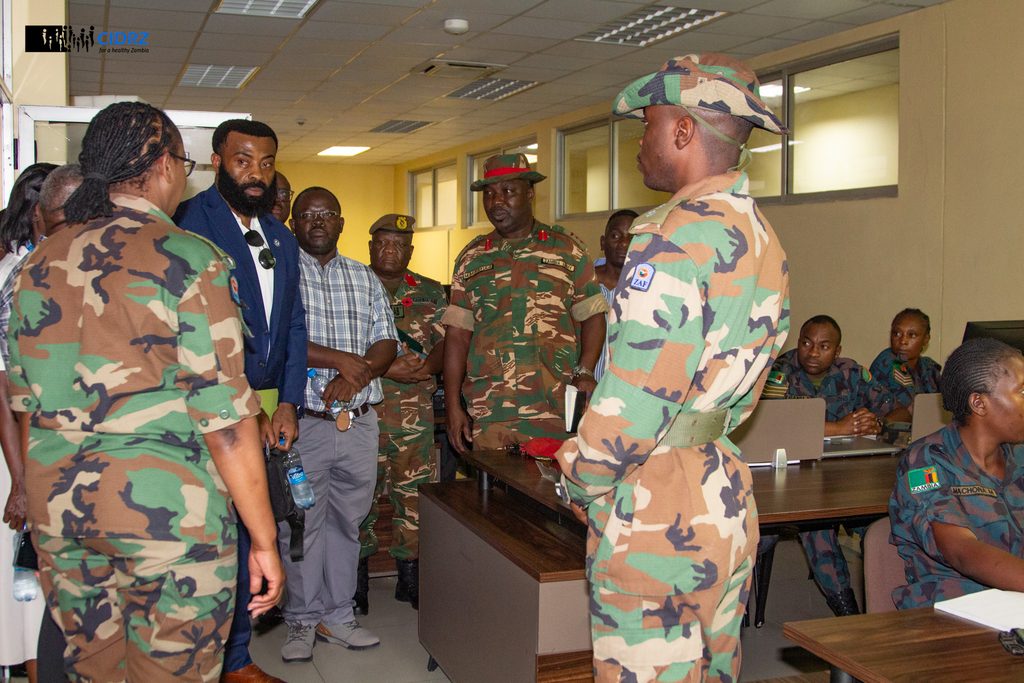
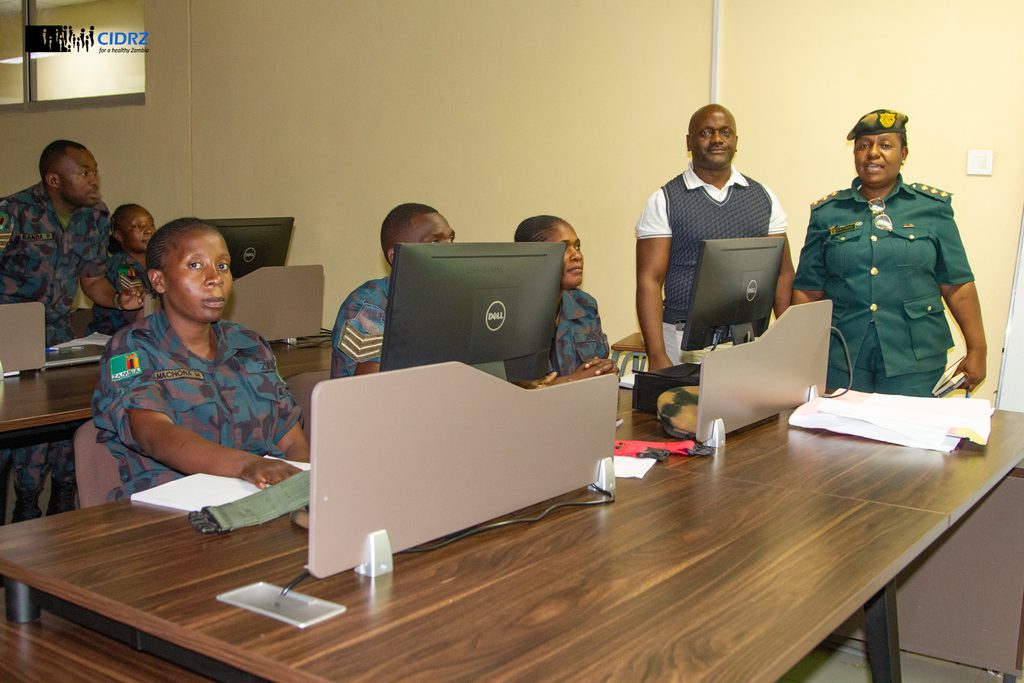
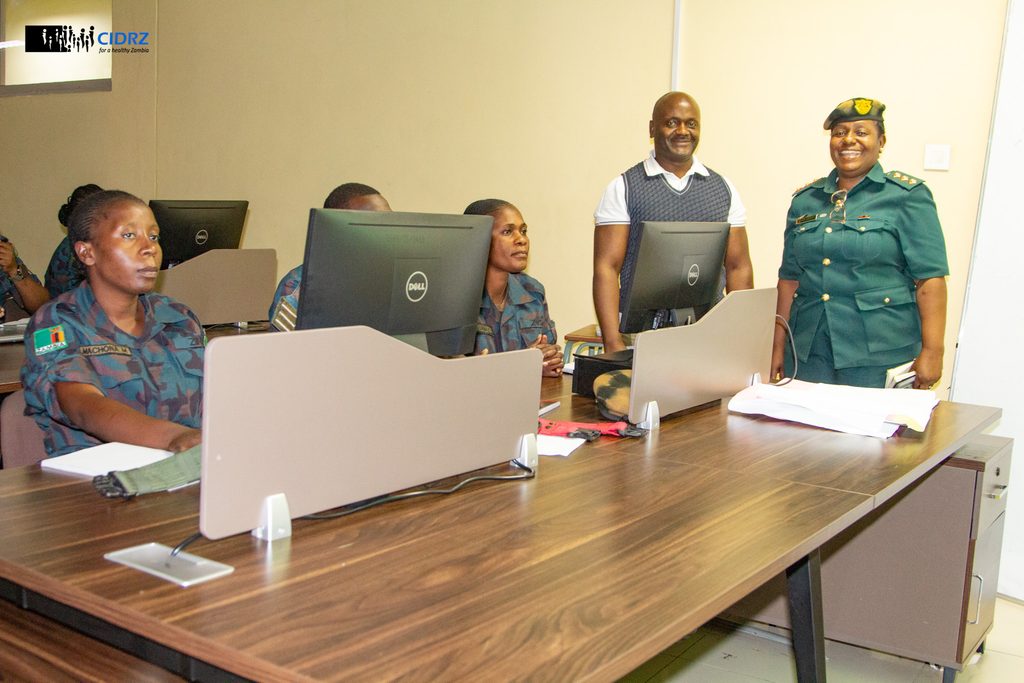
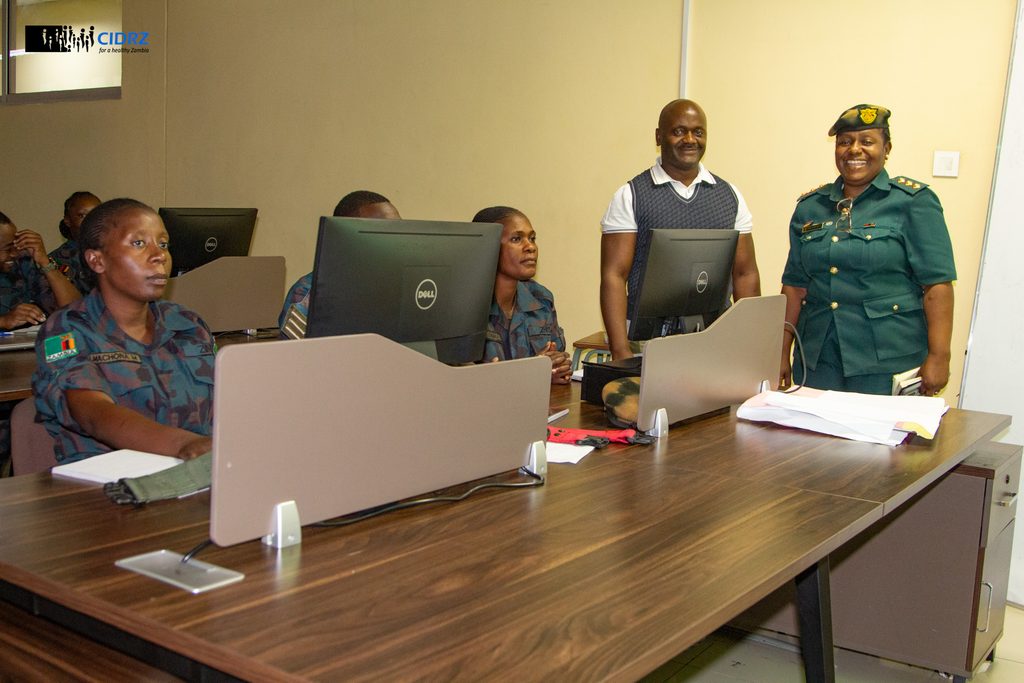
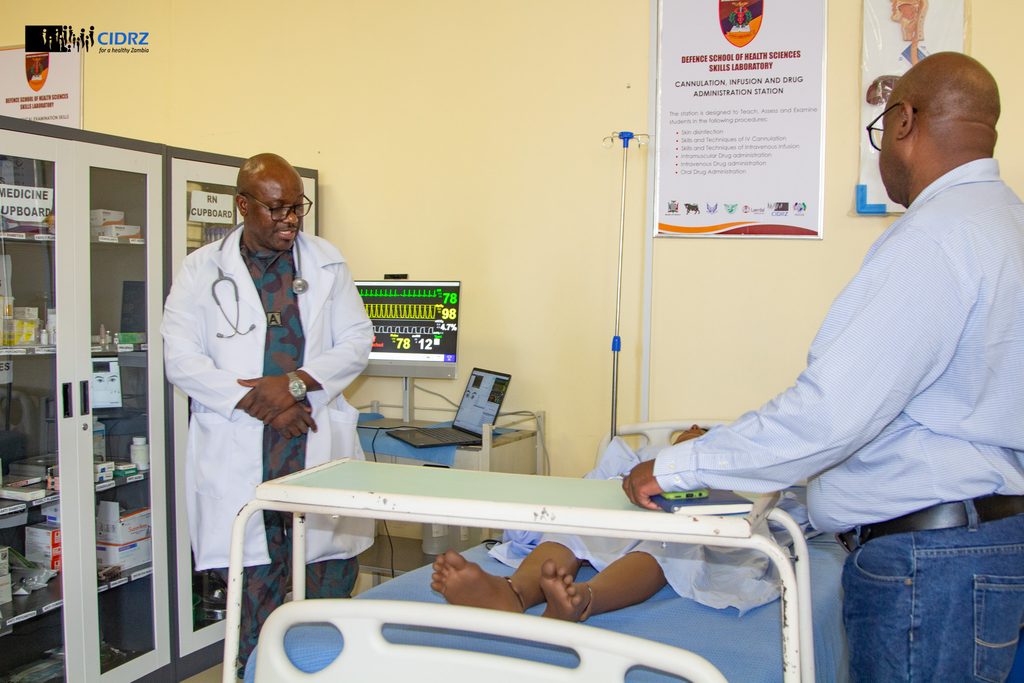
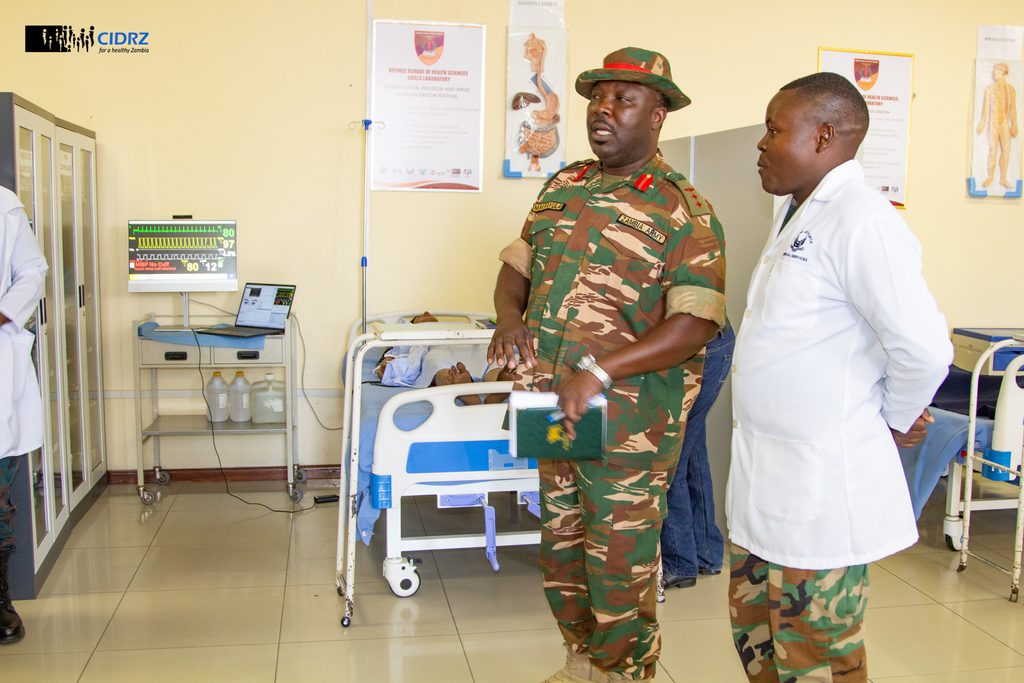
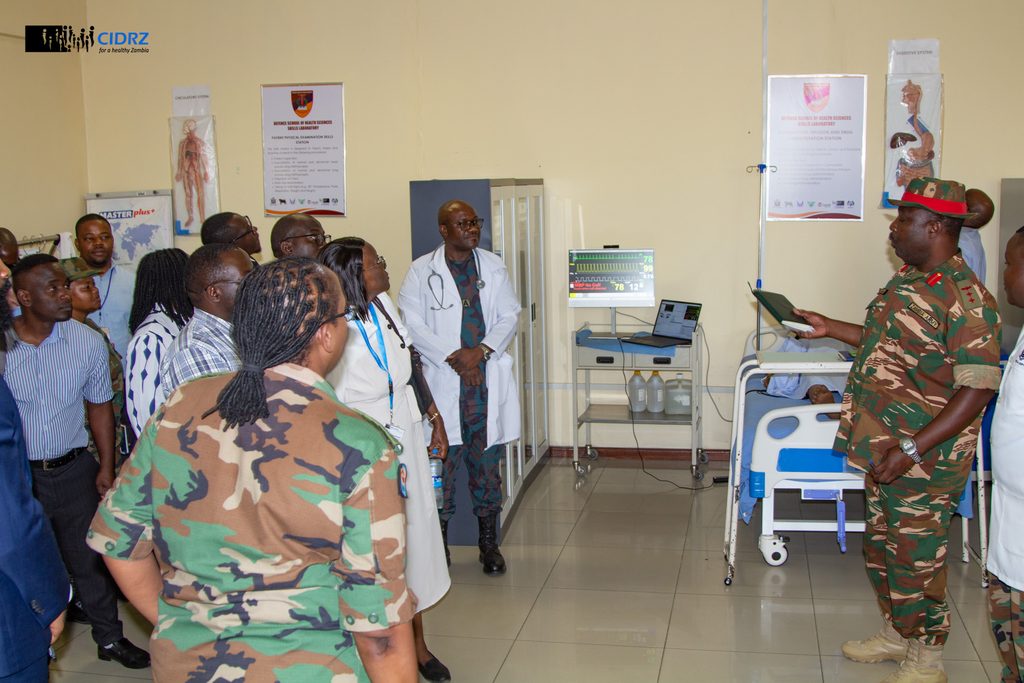
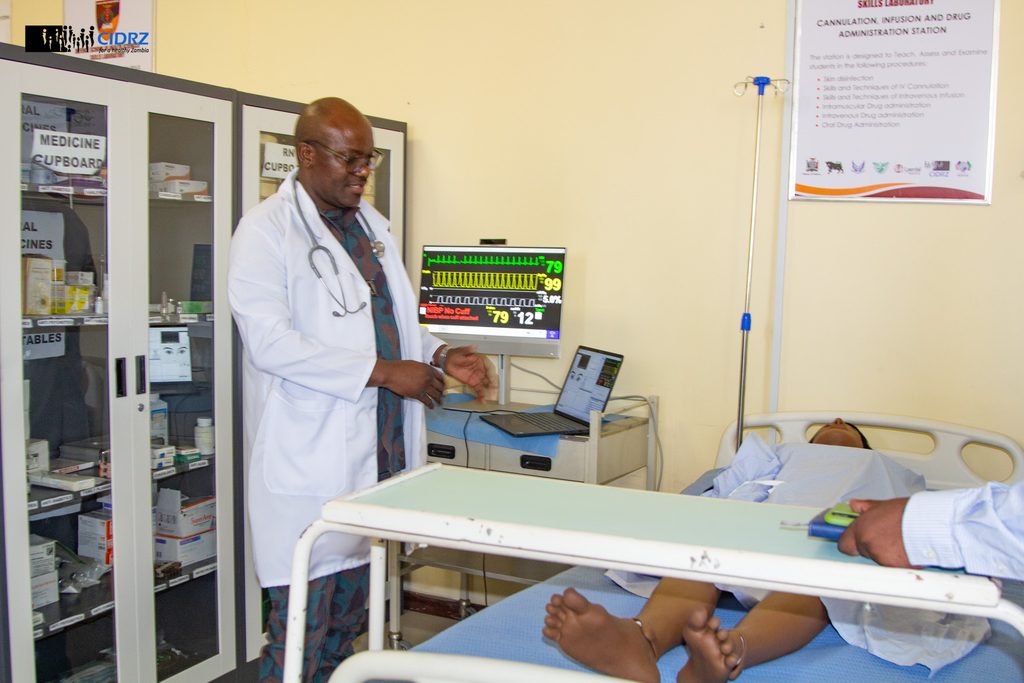
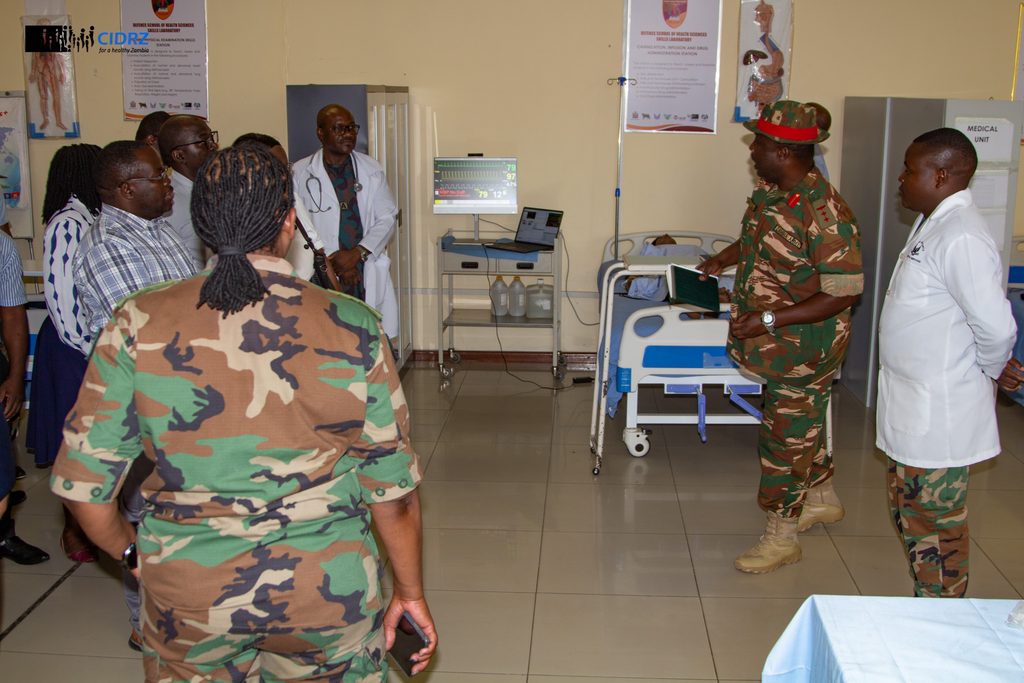
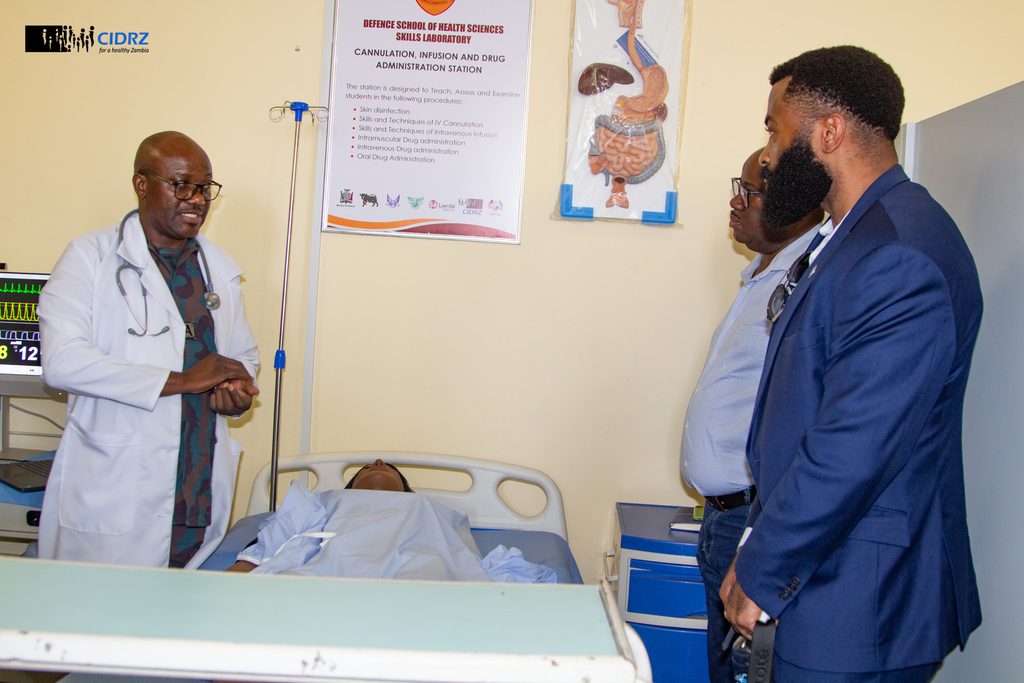
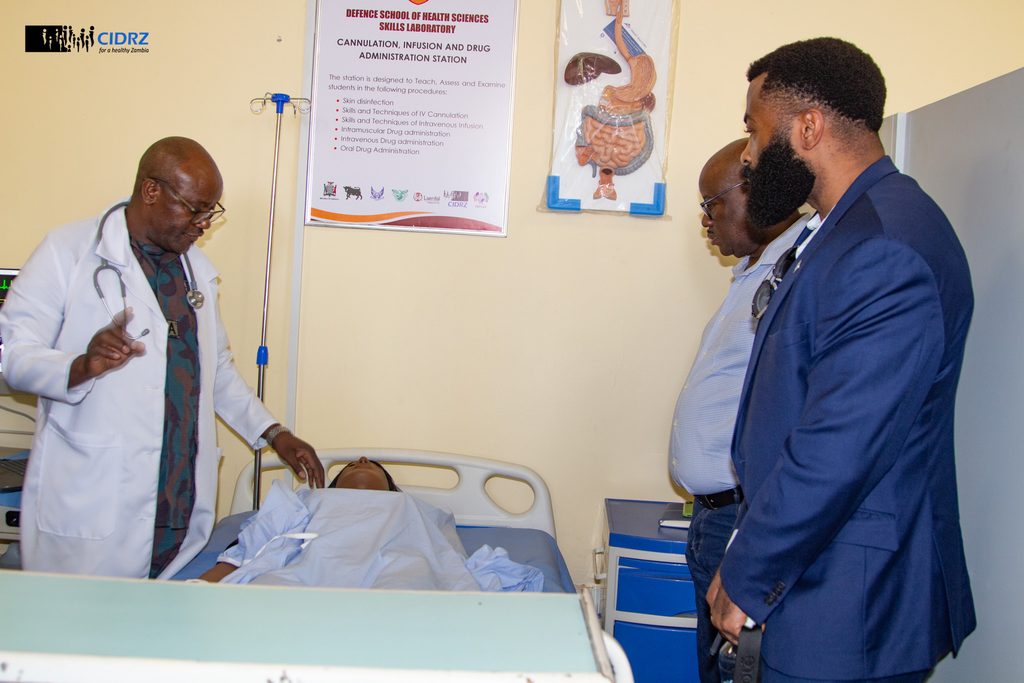
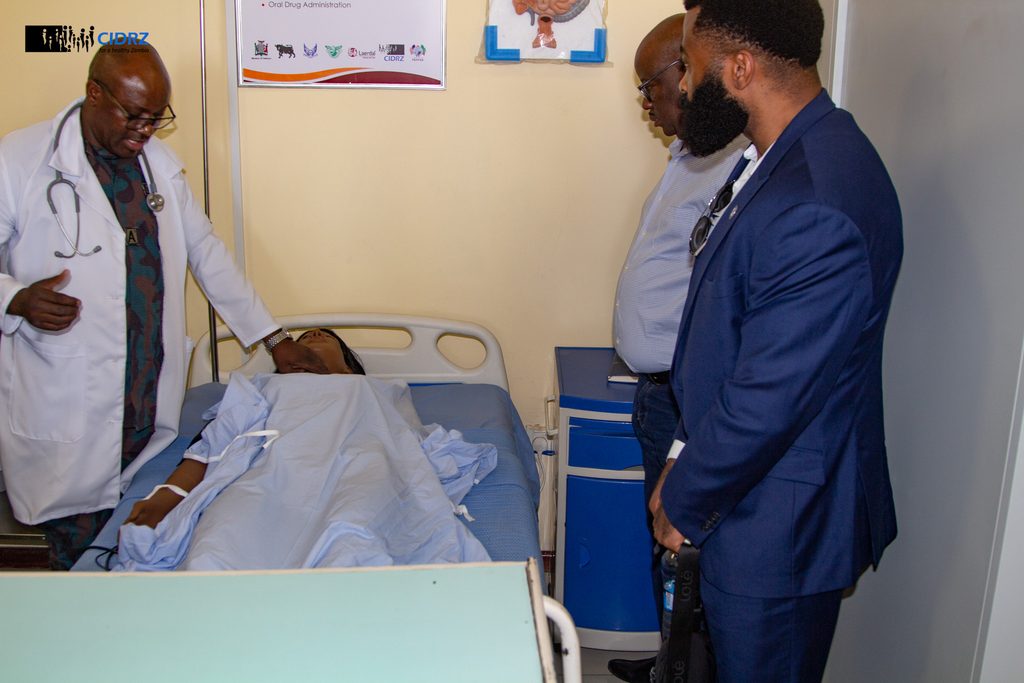
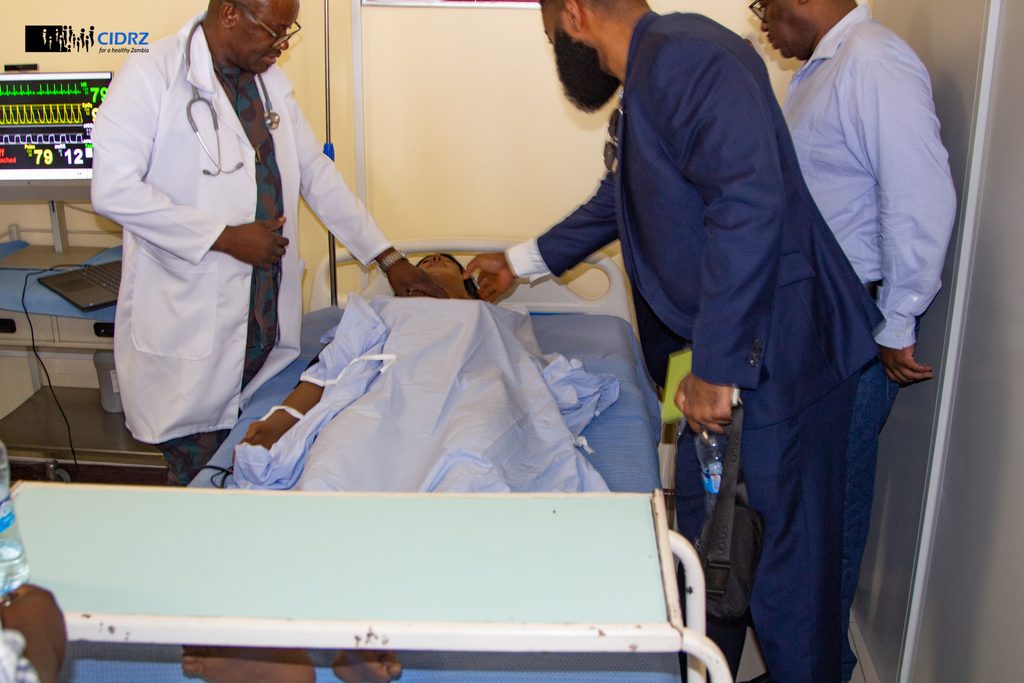
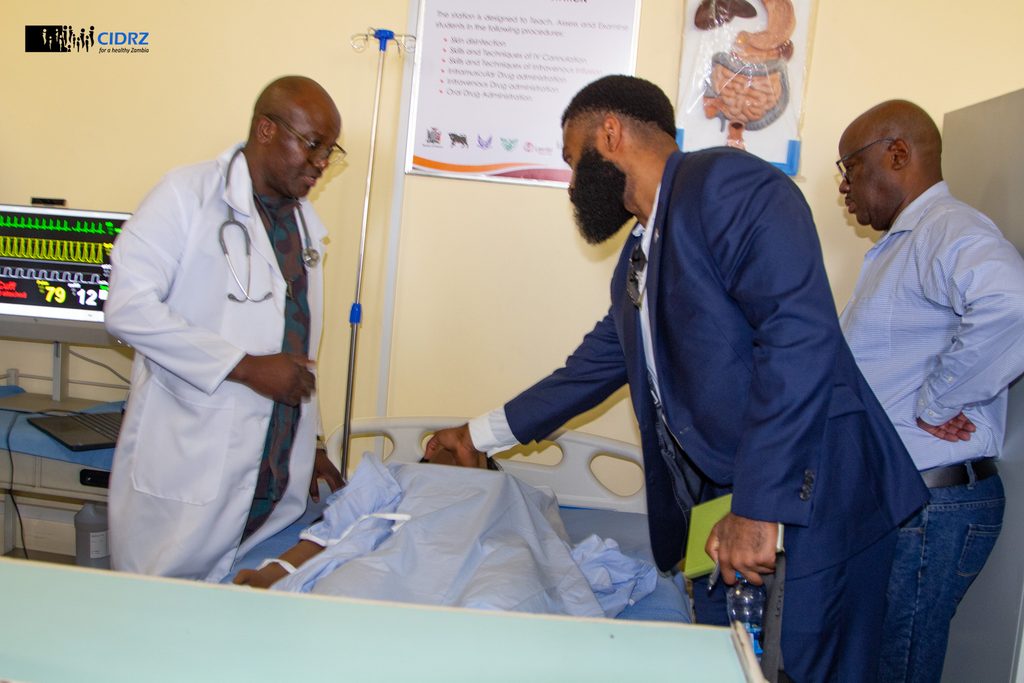
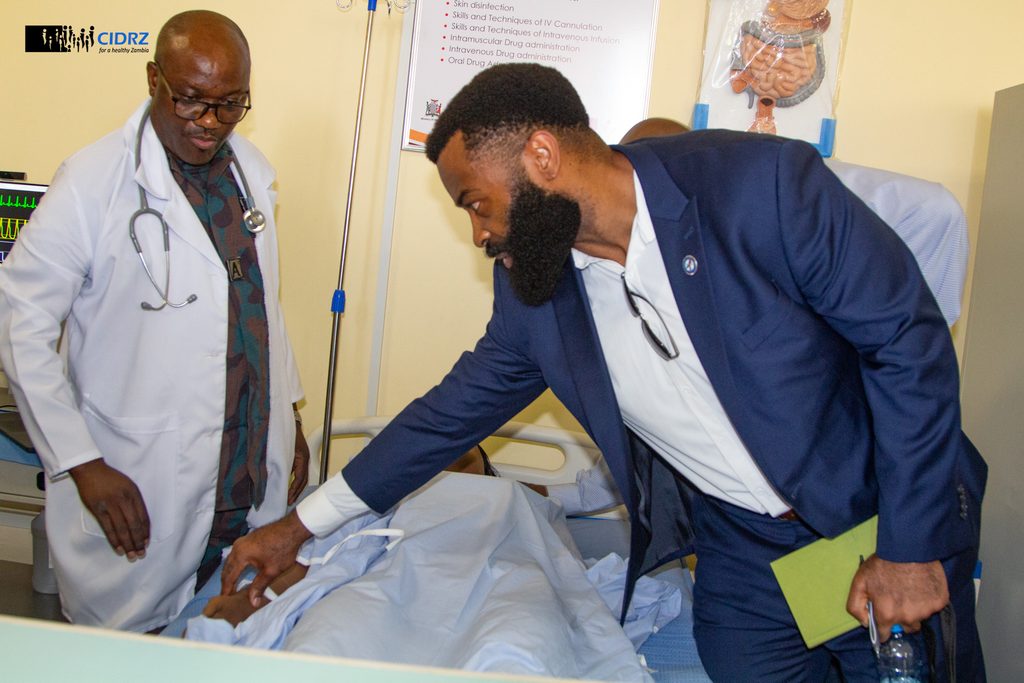
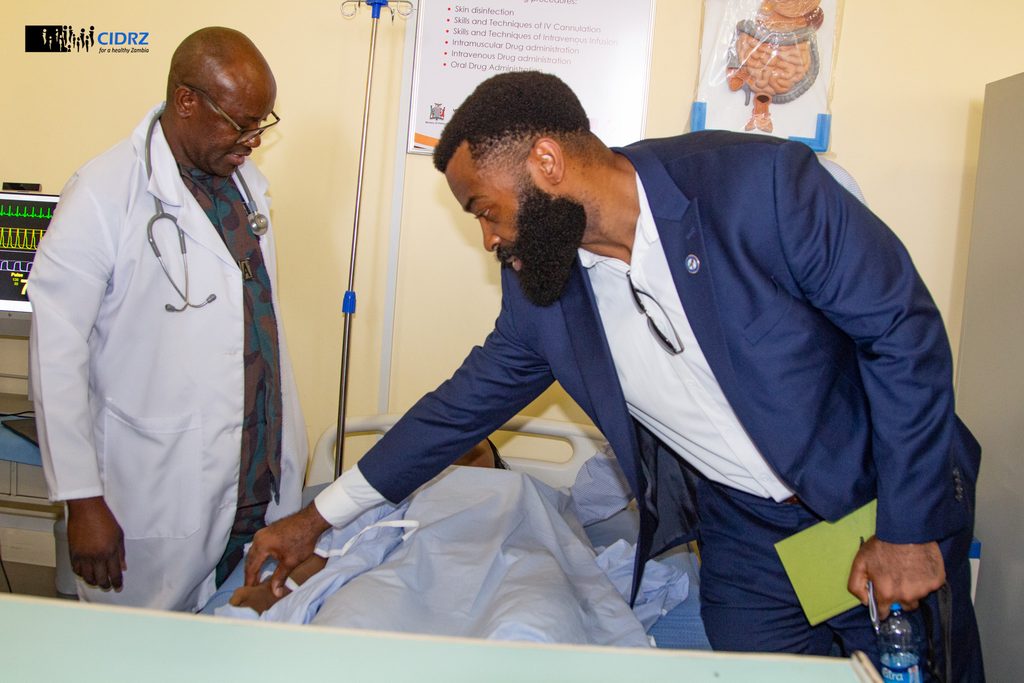
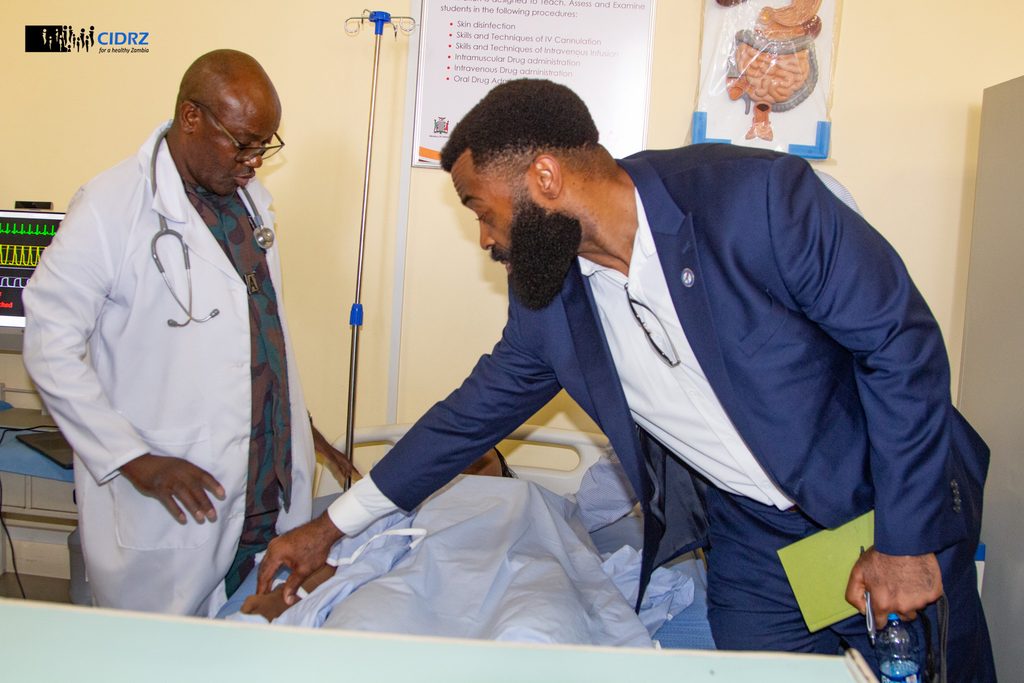
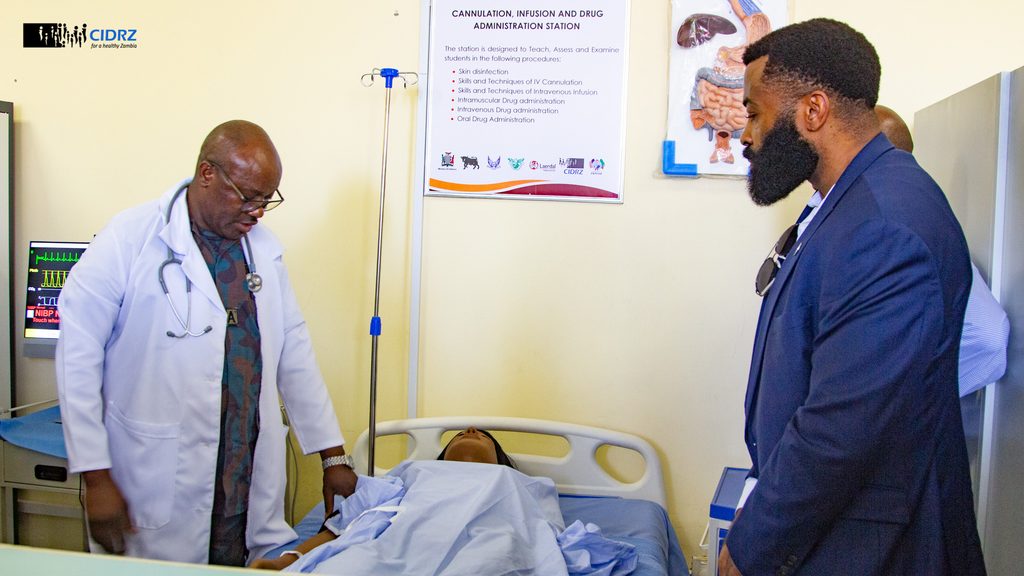
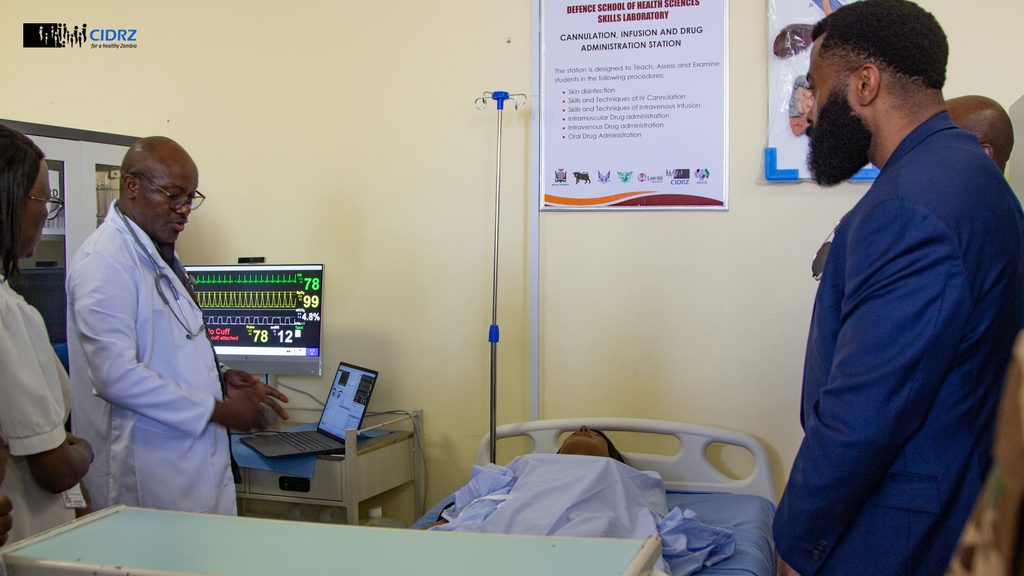
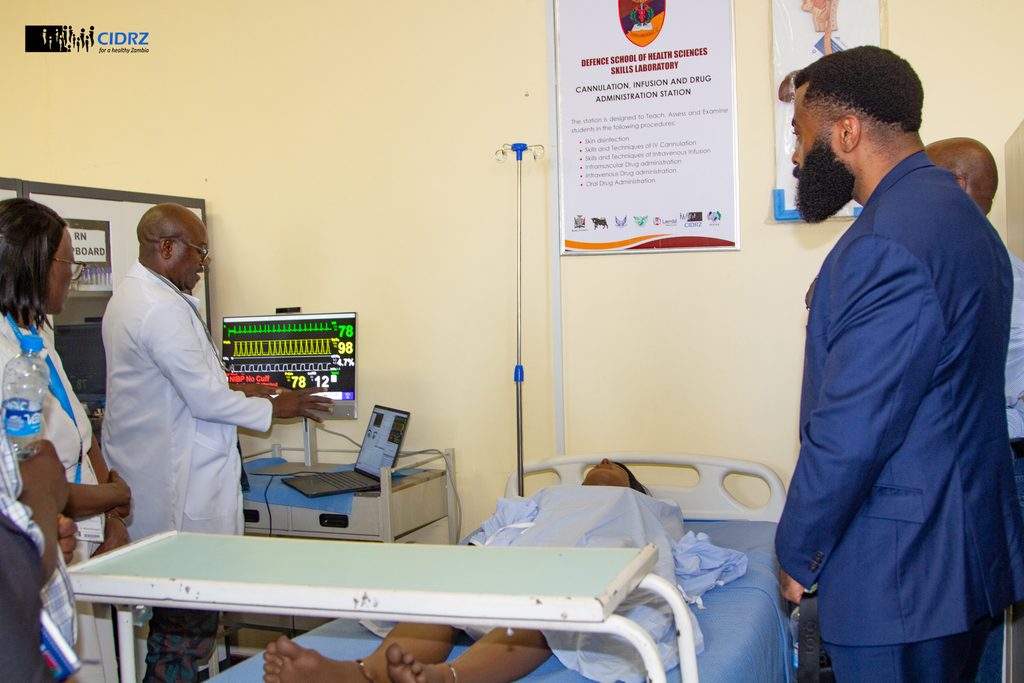
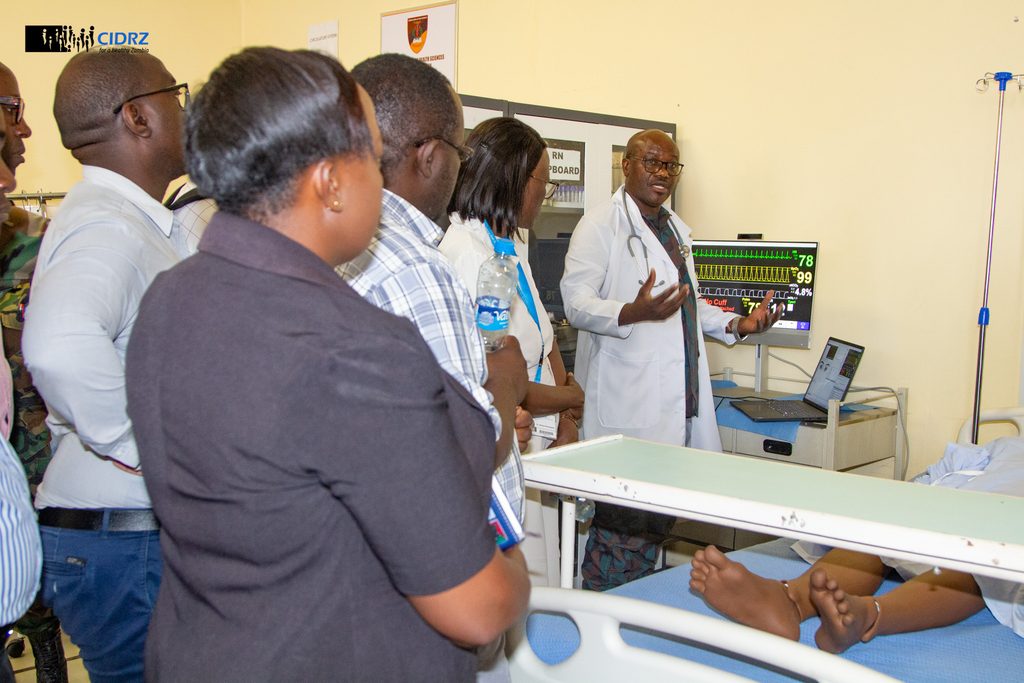
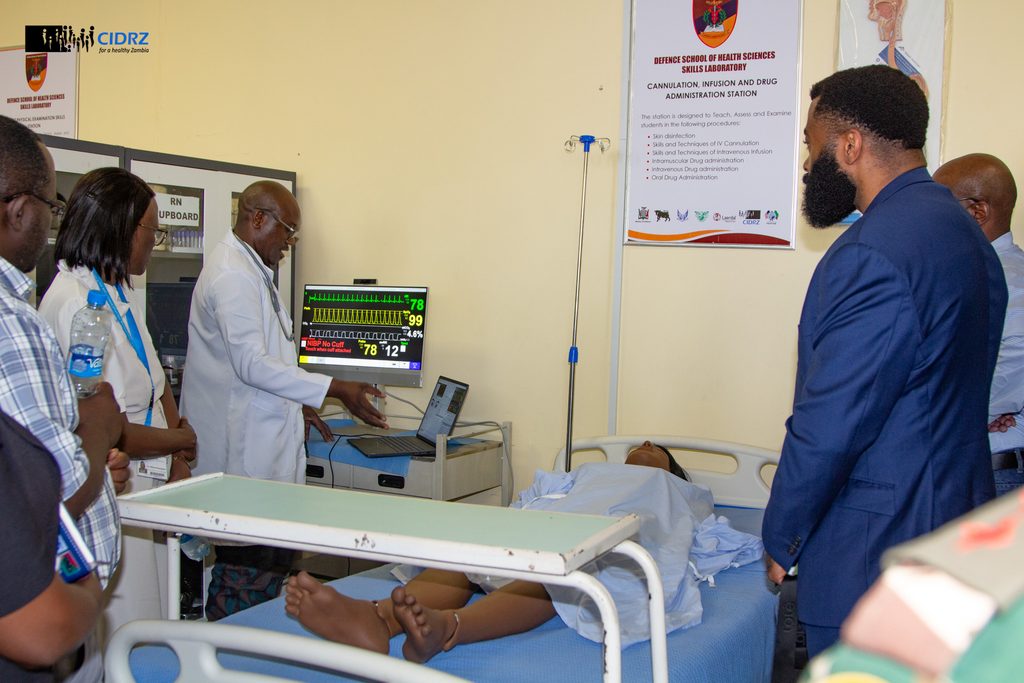
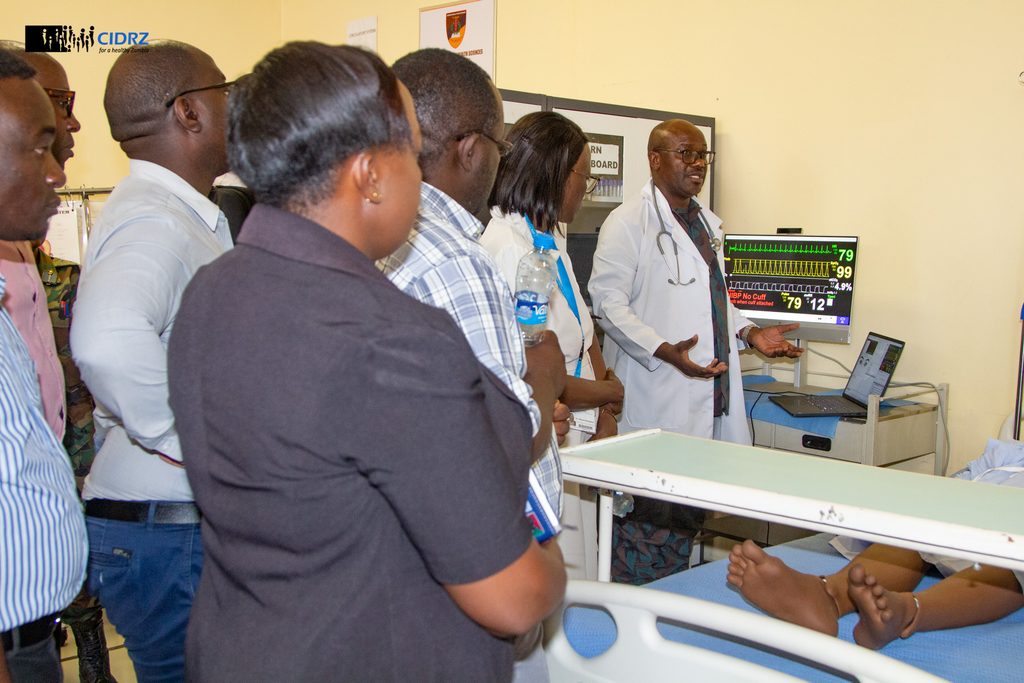
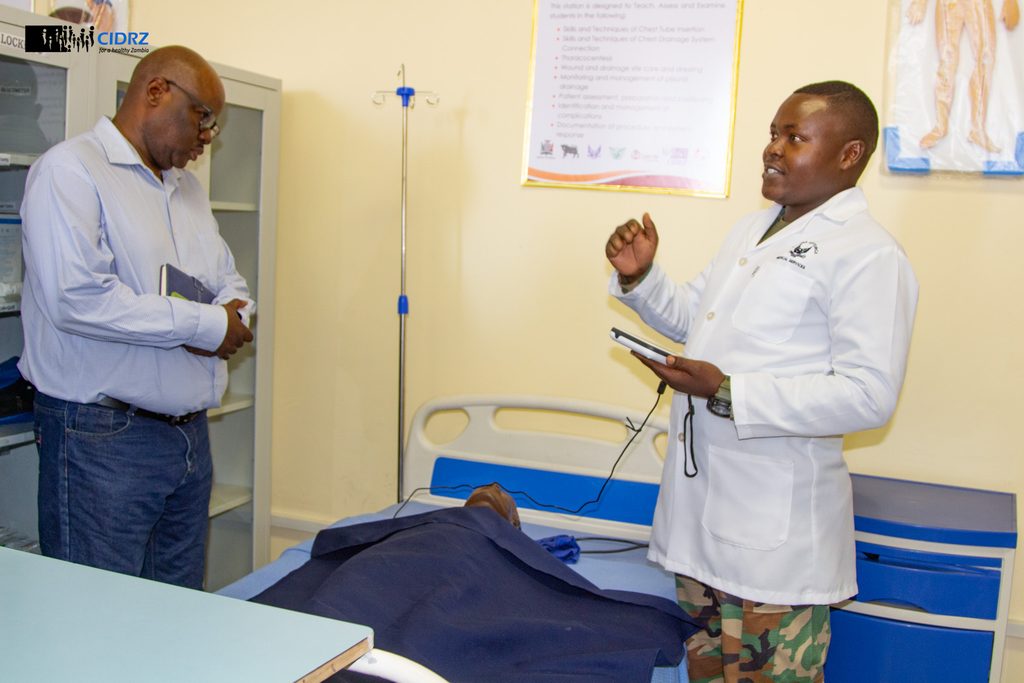
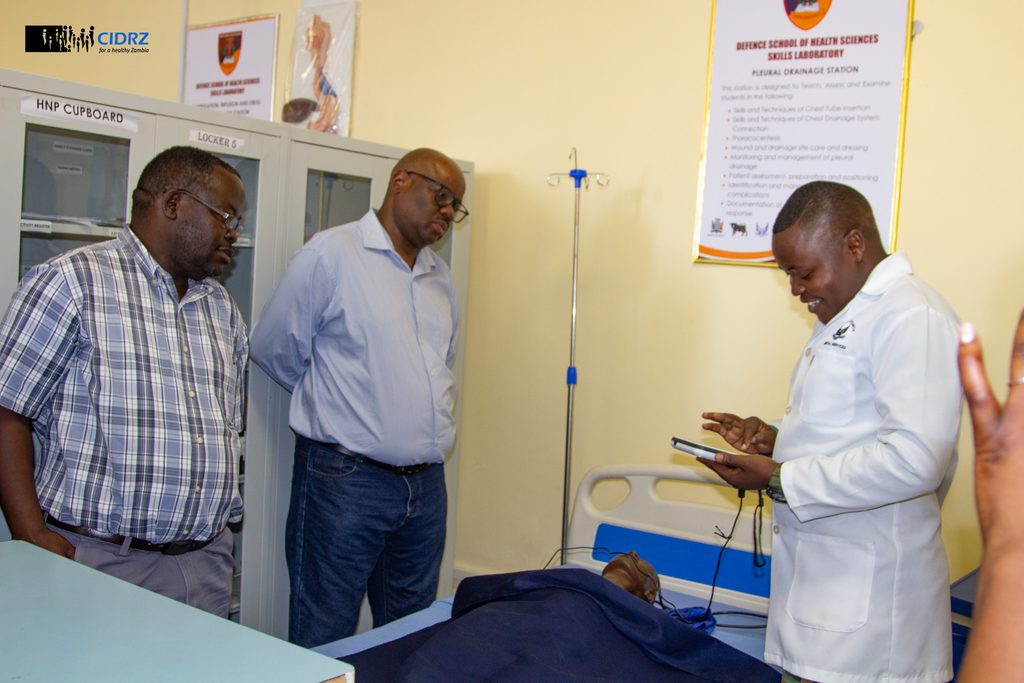
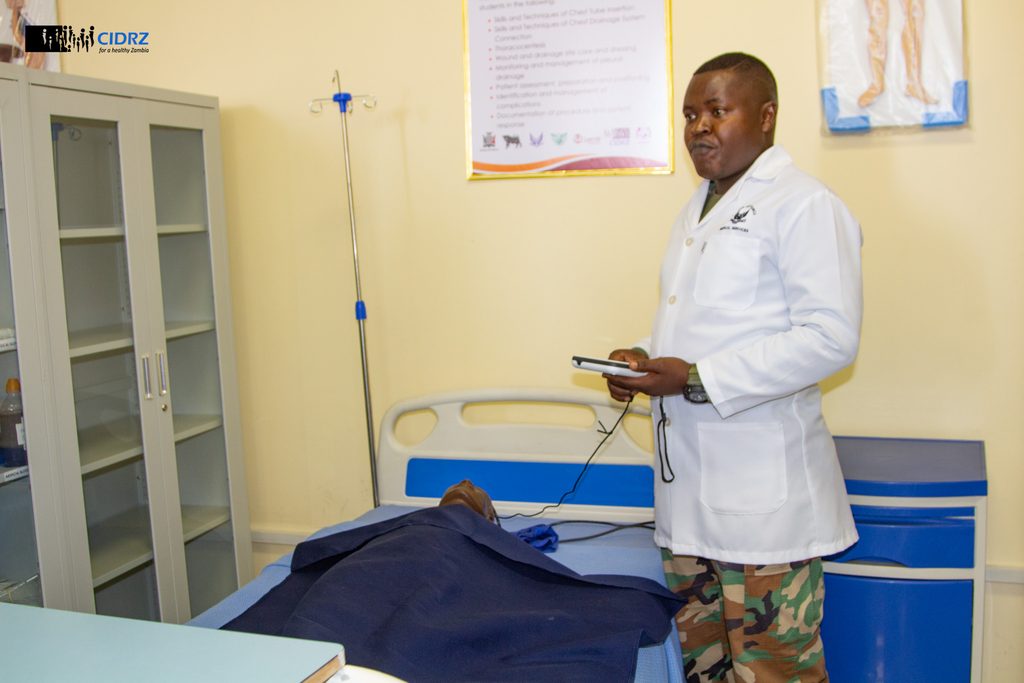
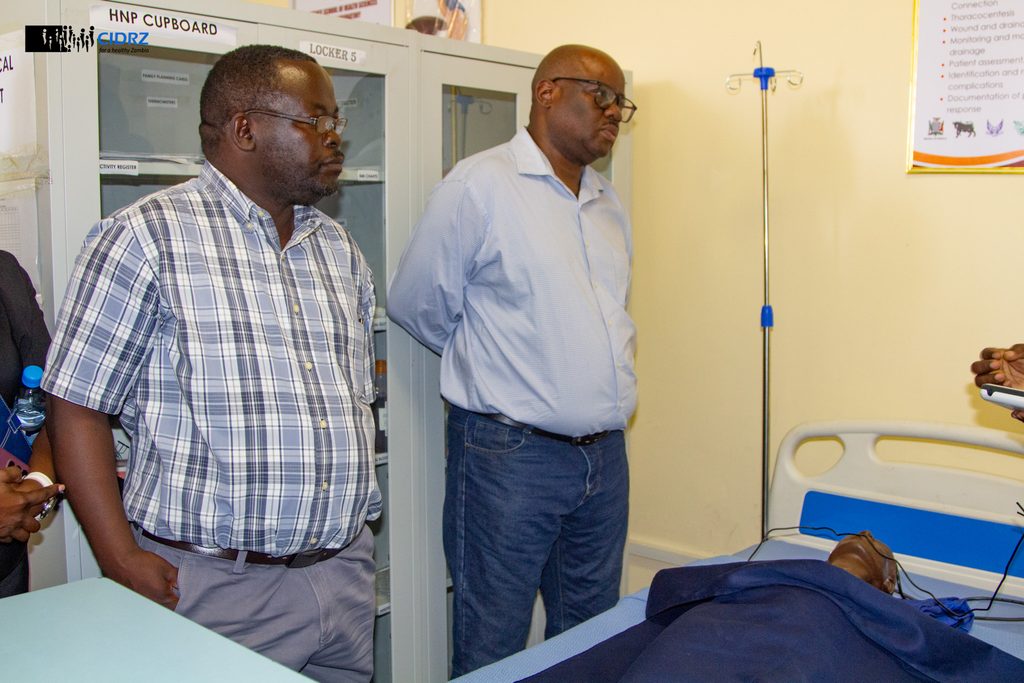
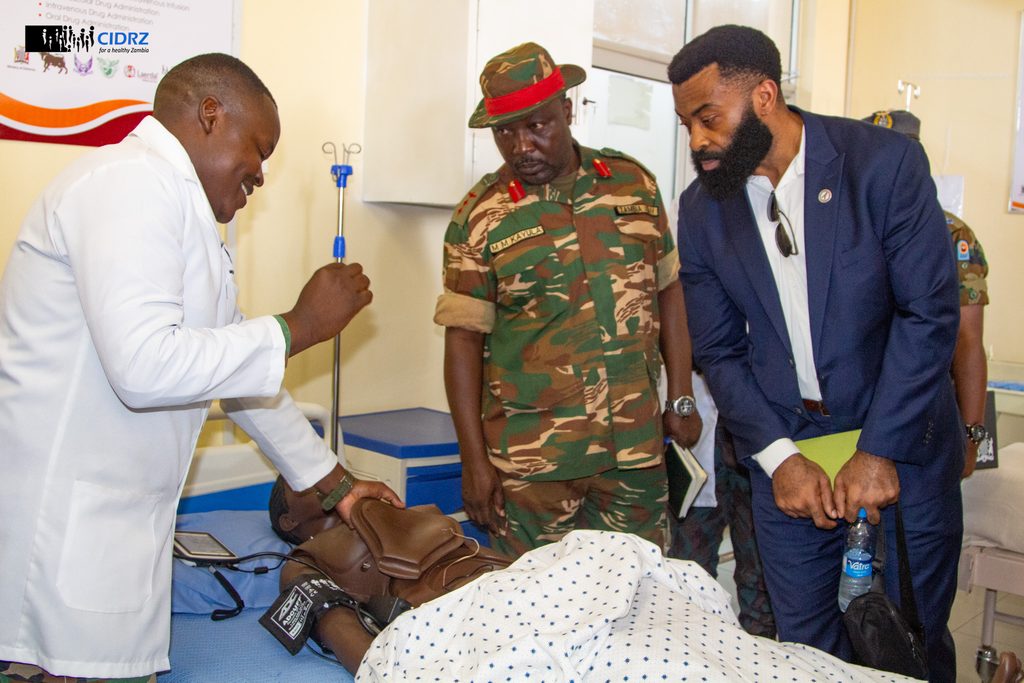
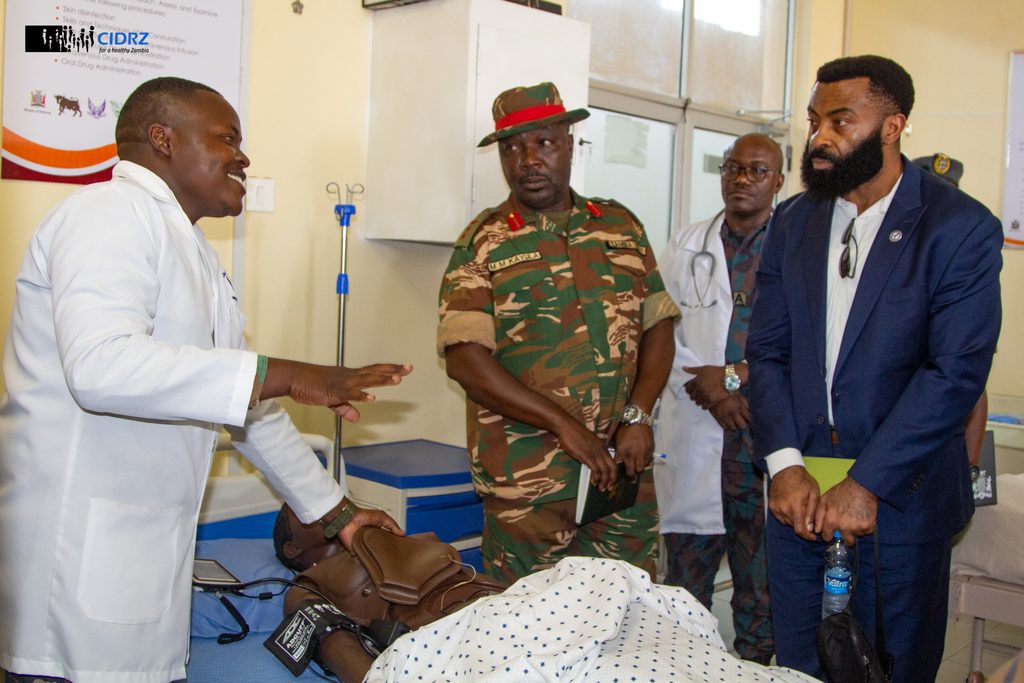
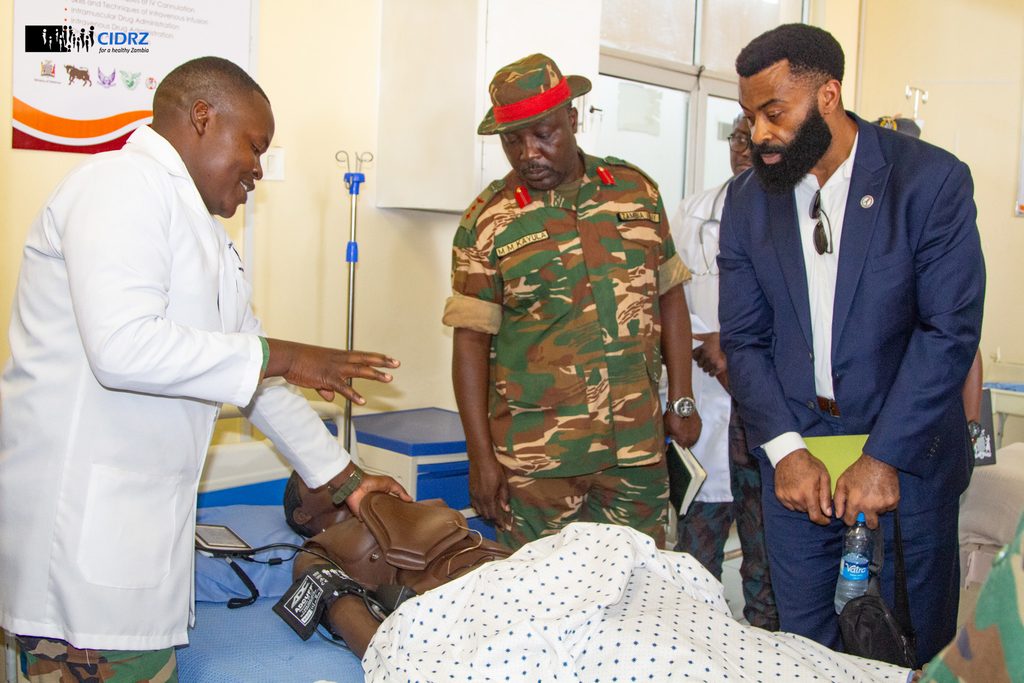
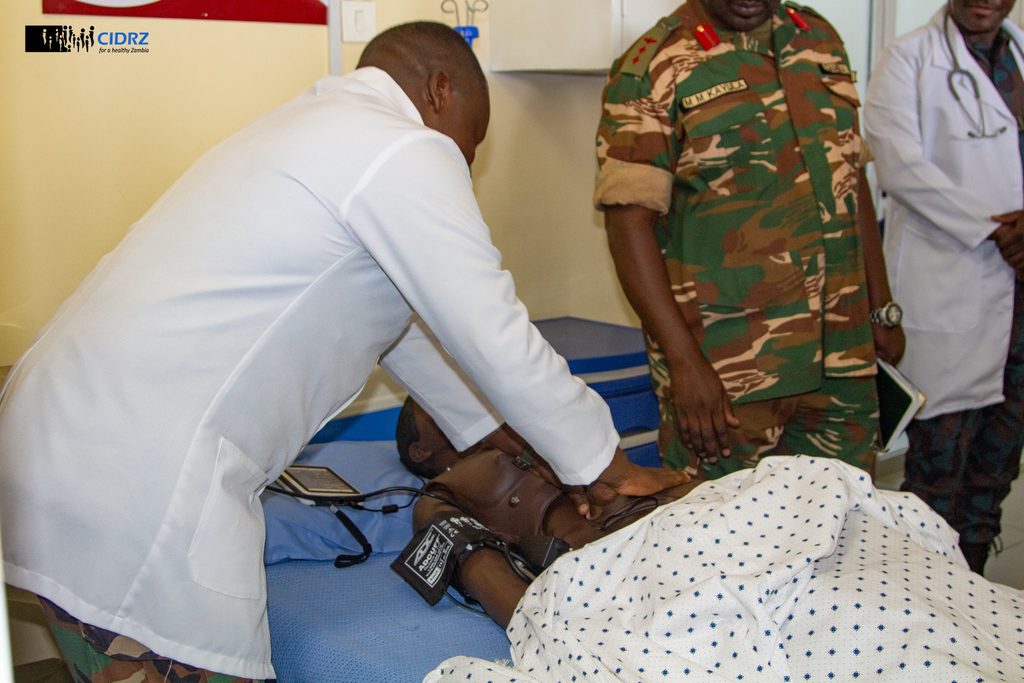
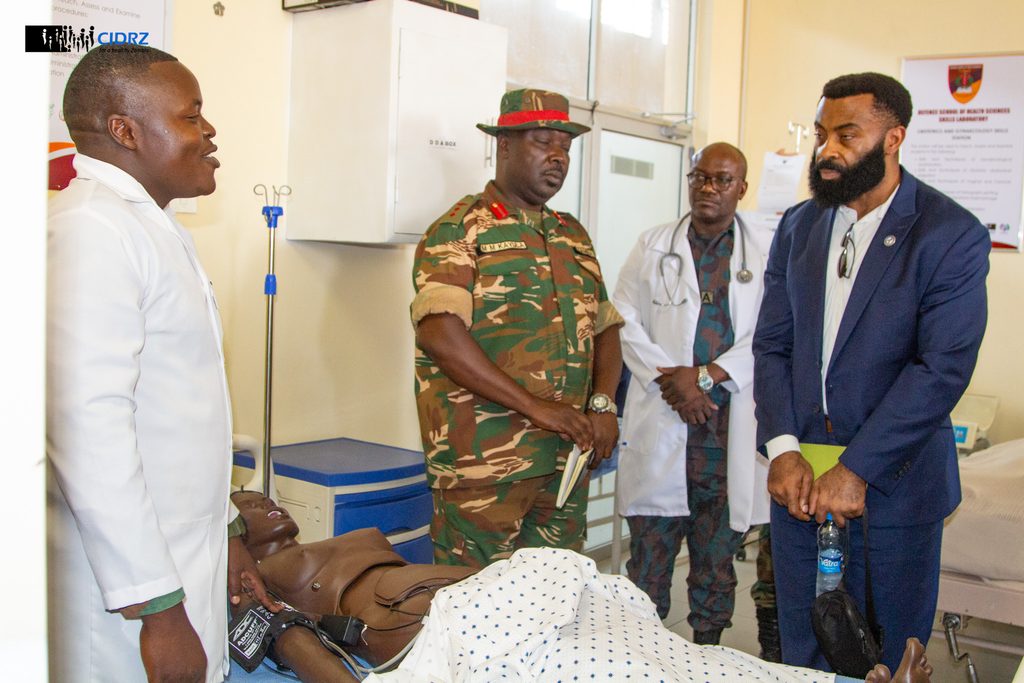
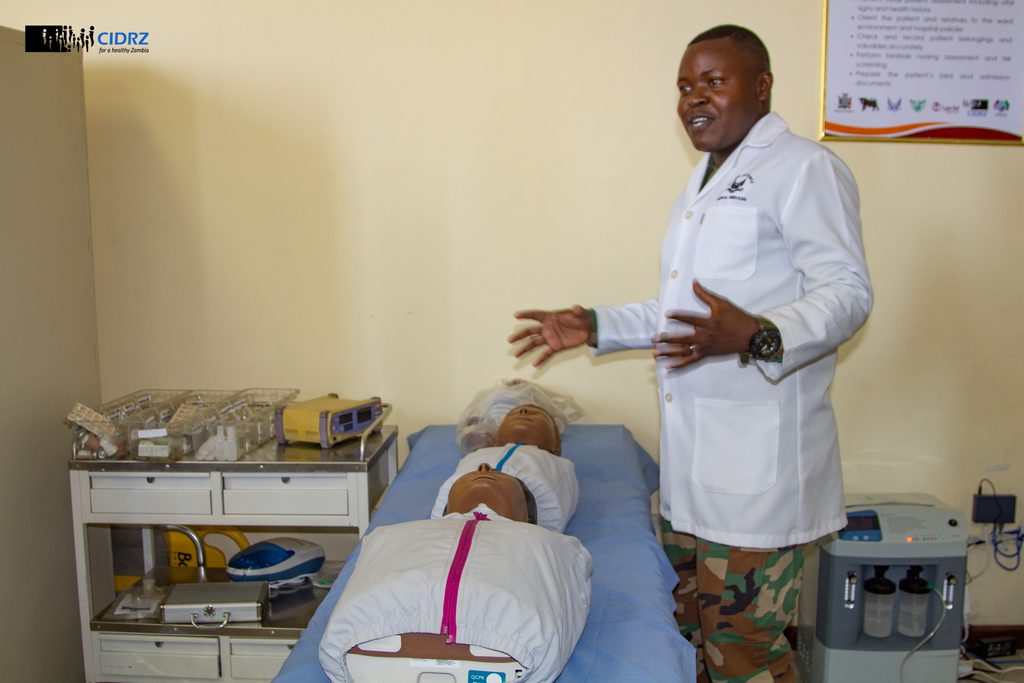
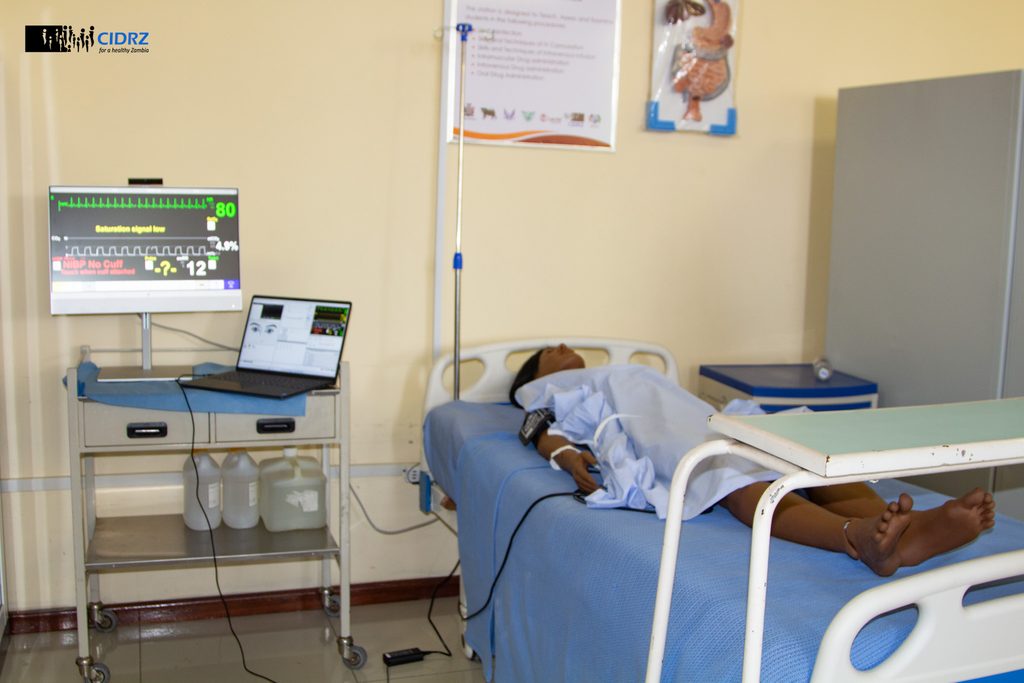
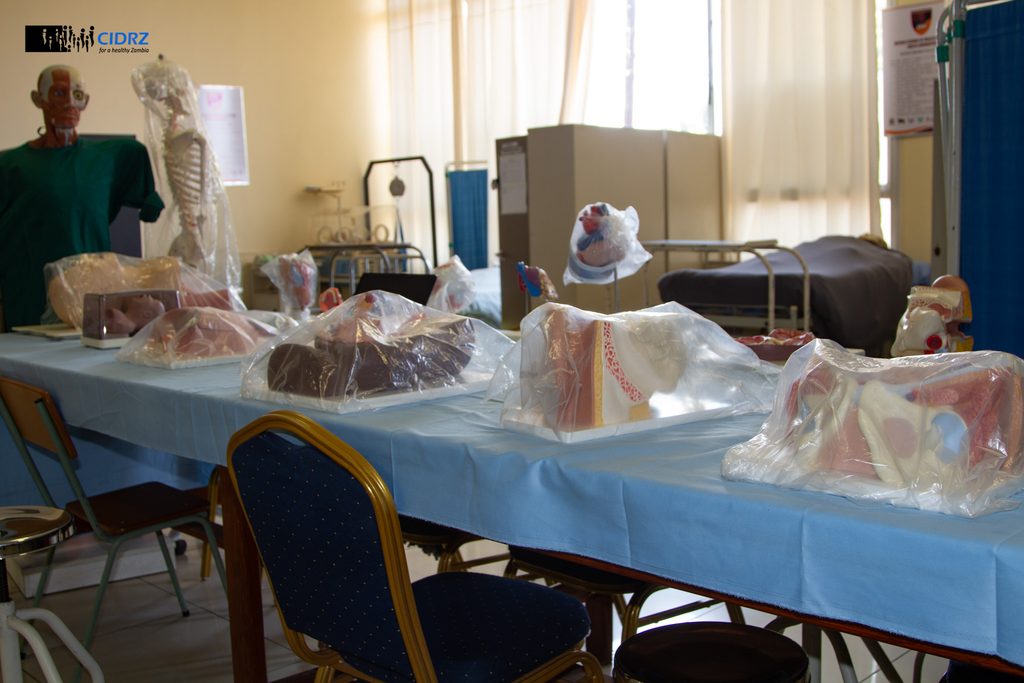
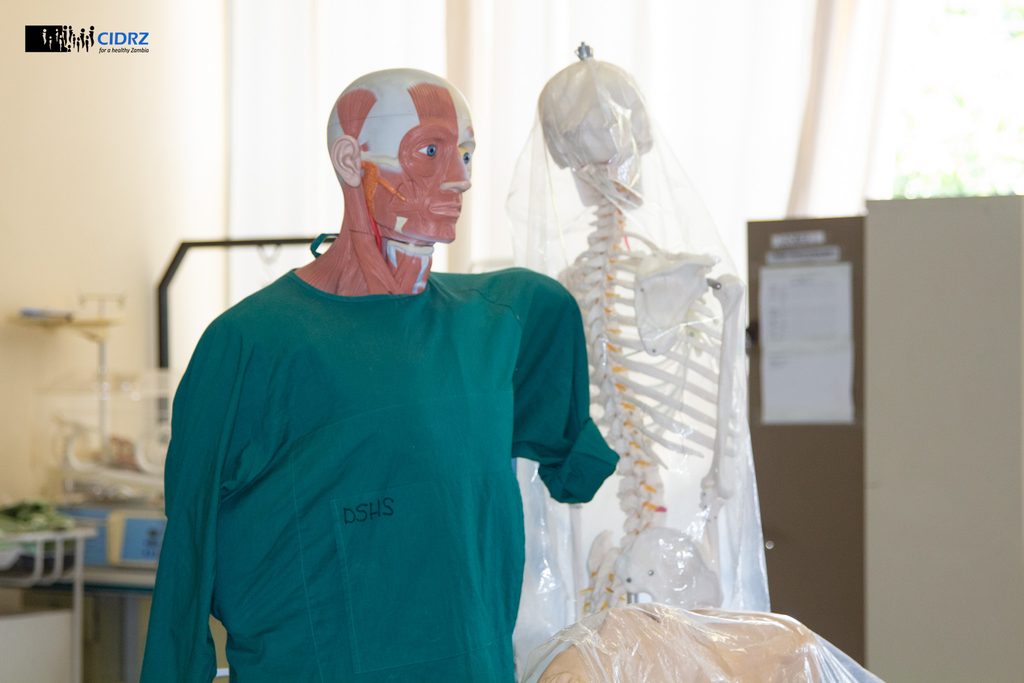
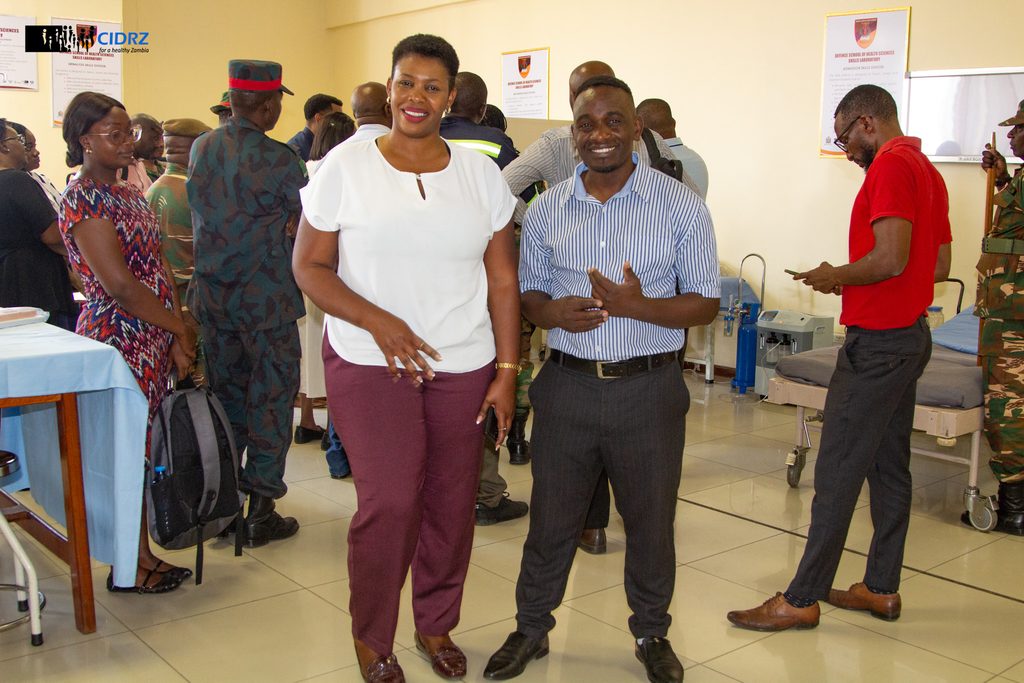
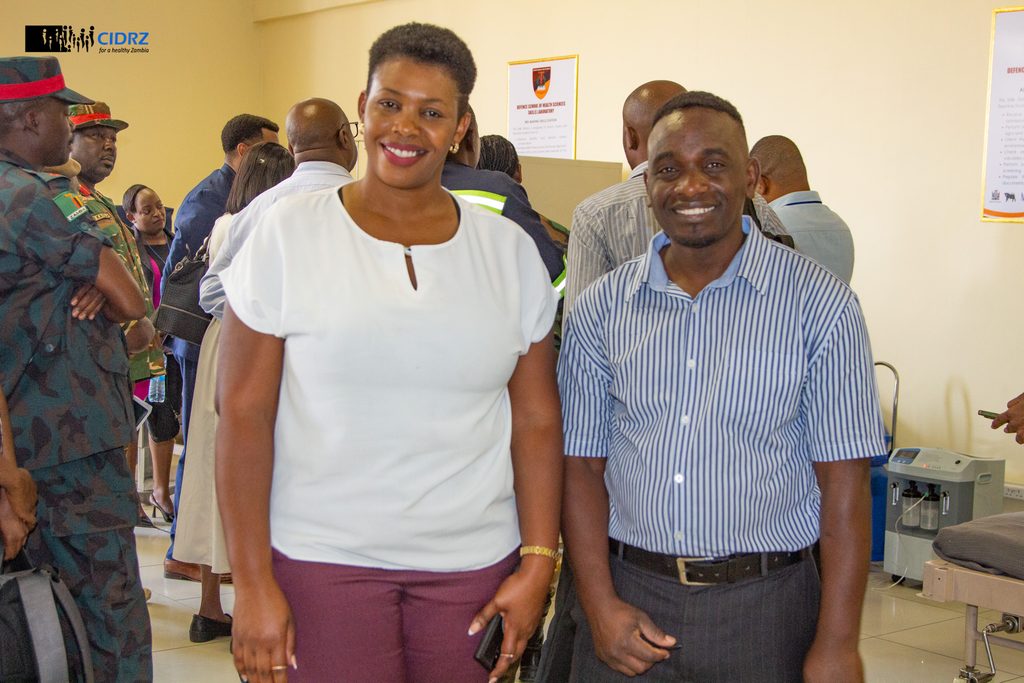
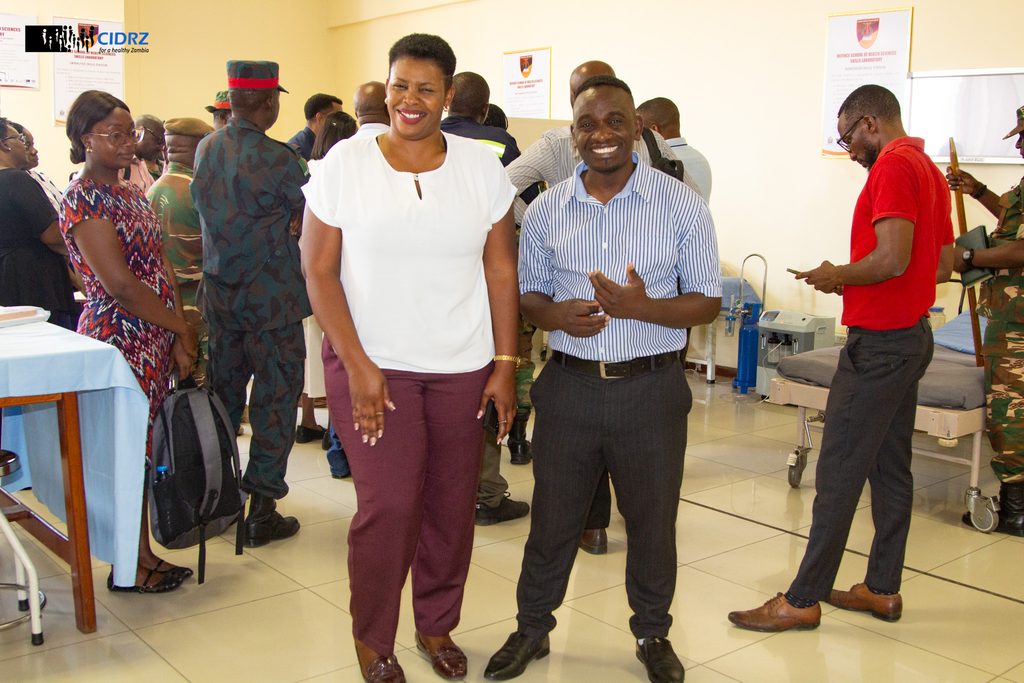
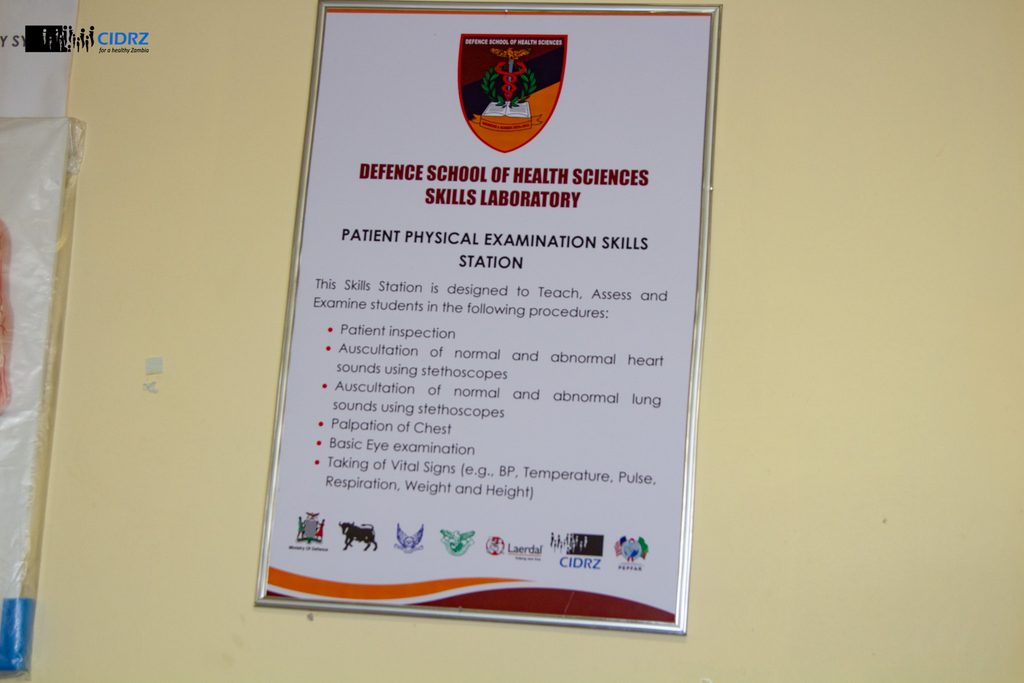
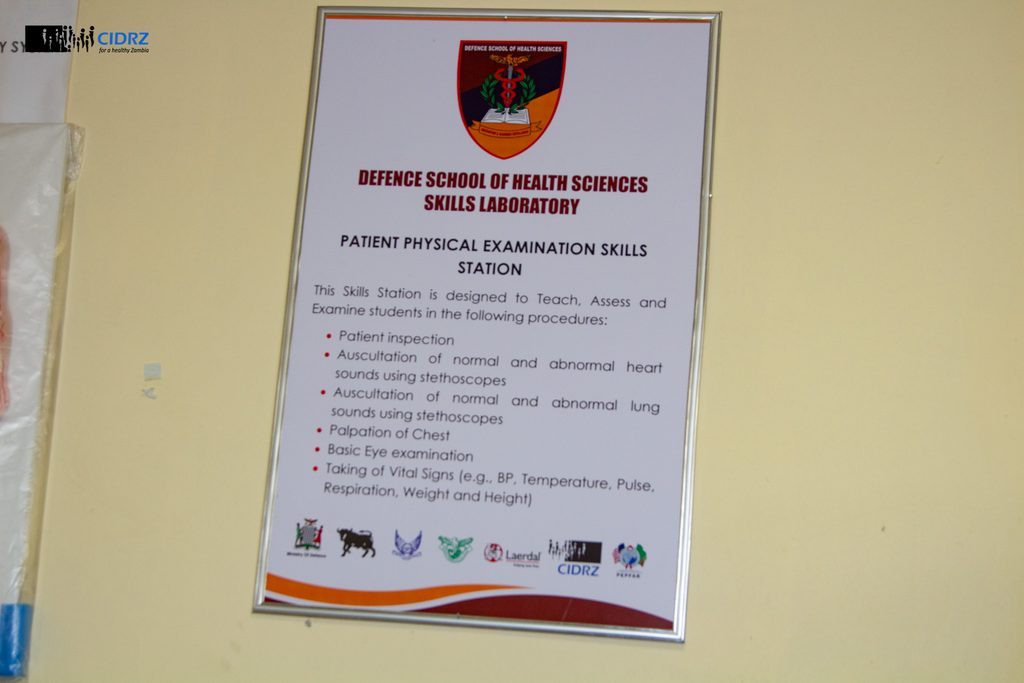
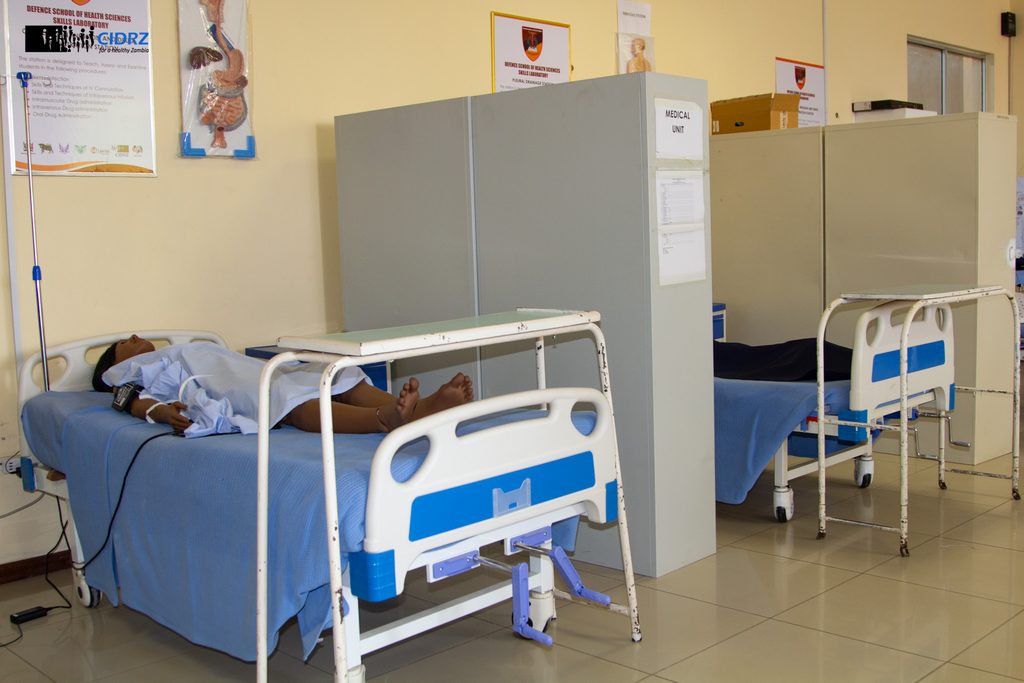
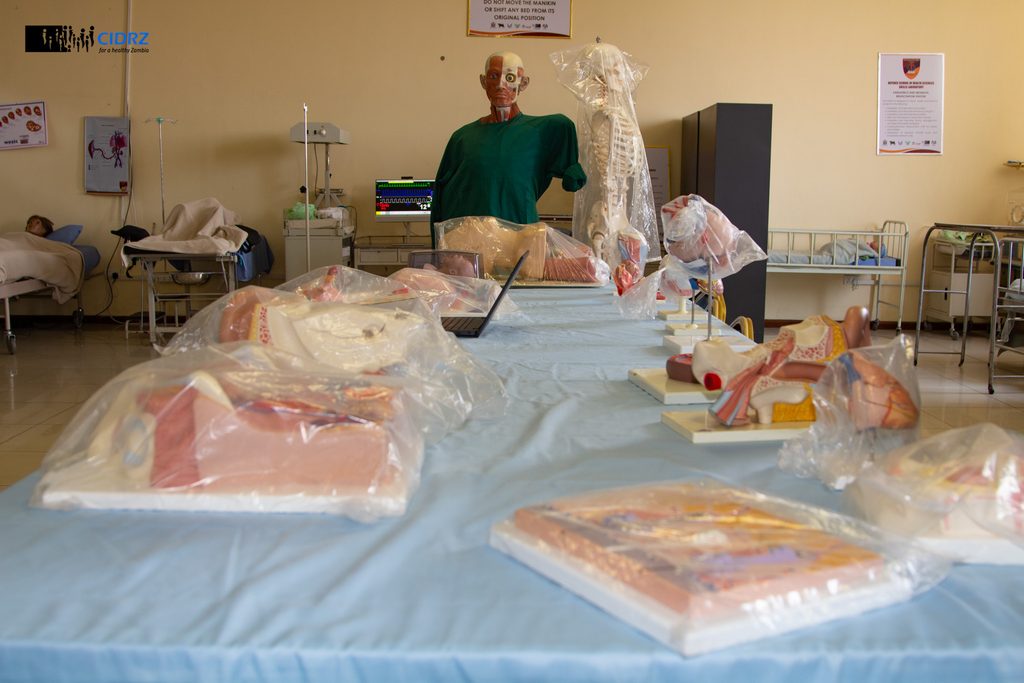
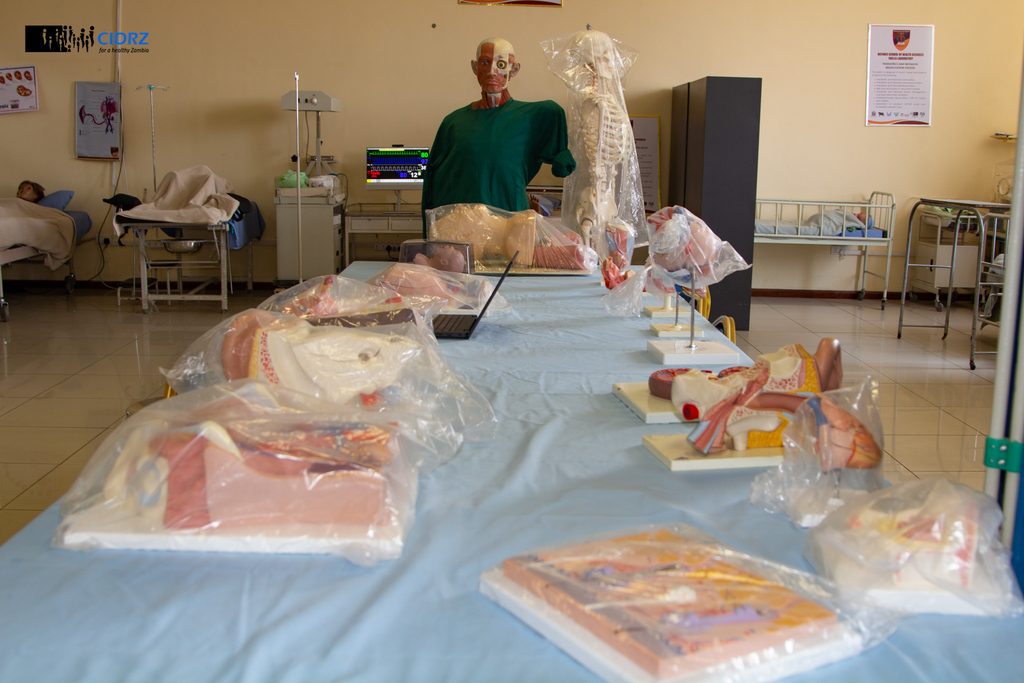
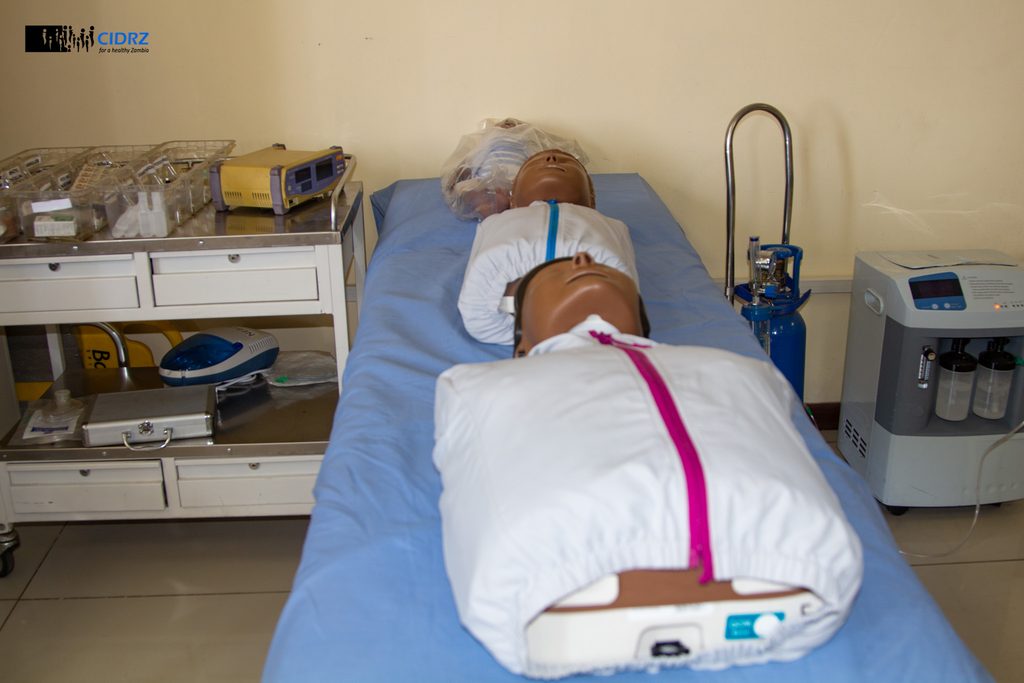
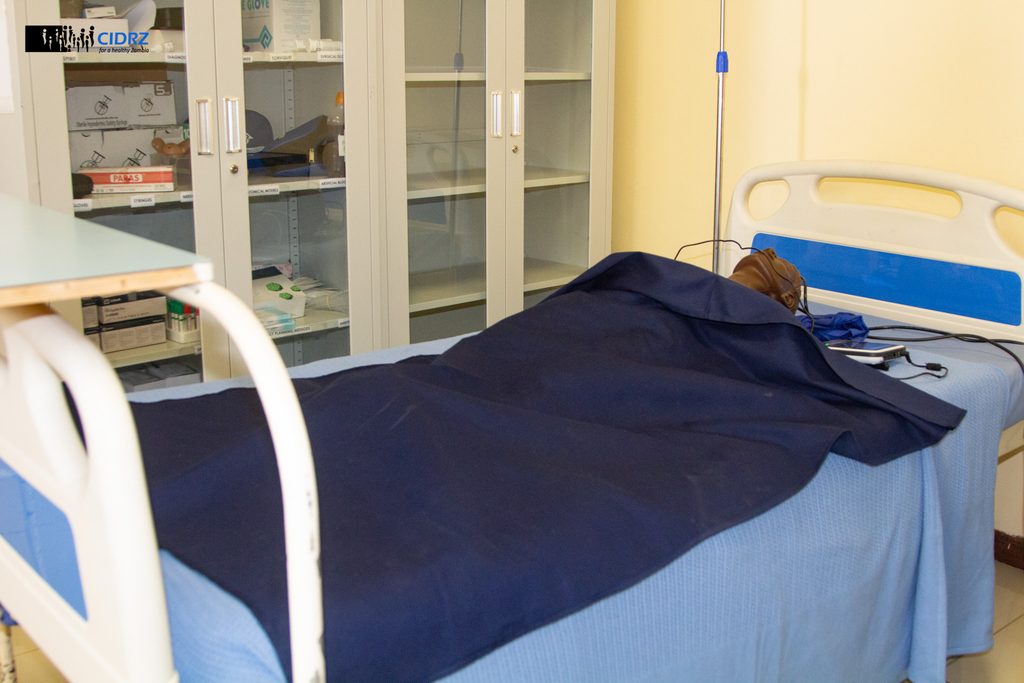
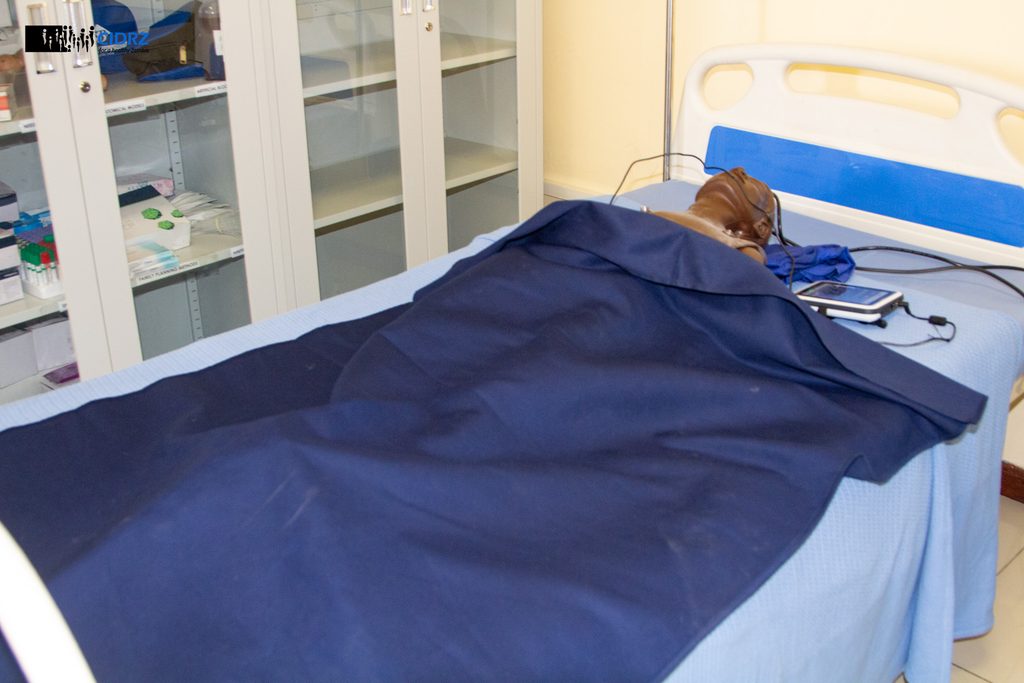
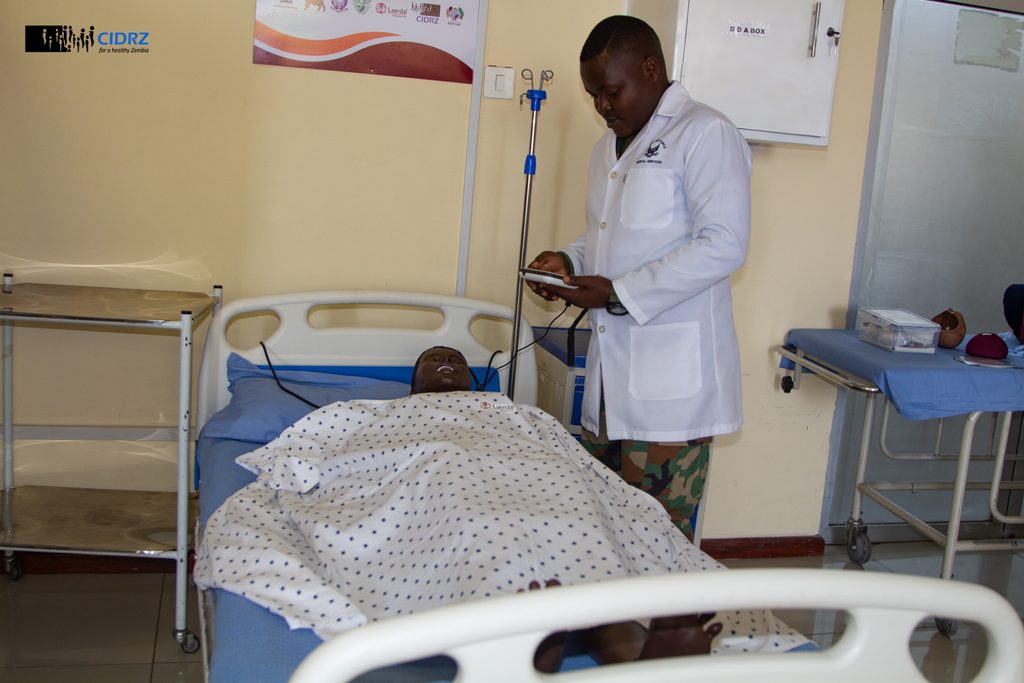
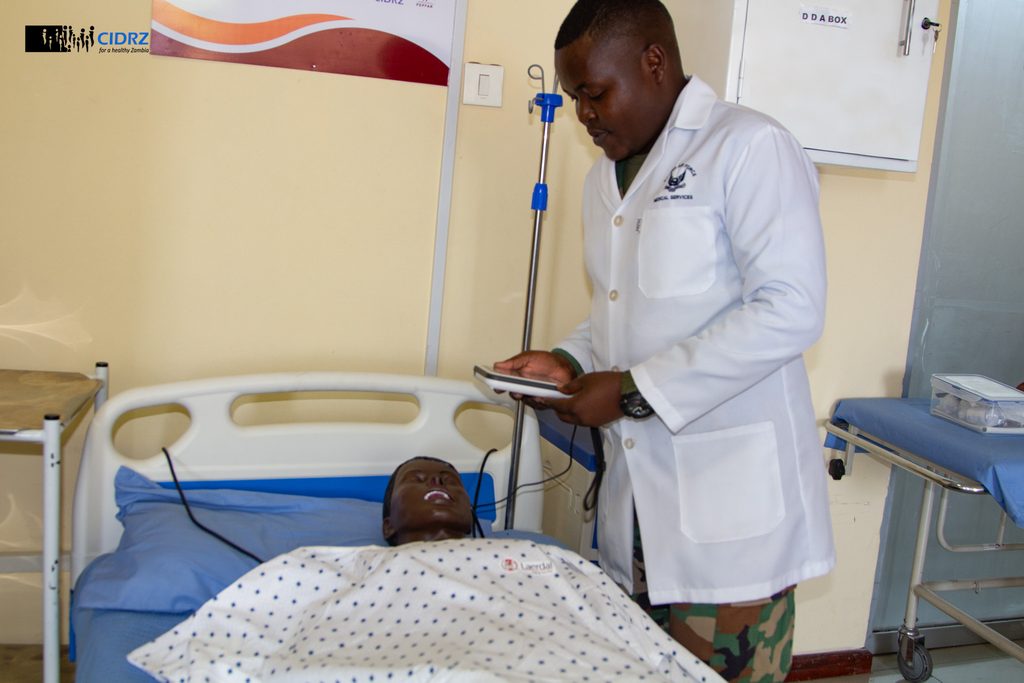
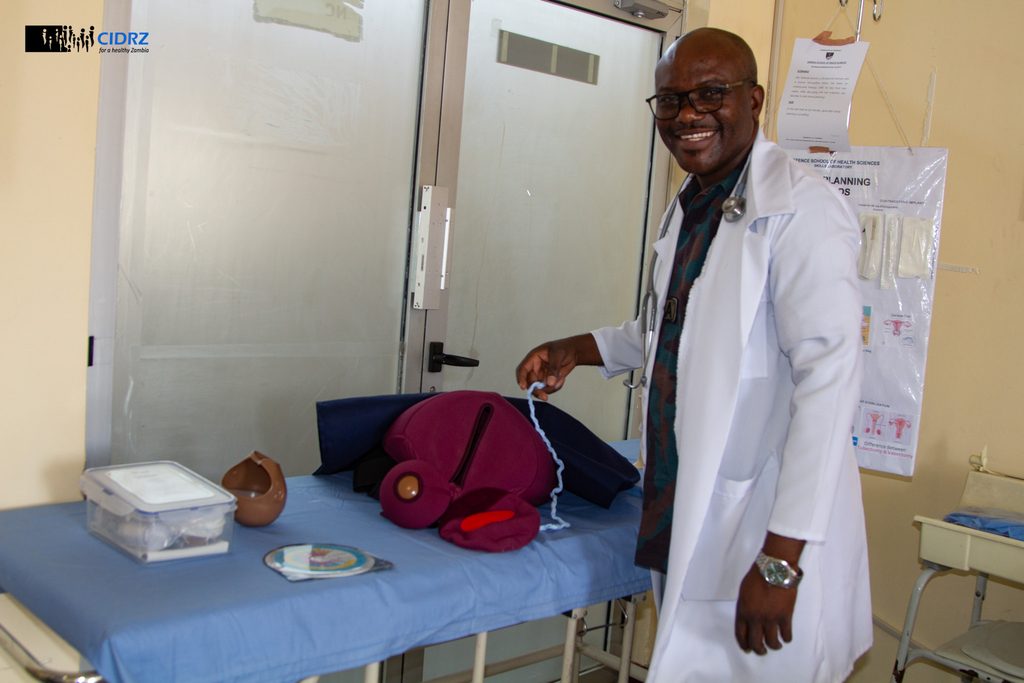
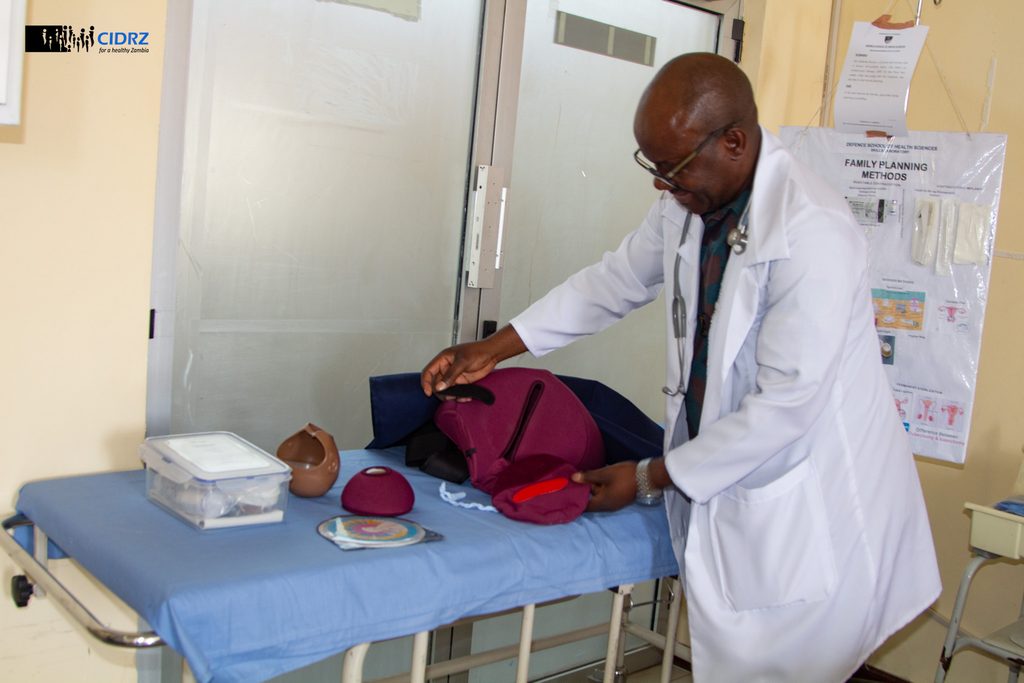
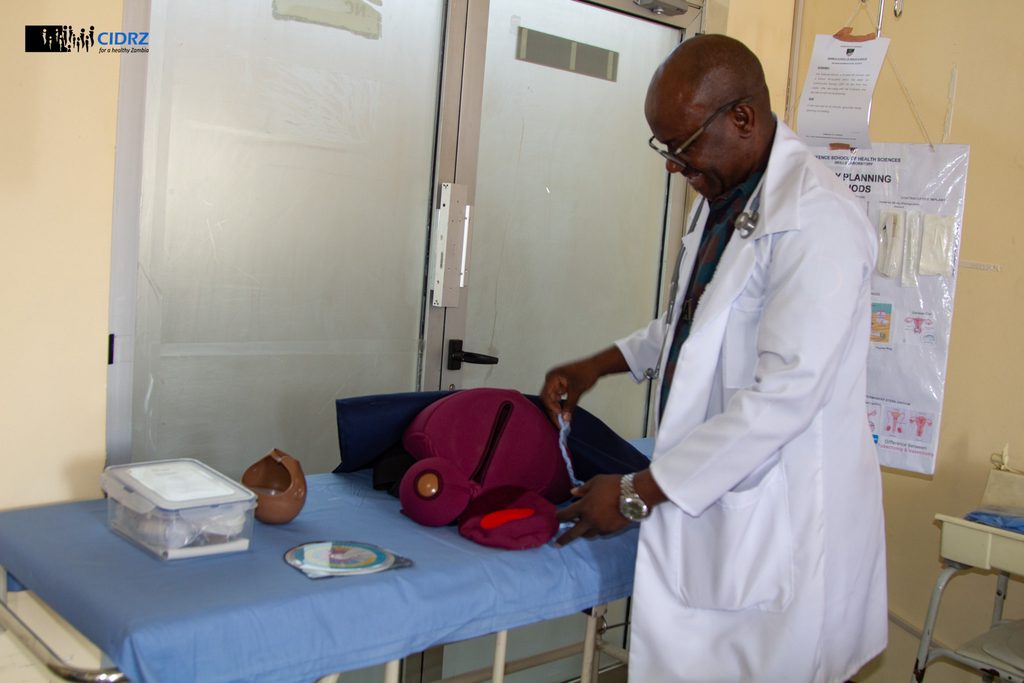
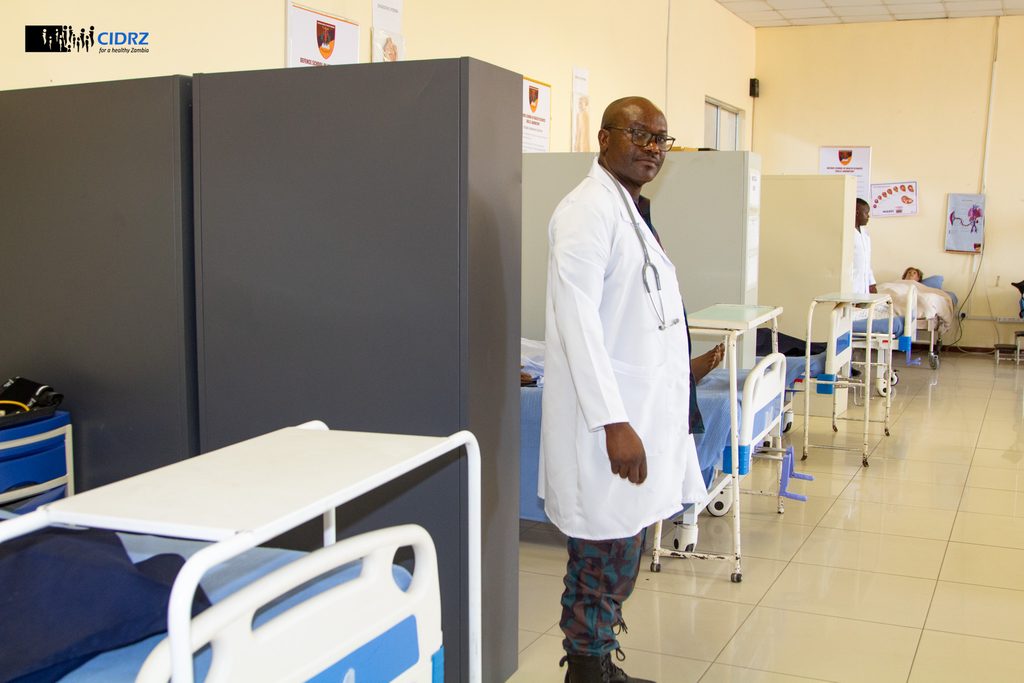
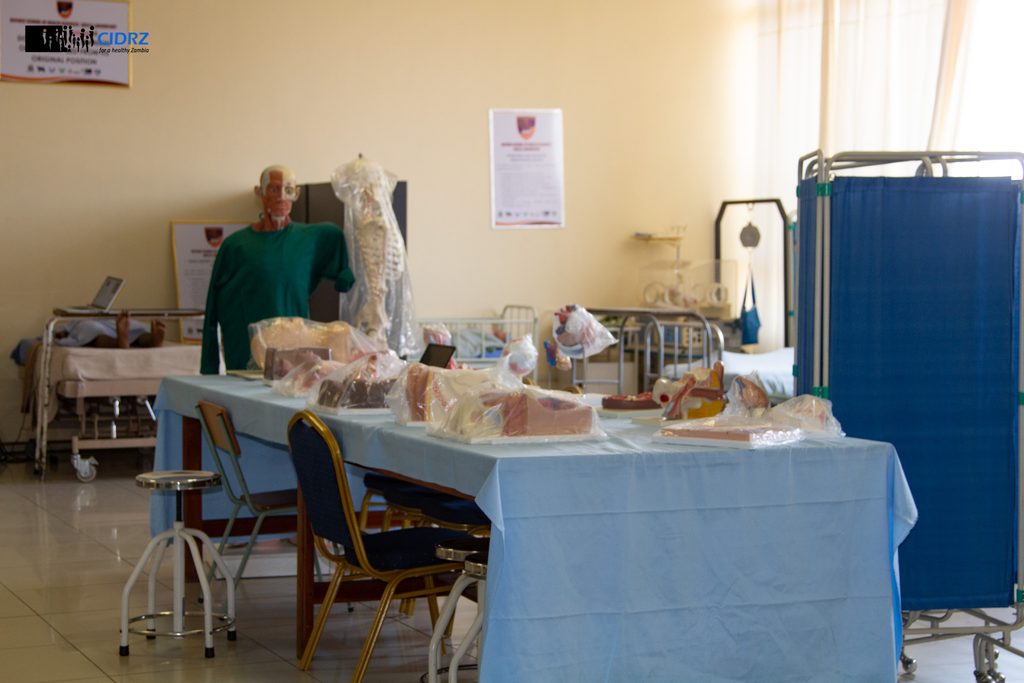
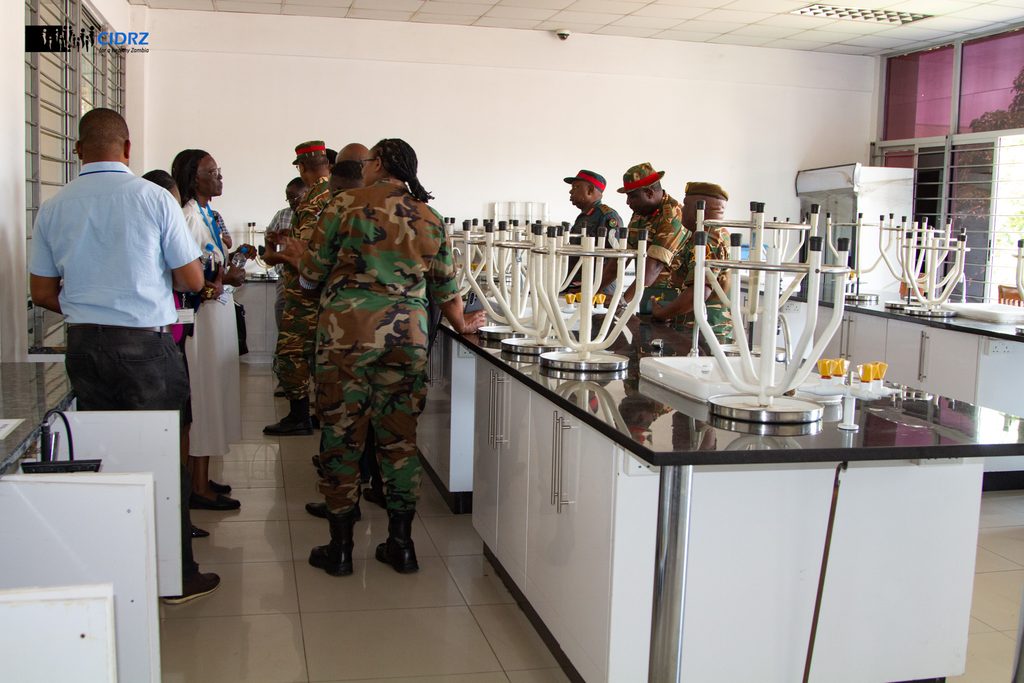
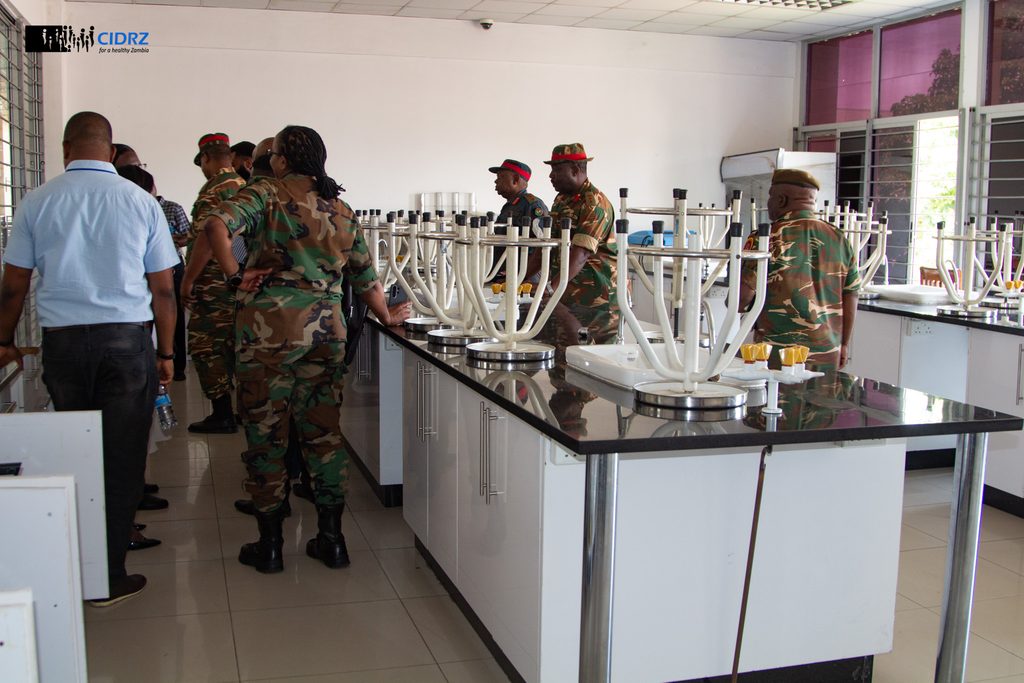
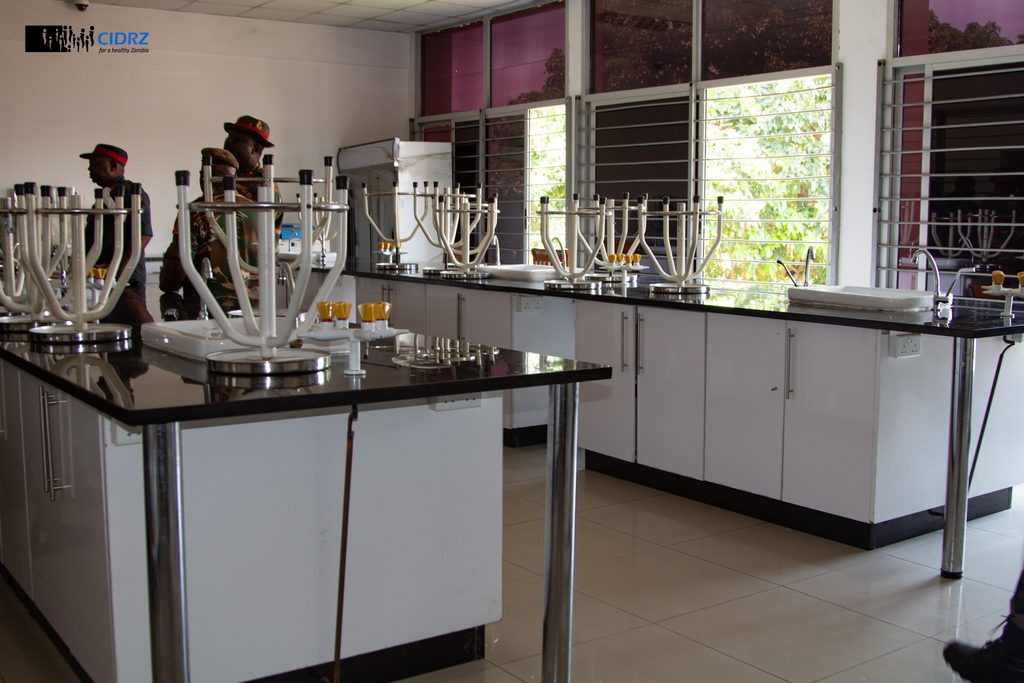
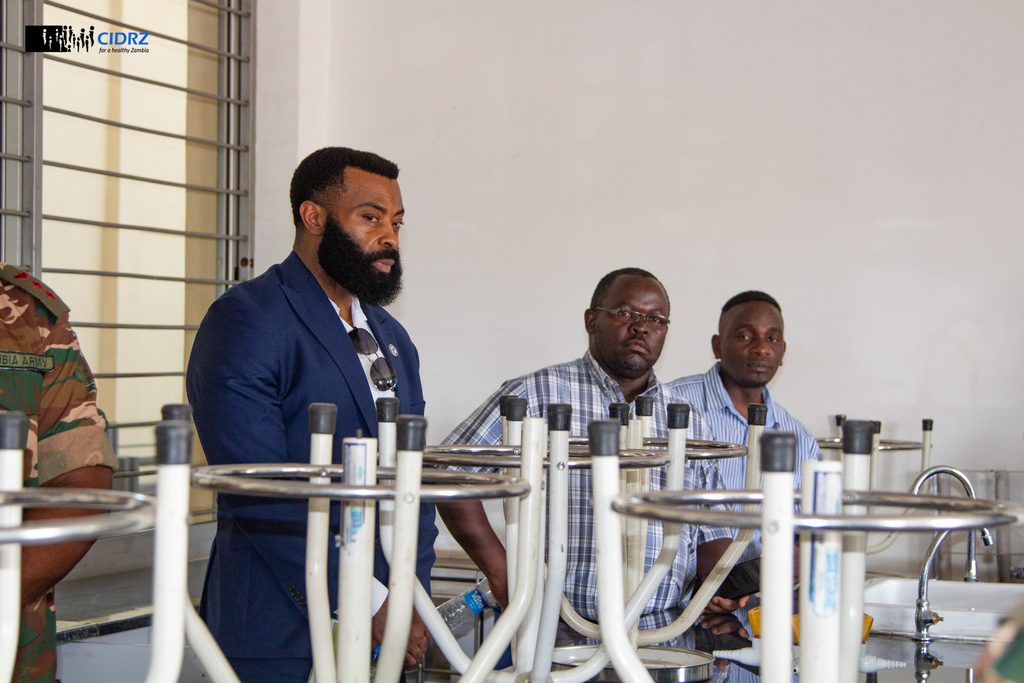
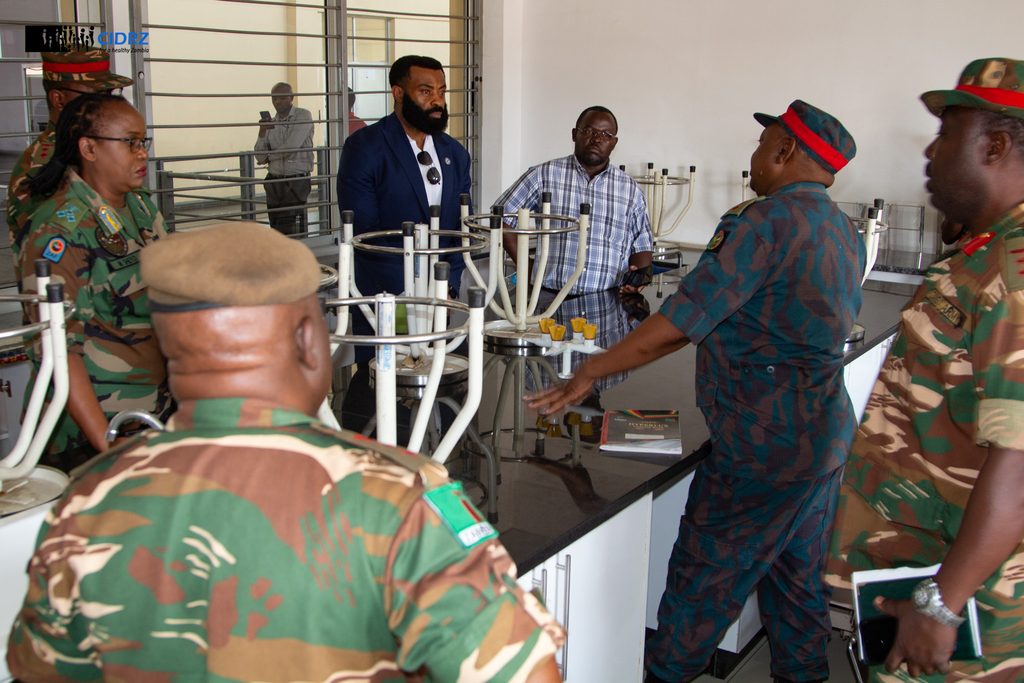
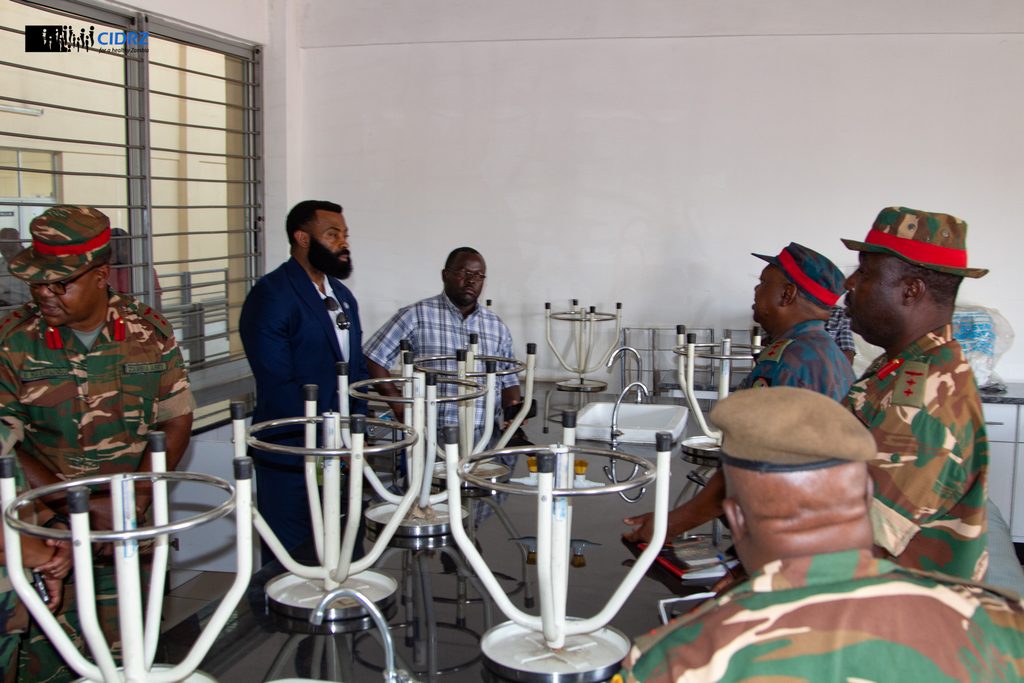
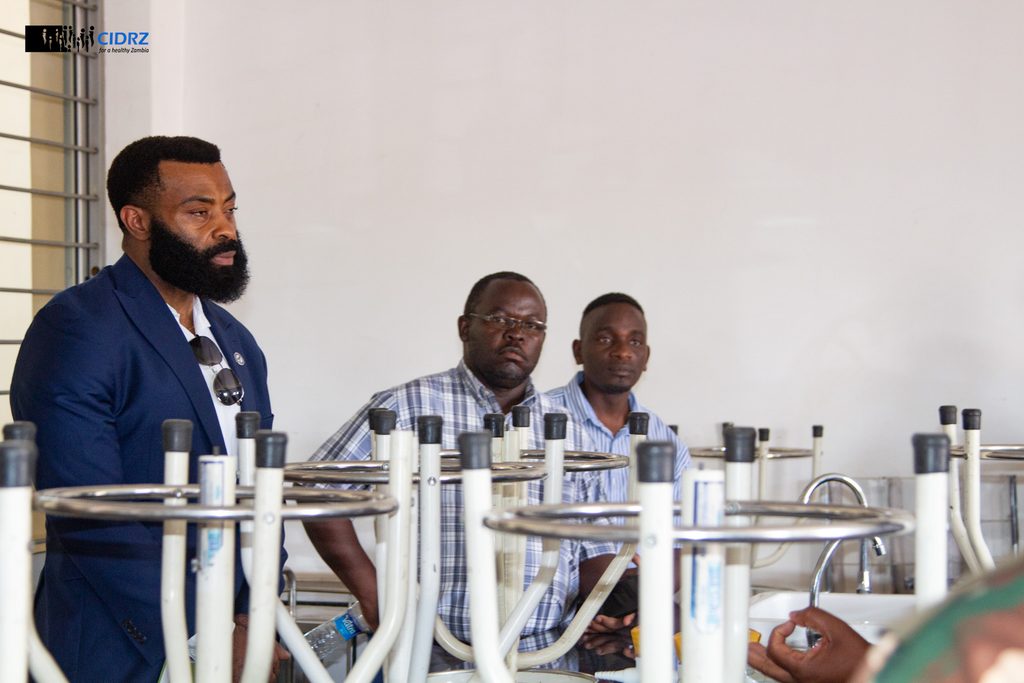
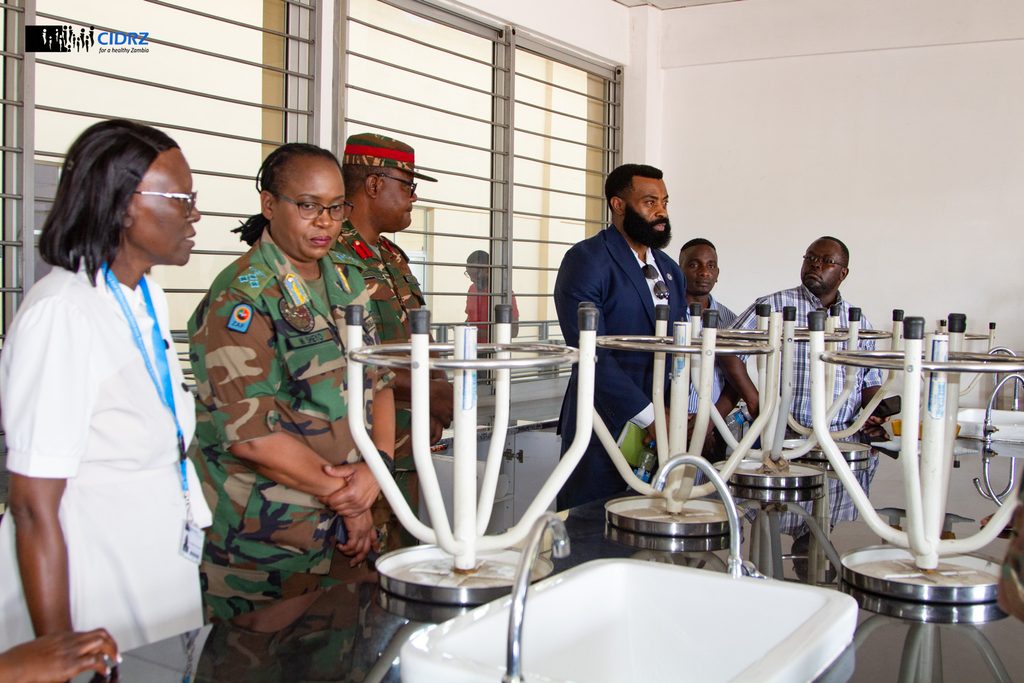
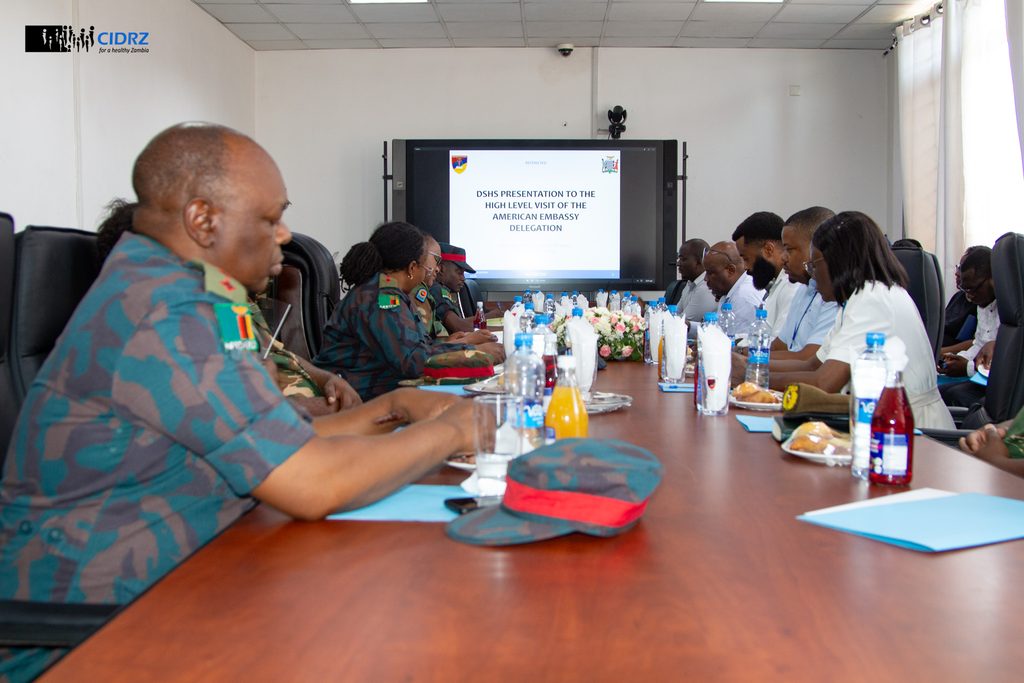
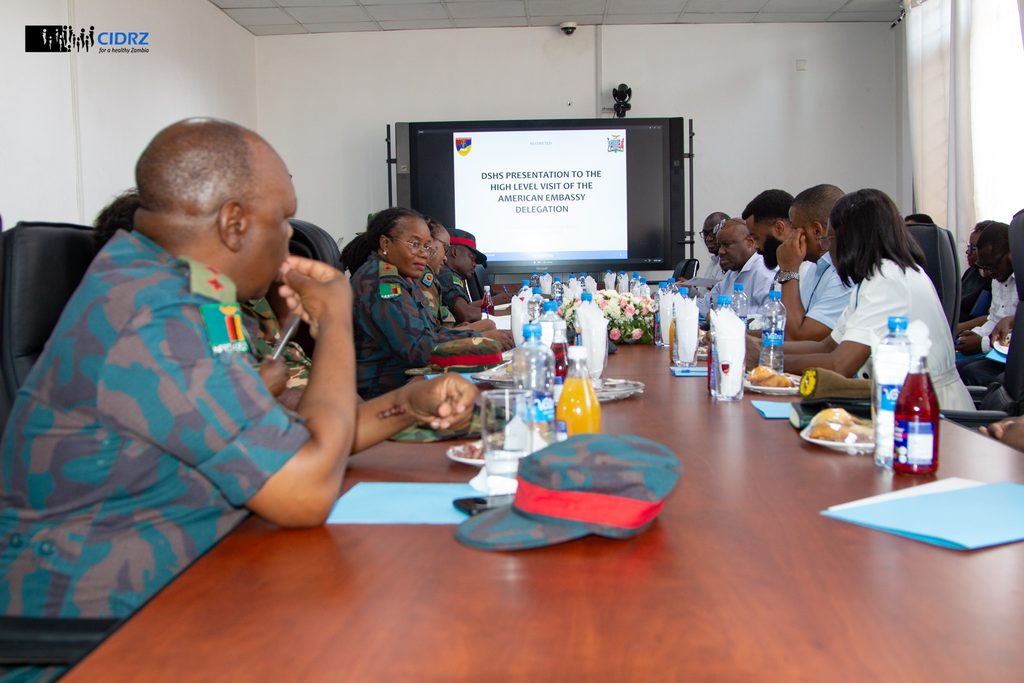
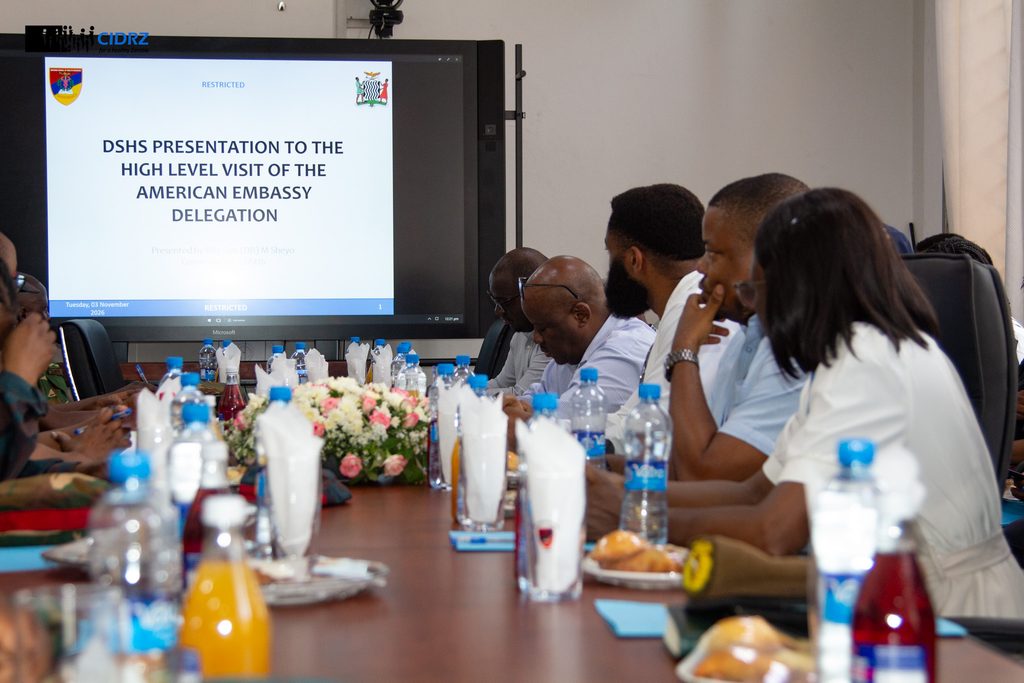
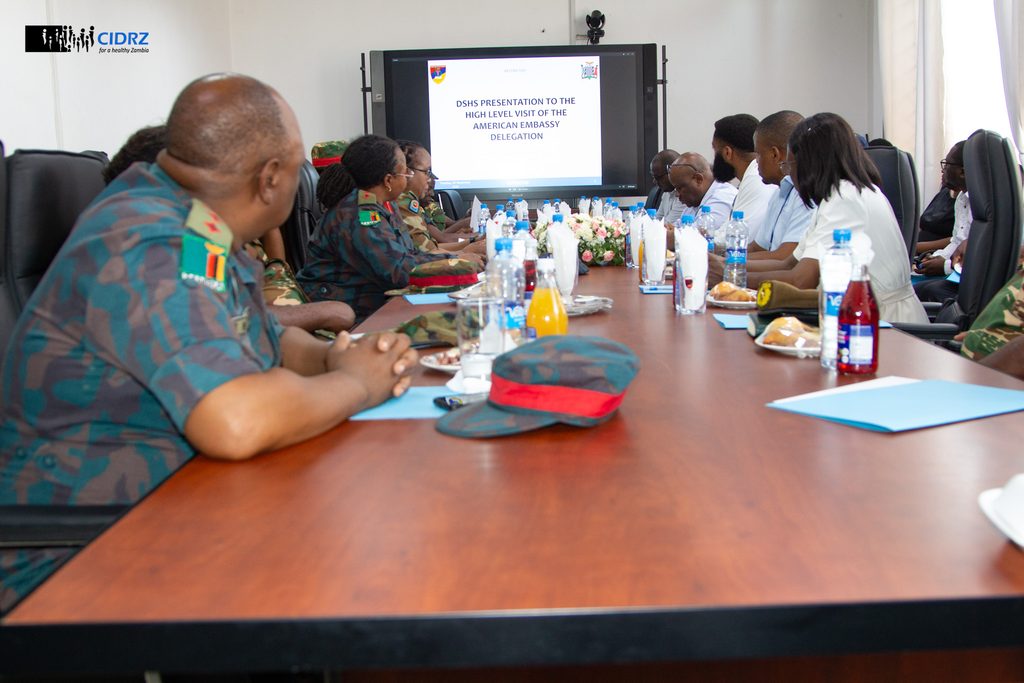
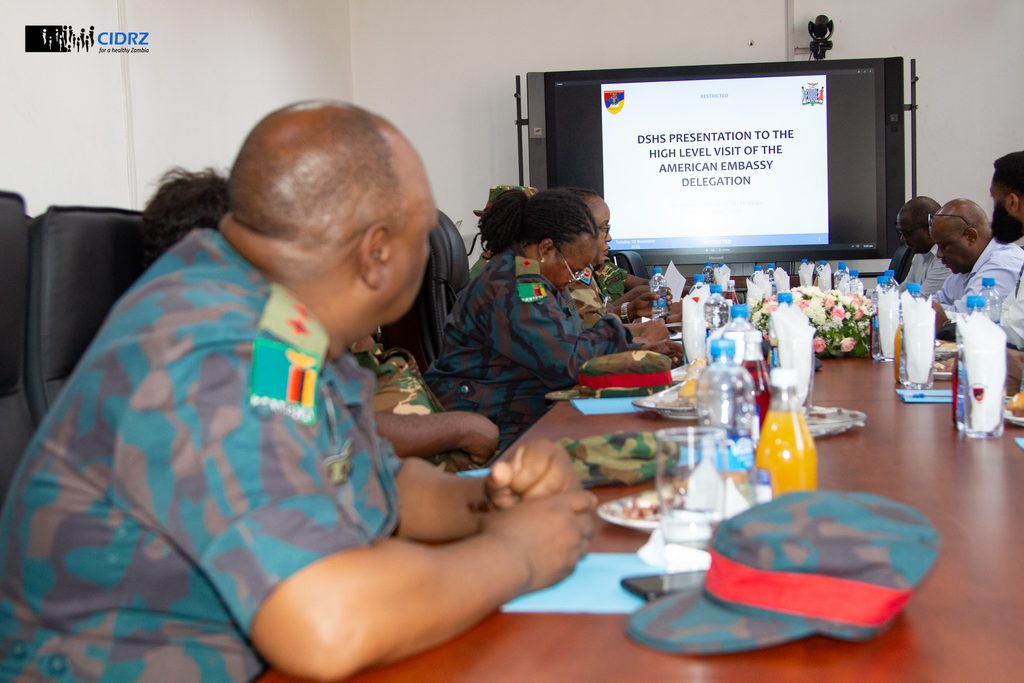
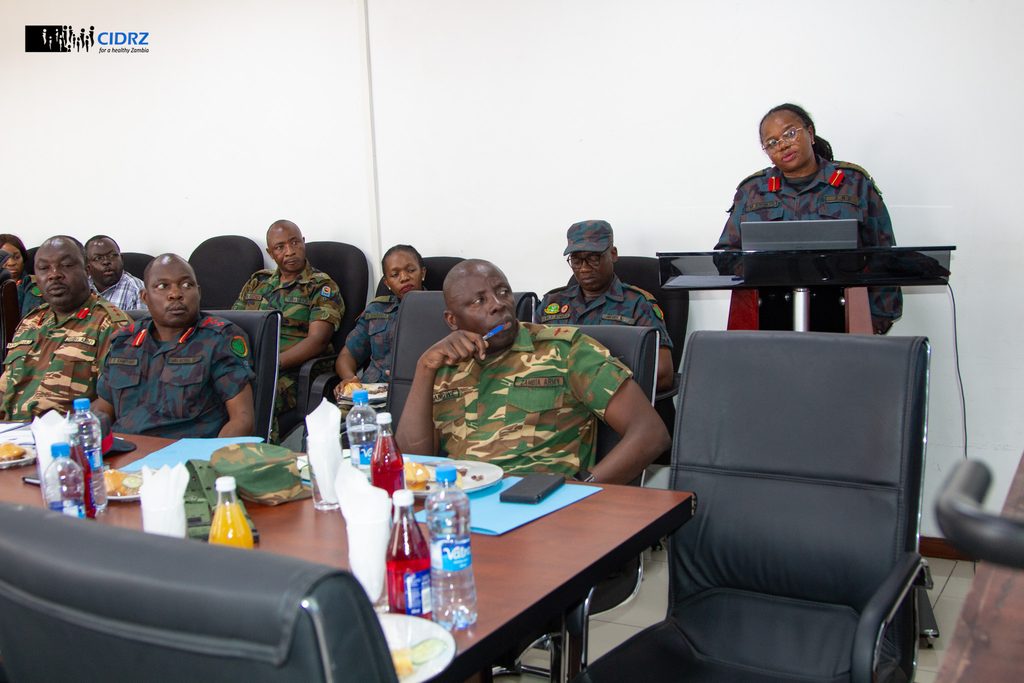
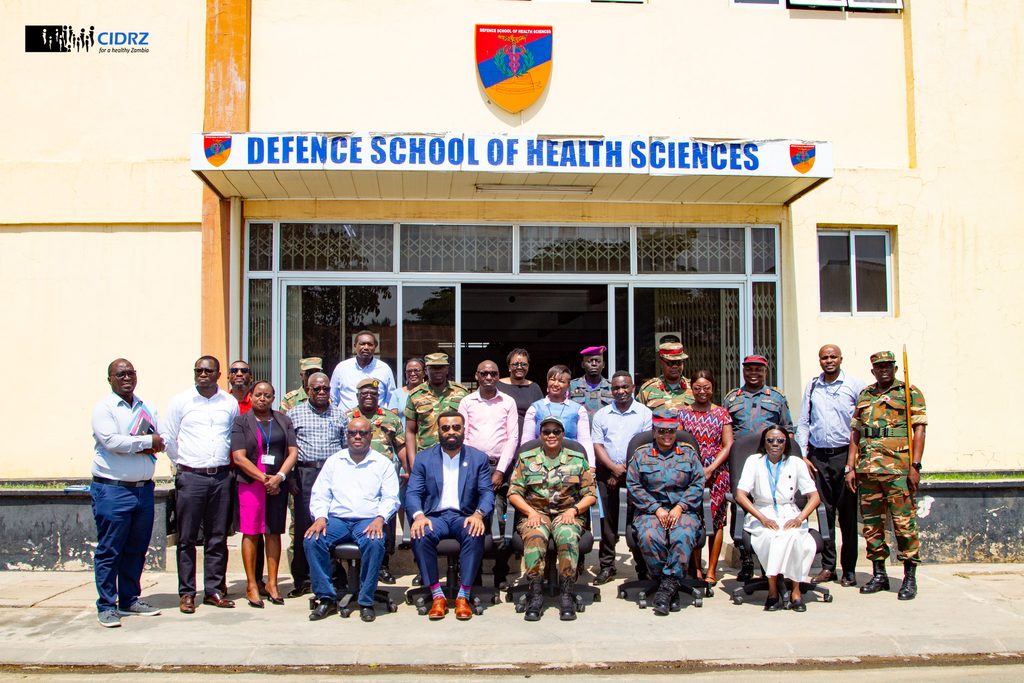
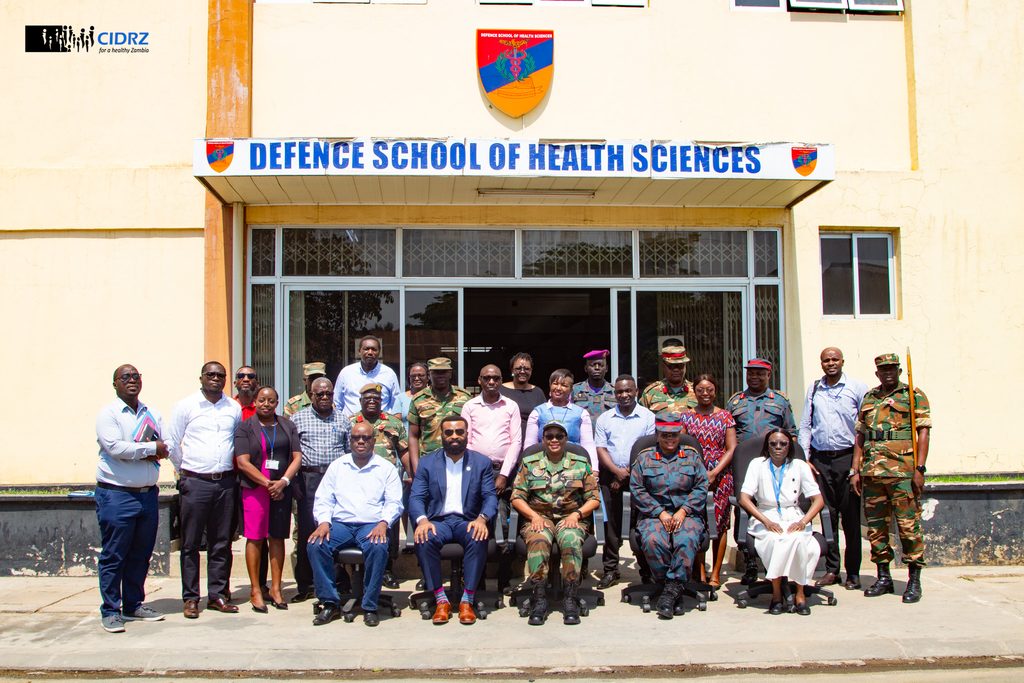
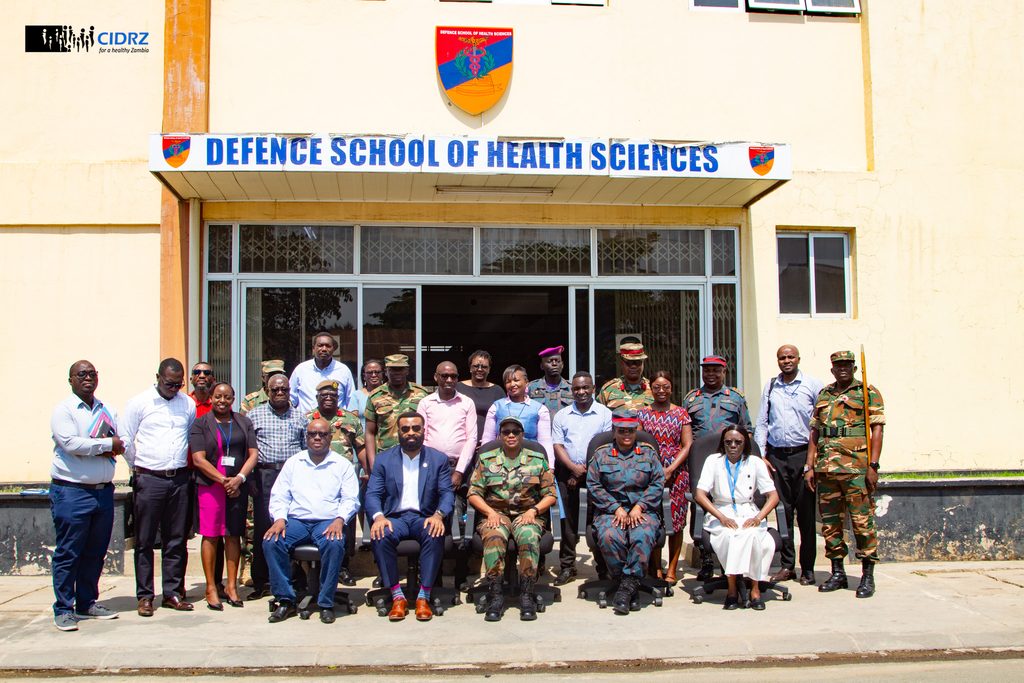
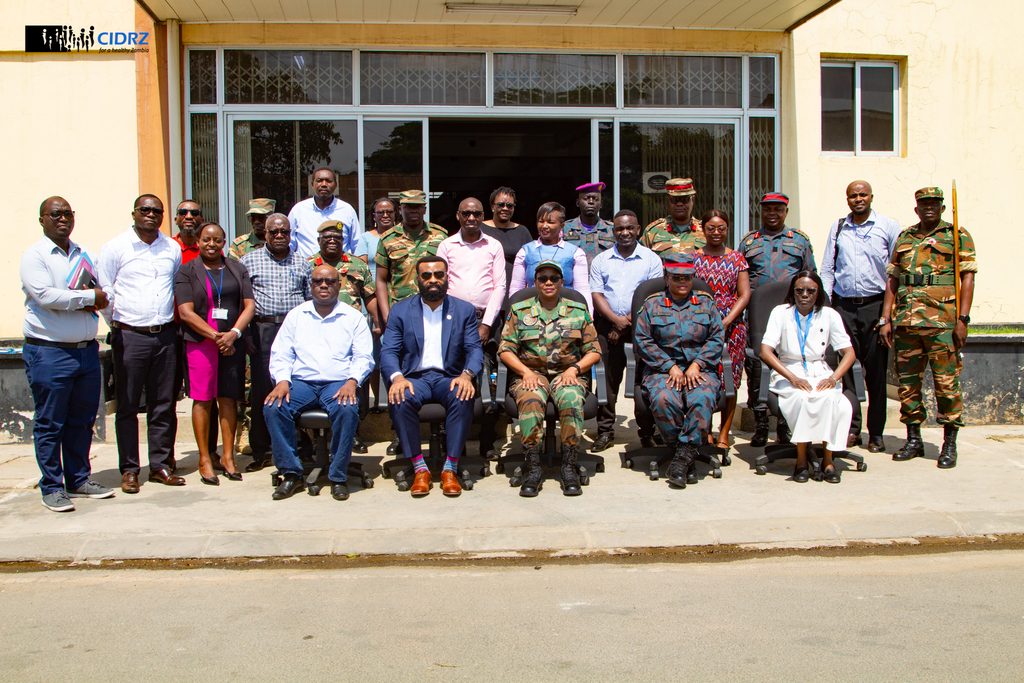
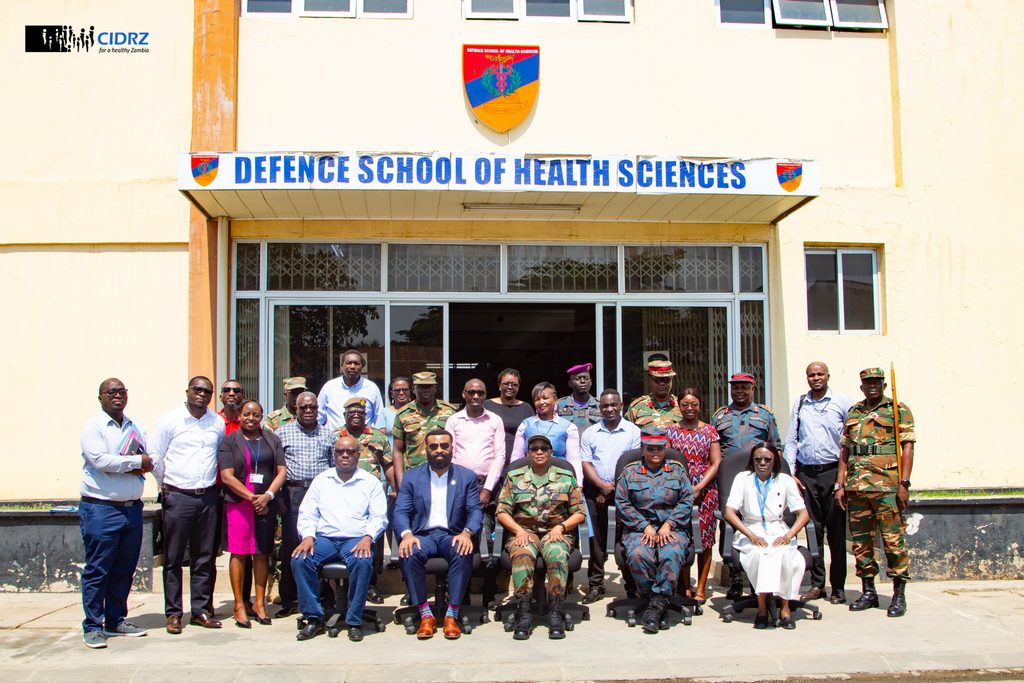
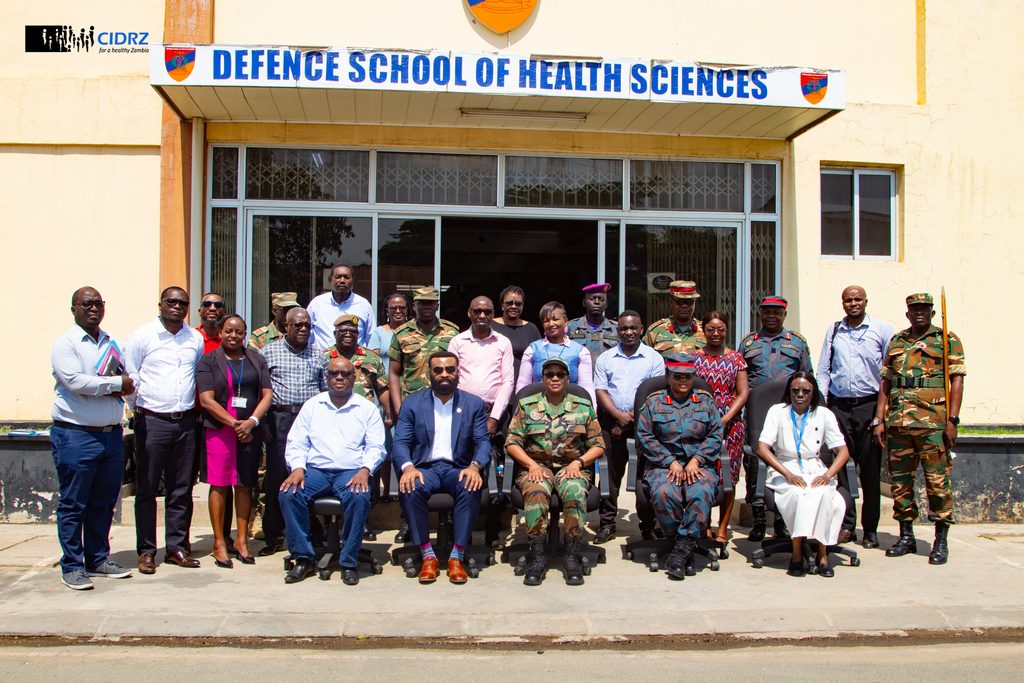
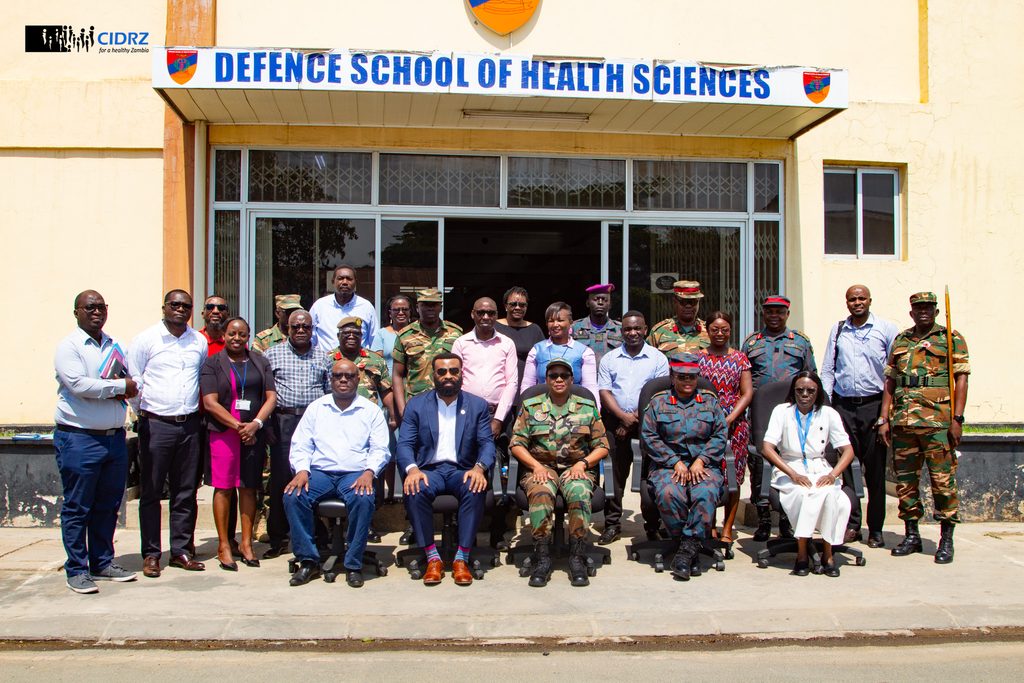
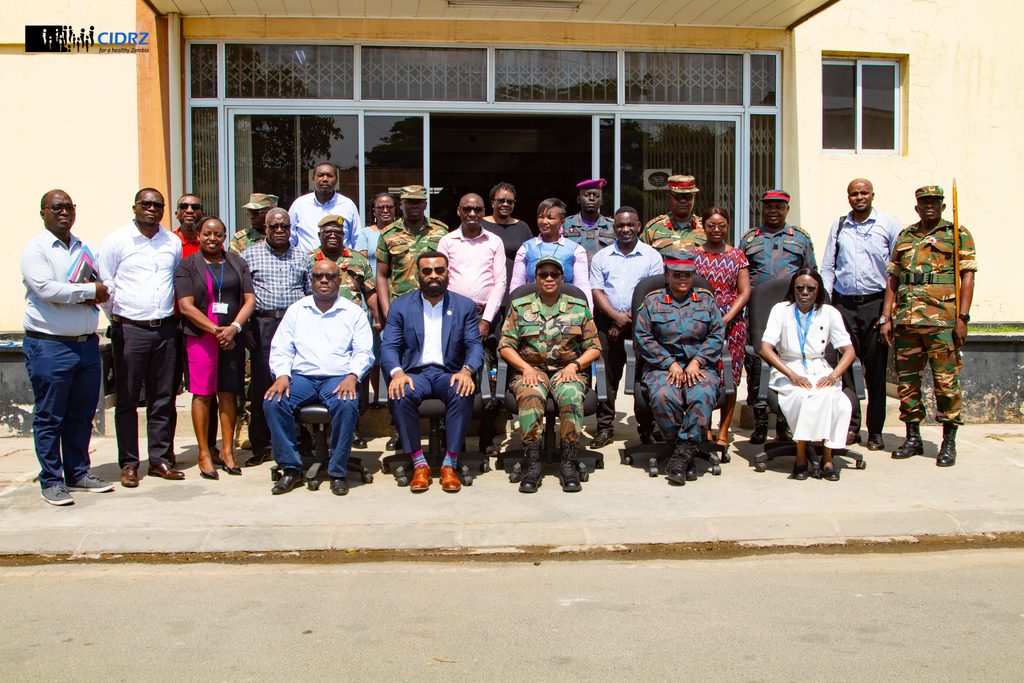
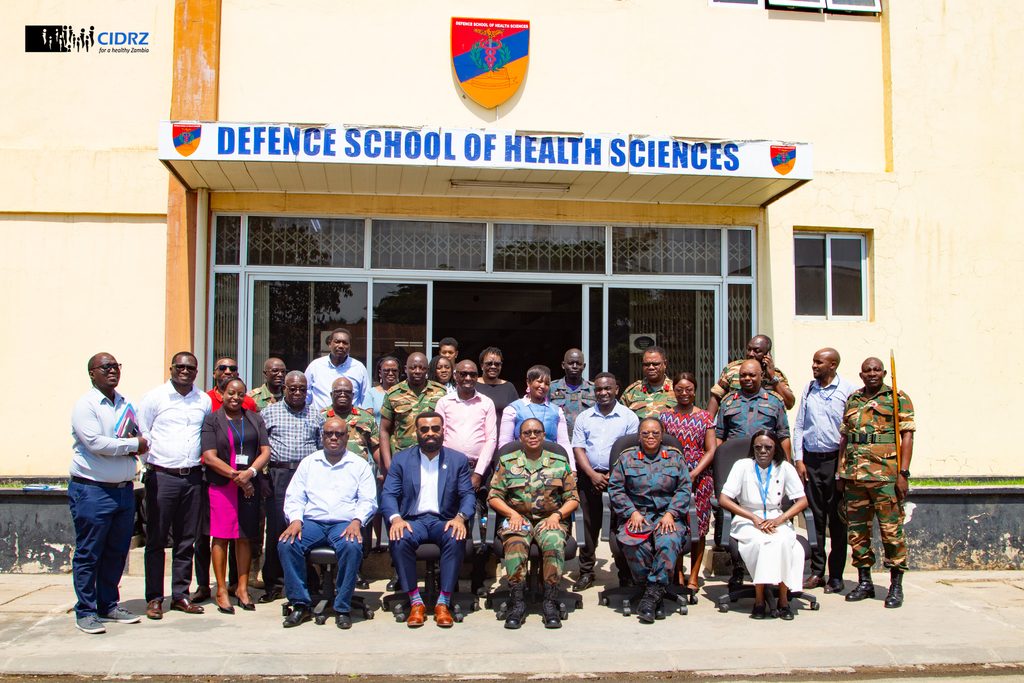
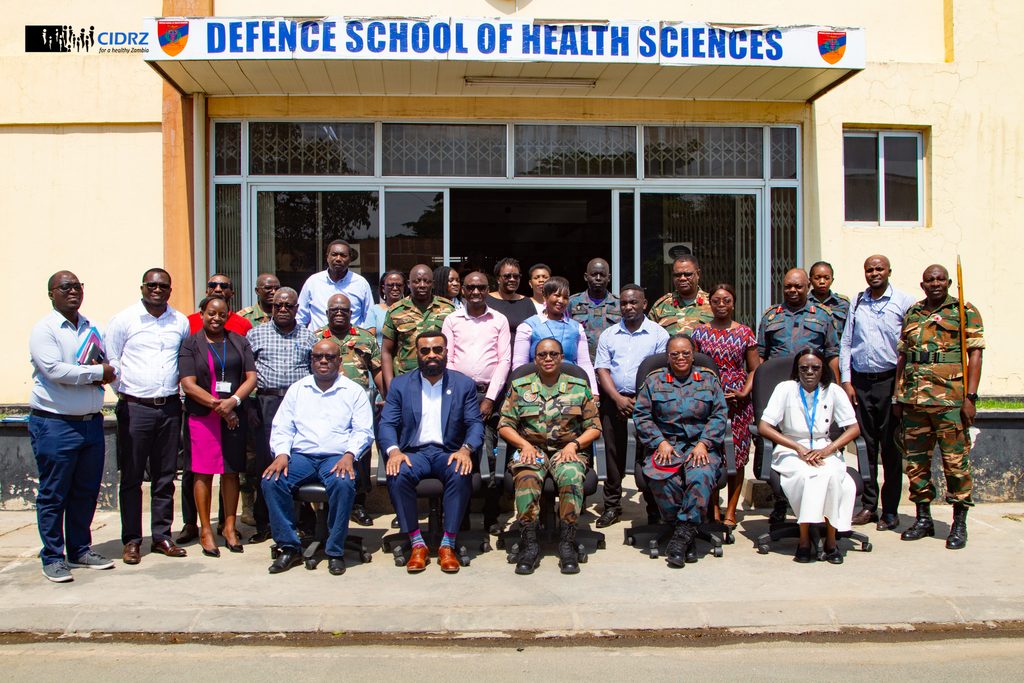
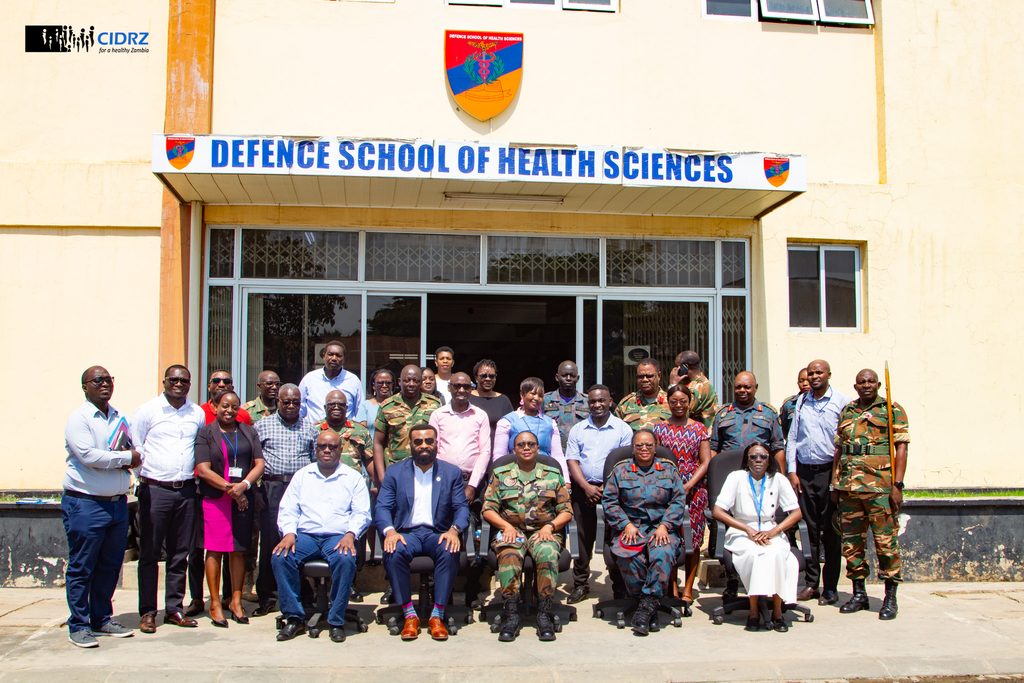
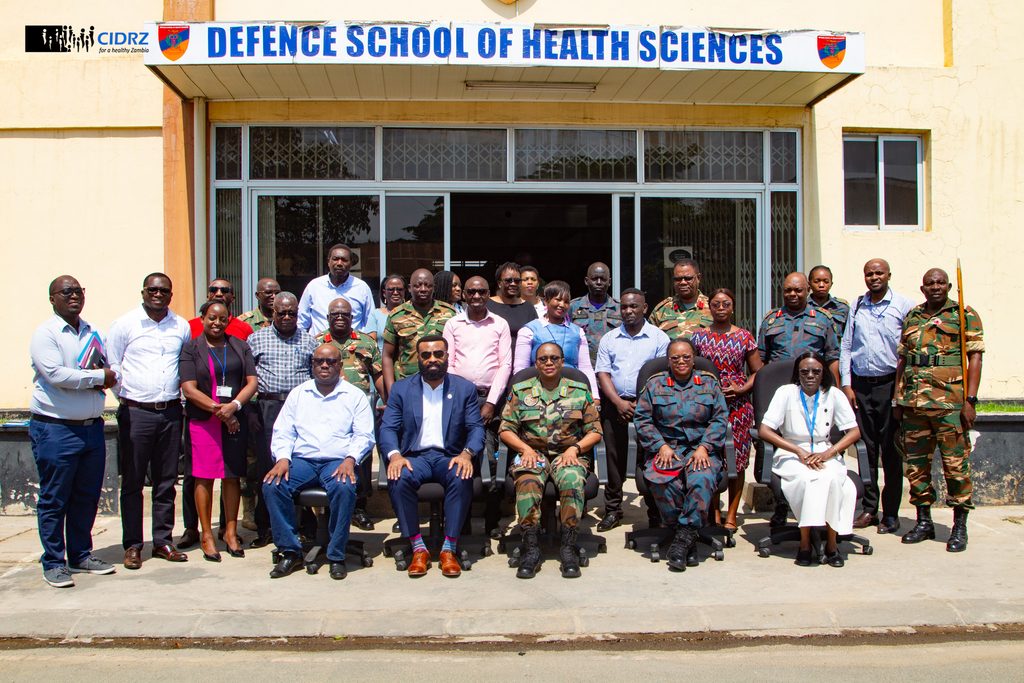
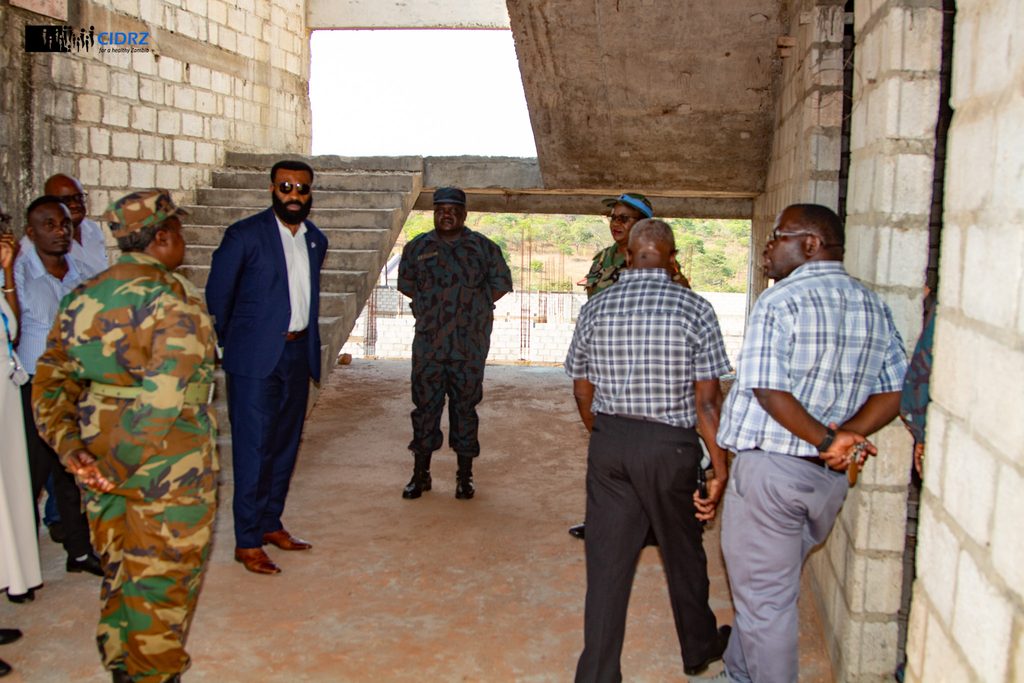
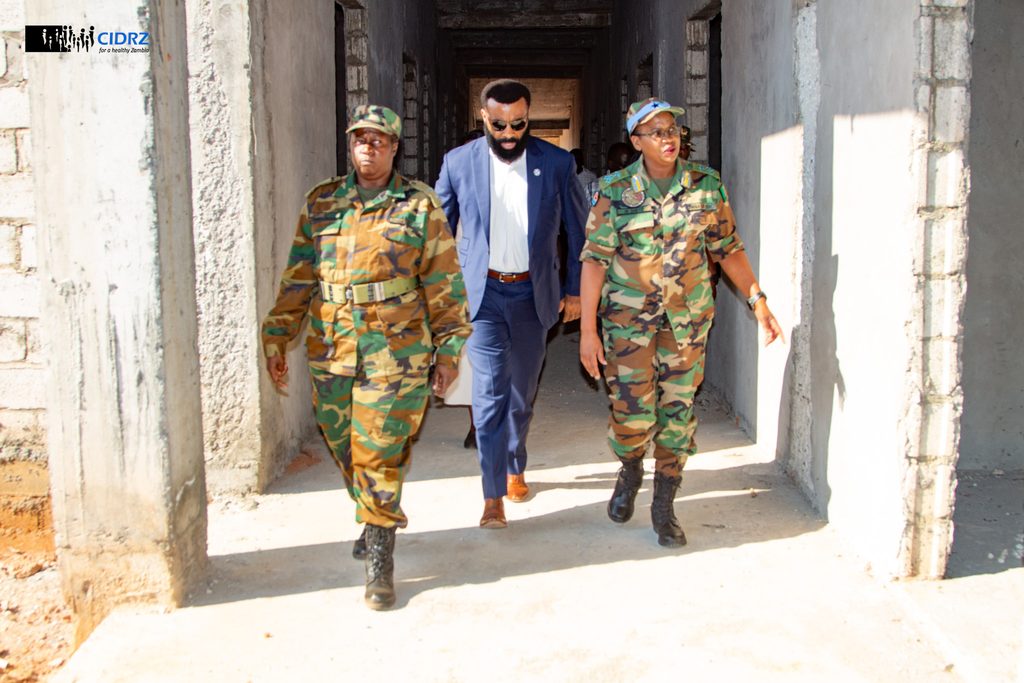
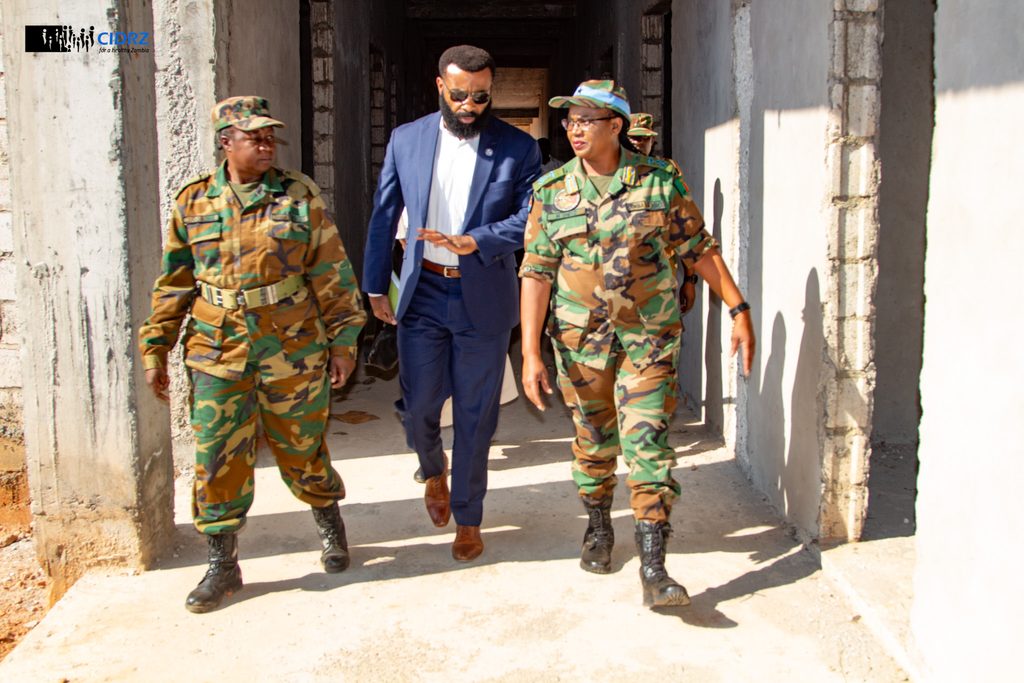
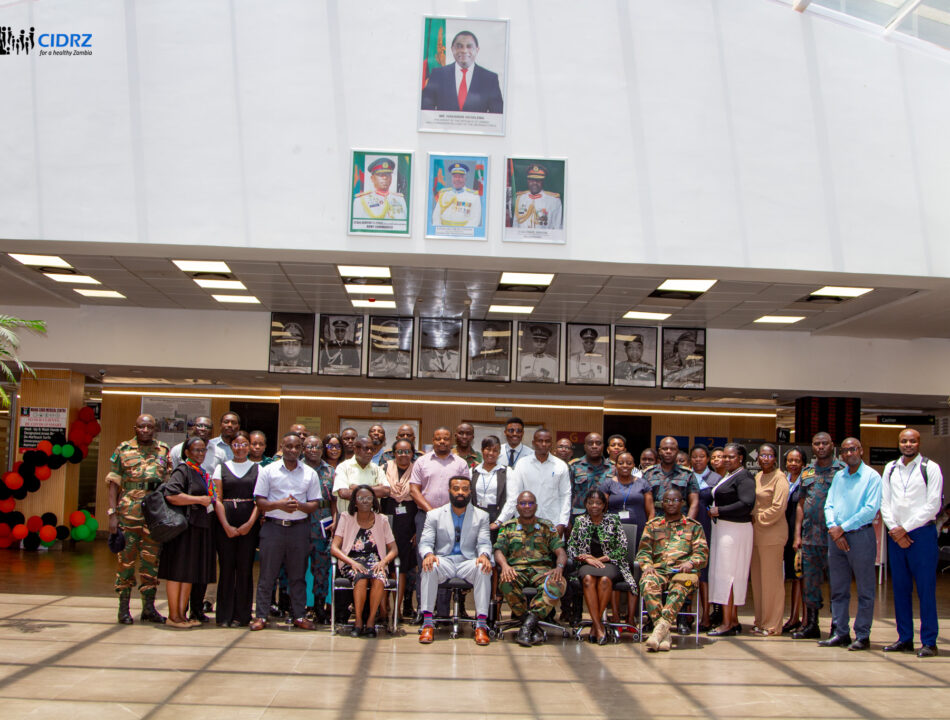
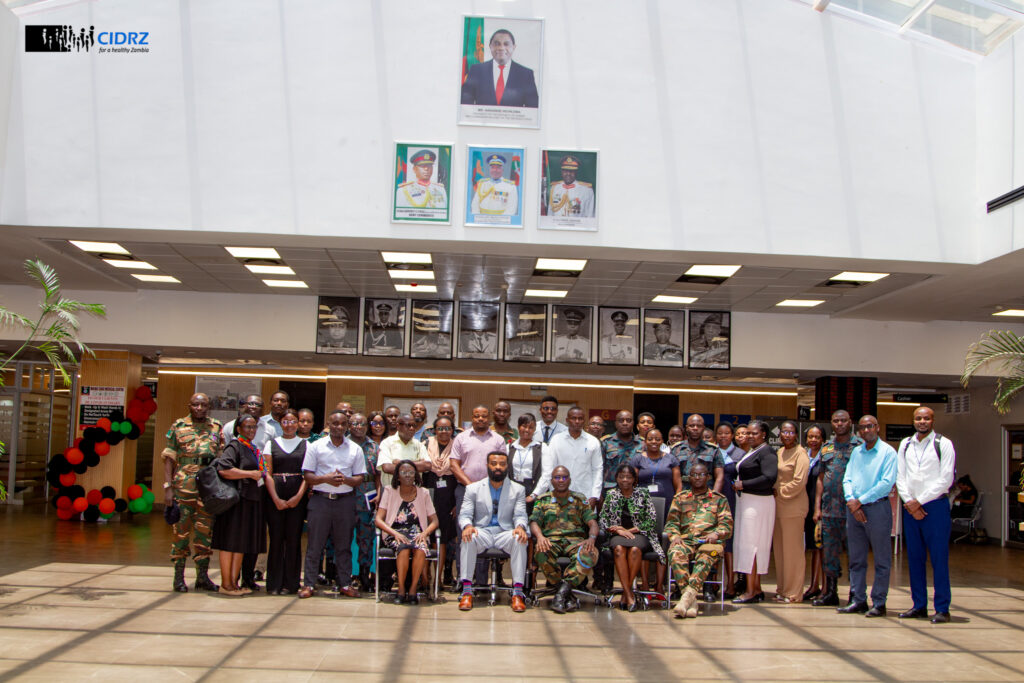
This was among the key areas discussed during a joint delegation visit from the Department of Defence HIV/AIDS Prevention Programme (DHAPP), the Centre for Infectious Disease Research in Zambia (CIDRZ), and the Ministry of Health (MoH) to the Defence School of Health Sciences (DSHS).
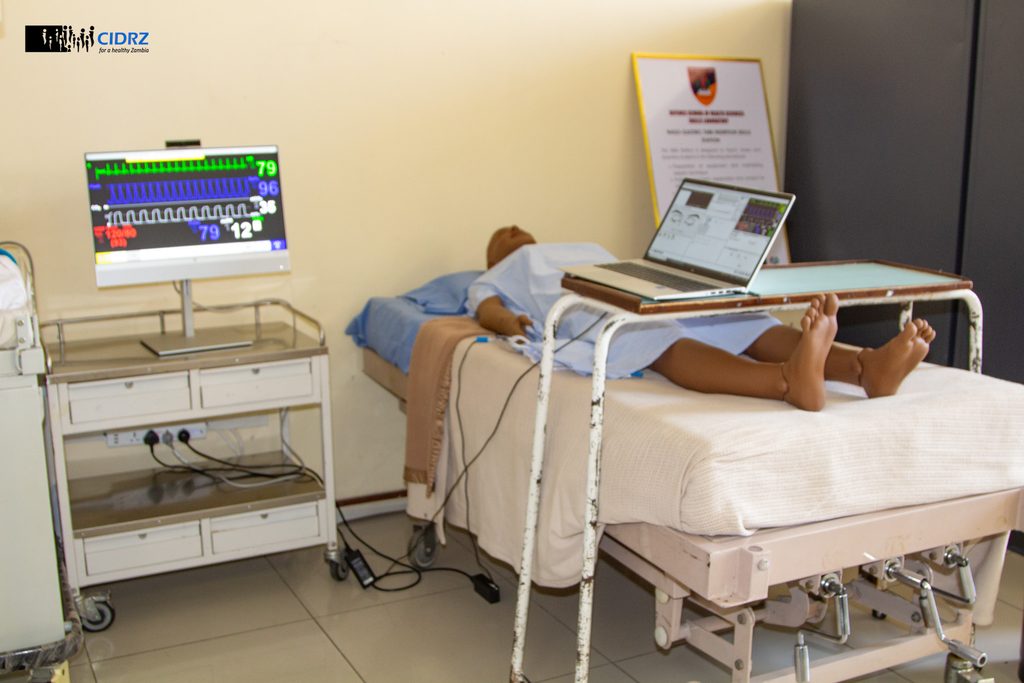
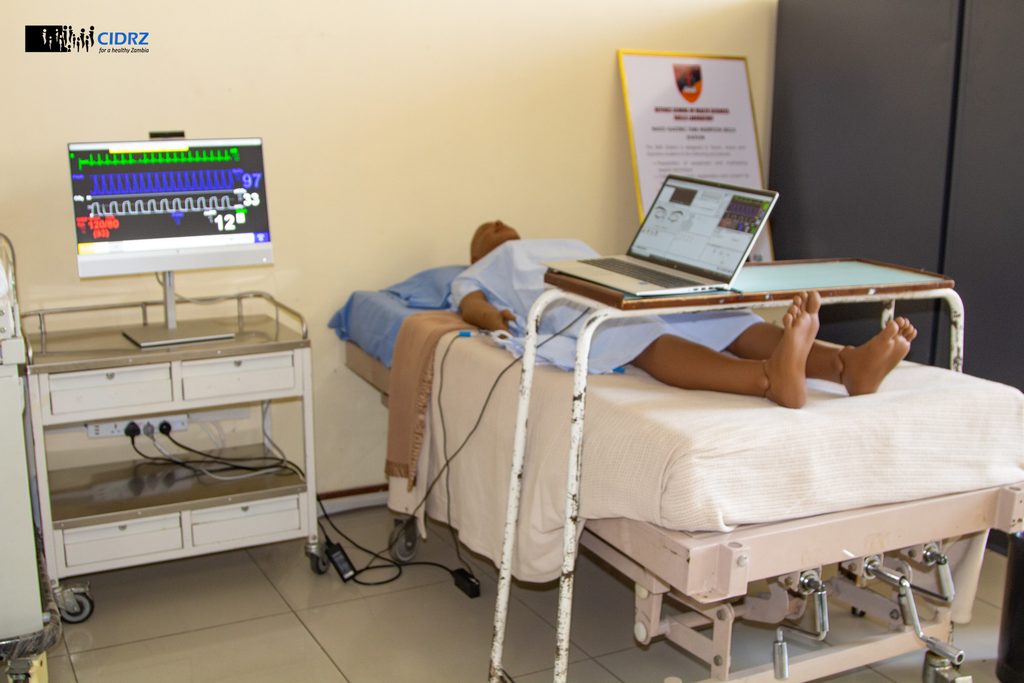
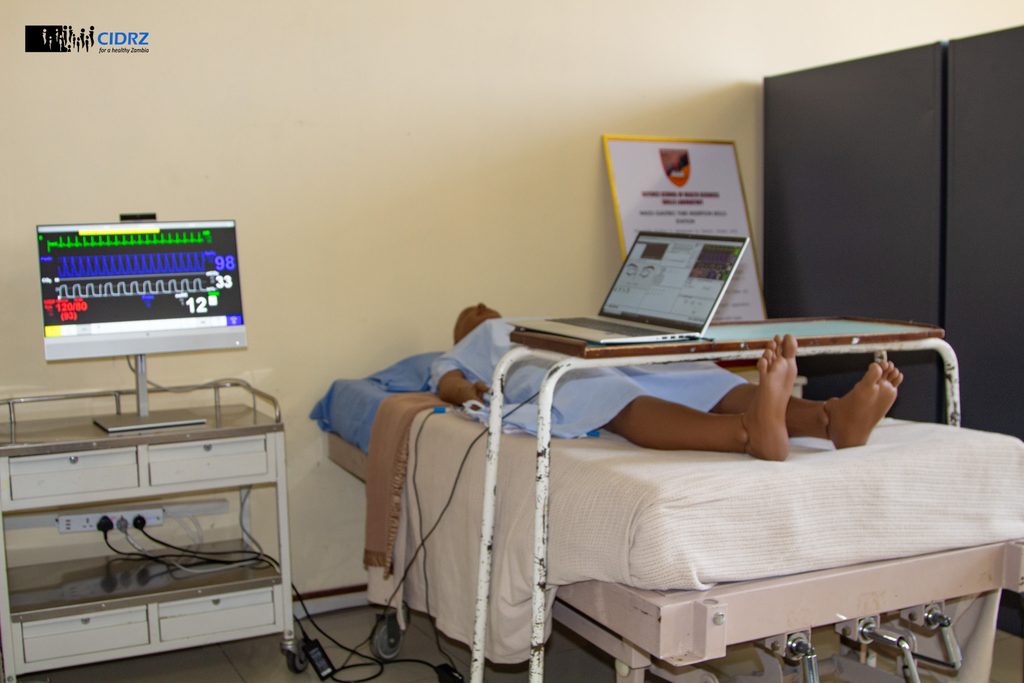
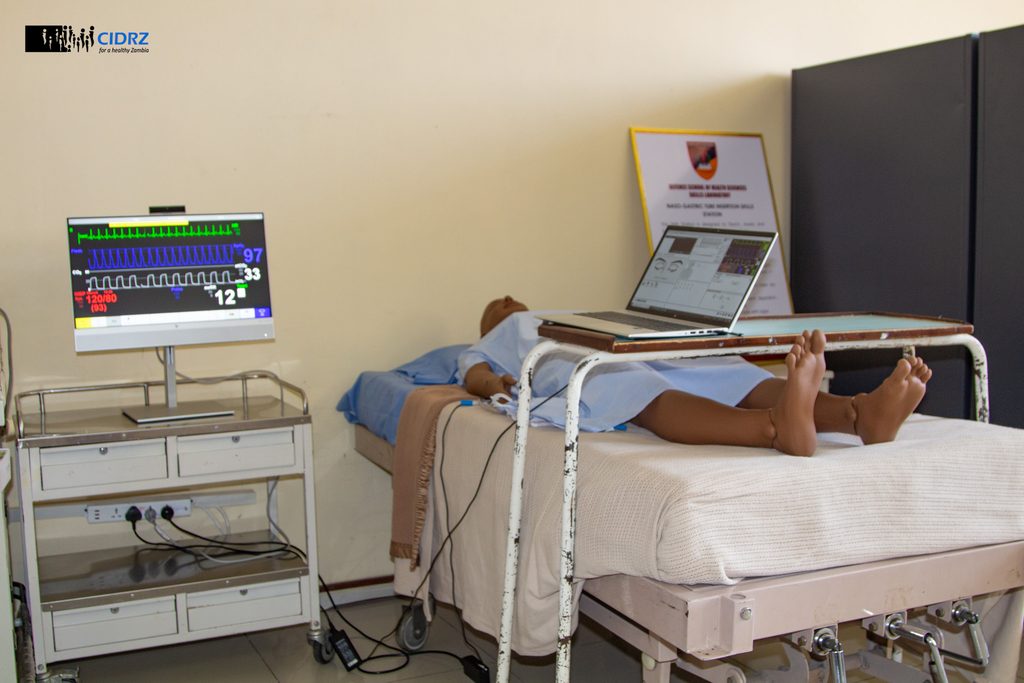
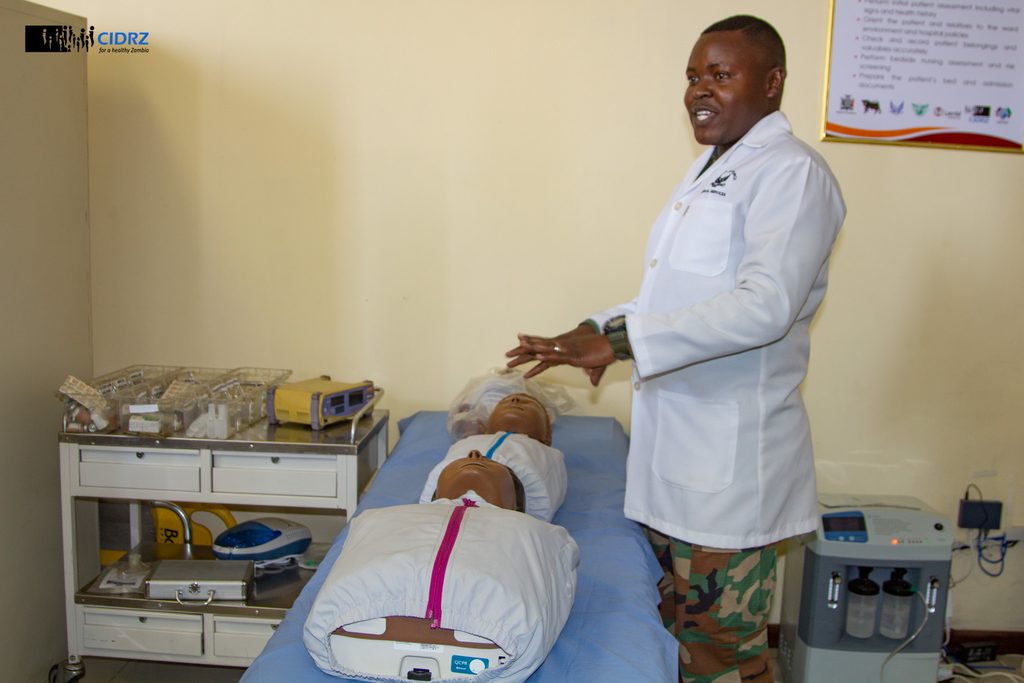
The engagement provided an opportunity to appreciate the institution’s contribution to healthcare training, assess its capacity and discuss challenges affecting the expansion of its training programmes.
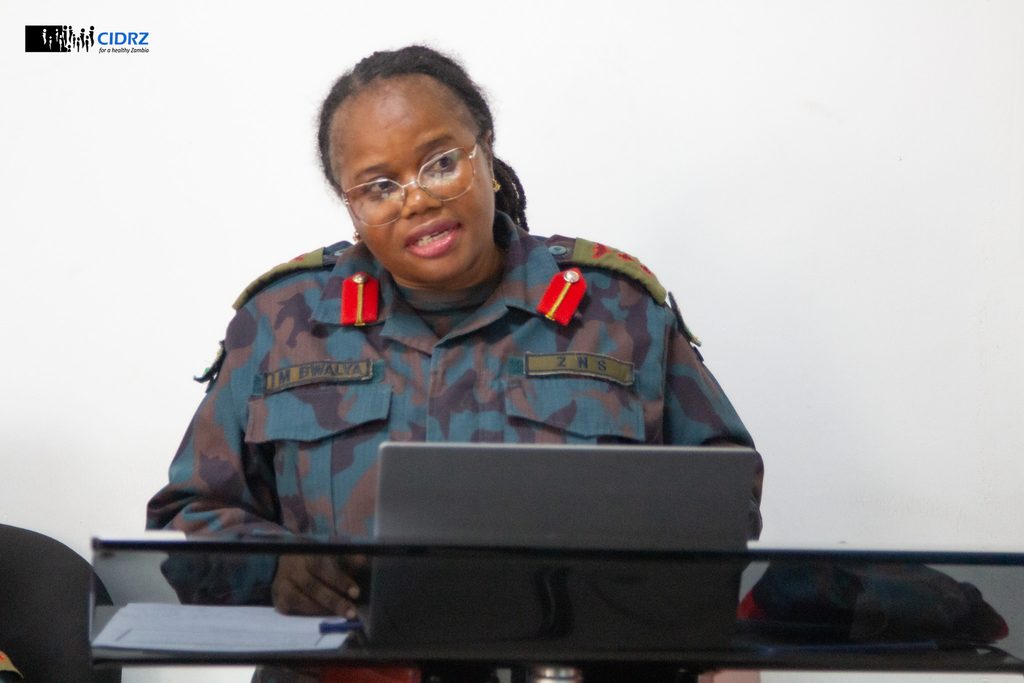
The Commandant of DSHS, Brigadier General Dr Mwinga Sheyo, said the institution had qualified personnel and the capacity to train pharmacists and doctors. However, expanding these programmes would require adequate space and improved facilities.
DHAPP Desk Officer for Zambia, Mr Teri Yiyen, commended the school for its contribution to medical training, recognising its facilities and efforts to train both uniformed personnel and civilians.
He also acknowledged the challenges facing the institution and the need for stronger collaboration across government ministries to address them.
“We hope to see more collaborations across ministries, and this will help a lot in easing some of the challenges. In that case, I will do my part and inform the necessary authorities about my tour,” said Mr Yiyen, assuring the institution of DHAPP’s continued support.
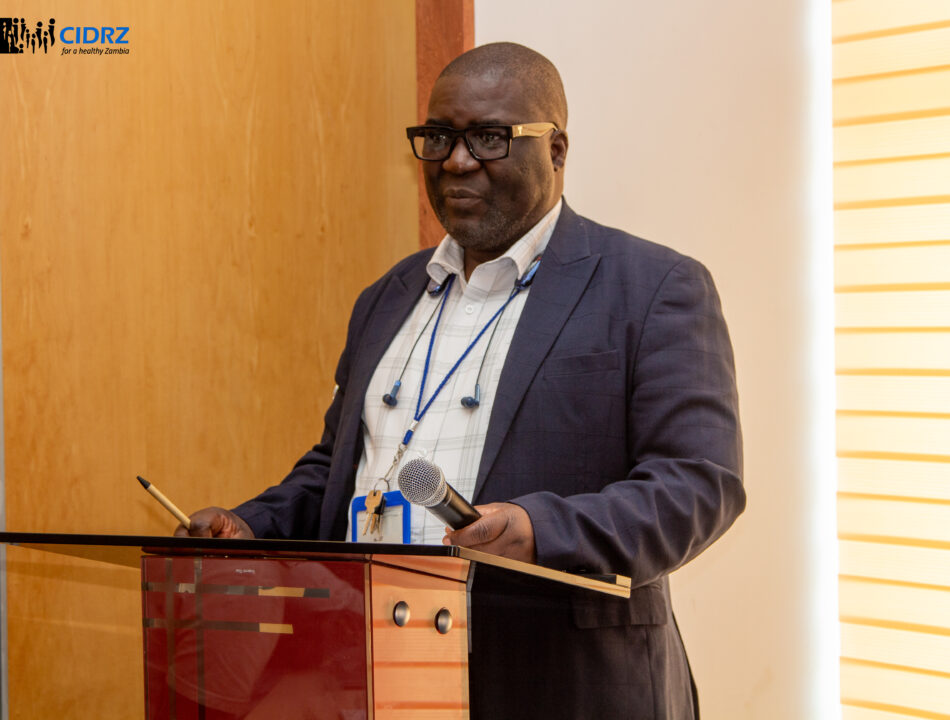
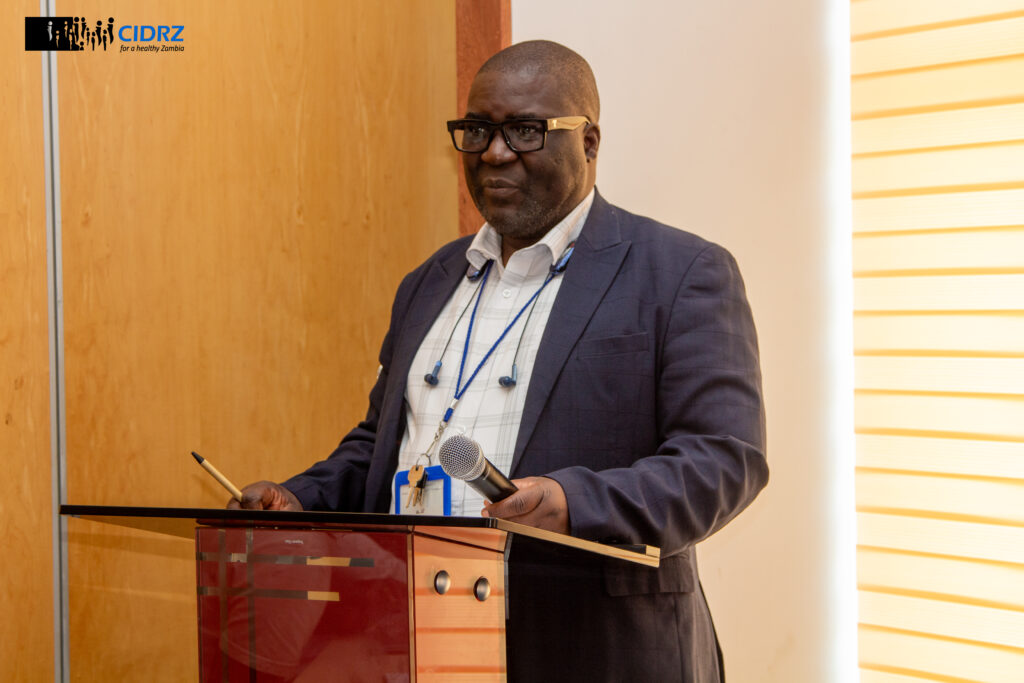
Meanwhile, Dr Mwangelwa Mubiana-Mbewe, CIDRZ Defence Force Prevention Programme (DFPP) Project Director, commended the school for its work despite the challenges and reaffirmed CIDRZ’s support and appreciation for the partnership with the institution.
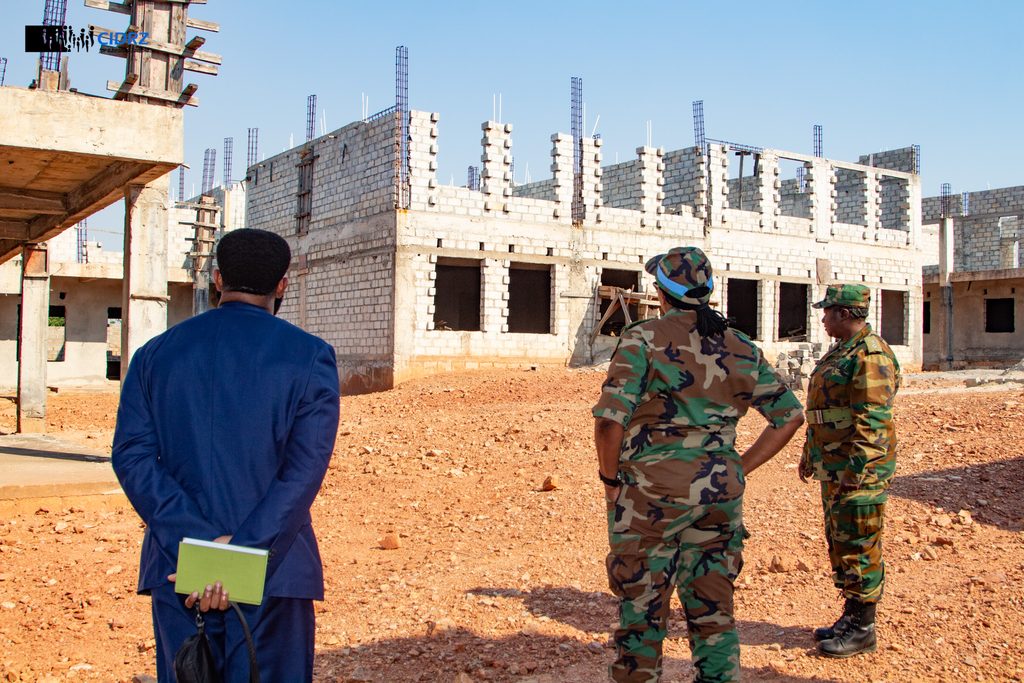
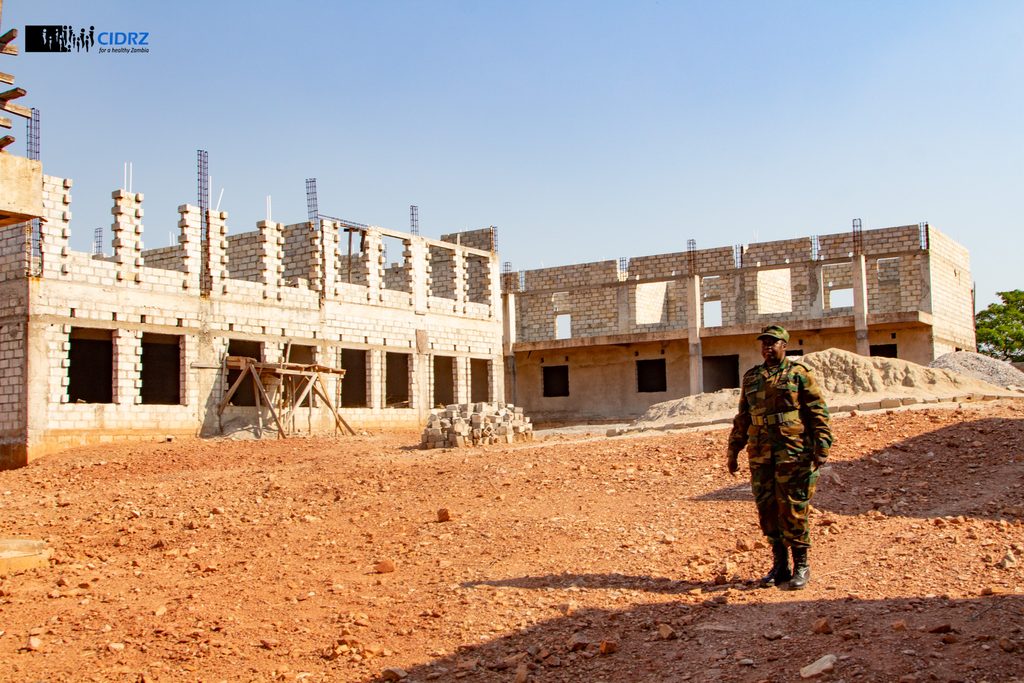
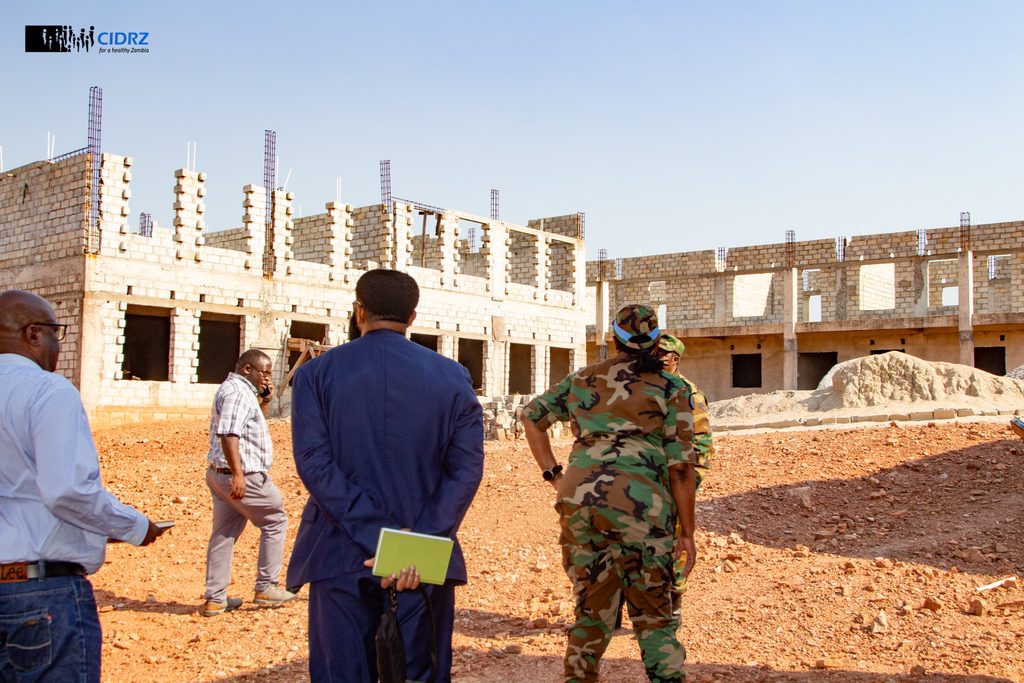
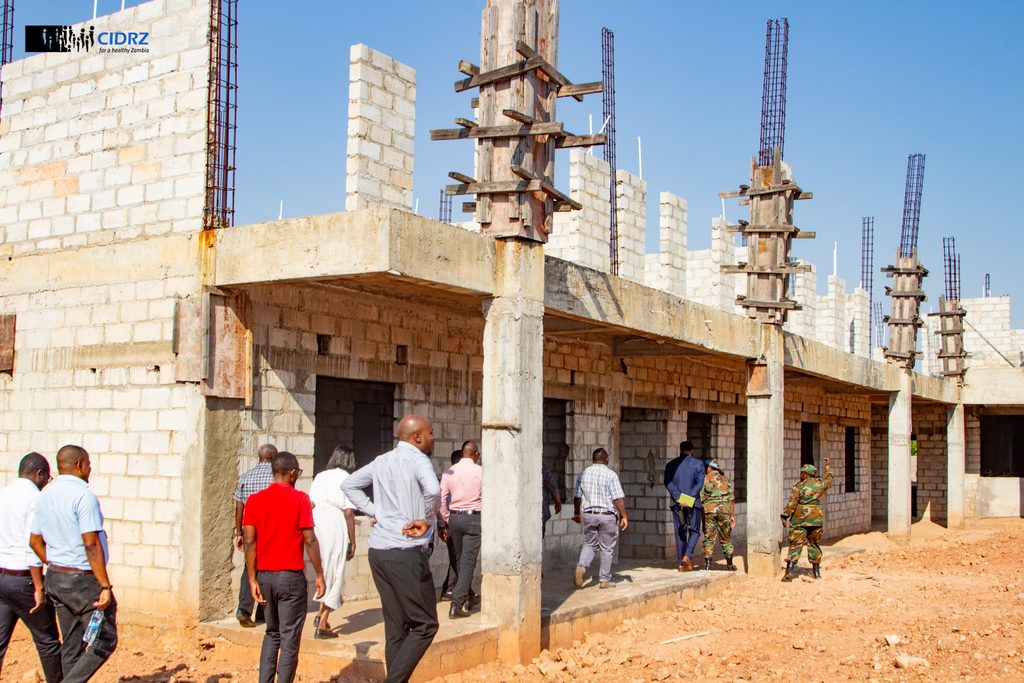
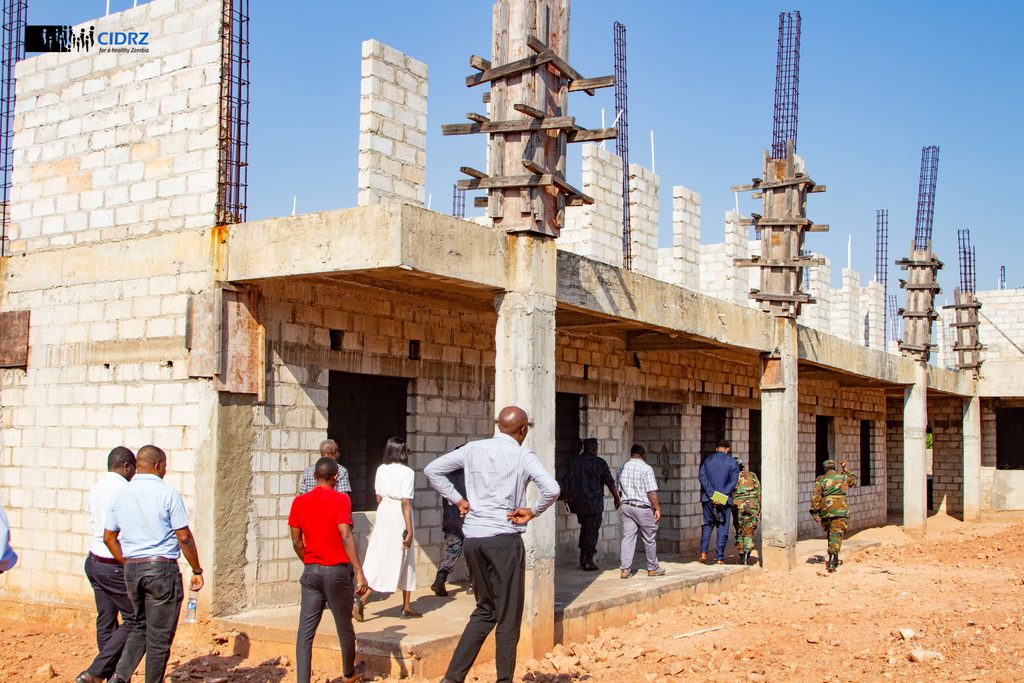
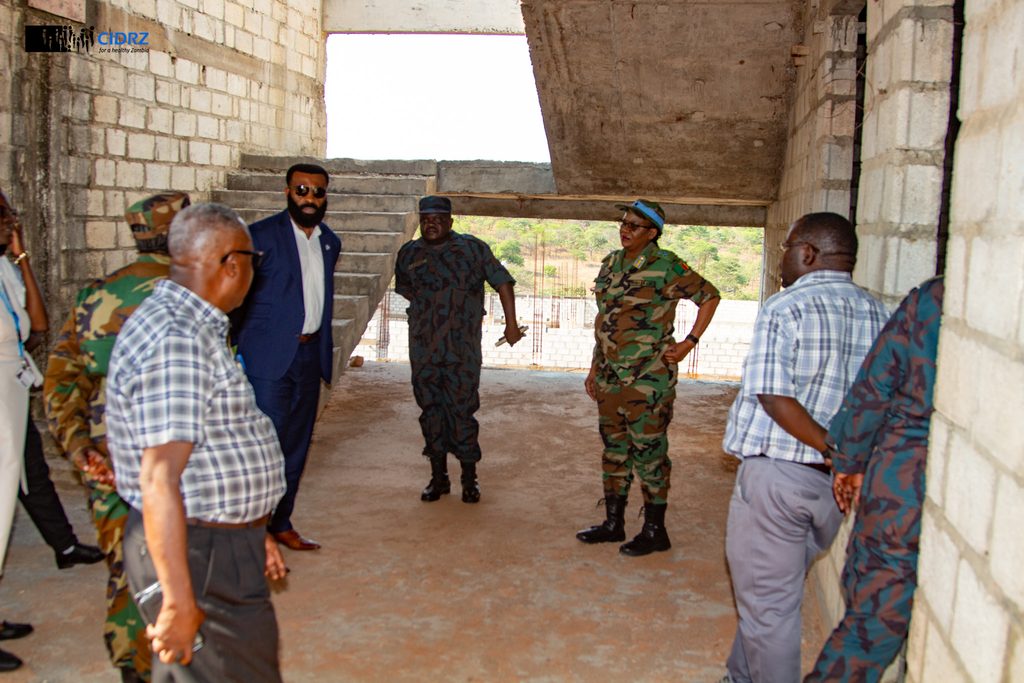
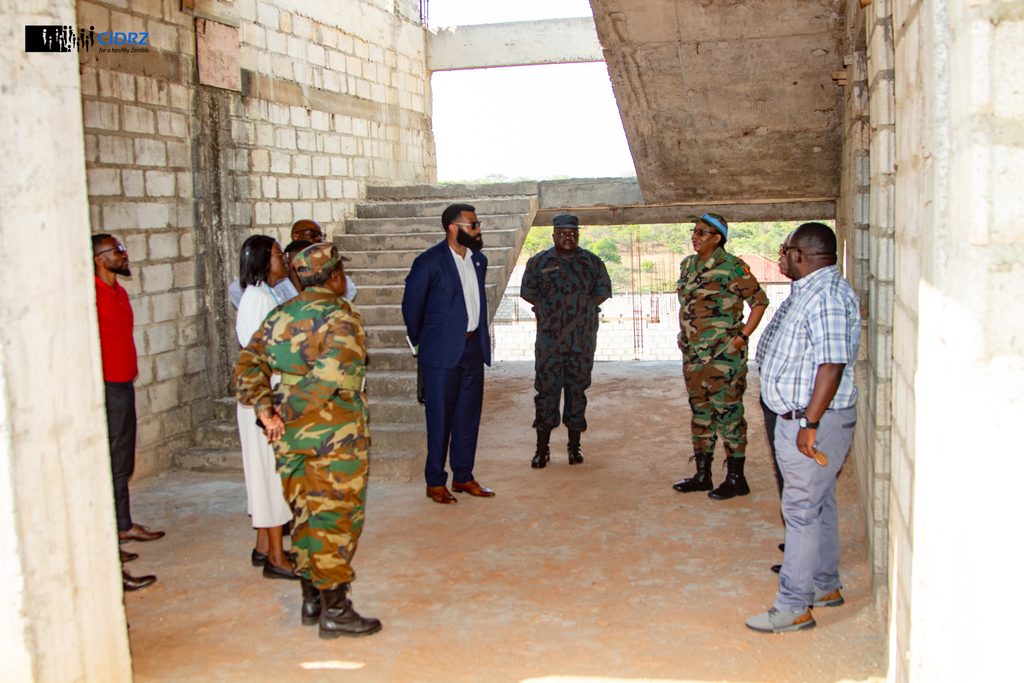
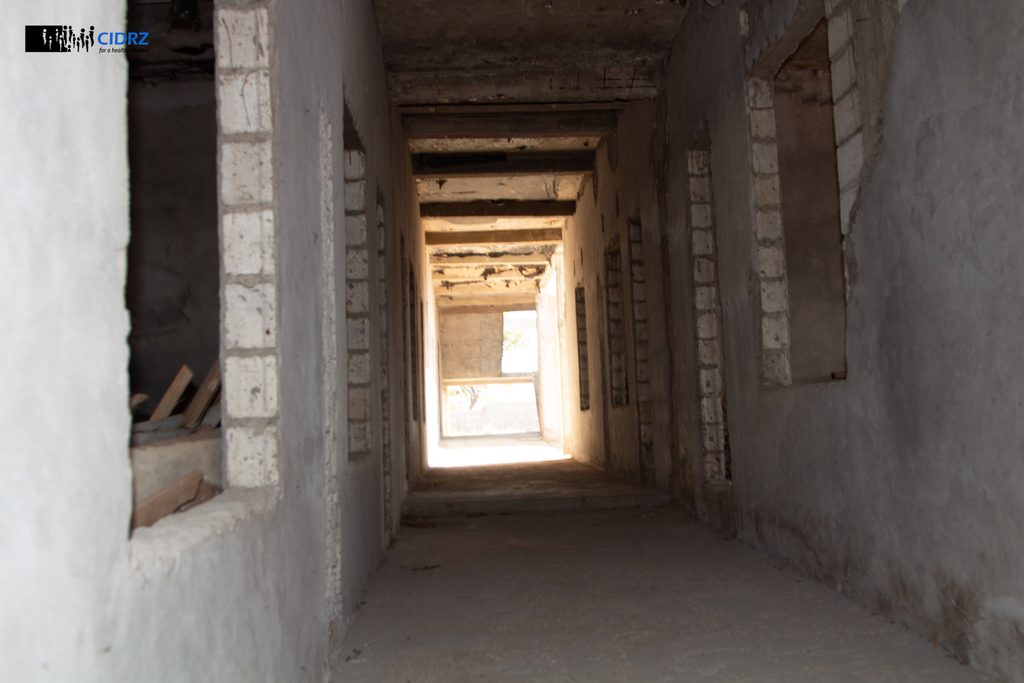
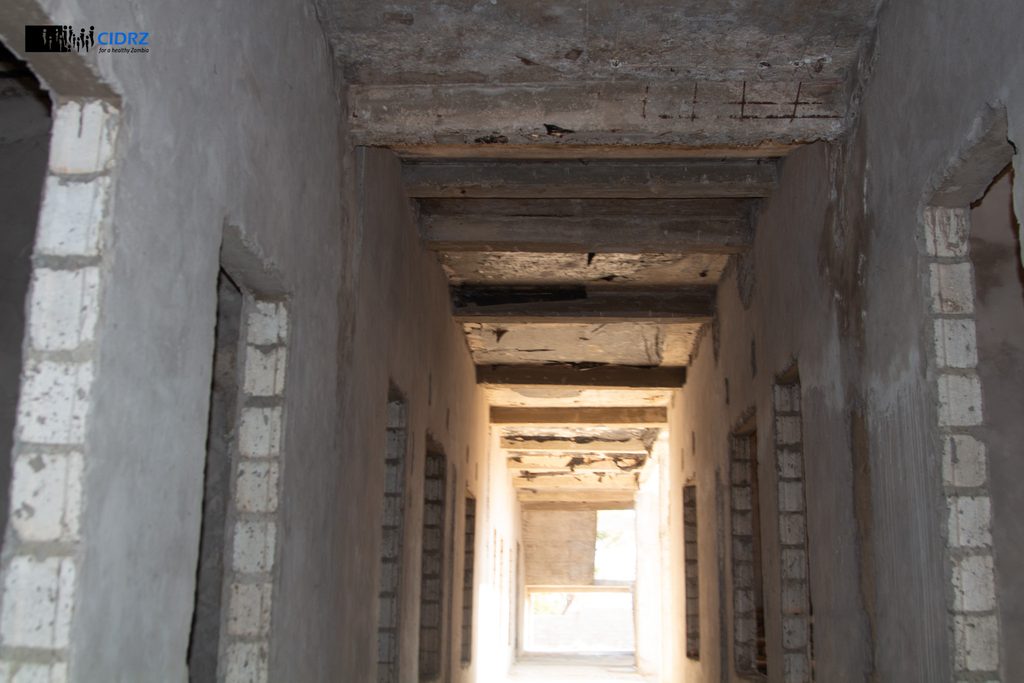
The delegation also toured the proposed university project site in Twin Palm, where members had an opportunity to appreciate the institution’s future development plans and the potential to expand medical training capacity.