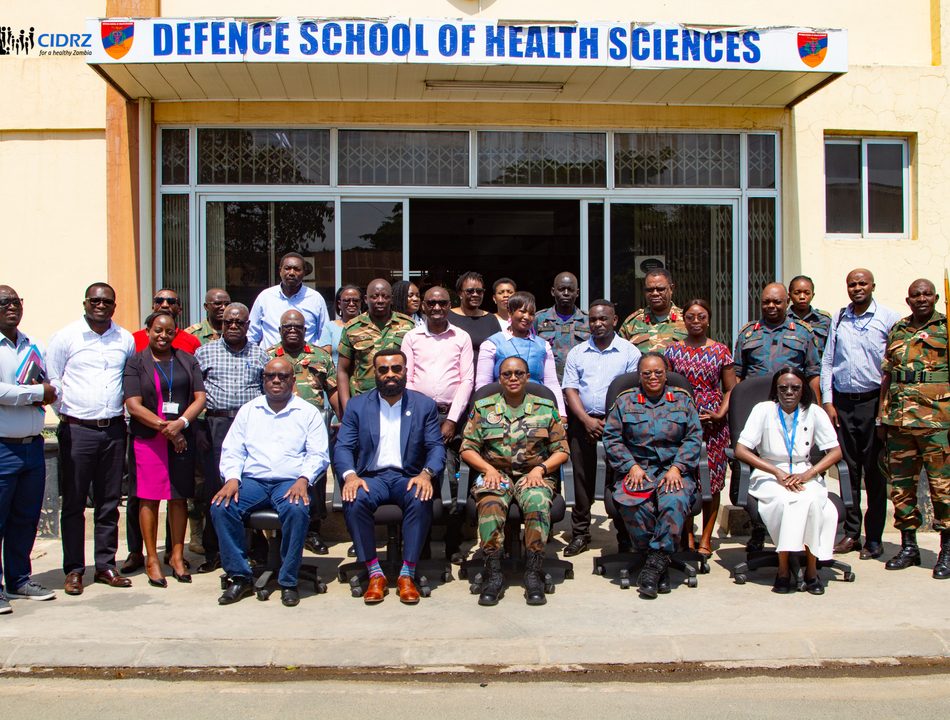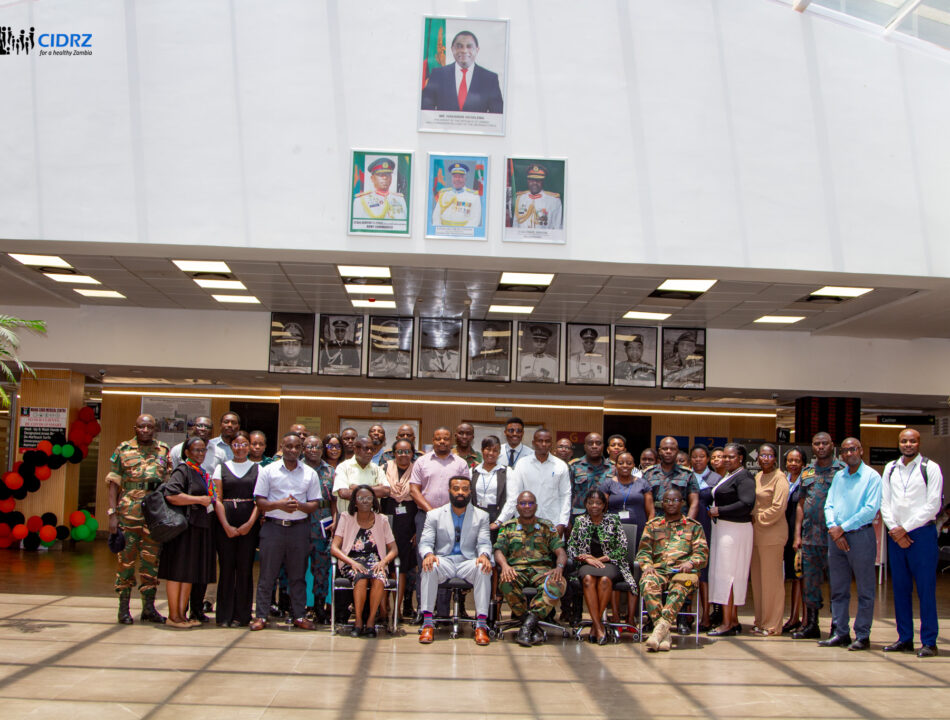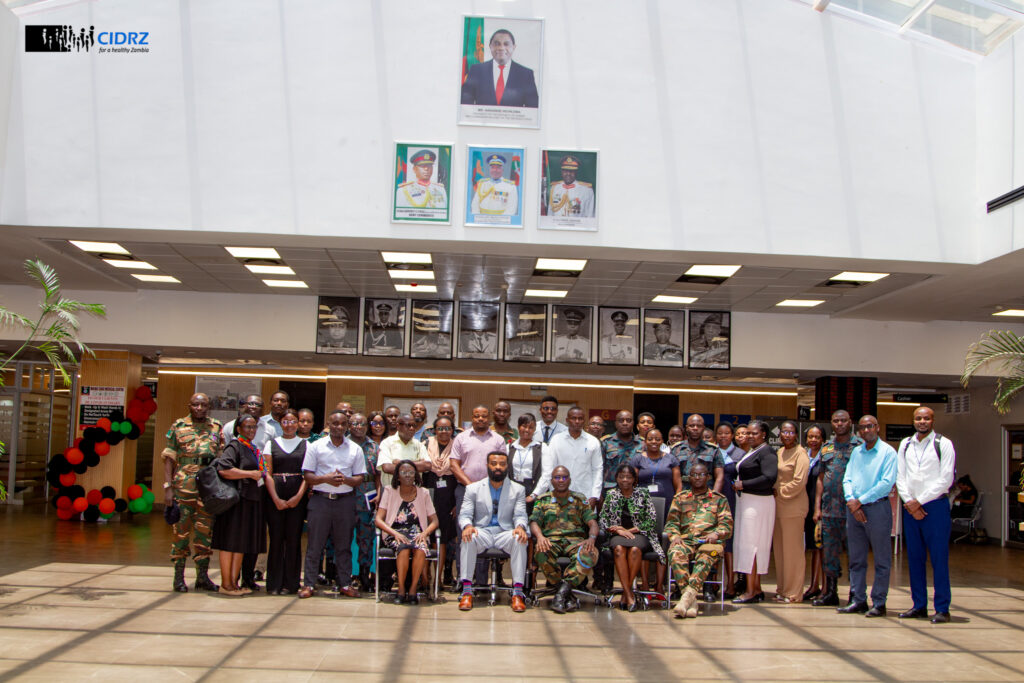
DHAPP, CIDRZ and Ministry of Health Delegation Engage Defence School of Health Sciences on Training Capacity
November 25, 2026
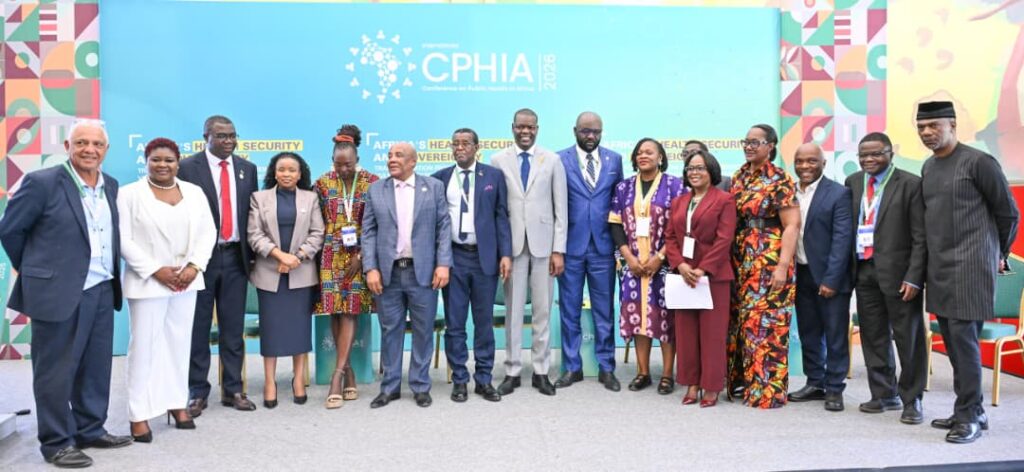
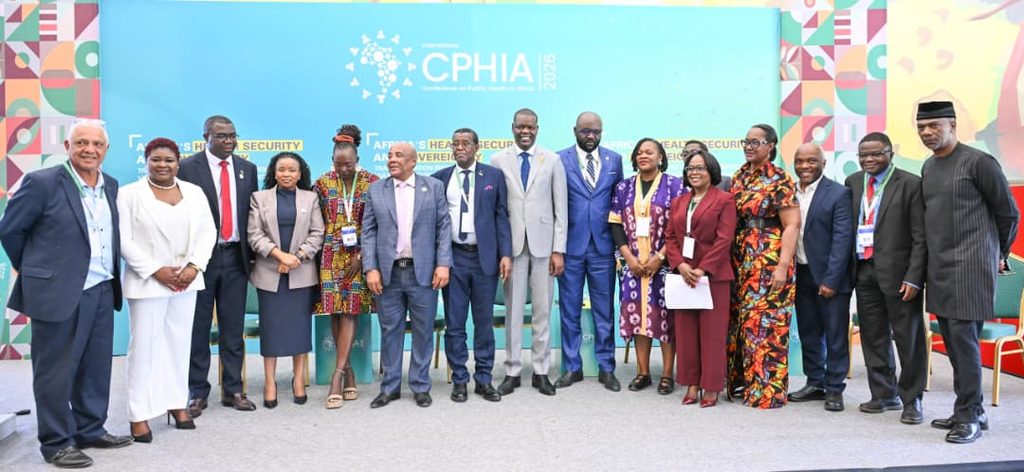
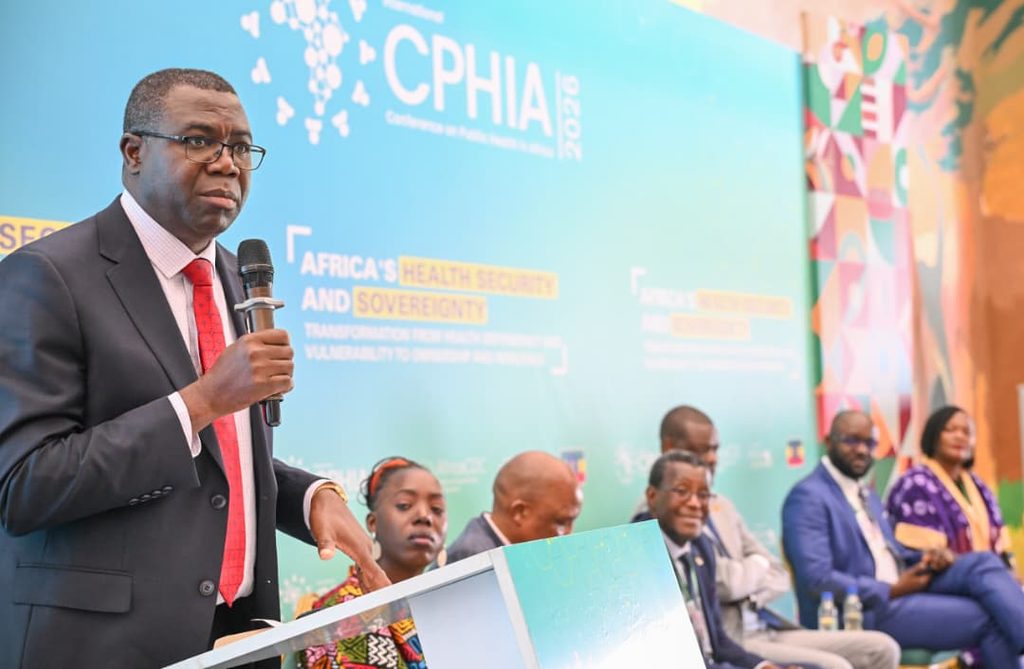
The African-led HIV Control Working Group (HCWG), hosted by the Centre for Infectious Disease Research in Zambia (CIDRZ), convened a high-level side event at the International Conference on Public Health in Africa (CPHIA 2026) under the theme “Financing Our Own Firewall: Insuring Africa’s HIV Response for the Post-Dependency Era.”
The session brought together health ministers, policy leaders, development partners and young people for a frank discussion on one pressing question: how can Africa protect its hard-won gains against HIV as external funding declines?
Participants agreed that Africa can, and must, take ownership of financing its HIV response. As donor support contracts, the continent faces a choice between allowing progress to stall and building domestic systems that can sustain HIV services for the long term.
National health insurance schemes emerged as a practical, homegrown path forward. By integrating HIV prevention, testing and treatment into national insurance programmes, countries can create predictable, sustainable funding that is less vulnerable to shifts in external aid.
Youth voices played a central role both at the event and in the conversations leading up to it. In pre-event consultations, young people agreed that Africa should and can finance its HIV response through national health insurance programmes, and they signalled their readiness to be part of the solution.
Speakers also stressed that communities must have a seat at the table, helping to shape health financing decisions and holding governments accountable for them. Underserved populations, in particular, must remain at the centre of the response. Participants emphasised that HIV prevention and control must be guided by evidence-based public health approaches, and that legal and moral perspectives should not override what the evidence shows works.
While the emphasis was on African leadership, participants recognised that global and regional partners remain critical. Africa CDC, WHO and UNAIDS were called upon to strengthen coordination and work together to support Member States in defining country-led transition pathways that build health sovereignty while protecting lives.