Camp to Bring Together Youth Living with NCDs for Fun, Solidarity and Support.

Association between hepatitis B co-infection and elevated liver stiffness among HIV-infected adults in Lusaka, Zambia
June 30, 2025
Ministry of Health, CIDRZ Champion Adolescent HIV Testing Drive in George Township
July 3, 2025
FOR IMMEDIATE RELEASE
JULY 2nd, 2025
Innovative Health Education Camp to Bring Together Youth Living with NCDs for Fun, Solidarity and Support
Camp Tuli Bonse to Host 60 Participants with Type 1 Diabetes or Sickle Cell Disease in Chongwe, Zambia
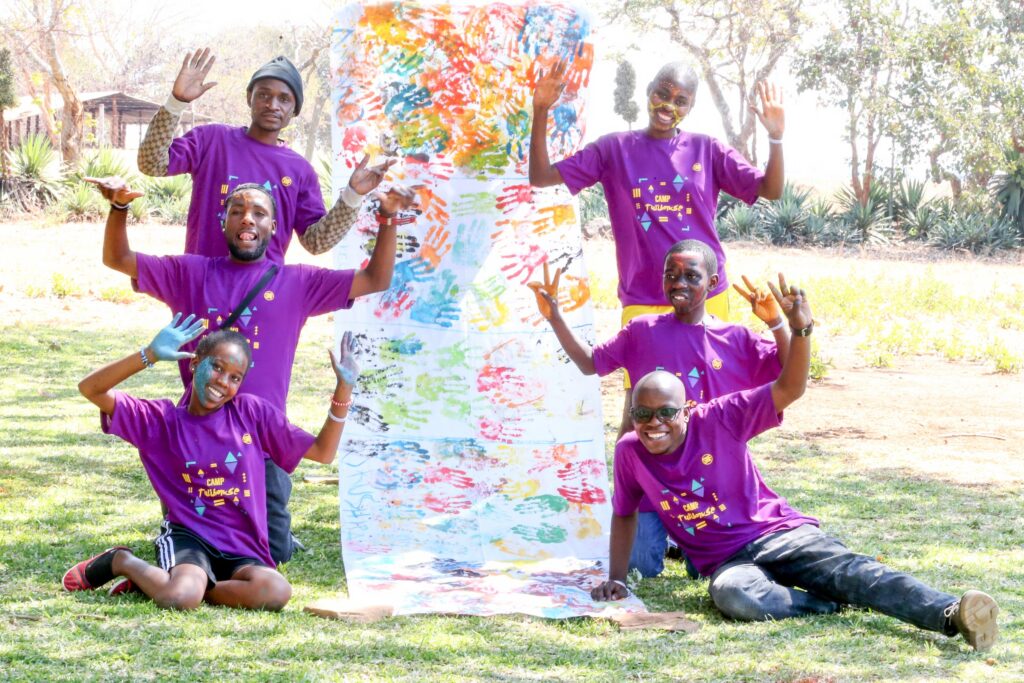
CHONGWE, ZAMBIA – An innovative summer camp will bring together 60 youth and young adults living with severe, chronic conditions for a week of health education, support, solidarity, and fun in Chongwe, Zambia, from August 18 to 22, 2025.
The Centre for Infectious Disease Research in Zambia (CIDRZ), the Sonia Nabeta Foundation, and the NCDI Poverty Network are proud to announce Camp Tuli Bonse, an integrated summer camp for children and young adults living with severe, chronic noncommunicable diseases (NCDs). The organizations are inviting about 60 participants, with ages ranging from 10 to young adults in their 20s. About 30 of the participants are living with type 1 diabetes and the remainder are living with sickle cell disease, a painful, hereditary blood disorder that affects hemoglobin and organ function.
Camp participants attend health clinics that use PEN-Plus, an integrated care delivery strategy focused on alleviating the NCD burden among children and young adults in settings of poverty. PEN-Plus clinics increase the accessibility and quality of chronic care services for severe NCDs—such as type 1 diabetes, rheumatic and congenital heart disease, and sickle cell disease—in rural areas of lower-income countries.
PEN-Plus is proving effective in Zambia, where more than 1,200 people with severe NCDs were actively receiving care at PEN-Plus clinics as of March 2025. That’s a dramatic increase over the past two years – when PEN-Plus data collection began in late 2022, 77 patients were enrolled.
“The implementation of PEN-Plus clinics has significantly transformed the delivery of care for chronic non-communicable diseases at first-level hospitals, with increased patient numbers attributed to active case-finding and effective retention strategies, bringing lasting changes to how standardized clinical care is provided for chronic illnesses in Zambia,” said Professor Fastone Goma, Principal Investigator of the PEN-Plus Project at the Centre for Infectious Disease Research in Zambia (CIDRZ).
CIDRZ is a local implementing partner of the NCDI Poverty Network. The NCDI Poverty Network supports the implementation of PEN-Plus in 27 countries across sub-Saharan Africa and South Asia, and has two co-secretariats: the Center for Integration Science in Global Health Equity at Brigham and Women’s Hospital in Boston, and Universidade Eduardo Mondlane in Maputo, Mozambique.
Zambia is in Phase 3 of PEN-Plus, characterized by initial implementation of the model and work toward a national operating plan and scale-up.
“Zambia has made amazing progress in delivering care to patients with severe non-communicable disease through PEN-Plus clinics,” said Dr. Colin Pfaff, Associate Director of Programs at the Center for Integration Science. “Three clinics are well-developed and another two have recently started. Zambia has exciting plans for developing further clinics across the country.”
In the same way that PEN-Plus clinics integrate care for people with different NCDs, Camp Tuli Bonse will be integrated, as well, providing education and awareness for participants with different conditions while increasing solidarity and support for all.
The Sonia Nabeta Foundation is an experienced convener of camps for children with type 1 diabetes, and will bring its trademark energy to working with sickle cell warriors, as well.
“Camps were the very first expression of our mission at the Sonia Nabeta Foundation, because we believe in the power of community and the strength that comes from standing together to navigate life with type 1 diabetes,” said Vivian Nabeta, Founder and Executive Director of the Sonia Nabeta Foundation. “At Camp Tuli Bonse, we are excited to share the proven power of this model with a broader family of sickle cell warriors because across chronic illnesses, shared experiences unite us, and warriors are strongest when they support one another.”
* * * * *
CONTACT
Mike Lawrence, communications manager, NCDI Poverty Network: mclawrence1@bwh.harvard.edu
The Centre for Infectious Disease Research in Zambia (CIDRZ) is an independent, non-governmental organization committed to improving access to quality healthcare in Zambia through innovative capacity development, exceptional implementation science and research, and impactful and sustainable public health programmes. CIDRZ supports local ownership of high-quality, complementary, and integrated healthcare research and services within the Zambian public health system and facilitates clinical research, and professional development training. Learn more at: cidrz.org
The NCDI Poverty Network works with governments and international partners to implement PEN-Plus, a proven strategy for providing lifesaving treatment to children and young adults living with severe noncommunicable diseases in settings of extreme poverty. Learn more at: ncdipoverty.org
The Sonia Nabeta Foundation supports and advocates for children with type 1 diabetes in Africa, working to ensure they have an equal chance for long, healthy, gainful and productive lives. Learn more at: sonianabetafoundation.org
ADDITIONAL BACKGROUND ON INTEGRATED CAMPS
Camps that bring together young people living with a variety of chronic conditions are showing that the benefits of integrated care can extend far beyond clinical settings.
Two integrated camps—held last year in Rwanda and Zimbabwe— offered several days of physical activities, mental health support, nutrition and medication counseling, and, most importantly, solidarity through shared experiences. Facilitated by a multidisciplinary team of nurses, doctors, nutritionists, peer educators, and support staff, those camps are models for Camp Tuli Bonse.
Gedeon Ngoga, clinical advisor for the NCDI Poverty Network, said the 2024 camps hosted a total of 115 participants, who shared challenges including stigma in their communities and inconsistent availability of medicines. Gina Ferrari, a research specialist and type 1 diabetes clinical lead for the NCDI Poverty Network, said the camps’ conception was rooted in the Network’s theory of change, which holds that solidarity and cross-disease collaboration can have a greater impact than isolated efforts.
“There is a lot of evidence, both in high-resource and low-resource settings, about the benefits of diabetes camps for disease management education, mental health support, and community building,” Ferrari said earlier this year. “It makes sense to bring other conditions into a camp setting as well, for increased benefits.”
Ferrari added that the benefits of integrated camps extend to healthcare providers, as well. Rather than being limited to clinical visits, providers are able to spend extended time with campers and witness their daily challenges.
The camps were a new implementation of the PEN-Plus model of health care delivery, which highlights the commonalities between chronic conditions such as type 1 diabetes, sickle cell disease, and rheumatic and congenital heart disease. The conditions share numerous management challenges, especially in rural and low-resource communities. People with those diseases face stigma, difficulty managing school, limited access to medicines, and a need for strong patient education and empowerment.
PEN-Plus aims to address those challenges by uniting patient communities across the disease groups, thus creating a stronger and broader advocacy platform for improved care.