Ministry of Health, CIDRZ Champion Adolescent HIV Testing Drive in George Township

Camp to Bring Together Youth Living with NCDs for Fun, Solidarity and Support.
July 2, 2025
George Compound Outreach Brings Life-Saving Health Services to Adolescents
July 4, 2025
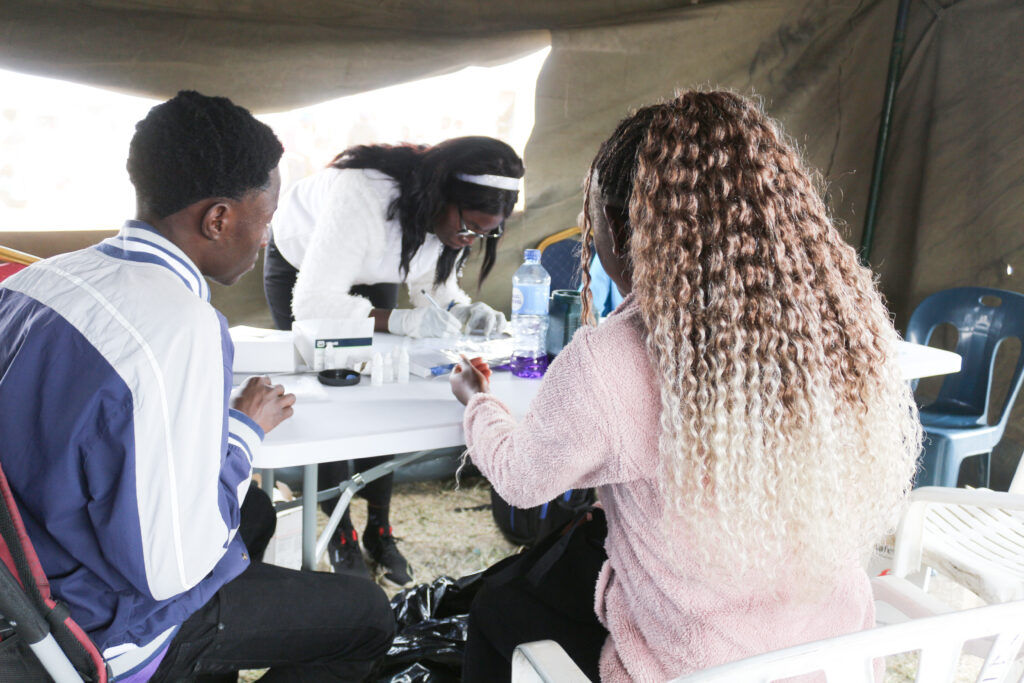
The Ministry of Health Zambia, in partnership with the Lusaka Provincial Health Office and CIDRZ’s PROUD Z Paediatric and Adolescents Unit, successfully spearheaded a vibrant weekend HIV testing drive targeting adolescents in George township. The outreach aimed to boost demand for adolescent-friendly health services by offering health education, on-site HIV Testing and counselling, distributing preventive supplies, and linking adolescents to Youth-Friendly Spaces and appropriate care.
Officiating at the event, Matero Lima Ward Councillor Mr. Daniel Mwewa commended the joint efforts of CIDRZ, the Ministry of Health, the Ministry of Education, Lusaka City Council, and other organising partners for bringing adolescent-friendly health services closer to the community.
“We are truly delighted to see this initiative being implemented. It is timely and commendable, especially as it addresses adolescent sexual and reproductive health and rights directly within the community,” said Mr. Mwewa.
He acknowledged challenges facing young people in Matero, such as rising crime, gang involvement, and a lack of life skills. He commended the peer education model used by the outreach as an effective approach to helping young people make informed, healthy decisions.
The drive, hosted in George Compound, provided a comprehensive package of youth-friendly services including HIV testing, contraceptive distribution, HPV vaccination, and sexual and reproductive health education.
Mr Mwewa further highlighted that decentralising services from health facilities such as George Clinic and Matero helps eliminate access barriers.
“When services are brought closer to the community, there is no longer an excuse to skip testing or miss out on contraceptives, these are essential tools for preventing unintended pregnancies and keeping girls in school,” he said.
The outreach has been hailed as a success and a vital step in ensuring young people receive health services tailored to their unique needs, in line with Zambia’s goal of ending AIDS as a public health threat by 2030.