CIDRZ and Partners Unveils One Health Study Findings to Support Zambia’s Sustainable Food System Transition.

Zambia Launches PEN-Plus National Operational Plan to Combat Non-Communicable Diseases.
July 15, 2025
CIDRZ, ZNPHI conducts Panel Discussion on Zambia’s One Health Baseline Study
July 17, 2025
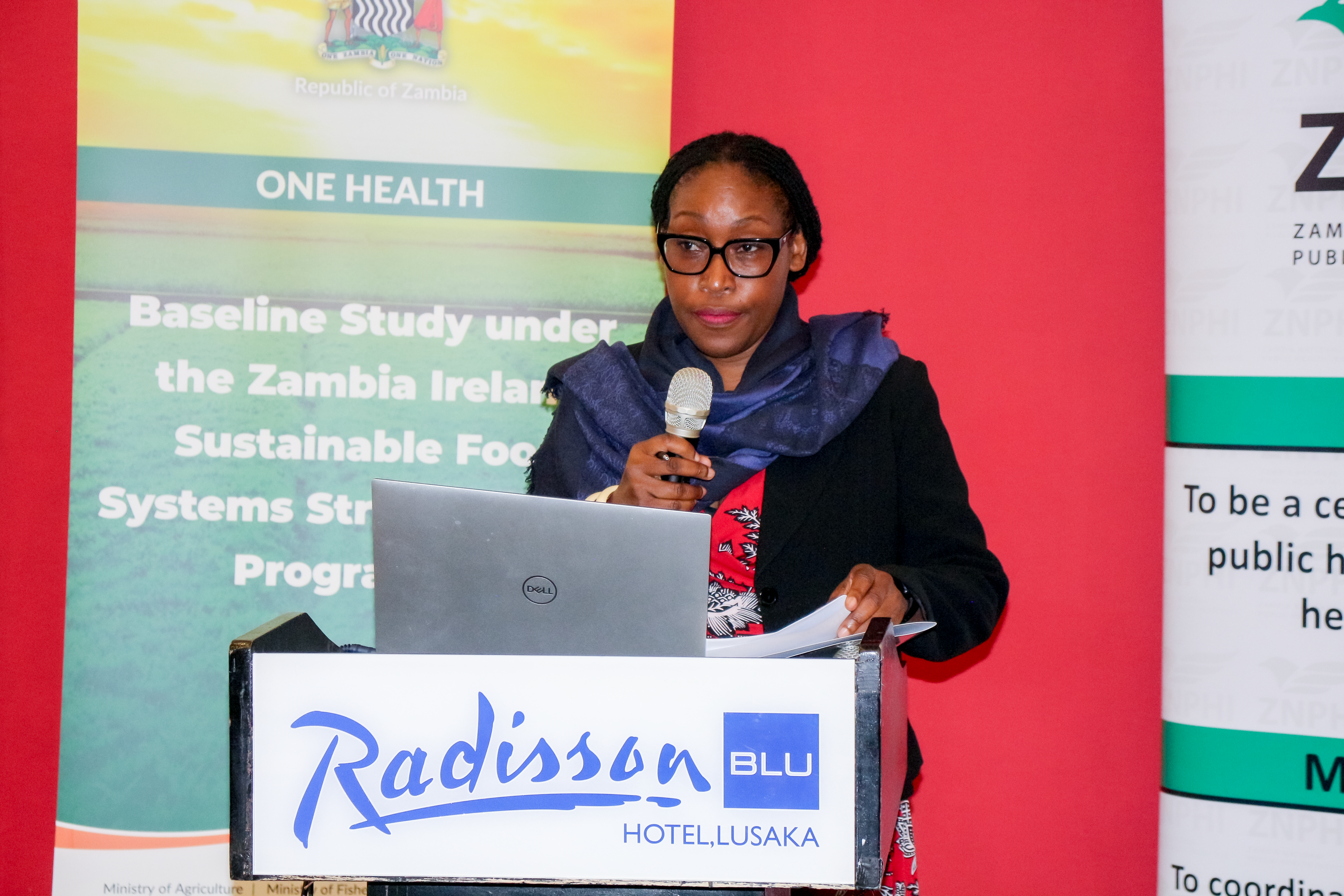
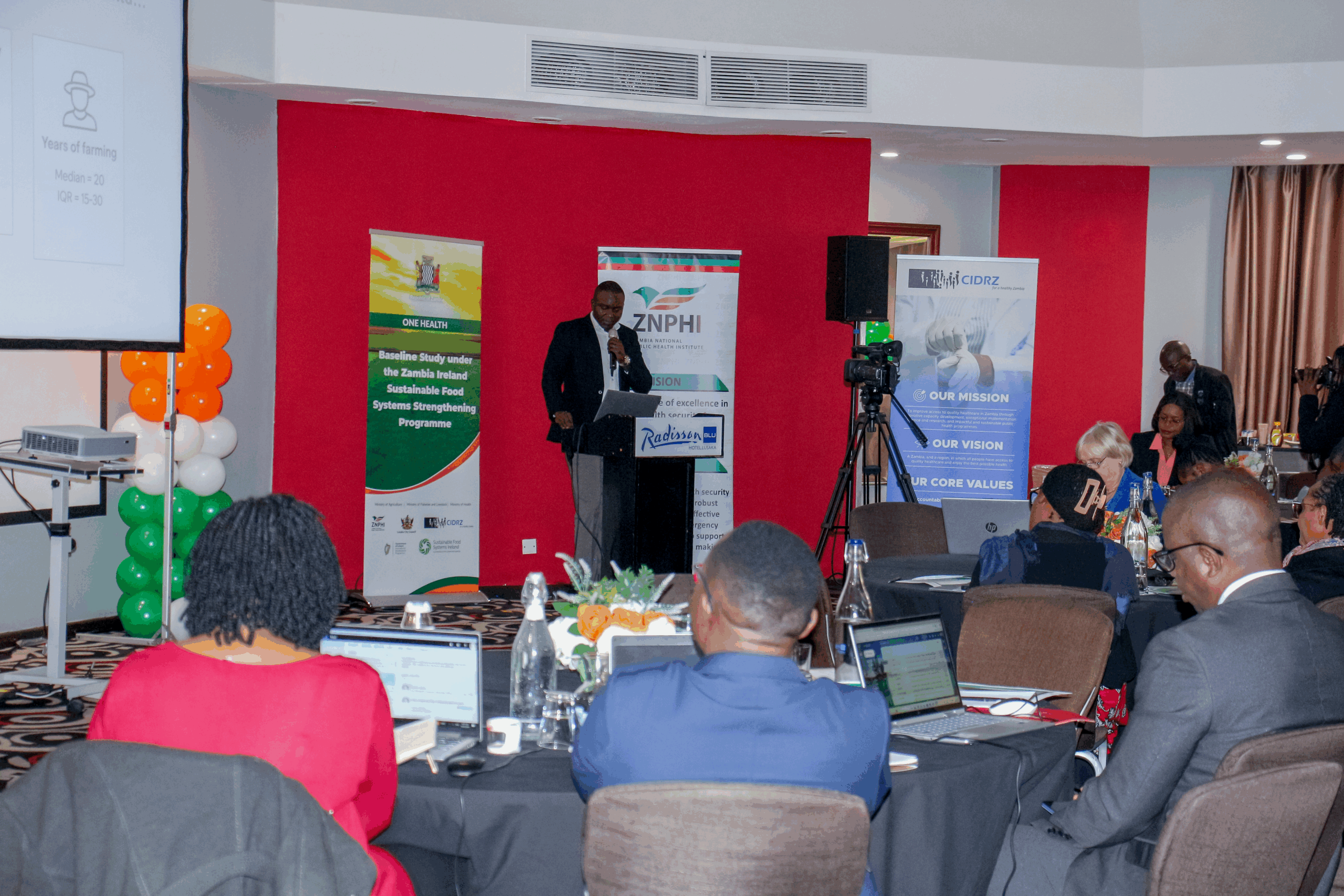
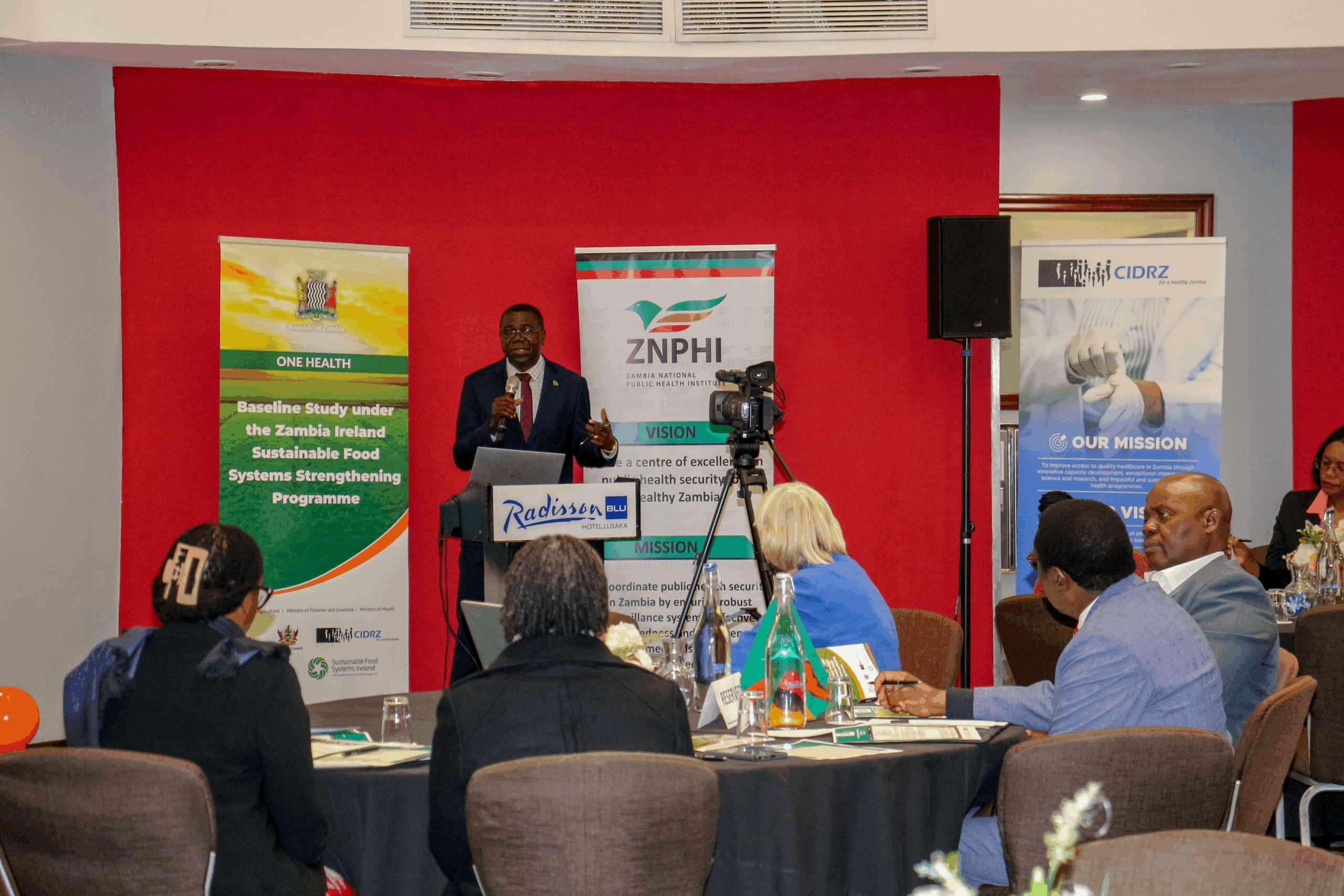
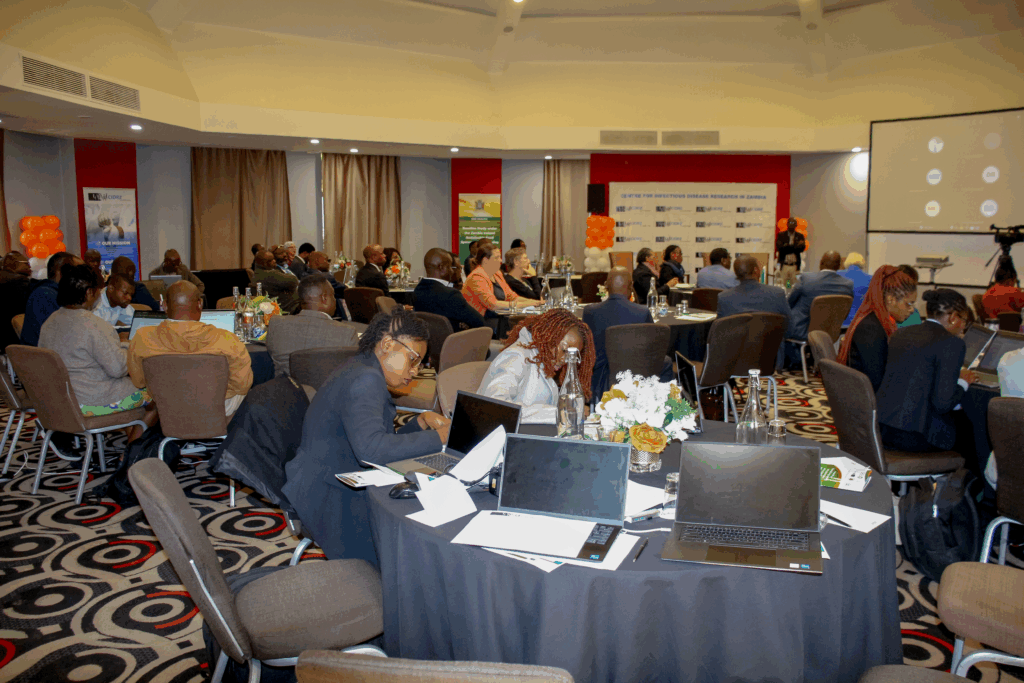
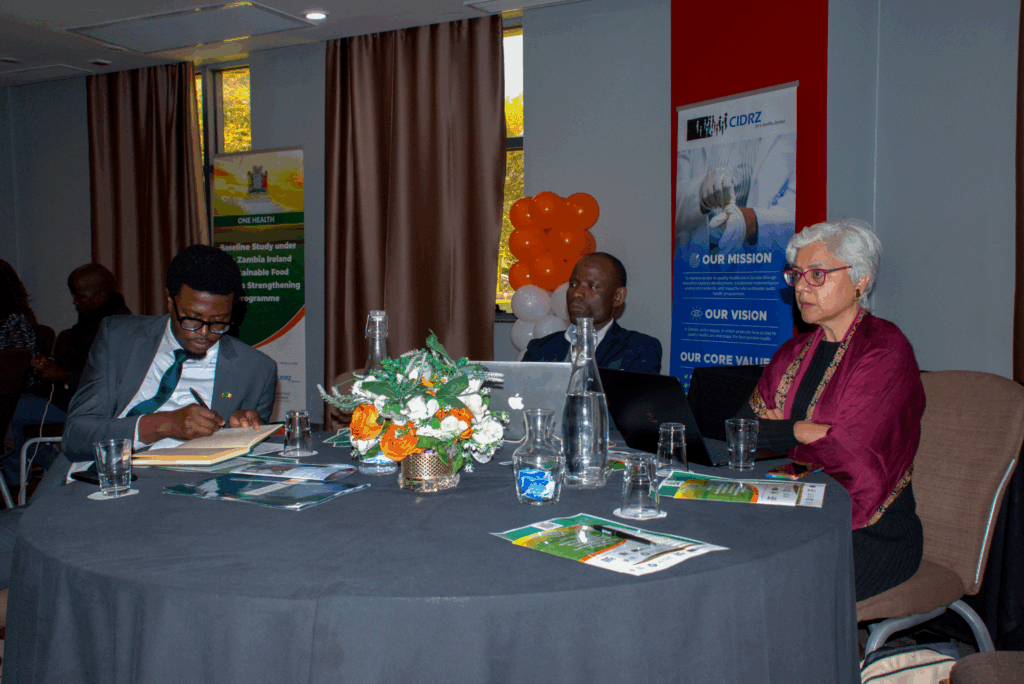
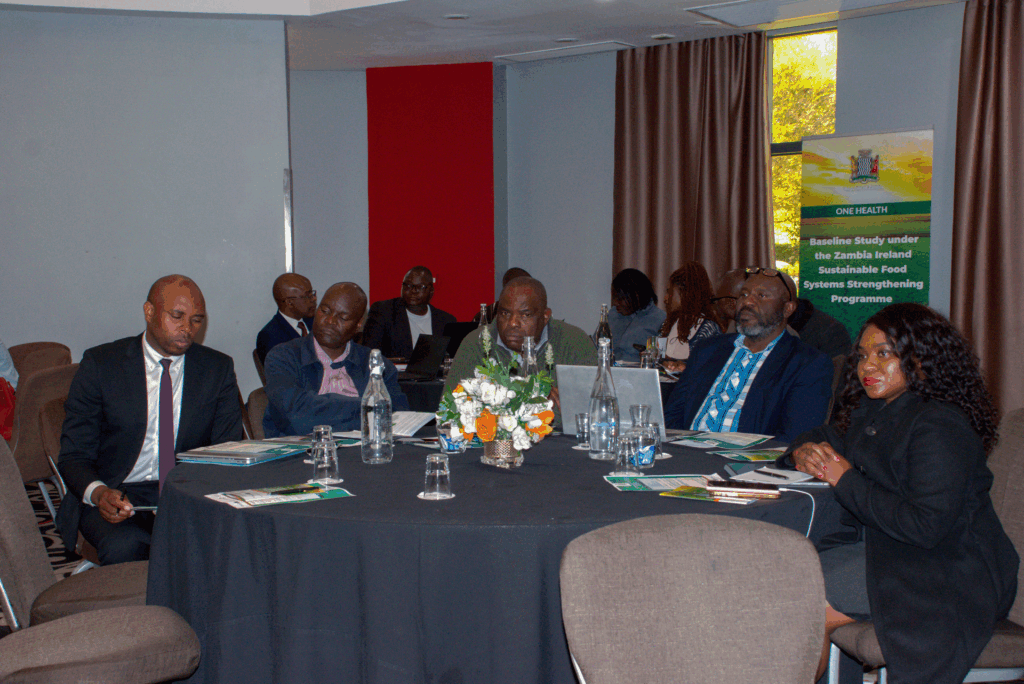
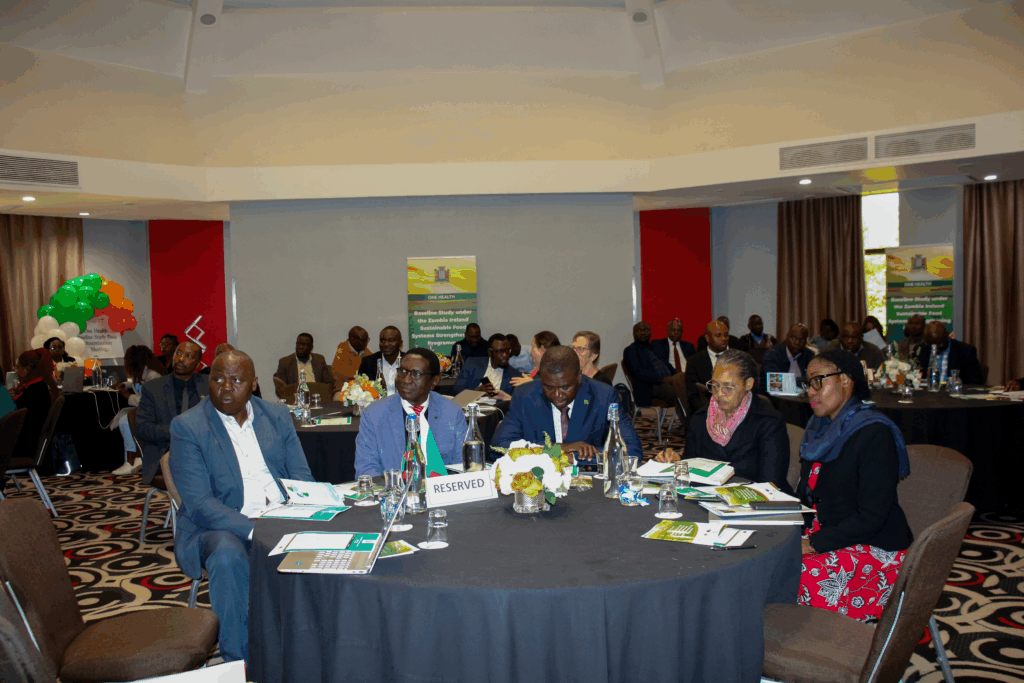
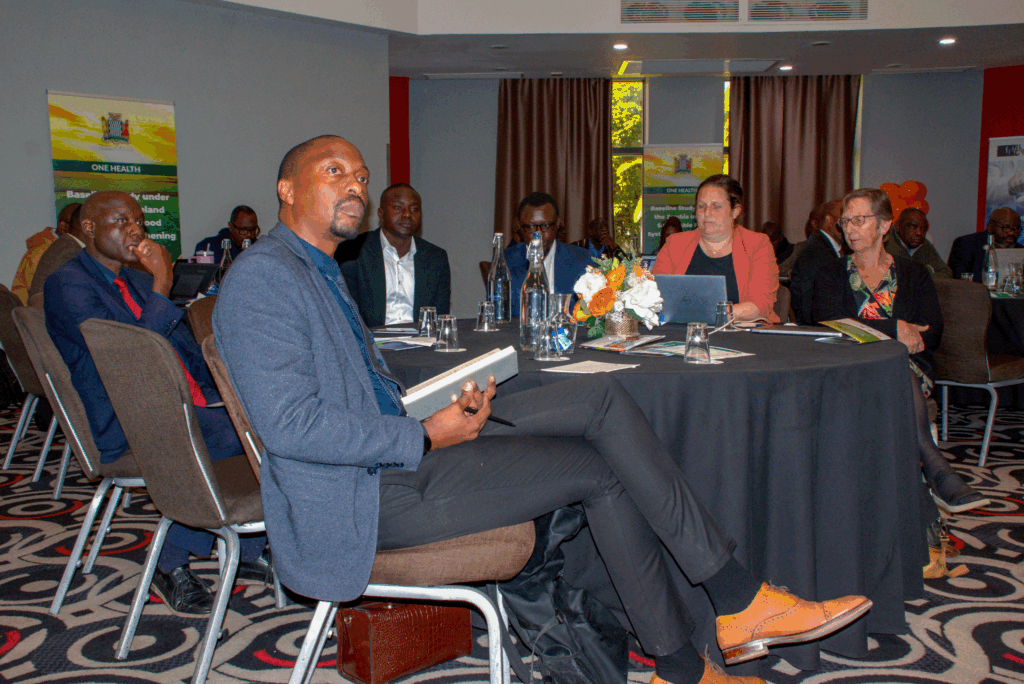
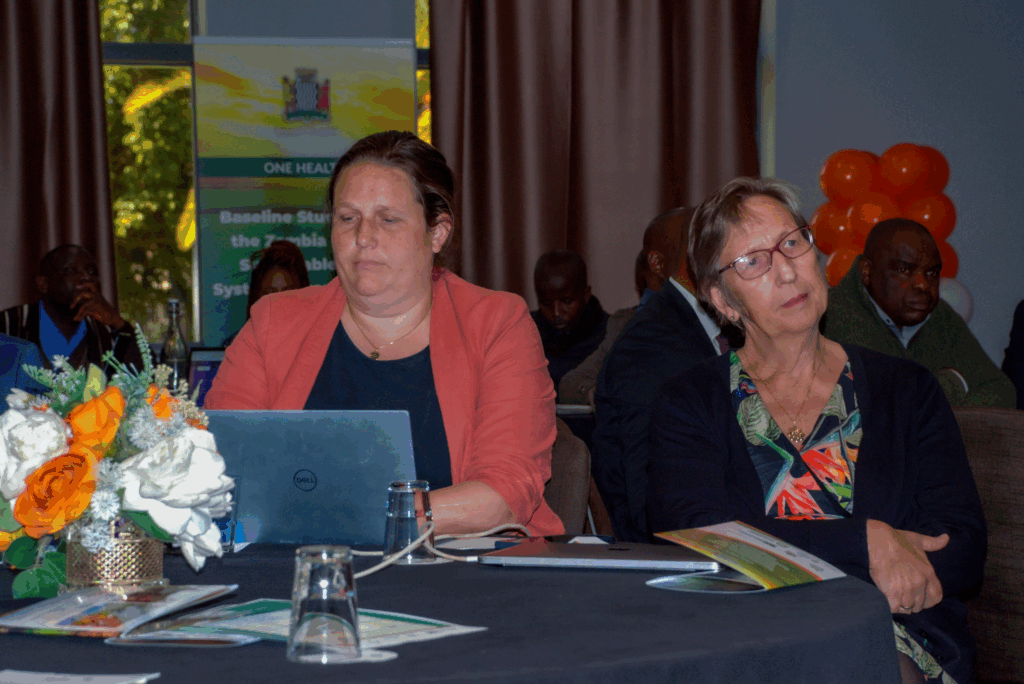
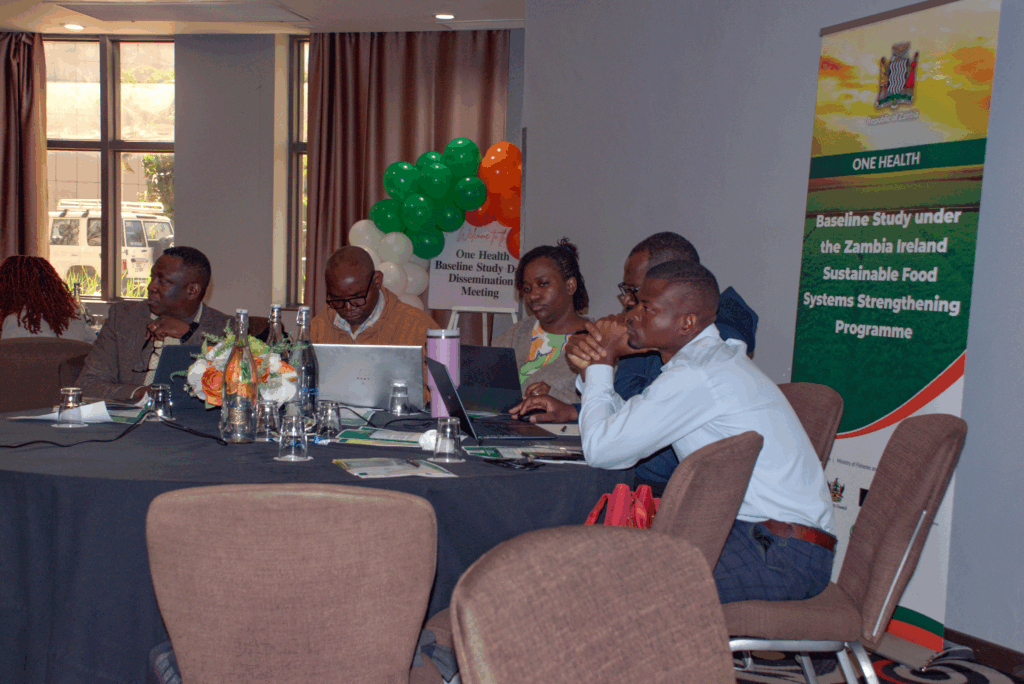
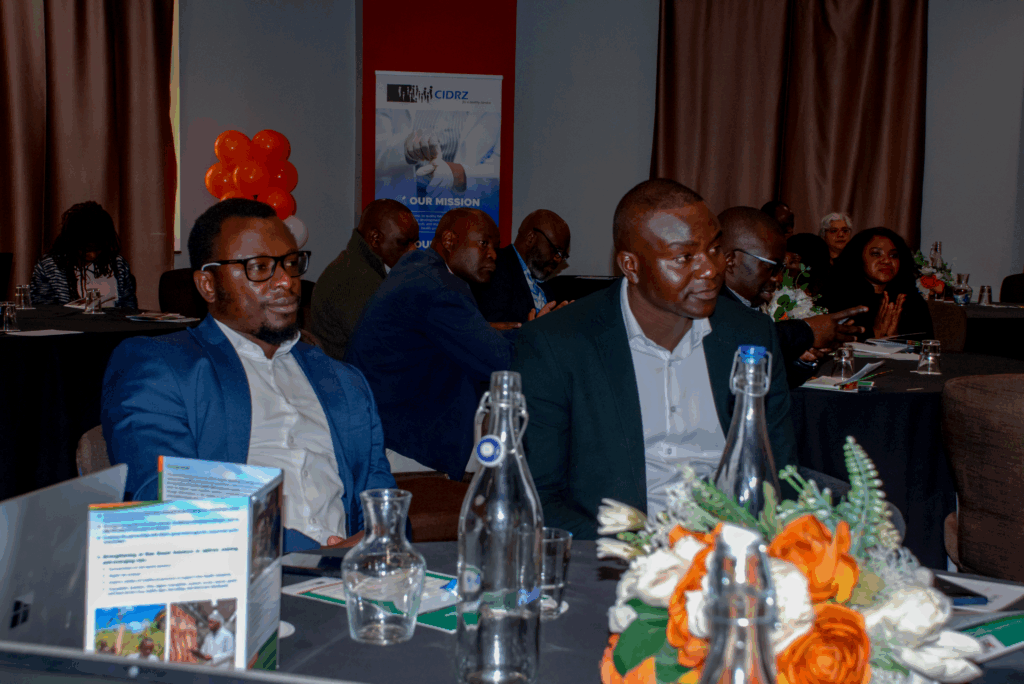
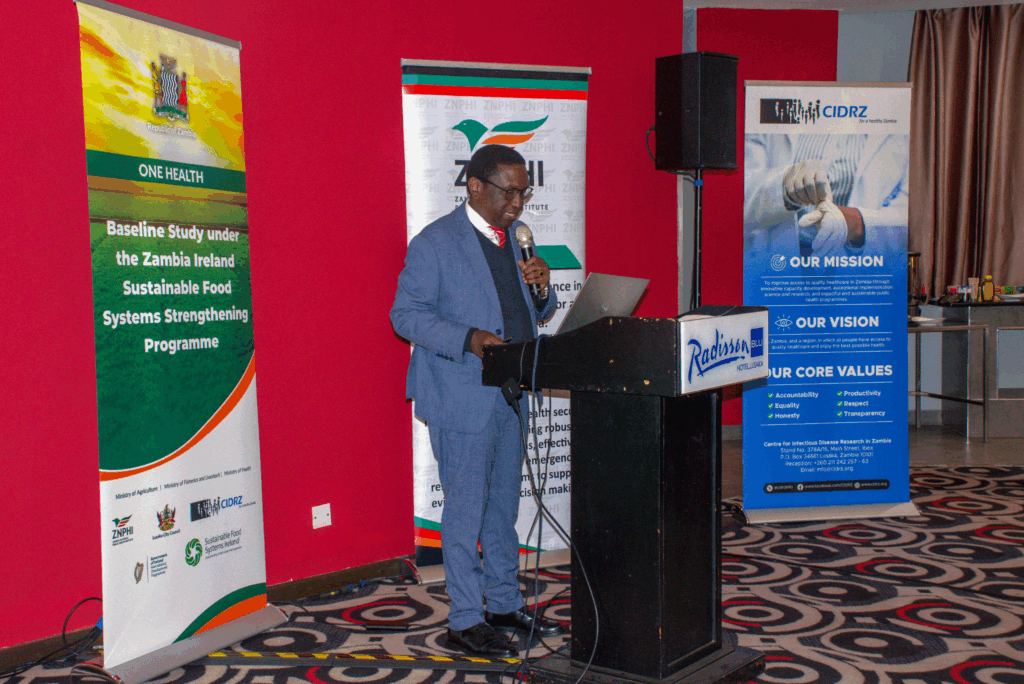
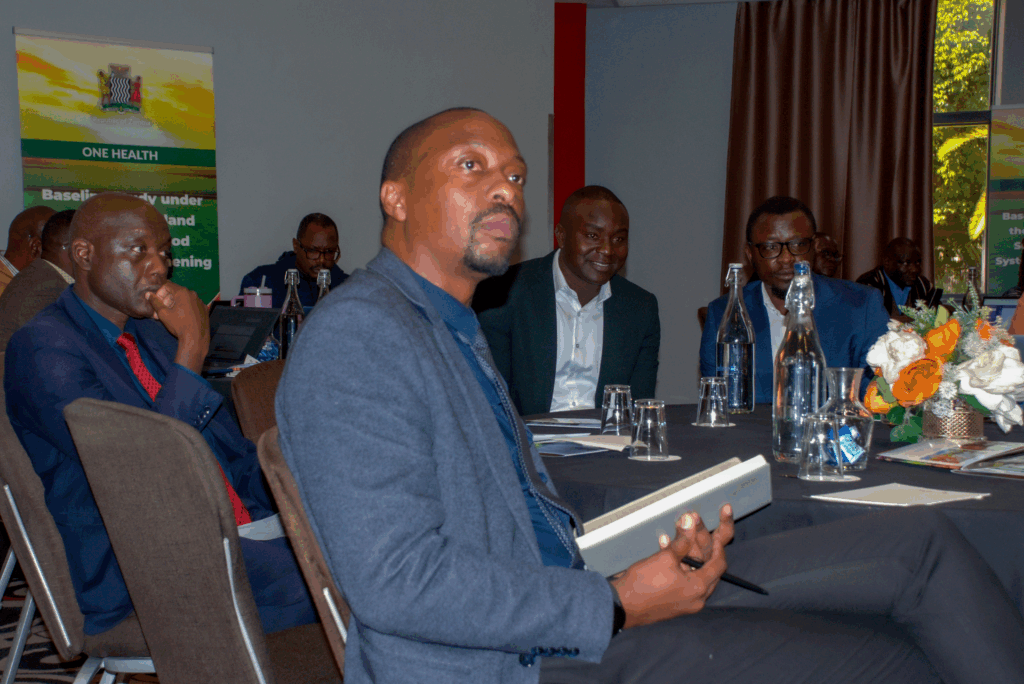
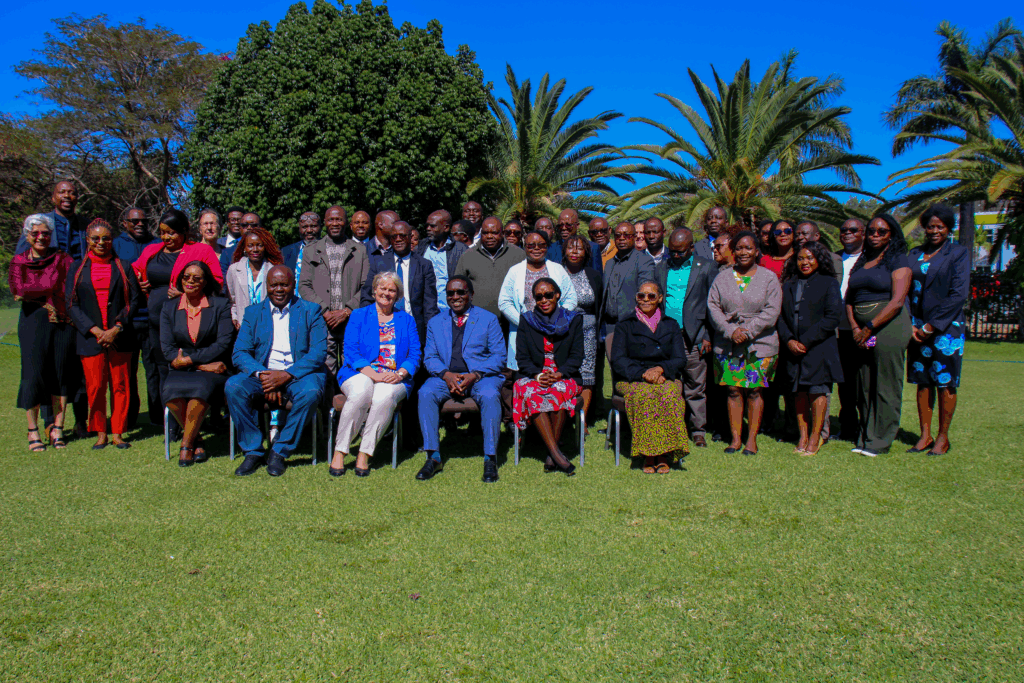
The Centre for Infectious Disease Research in Zambia (CIDRZ), in collaboration with the Zambia National Public Health Institute (ZNPHI), Ministry of Agriculture, the Ministry of Fisheries and Livestock (MFL), Ministry of Health (MoH), Lusaka City Council (LCC) and with support from Sustainable Food Systems Ireland (SFSI) under the Zambia Ireland Sustainable Food Systems Strengthening Programme, an initiative of the Government of Ireland, has disseminated key findings from the One Health Baseline Study.
Conducted between July 2024 and March 2025, the study sought to gather insights on knowledge and practices related to food safety, animal disease surveillance, the control of veterinary medicines, and the regulation of Zambia’s One Health (OH) system.
The One Health Baseline Study aims to support a just transition toward a sustainable food system in Zambia through targeted interventions that strengthen OH systems and enhance resilience to production and consumption shocks, as well as broader crisis risk reduction.
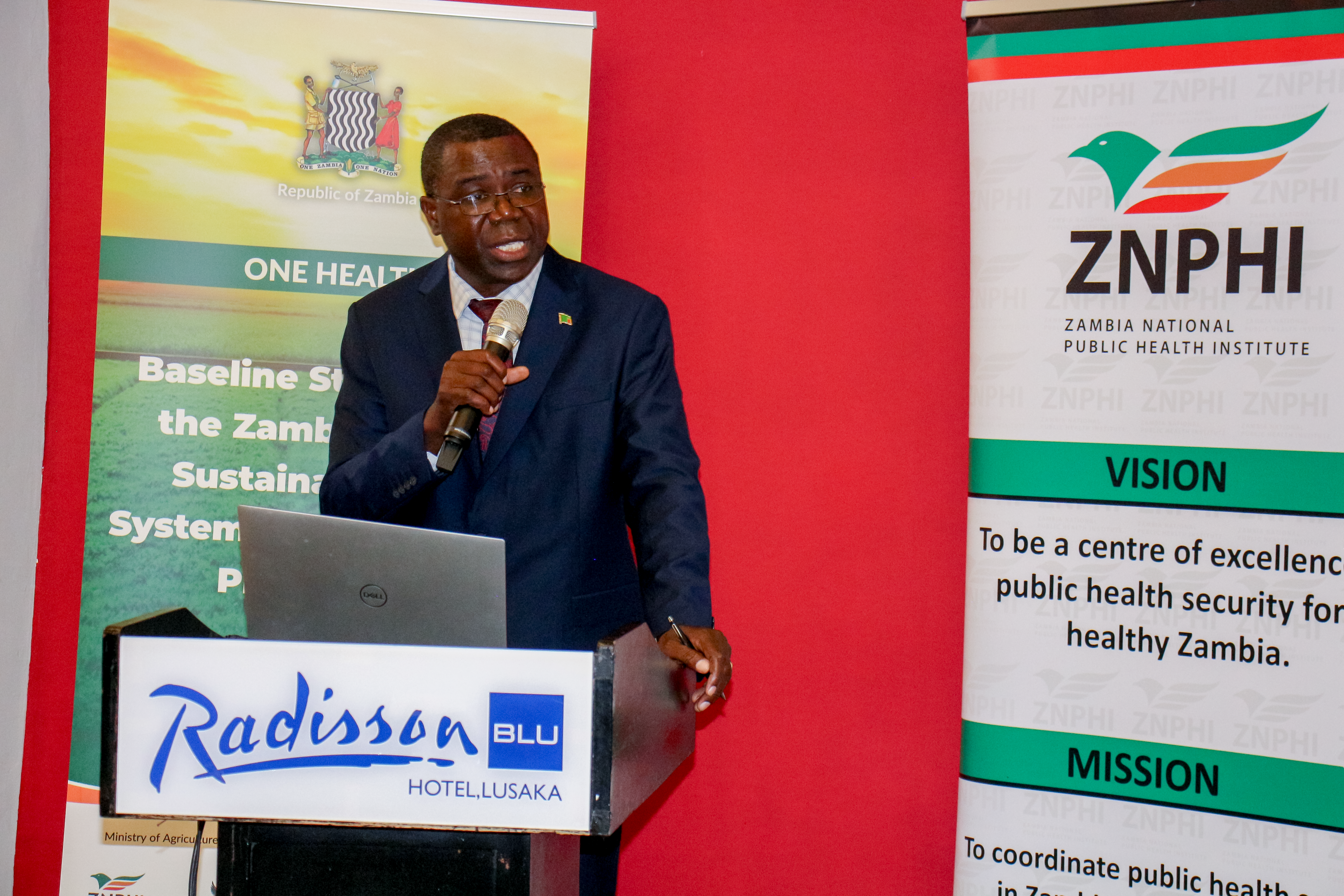
Speaking during the dissemination meeting the Minister of Fisheries and Livestock, Honourable Engineer Peter Chibwe Kapala MP said the One Health Baseline Study, marks a significant milestone in Zambia’s efforts to build stronger food systems and safeguard public and animal health.
The Minister acknowledged that animal health and food safety are critical to protecting livelihoods, promoting nutrition, and preventing zoonotic diseases.
However, he noted that these goals cannot be achieved by one ministry alone. He emphasised the need for collaborative efforts across sectors, driven by the data generated under Sustainable Food Systems Ireland (SFSI).
Honourable Engineer Kapala stated that the study aligns with Zambia’s National One Health Strategic Plan (2022–2026), which prioritises food safety, zoonotic disease prevention, antimicrobial resistance, and environmental health.
And speaking during a virtual address at the One Health Baseline Study dissemination meeting, Sustainable Food Systems Ireland (SFSI) Director Mr David Butler reaffirmed the organisation’s support towards Zambia’s transition to a sustainable and resilient food system.
Mr Butler highlighted the importance of data-driven action across three key pillars: climate action, One Health, and sustainable food policies. He noted that these pillars are essential in supporting Zambia’s resilience to climate, environmental, production, and consumption shocks.
“Our objective in relation to One Health is to facilitate evidence-based enhancement of national capacity in Zambia,” he said. “This work is a vital addition to our understanding of food system behaviours and how they impact health and the environment.”
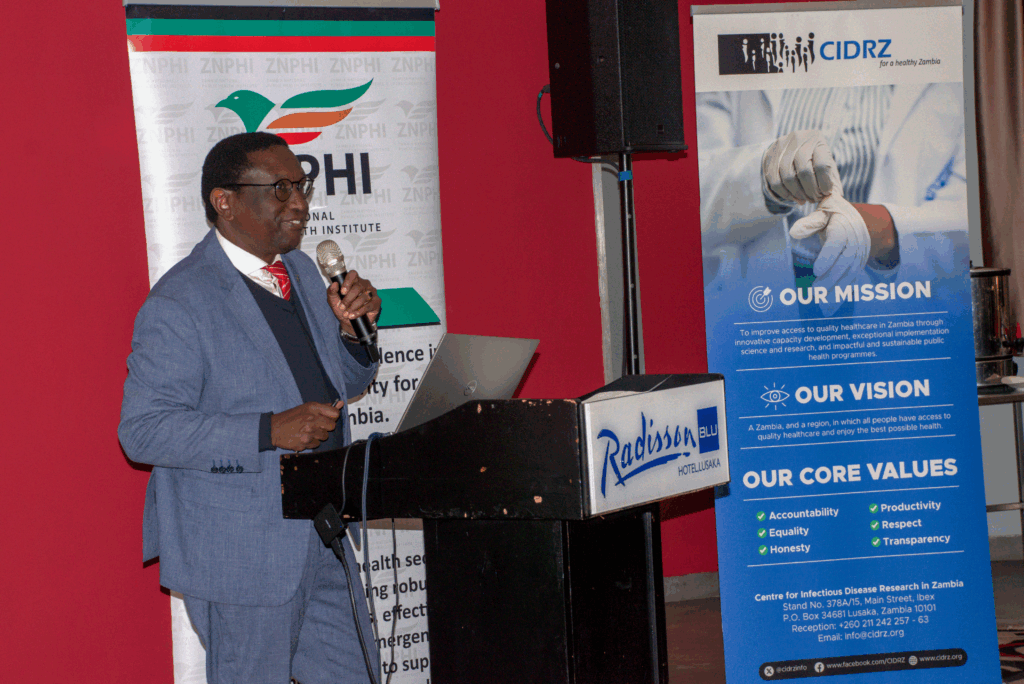
Meanwhile, the Zambia National Public Health Institute (ZNPHI) Director General Professor Roma Chilengi said while gaps persist, the study collected valuable insights from farmers, food business operators, and regulators.
Professor Chilengi said these insights offer a unique opportunity to create localised strategies that promote system ownership and resilience.
He urged stakeholders to address gaps in inspection, incident reporting, and regulatory compliance, while strengthening policy and legal frameworks to support future implementation.
And CIDRZ Chief Scientific Officer Dr Monde Muyoyeta extended her appreciation to farmers, food processors, buyers, traders, regulators, and all participants whose lived experiences helped shape the evidence gathered. She emphasised that the study marks a crucial first step toward building proactive and integrated systems that recognise the interconnectedness of human, animal, and environmental health.
“The One Health Baseline Study is a foundational step towards building resilient systems that are proactive rather than reactive,” said Dr Muyoyeta. “A system that recognises that what happens on a farm, in a market, or in the soil ultimately impacts what happens in our hospitals and clinics.”
Dr Muyoyeta stated that study key findings from the study revealed significant gaps and opportunities within the current OH landscape in Zambia. Among the findings:
The study further highlighted that many farmers were familiar with common endemic animal diseases like Foot and Mouth Disease, Rabies, and Lumpy Skin Disease. However, awareness of zoonotic diseases, those transmissible between animals and humans such as bovine TB, Cysticercosis, and Plague, remained significantly low, with only 3–15% recognition in some areas.
The food value chain was found to be weak in areas such as traceability, training, and compliance with regulations particularly within informal food processing sectors, adding that delays in disease reporting and limited access to veterinary services further exposed systemic gaps in infrastructure and coordination.
“To build a resilient food system, we must strengthen local capacity, streamline regulation, and embrace digital innovation,” she emphasised.
Dr Muyoyeta called for the development of a centralised, operational One Health coordination platform and urged stakeholders to prioritise surveillance systems that are interoperable across human, animal, and environmental sectors.
And Dr Theodora Savory, Director of Strategic Information at CIDRZ, closed the One Health dissemination meeting by emphasising that collaboration is not a luxury but a necessity. She noted that the discussions and insights shared throughout the day underscored the value of an integrated approach to health that recognises the deep connections between people, animals, food systems, and the environment.
She stated that the One Health Baseline Research Study has provided a solid foundation by offering data that highlights both strengths and gaps in the system. These include limited disease awareness in some communities, challenges in coordination and reporting among regulators, and opportunities for improved surveillance and technology use at the local level.
Dr Savory expressed pride in the Strategic Information Department at CIDRZ for leading the coordination and analysis of this vital initiative.
She said that moving forward, their immediate focus will be on finalising the One Health Baseline Research Report with stakeholder input, developing a primary manuscript for peer-reviewed publication, and advancing secondary publications that explore topics such as antimicrobial resistance, regulatory systems, and food chain safety practices.
Dr Savory urged all stakeholders to remain united in advancing One Health efforts, reminding them that true progress lies in working together across sectors.