The United States Government Calls for Sustainability of HIV Gains Amid Funding Cuts.
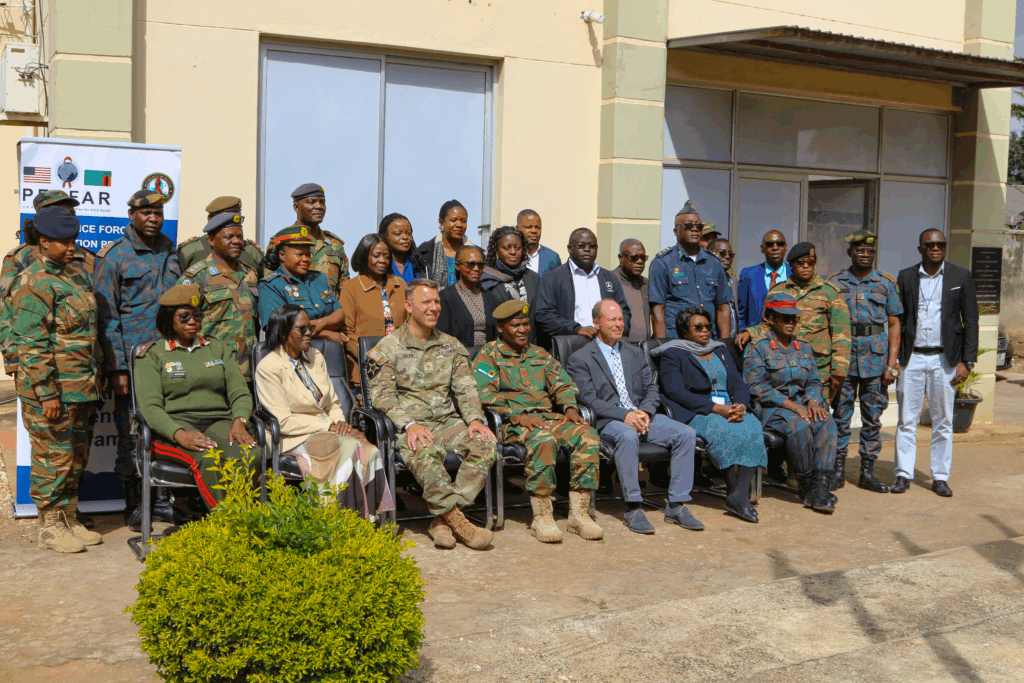
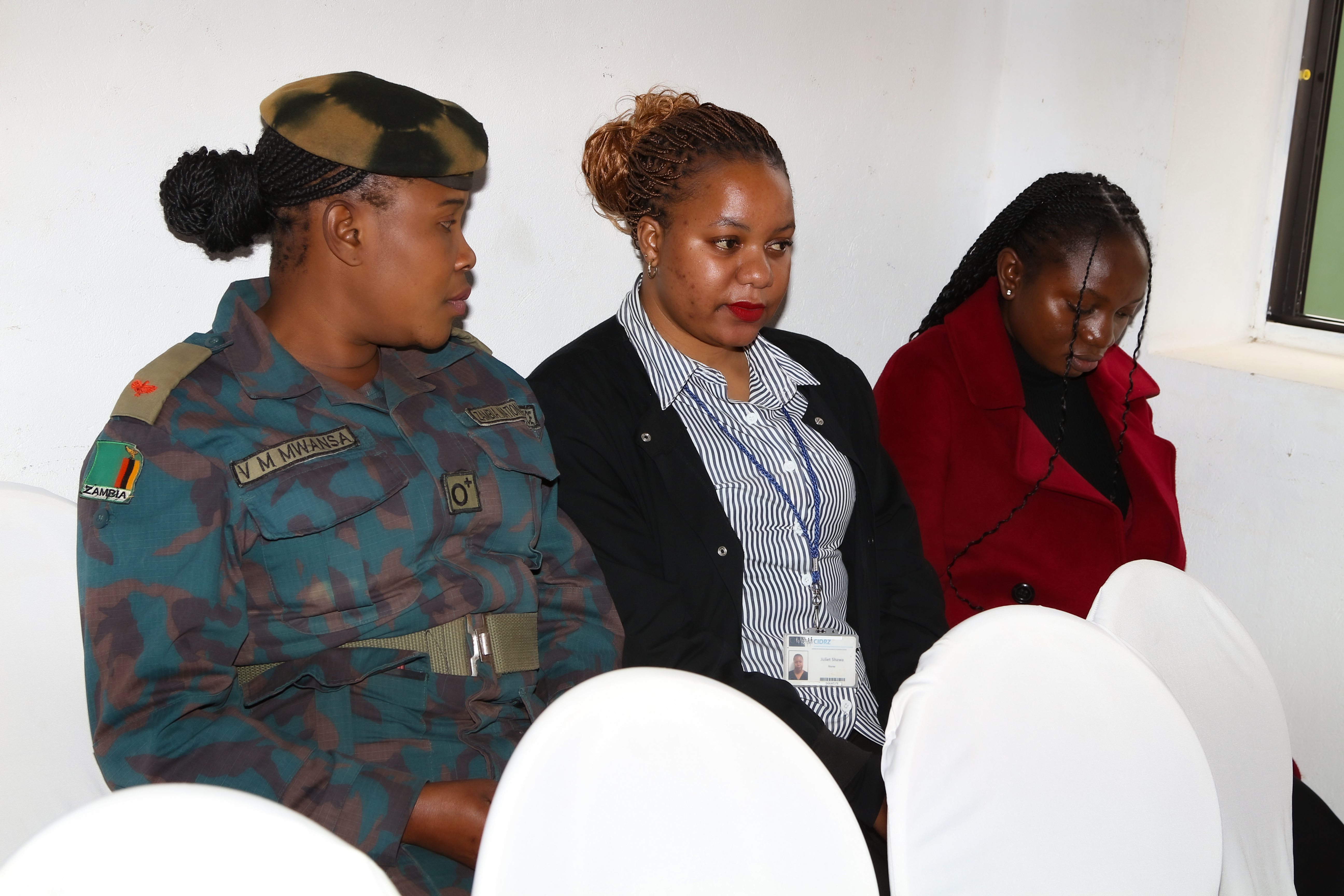
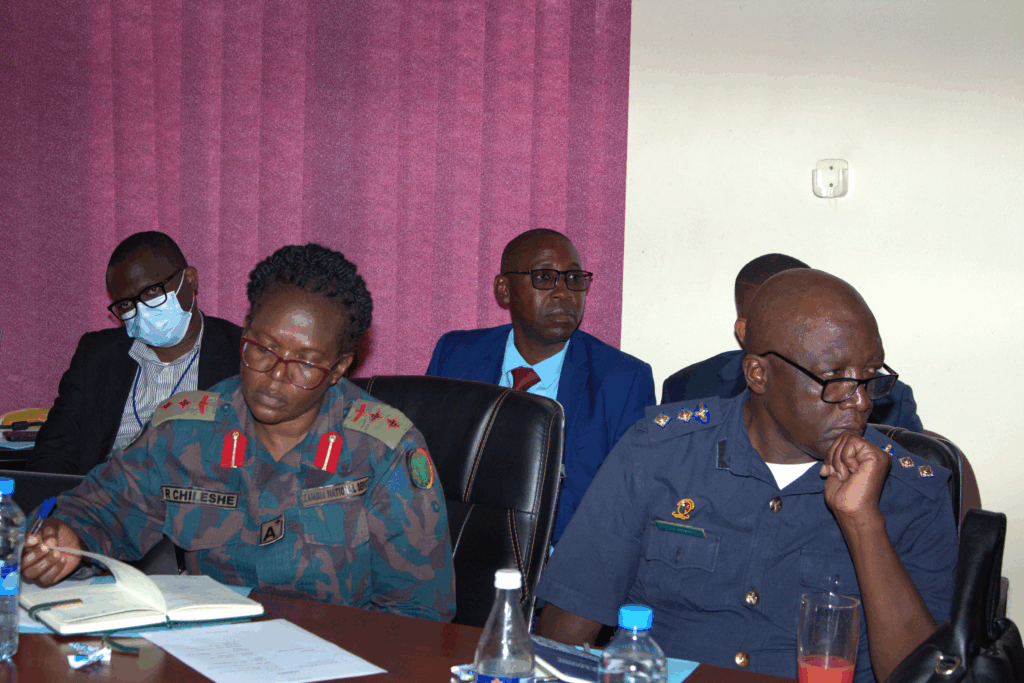
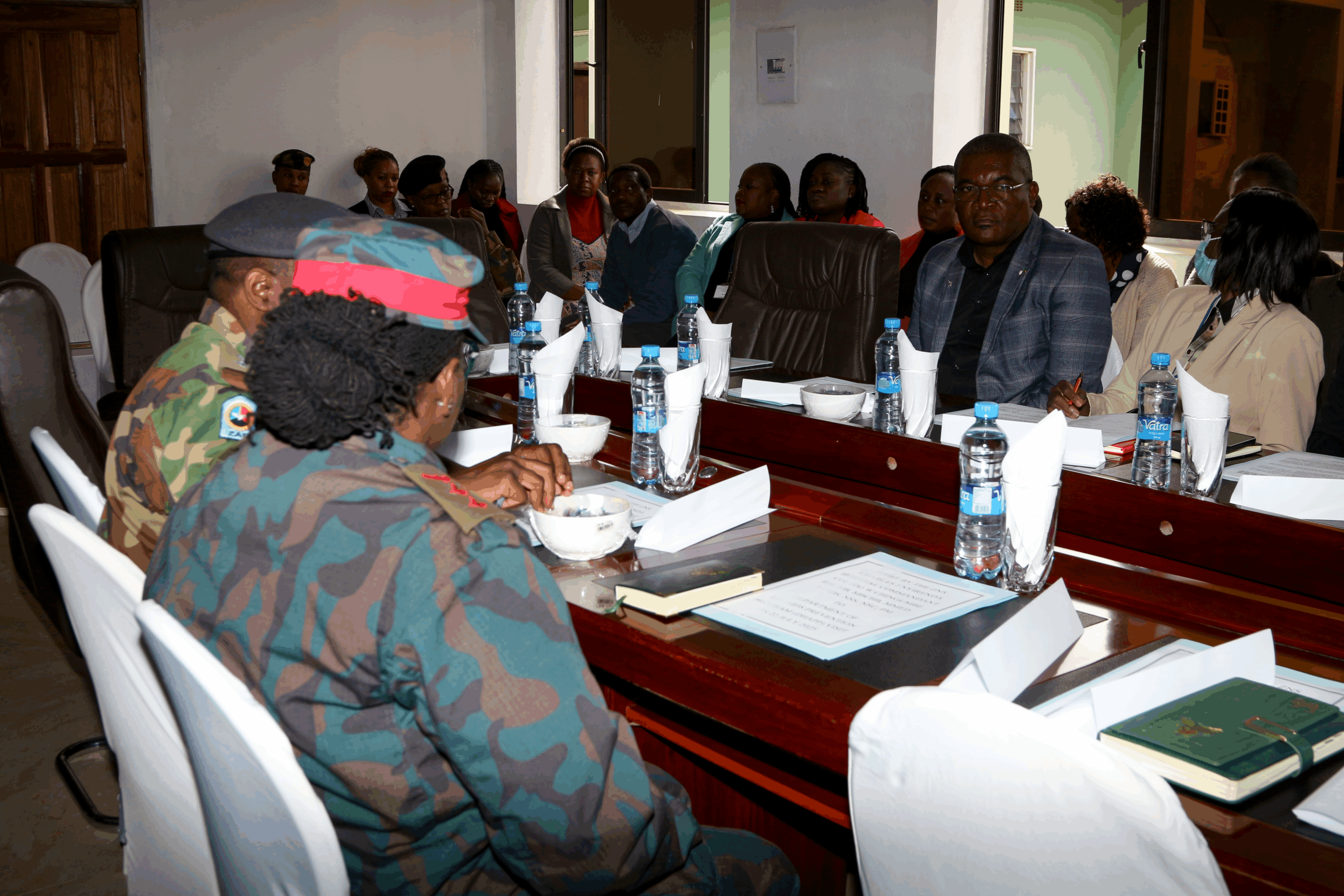
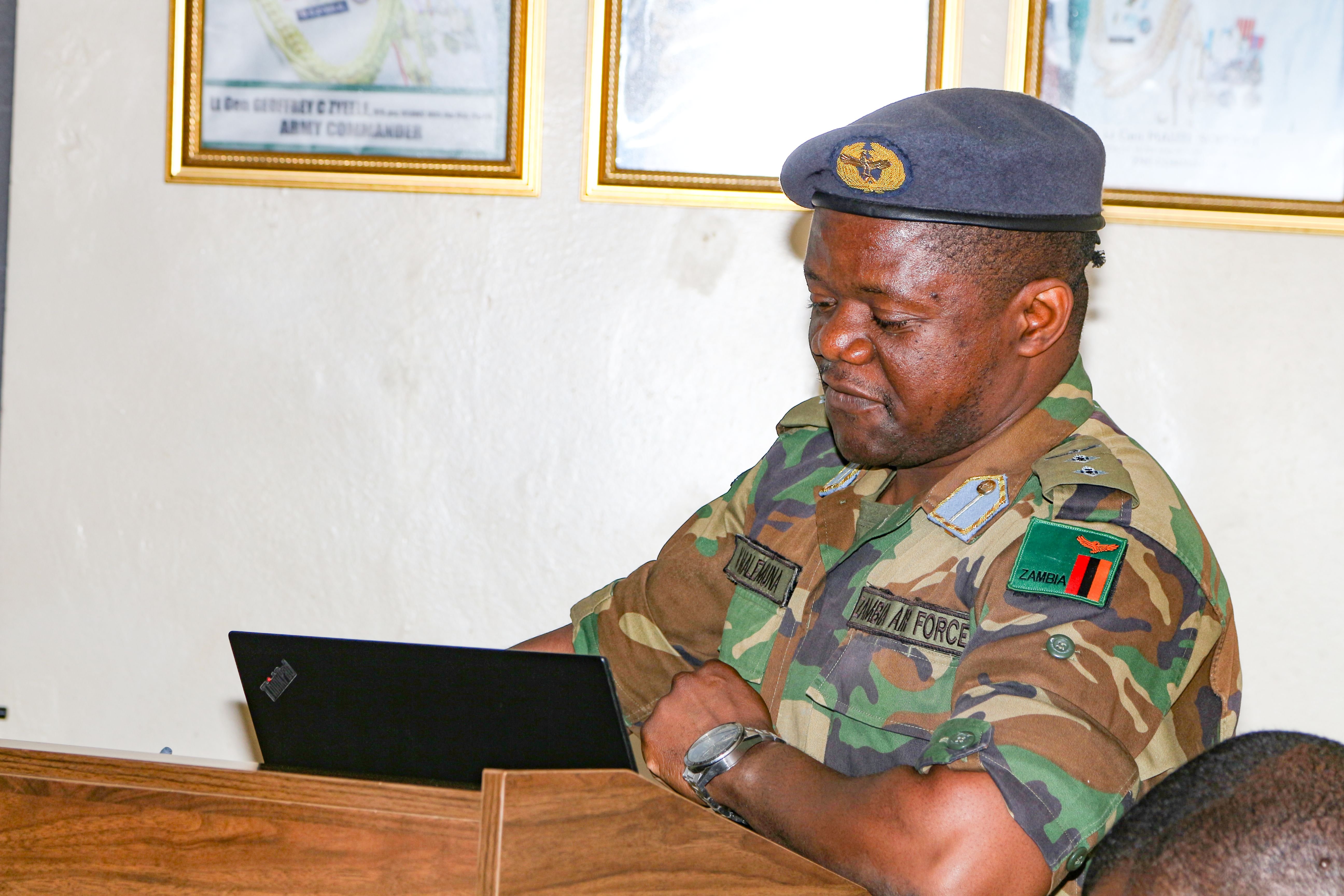
CIDRZ Hosts DOD/DHAPP Delegation to Strengthen Health Collaboration.
July 28, 2025
Zambia National Service Hospital Strengthened Through U.S. Support Under PEPFAR.
July 30, 2025
The United States Government, through its Department of Defence (DoD) and the Defence HIV/AIDS Prevention Program (DHAPP), has called for urgent sustainability efforts amid ongoing funding cuts.
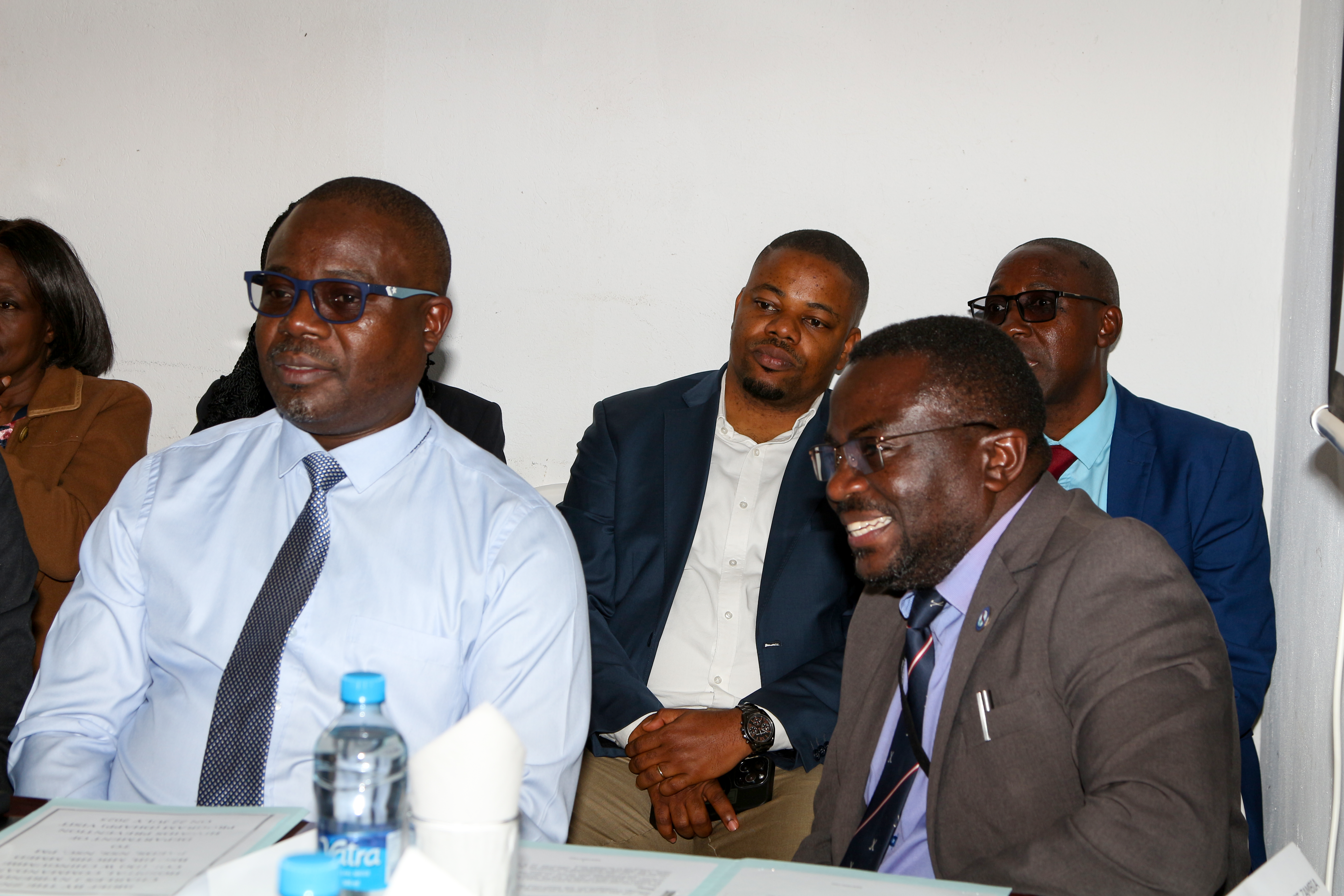
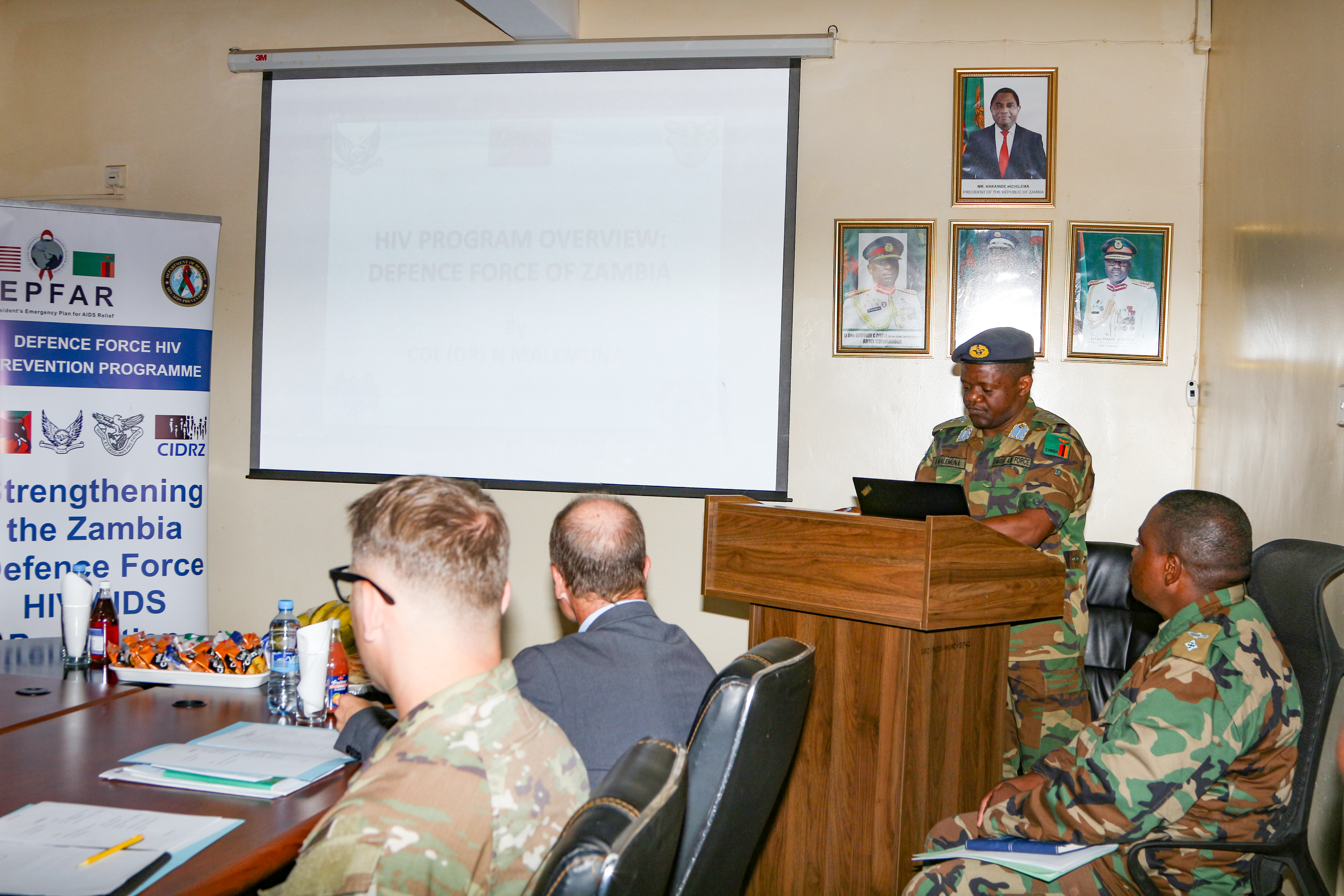
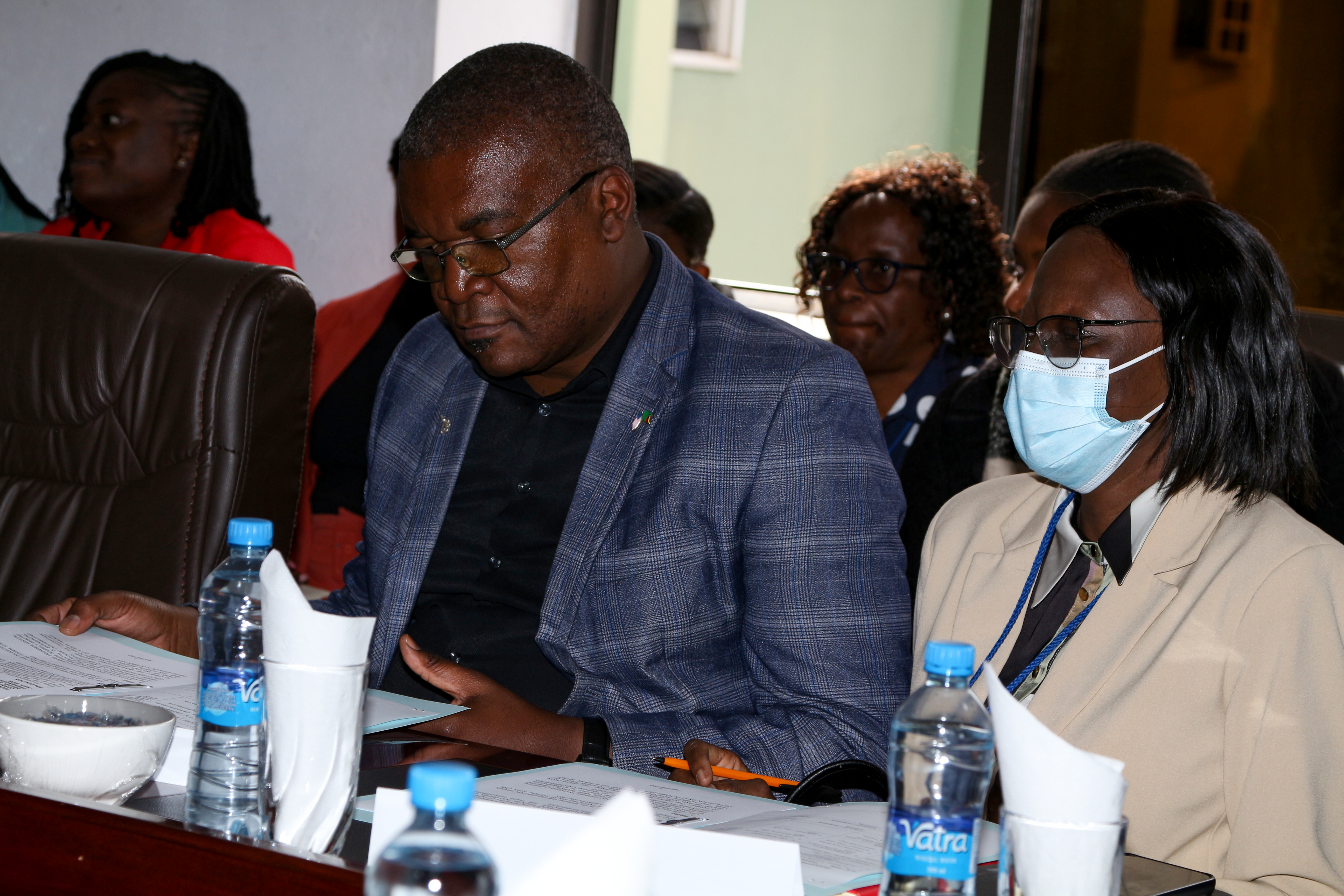
The call was made during Dr Braden Hale’s visit to Zambia, the Chief of the United States Department of Defence HIV/AIDS Programmes. Dr Hale was in the country to assess how Zambia plans to ensure the continuity and sustainability of HIV/AIDS interventions supported through the DOD/DHAPP initiative.
Dr Hale acknowledged the challenge ahead but praised the strength of local implementation. We appreciate the CIDRZ team. It is a really strong Zambian NGO. It is important to note that these are challenging times, but creativity can help ensure sustainability. The partnership between ZDF, PEPFAR, CIDRZ, and DHAPP serves as a model of coordinated healthcare improvement for both uniformed personnel and surrounding communities.”
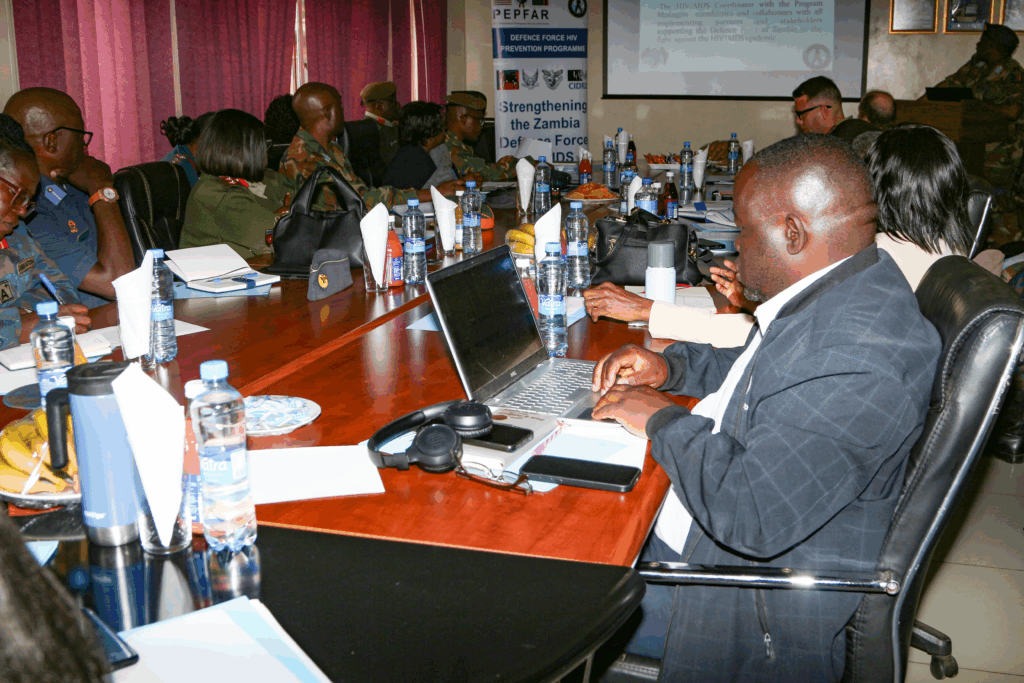
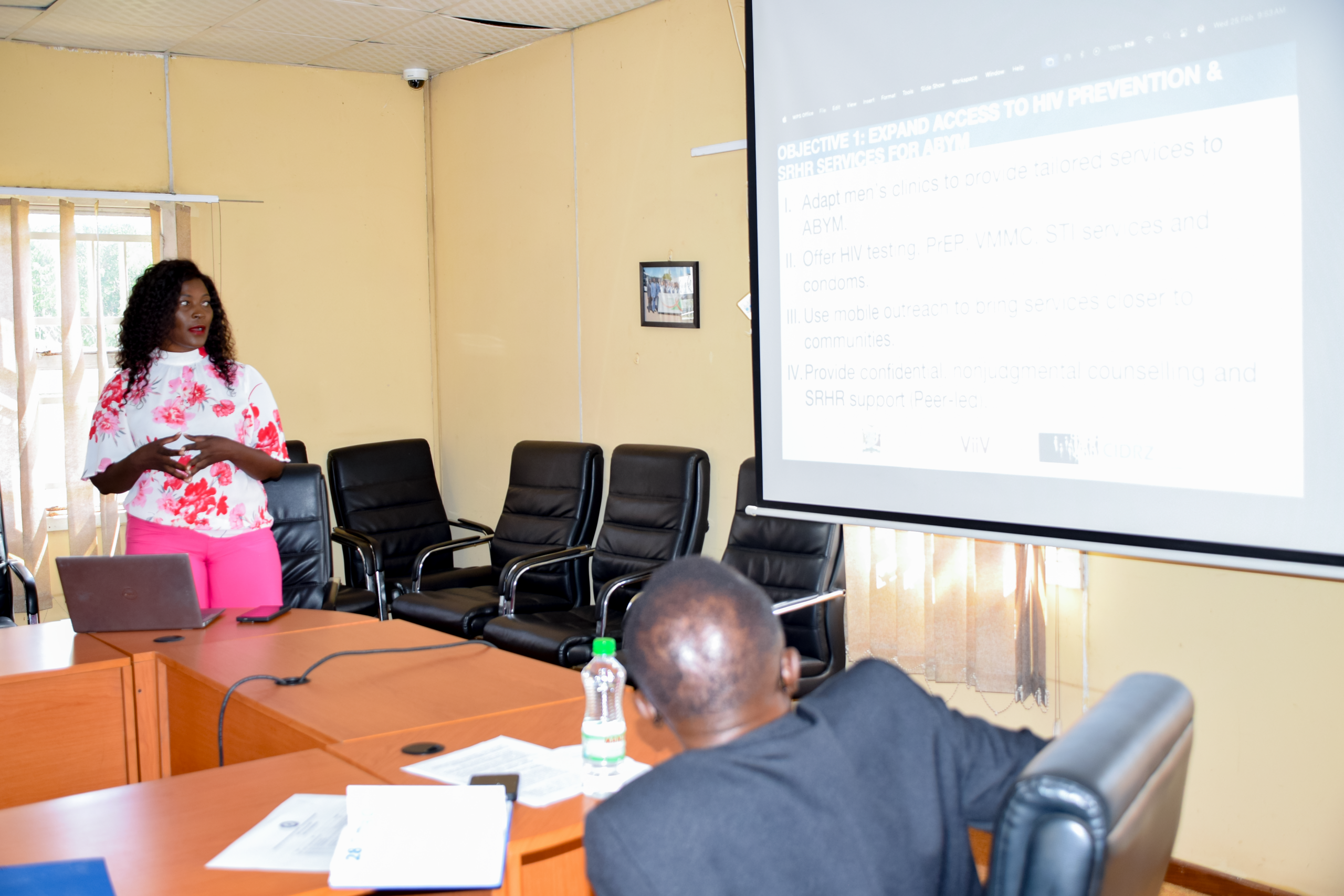
During a recent stakeholder meeting in Lusaka, Edah Lifuka, DHAPP/DoD PEPFAR Zambia Programme Manager, emphasised the need to streamline efforts and prioritise sustainability. “To remain effective, we must look critically at our focus areas. We need to restructure and identify where resources are most needed, where we can build systems that withstand the test of time and preserve the gains we have made,” she said.
The current funding cut, representing nearly 40% of the US contribution to Zambia’s annual medical supply budget, has prompted a call for creativity and innovation to sustain the programme’s impact.
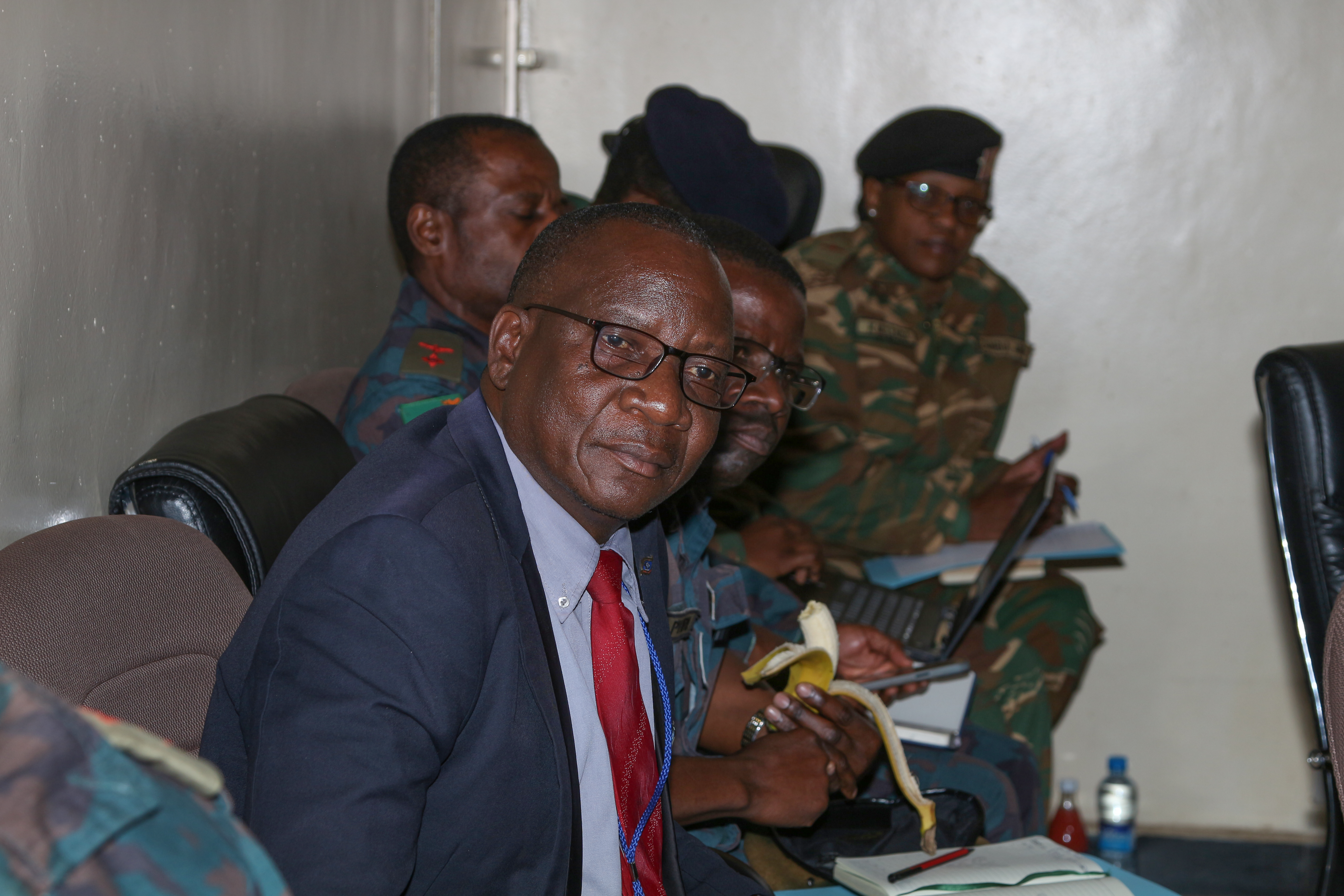
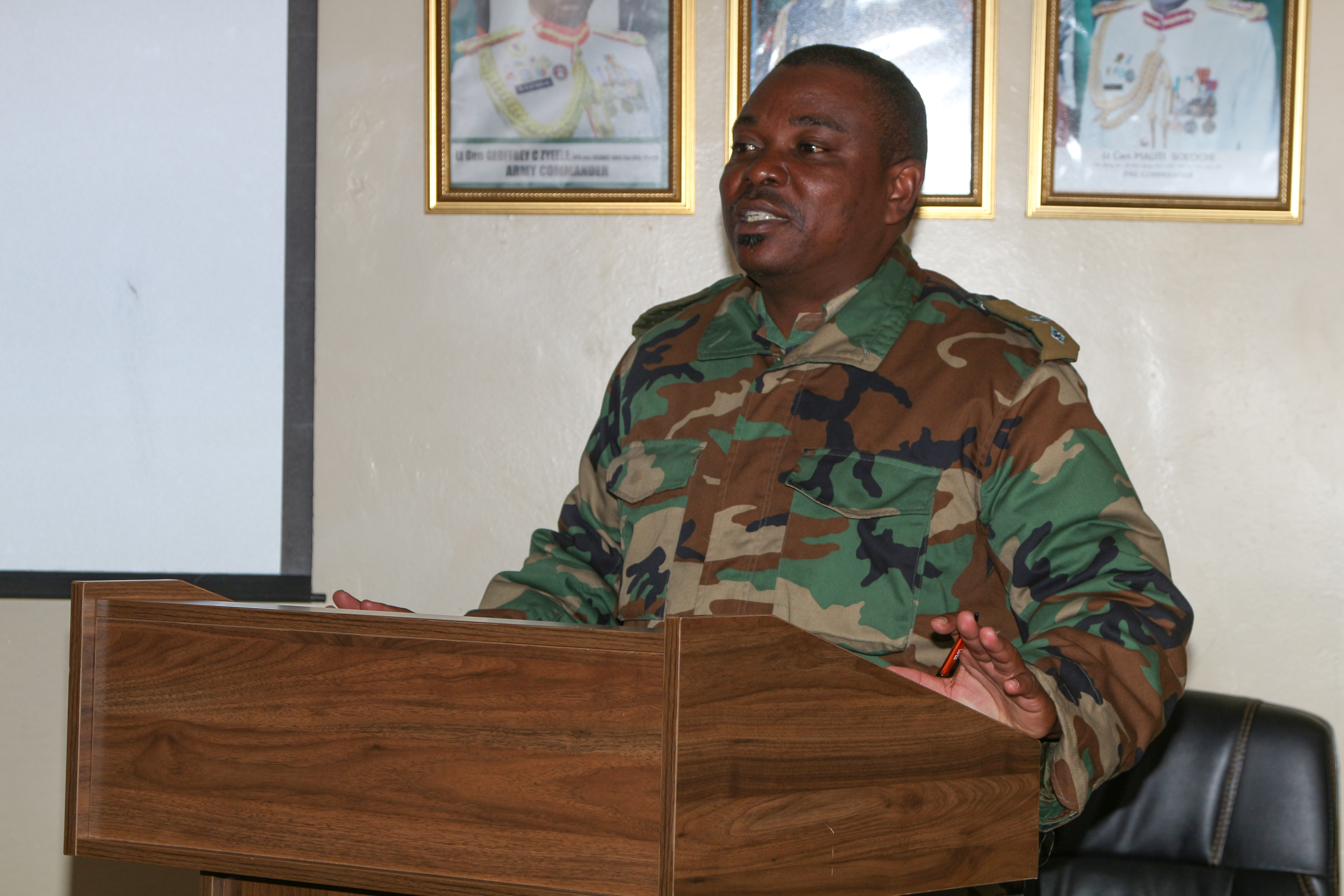
And Zambia Defence Force Medical Services Director General Brigadier General (Dr) Jackson Kasela expressed deep gratitude for the support rendered by the American government through DHAPP. We thank you for supporting Zambia’s defence forces for the past two decades. This includes constructing health facilities, purchasing medical equipment, and offering extensive training. The results are visible across our facilities. The impact on the defence force, their families, and surrounding communities has been significant.”
He further noted the timing of the visit, highlighting its relevance amid the effects of the recent US executive order. “This visit is unique. It comes at a time when we feel the weight of the new operating conditions. As concerned as we are, we remain hopeful and committed.”
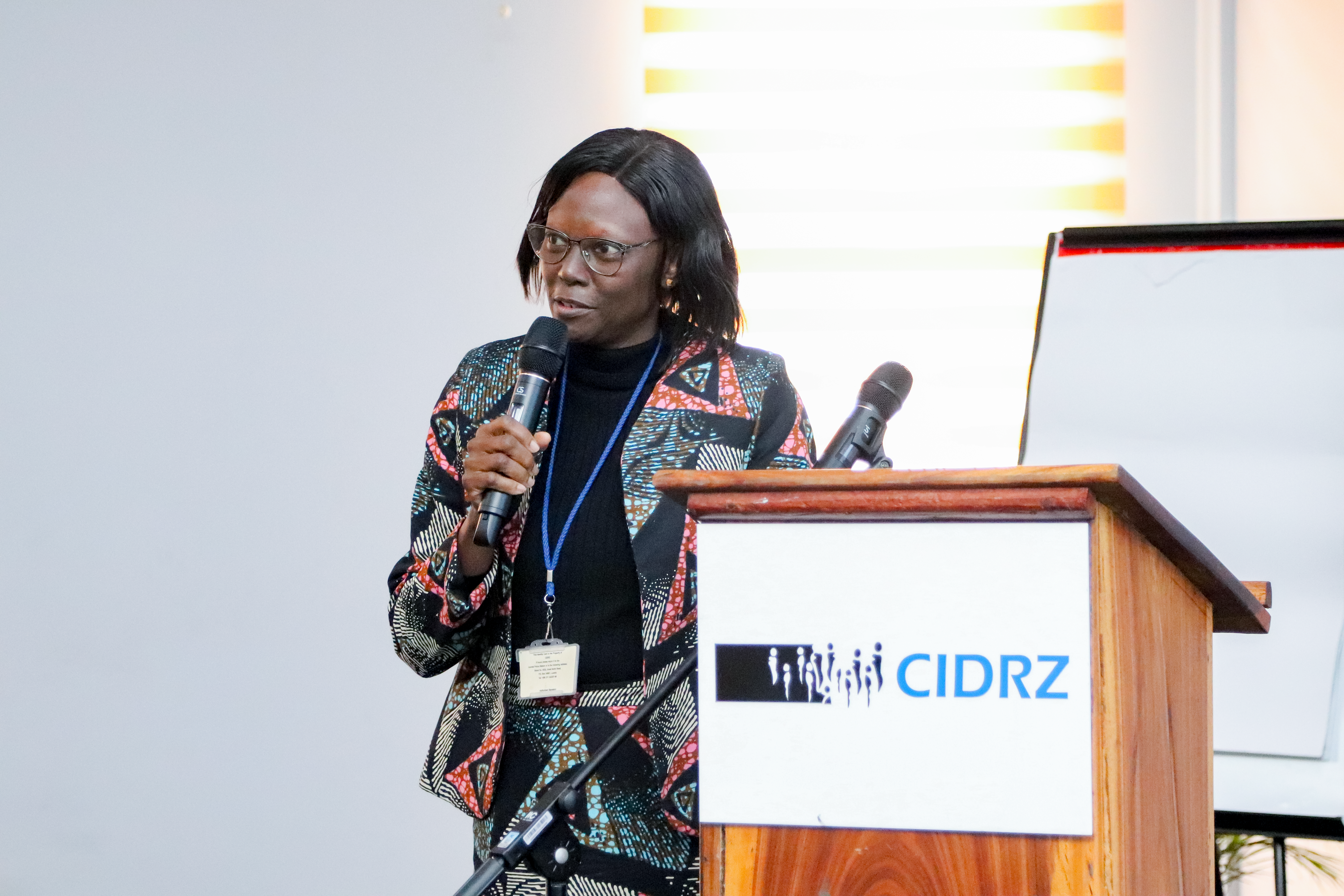
Dr Mwangelwa Mubiana-Mbewe, Director of the DOD/DHAPP project at CIDRZ, echoed similar sentiments: “We thank all partners for the collaboration. We have worked well together, and as long as this collaboration exists, we will continue to support the health and well-being of Zambia’s defence forces.”
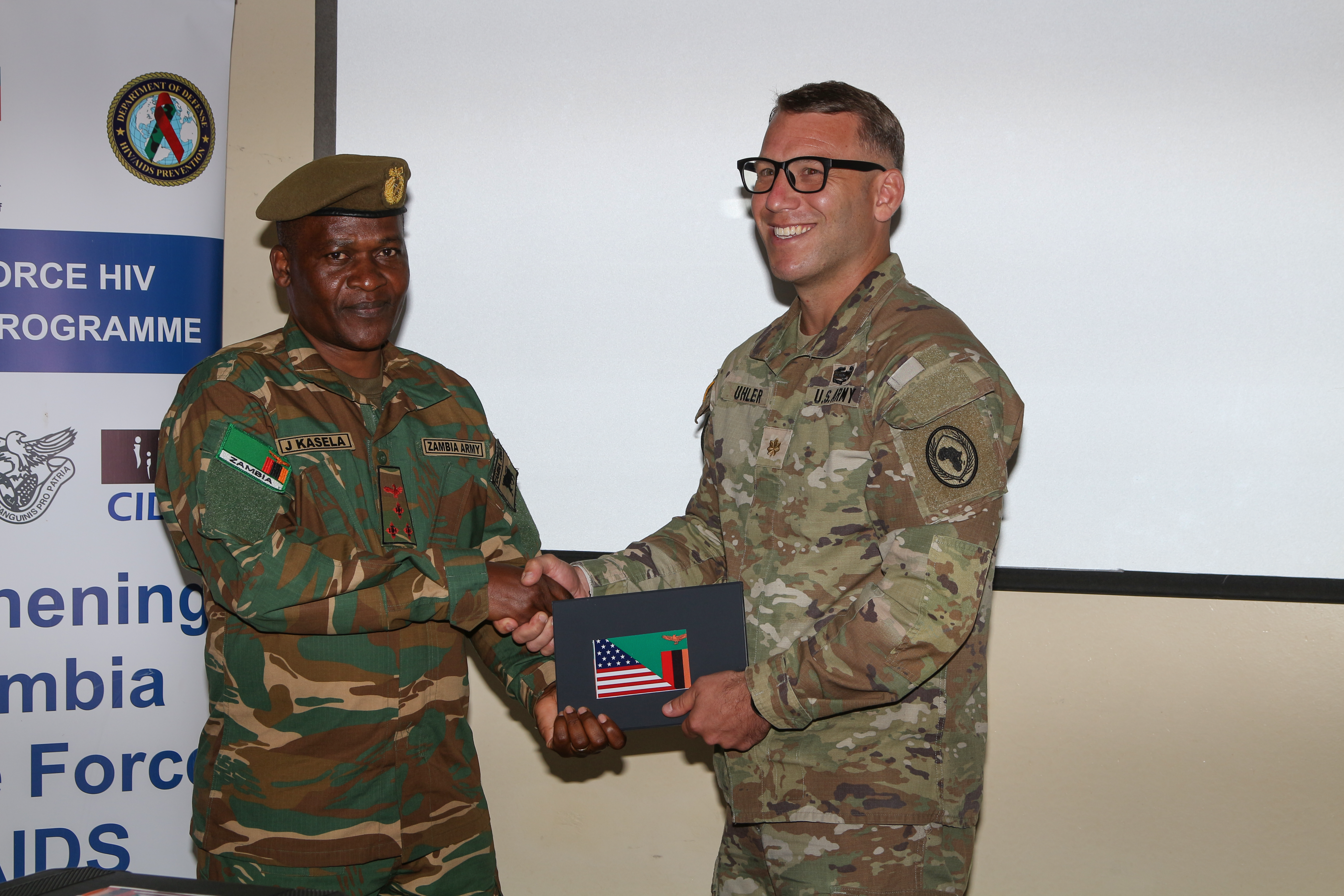
As part of its continued support to the Zambia Defence Force Medical Services, the final instalment of Point-of-Care Ultrasound (POCUS) handheld devices was handed over by the Chief and Principal Representative for the US Department of Defence, Dr Braden Hale, through the Defence HIV and AIDS Prevention Programme. POCUS, an emerging clinical tool that allows trained medical personnel to perform diagnostic imaging at the bedside, is expected to significantly enhance efficiency in service delivery and ultimately improve the quality of healthcare provided to patients.”patients.”