Zambia National Service Hospital Strengthened Through U.S. Support Under PEPFAR.
The United States Government Calls for Sustainability of HIV Gains Amid Funding Cuts.
July 29, 2025
Ministry of Health, CIDRZ Commissions 4th PEN-Plus Clinic in Ndola to Improve Severe and Chronic Care for Non- Communicable Diseases
July 31, 2025
The Zambia National Service (ZNS) is among the key institutions receiving support under the United States President’s Emergency Plan for AIDS Relief (PEPFAR), through the Department of Defence (DoD) and the Defence HIV/AIDS Prevention Programme (DHAPP).
The Centre for Infectious Disease Research in Zambia (CIDRZ) is implementing the Department of Defence HIV/AIDS Prevention Program (DoD/DHAPP) in partnership with the Defence Force of Zambia (DFZ).
One of the success stories is the Charles J. Nyirenda Hospital, a Zambia National Service facility located in Lusaka’s Makeni area.
The facility is a shining example of how primary healthcare can be delivered efficiently within a military setting while benefiting the broader community.
With support from PEPFAR through DoD/DHAPP and the Zambian government, the hospital saw the construction of two modern outpatient department (OPD) blocks, significantly enhancing its capacity to provide quality healthcare services.
In addition, the facility has been equipped with the SmartCare Pro electronic health record system, including biometric patient identifiers. These critical innovations have improved patient tracking, data management, and service delivery.
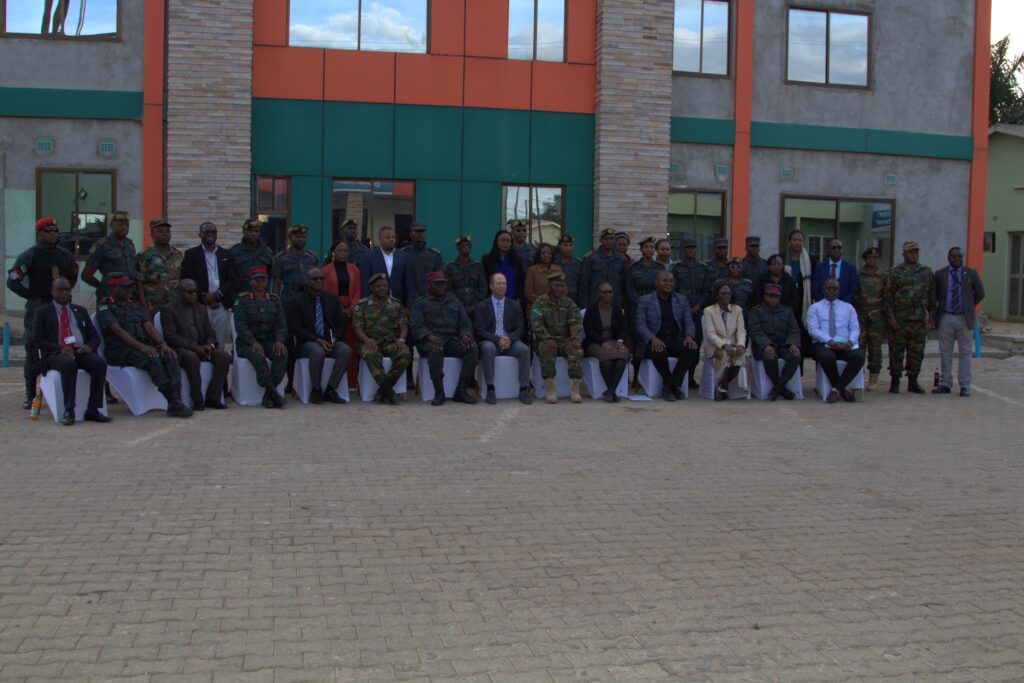
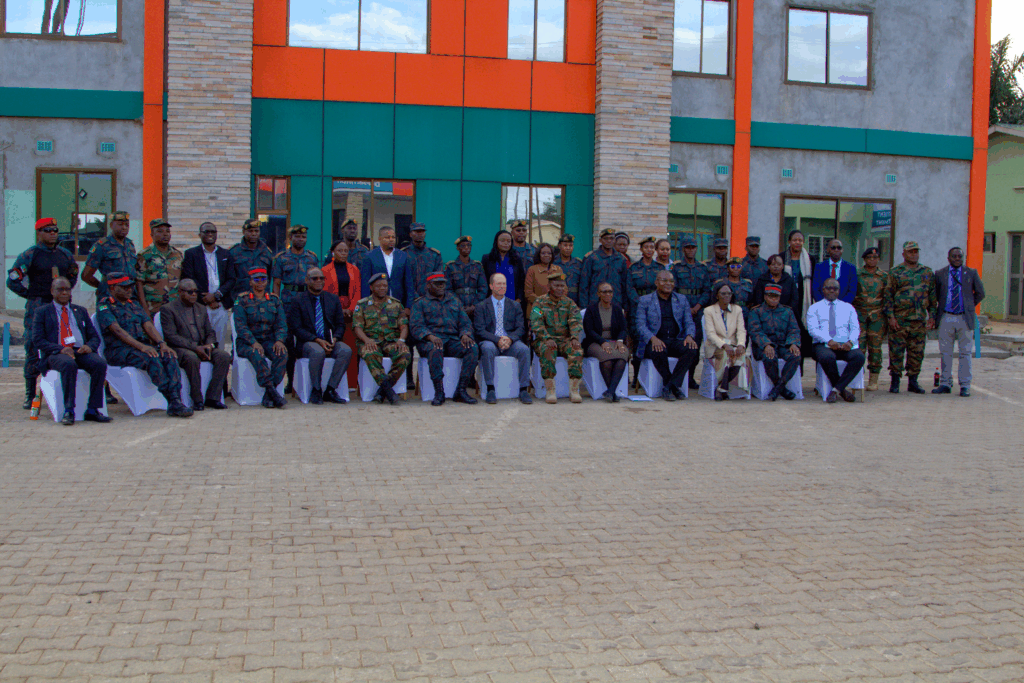
During a recent visit to Zambia, Dr Braden Hale, Chief of the Department of Defence HIV/AIDS Programme, toured Charles J. Nyirenda Hospital to witness the impact of the United States government’s support.
He expressed satisfaction with the existing infrastructure and systems, noting that the hospital’s growth benefits the military and the entire country.
“It is encouraging to see how the facility has expanded and improved. This is a win for both the defence force and the public who rely on this facility,” Dr. Hale said.
Colonel Dr Wamunyima Chingumbe Chrales Nyirenda Hospital expressed deep gratitude on behalf of the institution. He commended the American people and the United States government for their continued support, stating that it has significantly enhanced service delivery.
“We are committed to prioritising initiatives that improve the quality of care for our service personnel and the communities we serve. This partnership has truly made a difference,” said Col. Dr Chingumbe.
Brigadier General Dr Jackson Kasela, Director General of the Defence Force Medical Services, also extended his appreciation for the solar backup systems installed in military health facilities. He emphasised that these systems ensure uninterrupted healthcare services, even during power outages, which is especially vital for critical care and HIV service continuity.
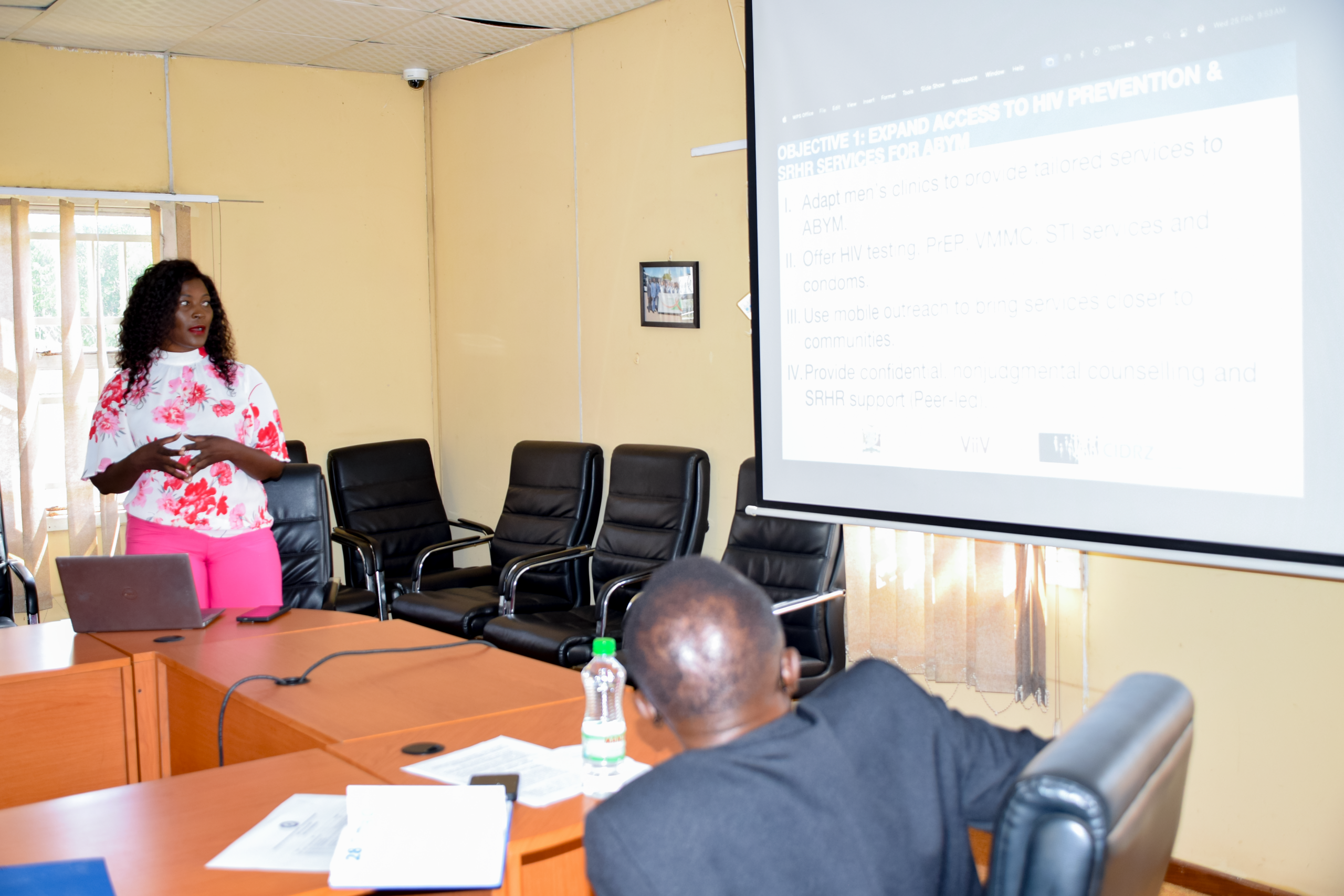
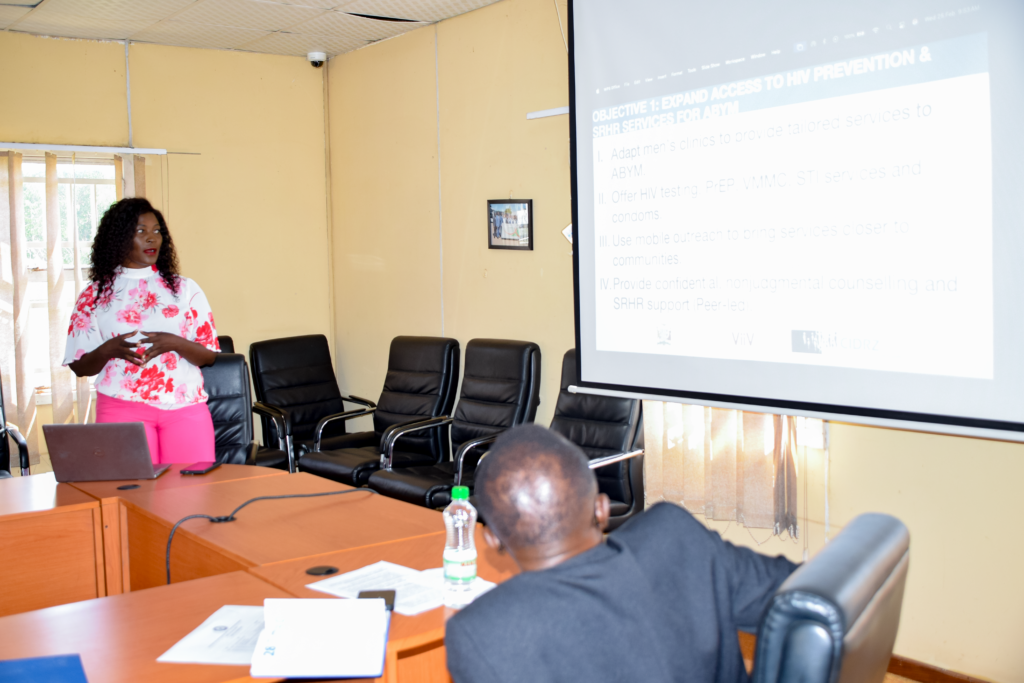
Dr Hale’s visit is part of a broader mission to familiarise himself with the progress and sustainability plans for DHAPP-supported projects in Zambia, especially as discussions on long-term sustainability and local ownership continue.