CIDRZ Joins MoH and Partners in Commemorating National HTCT Day
CIDRZ TRAILS Project Supports MoH to Strengthen Curriculum Development for Sustainable Laboratory Services.
September 10, 2025
Low Syphilis Treatment Rates and Associated Birth Outcomes in Pregnant Women with and without HIV in Zambia: A Cohort Study.
September 16, 2025
Zambia has continued to make significant strides towards achieving epidemic control of HIV. Despite visible gains in achieving HIV targets such as the 95-95-95, gaps remain, especially among children, adolescents, and high-risk populations.
According to the Ministry of Health, 1.4 million people are living with HIV in Zambia, with a prevalence of 11.1 percent among adults. Adolescents account for 40% of new HIV annual infections. Despite this high prevalence among adolescents, only six out of 10 adolescent girls and 5 out of 10 adolescent boys aged 15 – 19 years have ever tested for HIV and know their status.
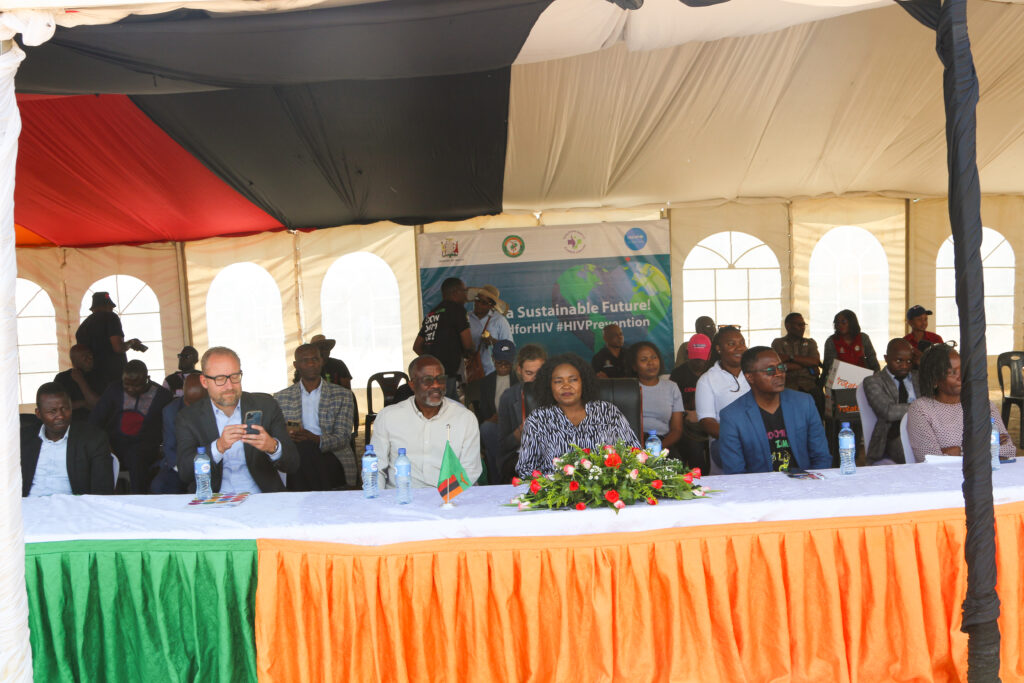
As a demonstration of our commitment to support Zambia’s efforts in scaling up efforts in HIV Testing, counselling, and treatment, CIDRZ joined the Ministry of Health, the National HIV/AIDS/STI/TB Council Zambia (NAC) and many other civil society organisations with a shared goal to commemorate the National HIV Testing, Counselling, and Treatment (HTCT) Day.
The commemorations, held today in Lusaka under the theme Invest in a Sustainable Future #Get Tested for HIV #HIV Prevention, brought together key health sector players to renew their commitment to addressing HIV and sustaining the hard-fought gains amidst funding challenges.
Speaking at the commemorations, Minister of Health Dr Elias Muchima said this year’s theme reminded everyone that the choices we make today will determine the strength of our communities tomorrow.
“Investing in HIV prevention, Testing, and Treatment is not only a health priority, but also a social and economic investment in our future,” Dr Muchima said.
The Minister, who was represented by the Ministry of Health Director of Public Health, Dr Matilda Simpungwe, called for investment in evidence-based prevention programmes that have proven effective while fostering partnerships with the private sector to leverage resources, expertise, and innovative solutions.
“By embedding sustainability into our HIV response, we can ensure long-term impact, effectiveness, and resilience,” Dr Muchima said while adding that, “Through collaborative efforts with the private sector entities, civil society, and communities, we can create a robust and sustainable HIV response that benefits everyone.”
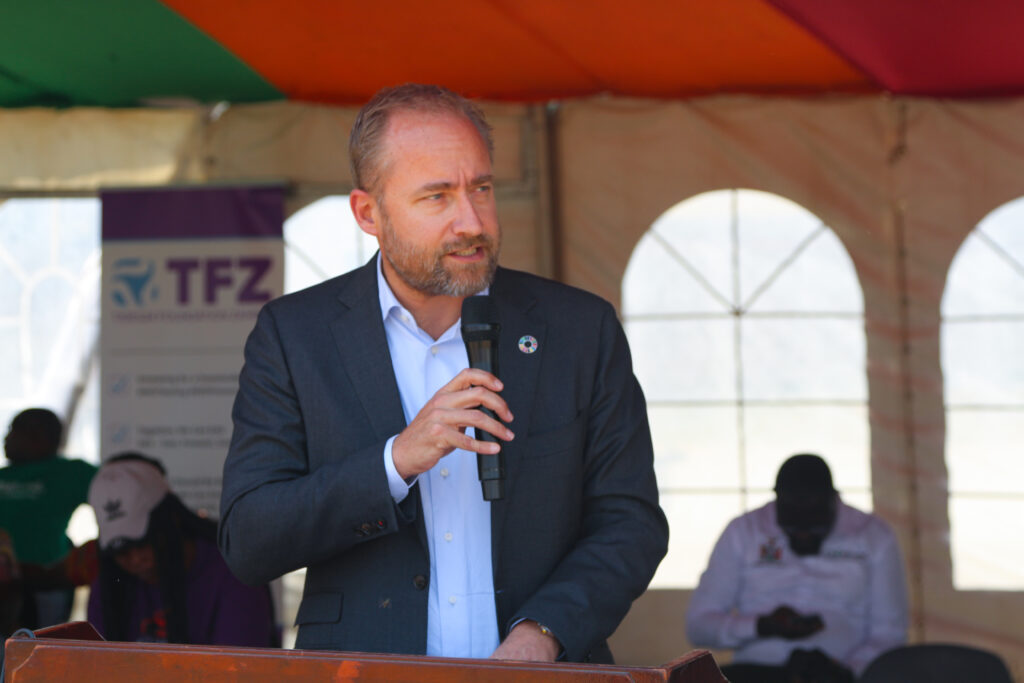
Meanwhile, United Nations Population Fund (UNFPA) Country representative Mr Seth Broekman, who spoke on behalf of the United Nations, praised Zambia for its remarkable strides in HIV response since 2010, noting that new infections and AIDS-related deaths had dropped significantly.
“HIV treatment has saved more than 27 million lives, more than the total population today, and over 4 million children have been born HIV free,” Mr Broekman said, adding that, “this was proof that progress is possible when governments, communities, civil society, and partners unite with purpose.”
He urged stakeholders not to lose the momentum, particularly noting the declining knowledge about HIV.
“Our mission is not just to sustain the response. It is to reach those left behind. This is a matter of human rights. It is also the only way to achieve epidemic control and secure a healthier, more resilient Zambia,” Mr Broekman emphasised.
Mr Broakman, however, expressed concern that Zambia still recorded 30,000 new HIV infections in 2024 and that only 76 percent of children living with HIV are on treatment.
He explained that with the reduction in global funding for health programmes, thousands of young lives remain at risk, threatening the hard-won gains in the HIV response.
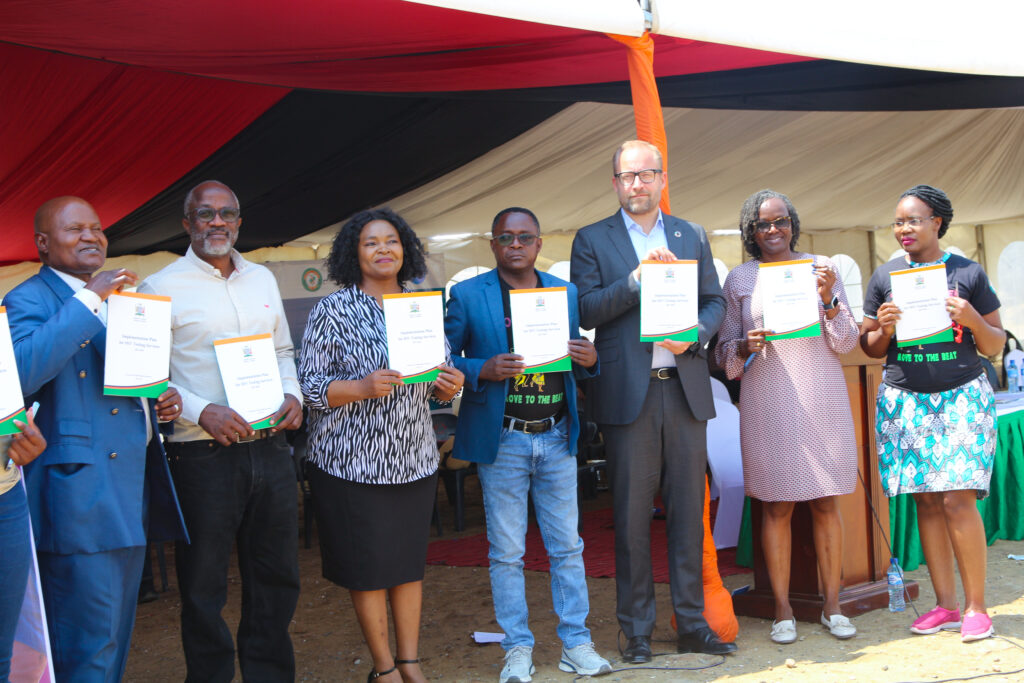
During the commemorations, the Minister of Health, accompanied by the NAC Director General, Dr Kebby Musokotwane, also launched the National HIV Testing Services Implementation Plan, which aims to ensure targeted testing interventions to achieve HIV epidemic control.
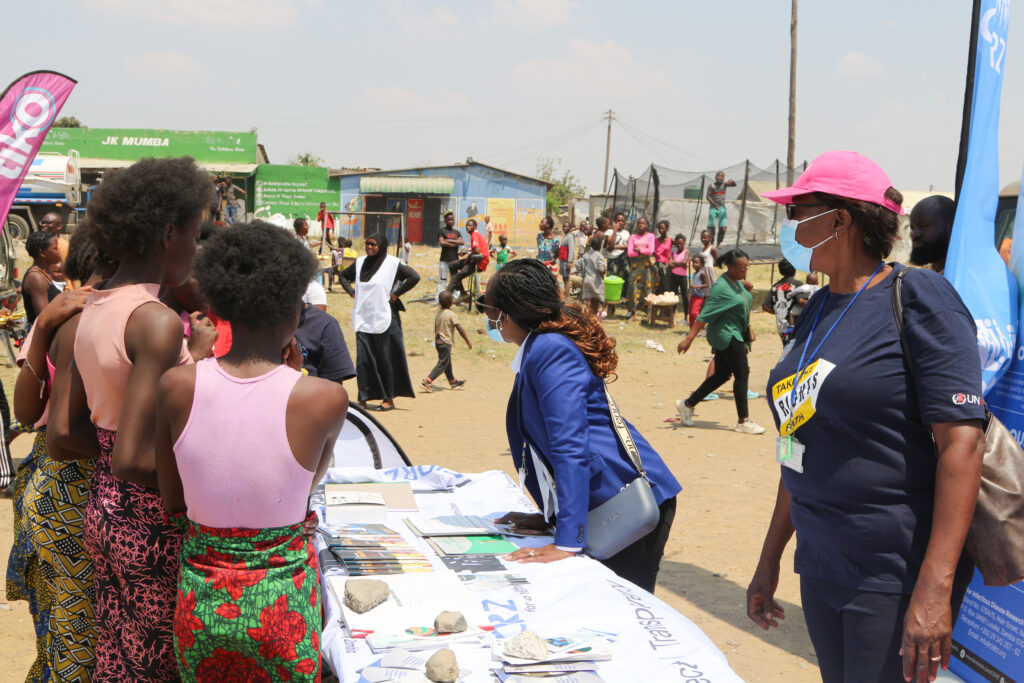
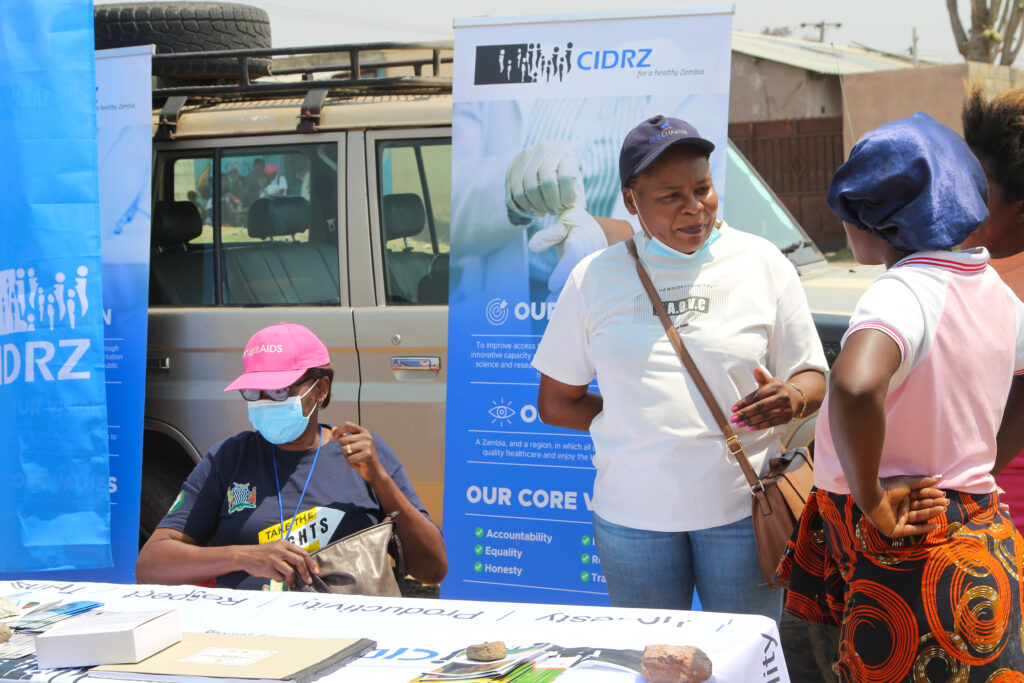
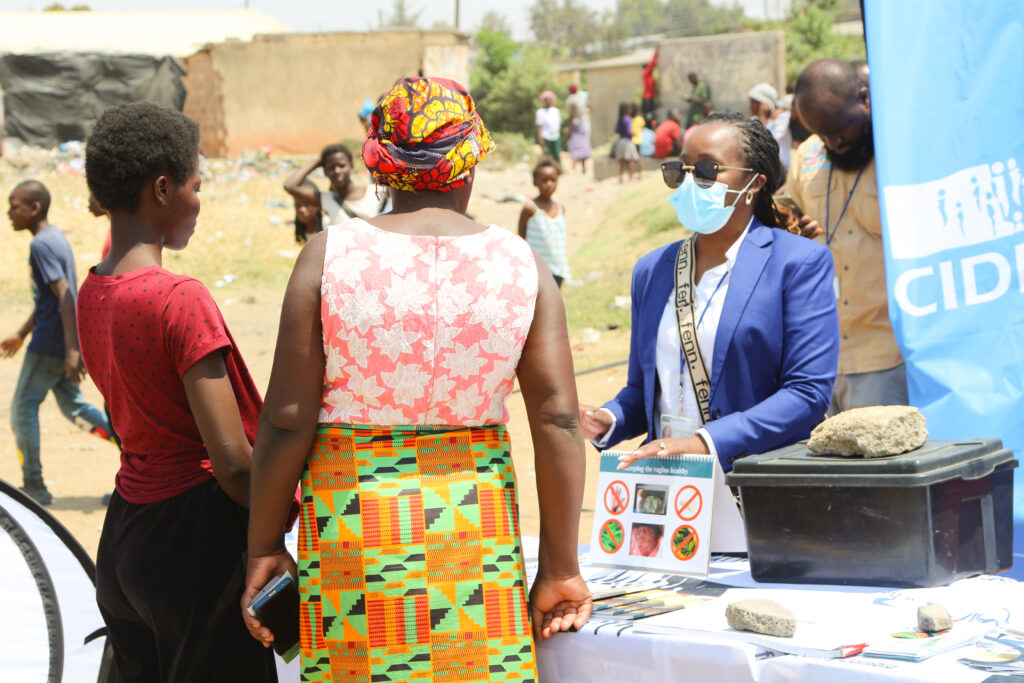
Further, members of the community also accessed free HIV prevention and treatment services from the various organisations that were exhibiting during the commemorations.