ZAMBIA HOSTS THE ONE HEALTH ANTIMICROBIAL RESISTANCE SCIENTIFIC SYMPOSIUM IN MANSA.
Zambia Joins Global Community in Commemorating World AMR Awareness Week to Combat Drug Resistance.
November 20, 2025
Pauline Musumali’s 22 Years of Service in HIV and TB Research at CIDRZ
November 24, 2025
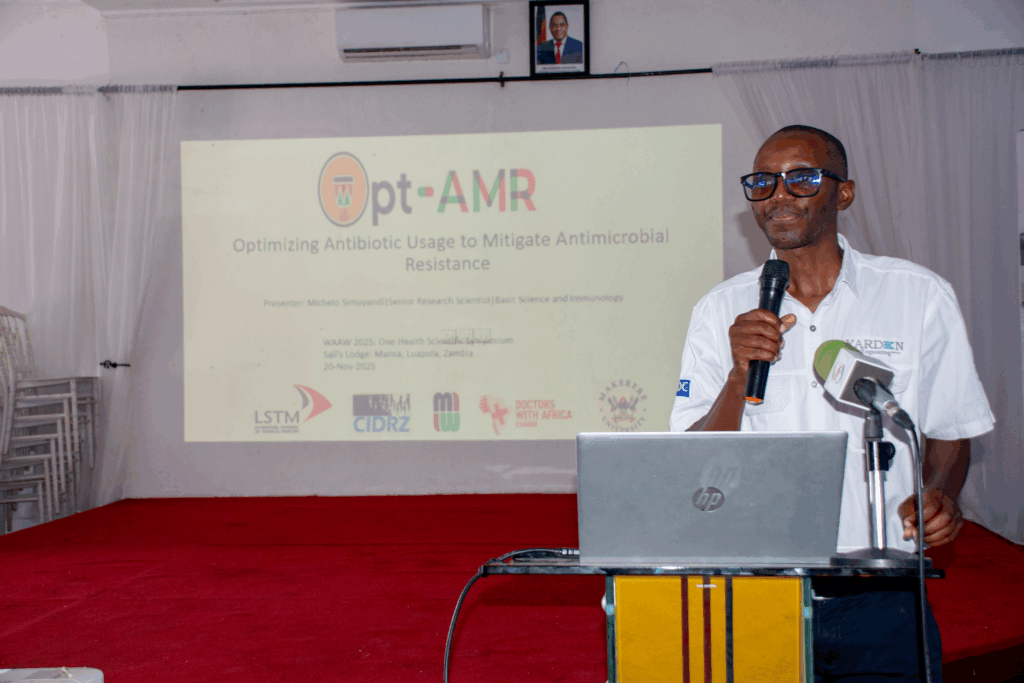
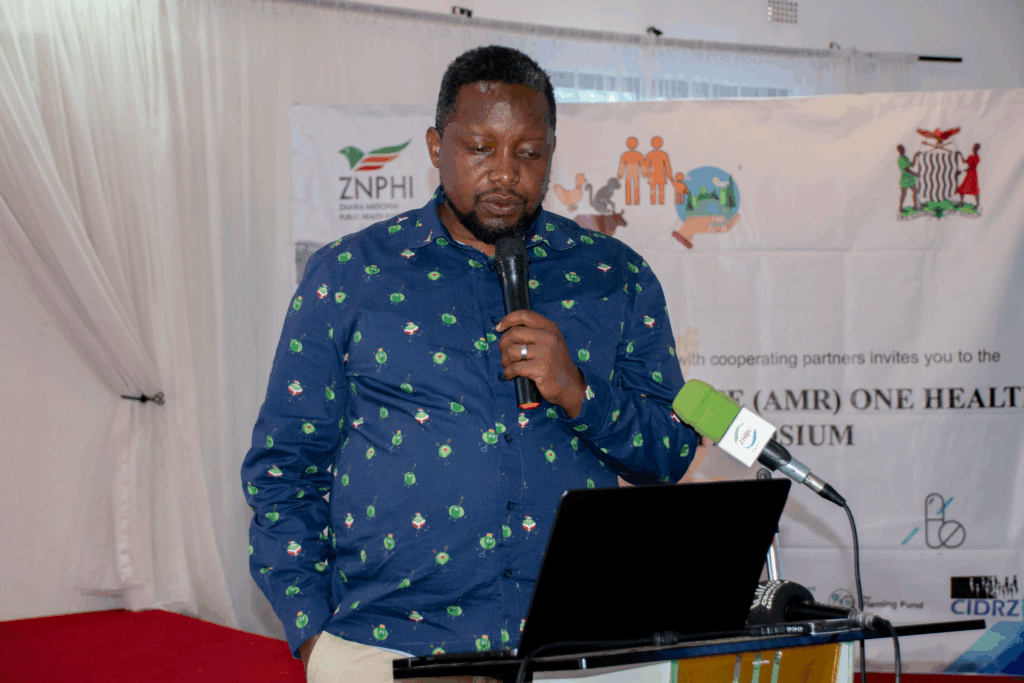
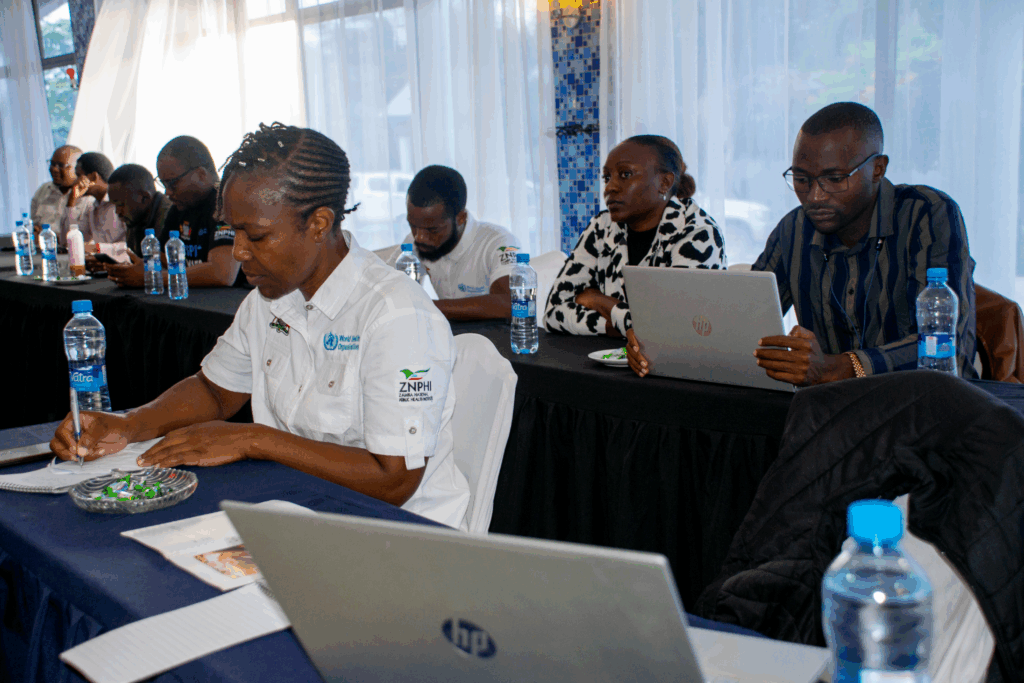
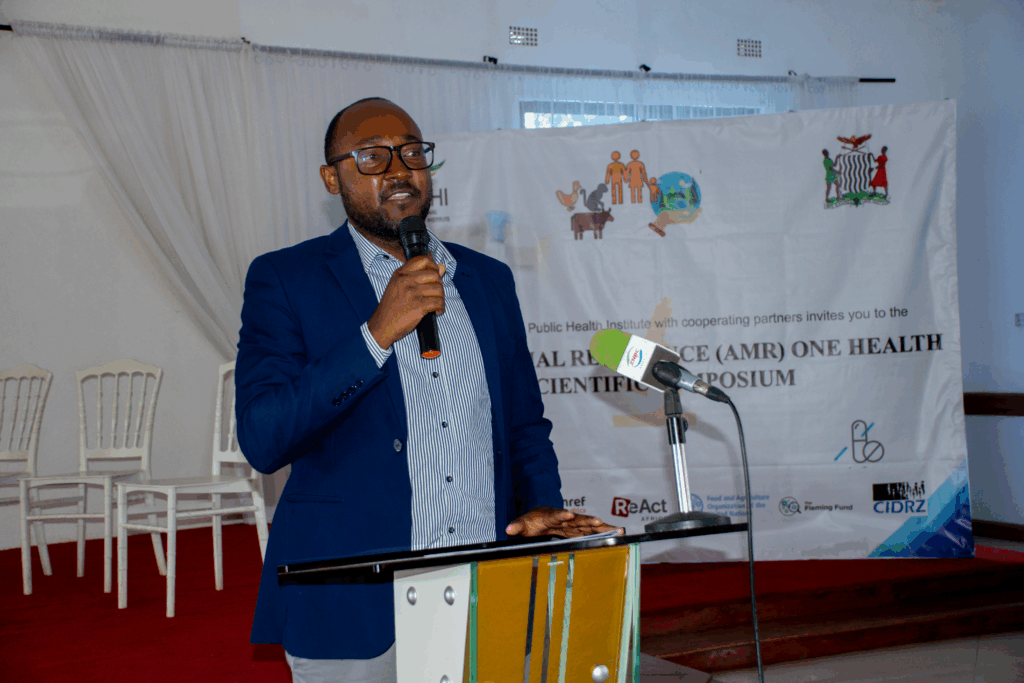
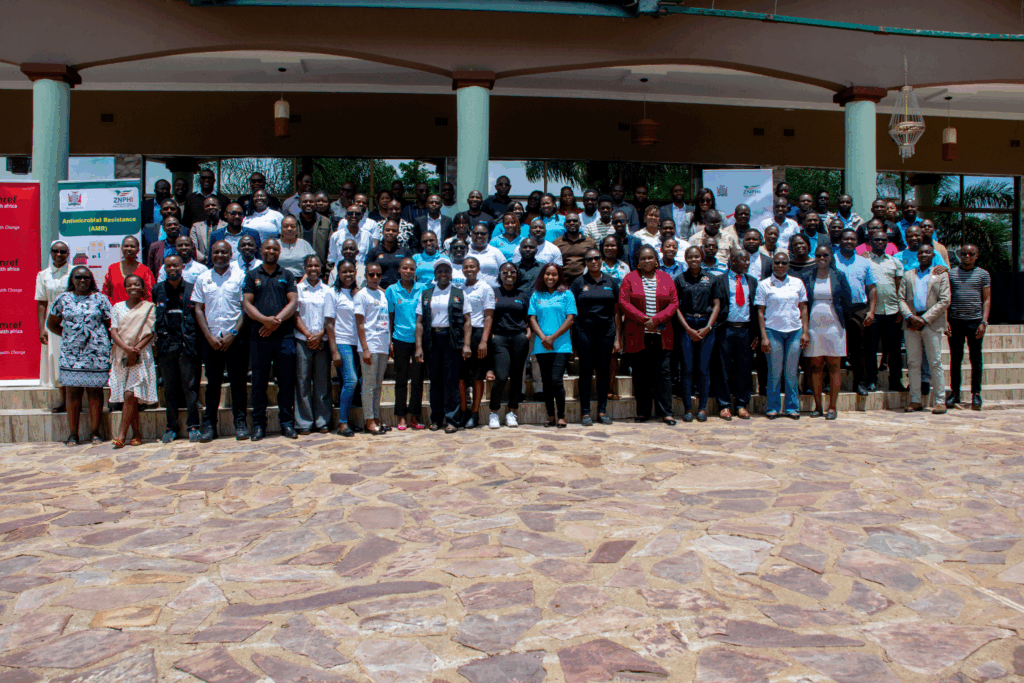
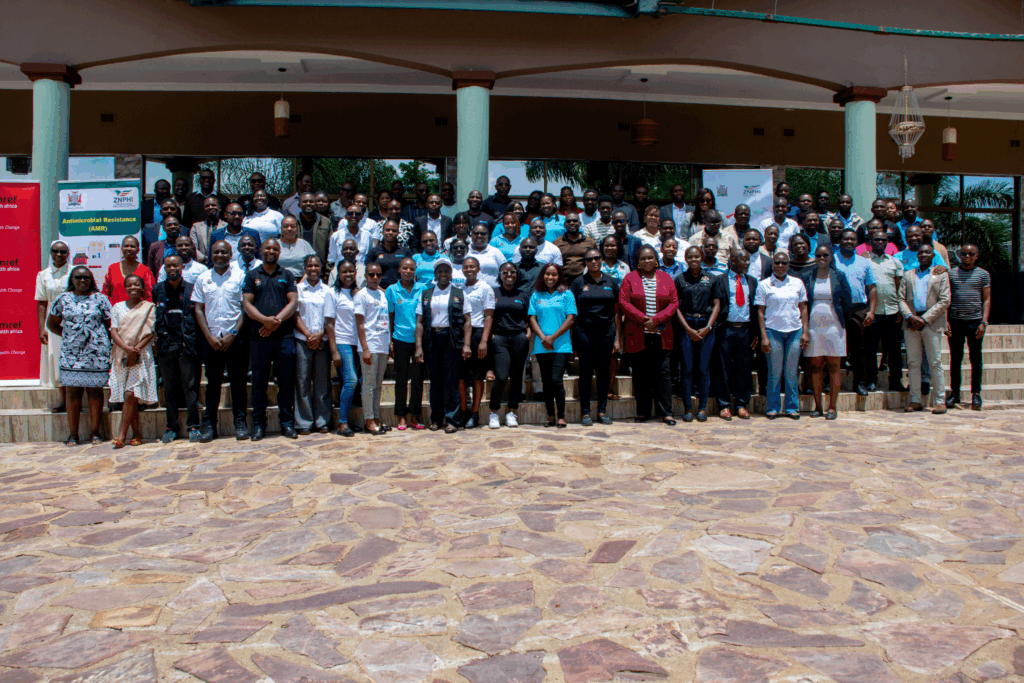
Zambia reaffirmed its national commitment to combating antimicrobial resistance (AMR) with the successful hosting of the 3rd Annual One Health Antimicrobial Resistance Scientific Symposium in Mansa, Luapula Province.
The event, organised by the Zambia AMR Coordinating Committee (AMRCC) through its Research and Development Technical Working Group, served as a key component of the country’s commemorations for World Antimicrobial Resistance Awareness Week (WAAW).
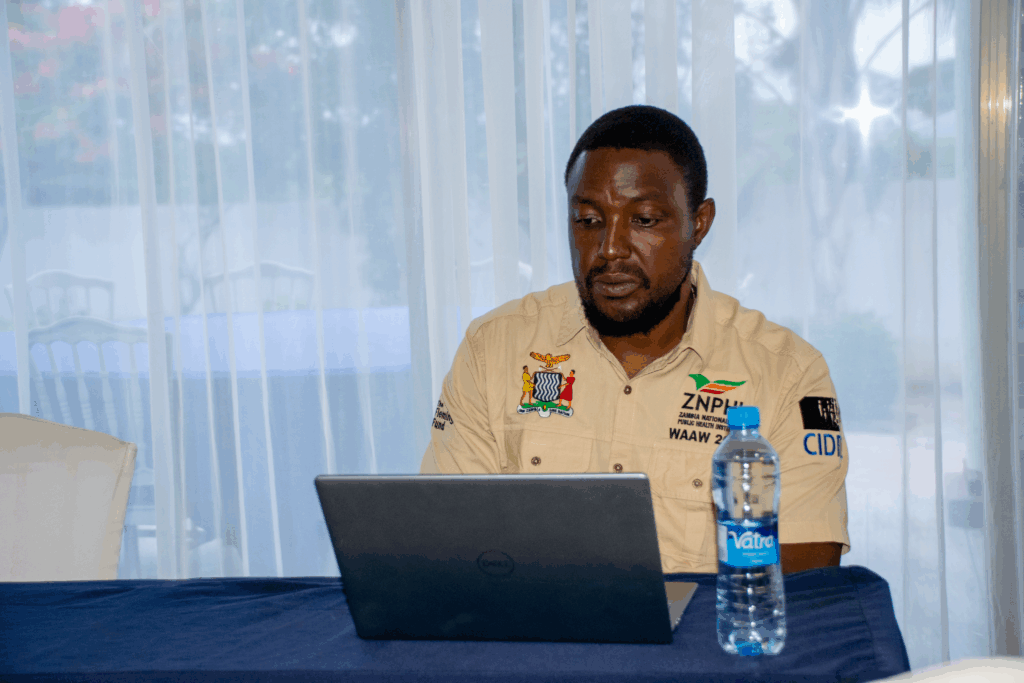
It brought together researchers, policymakers, clinicians, veterinarians, environmental specialists, agricultural experts, civil society representatives, and community actors, all of whom were united by the shared goal of strengthening Zambia’s One Health approach to AMR prevention and control.
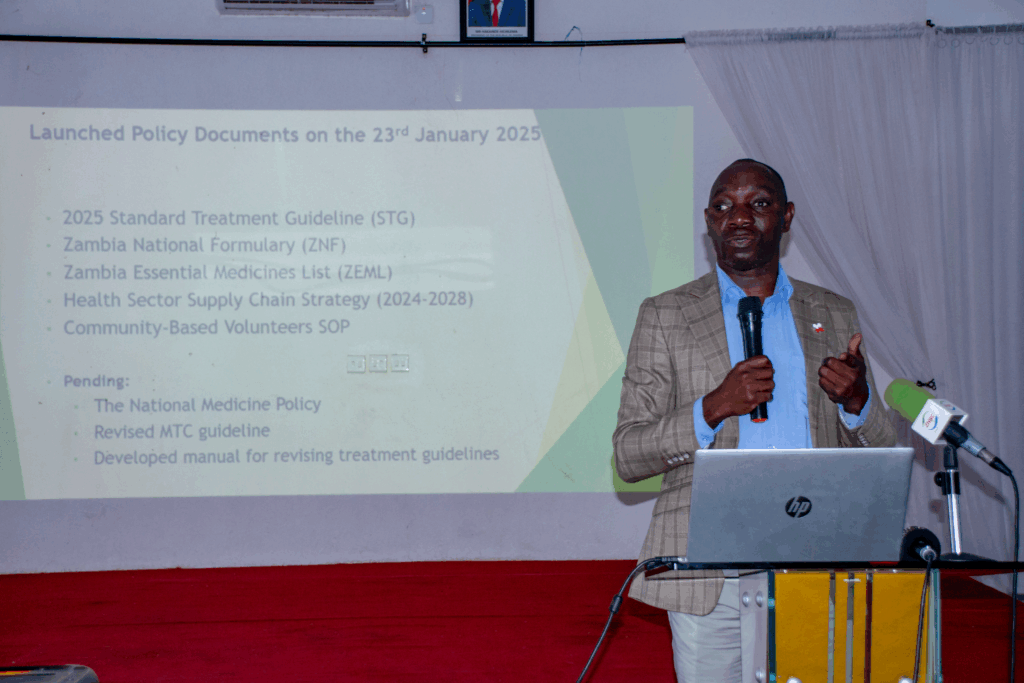
Throughout the symposium, experts delivered scientific findings and emerging evidence on various dimensions of AMR in the country. These presentations explored the importance of WAAW and its role in galvanising global action, while also highlighting the dissemination of Zambia’s updated Standard Treatment Guidelines, which remain central to improving antimicrobial use in health facilities.
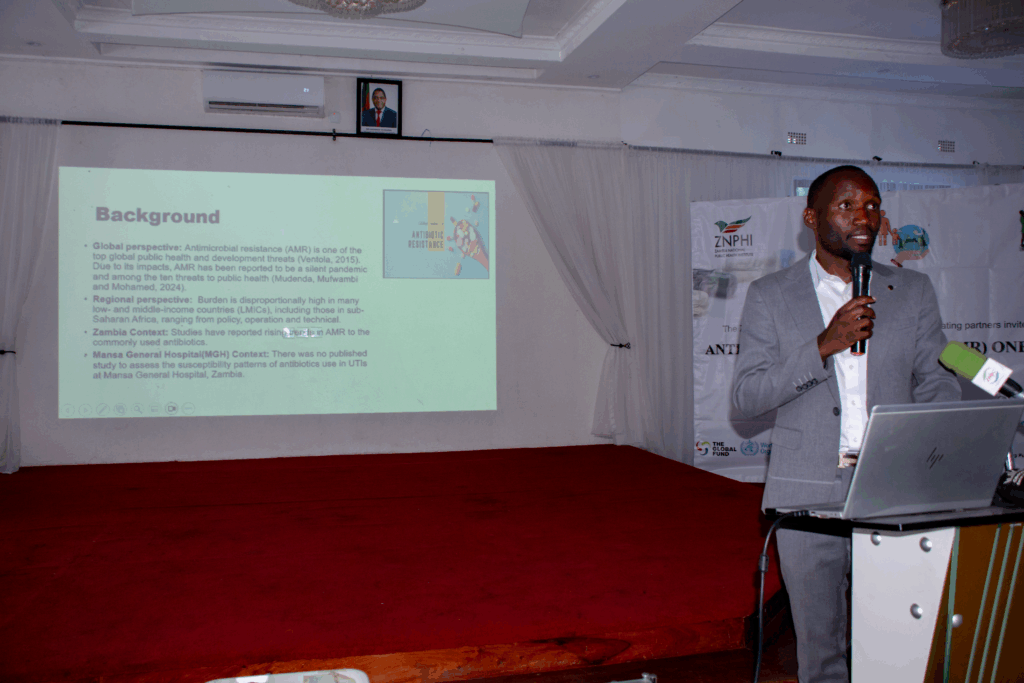
In addition, researchers shared insights on susceptibility patterns for urinary tract infection pathogens, shedding light on trends that are increasingly shaping treatment outcomes in clinical settings.
Furthermore, another critical area of discussion centred on the gender and socioeconomic factors influencing AMR, emphasising the need for targeted interventions that address inequalities affecting access to healthcare, veterinary services, and appropriate medicines.
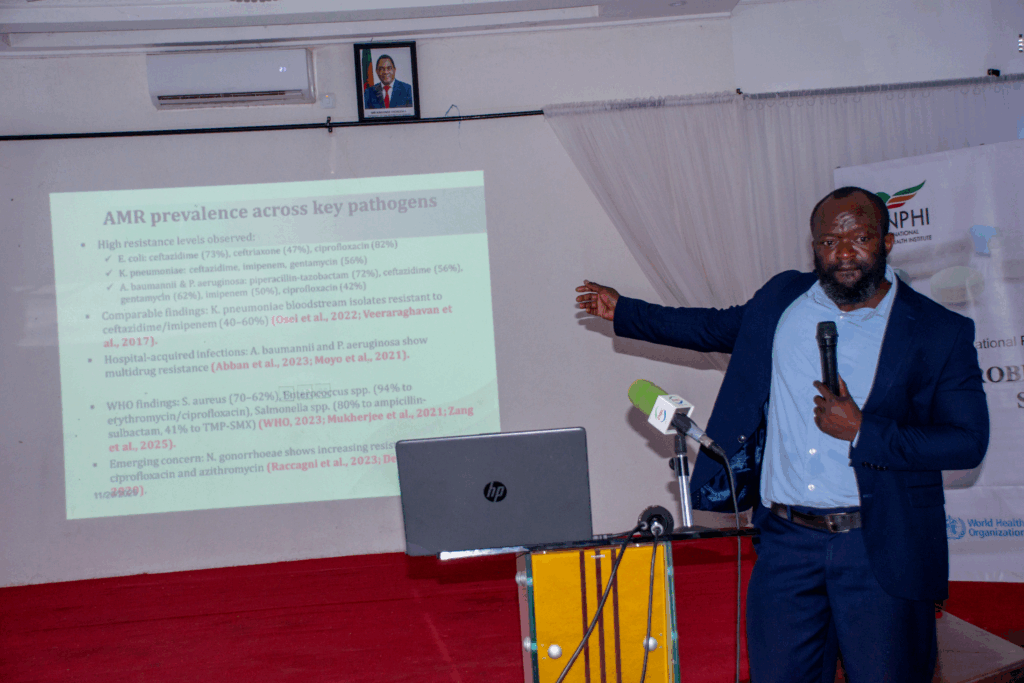
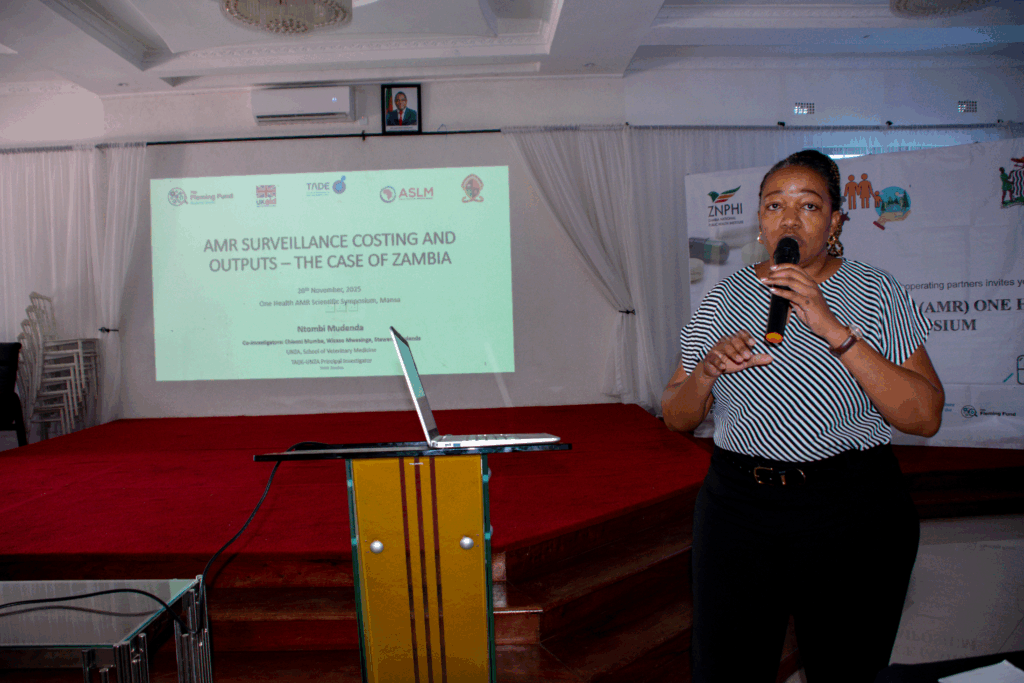
Delegates were also presented with updated national data on the burden of AMR, alongside the cost implications and outputs of the country’s surveillance system, which continues to provide essential evidence for policy and programming.
Key project updates added further depth to the deliberations. The CAZAAP project highlighted progress made through Farmer Field Schools, treatment guidelines, and Knowledge, Attitudes, and Practices (KAP) studies.
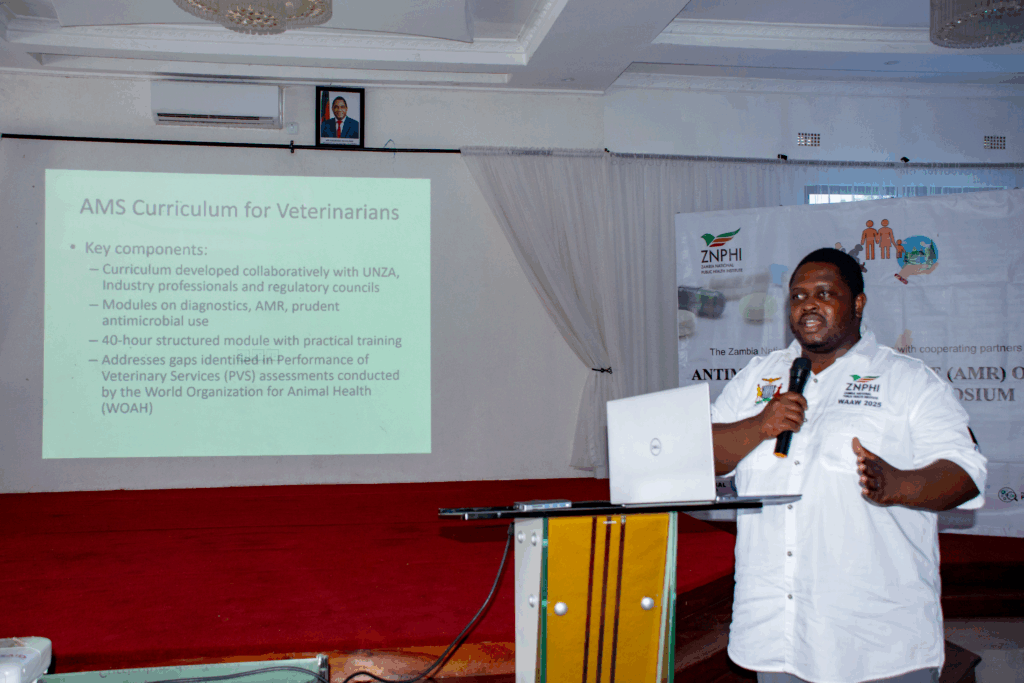
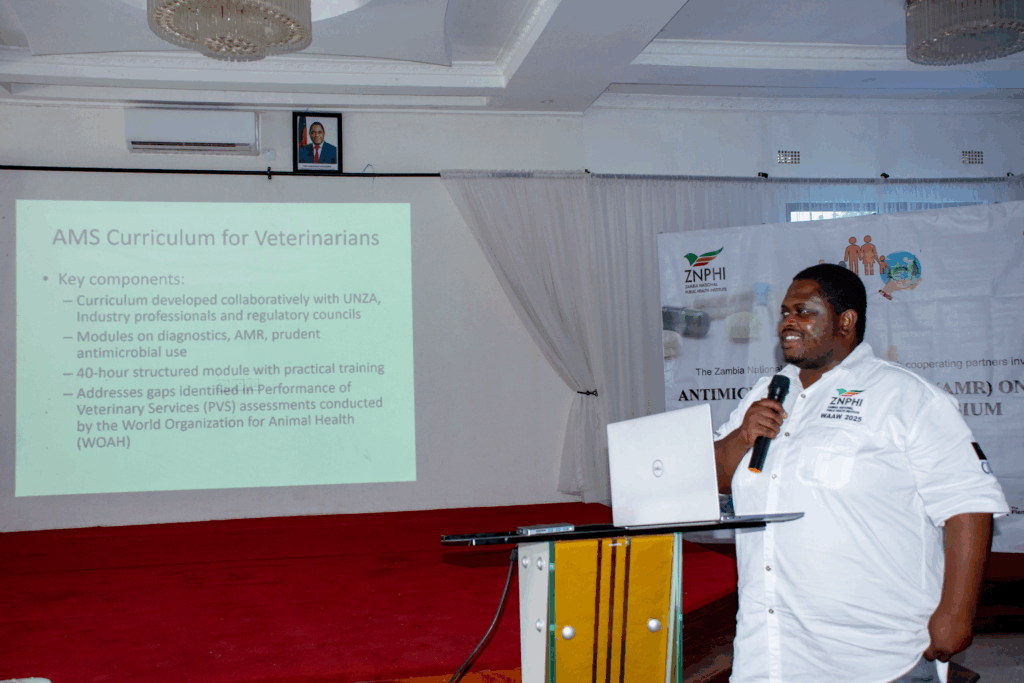
Meanwhile, the Fleming Fund project shared advancements in antimicrobial stewardship training curricula and the development of essential veterinary medicine lists.
Additionally, discussions on the OPT-AMR approach explored ways of optimising antibiotic use through strengthened decision-making and tailored stewardship tools.
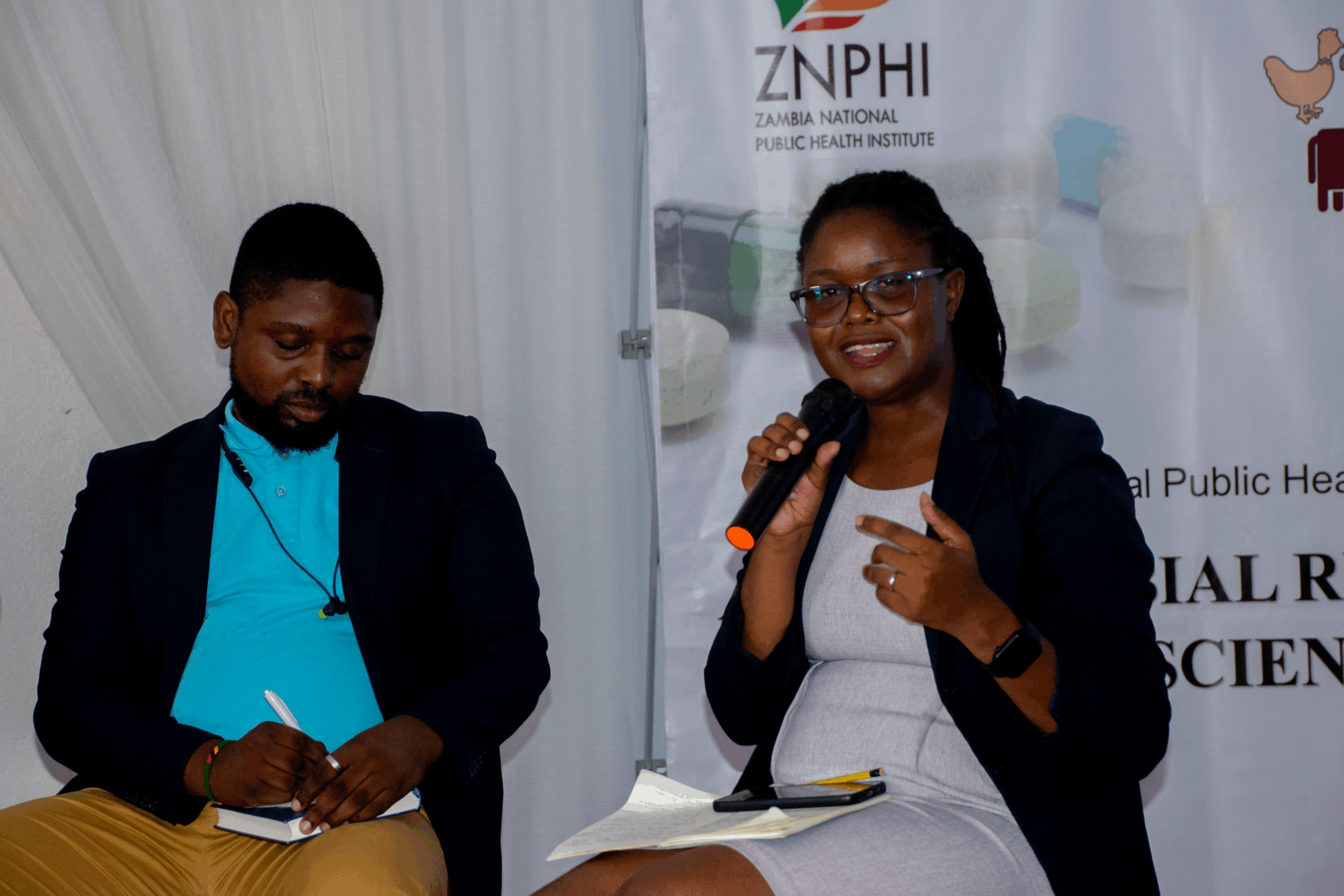
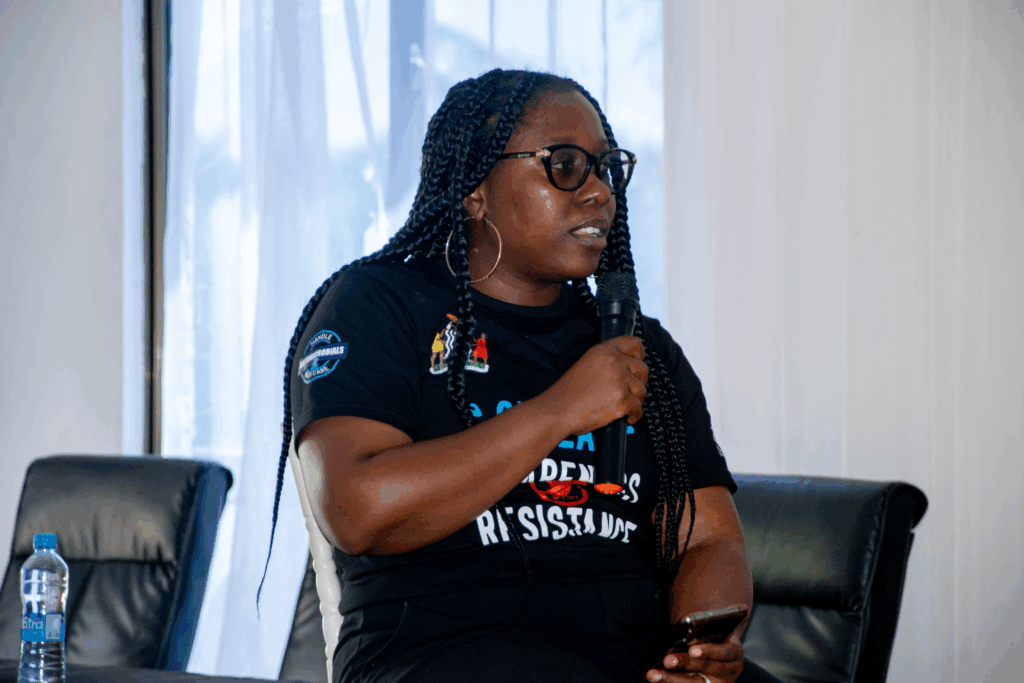
A dynamic panel discussion brought together experts from the human health, animal health, agriculture, and community sectors, providing a platform for practical recommendations on mitigating AMR across the One Health spectrum.
The dialogue emphasised collaboration, capacity building, and the need for continued investment in research, surveillance, and community-level awareness.
As Zambia continues to expand its multisectoral response to AMR, the symposium served as proof to the country’s dedication to advancing research, promoting responsible antimicrobial use, and reinforcing the One Health approach at all levels of society.
With growing regional engagement and strengthened scientific collaboration, Zambia remains firmly aligned with global efforts to preserve the effectiveness of life-saving antimicrobials.