CIDRZ Enhances Molecular Research Capacity with Installation of the HybriSpot Auto-12 System.

Pauline Musumali’s 22 Years of Service in HIV and TB Research at CIDRZ
November 24, 2025
Zambia Launches 2025 HIV Prevention Symposium to Accelerate, Sustain, and Innovate HIV Response
November 26, 2025
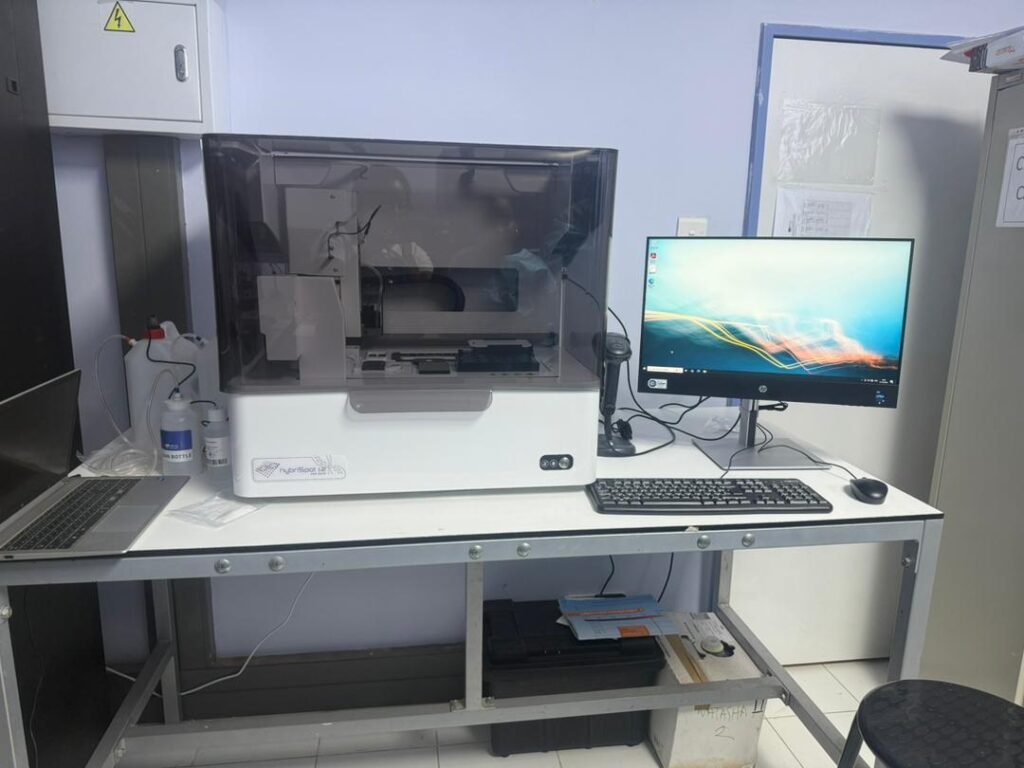
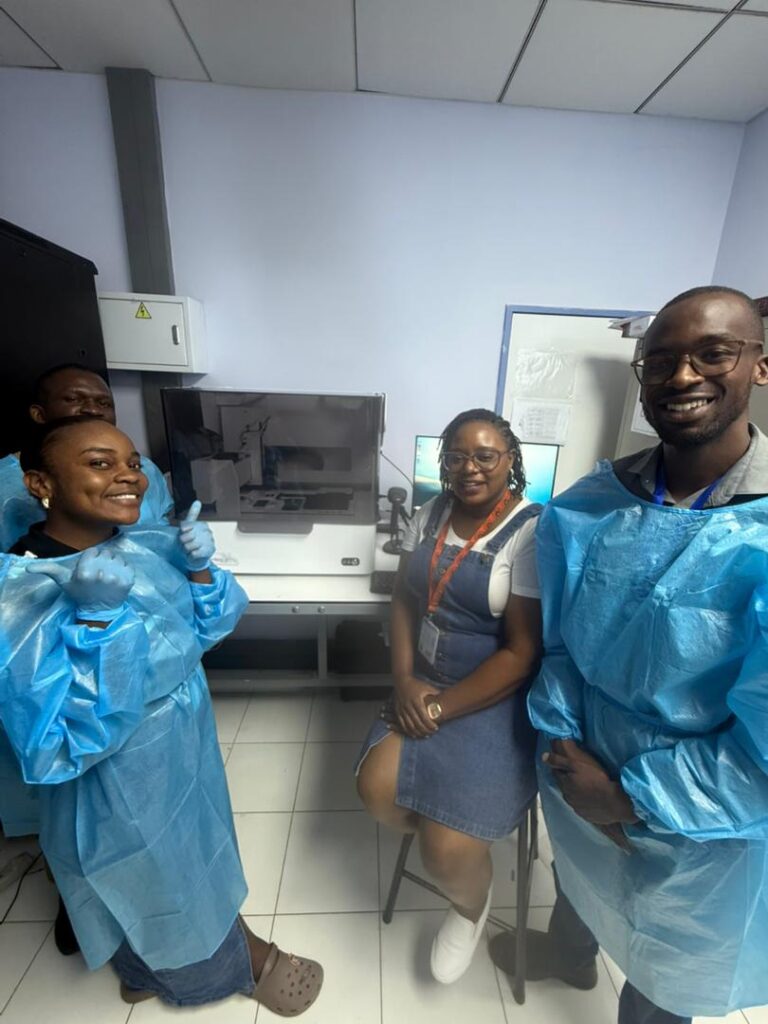
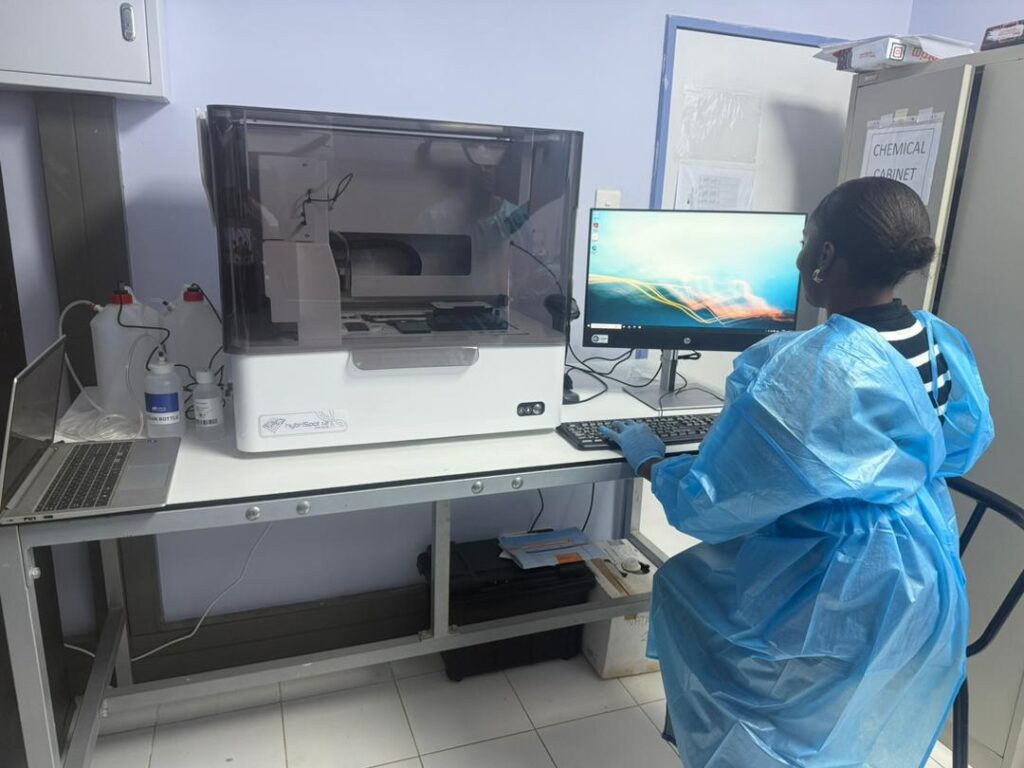
The Centre for Infectious Disease Research in Zambia (CIDRZ) is pleased to announce the successful installation of the HybriSpot Auto-12 system, supplied through the Global Alliance, in the Basic Science and Immunology Laboratory. Training for the system has also been successfully completed. This acquisition was made possible through the HPVCO study, led by Professor Zaza Ndhlovu and Dr Luiza Hatyoka.
The Hybrispot Auto-12 is being deployed for research purposes. Its integration marks a major step forward in expanding CIDRZ’s capacity for high-throughput, automated molecular research assays that enable deeper scientific investigation into HPV and other infectious diseases.
The HPVCO Study aims to characterise cervical immune responses among women with persistent high-risk HPV infections compared to women who naturally clear these infections. By examining immune activity within the cervical microenvironment, the study seeks to understand how local immune responses influence HPV infection outcomes. A key component of this work is assessing differences in cervical immune landscapes between women living with HIV and women without HIV, including how immune cell distribution contributes to high-risk HPV clearance.
Within this research framework, the HybriSpot Auto-12 will be used to genotype circulating high-risk HPV strains in the study population. This effort is the first of its kind in Zambia to systematically identify high-risk HPV types beyond HPV 16 and 18/45, generating crucial data to expand national understanding of HPV epidemiology.
The HybriSpot Auto-12 automates the simultaneous processing of up to 12 samples, reducing hands-on time and improving workflow efficiency. Its multiplex hybridisation and detection technology enables rapid, precise nucleic-acid–based identification, supported by an integrated reader, incubator, and imaging unit. It is highly versatile, with panels available for HPV, antimicrobial resistance markers, sepsis-related pathogens, tuberculosis, and other infectious diseases.
The installation of this platform represents a significant advancement in CIDRZ’s molecular research capacity. It opens new opportunities for infectious disease investigation, supports the generation of high-quality data, and accelerates scientific discovery to strengthen public health in Zambia.
CIDRZ expresses its gratitude to the Global Alliance for its support and commends the laboratory team for their dedication throughout the installation and training process. The introduction of the HybriSpot Auto-12 highlights CIDRZ’s commitment to research innovation and reinforces the value of strategic partnerships in advancing scientific excellence.