CIDRZ Highlights Progress in Scaling Up PrEP for Pregnant and Breastfeeding Women at 2025 National HIV Prevention Symposium
Ministry of Health, UN Agencies and Partners Convene 2025 National HIV Prevention Symposium in Lusaka.
November 27, 2025
CIDRZ Joins World AIDS Day 2025 Commemorations
December 1, 2025
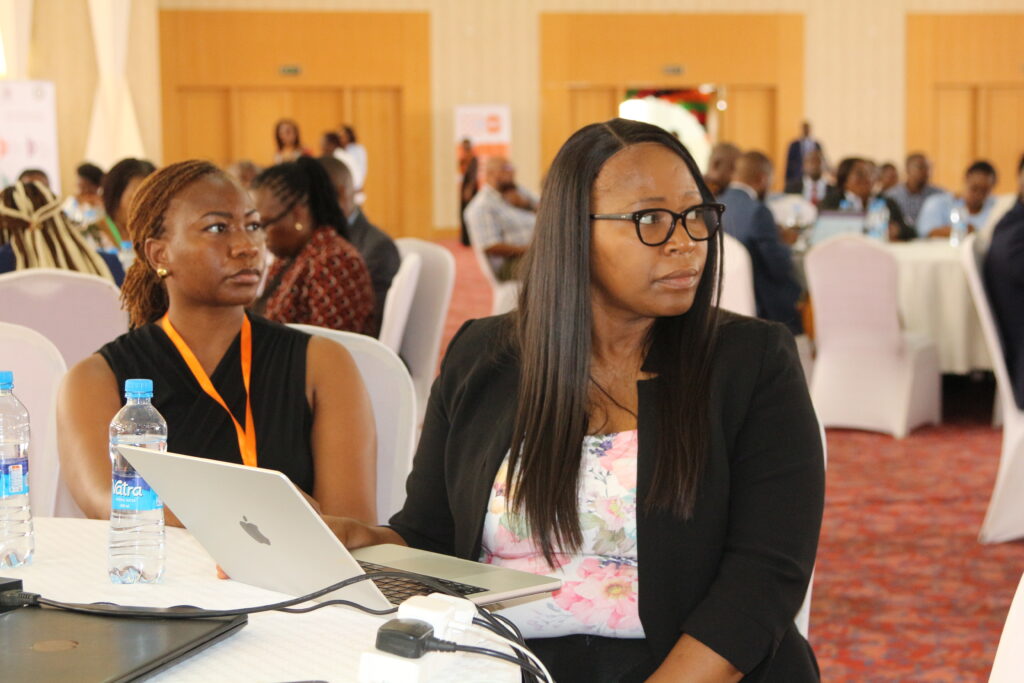
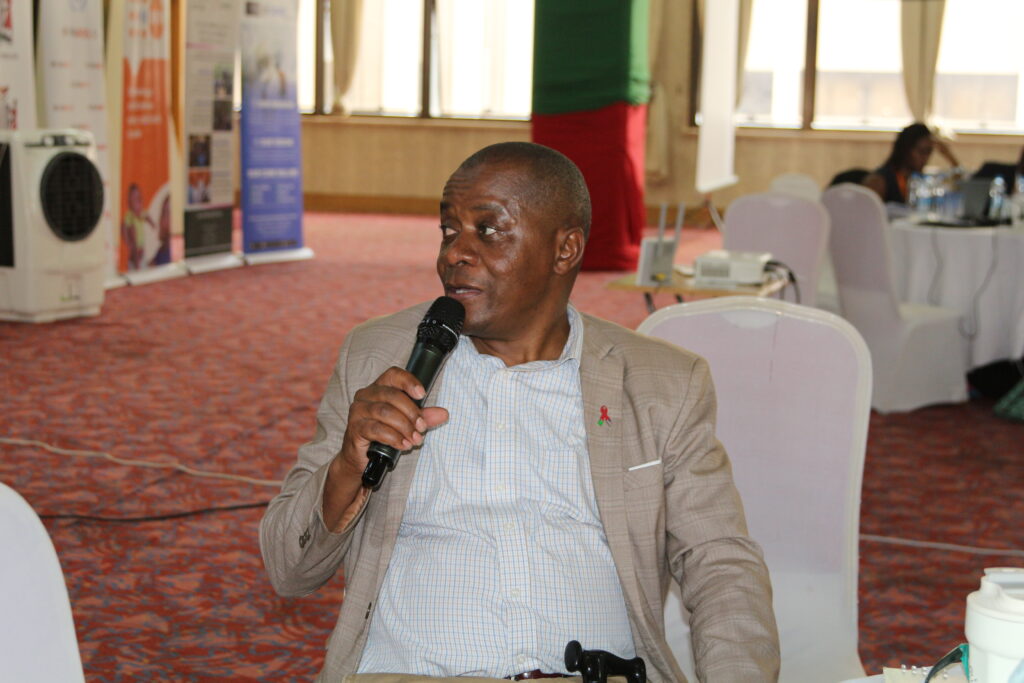
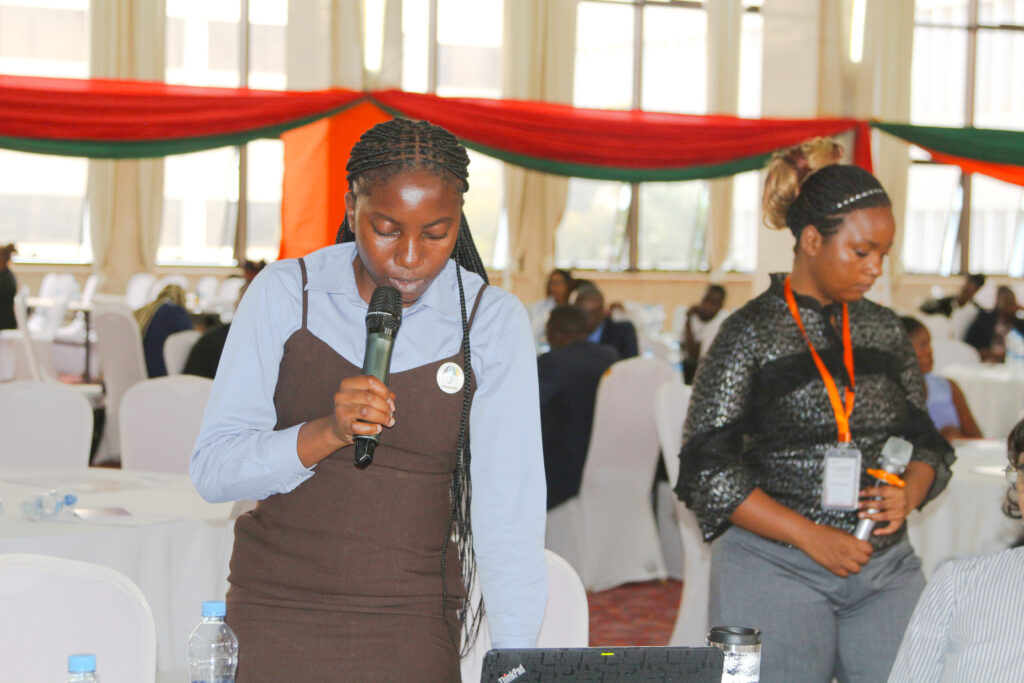
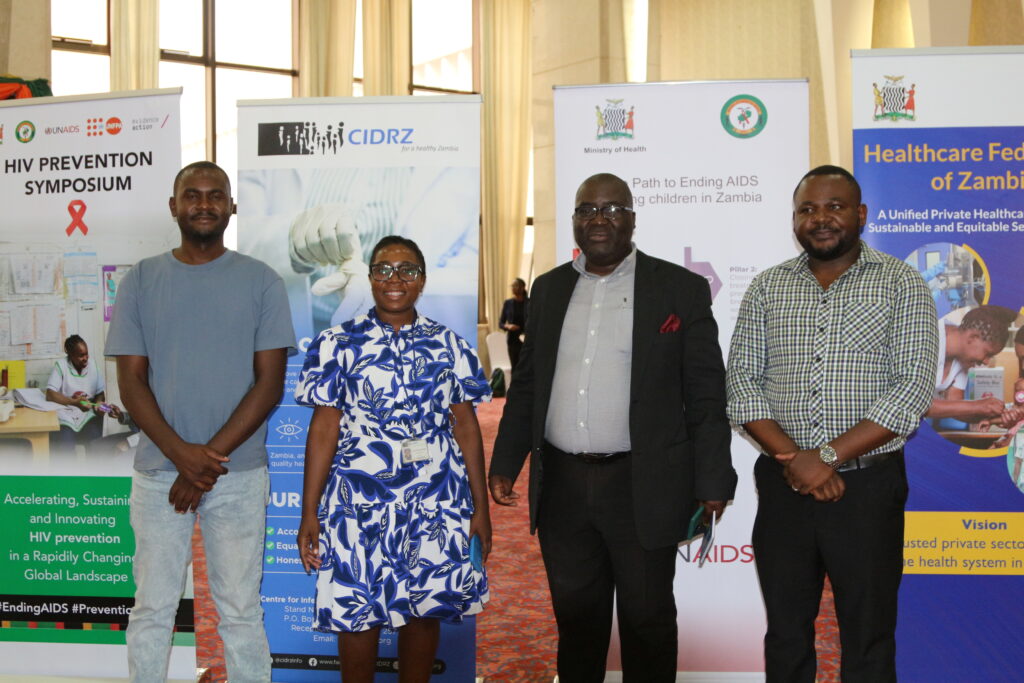
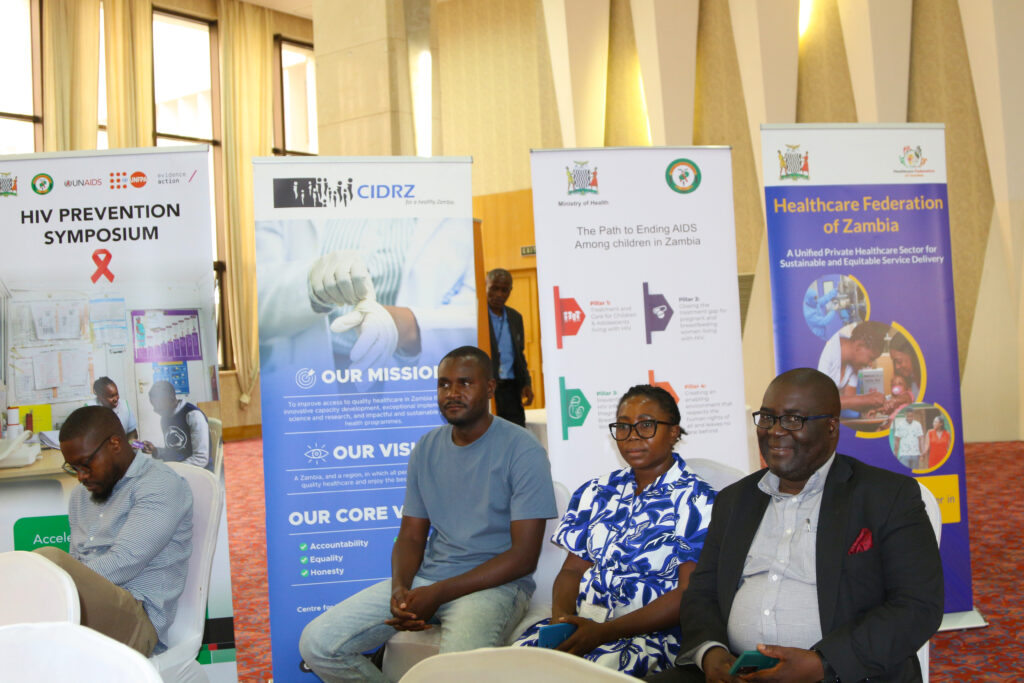
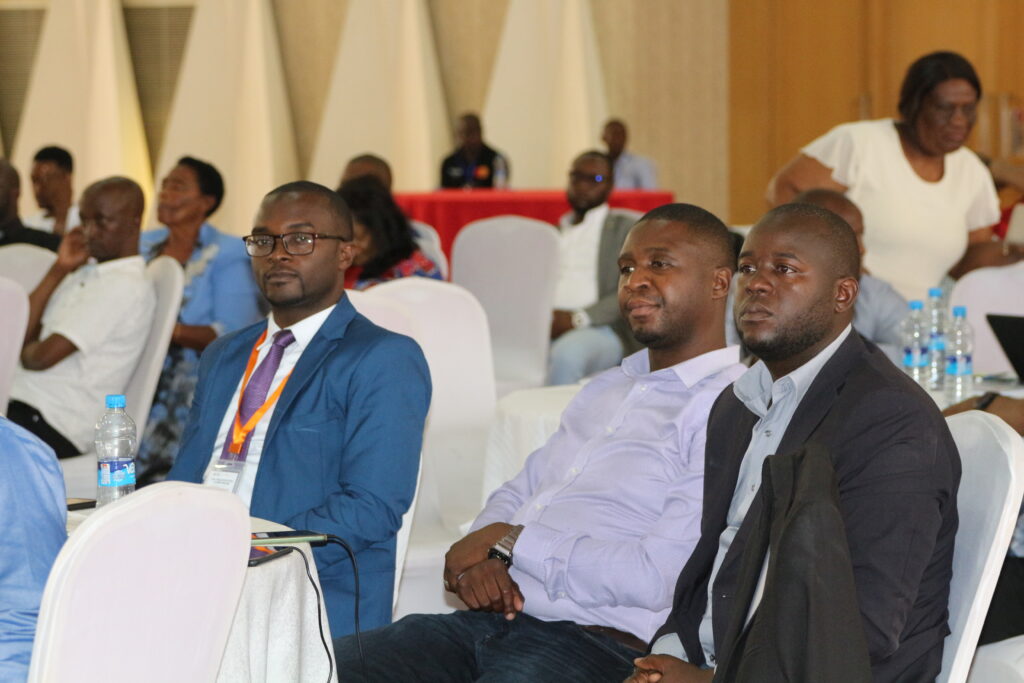
The Centre for Infectious Disease Research in Zambia (CIDRZ) is among the key organisations that recently participated in the 2025 National HIV Prevention Symposium, showcasing a range of programmes that contribute significantly to the country’s #HIV prevention and research agenda.
Through its evidence-driven initiatives, CIDRZ continues to support national strategies aimed at reducing new HIV infections and improving service delivery across communities.
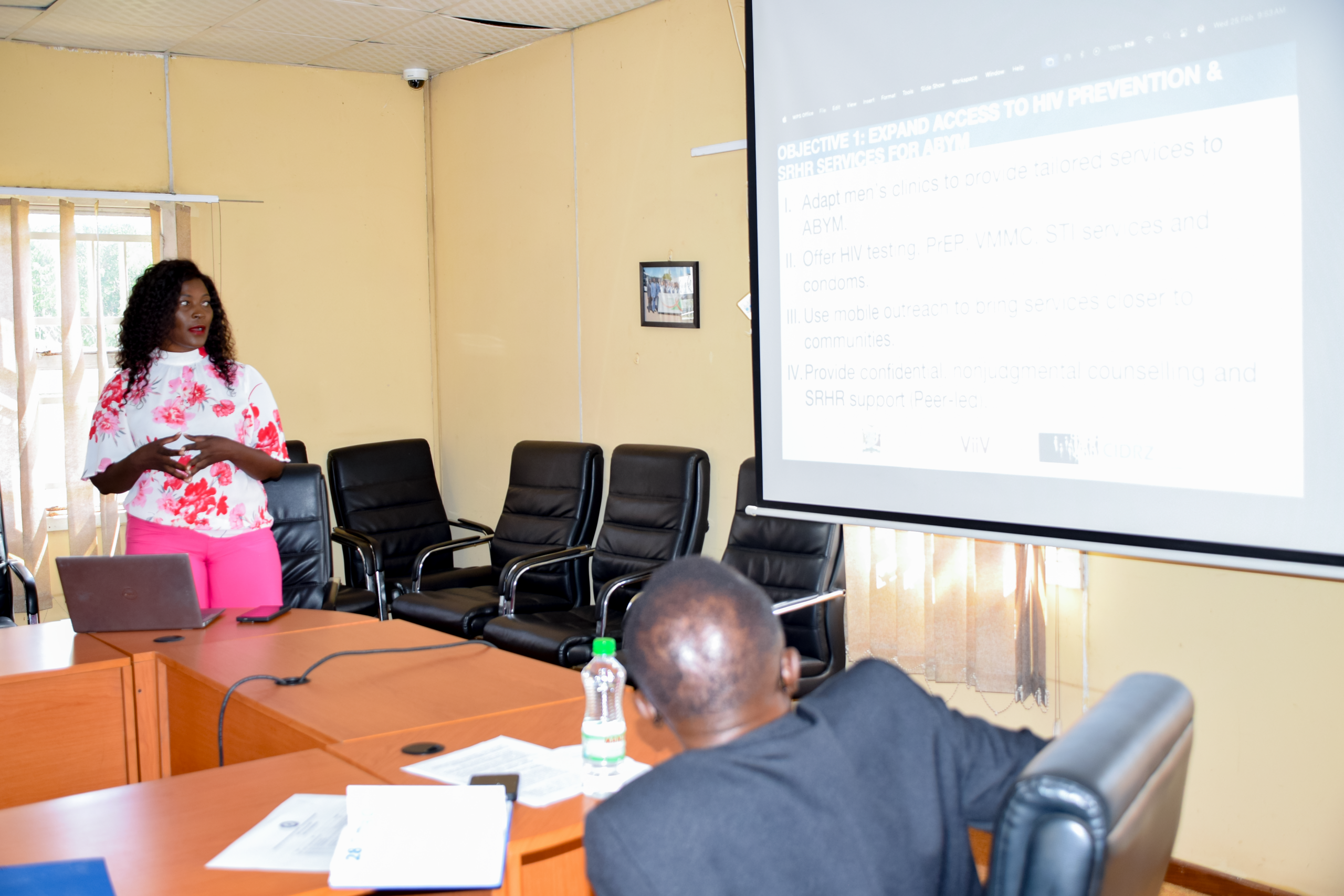
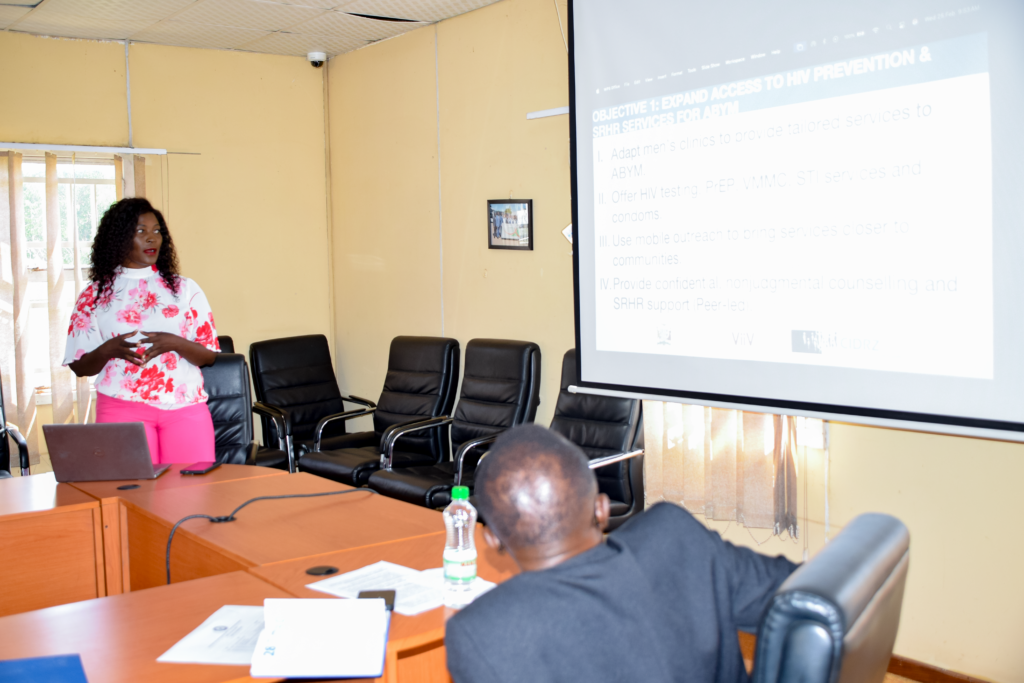
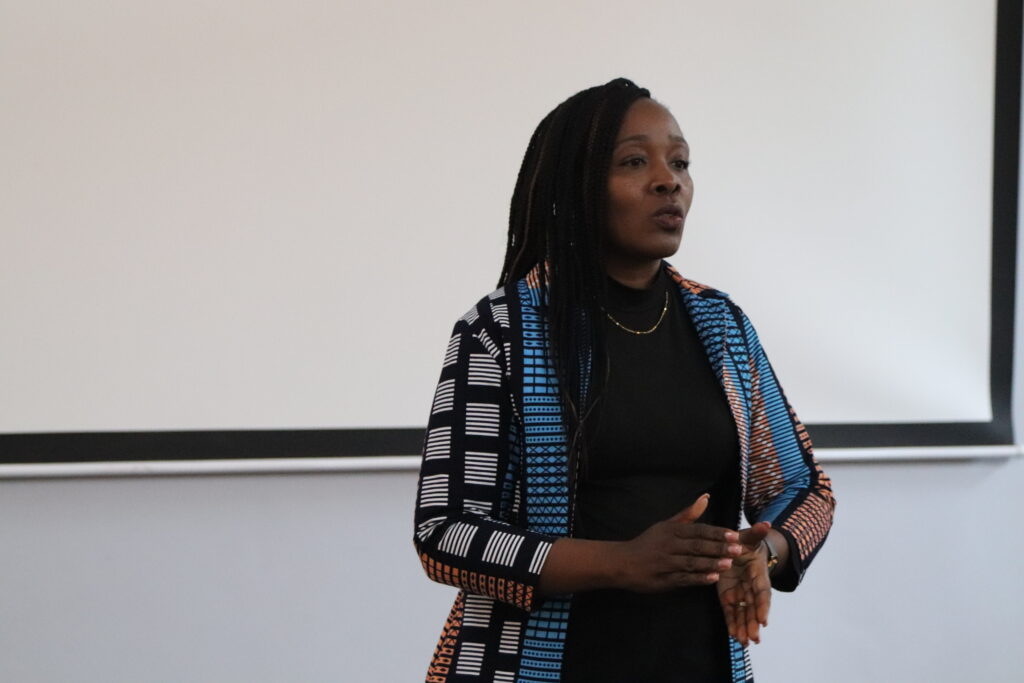
During the symposium, Dr Monica Chibesakunda presented findings from a study titled “Scaling Up Pre-Exposure Prophylaxis for Pregnant and Breastfeeding Women in Maternal and Child Health Departments in Lusaka Province, Zambia.” Her presentation highlighted the critical role of Pre-Exposure Prophylaxis (PrEP) as an effective HIV prevention option for pregnant and breastfeeding women. This often-underserved group remains at heightened risk of acquiring HIV during pregnancy and breastfeeding.
Dr Chibesakunda explained that despite its proven effectiveness, PrEP uptake among pregnant and breastfeeding women has historically been low.
This has been largely due to stigma, inadequate awareness, and challenges in accessing services. To address these barriers, CIDRZ, together with the Lusaka Provincial Health Office, implemented a phased integration of PrEP into routine maternal and child health (MCH) services across Lusaka Province from August 2021 to September 2024.
The intervention covered 155 health facilities and included the development of a national guideline-aligned PrEP screening tool, capacity building for healthcare workers and community volunteers, increased health education efforts, mentorship on documentation and data quality, and strengthened monitoring and evaluation systems.
The study recorded significant progress, with 30,449 pregnant and breastfeeding women accessing PrEP during the three-year period. Uptake increased steadily each year, rising from 5,555 women in the 2021–2022 fiscal year to 15,010 women in 2023-2024. Pregnant women accounted for the highest share of new PrEP initiations, with Lusaka Urban District recording the greatest coverage, followed by Chilanga and Kafue districts.
These outcomes demonstrate that integrating PrEP into routine MCH services is both feasible and highly effective in expanding access for women who face elevated HIV risk.
In her conclusion, Dr Chibesakunda emphasised that the successful scale-up of PrEP for pregnant and breastfeeding women is a direct result of strengthened health systems, improved staff training, and effective collaboration with government partners. She noted, however, that further efforts are required to sustain and expand these gains.
Key recommendations include extending PrEP integration beyond Lusaka Province, enhancing provider training to ensure consistent offering of PrEP, improving clinic infrastructure to guarantee privacy during counselling, increasing community awareness to reduce stigma, and reinforcing adherence support and follow-up mechanisms for women on PrEP.
The event, organised by the Ministry of Health (MOH) through the National HIV/AIDS/STI/TB Council (NAC), in collaboration with the United Nations in Zambia through UNAIDS and UNFPA, Evidence Action, and several other partners, and held under the theme “Accelerating, Sustaining, and Innovating HIV Prevention in a Rapidly Changing Global Landscape,” has provided a vital platform for sharing innovations and strengthening collaboration across the HIV response.