CIDRZ Showcases Advances in TB and Diagnostic Innovation at the 2025 Union World Conference on Lung Health

Advancing Zambia’s Animal Health Systems Through the Zambia Fleming Fund Country Grant.
December 2, 2025
UK DEPUTY HIGH COMMISSIONER COMMENDS CIDRZ FOR LEADERSHIP IN STRENGTHENING ZAMBIA’S AMR RESPONSE.
December 4, 2025
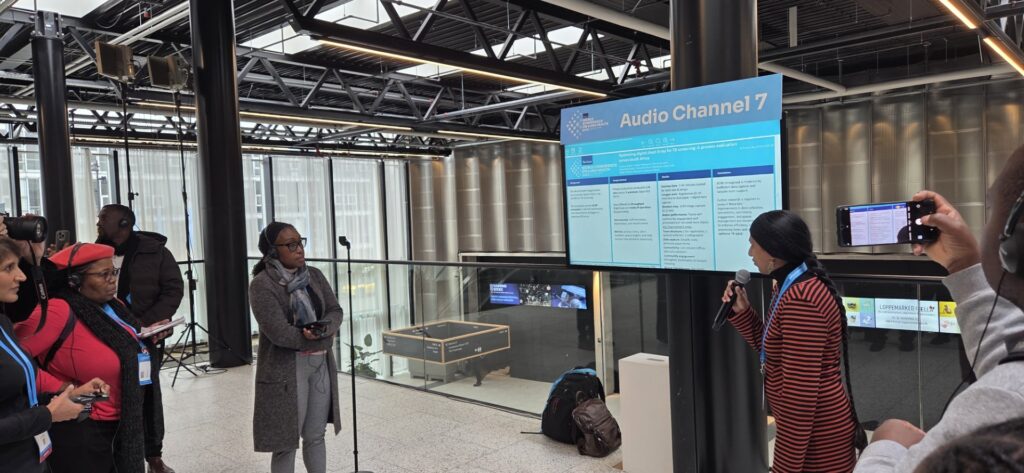
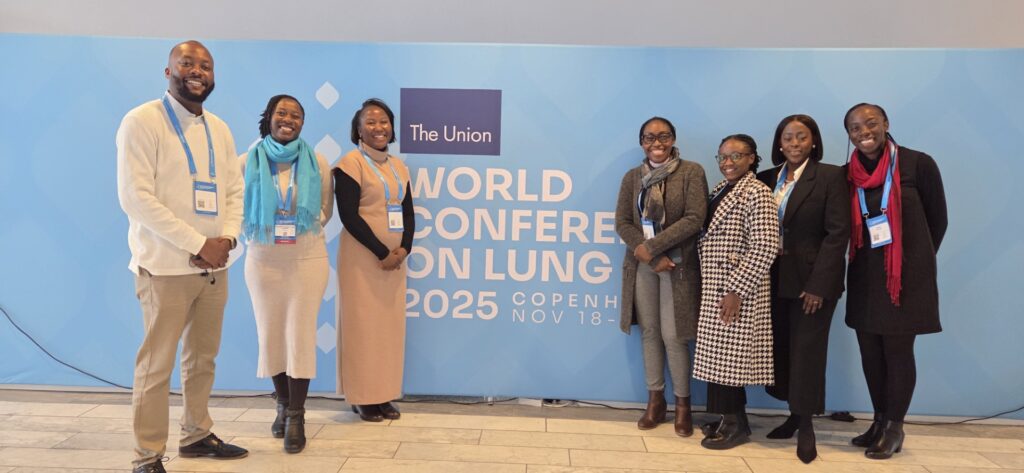
CIDRZ continues to shine on the global stage, with its Tuberculosis and other Lung Diseases Department recently participating in this year’s Union World Conference on Lung Health in Copenhagen, Denmark.
Leading the team was Dr Monde Muyoyeta, Chief Scientific Officer, who moderated an e-poster session, facilitating engaging discussions on advancing lung health globally.
During the conference, several CIDRZ researchers shared evidence from ongoing work aimed at strengthening prevention, diagnosis, and treatment outcomes, contributing to global efforts to reduce the burden of tuberculosis (TB) and other lung diseases.
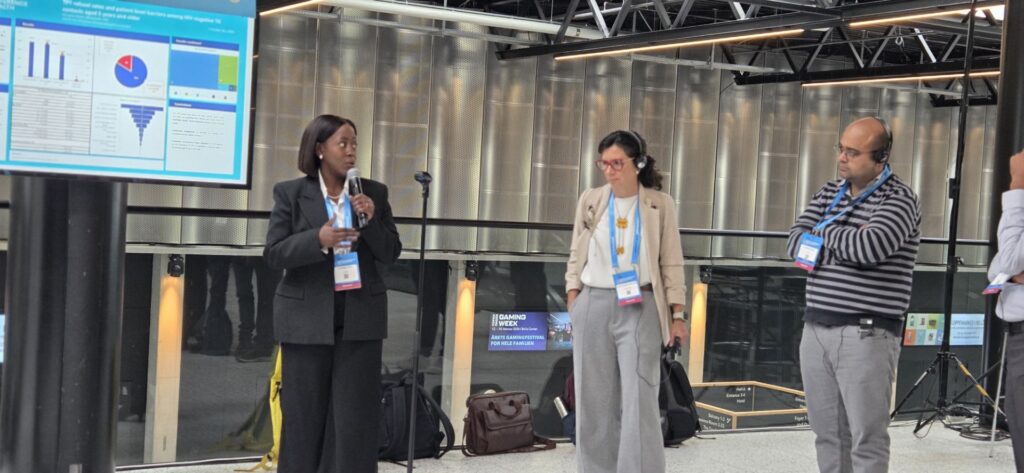
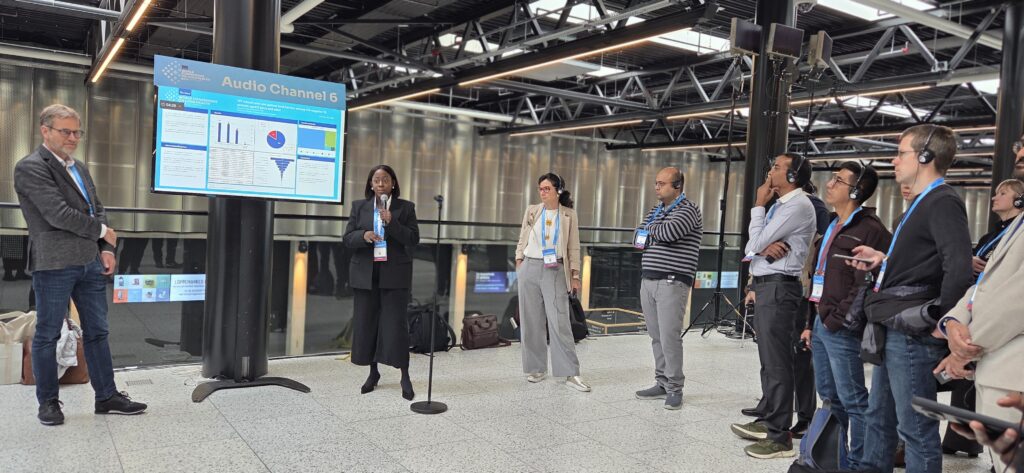
Among the presenters was Dr Lilungwe Mutti, who delivered an insightful presentation titled “Tuberculosis Preventive Treatment (TPT) refusal rates and patient-level barriers among HIV-negative TB contacts aged five years and older.”
The analysis, drawn from data across 89 health facilities in eight provinces, highlighted that although TPT refusal rates were low (3%), the barriers driving refusal were largely modifiable.
She stated that concerns about side effects, stigma, low perceived risk, and influence from family or community members were among the major factors identified. These findings highlight the importance of enhancing patient education and community engagement to increase the uptake of TB preventive treatment.
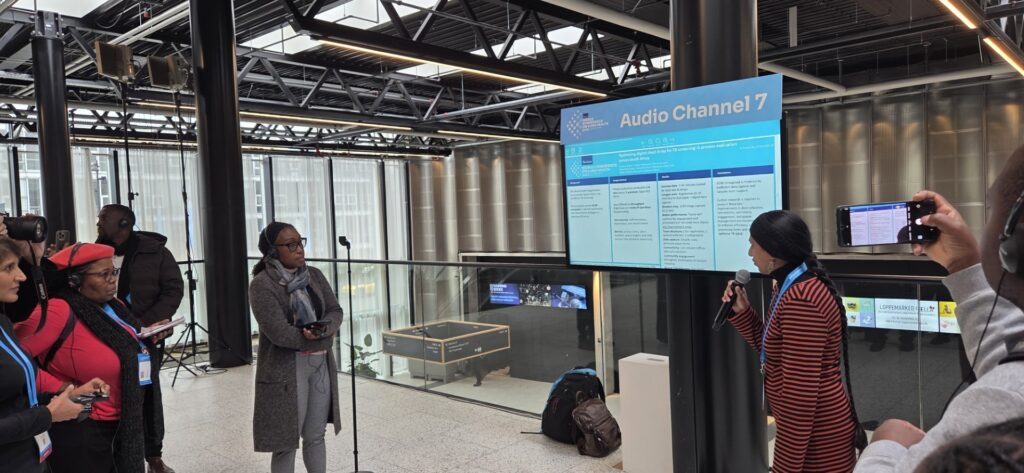
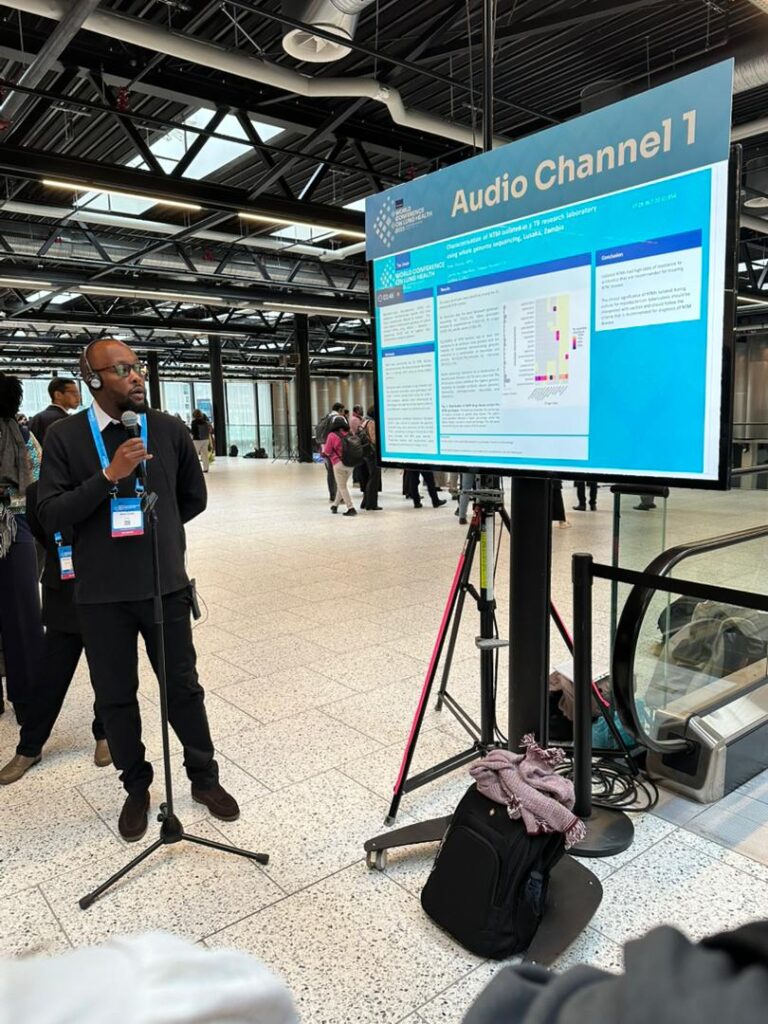
Meanwhile, Brian Shuma shared findings from his e-poster titled “Characterisation of Nontuberculous Mycobacteria (NTM) Isolated in a TB Research Laboratory Using Whole Genome Sequencing, Lusaka, Zambia.”
He highlighted that the study analysed 33 NTM isolates using whole genome sequencing and identified 18 different genotypes, with Mycobacterium fortuitum emerging as the most dominant.
Remarkably, 94% of the isolates carried genetic markers indicating resistance to at least one antibiotic class, with high levels of resistance detected to macrolides, penams, rifamycins, and even combinations involving isoniazid and rifampicin.
These findings emphasise the importance of careful clinical interpretation of NTMs detected during TB culture and the need to follow recommended diagnostic criteria before confirming NTM disease.
Another presentation was delivered by Dr Seke Muzazu, who shared findings from a Gates Foundation–funded multi-country study led by the TSwaY team, evaluating the diagnostic yield of tongue swab–based molecular testing compared to sputum for TB diagnosis among individuals presumed to have pulmonary TB in Uganda, Vietnam, the Philippines, and Zambia.
The results demonstrated that tongue swabs are non-inferior to sputum for molecular testing, offering an opportunity to maximise diagnostic yield, and present several important use cases, particularly for patients unable to produce sputum samples.
Other co-speakers further highlighted the rapidly expanding landscape of diagnostic tools under evaluation, reinforcing the theme of “new tools to fight an old enemy.”
CIDRZ’s work continues to generate evidence that informs policy, strengthens TB prevention strategies, and elevates Zambia’s voice in global health.