CIDRZ Basic Science and Immunology Team Drives Innovation at CESORA Symposium in Durban, South Africa
CIDRZ, MoH Successfully Hold Human-Centred Design Workshop on Person-Centred Approaches to Address Viremia
December 10, 2025
CIDRZ Hosts Thriving in Tough Times: Move Me Case Study Training to Strengthen Leadership Resilience in Challenging Times.
December 15, 2025
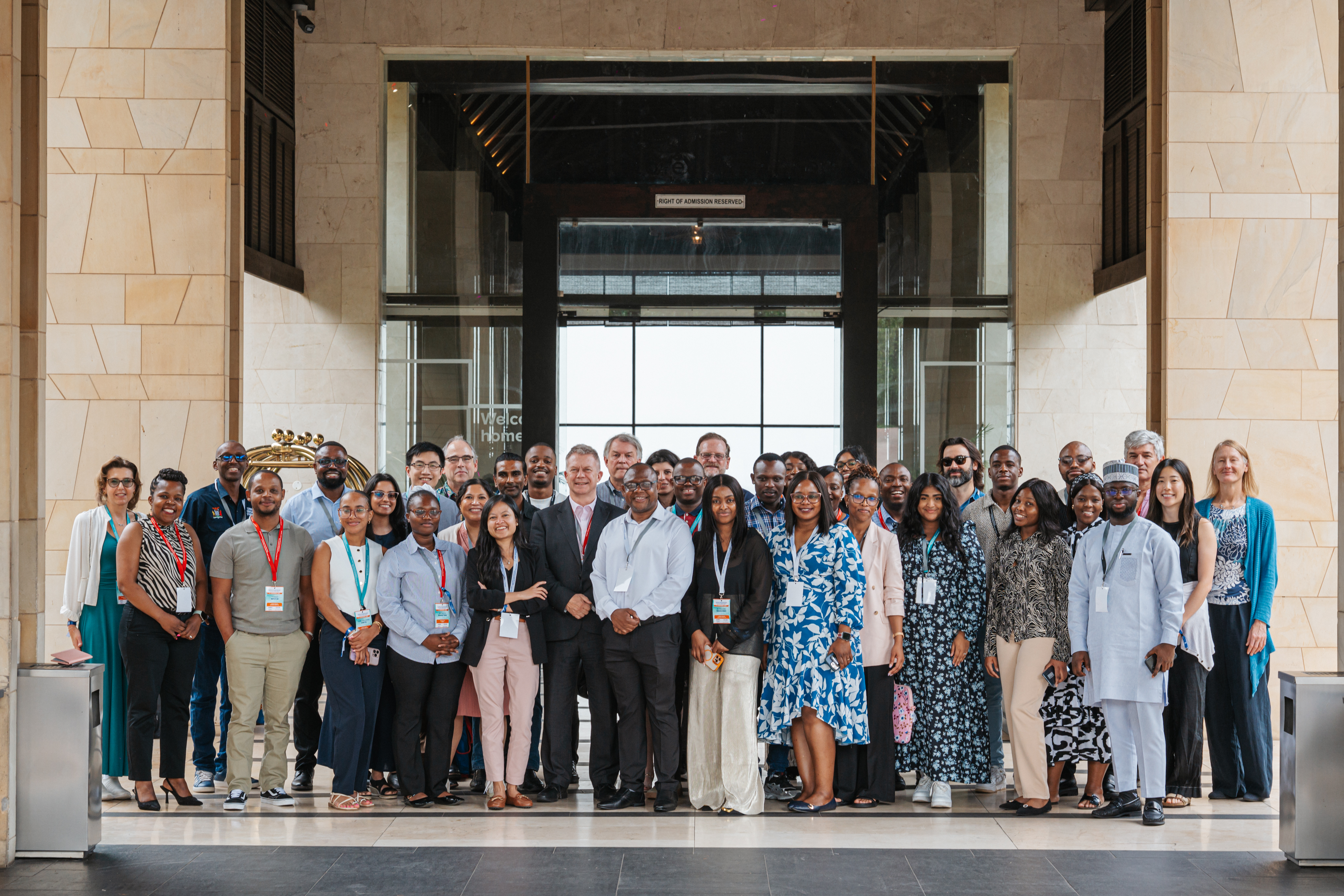
CIDRZ, through its Basic Science and Immunology (BSI) department was proud to join other leading researchers at the 2025 Centre of Excellence for Spatial Multi-Omics Research in Africa (CESORA) Symposium in Durban, South Africa, demonstrating its commitment to improving health outcomes through innovative research.
The Symposium was convened by Professor Zaza Ndhlovu, Director of CIDRZ’s BSI Department, in his capacity as Director of CESORA, highlighting CIDRZ’s central role in advancing cutting-edge research methodologies on the continent.
CIDRZ researchers used the event to share groundbreaking research, demonstrating how applying advanced technologies can be used to solve critical health challenges.
Michelo Simuyandi discussed the application of spatial omics to address a key research gap: the poor performance of oral rotavirus vaccines in Low- and Middle-Income Countries (LMICs). His upcoming collaborative project with Africa Health Research Institute (AHRI)-CESORA and Professor Paul Kelly’s Tropical Gastroenterology and Nutrition Group (TROPGAN), a leading gastroenterology research group in the country and region, aims to define mechanisms of mucosal immunity, directly informing the development of more effective vaccines and interventions.
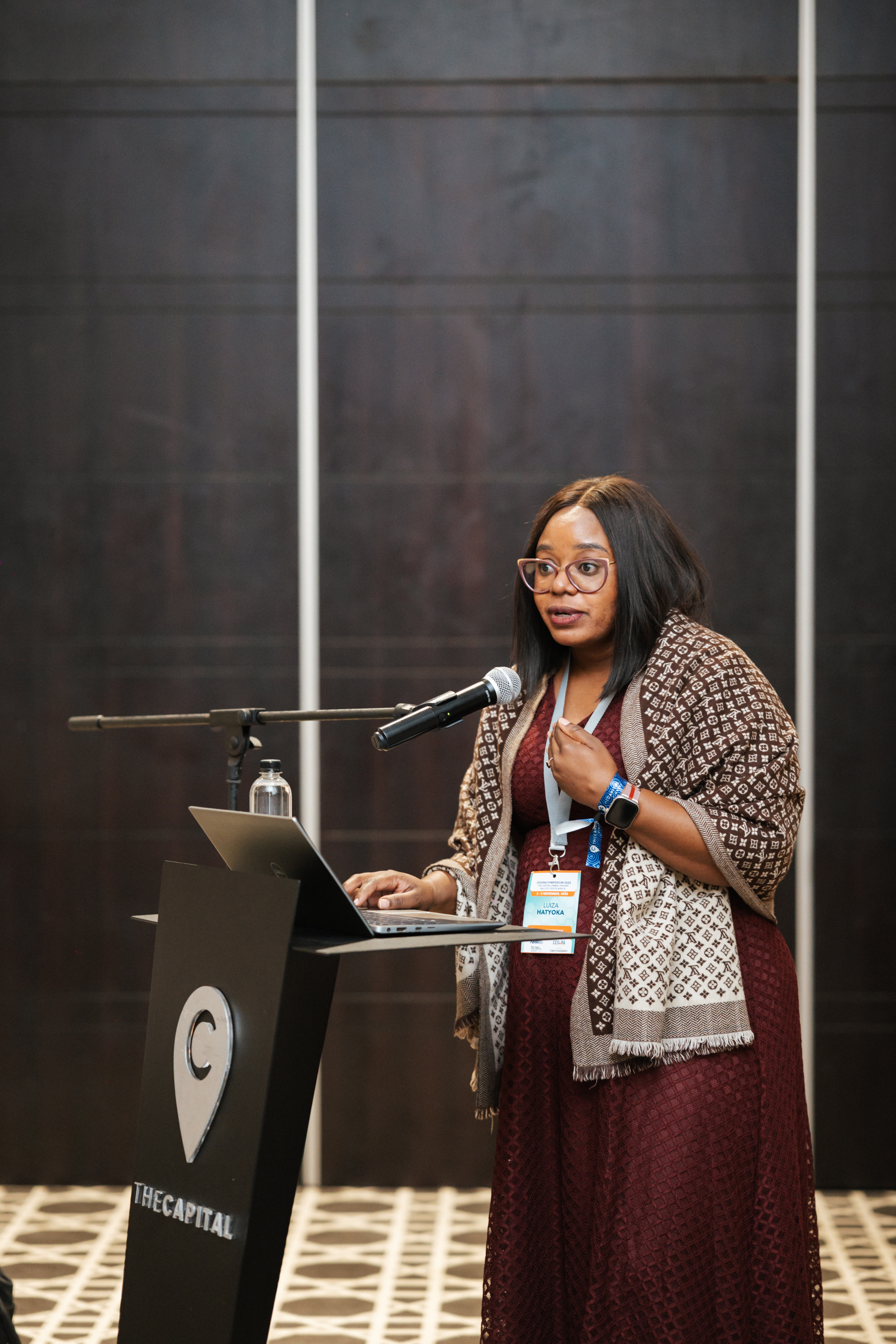
Dr Luiza Hatyoka presented her CESORA-funded project, “Analysing the Spatial Transcriptomic Structure of the Cervical Tissue Immune Microenvironment in HIV and HPV Co-infection,” which contributes vital knowledge to the fight against HPV-related cancers in high-risk populations.
The CIDRZ’s BSI team is actively leading these crucial conversations and collaborations, going beyond participation in science to help shape the future of infectious disease research in Africa.
CIDRZ’s BSI team is actively leading these crucial conversations and collaborations, going beyond participation in science to help shape the future of infectious disease research in Africa.