MoH, CIDRZ Applauded for Empowering Health Workers and Communities with Human‑Centred HIV Response Skills
CIDRZ P-CORE Study Achieves Milestones in Tracing Clients Lost to Follow-Up at Mukonchi Health Centre
January 5, 2026
CIDRZ Holds Fourth Advisory Committee Meeting for P-CORE Study in Lusaka
January 7, 2026
Despite significant gains in HIV treatment access in Zambia, many HIV clients still experience interruptions in care, leading to uncontrolled higher viral loads, higher risk of disease progression, and increased likelihood of onward HIV transmission. Sustained engagement and tailored support are critical to improving health outcomes and achieving viral suppression.
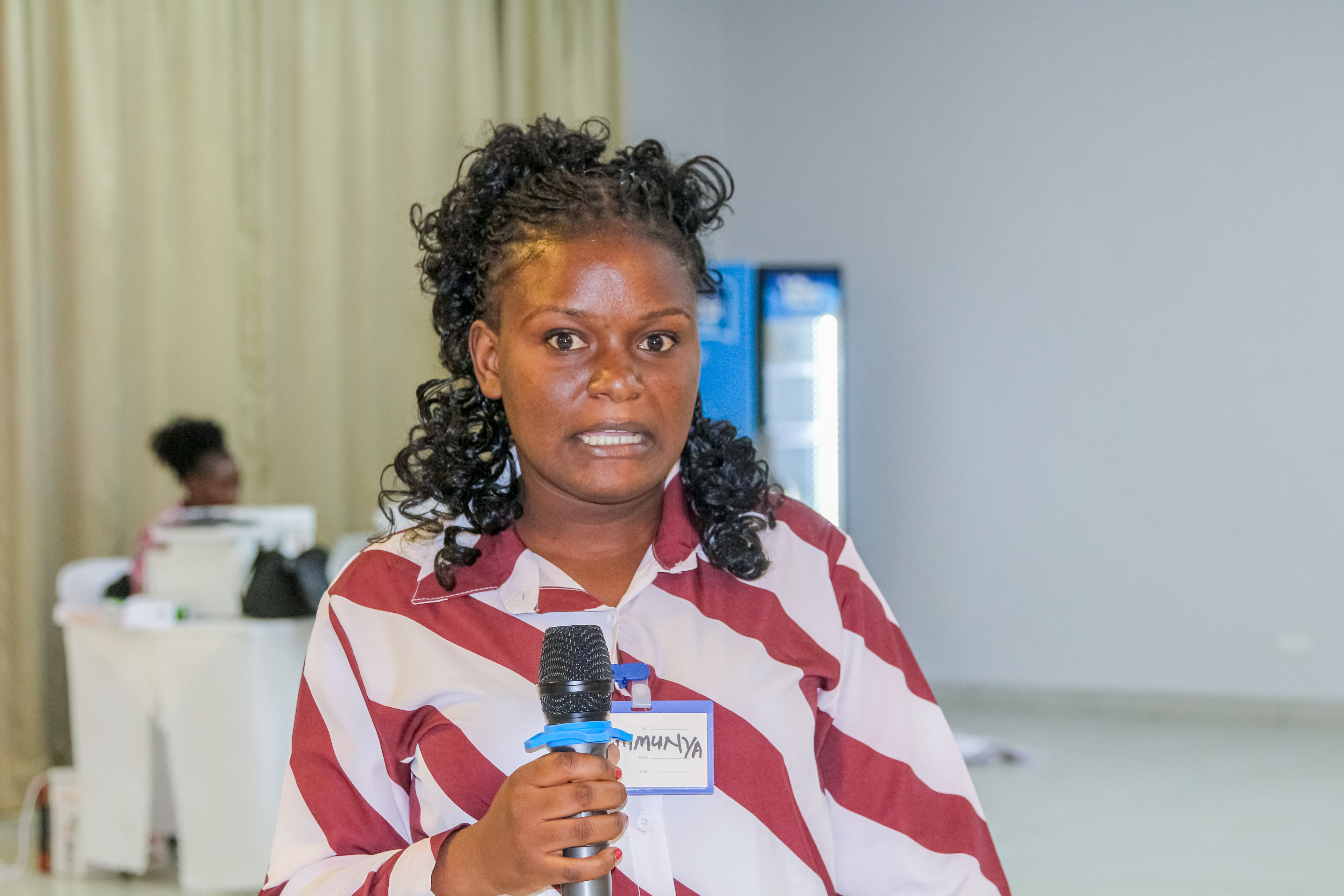
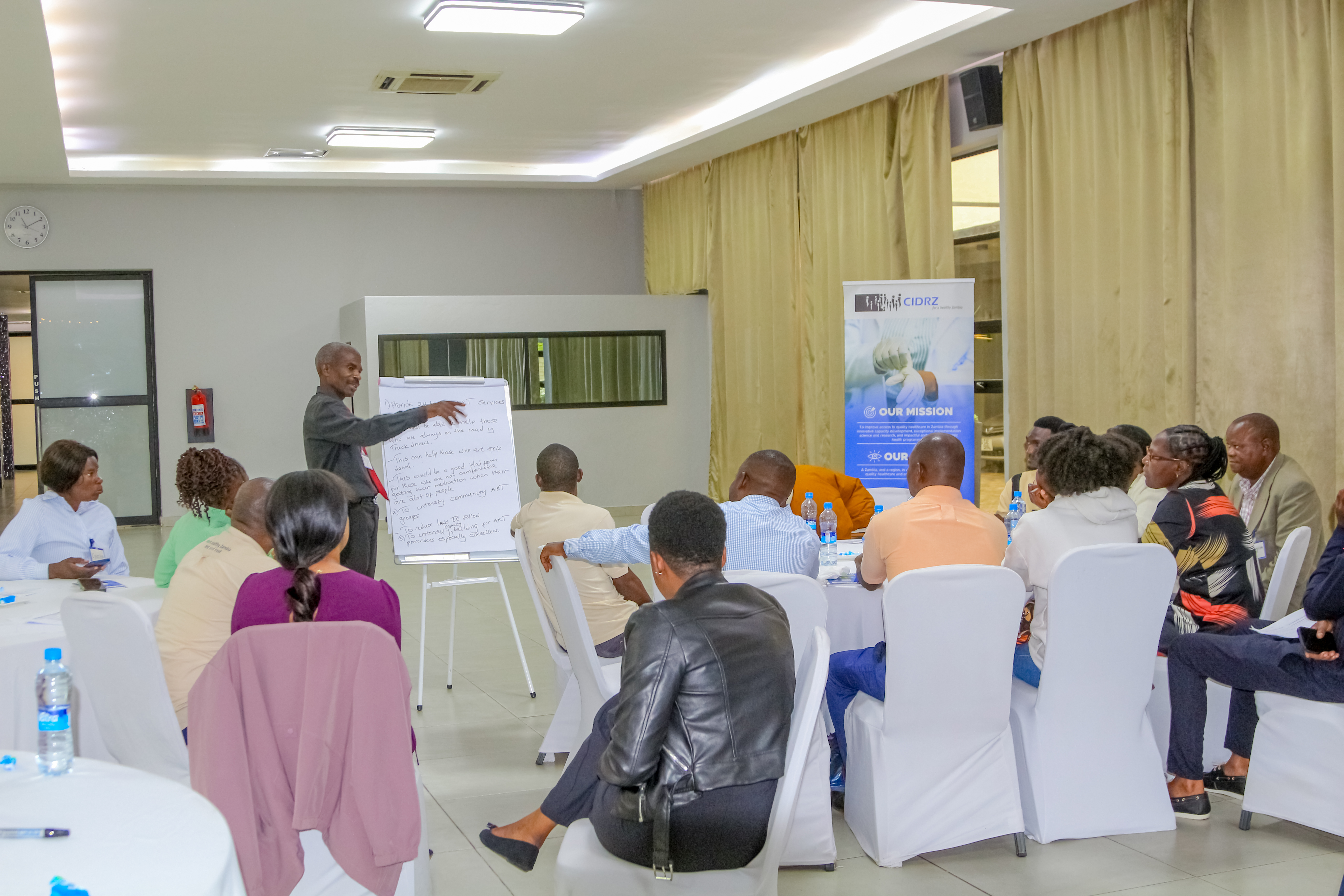
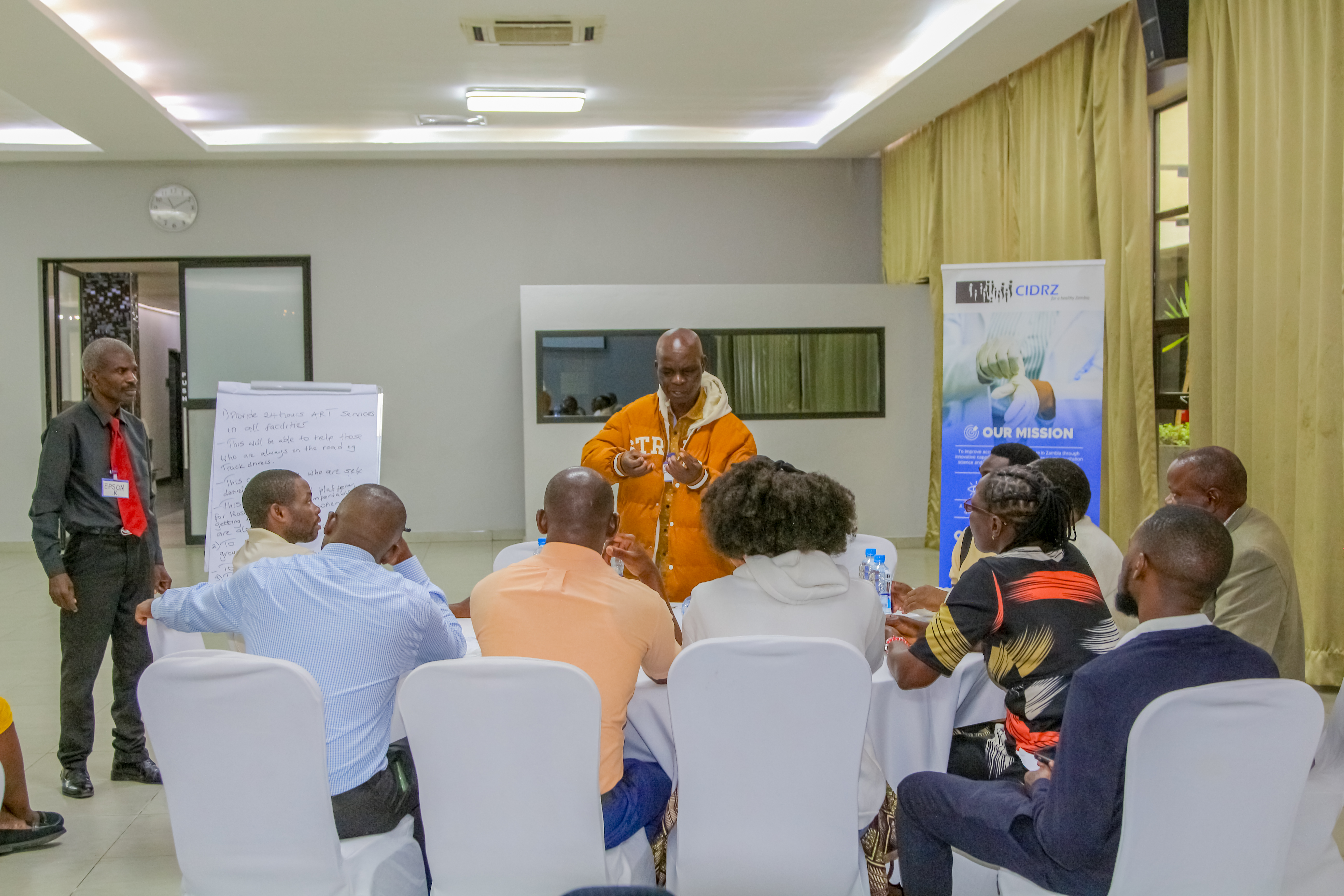
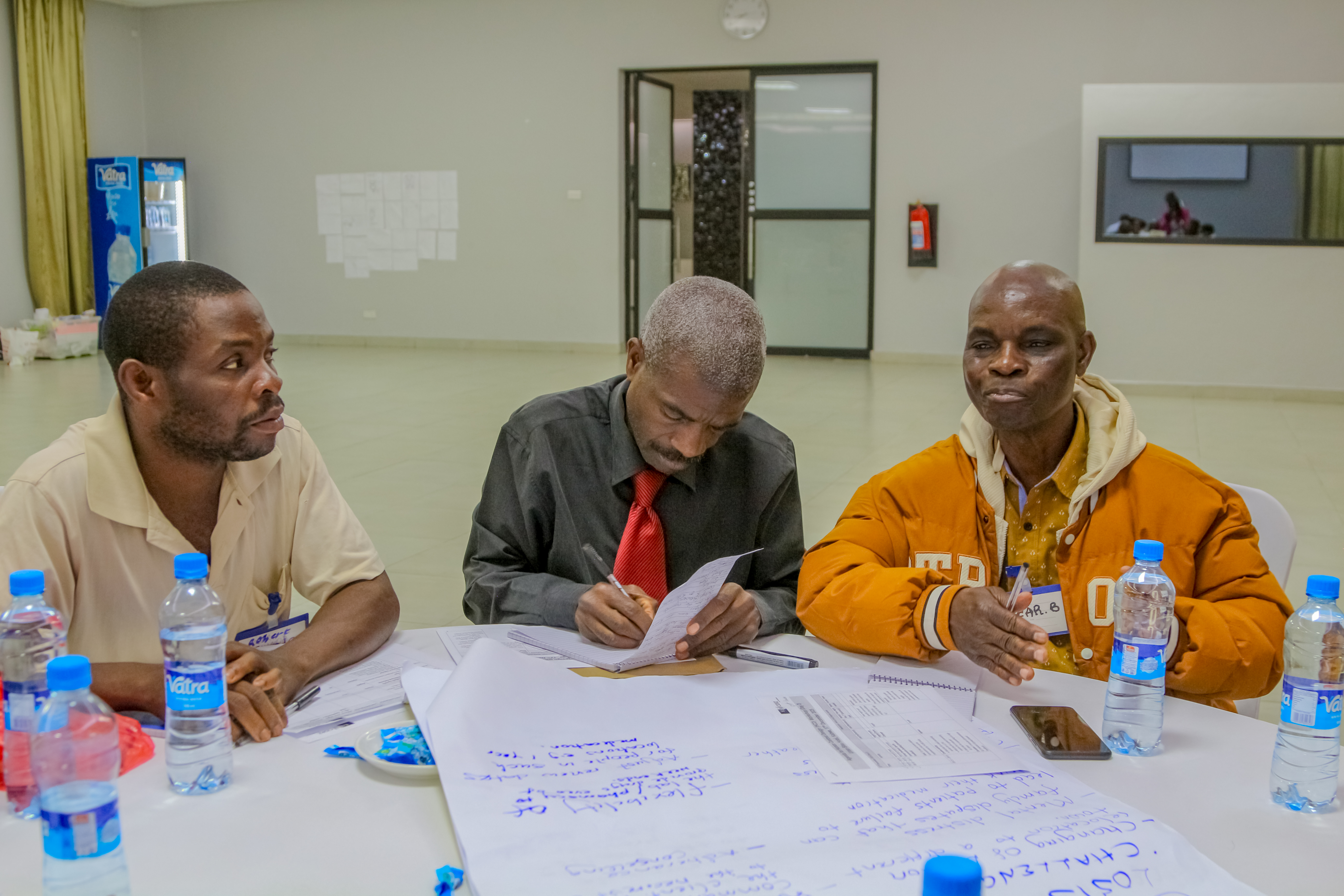
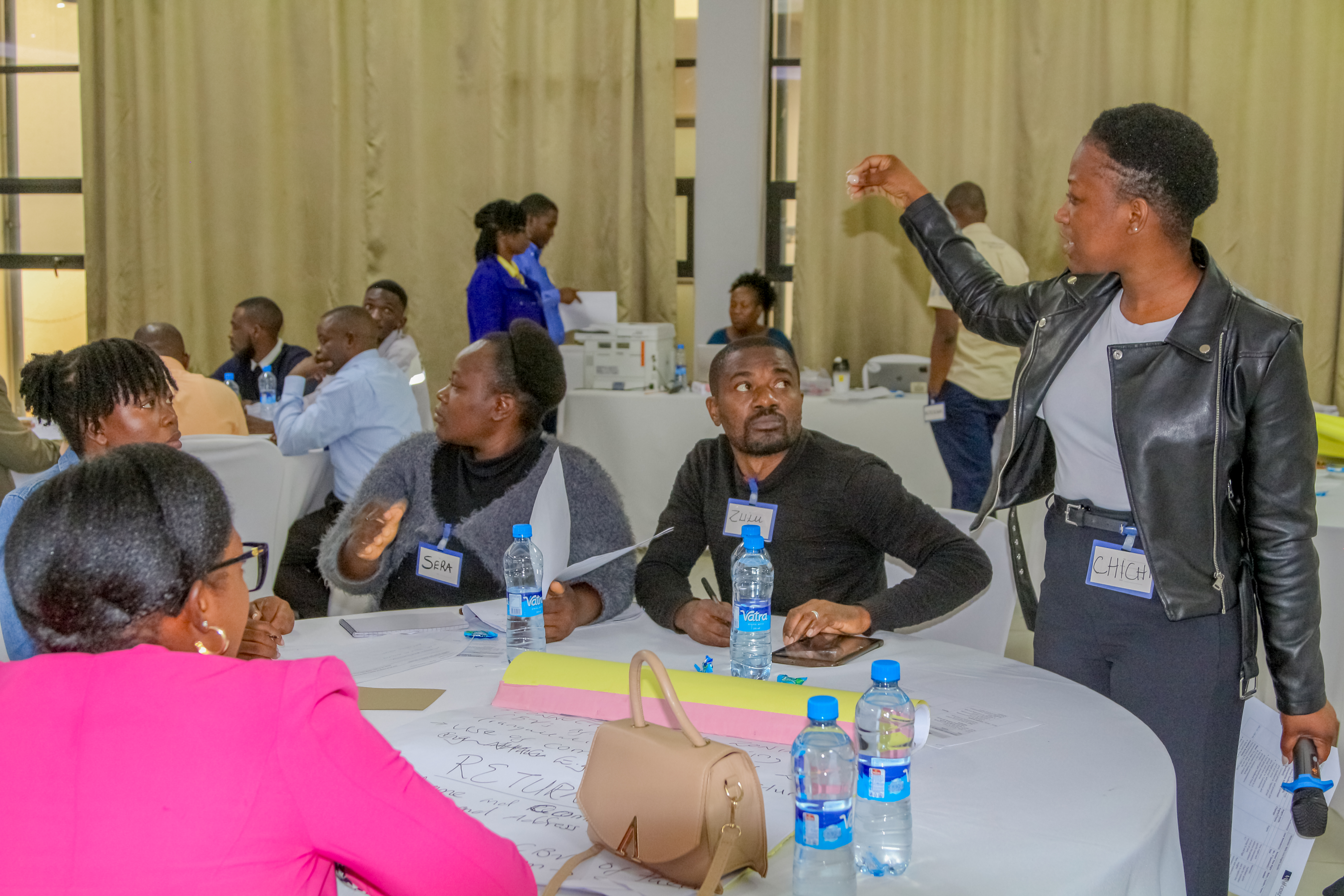
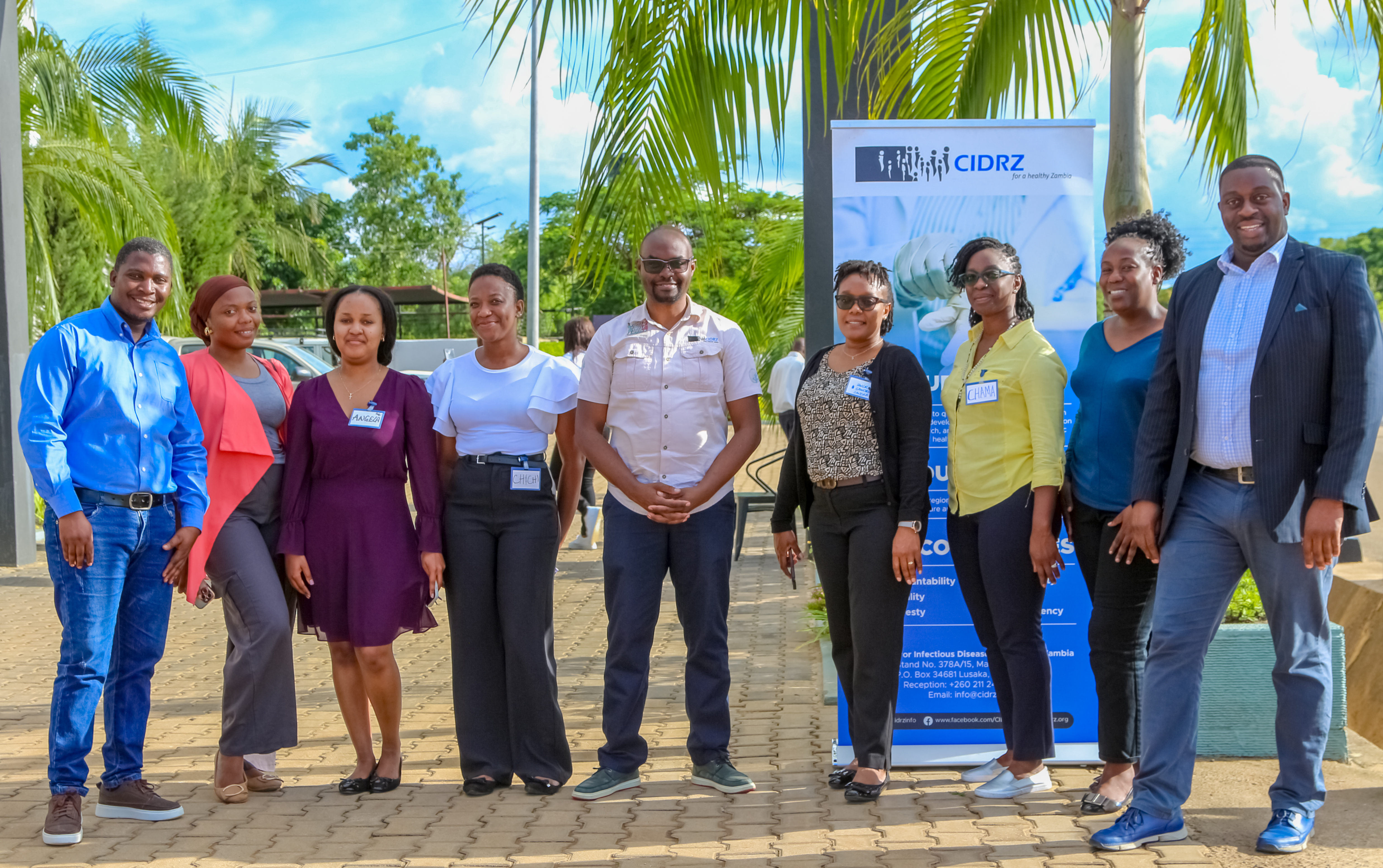
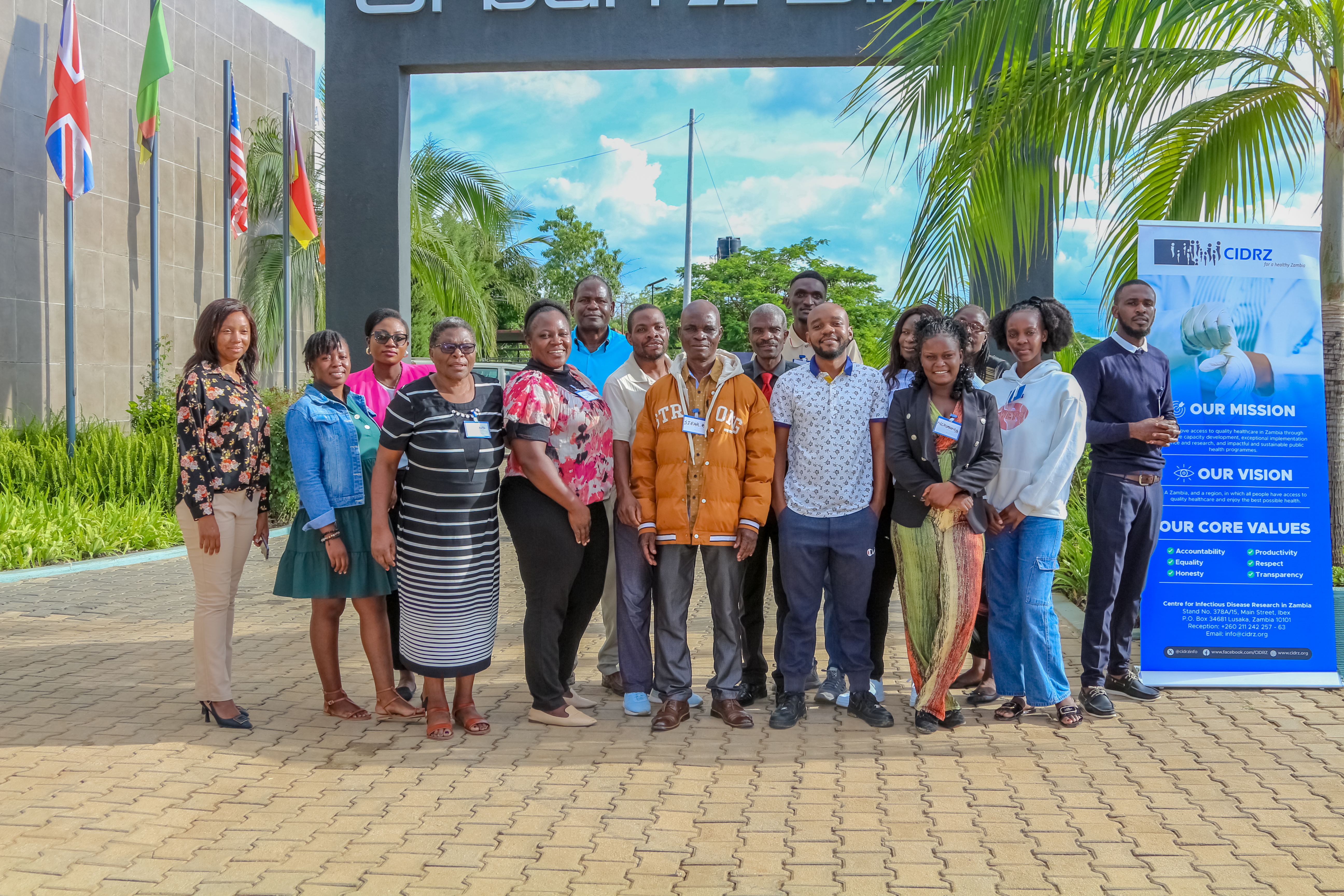
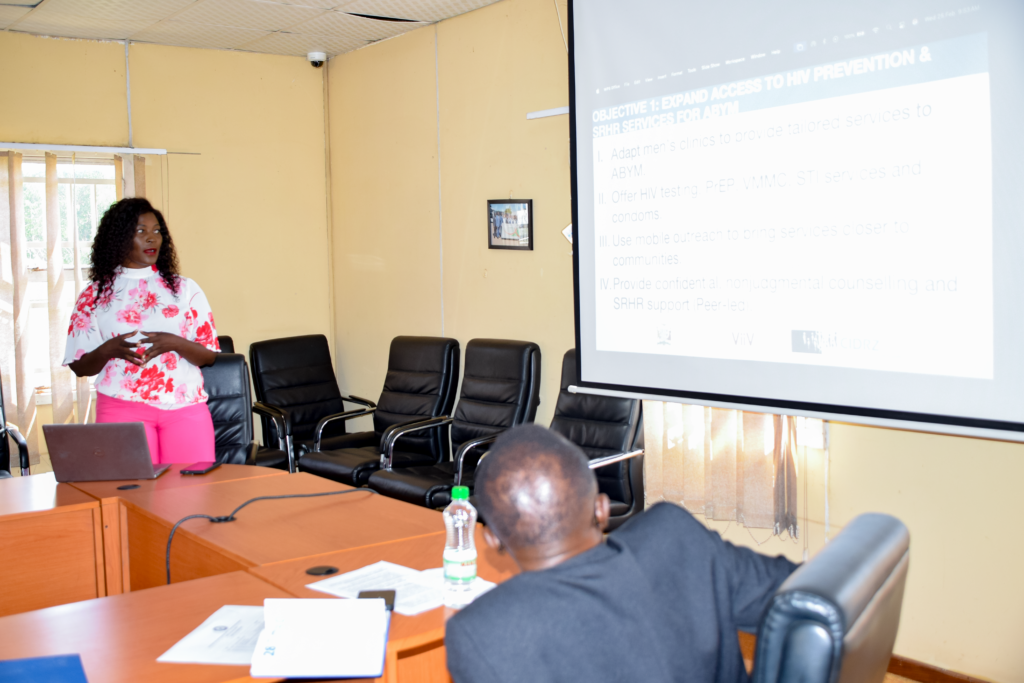
In response to this challenge, health workers, community members, and representatives from Mumbwa, Kabwe, and Kapiri Mposhi District health offices recently participated in a three-day Human-Centred Design (HCD) workshop.
Hosted by CIDRZ’s P-CORE Study team in collaboration with the Ministry of Health, the workshop brought together voices from communities and the healthcare system to co-create practical solutions for improving HIV care, viral load suppression, and retention in care.
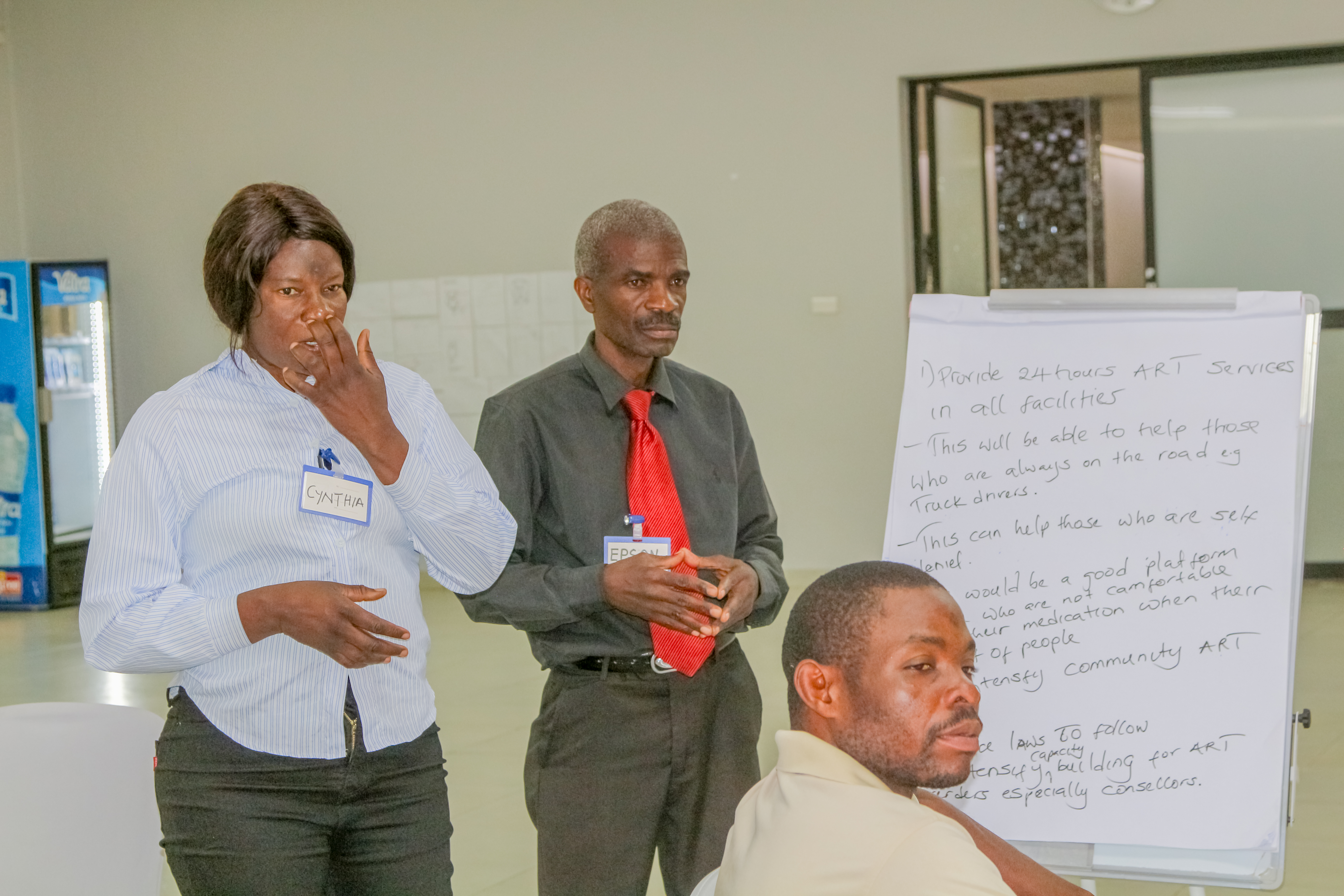
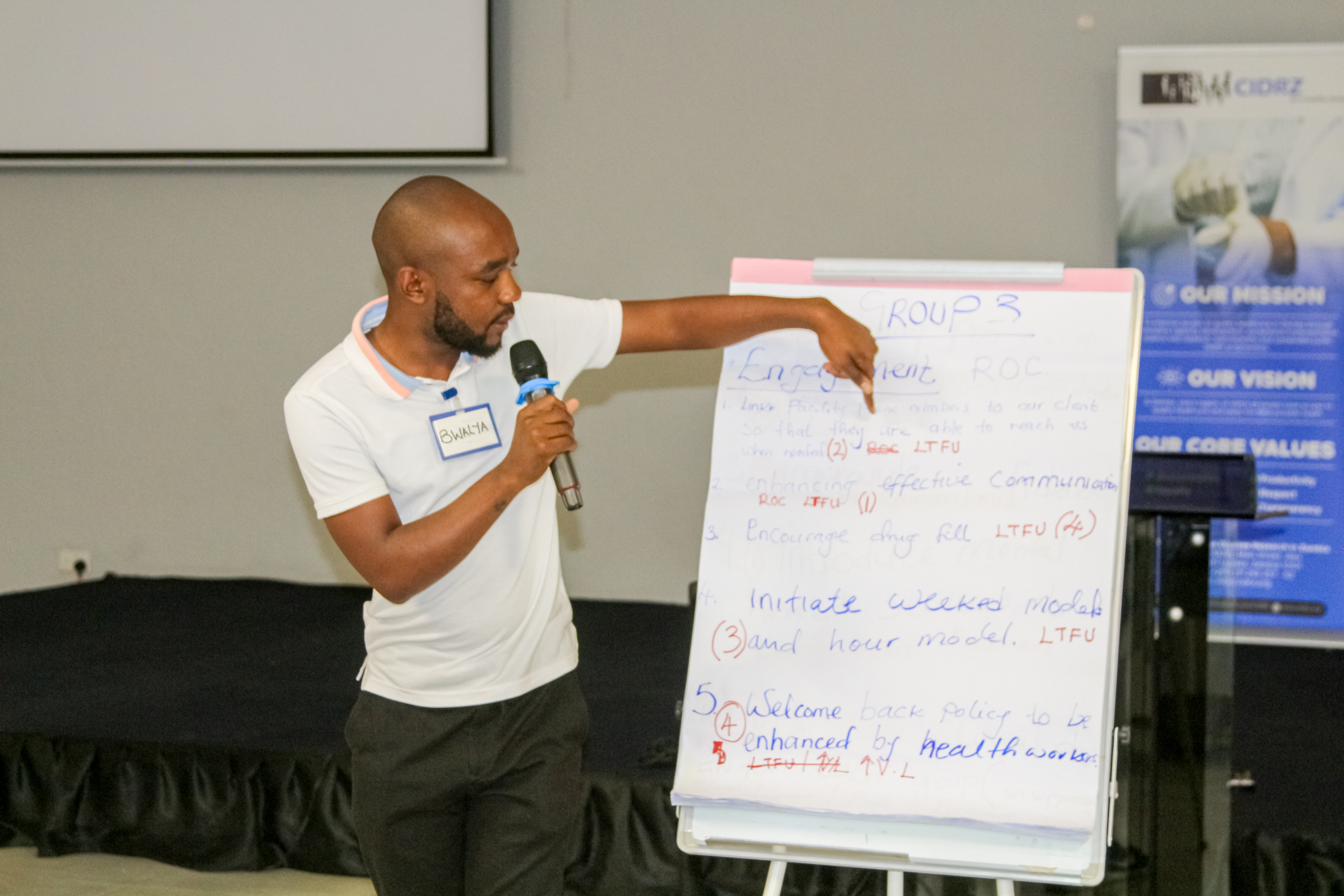
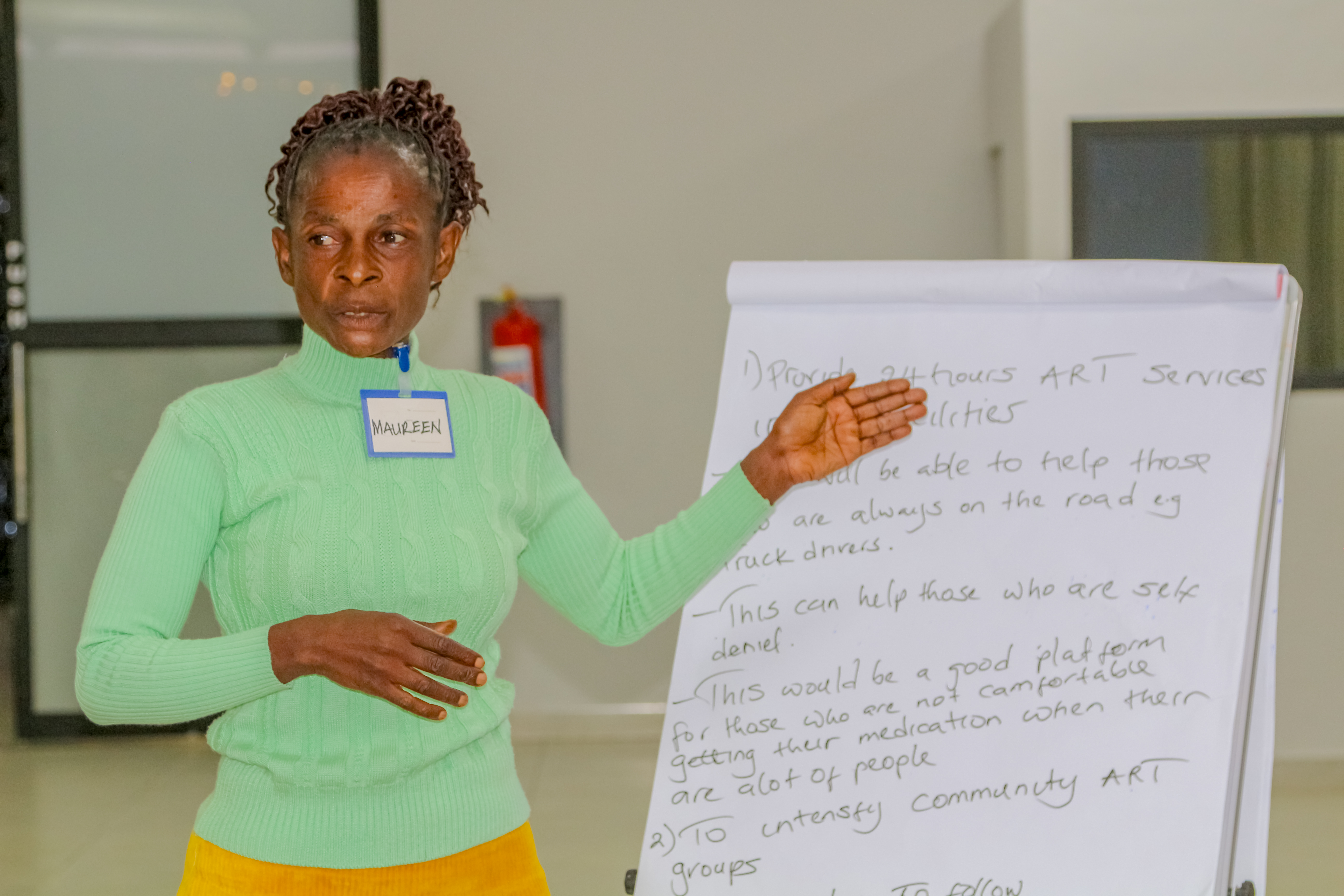
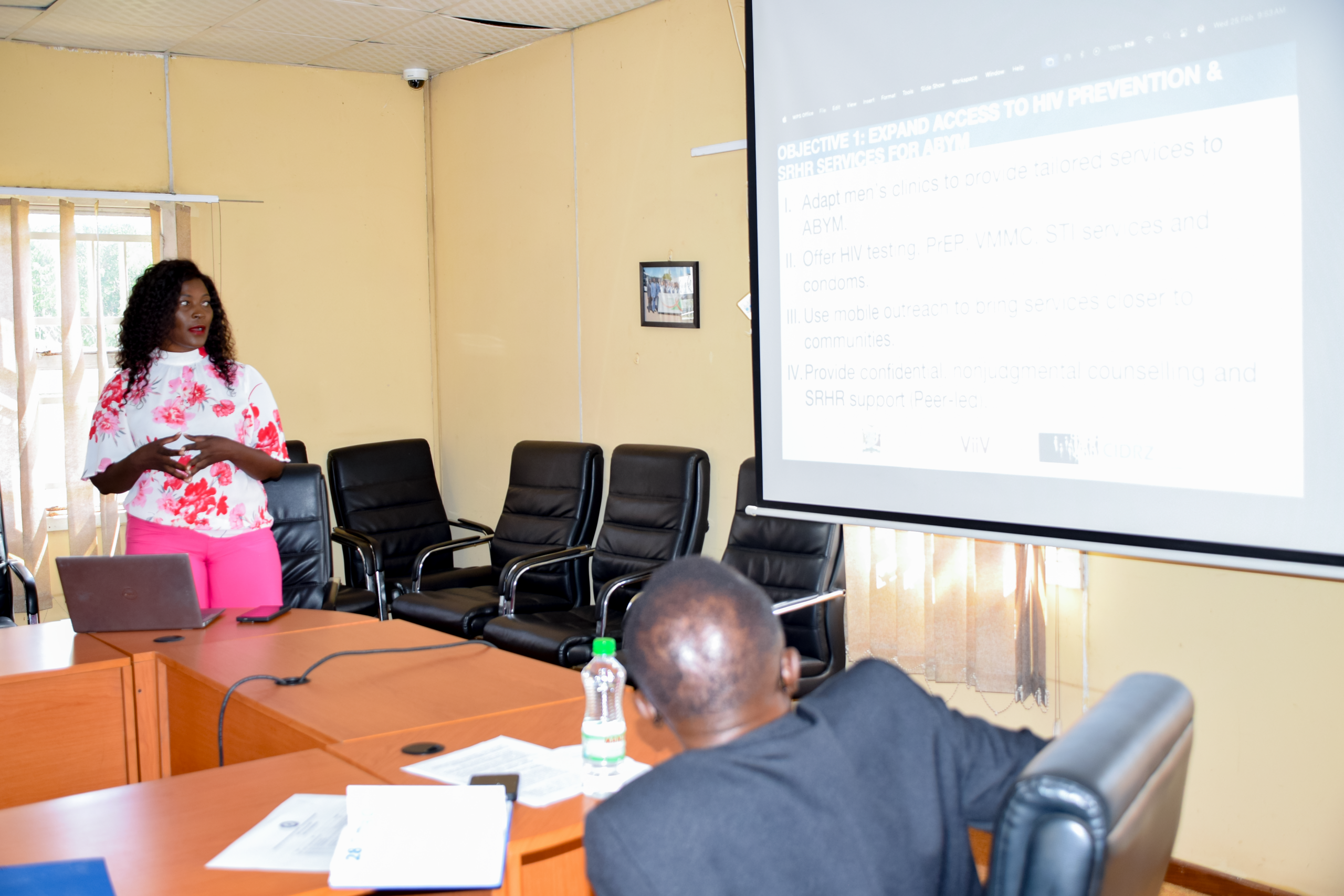
During the workshop, participants shared experiences, reviewed proposed interventions, and worked collaboratively to design context-specific strategies aimed at addressing high viral load.
CIDRZ Study Coordinator and HCD Lead Trainer, Mr Njekwa Mukamba, explained that the interactive sessions encouraged open dialogue and collective problem-solving, placing people at the centre of care.
“This process yielded several innovative intervention ideas and detailed strategies tailored to local needs, which the Study team will review for possible implementation to improve treatment outcomes and strengthen person-centred HIV care,” he added.
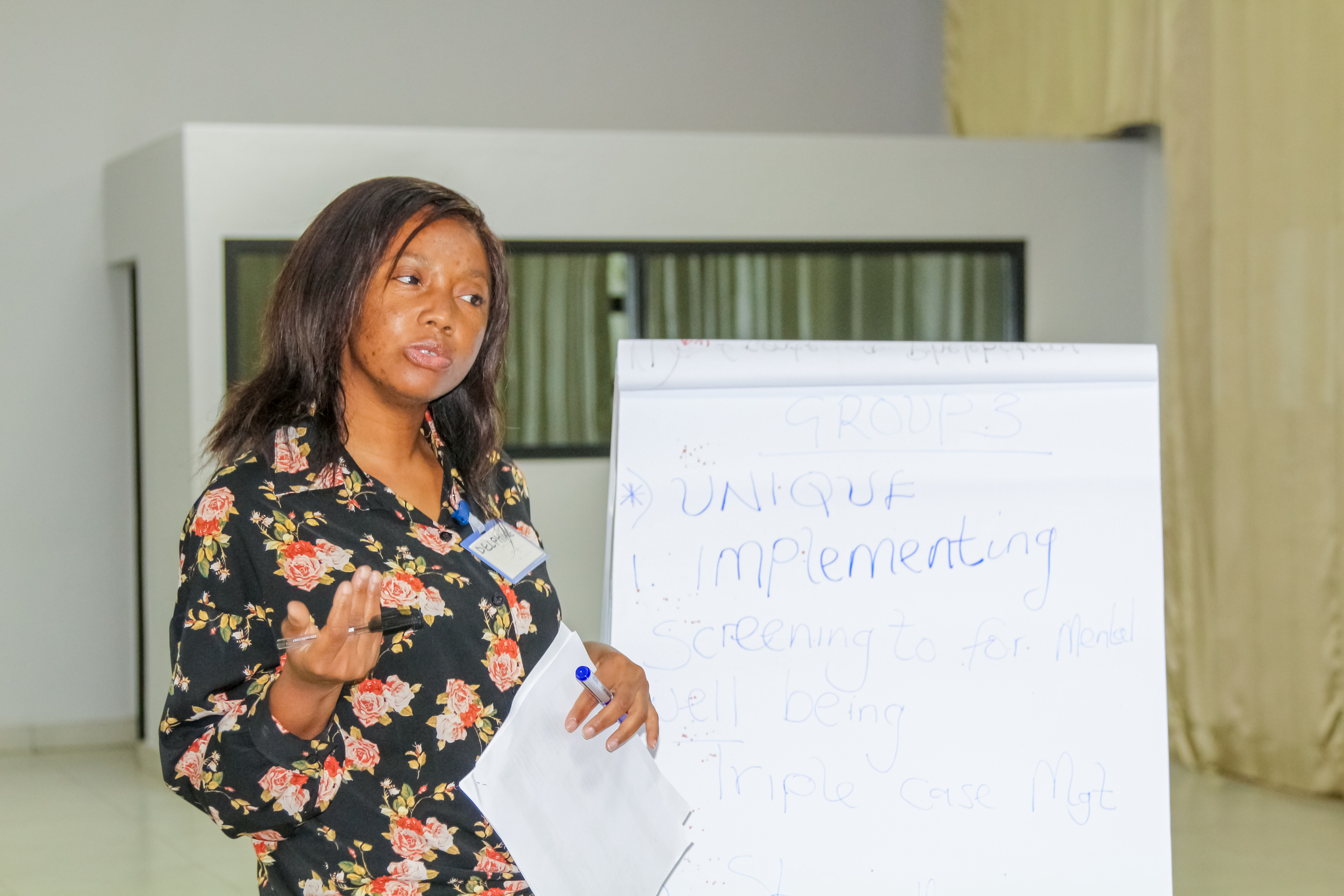
Reflecting on the workshop, Ms Delphine Chisanga, Facility In-Charge at Kabwe Central Hospital, stated that the P-CORE Study has demonstrated that intensive, tailored support for high-risk clients leads to better retention in care and sustained viral suppression at both facility and community levels.
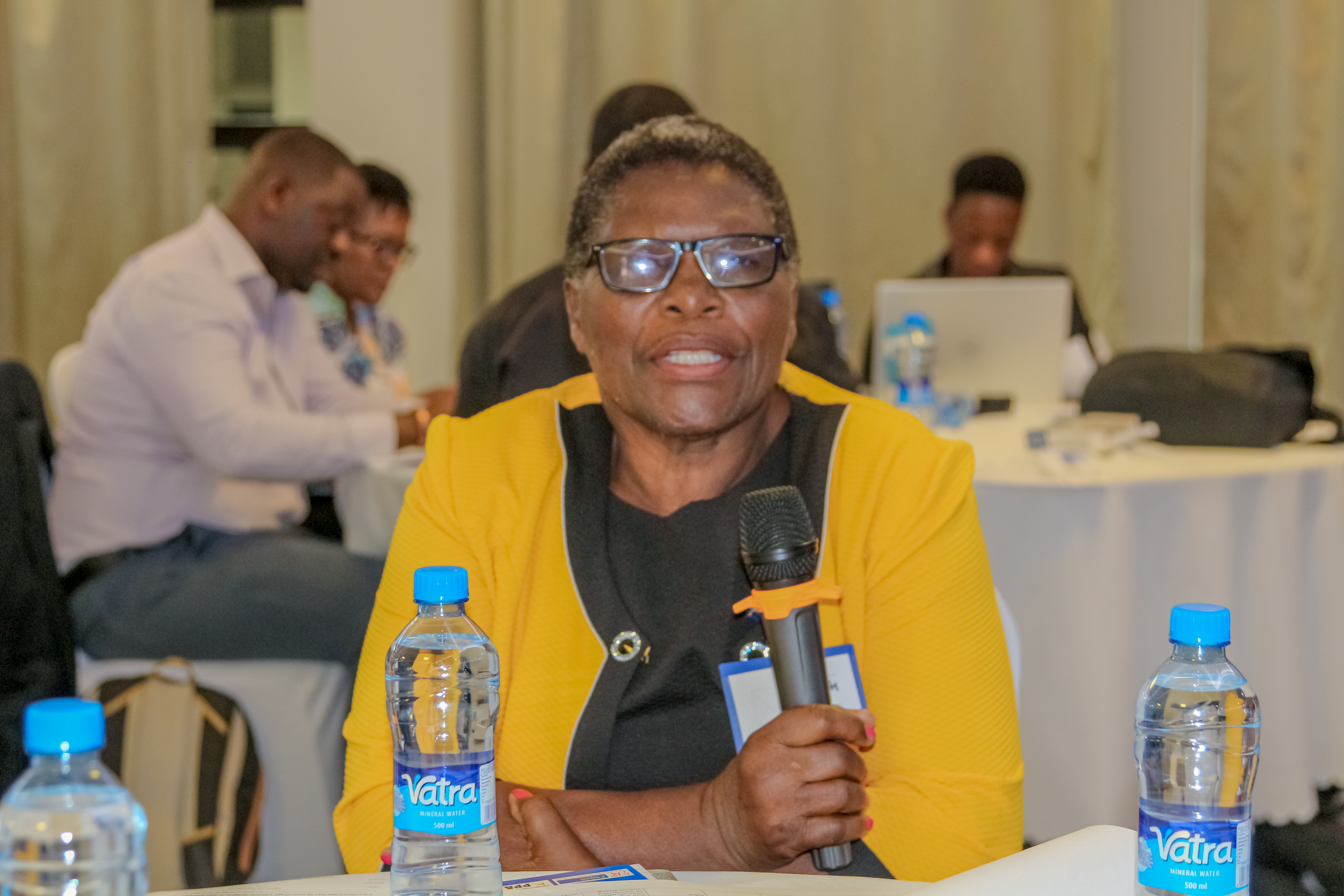
“This workshop made me realise that different points of view can truly help. We have identified unique strategies to support clients with high viral loads or lost-to-follow-up returners,” she said.
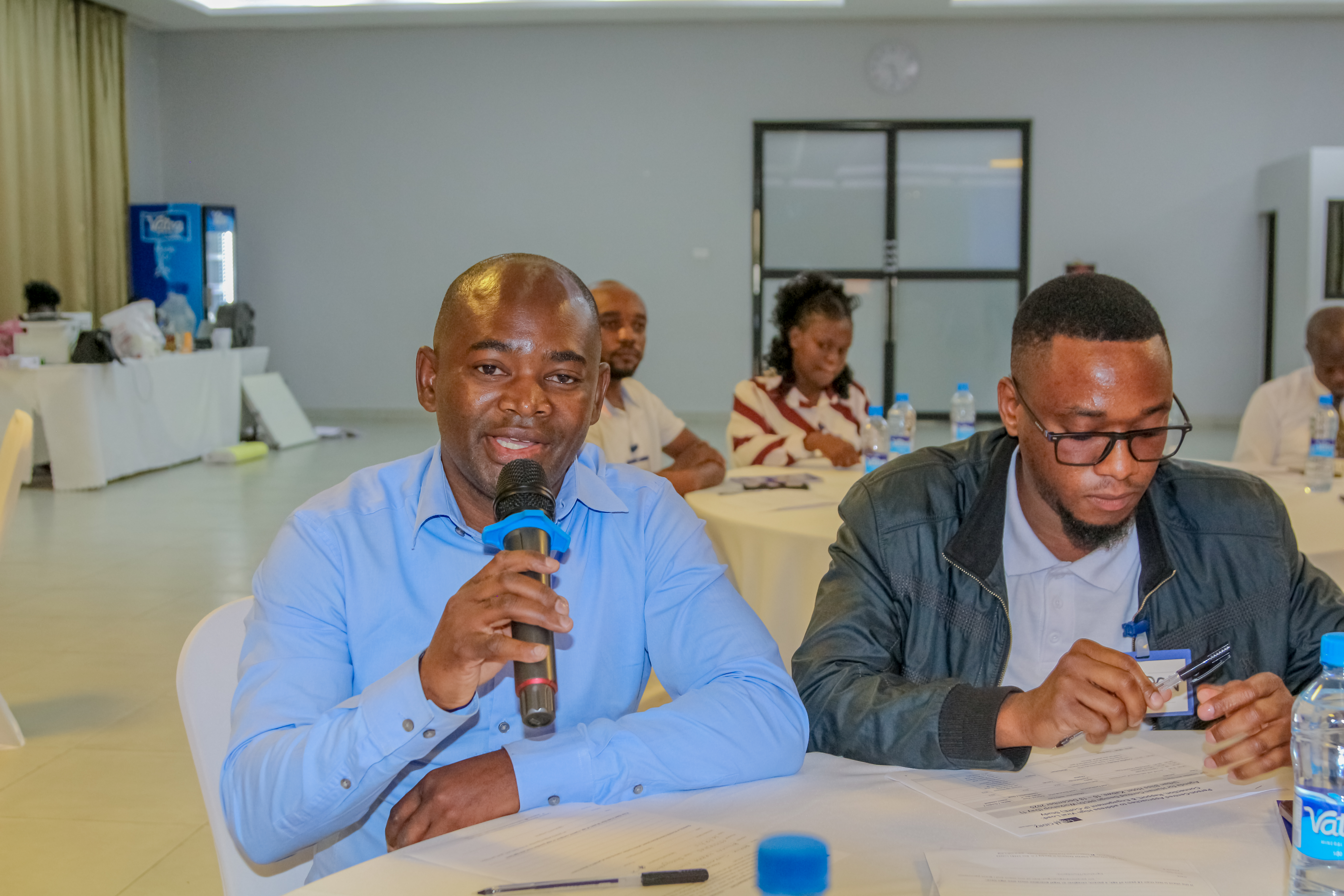
Mr Epson Kabaso, a community representative, said he appreciated the approach to intensifying community Antiretroviral services by involving clients, including direct observation treatment, and how to foster rapport between participants and primary care providers to promote creativity and HCD mindsets.
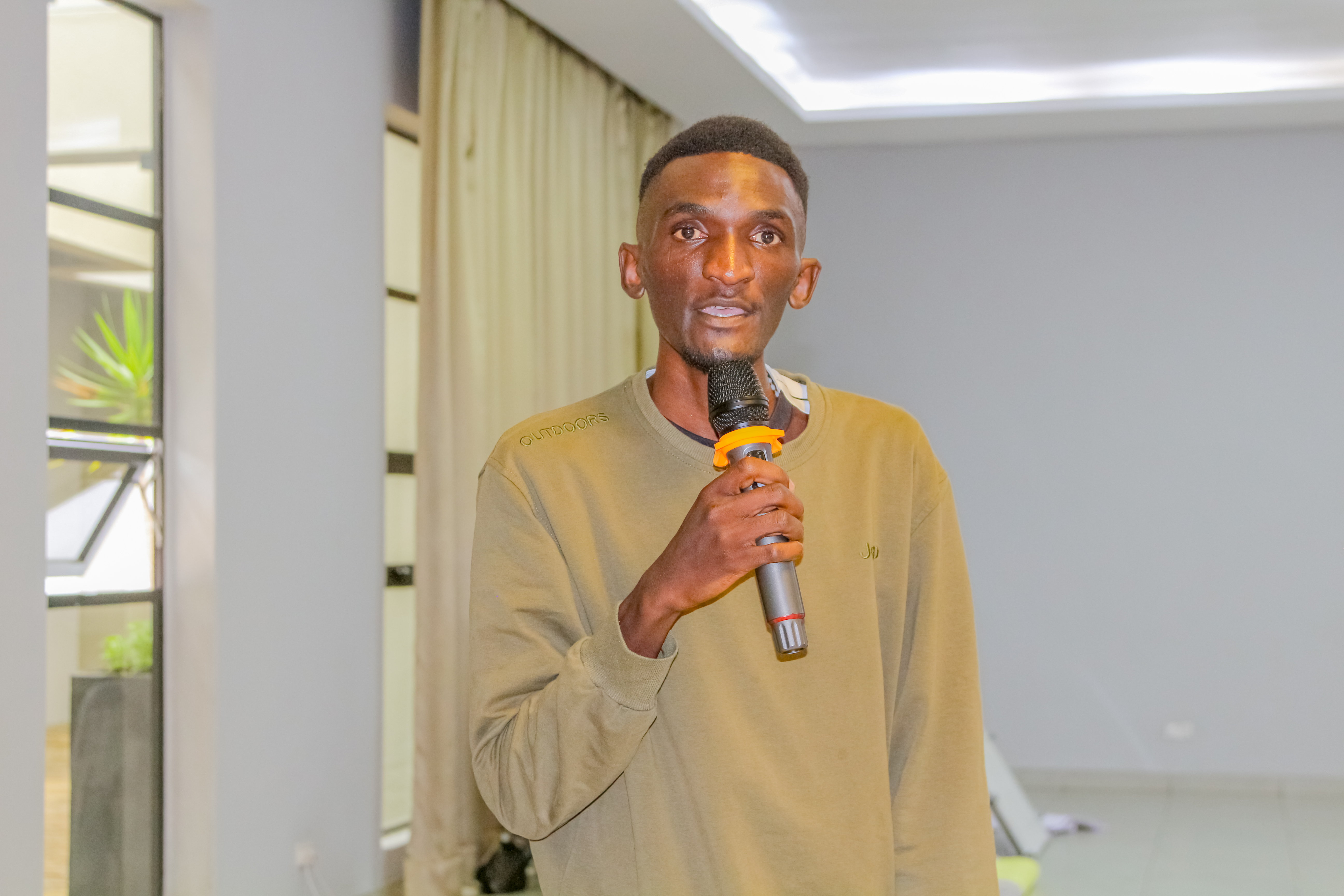
Meanwhile, Mr Simbule Penias, a youth advocate with the Network of Zambian People Living with HIV (NZP+) in Kabwe, said the training was helpful and beneficial because it explores unique ways of handling clients who are lost to follow-up, returners, and those with high viral loads, despite the current methods being used.