CIDRZ Champions Policy Action to Reduce Cervical Cancer Deaths in Zambia
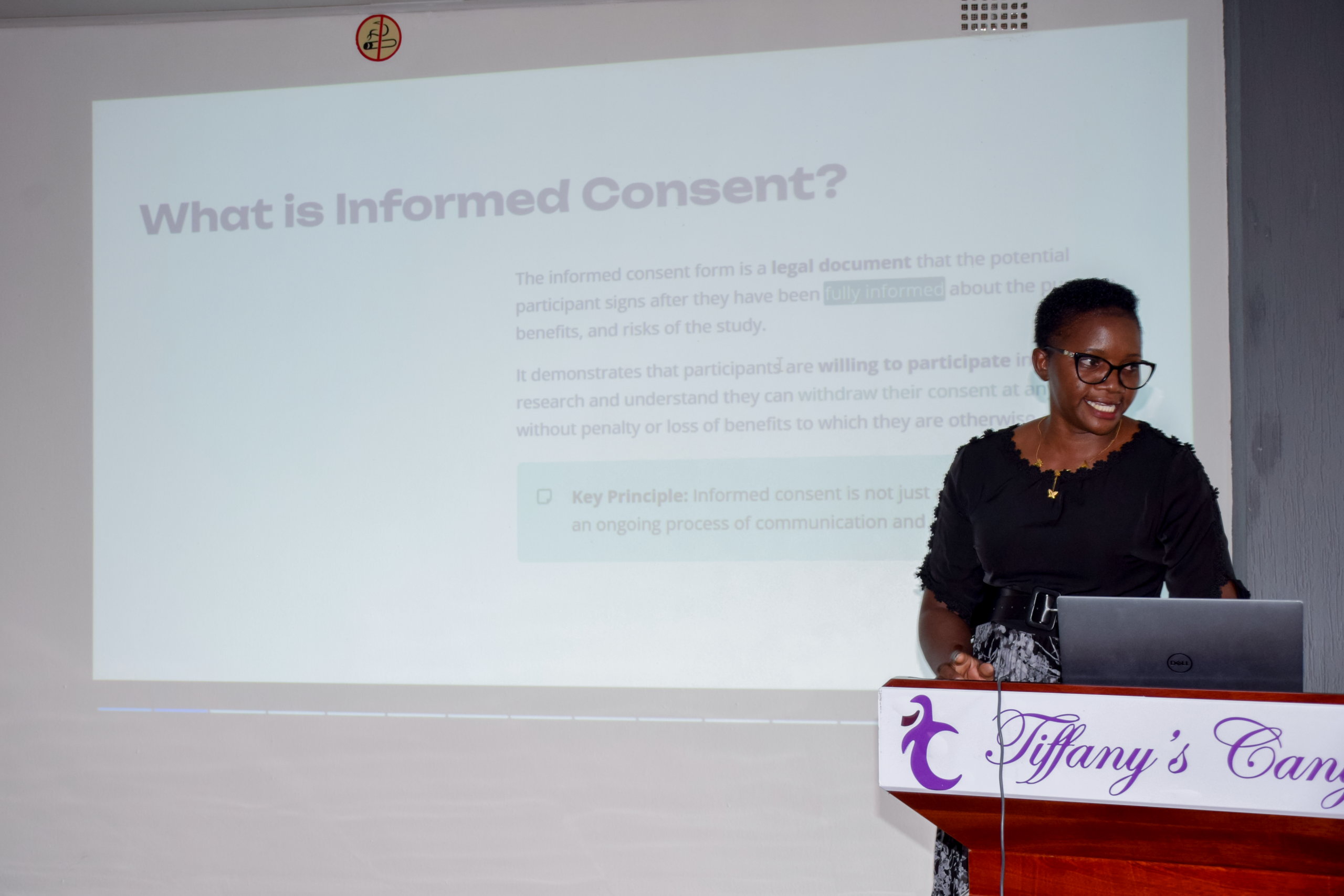
CIDRZ Strengthens Staff Capacity in Informed Consent and Research Ethics.
January 21, 2026
CIDRZ Hosts Israeli Ambassador, Highlights Opportunities for Strengthened Health Research Collaboration.
January 28, 2026
Zambia continues to face a heavy burden of cervical cancer, with the second highest incidence rate globally at 71.5 per 100,000 women and a mortality rate of 49.4 per 100,000 women according to the International Agency for Research on Cancer (IARC). Despite being preventable and treatable, cervical cancer remains a significant public health challenge, particularly among women living with HIV.
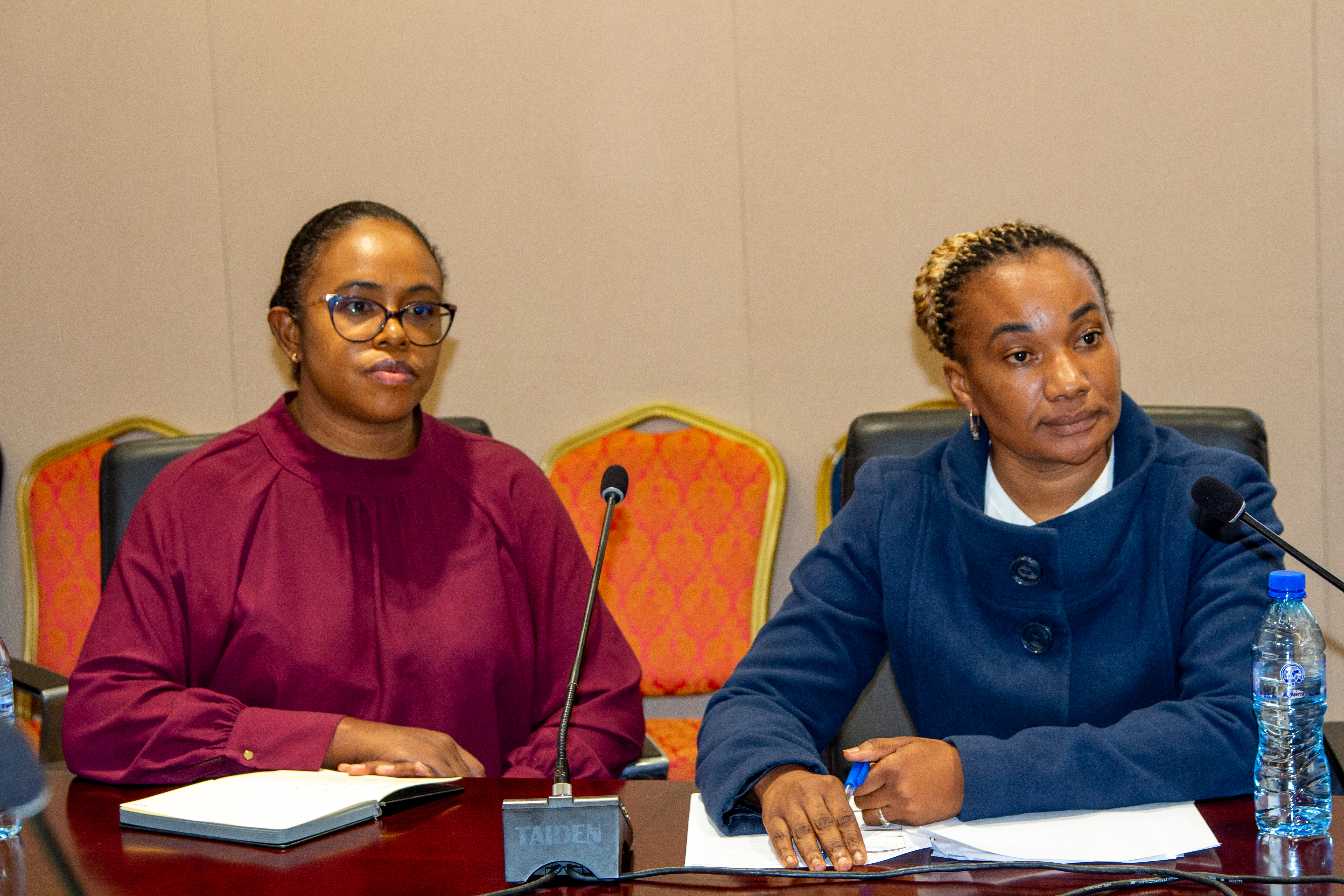
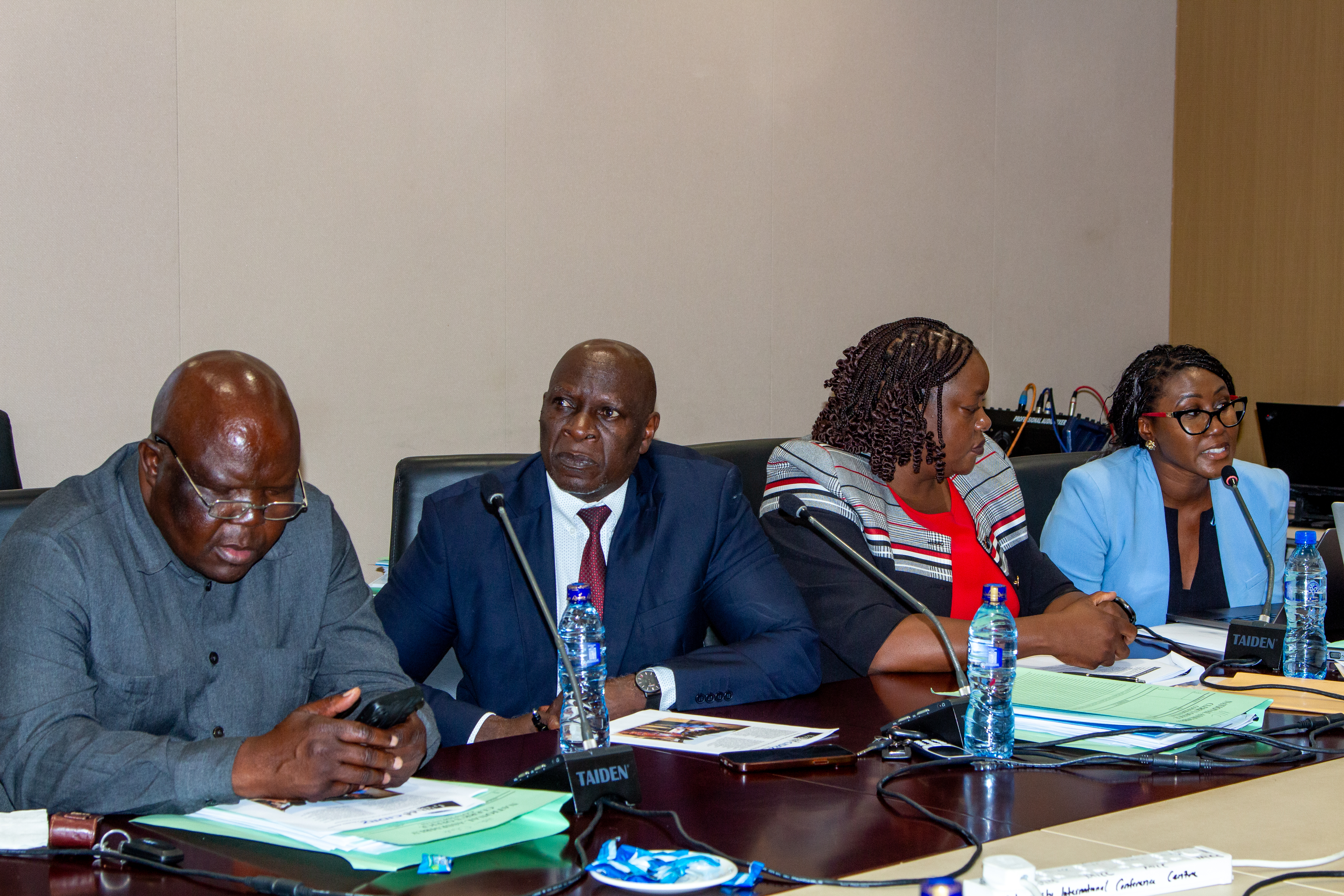
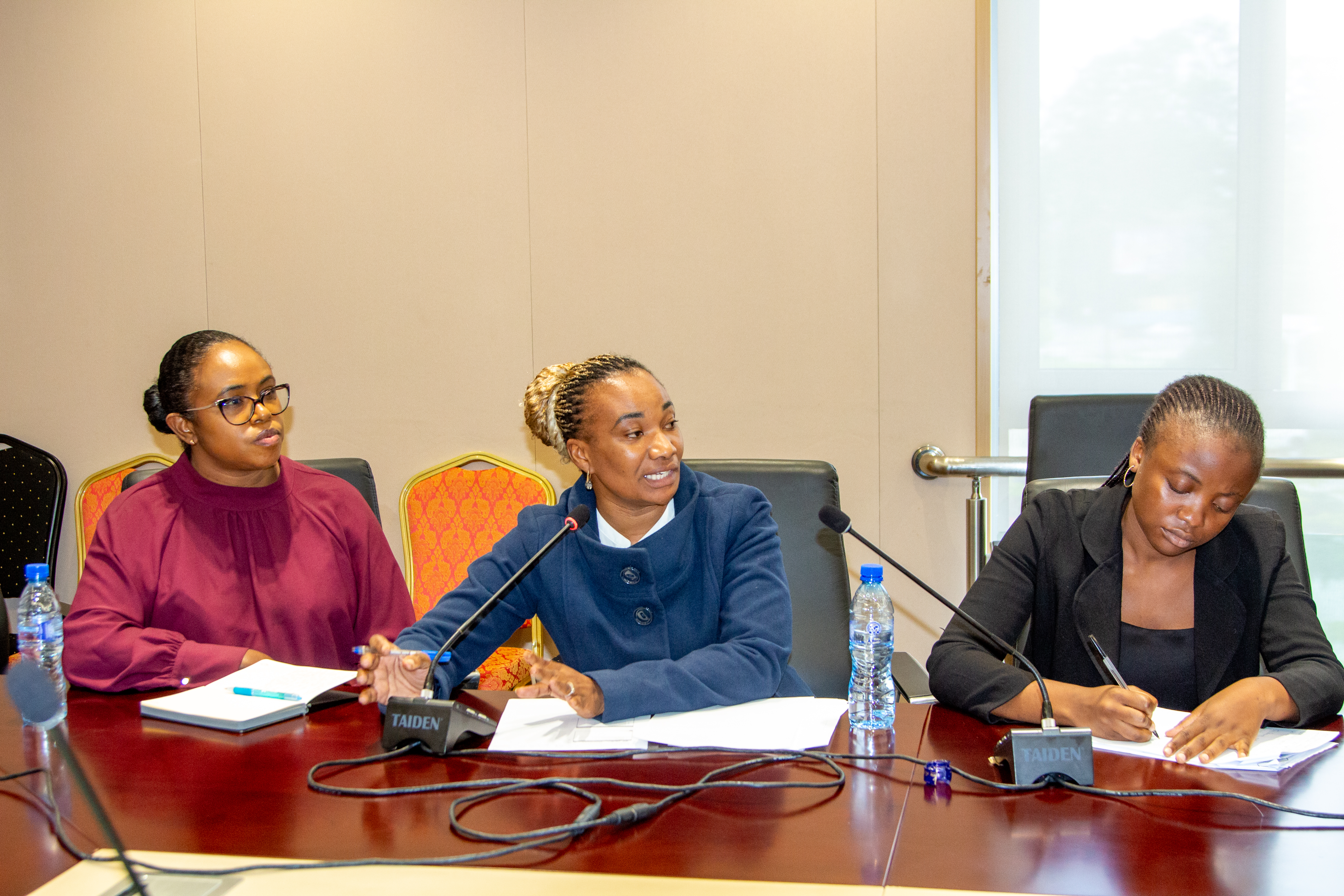
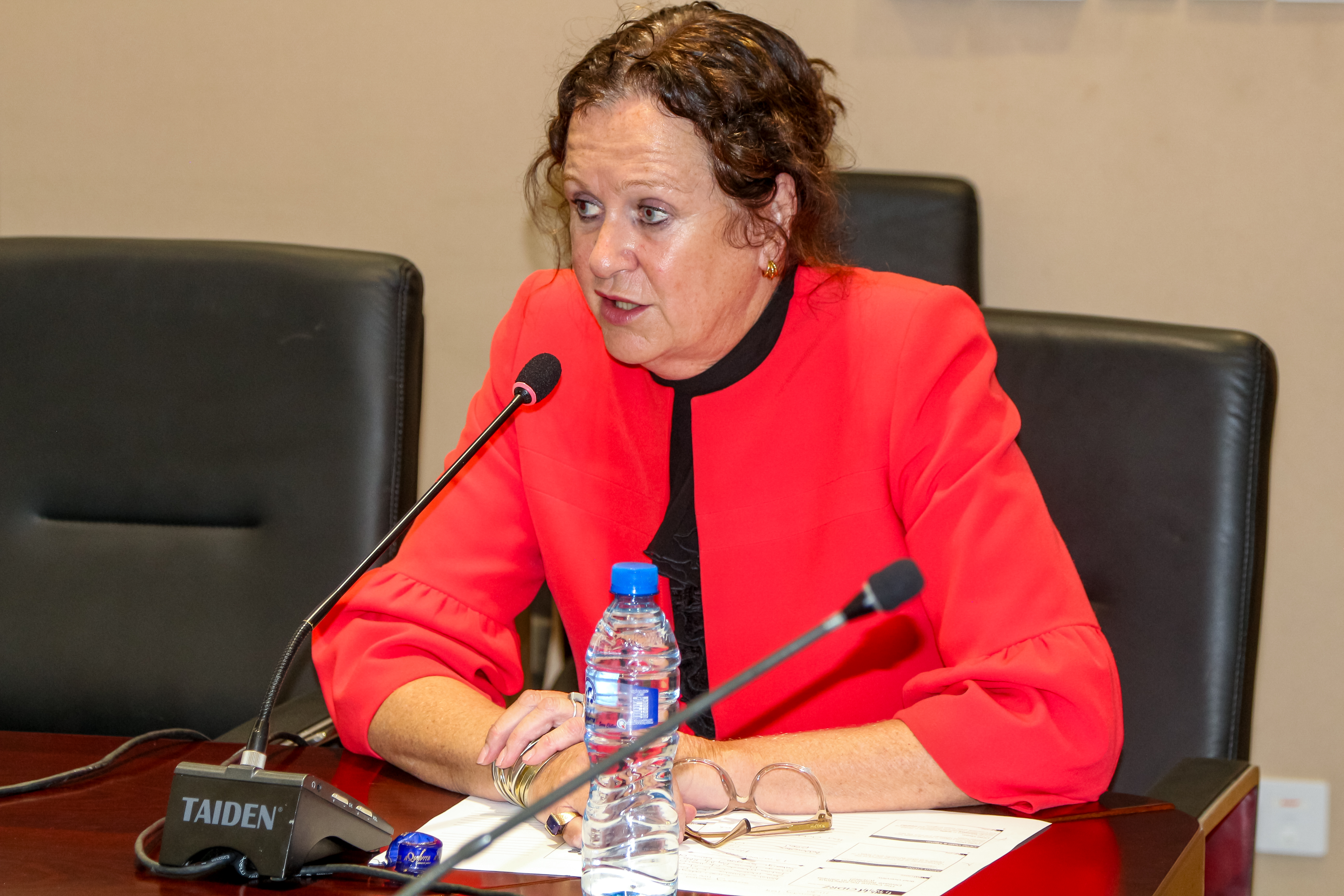
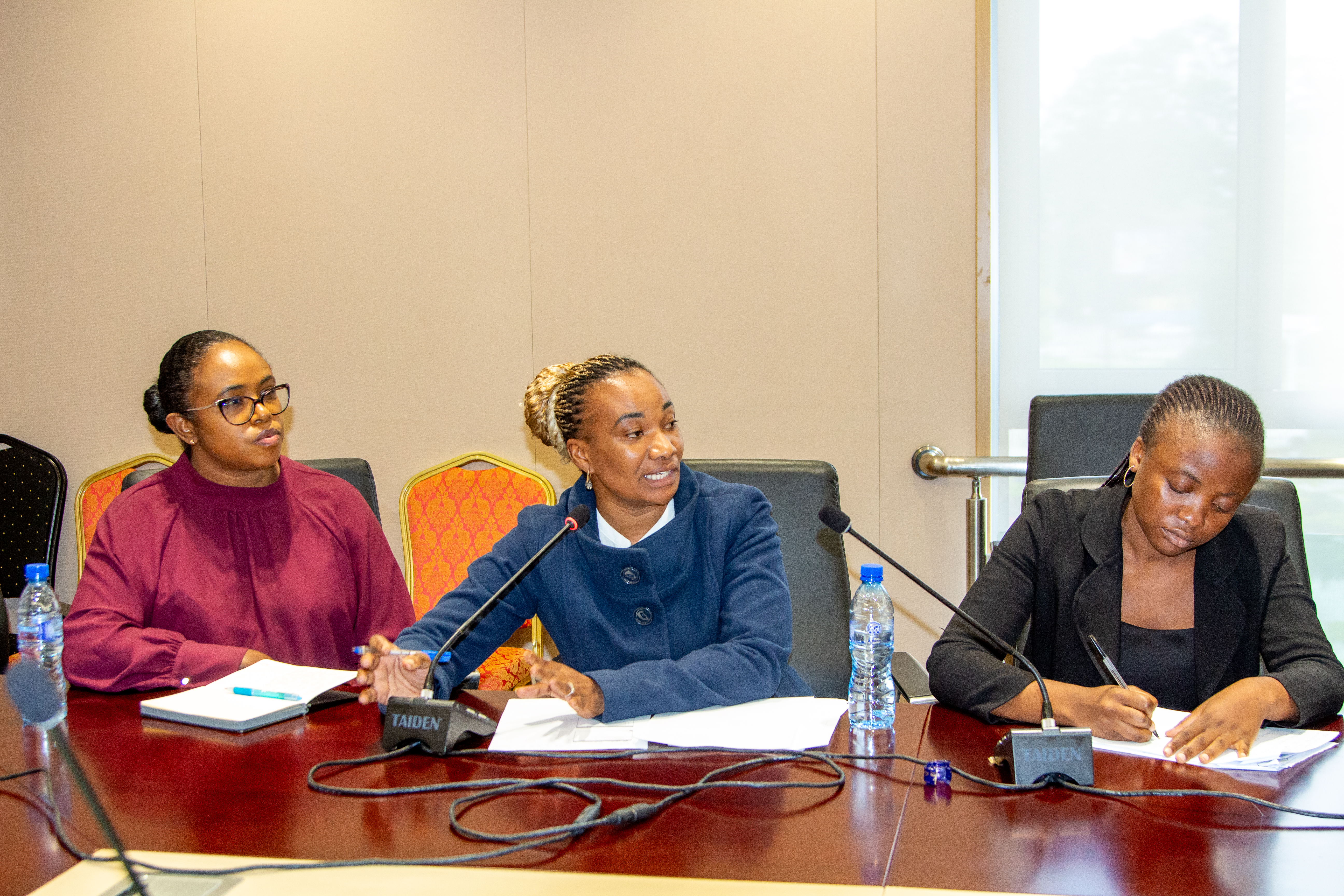
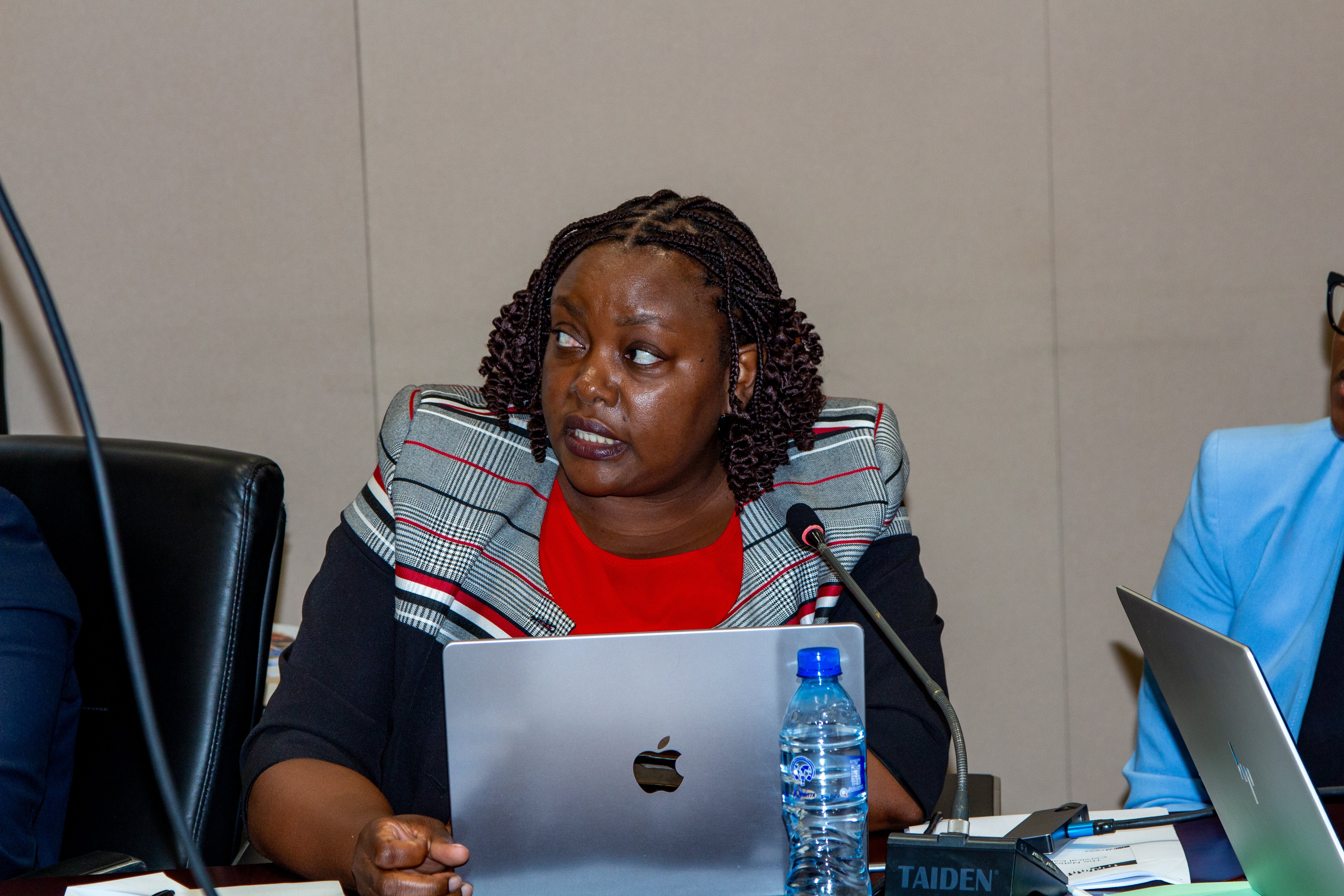
To help address this challenge, CIDRZ appeared before the Parliamentary Committee on Health, Community Development, and Social Services to present evidence and policy recommendations. Leading the delegation was CIDRZ Chief Medical Officer Dr Carolyn Bolton, who was accompanied by Misinzo Moono, Jane Matambo, Dr Natallie Vlahakis, and Kaluba Musonda.
During the presentation, CIDRZ acknowledged progress in HPV vaccination, screening programmes, and treatment of precancerous lesions, highlighting the impact of these interventions on early detection and reducing progression to invasive cervical cancer.
The presentation also addressed systemic challenges limiting access to care, including limited diagnostic and pathology services outside central locations, long travel distances, the shortage and attrition of specialists, high treatment costs, and supply chain gaps for essential commodities.
CIDRZ outlined key recommendations to strengthen Zambia’s cervical cancer response, calling for an Act of Parliament dedicated to cancer prevention and control, increased funding to expand service coverage and strengthen procurement and supply chain systems, retention of trained healthcare workers, and decentralisation of pathology services to ensure timely diagnosis and treatment.
This strategic step by CIDRZ, reaffirms its commitment to working closely with the Ministry of Health and national partners to strengthen health systems and accelerate Zambia’s cervical cancer elimination agenda, ensuring no woman is left behind.