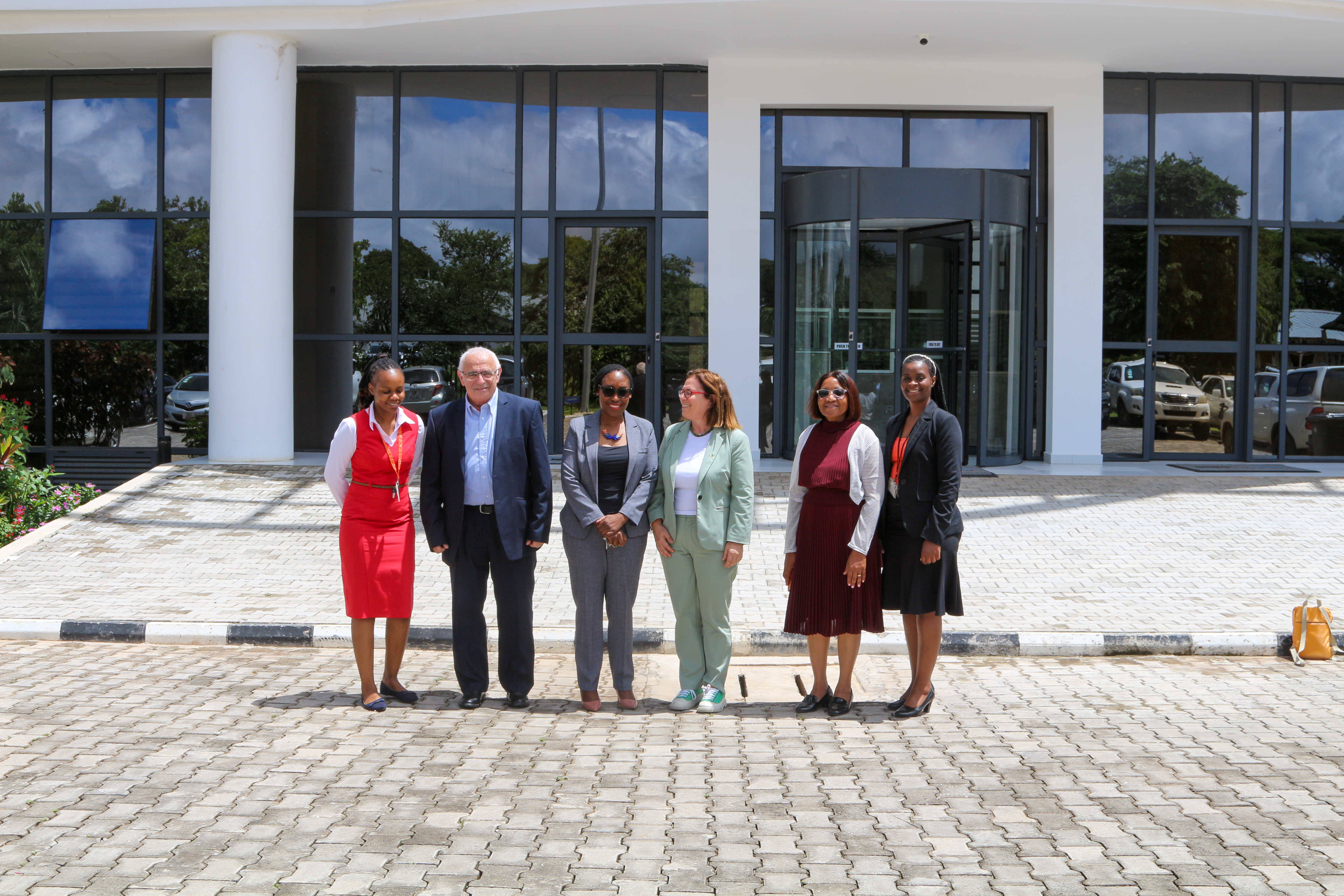
CIDRZ Hosts Israeli Ambassador, Highlights Opportunities for Strengthened Health Research Collaboration.
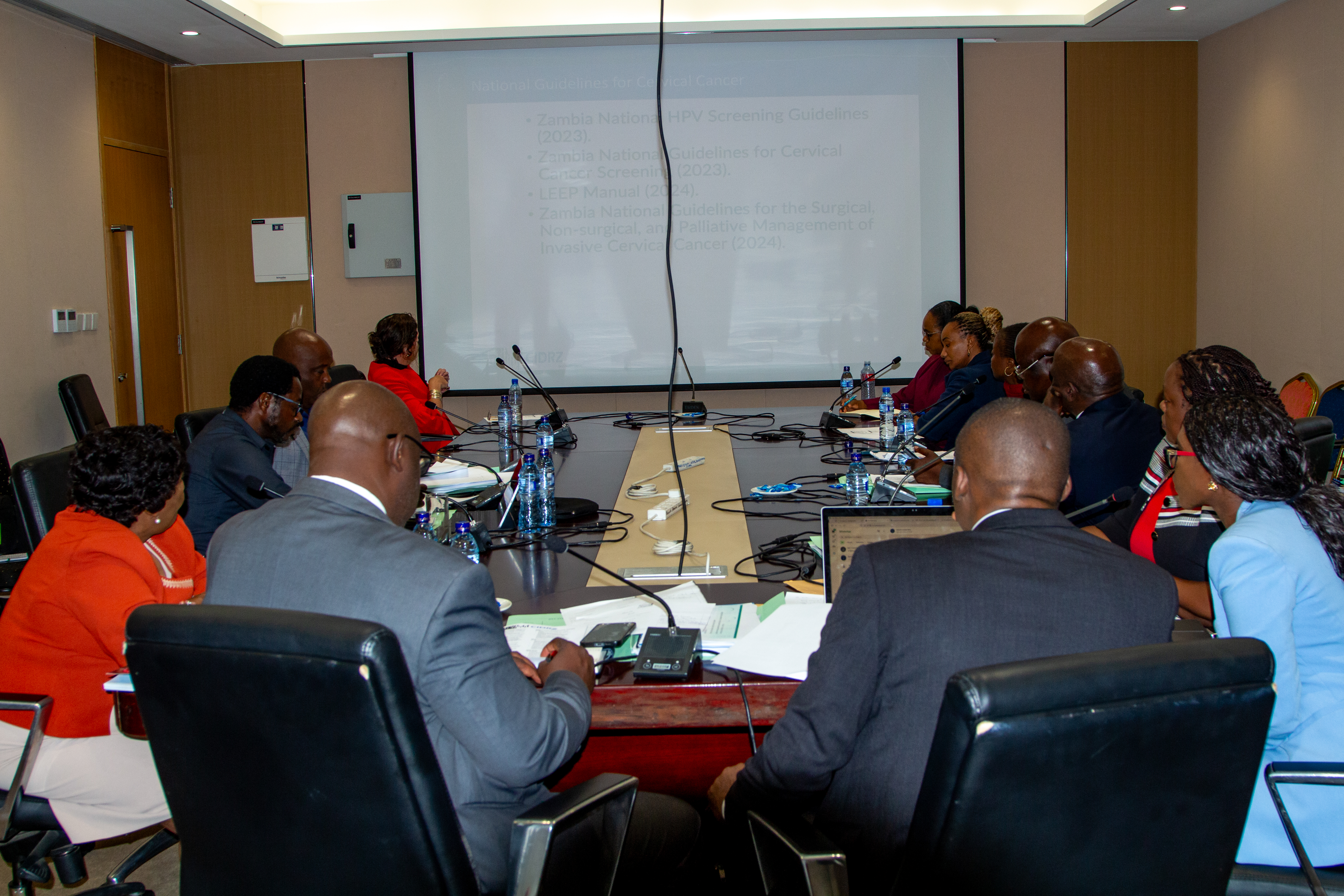
CIDRZ Champions Policy Action to Reduce Cervical Cancer Deaths in Zambia
January 23, 2026
CIDRZ Supports Southern Province Epidemic Preparedness, Prevention, Control and Management Committee Meeting in Monze District
February 5, 2026

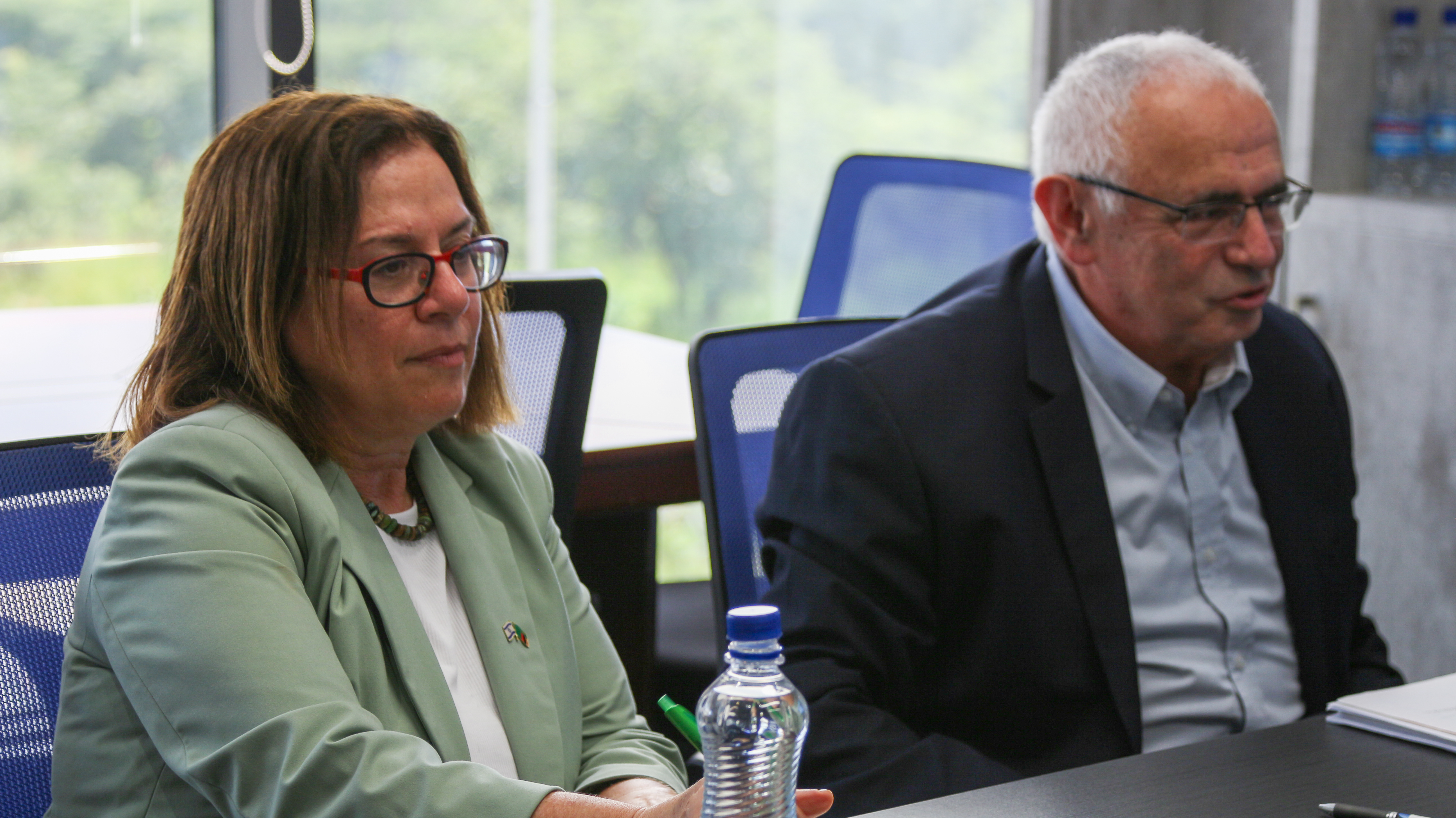
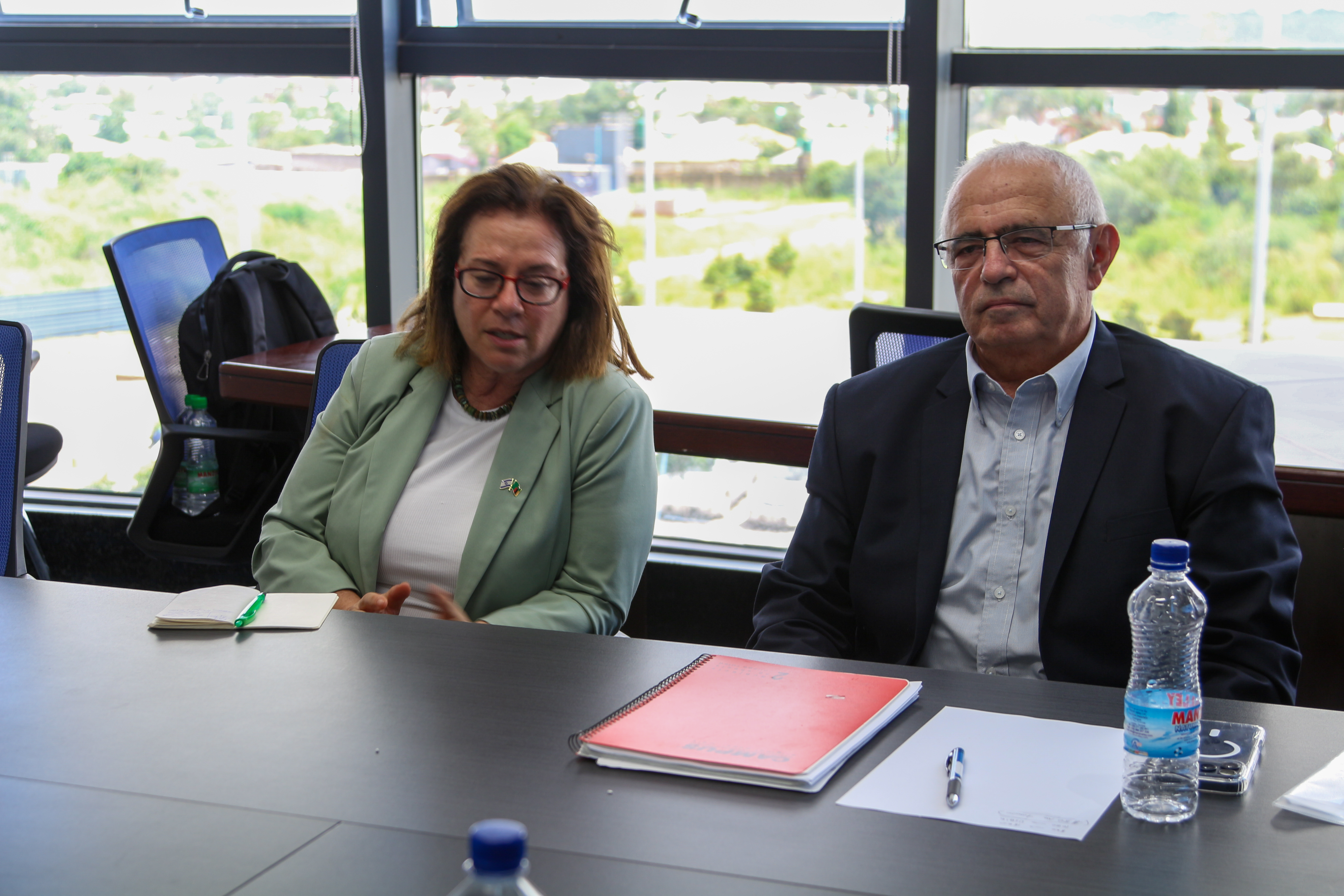
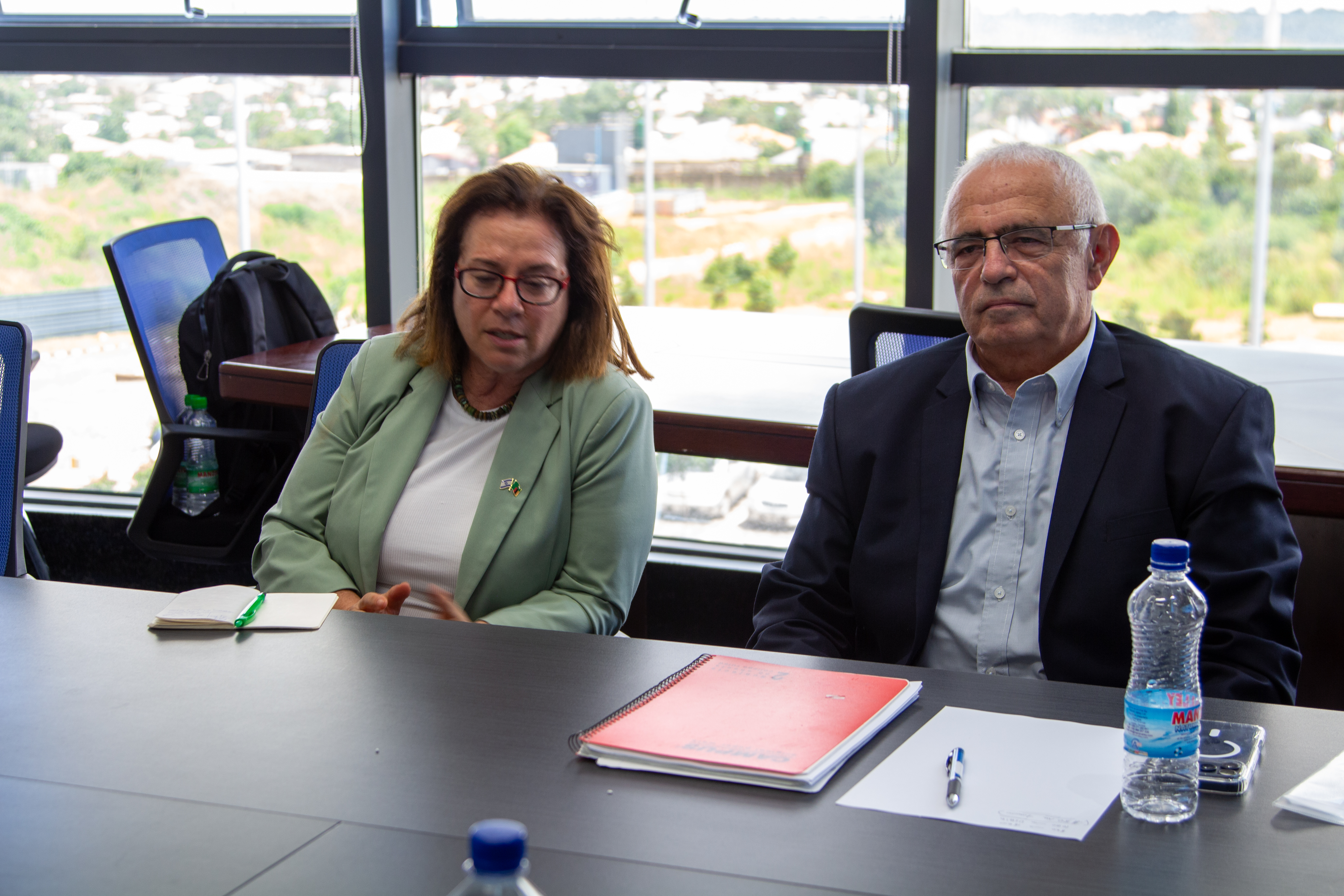
Her Excellency Ofra Farhi, Ambassador of Israel to Zambia, has commended the longstanding cooperation between Israel and Zambia and reaffirmed her country’s commitment to supporting health innovation and research.
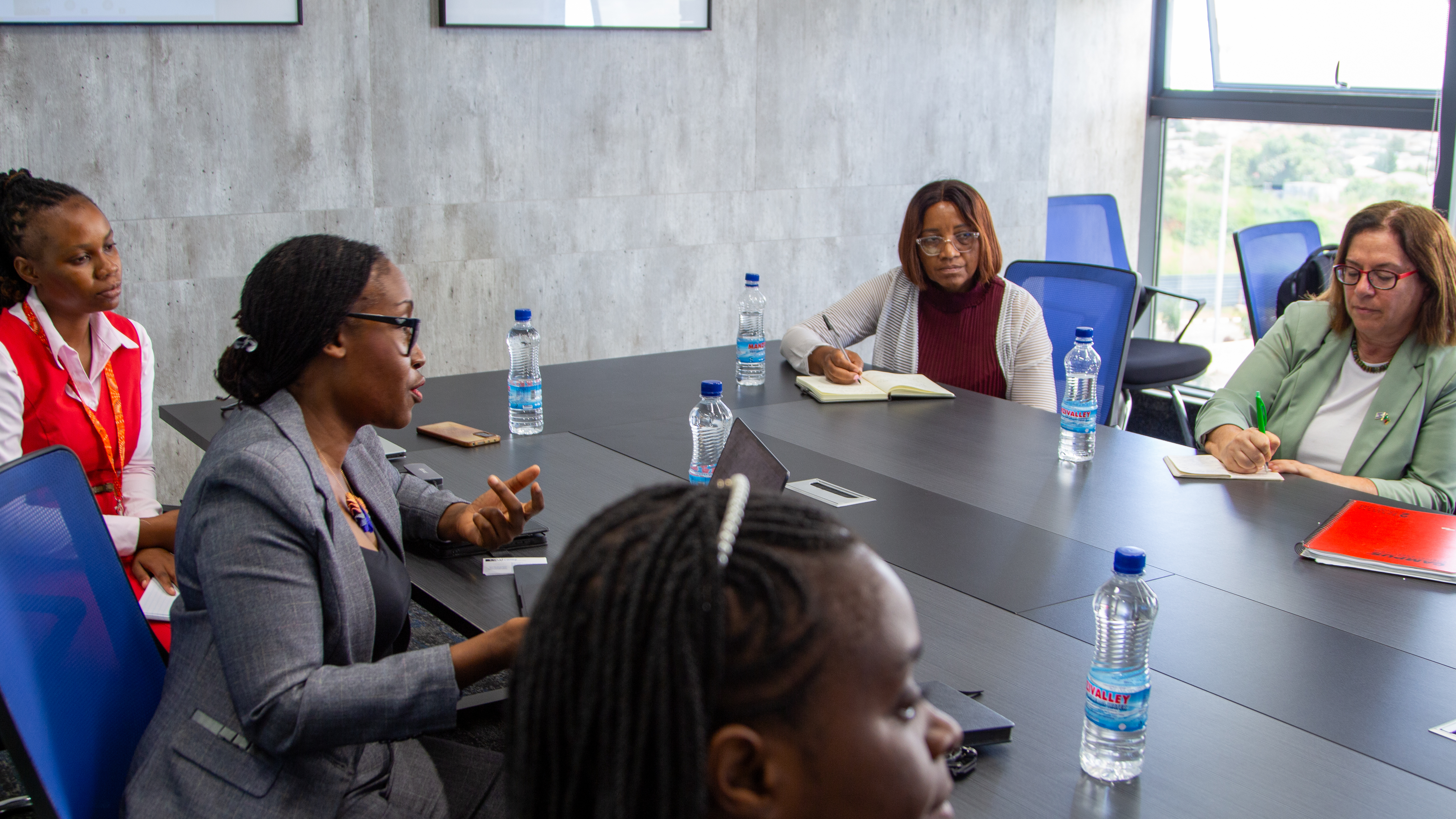
The Ambassador made the remarks during a courtesy visit to the Centre for Infectious Disease Research in Zambia (CIDRZ) on 26th January 2026, during which she met with CIDRZ Chief Scientific Officer Dr Monde Muyoyeta at CIDRZ Headquarters in Lusaka.
Ambassador Farhi accompanied Professor Daniel Cohen, Former Head of the School of Public Health at Tel Aviv University and currently Director of the International Summer Institute of Advanced Epidemiology and Preventive Medicine. The Economic and MASHAV (Agency for International Development Cooperation) Coordinator at the Israeli Embassy, Ms Peggy Mlewa was also present.
Ambassador Farhi underscored the value of expanding partnerships in health research, stating that Israel seeks to identify practical opportunities for collaboration that can benefit Zambia.
Professor Cohen highlighted ongoing collaborative research with CIDRZ on Shigella, which his institute has been conducting in Zambia since 2017. Shigella remains a significant cause of bacterial diarrhoeal illness globally, particularly among children under five. In Zambia, the pathogen has an estimated prevalence of 20-30% among children presenting with moderate-to-severe diarrhoea. He also noted additional joint research on this topic conducted in Zambia’s Copperbelt Province, in collaboration with the Arthur Davidson Children’s Hospital and the Copperbelt University School of Medicine in Ndola. The data generated by these studies are instrumental in informing the Shigella vaccine development and further potential use in children under 5 in Sub-Saharan African countries.
Welcoming the delegation, Dr Muyoyeta shared an overview of CIDRZ, a leading Zambian non-profit research institution with a 20-year record of conducting high-quality health research. CIDRZ currently manages more than 90 research grants supported by 30 funding partners. She emphasised that CIDRZ maintains a strong clinical research capacity through experienced staff and established research sites across the country.
Dr. Muyoyeta also noted changes in the funding landscape and explained that CIDRZ is proactively exploring sustainable pathways to continue delivering impactful research and public health work despite reduced resources.
Speaking during the same engagement, Professor Zaza Ndhlovu, CIDRZ Director of Basic Science and Immunology, highlighted the organisation’s need to enhance and modernise its basic science laboratory infrastructure. Strengthening this capacity, he noted, is essential for expanding research in oncology, next-generation sequencing, cancer, and related scientific areas.
Also, in attendance at the meeting were CIDRZ Research Scientists, Dr Caroline Chisenga, Senior Biomedical Scientist, and Dr Kalo Musukuma, Assistant Research Scientist.