Strengthening Person-Centred Counselling to Improve HIV Treatment Outcomes
November 10, 2026
Delivering timely HIV viral load and early infant diagnosis results depends on more than laboratory equipment. It also takes efficient systems, skilled healthcare workers, and strong partnerships to ensure patients receive the services they need.
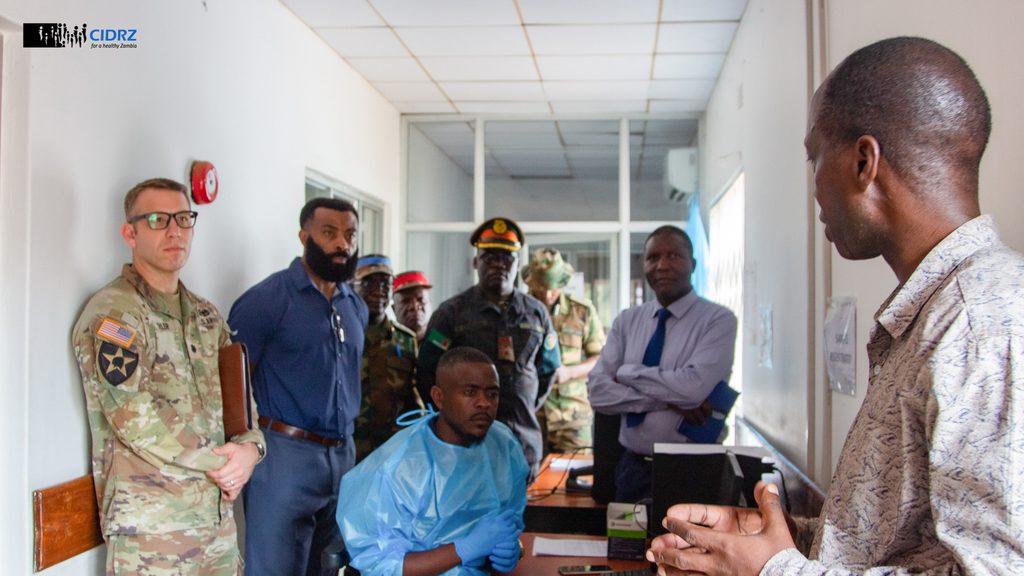
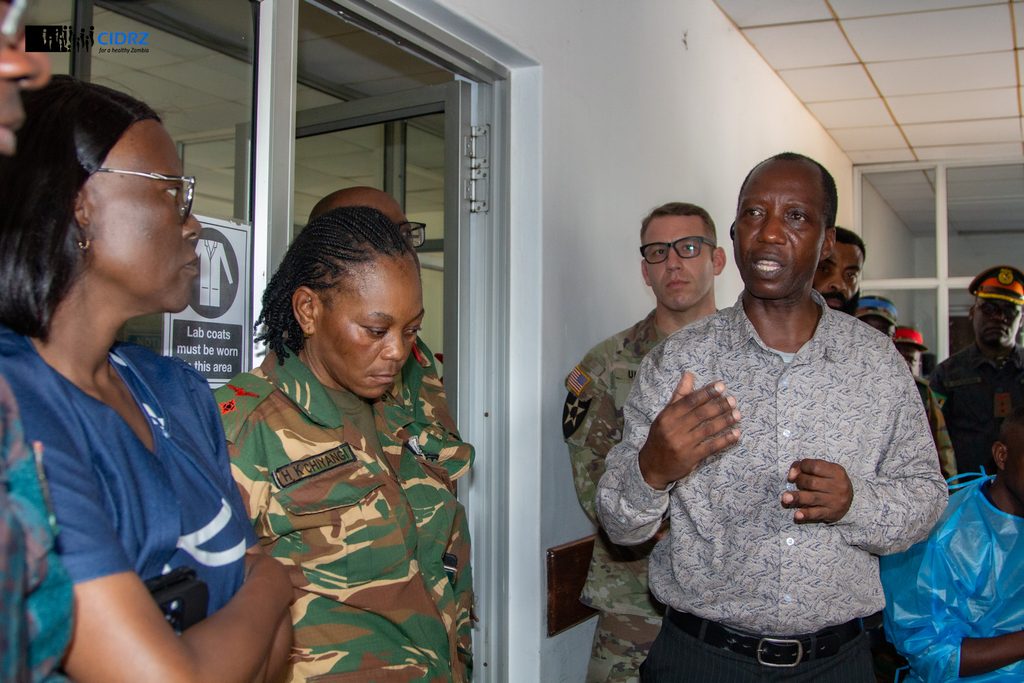
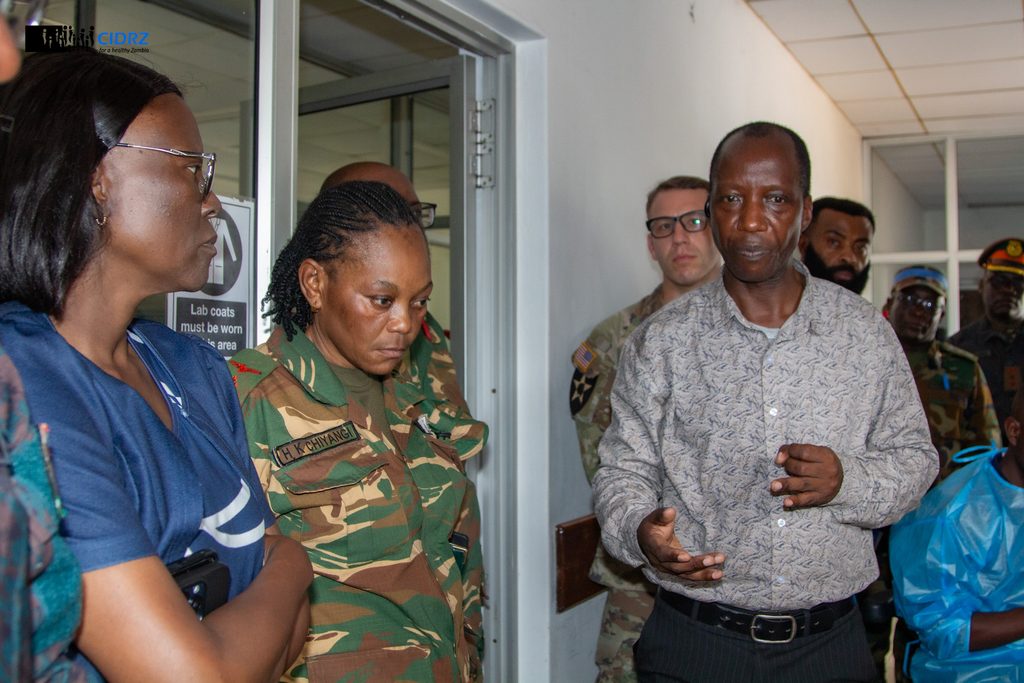
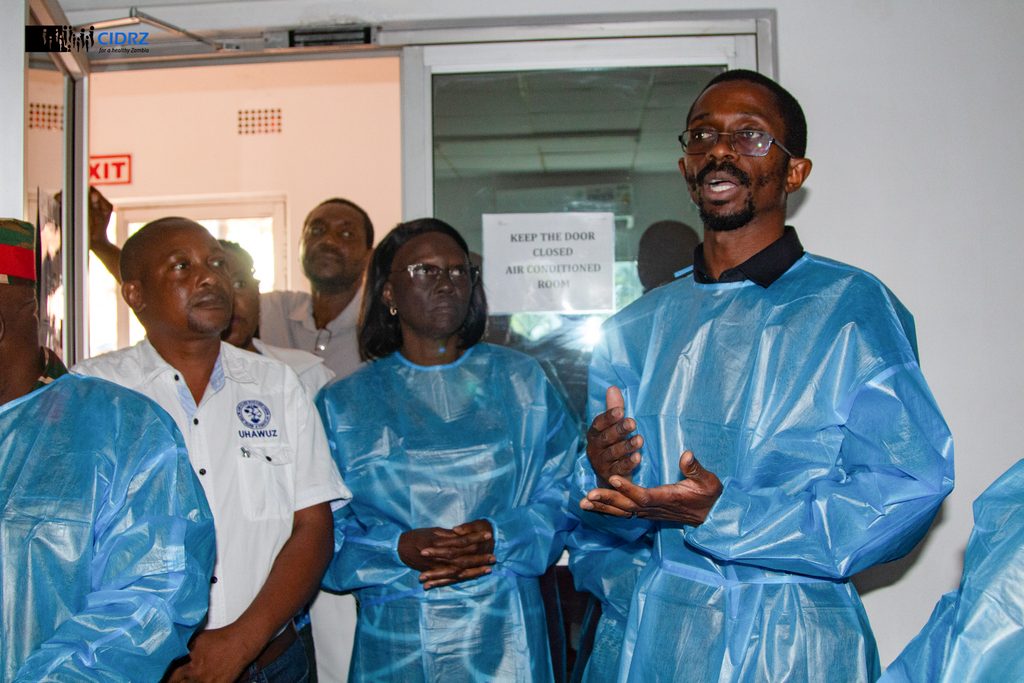
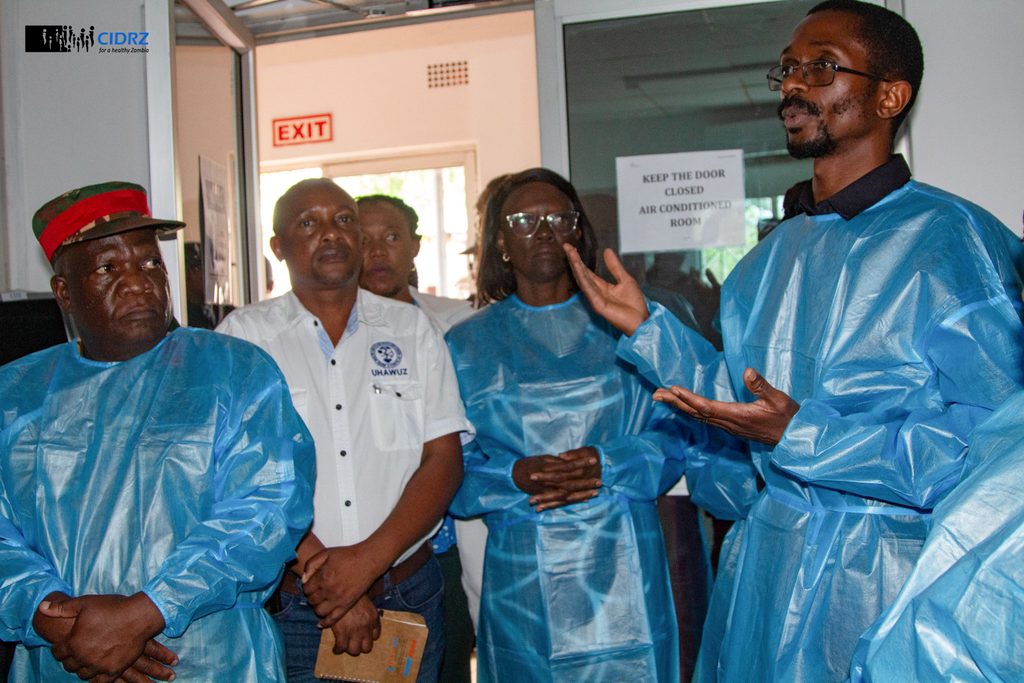
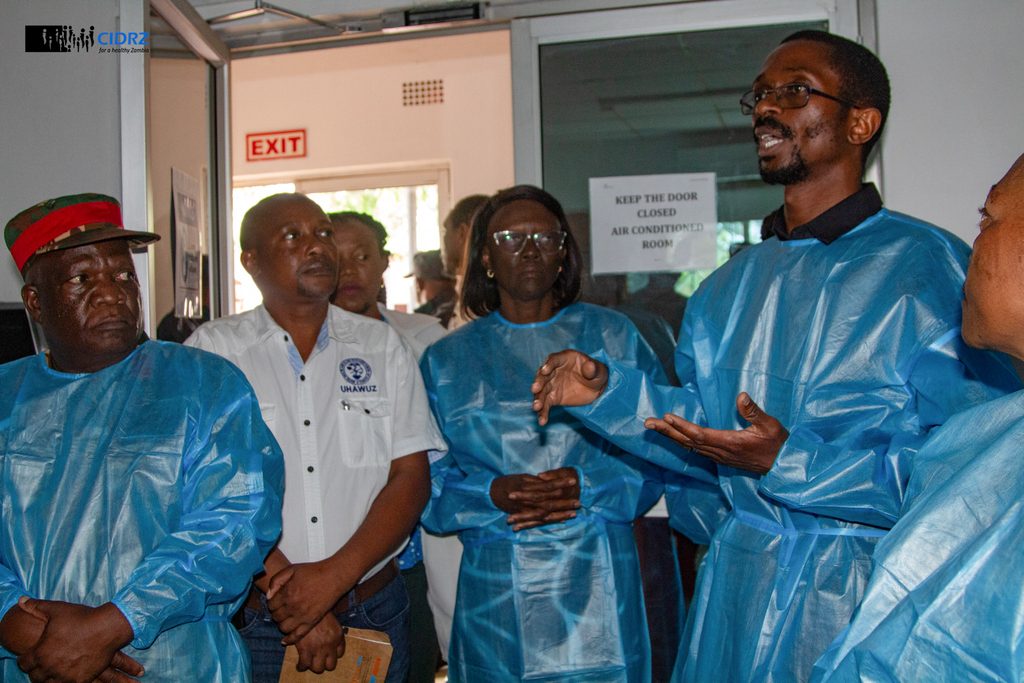
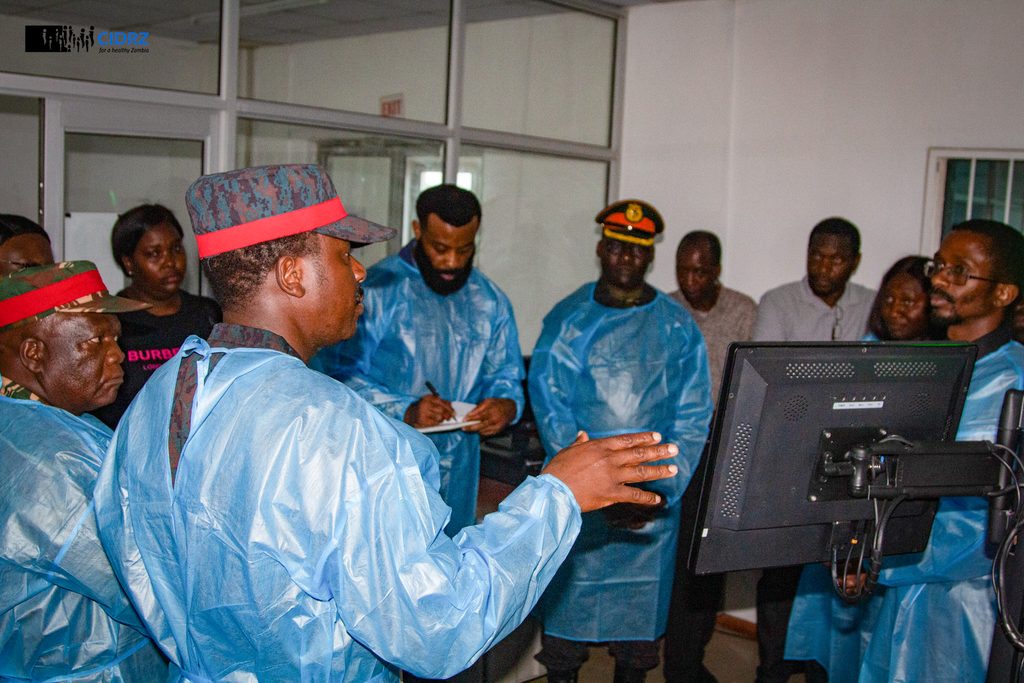
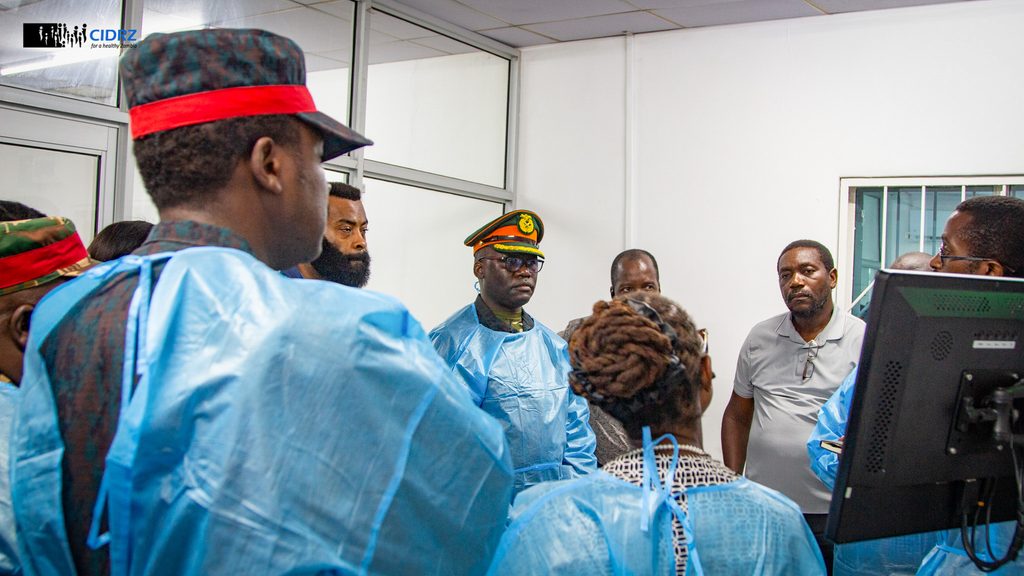
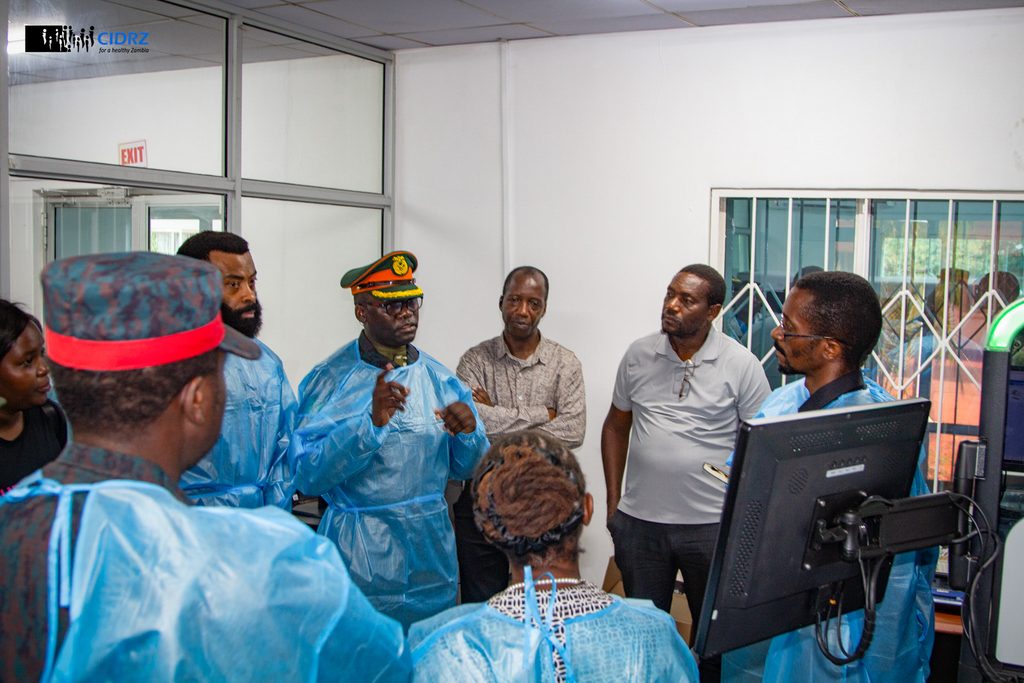
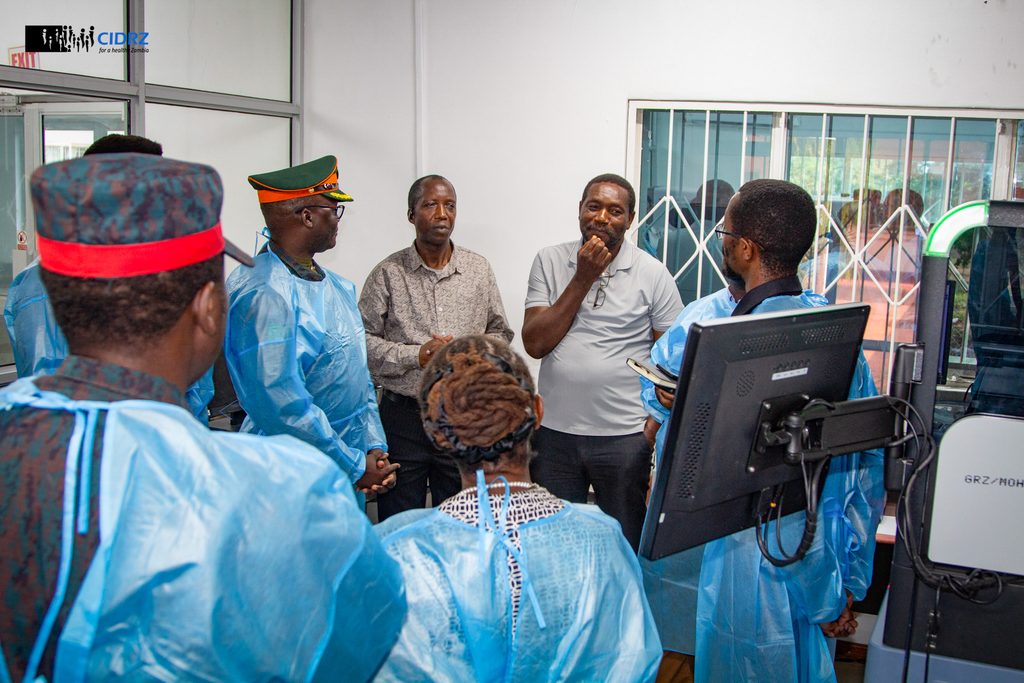
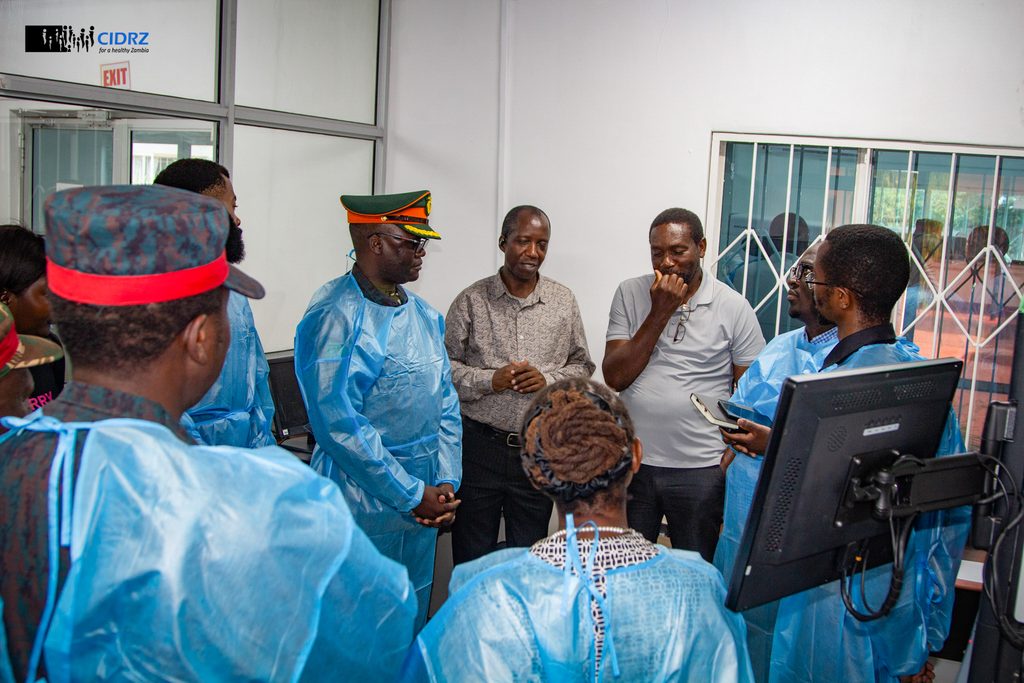
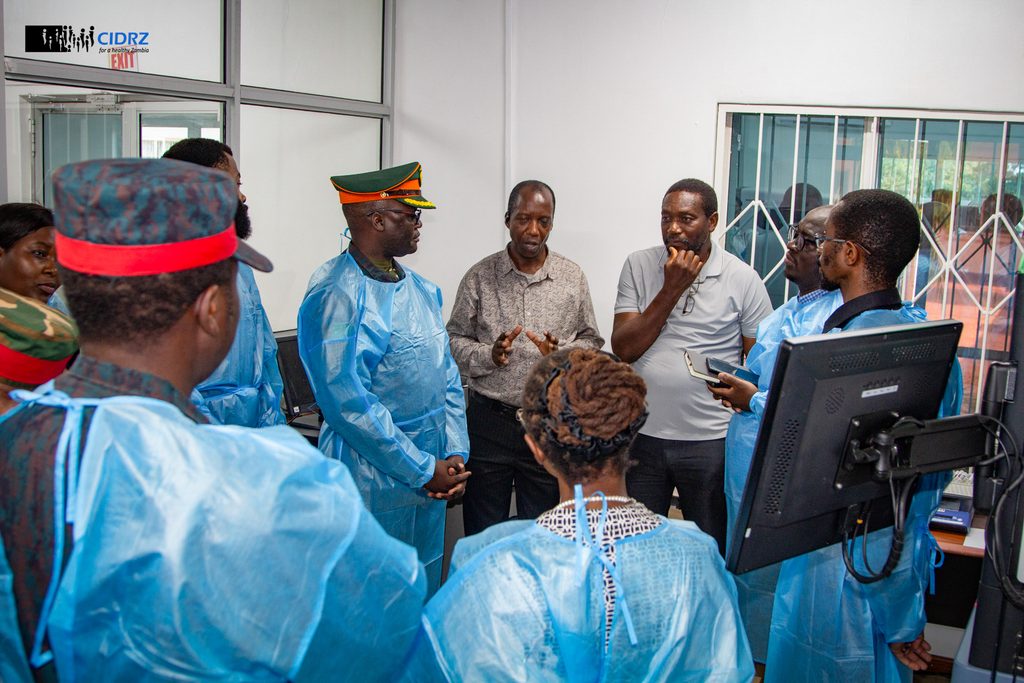
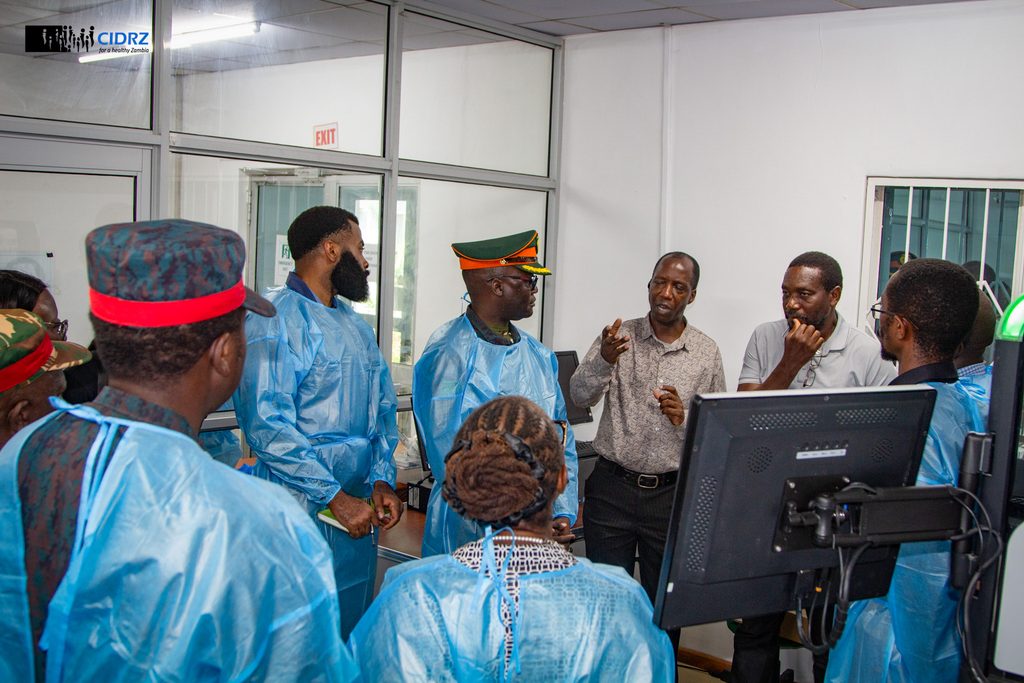
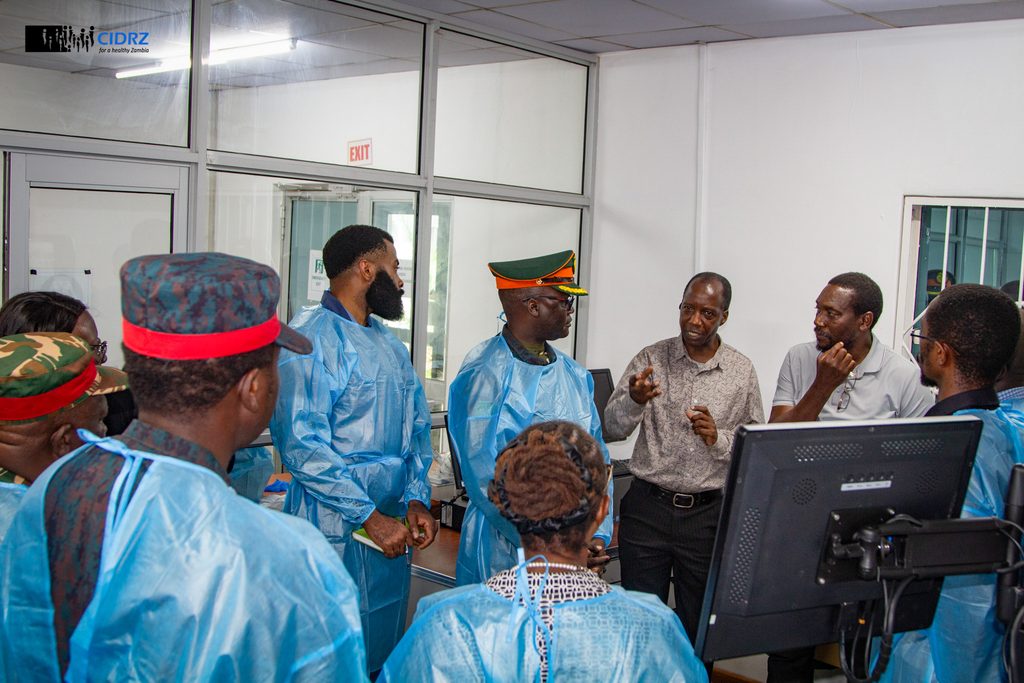
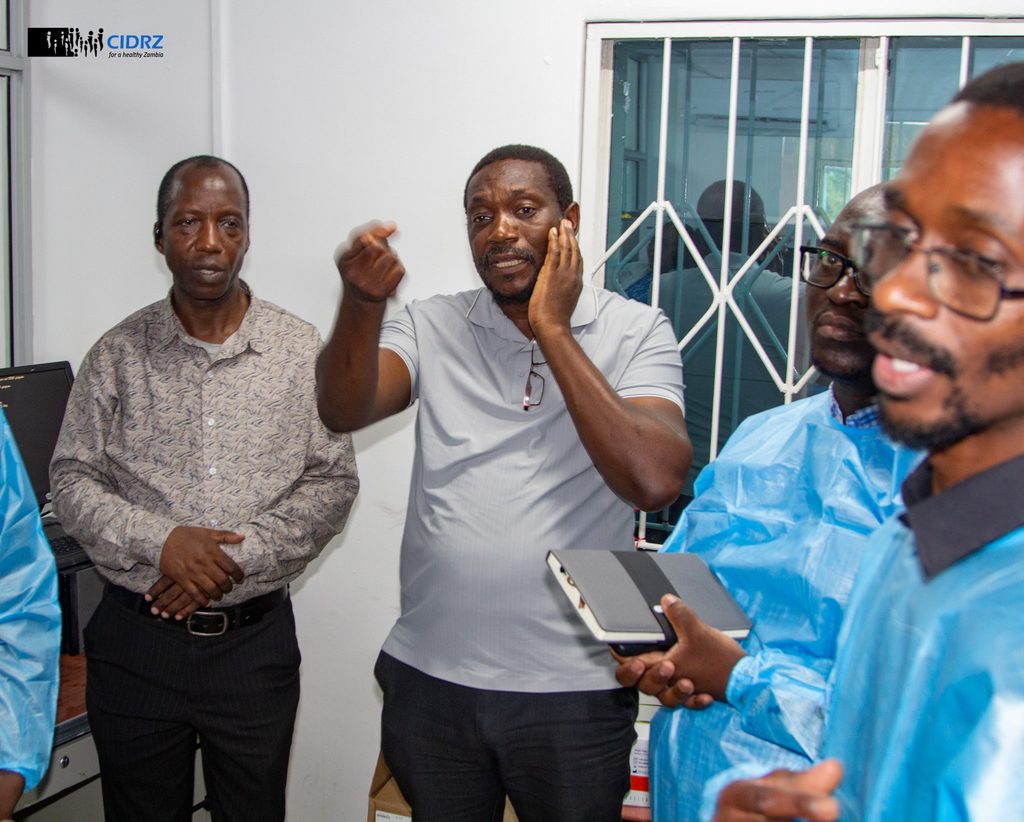
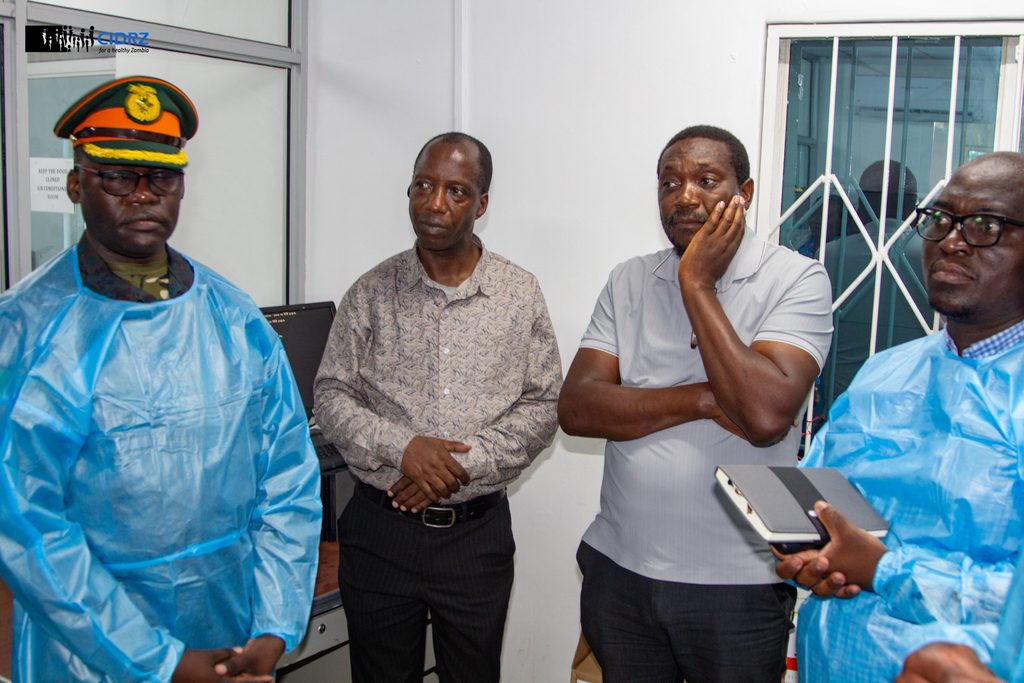
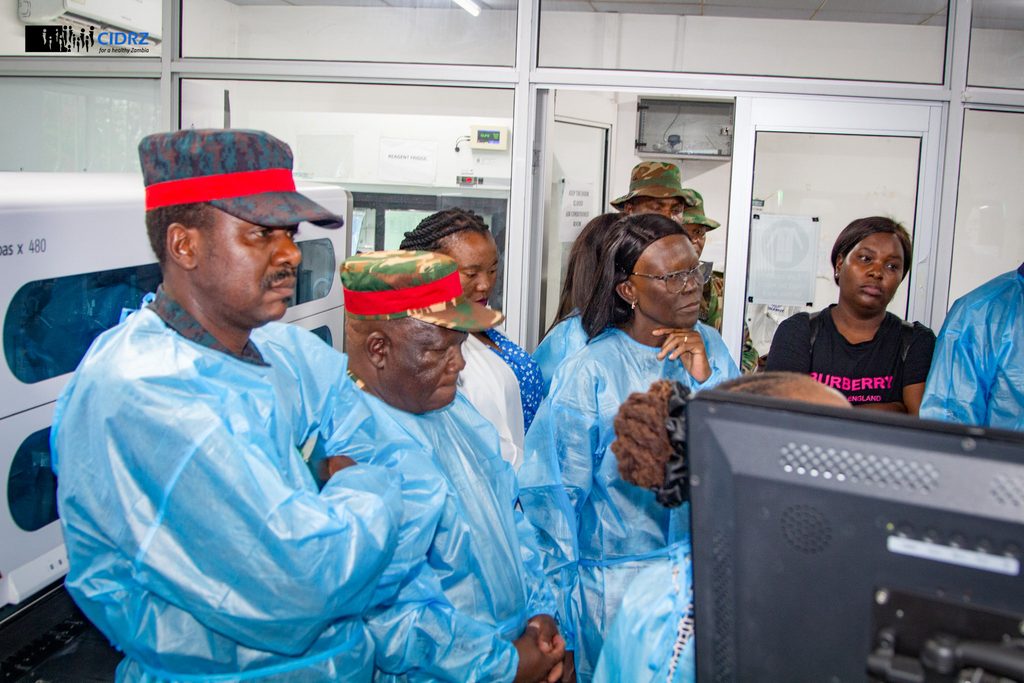
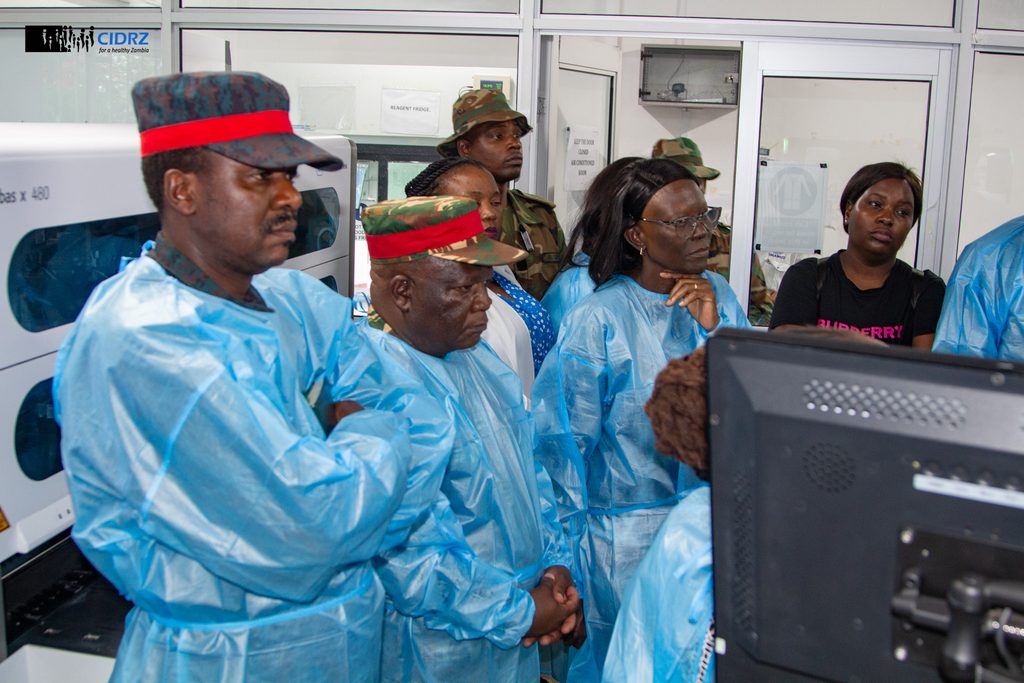
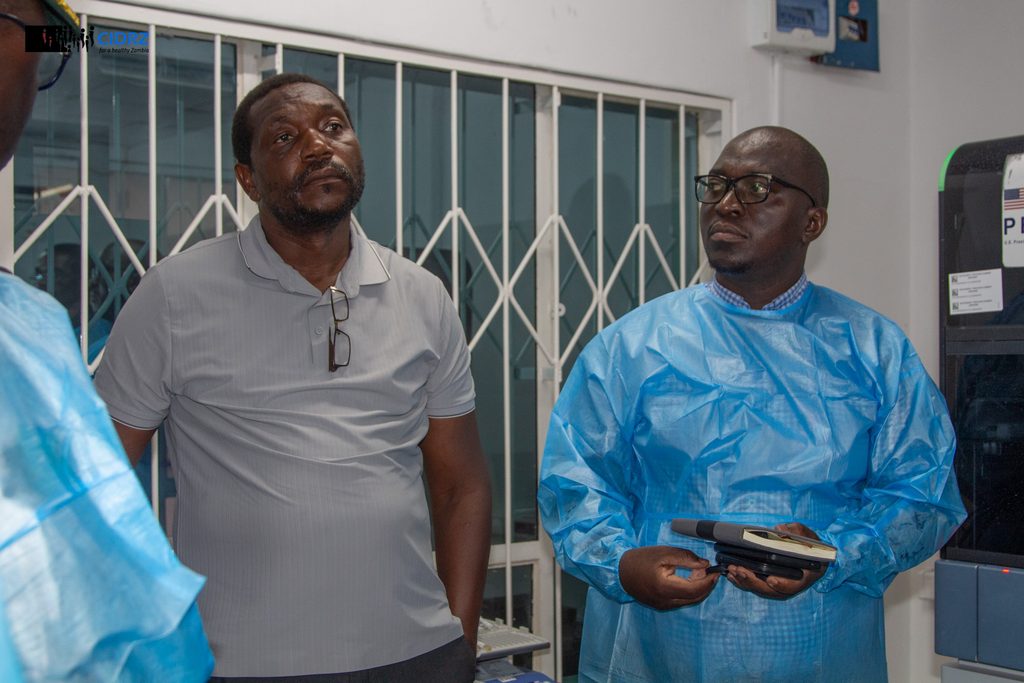
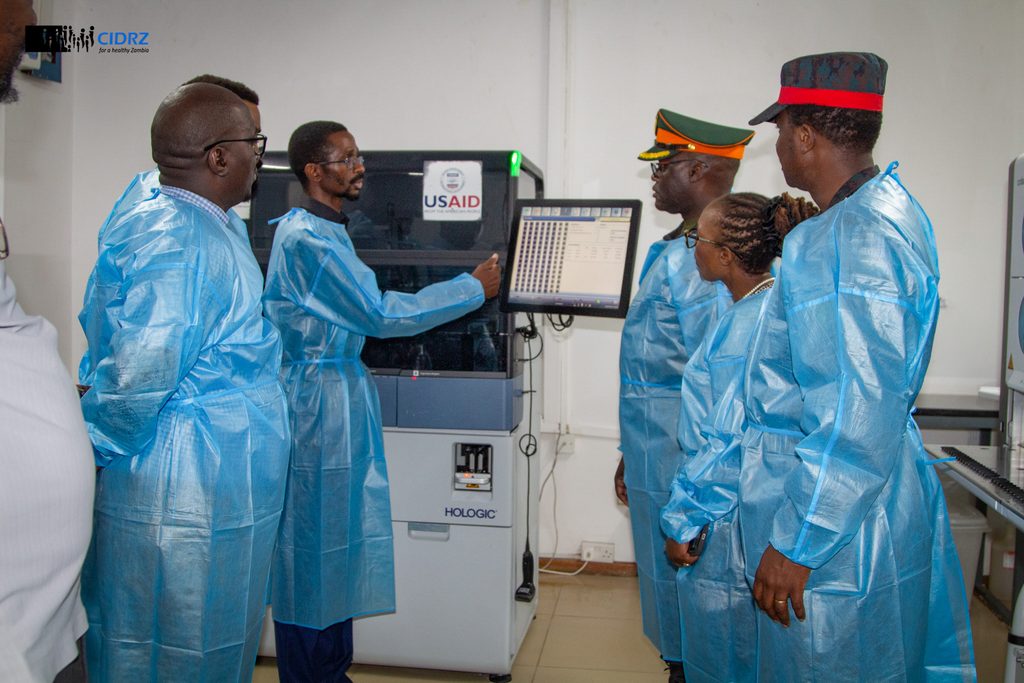
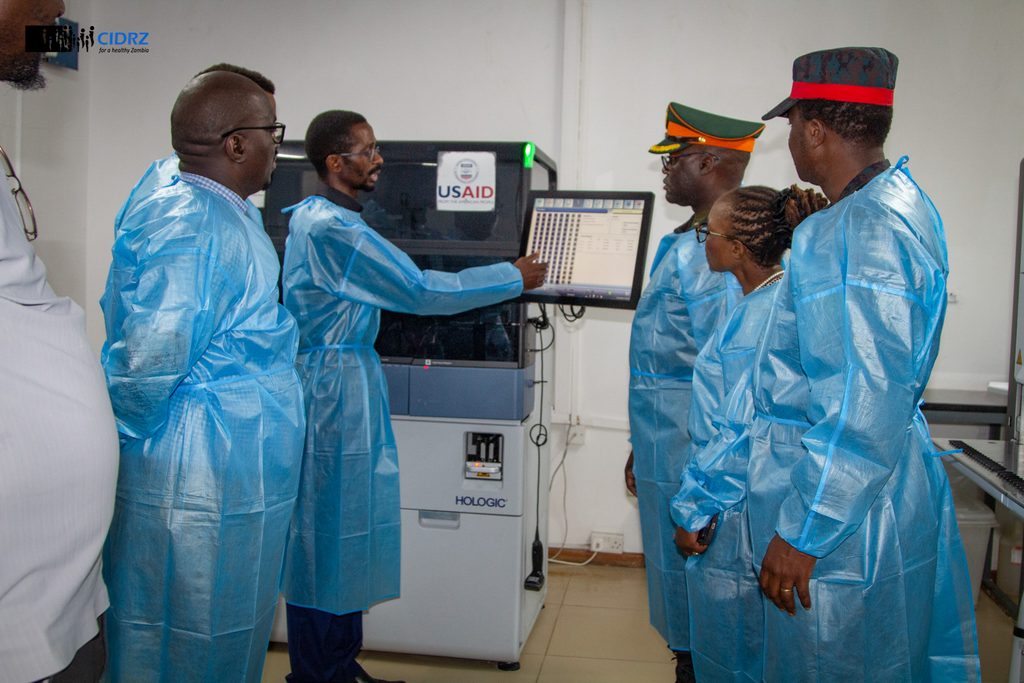
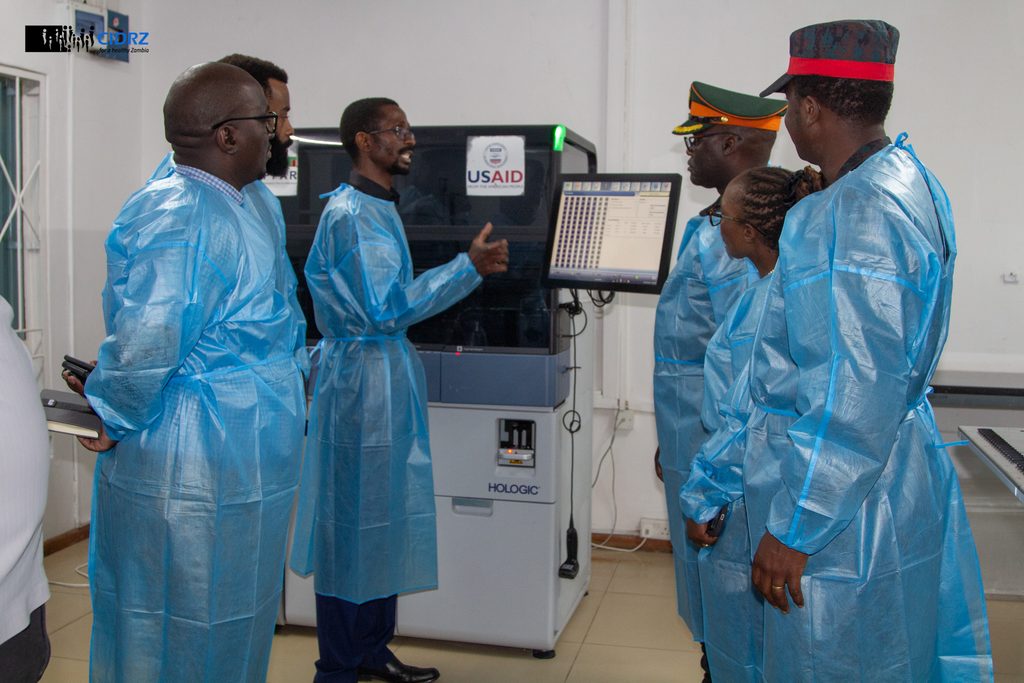
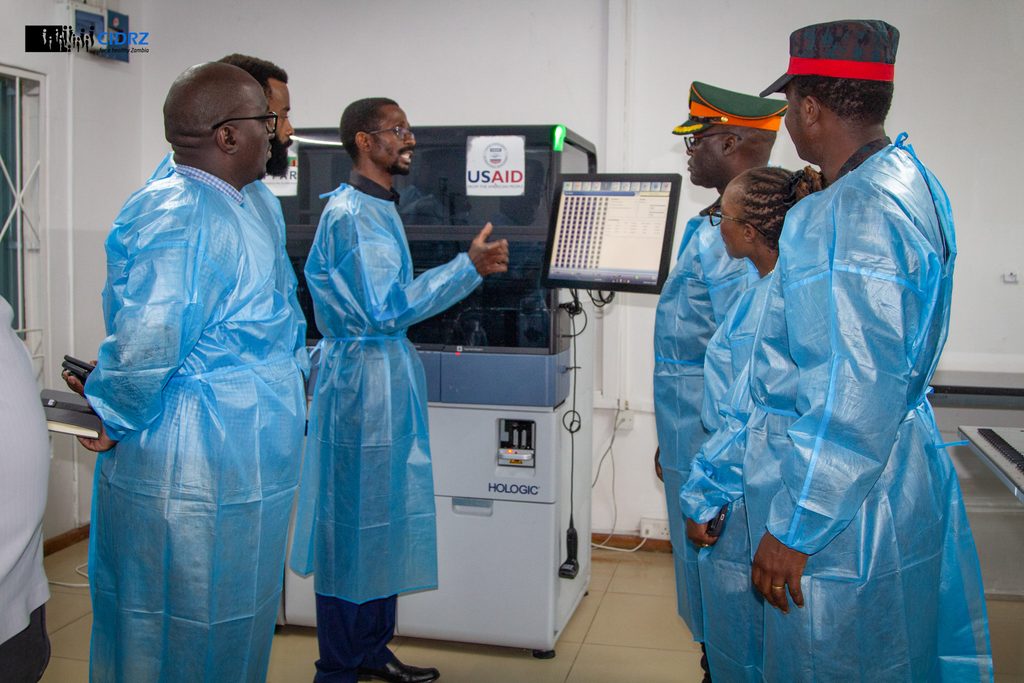
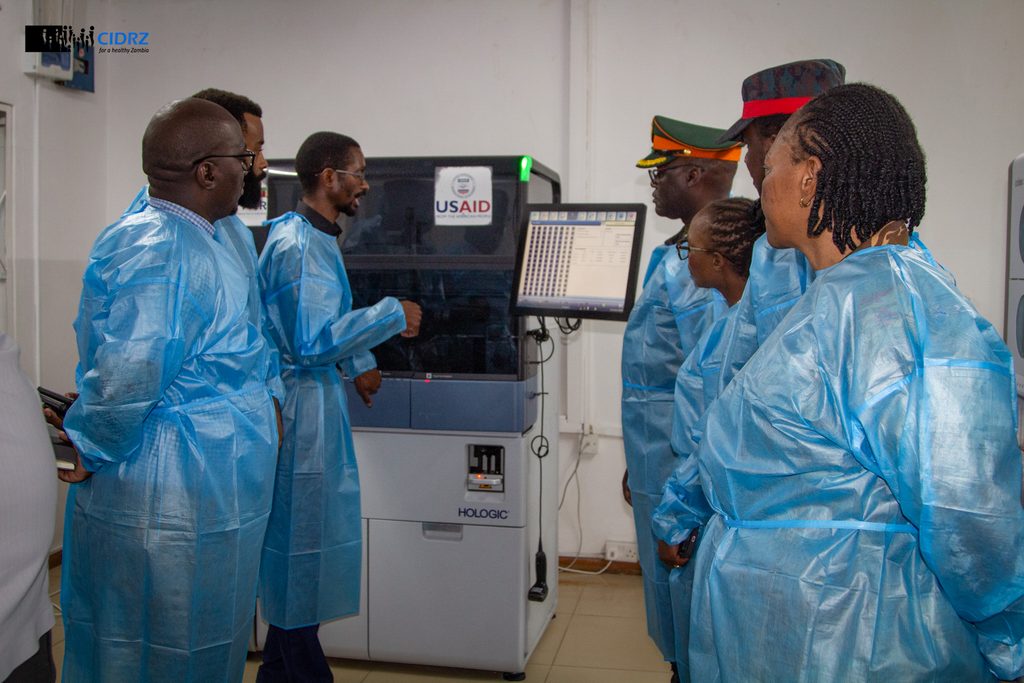
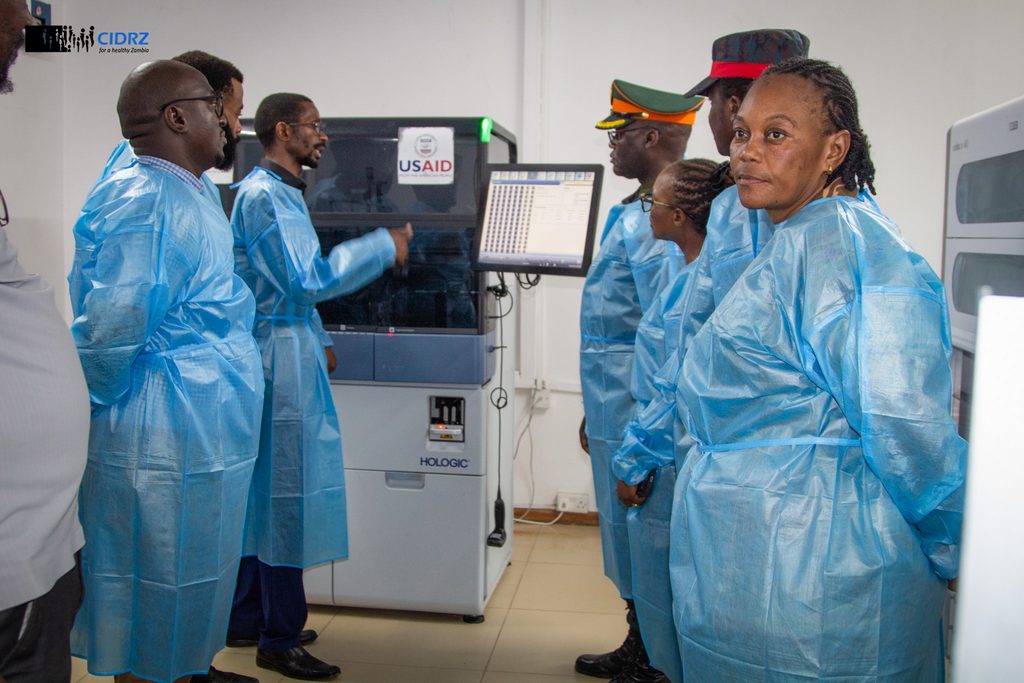
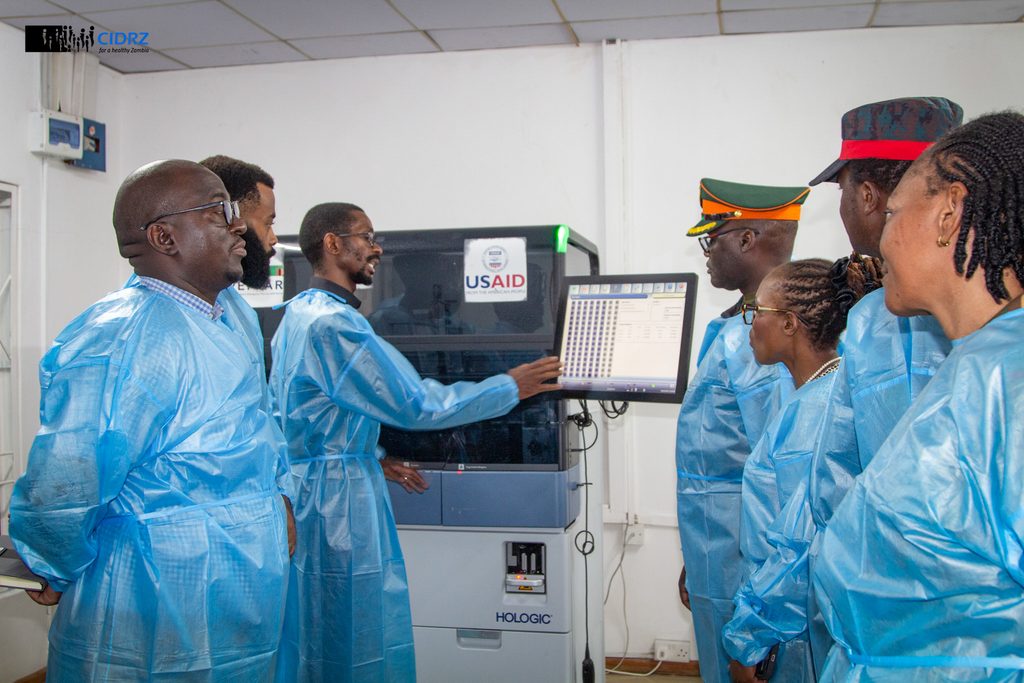
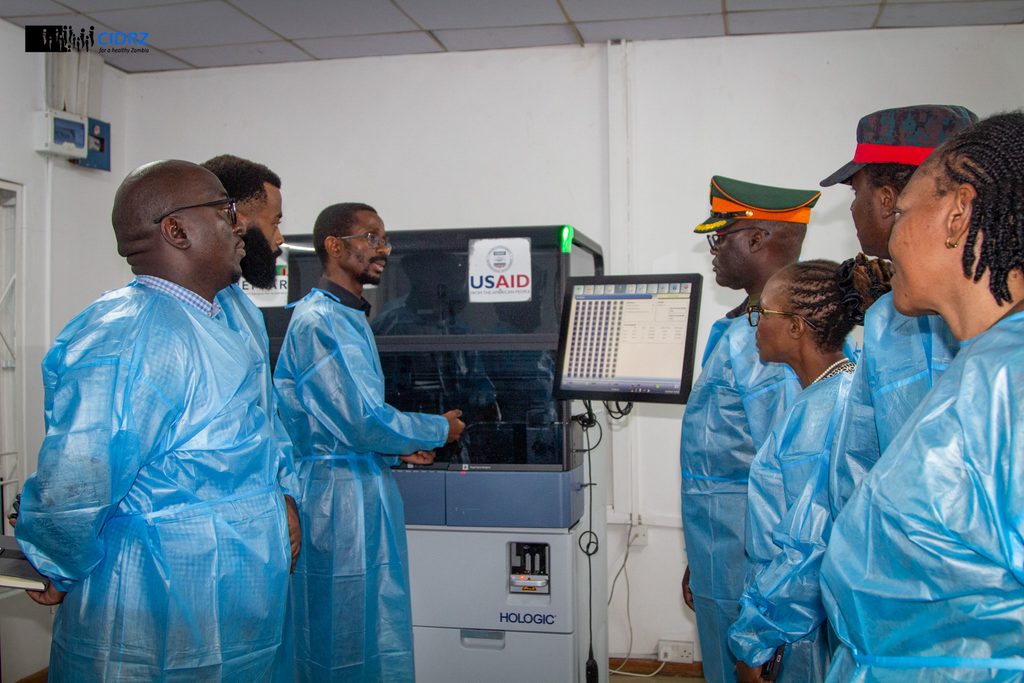
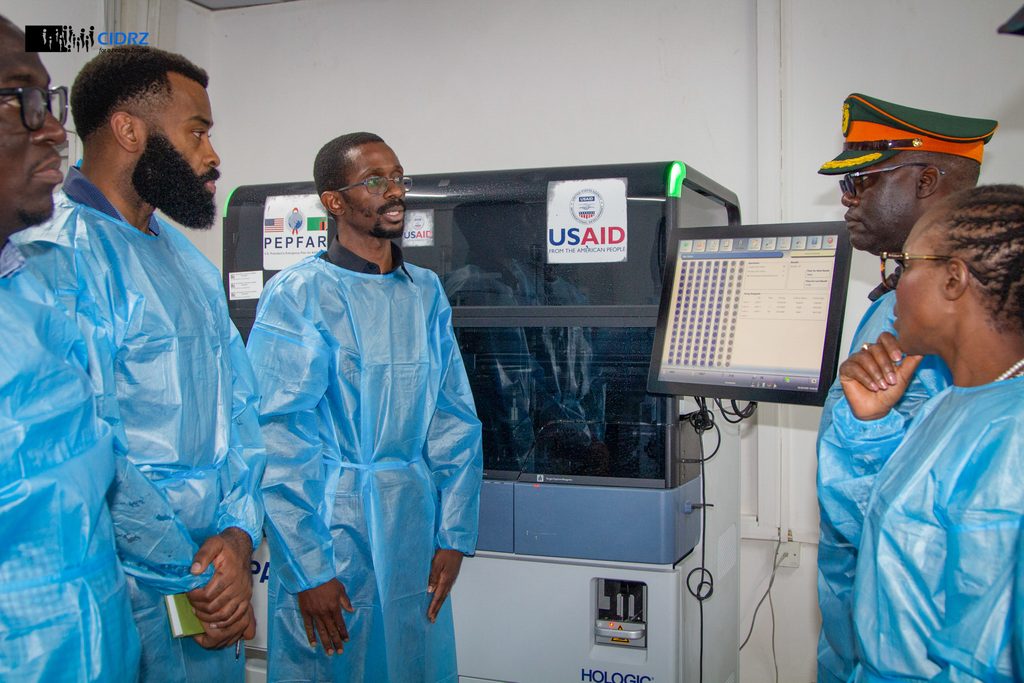
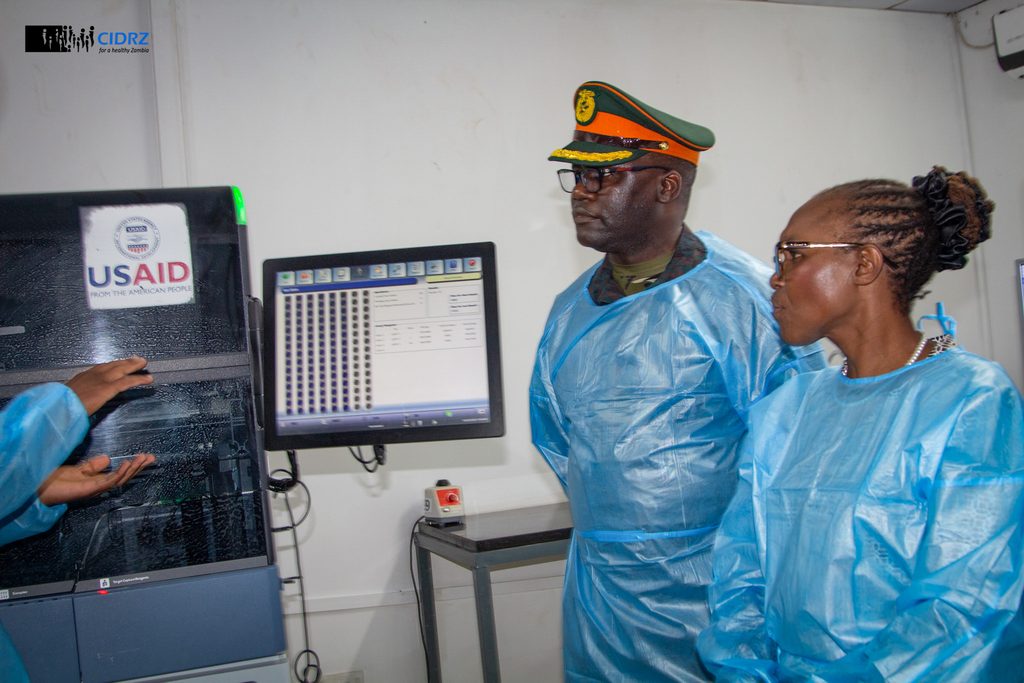
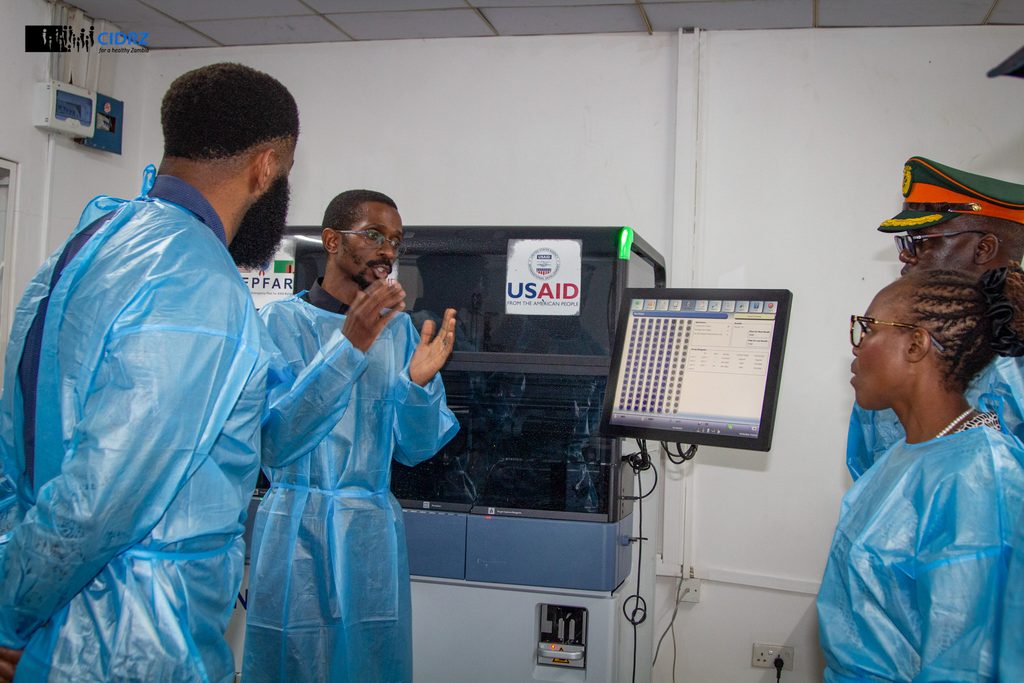
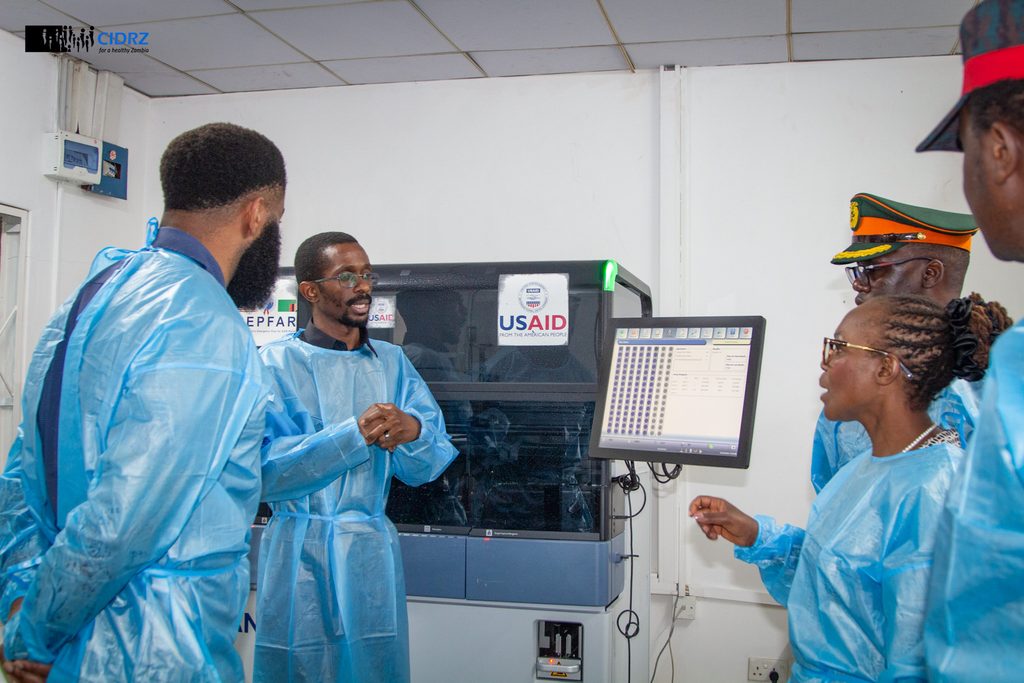
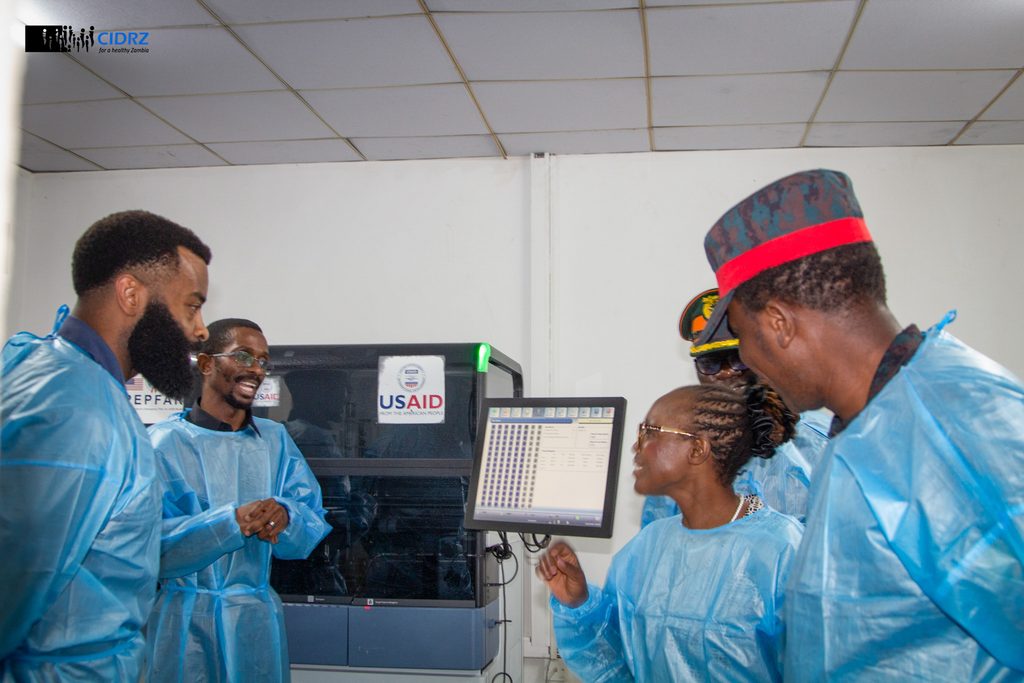
This was evident during a recent programme review visit to Livingstone led by Defence Force Medical Services Director General Colonel Dr Wamunyima Chingumbe. DHAPP Desk Officer Teri Yiyen was among the delegation that assessed progress, engaged healthcare personnel, and identified areas needing further support.
Testing for four districts
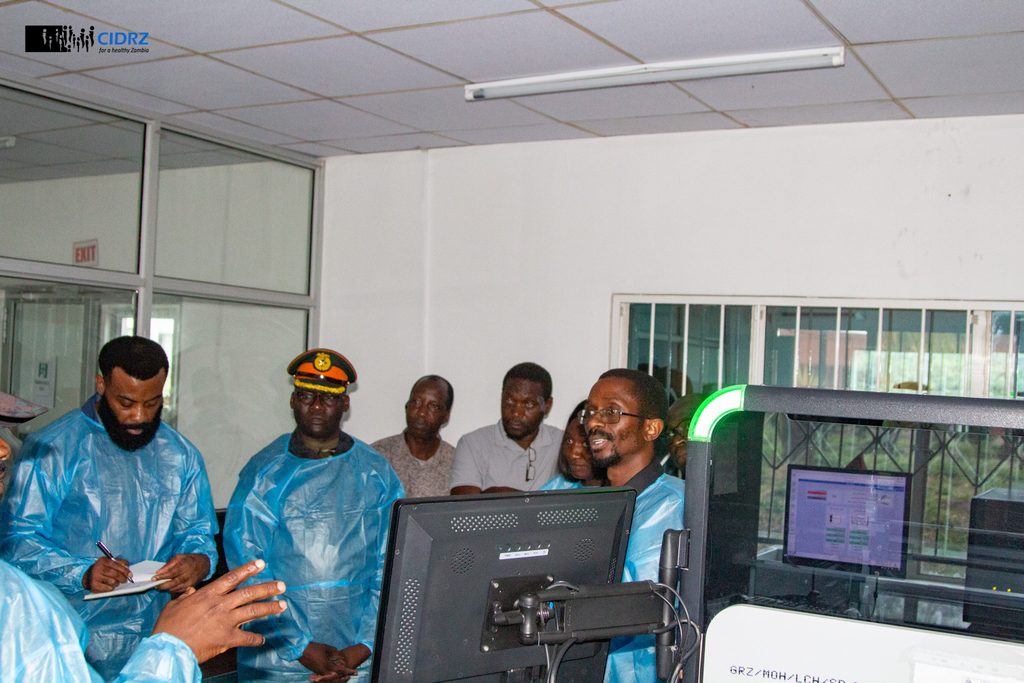
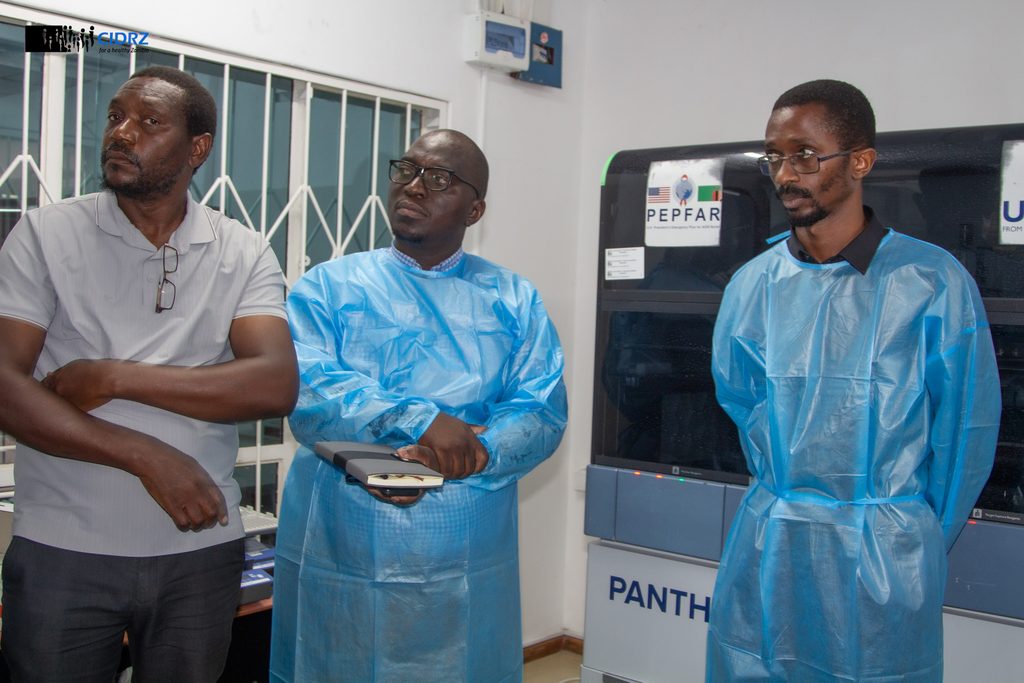
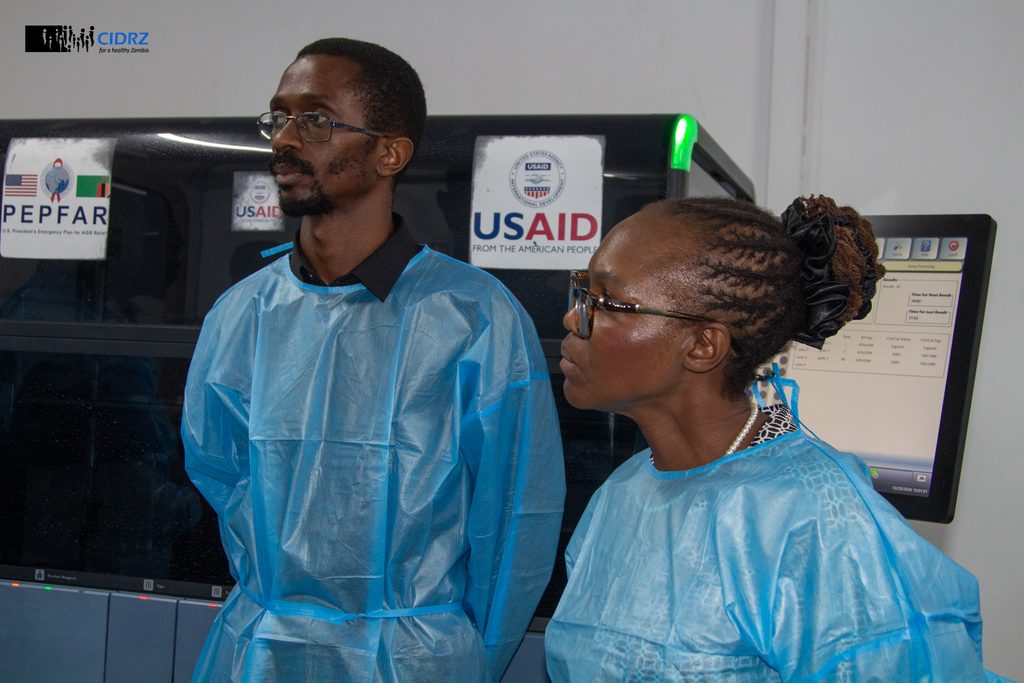
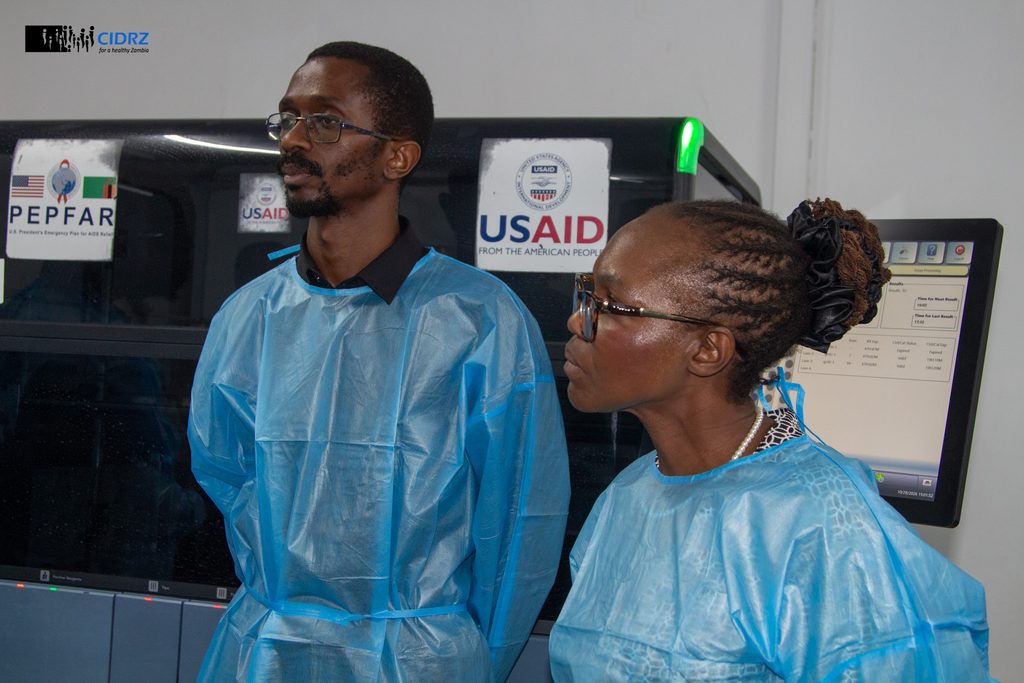
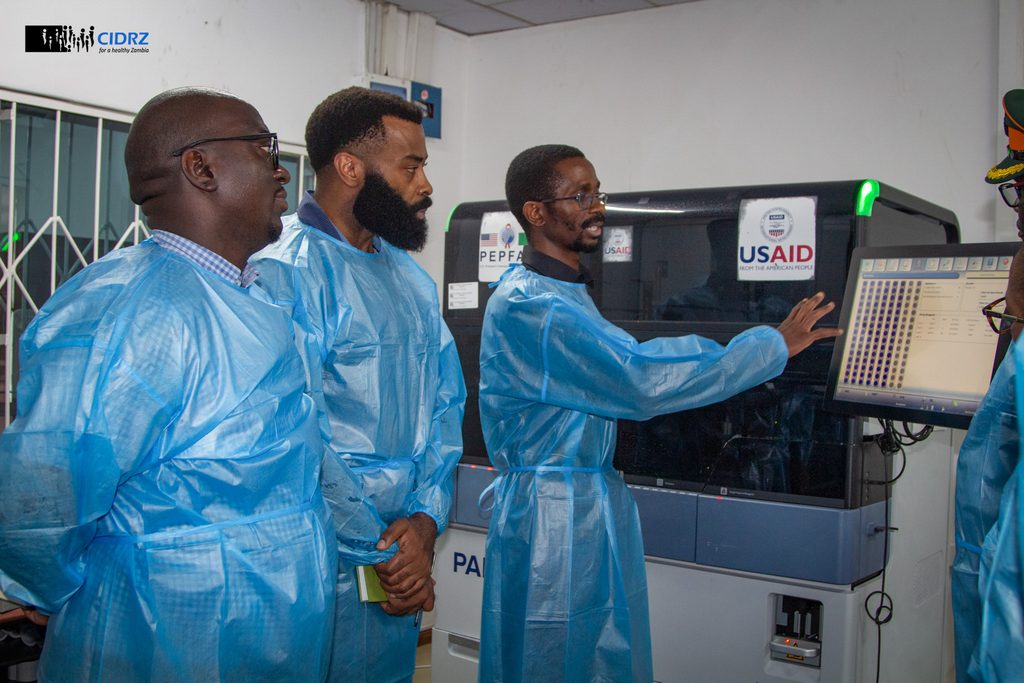
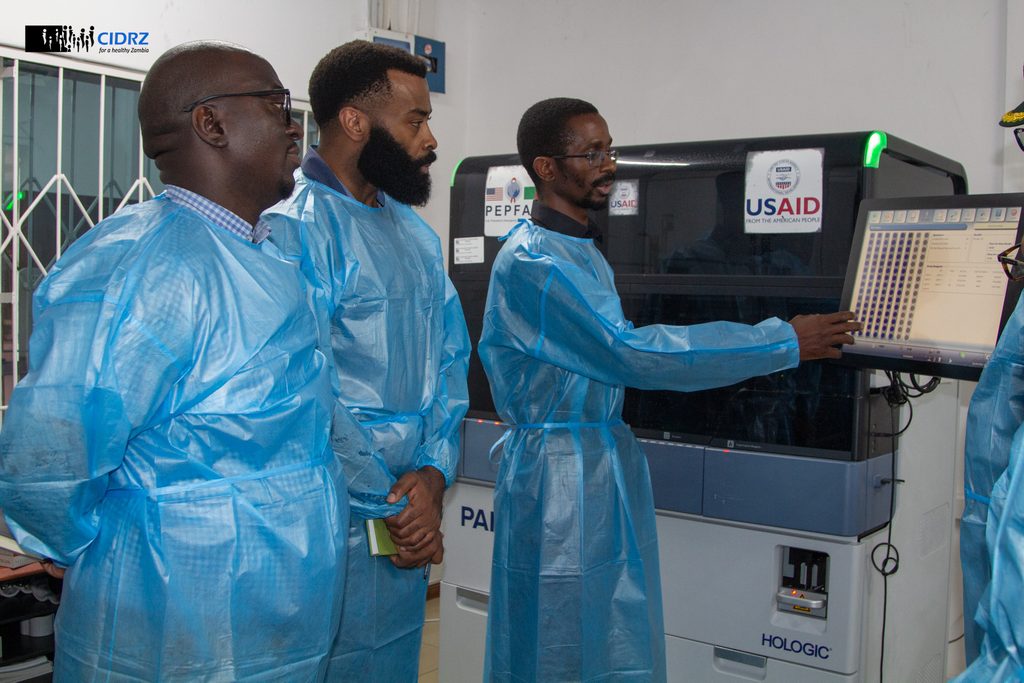
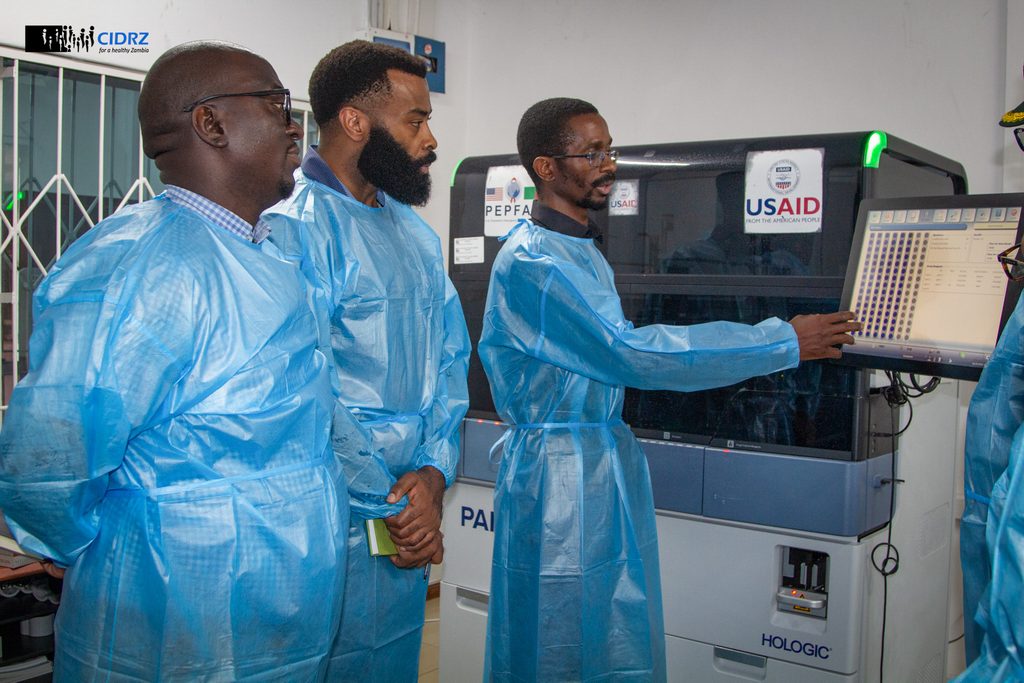
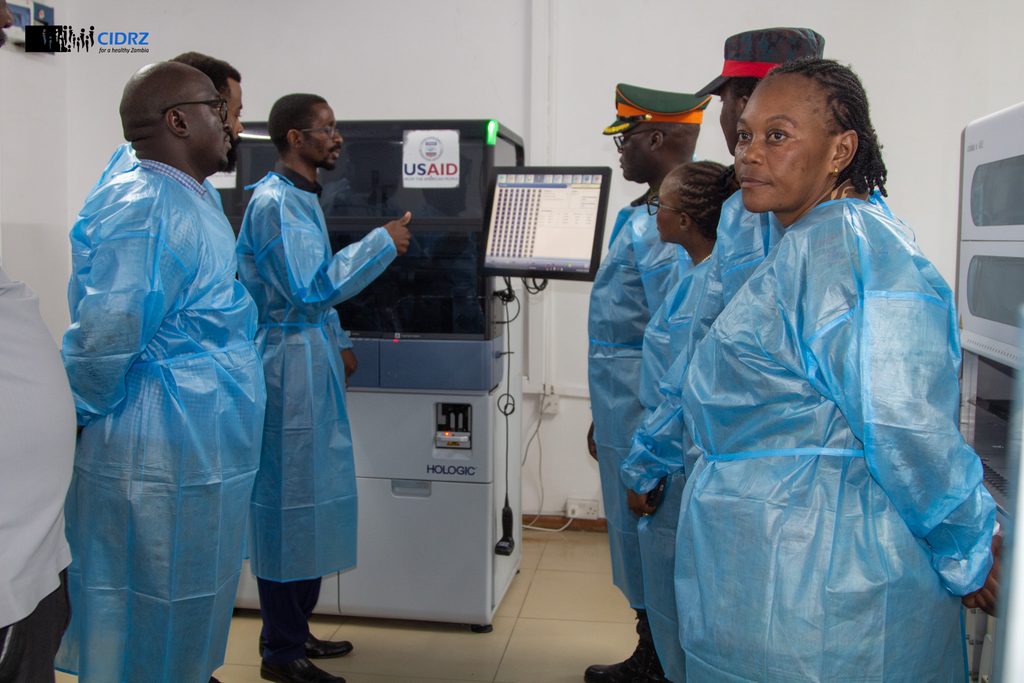
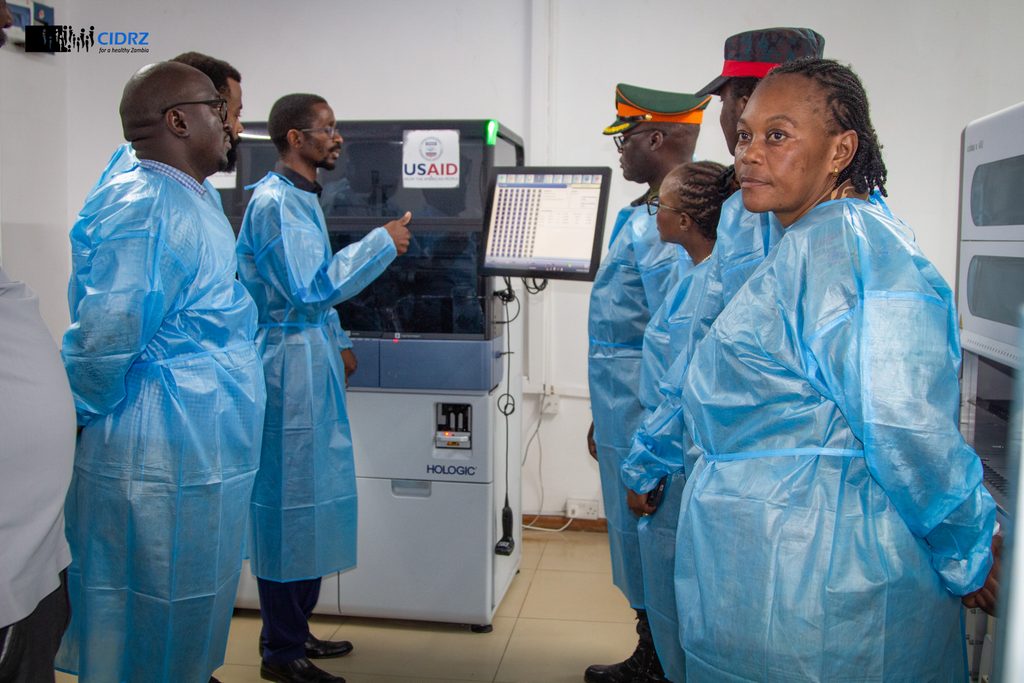
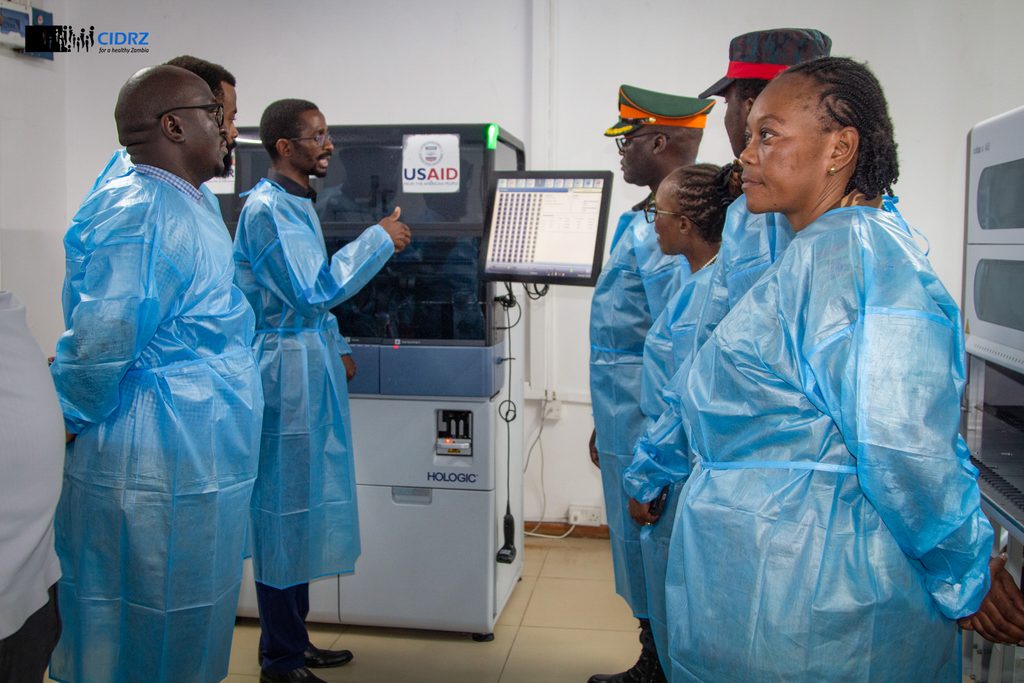
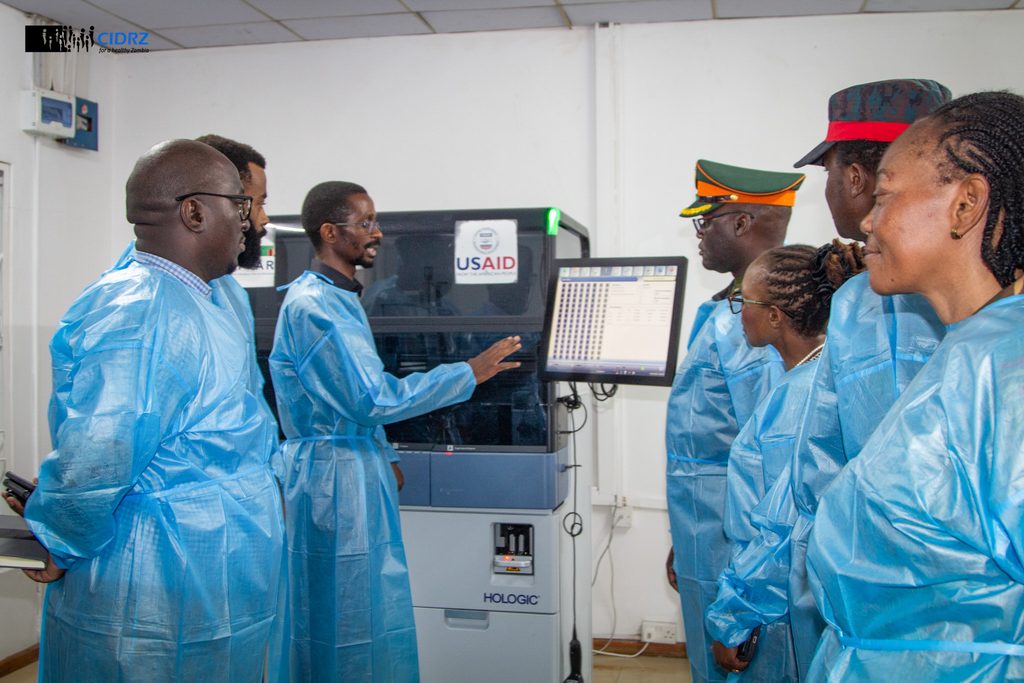
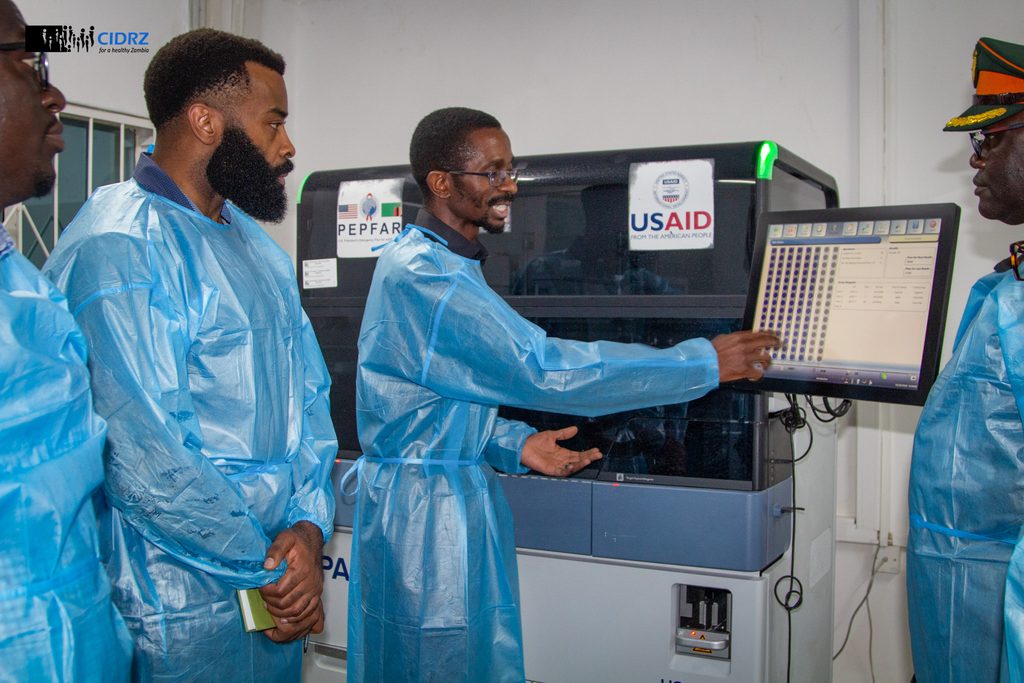
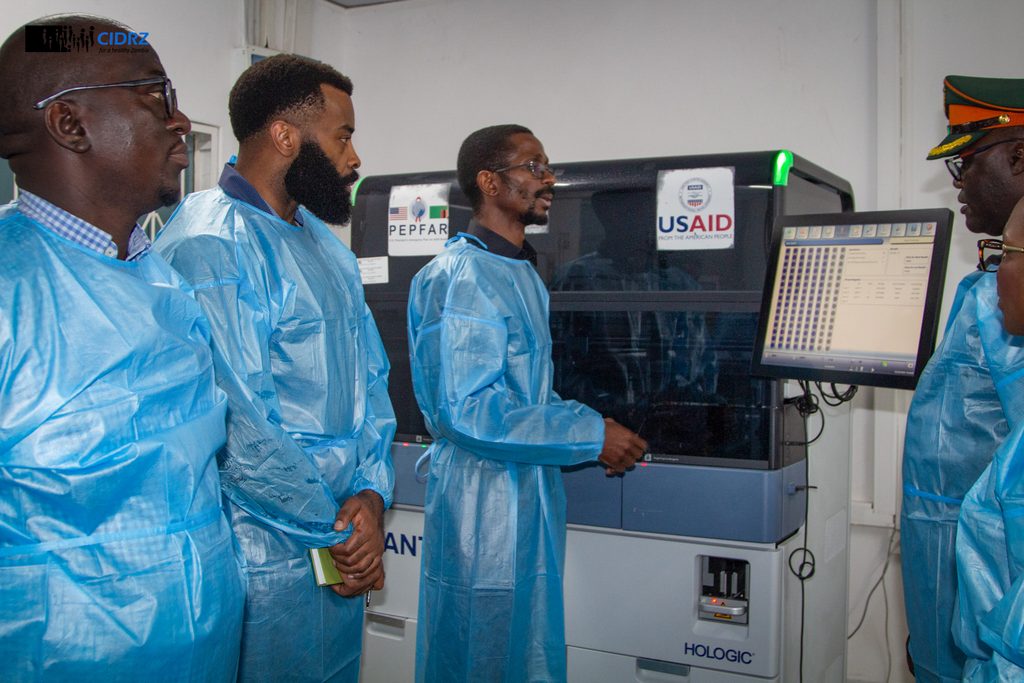
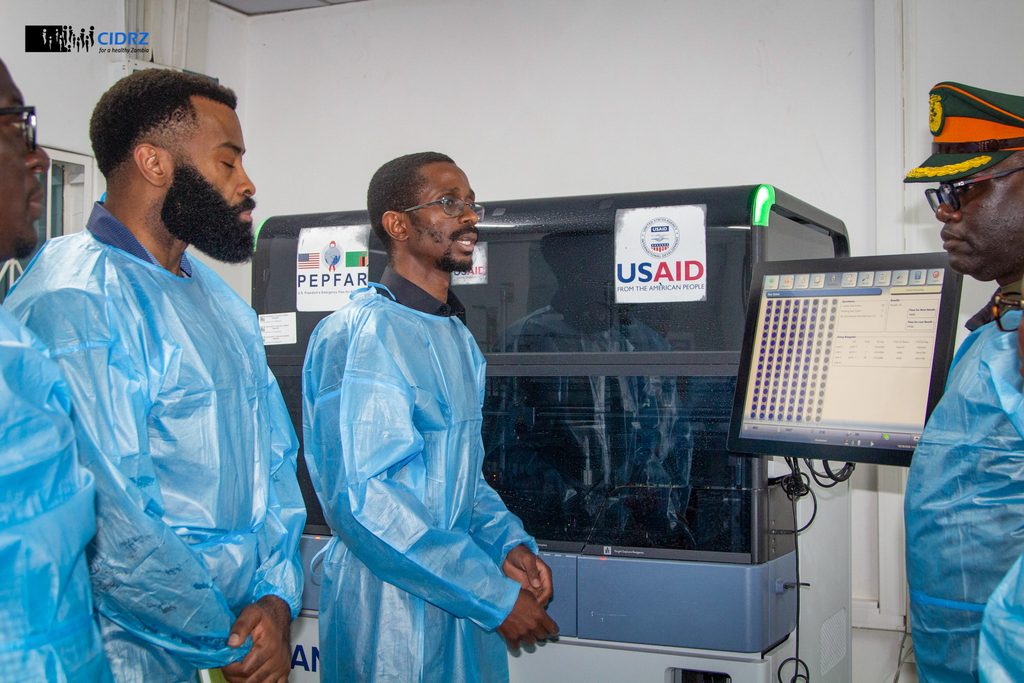
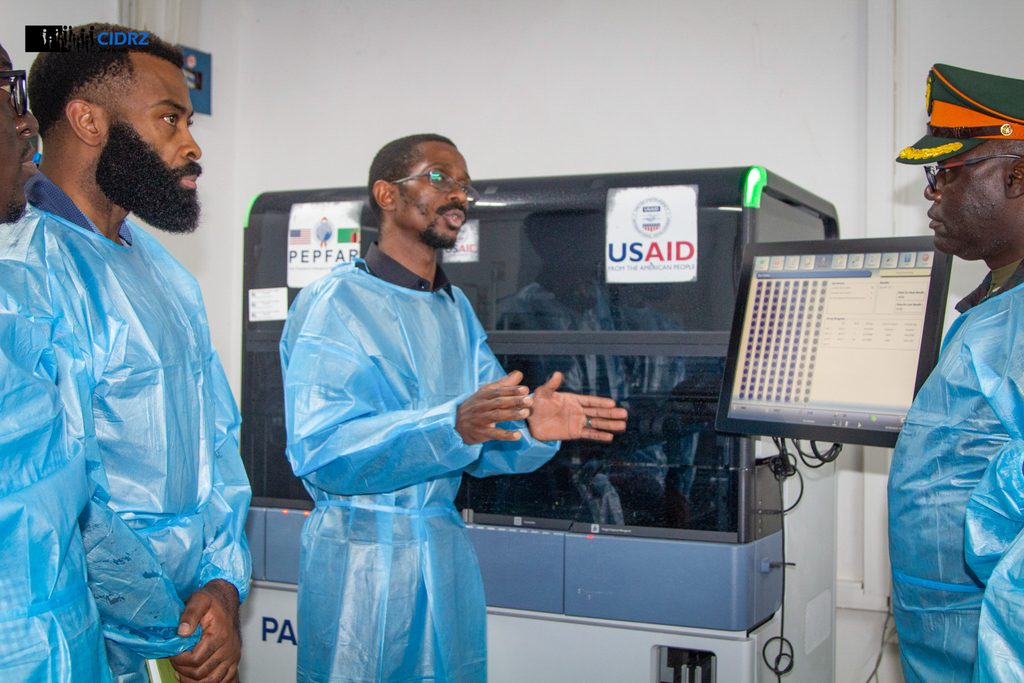
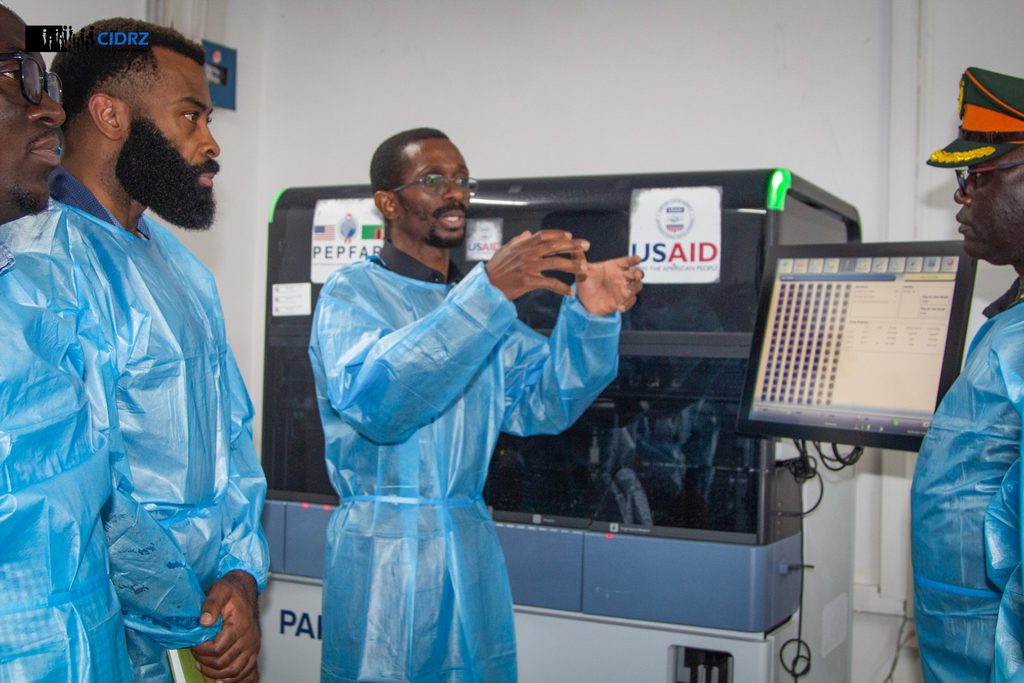
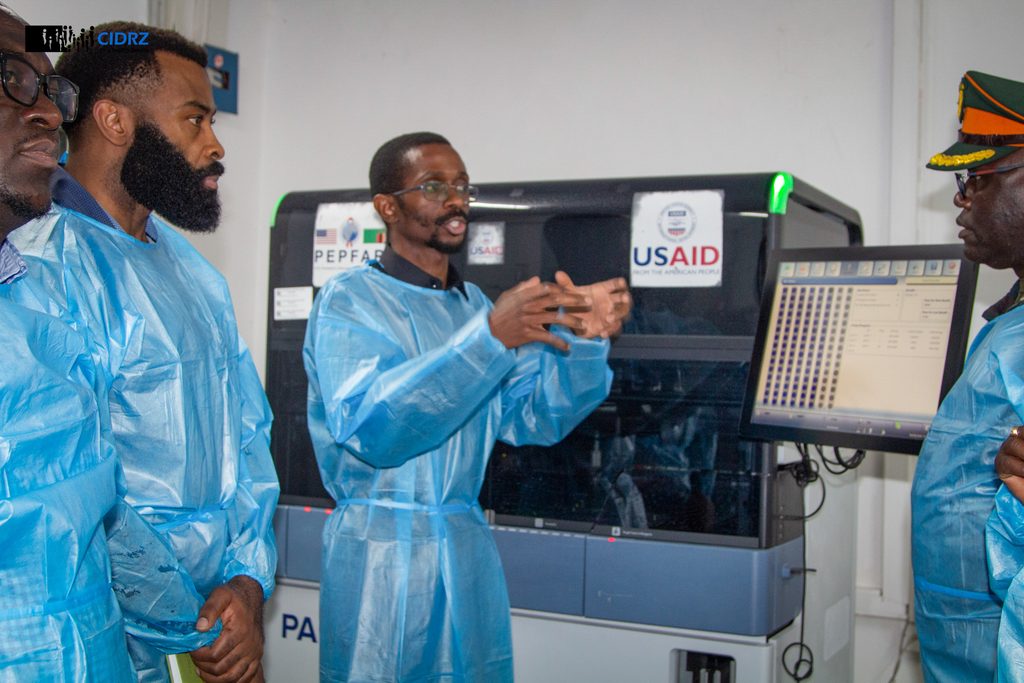
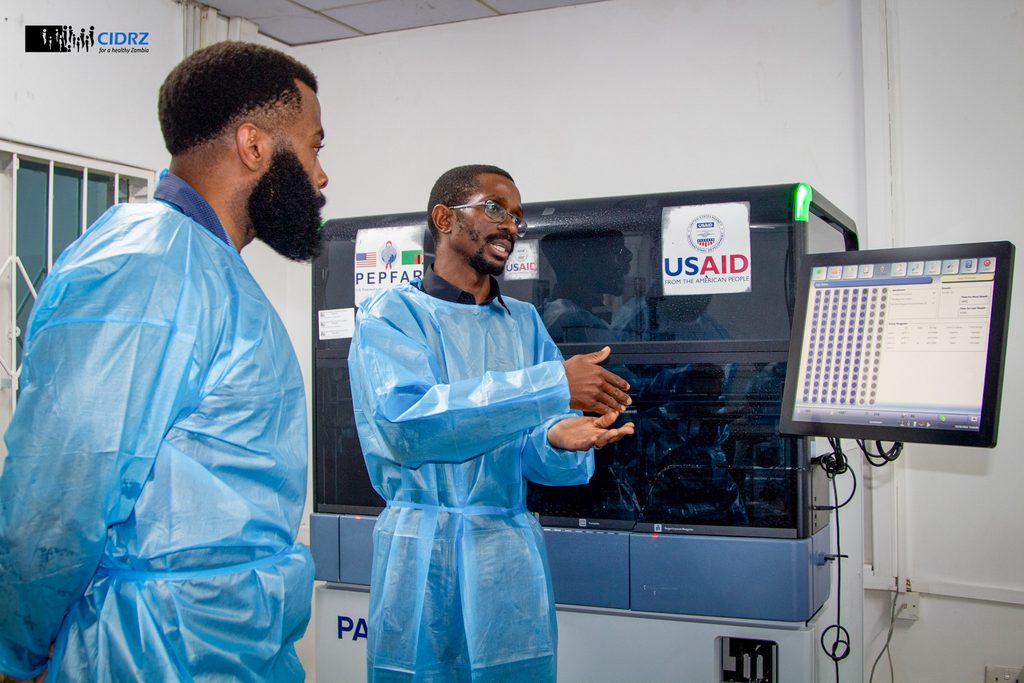
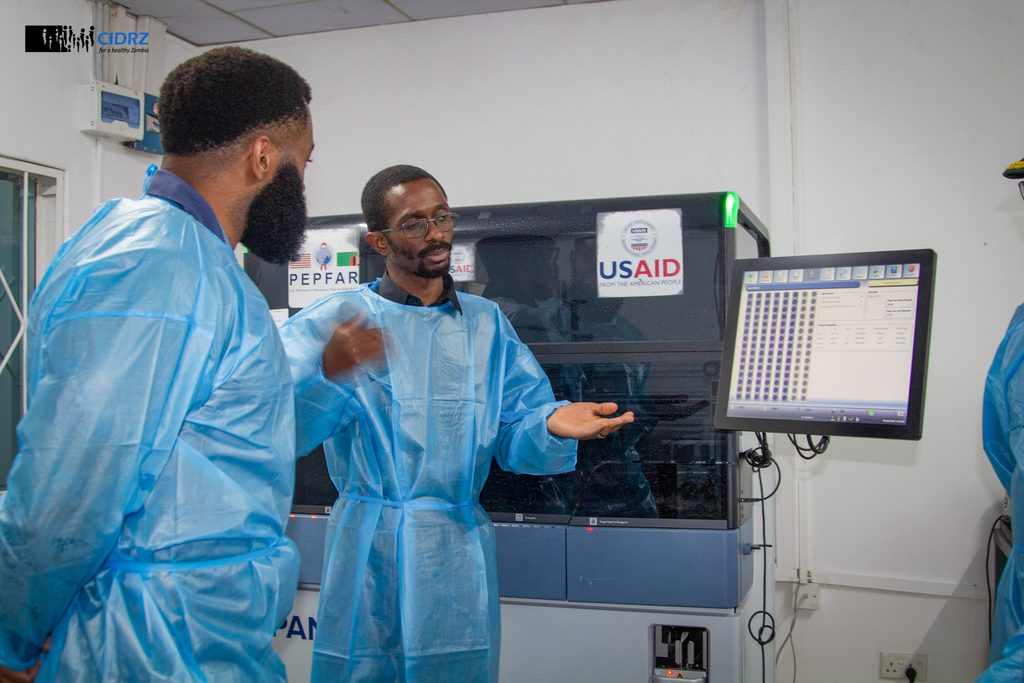
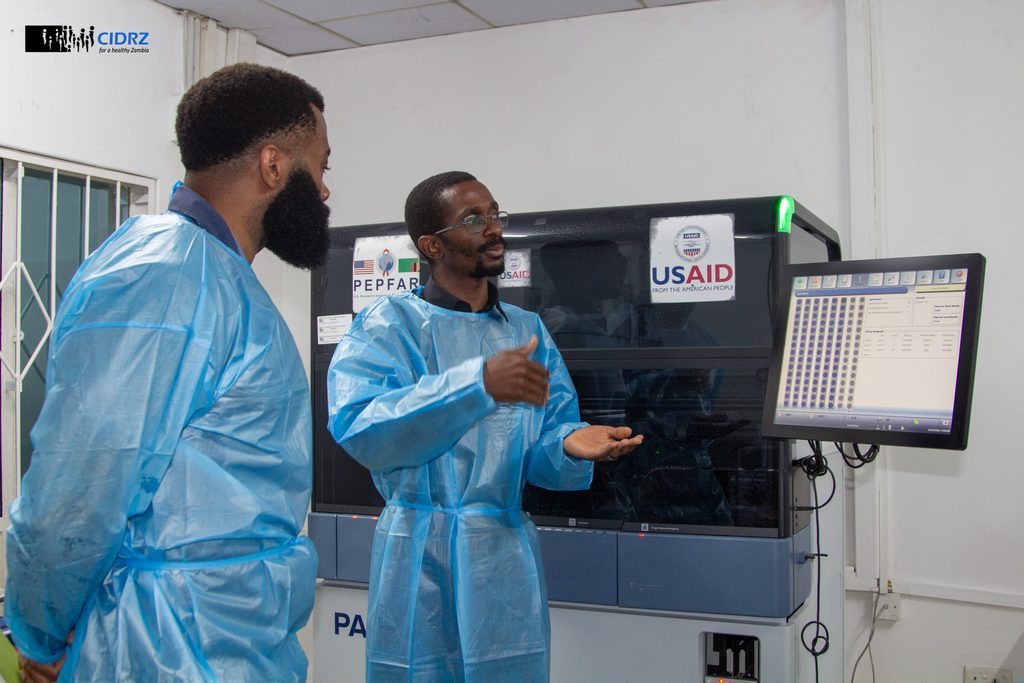
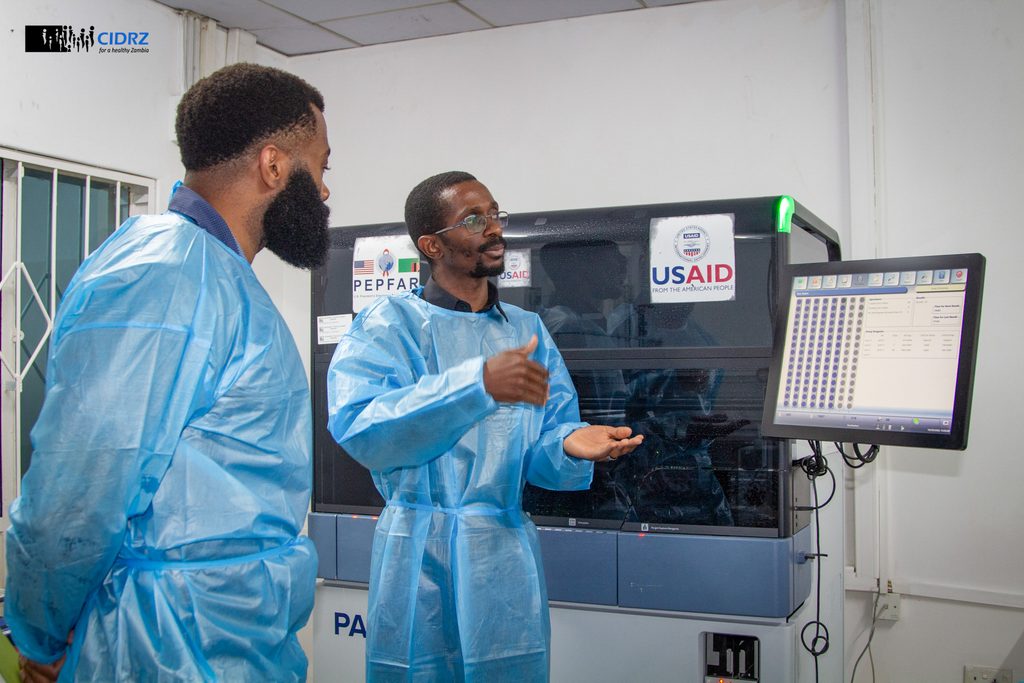
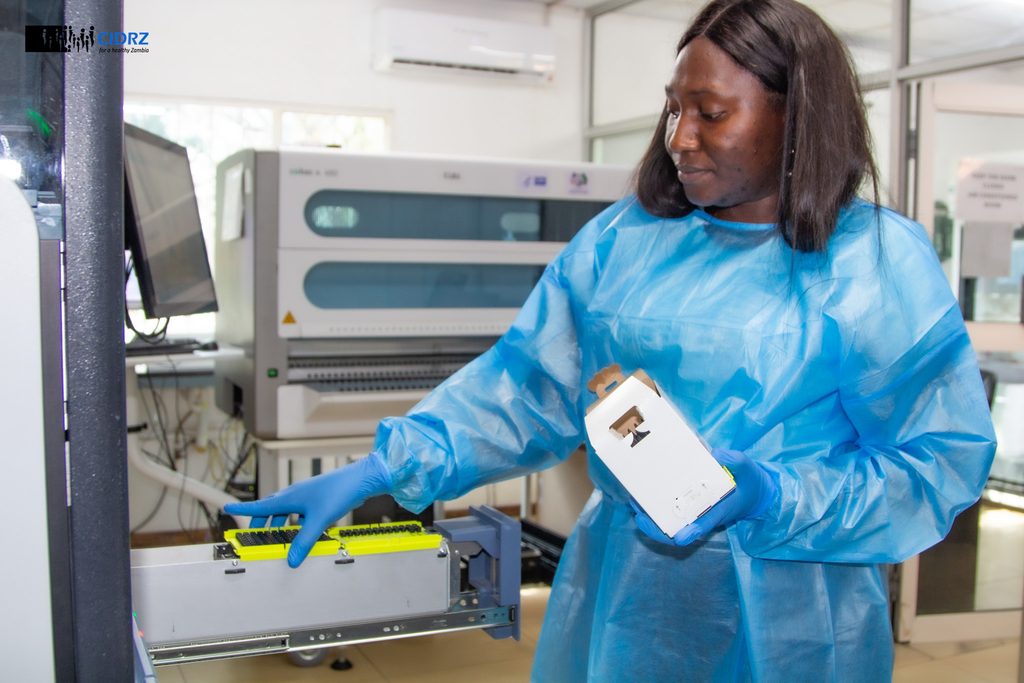
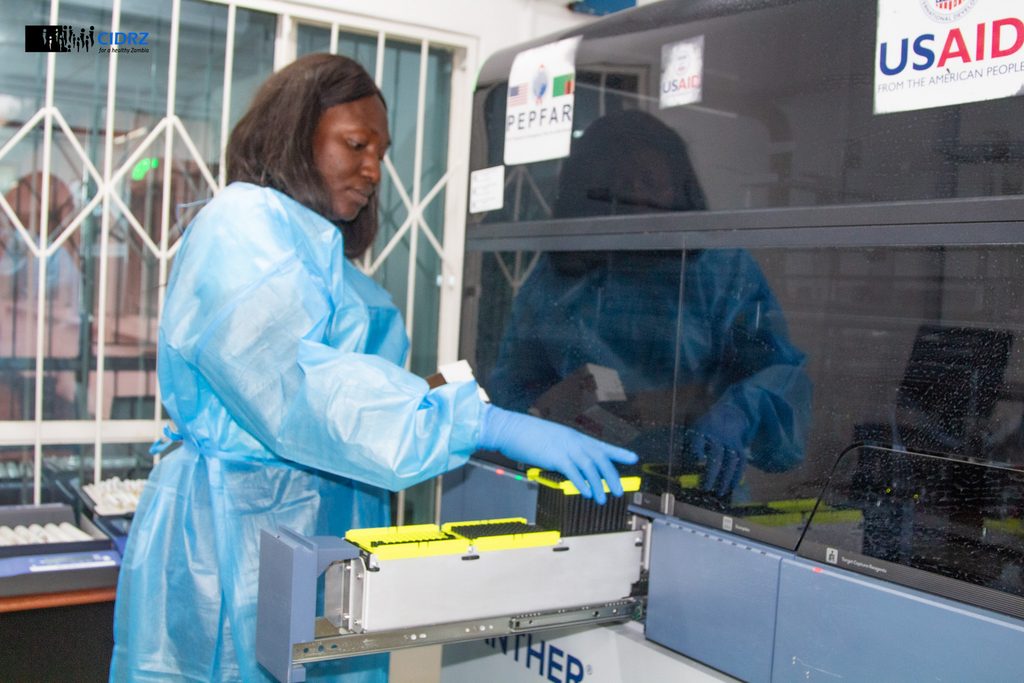
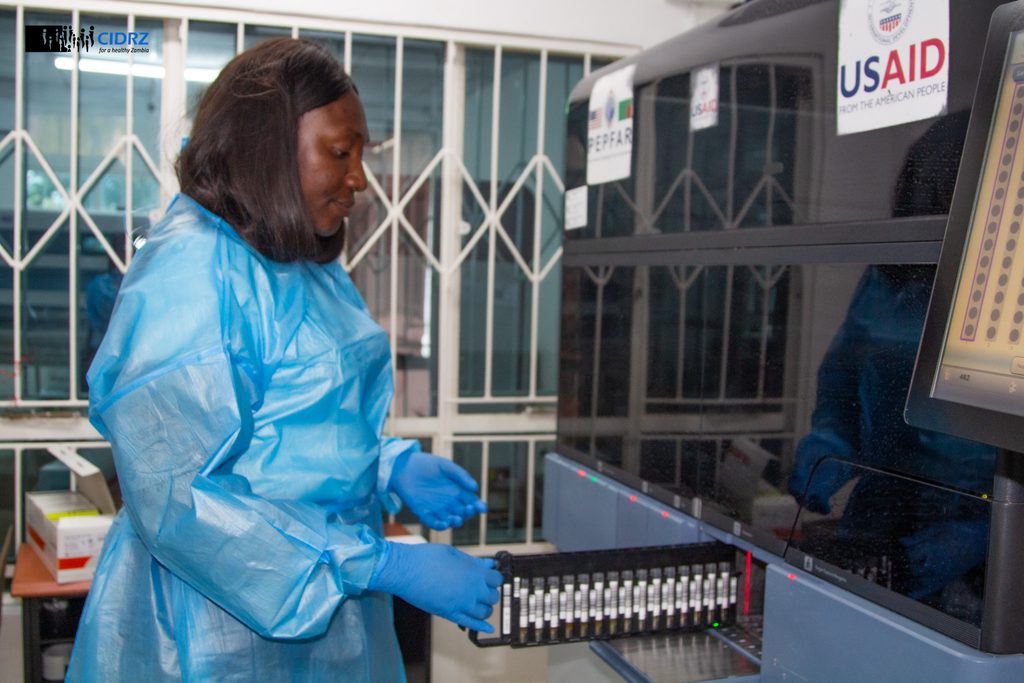
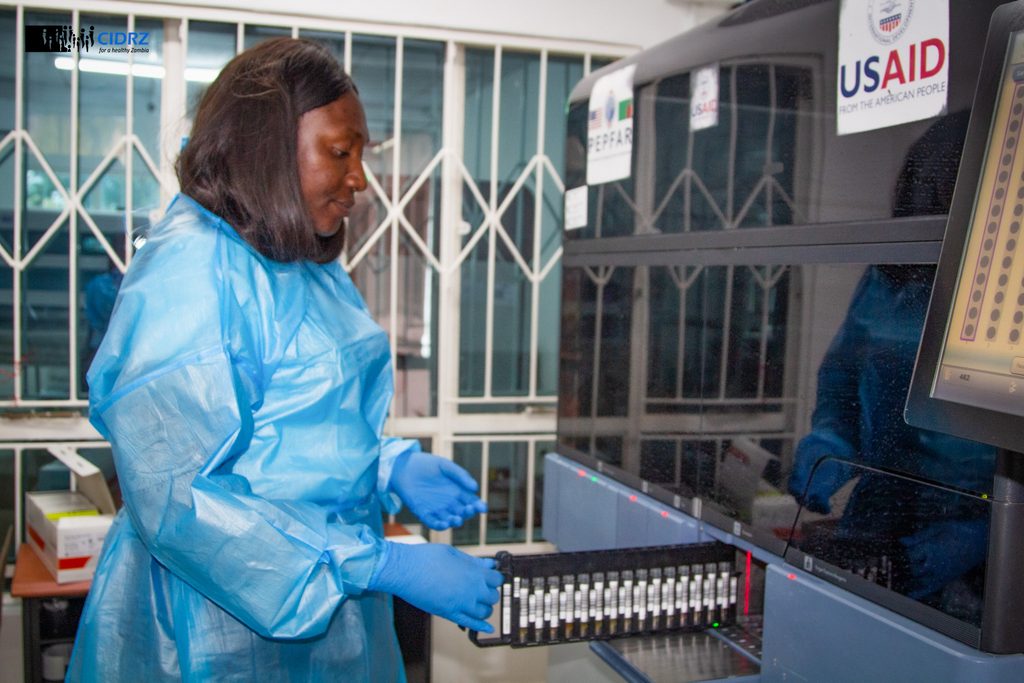
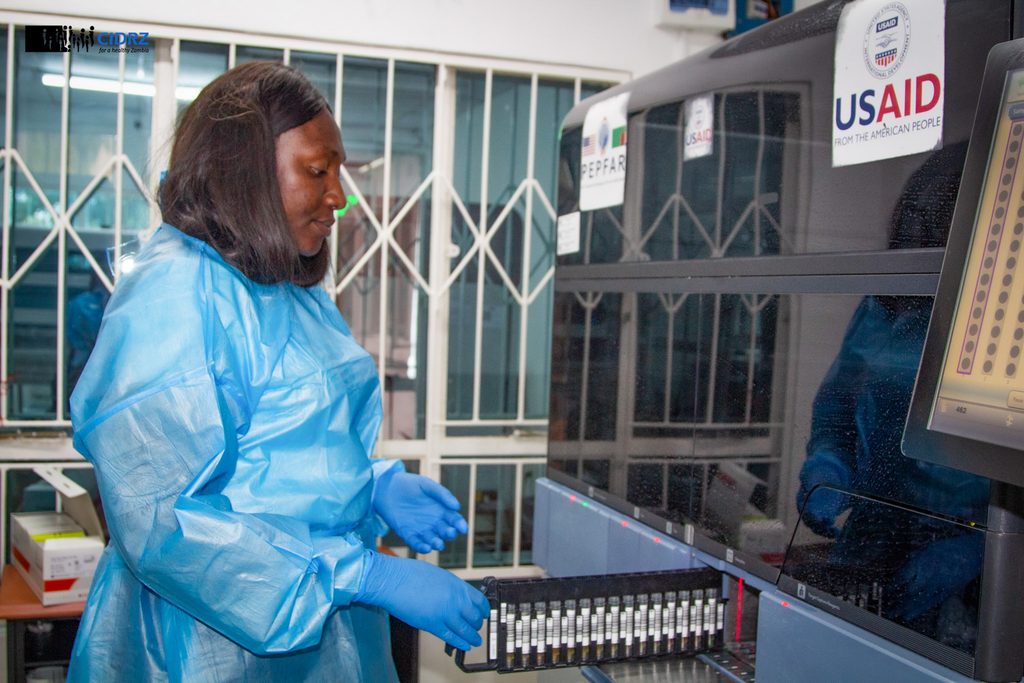
A key stop on the visit was the Livingstone PCR Testing Laboratory at Livingstone University Teaching Hospital. The laboratory provides HIV viral load (VL) and early infant diagnosis (EID) testing for Livingstone, Kalomo, Zimba and Kazungula districts.
Using Hologic Panther and Cobas 4800 platforms, the laboratory processes an average of 600 viral load samples and 300 EID samples a day. Results are delivered within 5 to 14 days.
The laboratory also serves two Zambia Defence Force facilities, the Army School of Ordnance (ASO) and Livingstone ZAF. A DFMS motorbike rider transports samples from these facilities twice a week, so military personnel keep access to essential testing.
Digital systems speeding up results
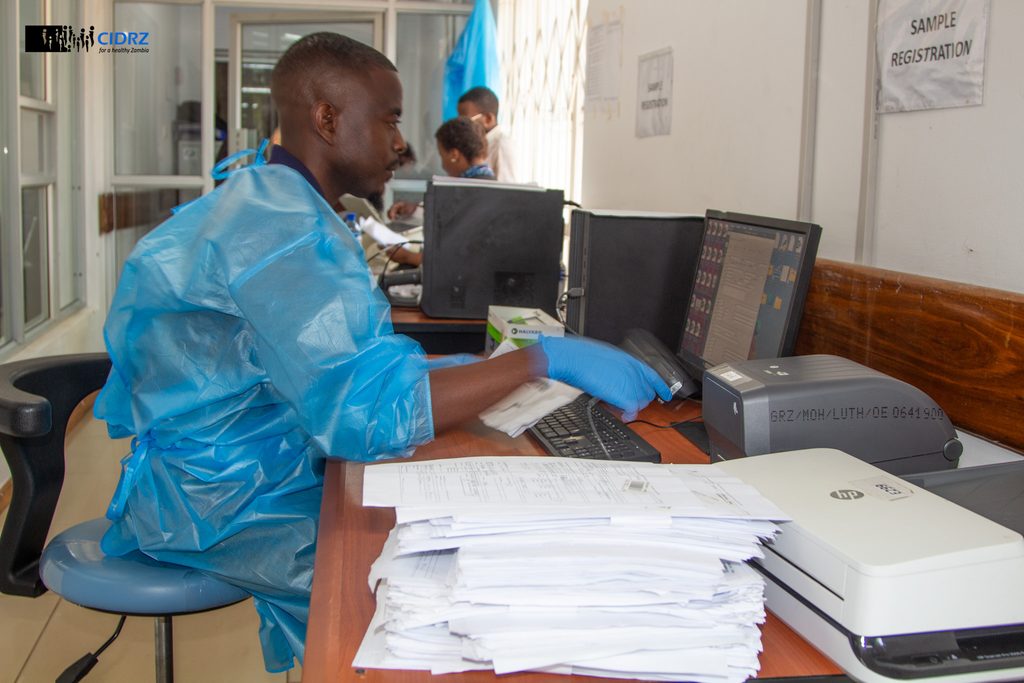
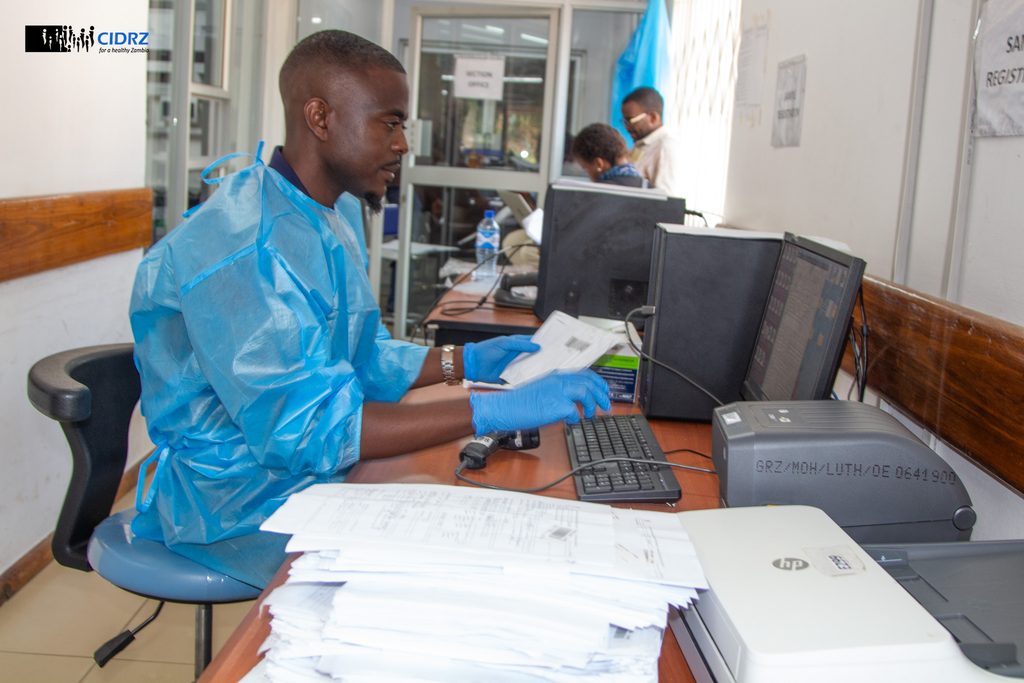
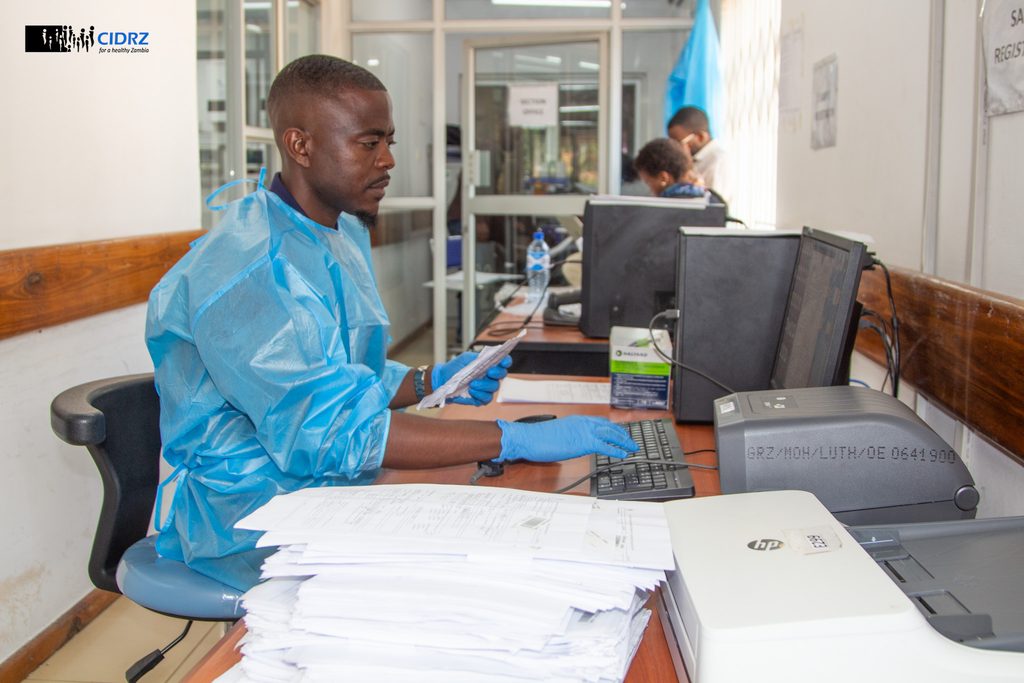
Digital systems are also improving efficiency. Integration between SmartCare and DISA has reduced manual sample registration and clerical errors. Once results are reviewed and authorised, they are sent directly to the patient’s SmartCare file. This helps the laboratory keep turnaround times within the nationally recommended 14 days.
The laboratory is also equipped with open PCR platforms under the Ministry of Health’s National Multi-Pathogen Diagnostic Programme (NMPDP), which allows high-throughput testing for a range of infections.
A shared goal
These improvements are part of wider efforts under the Defence Force HIV Prevention Programme (DFPP). CIDRZ implements the DFPP in collaboration with Zambia Defence Force Medical Services, with support from the United States Department of War HIV/AIDS Prevention Program (DOW/DHAPP).
Through this partnership, the programme strengthens HIV prevention, testing, care and treatment services for military personnel, their families and surrounding communities, and builds the capacity of military health facilities.