LPHO and CIDRZ Trains Lab and Clinical Staff on HIV Drug Resistance for PrEP Monitoring.

CABLA Training Model Strengthens HIV Prevention in Lusaka
September 5, 2025CIDRZ TRAILS Project Supports MoH to Strengthen Curriculum Development for Sustainable Laboratory Services.
September 10, 2025
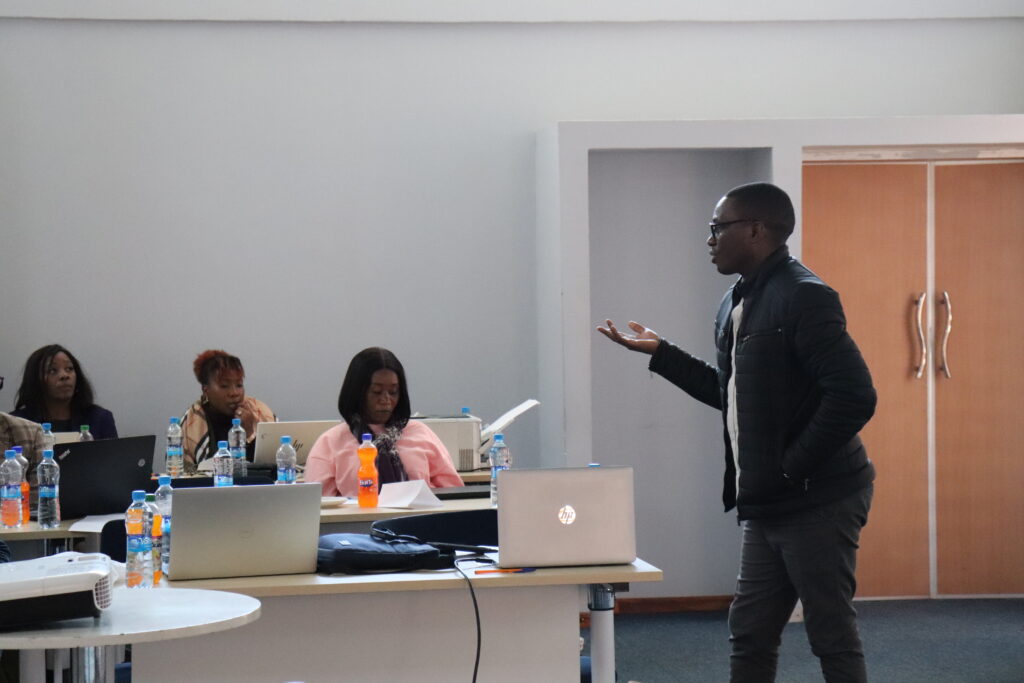
As part of its effort to intensify HIV prevention strategies, the Lusaka Provincial Health Office in partnership with the Centre for Infectious Disease Research in Zambia(CIDRZ), and other partners conducted a specialised training on HIV Drug Resistance for PrEP Monitoring.
This training builds on the recent CAB-LA Training sessions for managers and healthcare providers by focusing on a more advanced, technical component: drug resistance surveillance. Participants included already trained CoAg and MOH clinical and laboratory personnel tasked with implementing long-acting injectable Cabotegravir (CAB-LA) across Lusaka Province.
Mr. Featherstone Mangunje, Lead Facilitator, described the initiative as a groundbreaking step in Zambia’s HIV response.
“This is the first time Zambia is conducting HIV drug resistance surveillance among people using PrEP,” said Mr. Mangunje. “CAB-LA remains in the body for up to 12 months from the last injection. If someone becomes HIV positive during this period when CAB-LA levels are below the levels needed to prevent HIV acquisition, there is a significant risk of resistance.”
He noted that resistance poses a real threat because CAB-LA is in the same class of drugs as Dolutegravir, which, together with Truvada (widely used for oral PrEP) is a component of first-line antiretroviral therapy (ART). Resistance to these drugs could limit future treatment options for newly diagnosed individuals.
“If resistance develops during PrEP use, first-line ART could be compromised,” he said. “That’s why we are collecting samples at diagnosis, six months, and twelve months after ART initiation, to monitor resistance patterns and guide treatment decisions.”
Mr. Mpanji Siwingwa, Laboratory Manager at the Adult Centre of Excellence (ACOE) at University Teaching Hospital (UTH), emphasised the importance of resistance testing in improving clinical care.
When someone on treatment presents with a high viral load after Enhanced Adherence Counselling (EAC), resistance testing helps determine whether the virus has developed resistance mutations that make the medication ineffective,” he explained
He added that CAB-LA is especially suited for individuals who are HIV-negative but at high risk of infection, such as sex workers and adolescents, who often face challenges adhering to daily oral PrEP.
“CAB-LA offers an effective alternative for those who struggle with daily oral pills,” said Mr. Siwingwa. “To ensure long-term success, surveillance is essential to detect any resistance early and respond appropriately.
And CIDRZ’s HIV Testing and Prevention Lead, Dr. Monica Chibesakunda, highlighted that this training was not only theoretical but encompassed different aspects of implementation, including practical sessions and demand creation.

Related posts
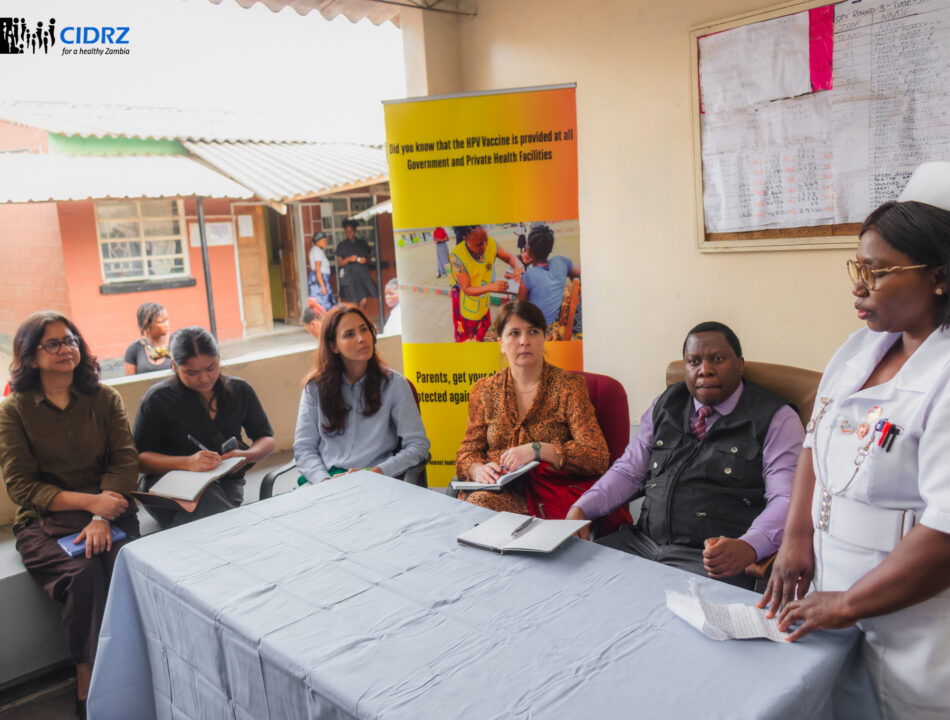
The Gavi delegation, led by Senior Country Manager Jamilya Sherova, joined the national Expanded Programme on Immunisation (EPI) team, led by Dr Jacob Sakala, as they listened to a briefing from the Ngombe Urban Health Centre Medical Superintendent during a visit to observe immunisation service delivery.