CIDRZ and the Defence Force of Zambia Strengthen HIV Service Delivery Through SmartCare Pro-eLMIS Integration.

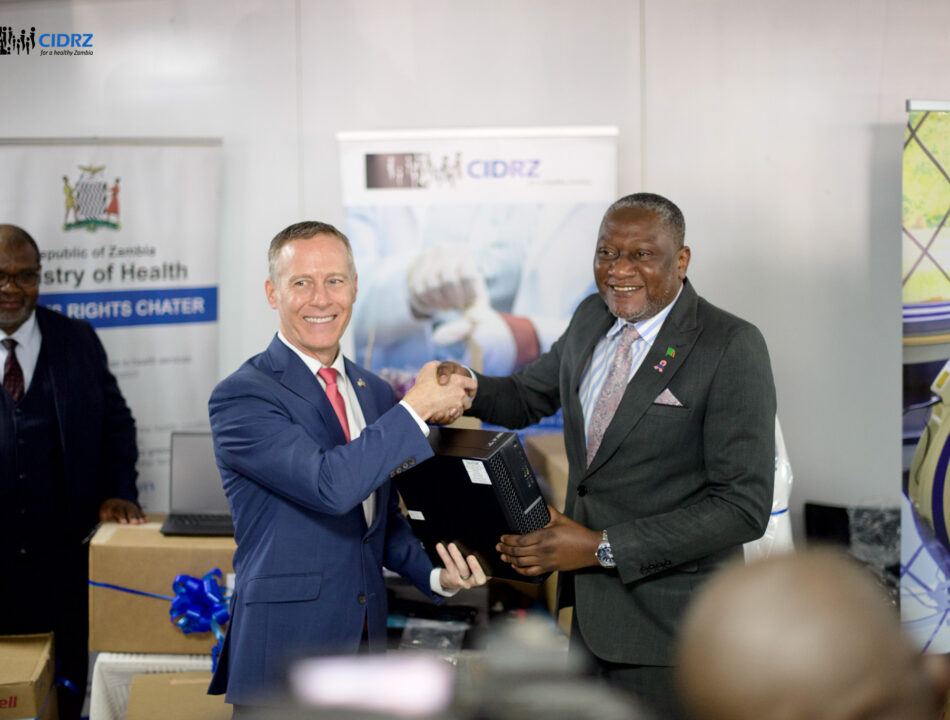
CIDRZ, CDC Foundation and Partners Strengthen Zambia’s IDSR System.
July 24, 2026
Strengthening HIV Prevention Communication for Young People Through Evidence-Based Social and Behaviour Change Approaches
July 29, 2026
Facilities supported by the Defence Force of Zambia (DFZ) HIV programme have relied on two parallel information systems: SmartCare Pro for clinical and patient management data, and the electronic Logistics Management Information System (eLMIS) for pharmaceutical stock and dispensing records.
In most cases, a single staff member managed both systems, entering the same recipient-of-care encounter twice, once in each system.
This duplicate entry led to two main issues. First, it reduced the accuracy of consumption data in eLMIS. When staff focused on SmartCare Pro, eLMIS transactions were often delayed, incomplete, or missed, weakening the reliability of data used for forecasting and supply planning.
In addition, when staff prioritised eLMIS, dispensing records were not always updated in SmartCare Pro. As a result, recipients who collected their medication sometimes appeared as if they had not, directly increasing rates of Interruption in Treatment (IIT) due to missing documentation.
To address these challenges, CIDRZ, with support from the United States Government through the Department of War (DOW), partnered with the Defence Force of Zambia to implement an interoperability solution linking SmartCare Pro and eLMIS.
The initiative was implemented in collaboration with the Ministry of Health (MoH), the Institute for Health Measurement (IHM), and the Global Health Supply Chain program- Procurement and Supply Chain Management (PSM) team, combining expertise in clinical systems, supply chain management, and health facility infrastructure.
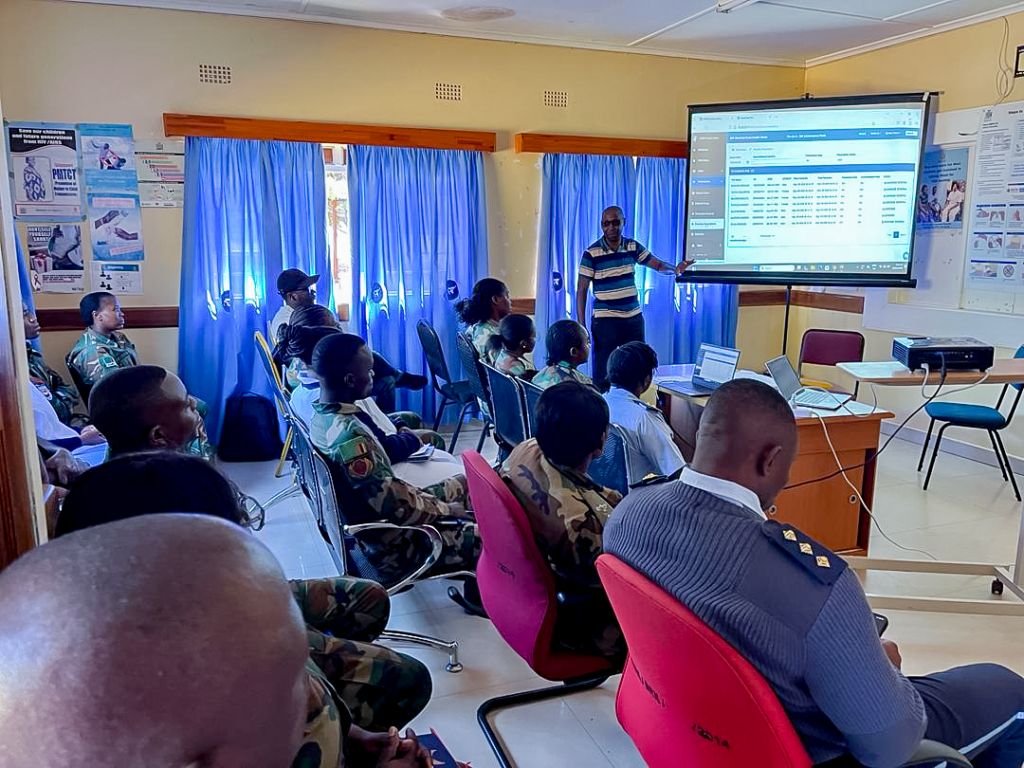
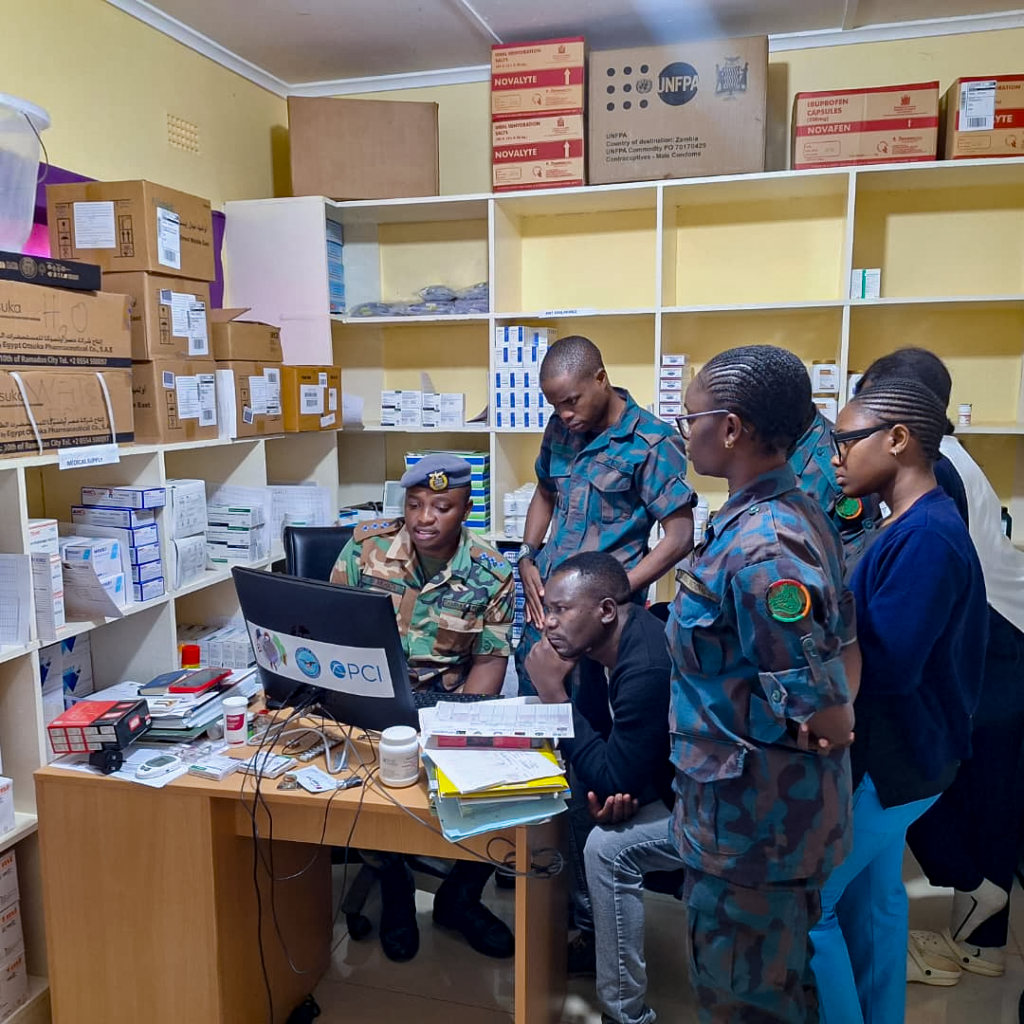
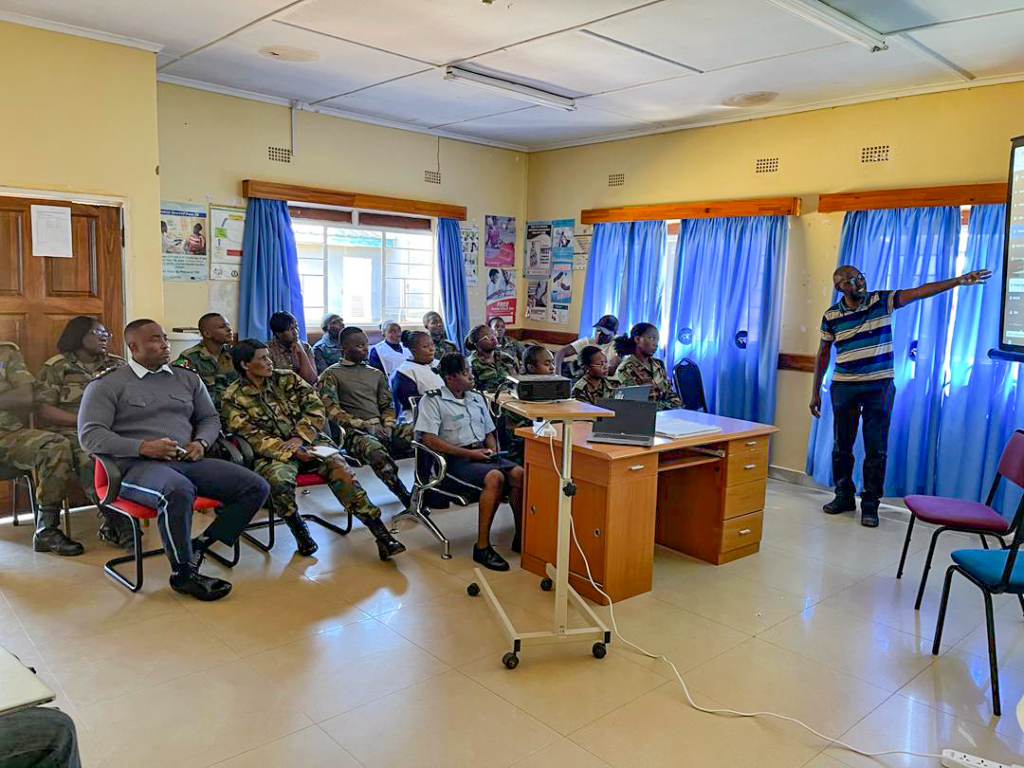
With this integration, health workers now manage the recipient-of-care journey through a single electronic workflow. Clinicians generate prescriptions in SmartCare Pro, which are automatically sent to the pharmacy queue in eLMIS. After dispensing, the transaction is synchronised back into SmartCare Pro, removing the need for manual re-entry.
The integration was supported by investments in critical infrastructure, including the installation of solar power backup systems and improved internet connectivity at supported sites.
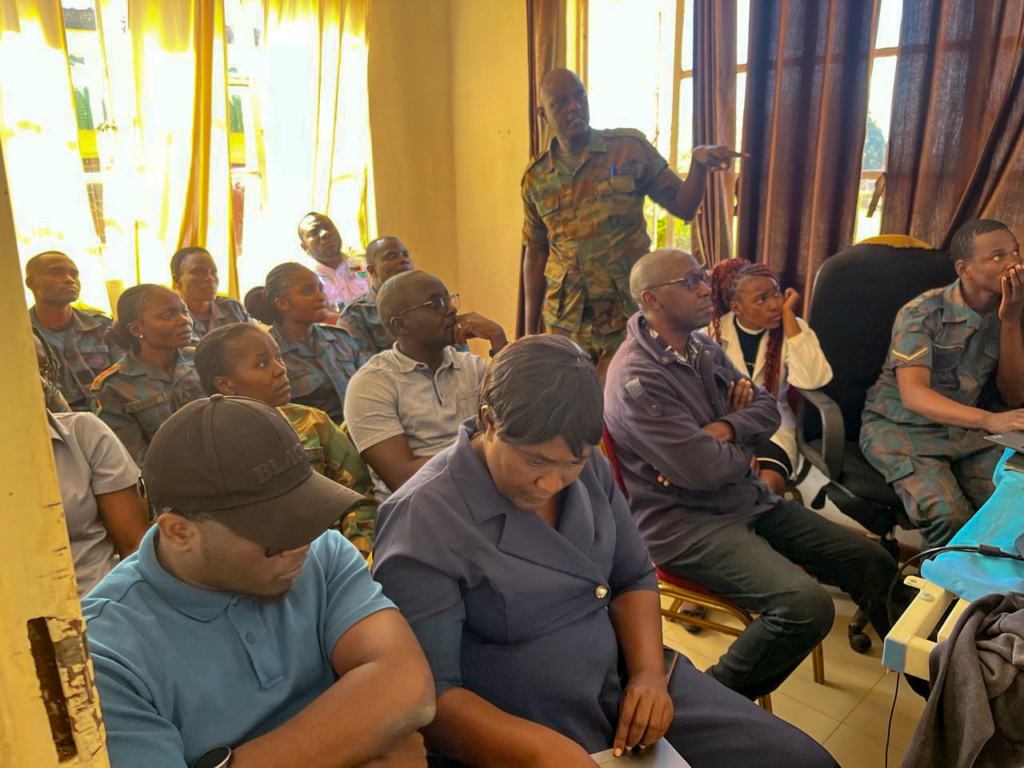
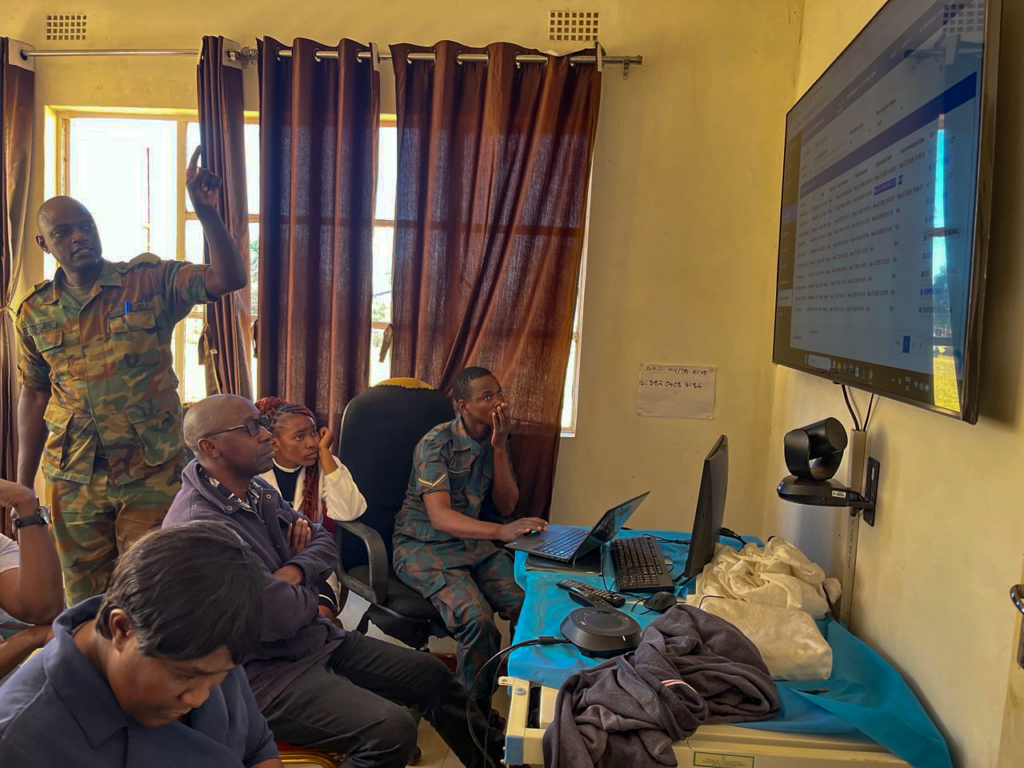
Other initiatives include collaboration with key partners and mentoring pharmacy and clinical staff on the new electronic workflow.
The rollout has achieved significant progress, with 59 of 60 DFZ-supported sites now operating fully interoperable SmartCare Pro and eLMIS systems.
CIDRZ’s DFPP Supply Chain Advisor, Mubiana Muhau, says the project shows what is possible when infrastructure, systems, and people are addressed together, rather than in isolation. “We did not simply connect two software systems; we first closed the power and connectivity gaps that had made real-time data exchange impossible, and then built an e-first pathway around the recipient of care,” said Mubiana Muhau.
Mr Muhau added that achieving interoperability across 59 supported sites demonstrates the strength of collaboration among CIDRZ, the Ministry of Health, IHM, and PSM and provides a foundation for future improvements to health information systems.
Meanwhile, Lt Col Mboozi E Choonga, Supply Chain Manager, Defence Force of Zambia, added that the integration has also transformed how health workers manage daily operations at the facility level.
“Before this integration, our health teams were carrying the burden of two systems that did not speak to each other. With this interoperability in place, our clinicians and pharmacy staff now work within a single, connected process. It has restored confidence in our data and, more importantly, it is helping us keep our members and their families on treatment,” said Lt Col Choonga.
At ZNS Charles J. Nyirenda Hospital, pharmacy teams have reported greater efficiency and accountability.
“This integration has changed how we work at the facility level. It has stopped the duplication of work. Previously, we had to dispense in both eLMIS and SmartCare Pro, but now, once dispensing is done in eLMIS, SmartCare Pro automatically acknowledges it. It has simplified ART patient registration and strengthened stock accountability,” said Lt Luyando Kaacha, ART Pharmacy Focal Point Person, ZNS Charles J. Nyirenda Hospital.
From a monitoring and evaluation perspective, the integration has strengthened data management by linking clinical services with commodity data.
“Integrating eLMIS with SmartCare Pro improves data quality, completeness, and consistency by linking clinical services with commodity data. It supports routine data triangulation, reduces duplicate data entry, identifies reporting discrepancies, and promotes complete and timely documentation,” said Lombe Kalima, Strategic Information Lead, CIDRZ–DFPP.
CIDRZ and the Defence Force of Zambia continue to work toward full interoperability across all supported sites, while maintaining progress through ongoing mentorship, routine data quality reviews, and preventive infrastructure maintenance.
The SmartCare Pro-eLMIS integration demonstrates how strong partnerships, digital health solutions, and infrastructure investments can improve health service delivery, strengthen supply chain systems, and place recipients of care at the centre of an efficient, connected healthcare system.