Strengthening HIV Prevention Communication for Young People Through Evidence-Based Social and Behaviour Change Approaches

CIDRZ and the Defence Force of Zambia Strengthen HIV Service Delivery Through SmartCare Pro-eLMIS Integration.
July 28, 2026
CIDRZ Equips Defence Health Leaders to Advance Next-Generation HIV Prevention
July 30, 2026
The right information at the right time can empower young people to make informed choices, protect themselves from HIV, and take control of their health futures.
In Zambia, adolescents and young people account for nearly 38% of new HIV infections, with approximately 11,000 of the estimated 30,000 new HIV infections recorded annually occurring among young people. These figures highlight the urgent need for targeted prevention efforts and communication messages that directly address young people’s realities, challenges, and information needs.
To respond to this need, the Centre for Infectious Disease Research in Zambia (CIDRZ), through its ViiV Healthcare-funded Accelerating Access for Prevention Services (AAPS) Project and the CIFF-supported HIV Self-Testing (HIVST) Monitoring and Evaluation Strengthening Project implemented by PSI Europe, supported efforts to strengthen HIV prevention by raising awareness and equipping young people with the knowledge and tools required to make informed decisions about their health.
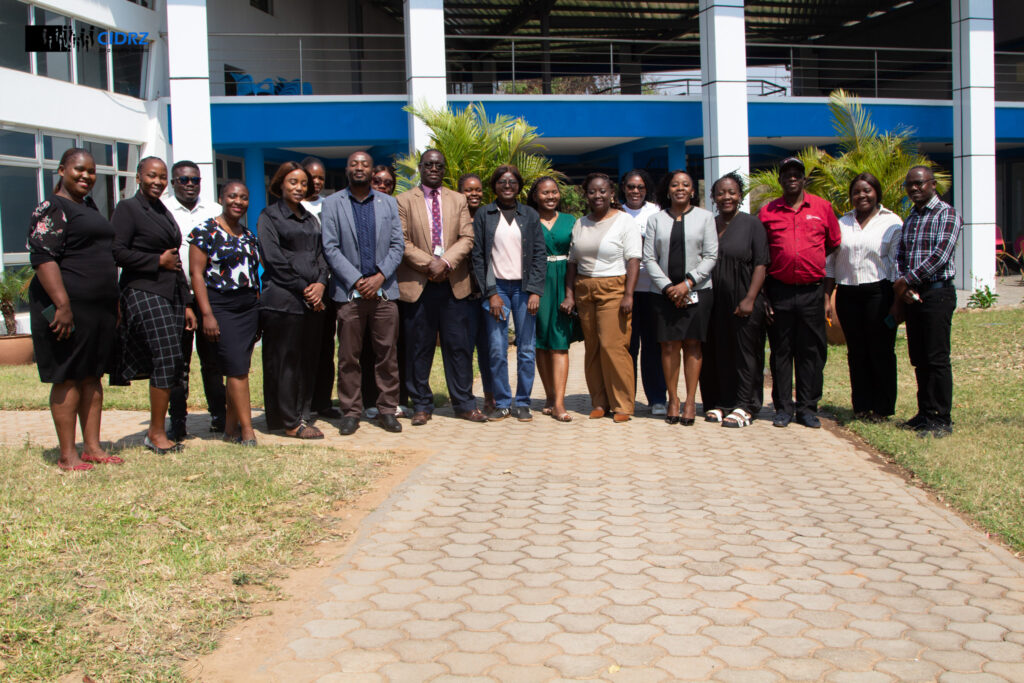
Through the Social and Behaviour Change (SBC) Technical Working Group, CIDRZ convened health partners, government institutions, and technical experts to develop and refine communication materials targeting adolescent boys and young men. The materials are designed to provide accurate, practical, and engaging information that promotes healthier choices, addresses misconceptions, and contributes to reducing HIV risk among young people.
Officially opening the three-day workshop, SBC Technical Working Group Chairperson Dr James Zulu, who is also CIDRZ’s Advisor for Health Promotion and Project Manager for the ViiV ABYM and CIFF HIVST Projects, encouraged participants to work collaboratively in developing high-quality, evidence-based SBC materials that effectively respond to community needs.
Dr Zulu emphasised the importance of strategic communication in addressing HIV misconceptions, increasing awareness of available prevention options, and encouraging individuals at risk of HIV to access and use Pre-Exposure Prophylaxis (PrEP) services.
Meanwhile, the HIV Testing Services (HTS) Lead at the Ministry of Health Headquarters, Ms Lubasi Sudano, described HIV Self-Testing as a “game changer” in expanding access to HIV testing services. She stressed the importance of developing simple, practical job aids to support healthcare providers and community agents in delivering HIV prevention services effectively.
Ms Jean Simalonda from the National AIDS Council (NAC) highlighted the critical role of SBC in achieving the goal of ending AIDS by 2030, noting that biomedical interventions alone are not enough without addressing stigma, changing harmful social norms, and increasing demand for HIV prevention and treatment services.
The three-day workshop focused on strengthening communication strategies that promote HIV prevention behaviours, including increased awareness and uptake of Pre-Exposure Prophylaxis (PrEP), a medication that significantly reduces the risk of HIV infection among HIV-negative individuals when taken as prescribed.
Beyond communication materials, participants reviewed Standard Operating Procedures for HIV Self-Testing (HIVST) at Sentinel Sites and developed practical job aids to support healthcare workers and community agents in implementing HIV prevention services across Zambia.
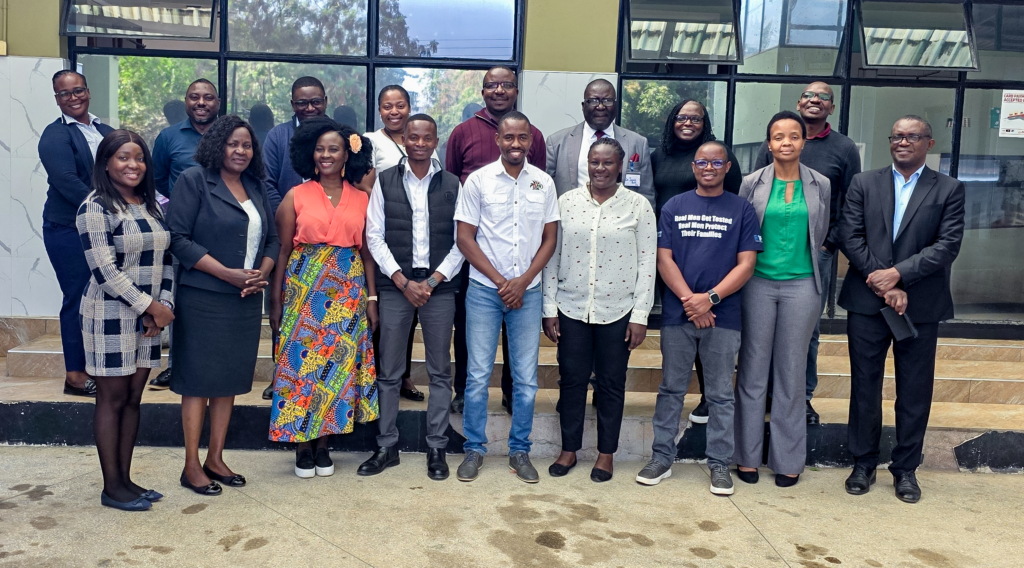
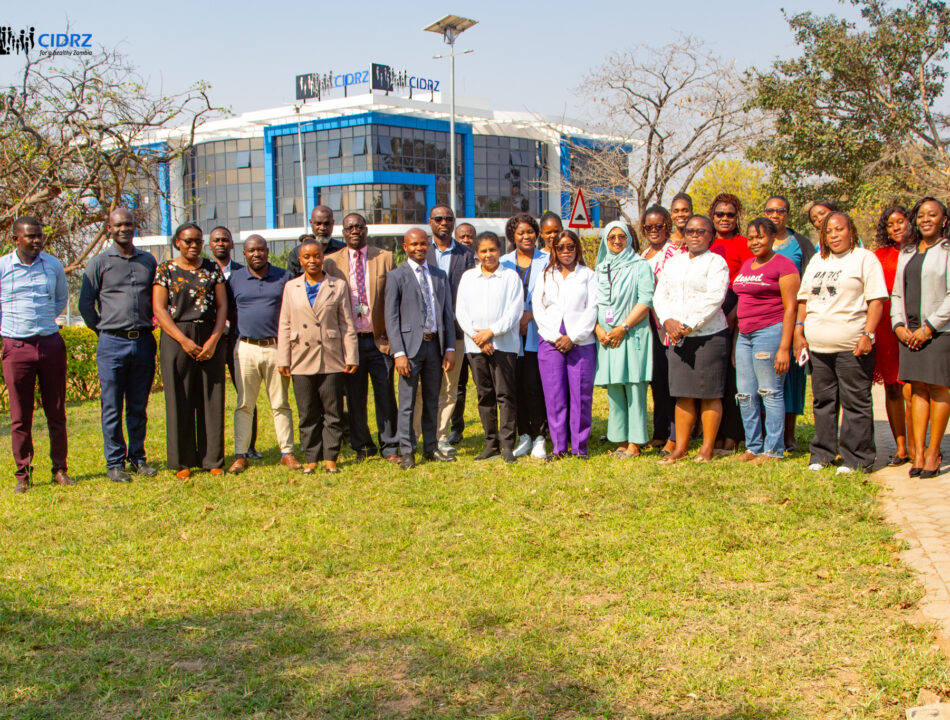
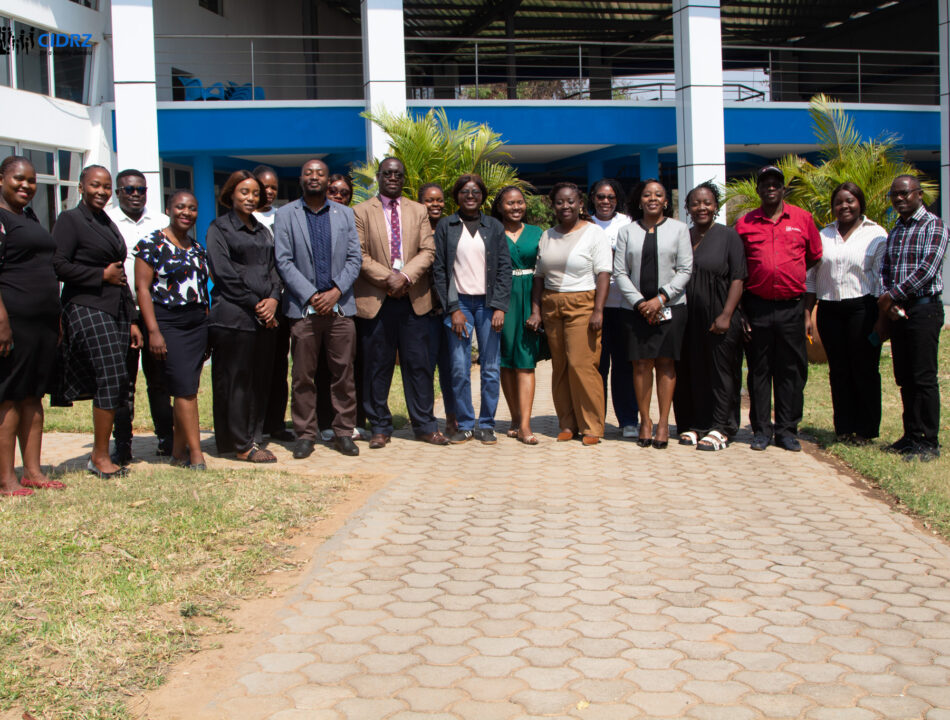
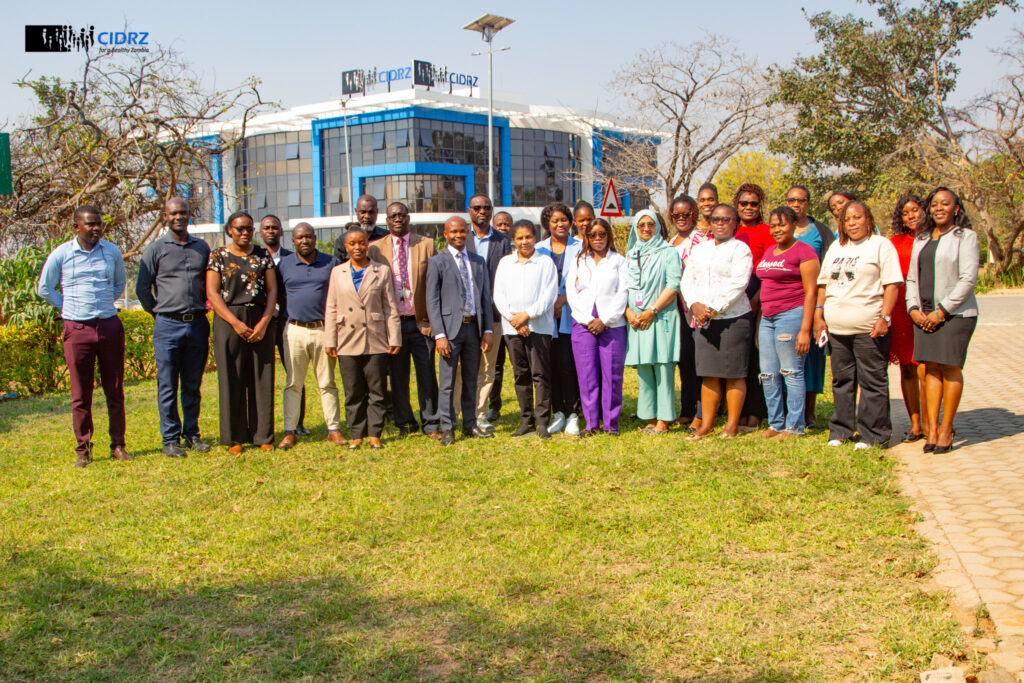
The workshop brought together representatives from the Ministry of Health, Ministry of Education, National HIV/AIDS/STI/TB Council (NAC), and other members of the Social and Behaviour Change Technical Working Group, reinforcing collective efforts to strengthen HIV prevention communication and improve access to life-saving services for young people across Zambia.