TRAILS Project Strengthens Financial and Procurement Systems Across All Ten Provinces

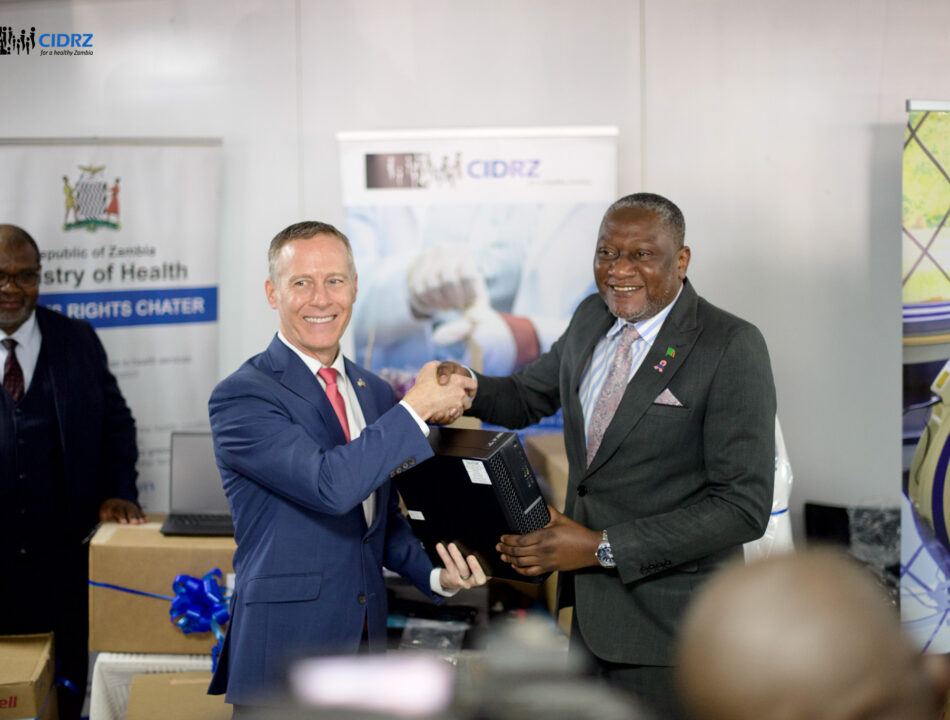
The Ministry of Health Lauds CIDRZ for Equipment Support to MoH to Strengthen TB Response in Zambia
September 10, 2026TRAILS Project Strengthens Financial and Procurement Systems Across All Ten Provinces

Strong financial and procurement systems are essential to ensuring that health facilities can manage resources responsibly, maintain accountability and translate programme investments into quality health services for communities.
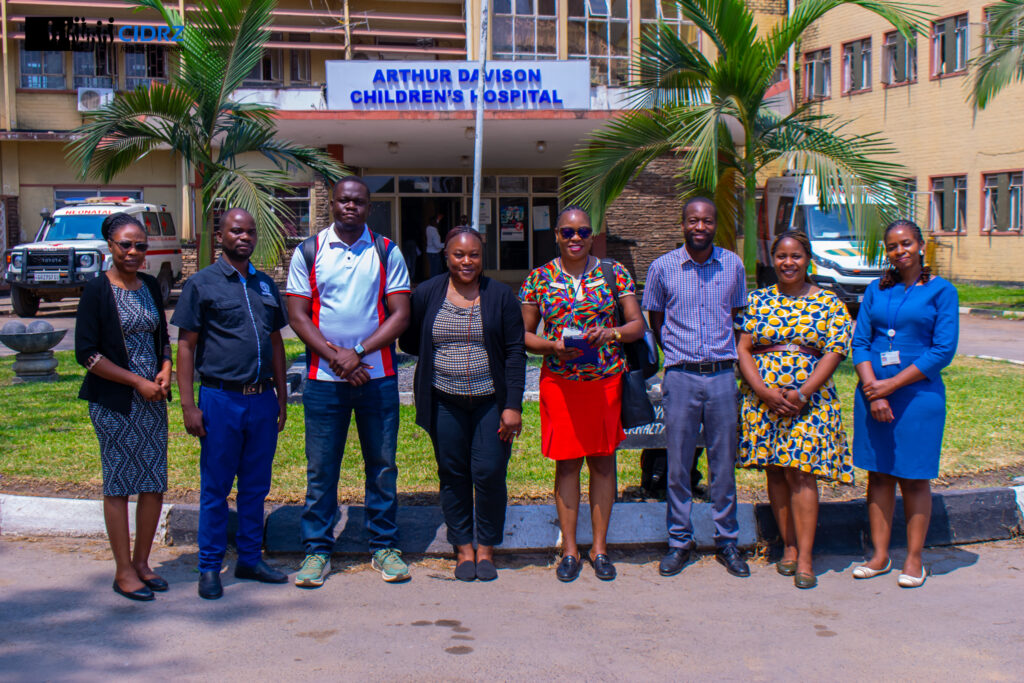
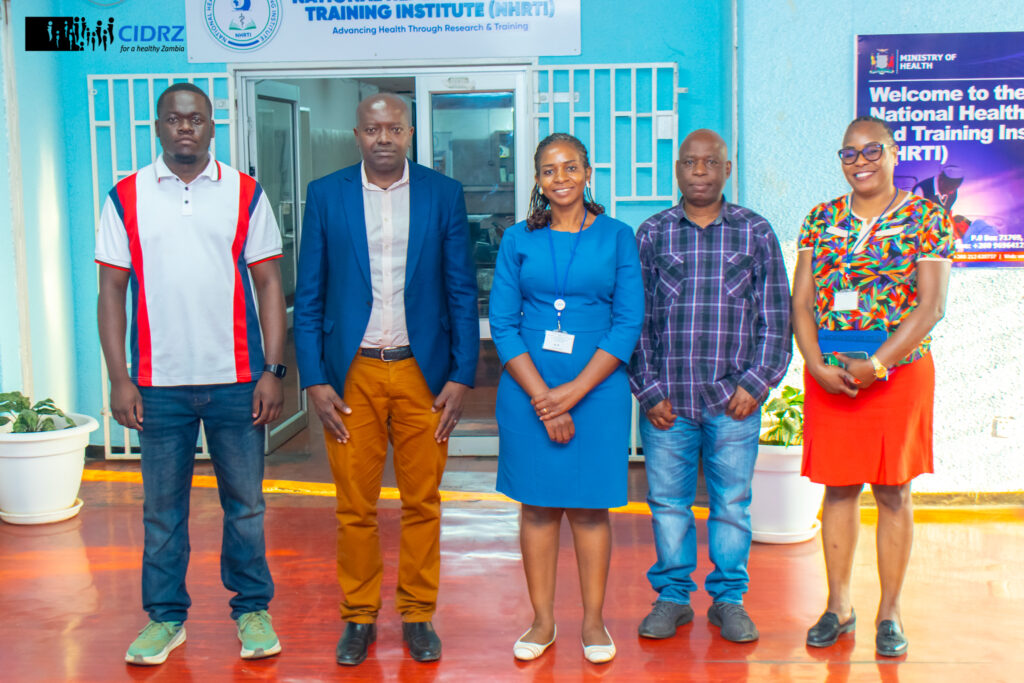
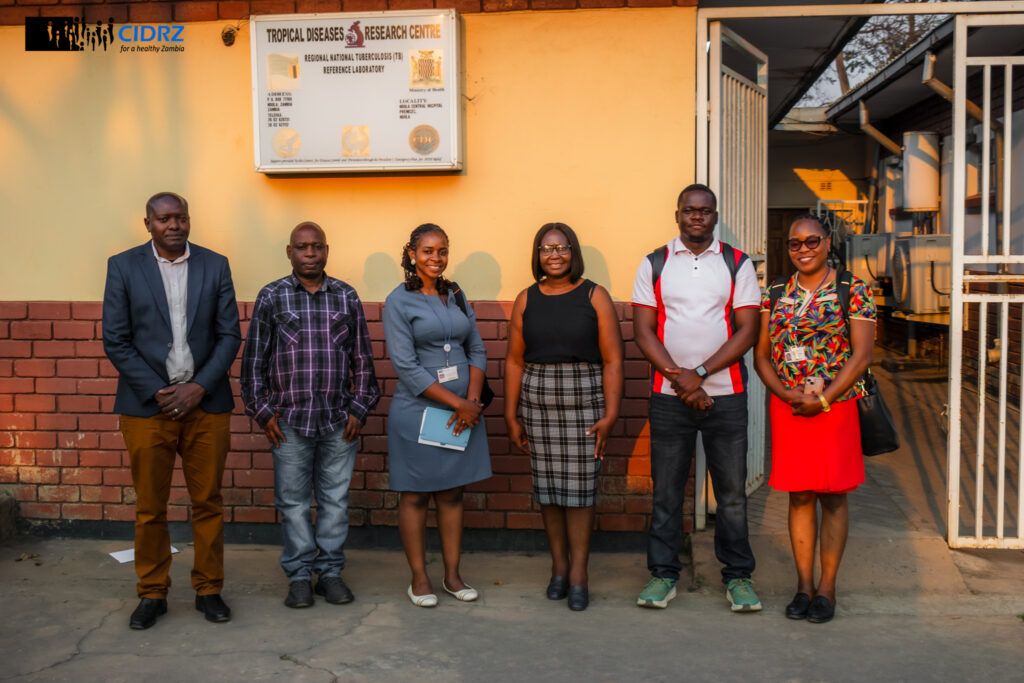
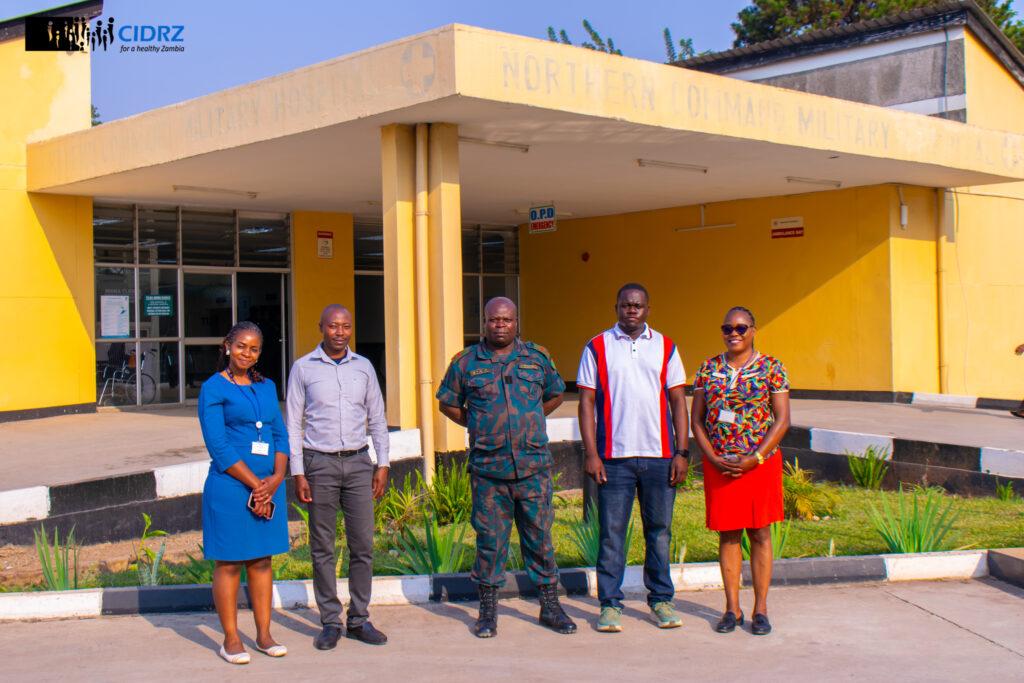
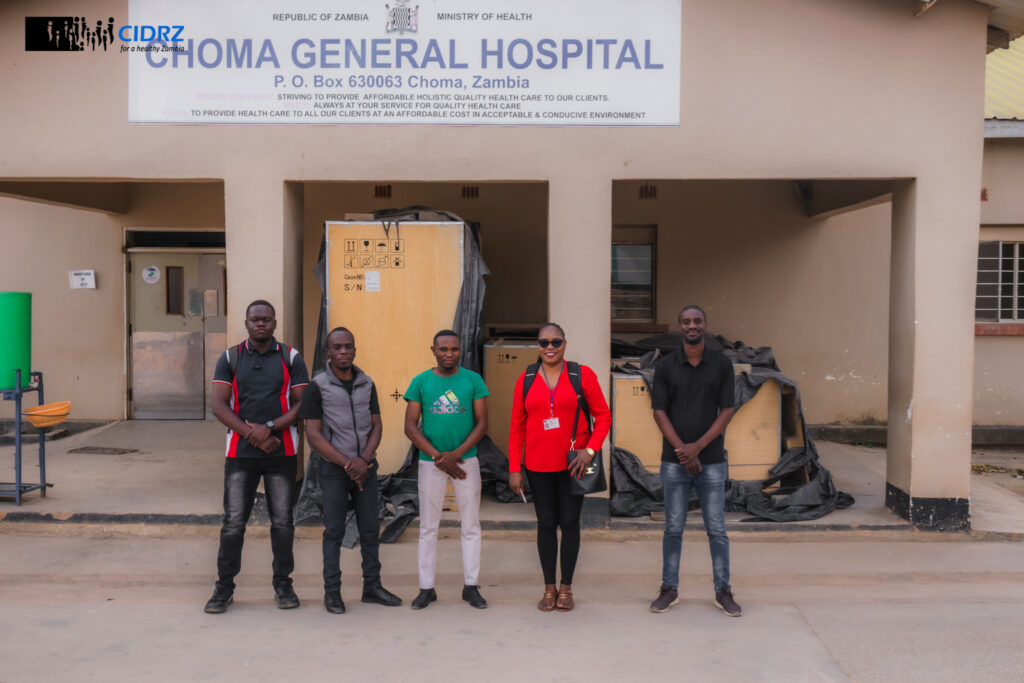
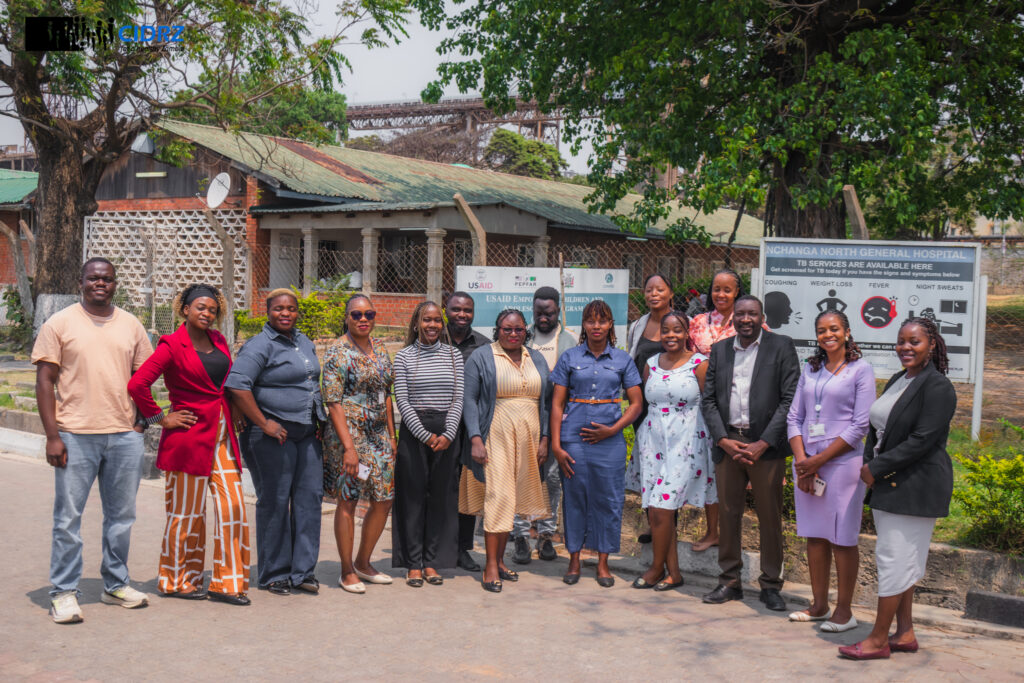
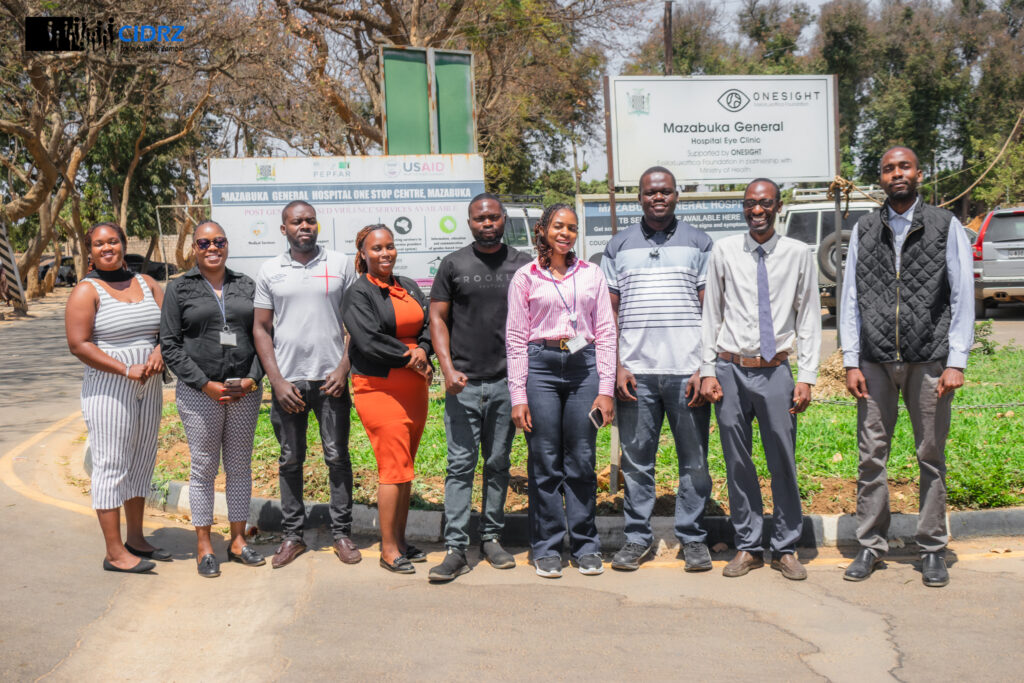
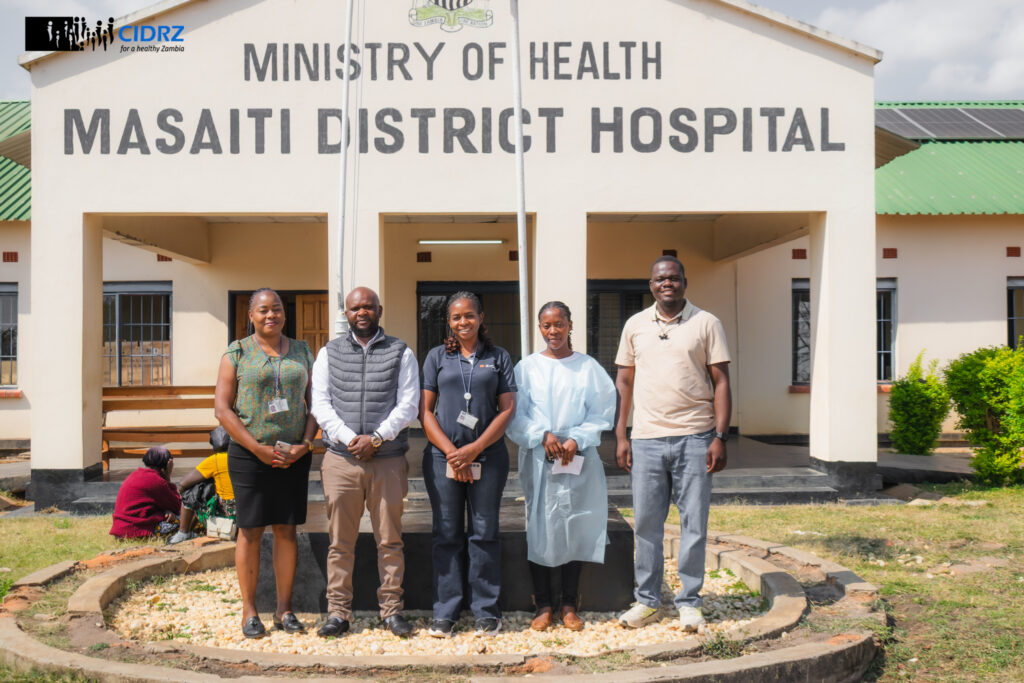
To strengthen these systems, the Centre for Infectious Disease Research in Zambia (CIDRZ), through the Transitioning and Integrating Laboratory Services (TRAILS) Project, has completed finance and procurement site visits across all ten provinces of Zambia.
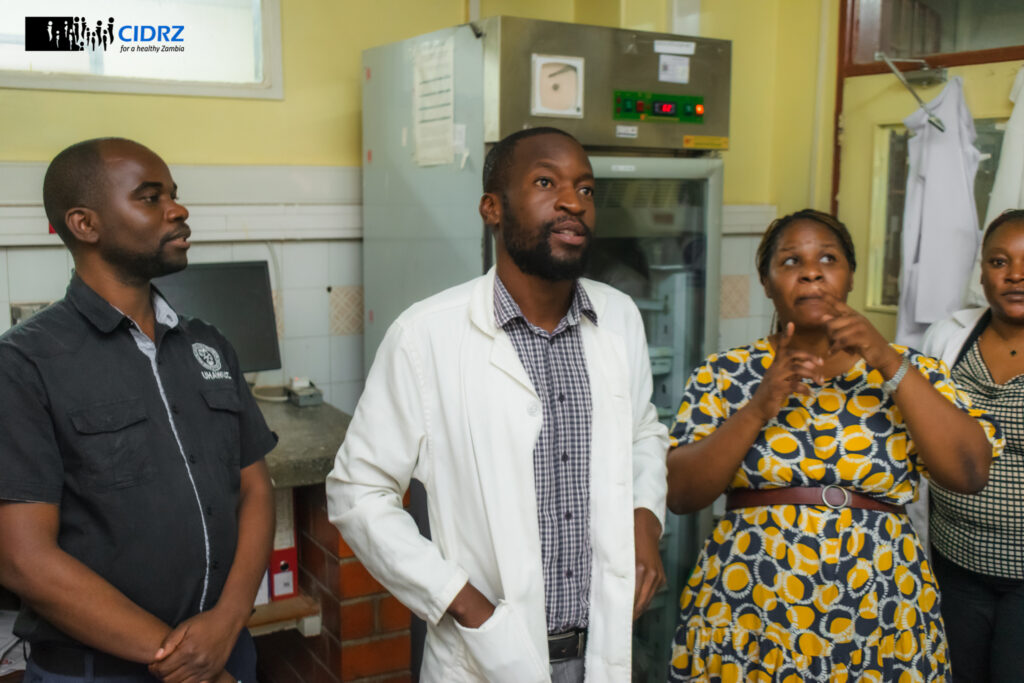
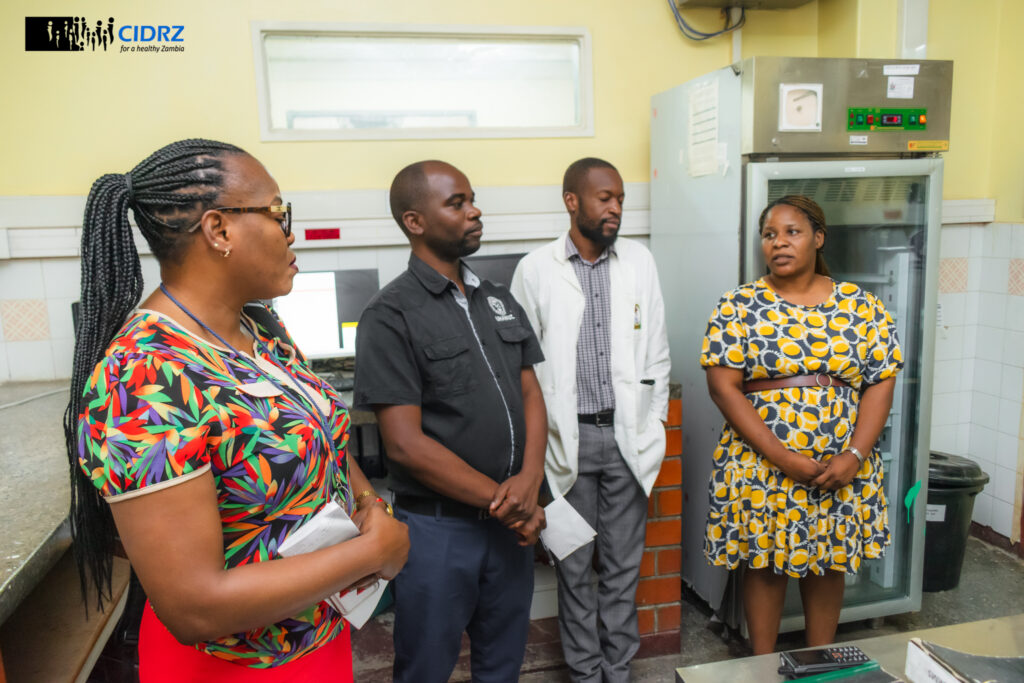
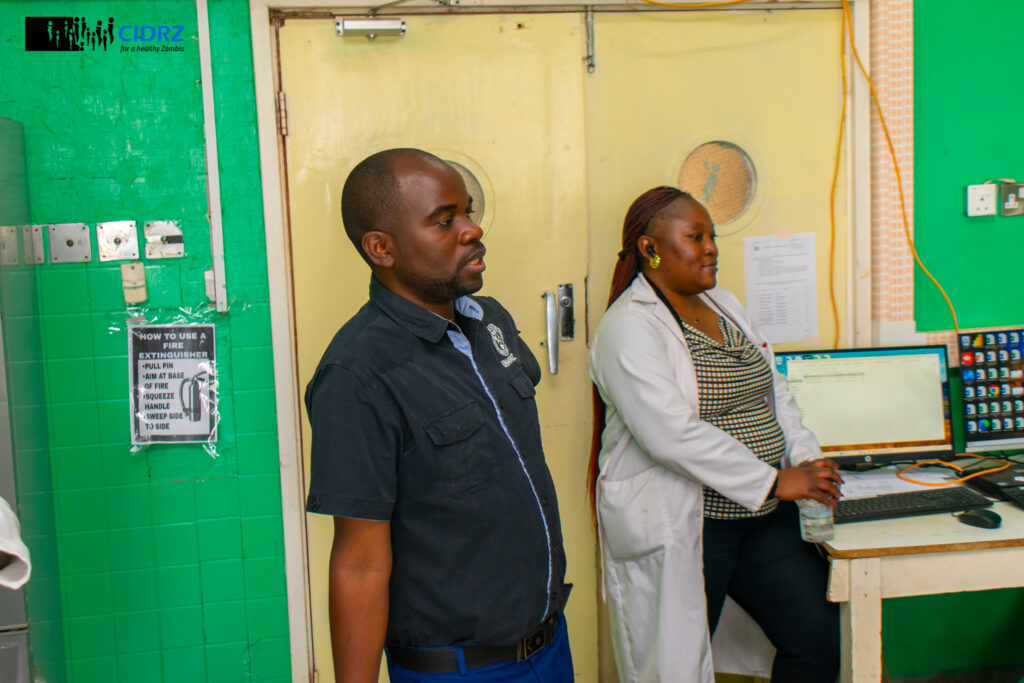
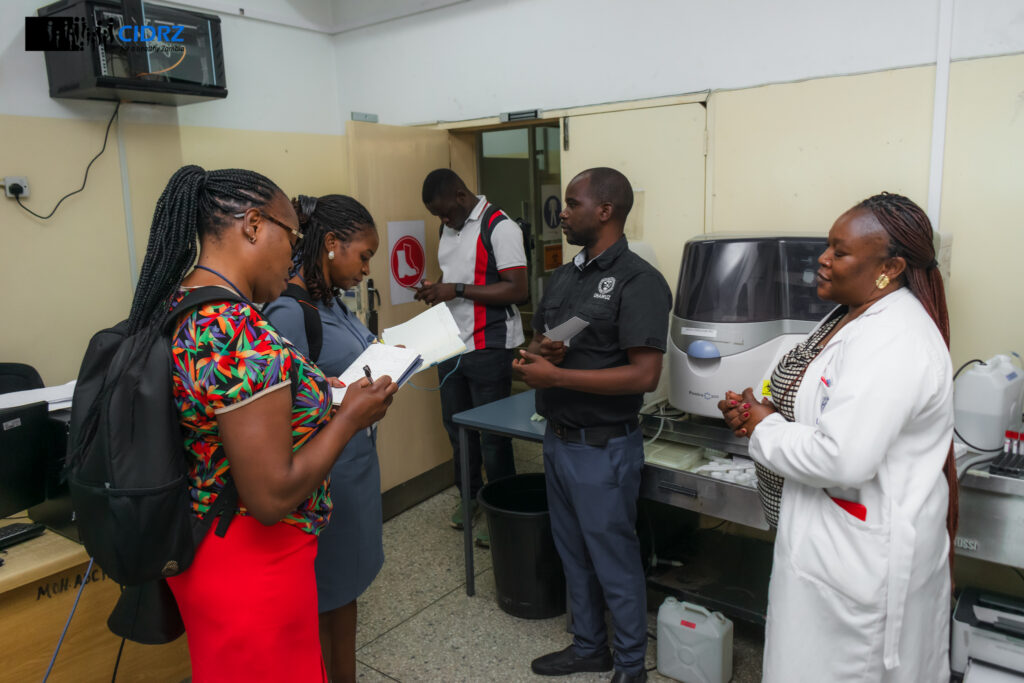
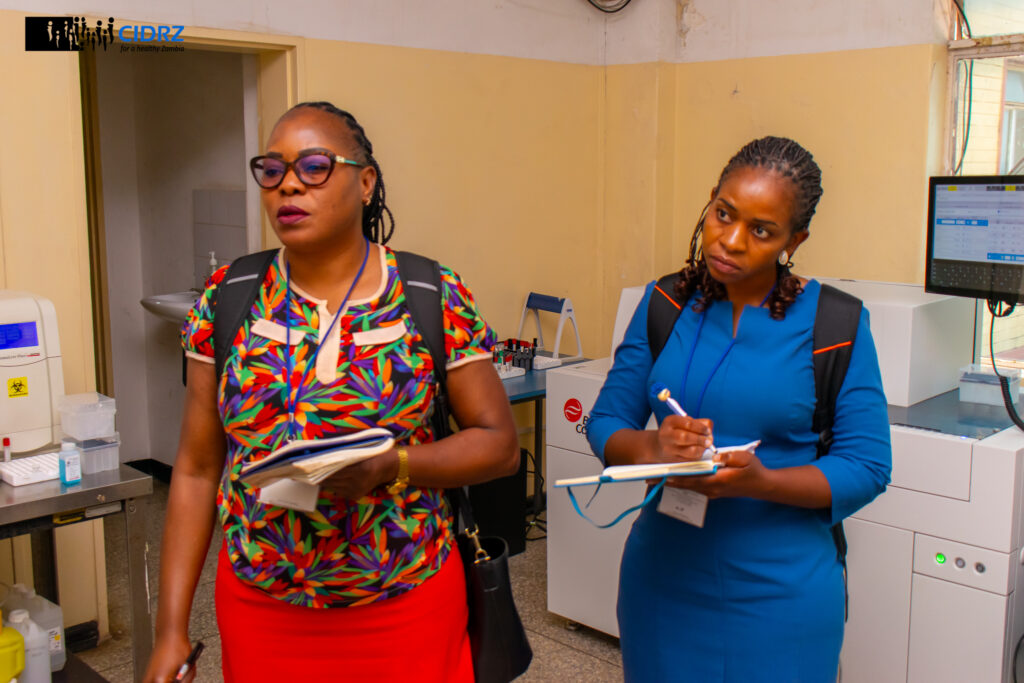
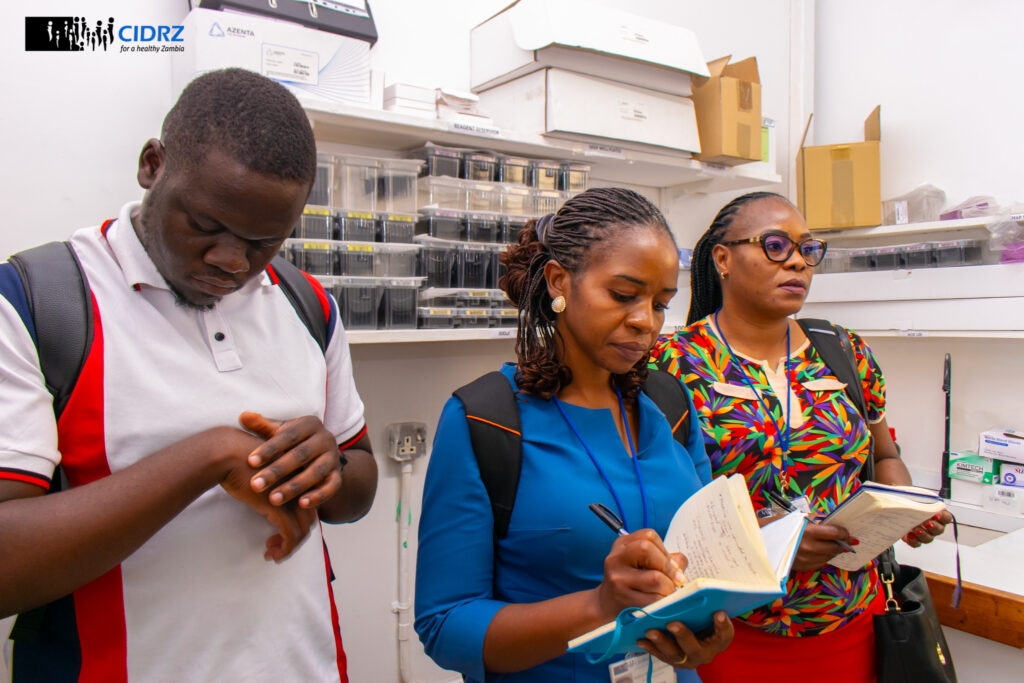
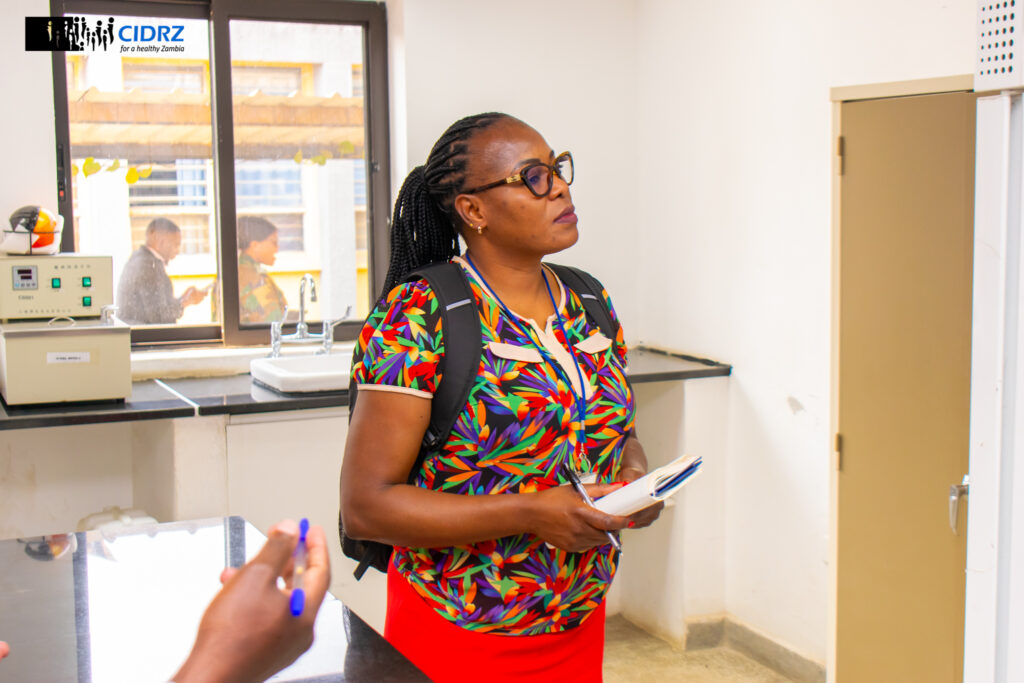
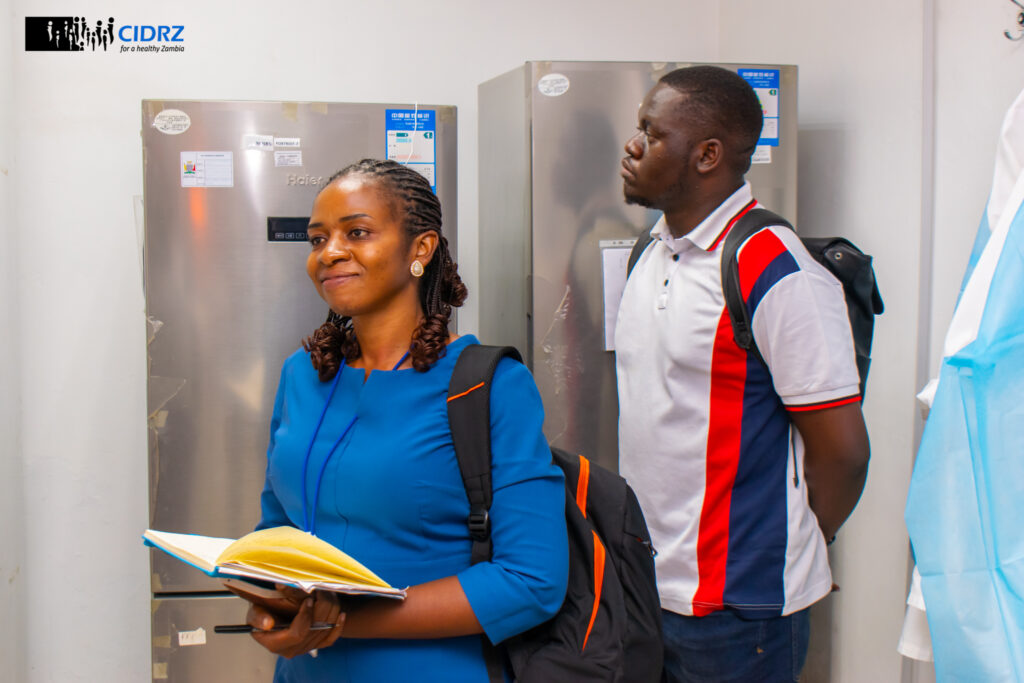
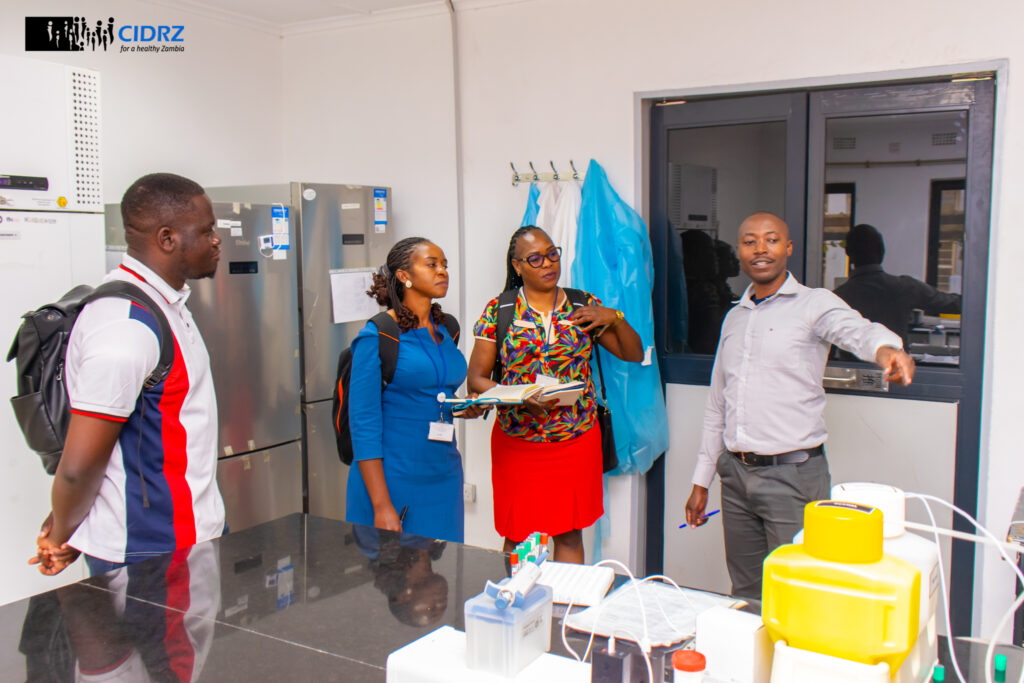
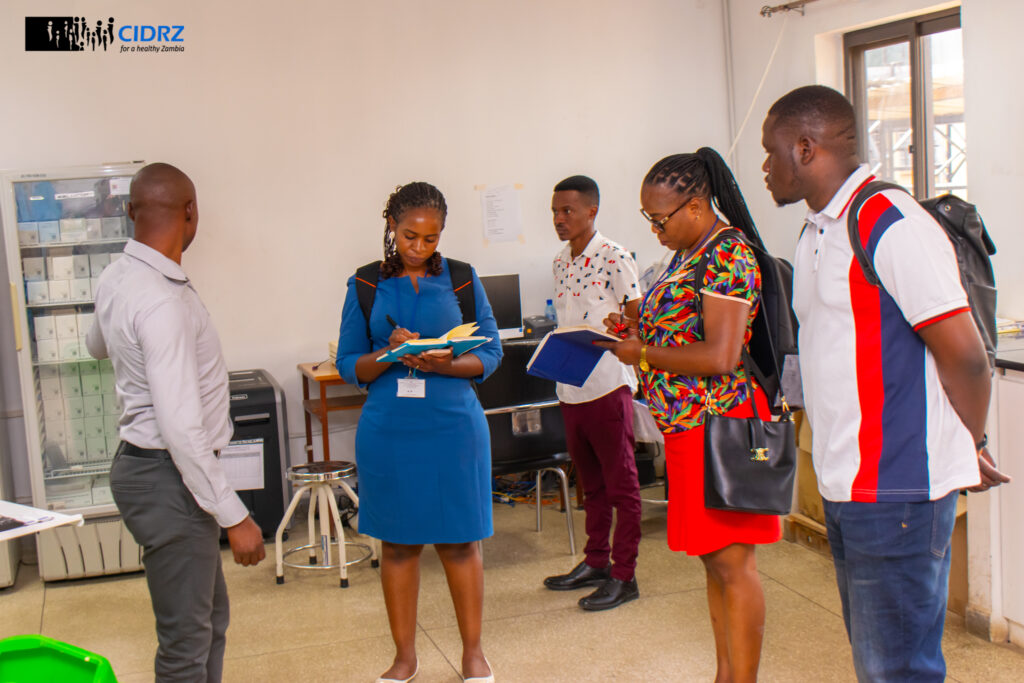
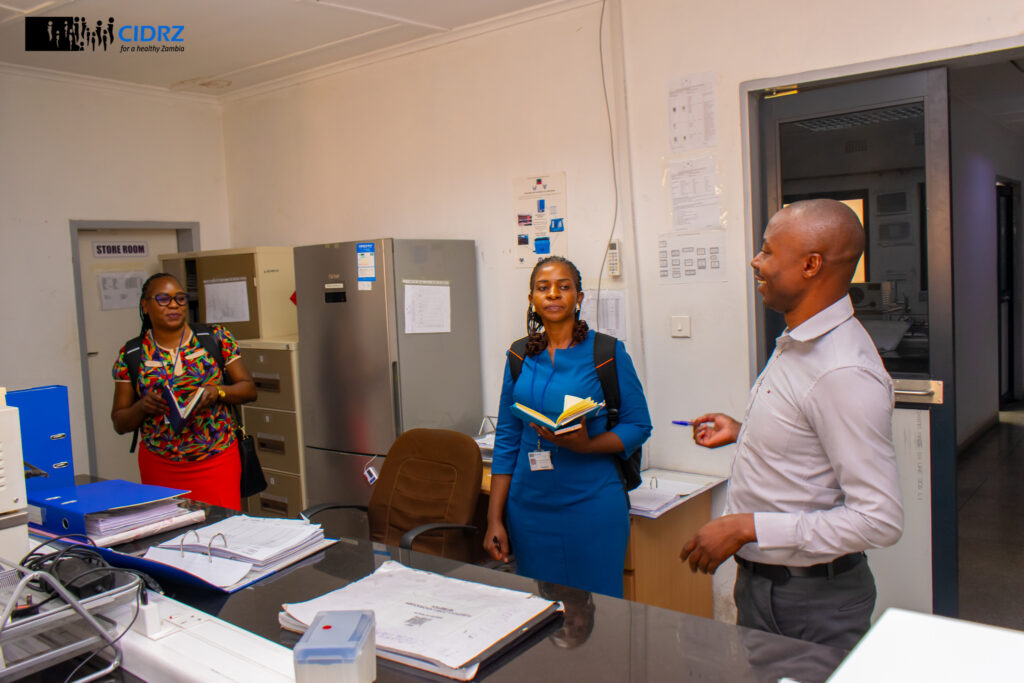
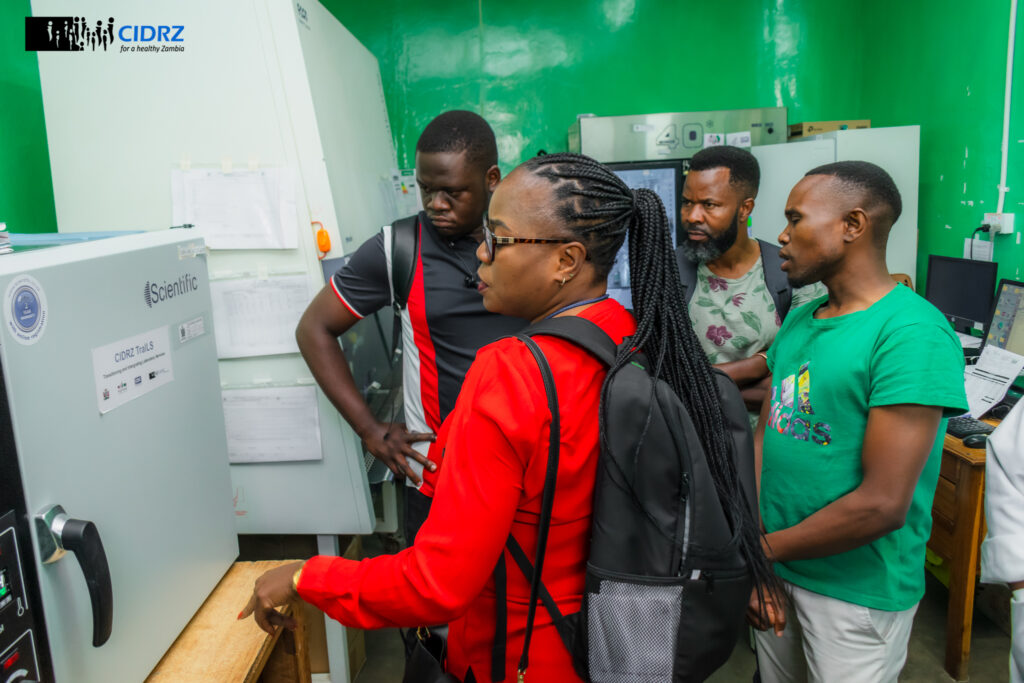
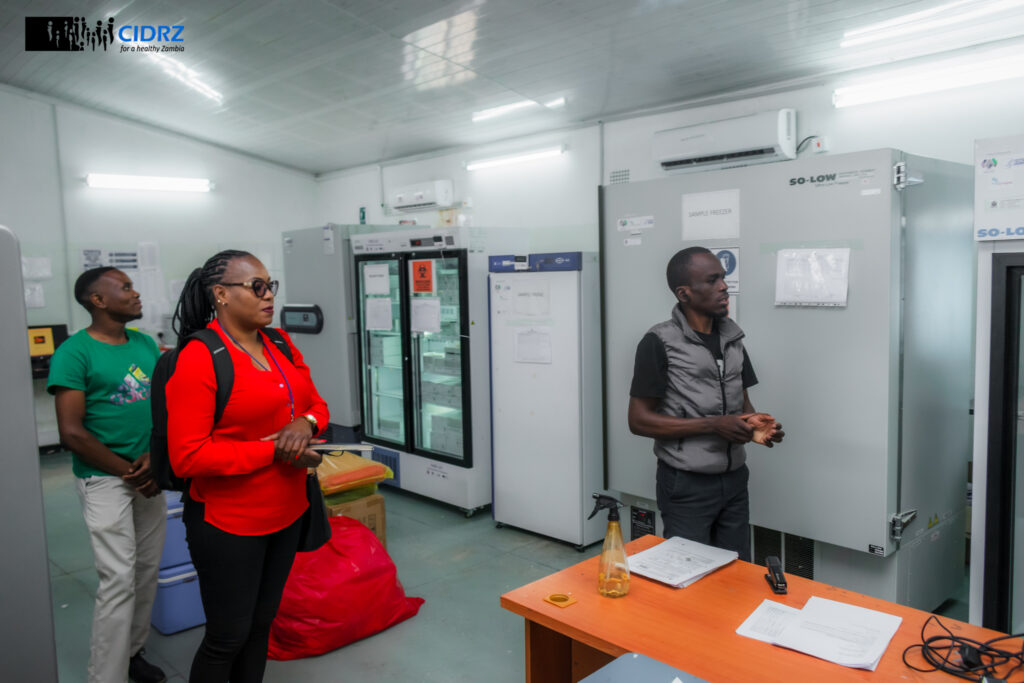
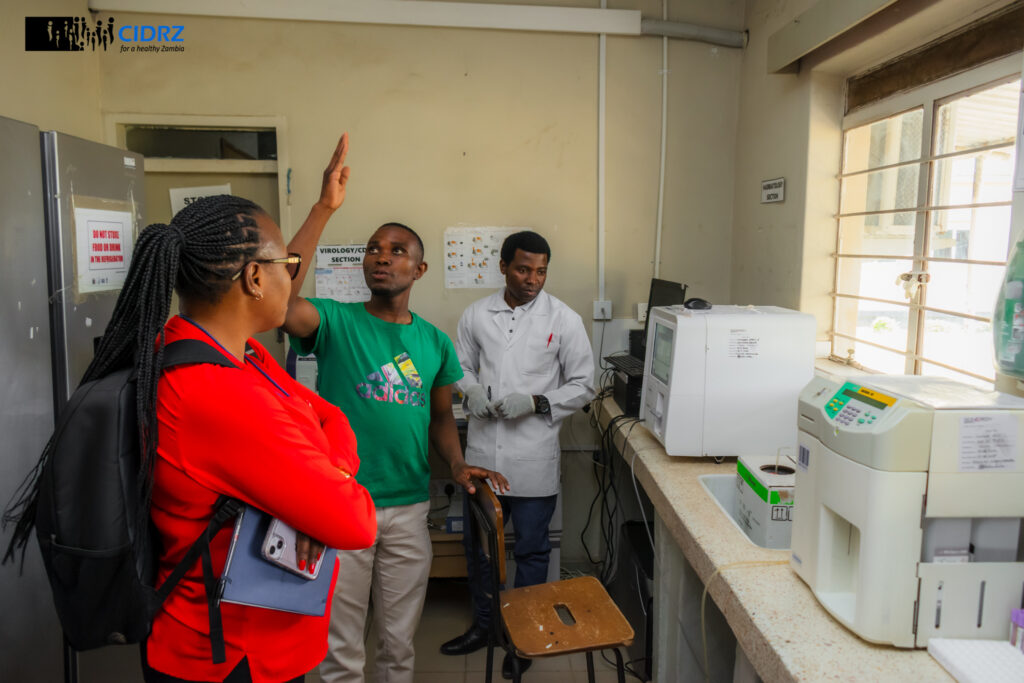
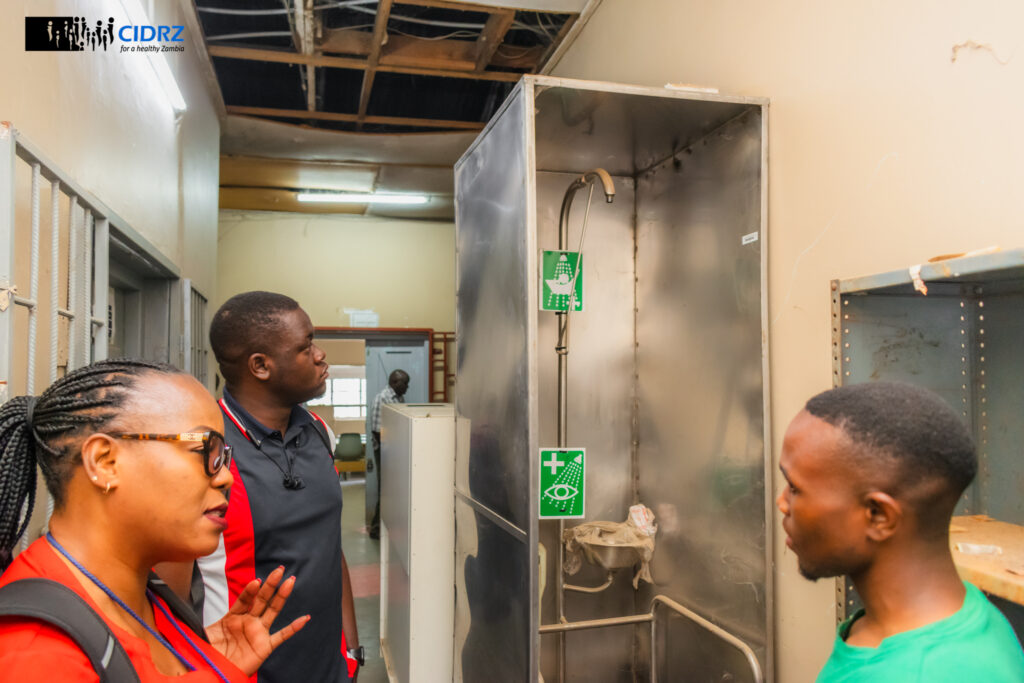
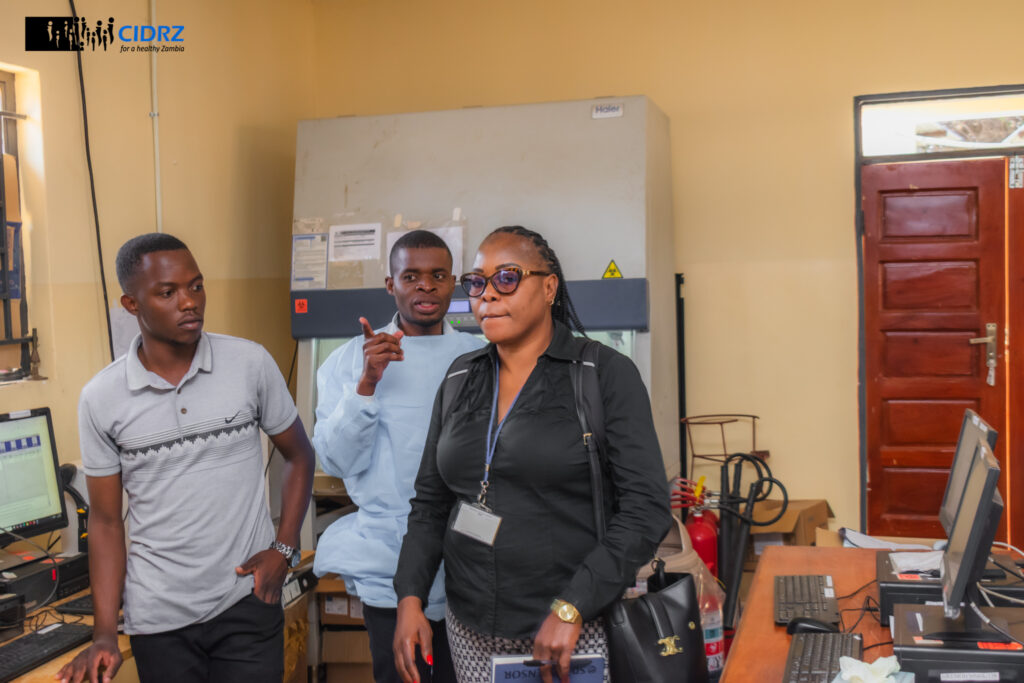
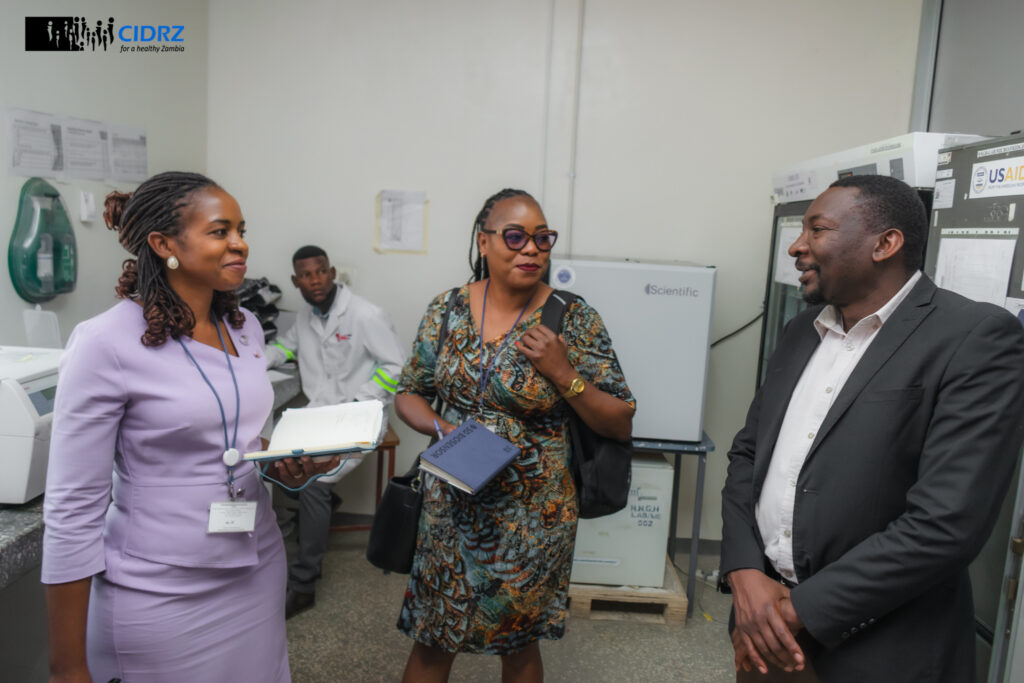
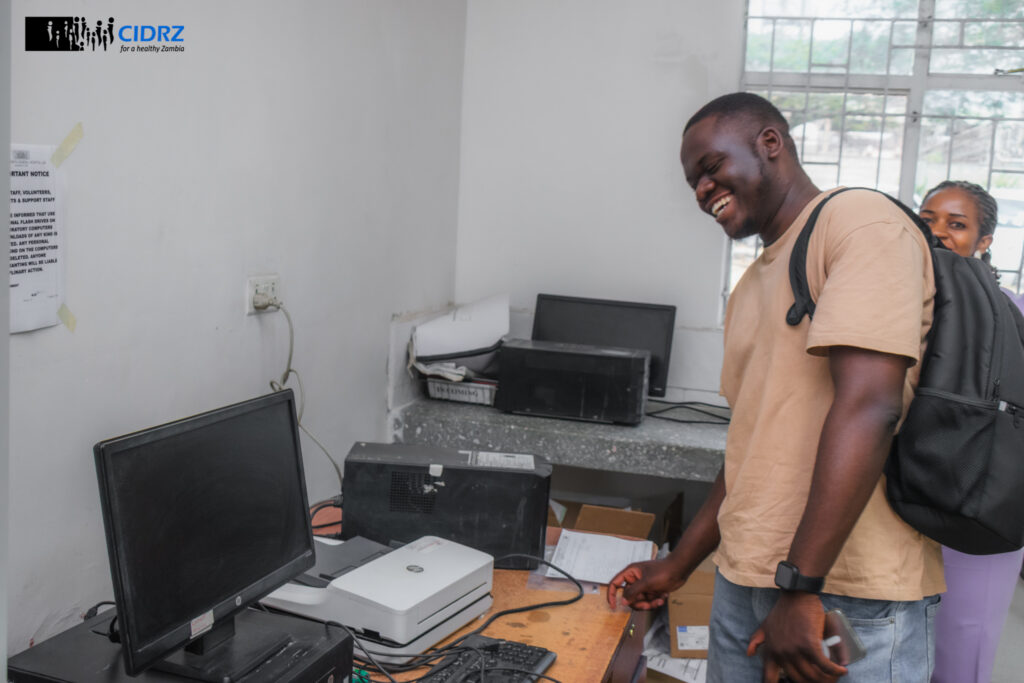
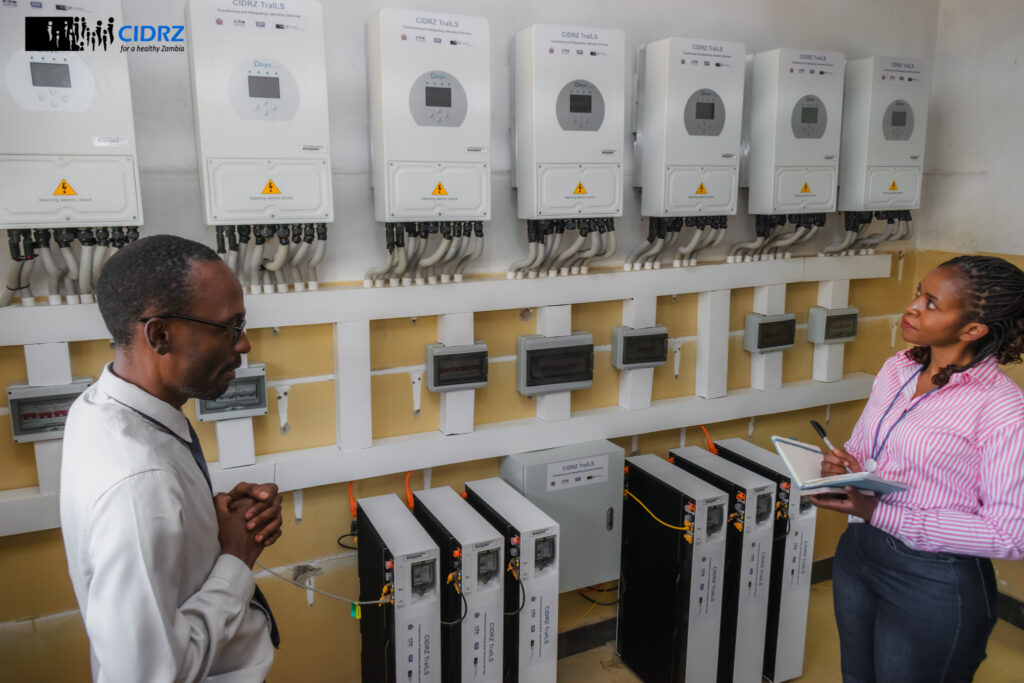
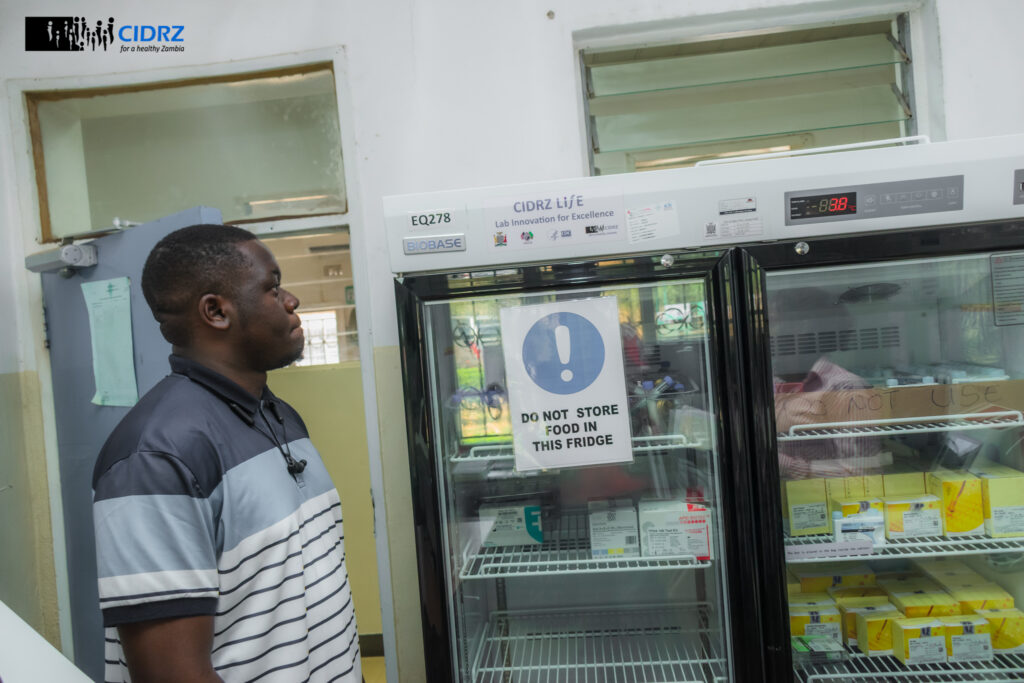
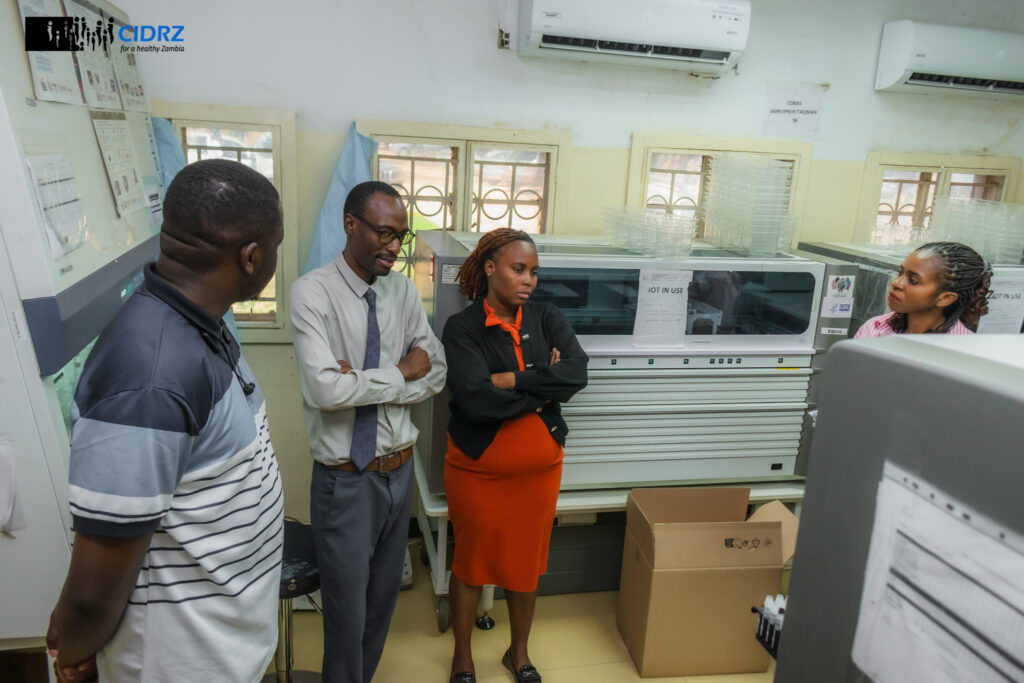
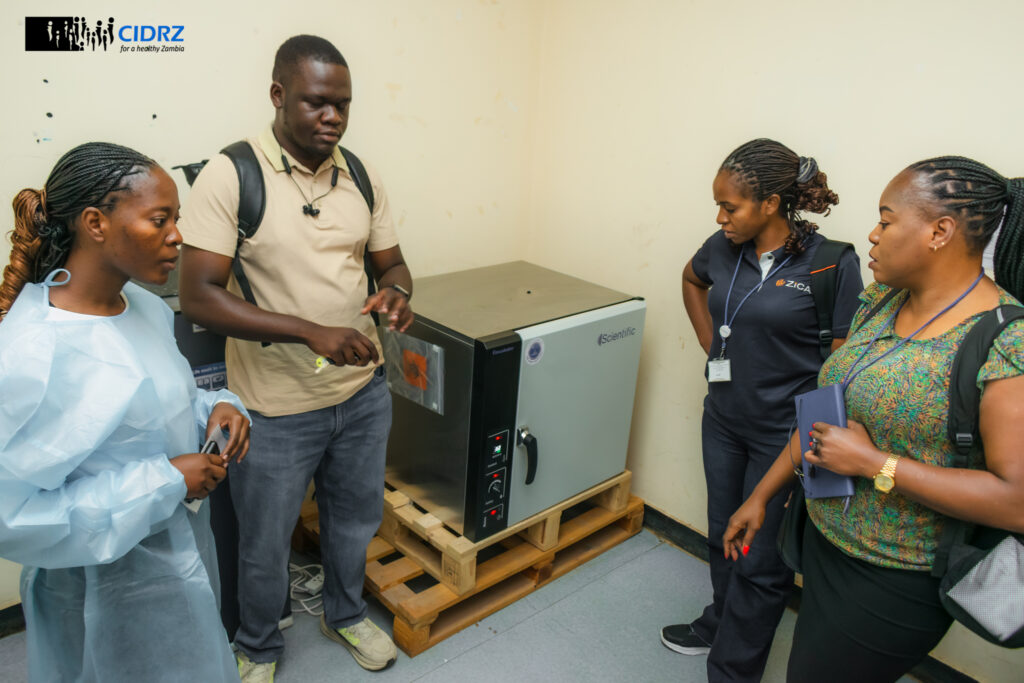
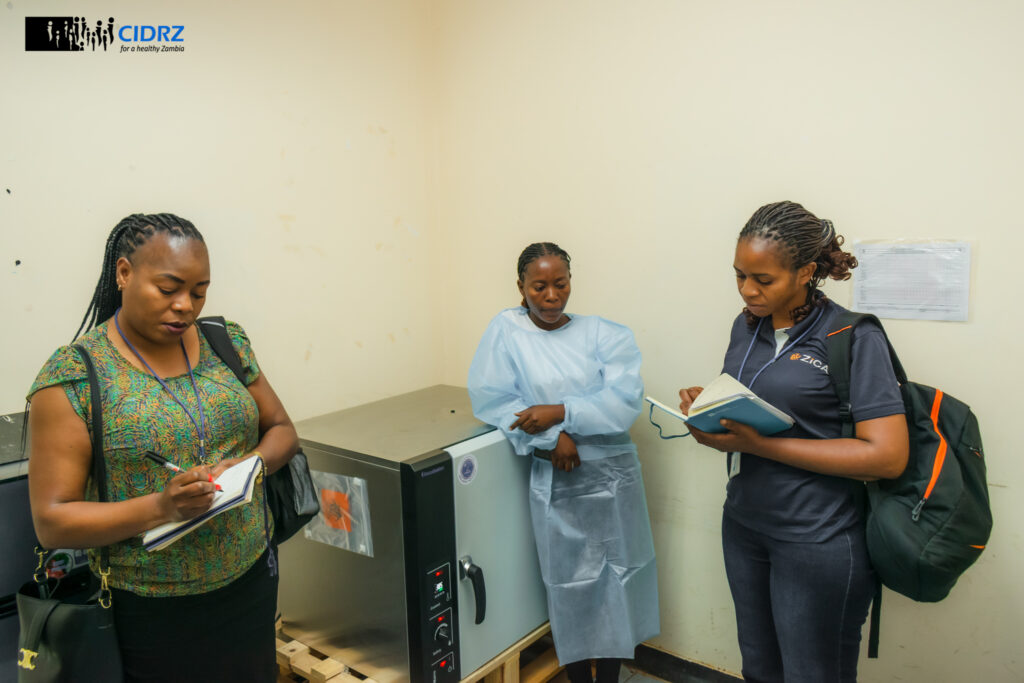
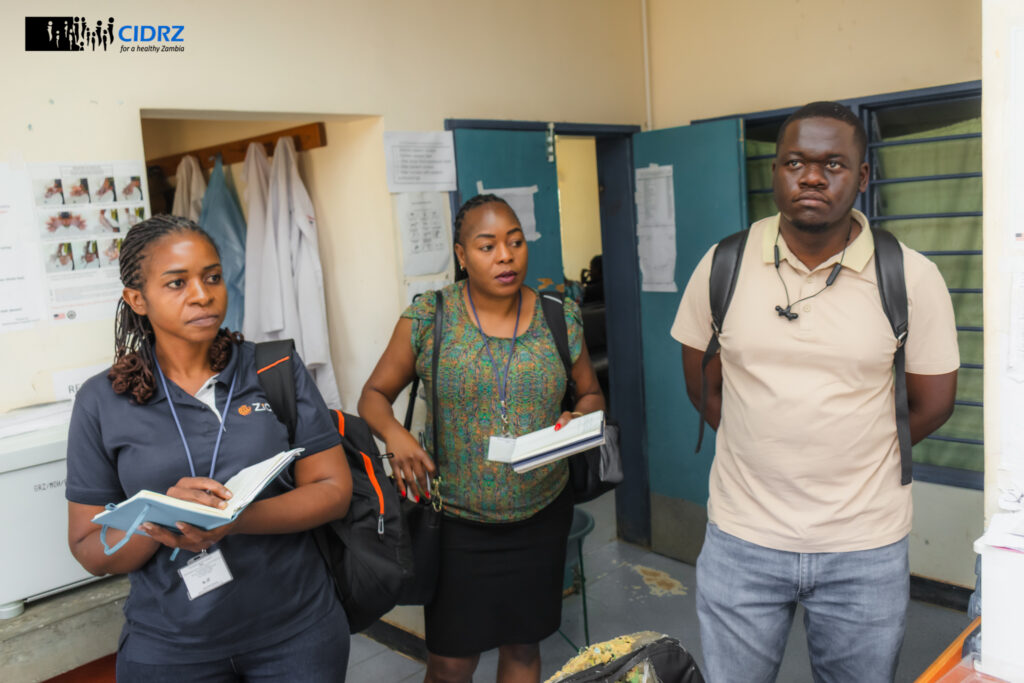
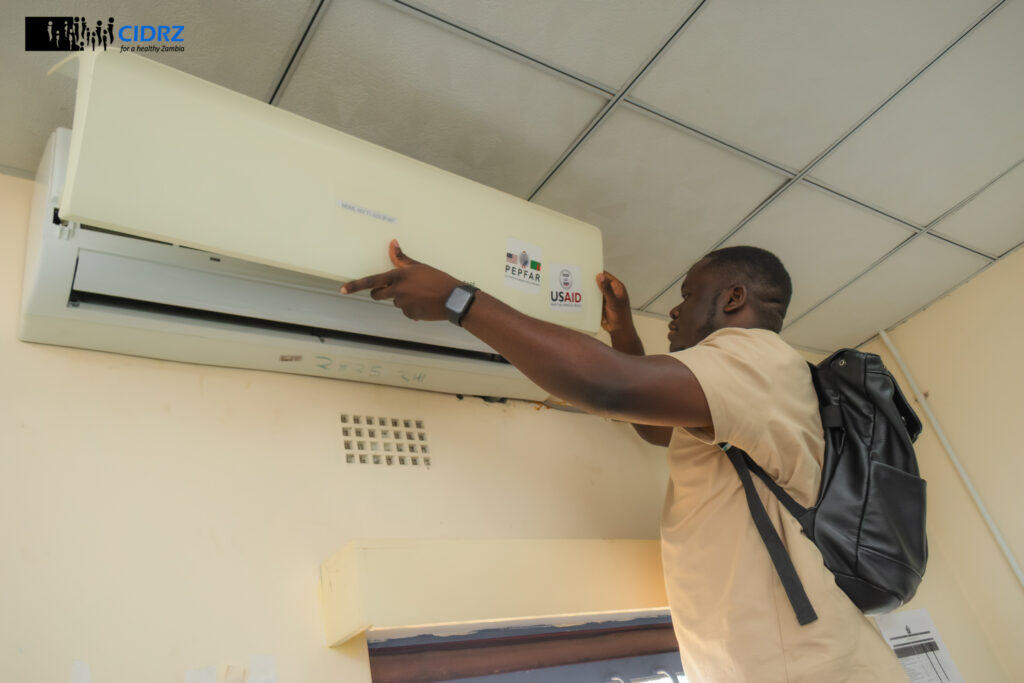
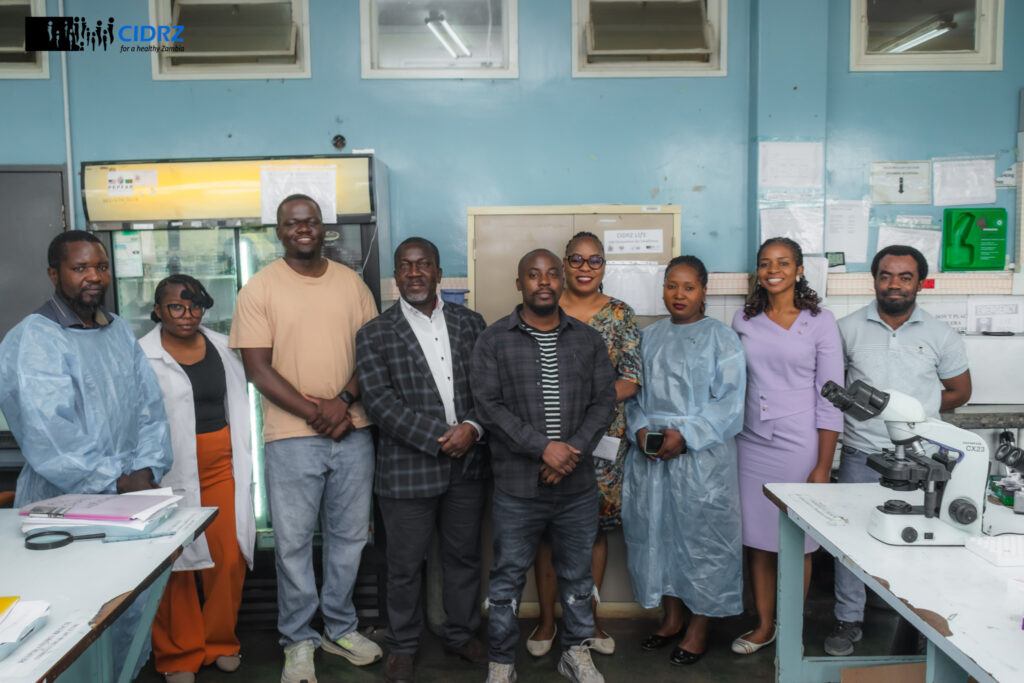
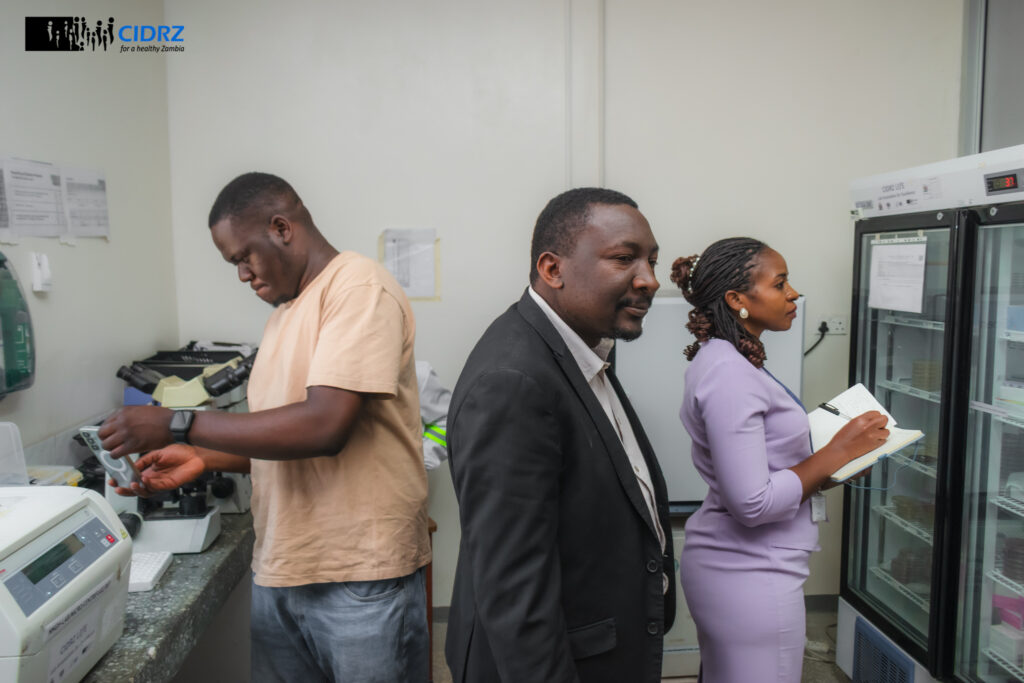
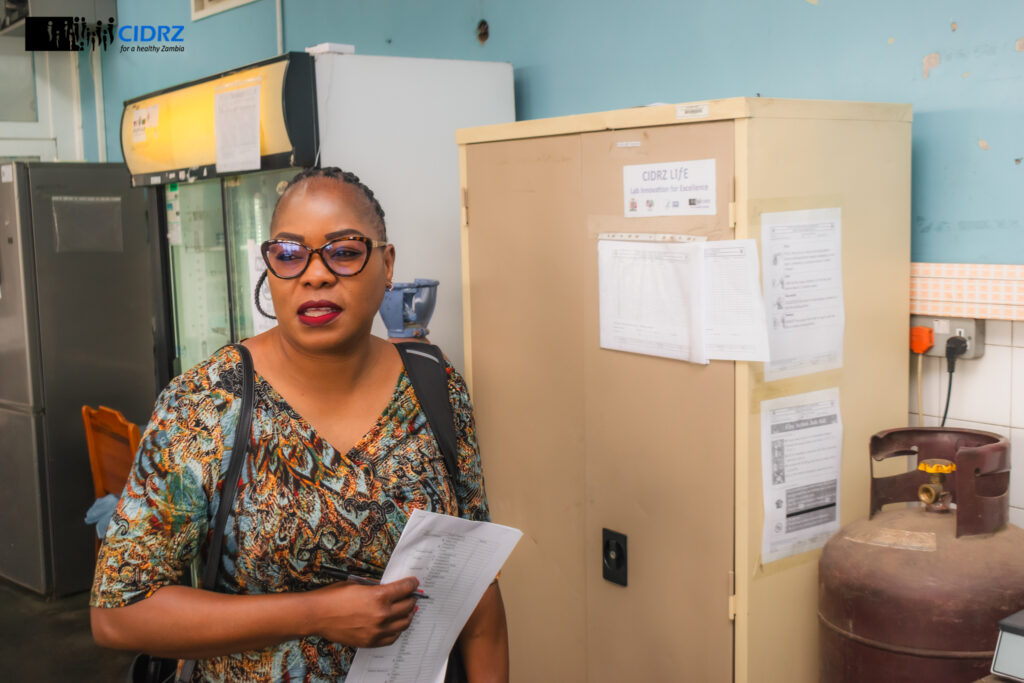
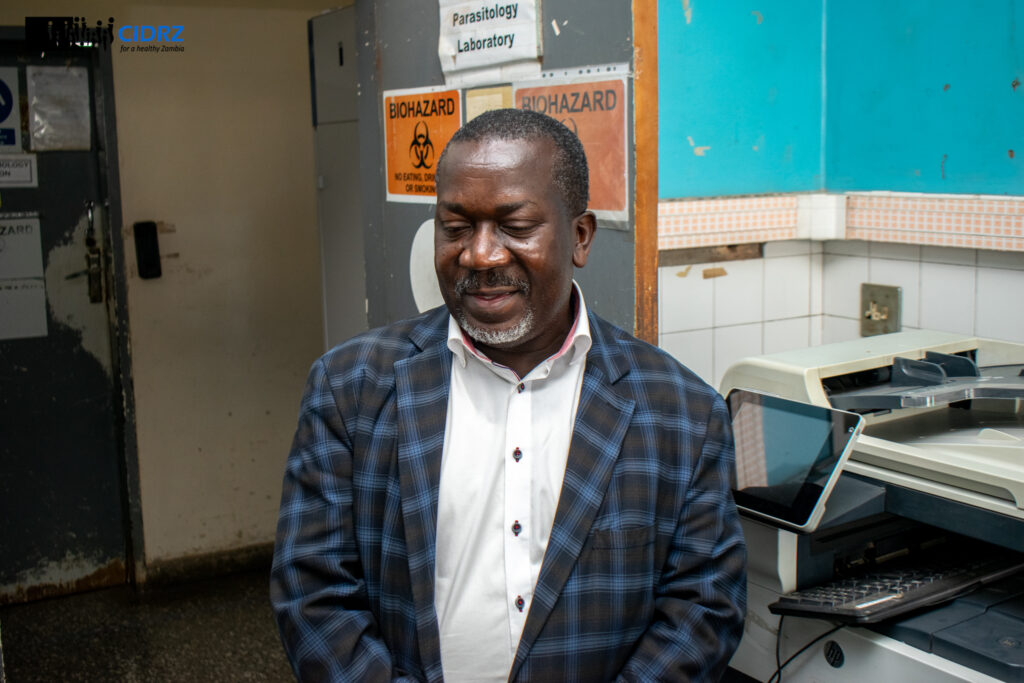
The nationwide exercise brought together a cross-functional TRAILS team comprising administration, facilities and finance personnel, who engaged directly with health facility teams to assess budget execution, resource utilisation, inventory management and compliance with U.S. Centers for Disease Control and Prevention (CDC) guidelines and applicable award terms.
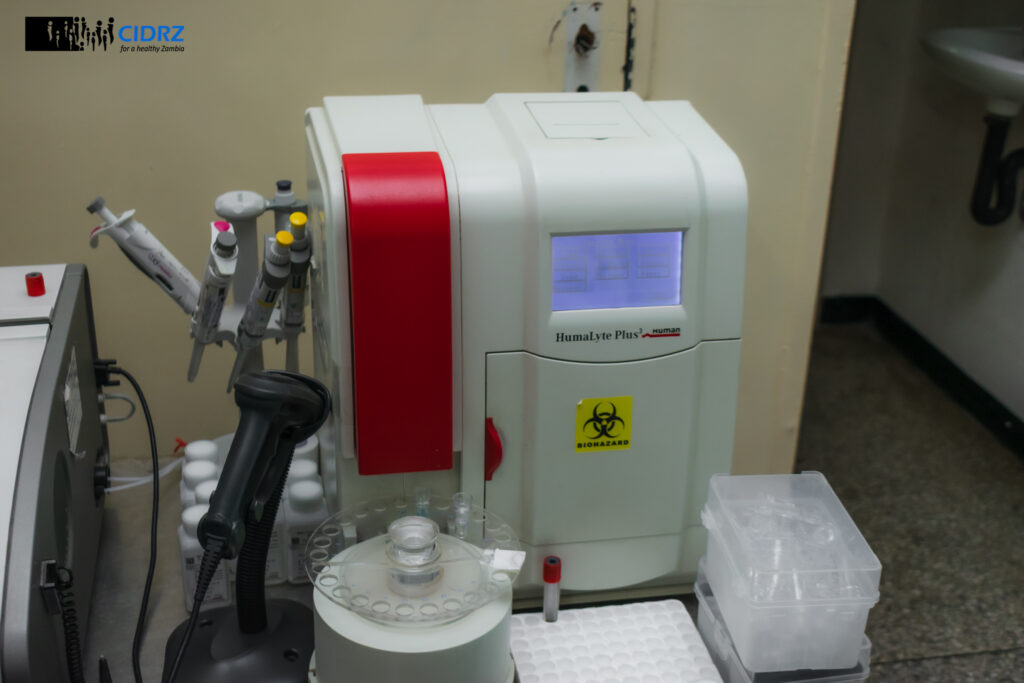
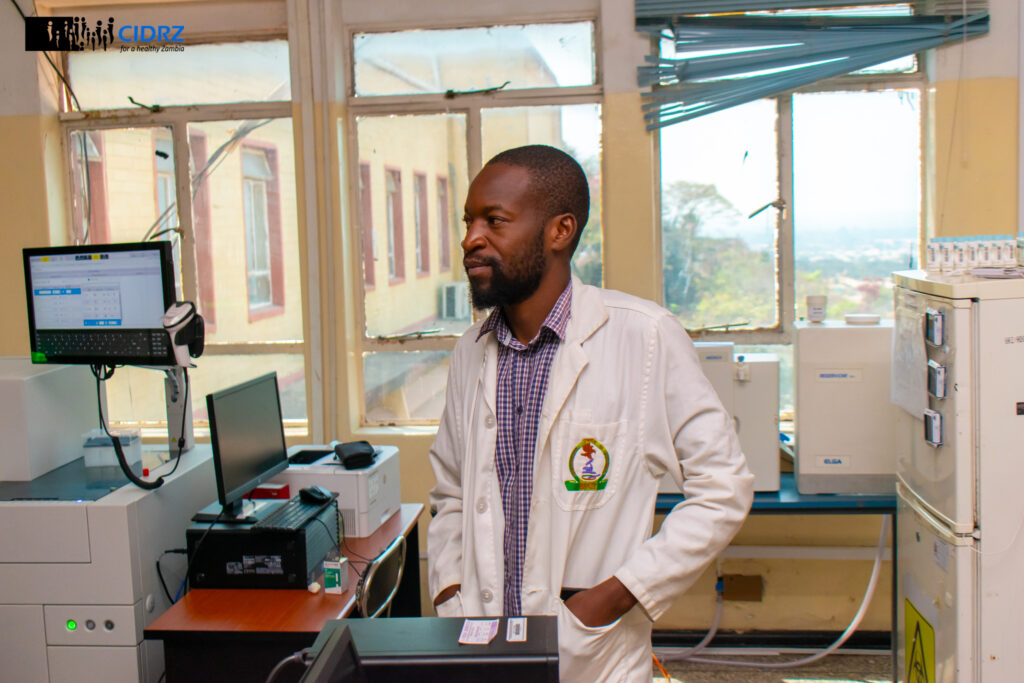
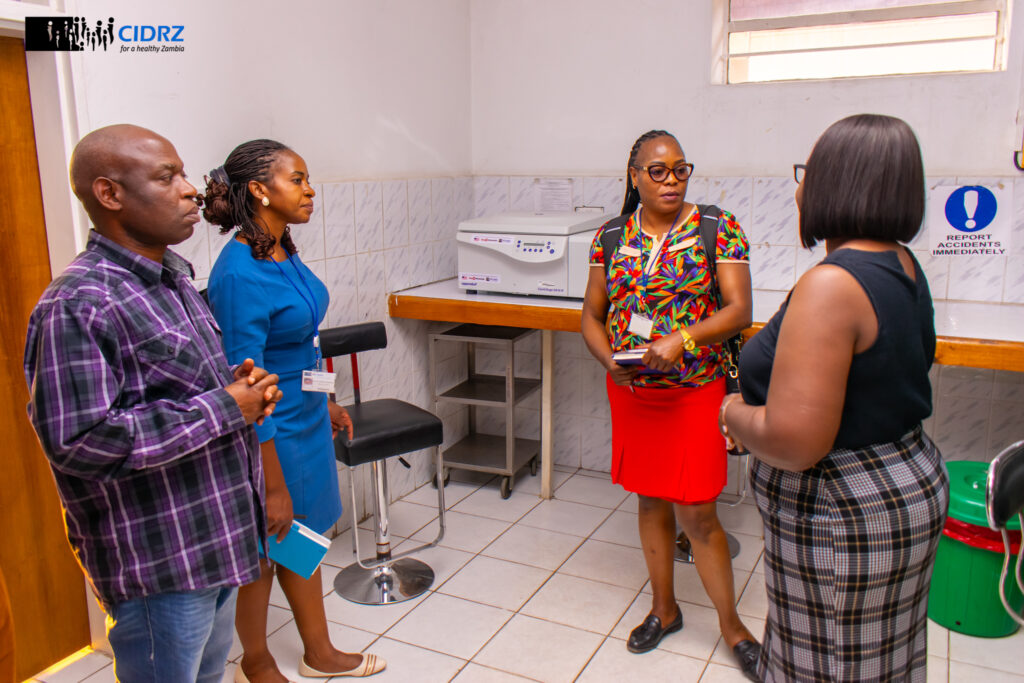
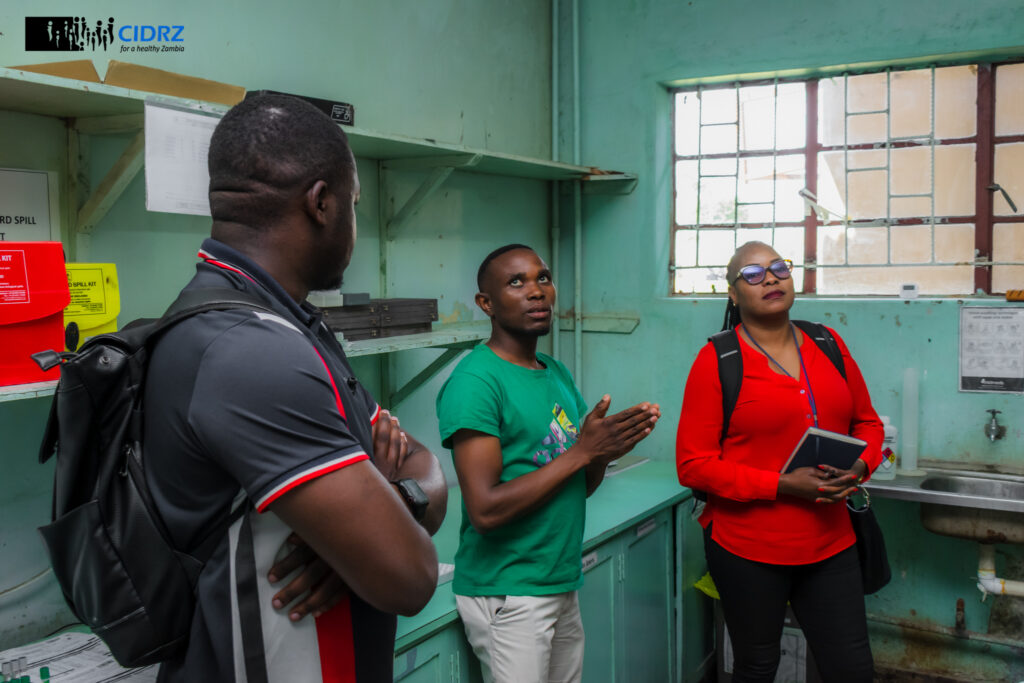
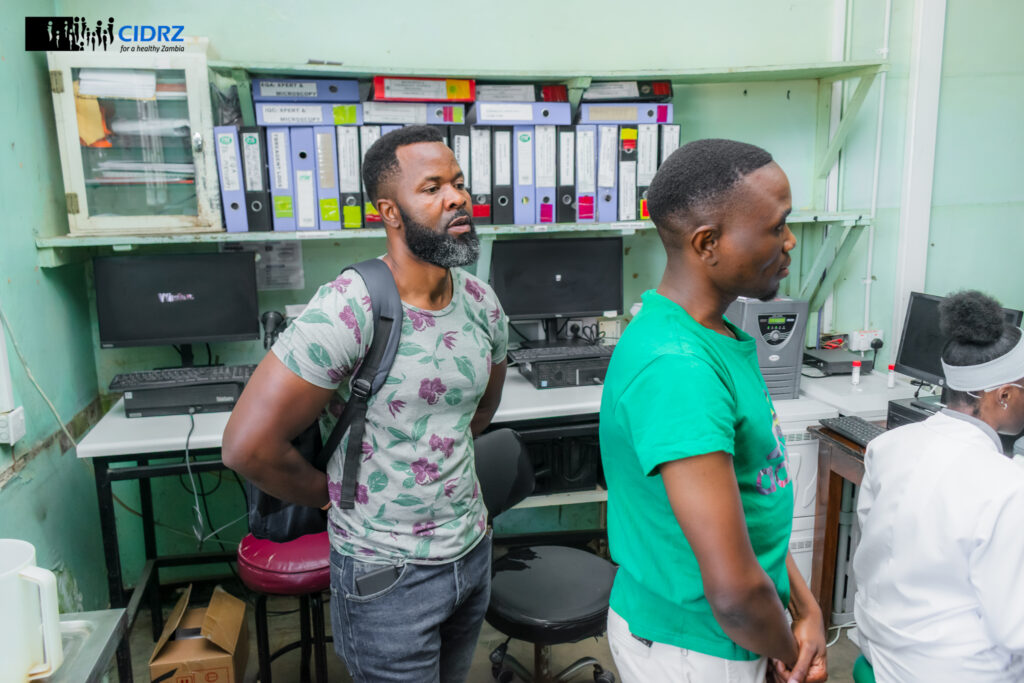
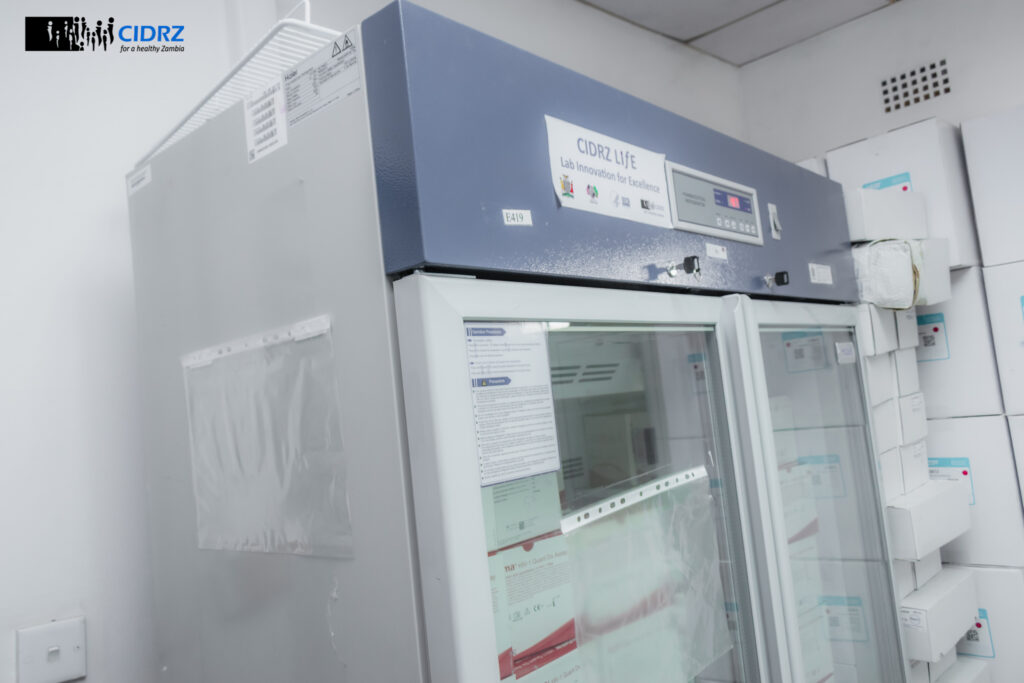
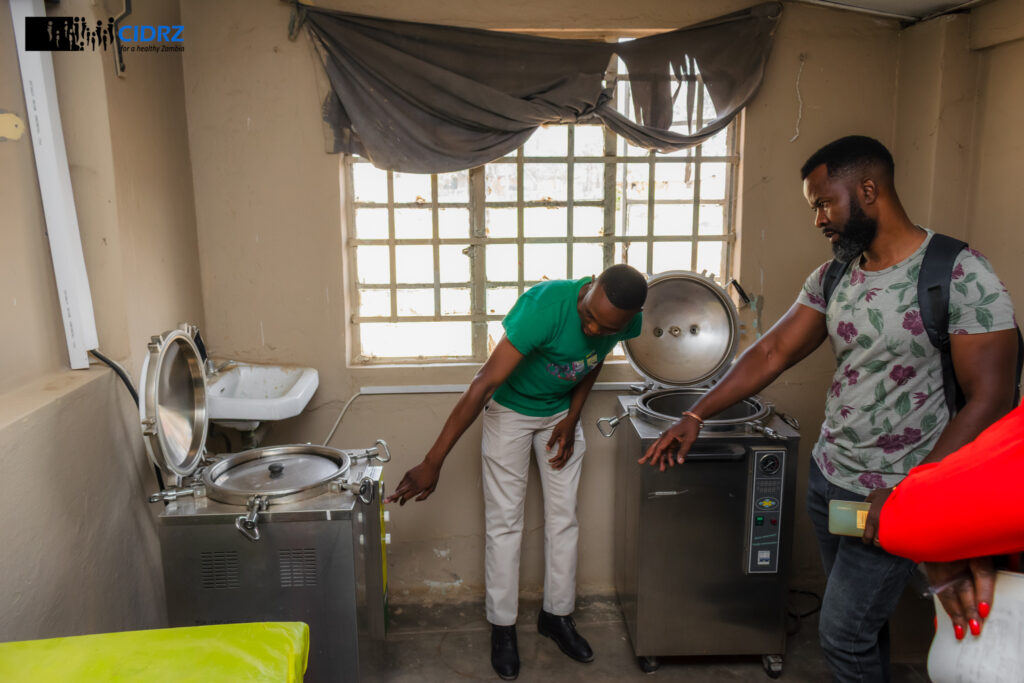
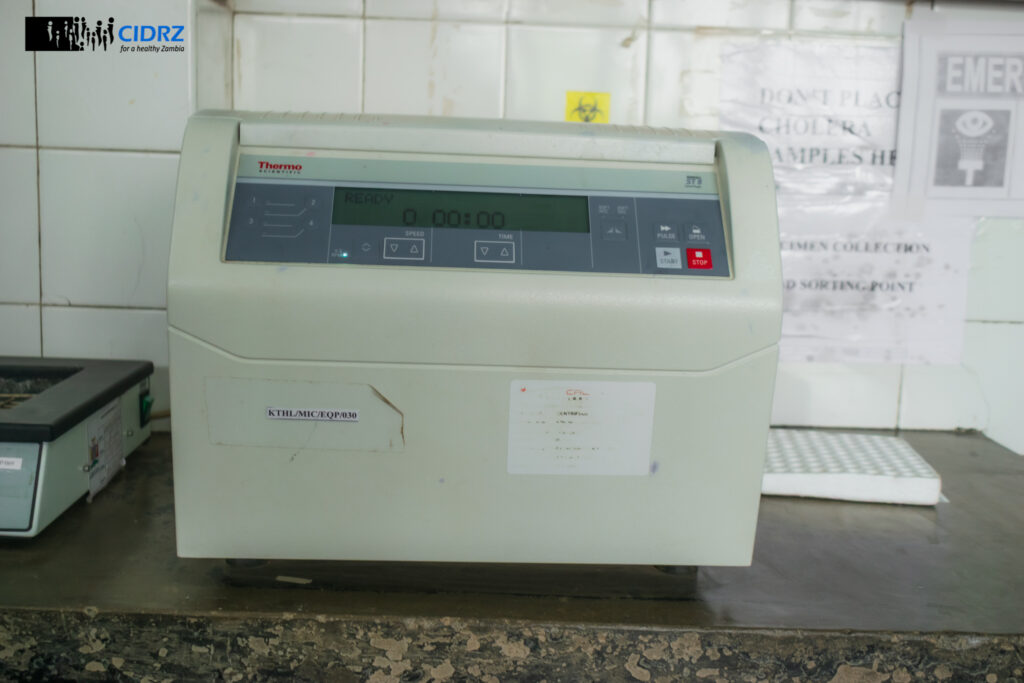
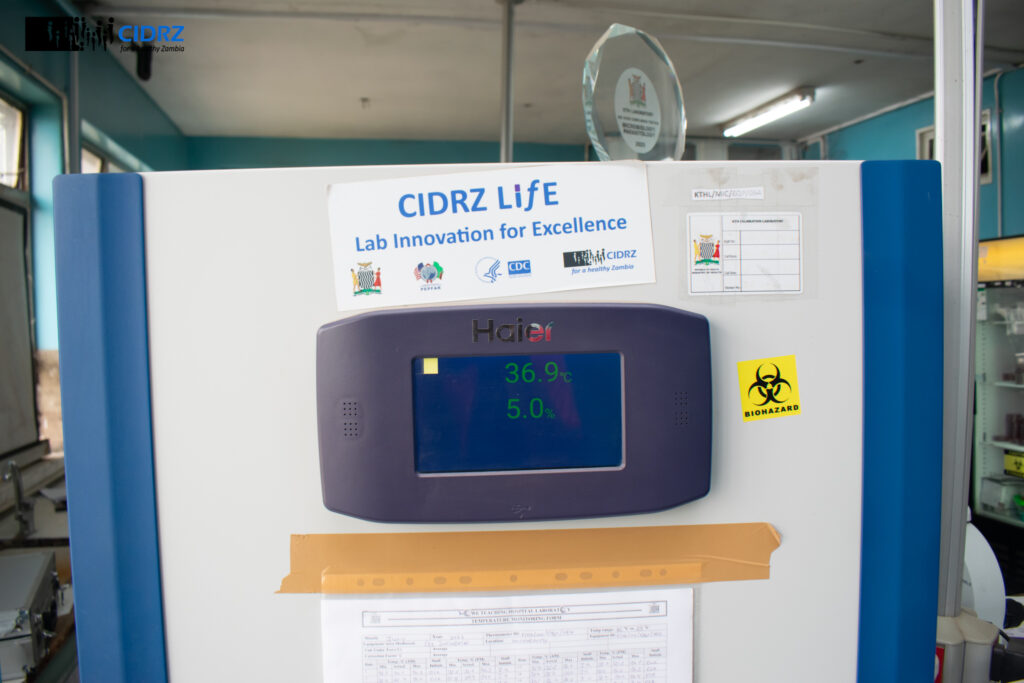
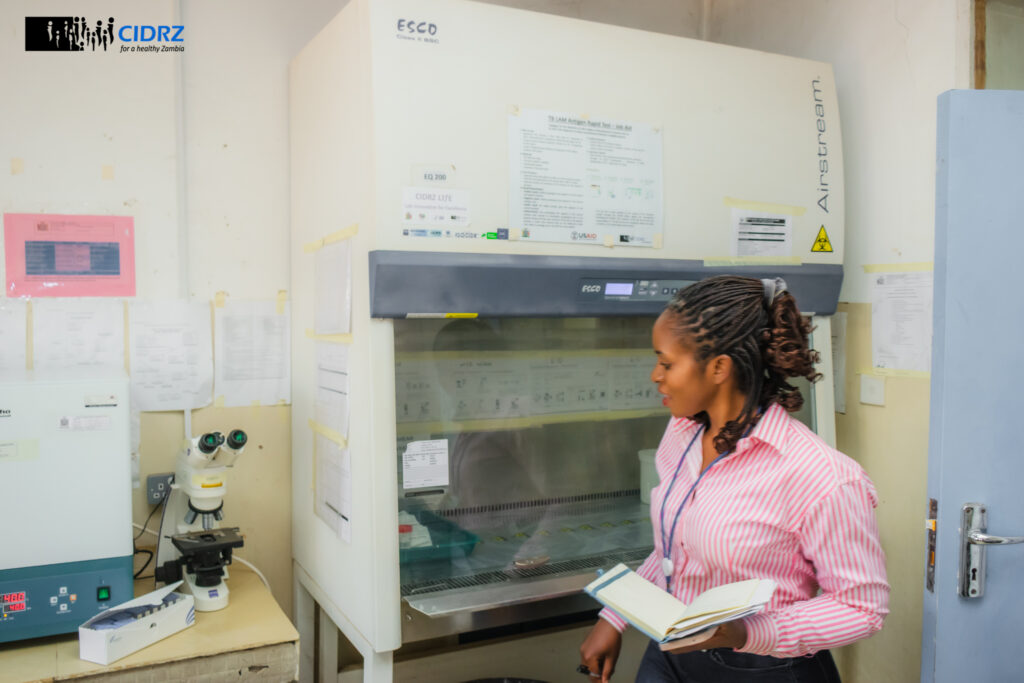
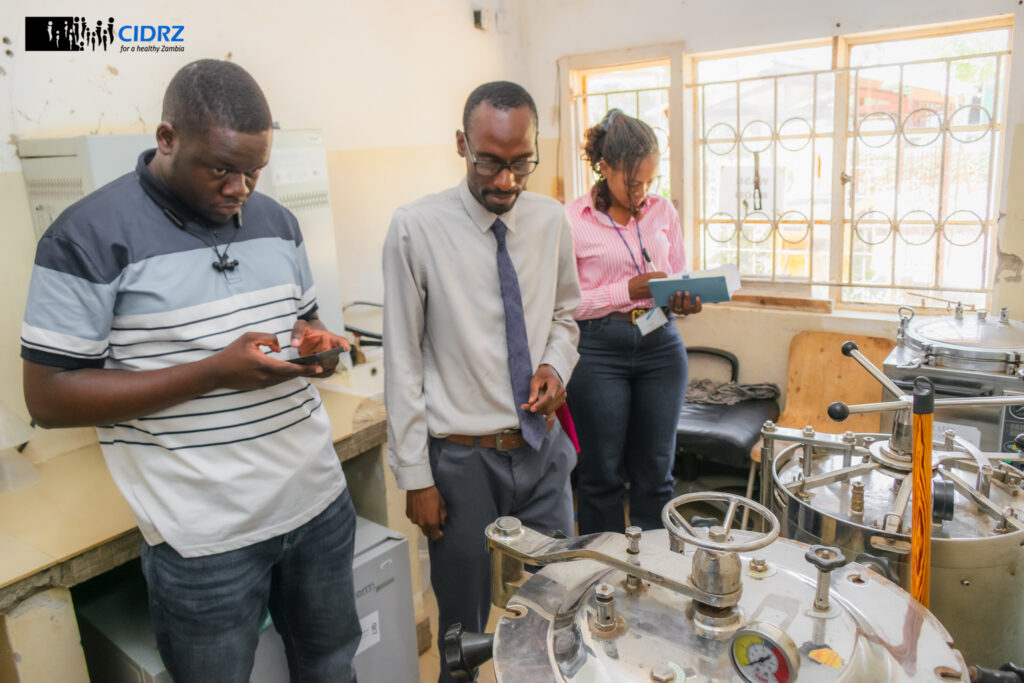
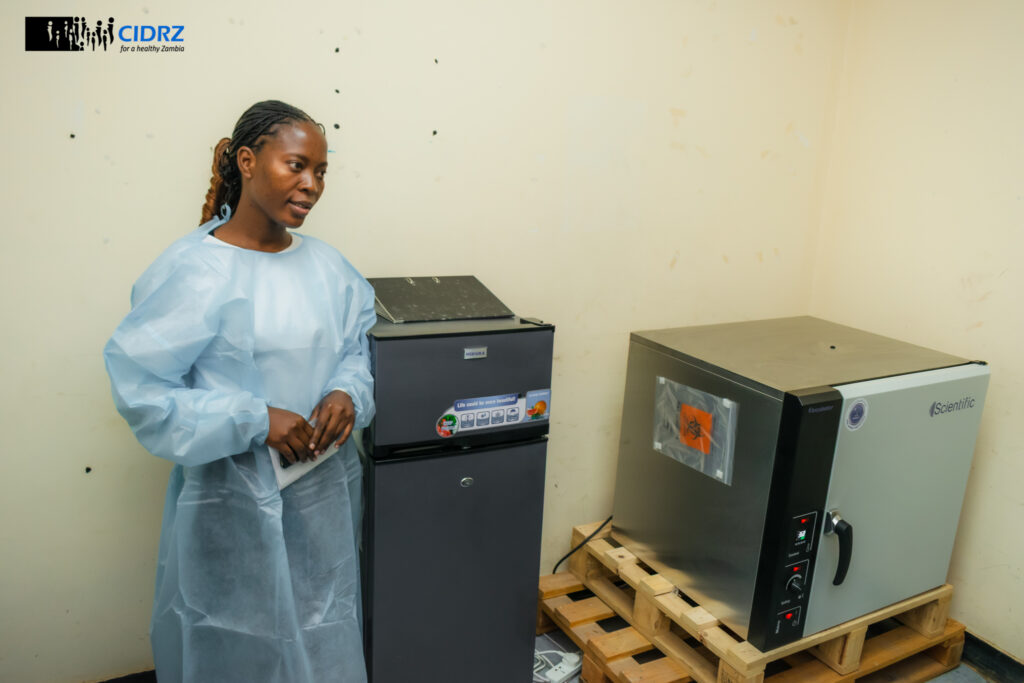
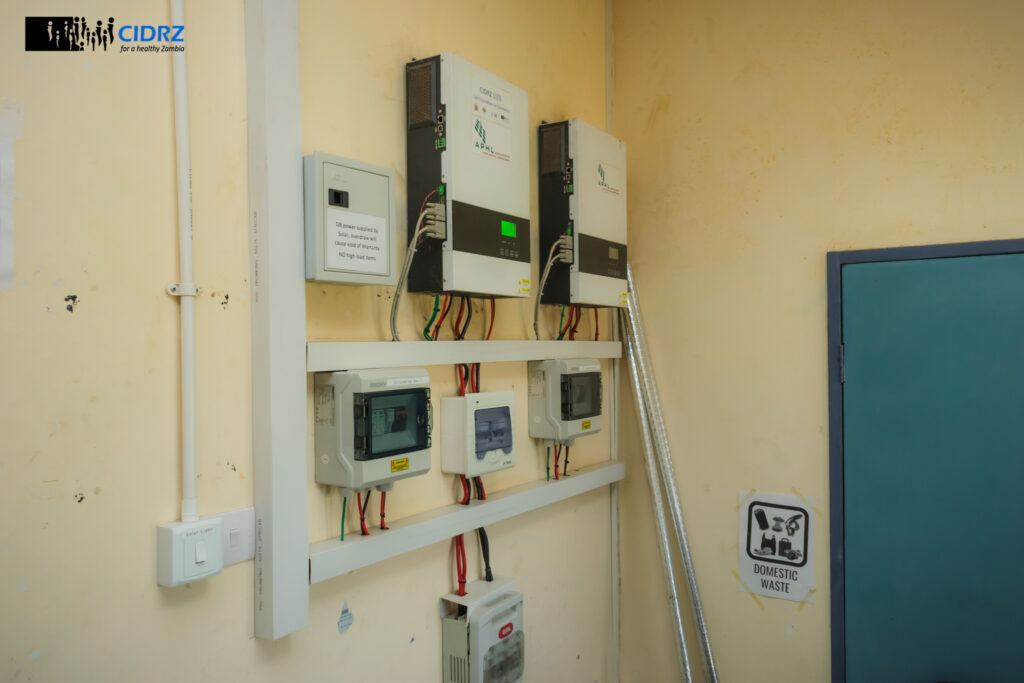
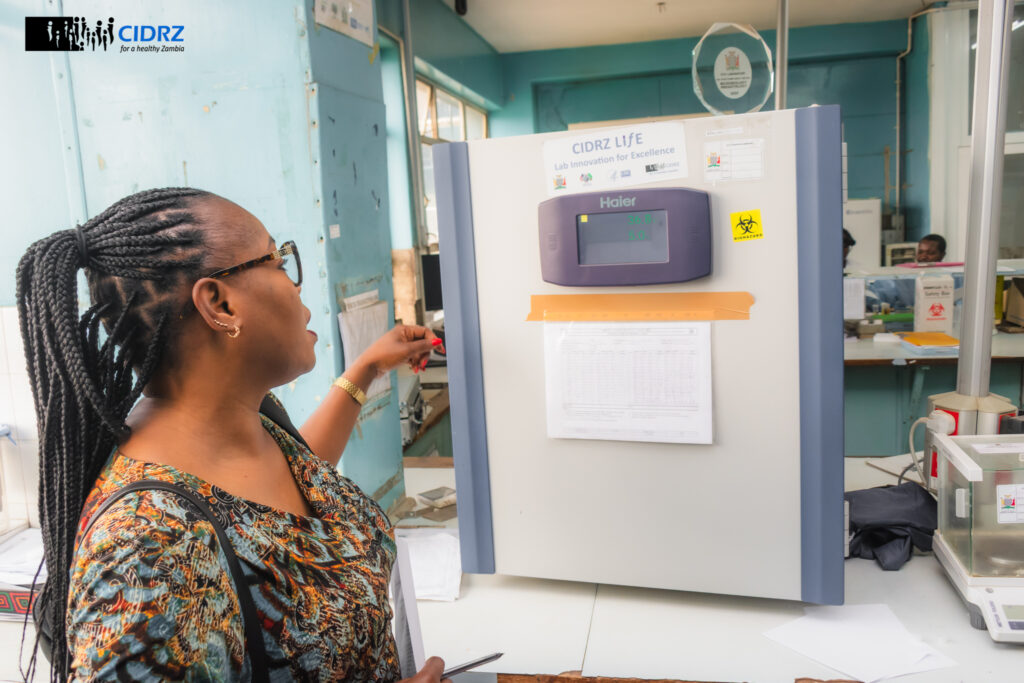
Particular attention was given to the management and utilisation of programme-supported assets and supplies, with the team reviewing how resources are accounted for, managed and put to use at the facility level. The visits also provided an opportunity to identify gaps, reinforce internal controls and support continuous improvement in financial and procurement practices.
These engagements allowed facility teams to share challenges and practical experiences in managing programme-supported resources. This direct interaction offered valuable insight into facility needs and highlighted areas for further strengthening.
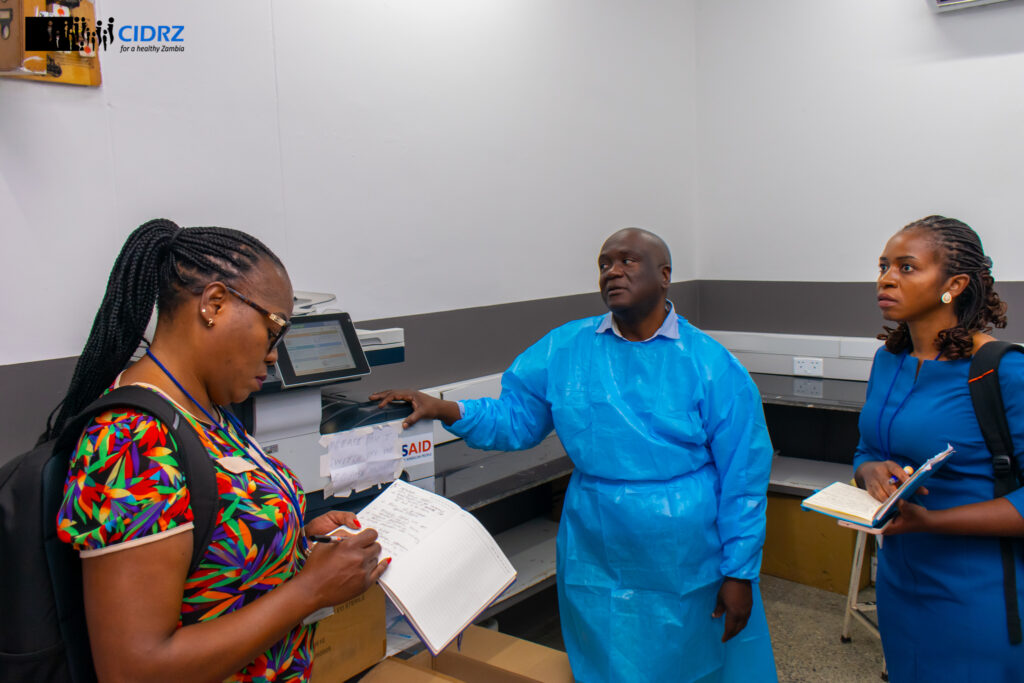
Health facilities in all ten provinces welcomed the engagement and expressed appreciation for the TRAILS team’s hands-on support.
Mwansa Kasabula, TRAILS Project Accountant, noted the importance of seeing programme-supported investments making a difference at the facility level.
“It was good to see the equipment we helped procure being put to use and saving lives.”
Chief of Party for the TRAILS Project, Powell Choonga, says the visits provided valuable insights that could not have been gained through desk-based monitoring alone.
“These visits have given us valuable insight that we would not have gained from behind a desk. We will be making them a routine part of how we work.”
The findings and lessons from the nationwide visits will help strengthen the way TRAILS manages, monitors, and accounts for programme investments, while supporting facilities in maintaining effective financial and procurement systems.
Through the TRAILS Project, CIDRZ remains committed to building accountable, resilient, and sustainable health systems that enable facilities to manage resources effectively and deliver quality services to their communities.