CIDRZ Central Laboratory Positions Itself to Support National Health Sovereignty

TRAILS Project Strengthens Financial and Procurement Systems Across All Ten Provinces
September 16, 2026CIDRZ Central Laboratory Positions Itself to Support National Health Sovereignty

Behind every reliable diagnosis, breakthrough discovery, and successful research study is a laboratory whose work often goes unseen. These laboratories provide the evidence, expertise and scientific capabilities that help drive better health outcomes.
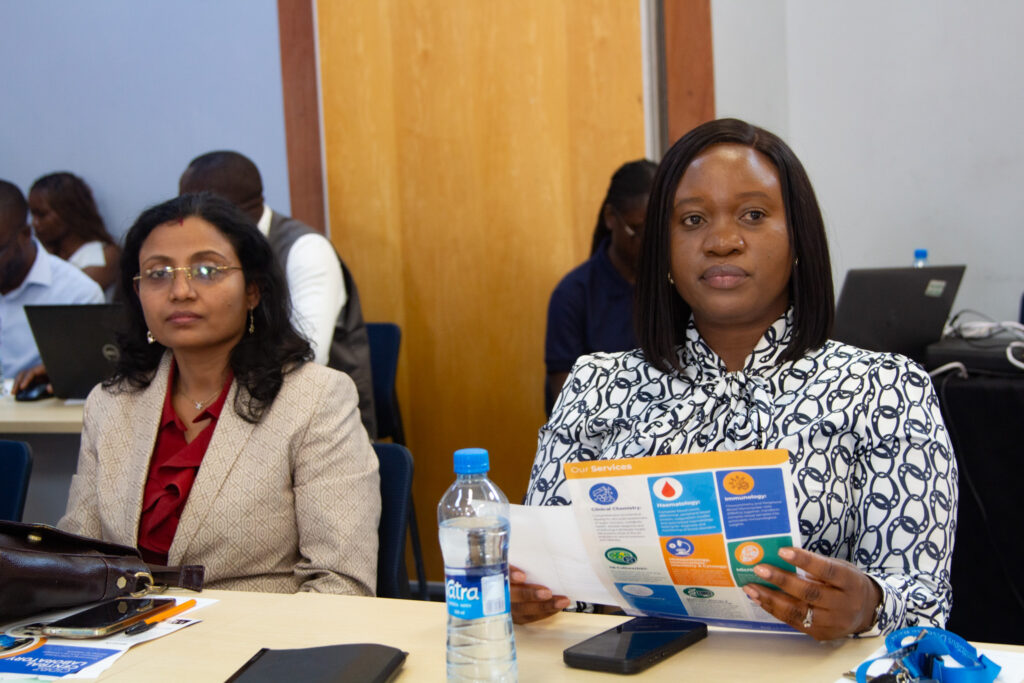
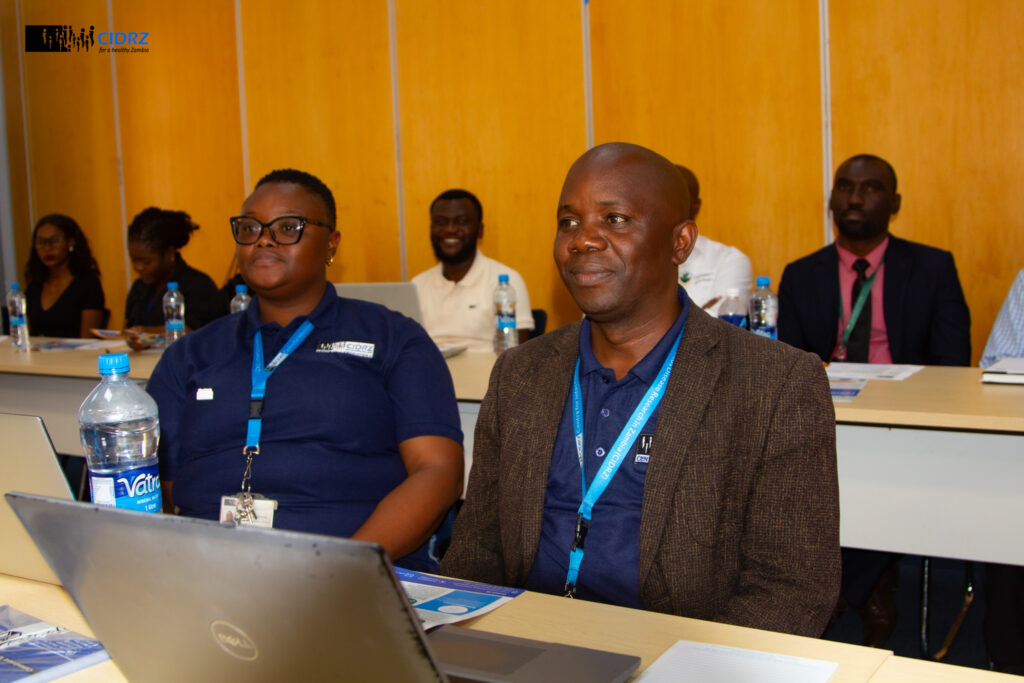
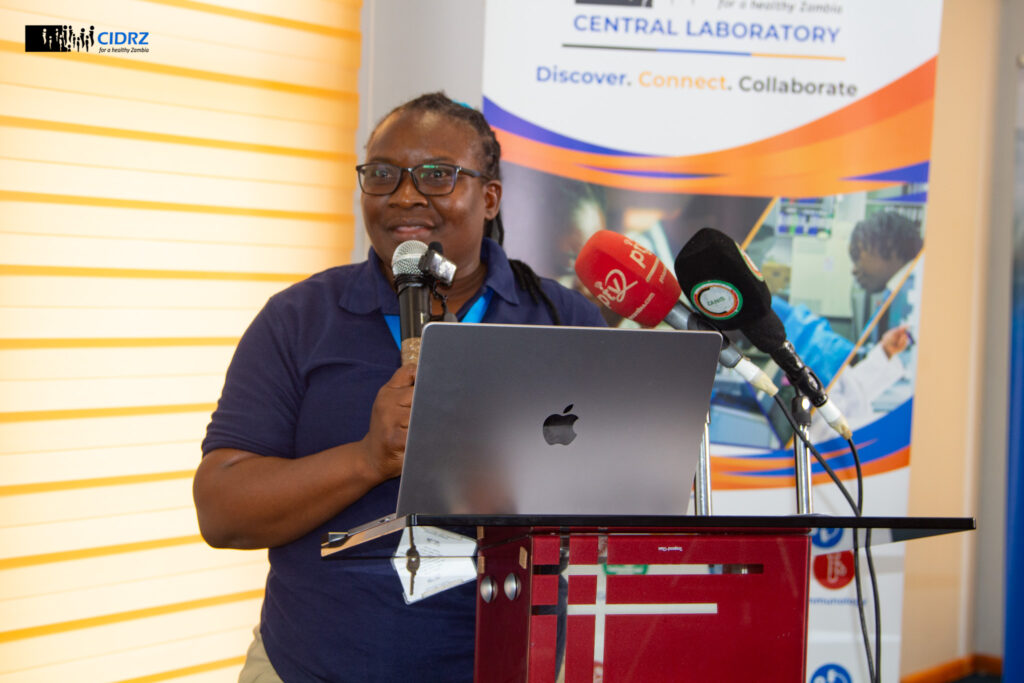
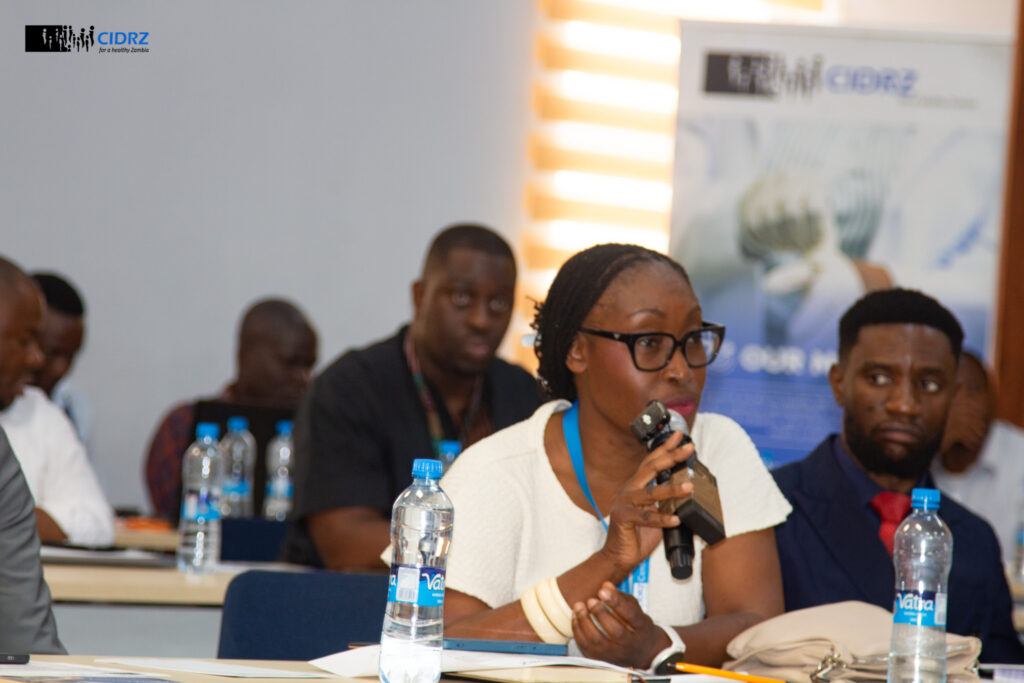
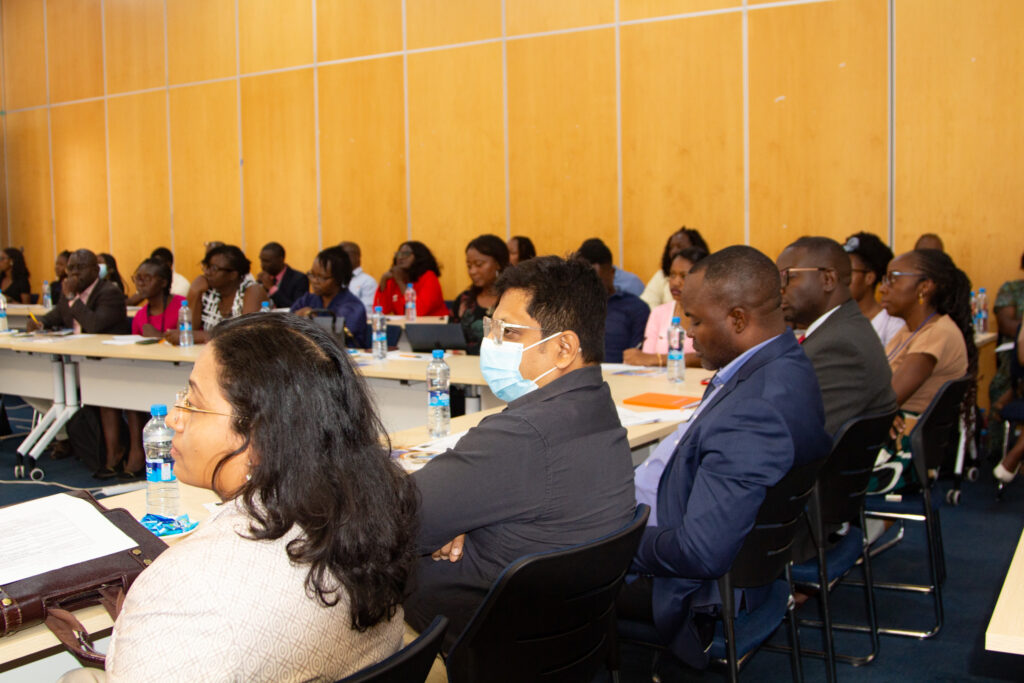
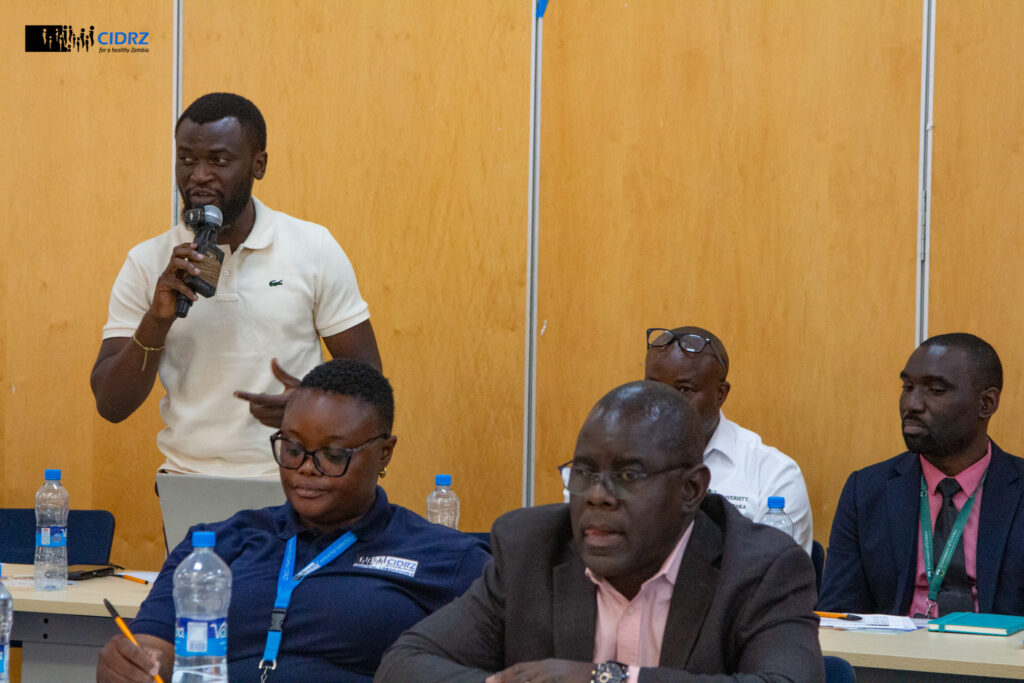
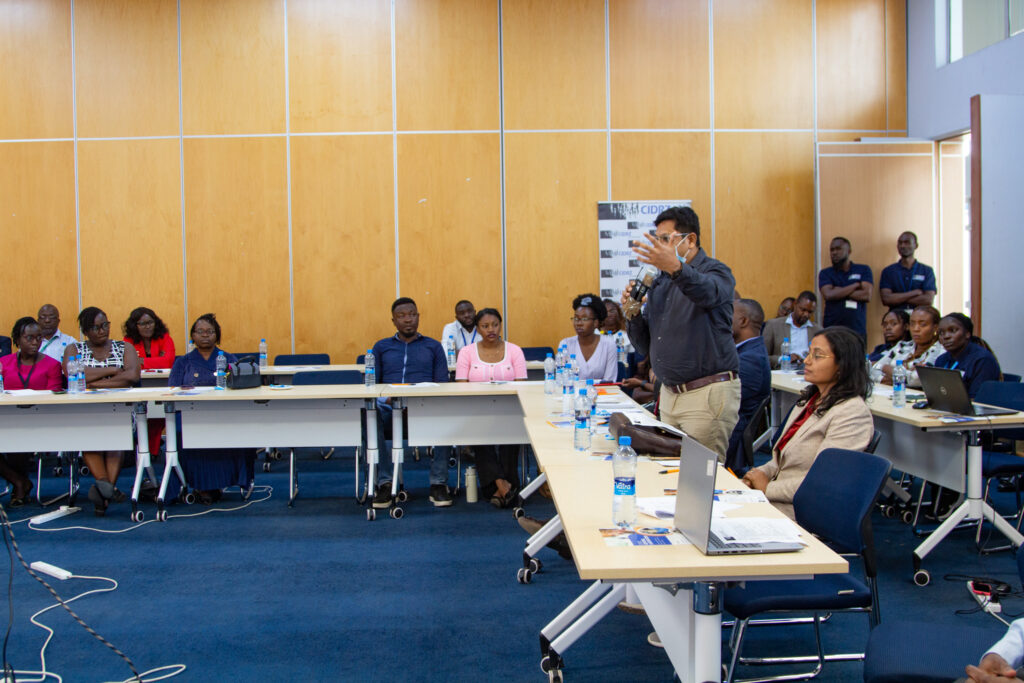
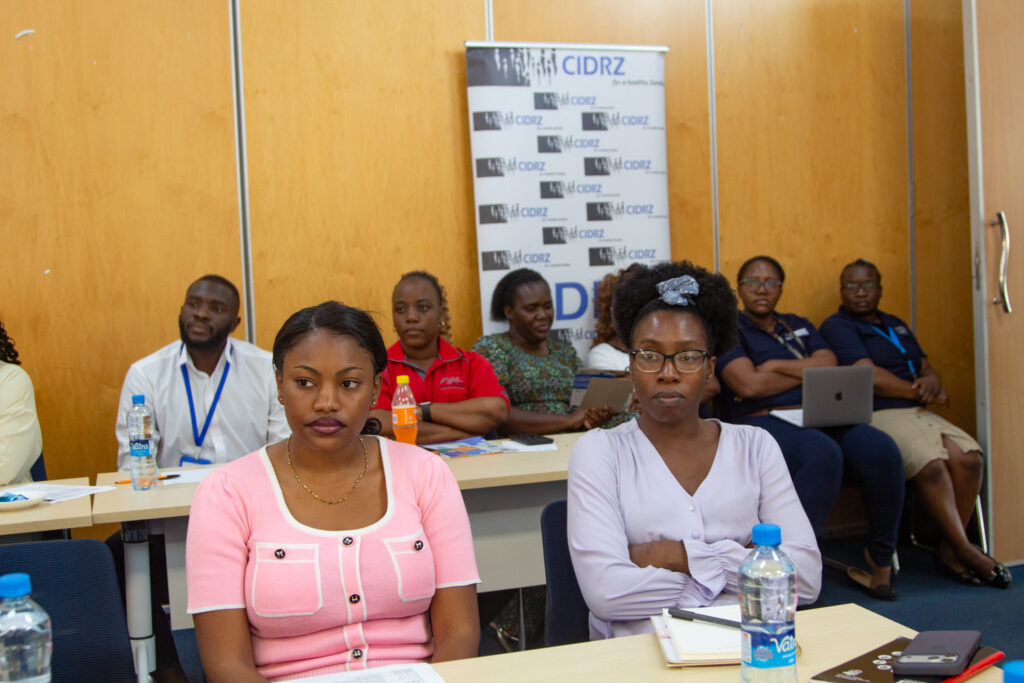
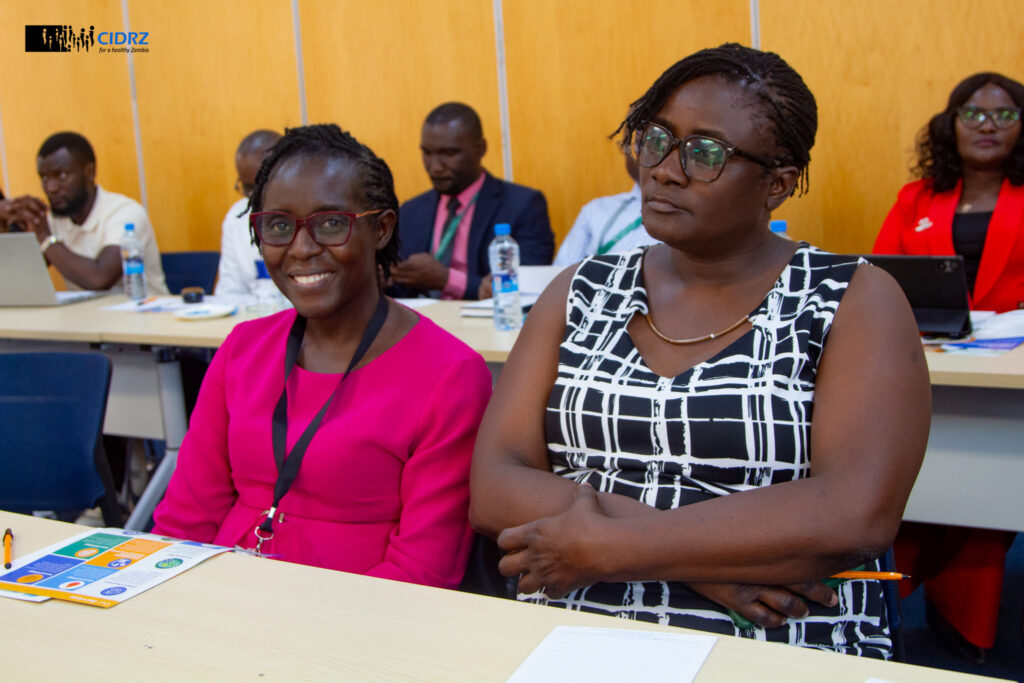
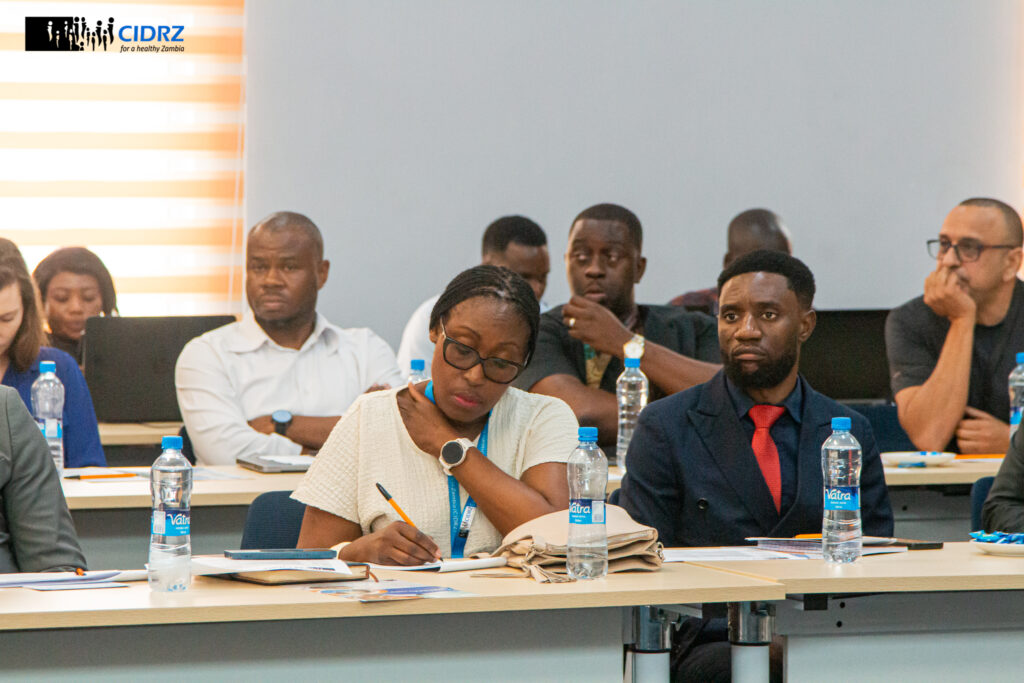
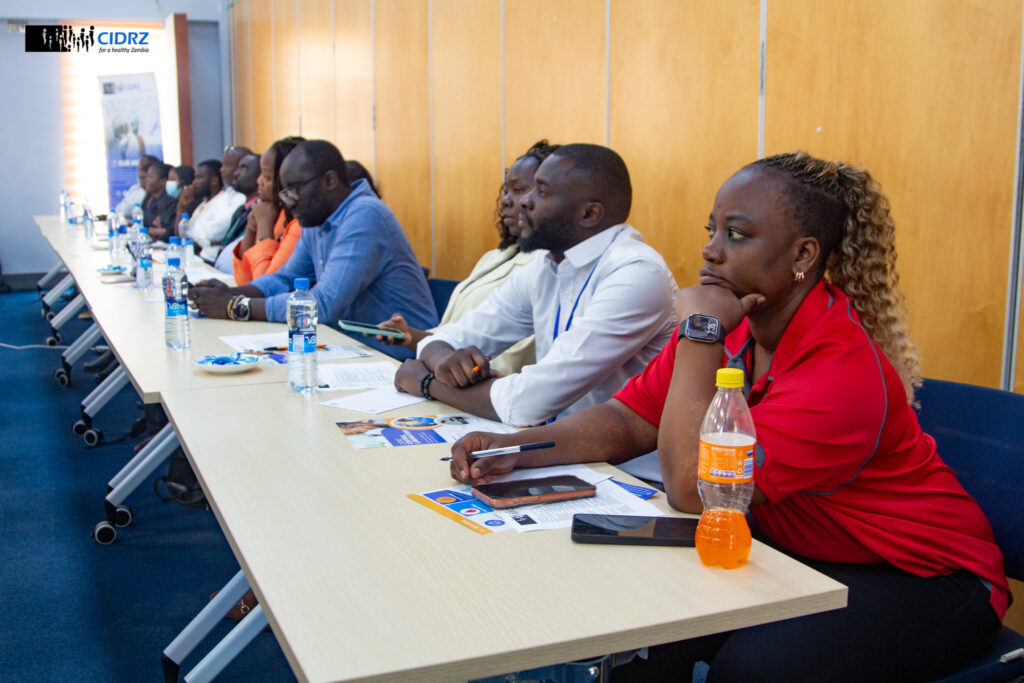
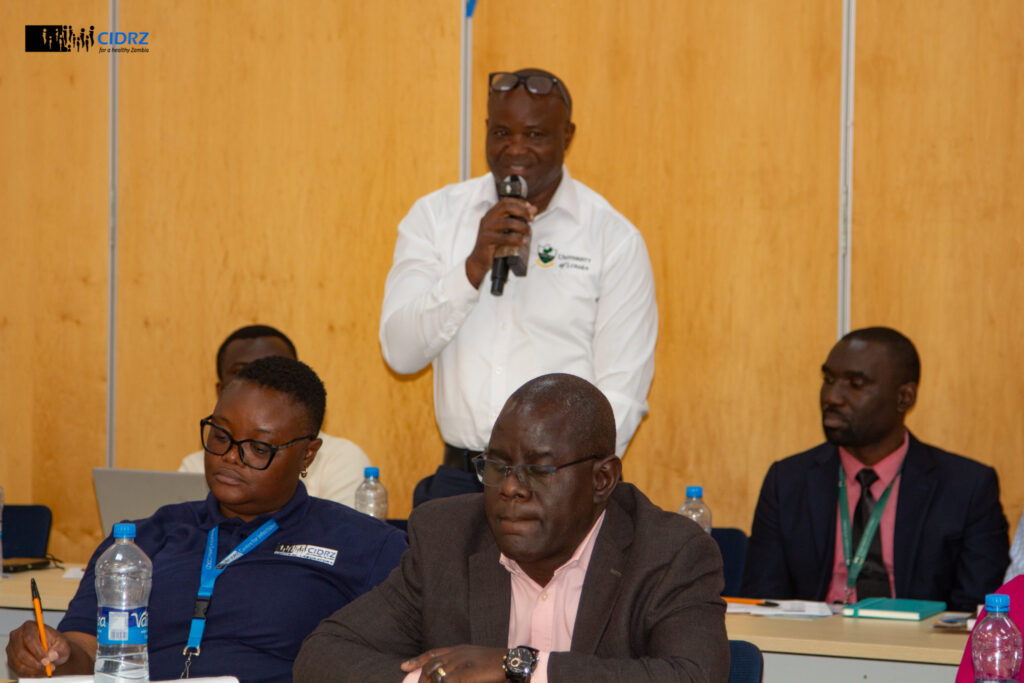
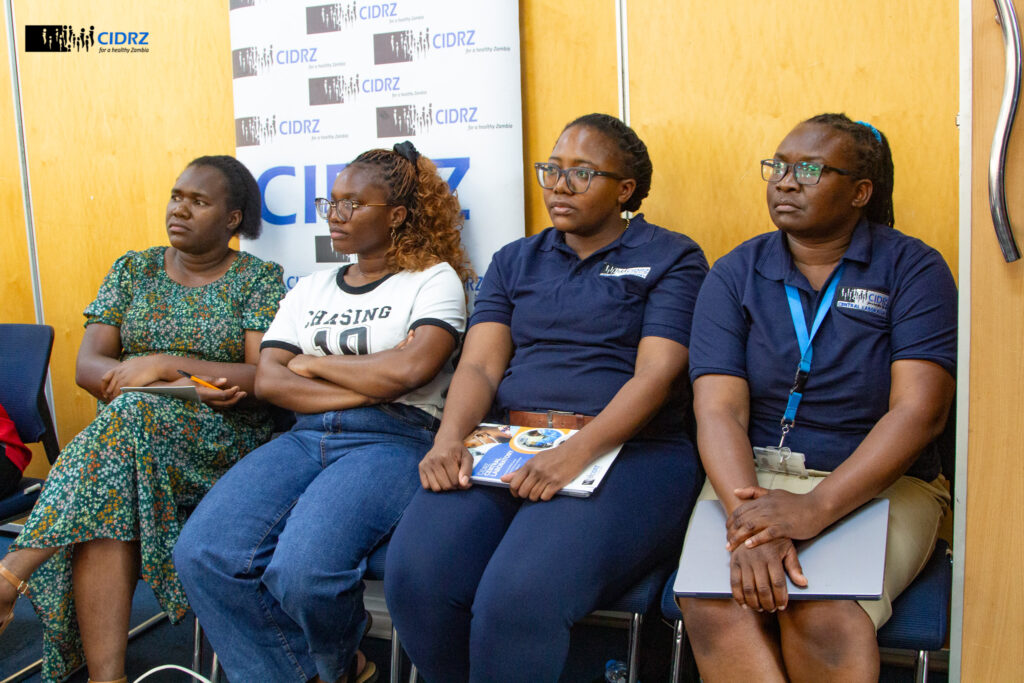
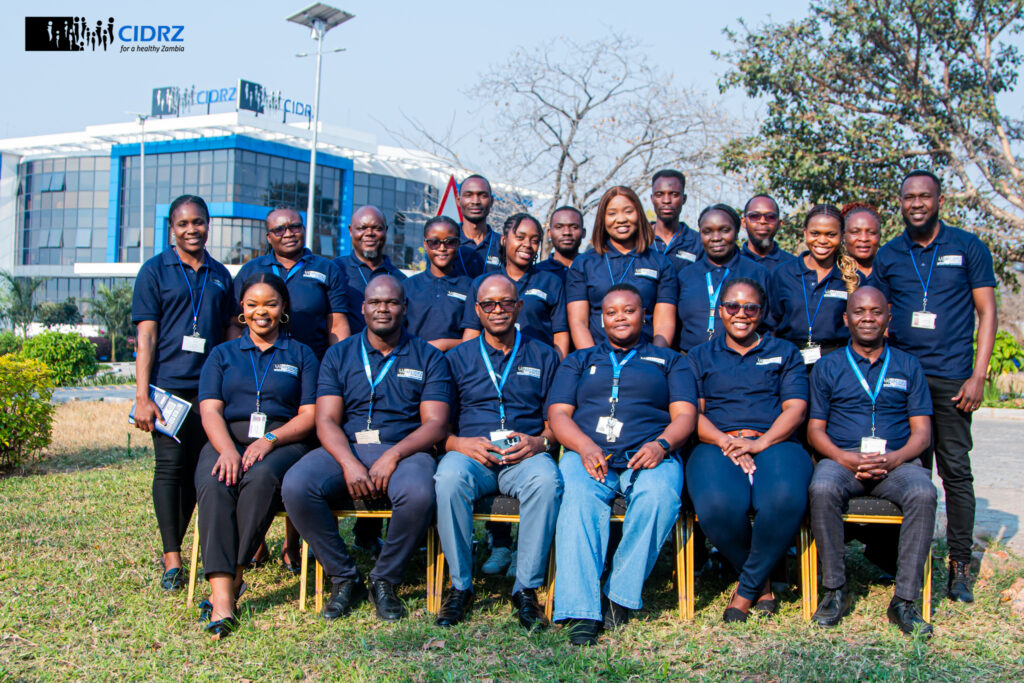
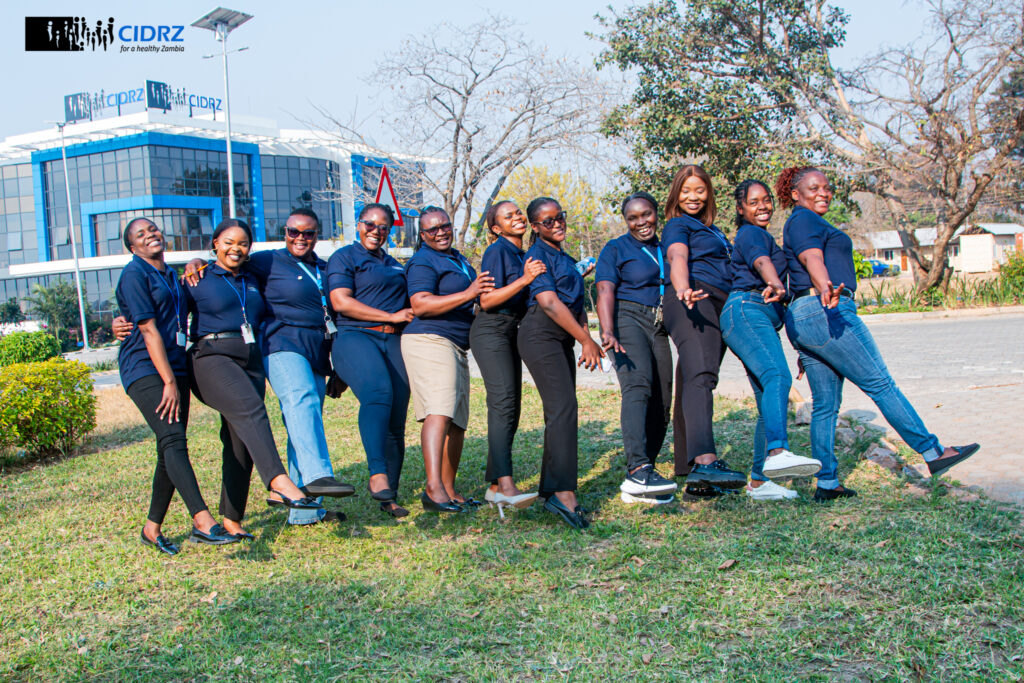
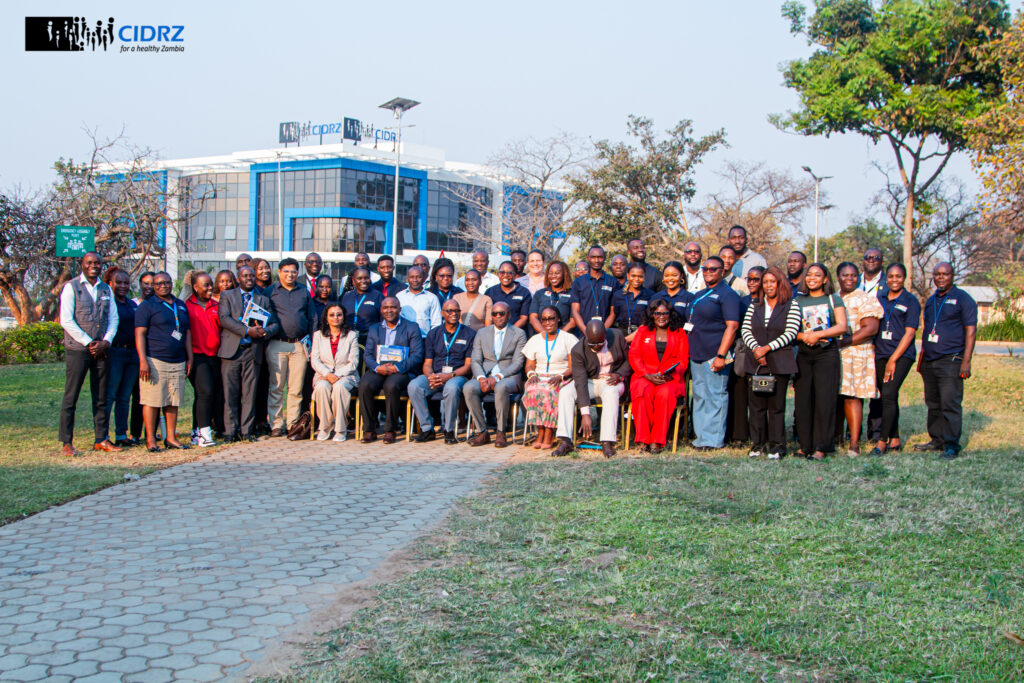
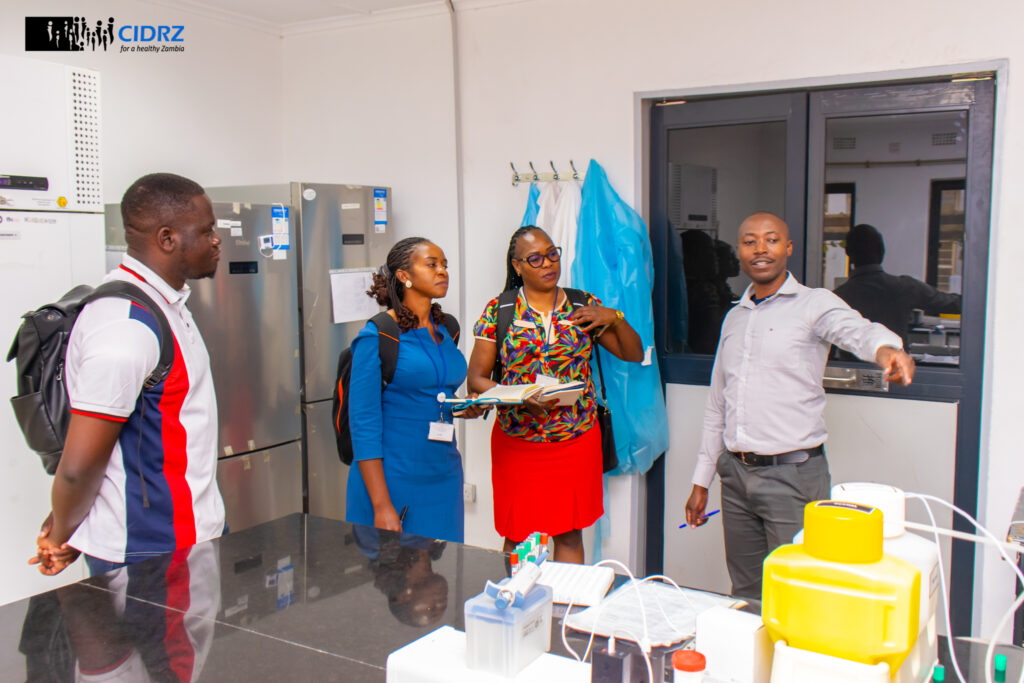
This message was at the heart of yesterday’s Centre for Infectious Disease Research in Zambia (CIDRZ) Central Laboratory Open Day, which brought together researchers and partners to explore the people, science, technology, and systems supporting high-quality research in Zambia.
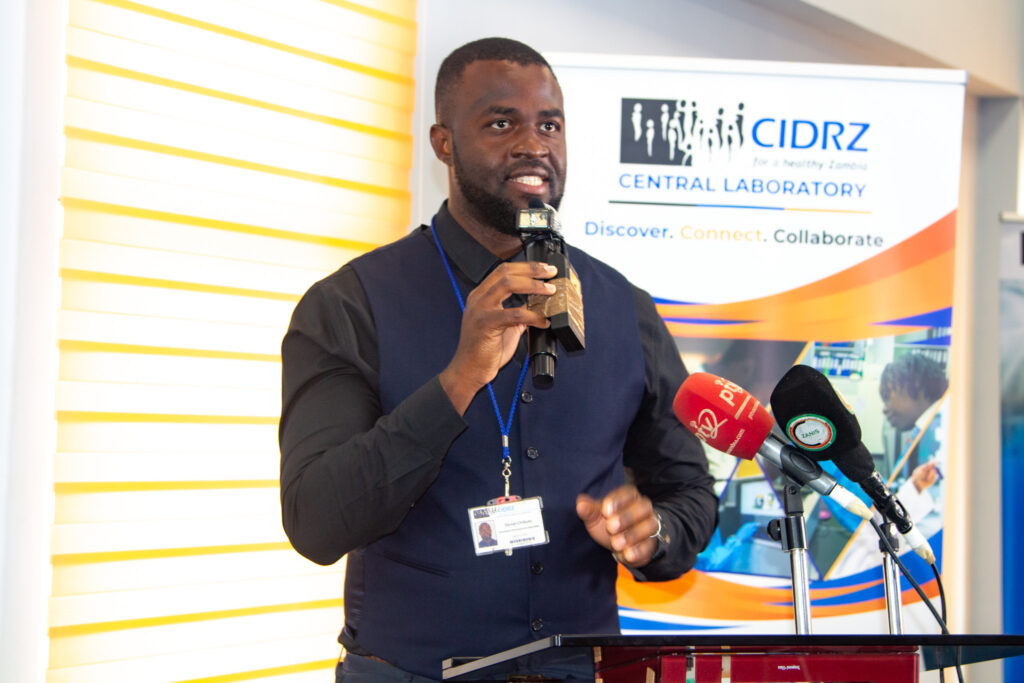
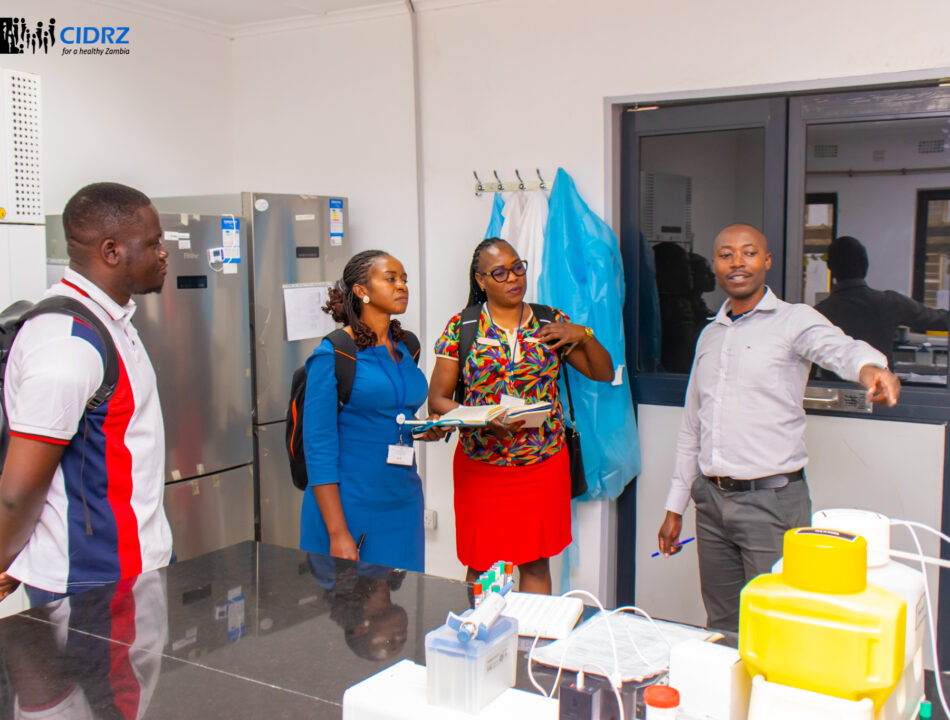
Held under the theme “Discover. Connect. Collaborate.”, the Open Day highlighted the laboratory’s growing role as a strategic research partner and demonstrated how its services support studies across the research lifecycle from study planning and sample management to testing and data reporting.
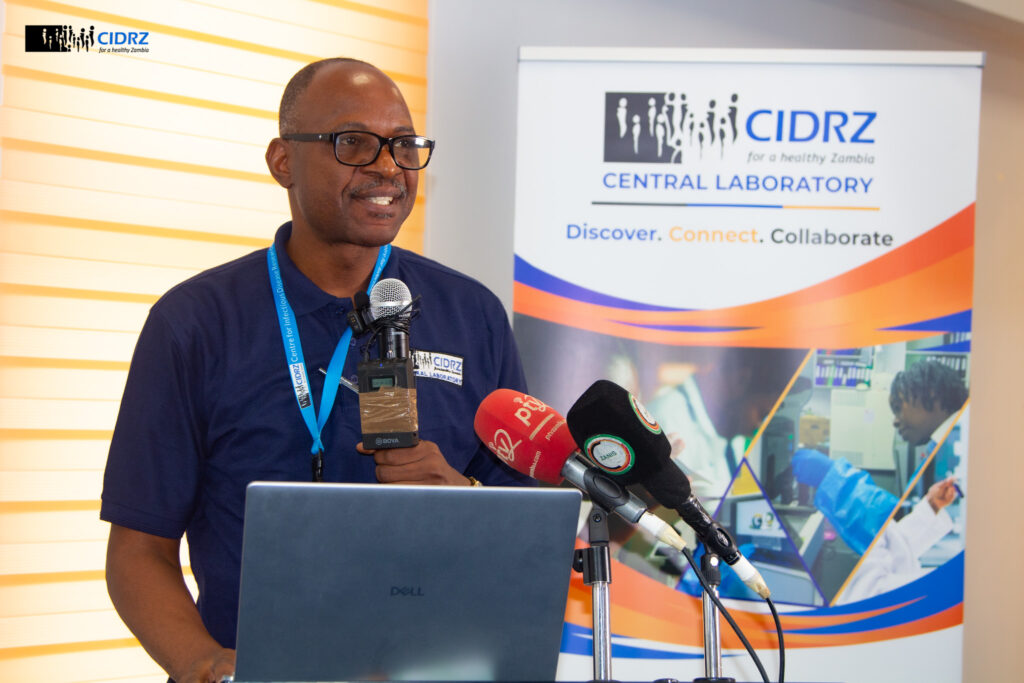
Speaking at the event, CIDRZ Chief Executive Officer Dr Otto Chabikuli said the Central Laboratory is more than a facility equipped with advanced technologies. He described it as a demonstration of Zambia’s scientific capabilities and an invitation to researchers to collaborate with CIDRZ and use the infrastructure to conduct high-quality research that addresses local health needs.
Dr Chabikuli noted that global disruptions have shown how quickly challenges beyond a country’s borders can become health challenges at home. For Zambia, he said, this raises an important question: how much of the knowledge, evidence, testing and innovation needed to protect the health of its population can be generated within the country?
“We believe the answer is significantly more. We need to do more here in Zambia,” he said.
He further explained that, for CIDRZ, strengthening local capability does not mean working in isolation from the global scientific community. Instead, it means building stronger local capacity so that Zambia can engage globally with greater capability and confidence.
Much of Africa’s advanced health research infrastructure, specialised testing and scientific expertise remains concentrated outside the continent. Dr Chabikuli said CIDRZ aims to help change this by developing locally relevant capabilities where they are most needed.
“This includes generating evidence that reflects the experiences and needs of Zambian patients, supporting hospitals with research and diagnostic capabilities, collaborating with universities and researchers, and developing local scientific talent,” he said.
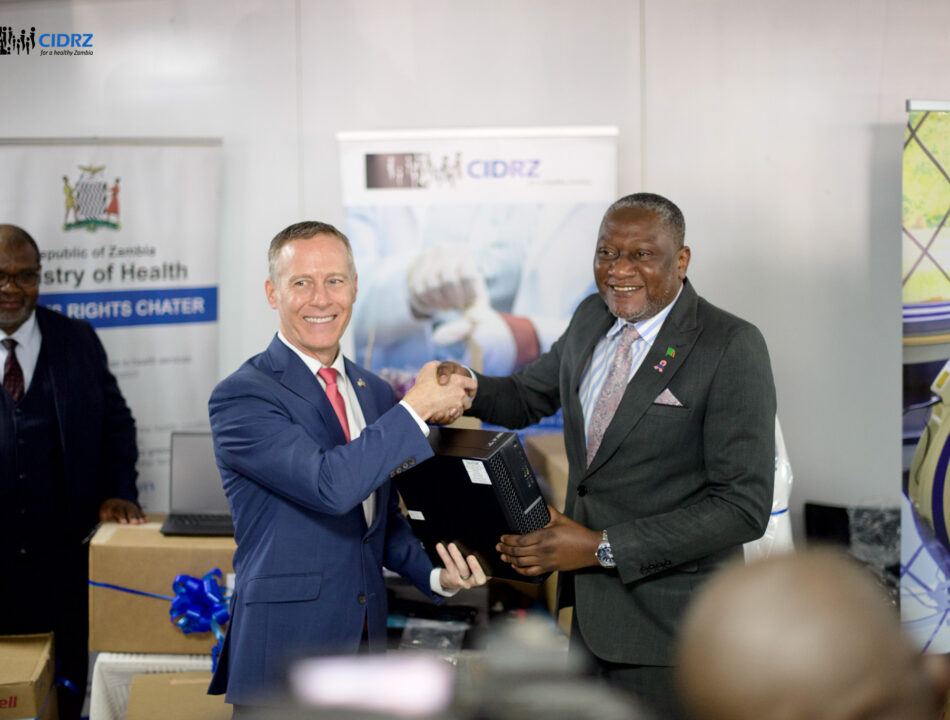
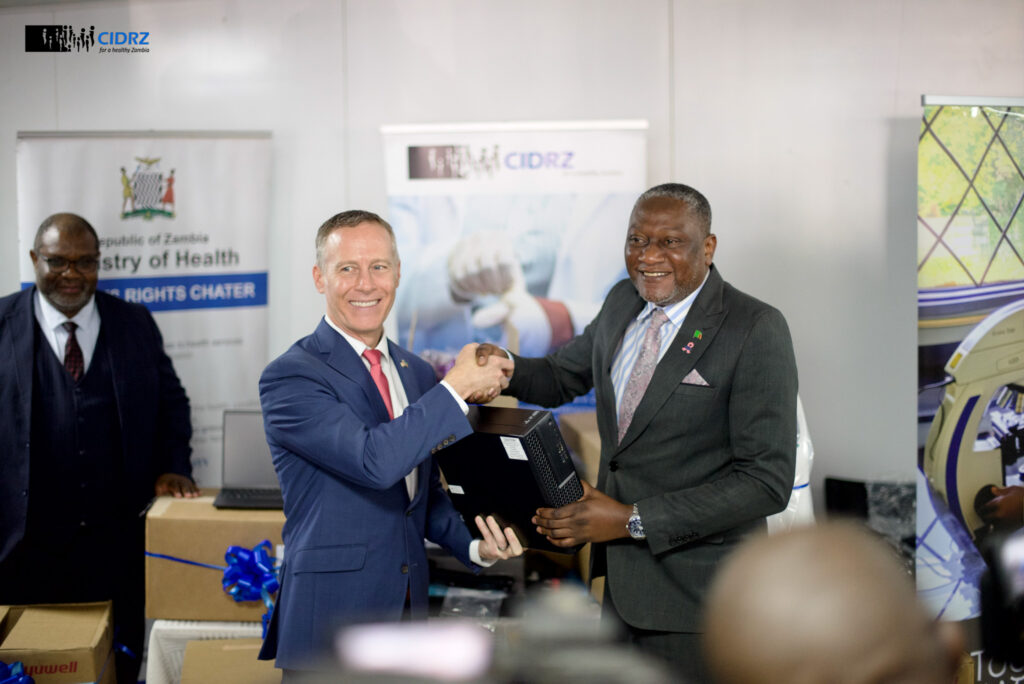
Meanwhile, the Ministry of Health commended the CIDRZ Central Laboratory for strengthening quality, capacity and innovation within Zambia’s laboratory services.
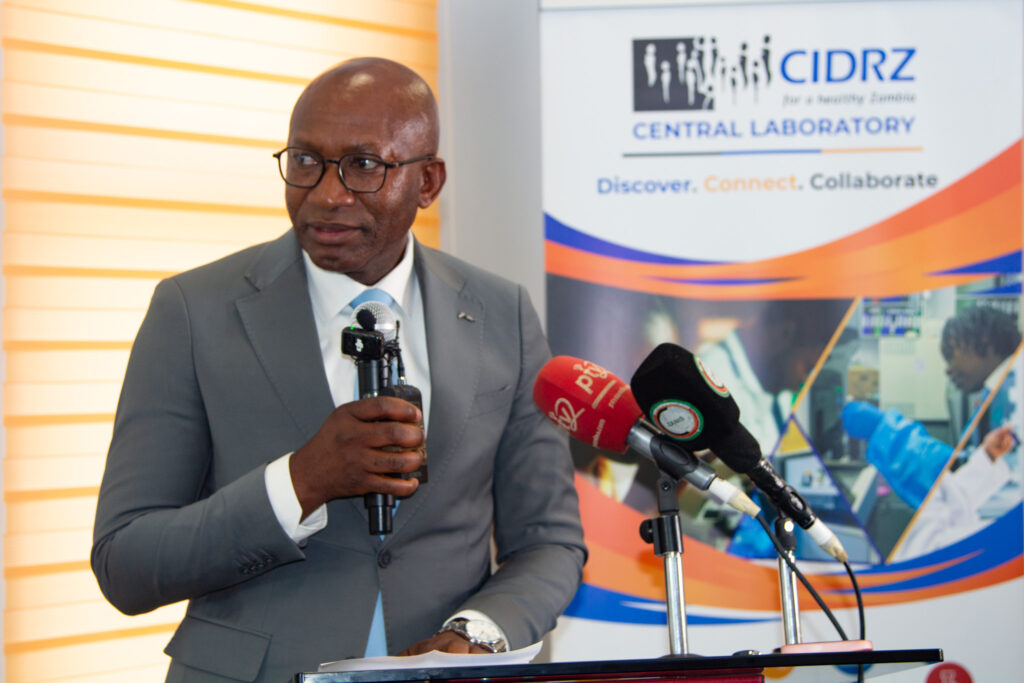
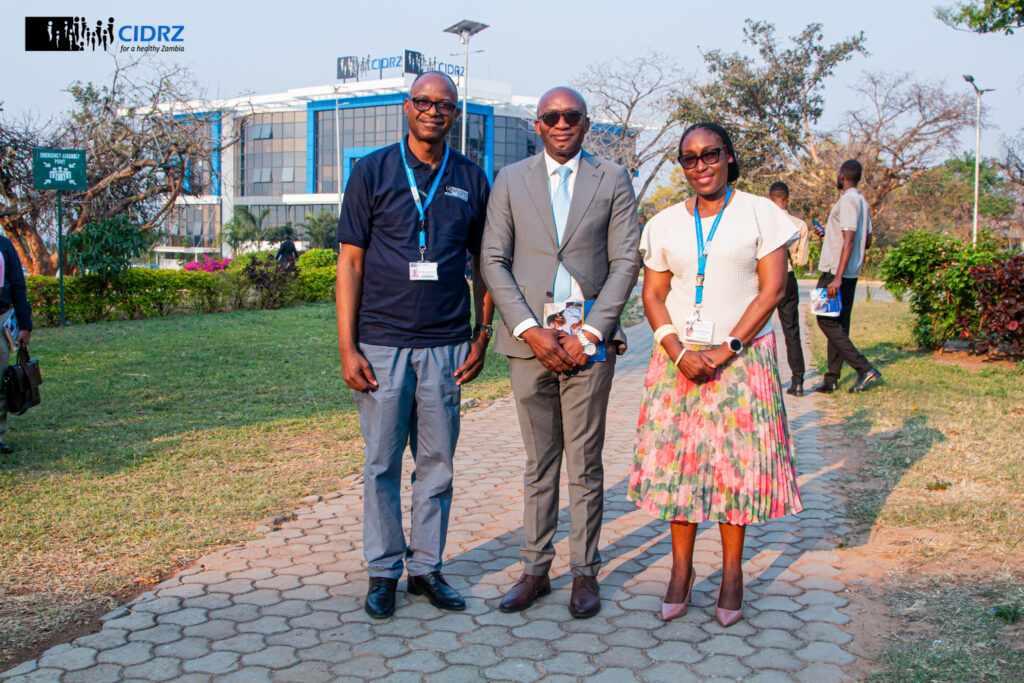
Speaking as Guest of Honour at the Open Day, Assistant Director of Pathology and Laboratory Services at the Ministry of Health, Dr Mweemba Muvwimi, highlighted the laboratory’s ISO 15189 certification as evidence that Zambian laboratories can meet international standards.
“This means that you are able to support other facilities without anyone questioning,” he said, noting that the certification demonstrates that “a Zambia-led lab can meet global standards with Zambian initiatives.”
Dr Muvwimi also recognised CIDRZ’s contribution to strengthening laboratory capacity through staff training, quality assurance, and improved systems for sample transportation and peripheral laboratories, in line with Zambia’s National Health Laboratory Strategic Plan.
He further highlighted the laboratory’s work in areas including viral load testing, TB diagnostics and the development of a biorepository to support future research, saying these efforts have “positioned this country very well to detect and respond to future health threats.”
He reaffirmed the Ministry of Health’s commitment to working with partners such as CIDRZ to expand access to quality diagnostic services across the country.
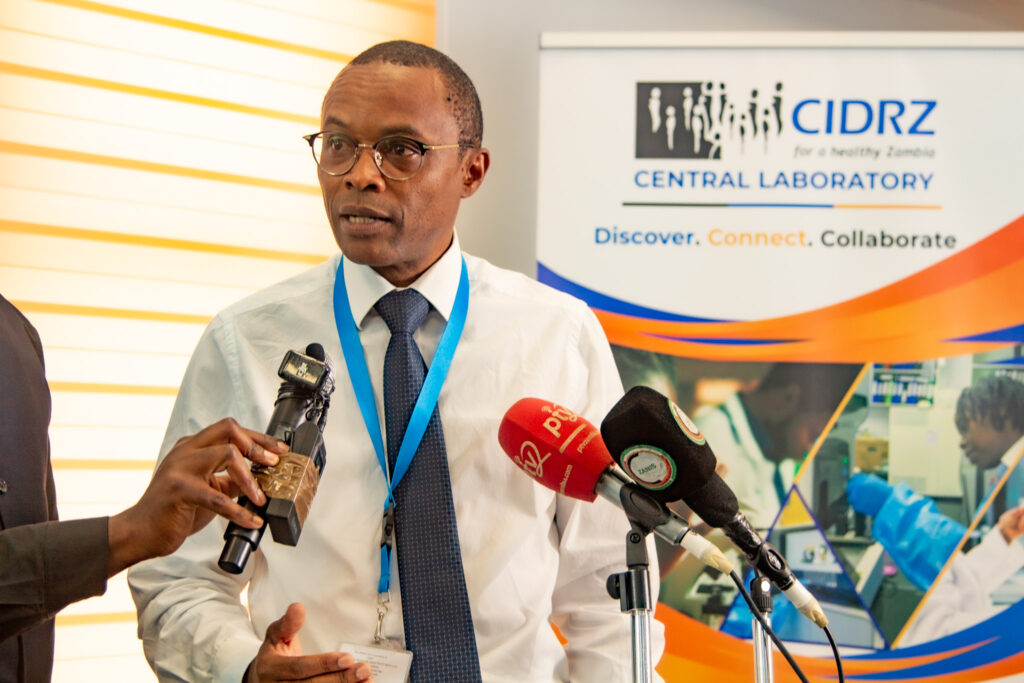
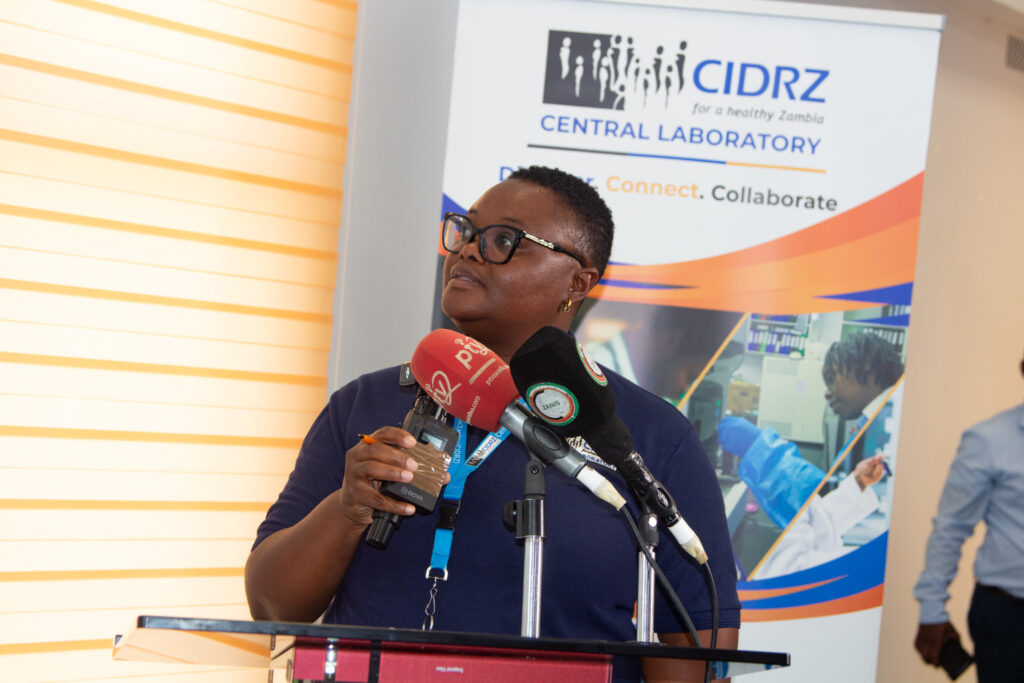
Also speaking during the Open Day, CIDRZ Central Laboratory Director Bolarinde Joseph Lawal said the event was not simply about showcasing equipment, but about demonstrating what can be achieved through local expertise, infrastructure and scientific capacity.
He challenged researchers to “think inward” and explore how existing local capacity can be leveraged to answer research questions relevant to Zambia and the wider region.
Mr Lawal said the laboratory aims to support researchers throughout the research lifecycle, from study planning and feasibility assessments to sample management, testing and data reporting, while using researchers’ feedback to continuously improve its services.