
Zambia Moves to Strengthen Quality Assurance for HIV Testing
November 9, 2026
Strengthening Person-Centred Counselling to Improve HIV Treatment Outcomes
November 10, 2026PEN-Plus Zambia Trains Community-Based Volunteers to Strengthen NCD Detection and Referral in Chipata.

Early identification and timely referral of non-communicable diseases (NCDs) can help prevent complications and ensure that people living with chronic conditions receive the care they need.
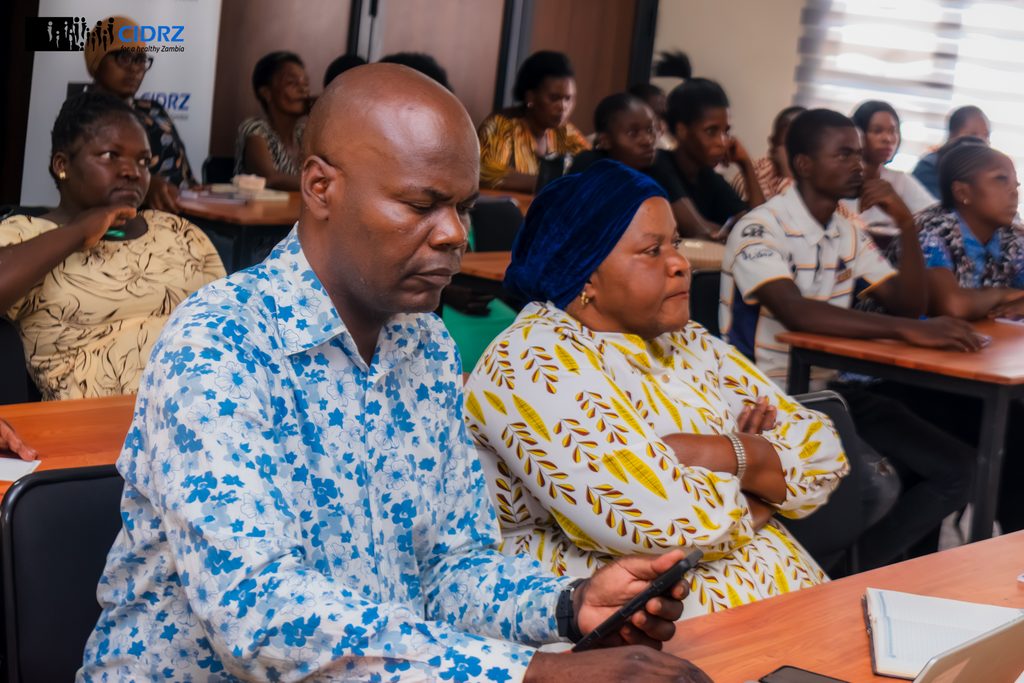
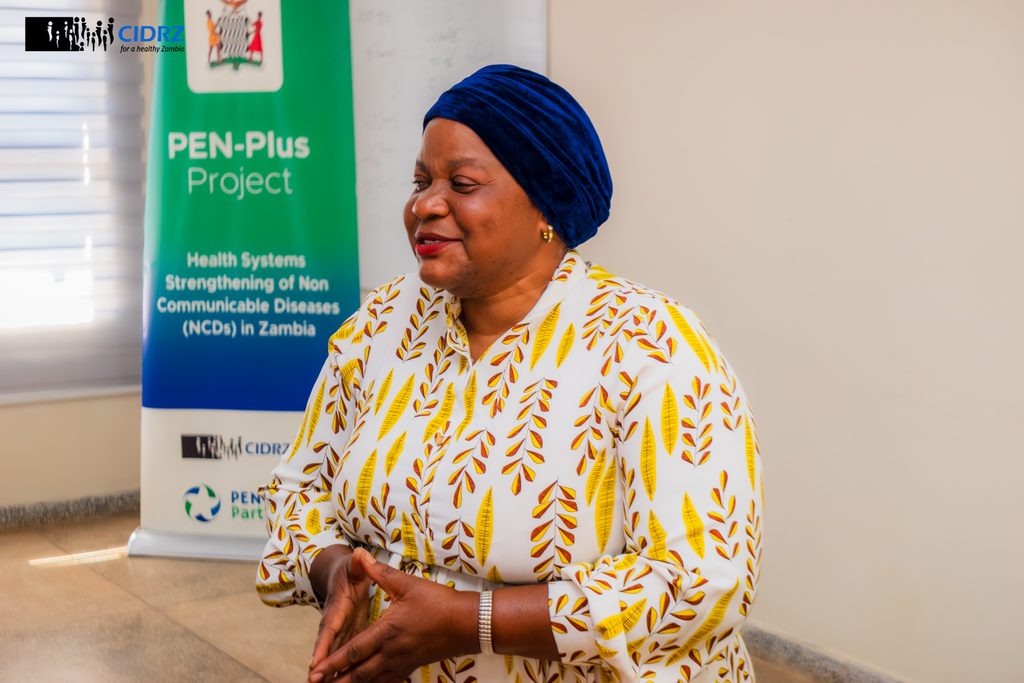
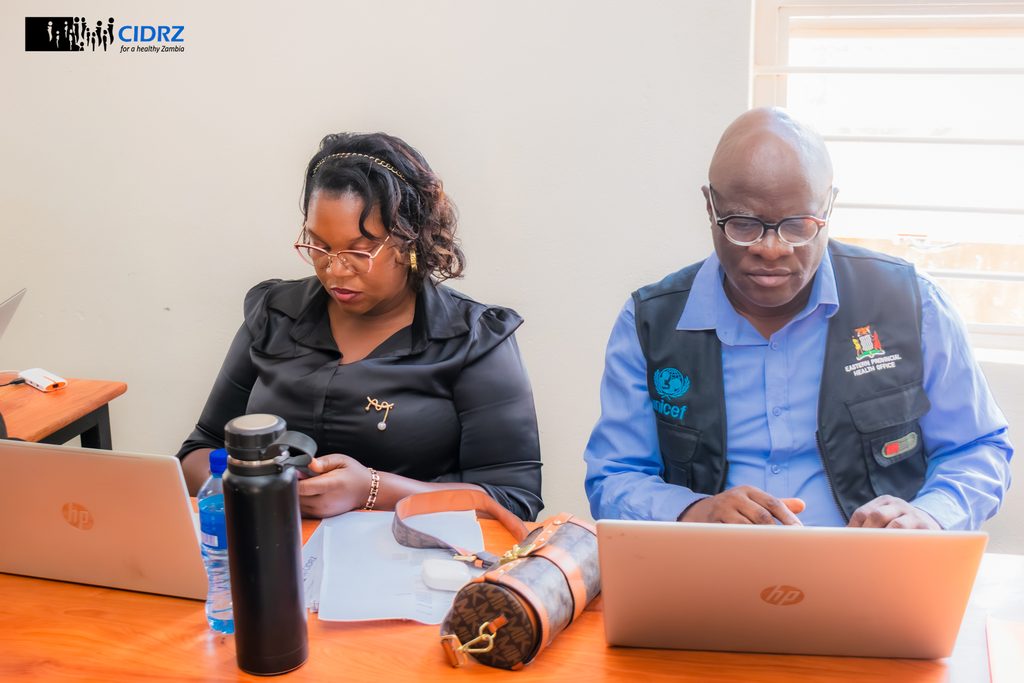
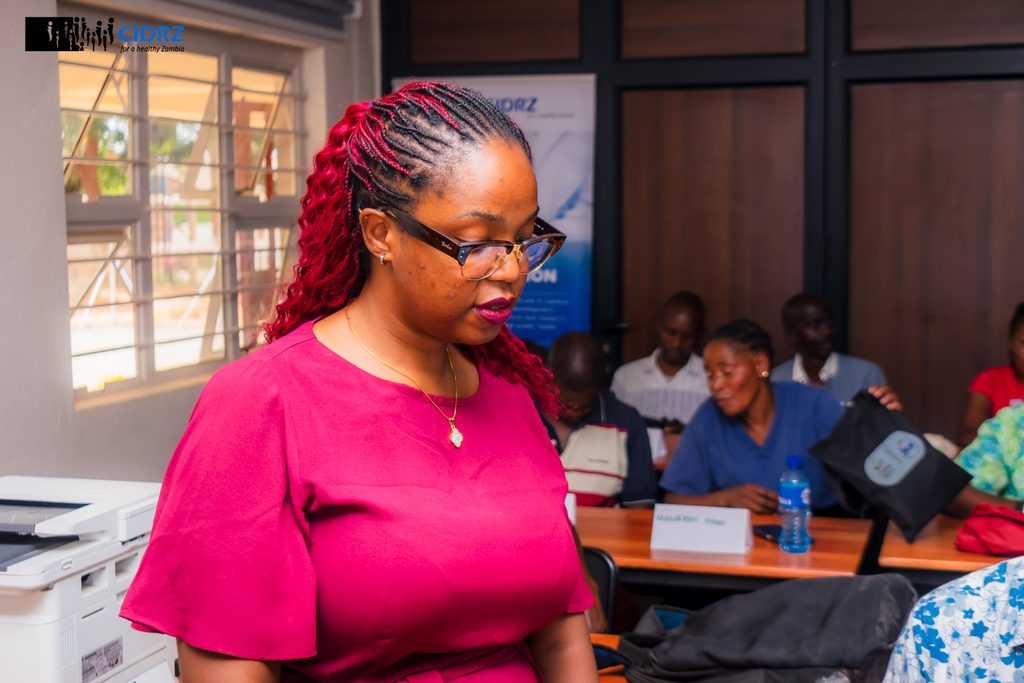
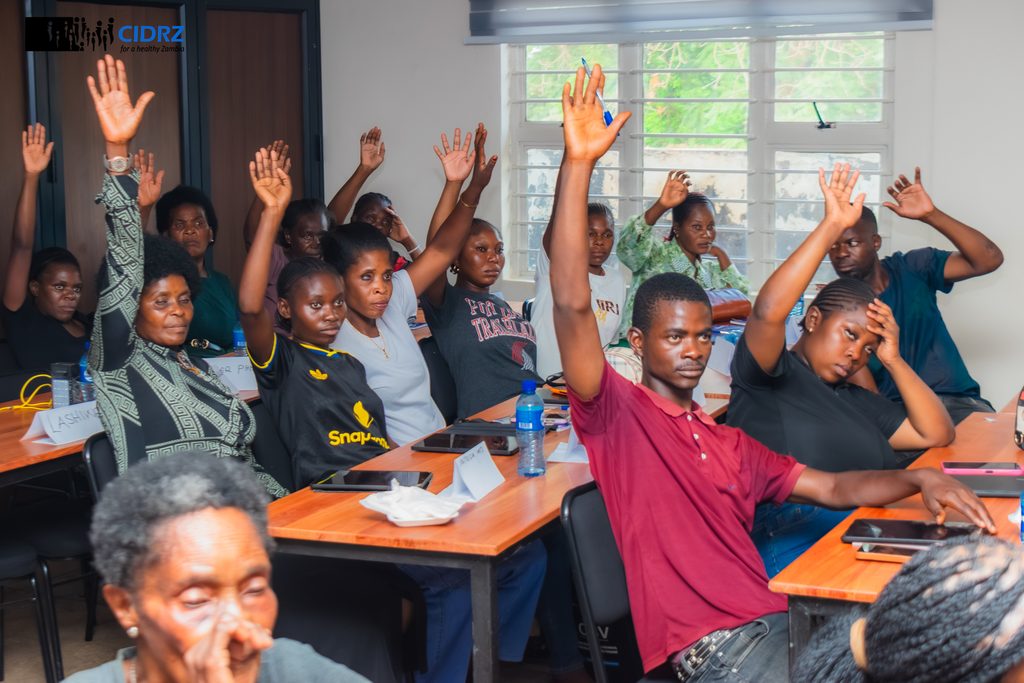
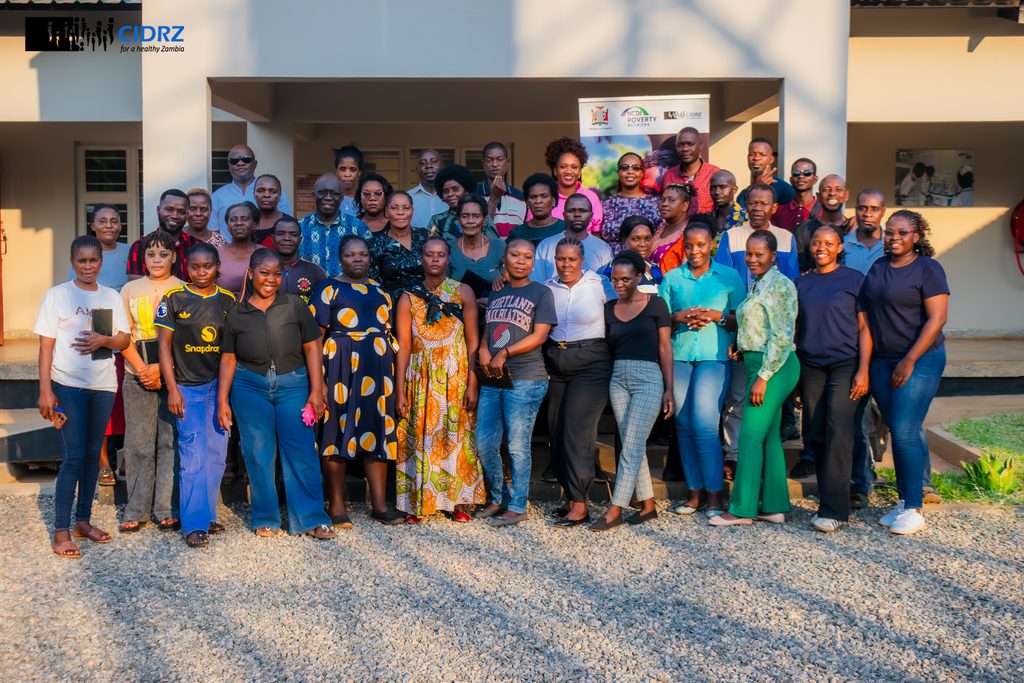
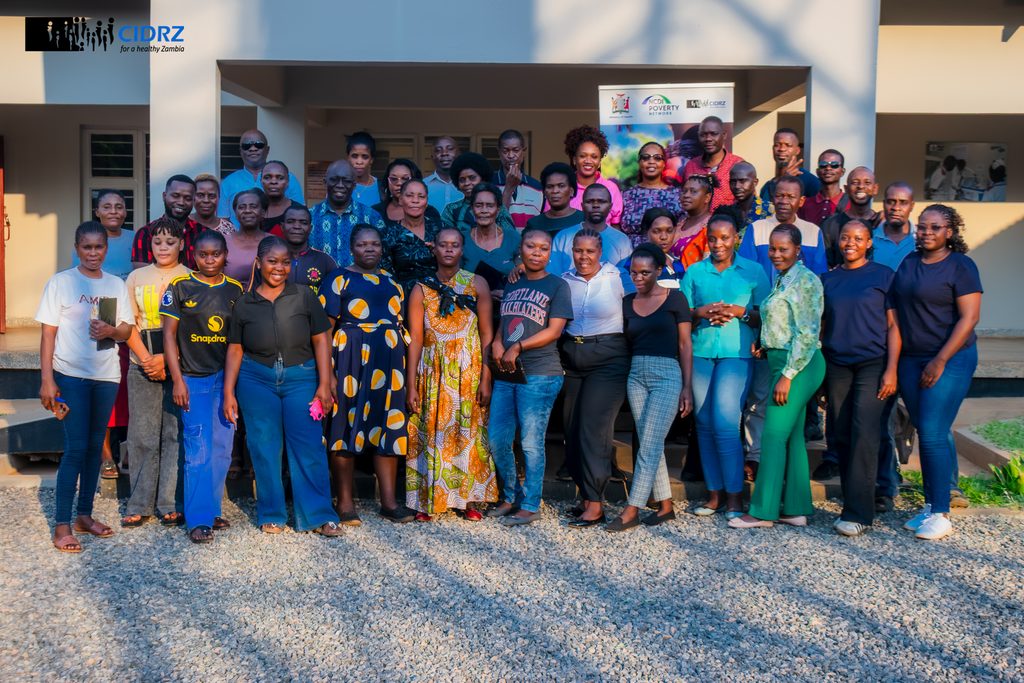
To support these efforts in Chipata, Eastern Province, CIDRZ’s PEN-Plus programme, in collaboration with the Ministry of Health (MoH), Zambia National Public Health Institute (ZNPHI) and Systems Strengthening for Health and Education (SSHE), strengthened community-level NCD services.
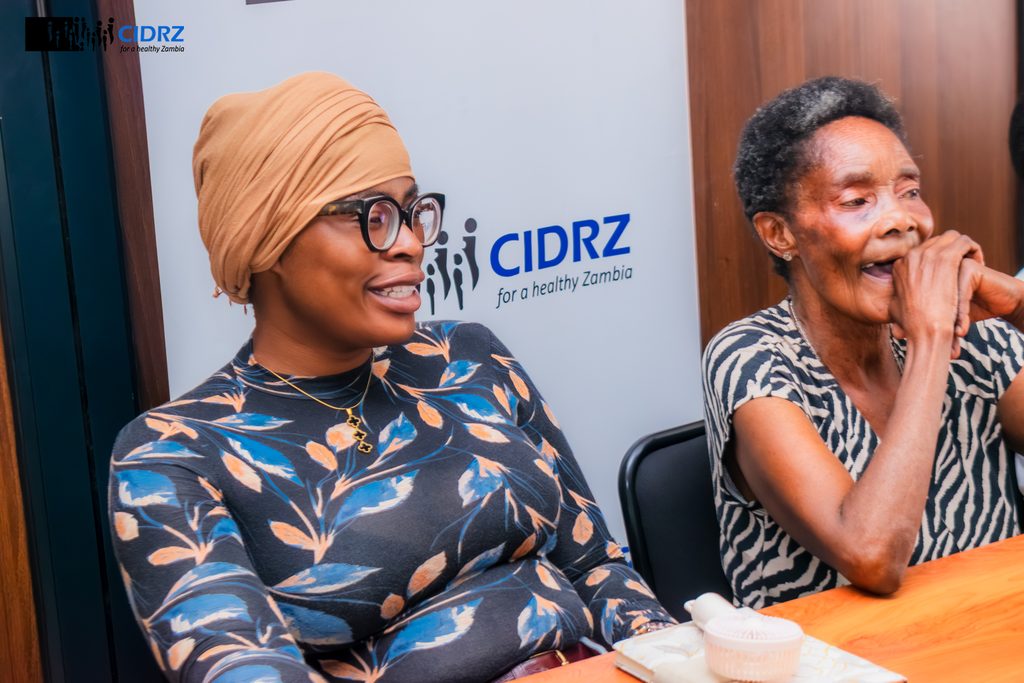
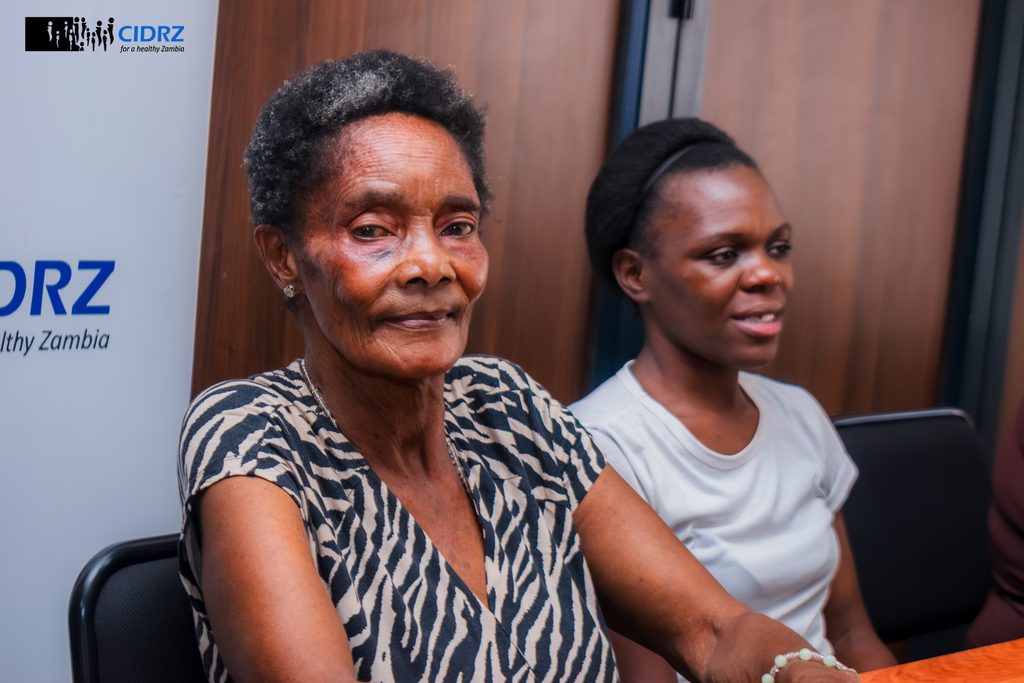
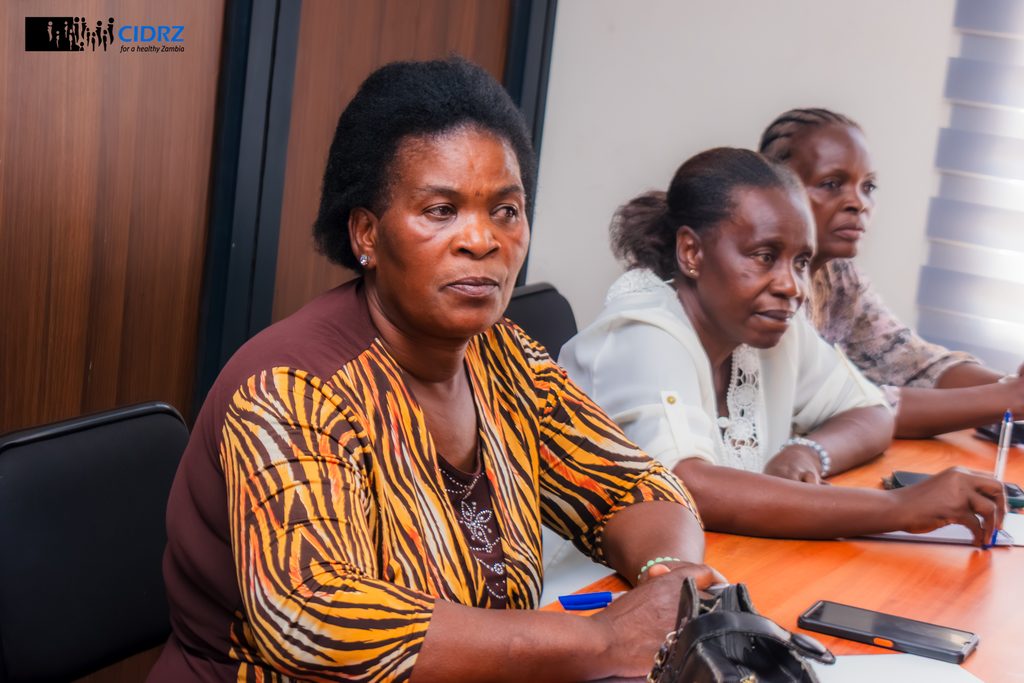
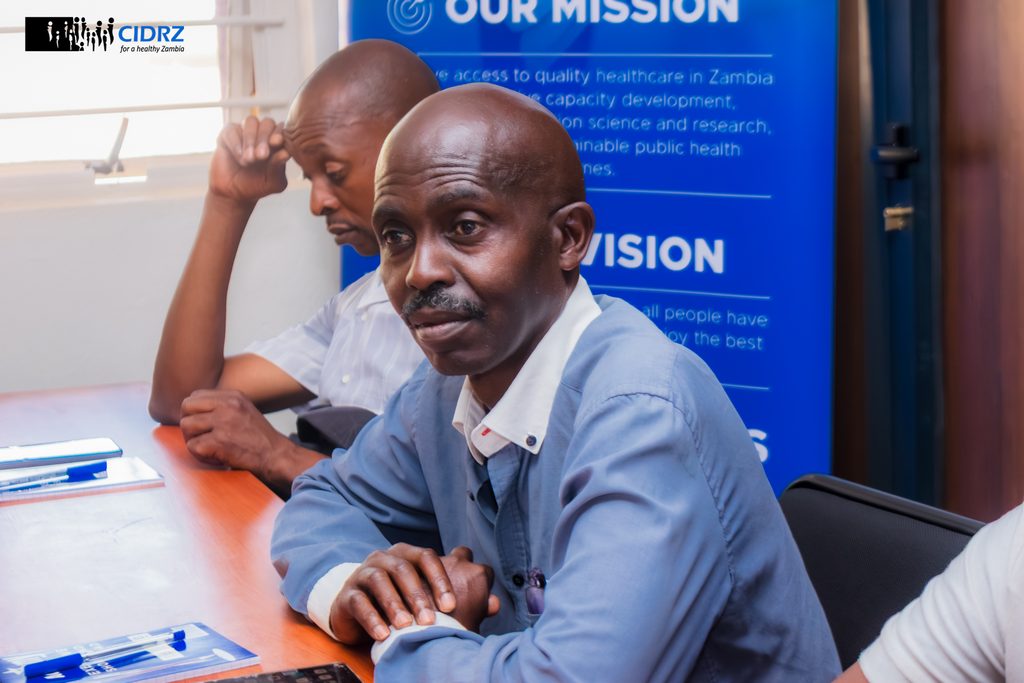
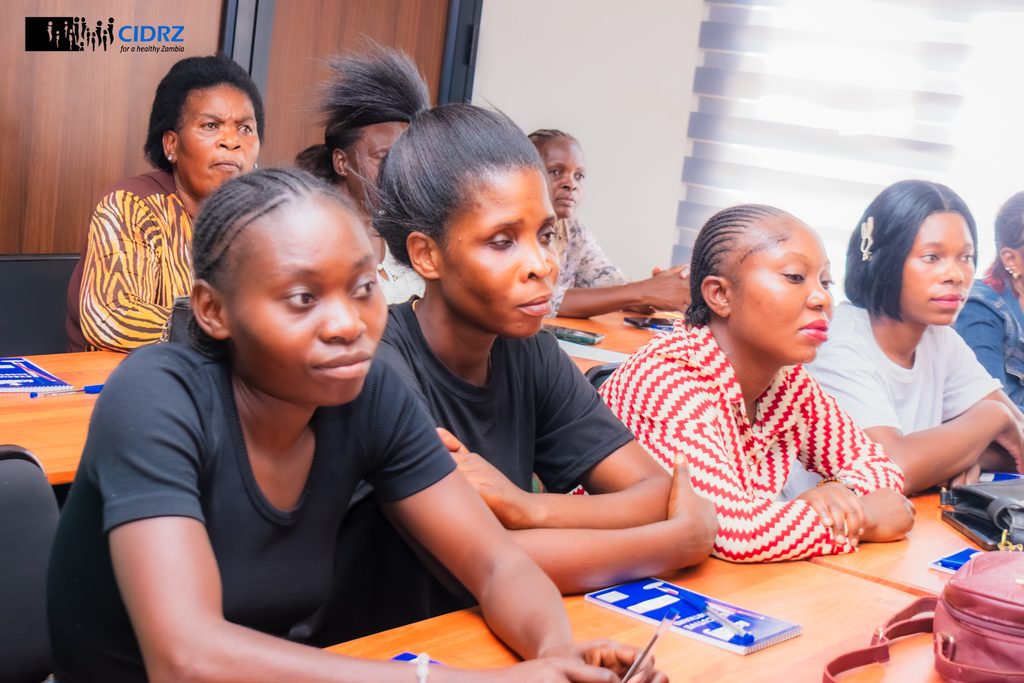
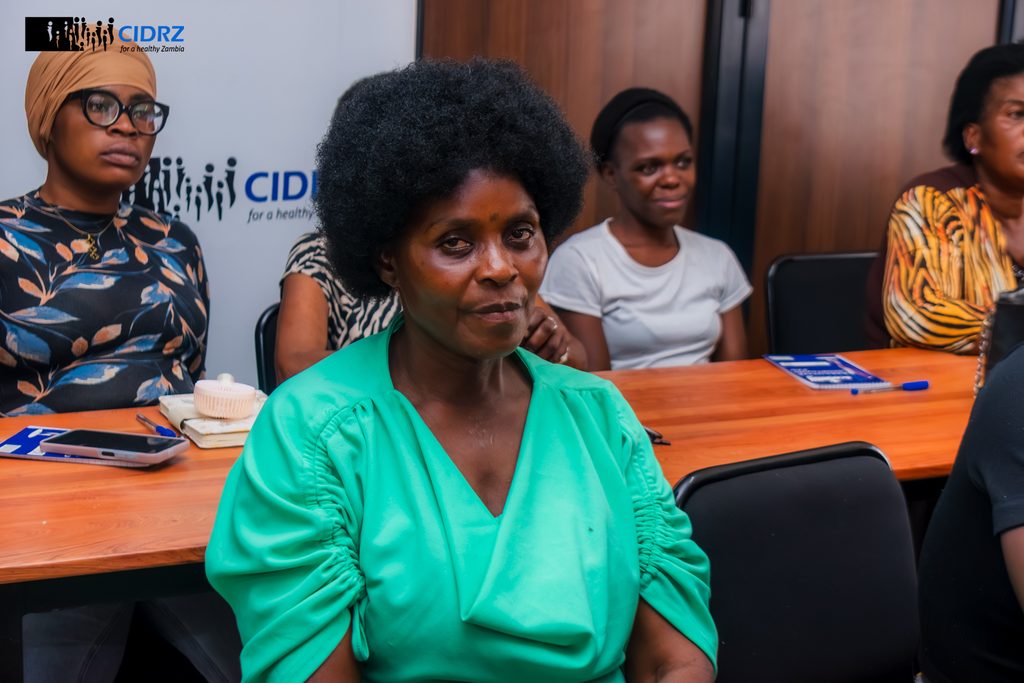
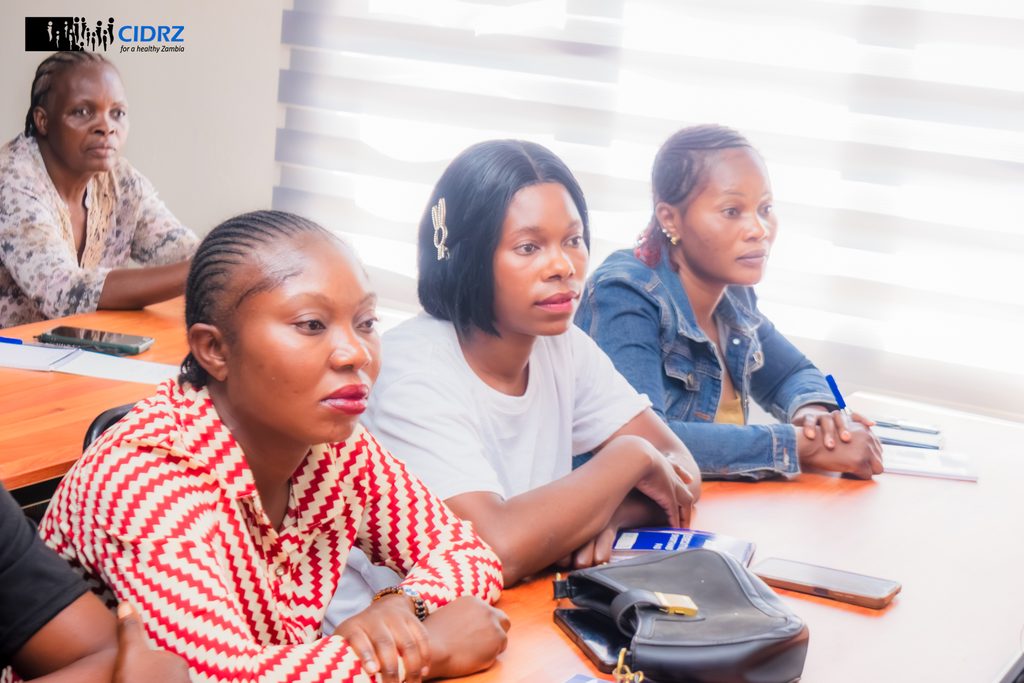
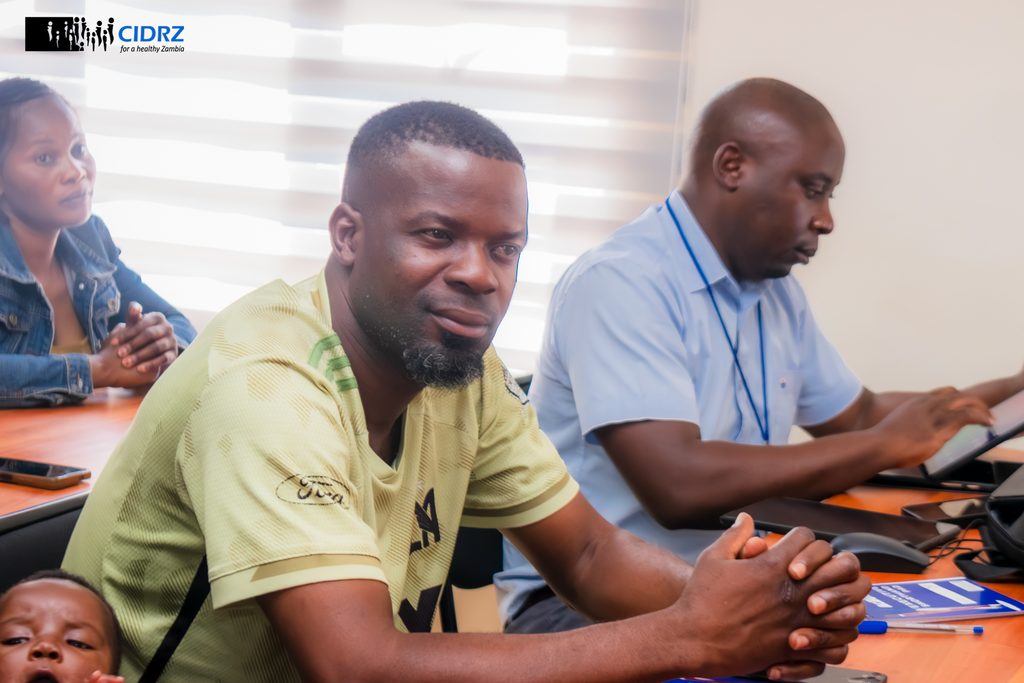
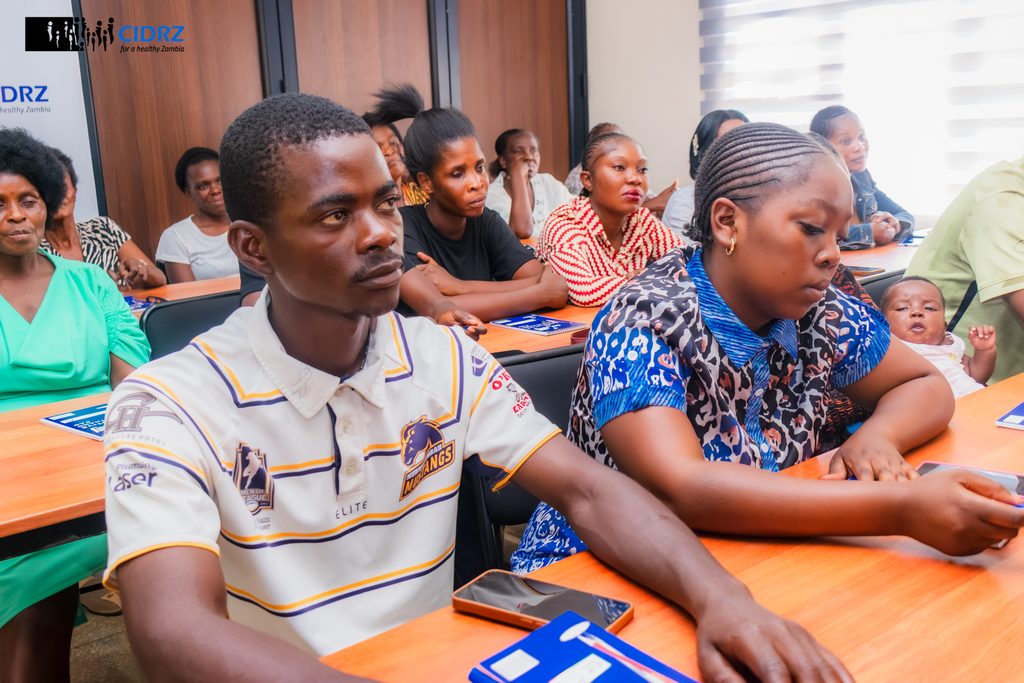
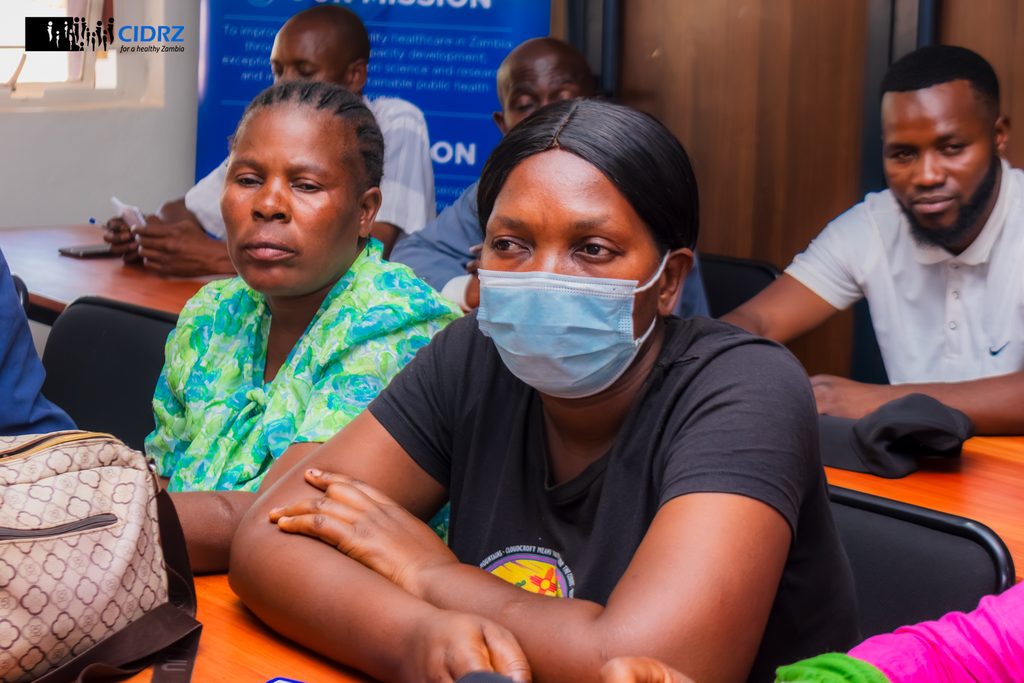
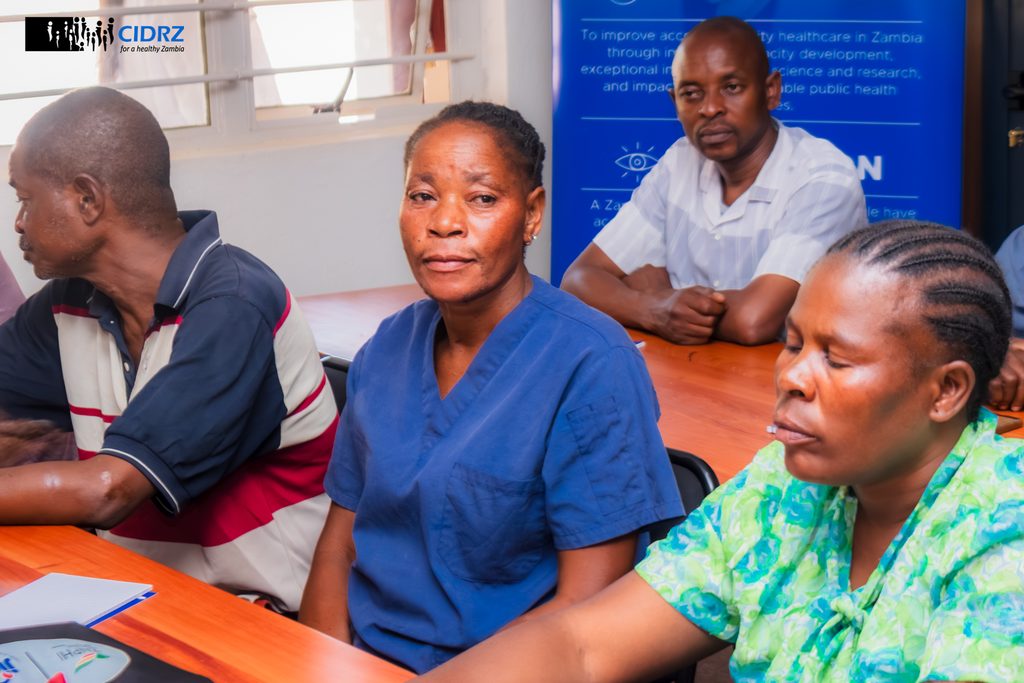
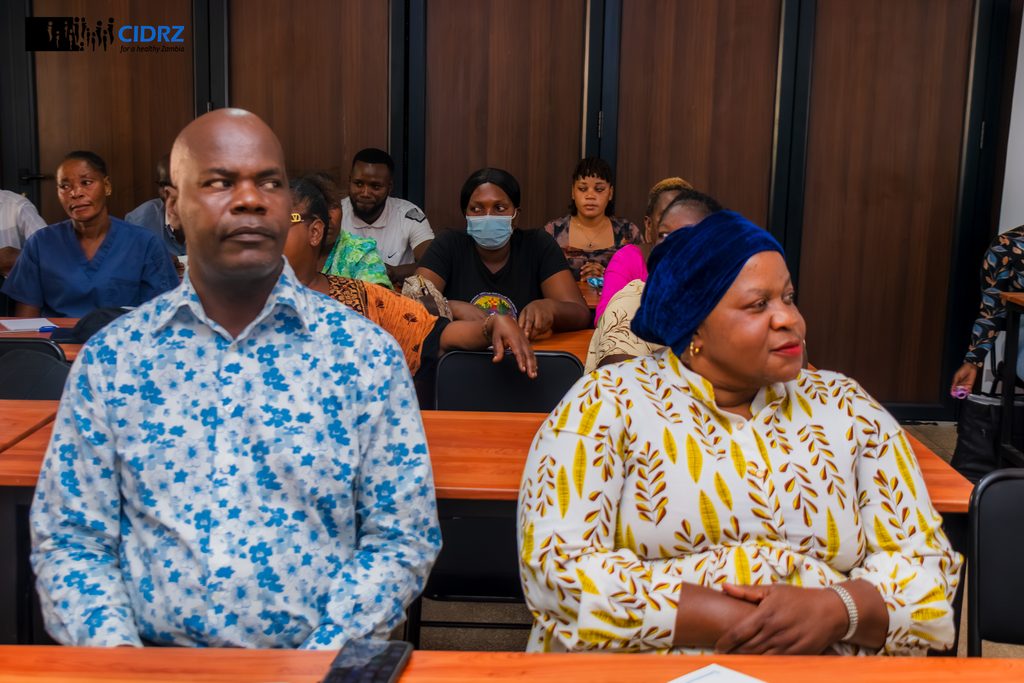
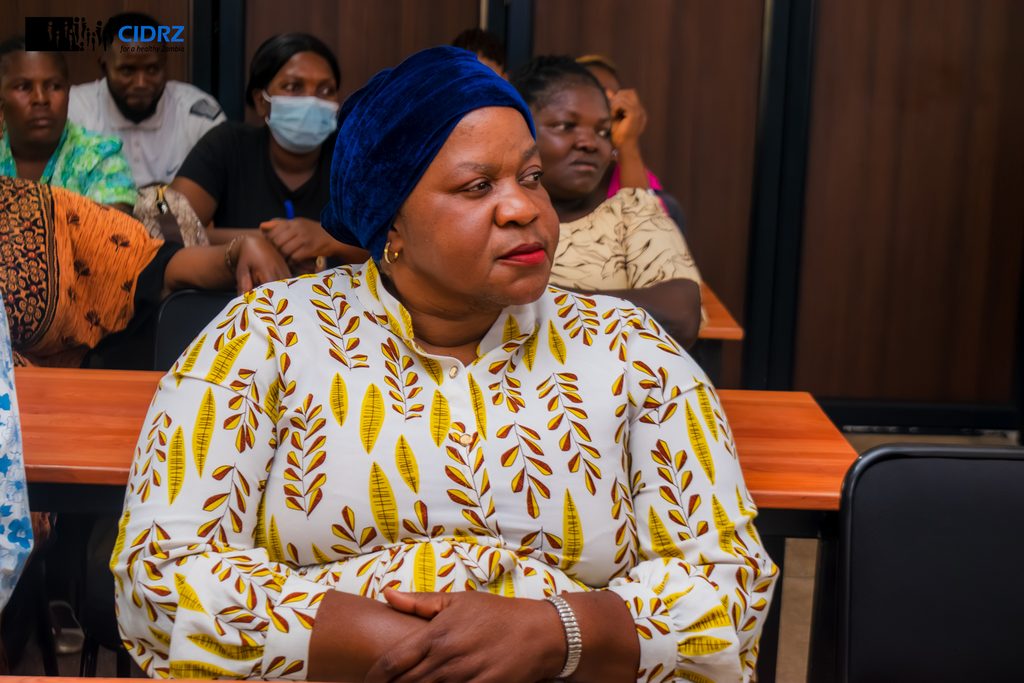
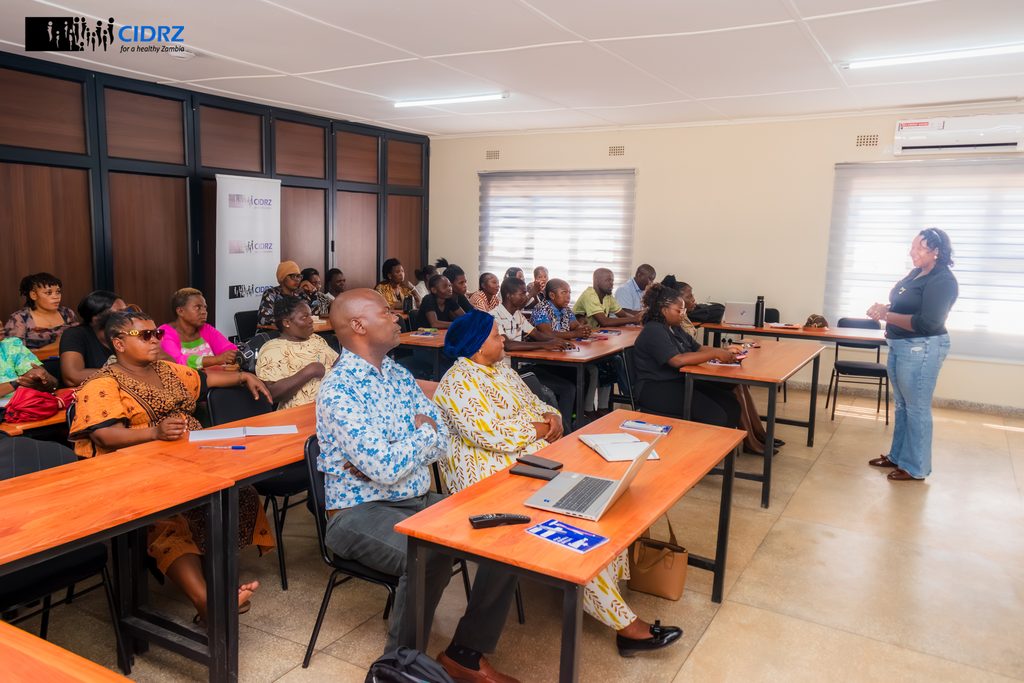
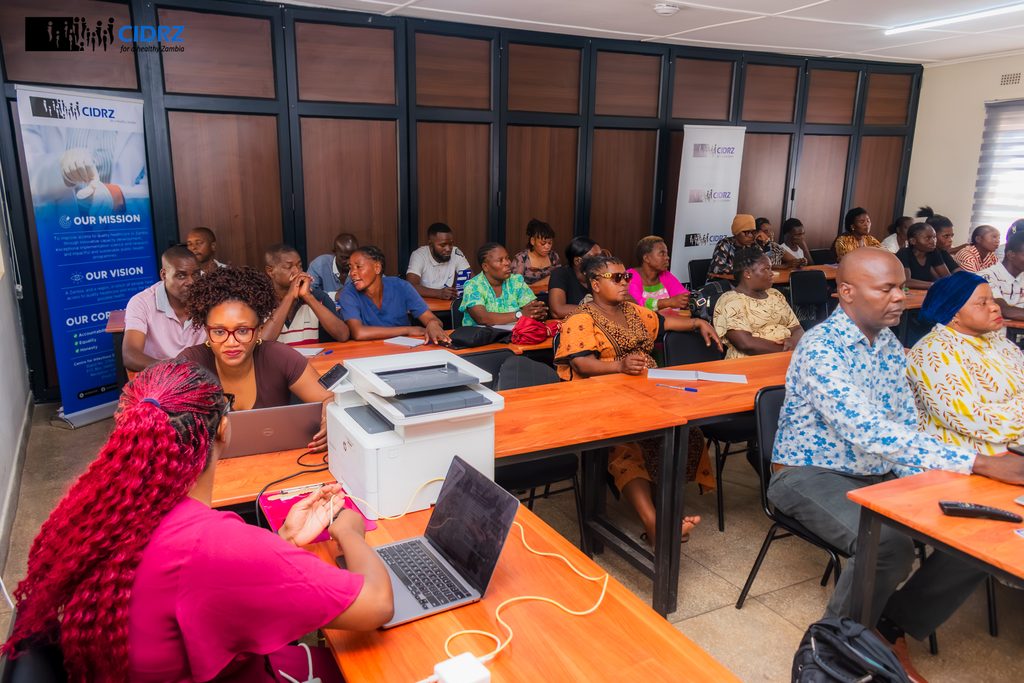
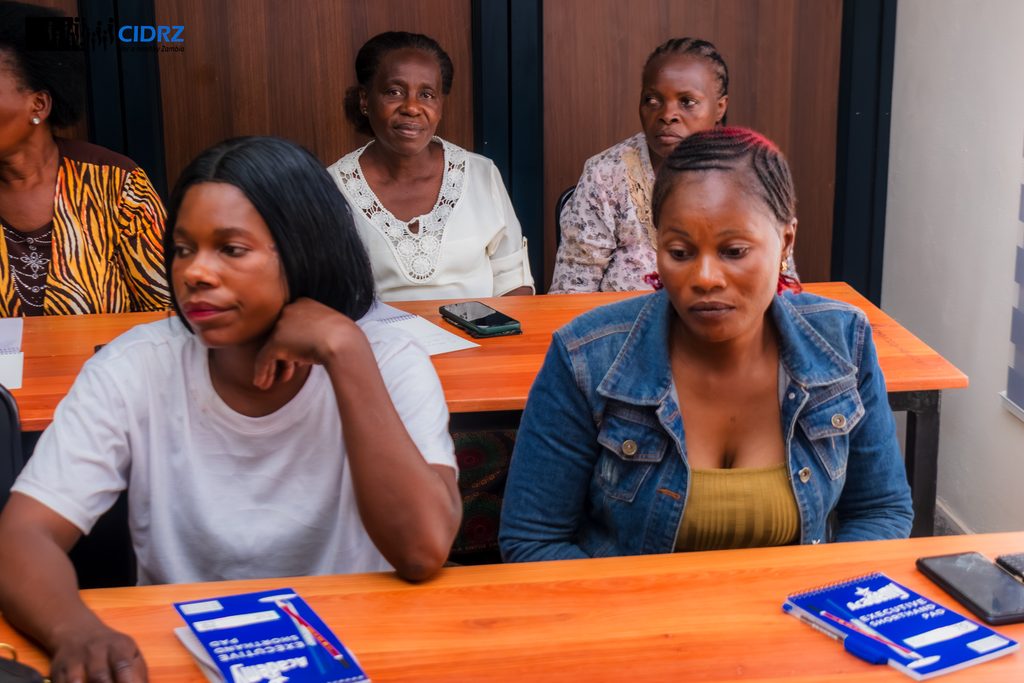
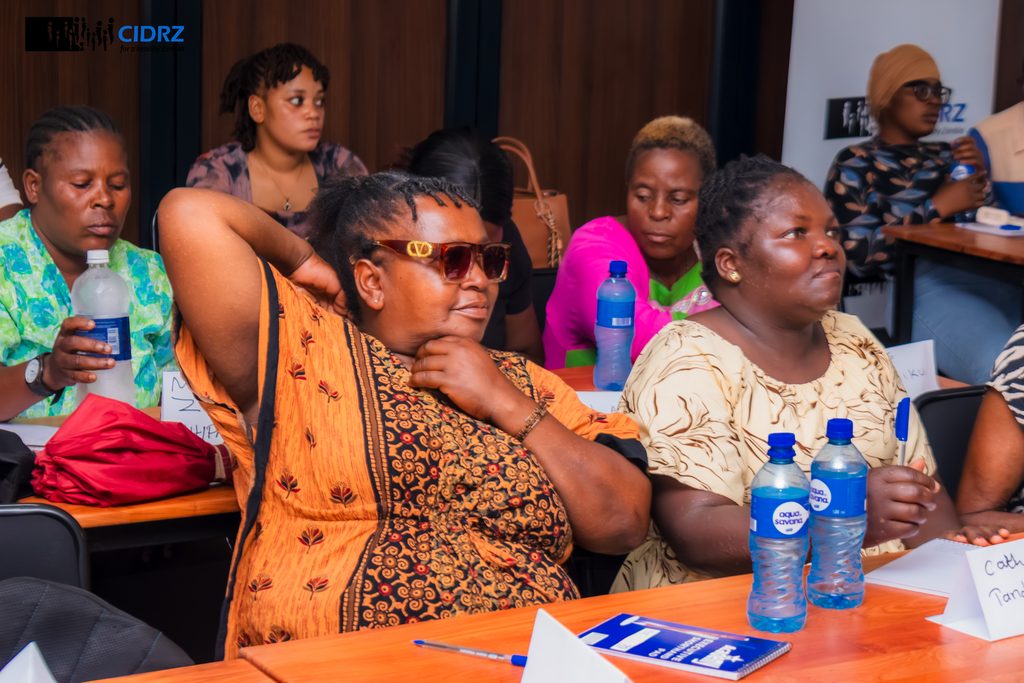
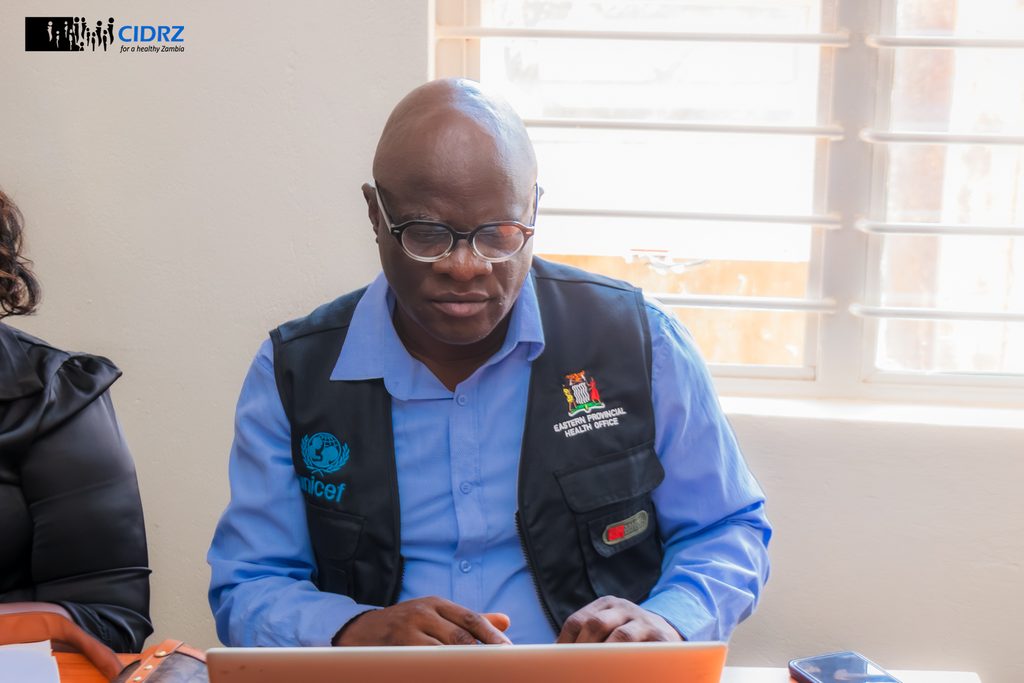
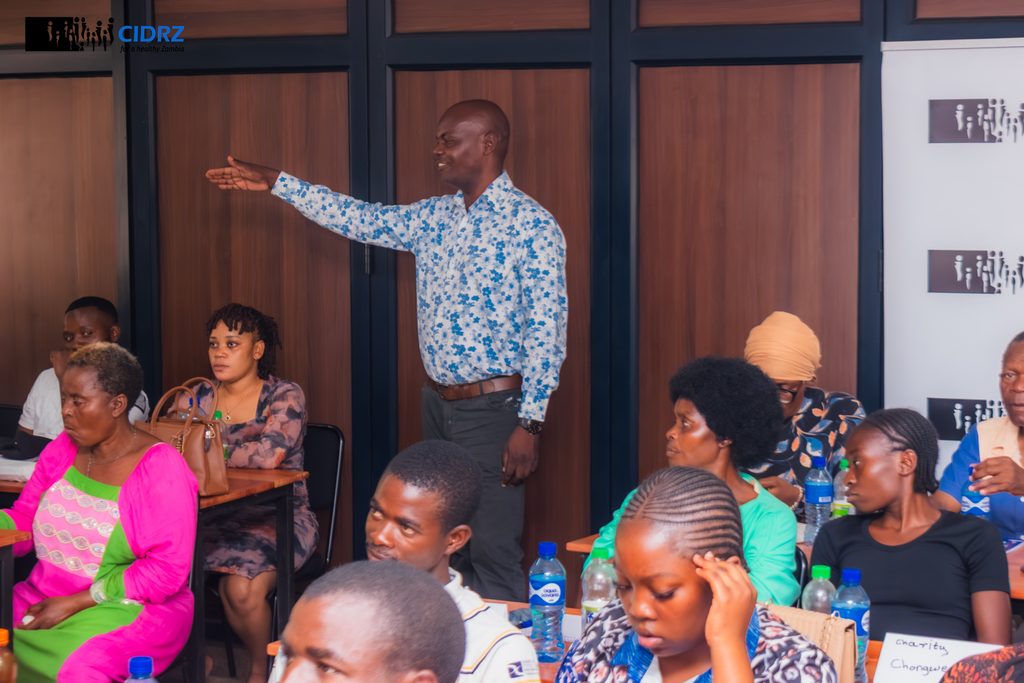
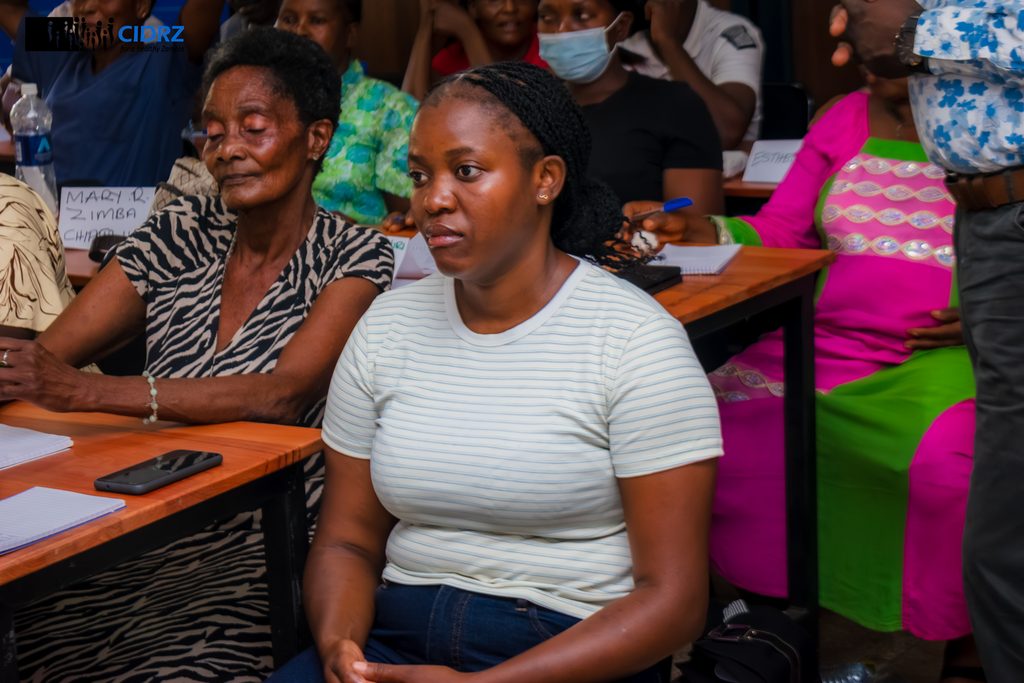
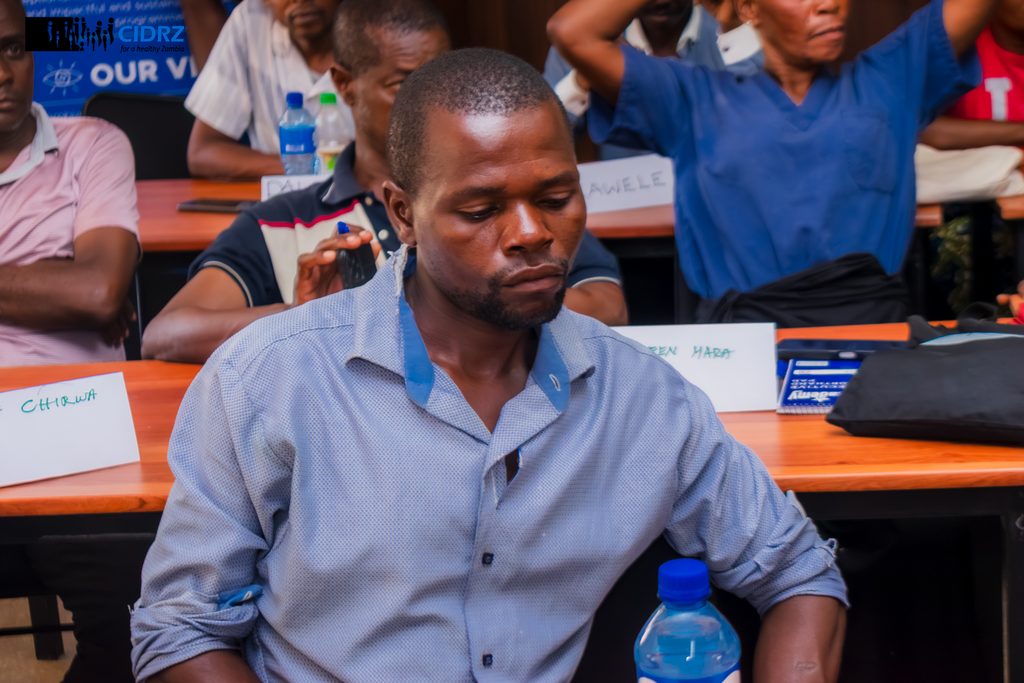
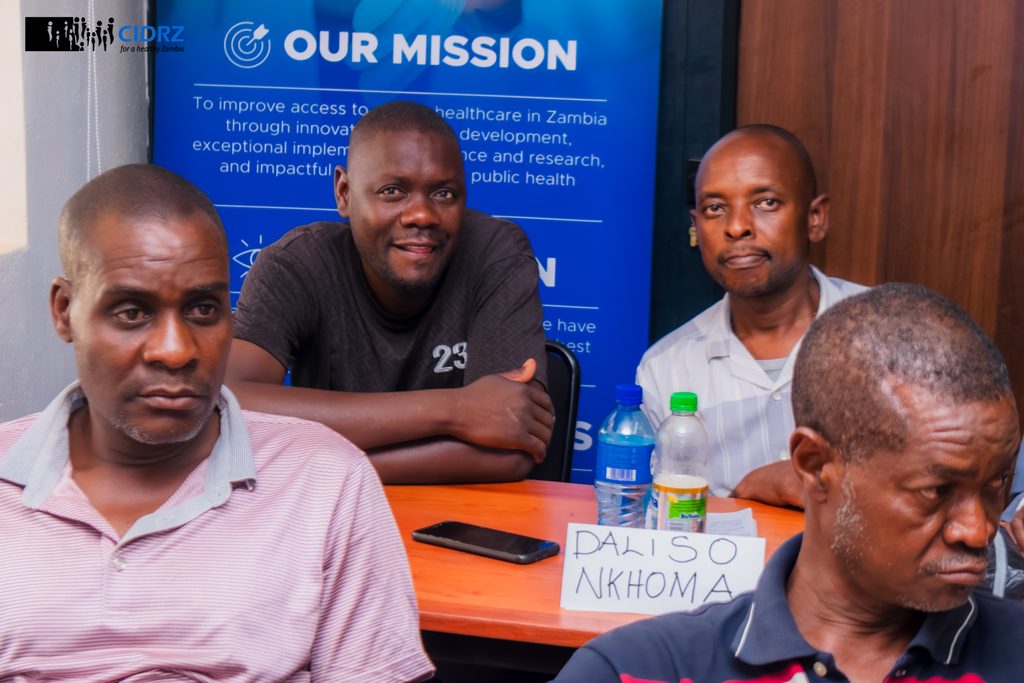
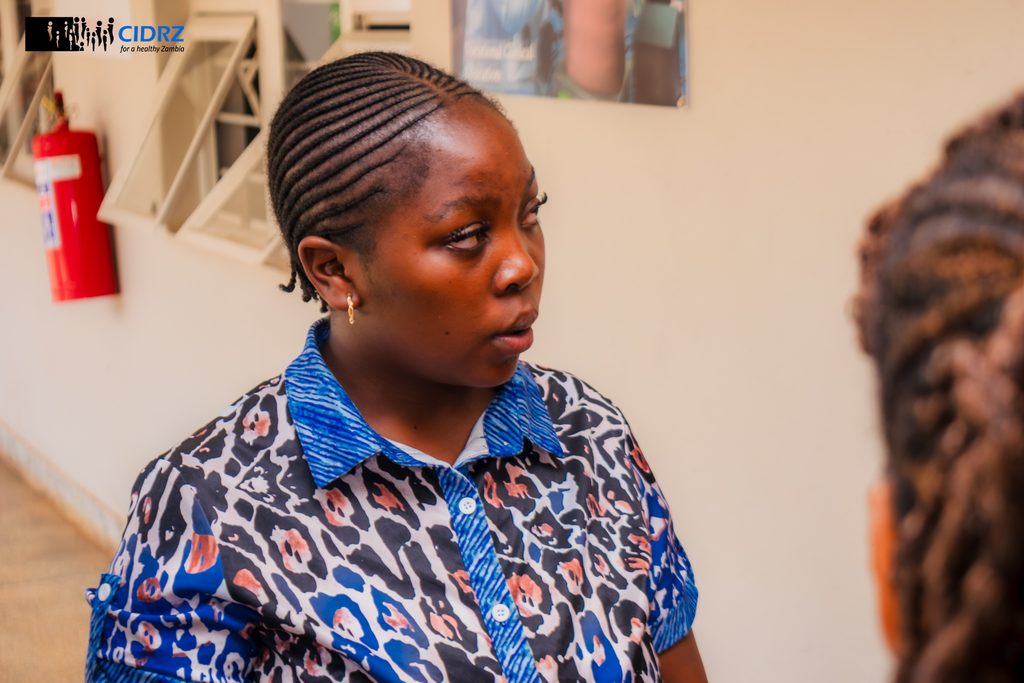
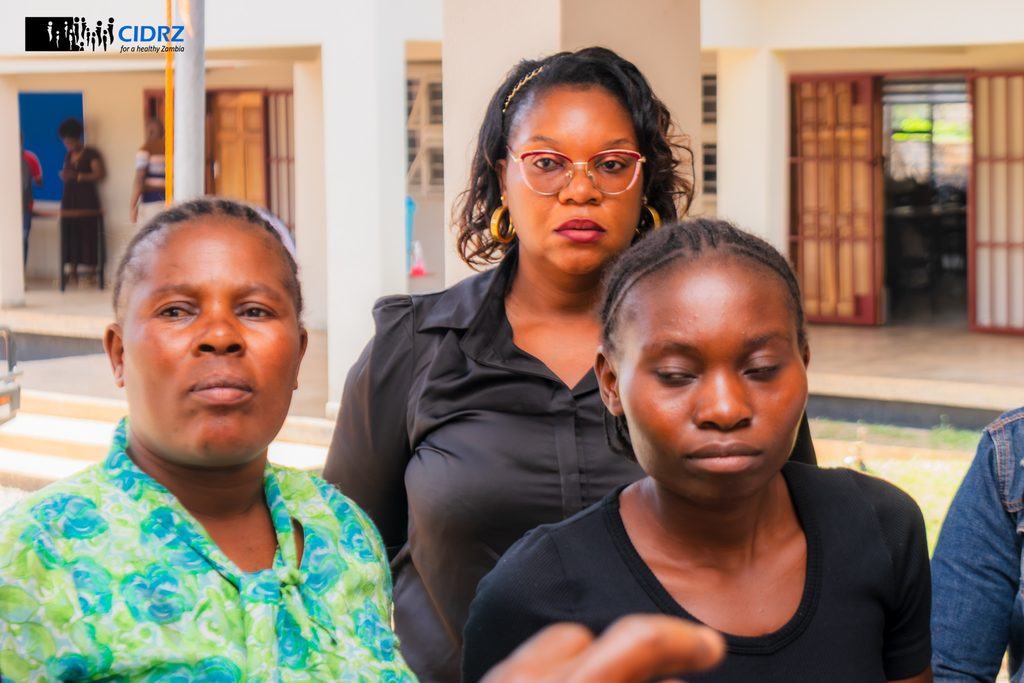
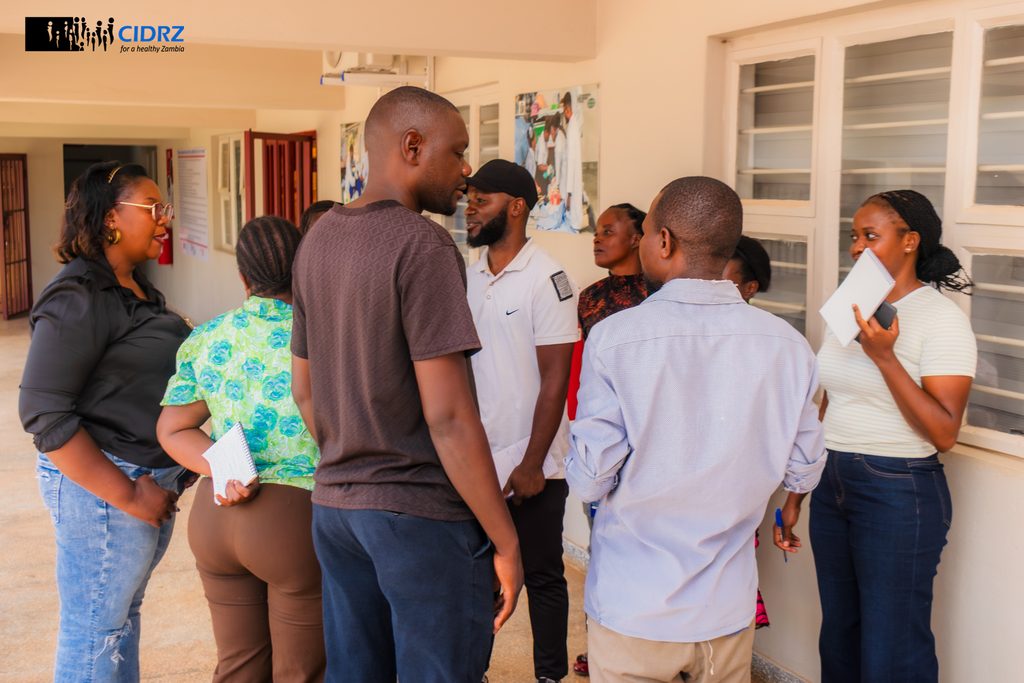
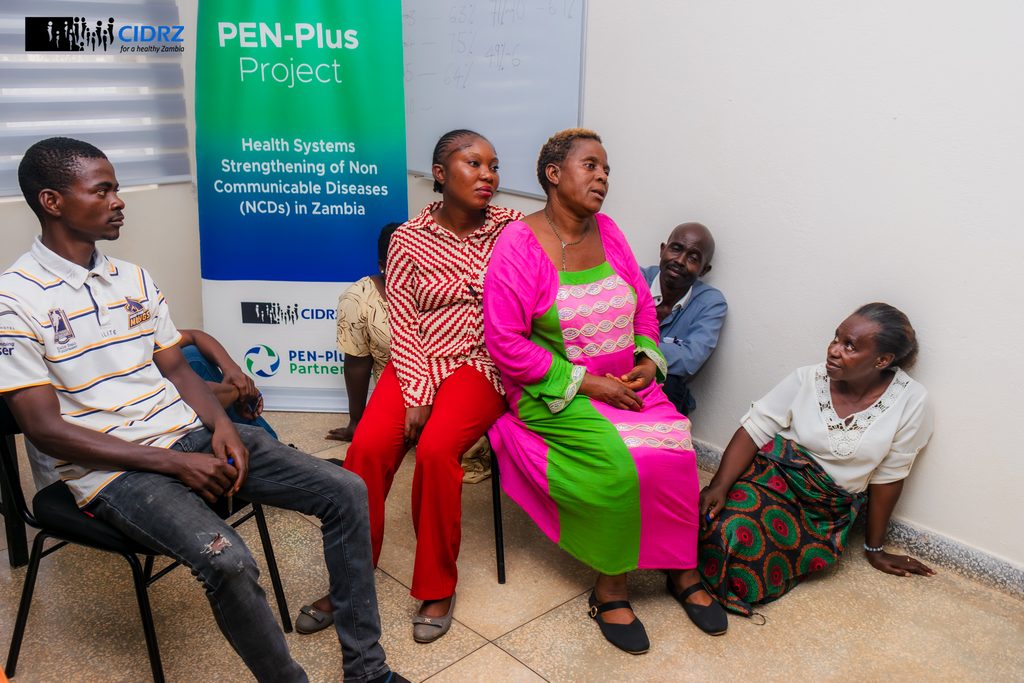
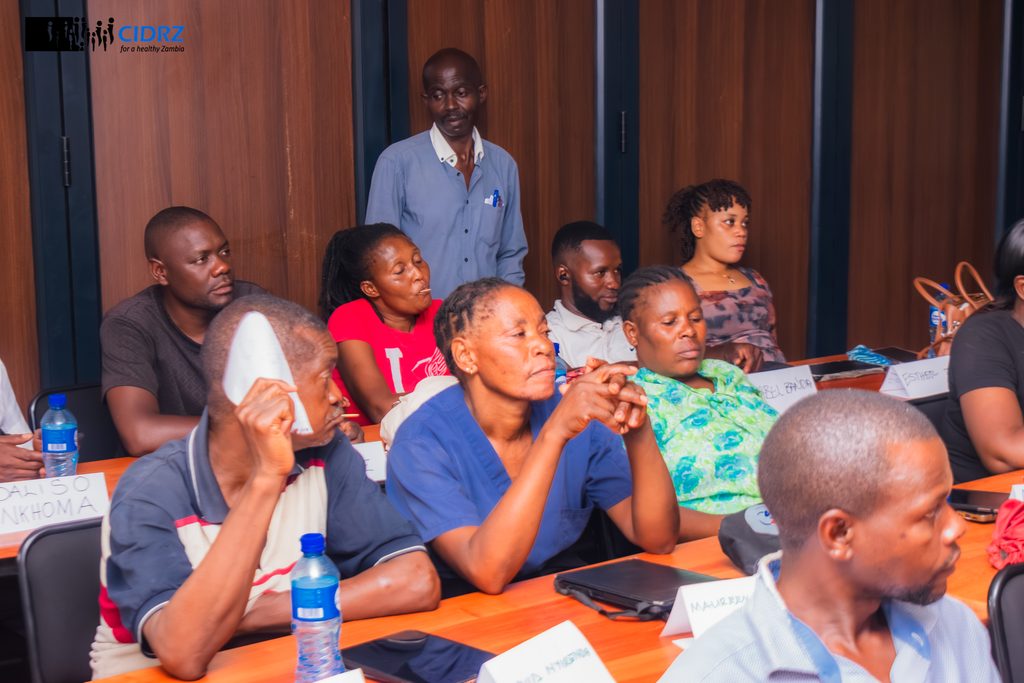
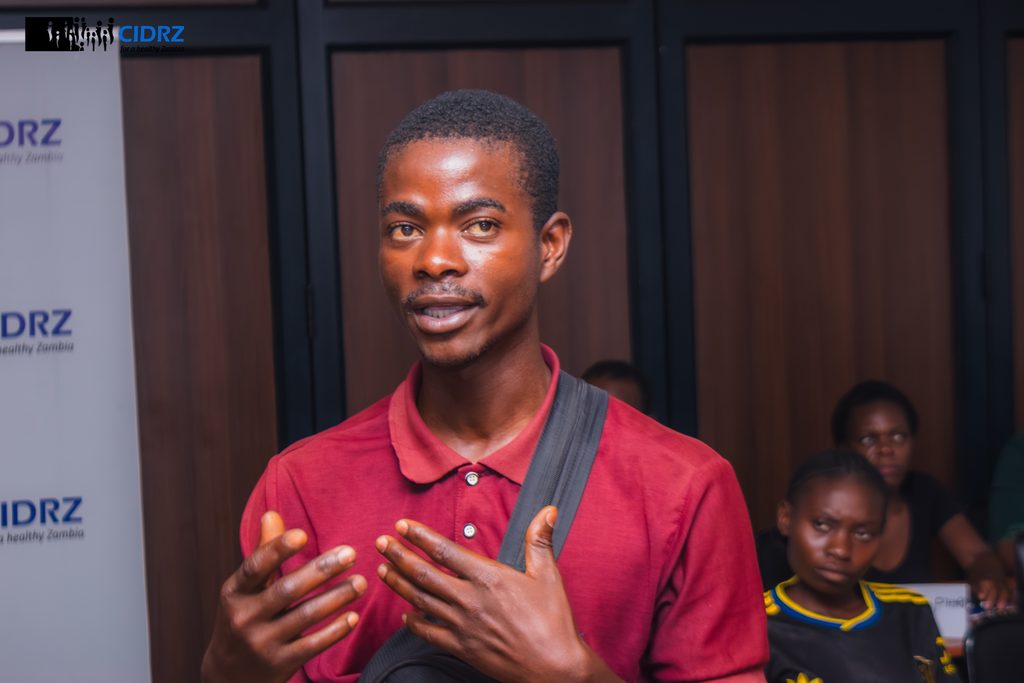
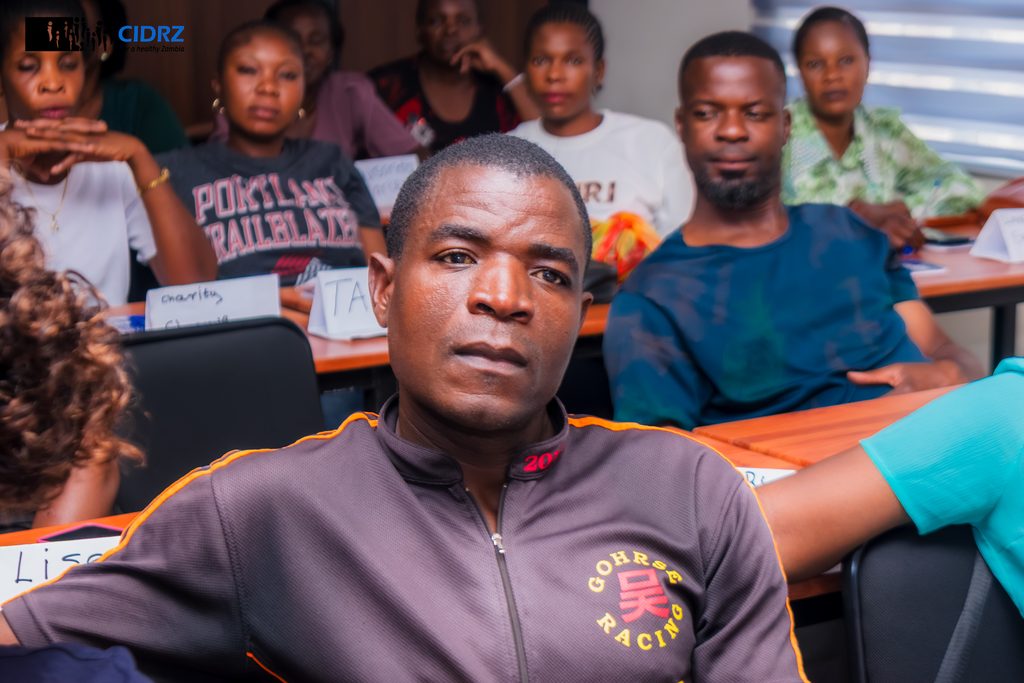
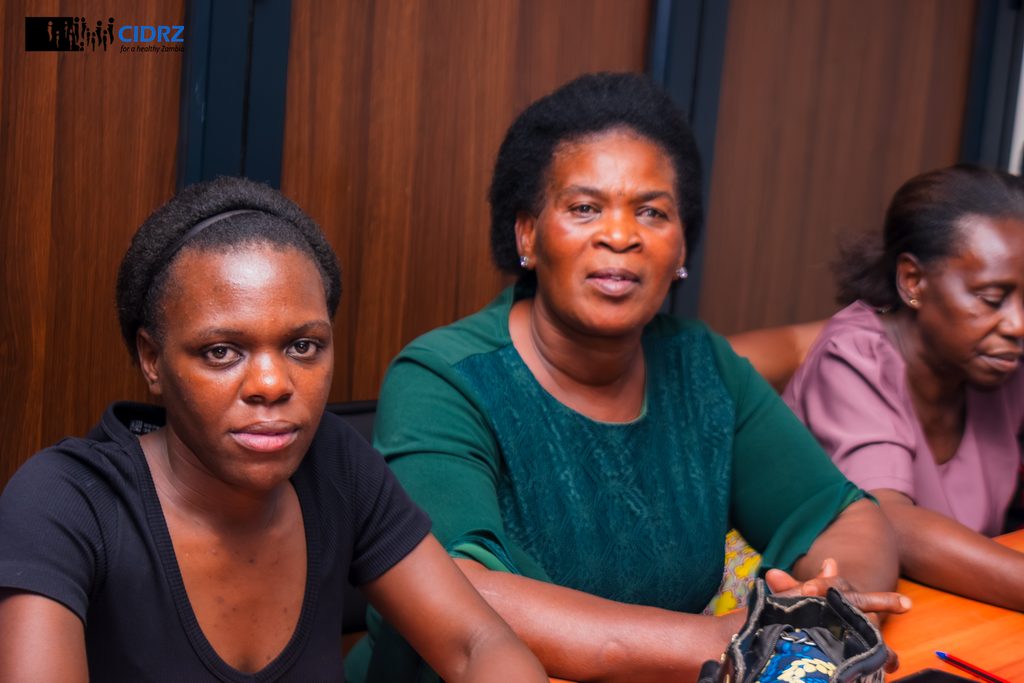
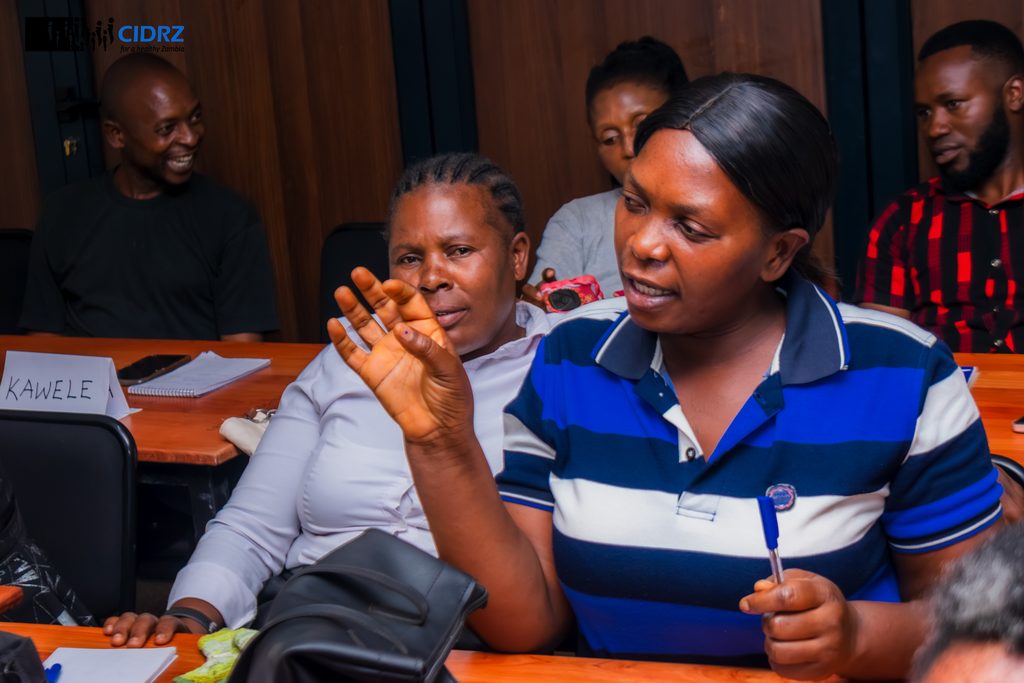
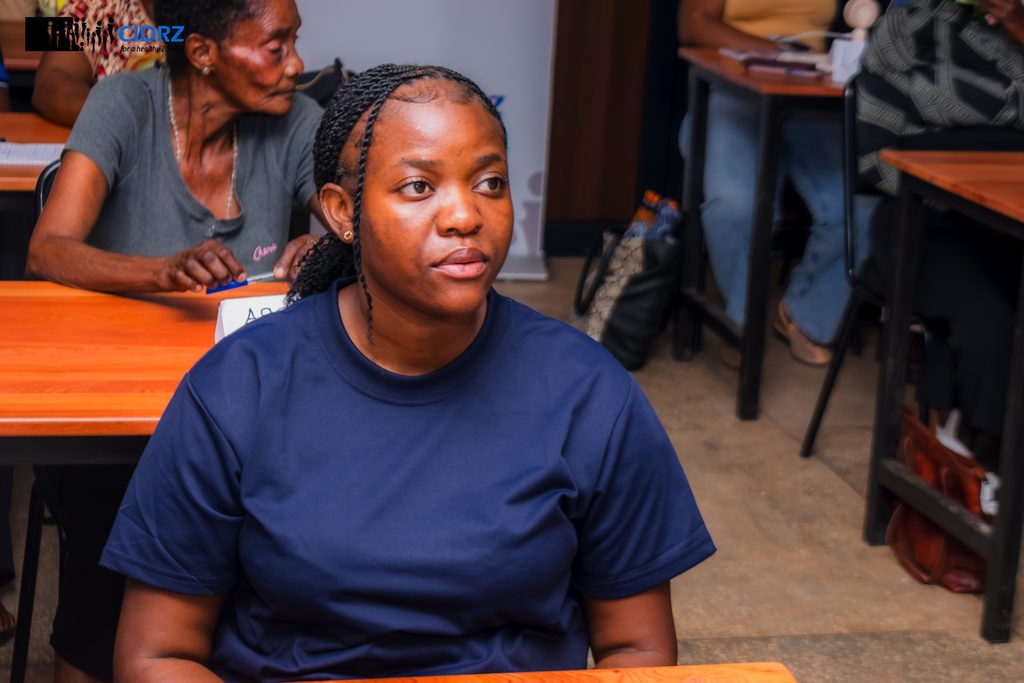
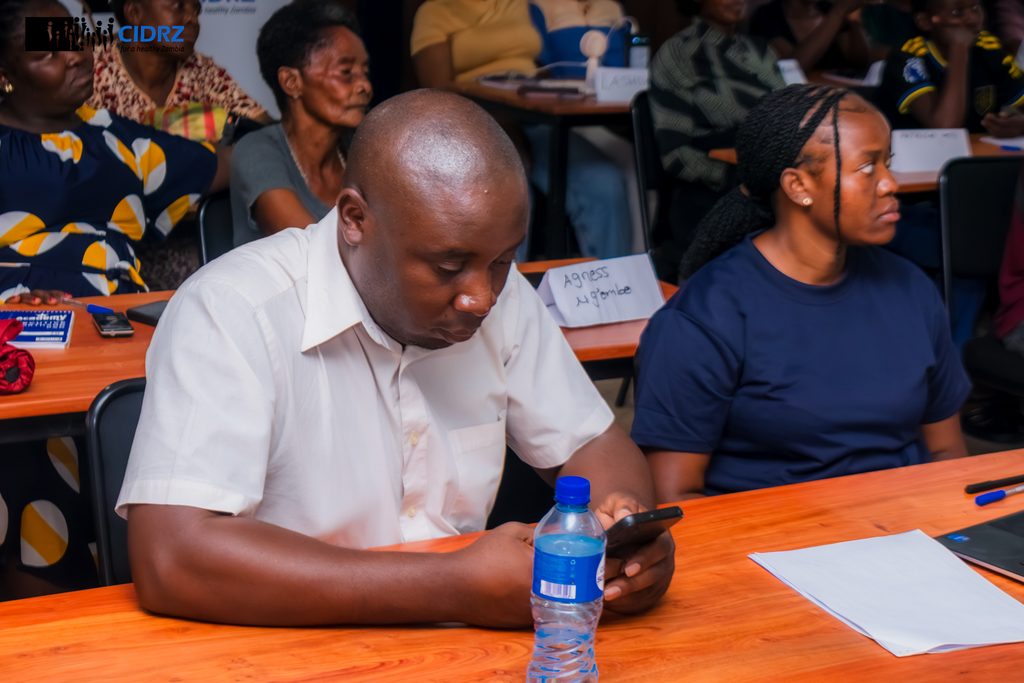
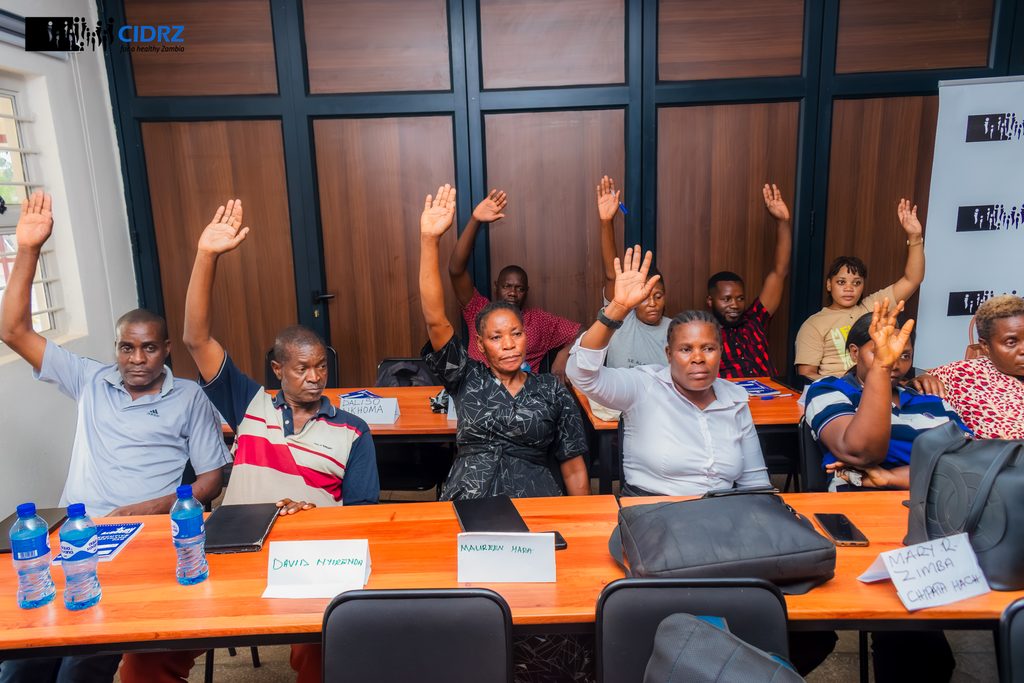
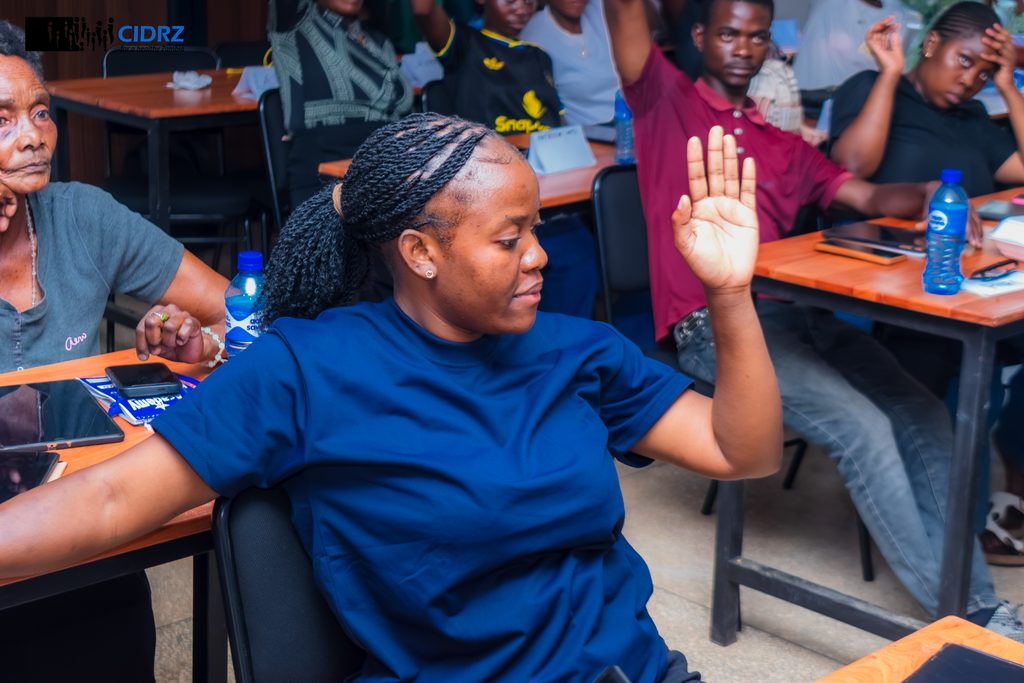
Through a two-day training, community-based volunteers were equipped with practical skills to recognise NCD symptoms, link individuals to health facilities, and support patients remaining in care. The training also focused on strengthening community-level NCD surveillance, health promotion and referral pathways, helping more people access the right care at the right time.
The training also aims to strengthen community-level NCD surveillance, health promotion and referral pathways, helping ensure that people who need care are identified early and connected to appropriate health services.
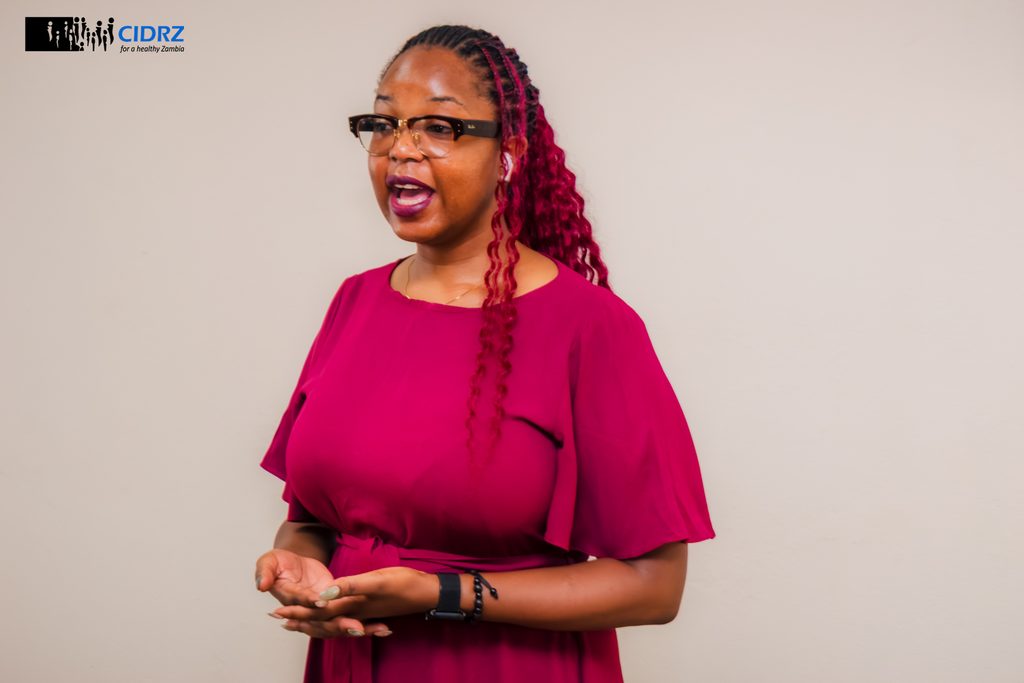
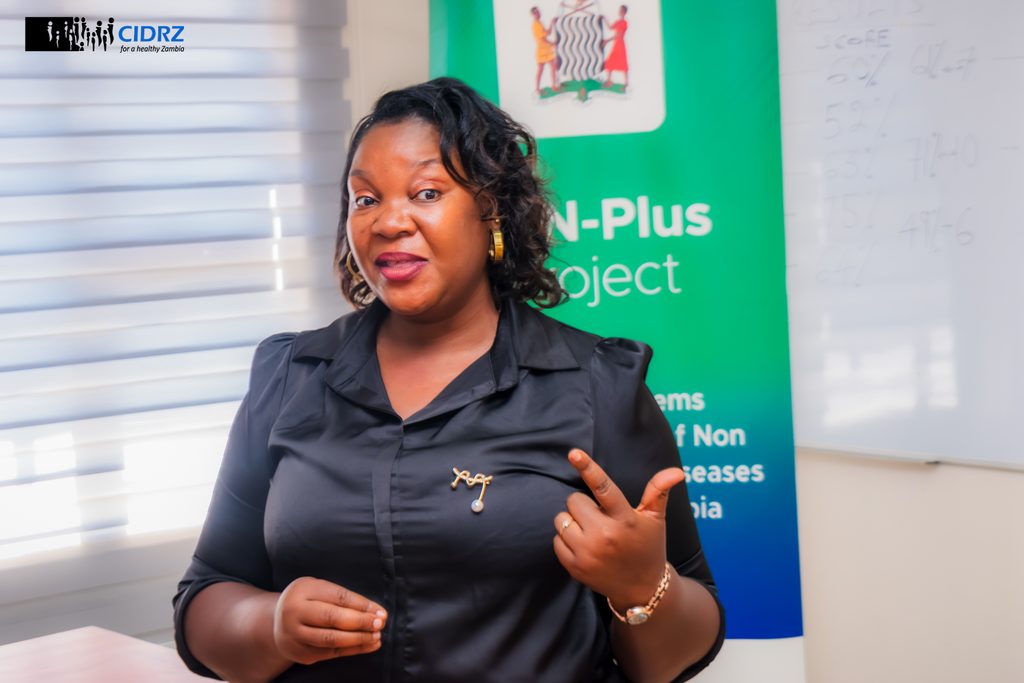
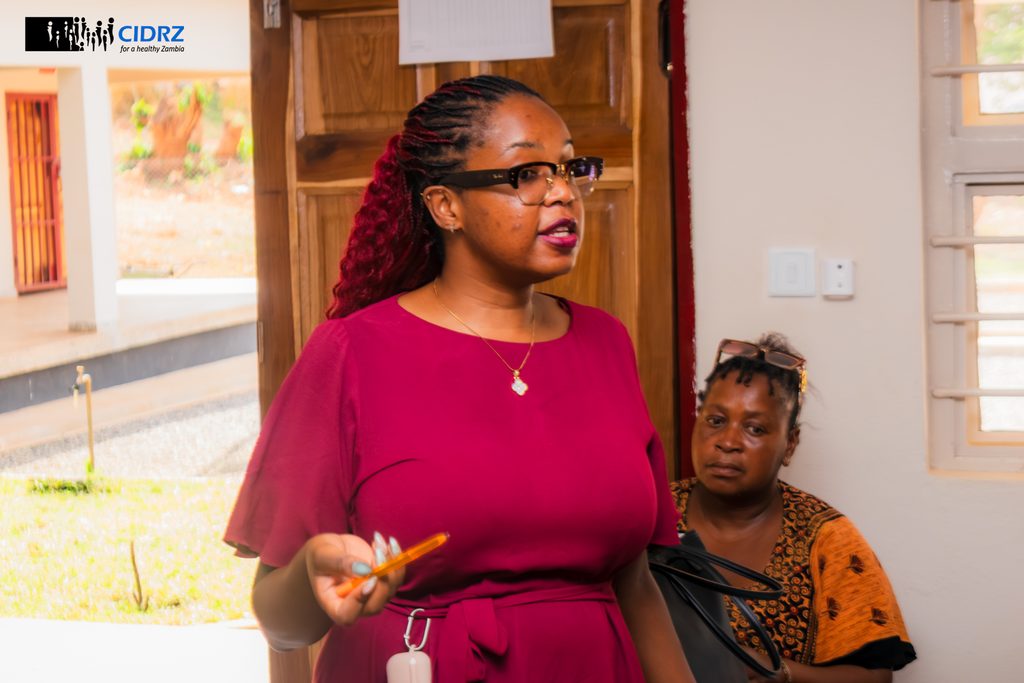
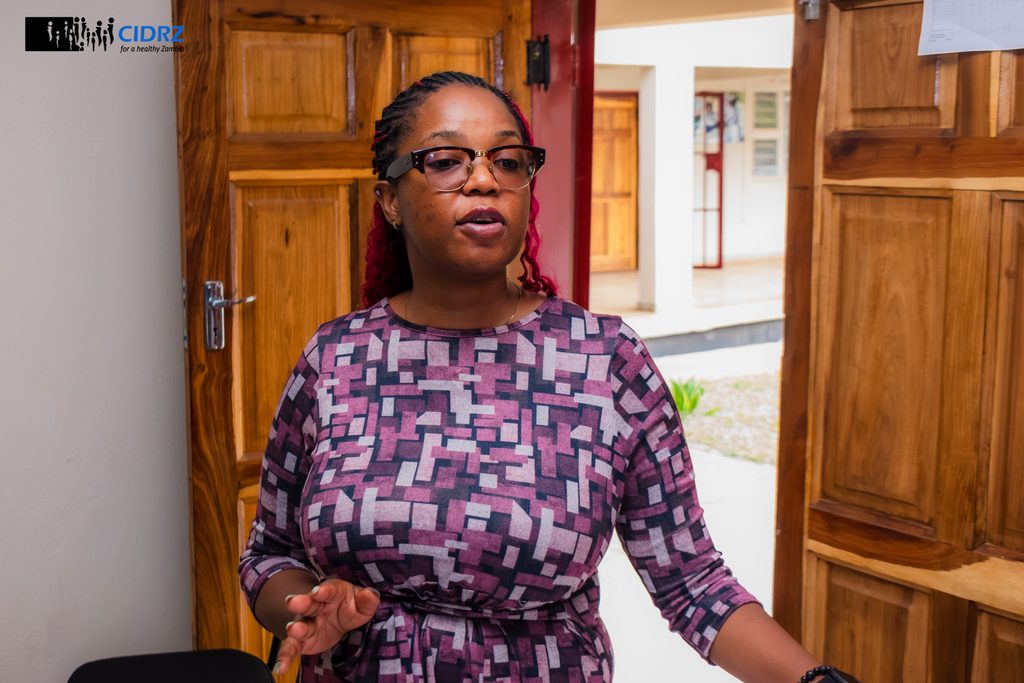
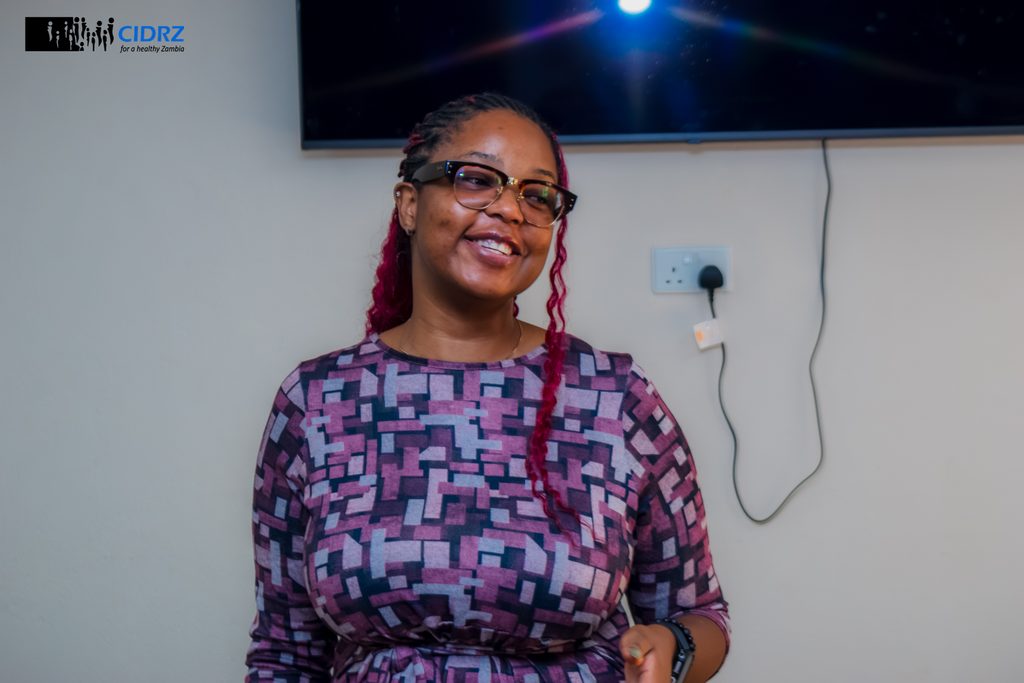
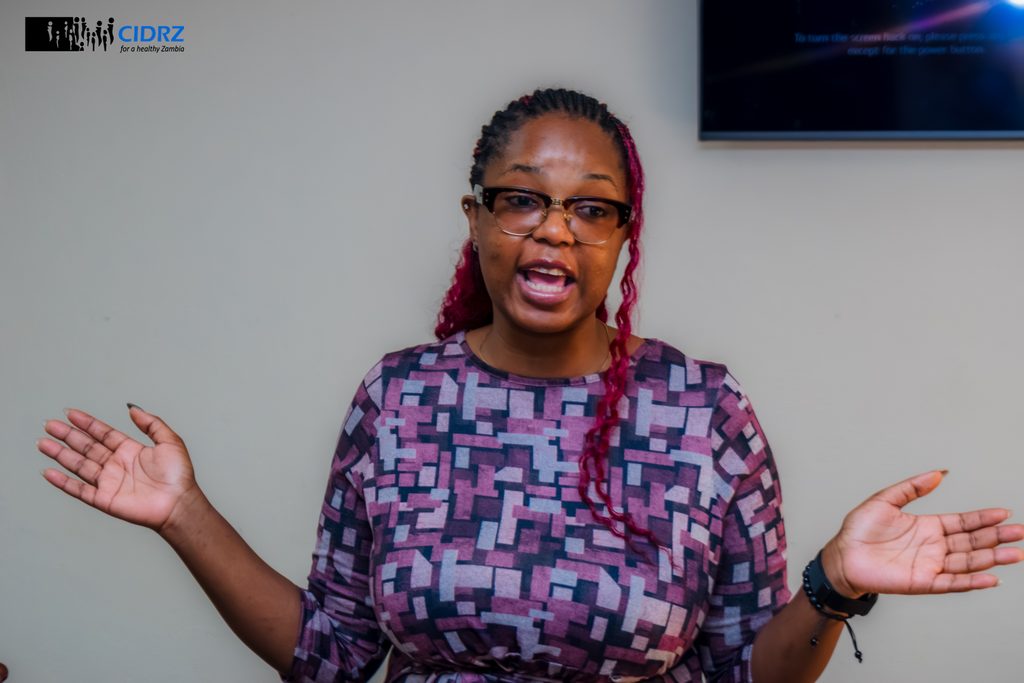
Speaking during the training, Mwila Ngandu, CIDRZ PEN-Plus Study Coordinator, said the initiative seeks to strengthen the link between communities and health facilities by equipping community-based volunteers with knowledge of common NCDs and their symptoms.
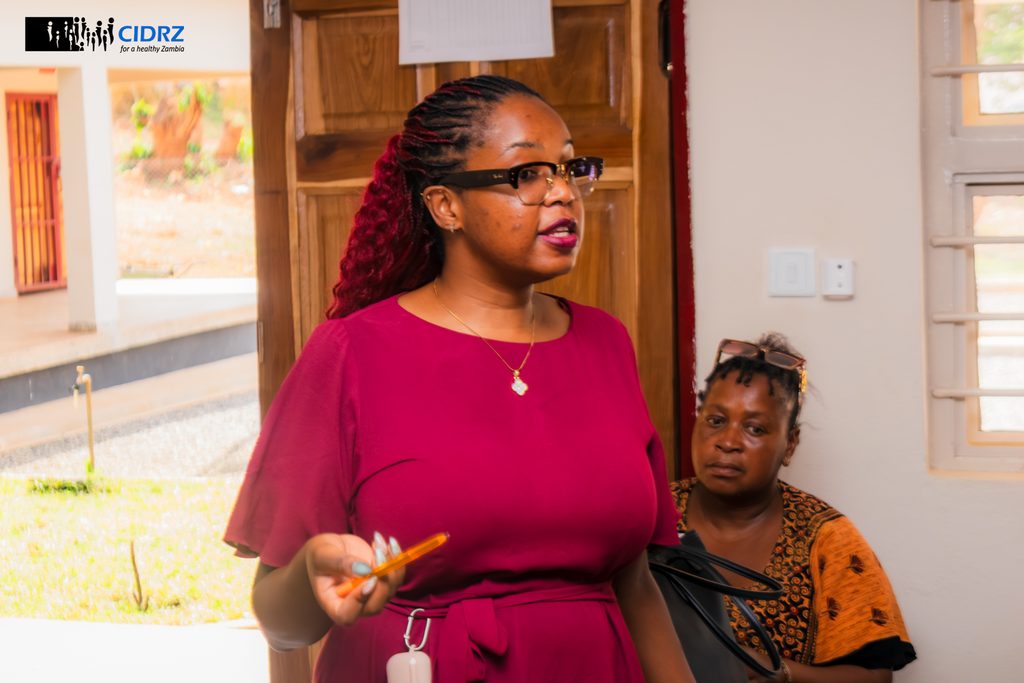
“We are training the community health workers or the community-based volunteers on how to identify NCDs in their communities and refer them to the clinic,” said Ngandu.
The training covers conditions managed at PEN-Plus clinics, including sickle cell disease, epilepsy, Type 1 and Type 2 diabetes, hypertension with complications, cardiac conditions and other chronic illnesses. Participants were learning to recognise symptoms, understand these conditions and provide appropriate health education and support within their communities.
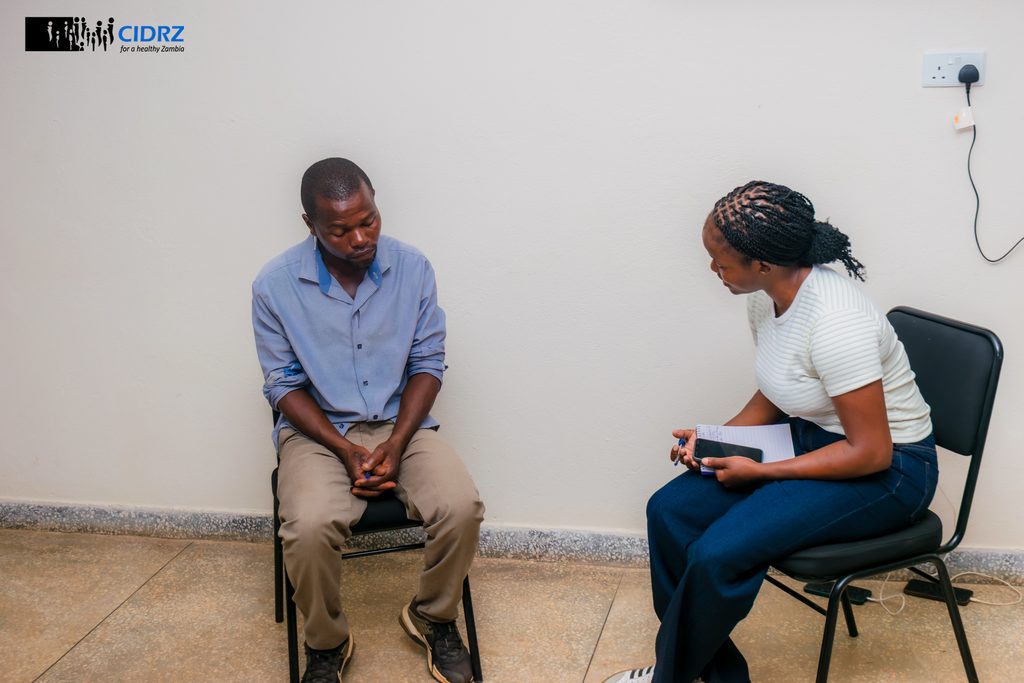
Beyond identifying potential new cases, volunteers are expected to help improve continuity of care by following up with patients who miss clinic appointments, supporting treatment adherence, counselling people living with NCD’s (PLWNCDs) and linking them to nearby health facilities for further assessment and specialised care.
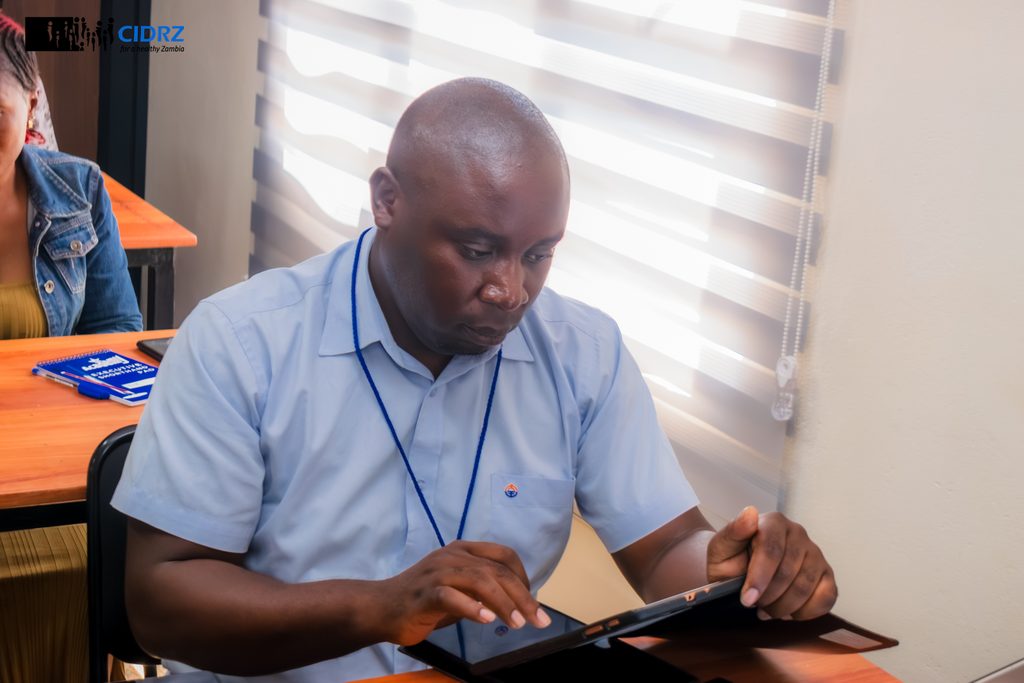
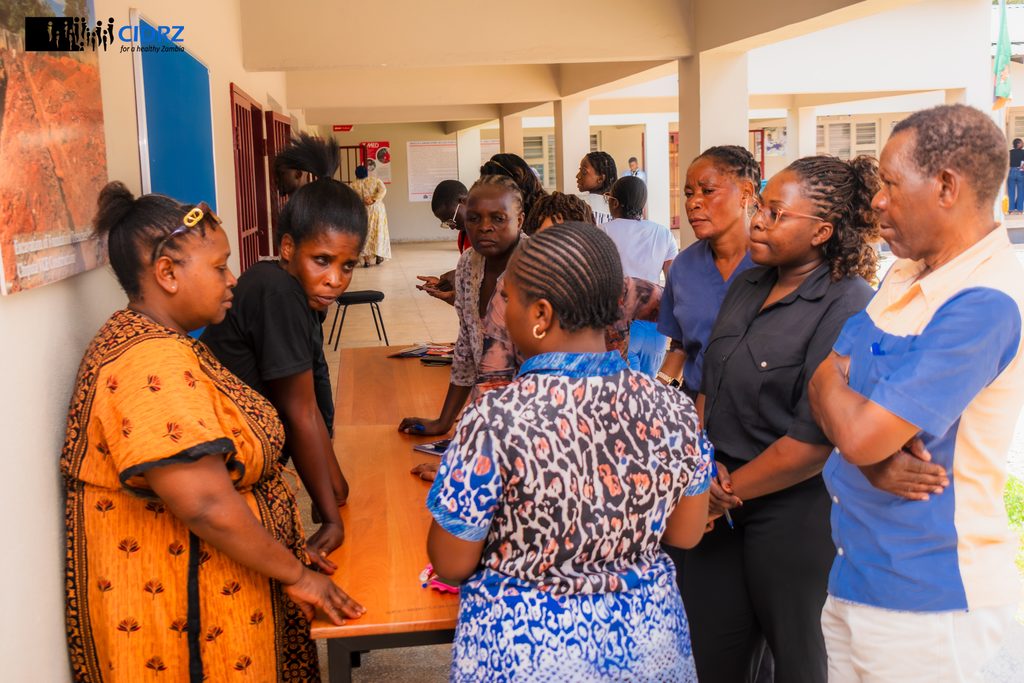
The initiative also incorporates community mapping and NCD risk assessment using a geospatial mapping tool. Using tablets, volunteers will collect household location data to help identify communities affected by or at risk of NCDs, supporting more targeted community-level interventions.
Chipata currently has one operational PEN-Plus clinic, with an additional clinic expected to open at St. Luke’s Hospital to expand access to specialised NCD care.
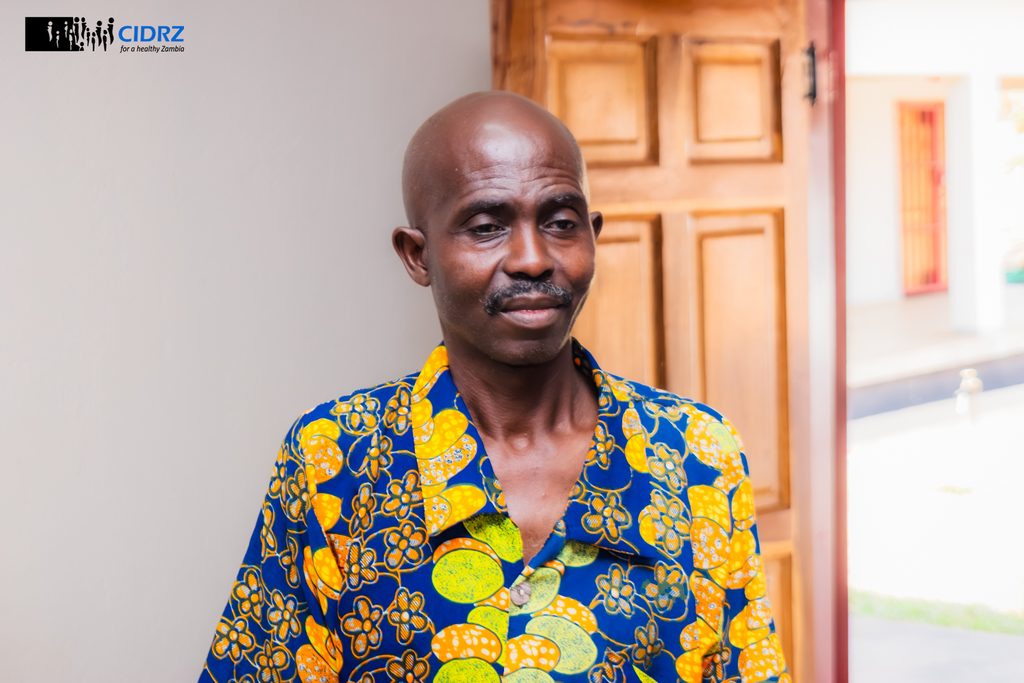
Paul Banda, a focal point person from SSHE, said misconceptions surrounding conditions such as asthma, hypertension, diabetes and sickle cell disease remain common in communities. Some people continue to attribute these conditions to witchcraft rather than medical or hereditary causes.
Banda said the training has equipped volunteers to address these misconceptions through community engagement and health education, including the use of posters and other visual aids.

Edutainment Health Foundation supports the initiative through awareness-raising activities that use entertainment and other media to communicate health information at the community level.
For Tokozile Banda, a community-based public health nurse, the training has strengthened her understanding of NCDs and of how to communicate health information effectively, particularly regarding infants and children.

She emphasised the importance of preparing adequately, engaging community members, explaining health information clearly, assessing whether people have understood the messages and referring individuals to health facilities where necessary.
Through this initiative, CIDRZ’s PEN-Plus and its partners are strengthening the role of community-based volunteers in early NCD detection, health education and referral, helping bring specialised chronic disease care closer to communities in Chipata.