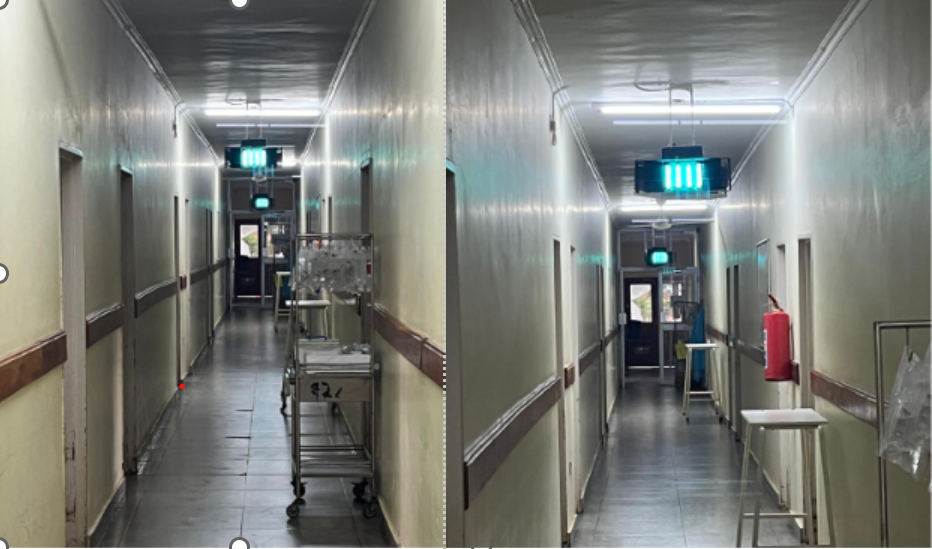
FC-SDS Project Restores UV Germicidal System at UTH MDR-TB Ward
November 6, 2026
Every person who takes an HIV test deserves an accurate and reliable result, whether they are tested at a hospital, a health post or a community outreach site.
In Zambia, much of this testing is carried out by healthcare workers who are not laboratory professionals. Ensuring that quality is maintained at every testing point is therefore essential to consistent, trustworthy HIV testing services nationwide.
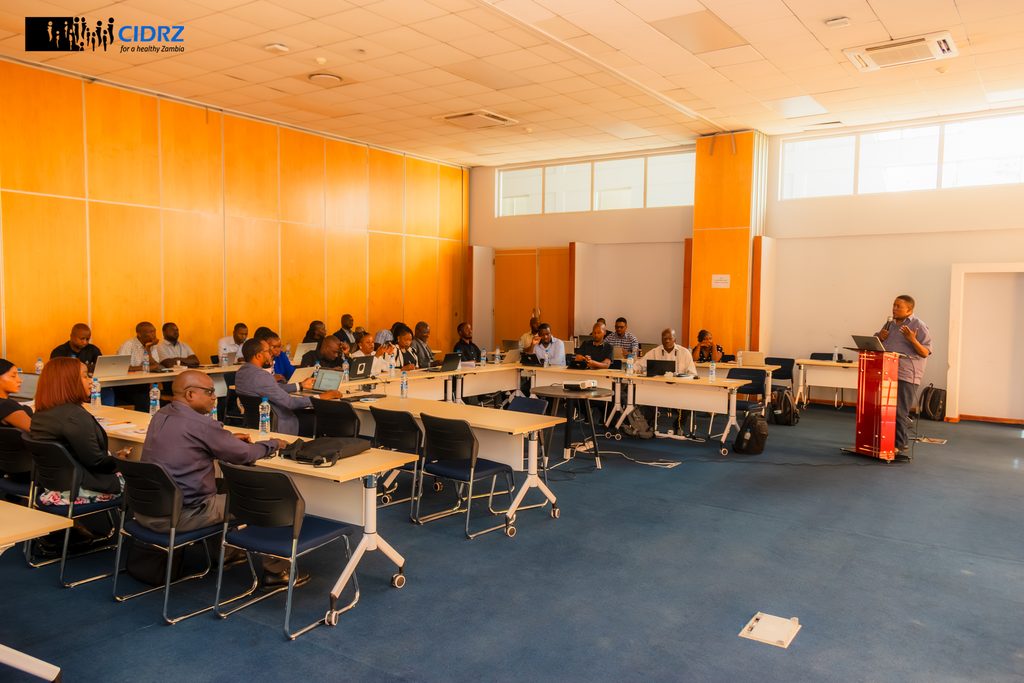
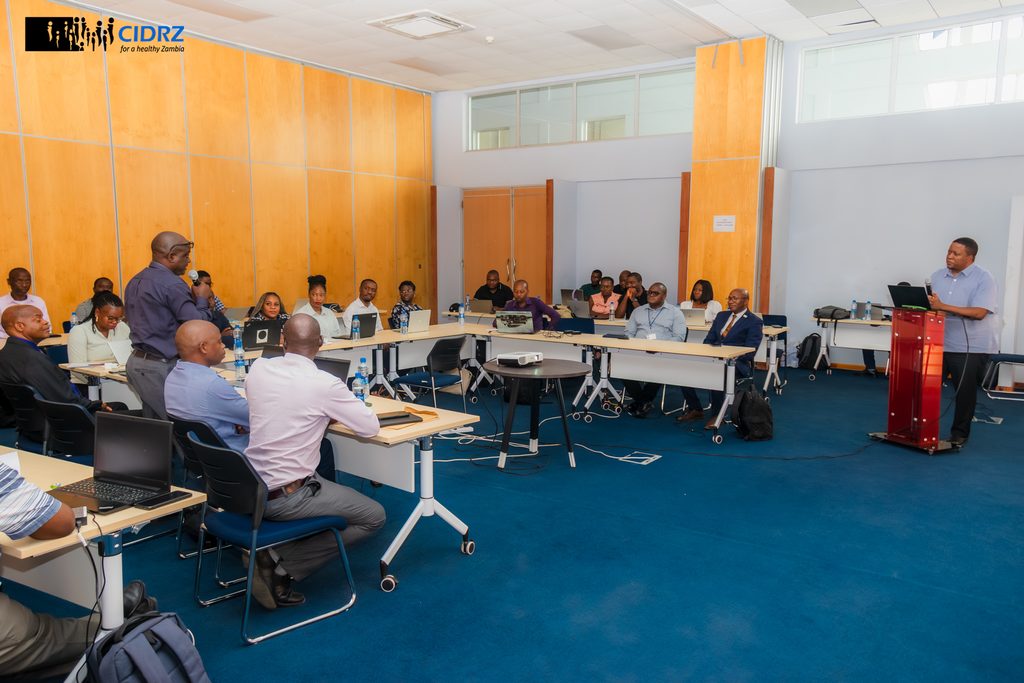
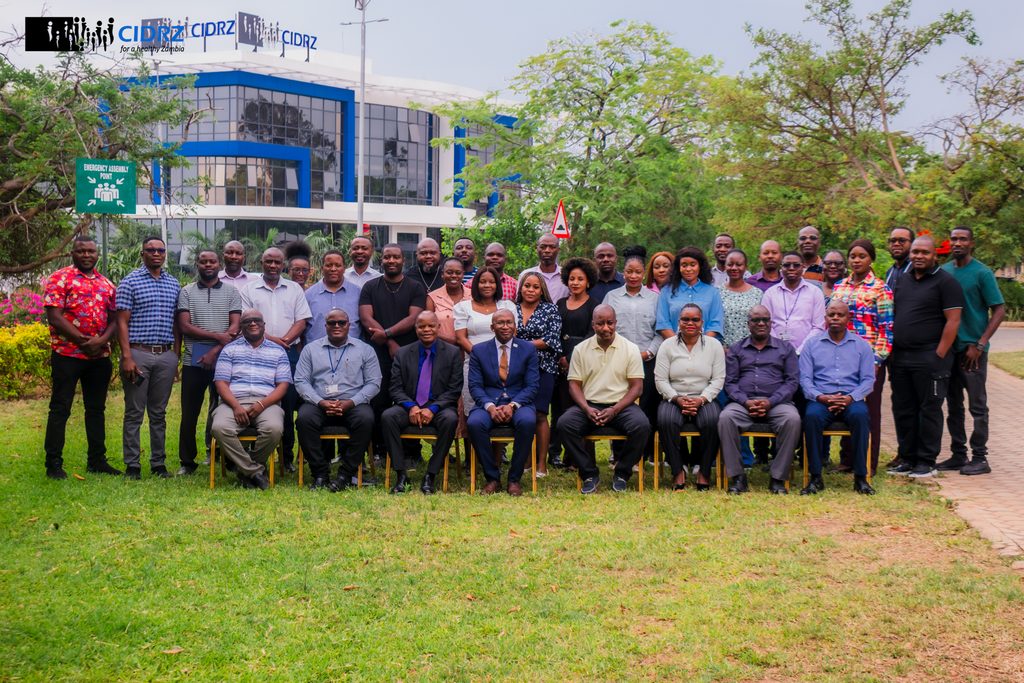
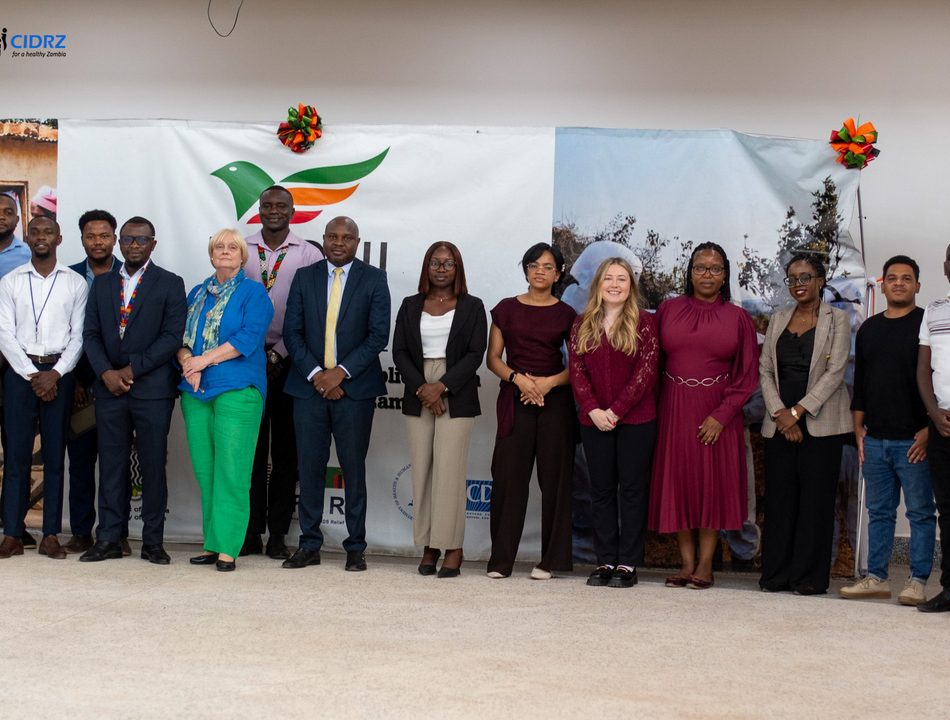
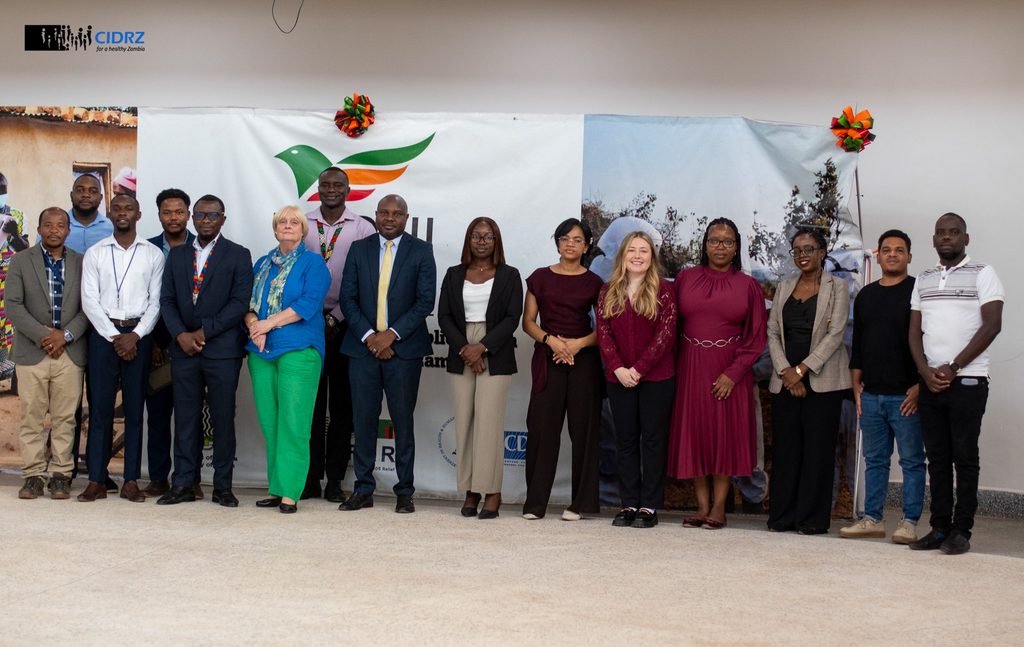
To advance this goal, the Ministry of Health (MoH), through its Pathology and Laboratory Services Unit, working with the US Government-sponsored TRAILS project implemented by the Centre for Infectious Disease Research in Zambia (CIDRZ), convened the Rapid Testing Continuous Quality Improvement (RTCQI) Certification Framework Review Workshop. Health professionals from all ten provinces came together to review and develop the national HIV Point-of-Care Testing Certification Framework under the RTCQI programme.
The framework will set clear standards for HIV testing personnel and strengthen confidence in testing services at every level of the health system. Most importantly, it will ensure that results from community-level facilities meet nationally recognised quality standards, so that people are correctly diagnosed and linked to the care they need, wherever they are tested.
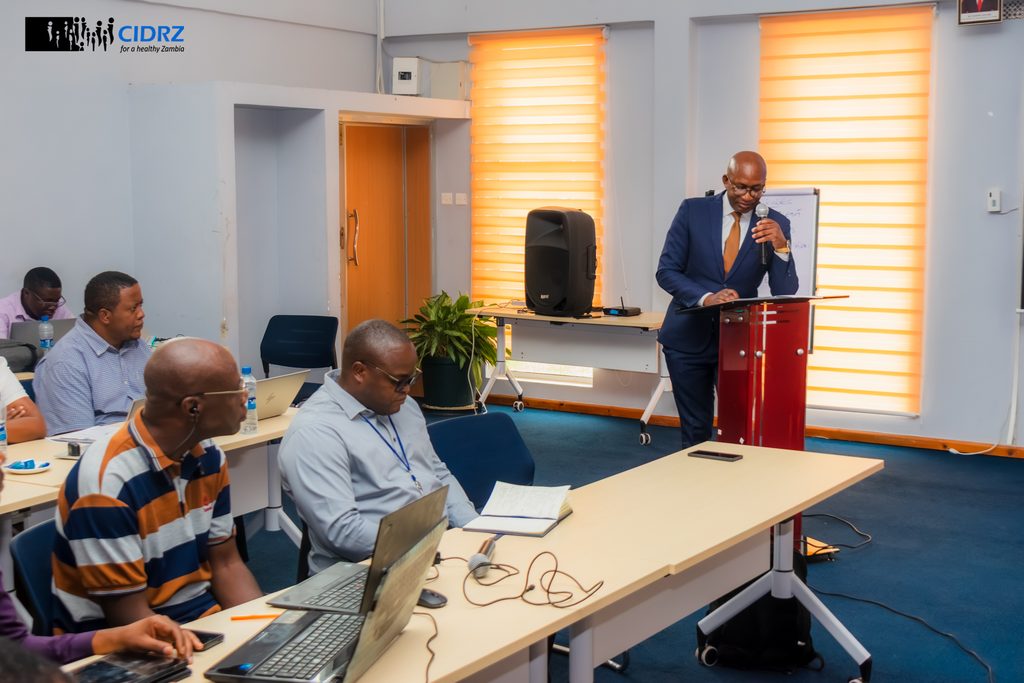
Officially opening the workshop as Guest of Honour, Mr Mweemba Muwvimi, Assistant Director of Laboratory Services at the Ministry of Health, emphasised that quality should not be treated as an activity undertaken solely to achieve certification, but as a standard that must be consistently demonstrated at every testing point.

Mr Muwvimi outlined three key priorities to guide the review: alignment with ISO 15189:2022 and national laboratory quality management systems; the use of implementation evidence from proficiency testing, supervision and routine monitoring to inform decisions; and sustainability through Ministry of Health leadership and clearly defined responsibilities at national, provincial, district and facility levels.
He further urged participants to distinguish between essential requirements and desirable improvements to ensure that the framework maintains the integrity of national standards without imposing unrealistic demands on lower-level health facilities.
During the workshop, participants worked in seven technical groups to review the core elements of the framework, drawing on provincial experiences from post-proficiency-testing supervision and the recent transition to HIV/Syphilis Duo testing. The discussions are expected to inform a consolidated draft framework and a roadmap for its validation, costing and implementation.

The Centre for Infectious Disease Research in Zambia (CIDRZ), through the Transitioning and Integrating Laboratory Systems (TRAILS) Project, supports the RTCQI programme through technical assistance, procurement of proficiency testing supplies and the construction of a quality assurance laboratory that will house local proficiency panel production. Local production of these panels will enable Zambia to develop testing assessment materials that respond to national requirements and timelines.
CIDRZ Chief of Party for the Transitioning and Integrating Laboratory Services (TRAILS) Project, Mr Powell Choonga, said the new quality assurance laboratory marks a shift in how the country assures testing quality.

“Proficiency testing is the backbone of any certification scheme, and a framework is only as strong as the proficiency testing that underpins it. Producing panels here in Zambia means the materials against which our testers are assessed are made to our own requirements, under our own control and to our own schedule. That is what makes this framework sustainable rather than dependent.”
Supported by the U.S. Centers for Disease Control and Prevention (CDC), the initiative contributes to strengthening the quality, reliability and consistency of HIV testing services across Zambia. Through the RTCQI programme, the Ministry of Health and its partners are working to ensure that every person can access reliable HIV testing services, regardless of where they seek care.