
PEN-Plus Expands Access to Specialised Care for Severe Non-Communicable Diseases
November 13, 2026
New PrEP Options, Real Lives: CIDRZ and the Ministry of Health Scale Up HIV Prevention
November 17, 2026
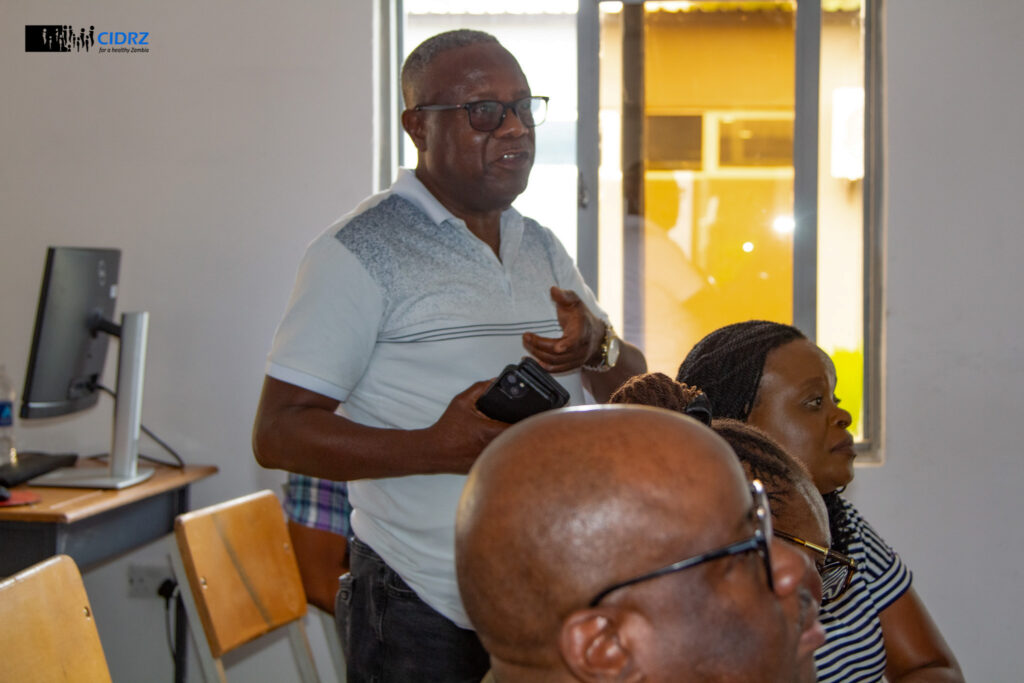
Monitoring a health programme goes beyond reviewing reports and performance figures. Visiting health facilities lets programme leaders and partners see first-hand how services are delivered, engage with healthcare workers and understand the experience of those implementing the programme. It is also a chance to recognise progress and find ways to strengthen service delivery.
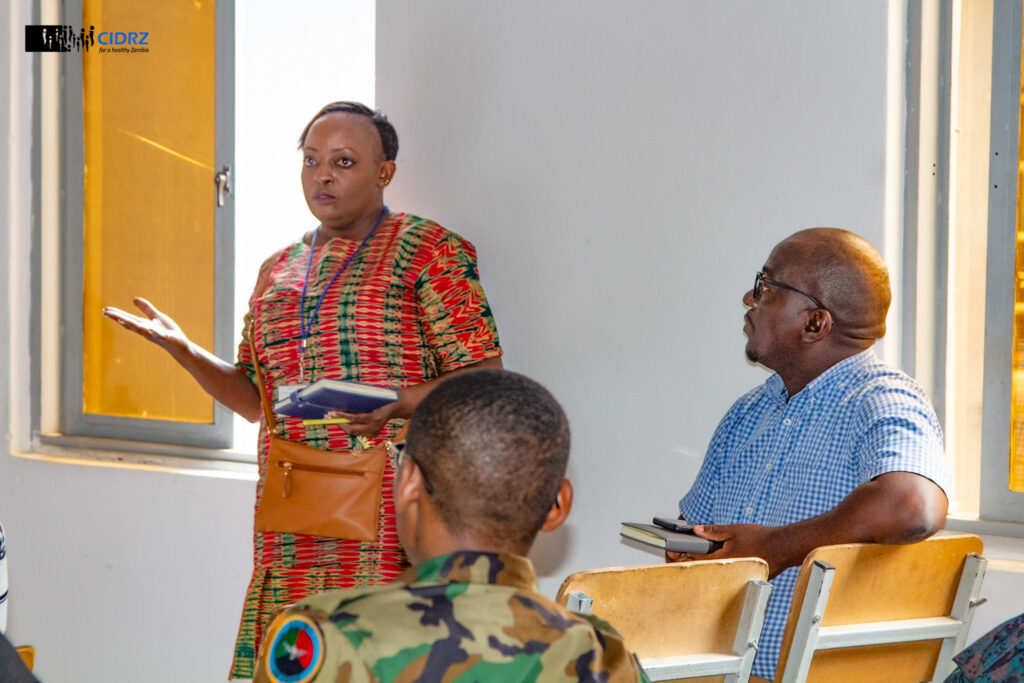
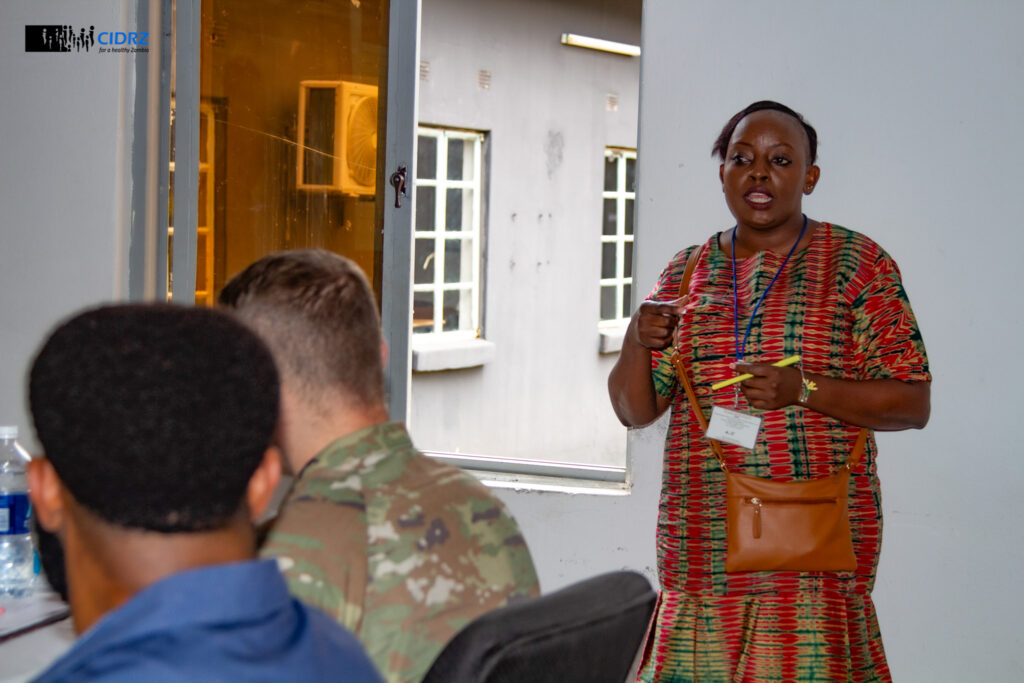
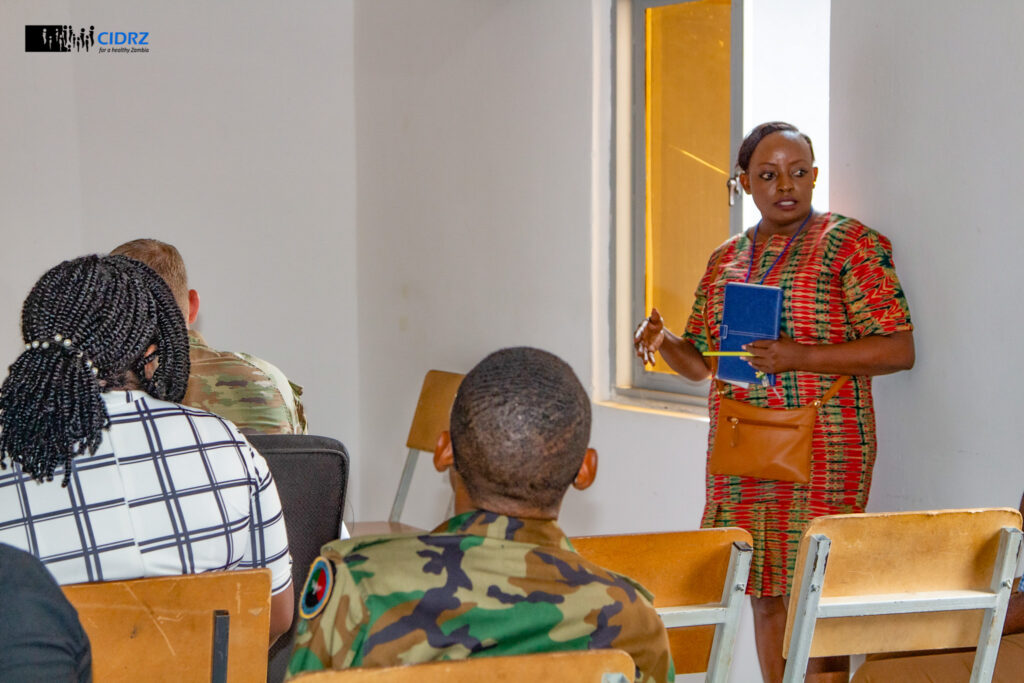
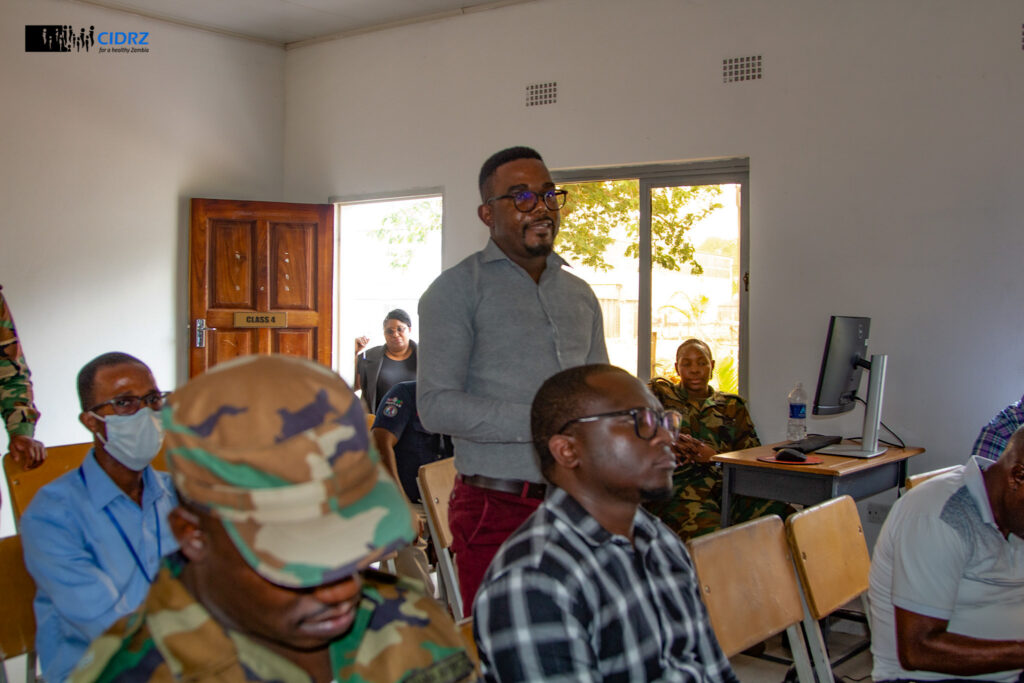
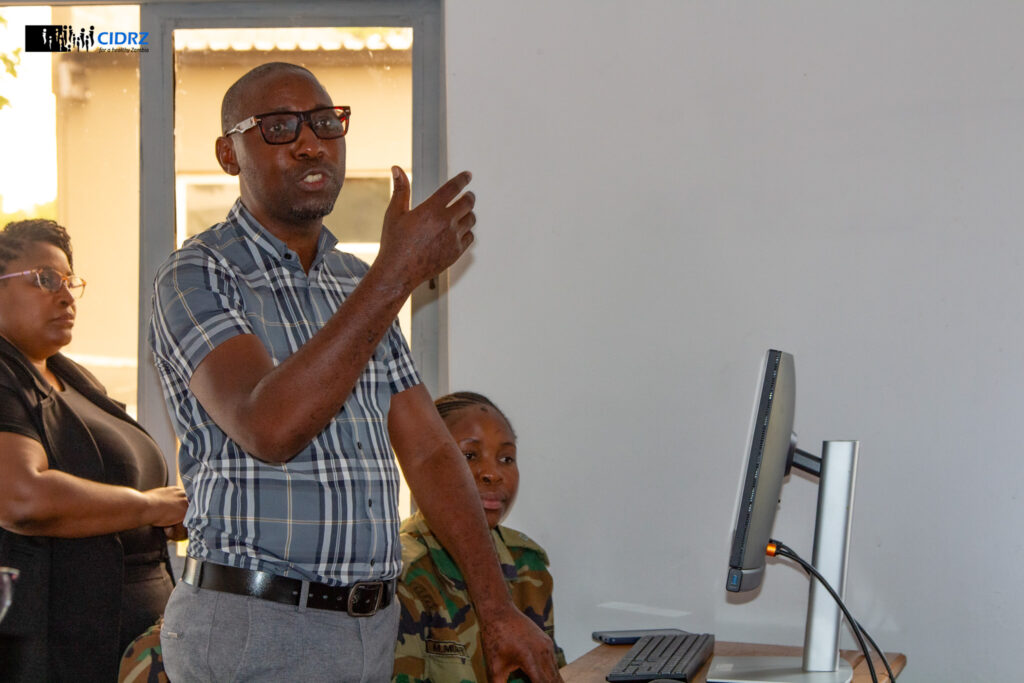
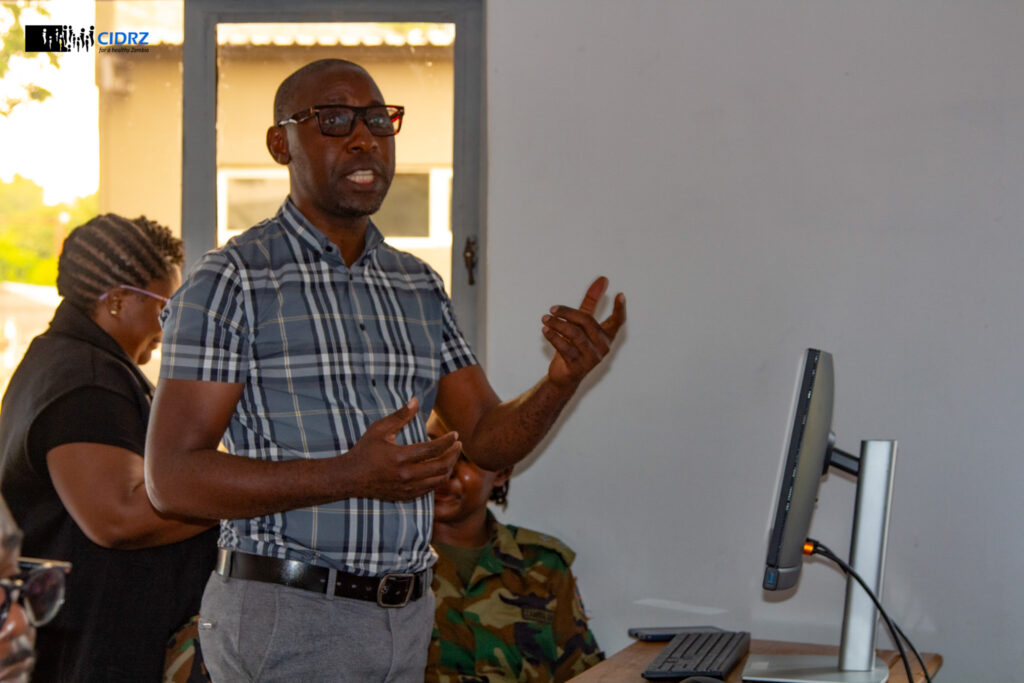
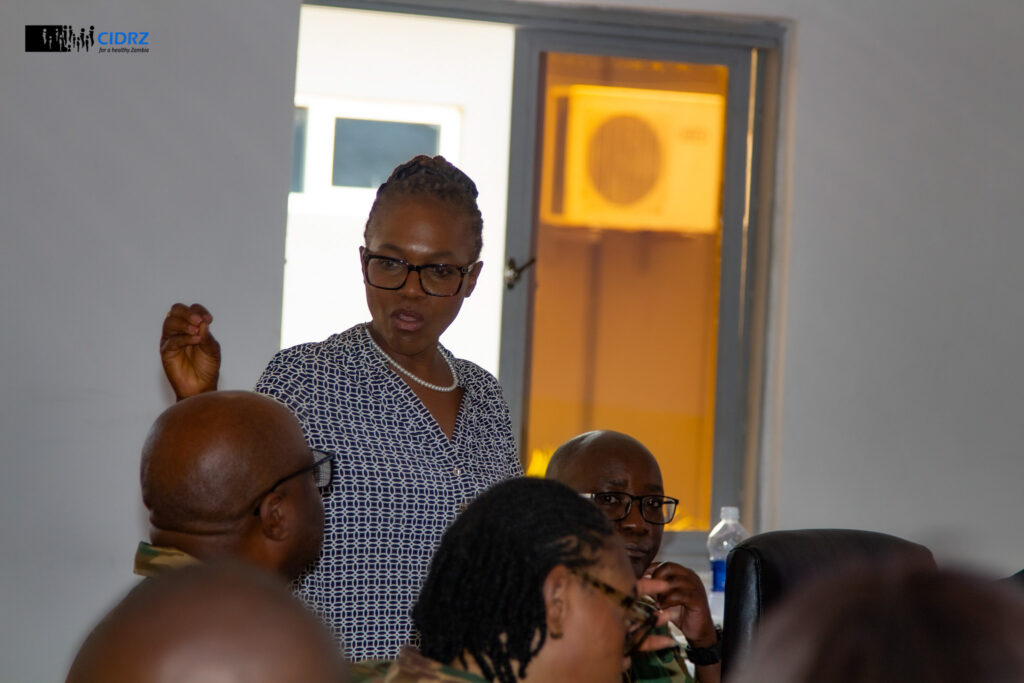
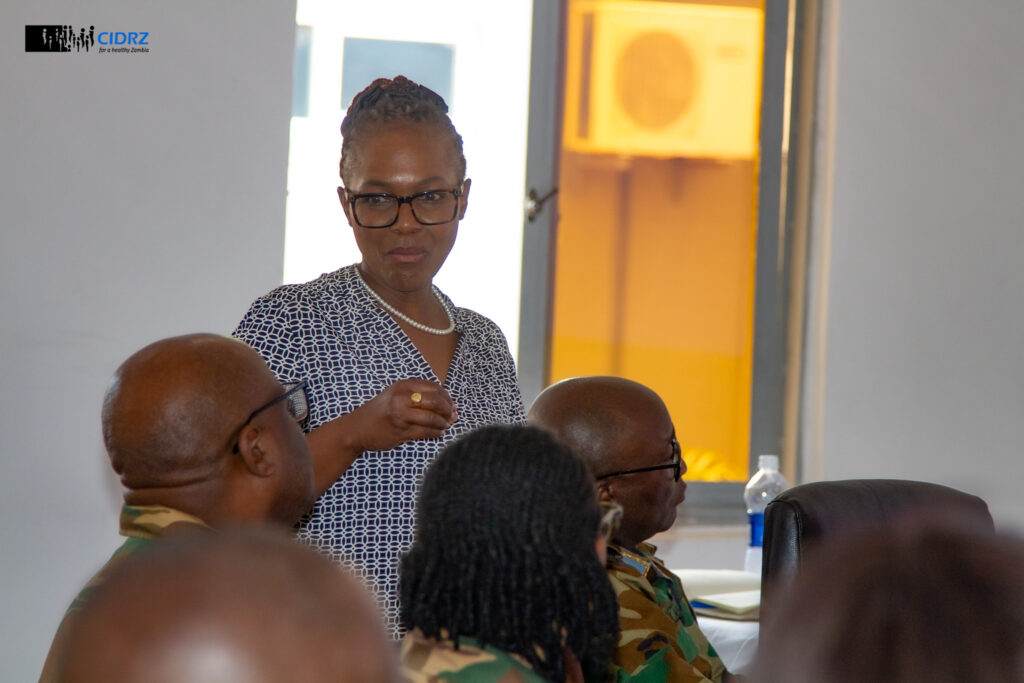
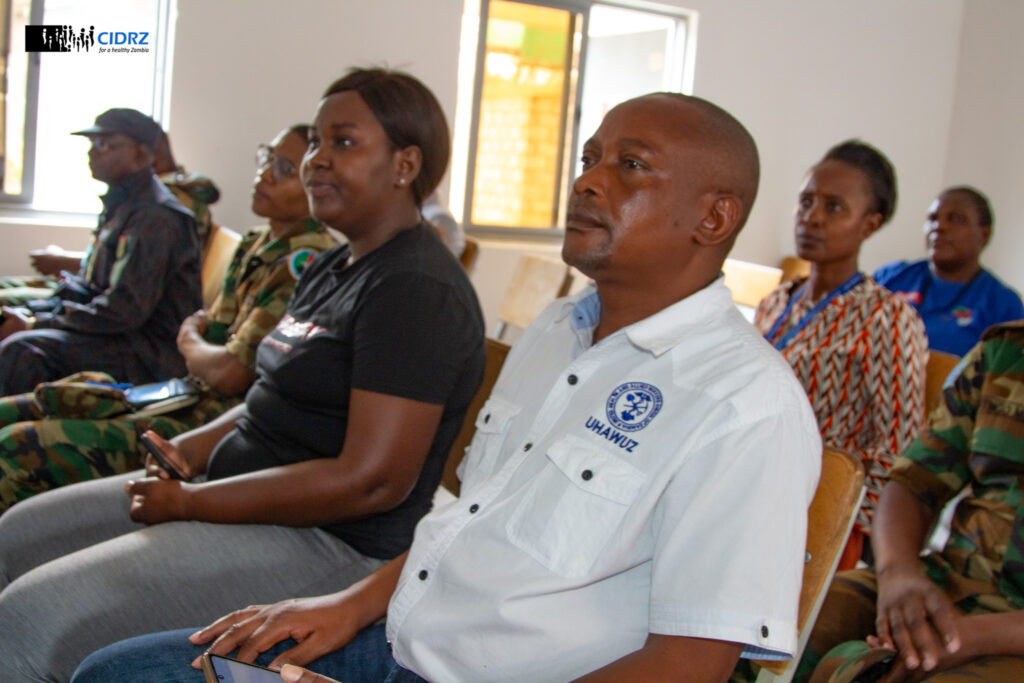
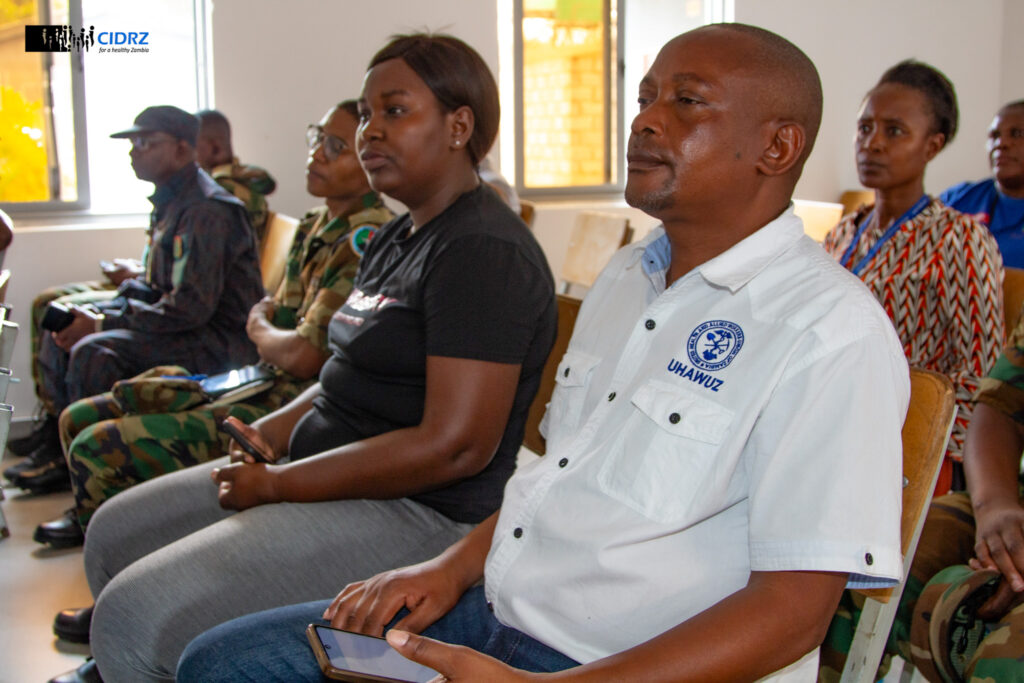
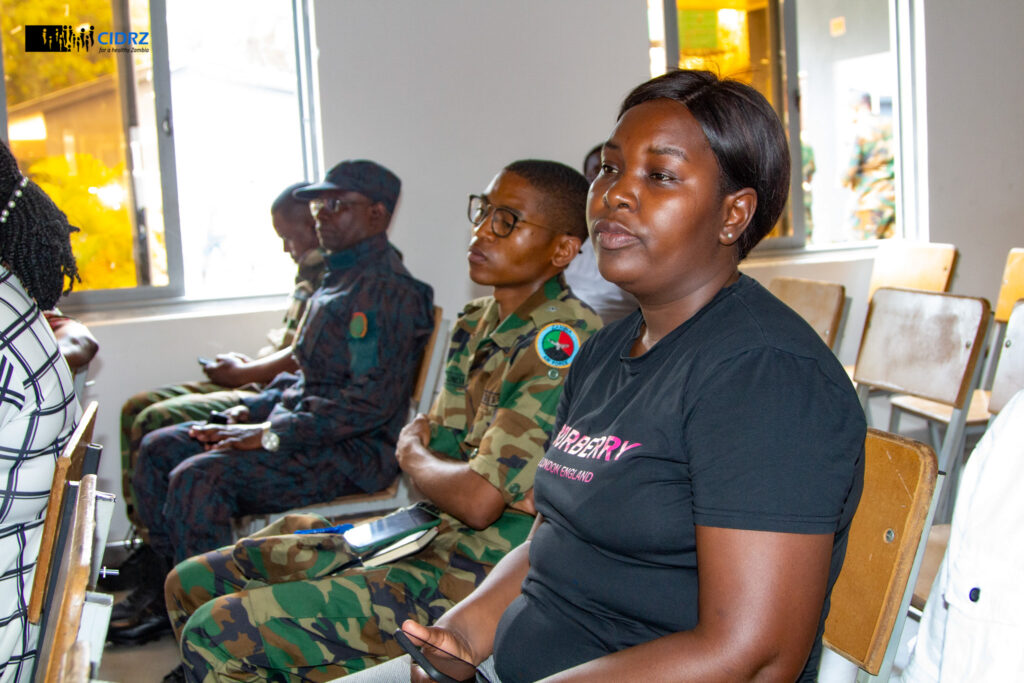
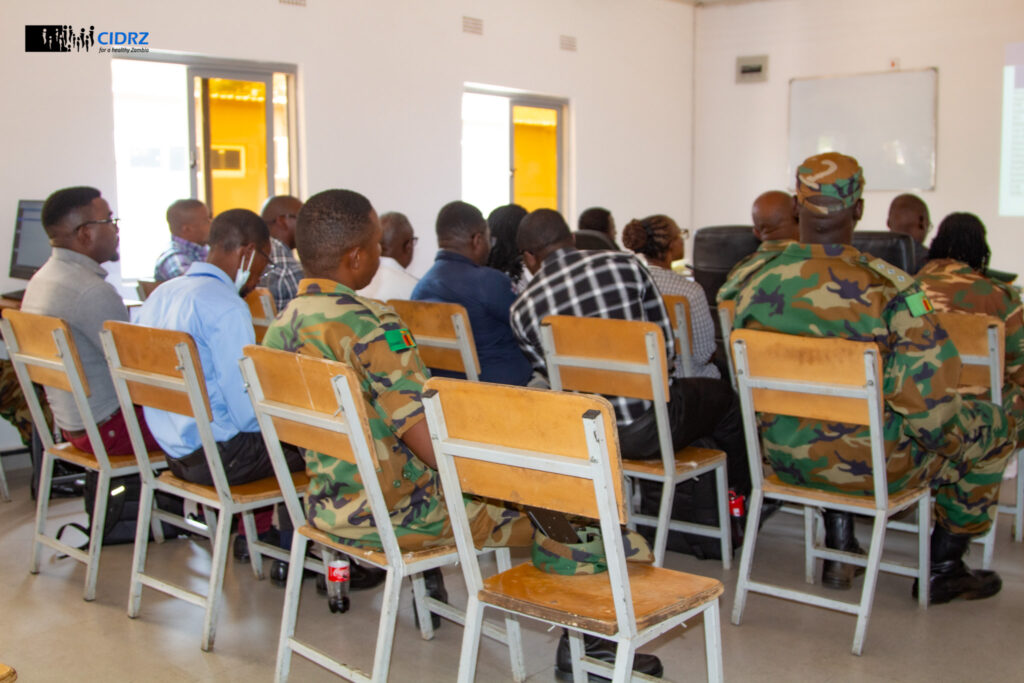
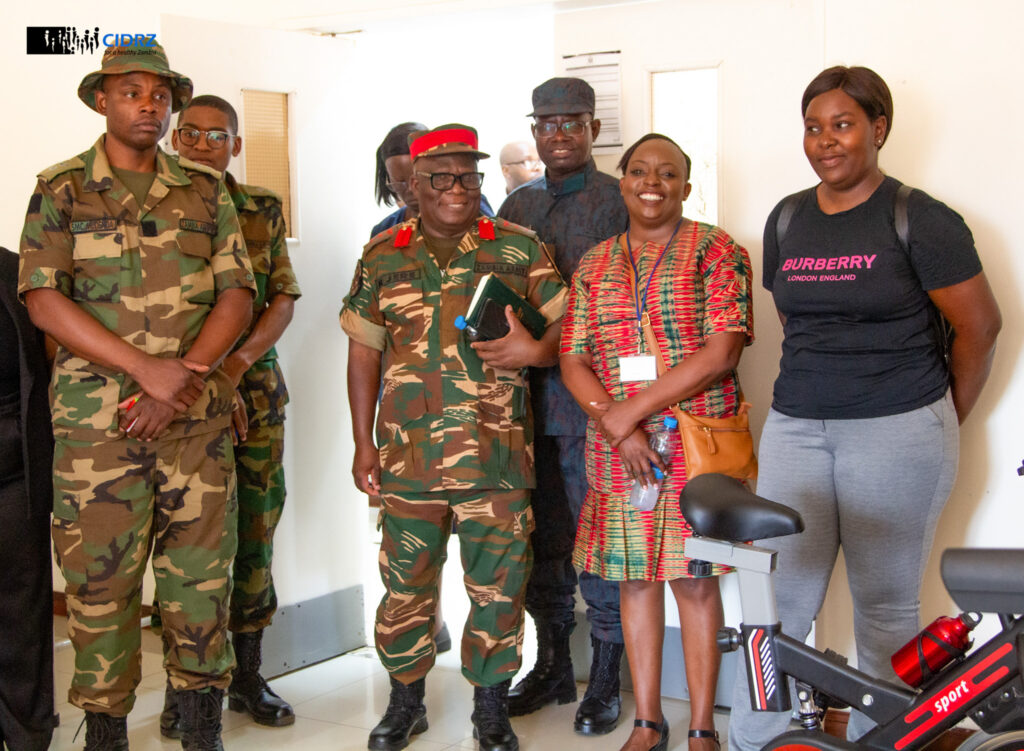
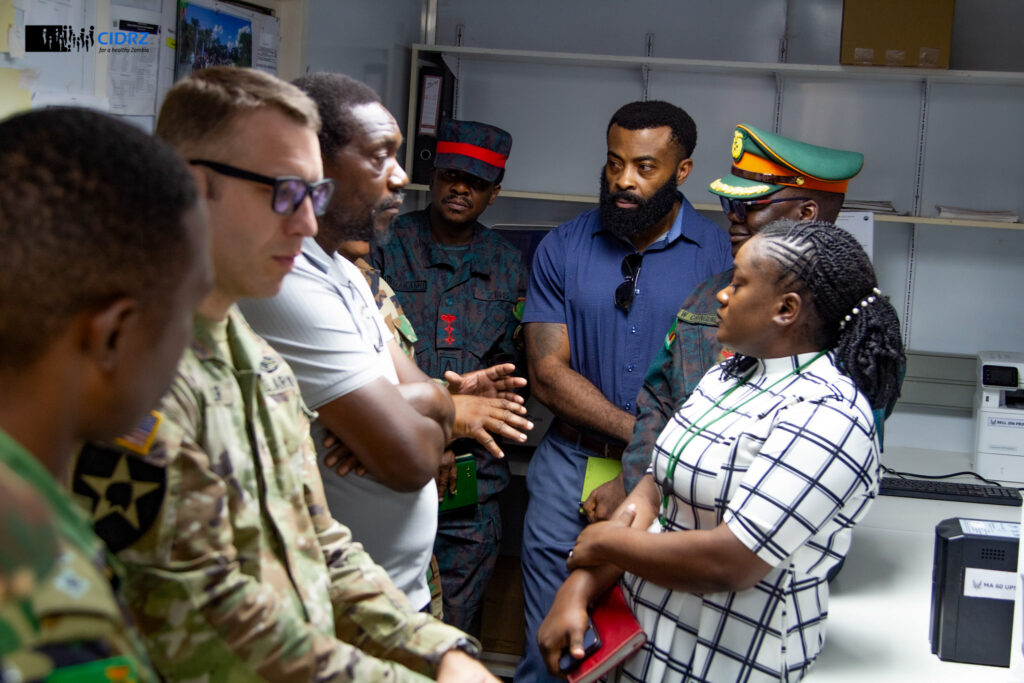
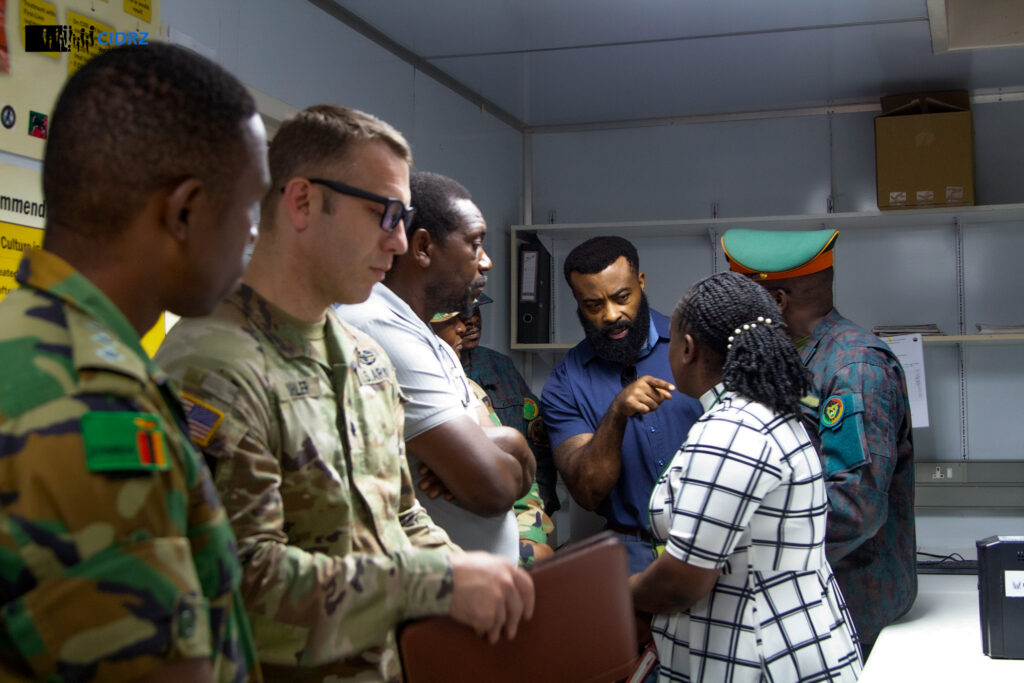
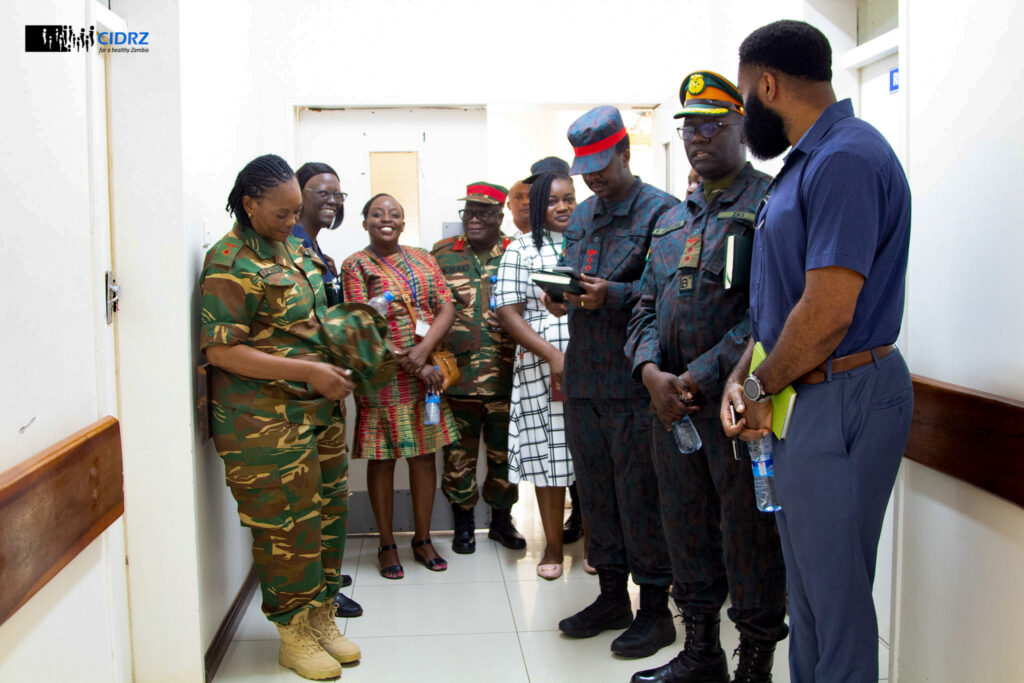
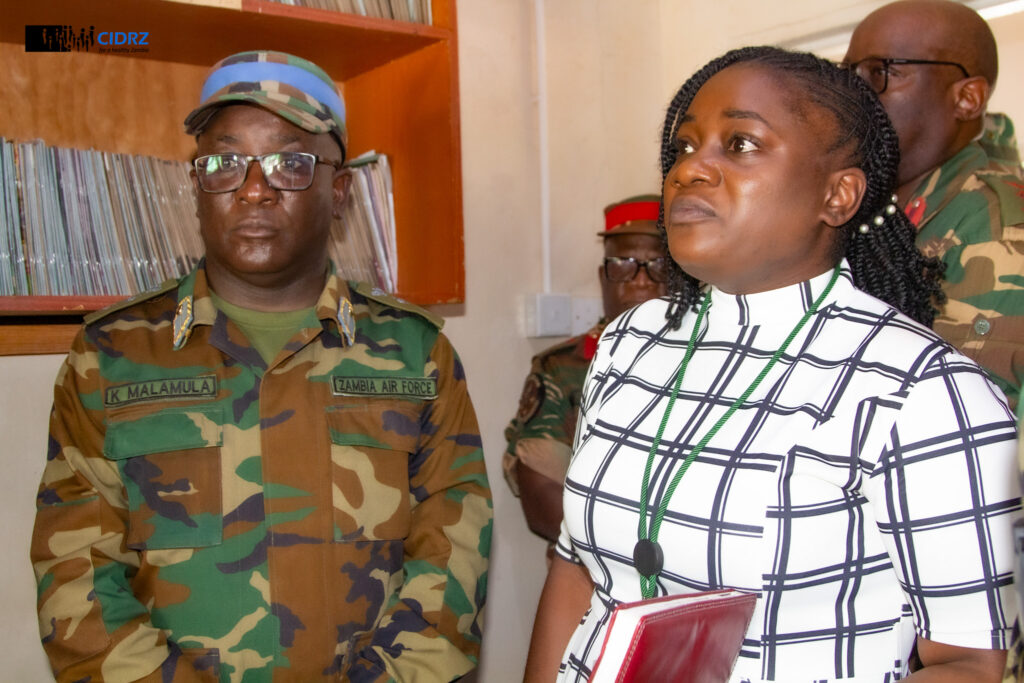
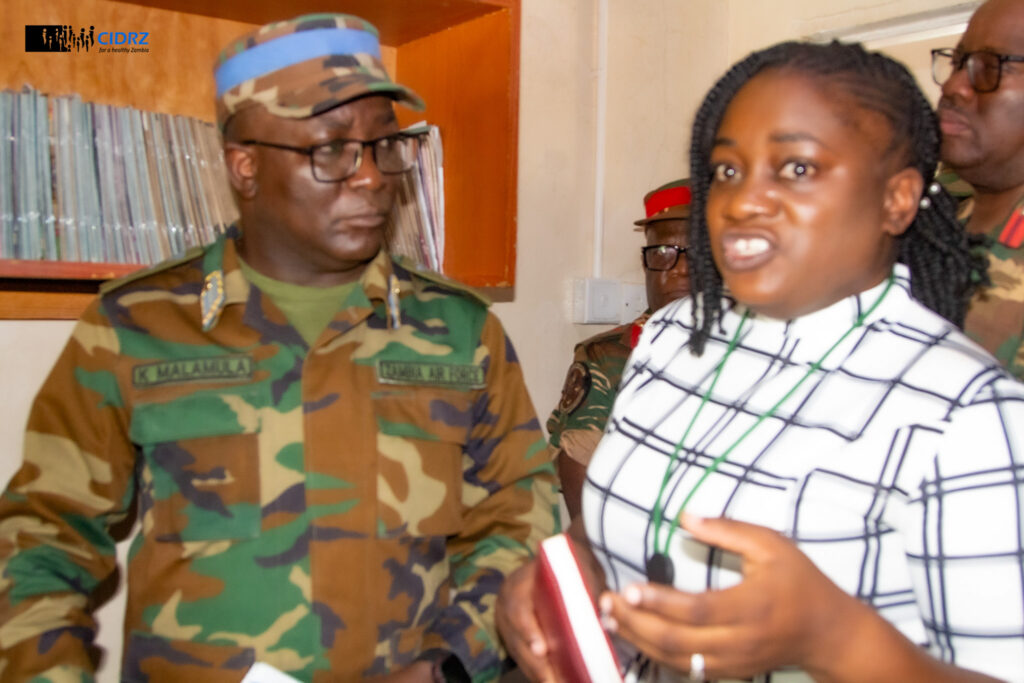
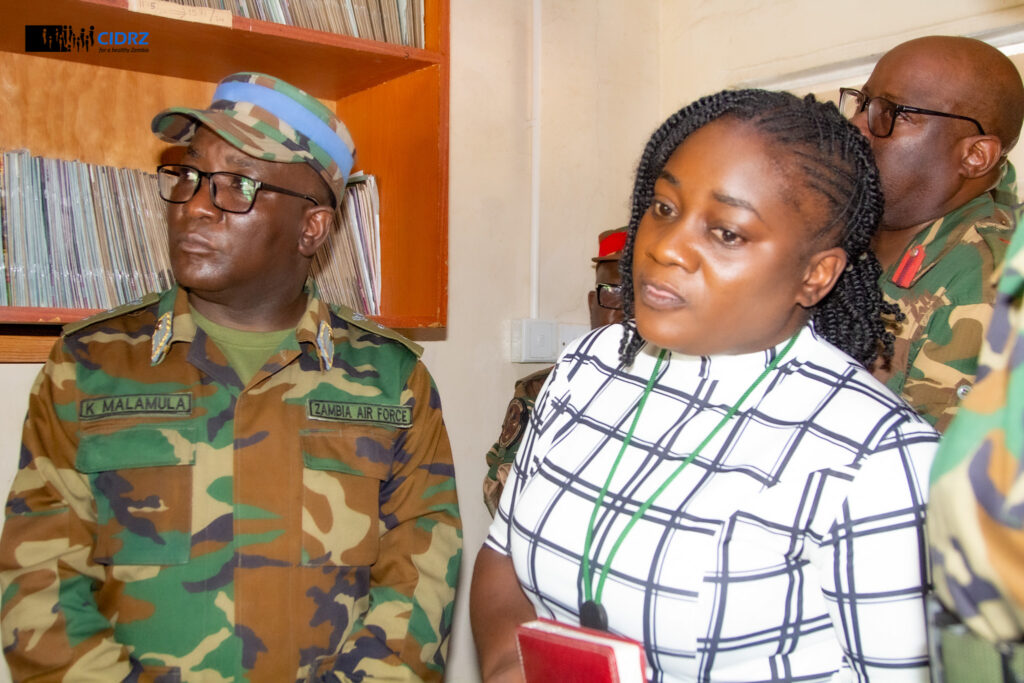
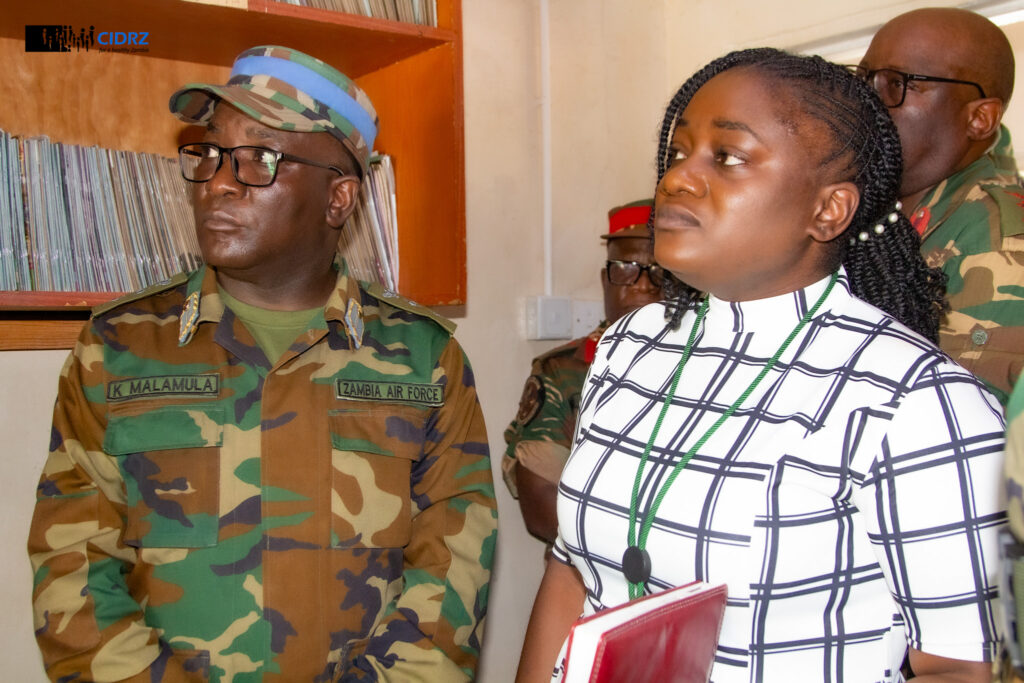
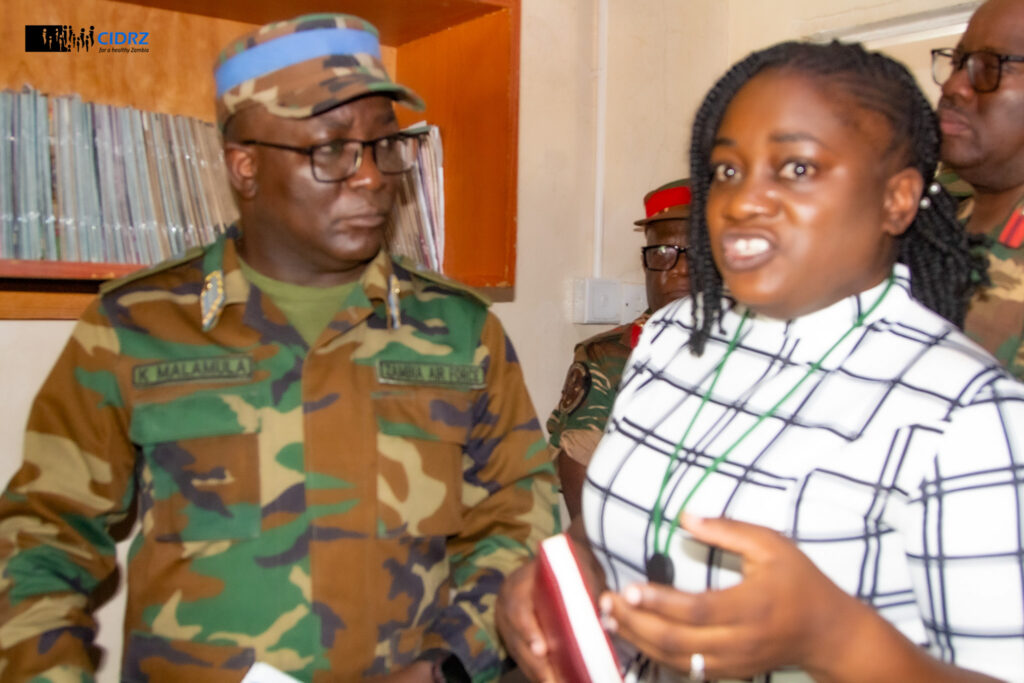
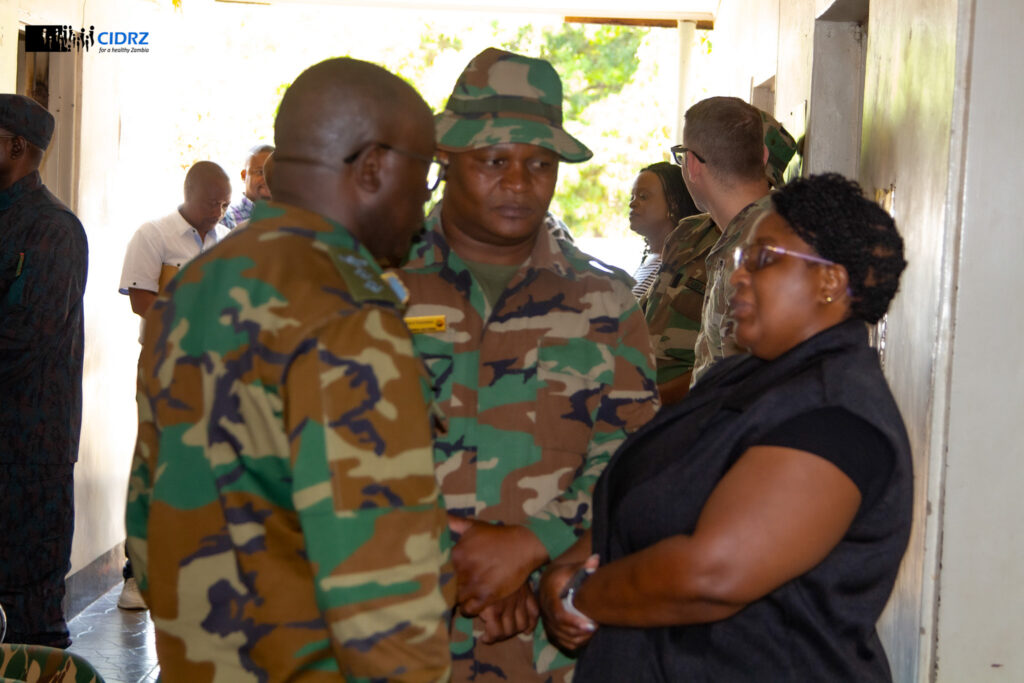
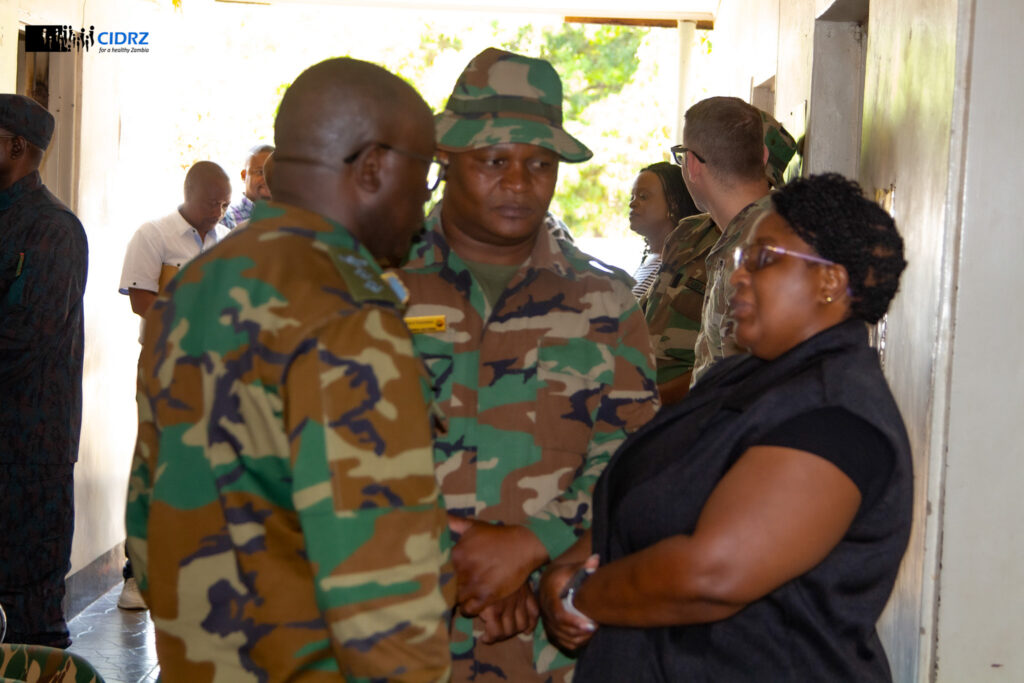
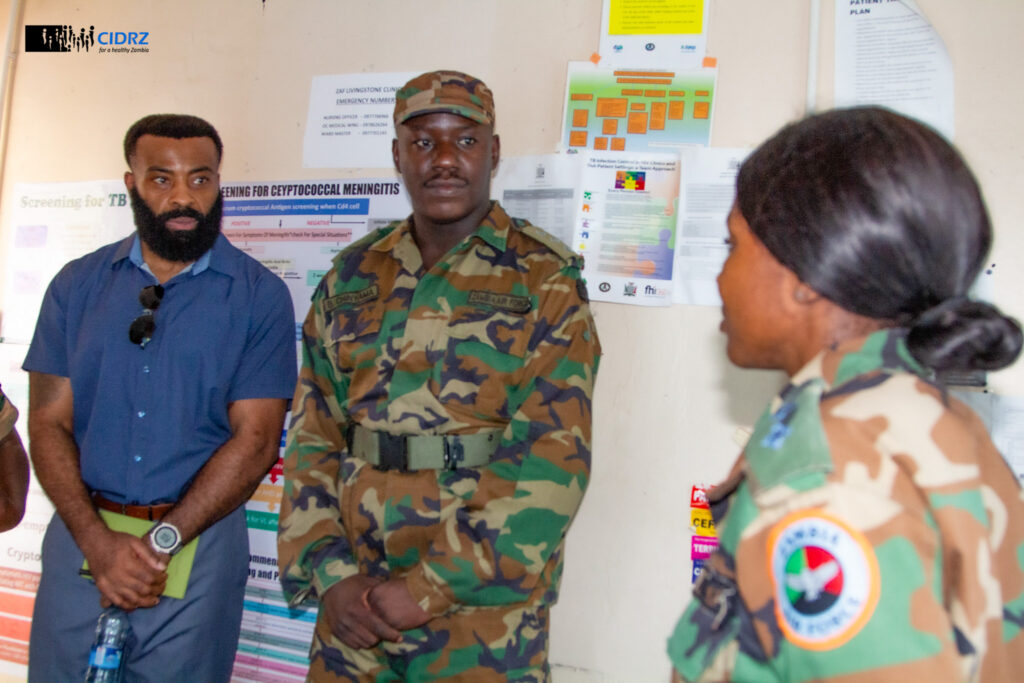
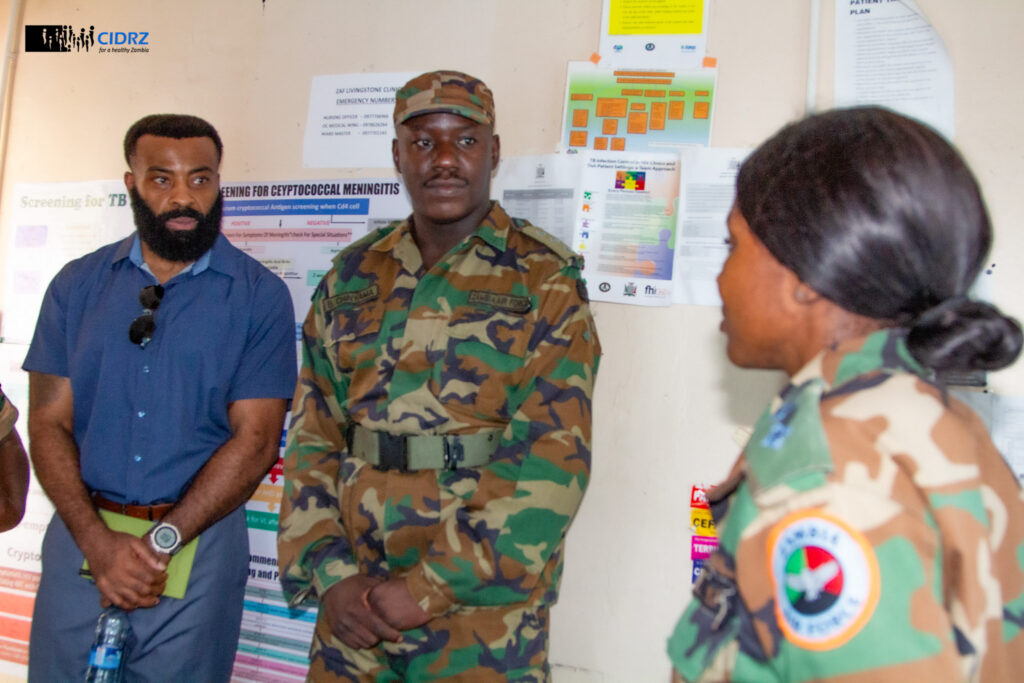
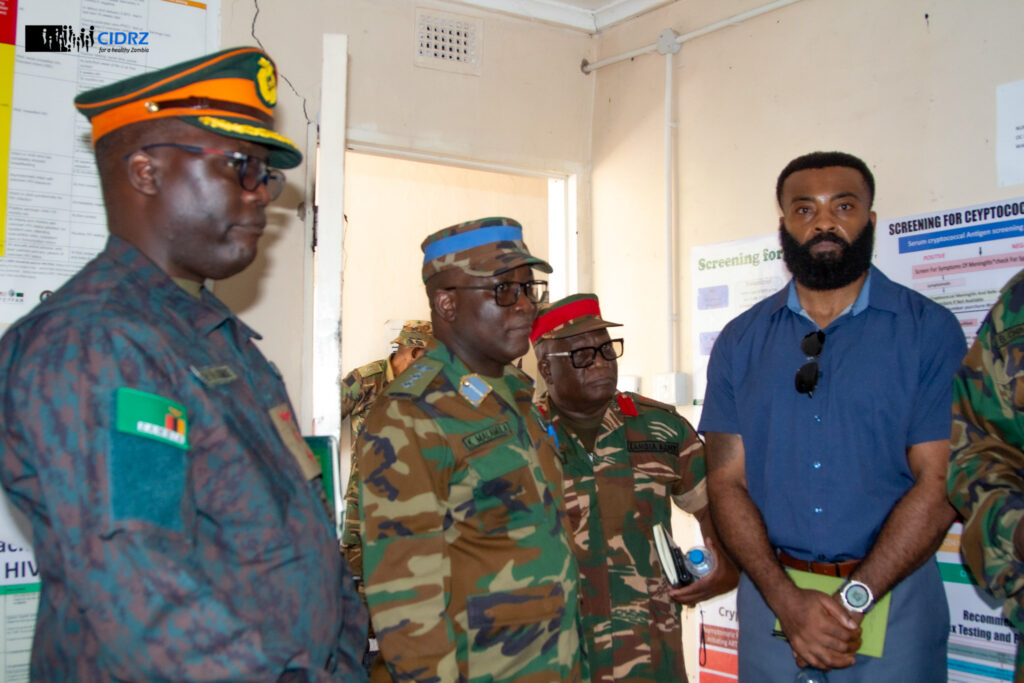
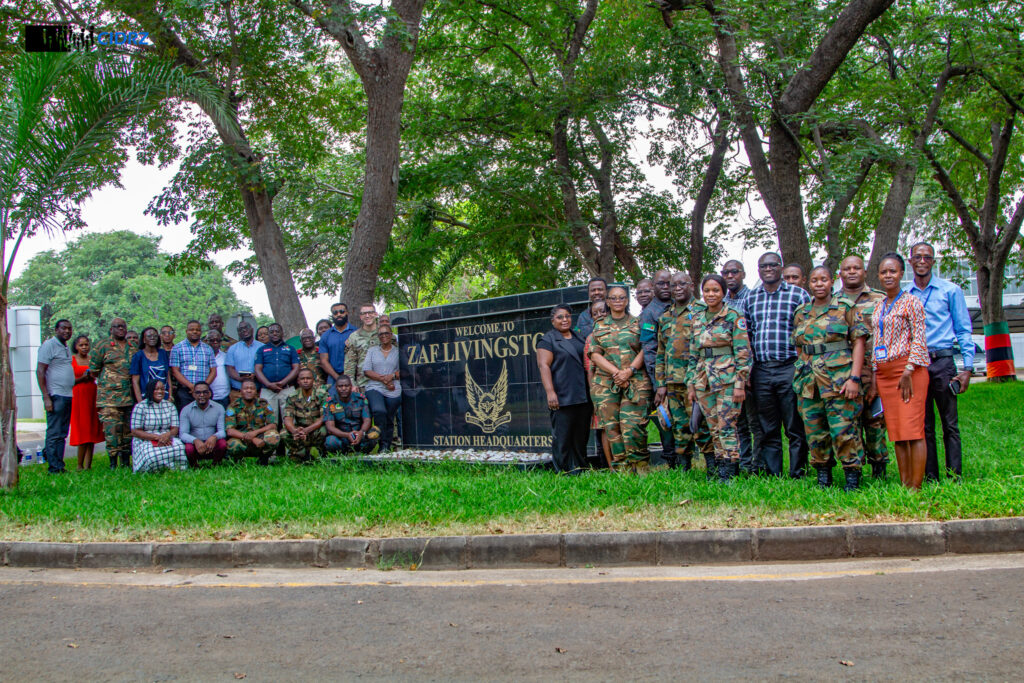
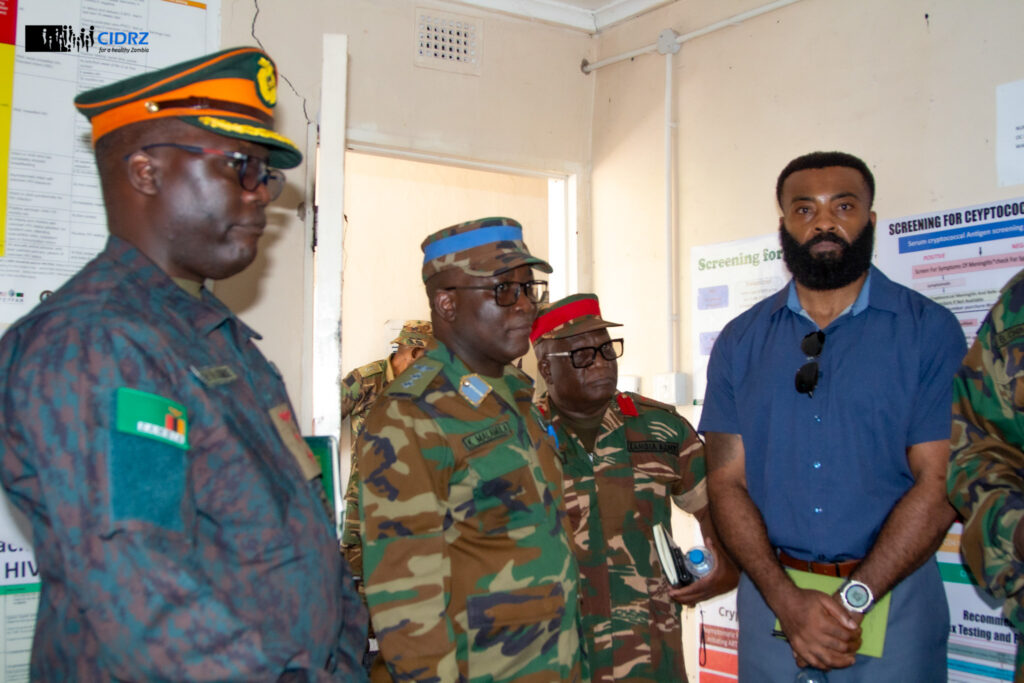
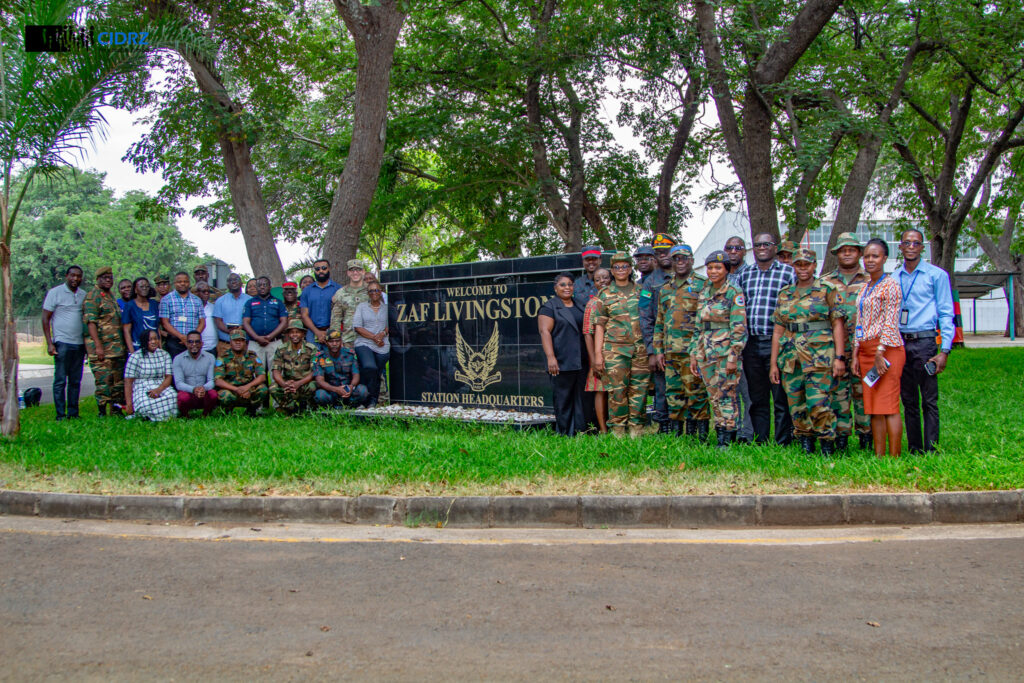
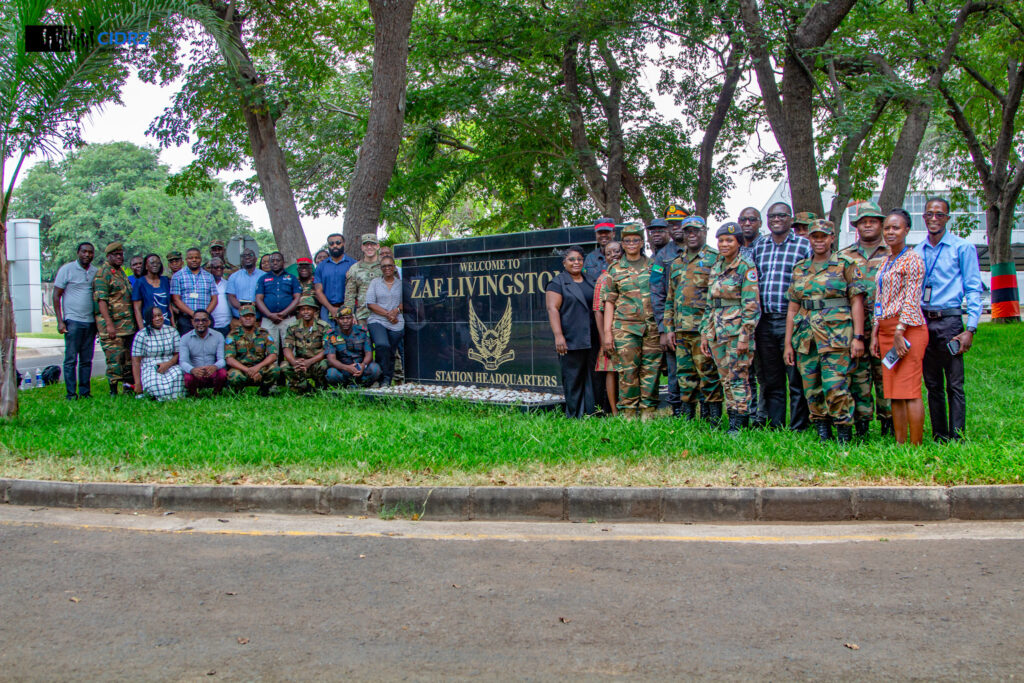
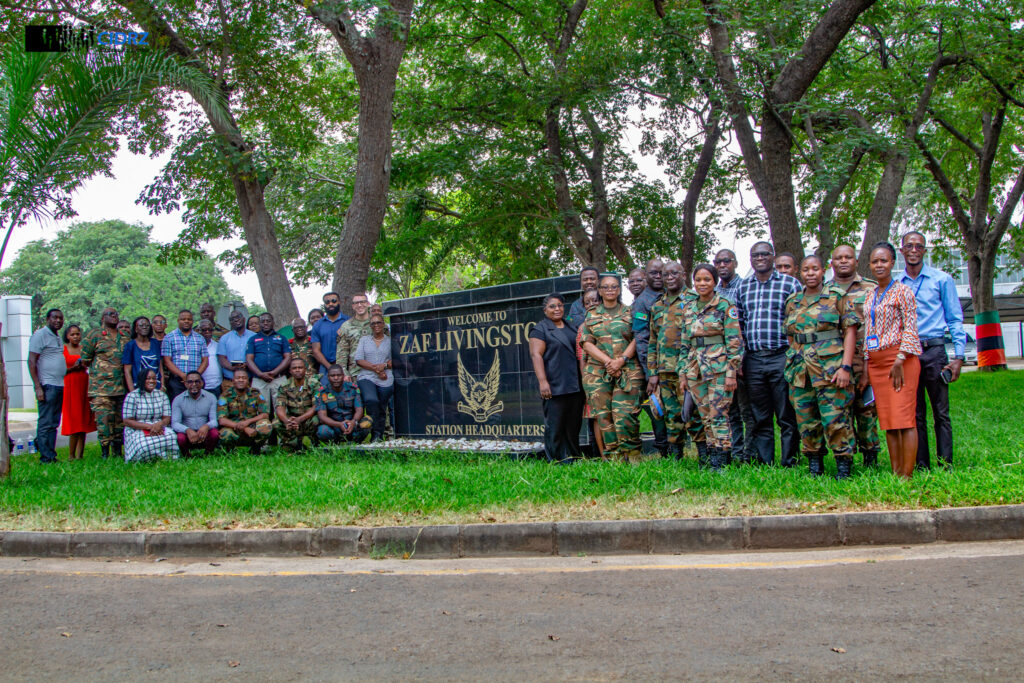
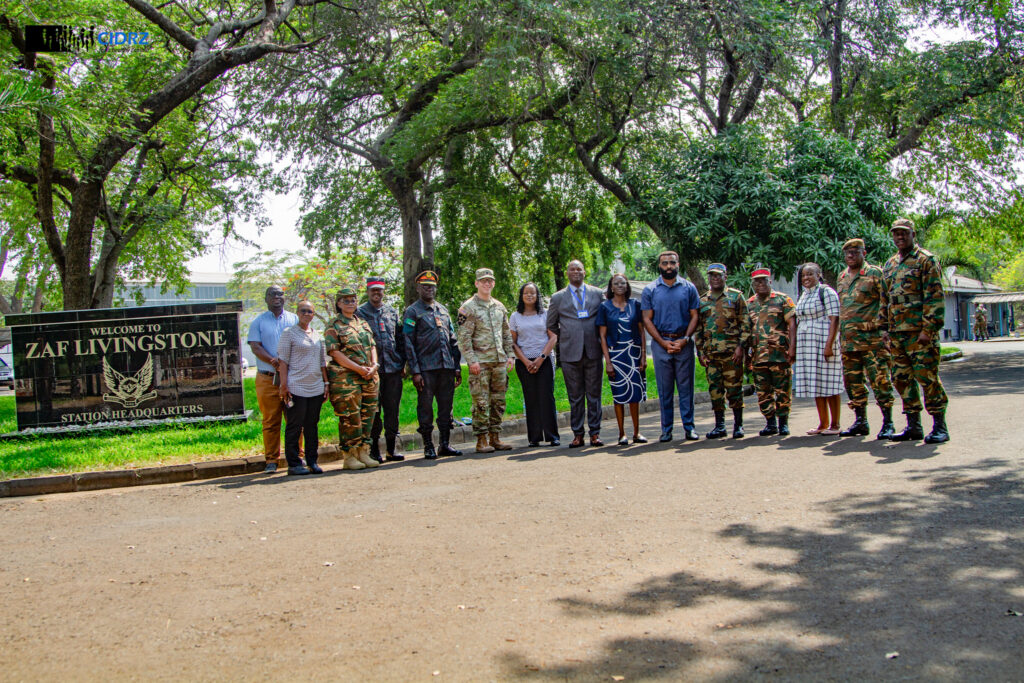
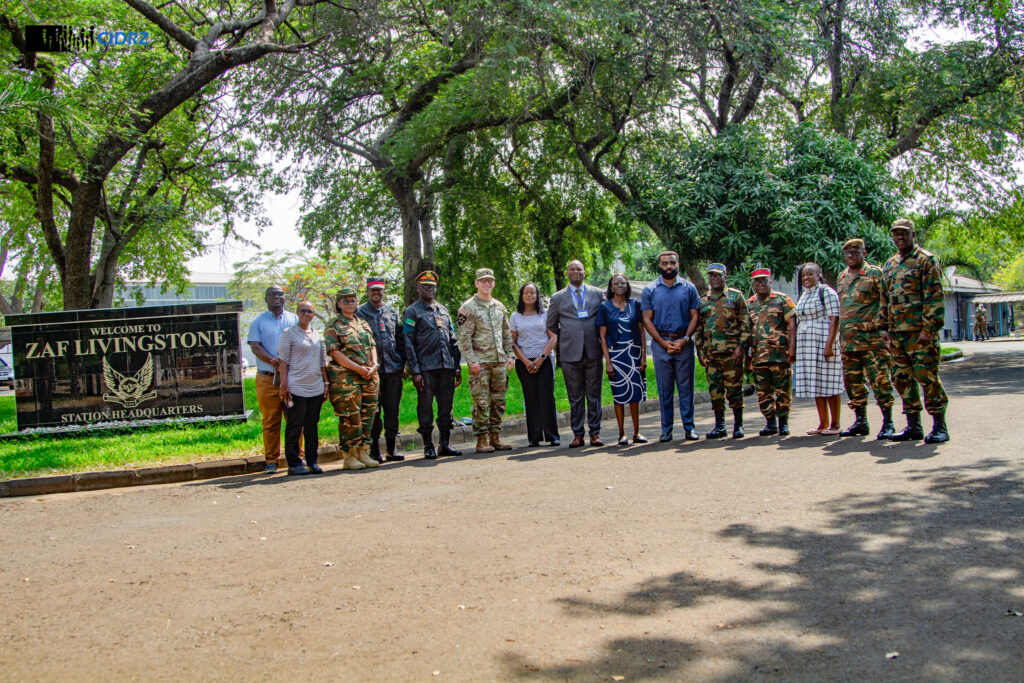
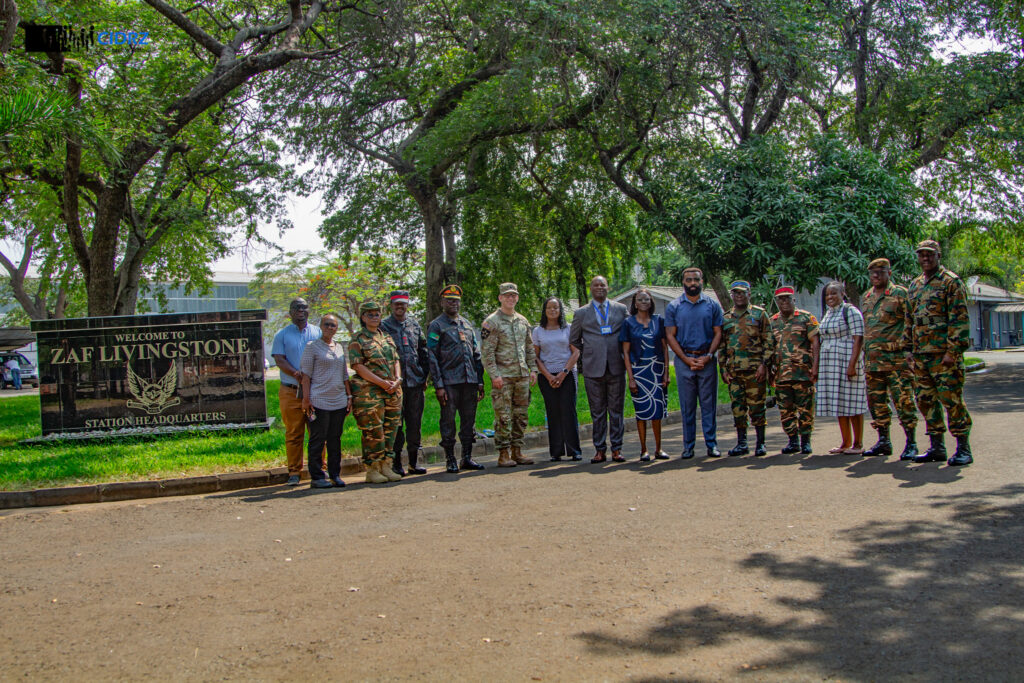
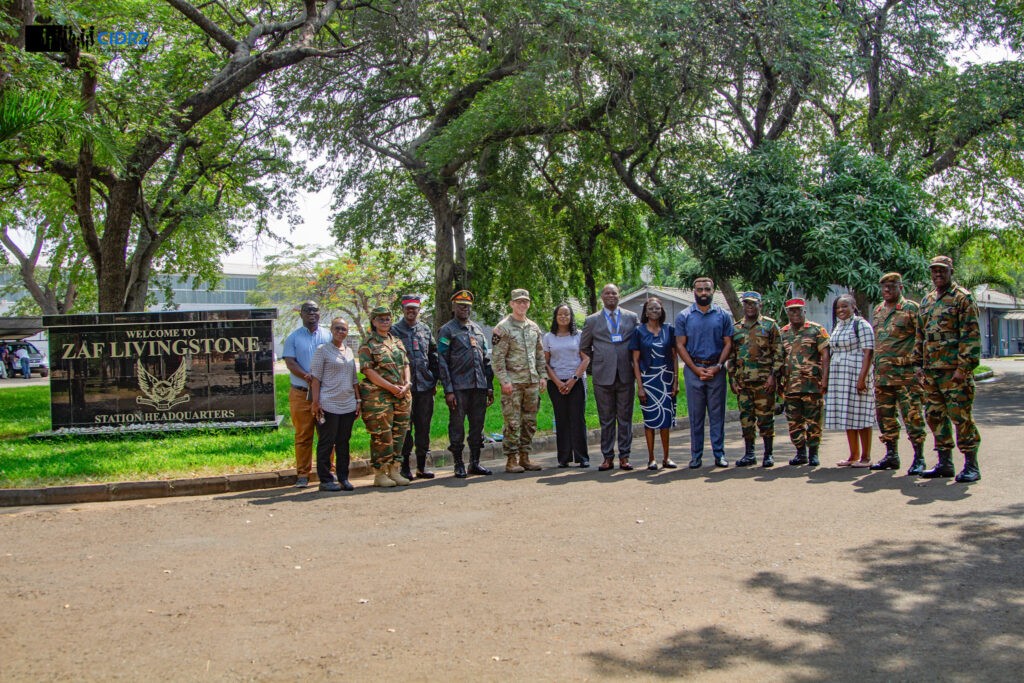
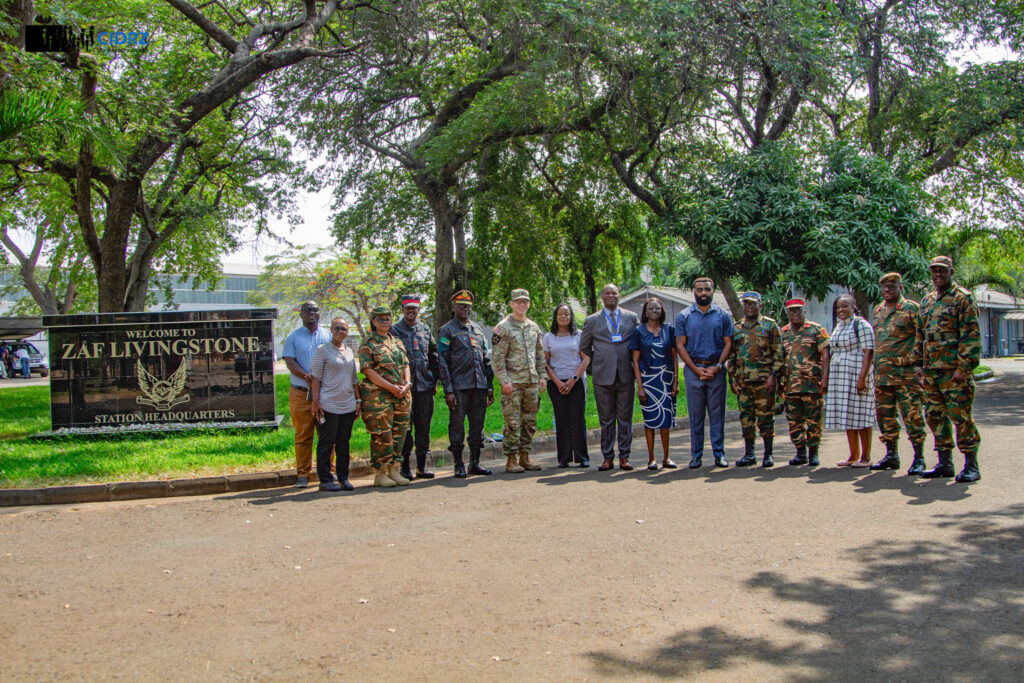
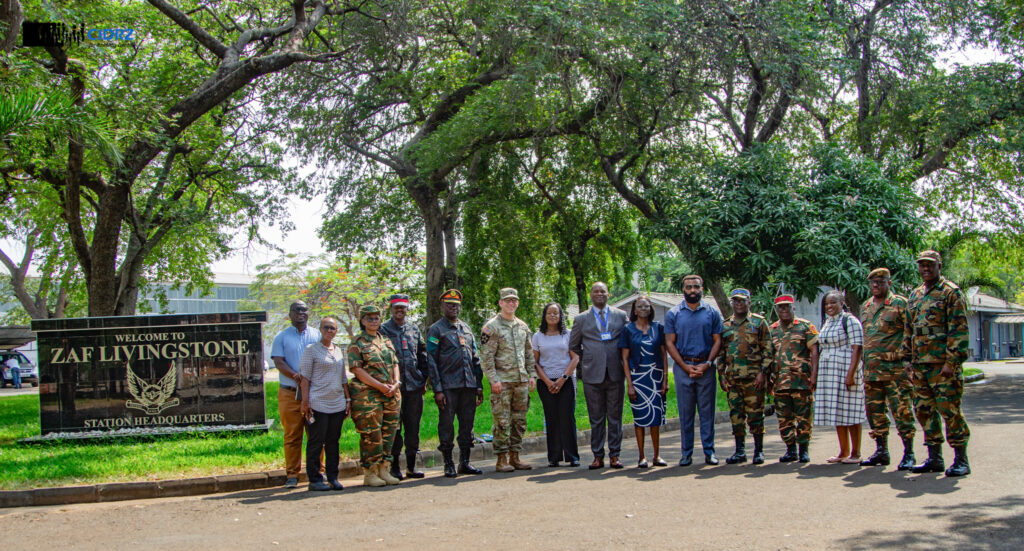
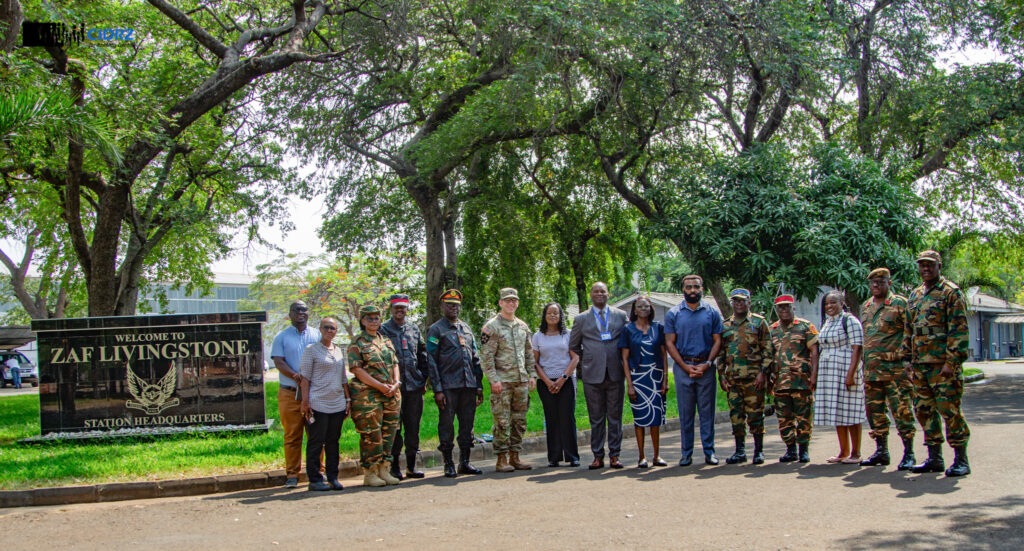
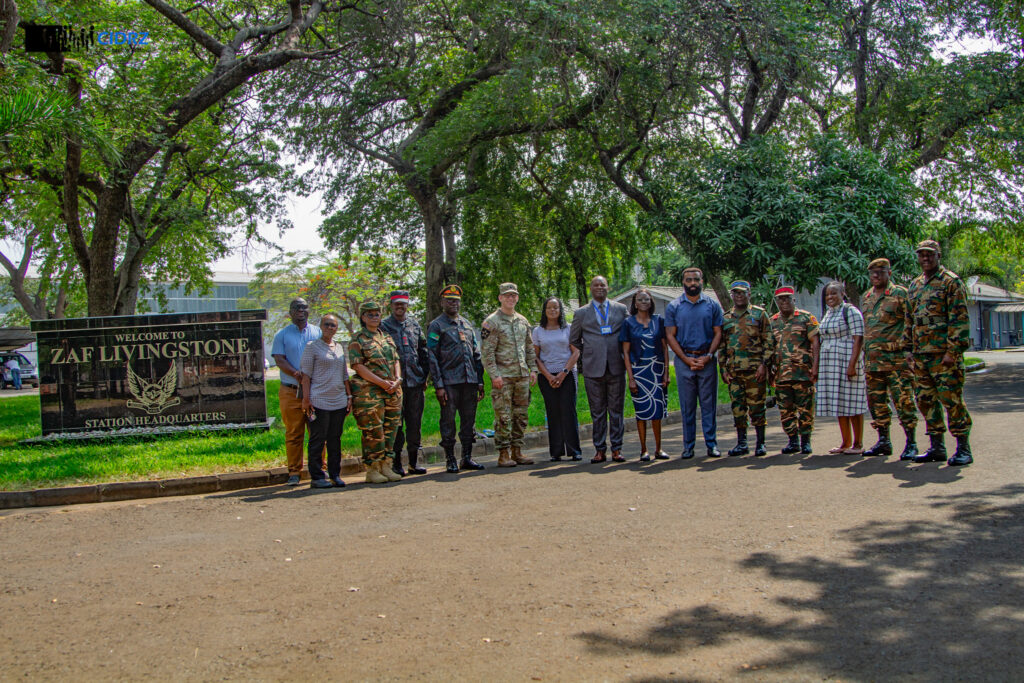
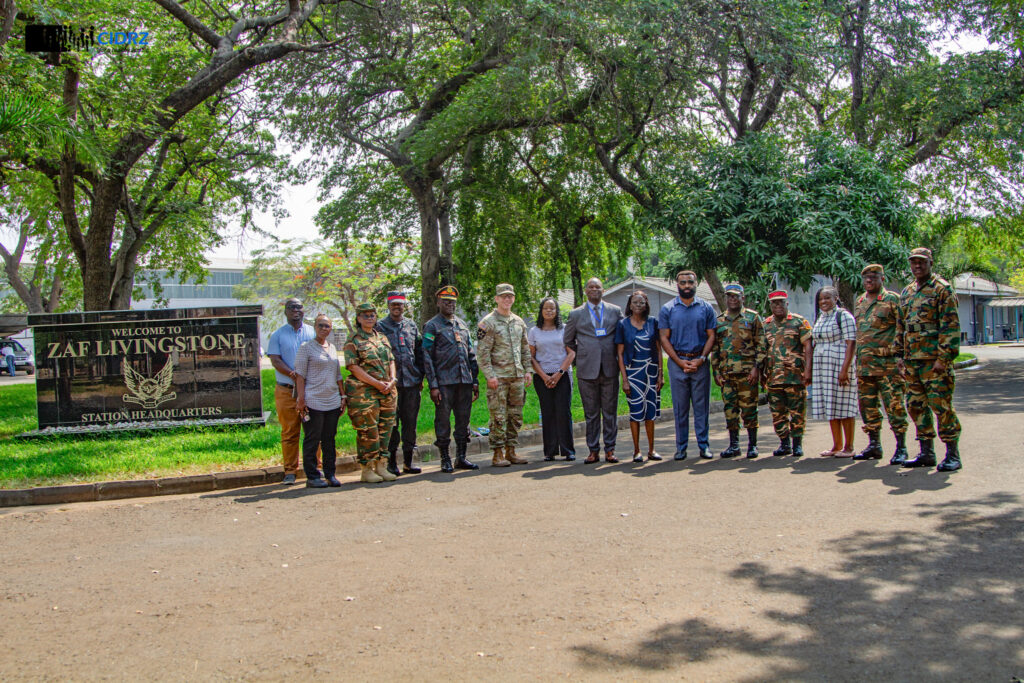
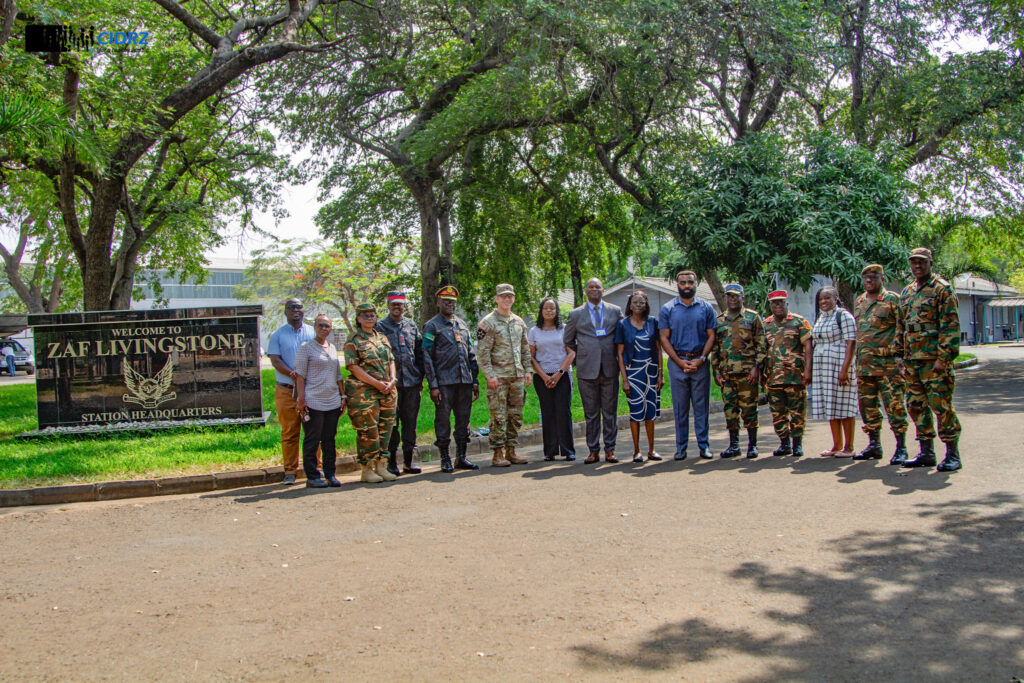
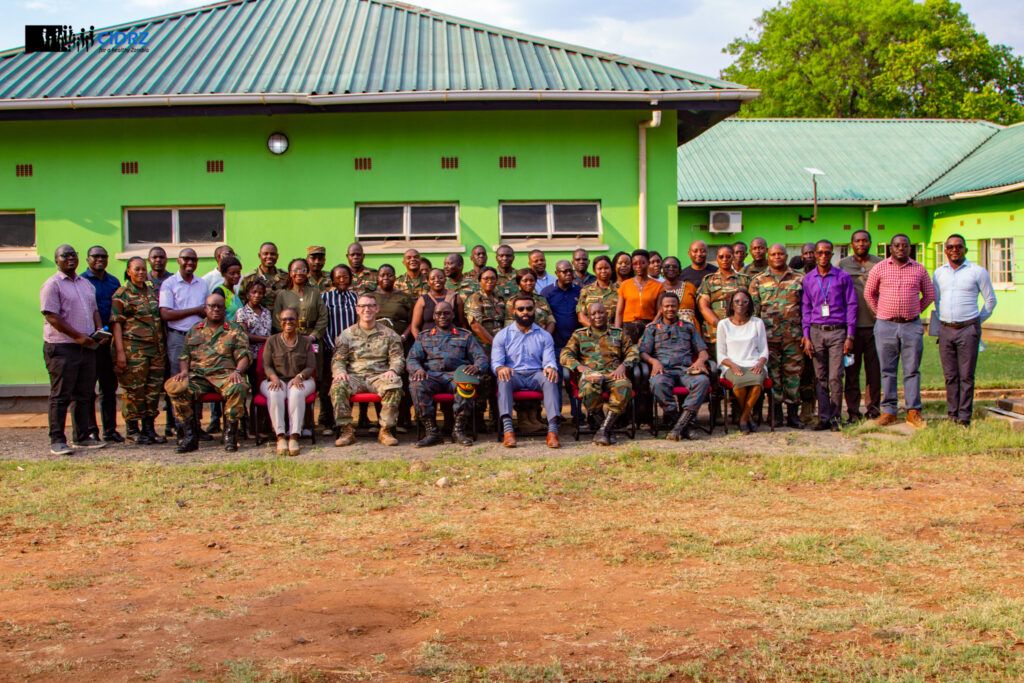
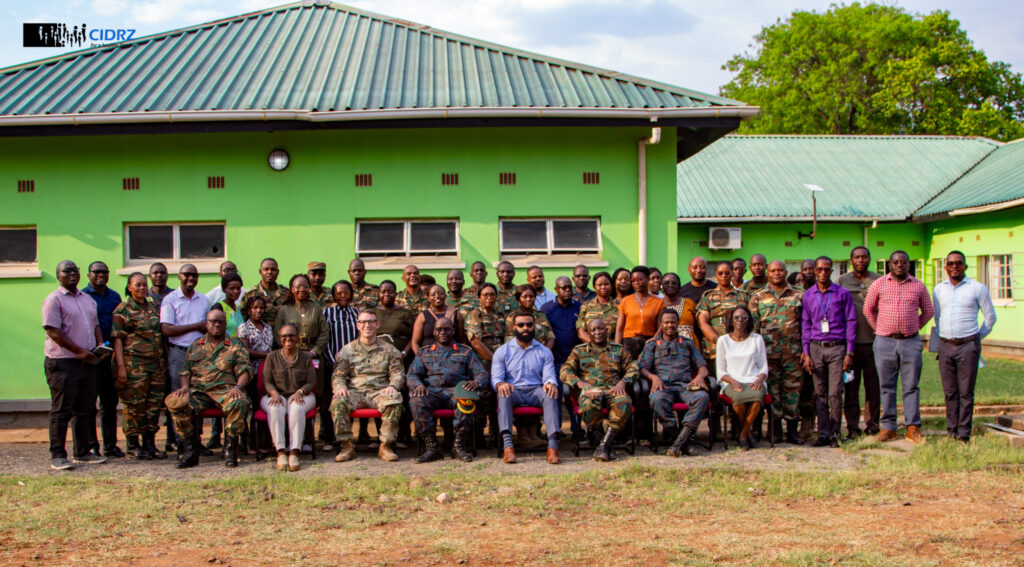
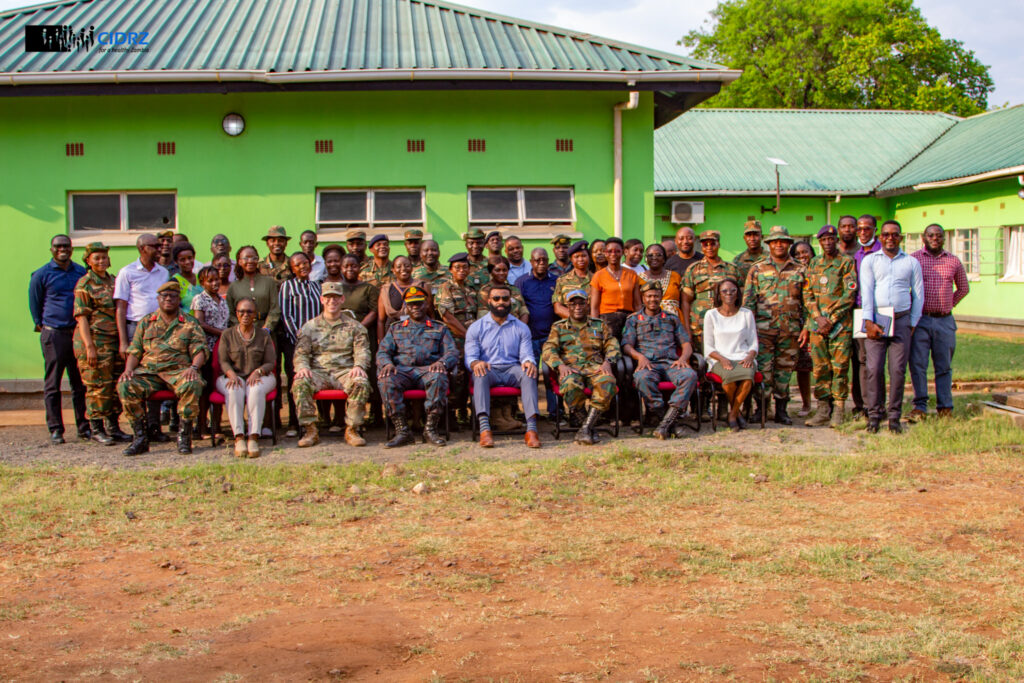
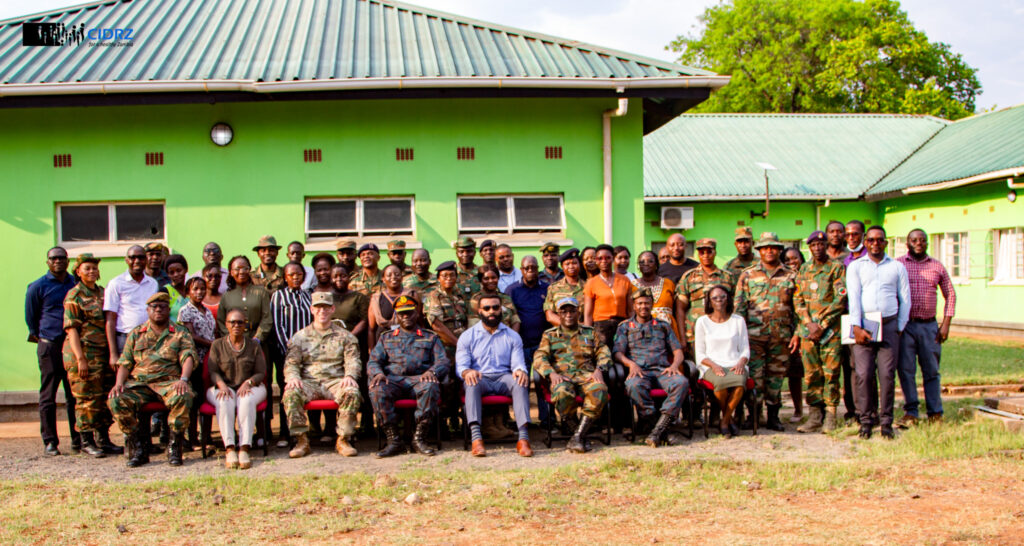
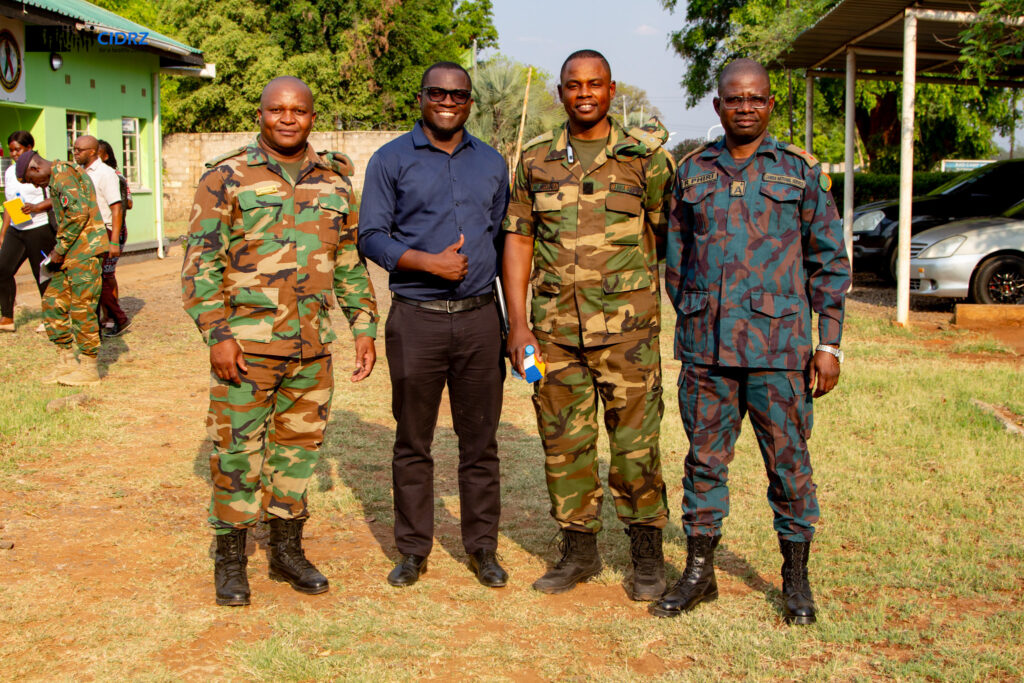
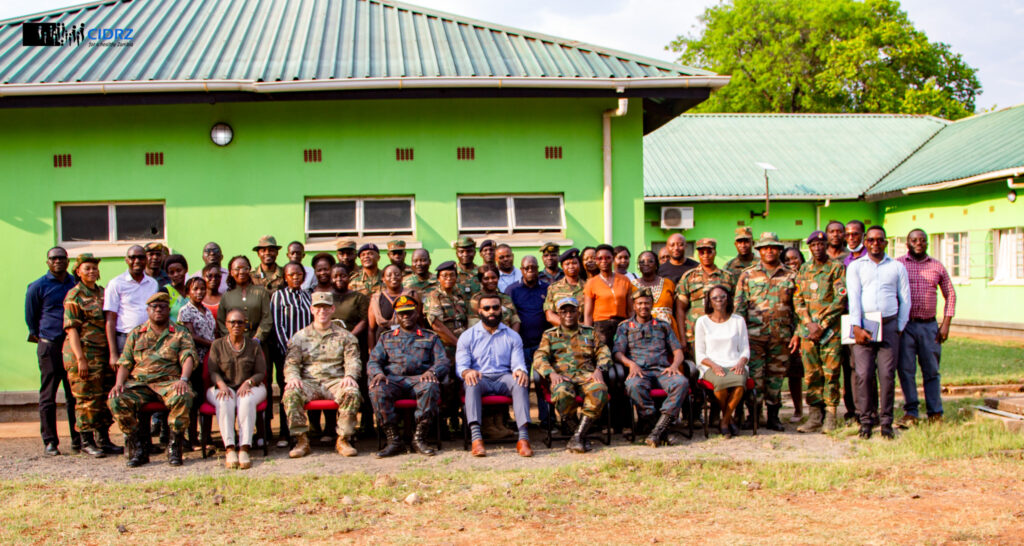
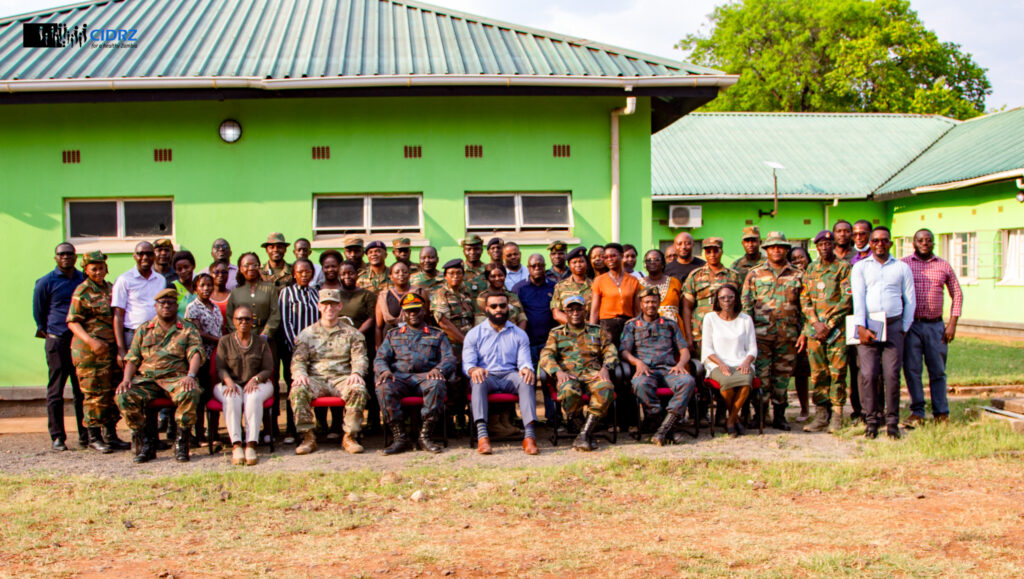
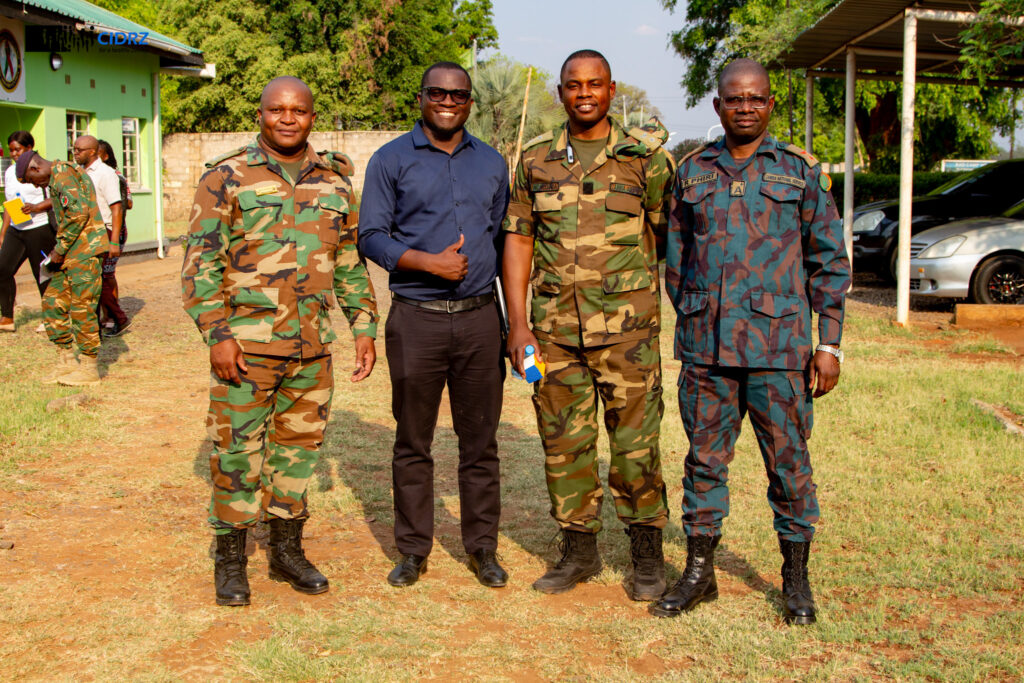
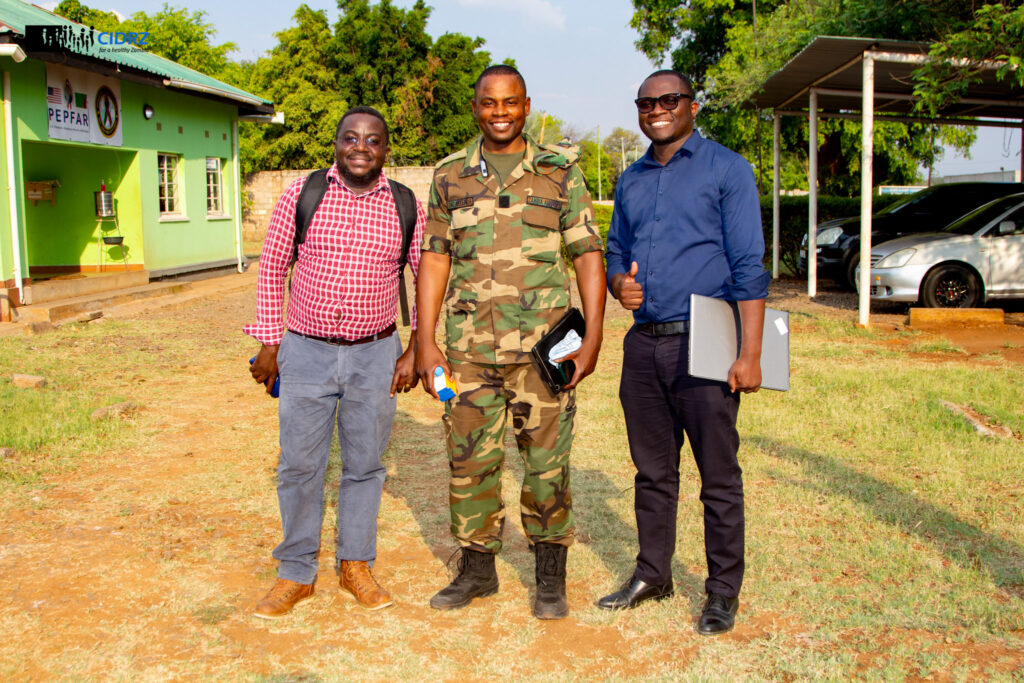
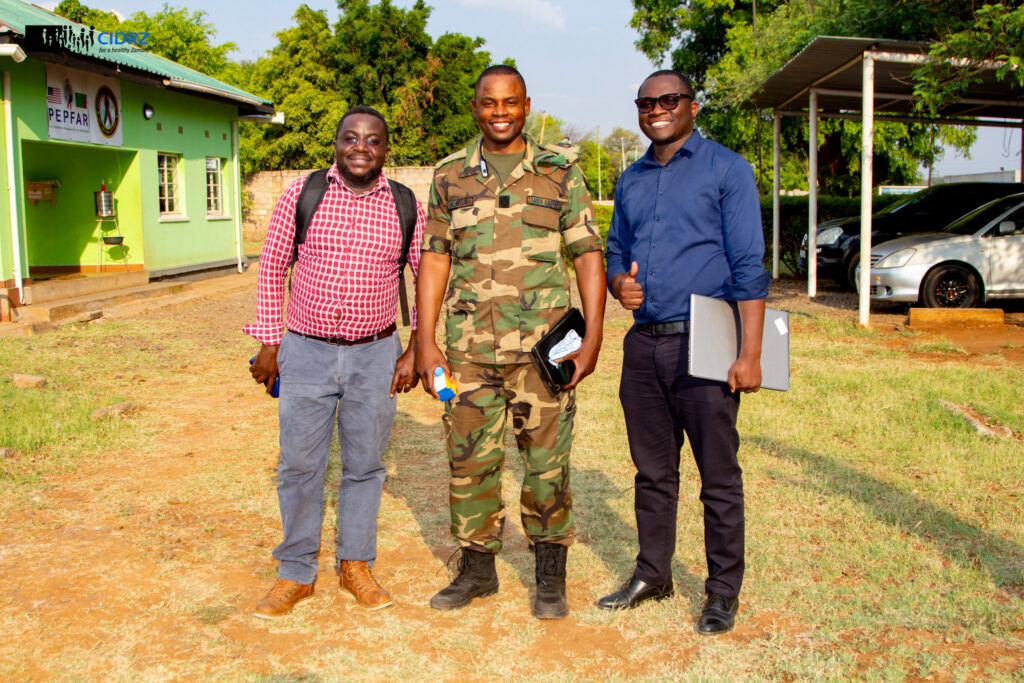
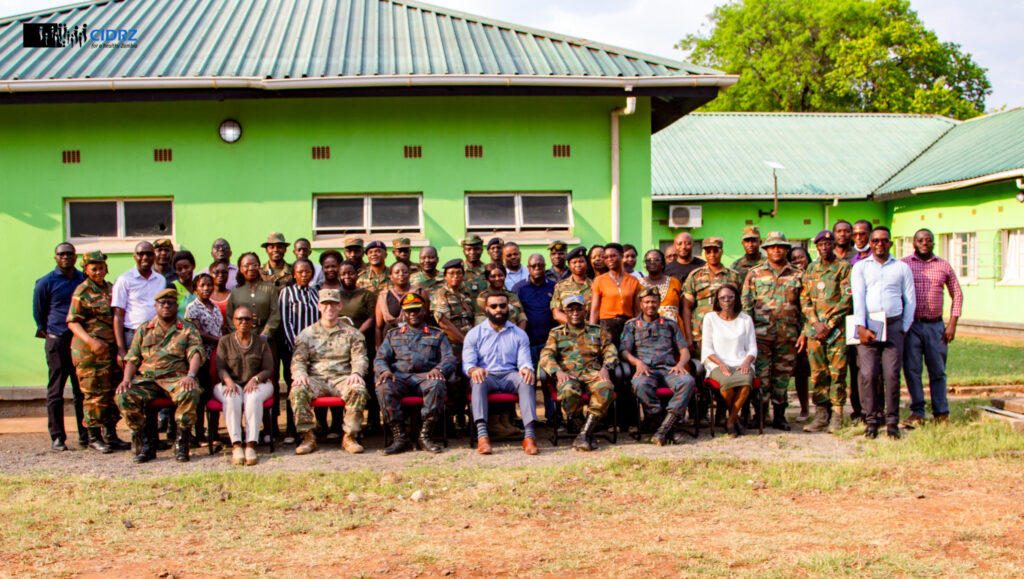
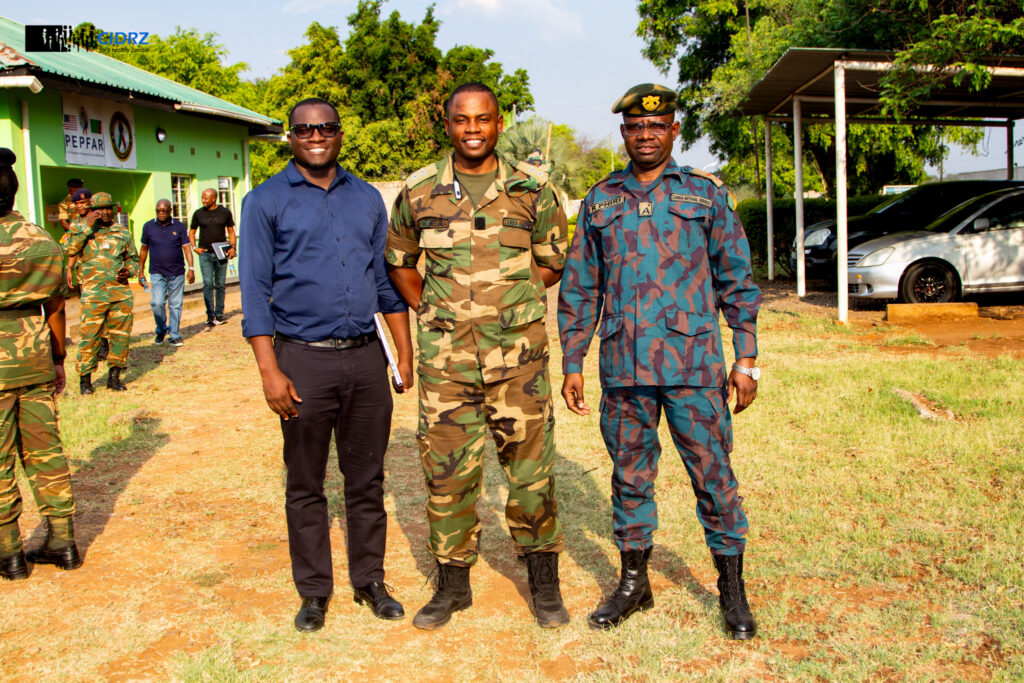
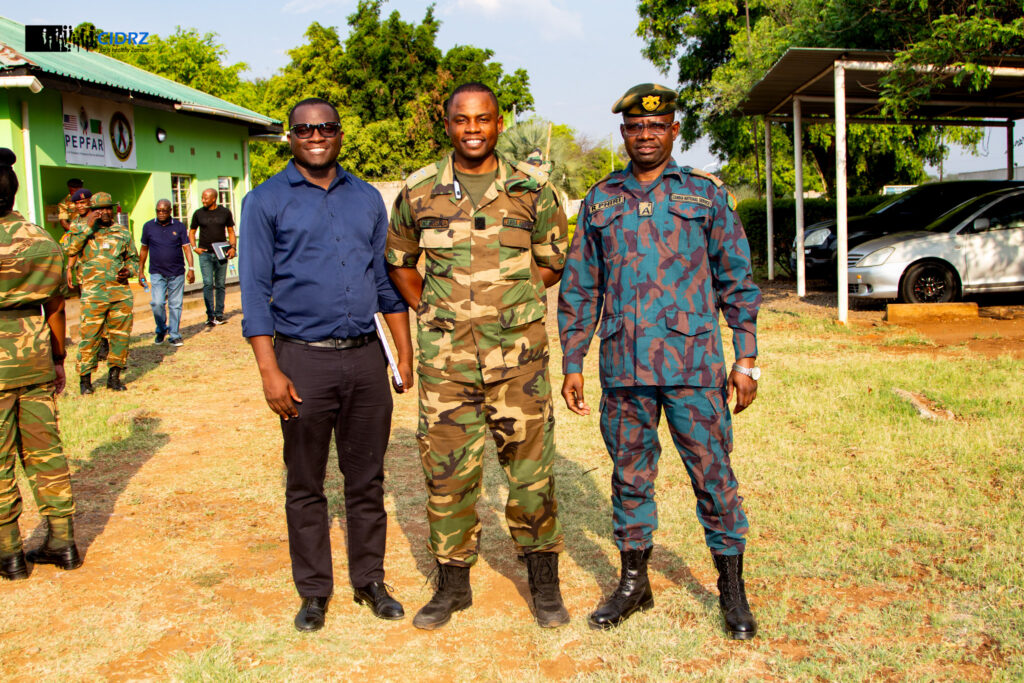
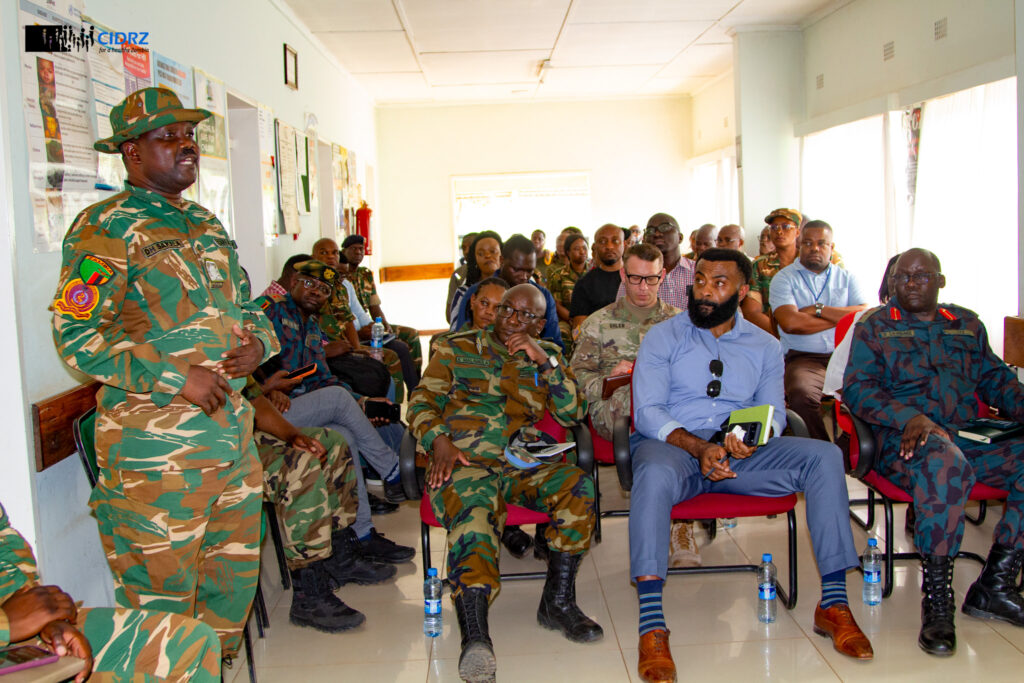
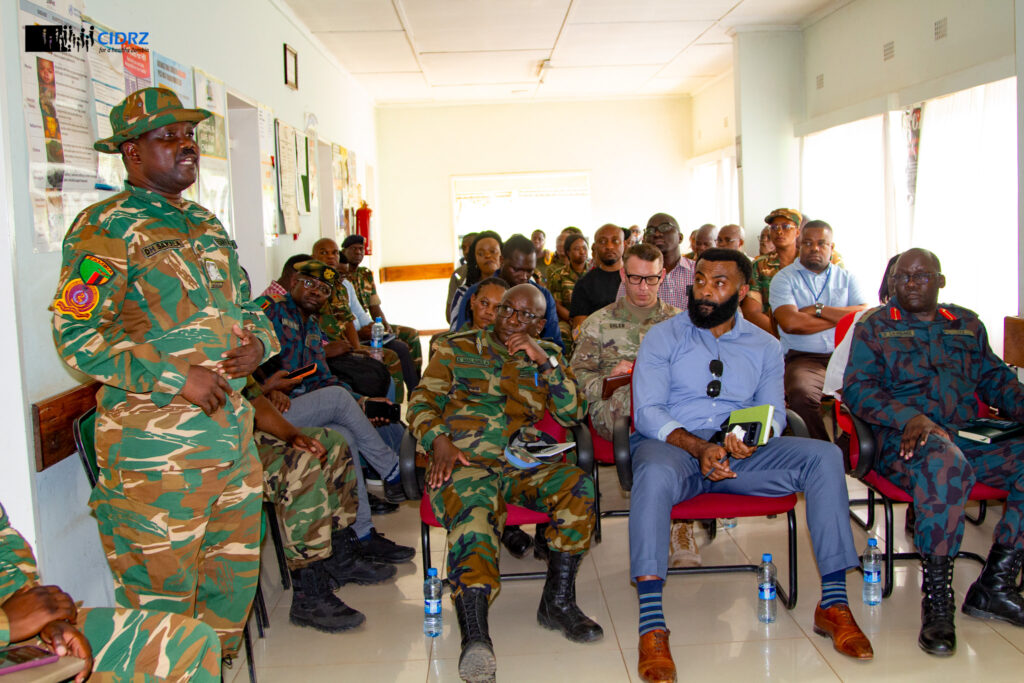
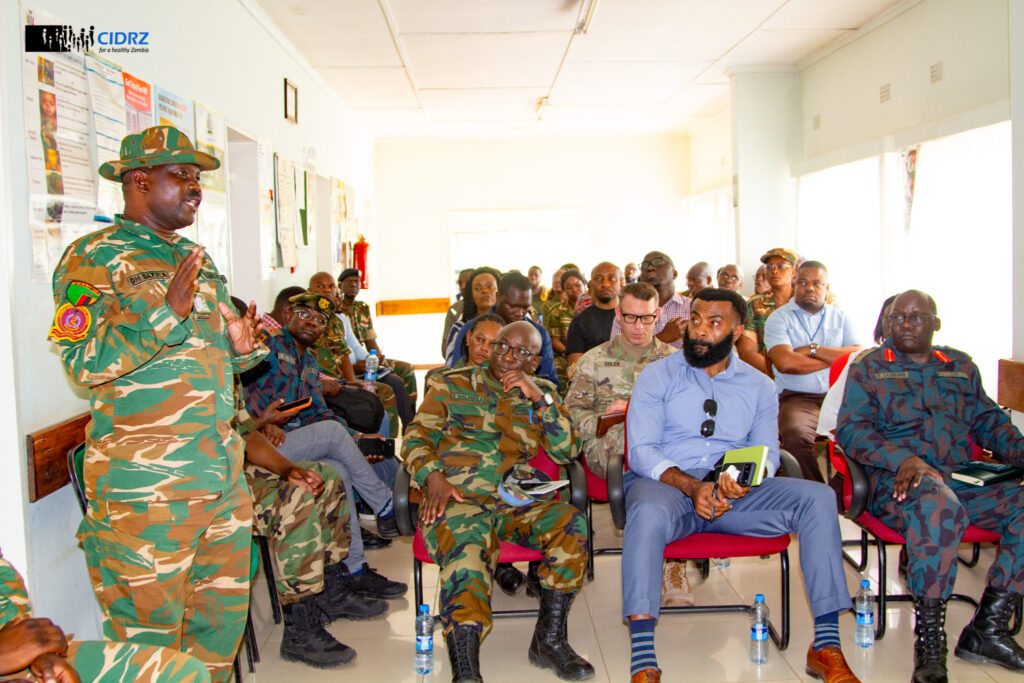
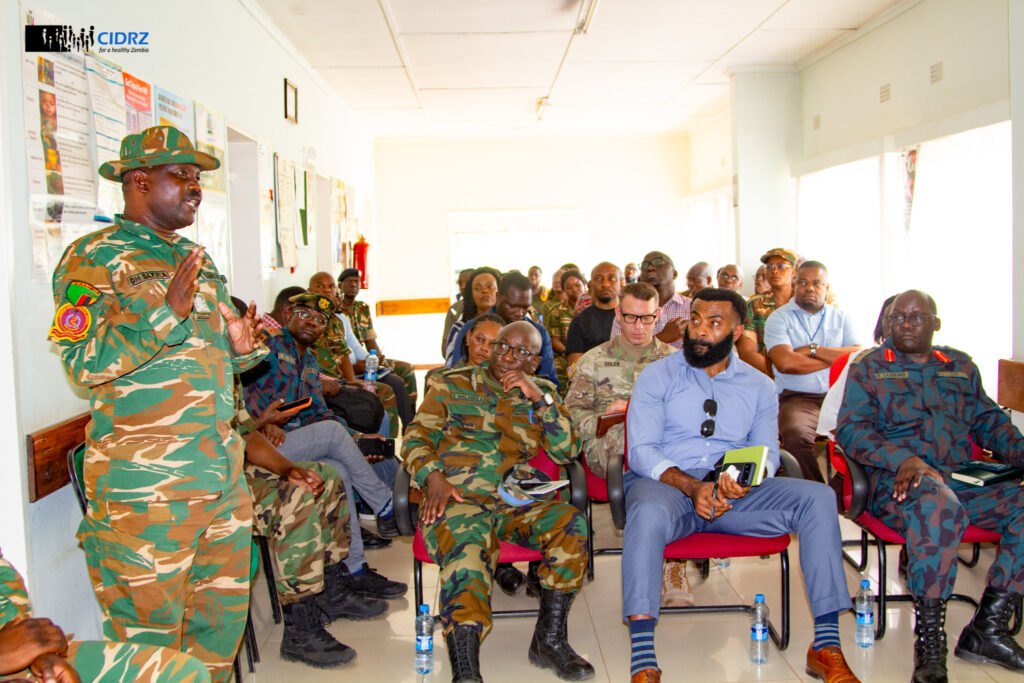
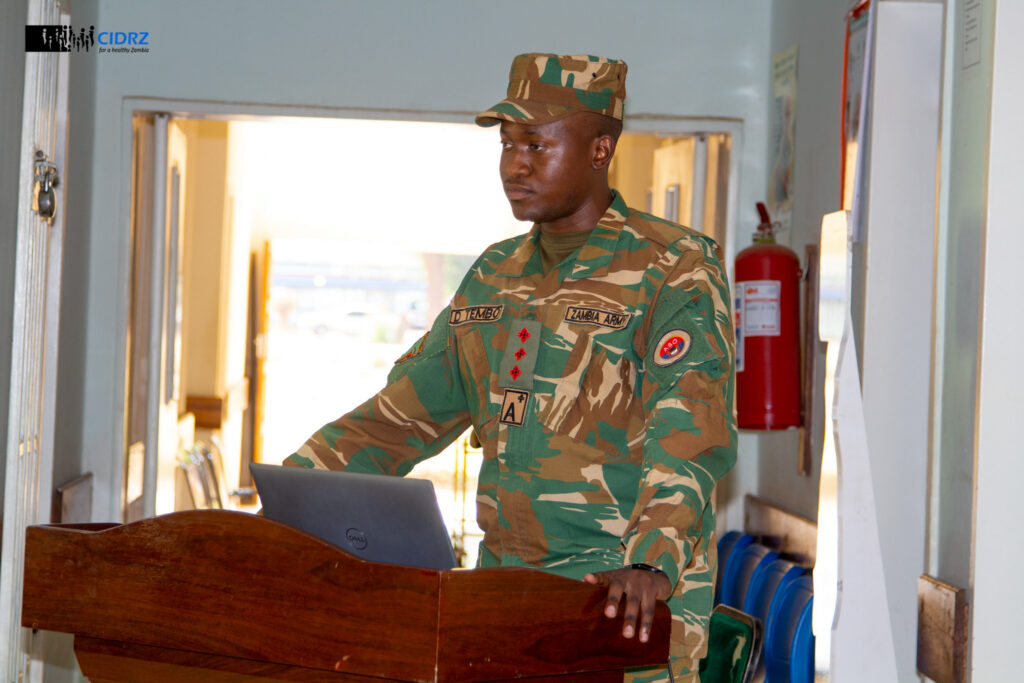
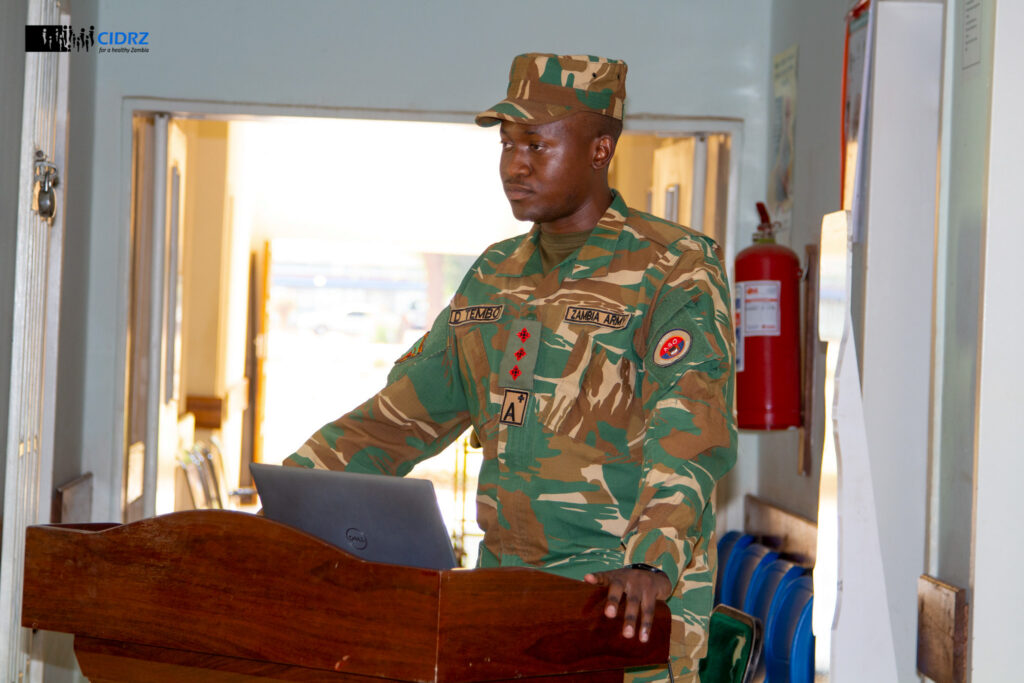
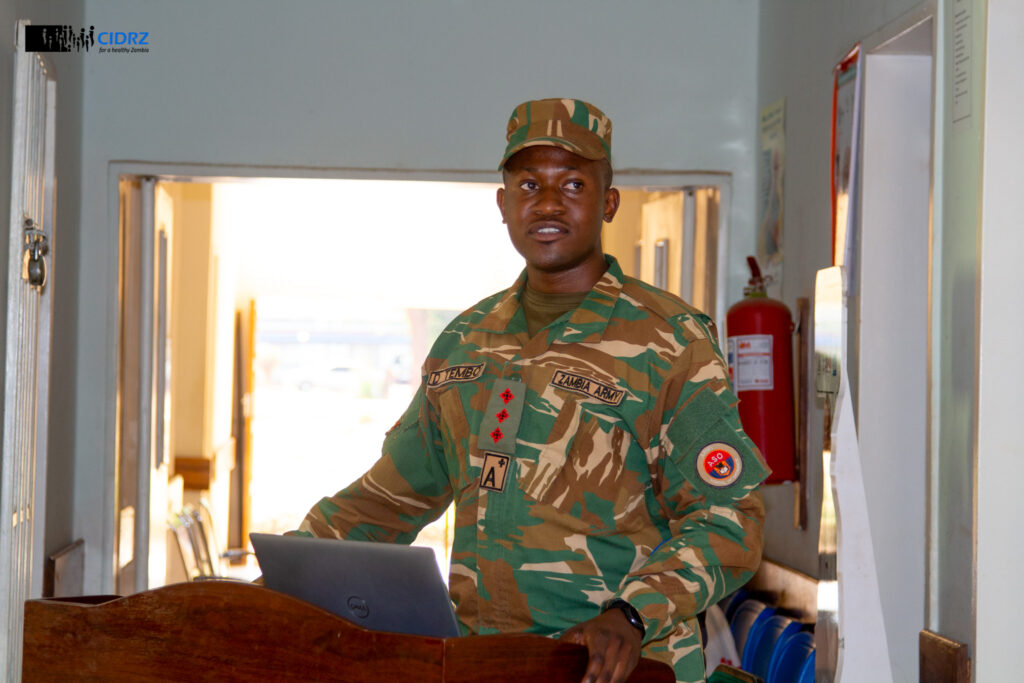
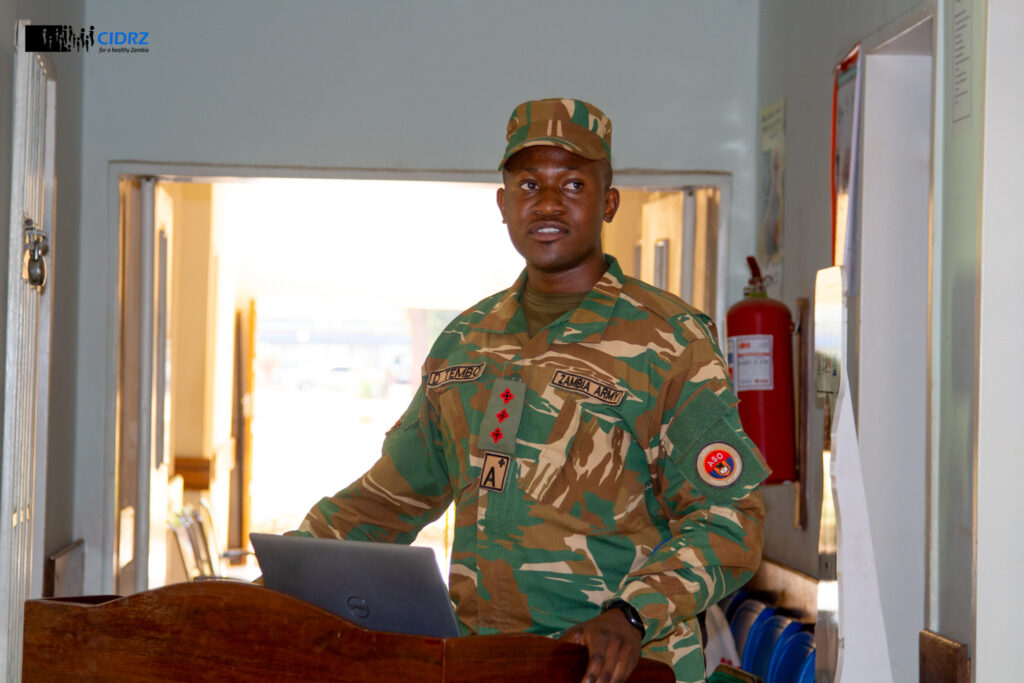
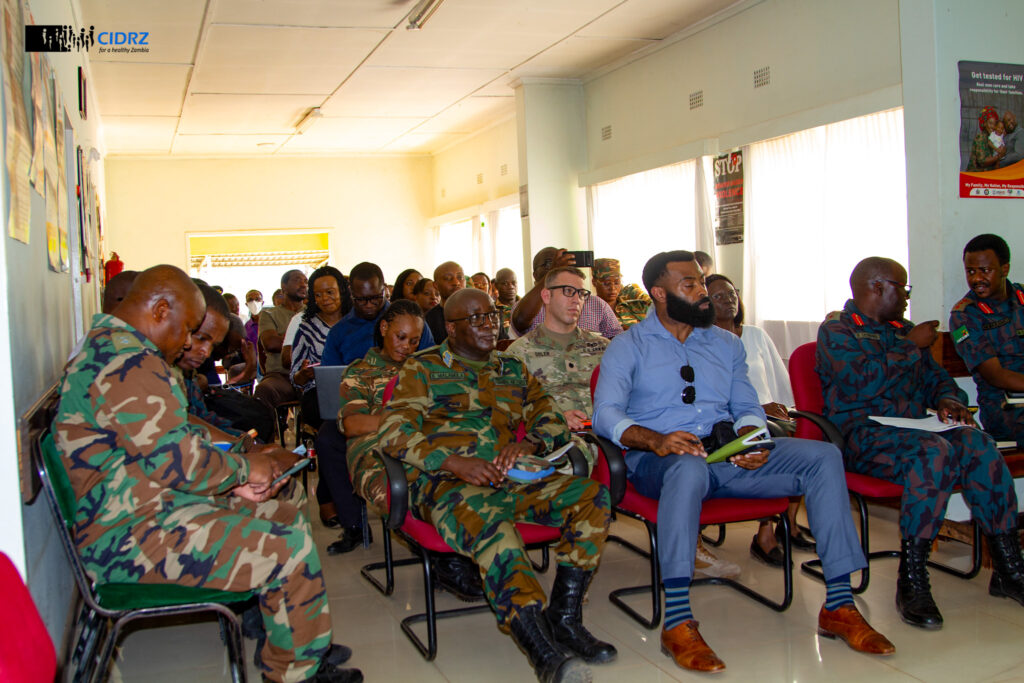
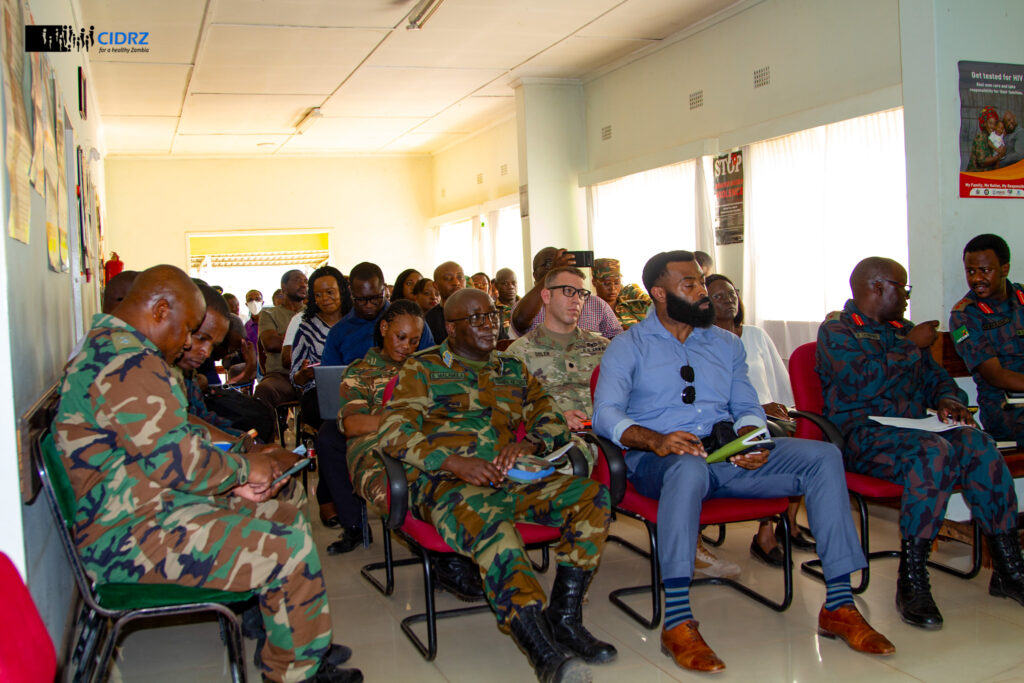
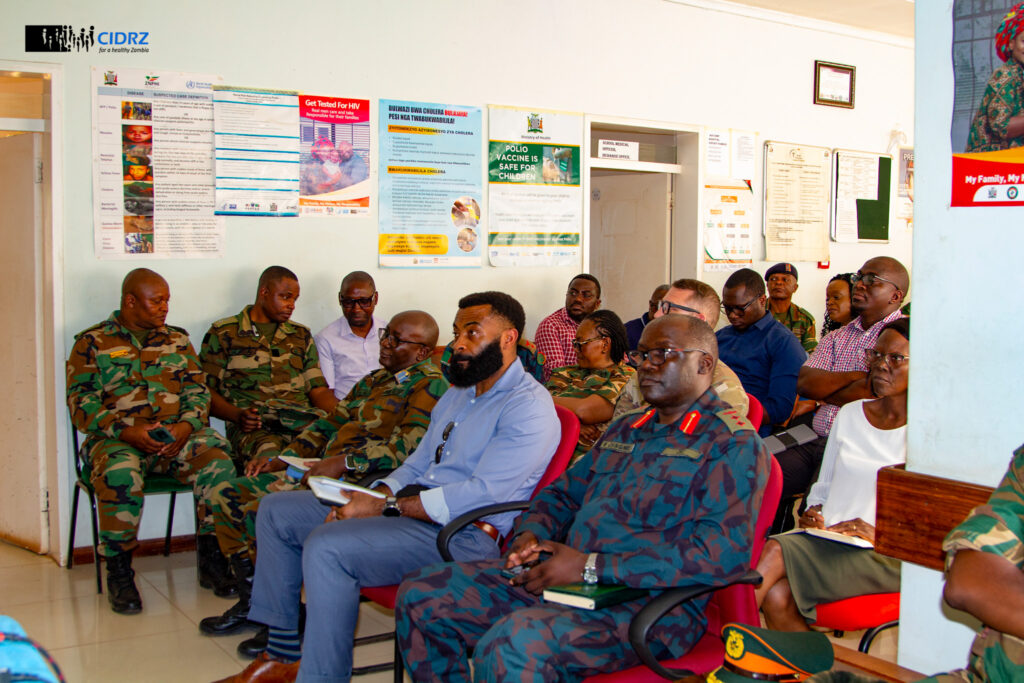
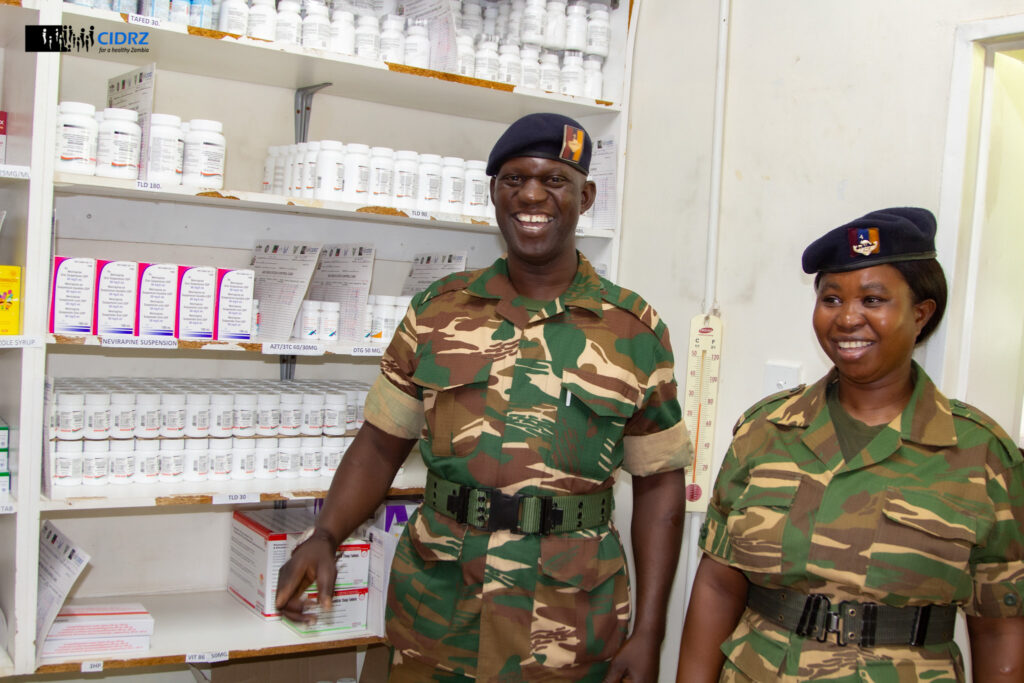
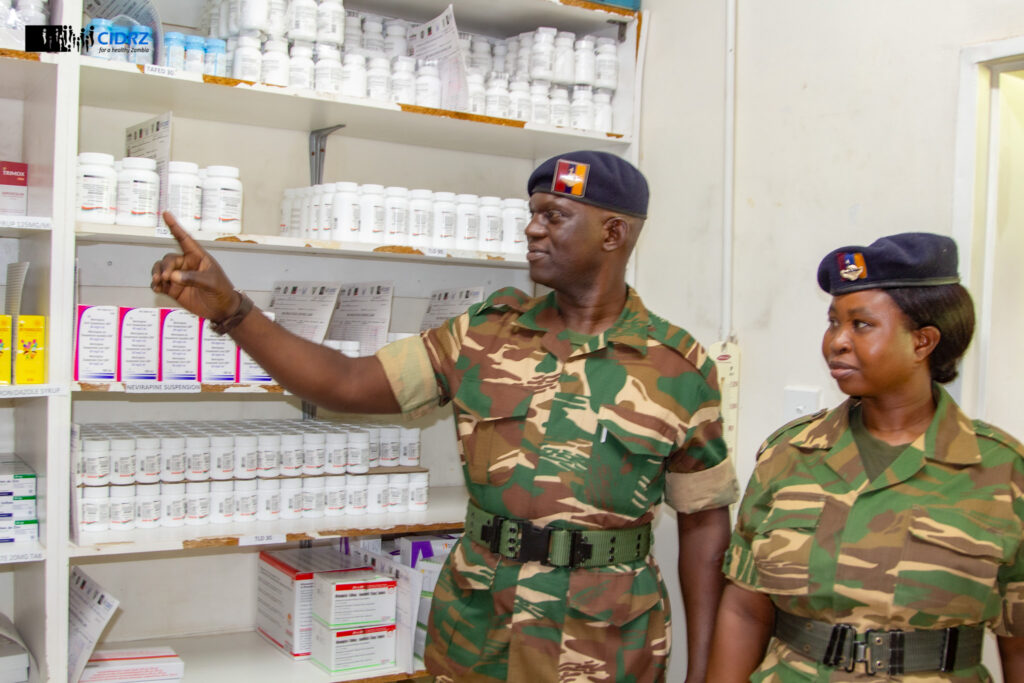
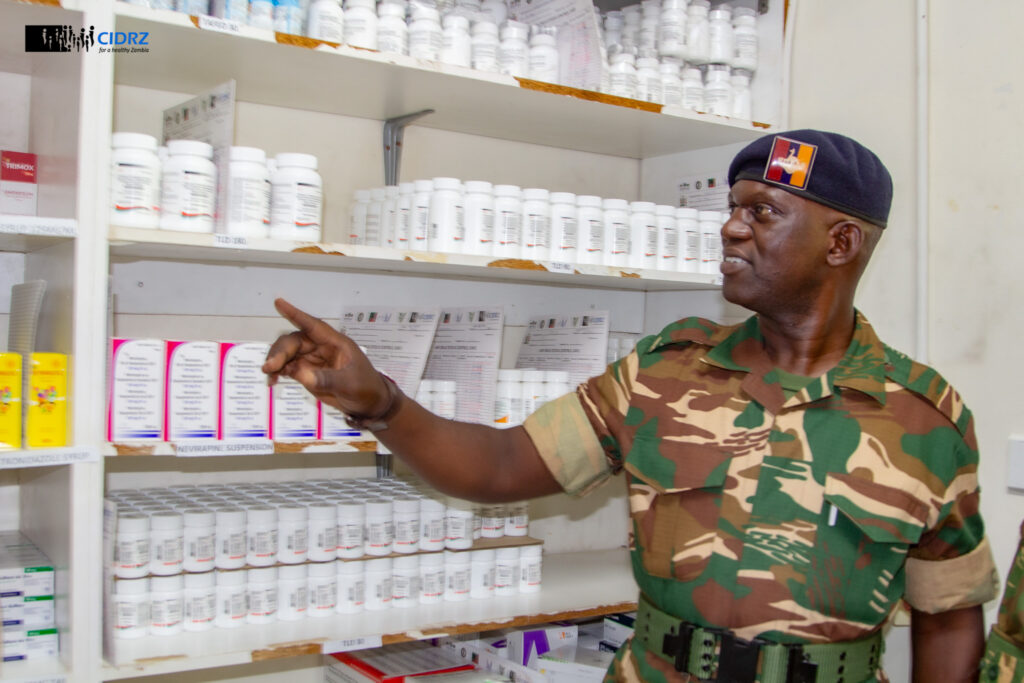
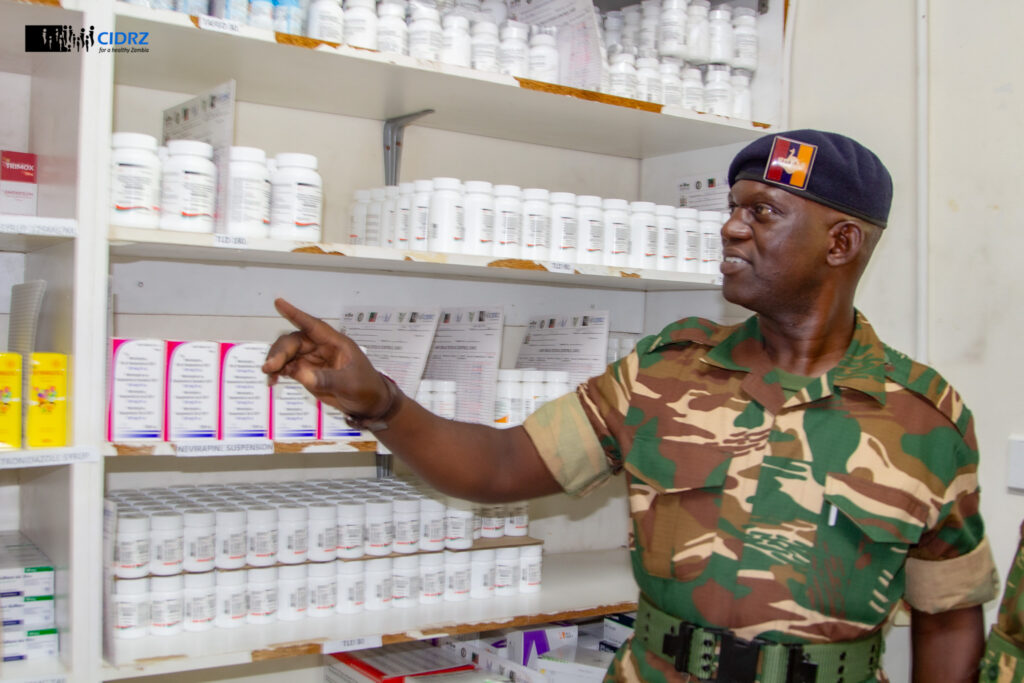
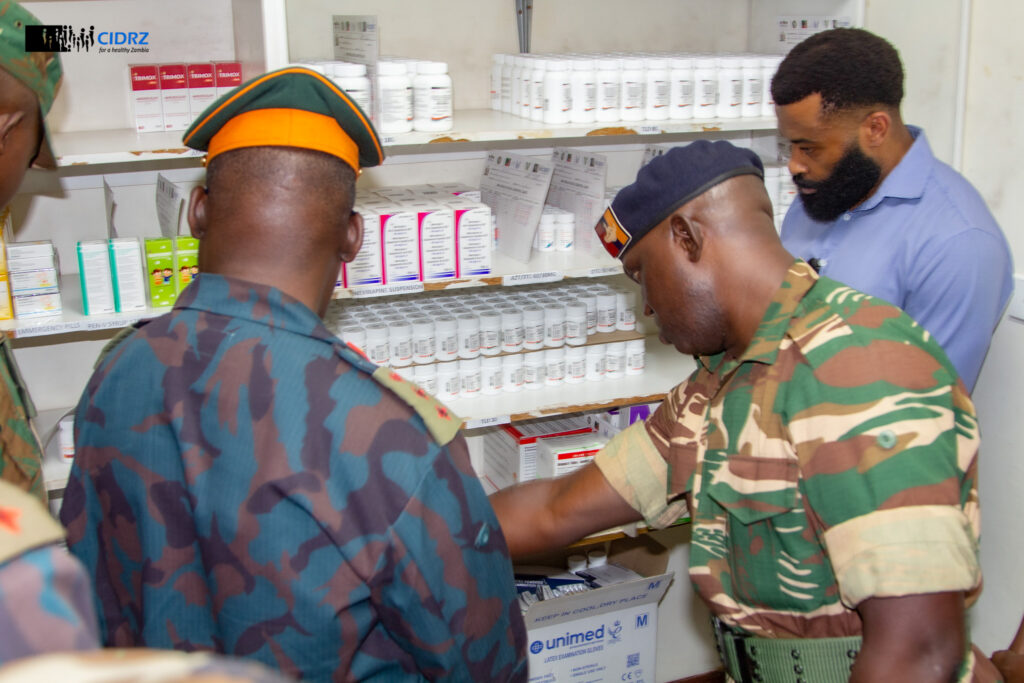
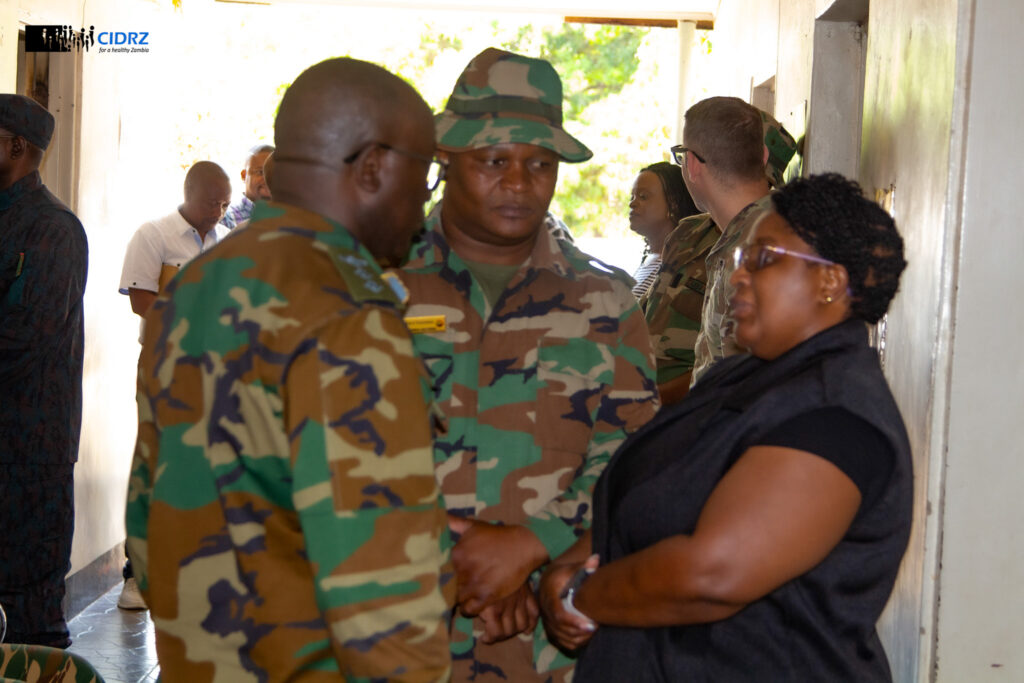
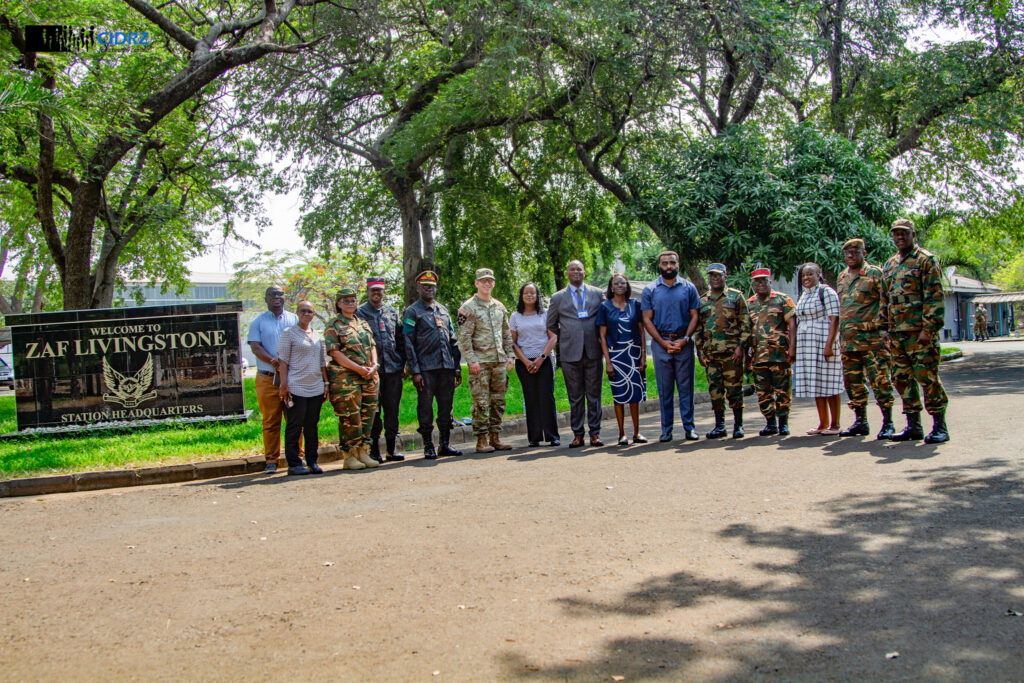
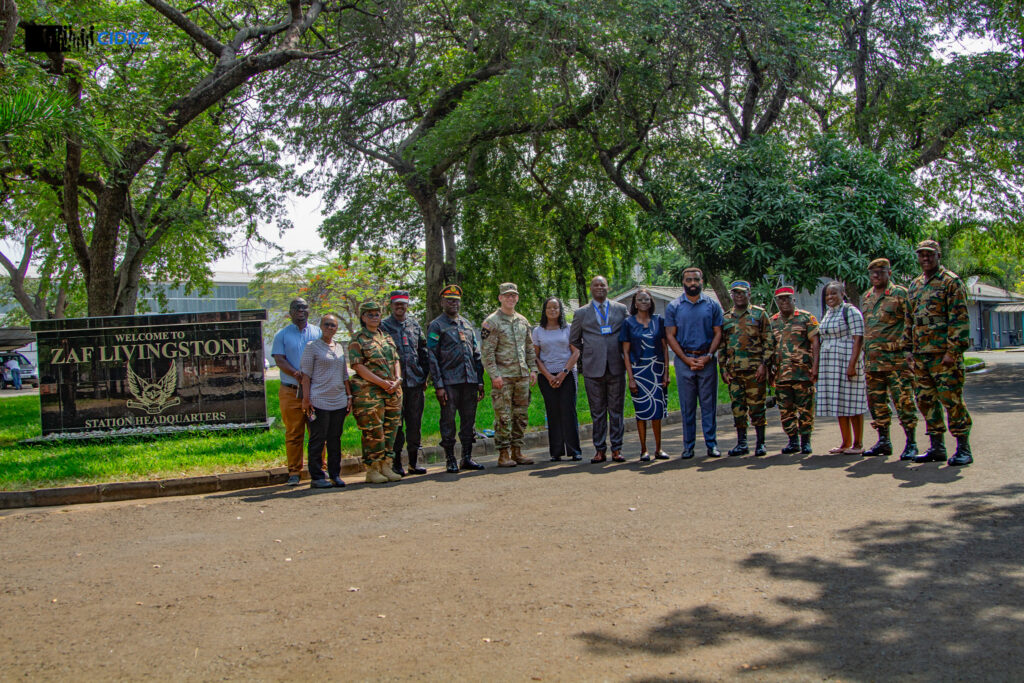
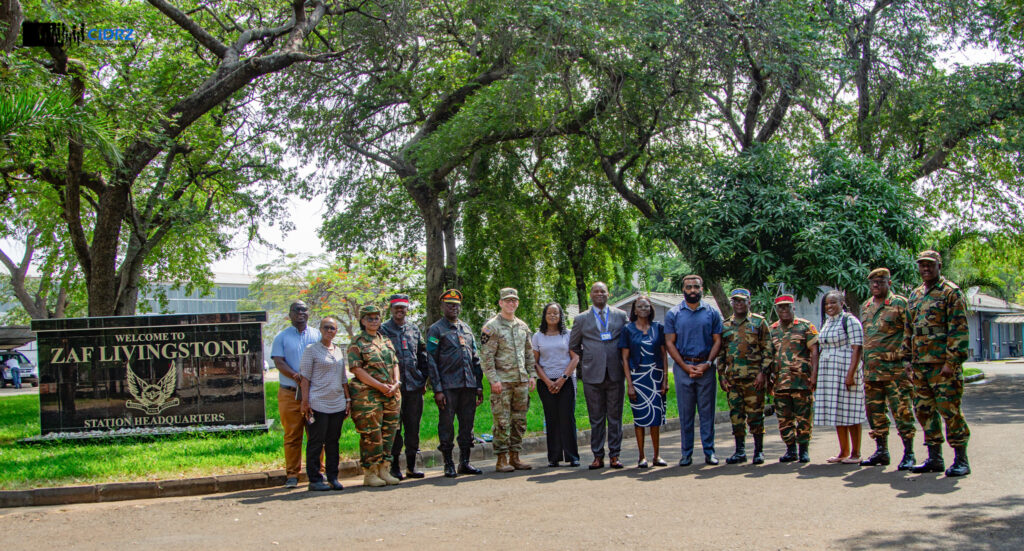
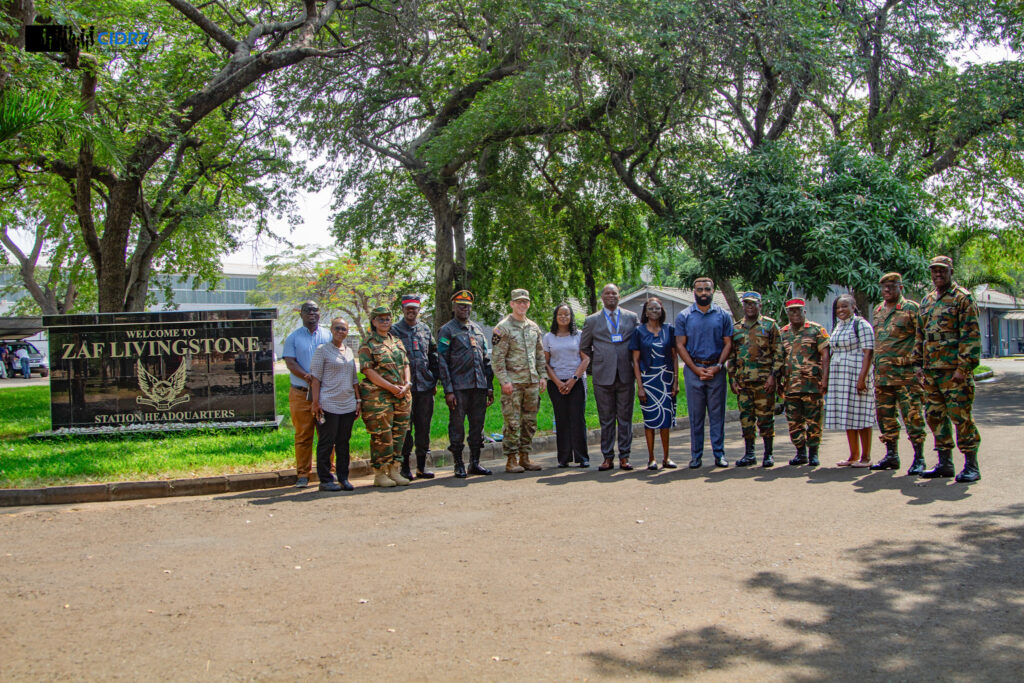
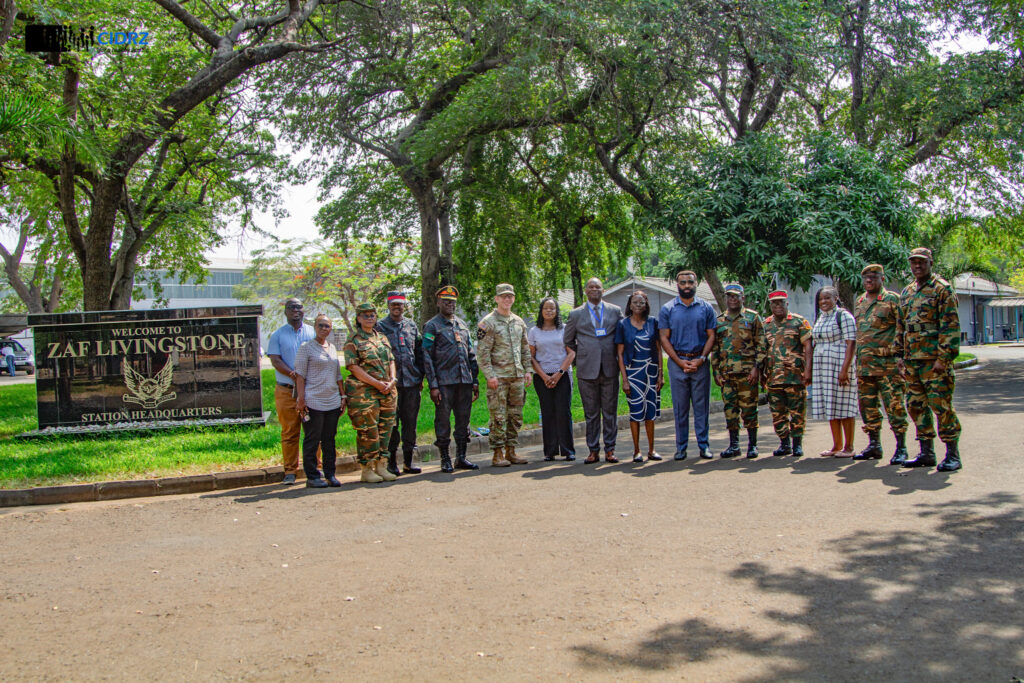
As part of these efforts, a joint high-level team from the Defence Force of Zambia (DFZ) and the Centre for Infectious Disease Research in Zambia (CIDRZ) recently conducted programme review visits to the Army School of Ordnance (ASO) and Livingstone Station Sick Quarters (SSQ) in Southern Province.
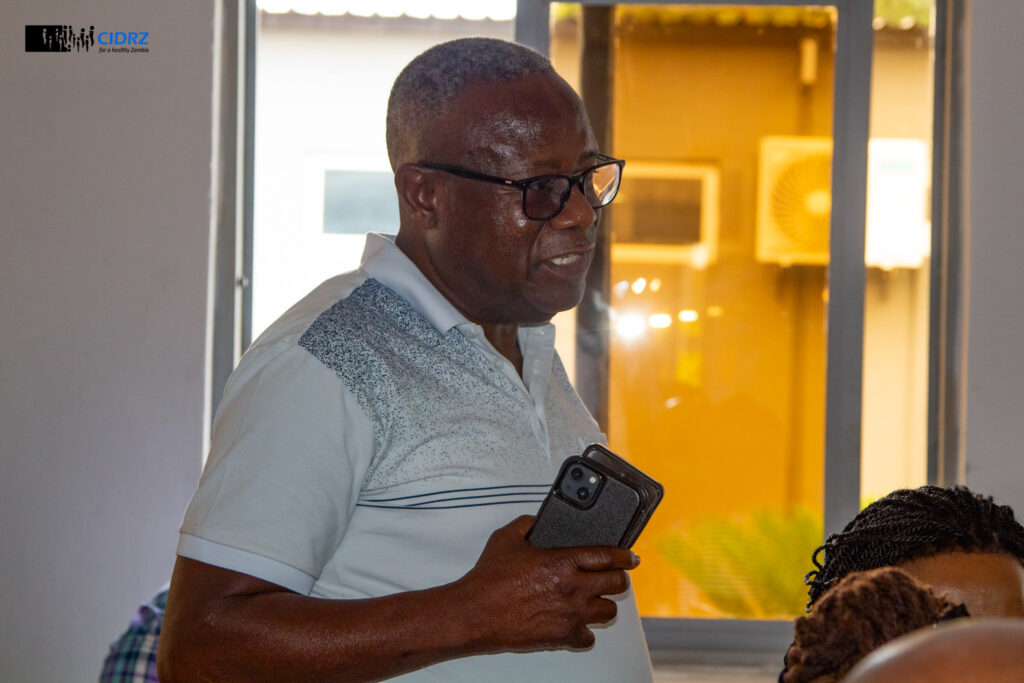
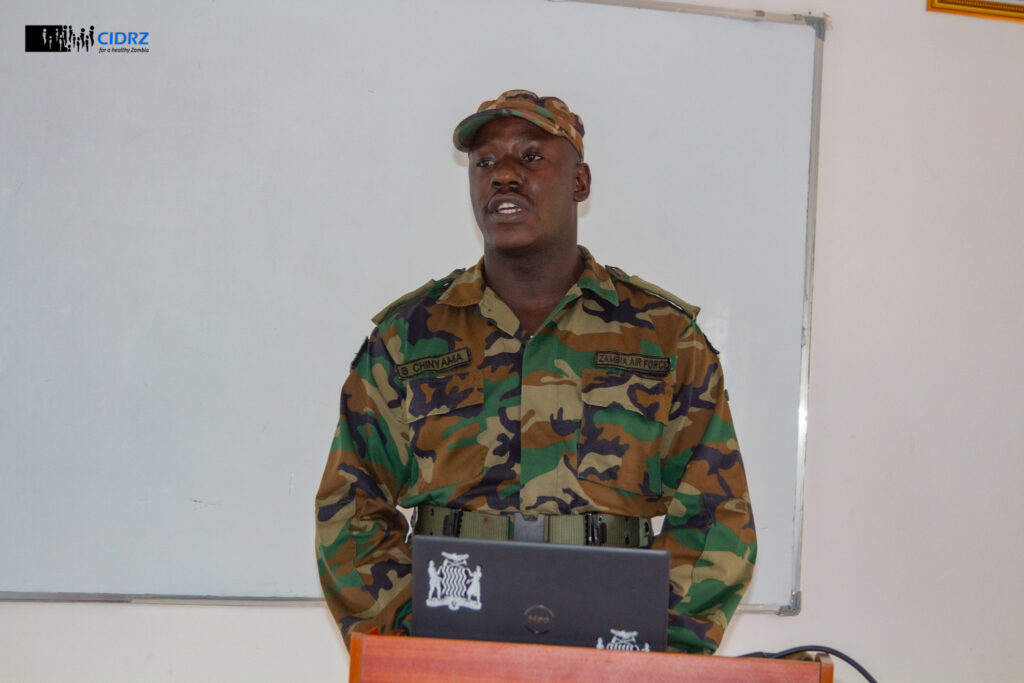
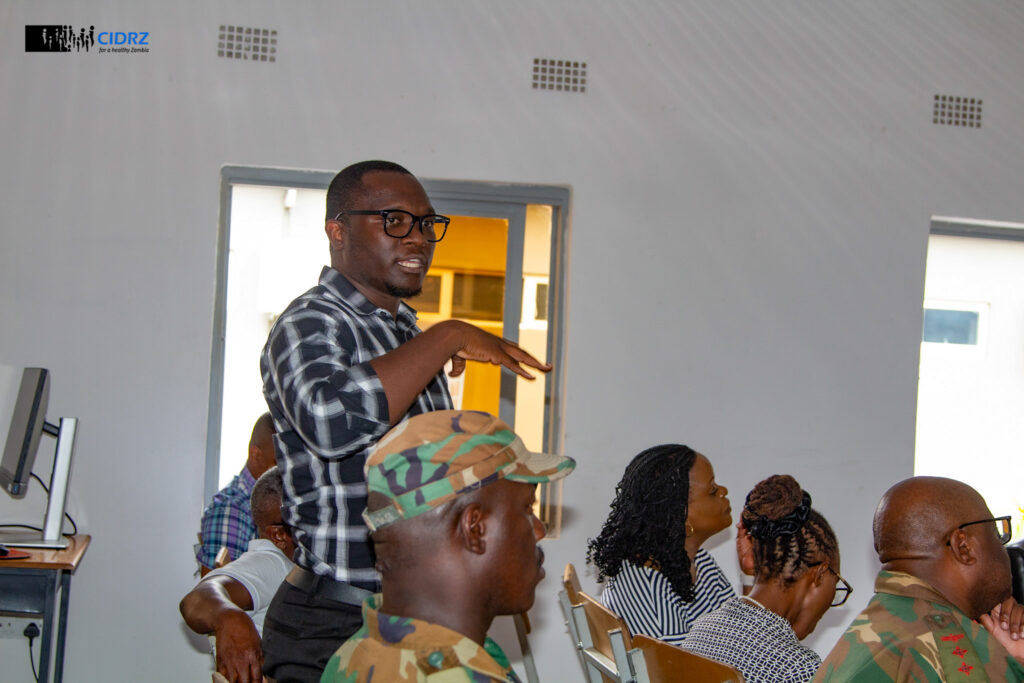
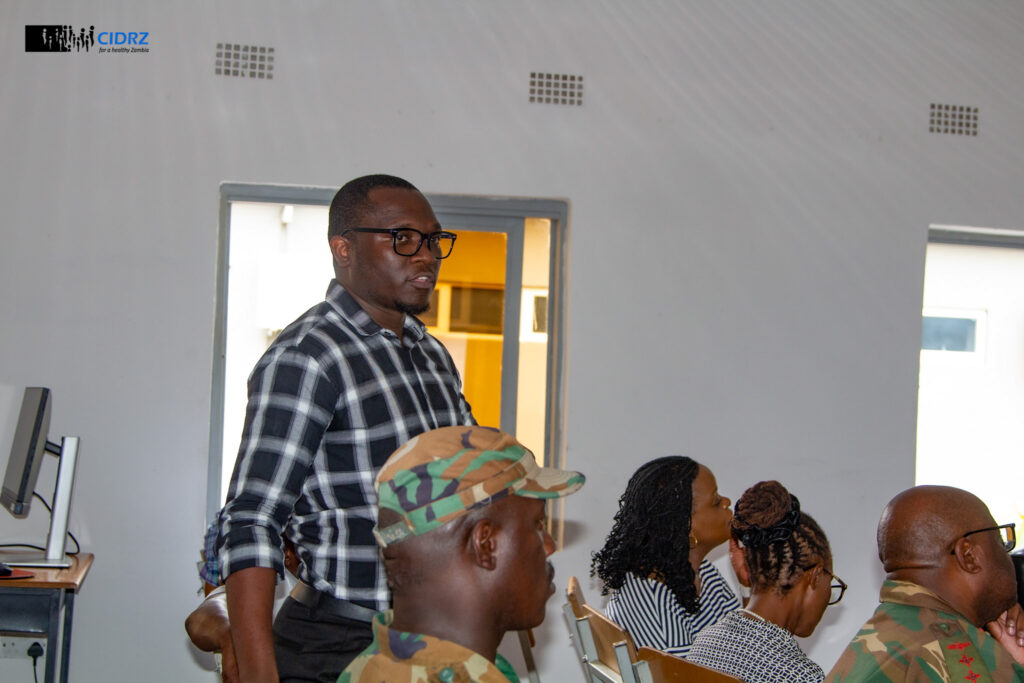
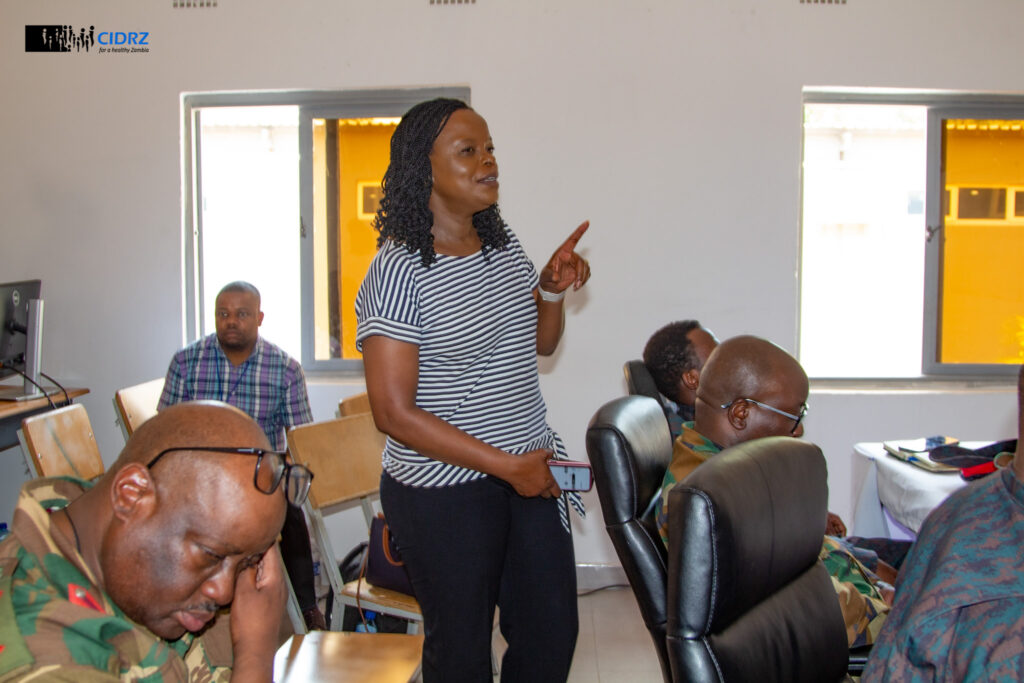
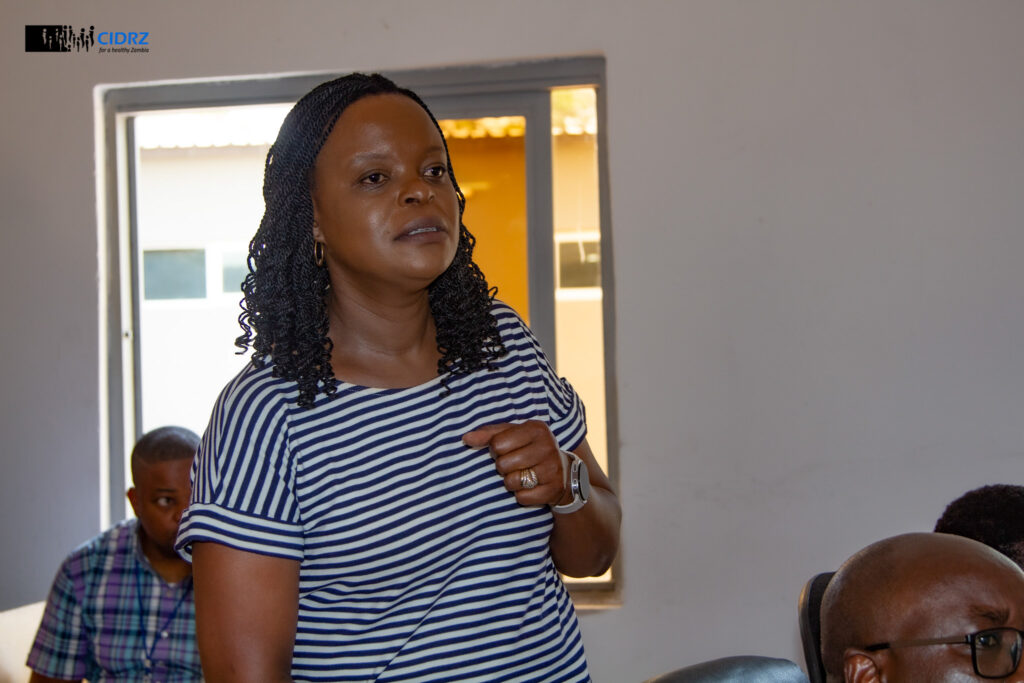
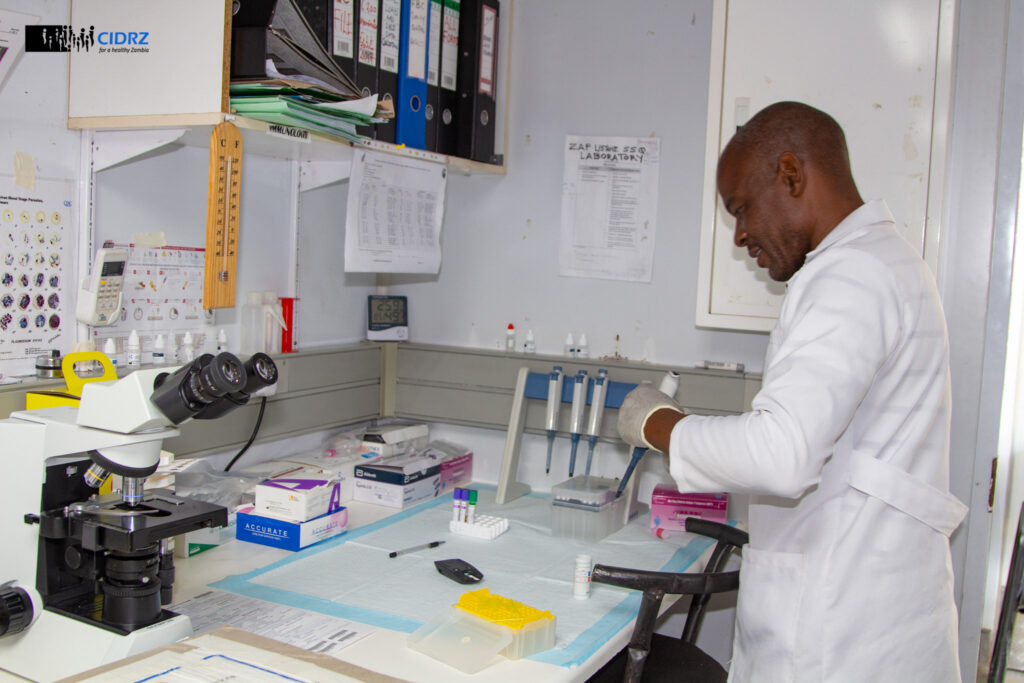
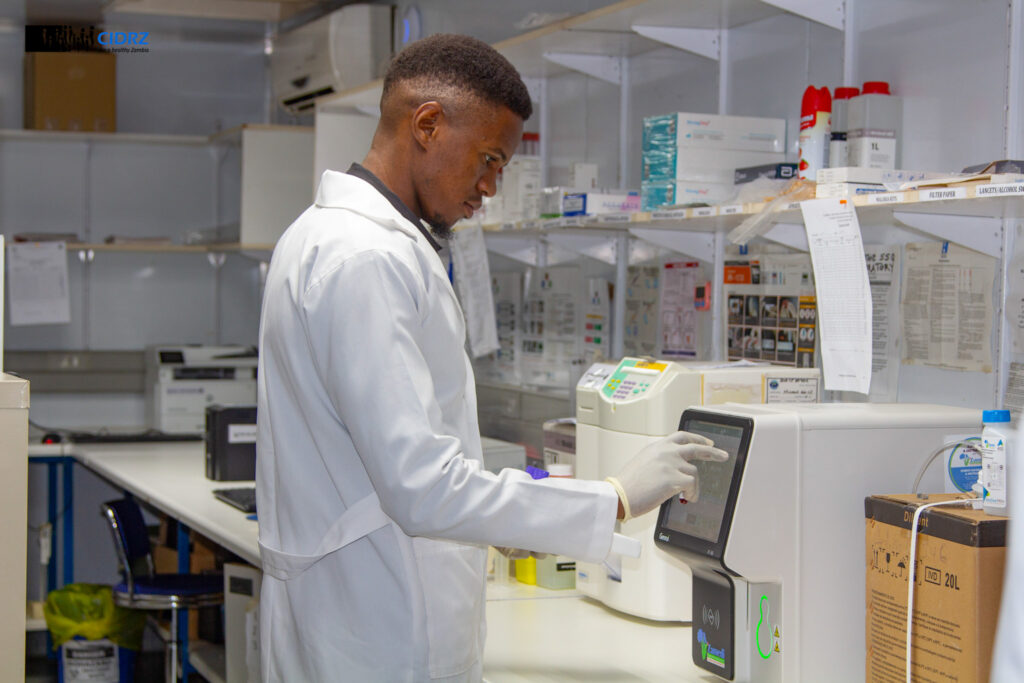
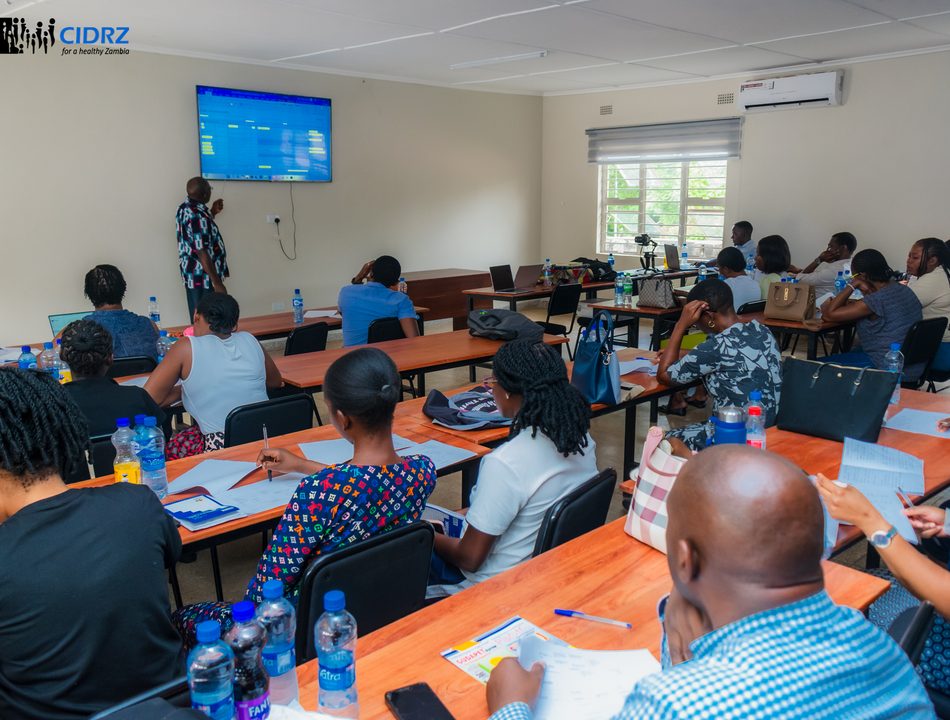
The team assessed HIV service delivery, reviewed digital health systems and discussed with healthcare workers both the progress made and the areas needing continued support. Discussions also covered data quality, laboratory processes and the use of technology to improve health services.
Engaging healthcare workers
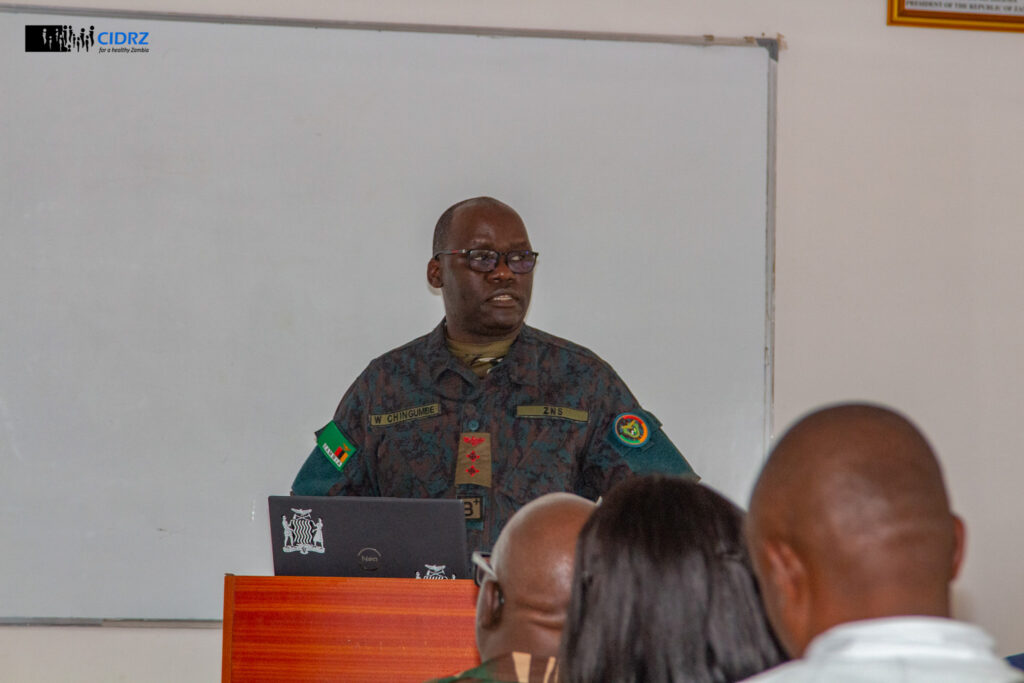
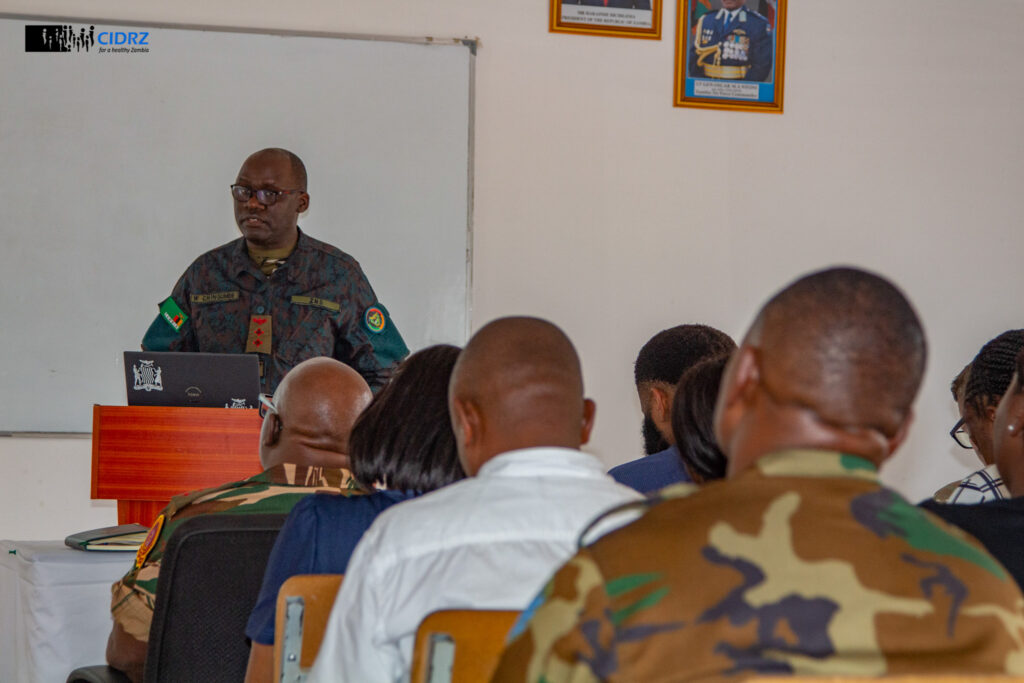
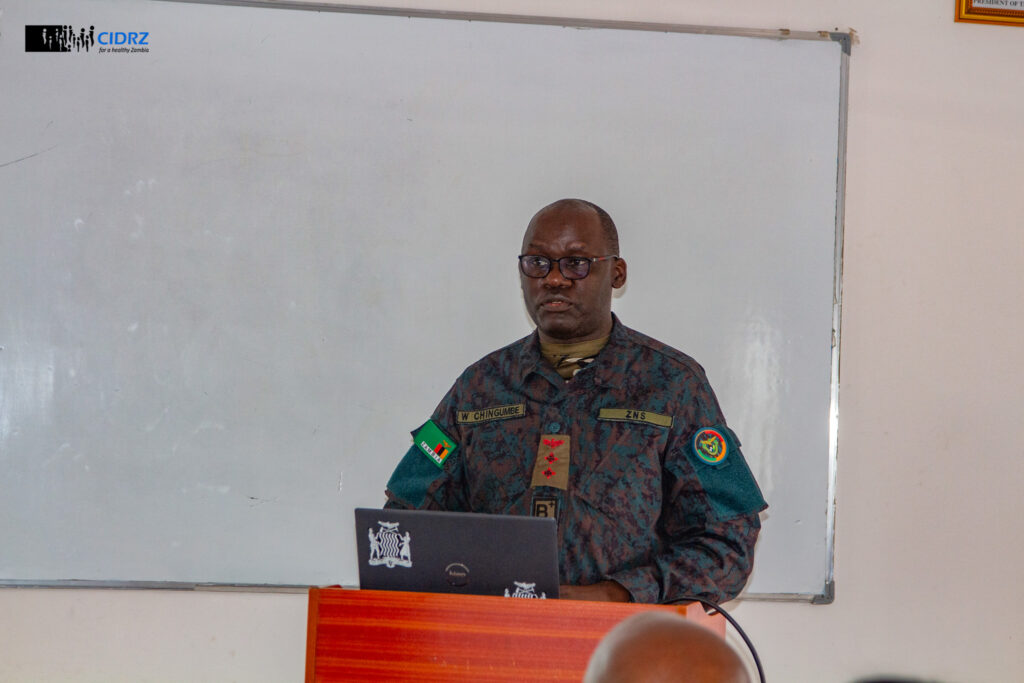
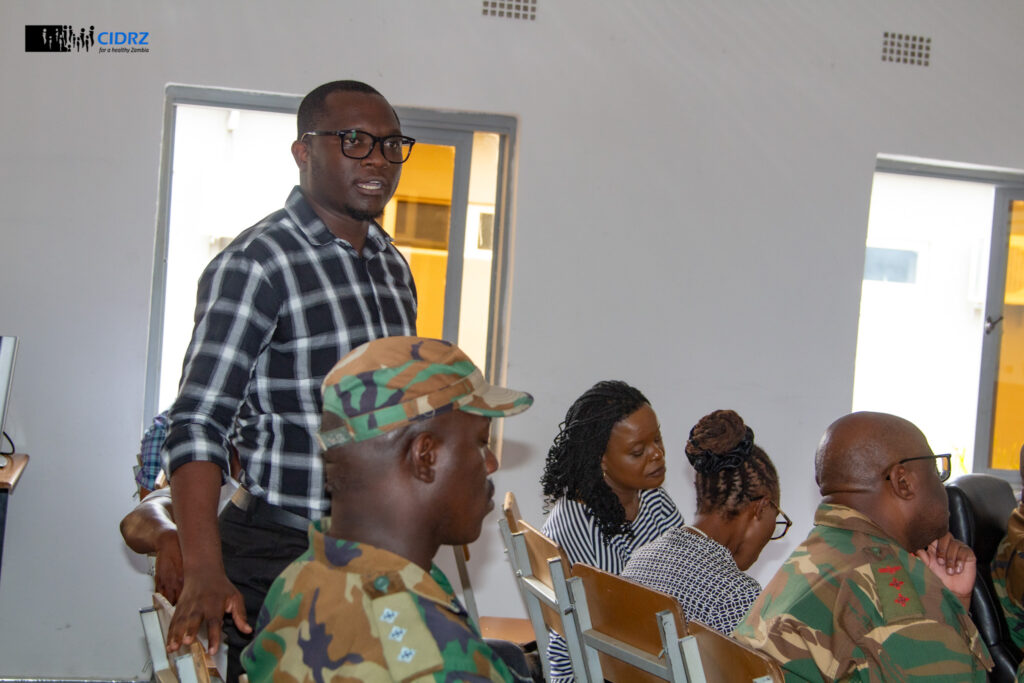
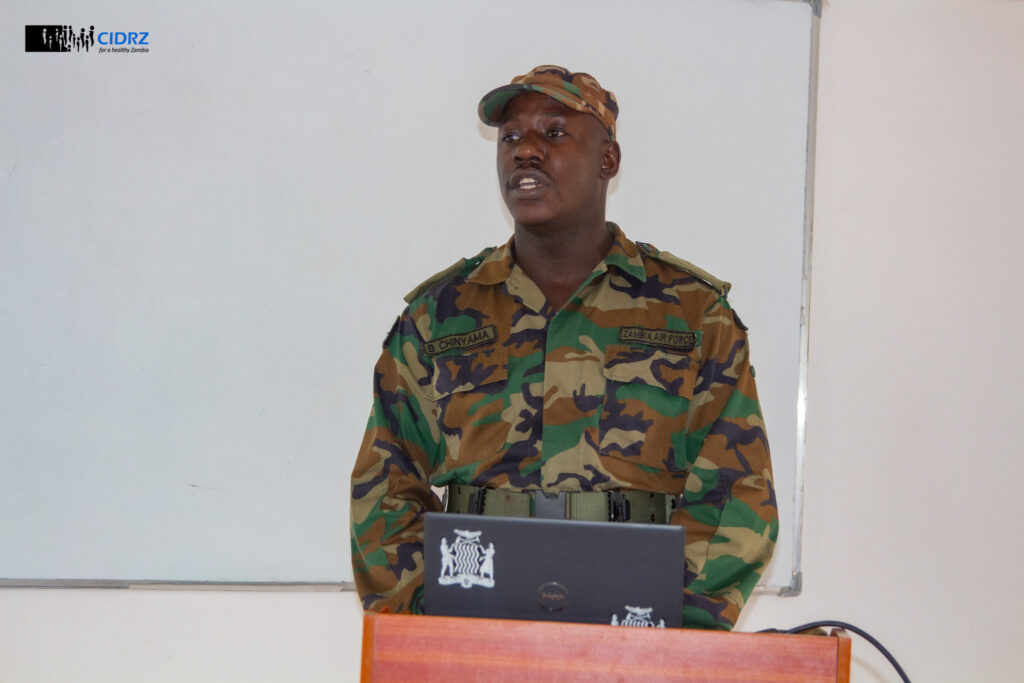
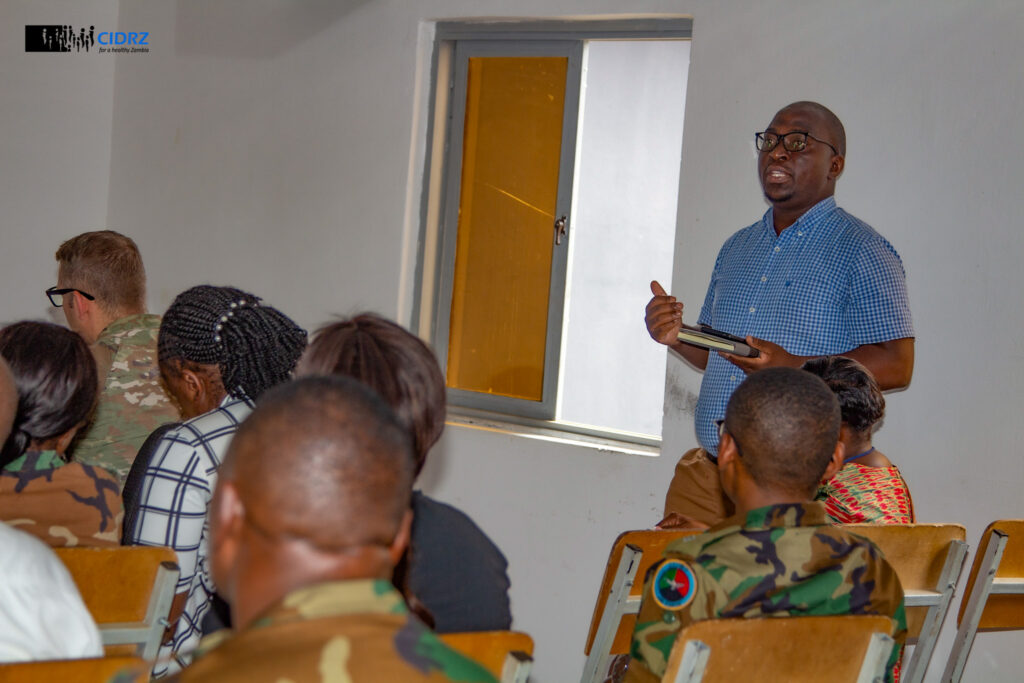
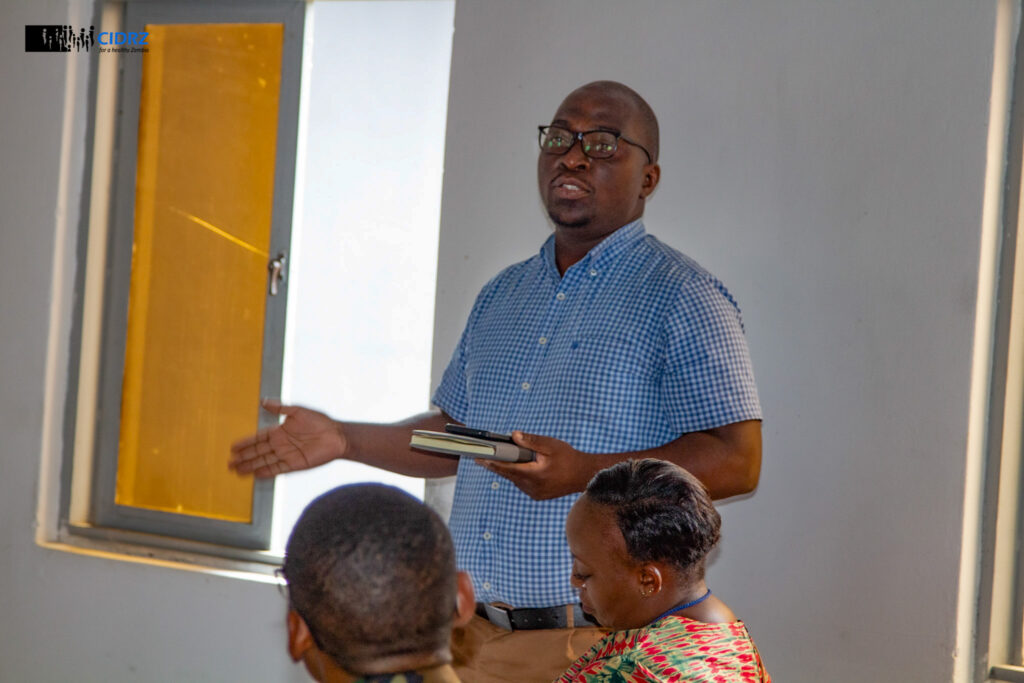
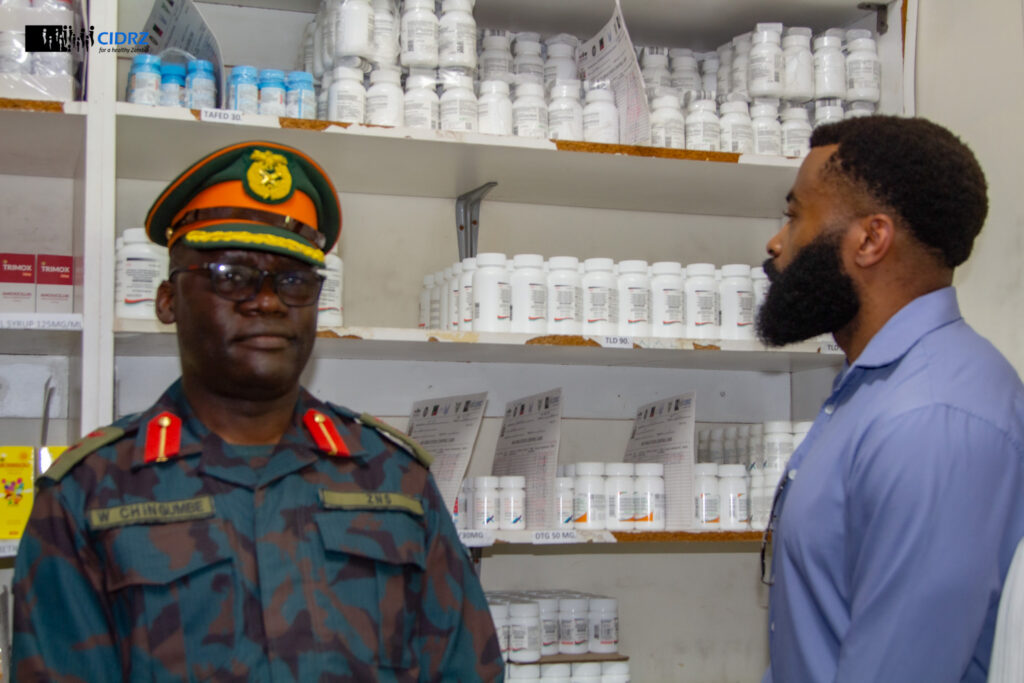
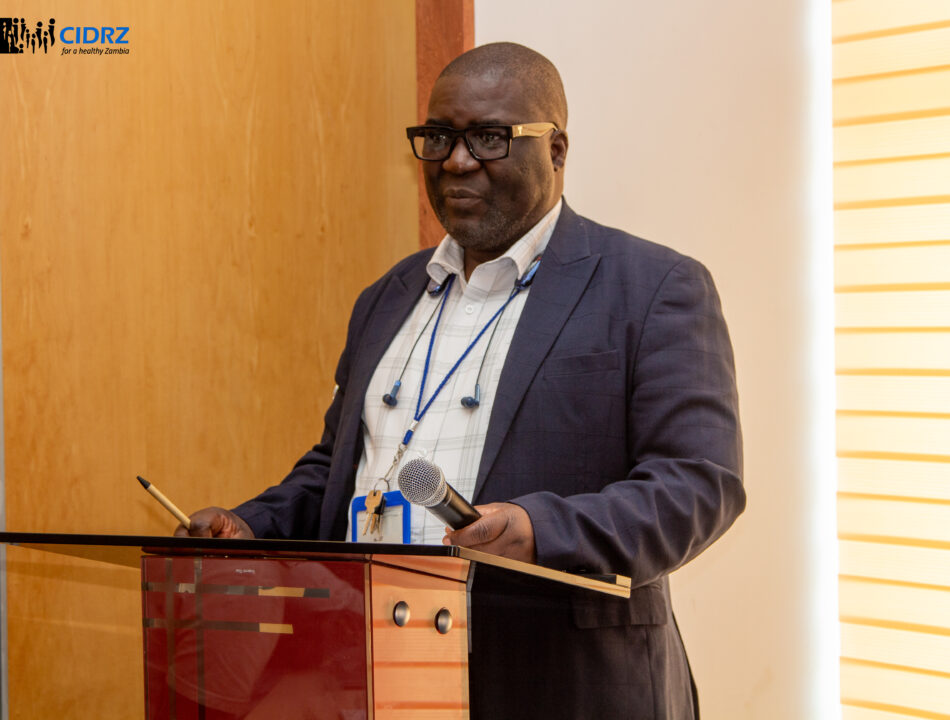
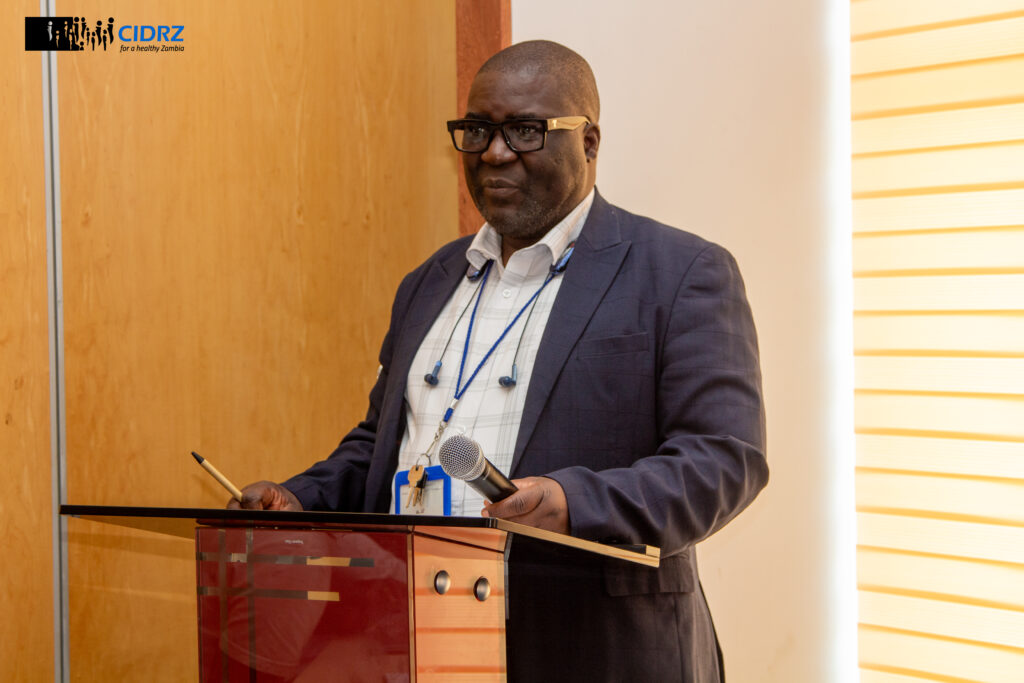
Leading the delegation, Defence Force Medical Services Director General Dr Wamunyima Chingumbe emphasised the importance of engaging directly with healthcare workers to understand how the programme is implemented and to appreciate the work being done at facility level.
He commended health workers for their dedication to providing quality services to men and women in uniform and to surrounding communities. He also stressed the need for continued collaboration to strengthen healthcare delivery.
Partnership and programme oversight
The visits also allowed partners to assess progress and discuss how to strengthen support for the programme.
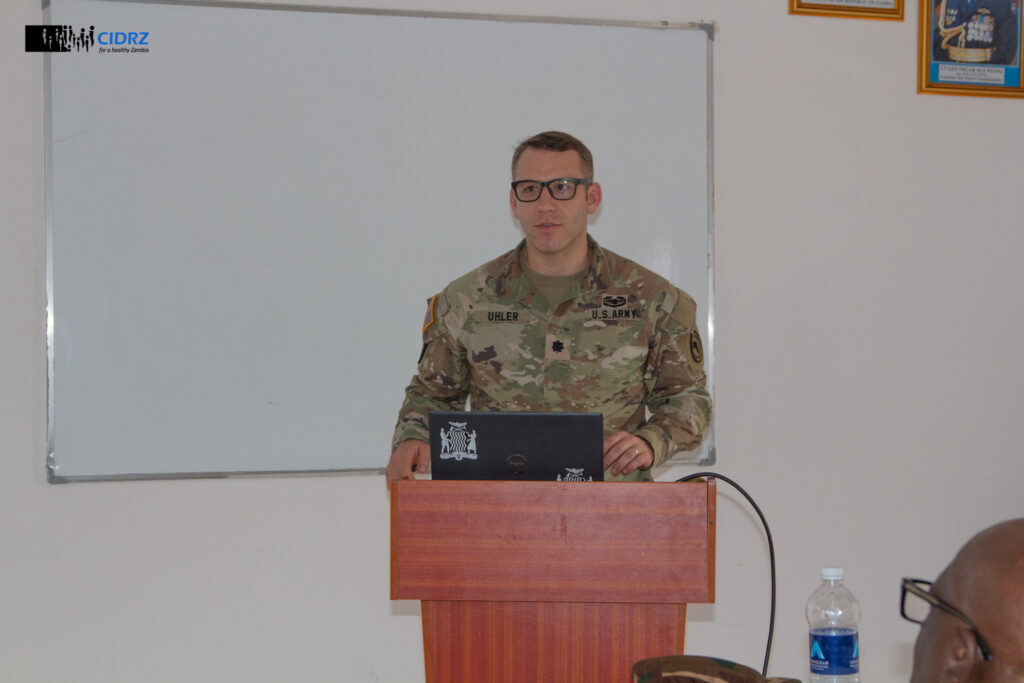
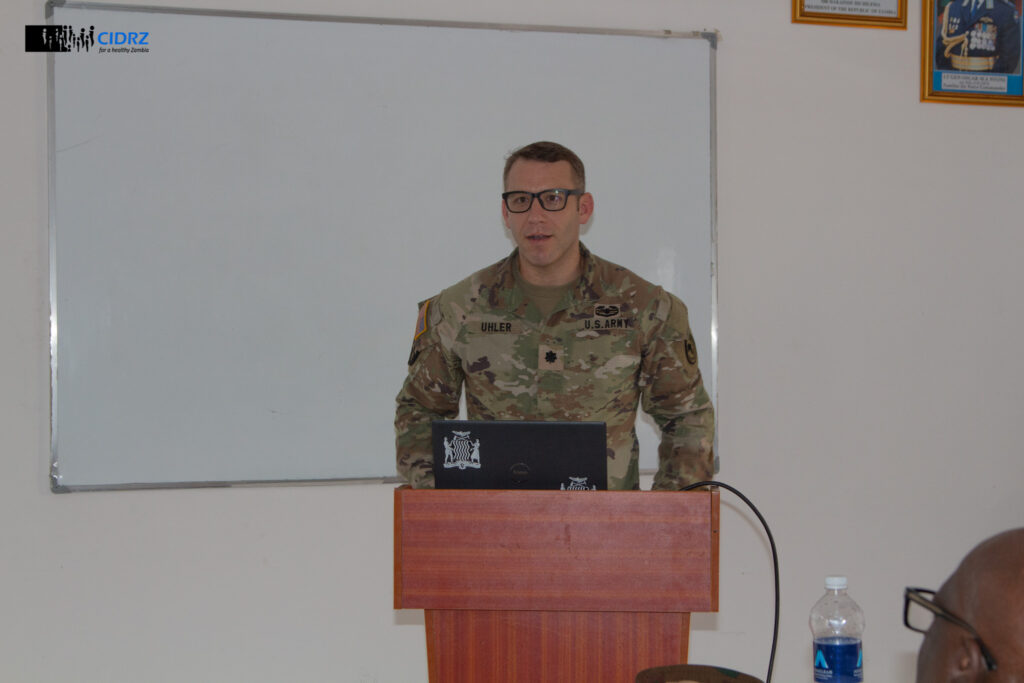
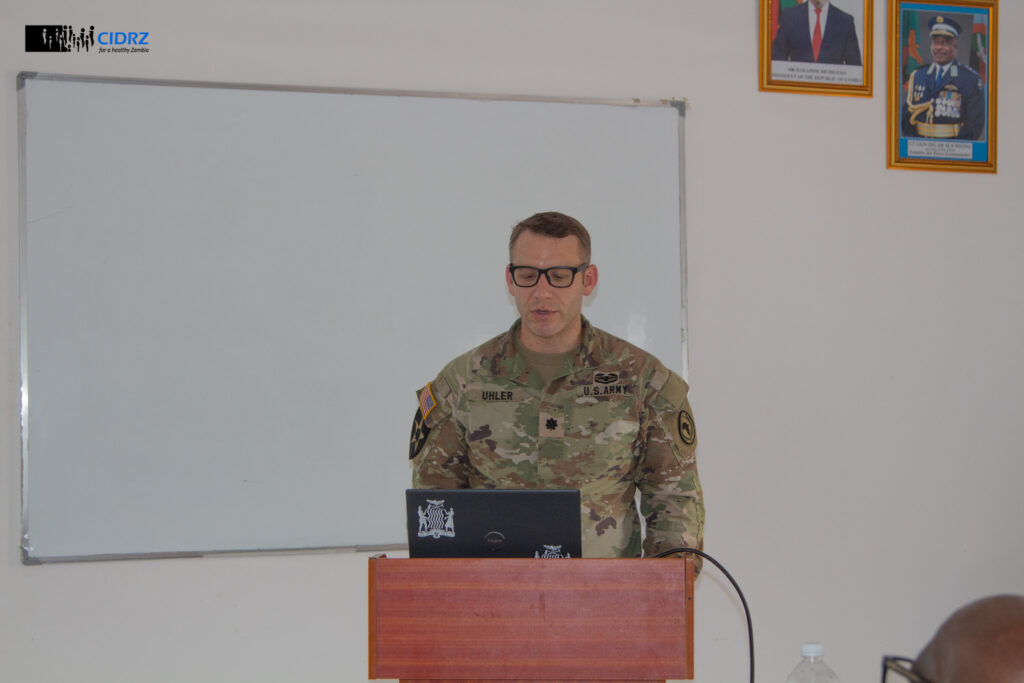
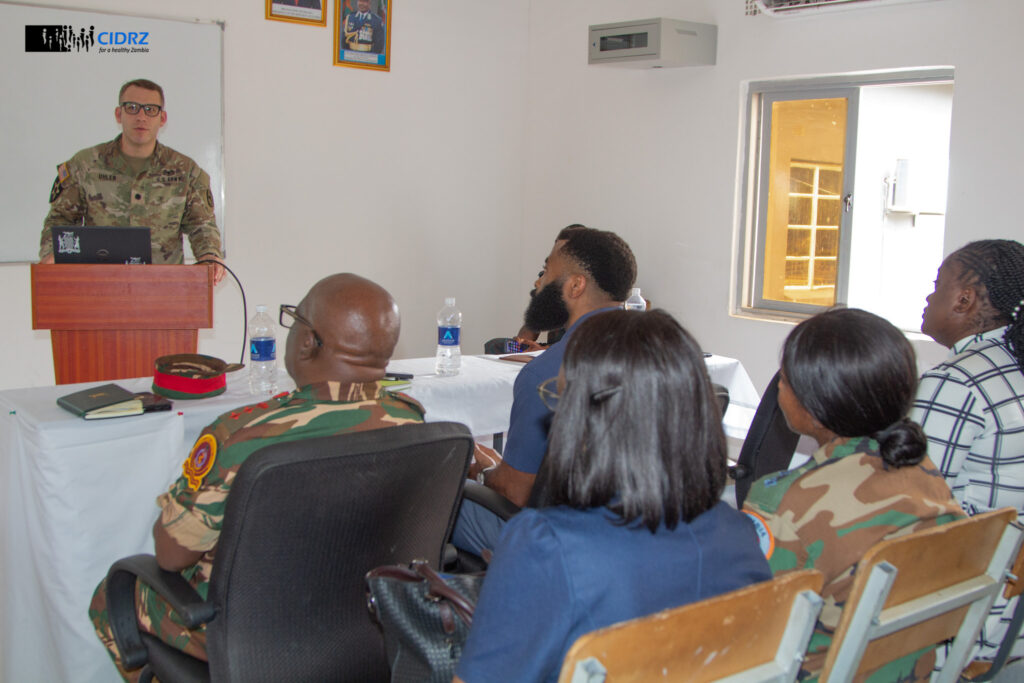
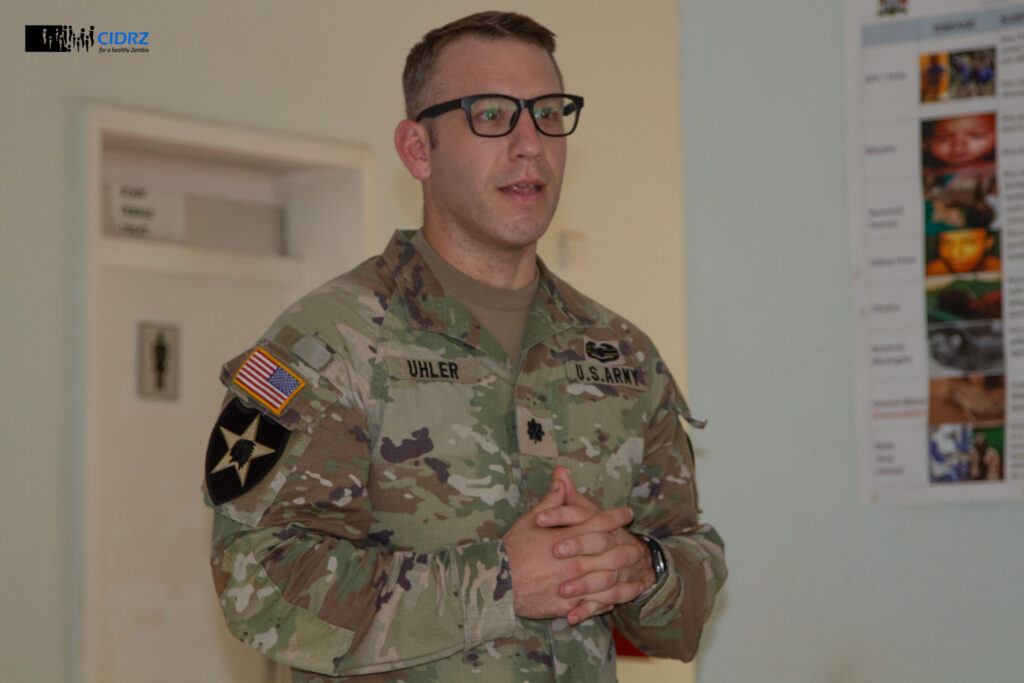
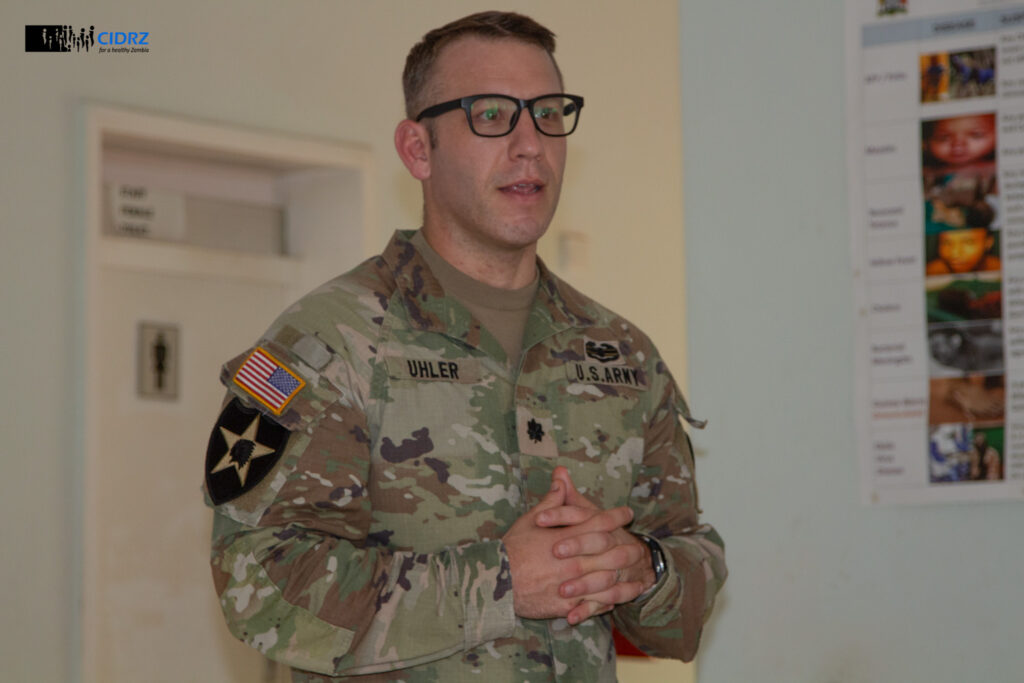
Lt Col Gene Uhler, representing the Office of the Chief of the United States Military Group at the US Embassy in Zambia, said the partnership remained important in identifying practical solutions to improve service delivery. He expressed satisfaction with the continued collaboration and joint efforts to strengthen the programme.
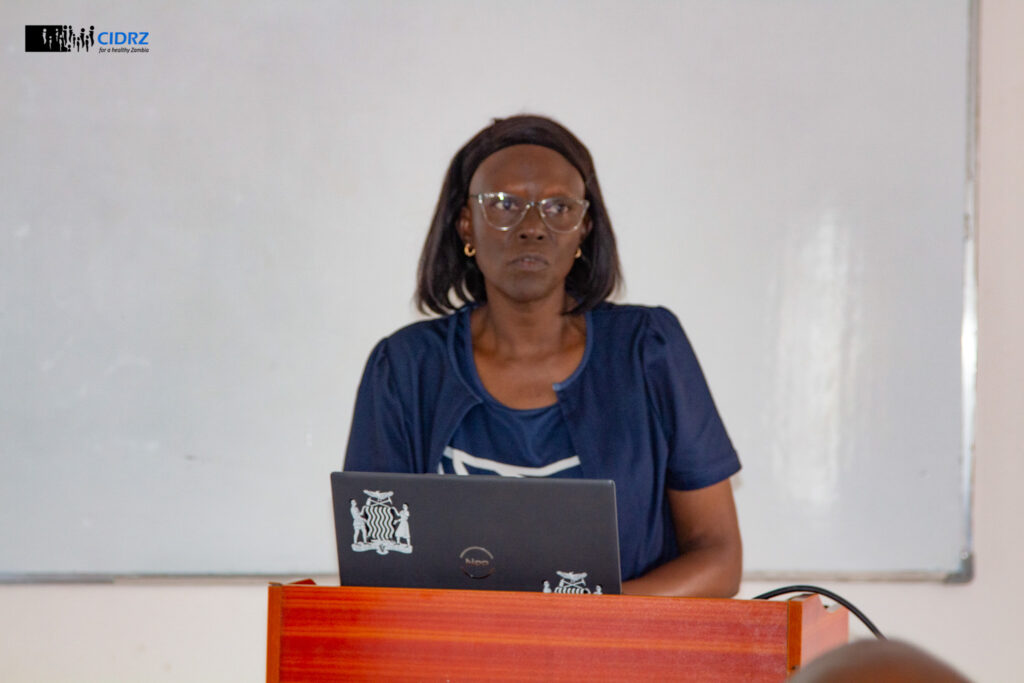
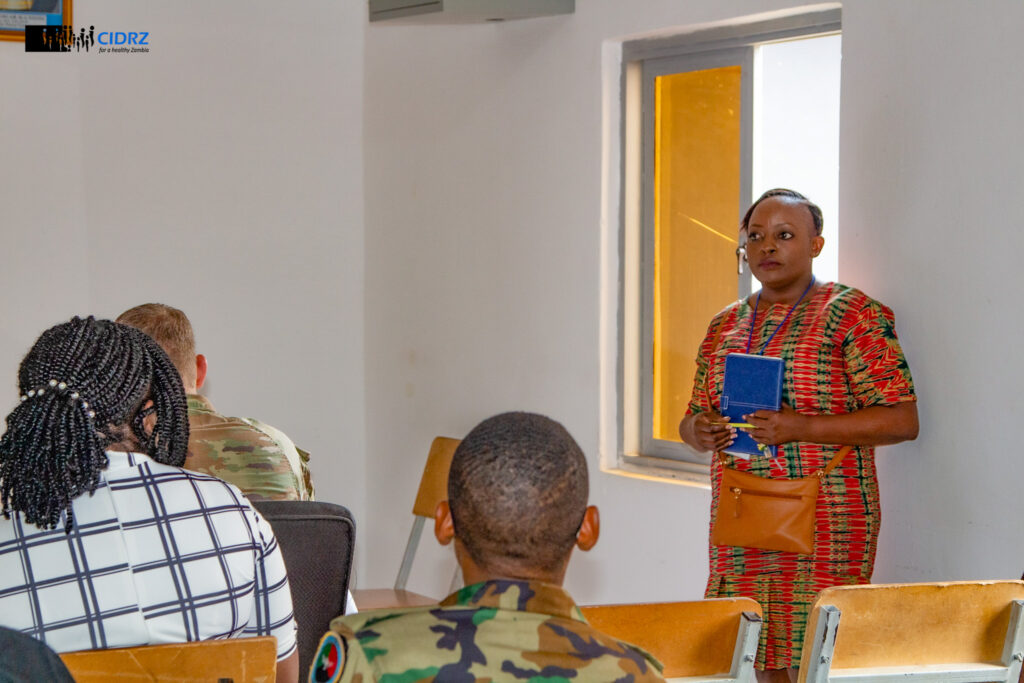
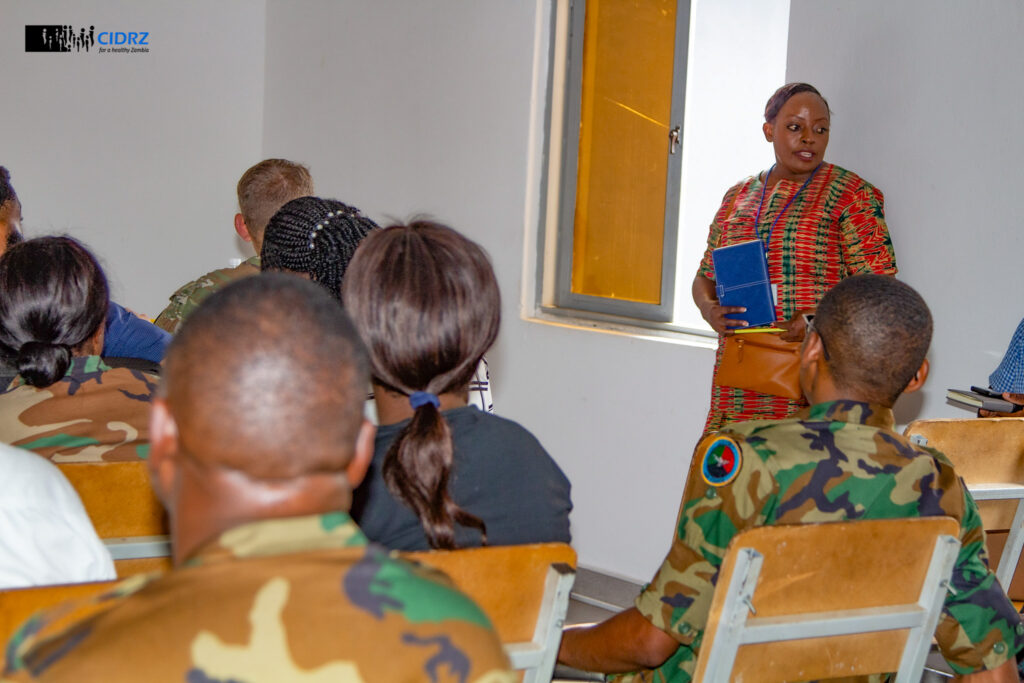
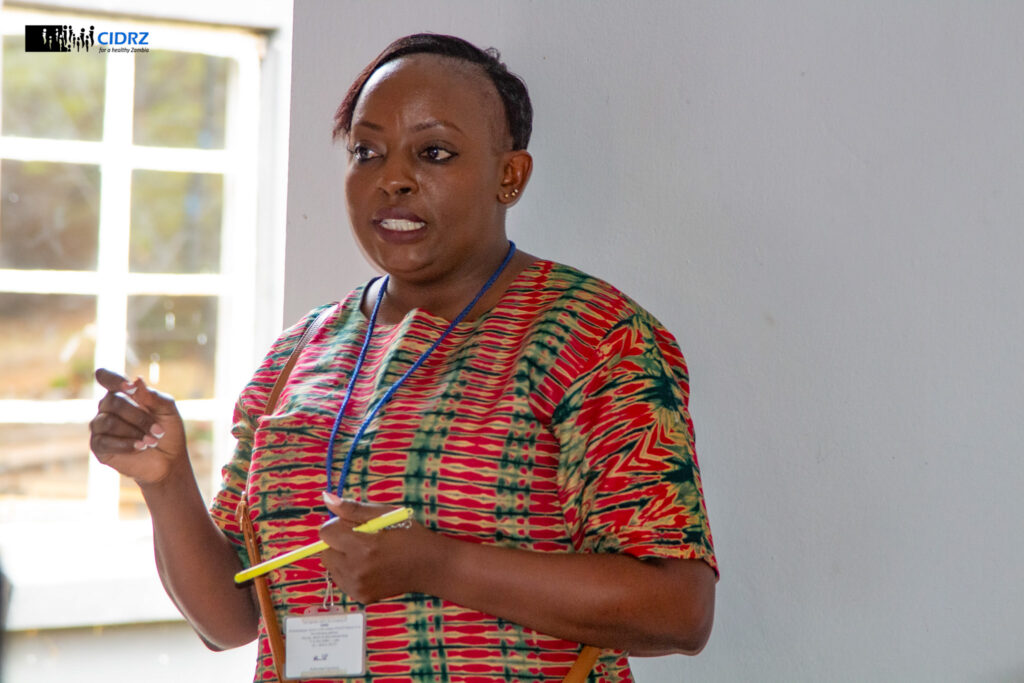
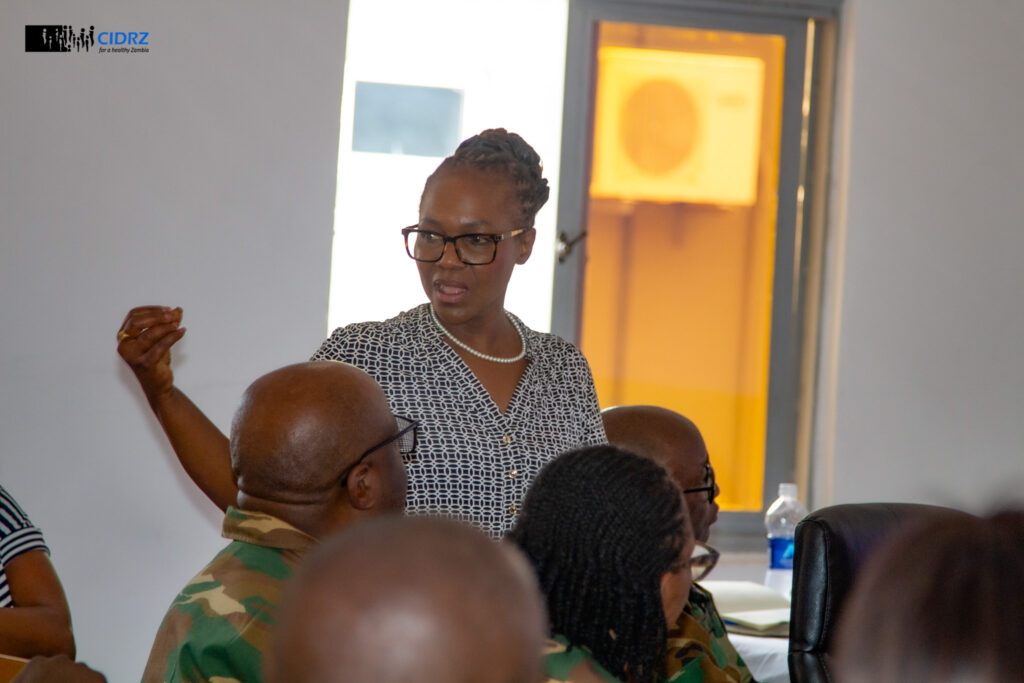
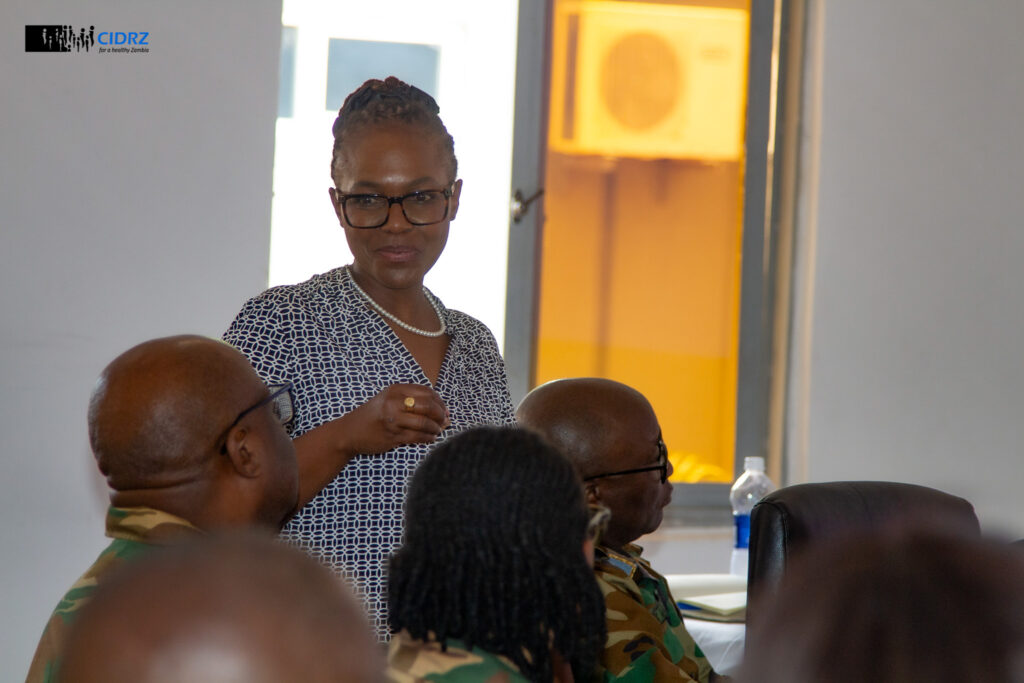
Dr Mwangelwa Mubiana-Mbewe, Director of the DOW/DHAPP Project at CIDRZ, highlighted the role of regular programme reviews in ensuring that investments and support lead to better services at the facility level. She noted that engaging directly with healthcare teams helped to assess progress, recognise achievements and identify where continued technical support and mentorship were needed.
Progress in digital health
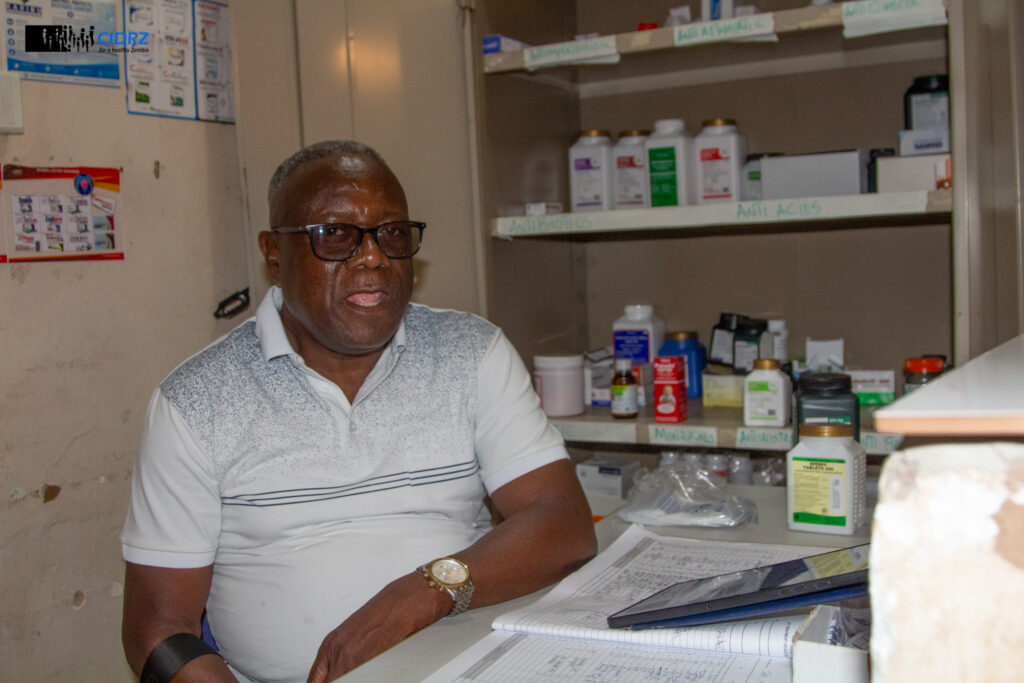
Across the two facilities, the team noted progress in electronic medicine dispensing and laboratory workflows, supported by investments in digital systems and connectivity. Treatment outcomes were generally strong, reflecting continued efforts to improve HIV service delivery.
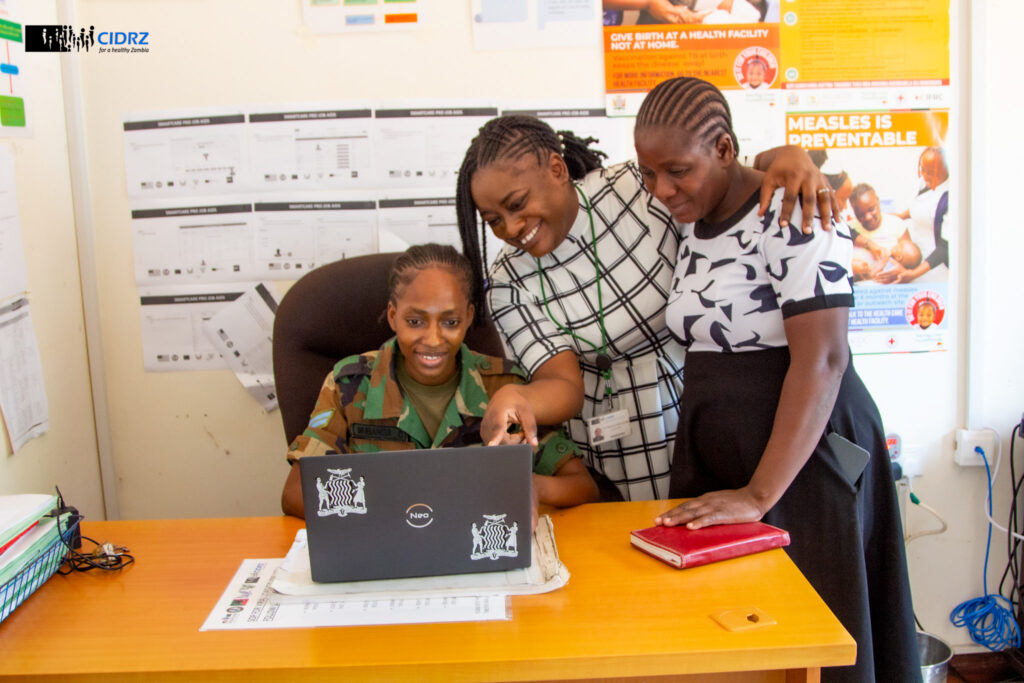
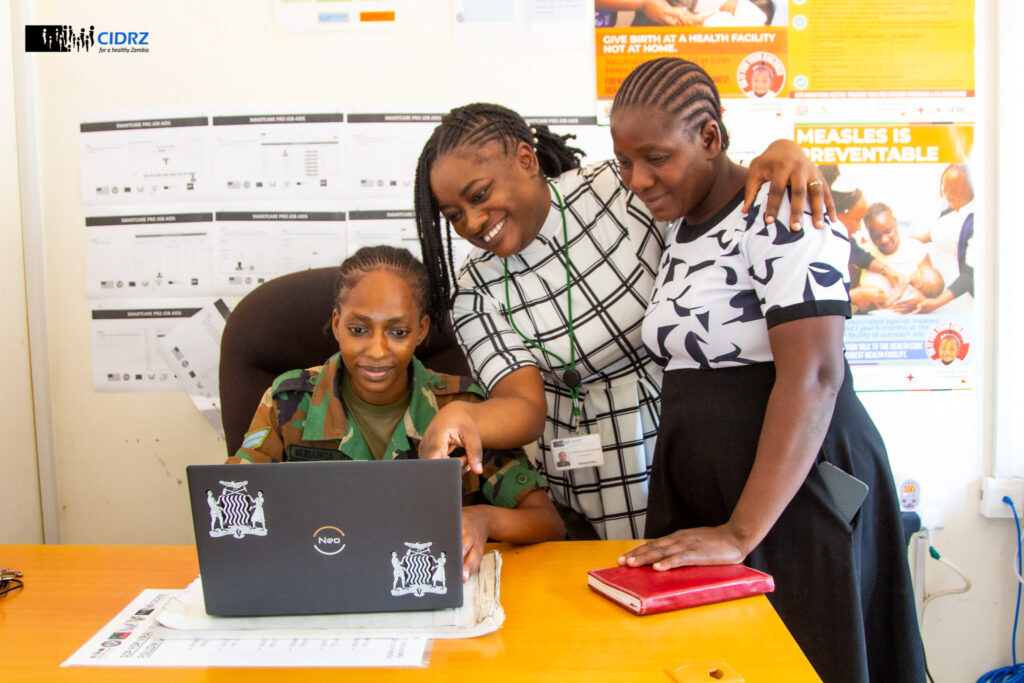
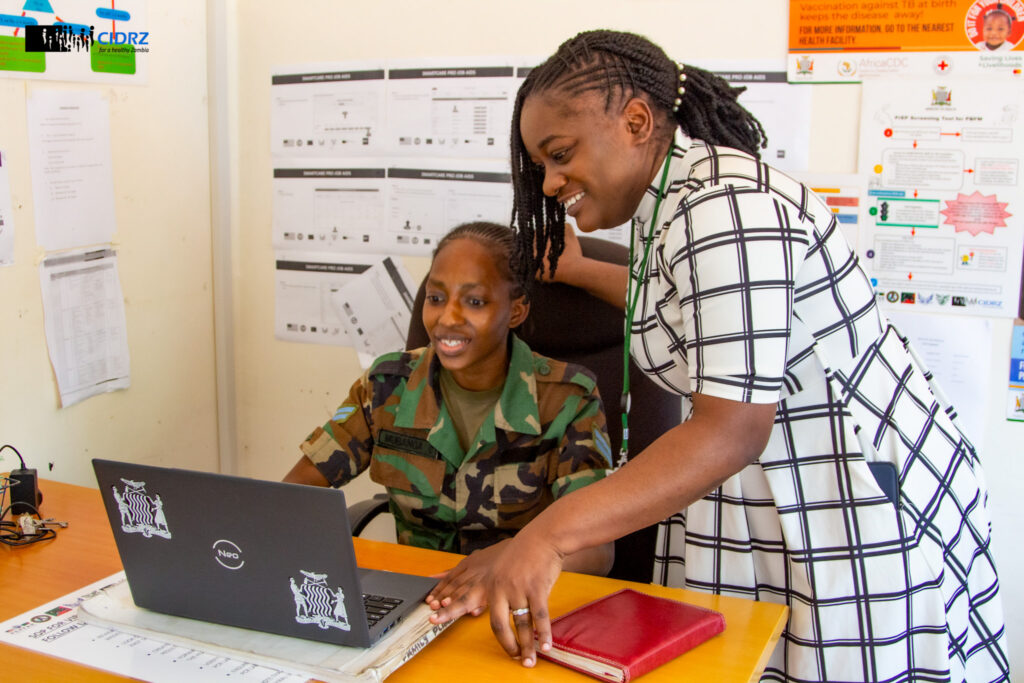
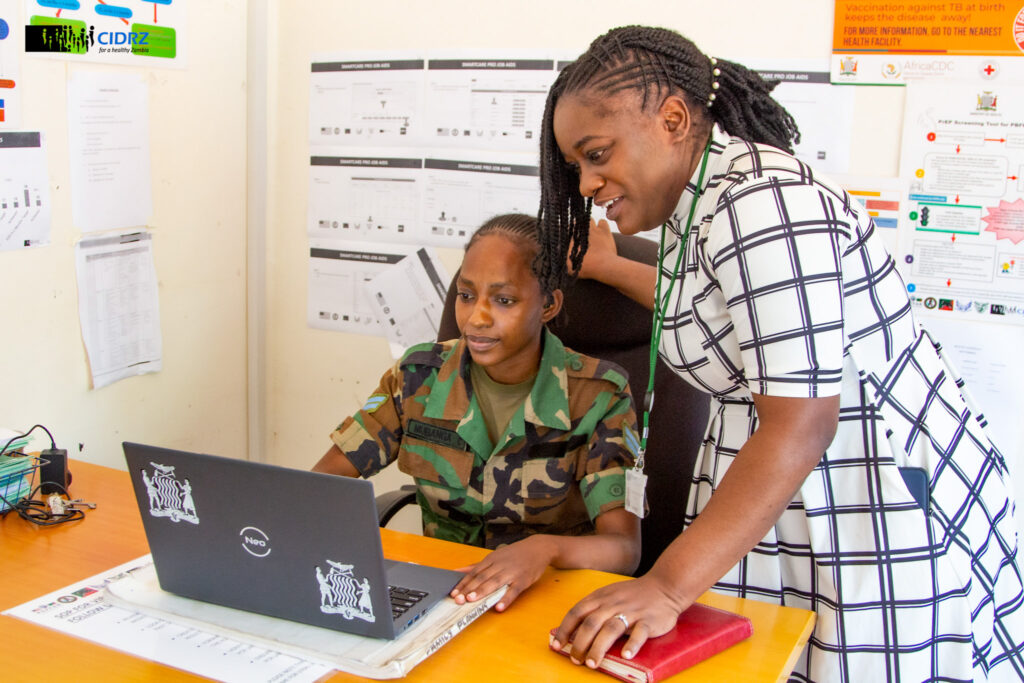
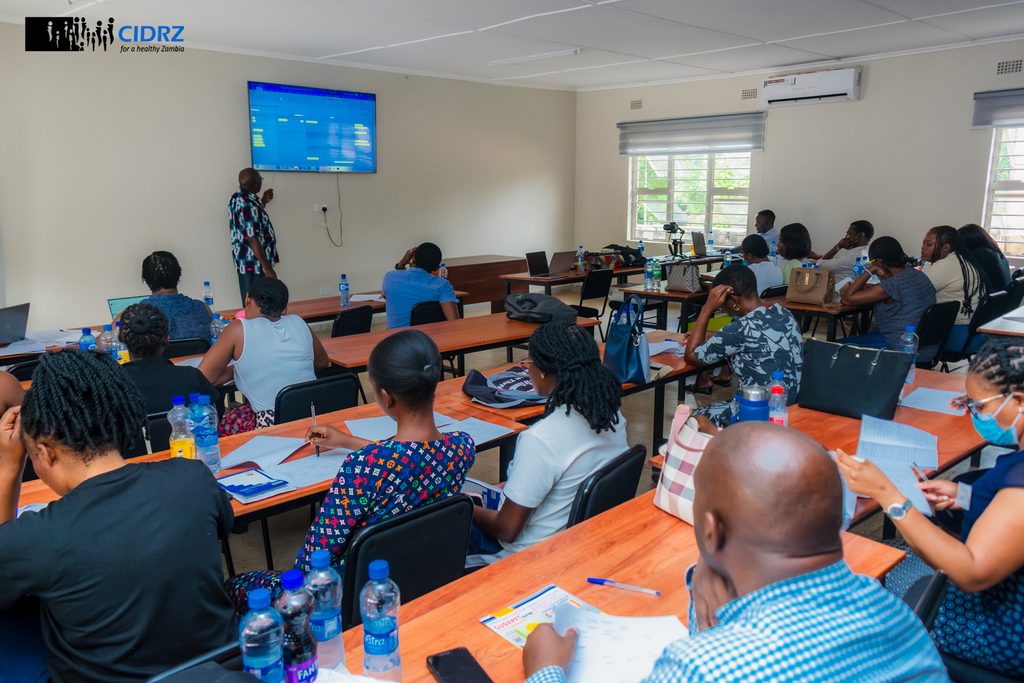
Healthcare workers shared their experience of using digital health platforms, including the integration of SmartCare Pro with the Electronic Logistics Management Information System (eLMIS). Discussions highlighted the importance of effective data management, accurate clinical documentation and continued mentorship in delivering quality services.
The SmartCare Pro–eLMIS integration has reduced duplication in medicine dispensing and made consumption data available sooner. Previously, healthcare workers had to record each dispensing transaction separately in both systems. Now a single transaction entered in eLMIS feeds into SmartCare Pro. This reduces duplicate data entry and administrative work, giving healthcare workers more time with clients and making medicine consumption data and reporting more timely.
Looking ahead
The review also highlighted the need for continued technical support to strengthen digital systems, improve data quality and enhance laboratory processes.