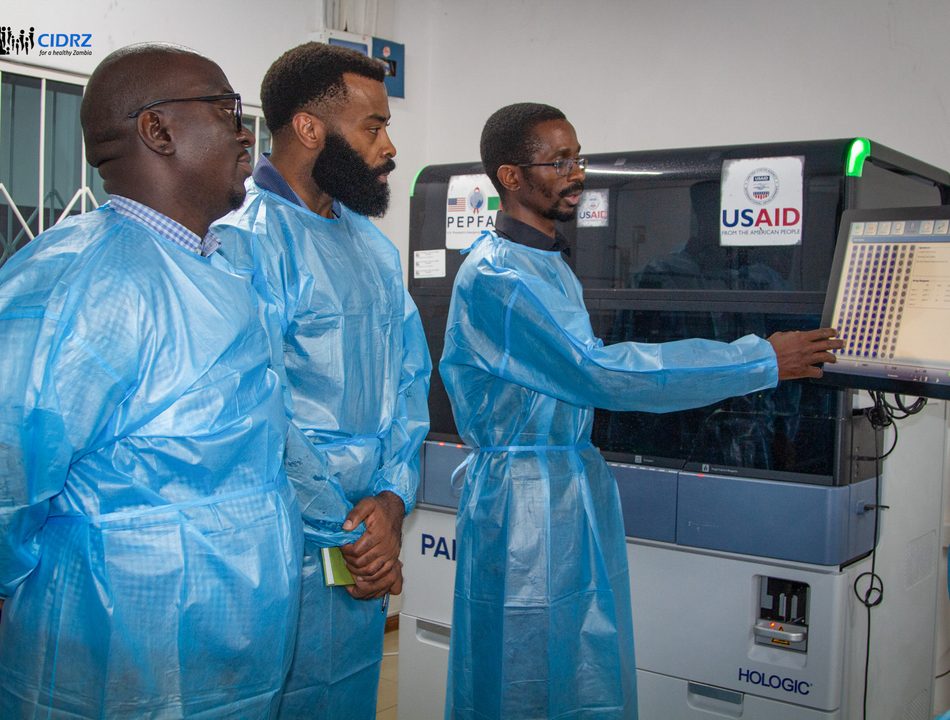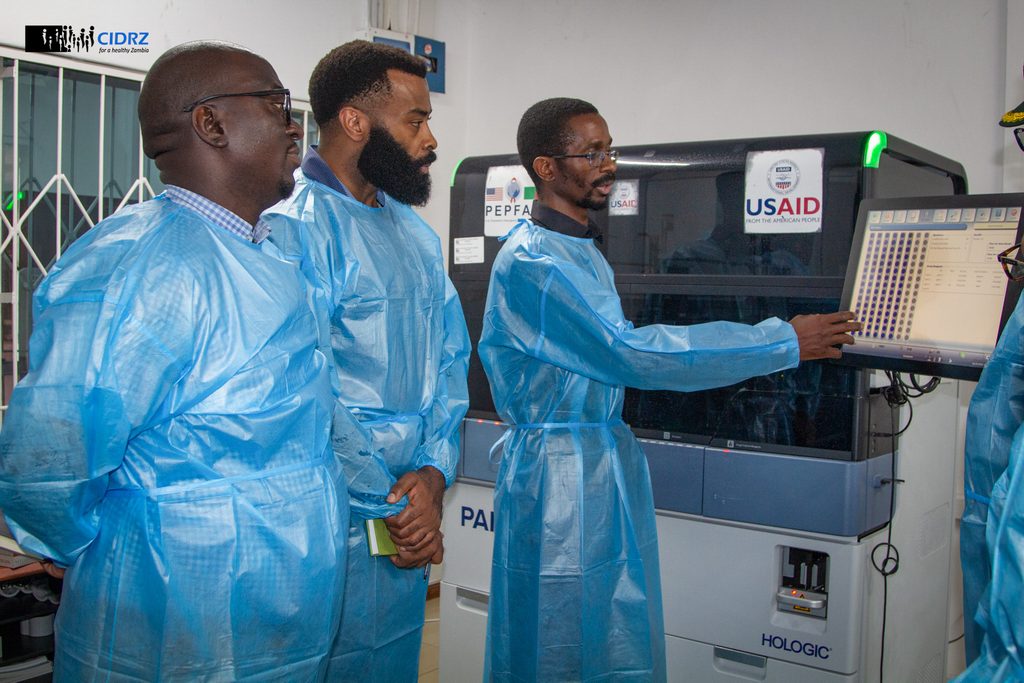

Programme review at ZNS Choma Rural Health Facility highlights progress in digital health integration and identifies priority areas for improvement
November 12, 2026
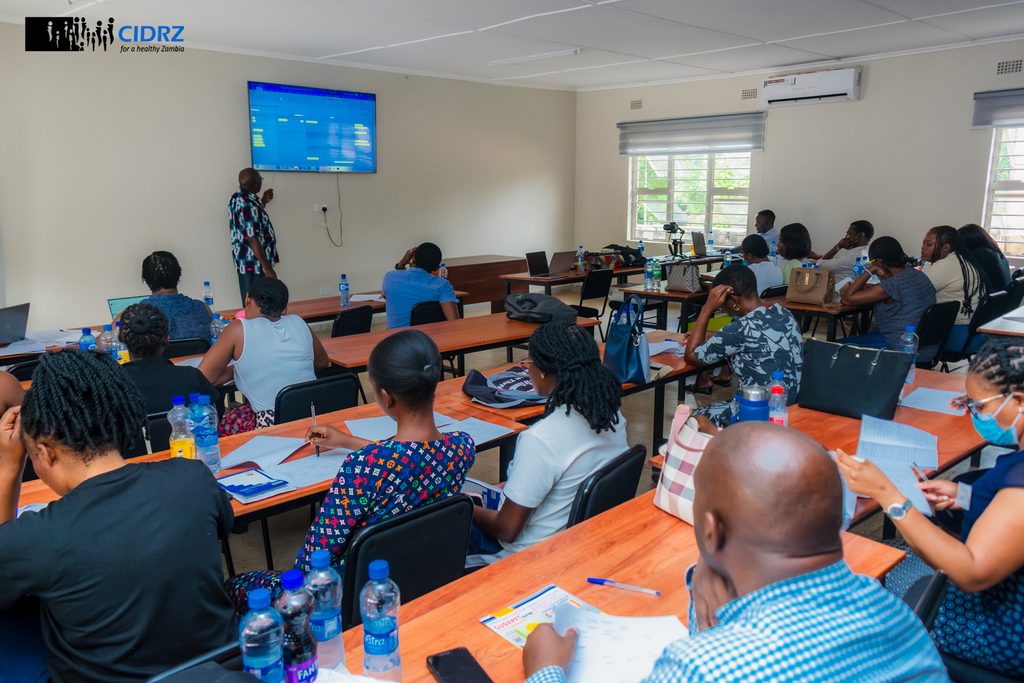
Access to specialised care for people living with non-communicable diseases (NCDs) is set to improve in Chipata District, eastern province, as St. Luke’s Mission Hospital prepares to open a second PEN-Plus in the district.
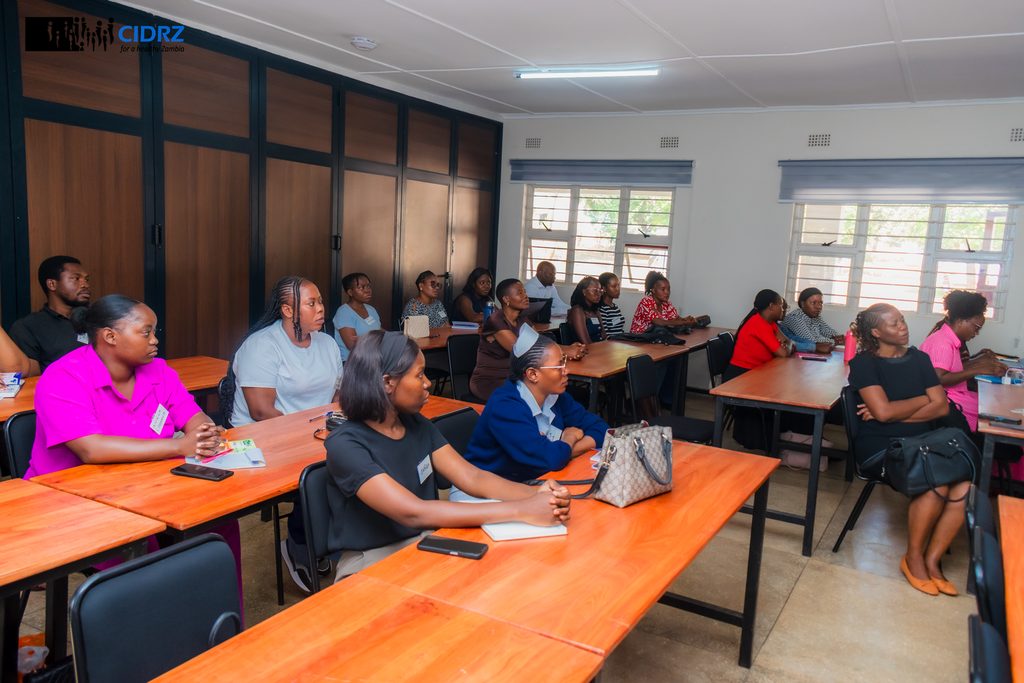
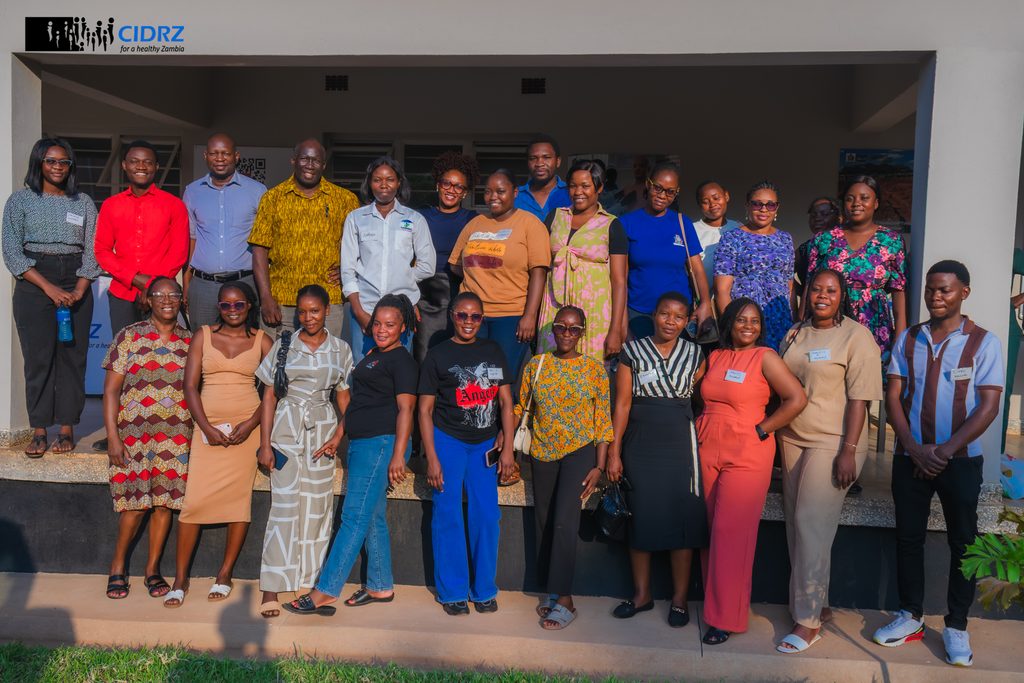
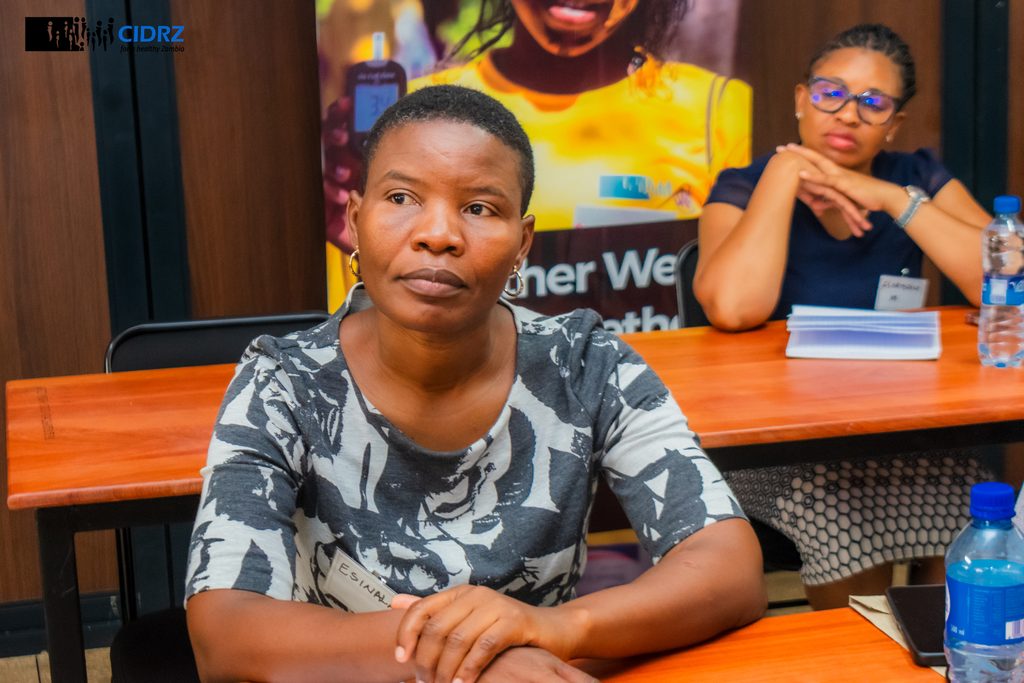
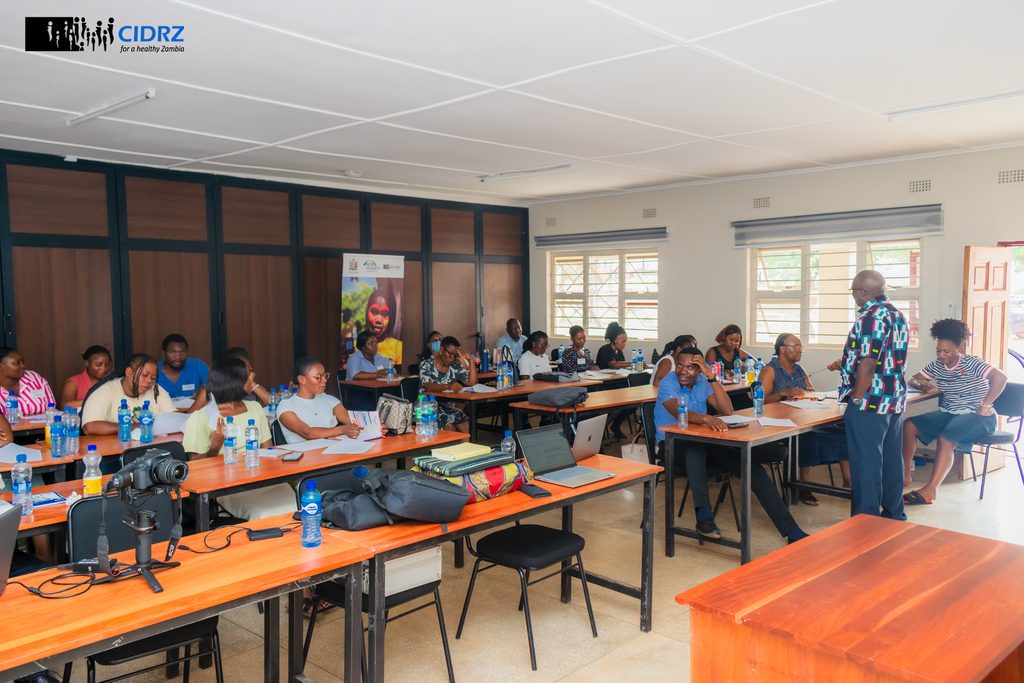
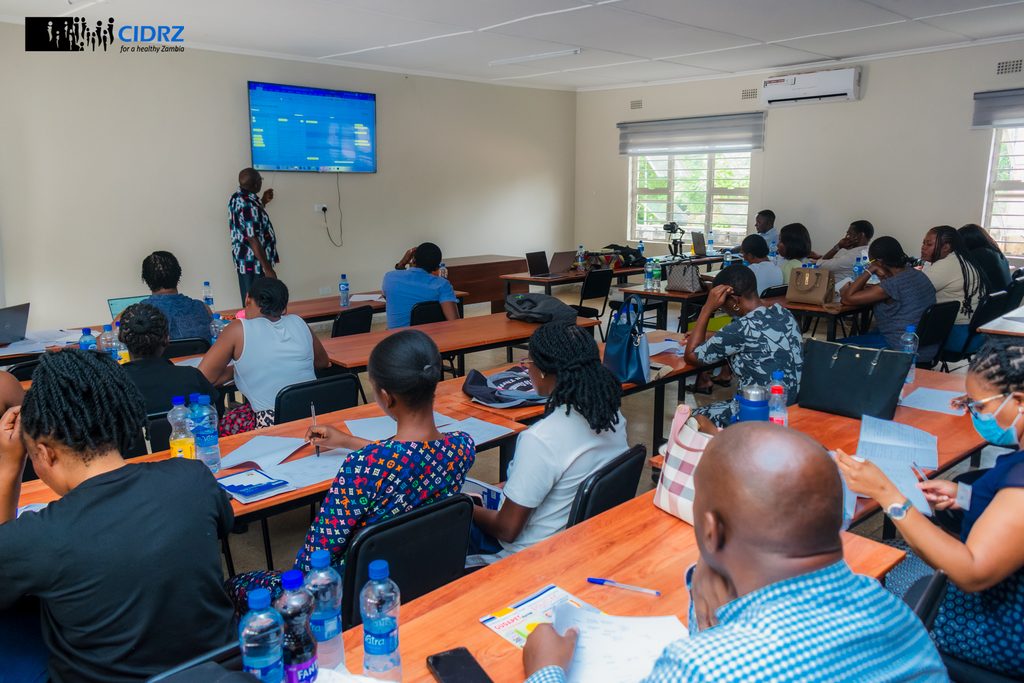
As part of efforts to strengthen their capacity to manage chronic and severe NCDs and bring specialised services closer to communities, healthcare workers at the hospital underwent specialised training.
The training is part of CIDRZ’s PEN-Plus initiative, which aims to decentralise specialised care by building the capacity of First level hospitals and lower level health care workers to manage conditions that would otherwise require treatment at tertiary hospitals. This training is facilitated by specialists at the Central Hospital which is designated as the Training Centre.
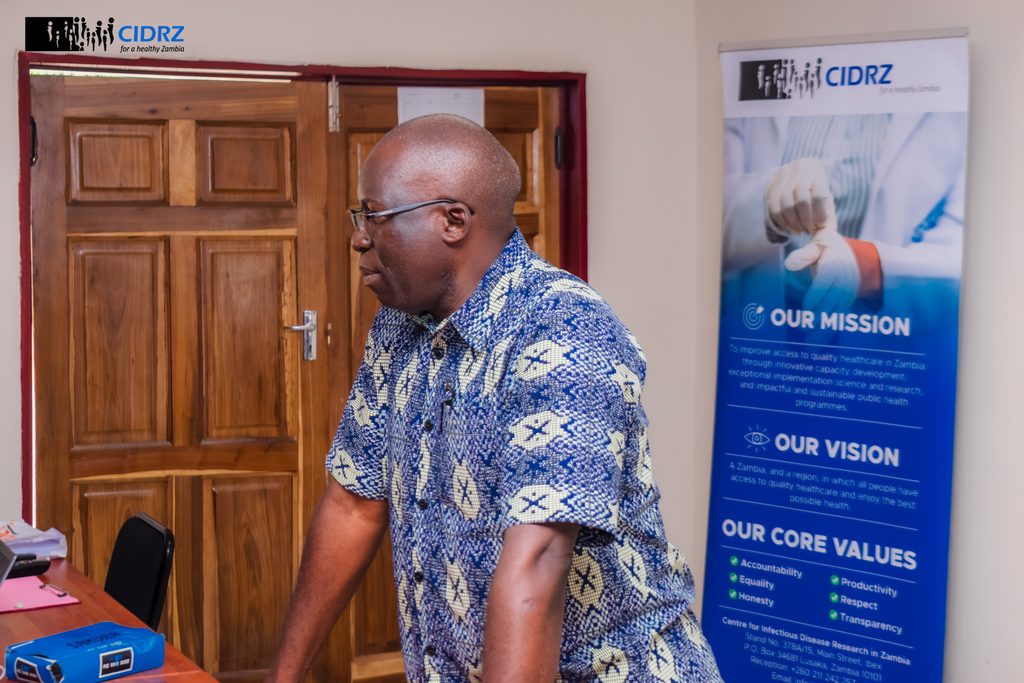
Speaking during the training, Professor Fastone Goma, CIDRZ Principal Investigator for the PEN-Plus Project, said the initiative is also preparing local specialists to take on training responsibilities, helping build sustainable capacity for the programme in the province.

“This is very important because we are equipping the trainers with the skills to put into practice what they are expected to teach,” he said. He added that the training centre would also serve as a hub for extending capacity-building activities to other districts across Eastern Province.
The PEN-Plus model addresses the concentration of specialist services at tertiary hospitals by shifting appropriate clinical responsibilities to lower-level facilities and mid-level health cadres, including clinical officers and nurses. This approach is expected to expand access to quality healthcare for underserved populations.
Professor Goma said early detection remains critical to reducing delays in accessing care, noting that limited awareness of NCDs and their complications often prevents people from seeking timely treatment.
The expansion is expected to particularly benefit children living with NCDs by reducing illness-related school absenteeism and improving their access to education. Adults are also expected to benefit from better health, enabling them to remain productive at work and within their communities.
Looking ahead, the programme aims to improve NCD outcomes through early diagnosis, effective treatment and disease control. It is working towards an ambitious 80-80-80 target, under which 80 per cent of people in the community are diagnosed, 80 per cent of those diagnosed receive effective treatment, and 80 per cent of those on treatment achieve disease control.
Through the expansion of PEN-Plus services and the strengthening of local healthcare worker capacity, CIDRZ in collaboration with MOH continues to support Zambia’s efforts to bring specialised healthcare closer to communities and improve the quality of life of people living with chronic NCD conditions.