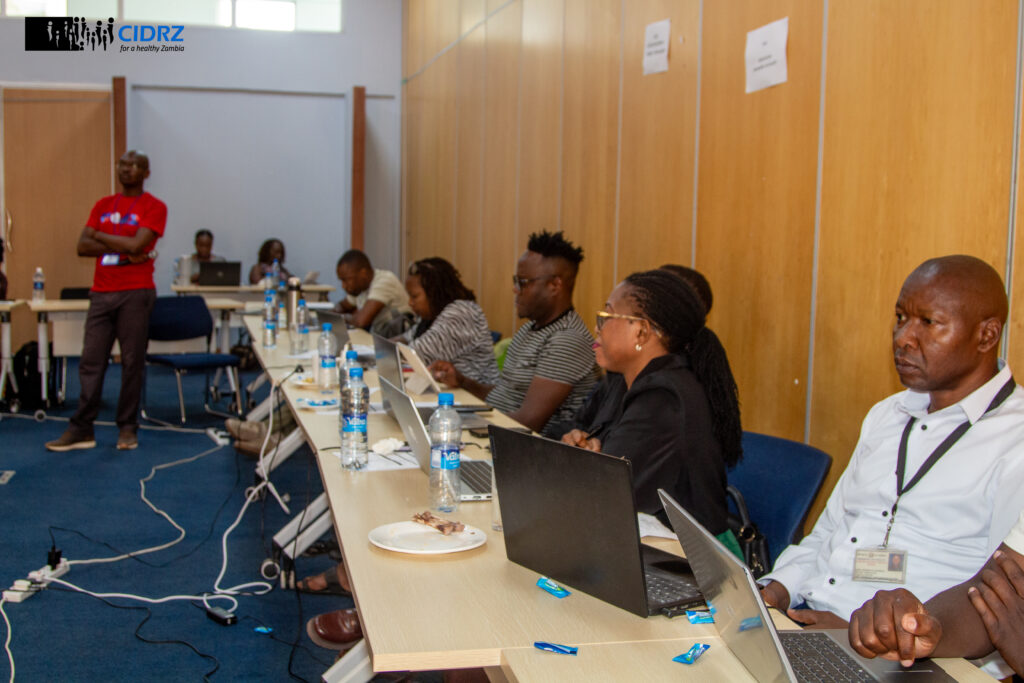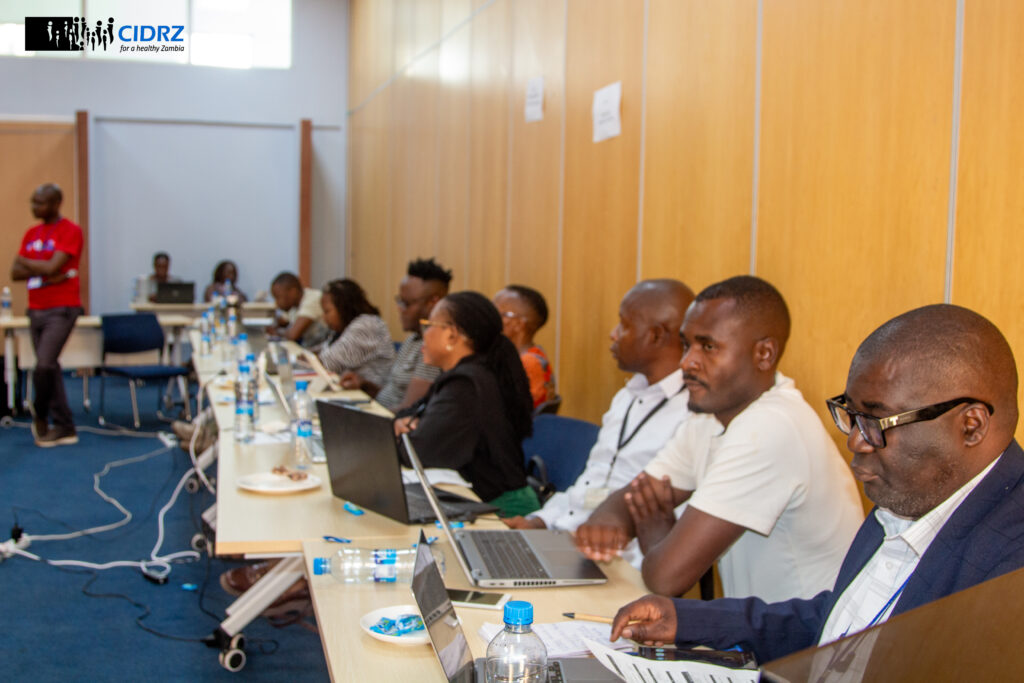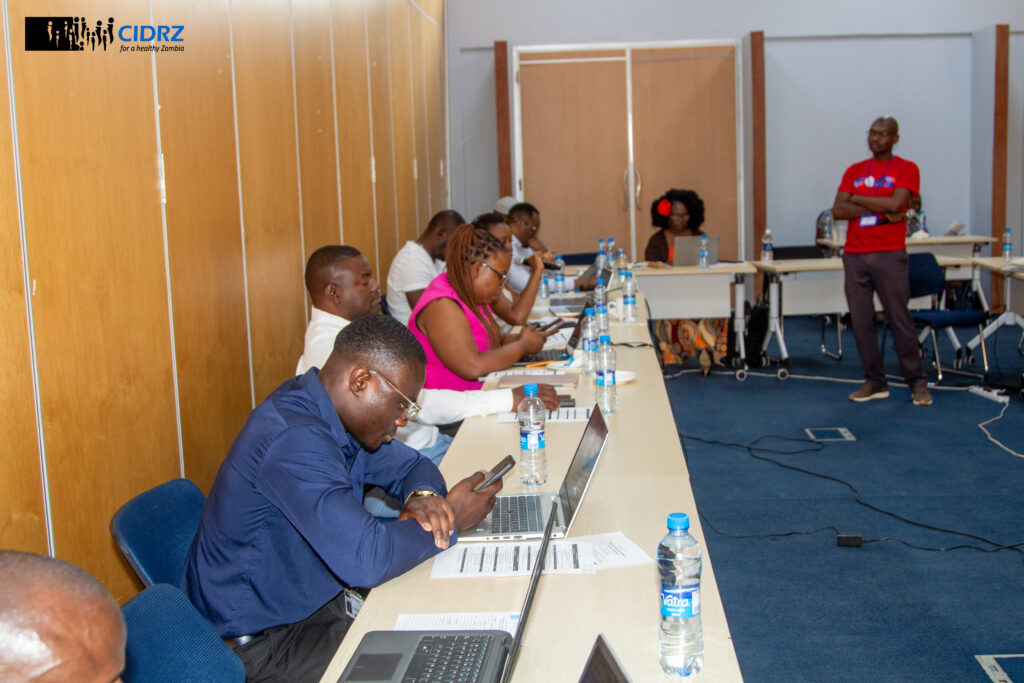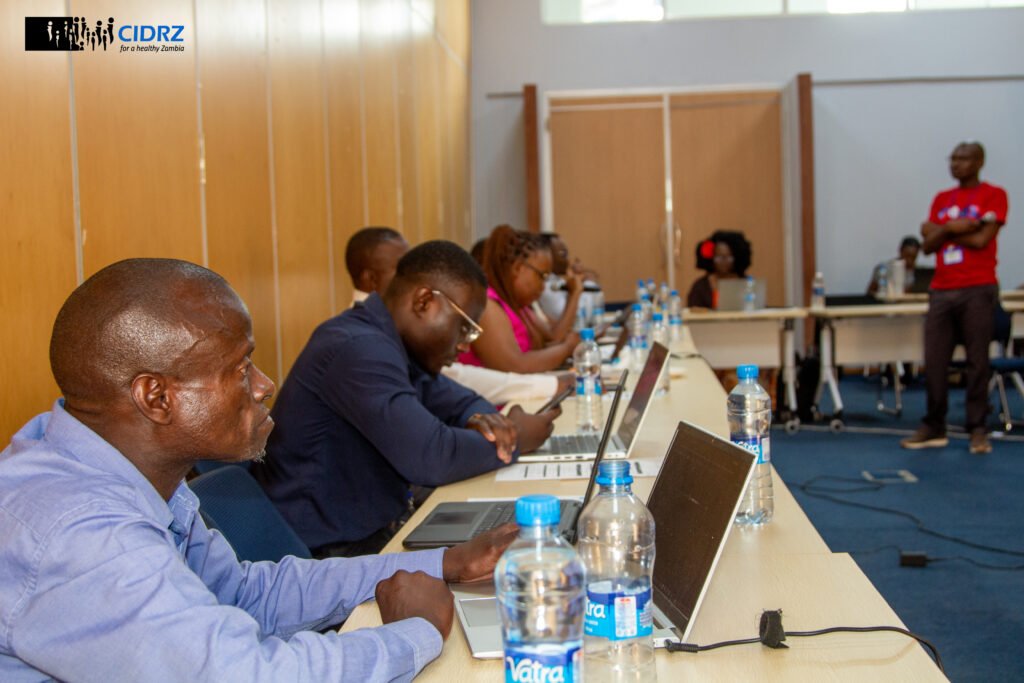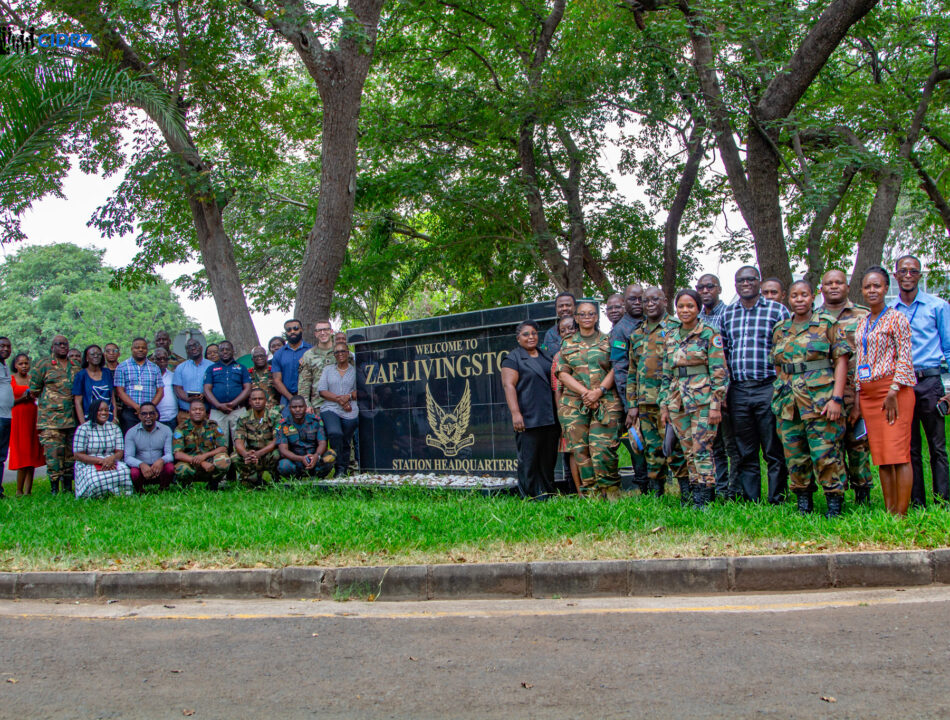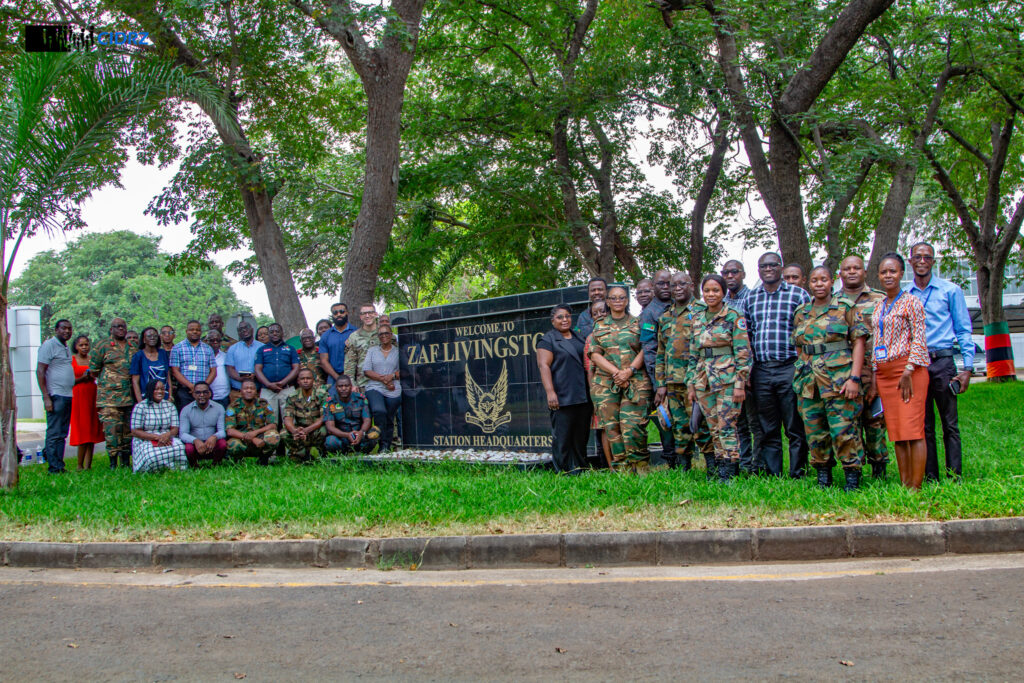
Joint DFZ–CIDRZ team visits the Army School of Ordnance and Livingstone Station Sick Quarters in Southern Province
November 16, 2026New PrEP Options, Real Lives: CIDRZ and the Ministry of Health Scale Up HIV Prevention


Expanding access to effective HIV prevention services is essential to reducing new HIV infections and strengthening the national HIV response. To support this goal, the Centre for Infectious Disease Research in Zambia (CIDRZ), through funding from the Children’s Investment Fund Foundation (CIFF), is providing technical assistance to the Ministry of Health to strengthen the implementation of Pre-Exposure Prophylaxis (PrEP) as part of broader HIV prevention programming.
This includes supporting the introduction and scale-up of new PrEP methods, such as Lenacapavir, as well as implementation planning, programme monitoring, data use, and health systems strengthening.
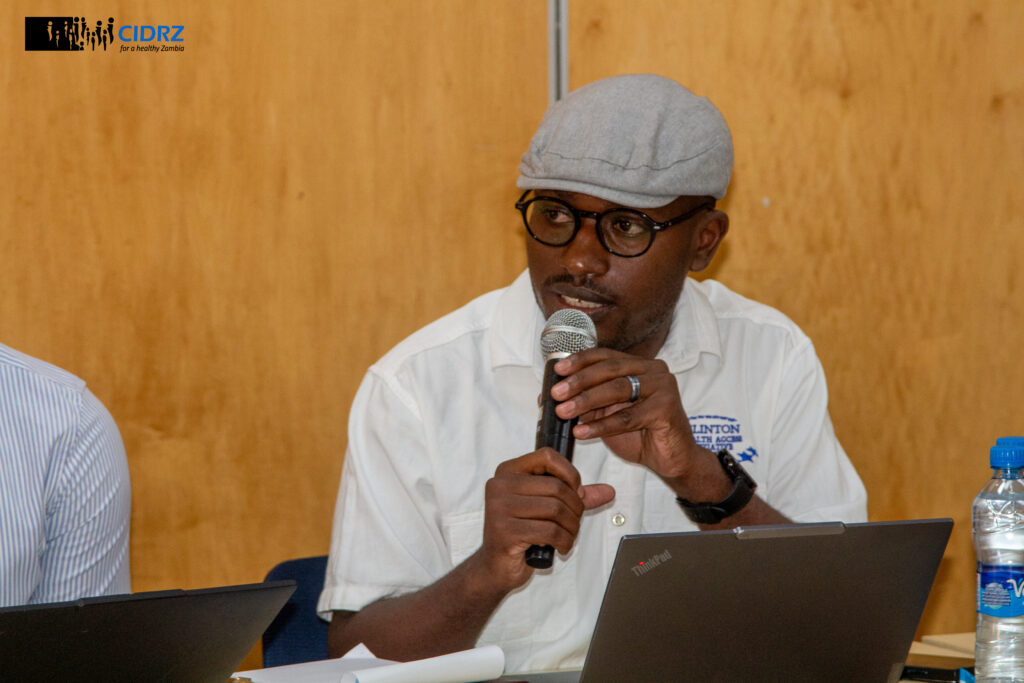
Commenting on the support, the Ministry of Health Prevention Lead, Dr Chimika Phiri, said: “The introduction of new PrEP options such as Lenacapavir is an important step in expanding HIV prevention choices for people who need them in Zambia. The Ministry of Health appreciates the technical support from CIFF through CIDRZ, which is helping us strengthen implementation, track progress and ensure these services reach those who need them most.”
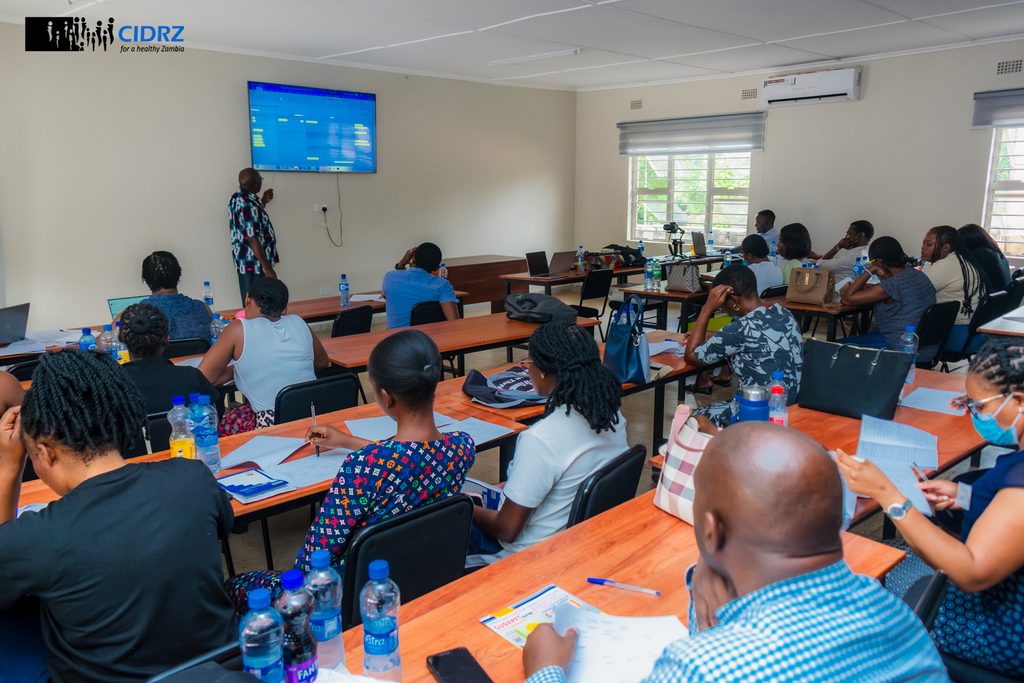
As part of this support, CIDRZ is facilitating routine programme monitoring through the Ministry of Health DHIS2 dashboard Tracker. The dashboard is designed to track PrEP rollout, uptake, continuation, population reach and overall implementation progress.
The information generated through the dashboard will help guide ongoing technical assistance, strengthen programme planning, support cross-country learning and inform investment decisions. It also provides a platform for monitoring implementation progress and identifying areas requiring further attention.
The Project Manager for the CIFF PrEP Project at CIDRZ, Dr James Zulu, added: “The dashboard gives us a clear view of how PrEP rollout is progressing, from uptake and continuation to population reach. By using this data to guide our technical assistance, we can work closely with the Ministry of Health to identify gaps early, strengthen planning and make sure implementation delivers real results for communities across Zambia.”
Through its collaboration with the Ministry of Health, CIDRZ remains committed to strengthening HIV prevention programming through technical expertise, data-driven approaches and health systems support to improve access to quality health services in Zambia.