CIDRZ and National AIDS Council Strengthen Collaboration to Advance HIV Prevention for Adolescent Boys and Young Men.

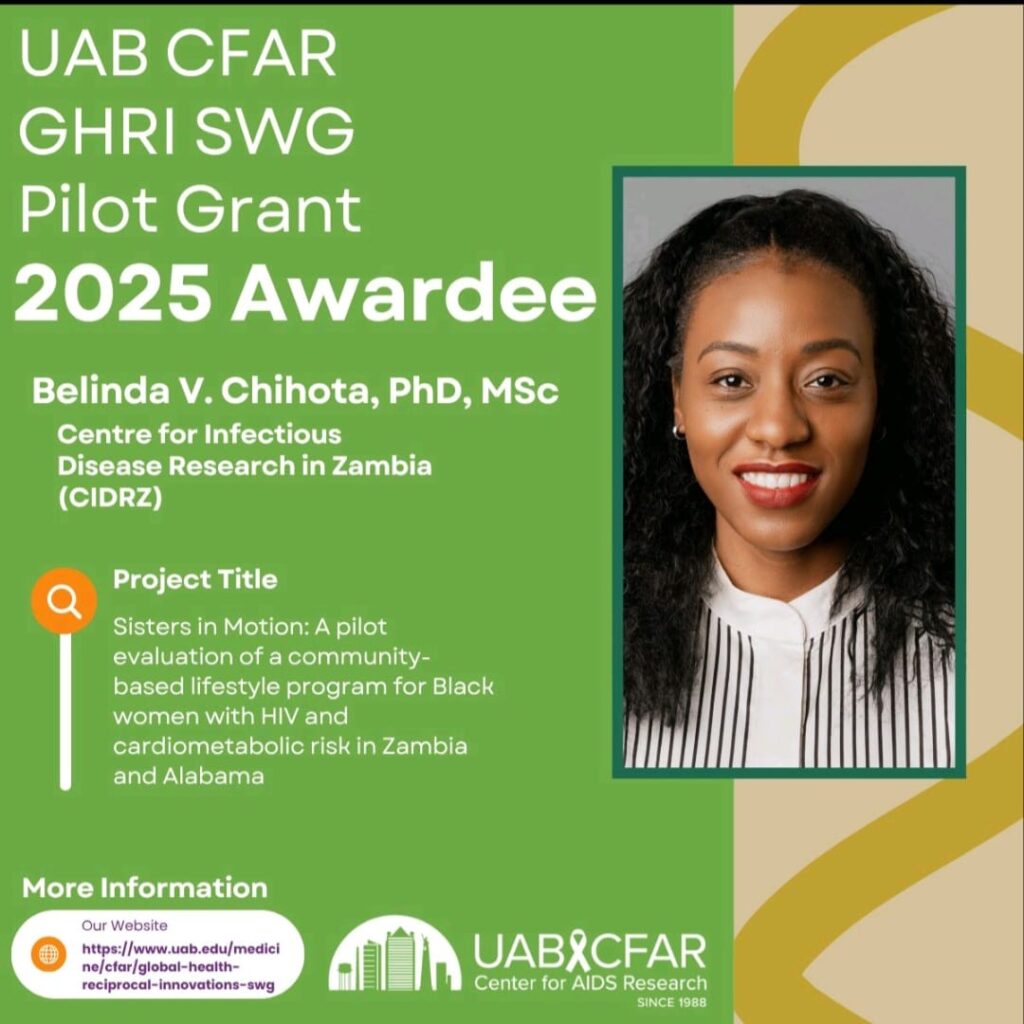
Announcing A New Award Advancing Research on Exercise and Nutrition for Women in Low‑Income Communities.
March 4, 2026CIDRZ and National AIDS Council Strengthen Collaboration to Advance HIV Prevention for Adolescent Boys and Young Men.

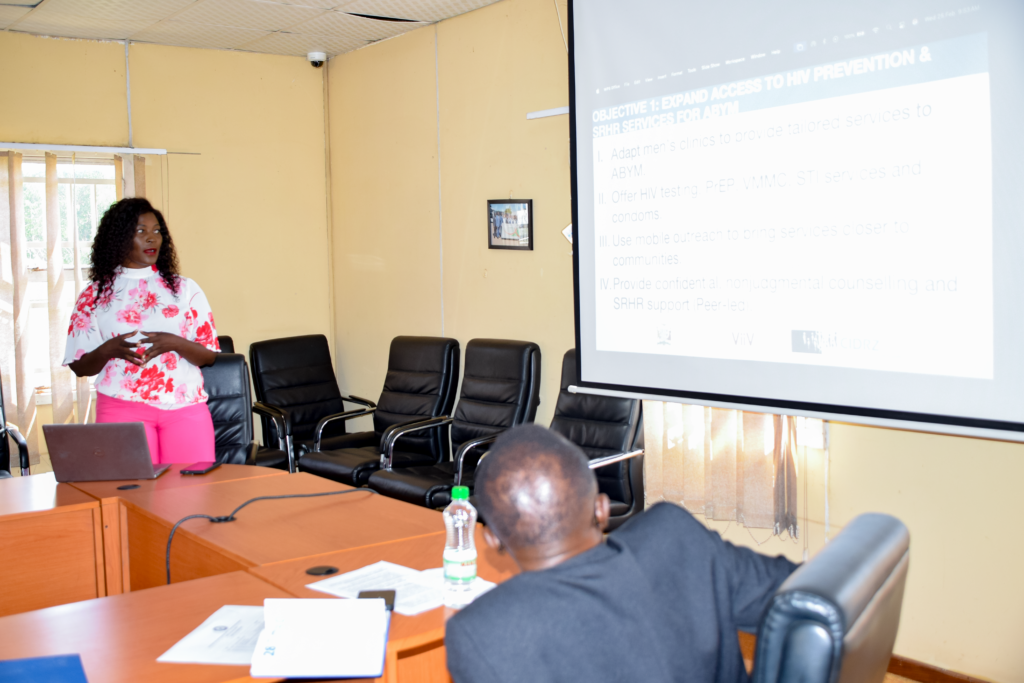
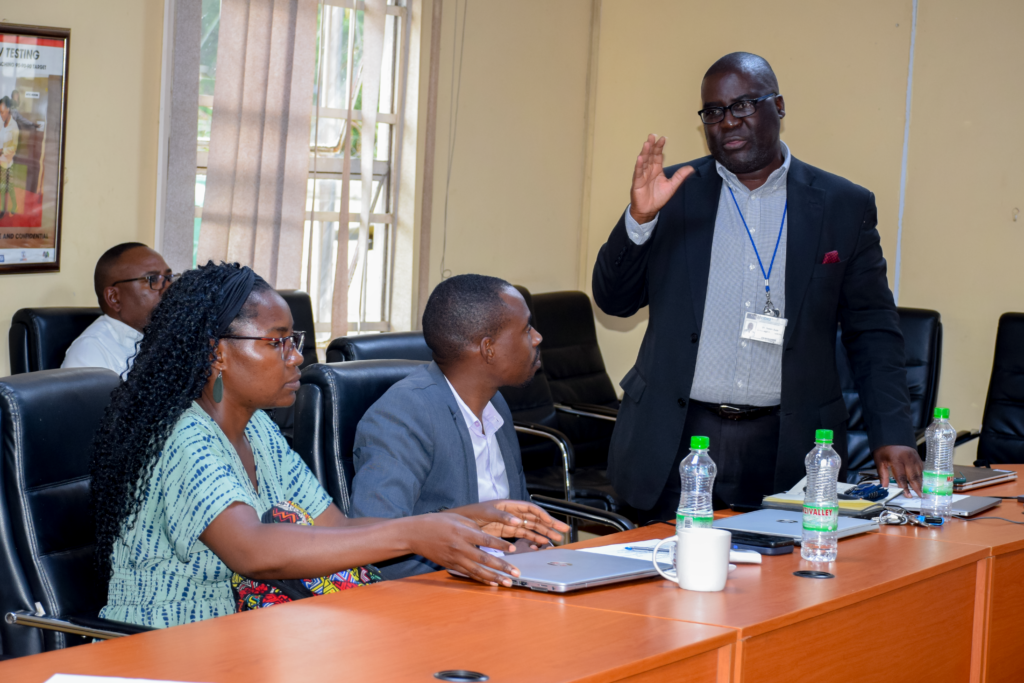
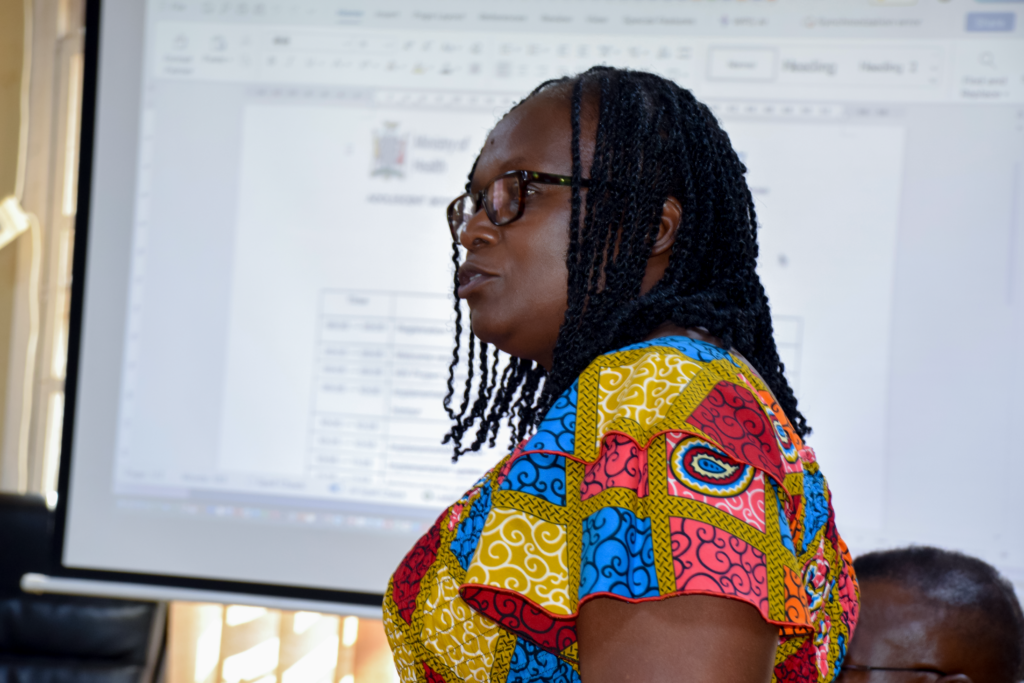
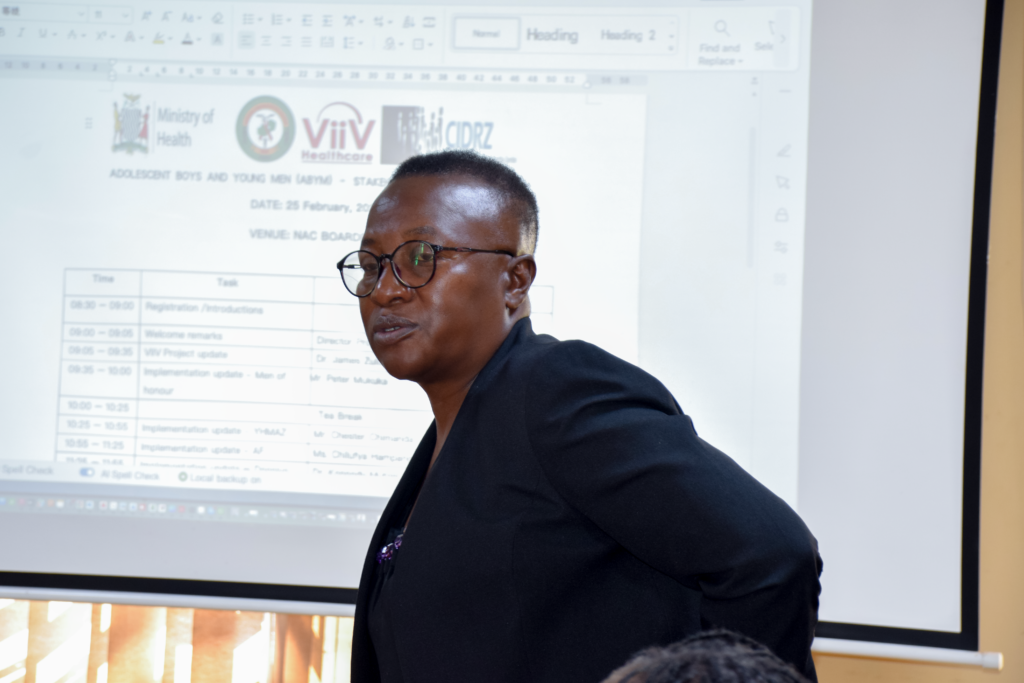
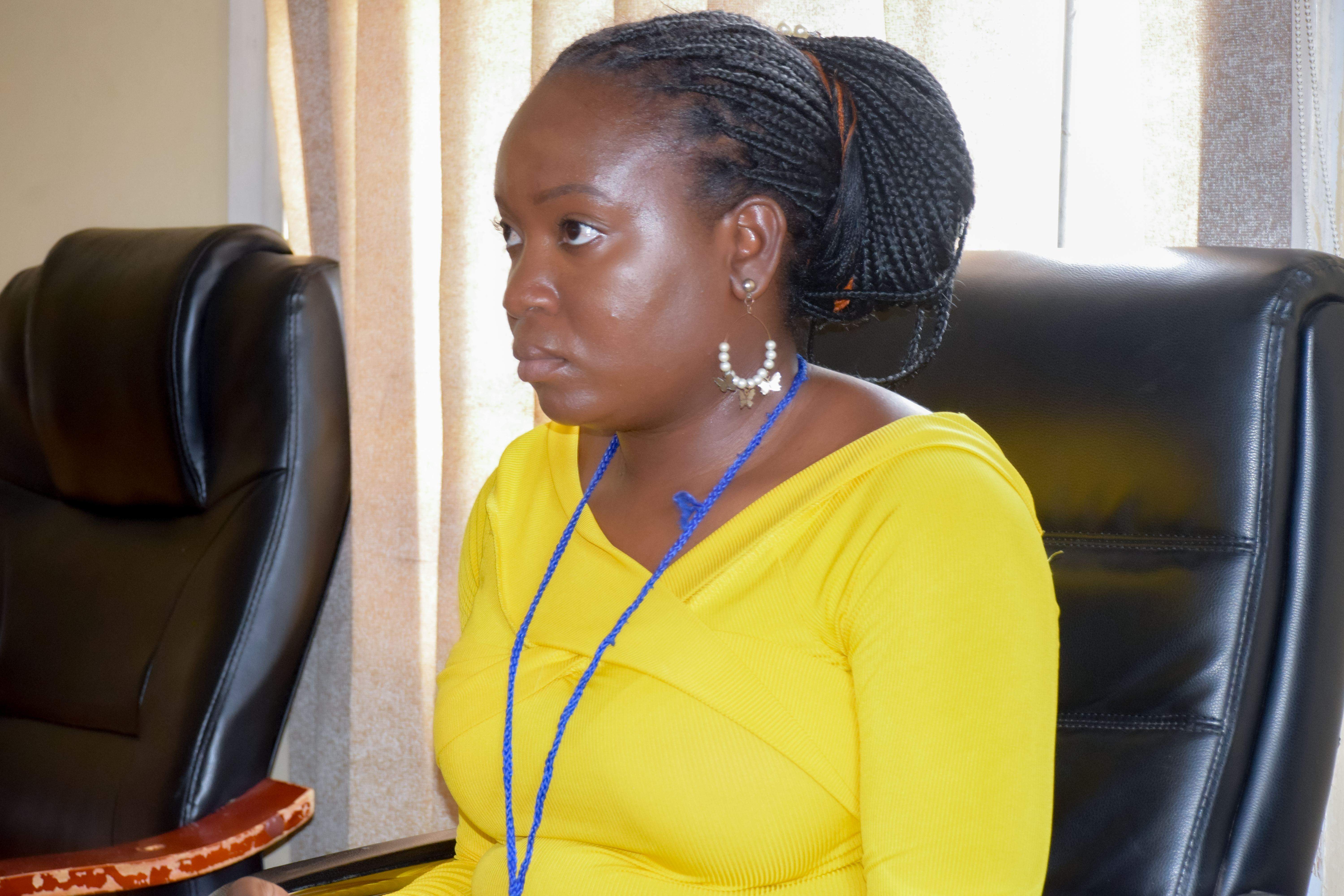
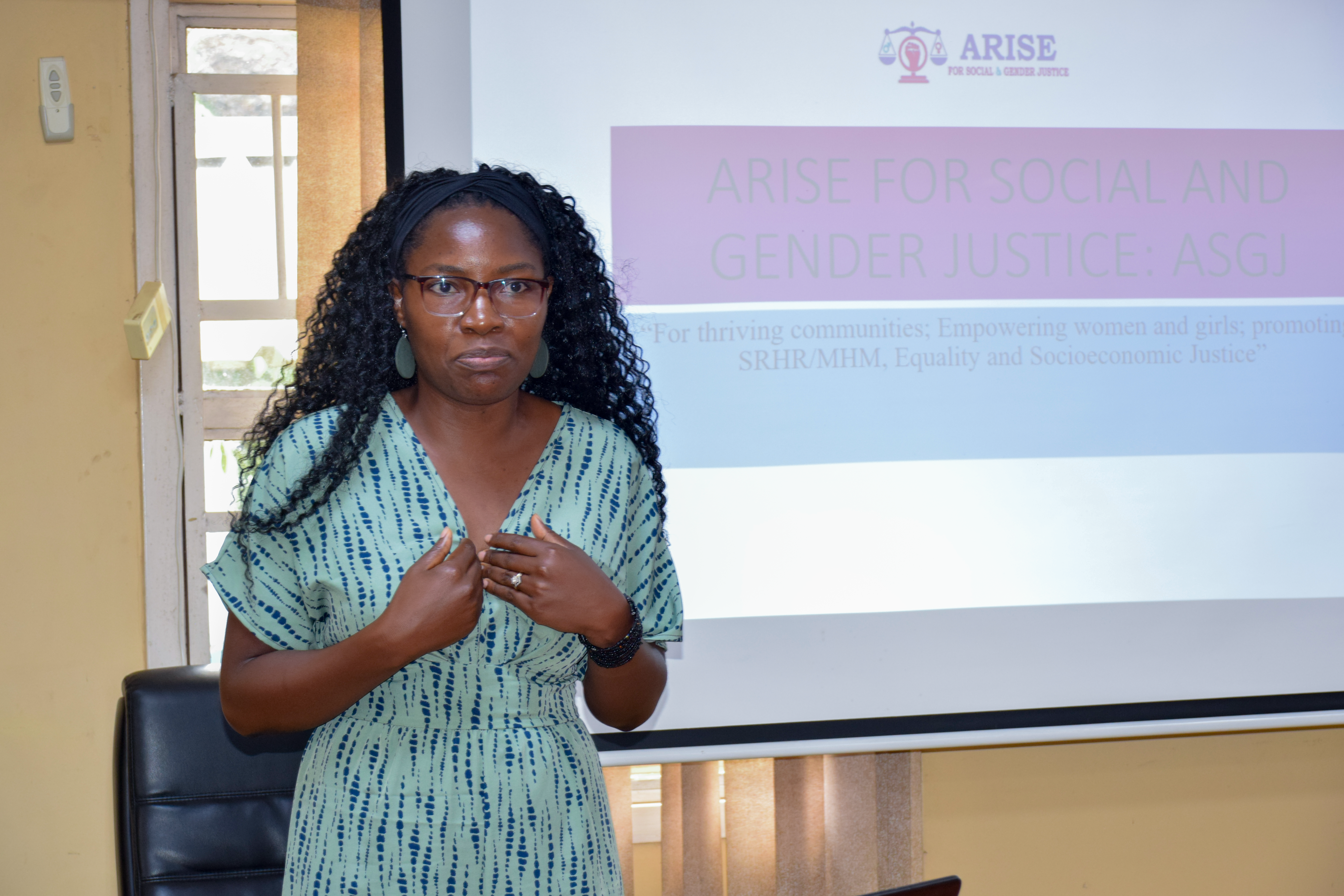
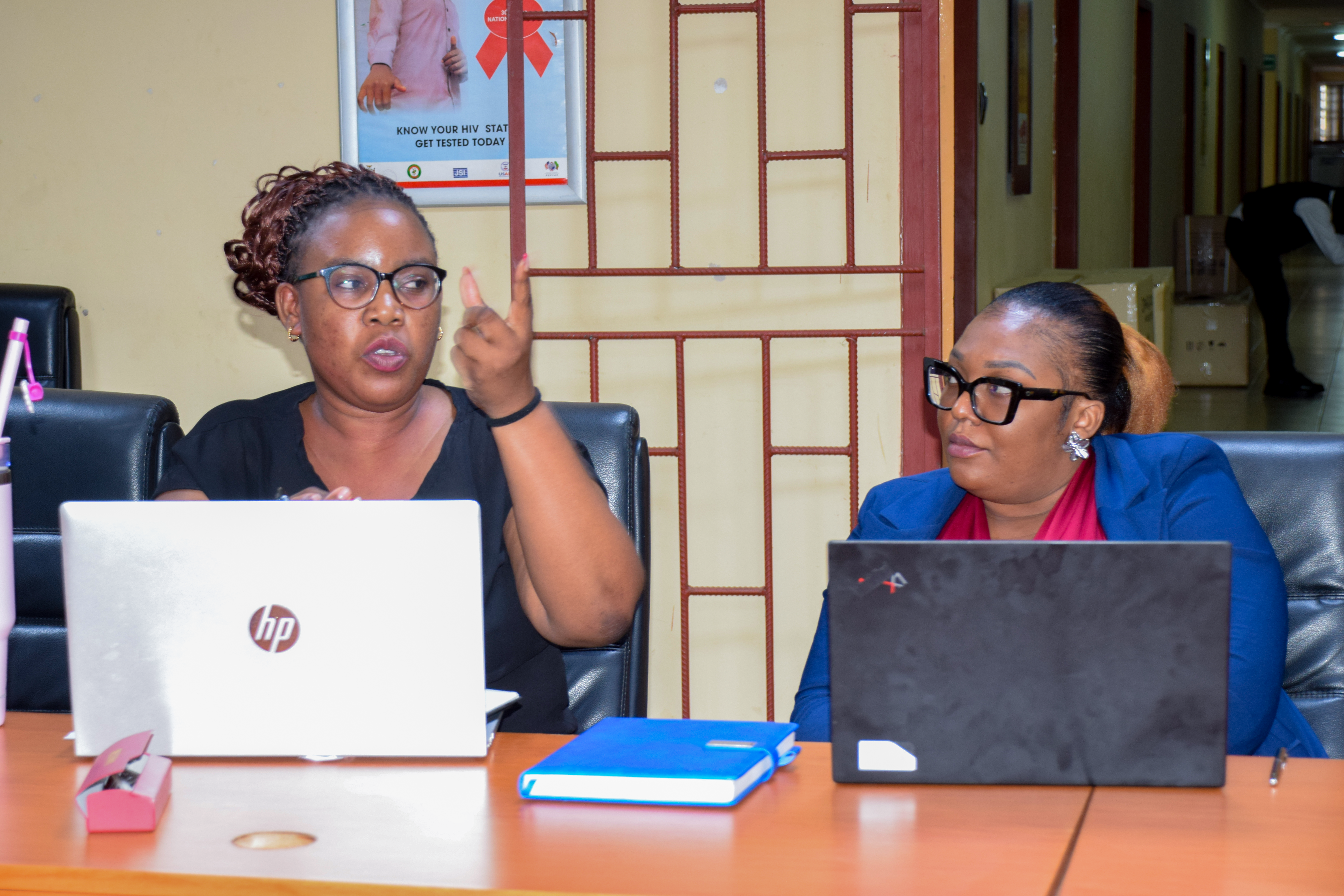
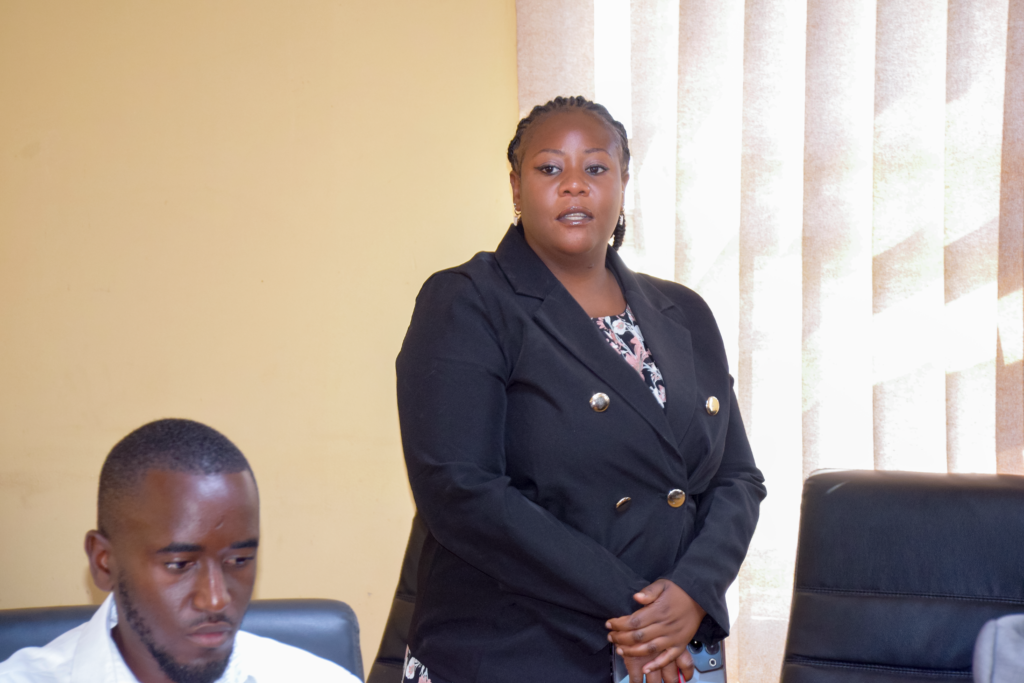
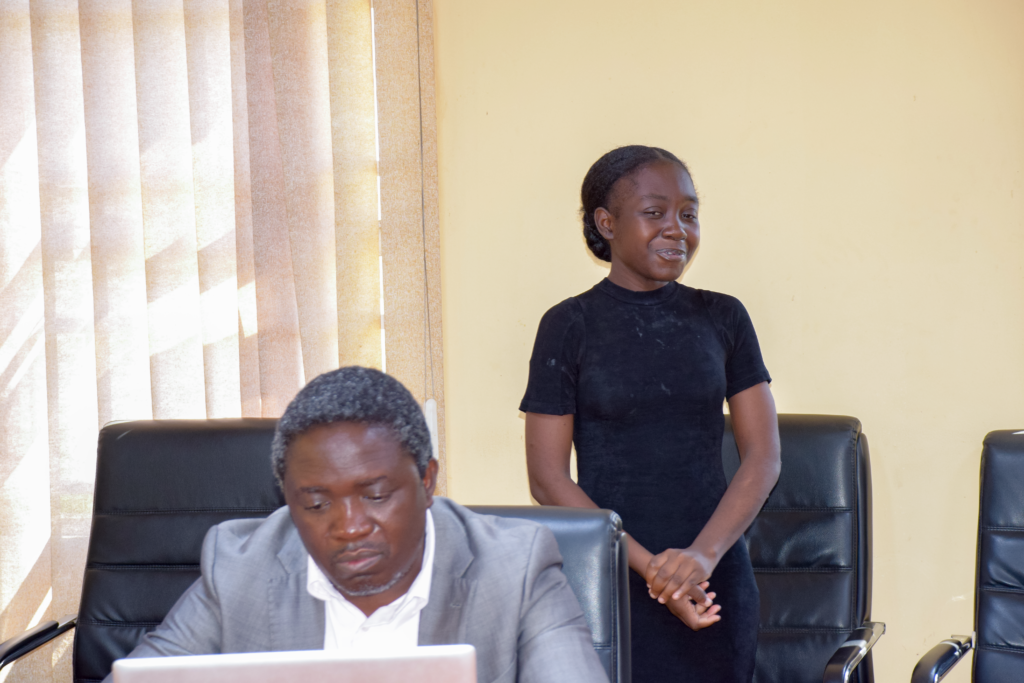
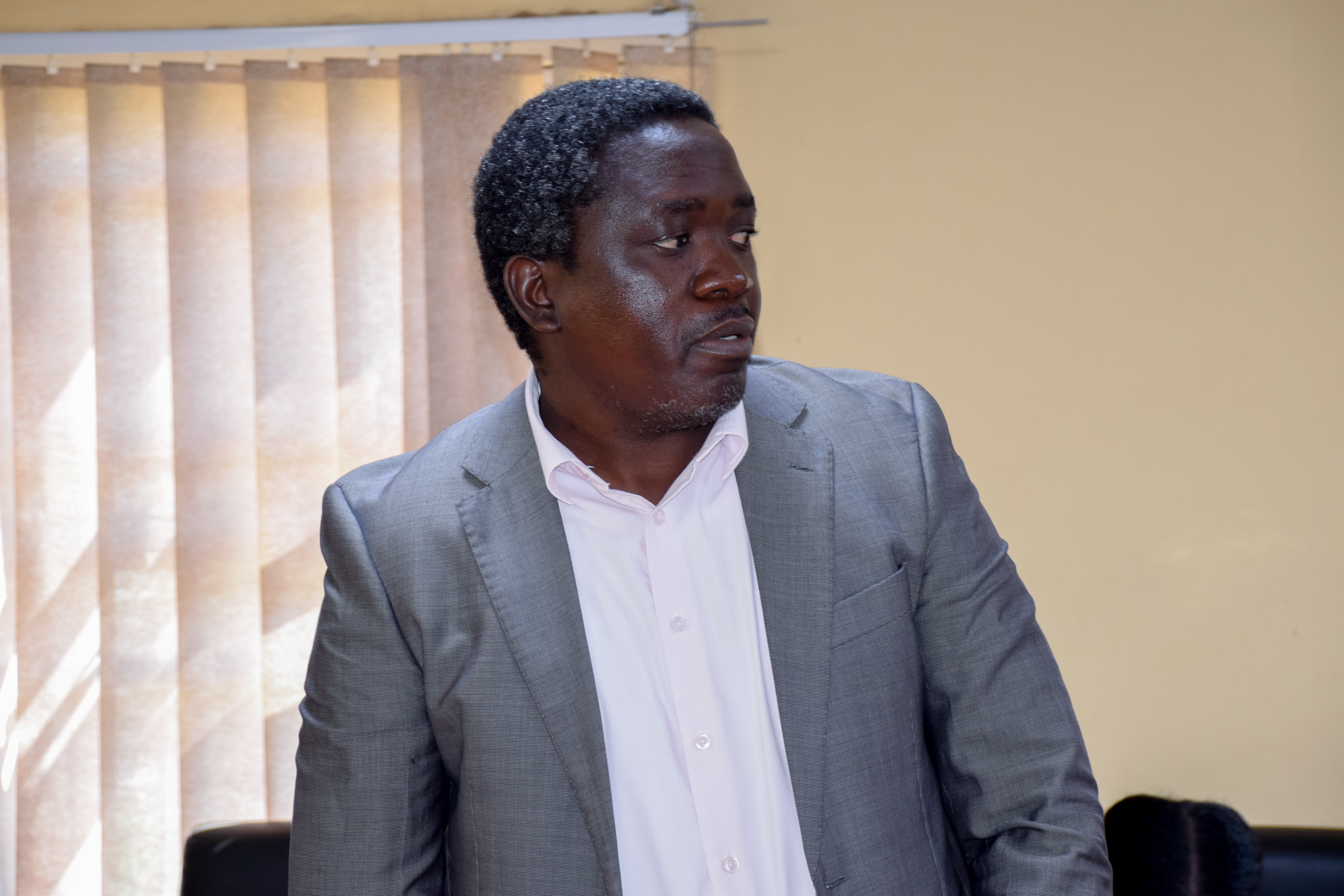
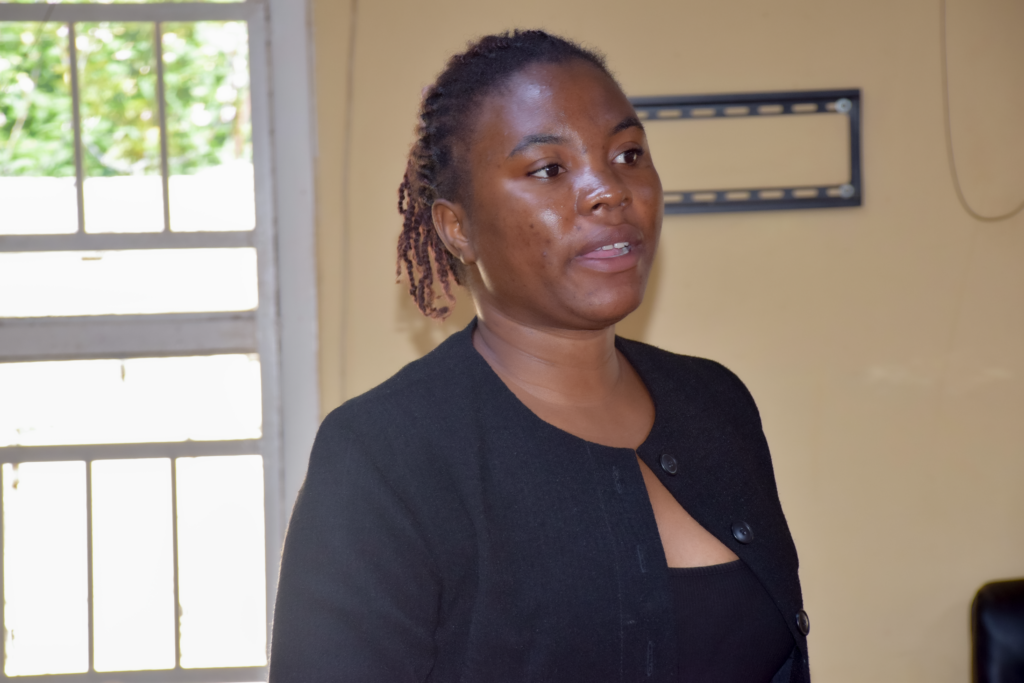
The Centre for Infectious Disease Research in Zambia (CIDRZ), in collaboration with the National HIV/AIDS/STI/TB Council (NAC), recently convened a high-level stakeholder meeting to strengthen coordination among organisations implementing similar HIV and Sexual and Reproductive Health and Rights (SRHR) interventions among Adolescent Boys and Young Men.
The meeting focused on enhancing collaboration under the Anchoring Young Men through Strengthened Community-Driven HIV and SRHR Integration Programme for Adolescent Boys and Young Men (A-Men SHIP) in Zambia.
The initiative seeks to address persistent gaps in HIV prevention among young males, who remain underserved by many traditional HIV and SRHR programmes.
The A-Men SHIP project is being implemented by CIDRZ in partnership with the Ministry of Health, with funding from ViiV Healthcare through its Positive Action initiative.
The engagement comes at a critical time, as adolescents and young people continue to face a disproportionately high risk of HIV infection. Adolescent Boys and Young Men (ABYM) aged 15–24 years, in particular, often fall through the cracks of conventional service delivery models.
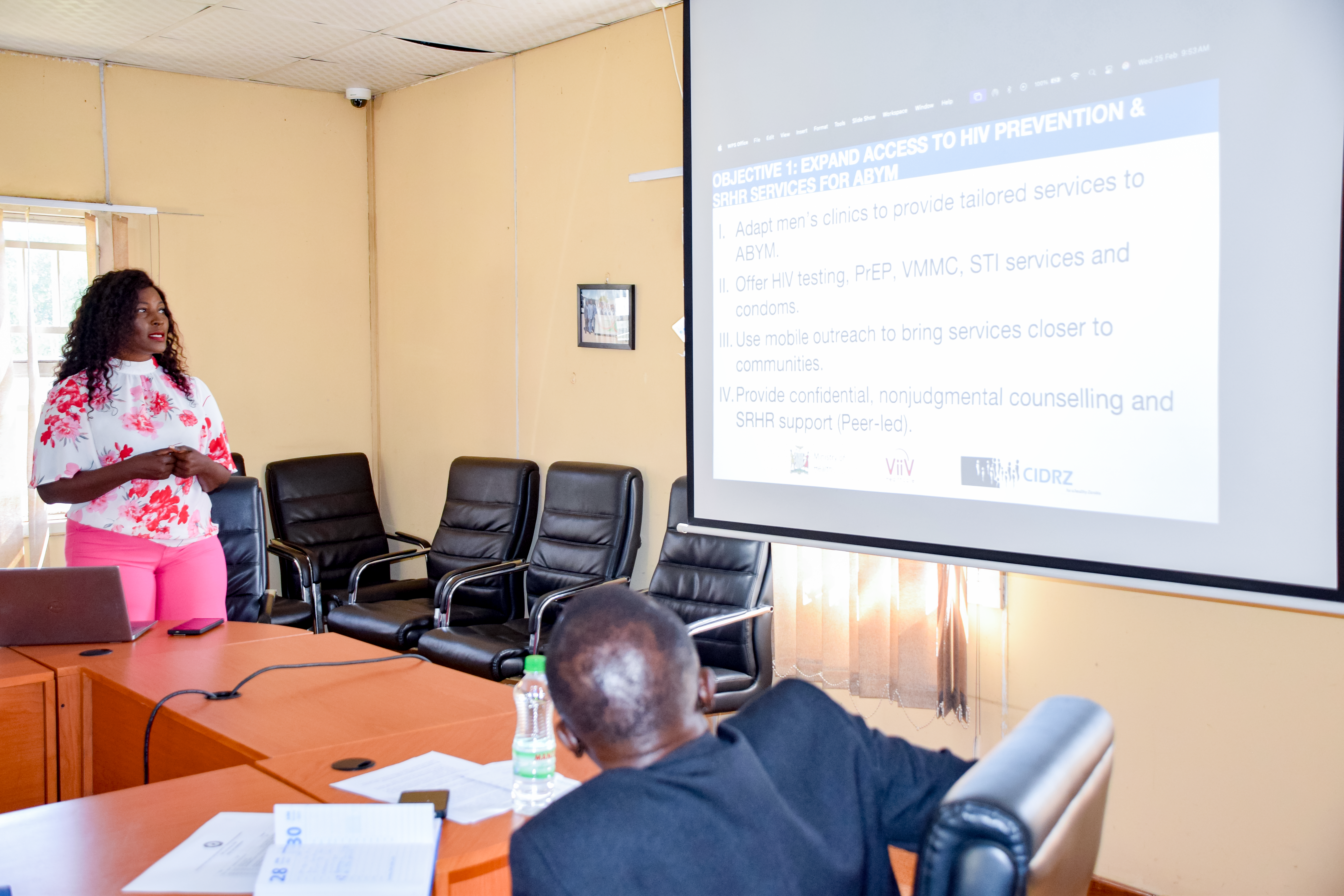
Presenting the project overview, CIDRZ’s Brenda Kayumba outlined the programme’s overarching goal: to reduce new HIV infections by improving access to integrated, youth-friendly HIV and SRHR services for ABYM.
She explained that the initiative adopts male-responsive service delivery models designed to make health facilities more accessible, welcoming, and responsive to the unique needs of young men.
The programme also promotes a community-led, relationship-centred approach that integrates HIV prevention with broader SRHR services to ensure holistic care. Central to the model is strong youth and community ownership, empowering young men to actively shape and sustain interventions that directly affect their lives.
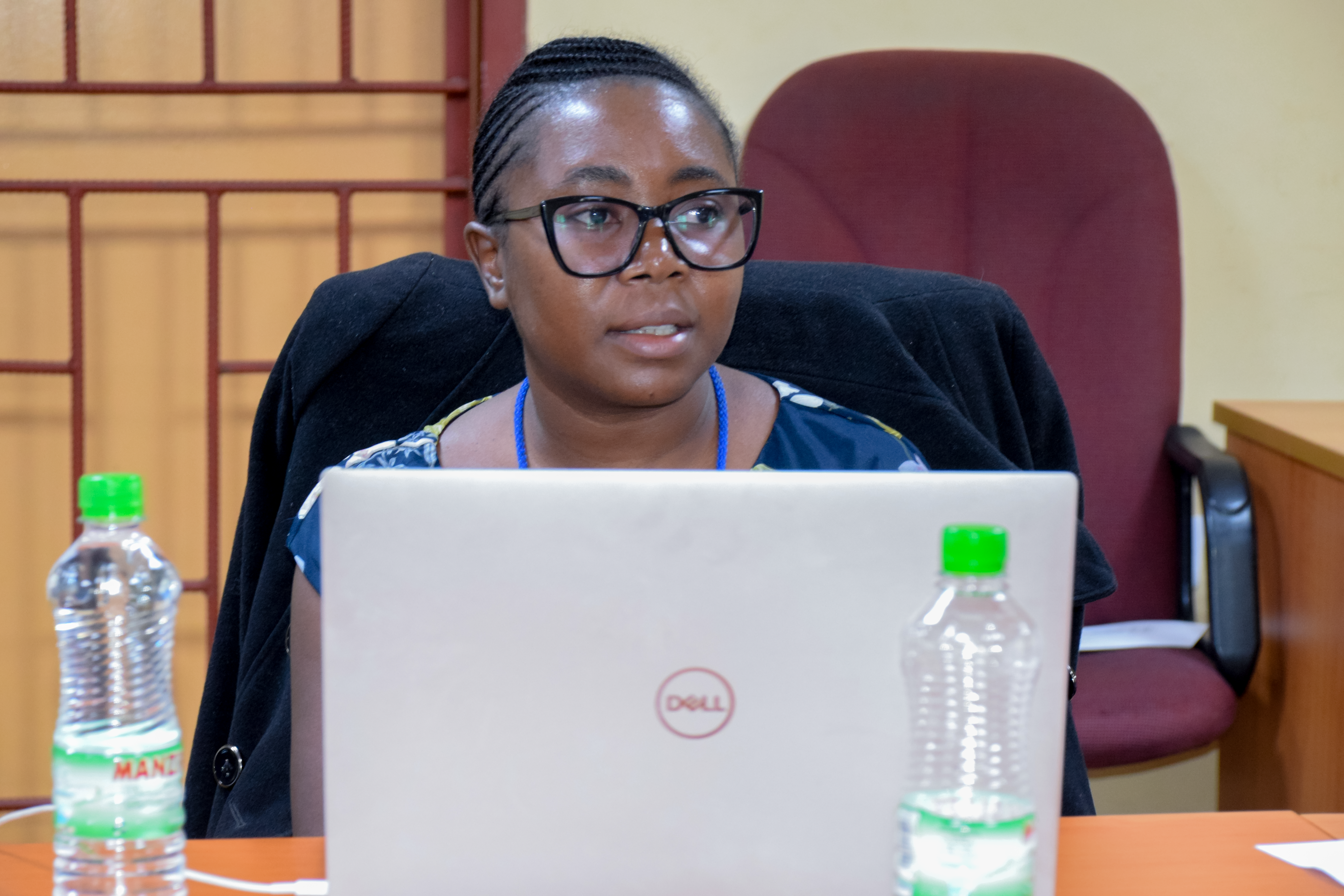
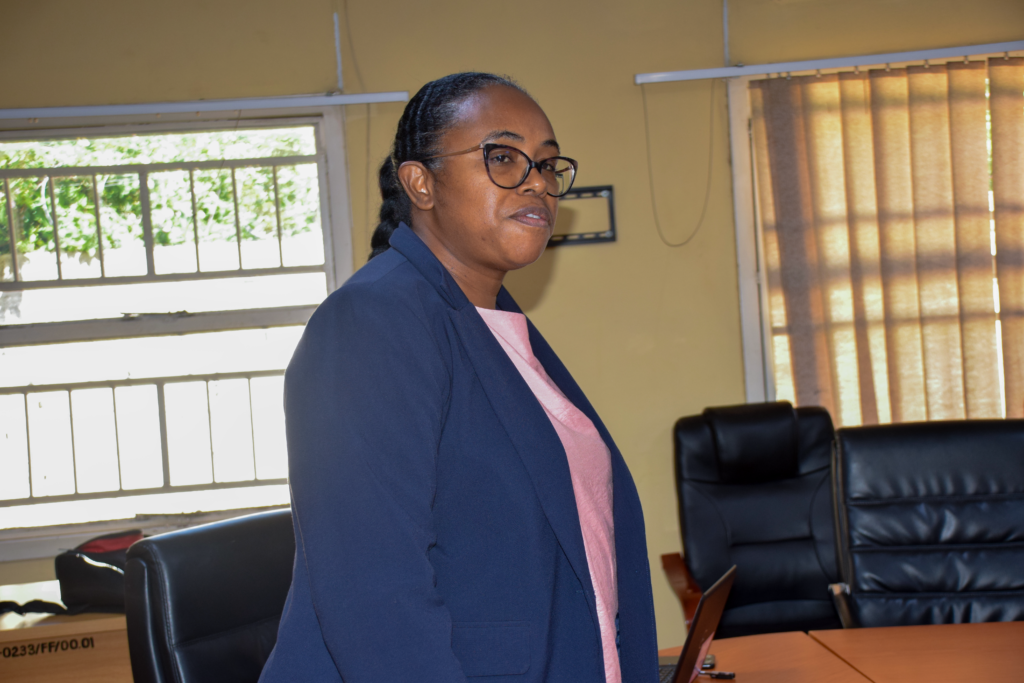
Speaking during the meeting, CIDRZ Clinical Care Specialist Dr Natalie Vlahakis expressed appreciation to stakeholders for their commitment and underscored the importance of collective action in achieving meaningful impact.
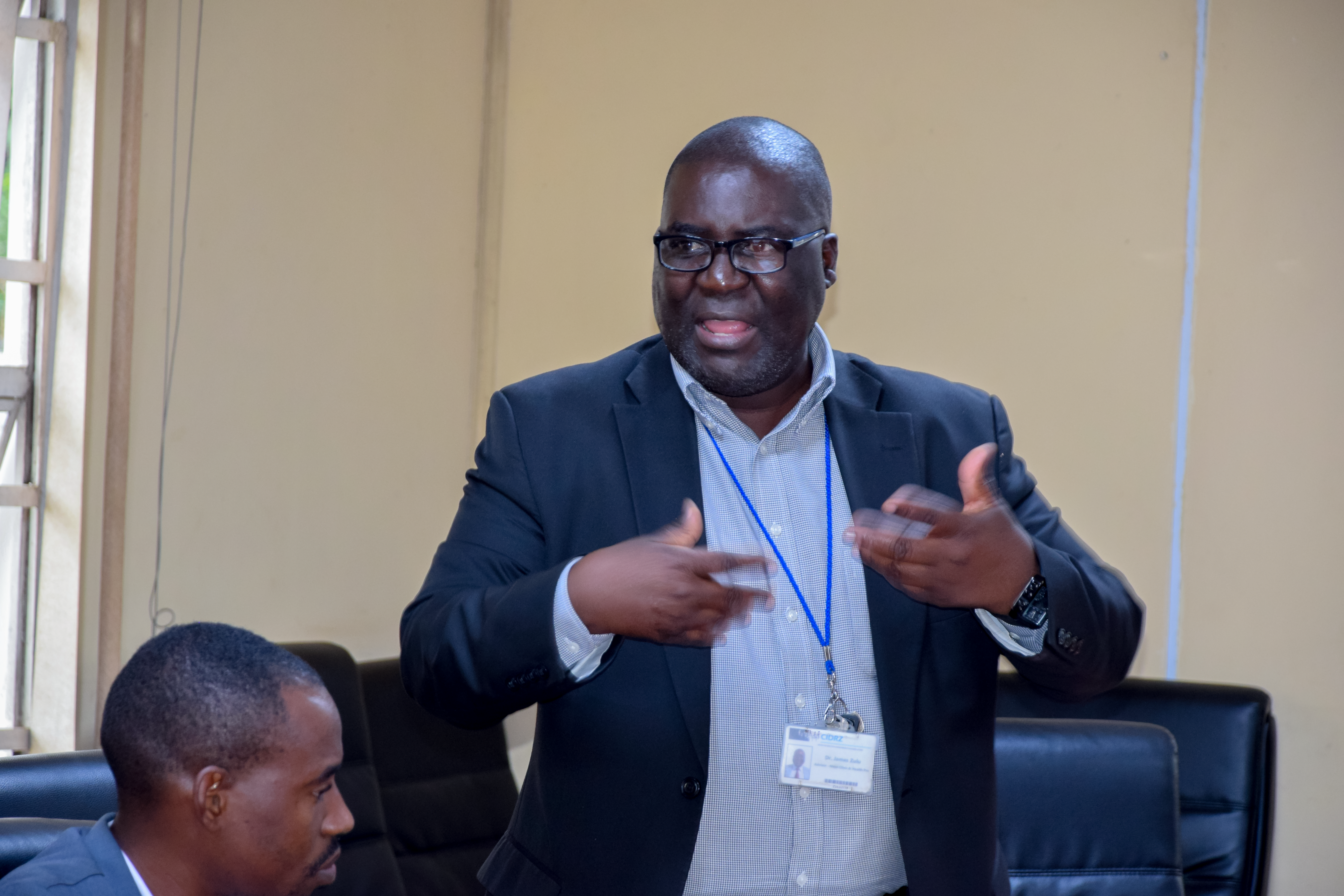
Meanwhile, Violet Mongeza, Private and Public Sector Coordinator at the National HIV/AIDS/STI/TB Council, emphasised the urgency of engaging men more intentionally in the national HIV response.
“Engaging men is not optional. It is essential,” she said. “If we are to make sustainable progress in reducing new HIV infections, men and boys must be part of the solution, both as beneficiaries of services and as advocates for healthier communities.”
Meanwhile, Charity Banda, HIV and Adolescent Health Officer at the Ministry of Education, highlighted the often-overlooked challenges facing young boys in schools and communities.
She noted that many male learners experience vulnerabilities that go unnoticed, contributing to school dropouts and engagement in risky behaviours.
“Young boys also face challenges that require the attention of all stakeholders. There is a need to support and groom them to become responsible, empowered young men, ” she said.
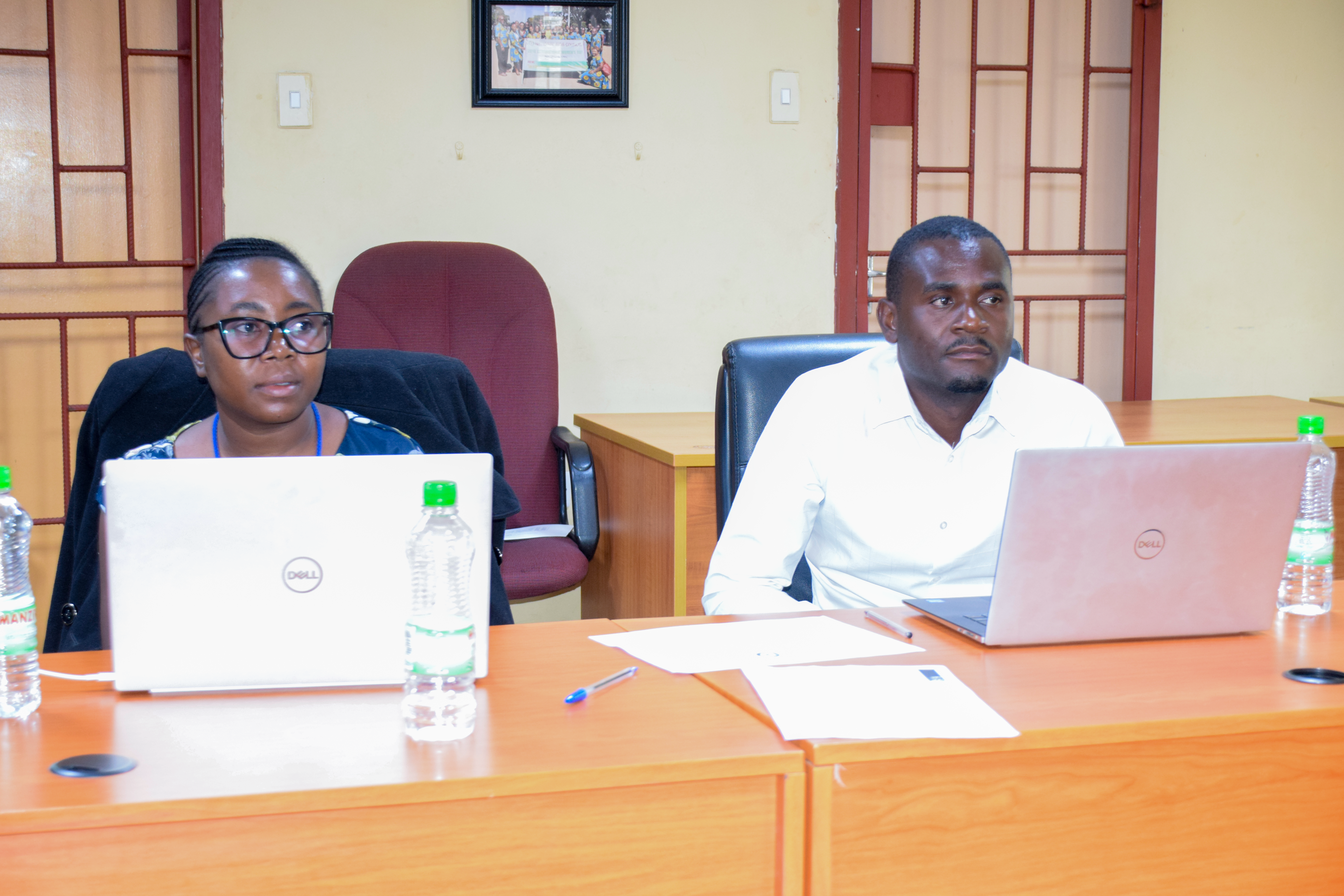
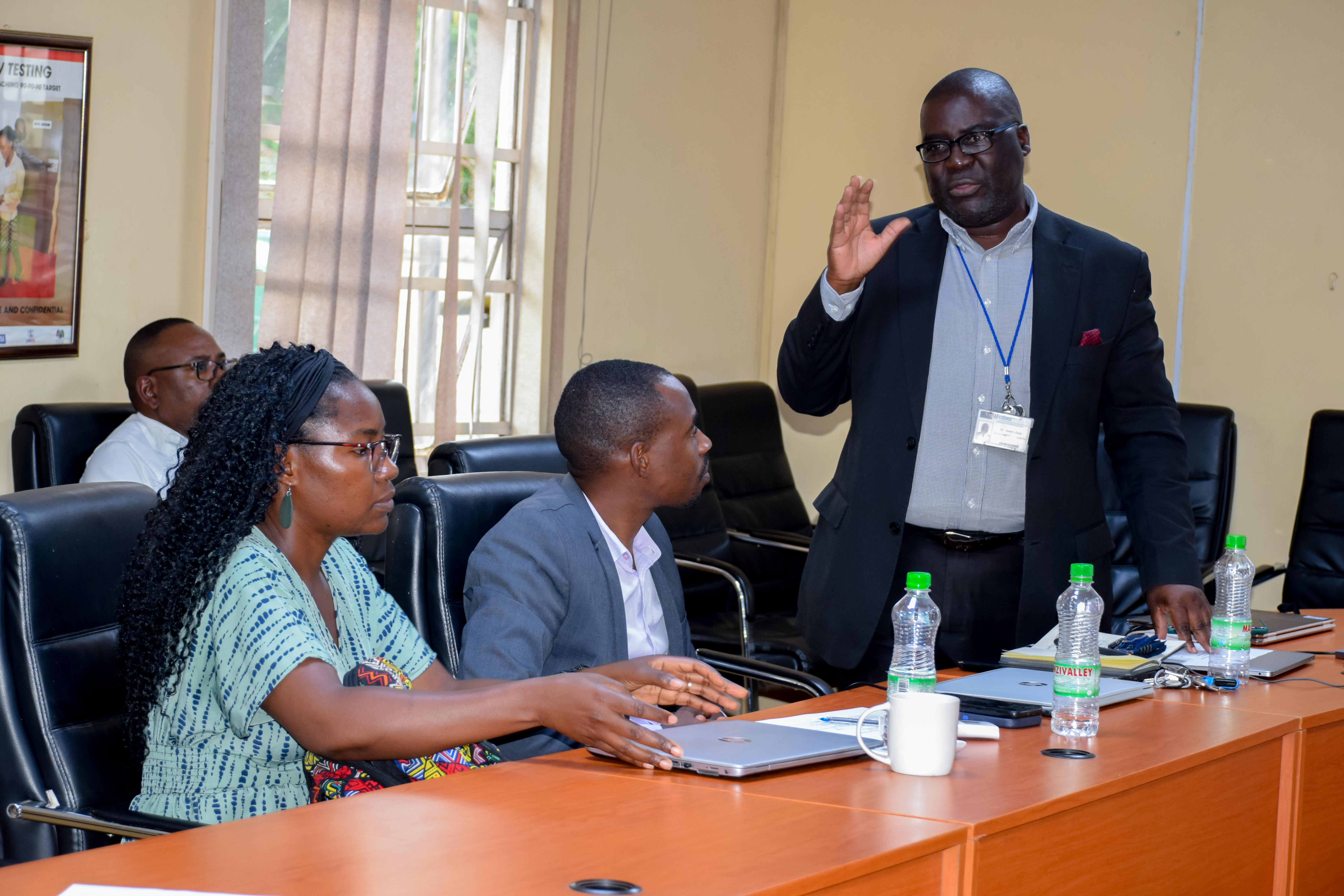
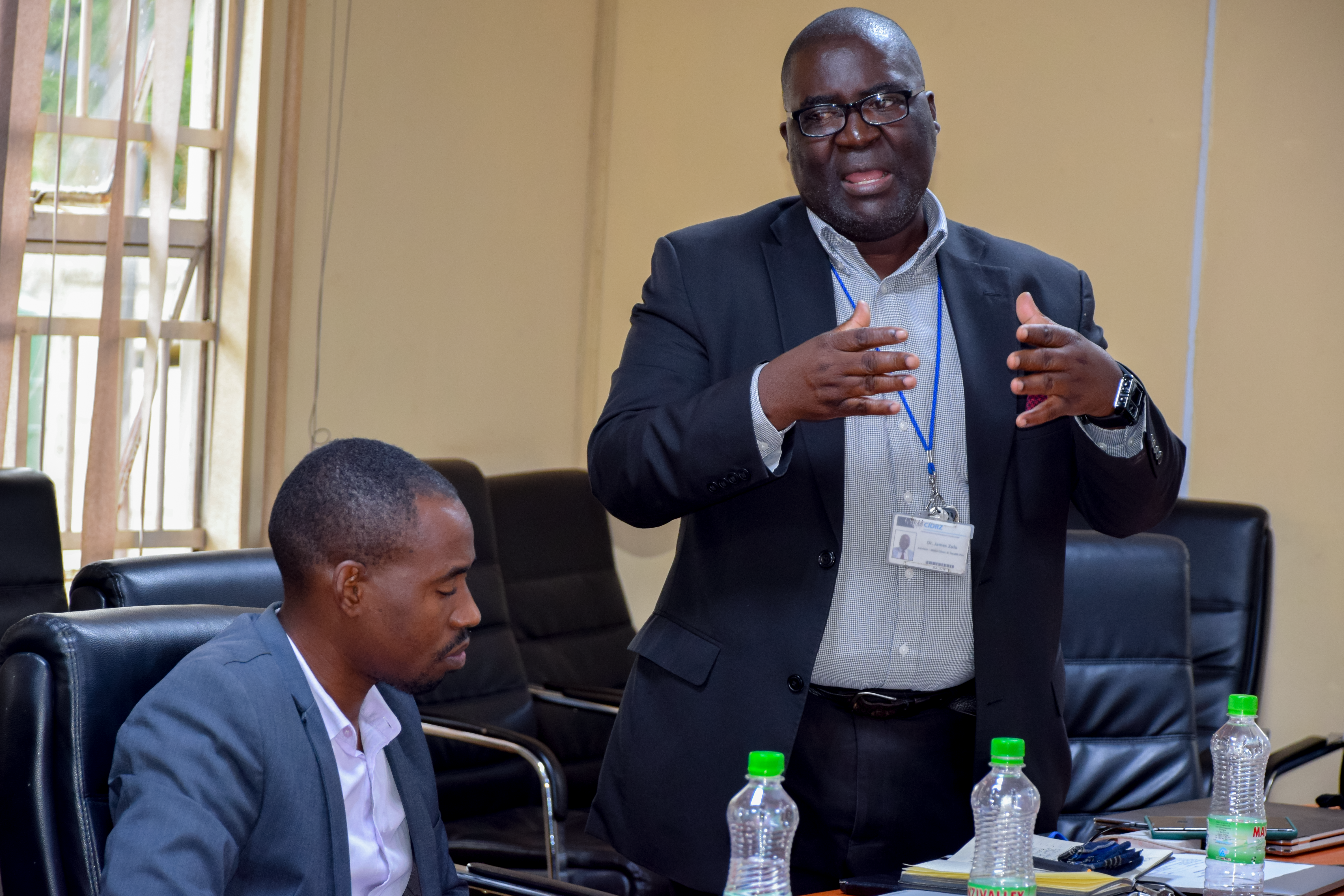
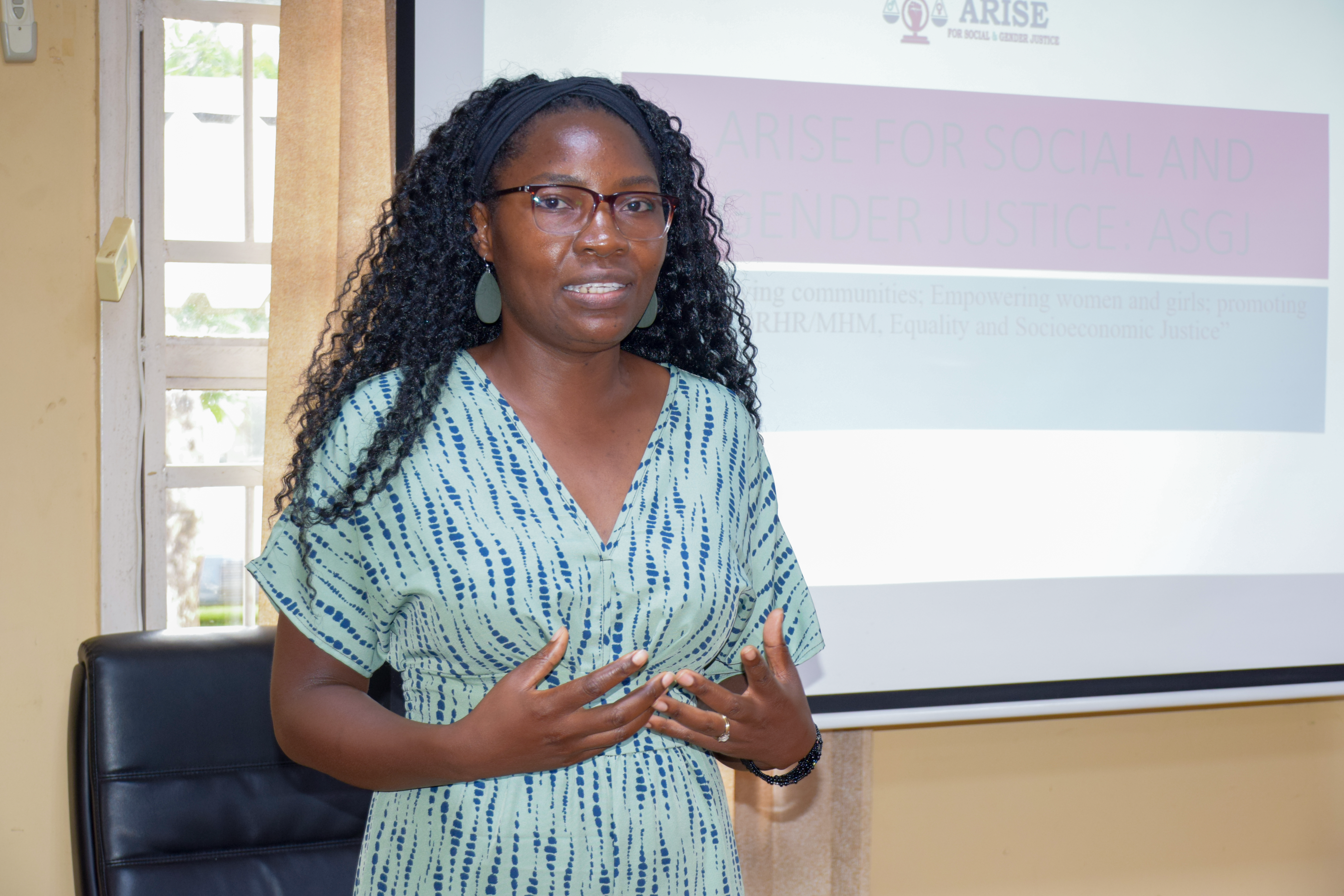
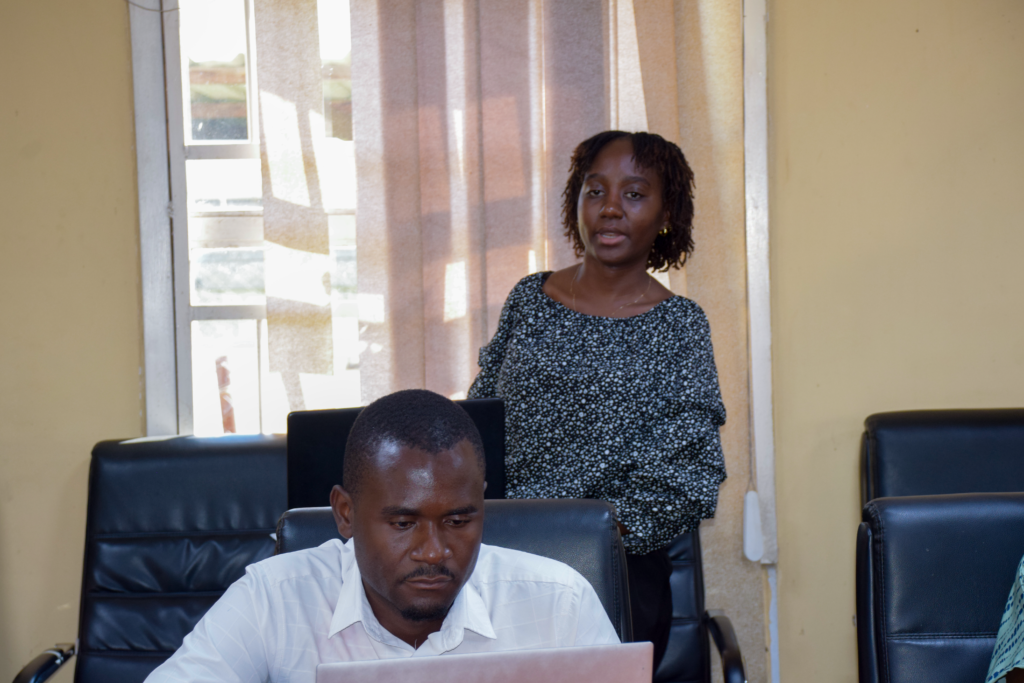
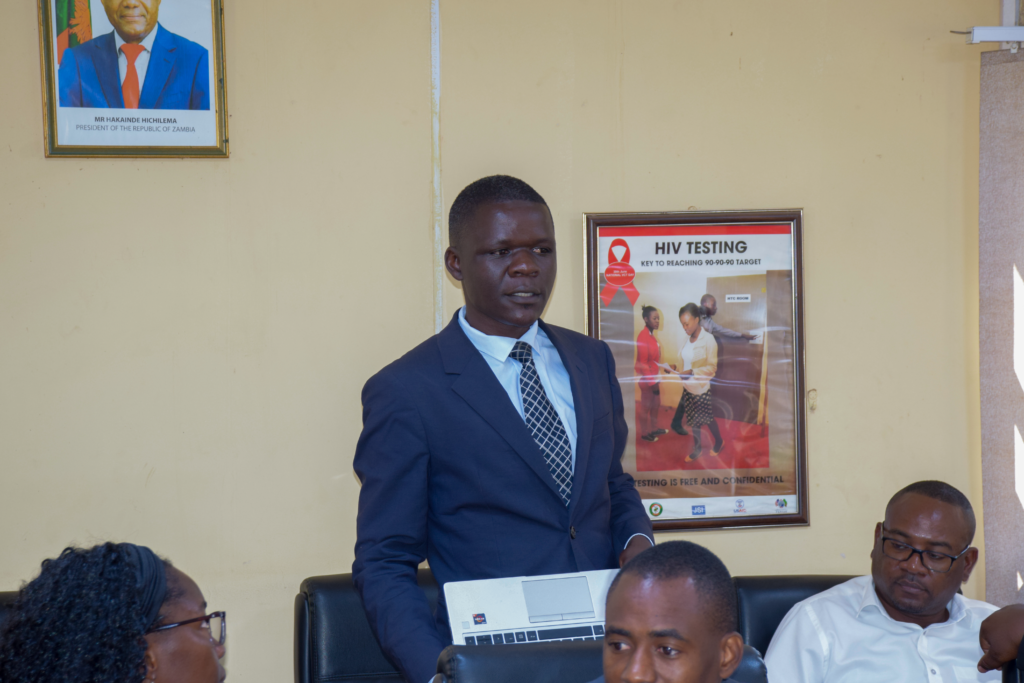
The stakeholder meeting further provided a platform for partners to showcase their ongoing interventions and identify areas of synergy with CIDRZ.
Participants shared best practices and explored opportunities for coordinated programming, strengthened referral pathways, and improved data sharing to maximise impact and avoid duplication of efforts.
The three-year programme (2025–2028) will be implemented in Lusaka District, targeting key health facilities including Matero Main Clinic, George Clinic, Kanyama West Clinic, Kanyama Level 1 Hospital, Chawama Level 1 Hospital, Chilenje Level 1 Hospital, Kuku Health Post Bauleni Clinic, Chainda Main Clinic, and Ng’ombe Clinic.