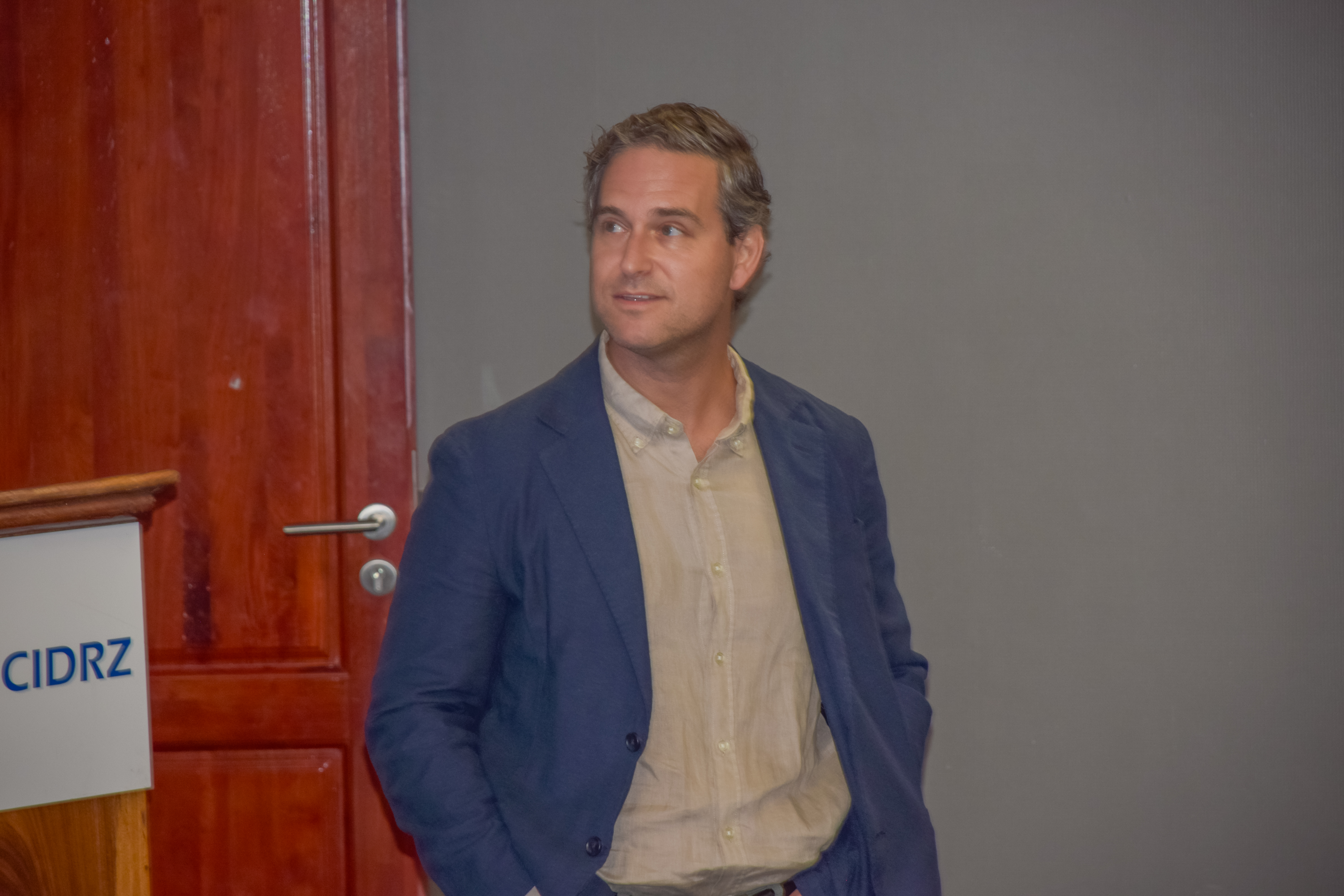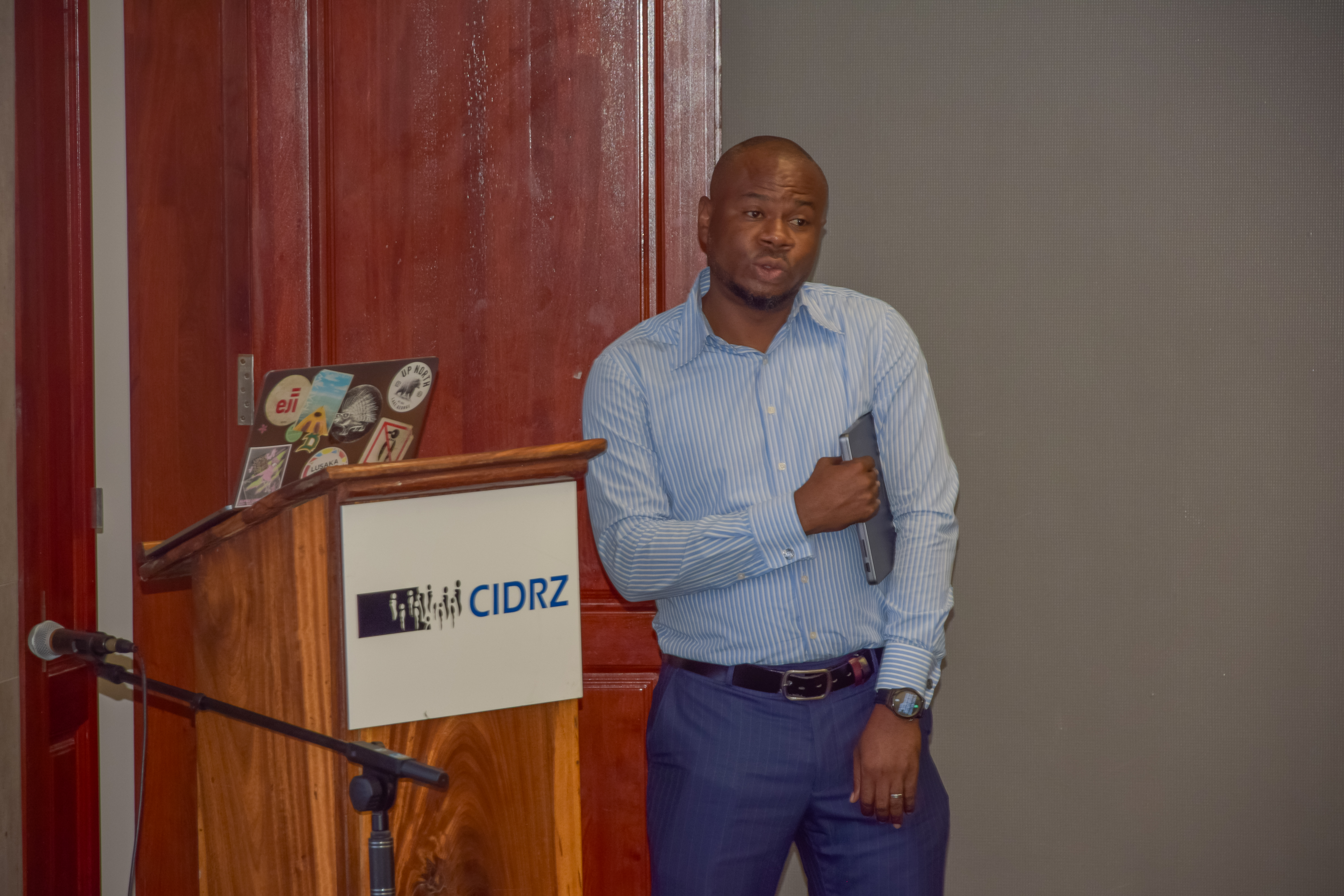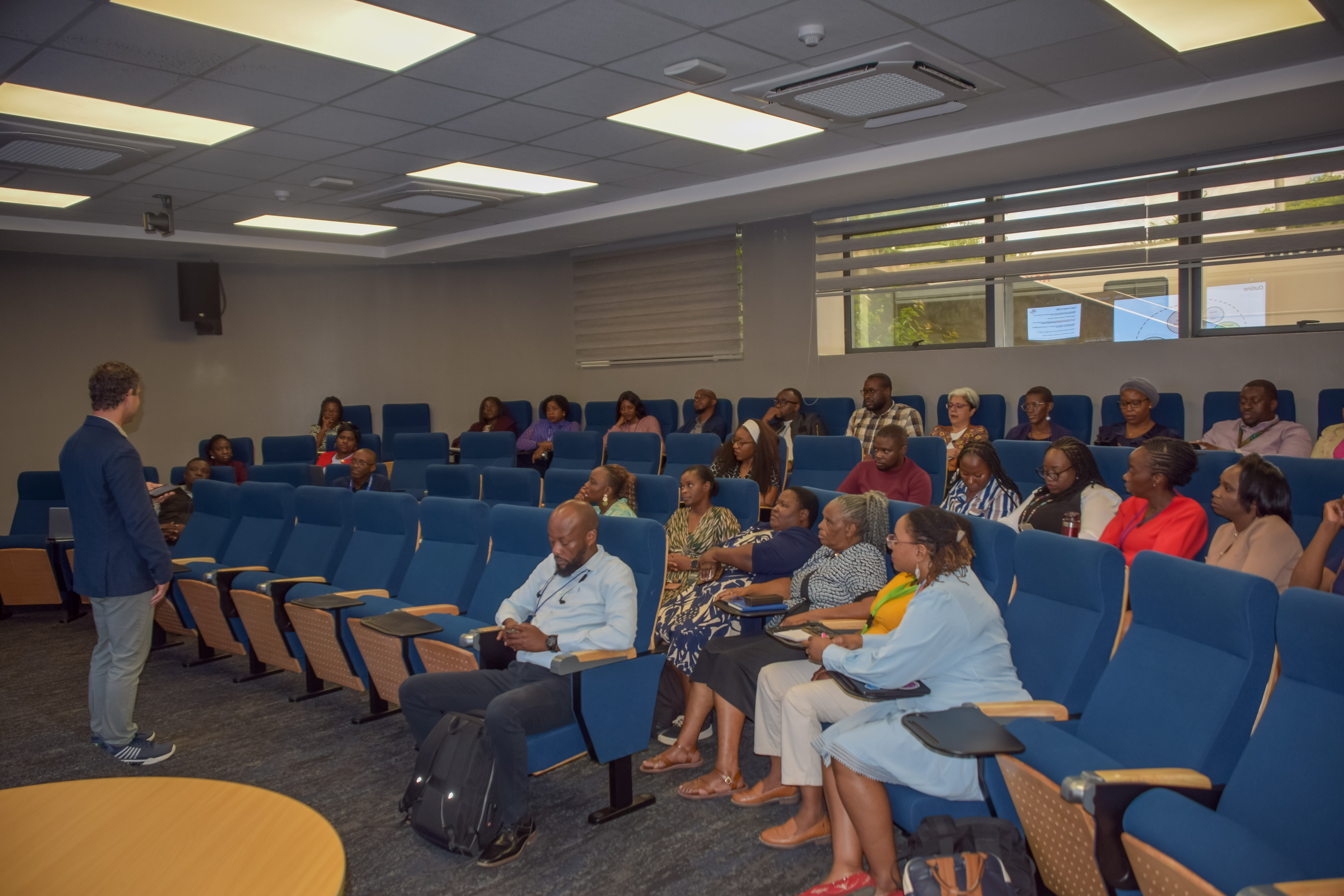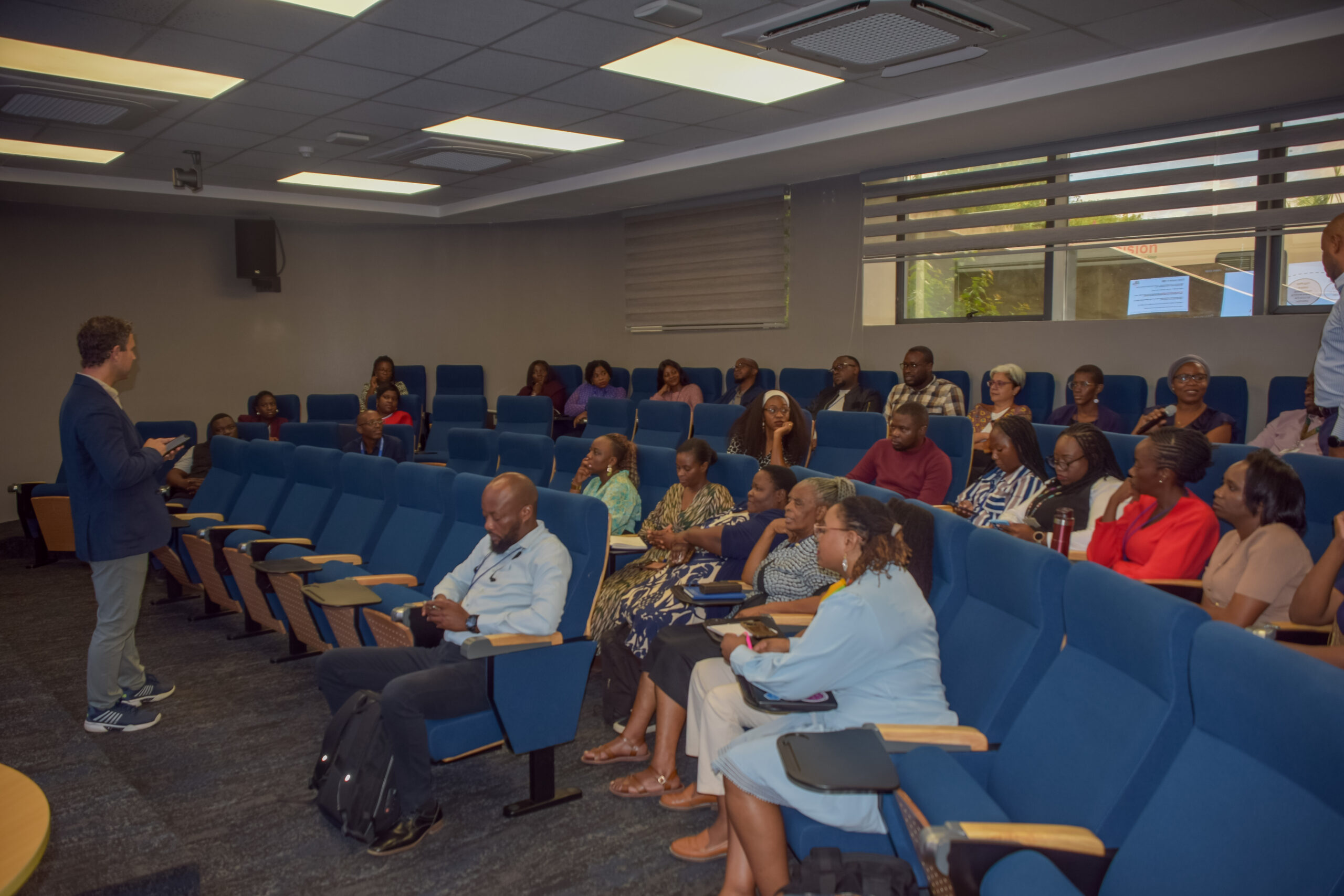
Professor Vinikoor Highlights Progress and Gaps in Zambia’s Hepatitis B Response.
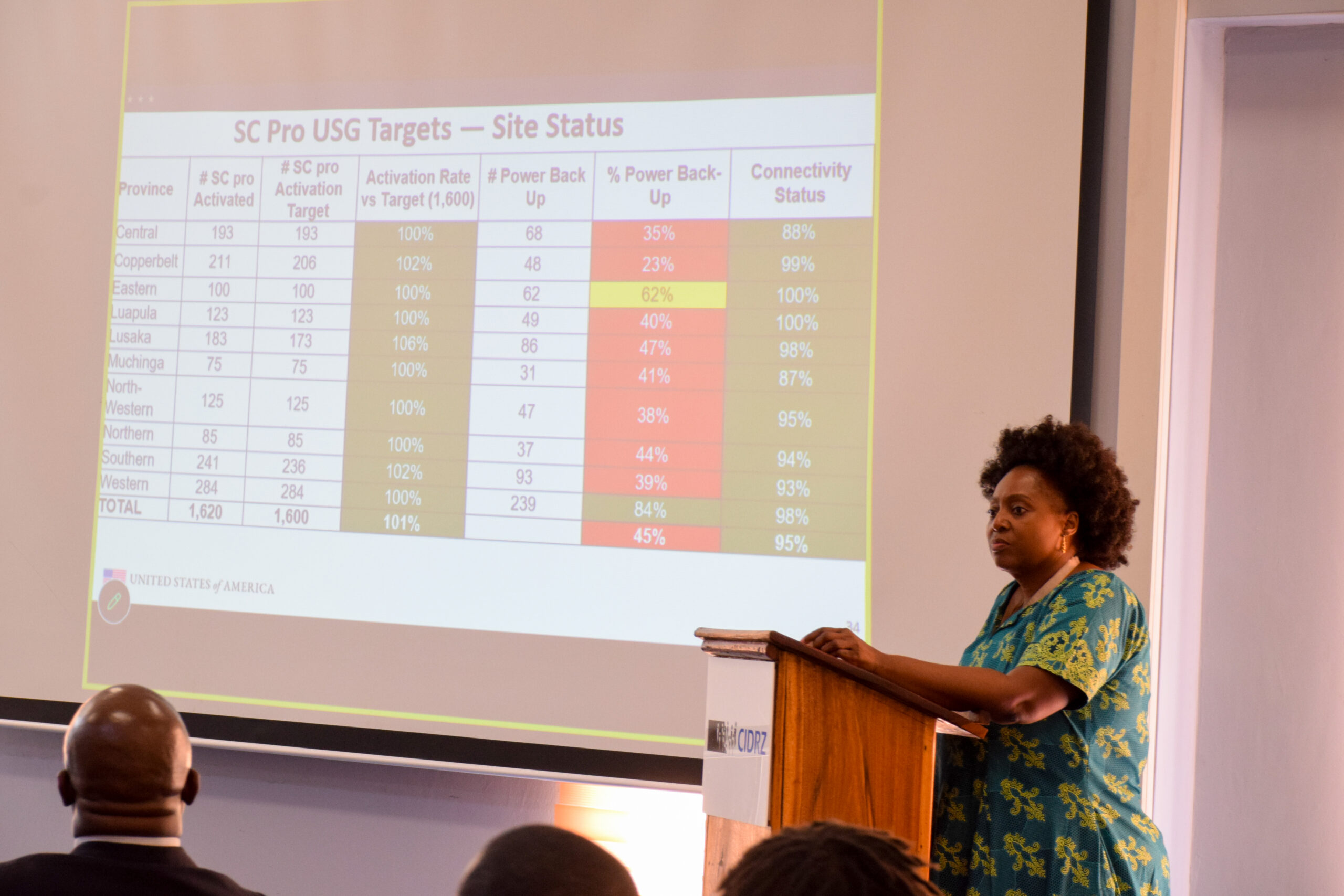
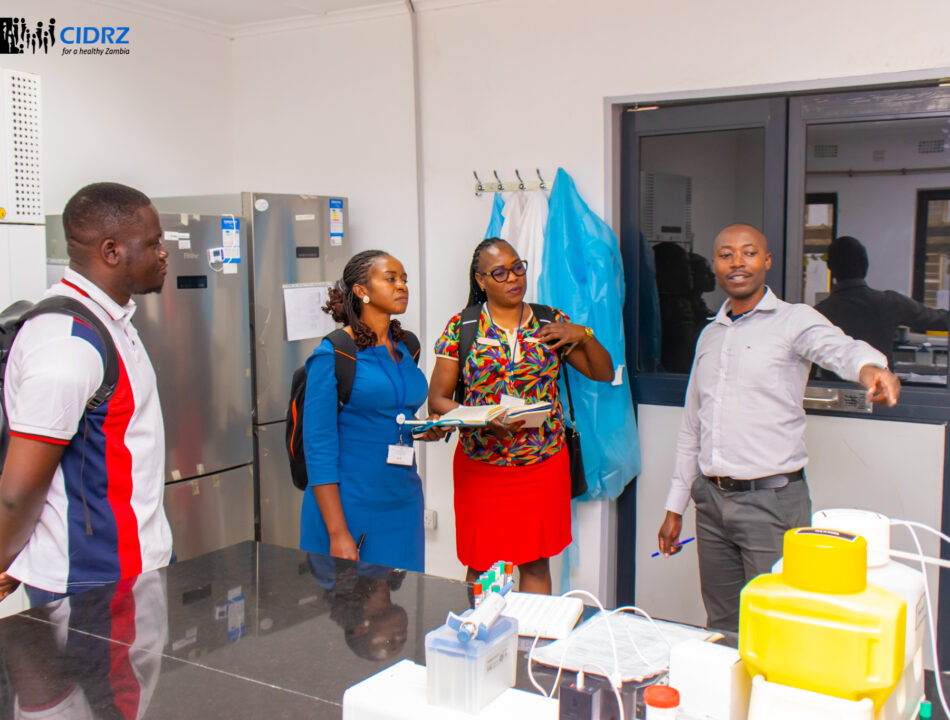
CIDRZ Takes Part in U.S. Government Implementing Partners Meeting on Programme Performance and Health Priorities.
April 7, 2026
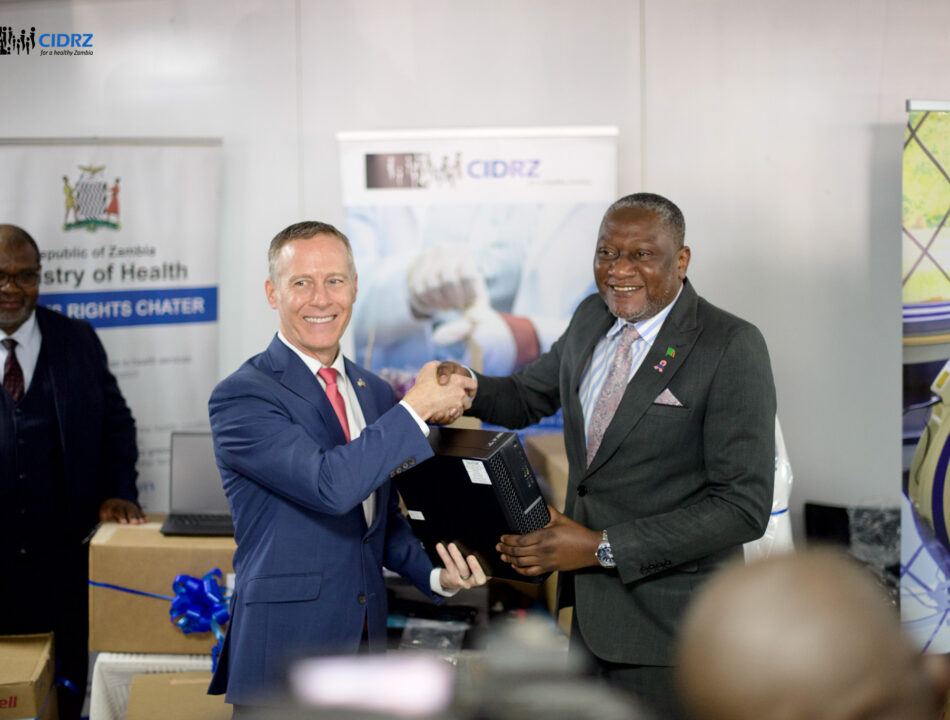
CIDRZ Joins Ministry of Health to Celebrate UTH Calibration Centre’s ISO 17025 Accreditation Recommendation.
April 8, 2026
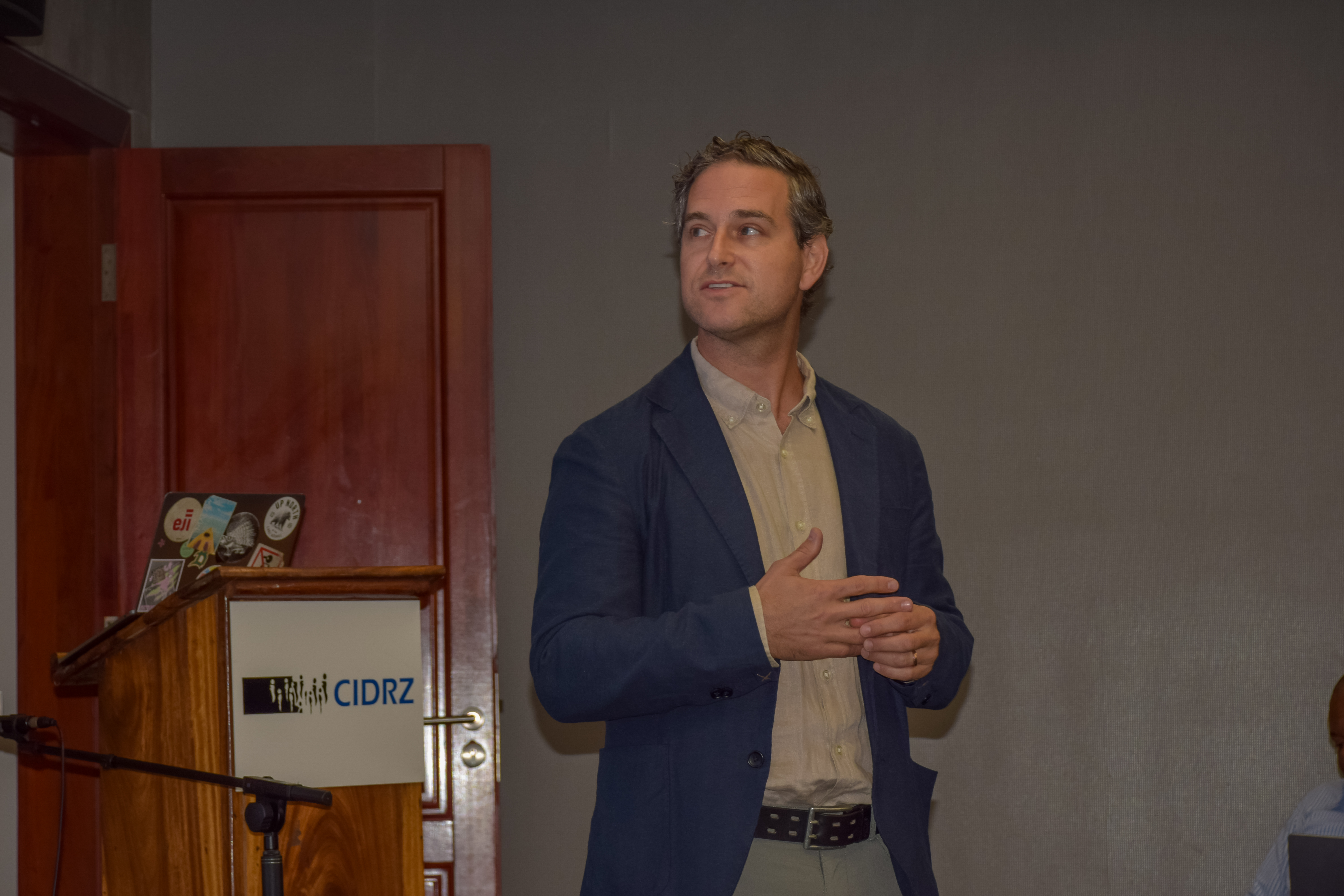
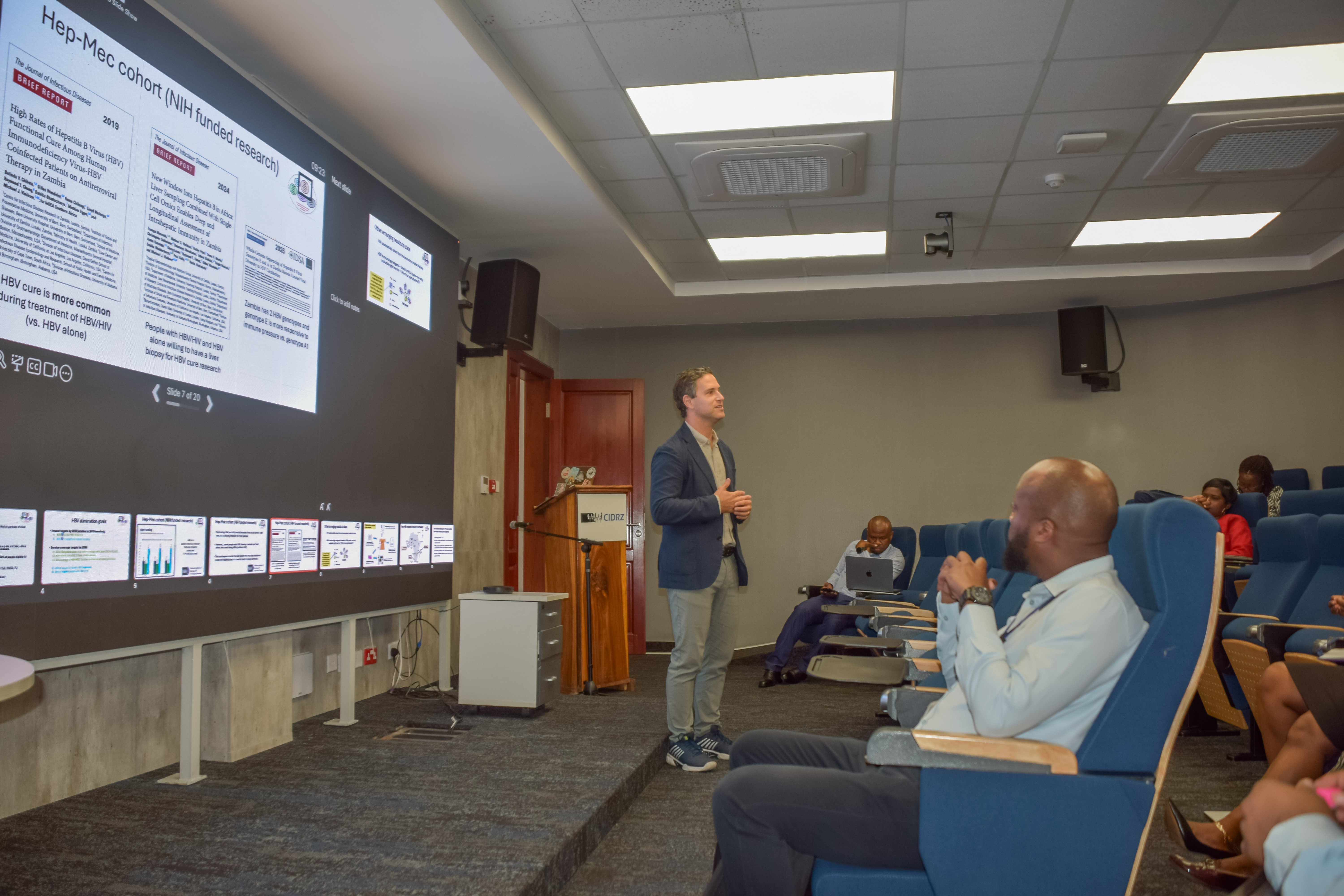
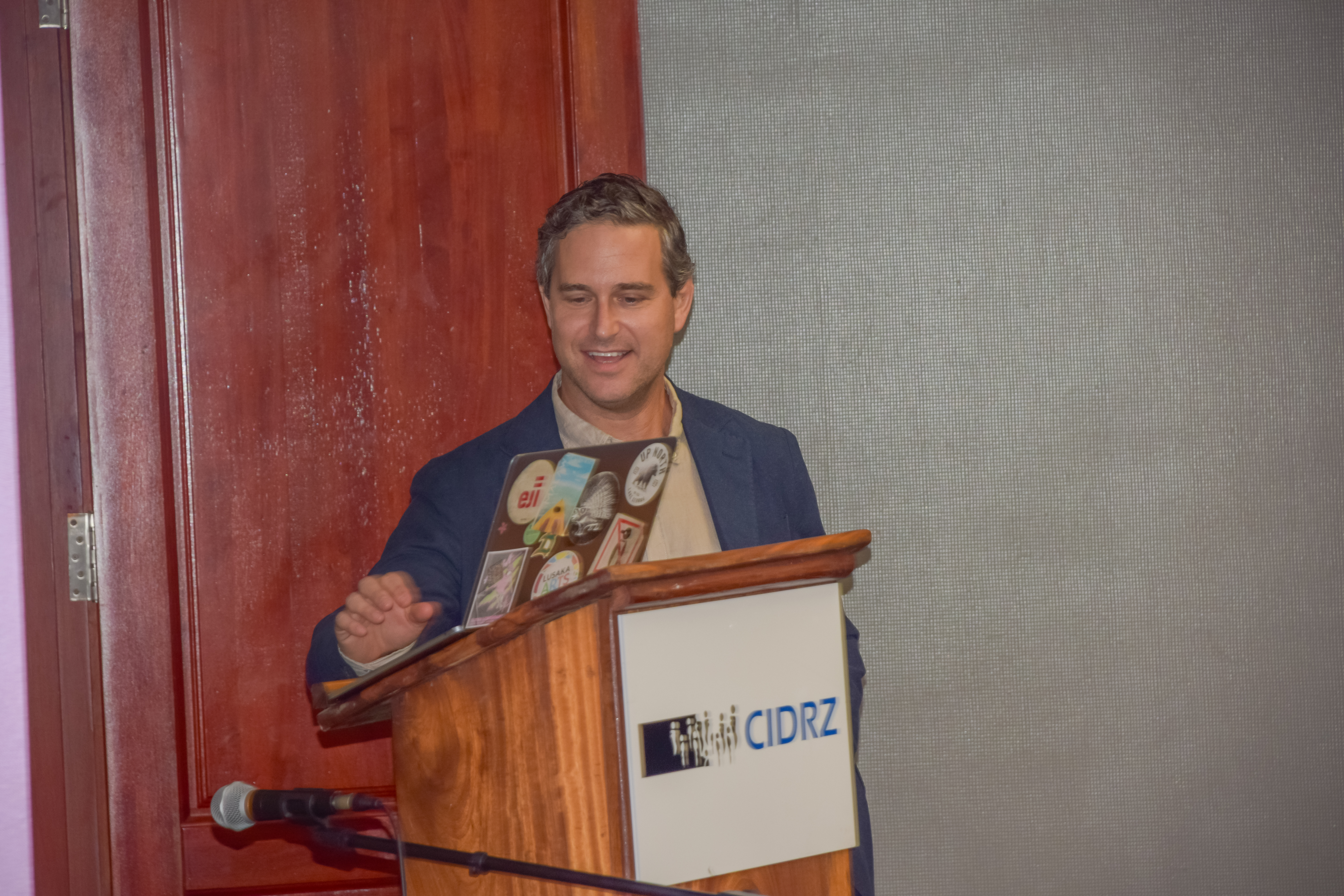
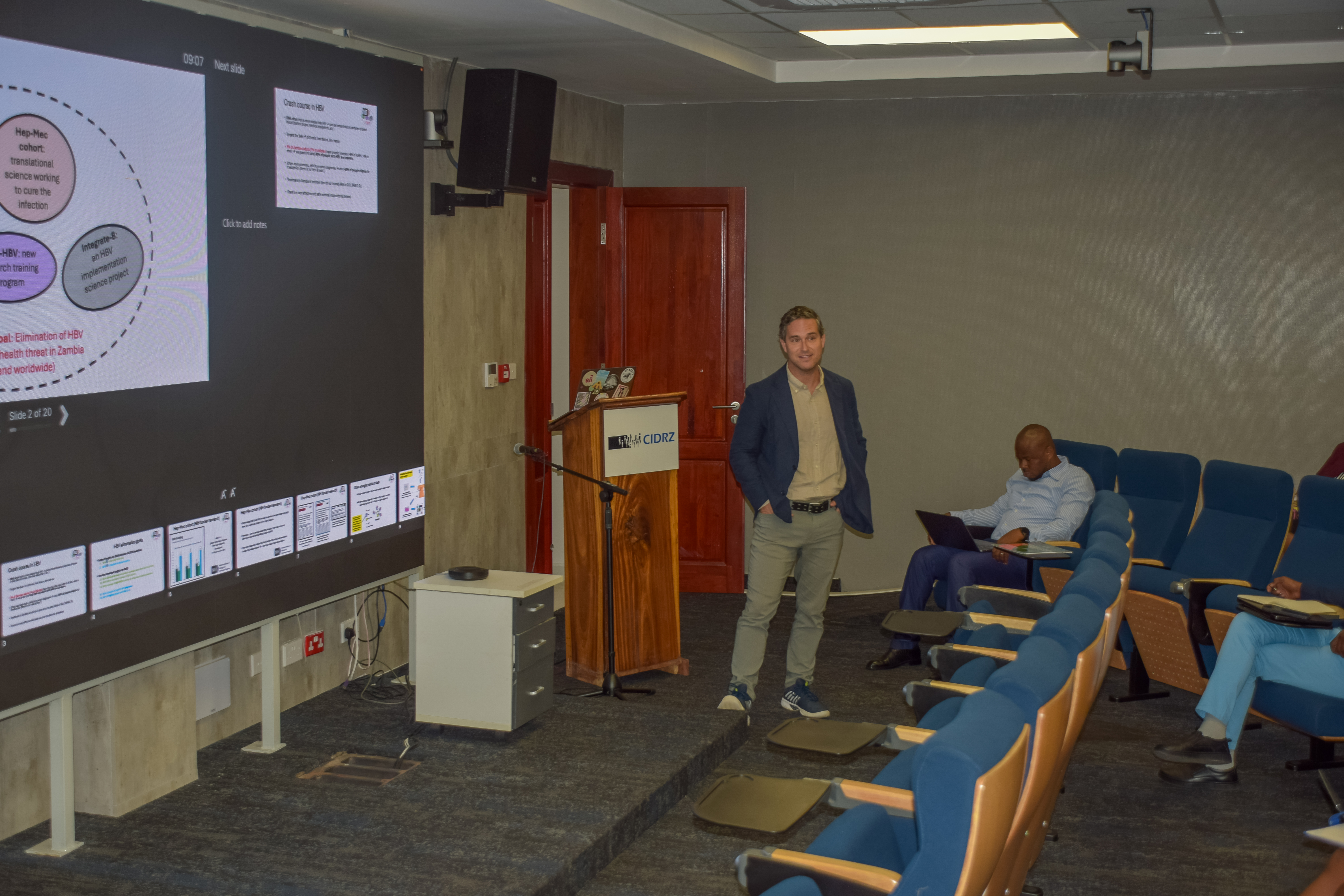
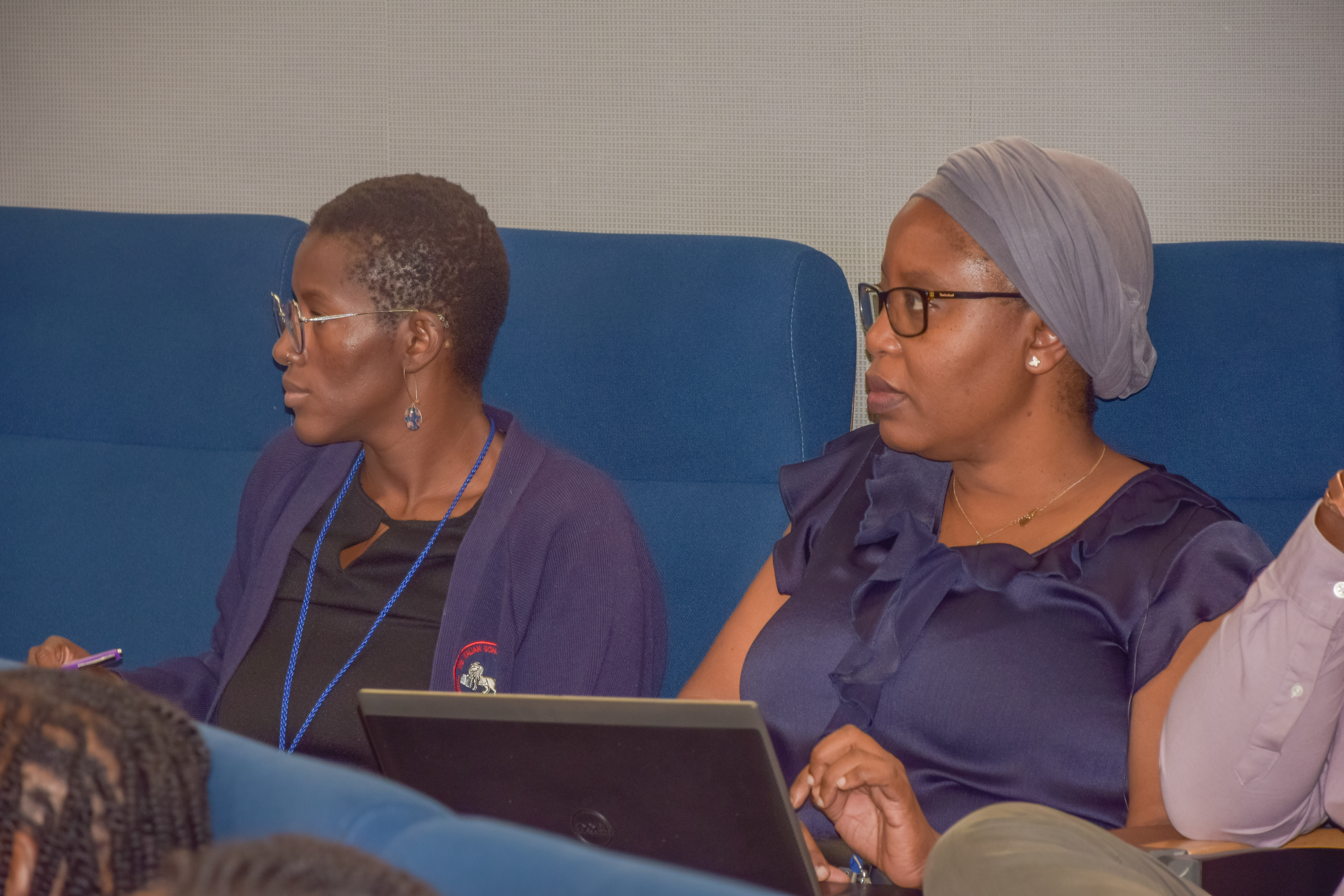
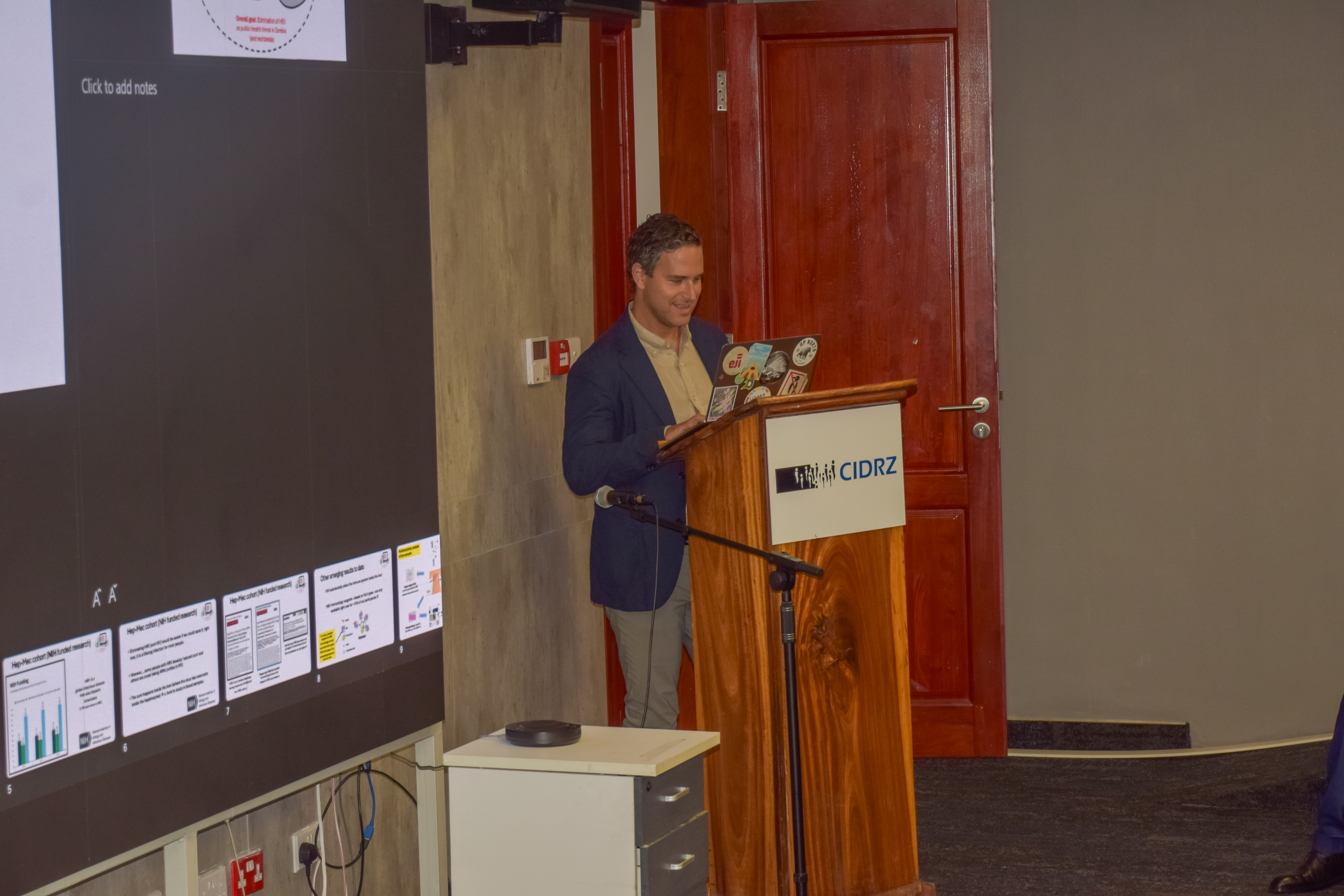
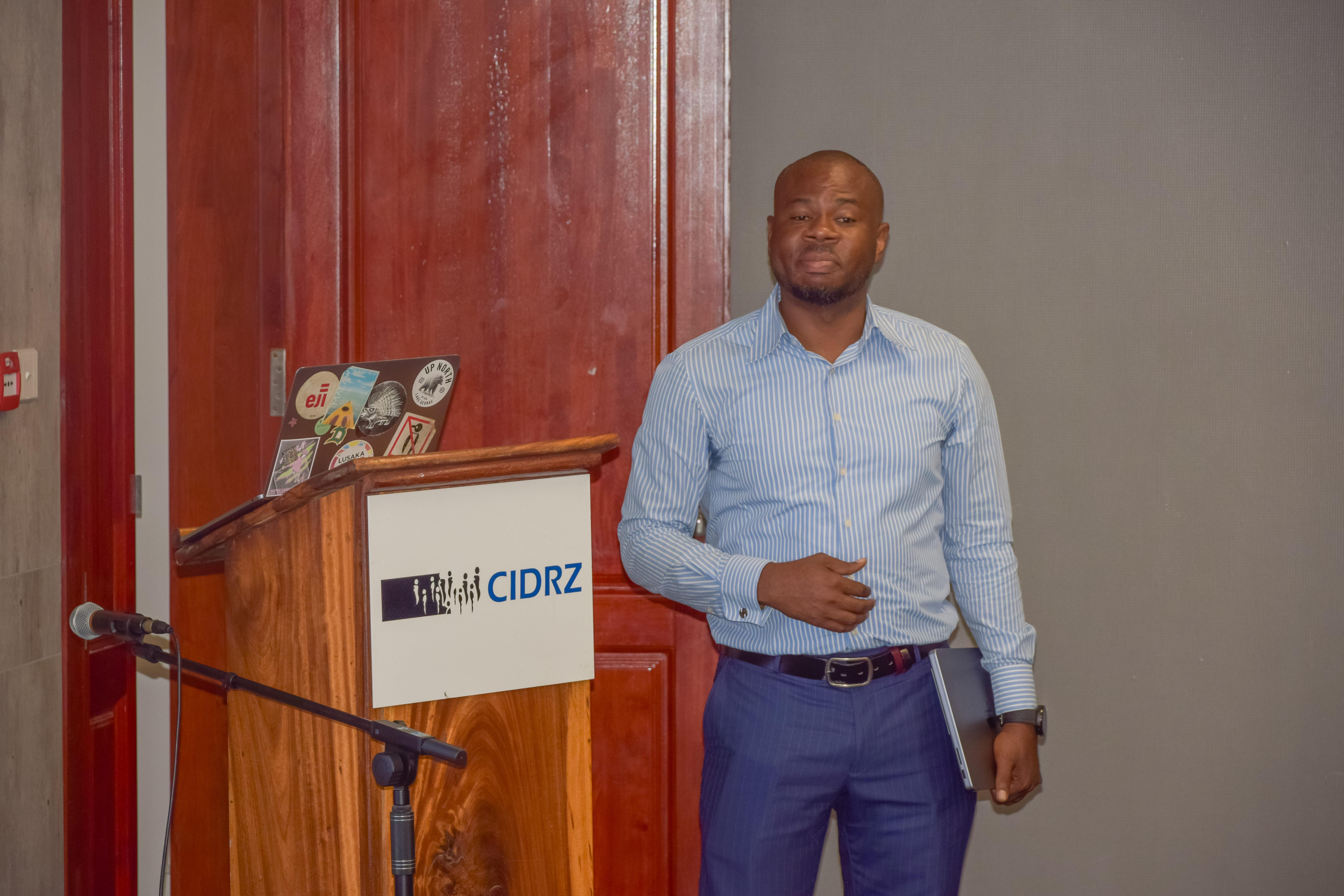
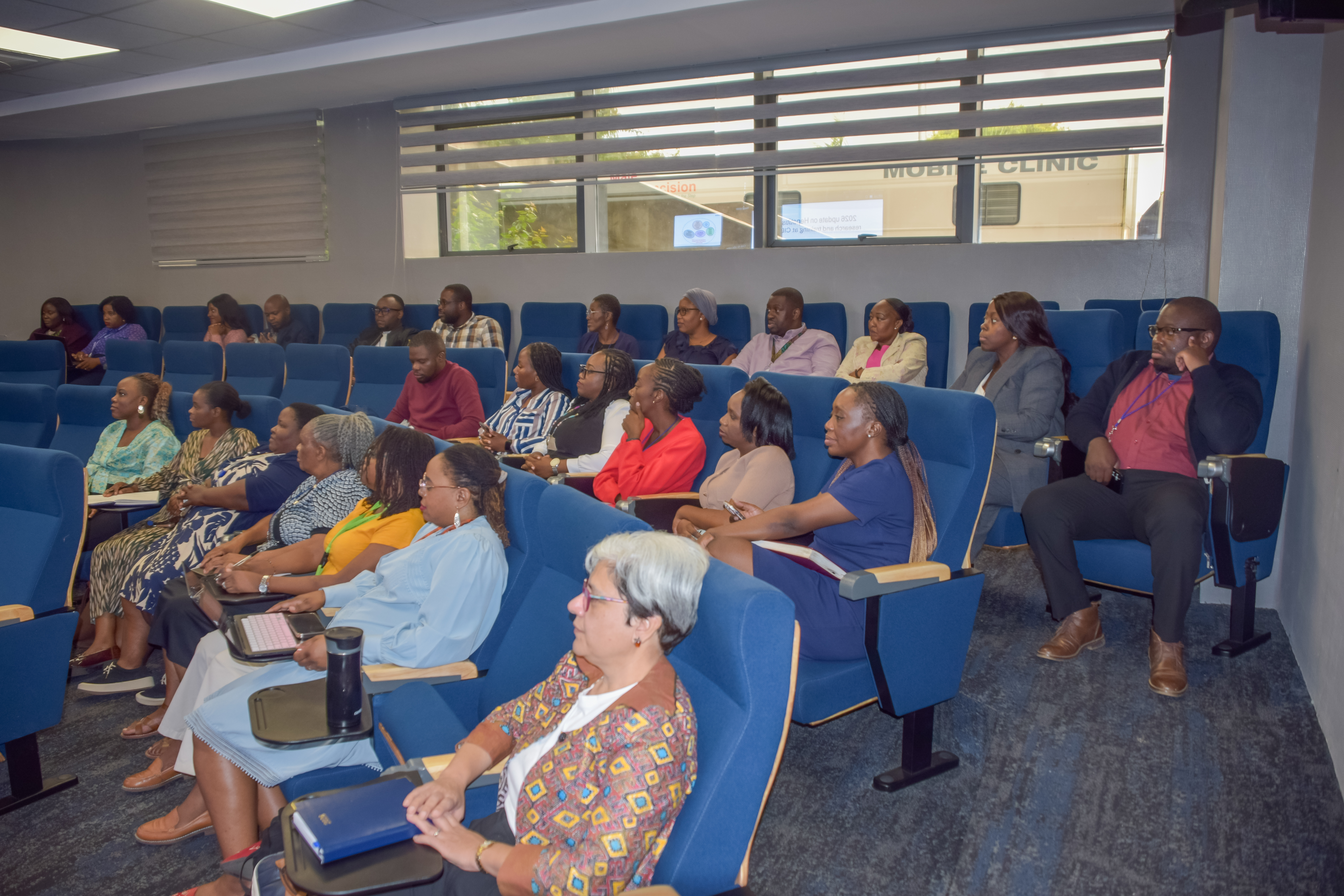
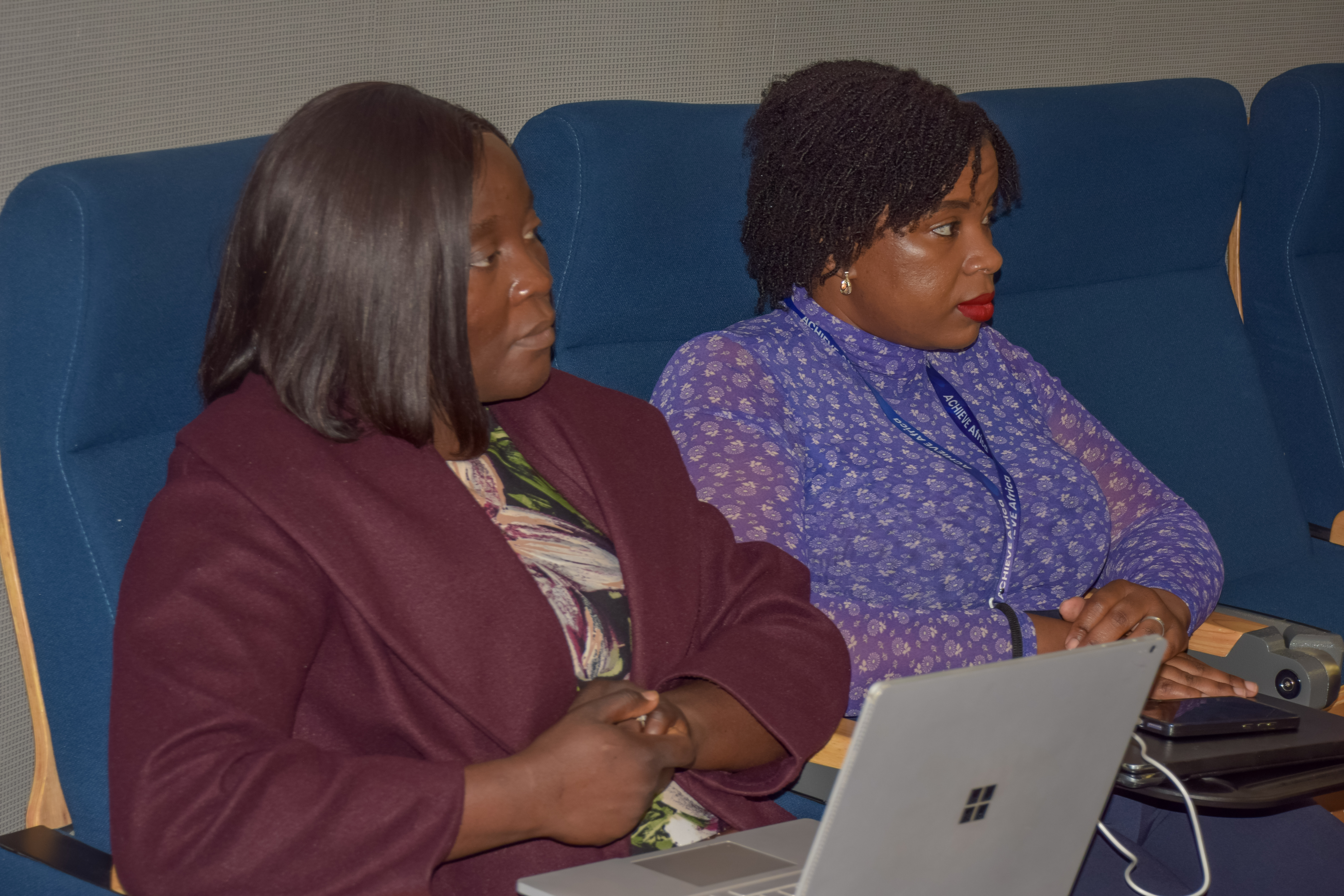
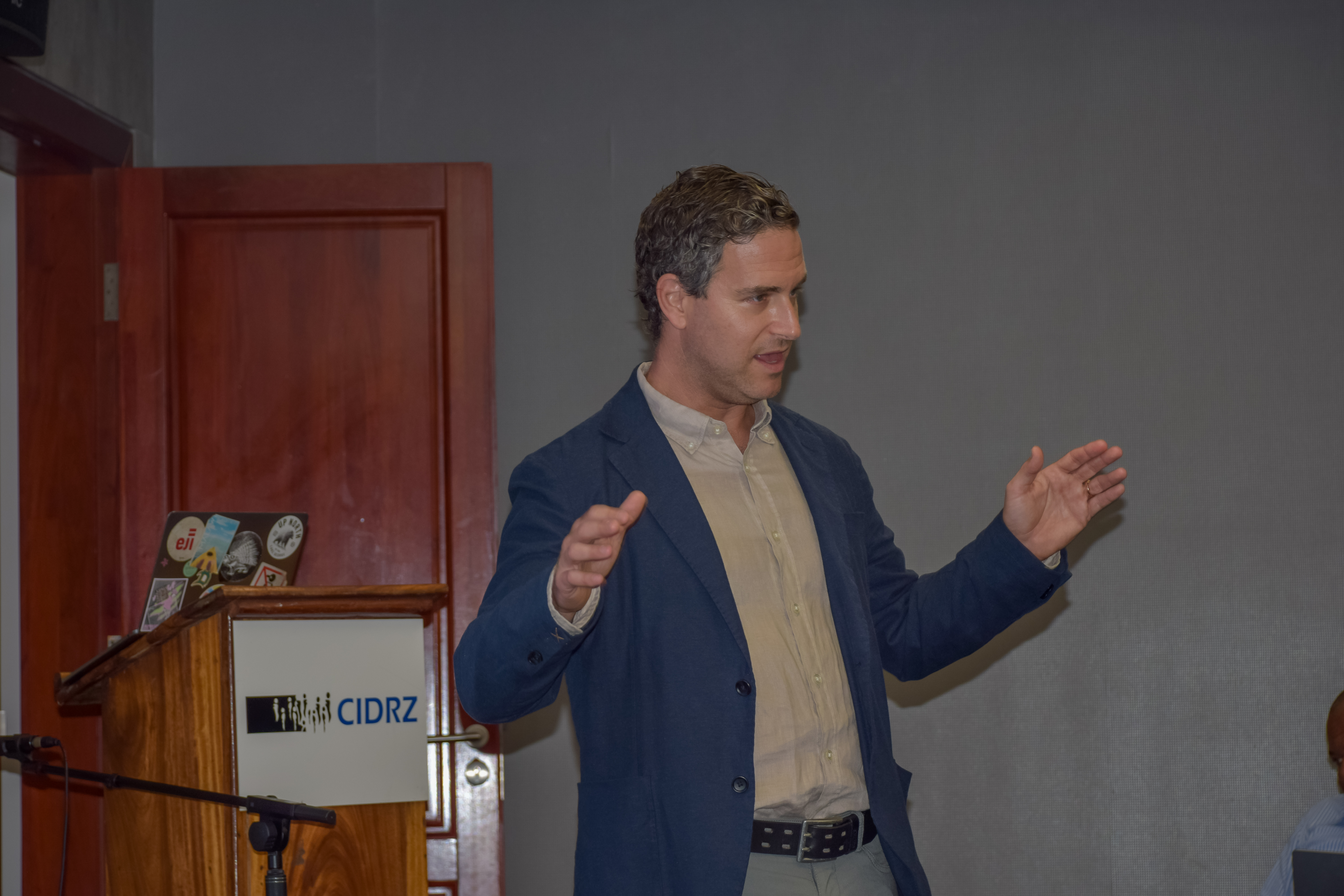
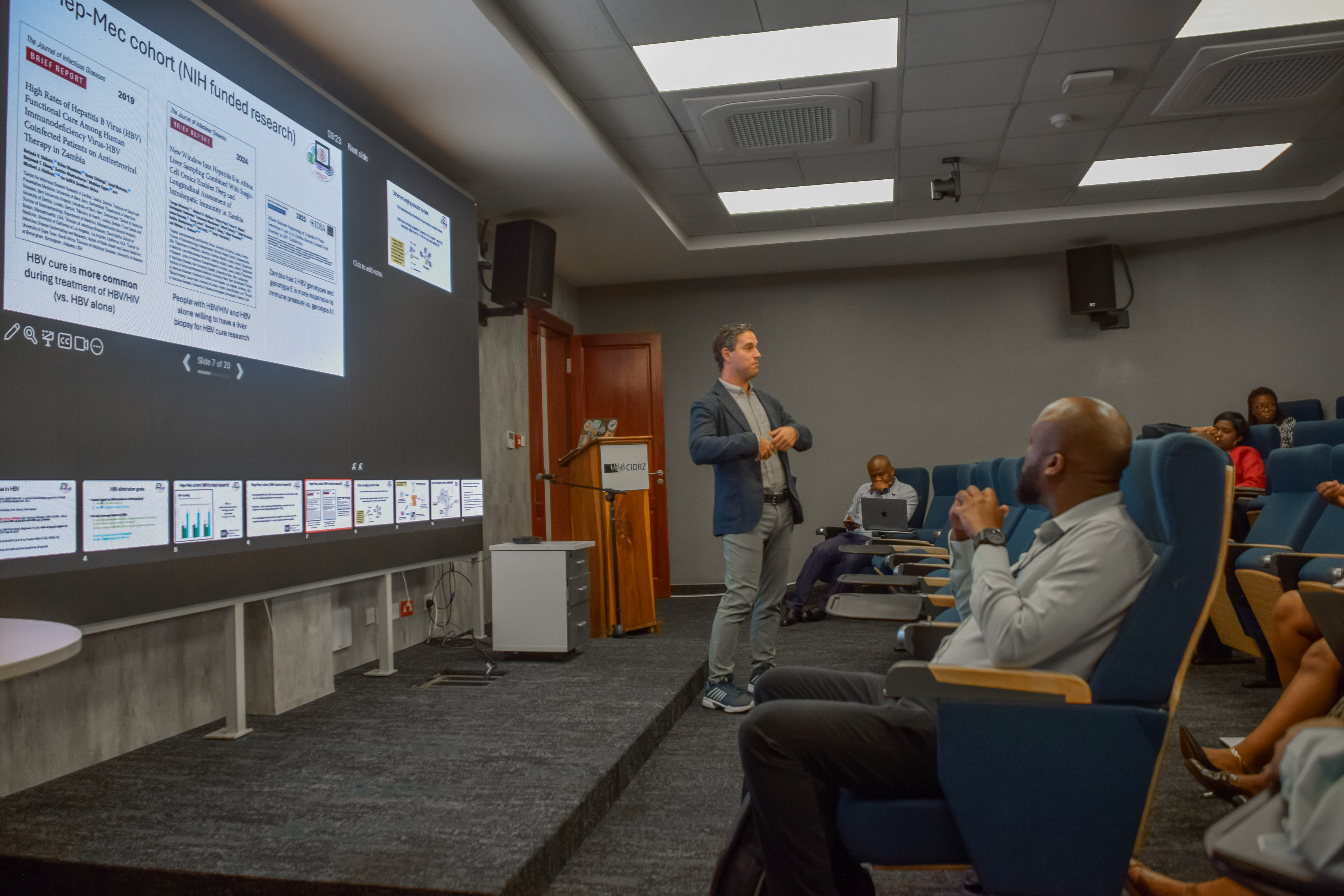
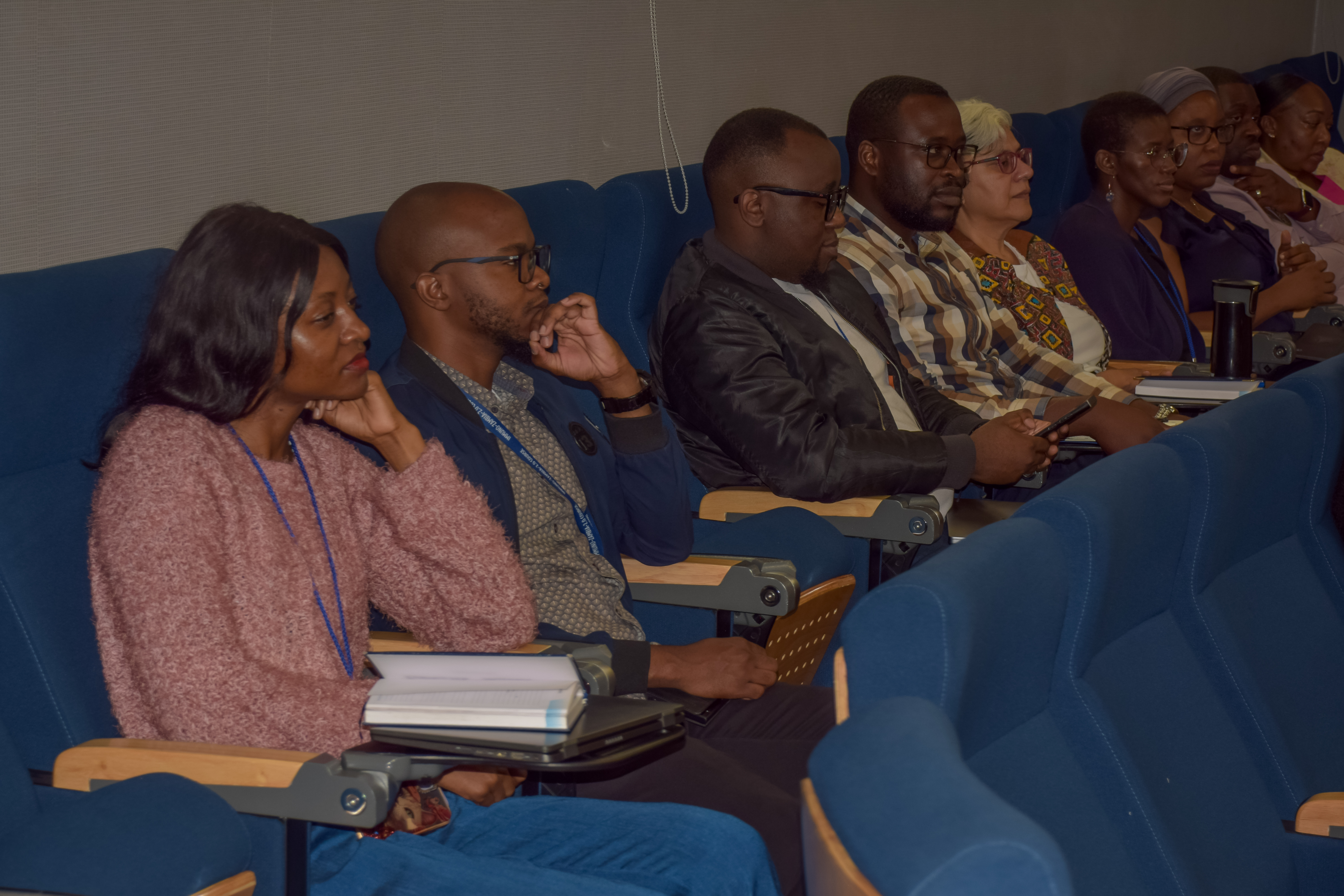
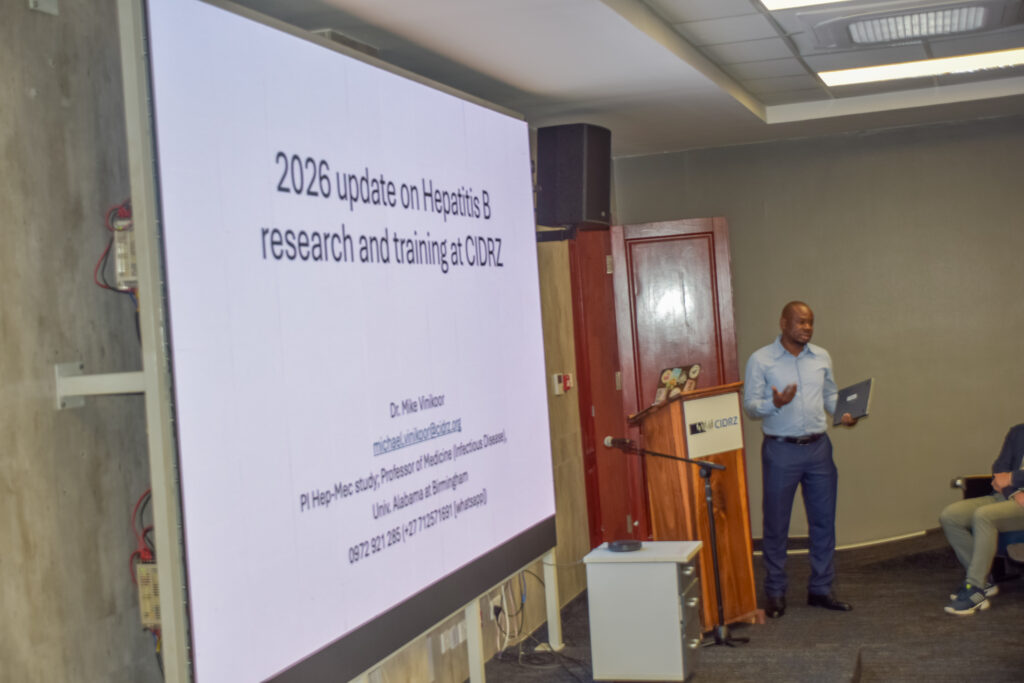
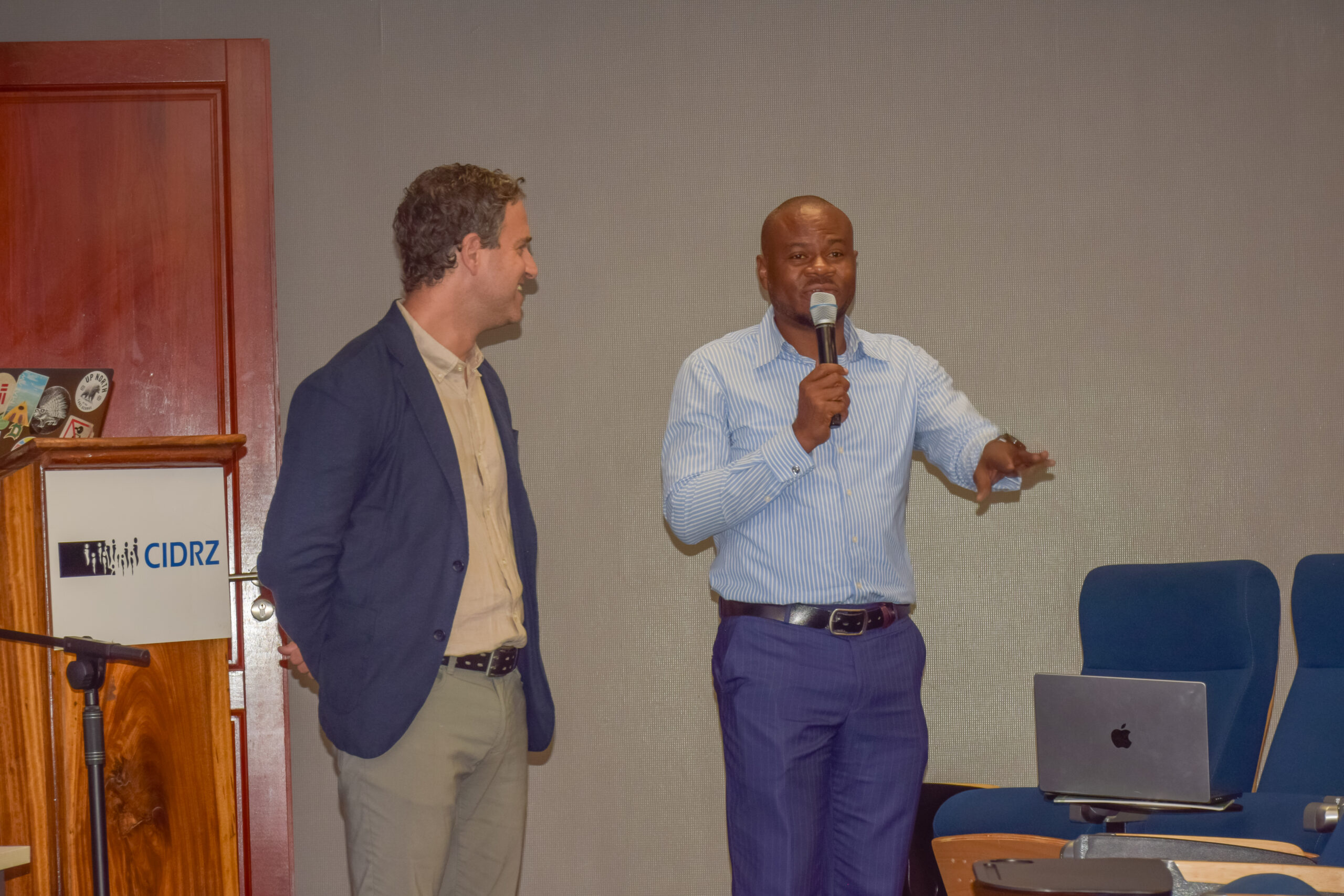
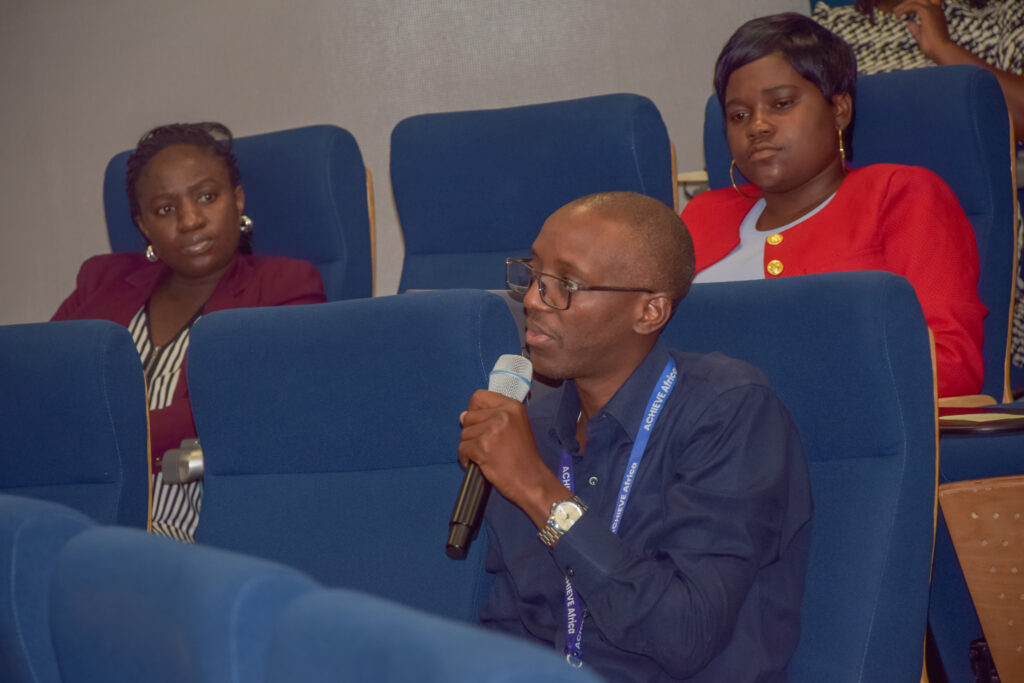
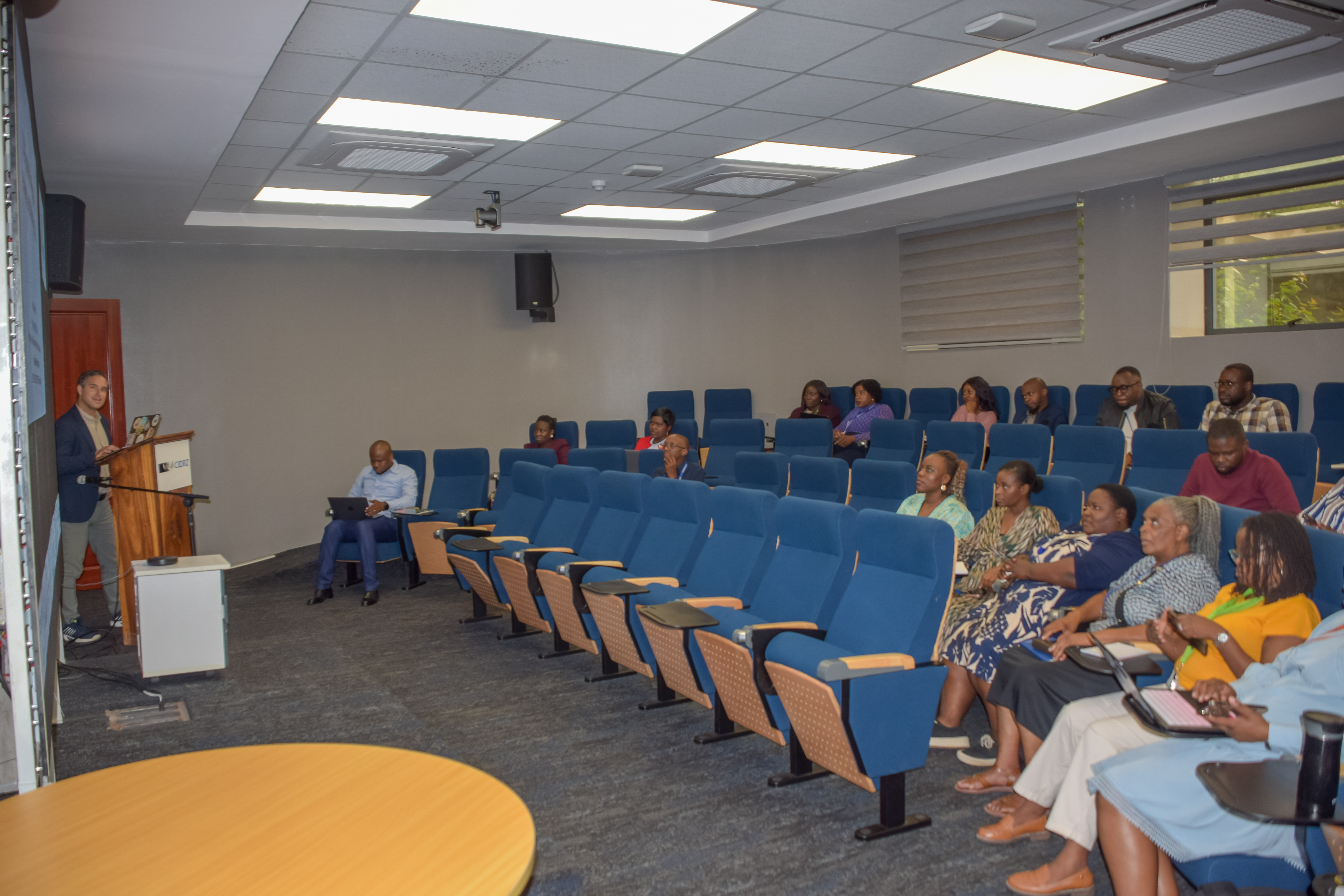
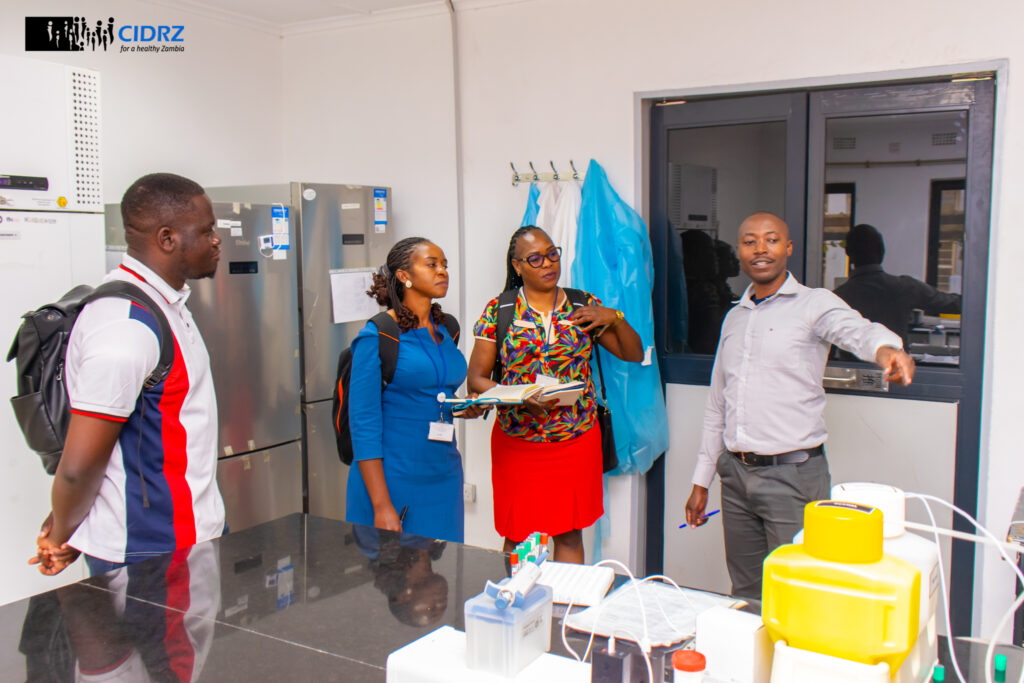
As part of ongoing efforts to strengthen research knowledge sharing, Professor Mike Vinikoor, a long-time collaborating scientist with the Centre for Infectious Disease Research in Zambia, updated the CIDRZ research community on Hepatitis B.
Professor Vinikoor noted that HBV infection affects approximately 6% of adults and 1% of children in Zambia, underscoring its significance as a public health concern.
He further explained that HBV is often a “family disease,” spread through tiny blood particles in household settings, such as through shared utensils or razors. However, he added that the infection receives undeserved stigma because it can also be transmitted sexually, although this mode of transmission is relatively rare in Zambia.
Professor Vinikoor also highlighted that Zambia’s major gaps in the HBV response are largely related to implementation challenges. These include limited access to the critical birth-dose vaccination needed to prevent mother-to-child transmission, as well as low coverage of testing and treatment.
Despite the relatively low cost rapid test kits are free at MoH facilities, and treatment involves widely available tenofovir-based ARVs, he noted that while these tools make prevention and care accessible, achieving broader coverage remains a challenge.
Currently, CIDRZ is conducting research funded by the National Institutes of Health to better understand how the immune system controls HBV in the liver, with the aim of informing improved prevention and treatment strategies.
CIDRZ is also part of a new and expanding clinical epidemiology network, HEPSANET, that is influencing treatment guidelines in the region.
Additionally, Dr Anjali Sharma and Dr Guy Muula have recently secured a grant from the Coalition for Global Hepatitis Elimination to work with the Ministry of Health (MoH) on integrating HBV services into HIV programmes.
Furthermore, training opportunities under the mentorship of Dr Vinikoor, Dr Bosomprah (Head of Analysis), and Professor Sinkala, a hepatologist from UNZA-UHT, are forthcoming in 2026. These will include PhD, postdoctoral, and MMED mentored research in HBV.
Moreso, CIDRZ’s work on HBV has been cited in World Health Organization and MoH guidelines and policies and has provided a platform for master’s and PhD students, as well as multiple physicians, nurses, and peer counsellors.