CIDRZ Hosts Johns Hopkins Team Ahead of Clinical Trial on Childhood Shigella Diarrhoea
CIDRZ ViiV ABYM Project Empowers Peer Educators with Critical Skills in Psychosocial Counselling and HIV Testing
April 29, 2026
The U.S. Department of State and CIDRZ Conduct Site Visits to Drop-In Centres on the Copperbelt to Assess HIV Service Delivery During CHEP Transition.
May 4, 2026
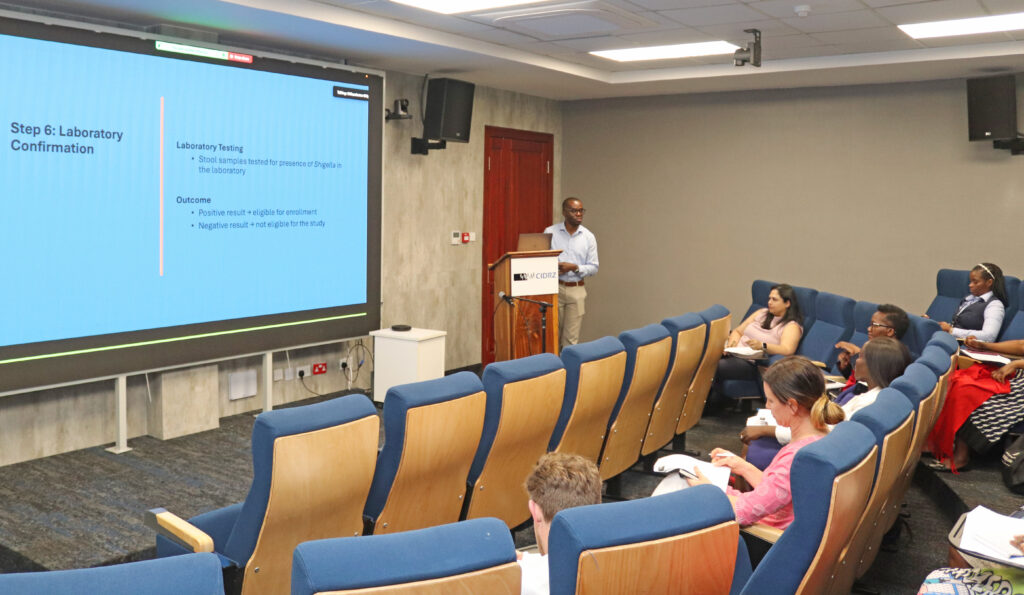
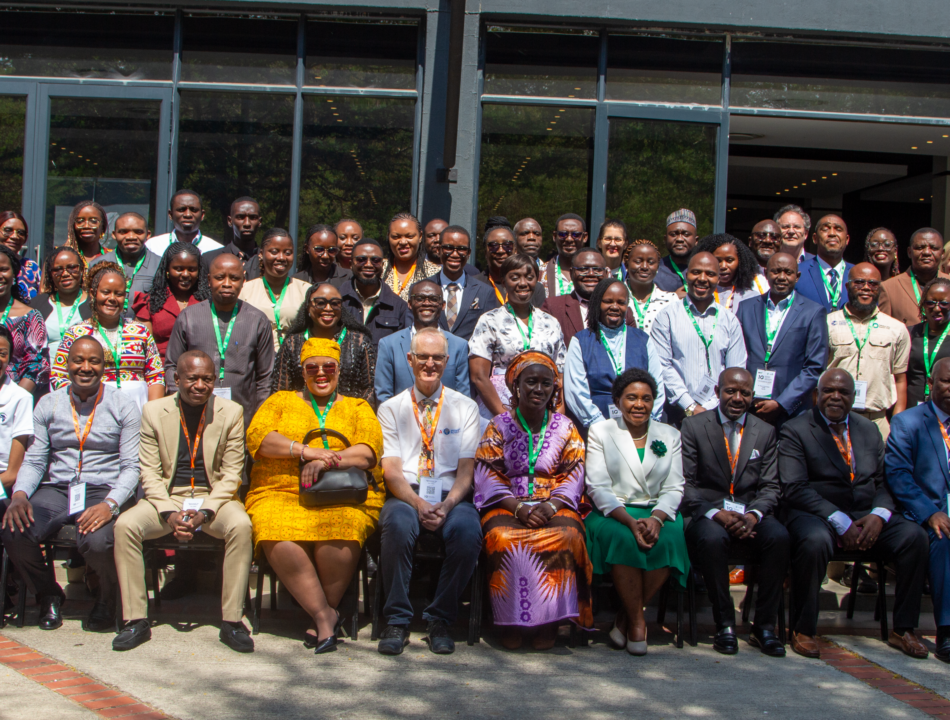
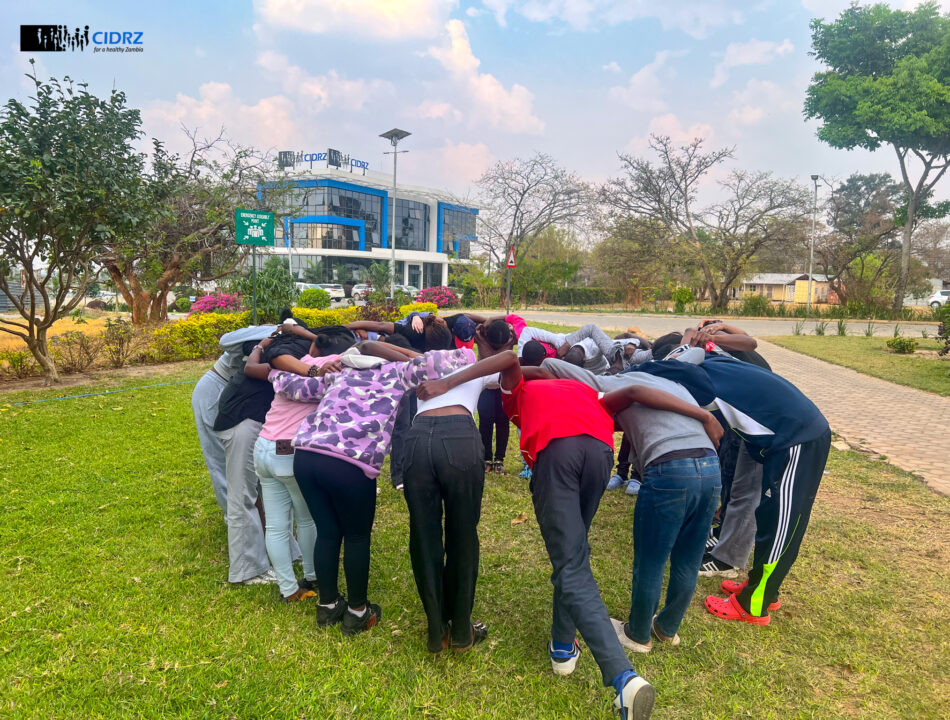
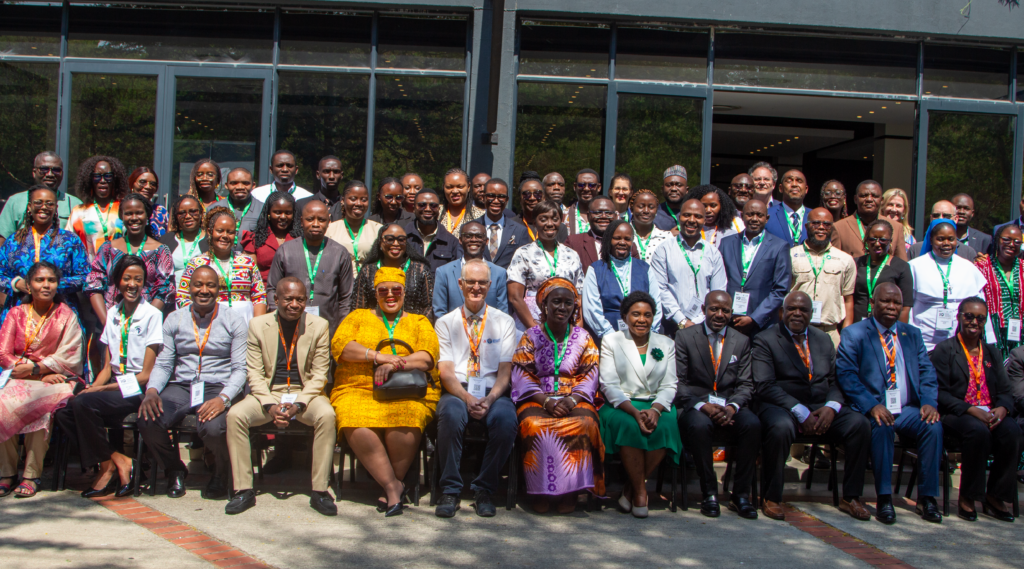
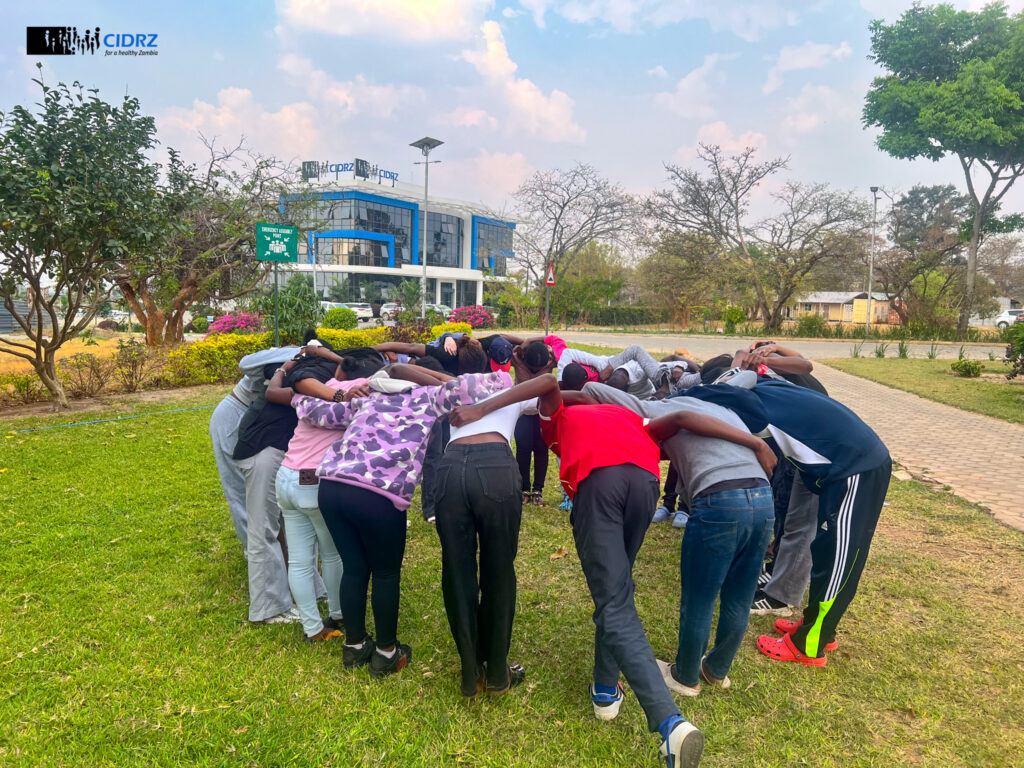
CIDRZ hosted collaborators from Johns Hopkins University for a Site Initiation Visit (SIV) ahead of a clinical trial evaluating azithromycin for the treatment of non-dysentery Shigella diarrhoea (NDSD) in children.
The visit, held between 14th and 17th April, focused on preparations for the upcoming trial aimed at addressing a critical gap in the management of Shigella infections that present without dysentery.
The upcoming trial aims to address this critical question of whether children with non-dysentery Shigella diarrhoea should receive antibiotics. In addition, the trial will highlight the need for rapid, affordable diagnostic tools to support the timely identification and treatment of Shigella infections in clinical settings.
World Health Organization (WHO) guidelines recommend the use of antibiotics only for dysentery (bloody diarrhoea), leaving non-bloody Shigella-related diarrhoea, which presents mostly as watery diarrhoea, untreated. Evidence indicates that 40-89% of Shigella cases present without dysentery (blood in stool), creating a significant gap in care. Untreated NDSD may contribute to morbidity, gut inflammation, environmental enteropathy, and impaired child growth and development.
Emerging data, including findings from the Antibiotics for Children with Severe Diarrhoea (ABCD) trial, suggest that azithromycin may reduce diarrhoea duration and improve growth outcomes in affected children. However, confirmatory randomized clinical trials have not yet been conducted.