Copperbelt health workers commend the U.S. Department of State and CIDRZ for their role in strengthening HIV prevention capacity.

Folic Acid Salt Study Launched to Improve Folic Acid Levels among Women of Reproductive Age in Zambia.
May 5, 2026
Strengthening Zambia’s TB Response Through Evidence-Based Action, a Case of Early Tuberculosis Detection Through Repeat Contact Investigation.
May 7, 2026
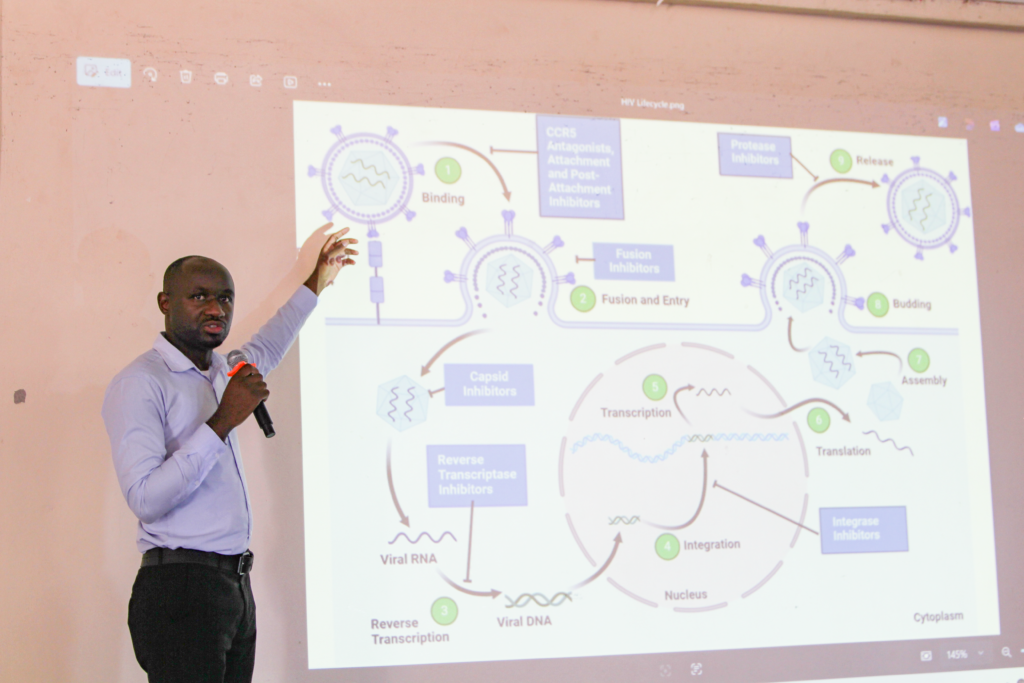
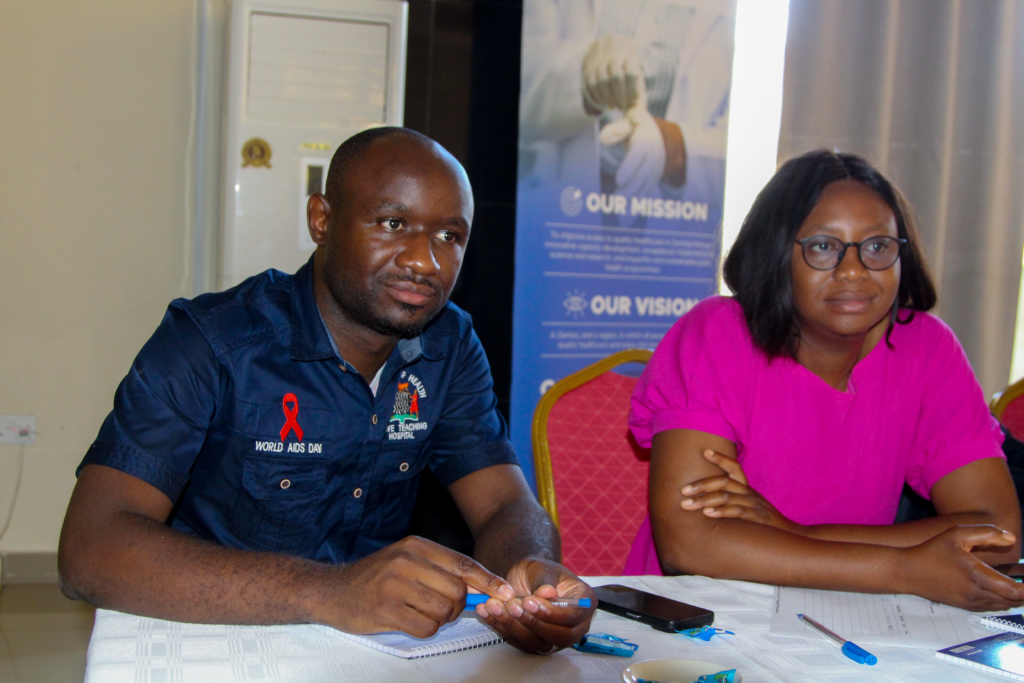
Ministry of Health workers on the Copperbelt have reaffirmed their commitment to strengthening HIV prevention efforts following a comprehensive Training on Pre- and Post-Exposure Prophylaxis (PrEP and PEP), delivered by CIDRZ with support from the United States Department of State.
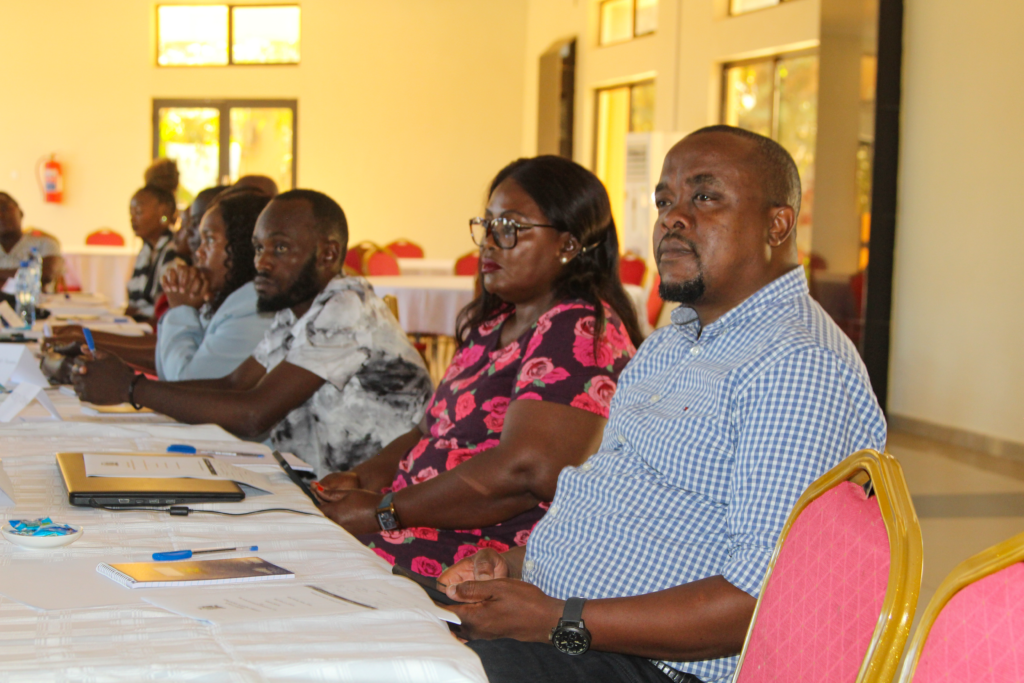
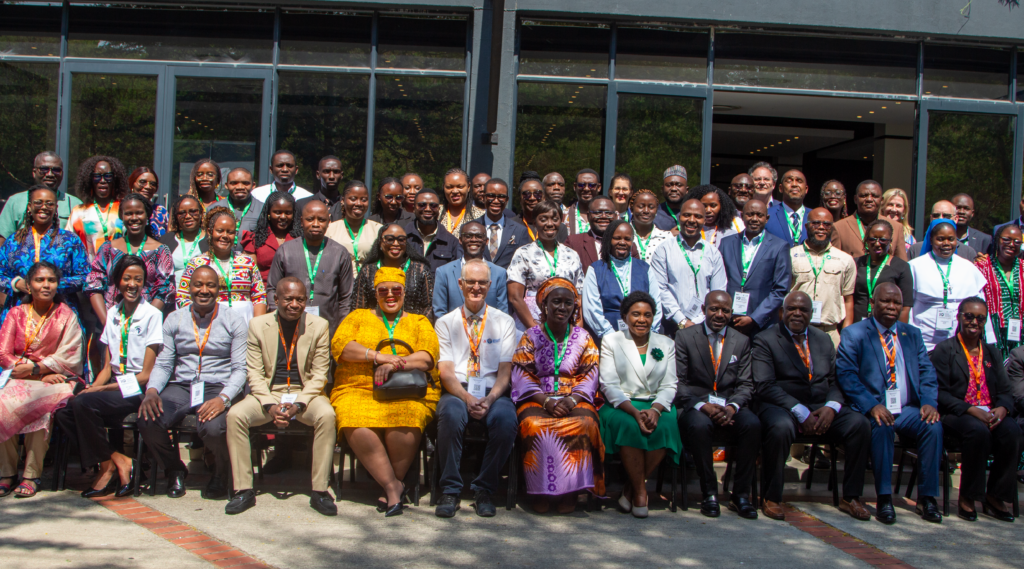
The training, held across Ndola, Kitwe, and Chingola, brought together healthcare providers from various government health facilities to deepen their knowledge and sharpen their skills in delivering combination HIV prevention services.
The training was conducted in readiness for the roll-out of Lenacapavir, a groundbreaking, long-acting (twice yearly) PrEP injectable drug. Participants expressed appreciation for the programme, describing it as both timely and impactful in equipping them to respond more effectively to the evolving HIV prevention landscape.
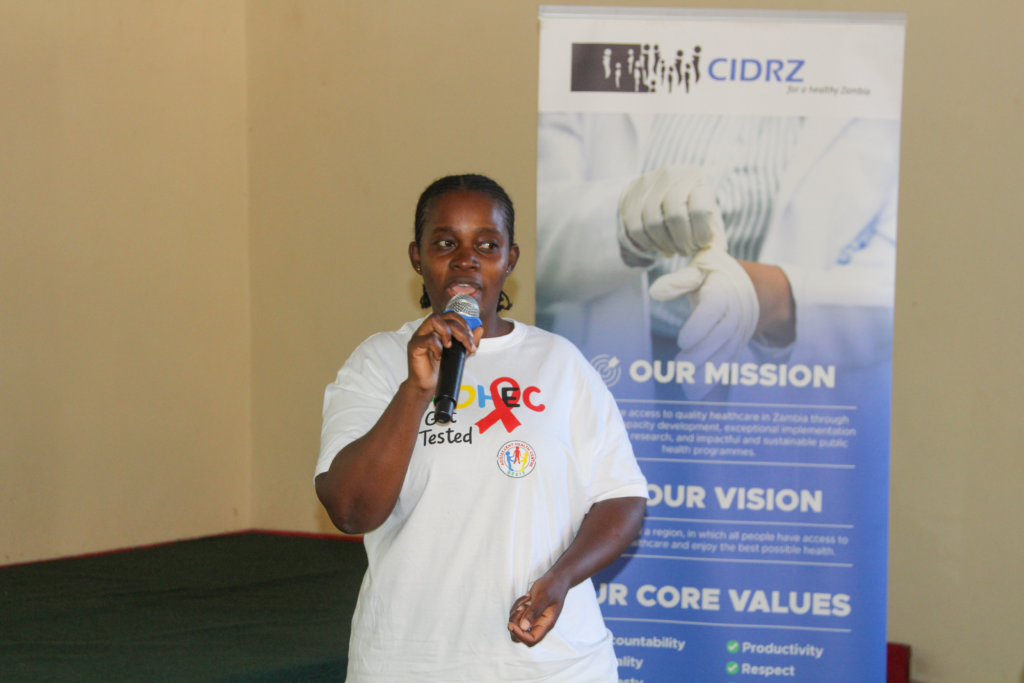
Catherine Katentemuna Musonda, a Health Promotions Officer from Ndola District Health Office, who spoke on behalf of other participants, emphasised that learning should not end with the training. She encouraged fellow participants to continue engaging with new information, consulting one another, and strengthening collaboration to ensure service delivery remains well-informed and responsive.
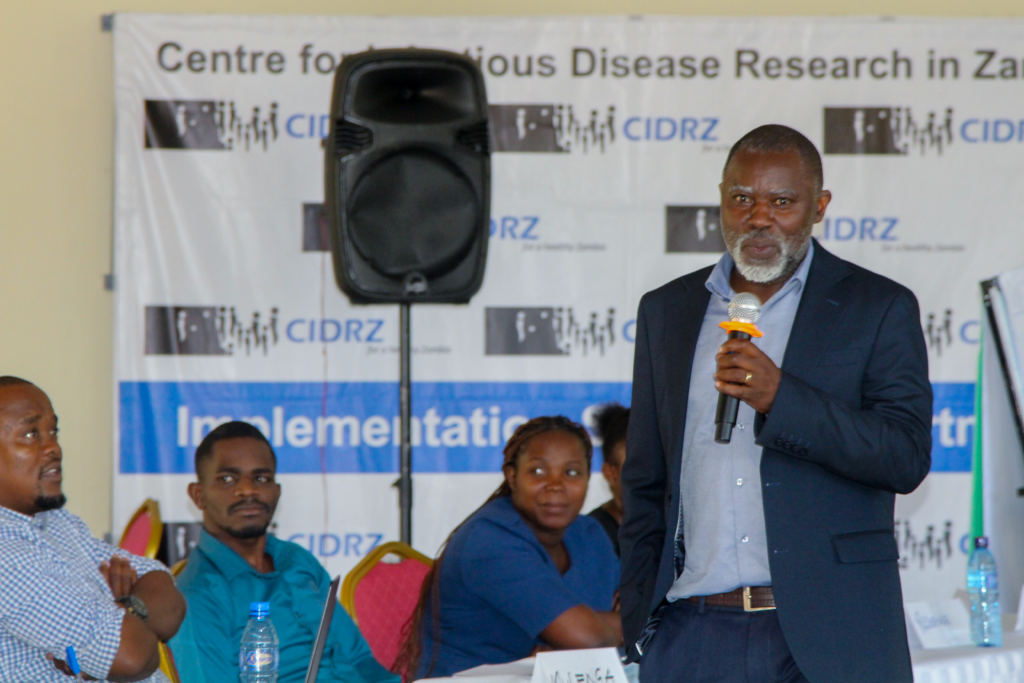
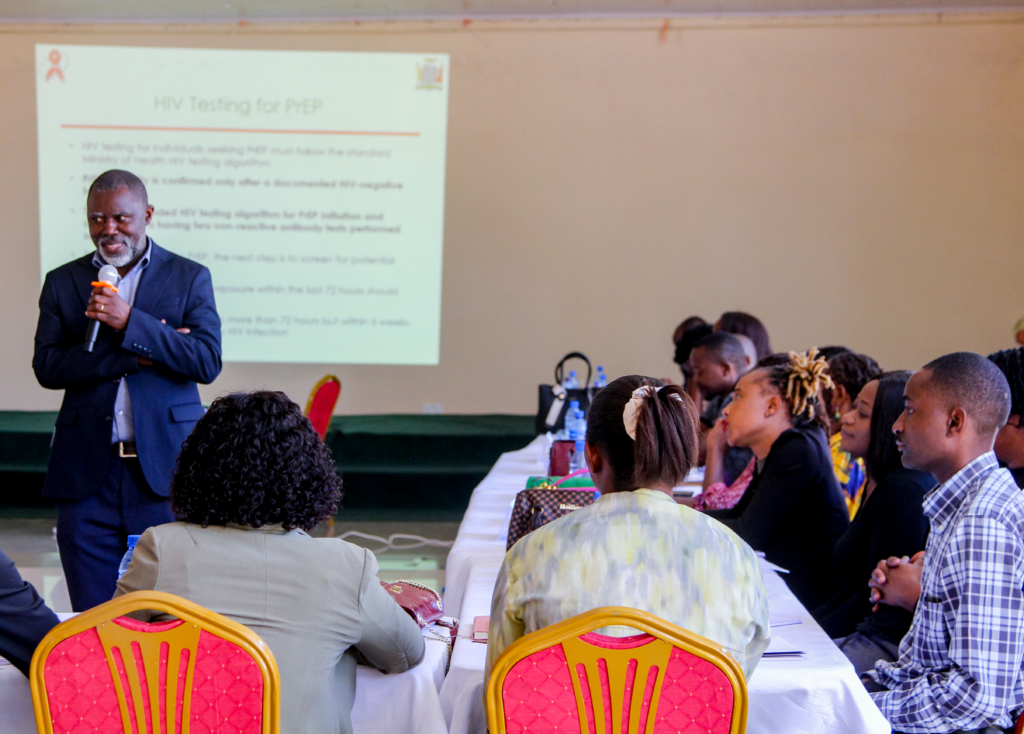
Speaking during a session in Kitwe, Ms Francheskie Velez, Director of the Health Coordination Office at the U.S. Embassy, noted that Zambia is among the first countries in Africa to roll out long-acting injectable cabotegravir (CAB-LA) for HIV prevention. Launched by the Ministry of Health in early 2024, the initiative provides an alternative to daily oral PrEP, making HIV prevention more convenient for many clients.
However, she stressed the importance of adherence, urging healthcare providers to consistently monitor their clients and provide continuous support. She noted that while long-acting injectable drugs reduce the burden of daily medication, they require regular clinic visits, and missed appointments can lead to reduced drug efficacy and an increased risk of HIV acquisition.
Ms Velez further highlighted Lenacapavir as a promising addition to HIV prevention, noting its potential to significantly reduce the risk of HIV acquisition among HIV-negative individuals when used correctly.
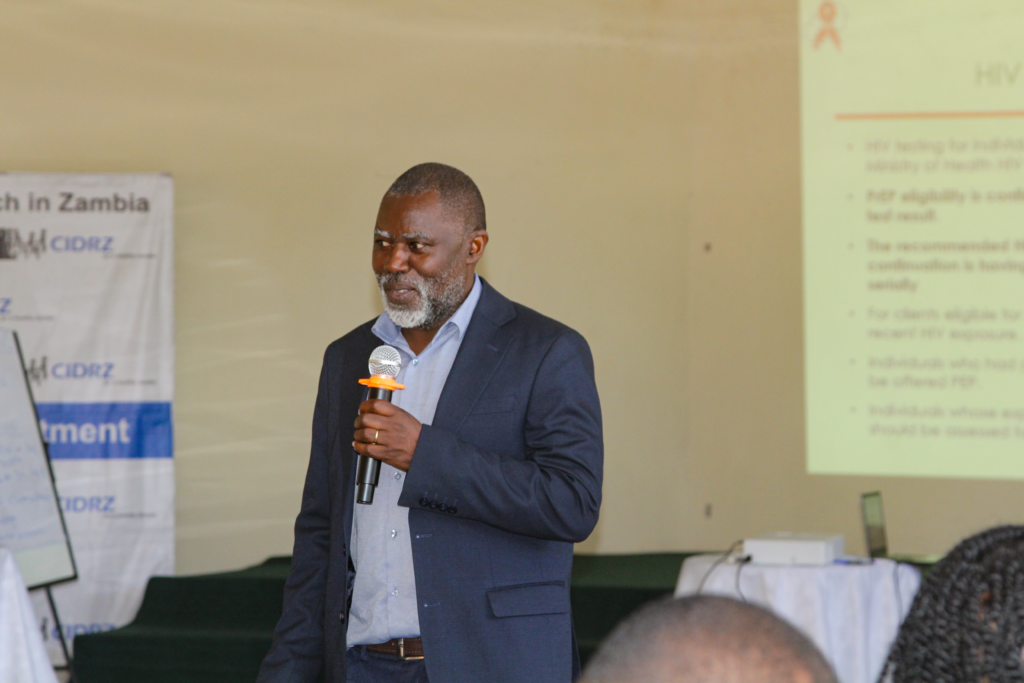
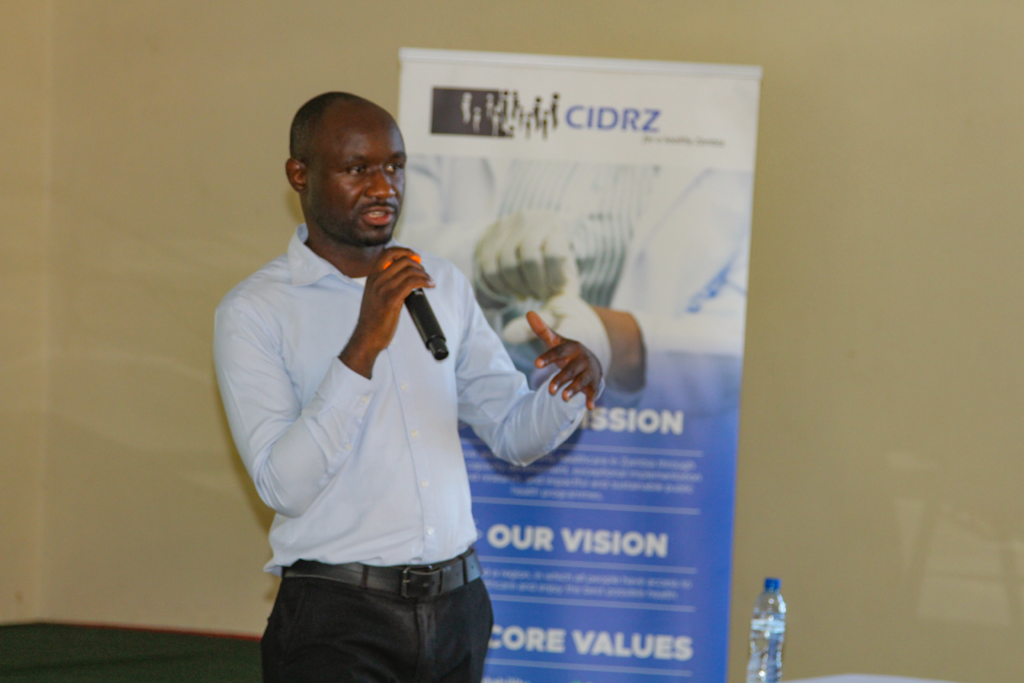
Meanwhile, Dr Maurice Musheke, Chief of Party for CIDRZ’s Controlling HIV Epidemic Project (CHEP), underscored the urgent need to scale up prevention efforts. He noted that Zambia has recorded an increase in HIV incidence, particularly among adolescents and young people, hence the need for healthcare workers to use their newly acquired knowledge to effectively contribute to the HIV response.
“The knowledge and skills you have acquired must be used to serve people, enlighten them about the available HIV prevention options so that they make informed decisions, and deliver the service to them based on the product of their choice,” he said. “The goal is to make sure that those who are HIV-negative must be supported to remain negative, including by being initiated on PrEP where appropriate. HIV prevention cannot be achieved by one entity alone, but individually and collectively, we can make significant inroads in containing new HIV infections.”
The training forms part of ongoing efforts by CIDRZ, through the Controlling HIV Epidemic Project (CHEP), in collaboration with the Ministry of Health and with support from the United States Department of State, to equip healthcare workers with the knowledge and skills needed to curb new HIV infections, with a strong emphasis on Lenacapavir, a twice-yearly injectable pre-exposure prophylaxis (PrEP).
The addition of such long-acting HIV prevention methods is expected to enhance adherence and widen choice for clients, ultimately strengthening the country’s HIV prevention response.