CIDRZ Supports Youth-Led Dialogue at the 2026 Lusaka Provincial Adolescent Health Indaba

CIDRZ Joins Regional Leaders in Planning for the Rollout of Next-Generation TB Vaccines.
July 16, 2026
Bringing TB Services Closer to Communities.
July 22, 2026

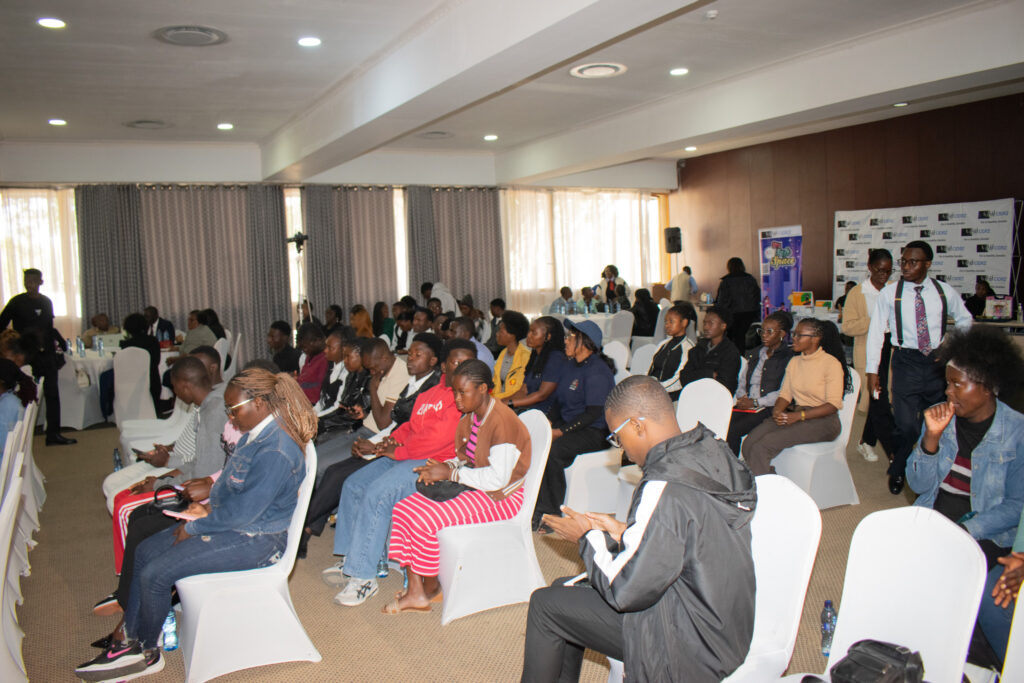
Empowering young people today creates healthier, more productive communities and strengthens national development. In line with this commitment, the Centre for Infectious Disease Research in Zambia (CIDRZ) proudly participated in the 2026 Lusaka Provincial Adolescent Health Indaba (PAHi), held from 14–15 July 2026 under the theme: “Ascertaining the Role of Young People in Enhancing Prevention, Ending Epidemics, and Advancing Equitable Health Systems for All.”
The Indaba reaffirmed the commitment of the Ministry of Health and its partners, including CIDRZ, to strengthening adolescent health services and empowering young people to take an active role in improving health outcomes across Zambia.
As a long-standing partner of the Ministry of Health, CIDRZ supported the platform, which brought together adolescents and young people, civil society organisations, government line ministries, and development partners from Lusaka, Luangwa, and Rufunsa districts. The gathering created an important opportunity for dialogue on adolescent health, disease prevention, and the critical role of young people in shaping responsive and inclusive health systems.
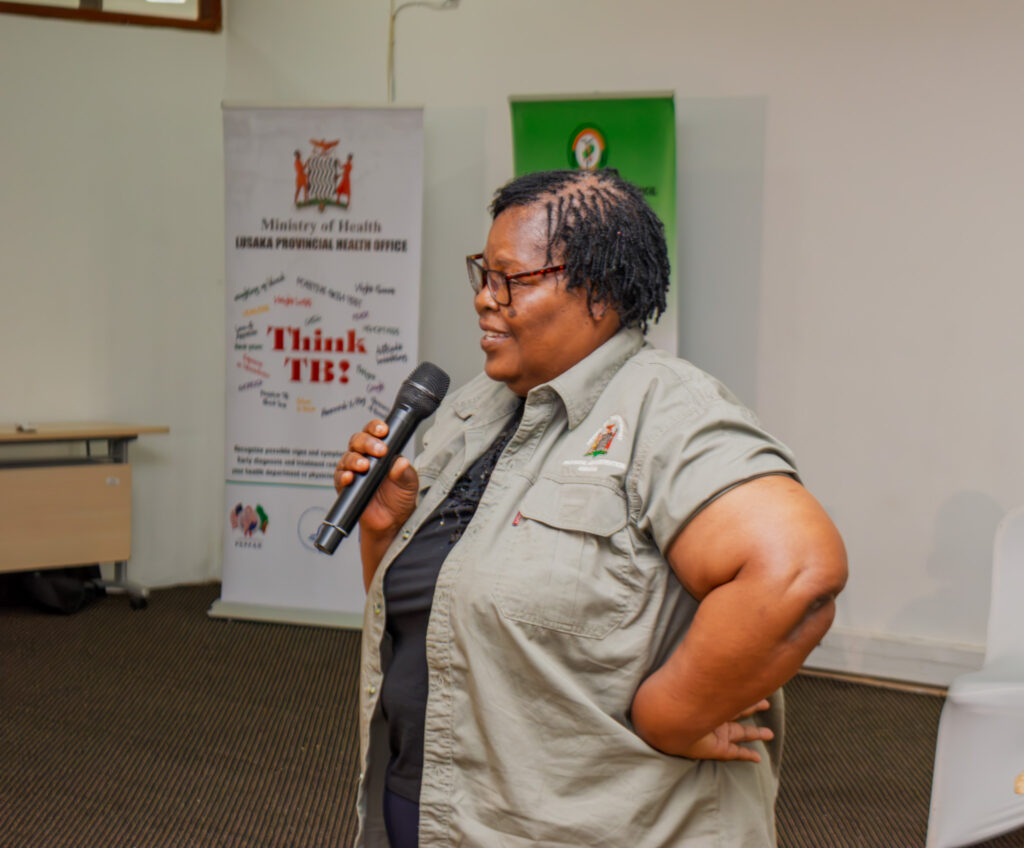
The event was officially opened by the Lusaka Provincial Health Director, who reaffirmed the Government’s commitment to expanding adolescent-friendly health services throughout the province. He encouraged young people to take advantage of available opportunities, including health education and skills development programmes, to improve their health, wellbeing, and future livelihoods.
A key highlight of the Indaba was the active participation of adolescents and young people, who shared practical recommendations for strengthening adolescent health services. Participants called for continued investment in training healthcare providers to deliver services that are responsive, respectful, confidential, and accessible to young people. They also emphasized the importance of creating safe spaces where young people can access information and services without fear of stigma or discrimination.
The discussions underscored the importance of sustained collaboration between government, civil society organisations, development partners, communities, and young people in advancing prevention efforts, ending epidemics, and building equitable health systems that leave no young person behind.
Through collaborative platforms such as the Provincial Adolescent Health Indaba, CIDRZ continues to strengthen adolescent-friendly health services, generate evidence through implementation science, and support partnerships that improve access to quality healthcare for young people across Zambia.
By placing young people at the centre of health conversations and solutions, CIDRZ remains committed to empowering adolescents as active partners in building healthier communities and contributing to a stronger, more resilient health system for Zambia.