Closing the Gap in HIV Prevention: Lusaka Province Advances Digitised Risk Screening

CIDRZ Unveils New Five-Year Organisational Strategy to Staff.
October 9, 2026
Creating Safe Spaces for Adolescent and Young People Living with HIV through support groups
October 15, 2026
For Zambia to achieve HIV epidemic control, it is essential to identify people who may benefit from HIV prevention services early and link them to the appropriate care. However, paper-based screening during routine health visits can make it difficult for health workers to consistently identify clients who may be at risk of HIV, potentially leading to missed opportunities for prevention.
Digitising the screening process can help address this gap by making assessments more standardised, timely and responsive to each client’s needs.
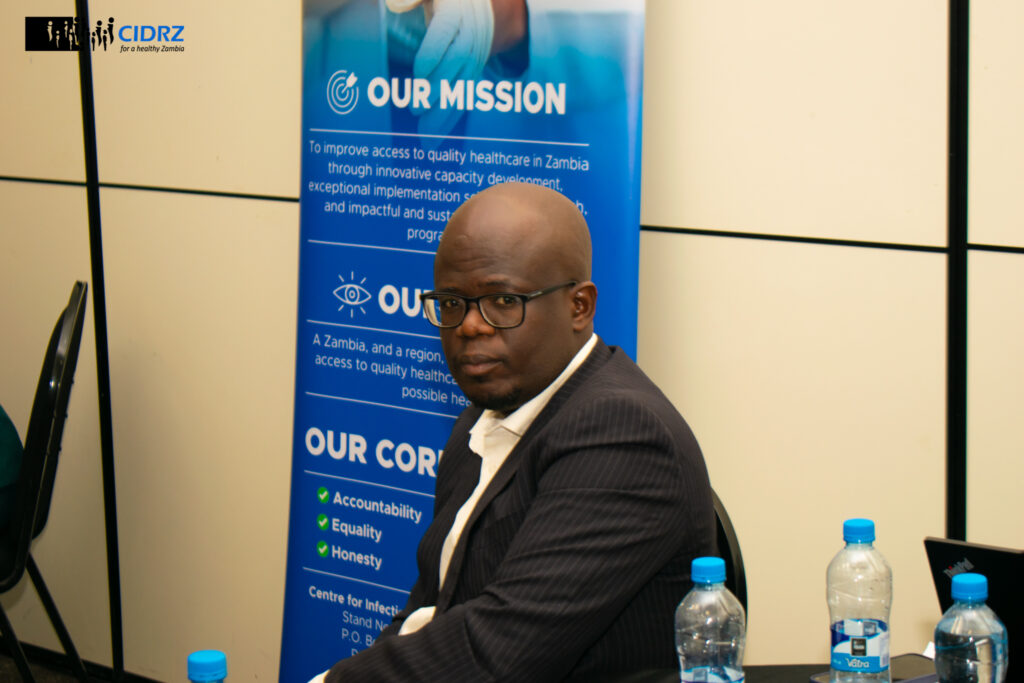
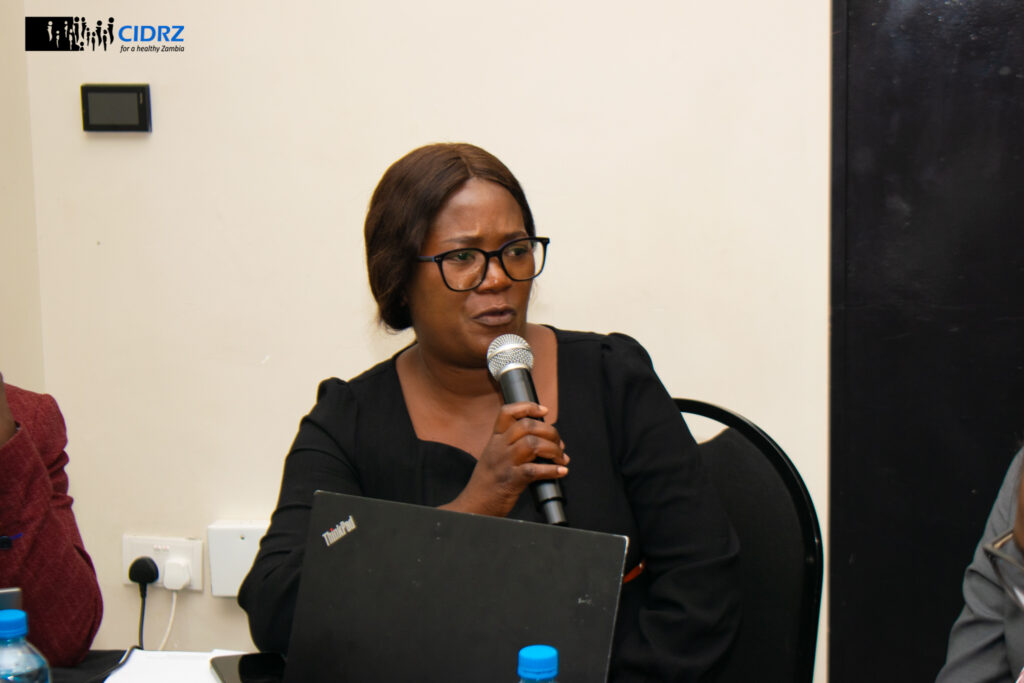
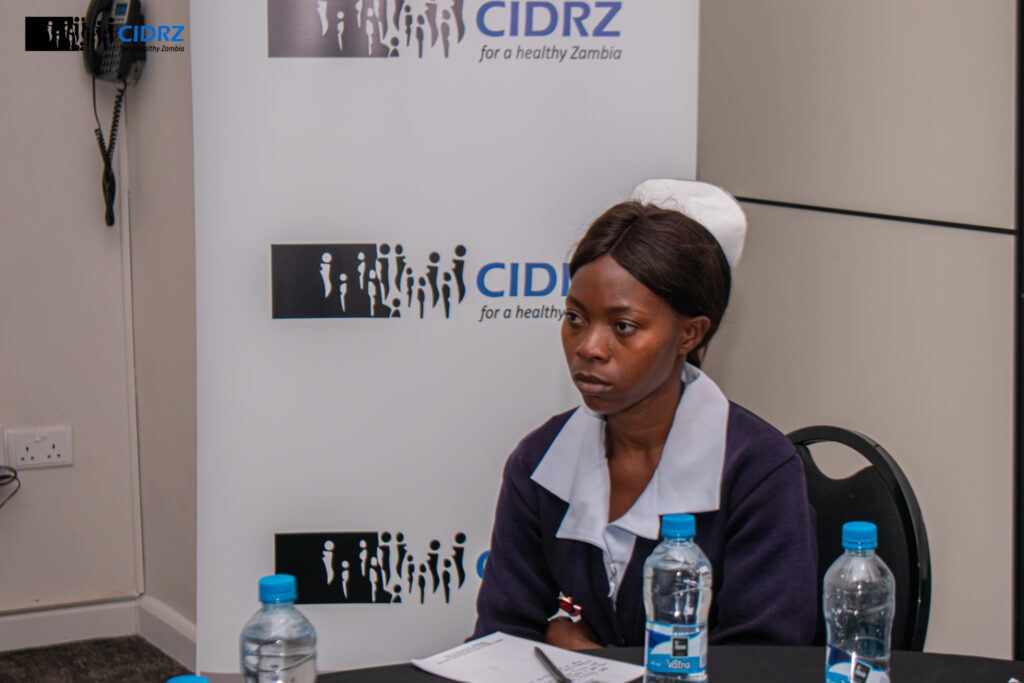
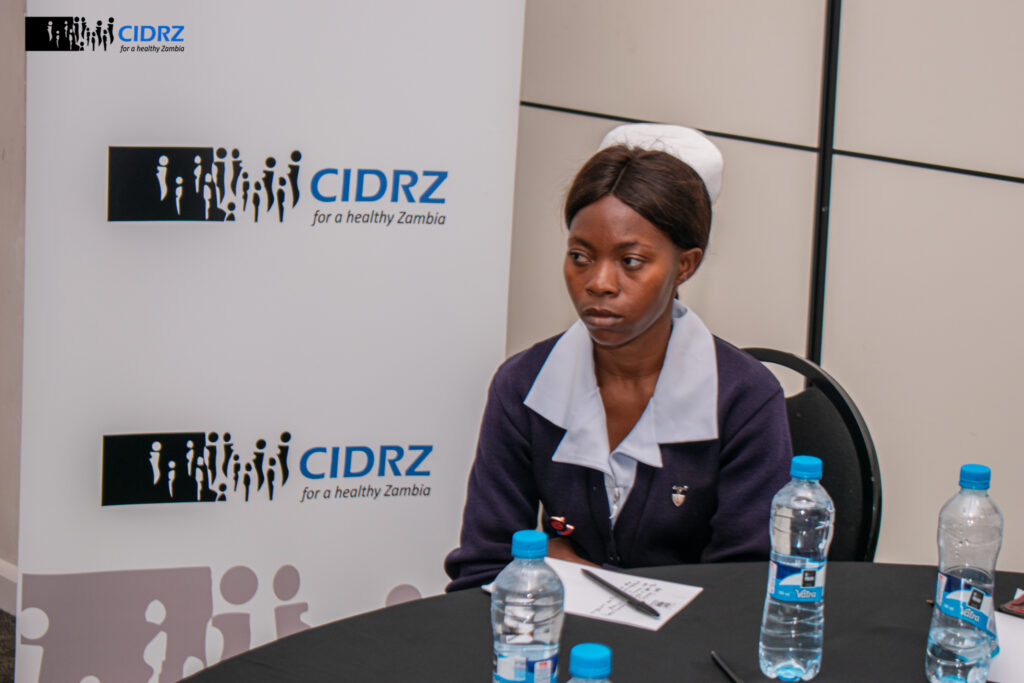
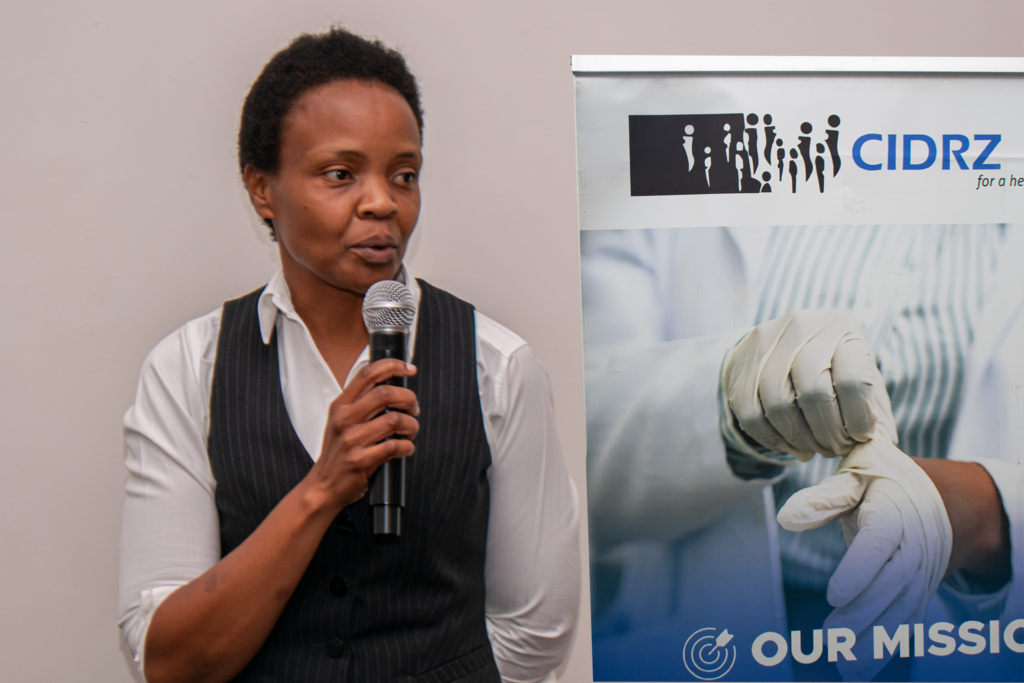
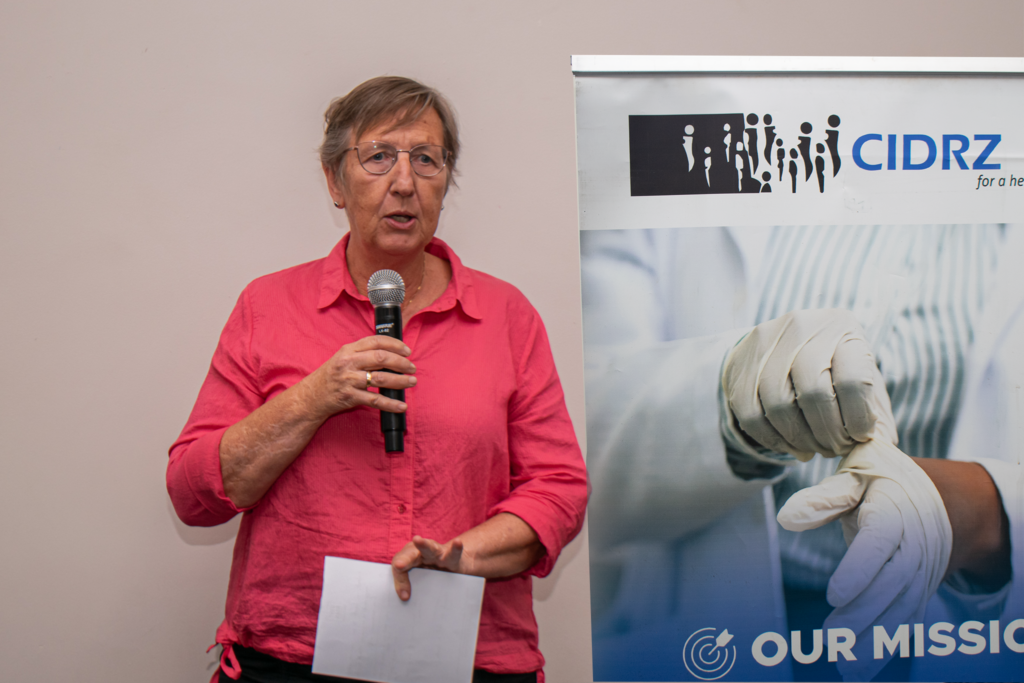
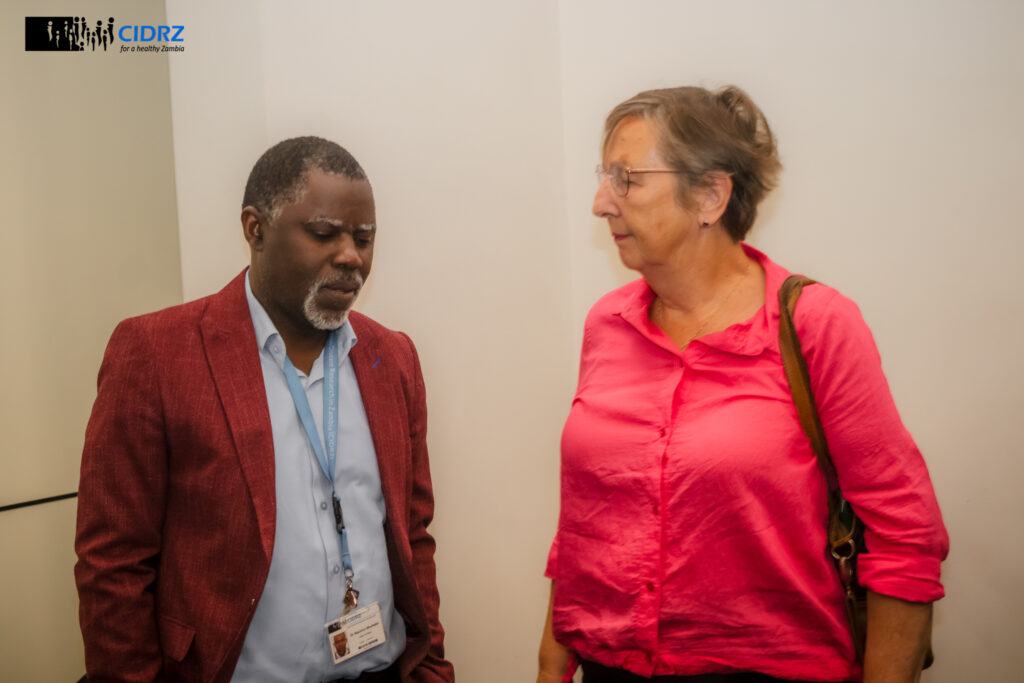
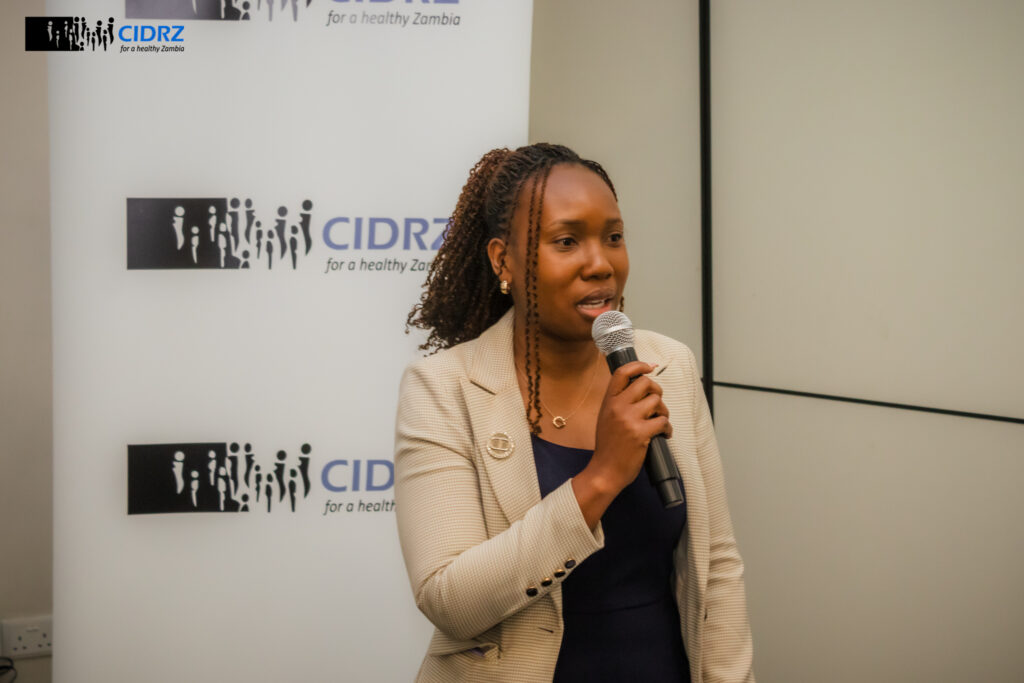
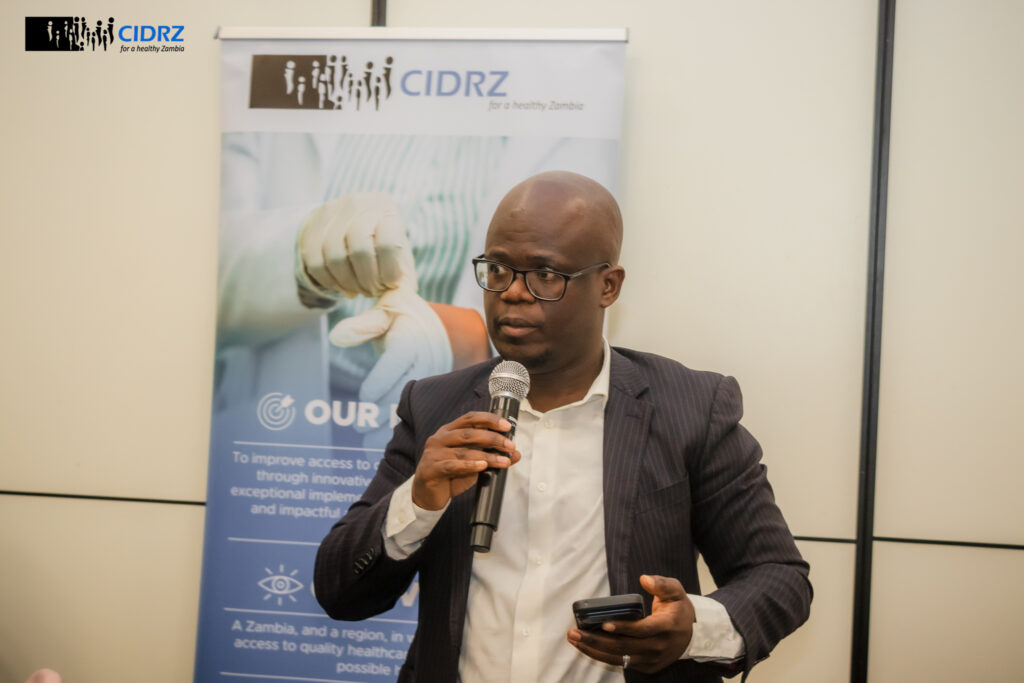
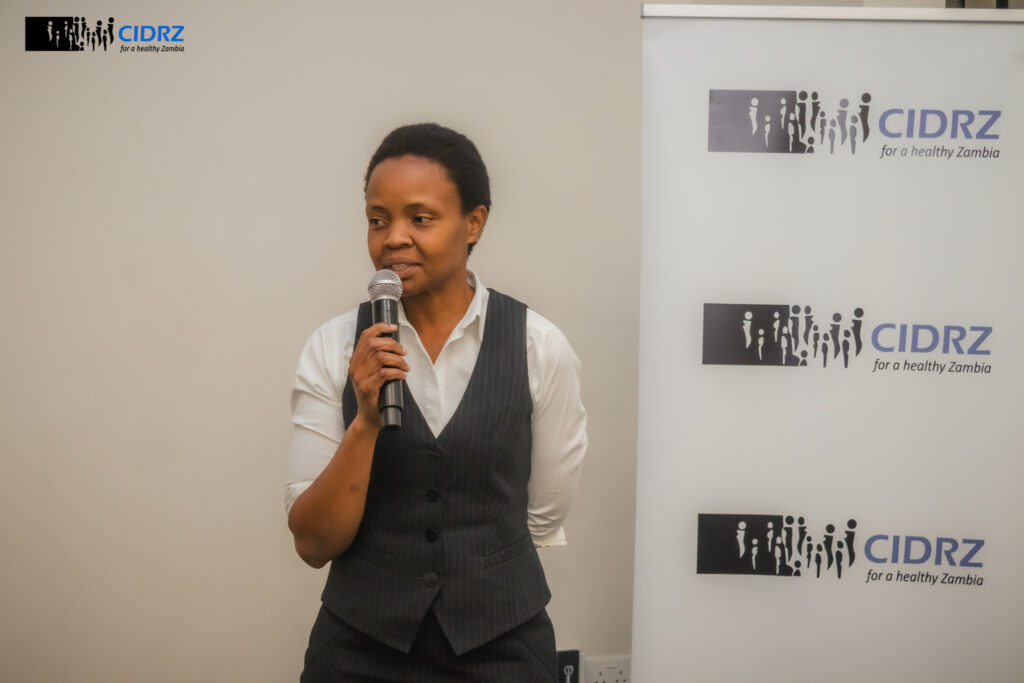
To address this gap, the Centre for Infectious Disease Research in Zambia (CIDRZ) under PROUD Z, in partnership with the Ministry of Health (MoH) with support from implementing partners and healthcare facility representatives, convened to review the pilot implementation of the Digitised HIV Risk Screening Tool across 35 health facilities in Lusaka Province.
The engagement brought together stakeholders to review findings from the pilot, share operational experiences and assess how the digital tool can be integrated into routine facility workflows. The transition from manual to digitised risk screening is intended to support more consistent assessments and provide health workers with timely client information to guide HIV treatment and prevention services.
By embedding the tool into routine clinical workflows, health facilities have an opportunity to strengthen proactive HIV risk screening and improve the identification of individuals who may benefit from appropriate prevention and treatment services.
The initiative also supports Zambia’s broader transition towards digitised, data-driven health systems. Standardising risk screening through digital platforms can strengthen data quality, support more informed decision-making and help ensure that opportunities for HIV prevention are not missed during routine patient interactions.
Dr. Theodora Savory, CIDRZ Strategic Information Director and Chief of Party for PROUD-Z, encouraged health facilities to embrace the digital tool, highlighting its role in supporting the transition towards electronic medical records and standardised use of SmartCare Pro.
The pilot review represents an important step in understanding how digital innovations can be incorporated into routine HIV services and scaled across health facilities. Lessons from implementation will help inform efforts to strengthen usability, integration and sustainability.
Through its partnership with the Ministry of Health, CIDRZ remains committed to applying implementation science, digital health innovation and data-driven approaches to strengthen HIV prevention and improve access to quality health services across Zambia.