
Strong HIV Treatment Outcomes Highlight Progress at Charles J. Nyirenda Training School Clinic
November 5, 2026
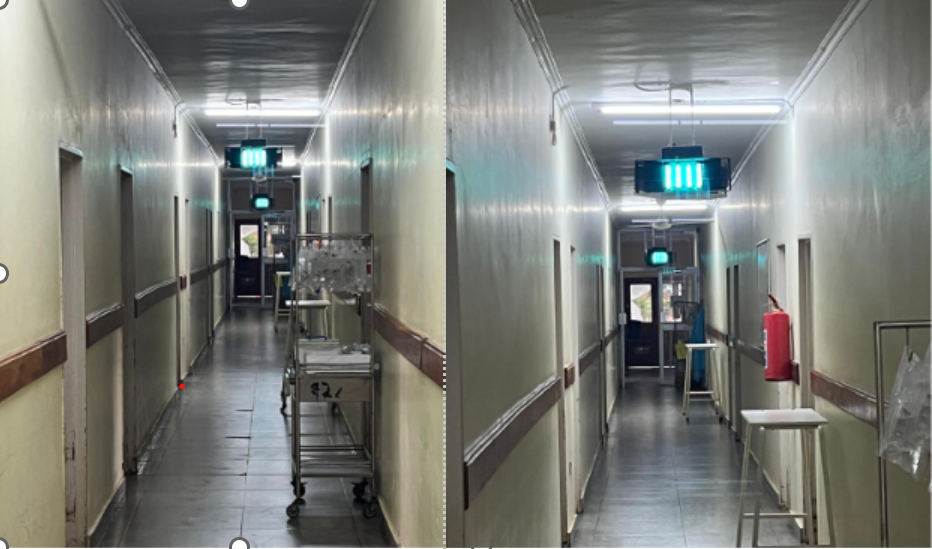
FC-SDS Project Restores UV Germicidal System at UTH MDR-TB Ward
November 6, 2026ZNPHI and CIDRZ Validate Zambia’s One Health Digital Landscape Assessment

Strengthening digital systems and information sharing is essential for improving coordinated public health surveillance and effectively responding to national health crises.
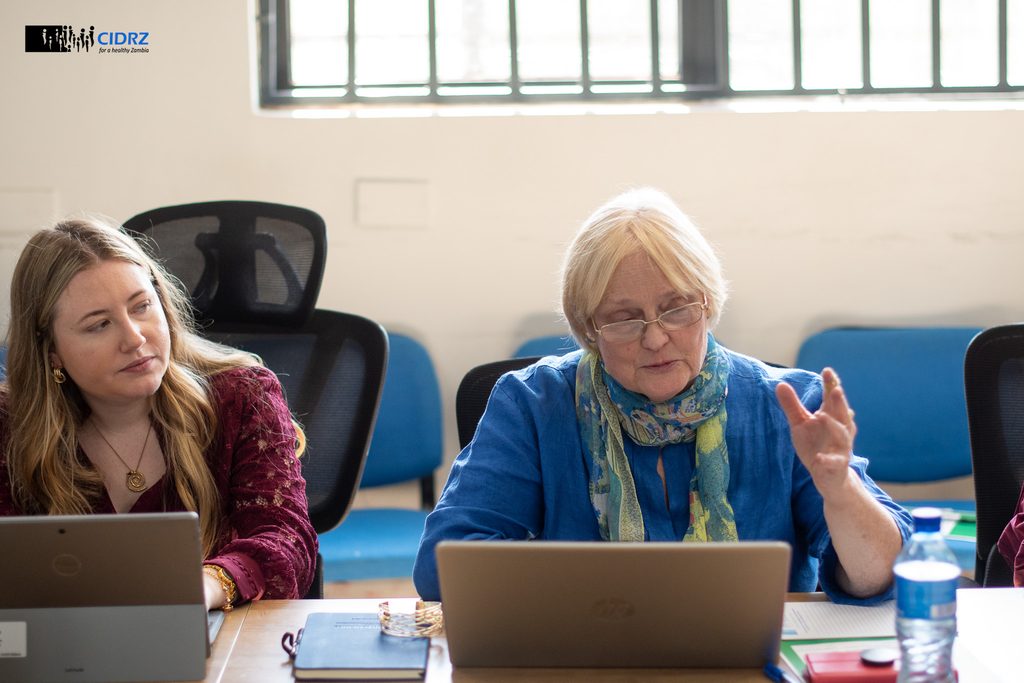
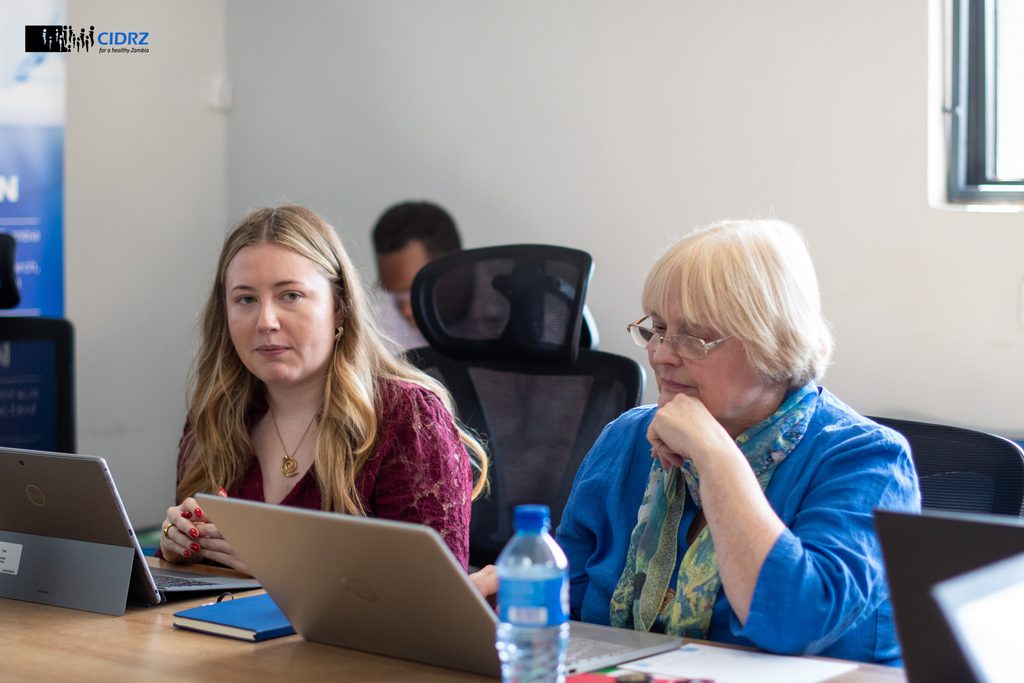
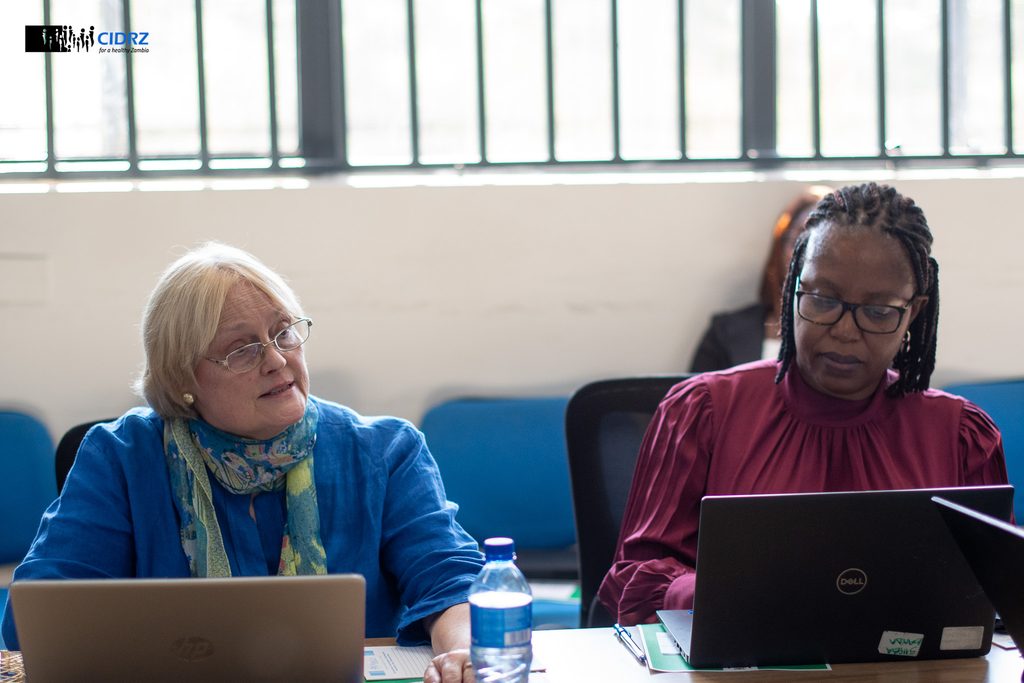
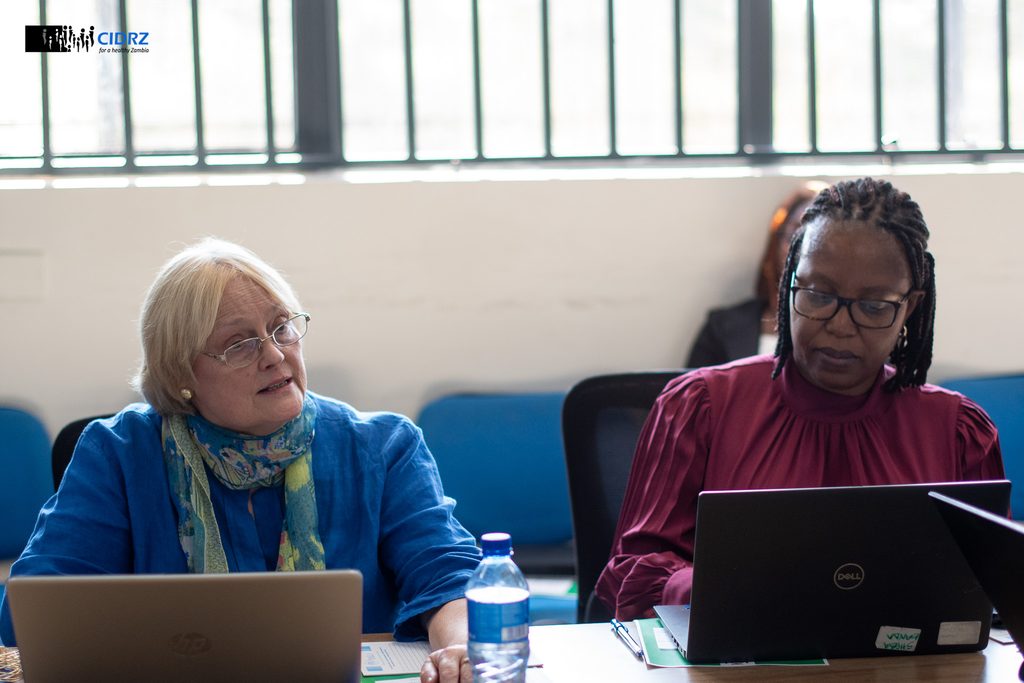
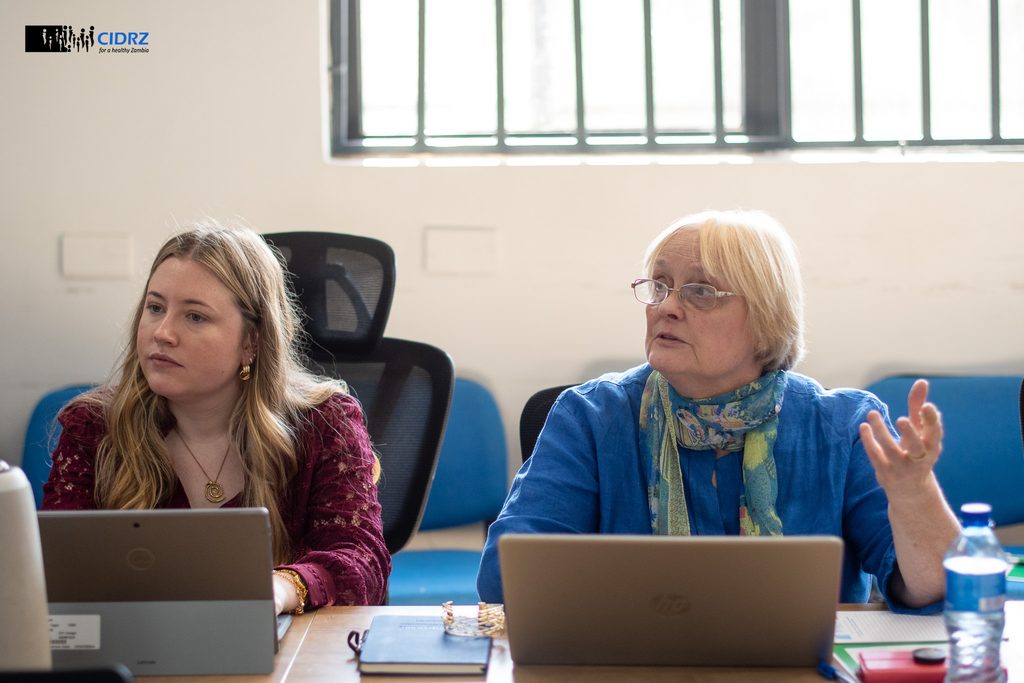
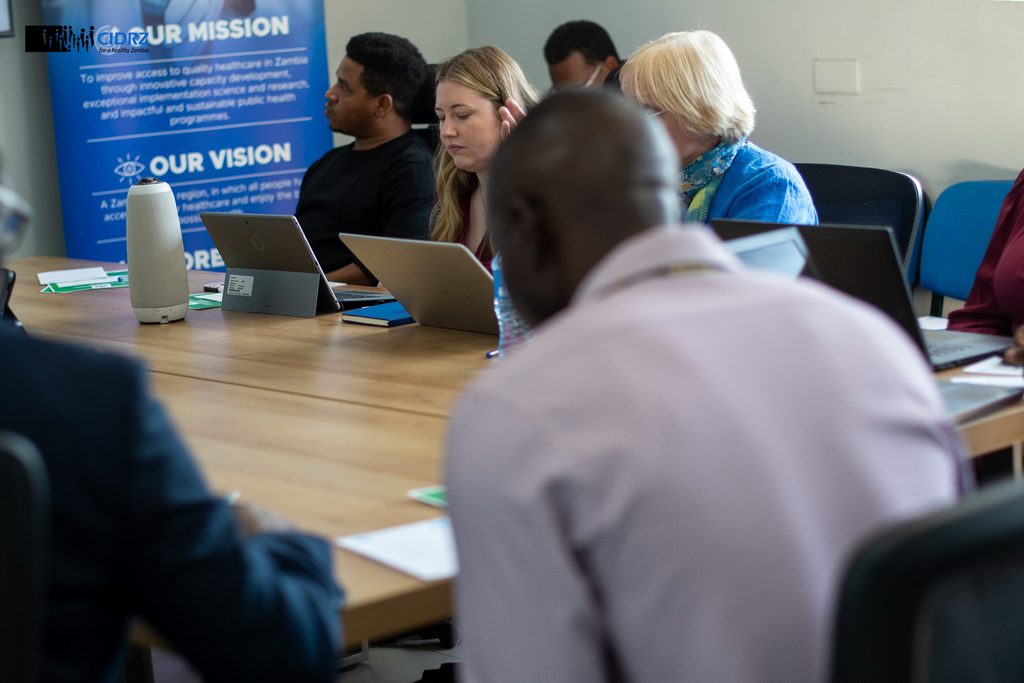
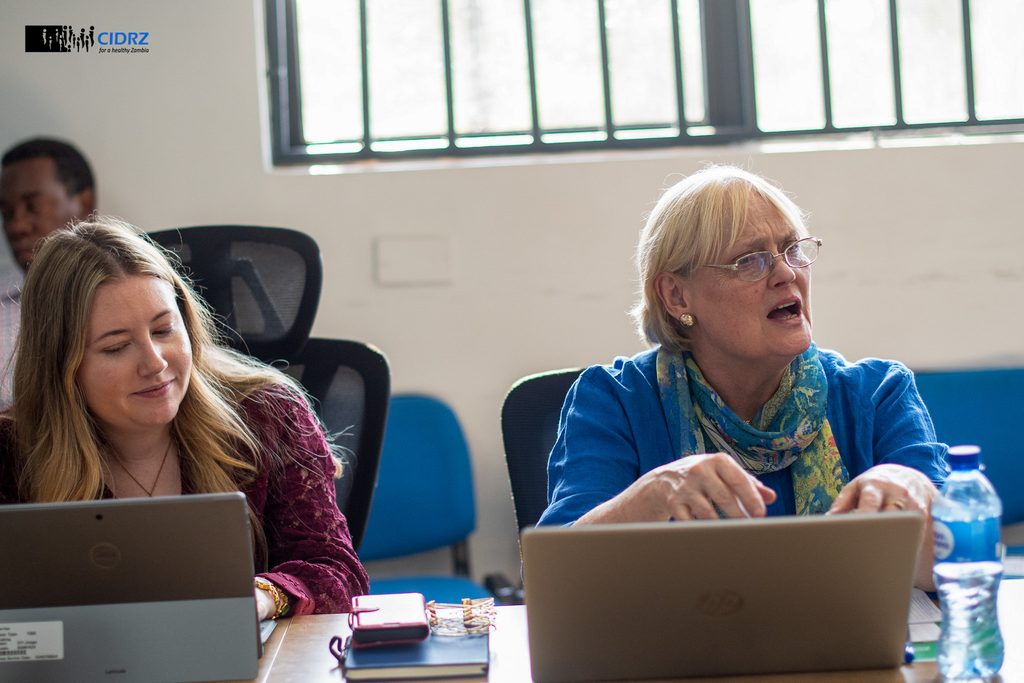
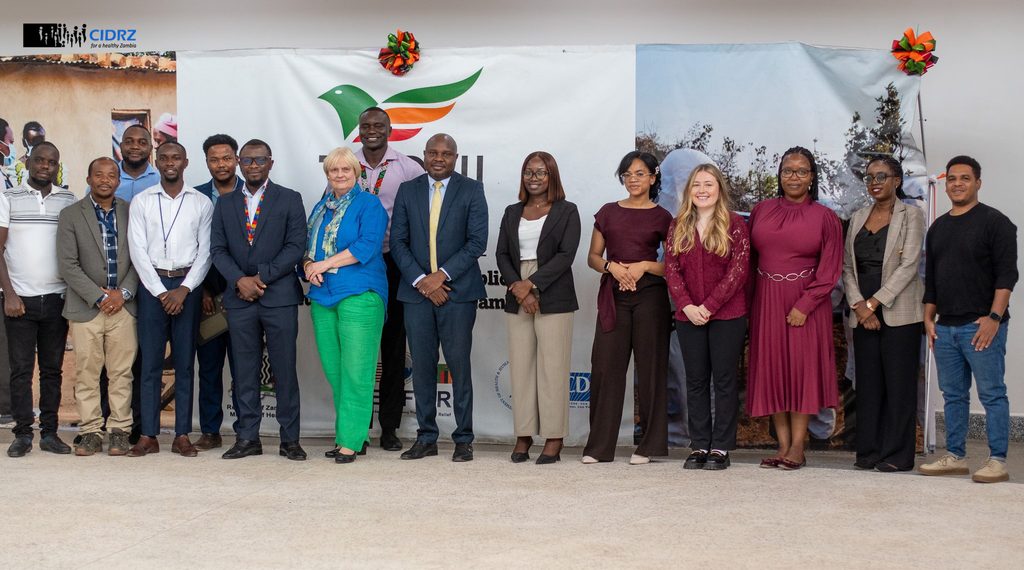
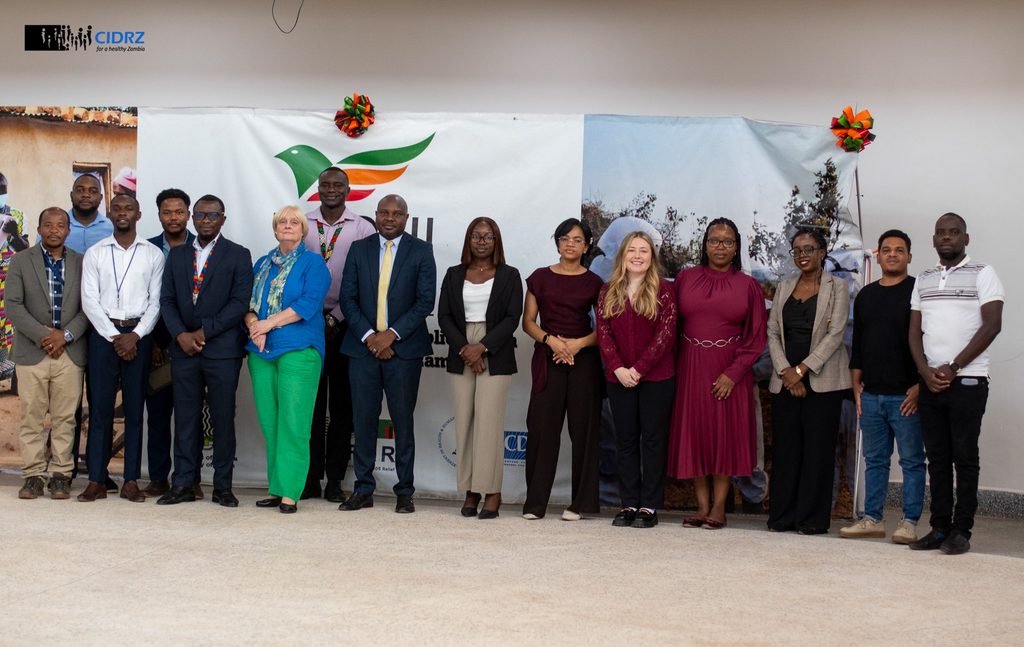
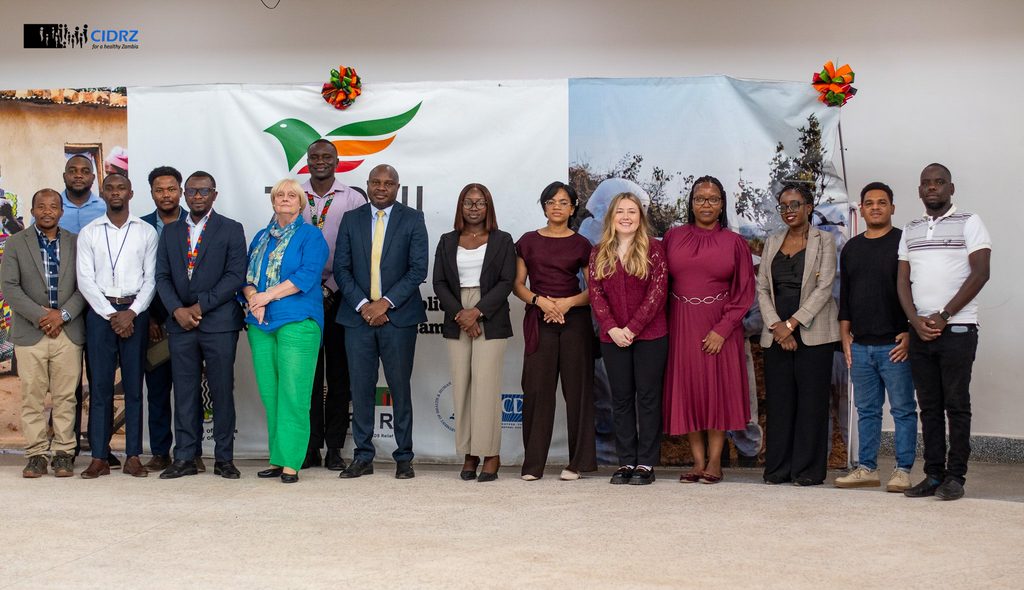
As a response, the Zambia National Public Health Institute (ZNPHI), in collaboration with the Centre for Infectious Disease Research in Zambia (CIDRZ) and with support from Sustainable Food Systems Ireland (SFSI), convened public health specialists at ZNPHI in Lusaka to validate the Zambia One Health Digital Landscape Assessment.
The assessment integrates human, animal, and environmental health surveillance through coordinated national frameworks, digital information platforms, and multisectoral strategies to track zoonoses, antimicrobial resistance (AMR), chemical hazards, and climate-sensitive risks. This is part of the ZNPHI’s mandate under Act No. 19 of 2020.
Implemented under the Zambia-Ireland Sustainable Food Systems Strengthening Programme (ZISSP), funded by the Embassy of Ireland to Zambia, the assessment was conducted by CIDRZ to examine digital systems and institutional arrangements across 10 selected public institutions that support One Health functions.
The assessment established a baseline of existing digital systems, identified strengths and gaps, and outlined priority actions to strengthen integrated surveillance and guide future digital investments.
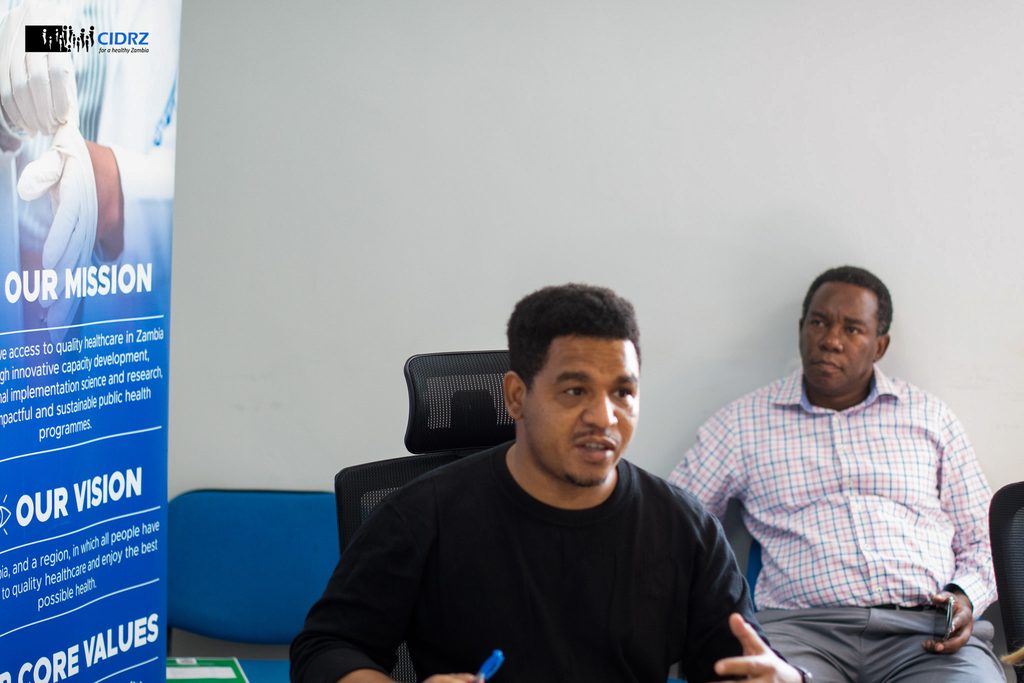
During the validation meeting, CIDRZ Strategic Information Officer Richard Sikapili presented the assessment’s key findings, highlighting a strong but fragmented digital landscape across participating institutions, gaps in governance and cross-sector data sharing, and challenges in technical interoperability.
The presentation also identified priority technical and resource gaps, particularly in data standardisation, system integration, workforce capacity, infrastructure and sustainable financing. Stakeholders discussed the findings and recommendations, providing feedback to inform the proposed next steps.
The validation marks an important step towards strengthening Zambia’s One Health digital ecosystem, promoting coordinated surveillance, improving information sharing and supporting evidence-informed decision-making.