CIDRZ and CNRS Successfully Conduct Advanced Immunology Training in Zambia.

Driving Innovation in Zambia’s Digital Health.
September 2, 2025
TB Peers: Champions at the Frontlines of Zambia’s Fight to End Tuberculosis by 2030.
September 2, 2025CIDRZ and CNRS Successfully Conduct Advanced Immunology Training in Zambia.

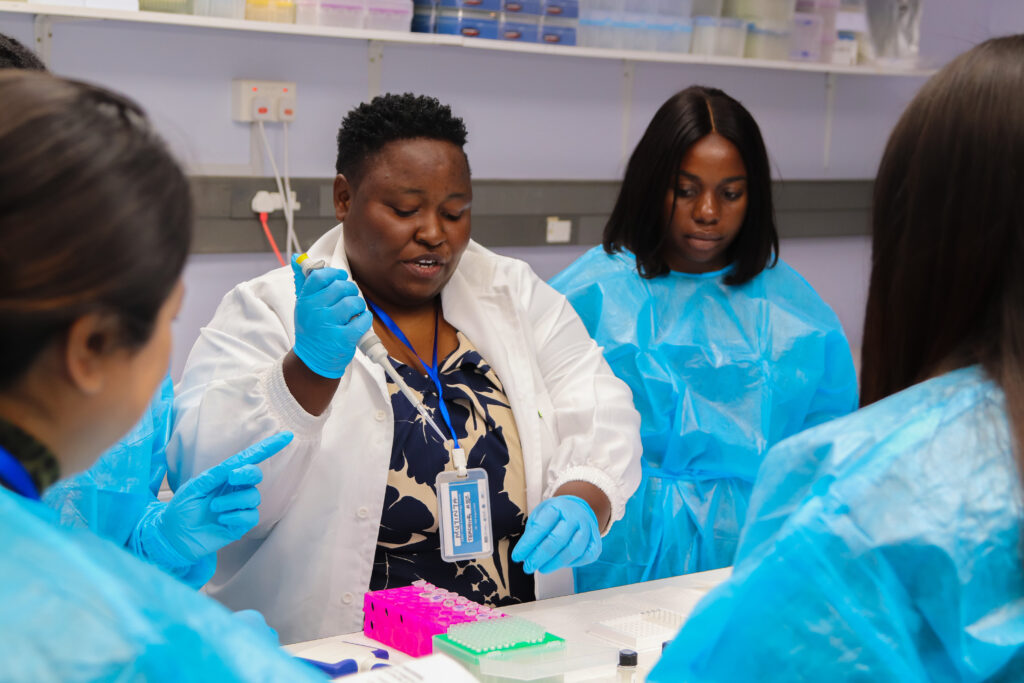
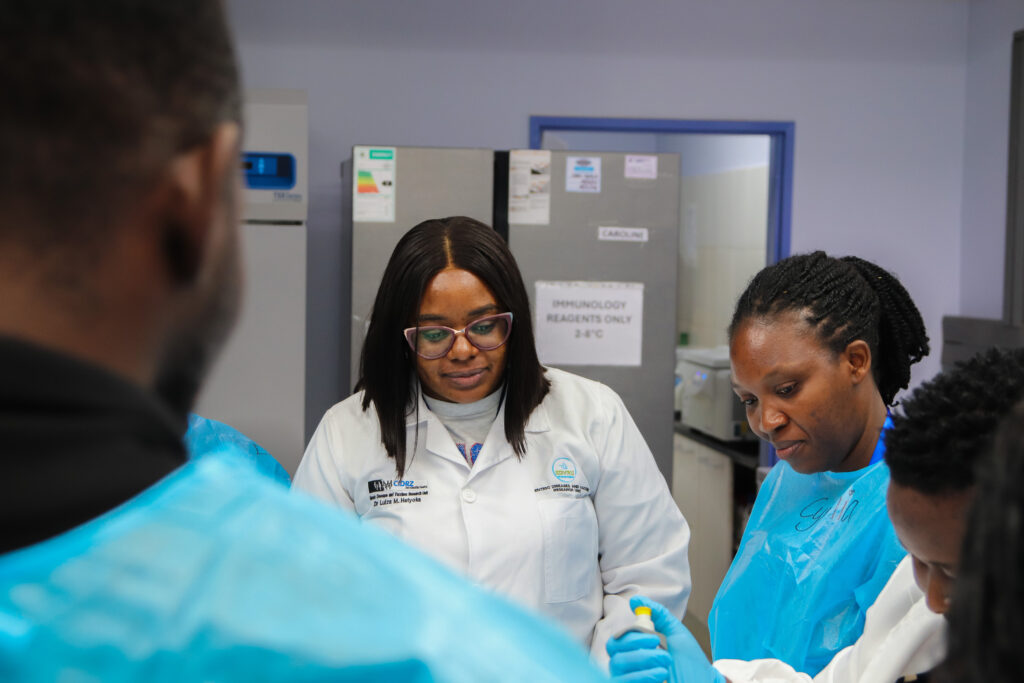
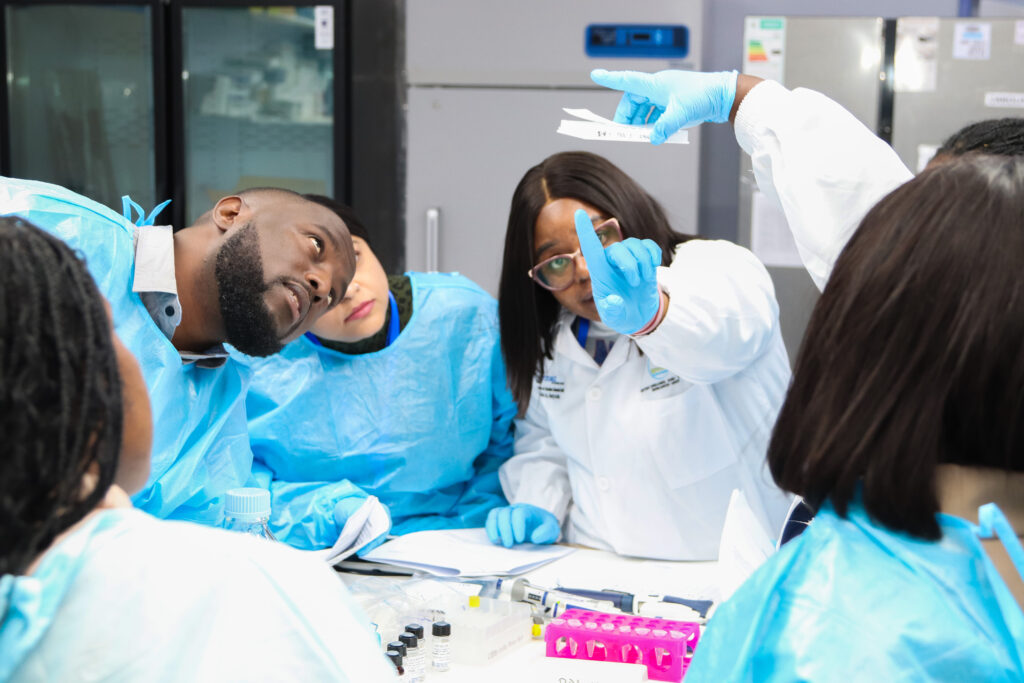
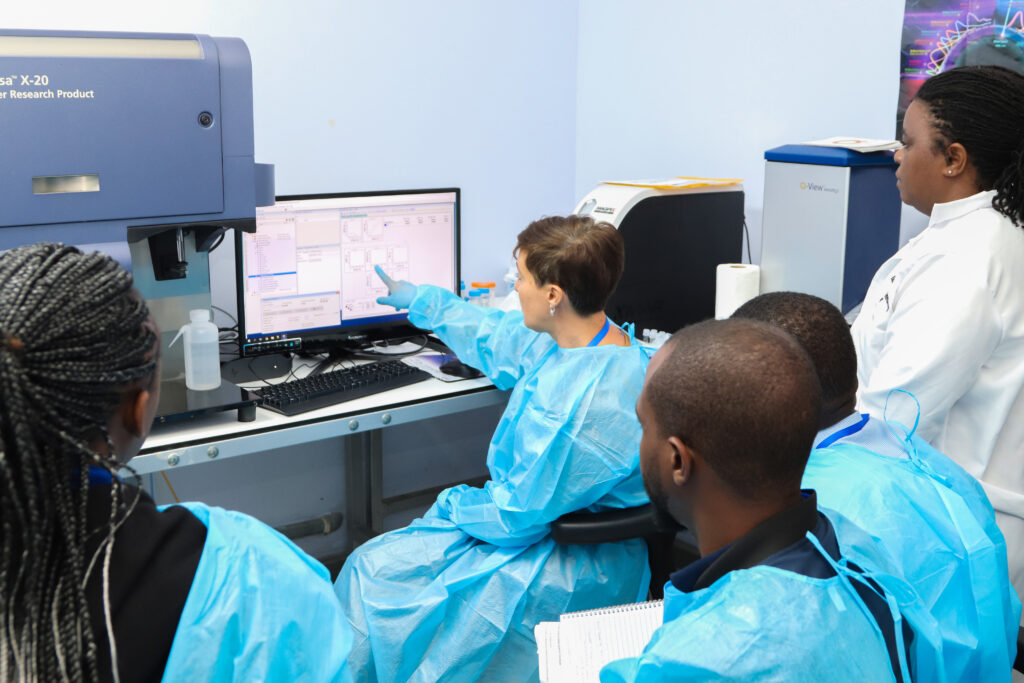
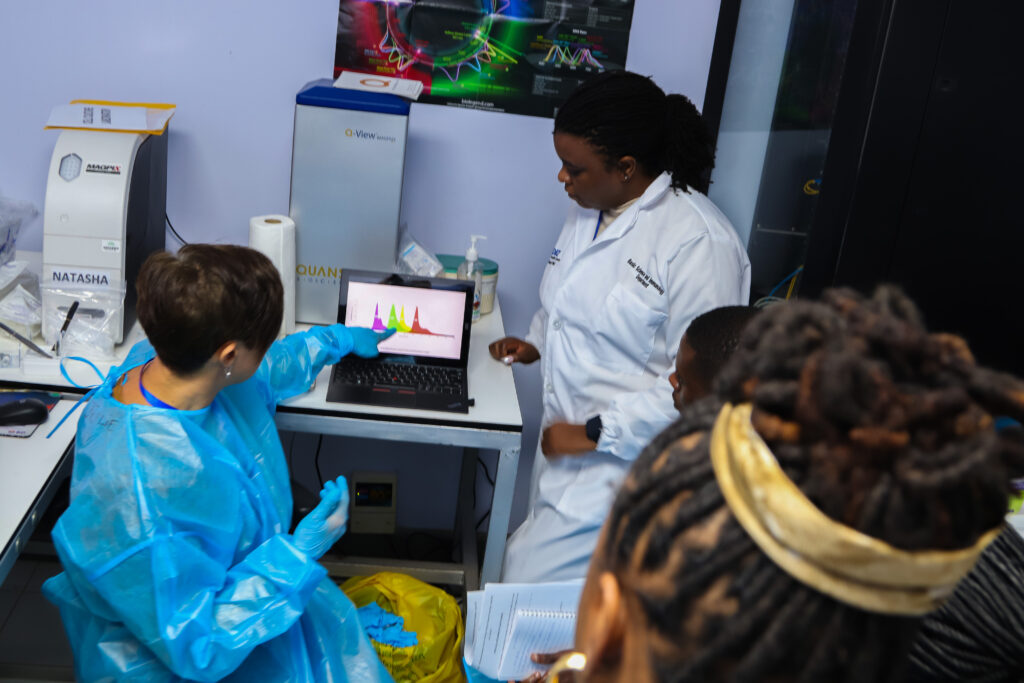
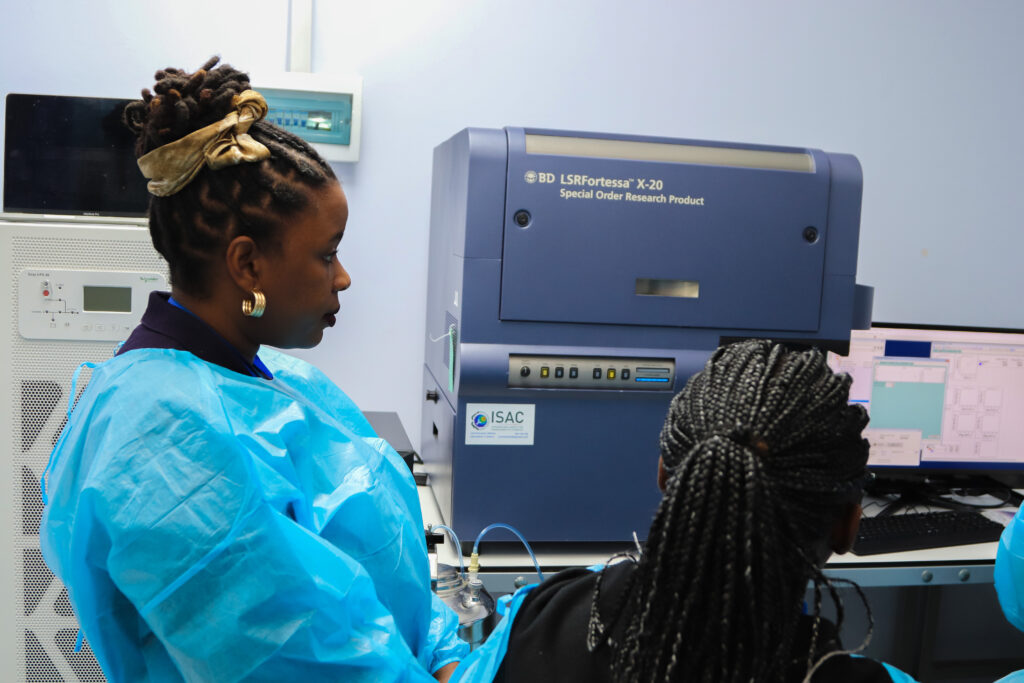
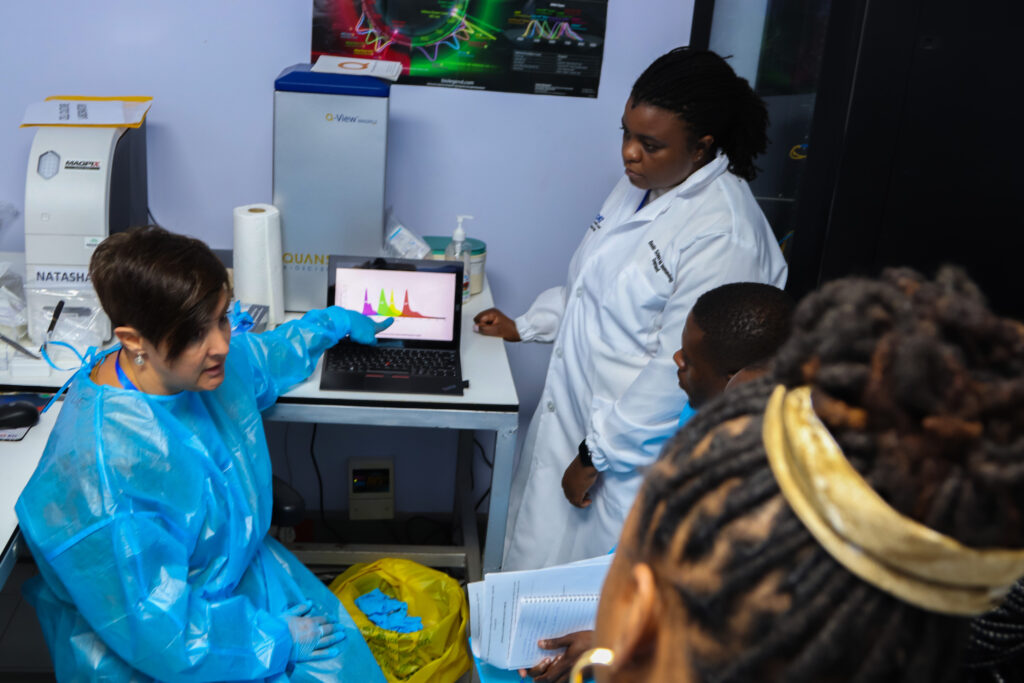
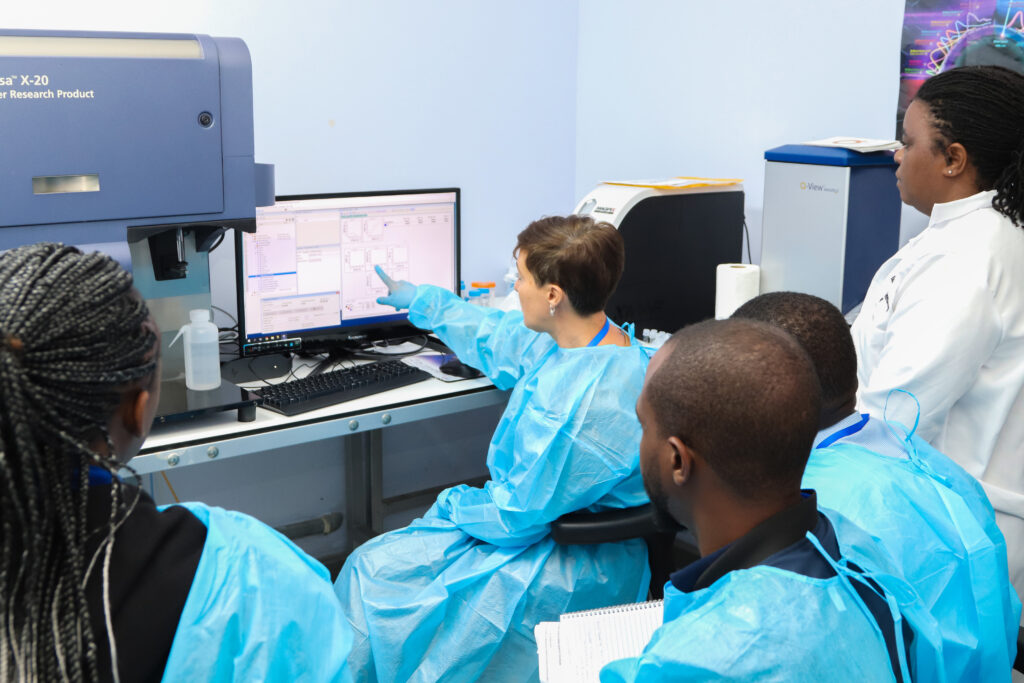
Julie Cazareth, from the CNRS, demonstrates how to analyze patient samples during practical training sessions in the flow cytometry laboratory, during which participants learned how to optimize flow cytometer settings to ensure the best identification of cell populations when monitoring immune responses.
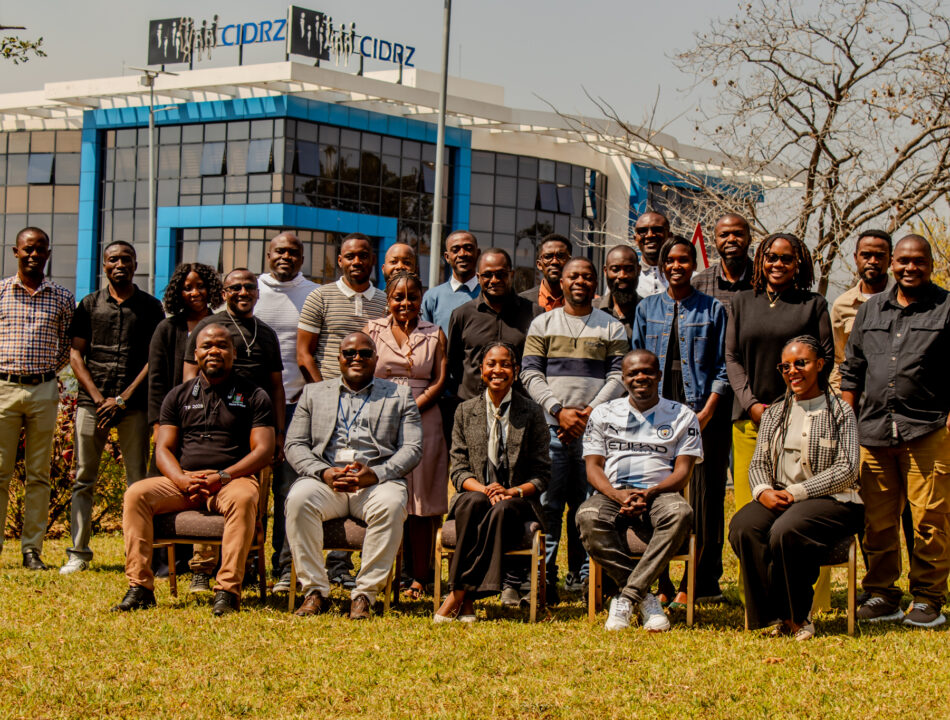
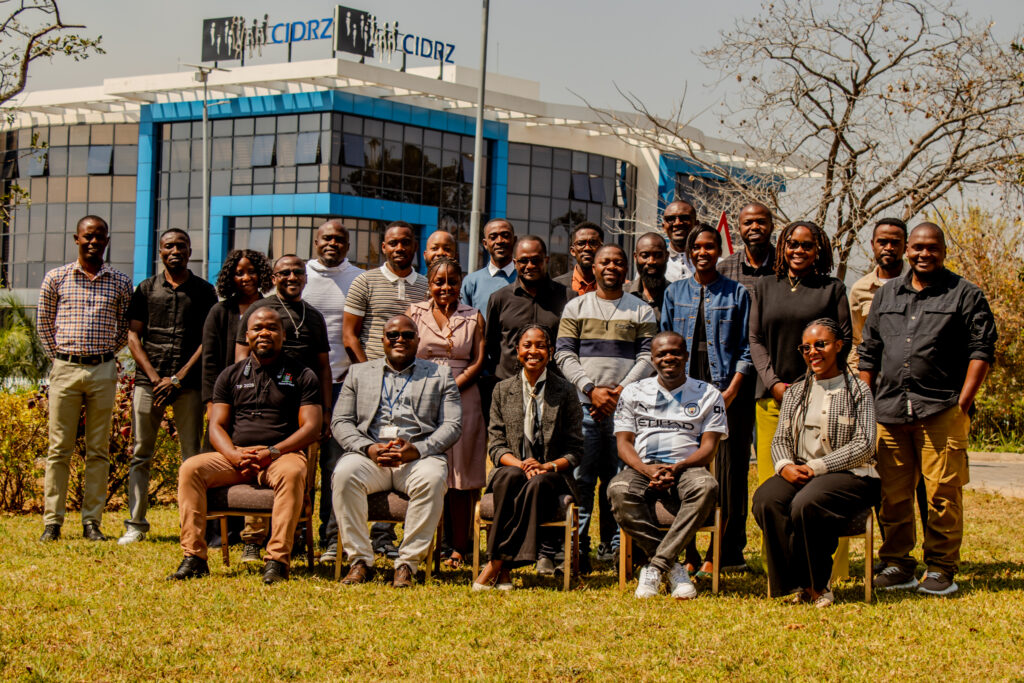
The Centre for Infectious Disease Research in Zambia (CIDRZ) and France’s Centre National de la Recherche Scientifique (CNRS) successfully conducted an immunology training short course facilitated through CIDRZ’s Department of Basic Science and Immunology.
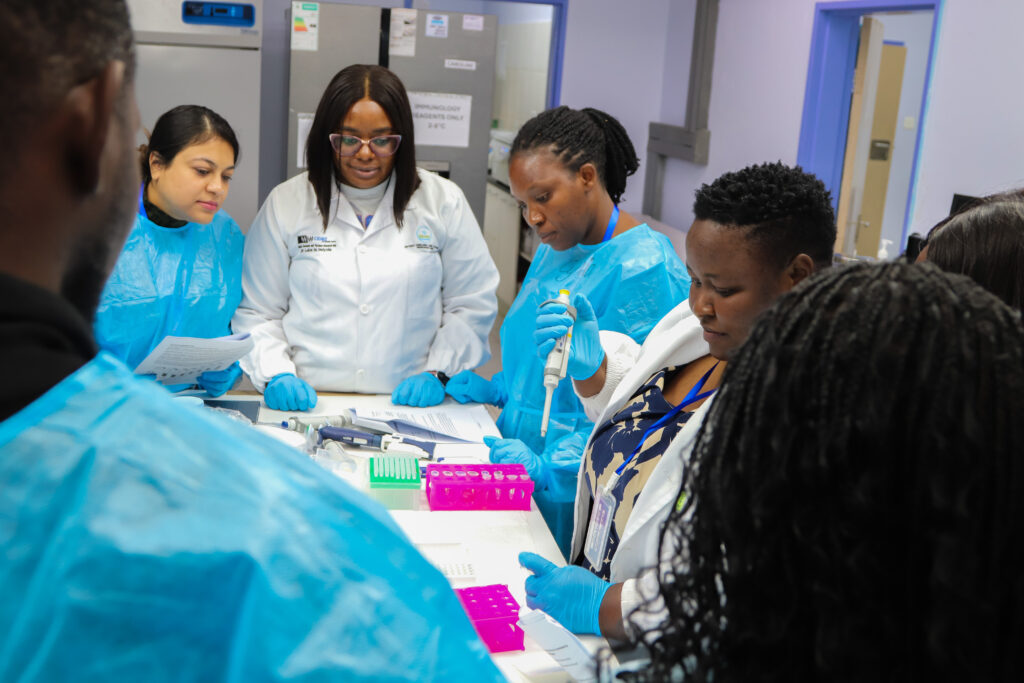
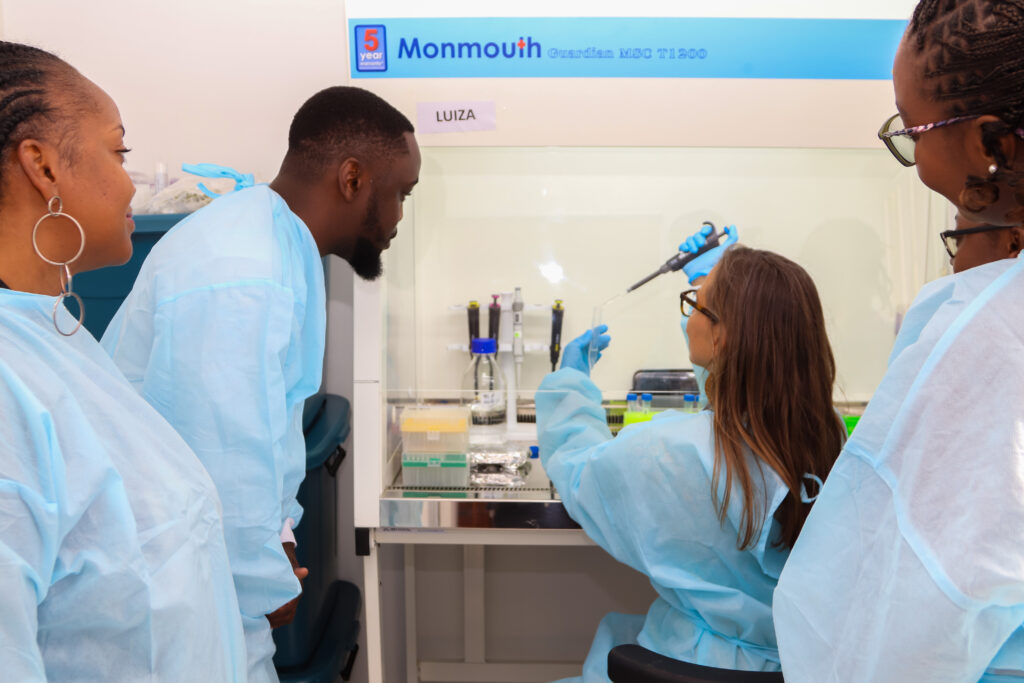
The intensive training programme provided lectures from experts in immunology, vaccinology, and infectious diseases, along with hands-on training in advanced laboratory immunology techniques to 16 MSc, PhD, and post-doctoral level students and researchers.
The practical laboratory sessions focused on three key techniques: ELISA for quantifying antigen or antibody responses, ELISpot for measuring single-cell cytokine secretion, and Flow Cytometry for high-resolution analysis of immune cell populations. By learning these techniques, participants gained skills essential for advancing research in vaccines, infectious diseases, and other health challenges.
The French Cytometry Association (AFC) is proud to have contributed to the success of this important training initiative in Zambia by providing financial support and enriching it with a dedicated cytometry course delivered by Julie Cazareth. Through these actions, the AFC reaffirms its commitment to fostering high-quality education and advancing cytometry as a key technology for research, diagnosis, and innovation worldwide.
This training course reflects CIDRZ’s ongoing commitment to fostering scientific excellence and its broader strategy to enhance technical expertise for high-quality research addressing critical public health and scientific challenges. By building such capacity, CIDRZ continues to invest in developing skilled researchers who are equipped to generate high-quality data and drive scientific innovation to deliver impactful results that contribute to improved health outcomes locally and beyond.