CIDRZ Strengthens Laboratory Biosafety and Biosecurity Capacity in Zambia

CIDRZ Holds Stakeholder Coordination Meeting to Strengthen HIV Services Across Lusaka Province
August 24, 2026
CIDRZ Hands Over Critical TB Equipment and Refurbished Laboratory to Strengthen Zambia’s Tuberculosis Response
September 1, 2026
Every laboratory handling infectious materials manages biological risks. Skilled laboratory professionals are therefore essential to protecting laboratory workers, communities, and the wider public from biological threats.
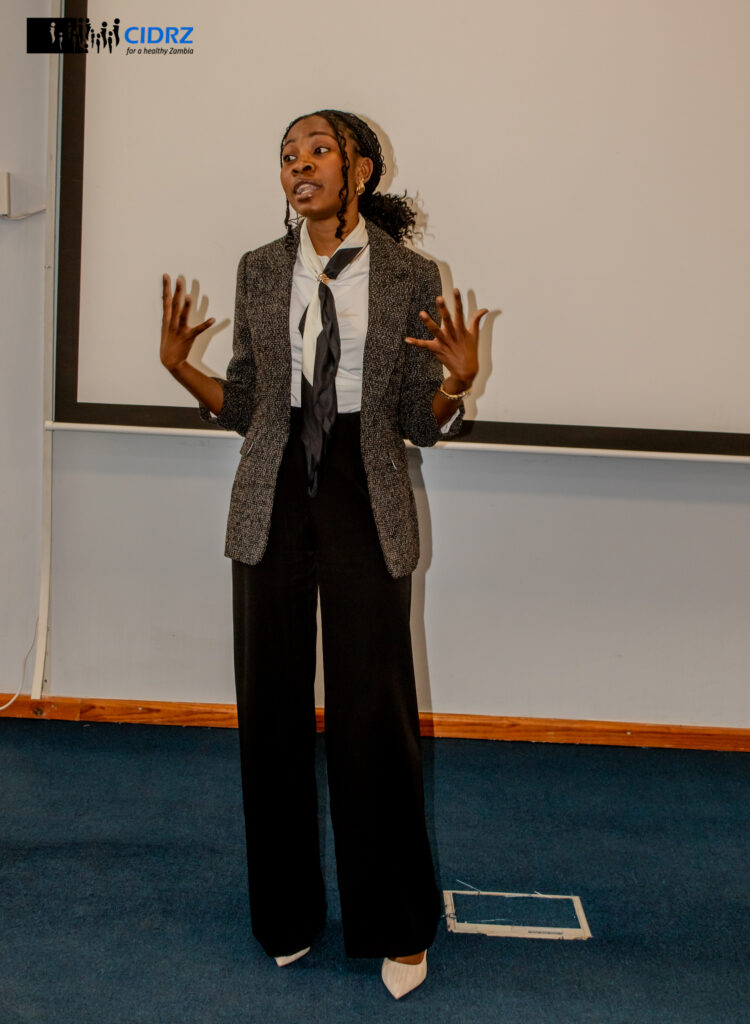
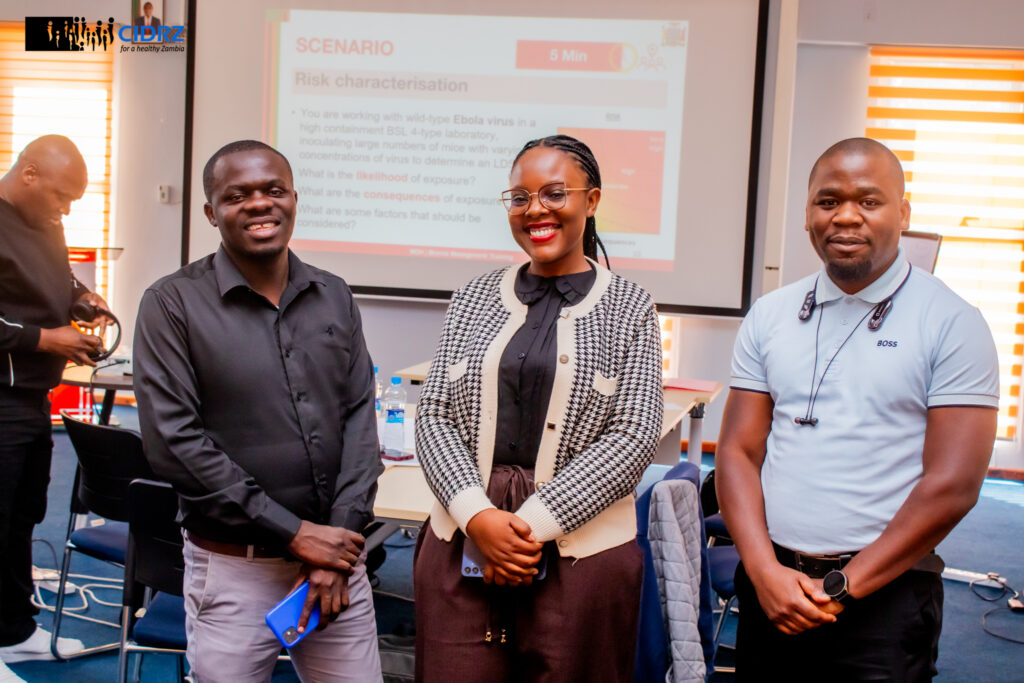
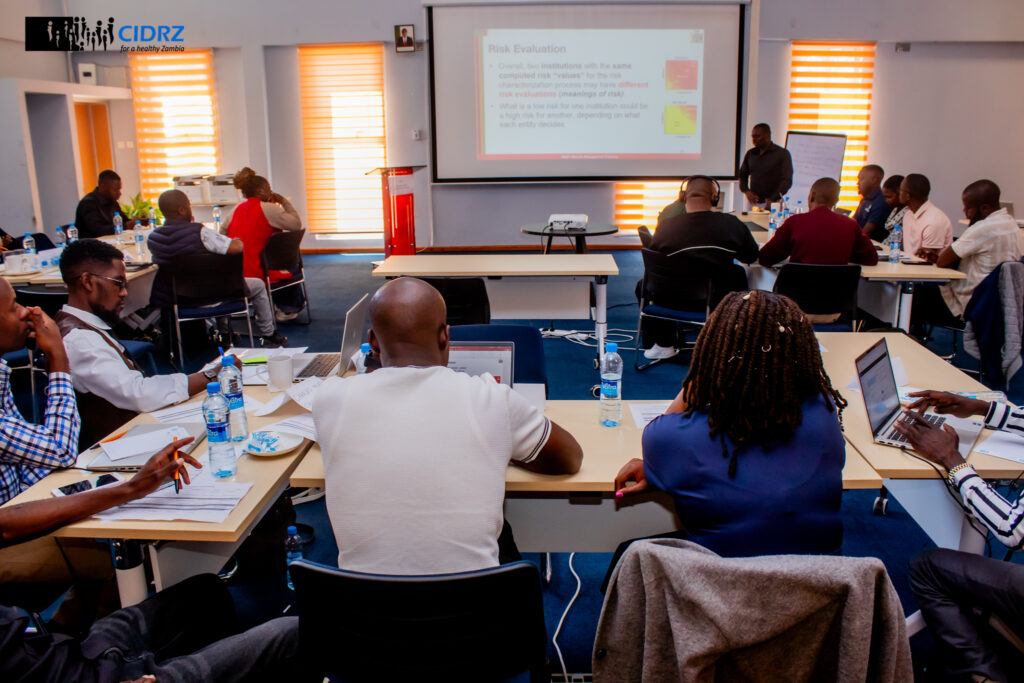
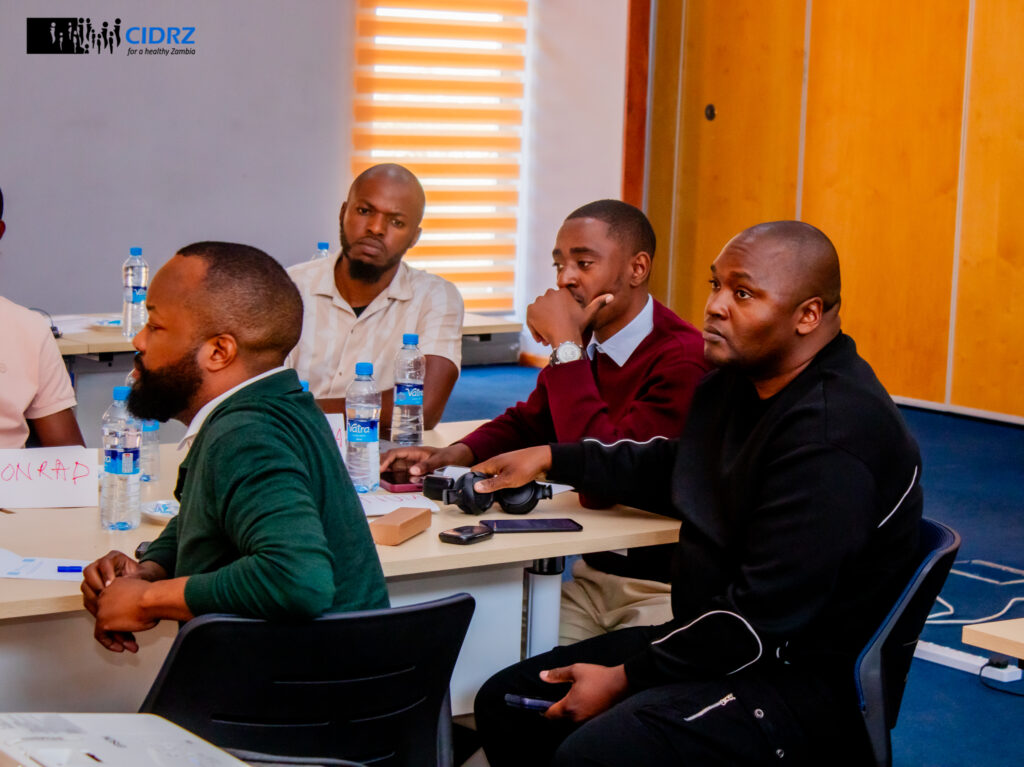
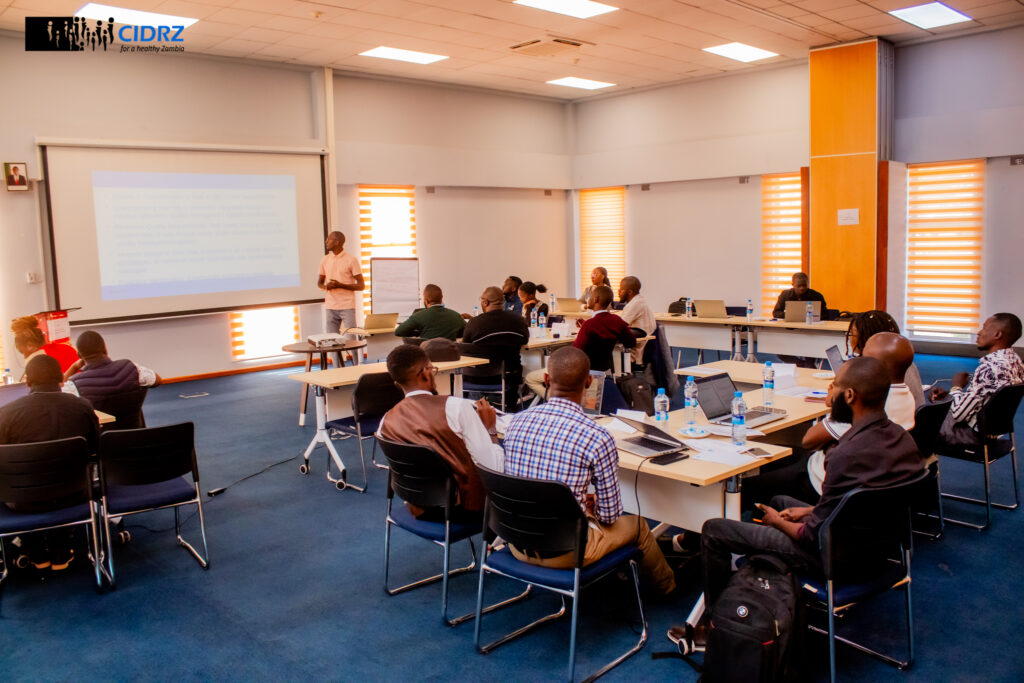
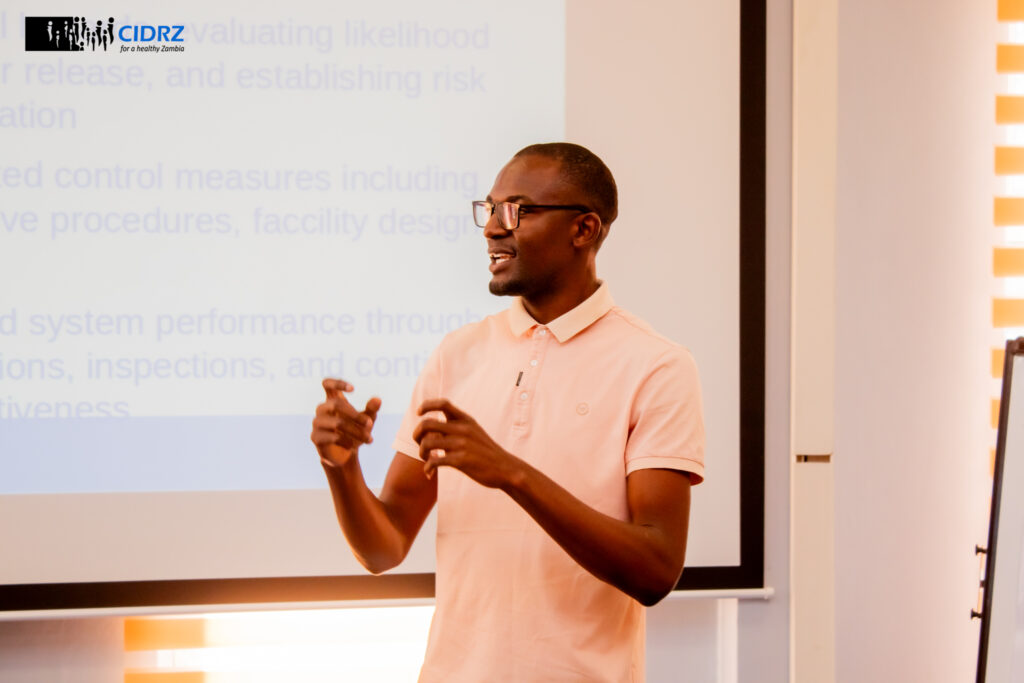
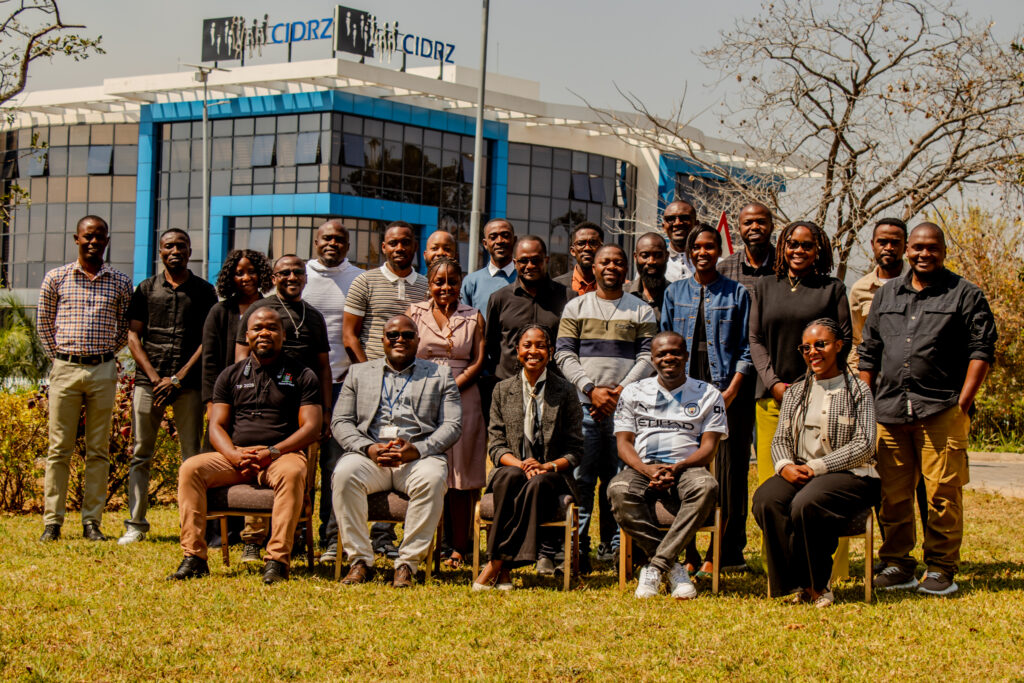
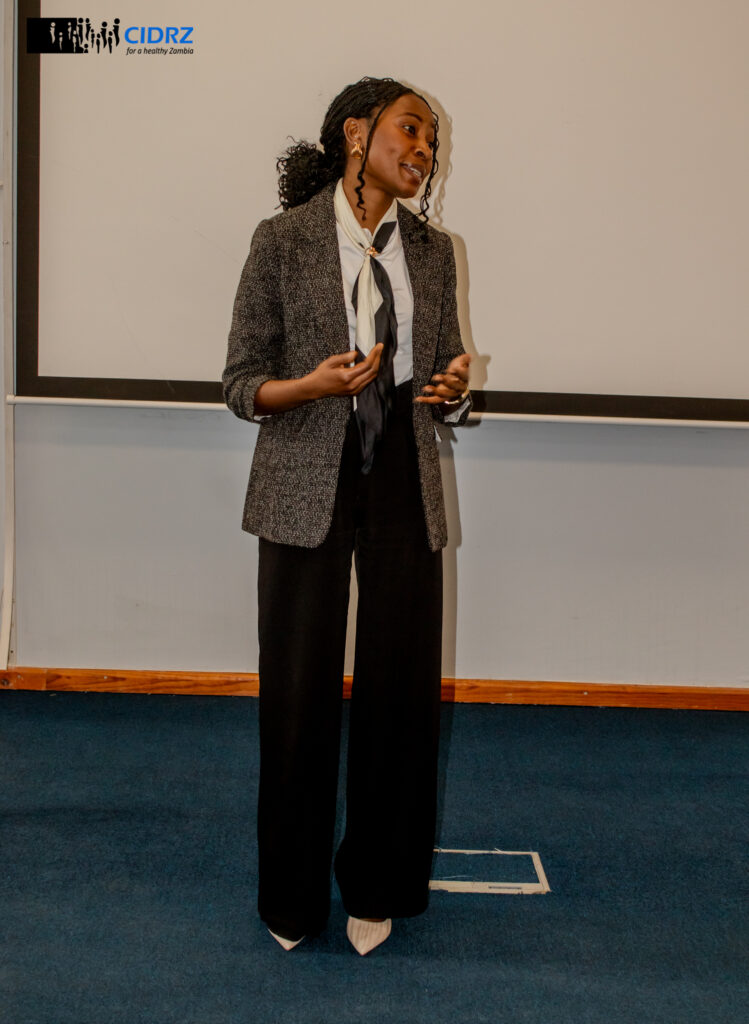
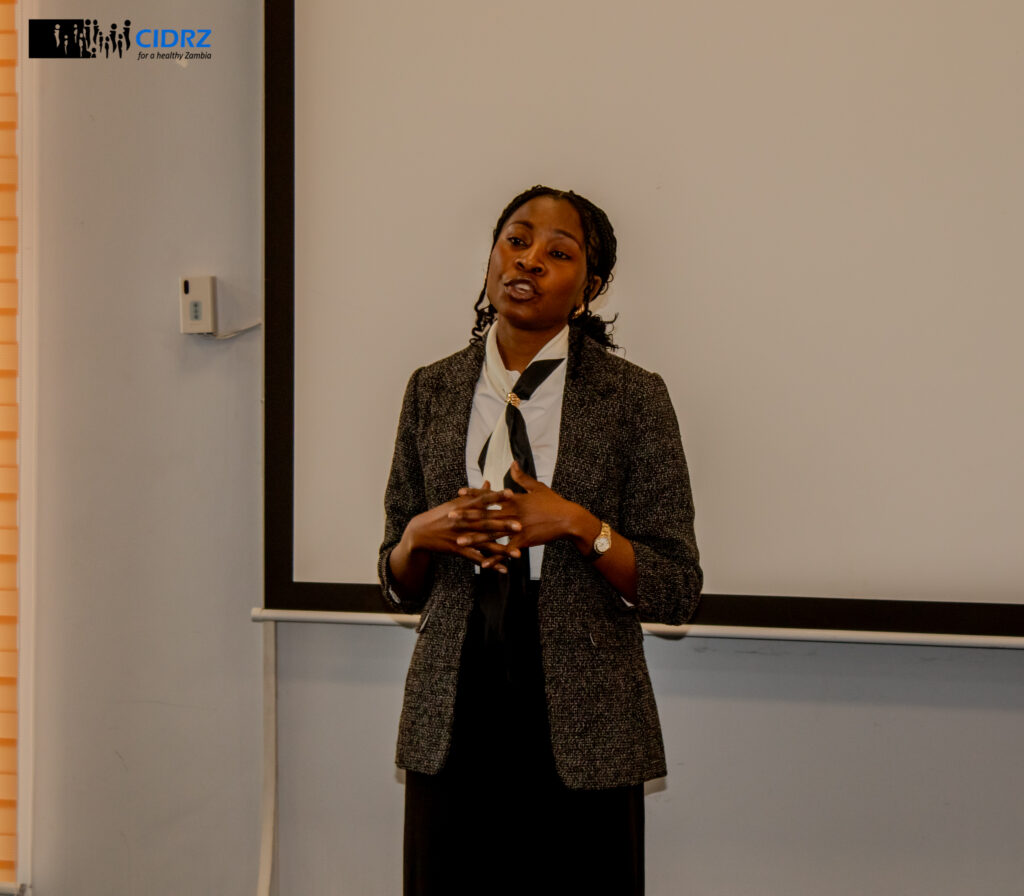
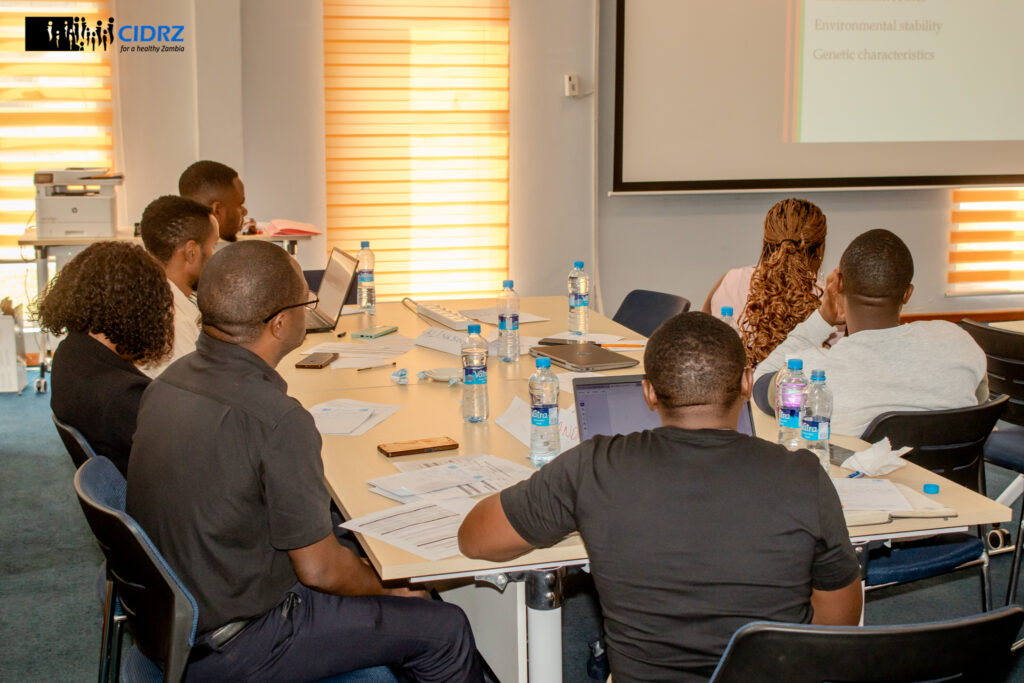
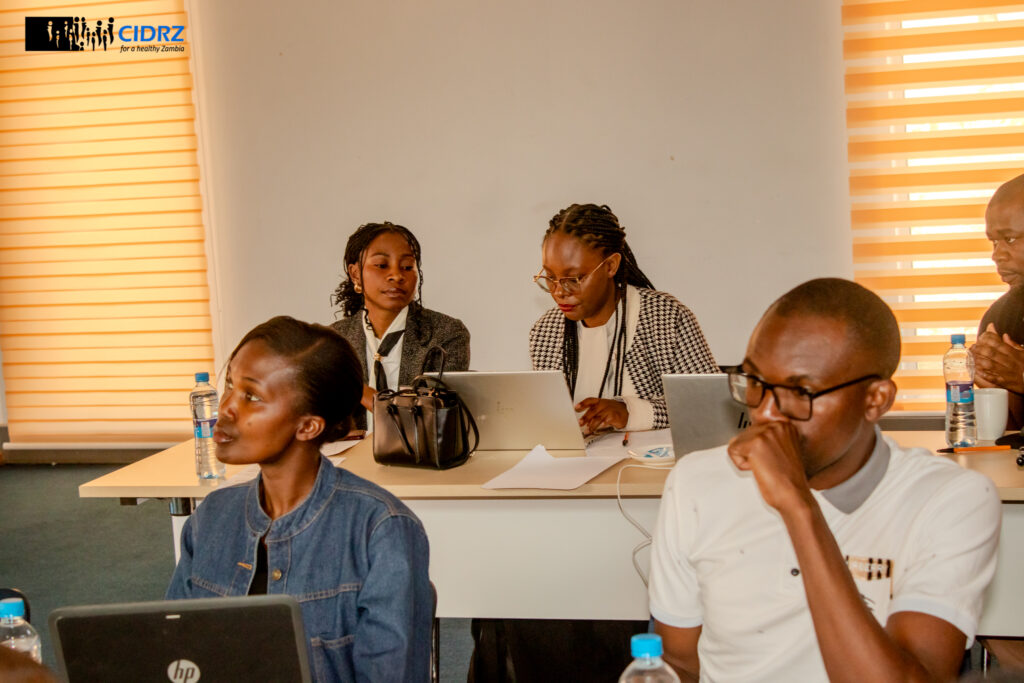
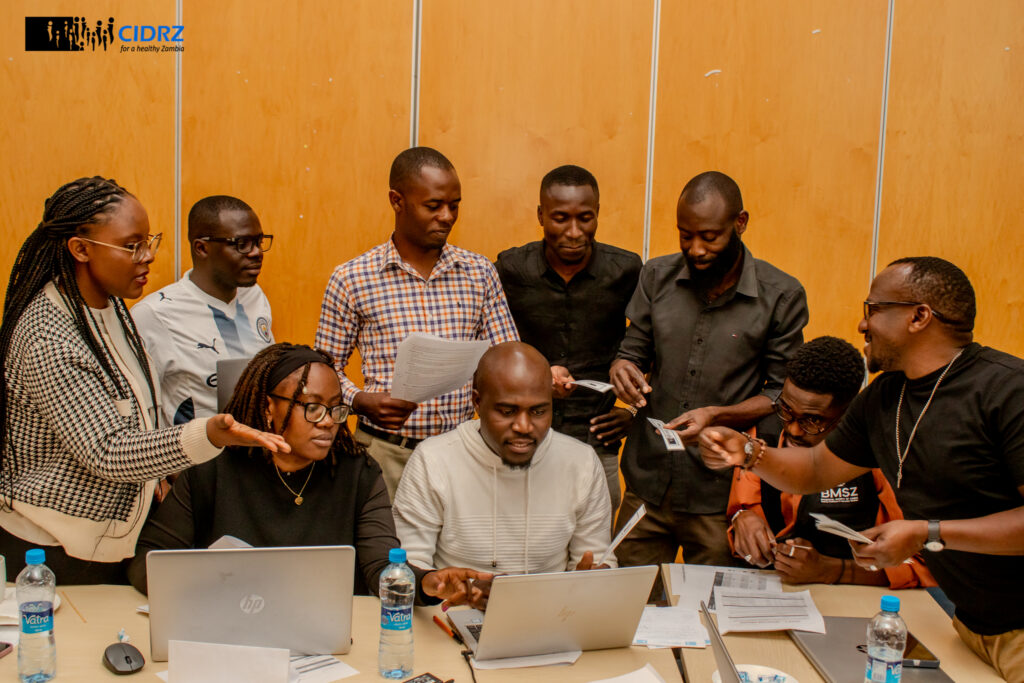
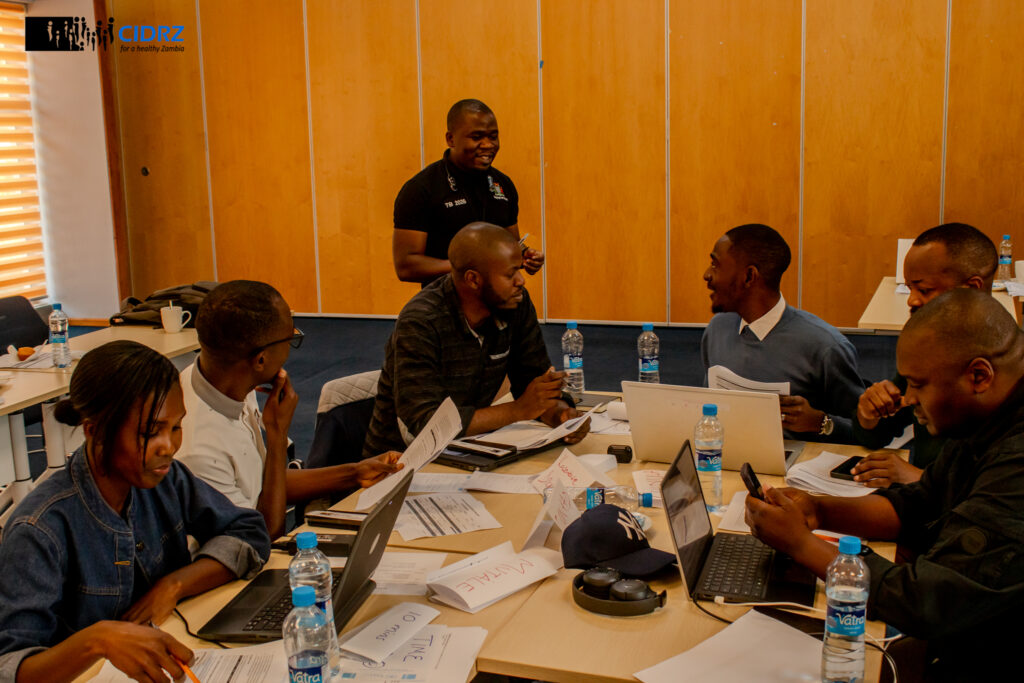
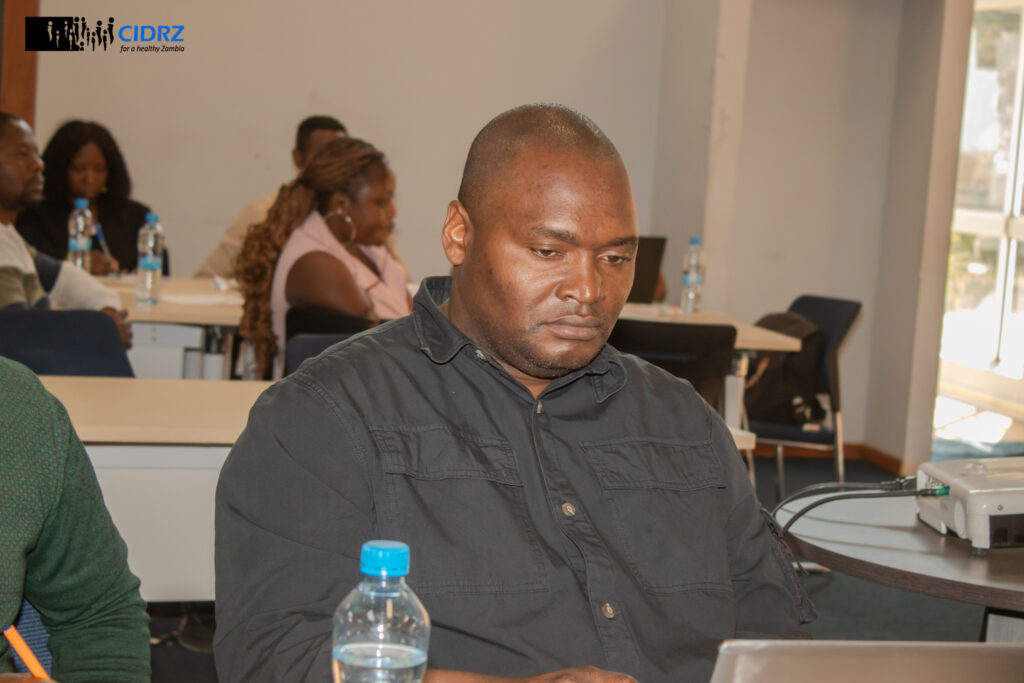
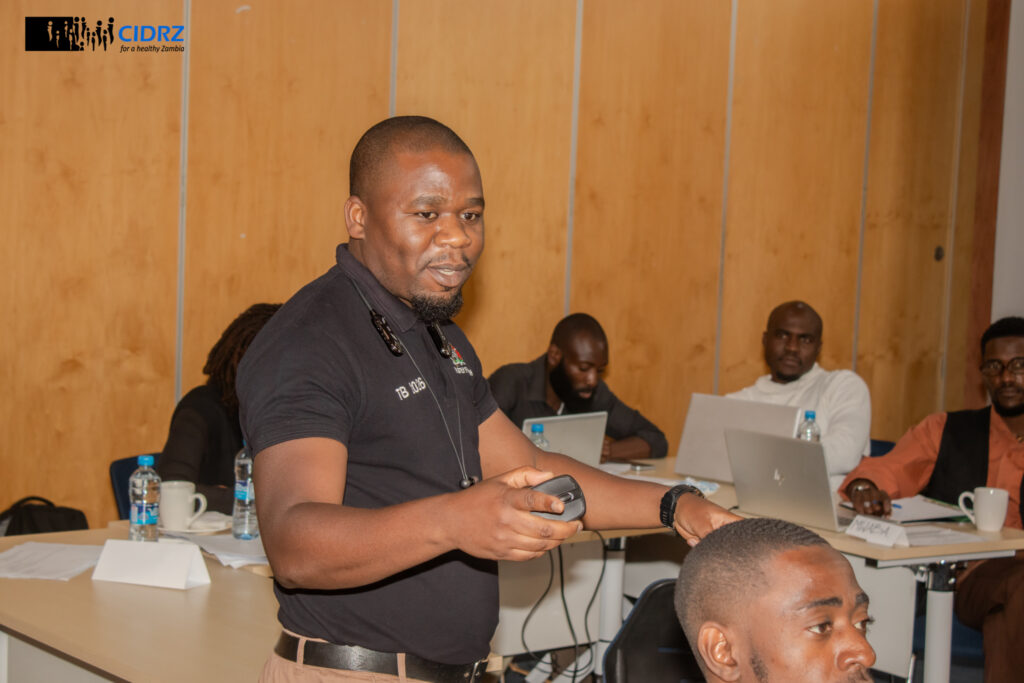
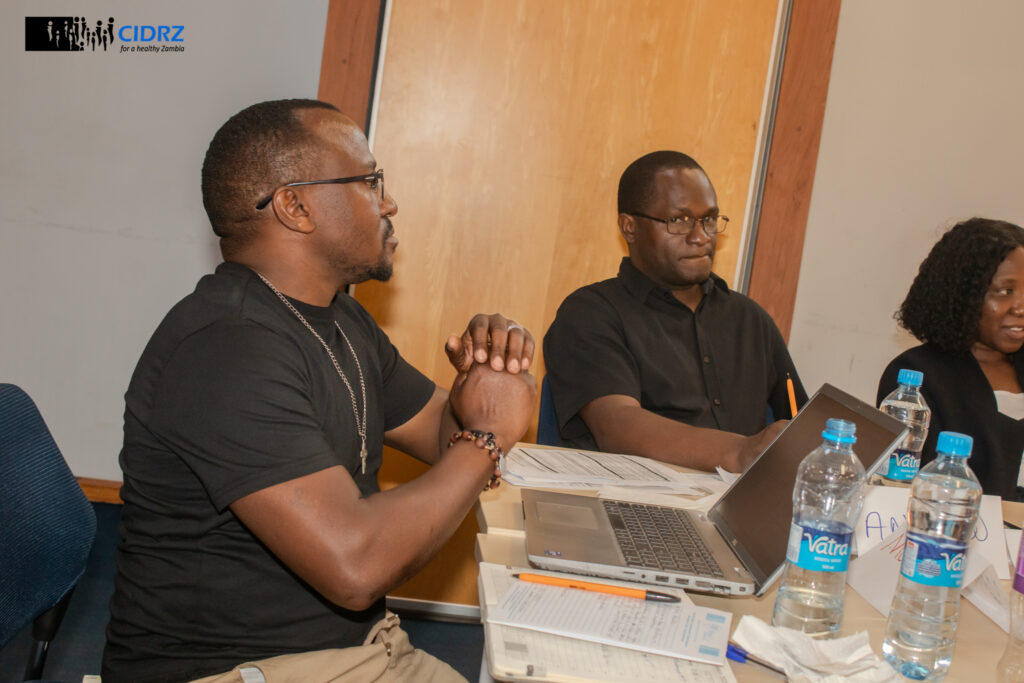
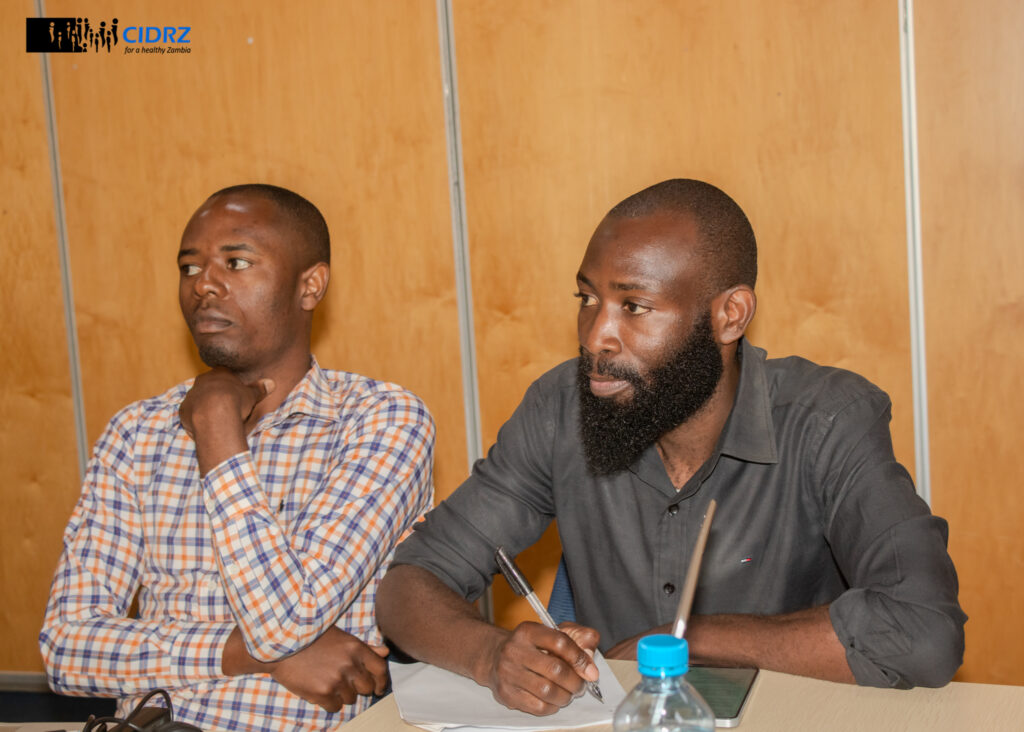
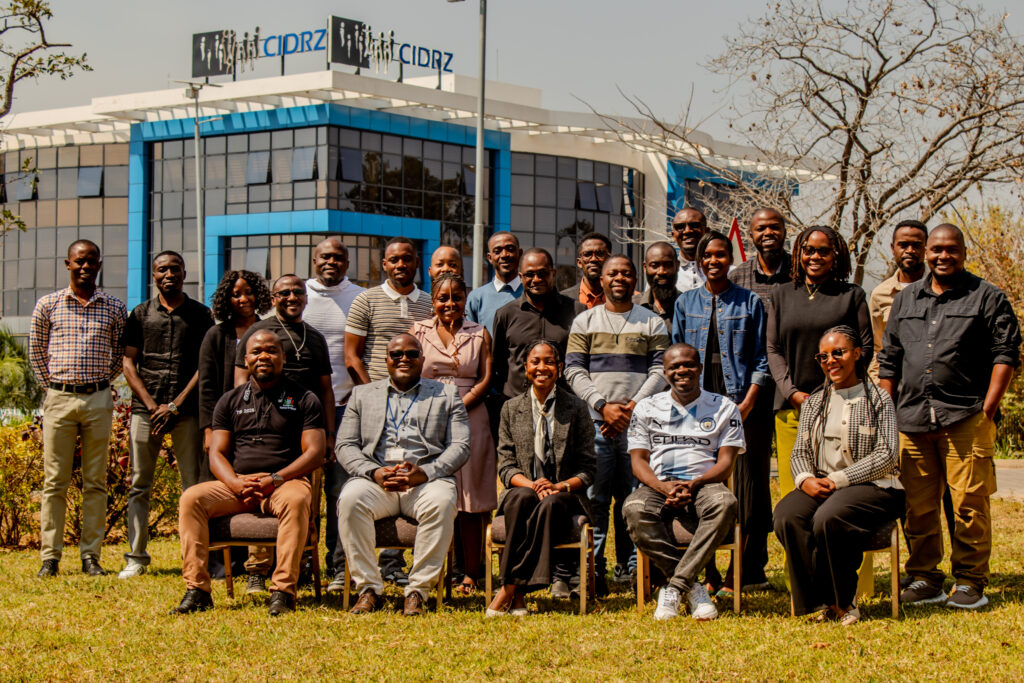
CIDRZ, through its Transitioning and Integrating Laboratory Systems (TRAILs) Project, sponsored by the U.S. Department of State and implemented in partnership with the Ministry of Health (MOH), recently conducted a four-day #Biosafety and #Biosecurity Risk Assessment Training.
The training brought together laboratory professionals, including Biomedical Scientists and Medical Laboratory Technologists, to strengthen their capacity to identify, assess, and mitigate biosafety and biosecurity risks in laboratory settings.
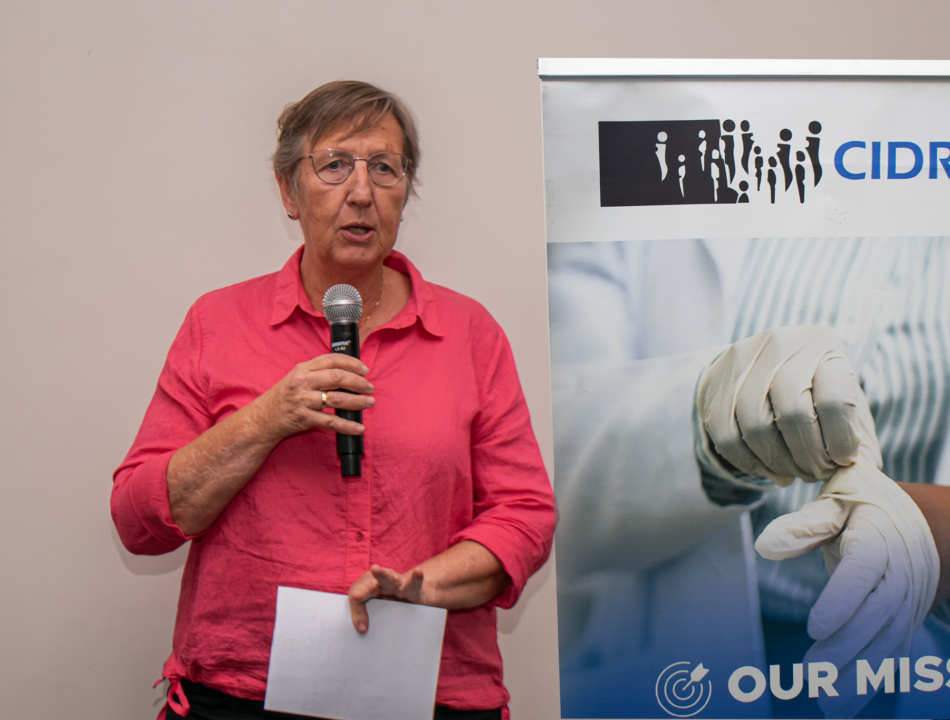
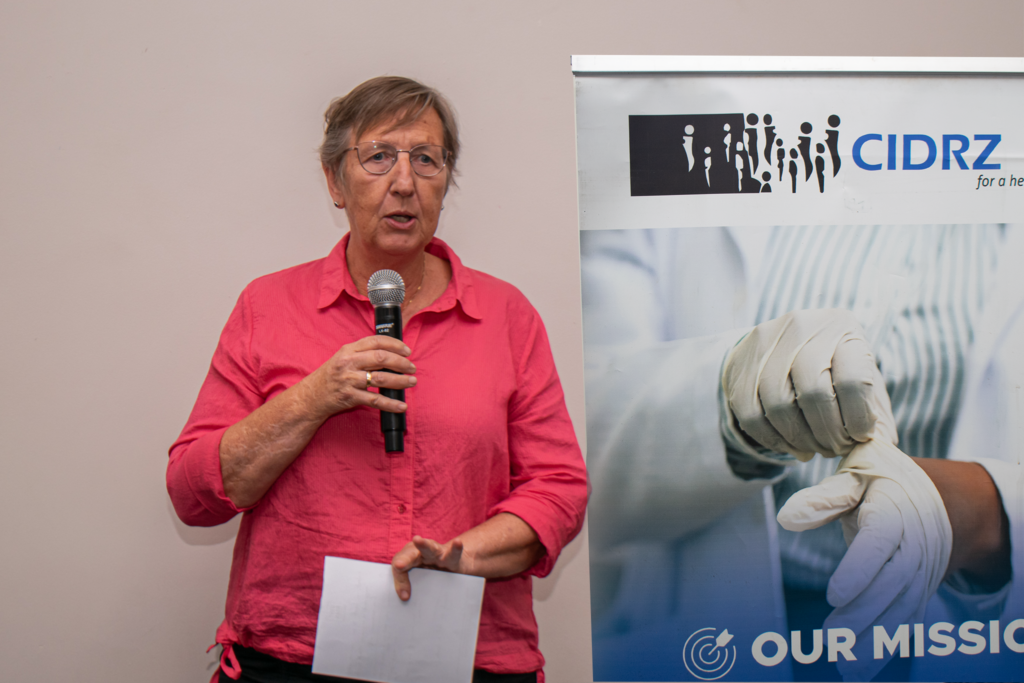
The Ministry of Health has underscored the importance of biosafety and biosecurity as essential pillars of laboratory quality. Representing the Ministry at the opening of the training, Musonda Mandona, Biosafety and Biosecurity Advisor at the Ministry of Health, highlighted the need to ensure that safety and security measures keep pace with Zambia’s growing diagnostic capacity.
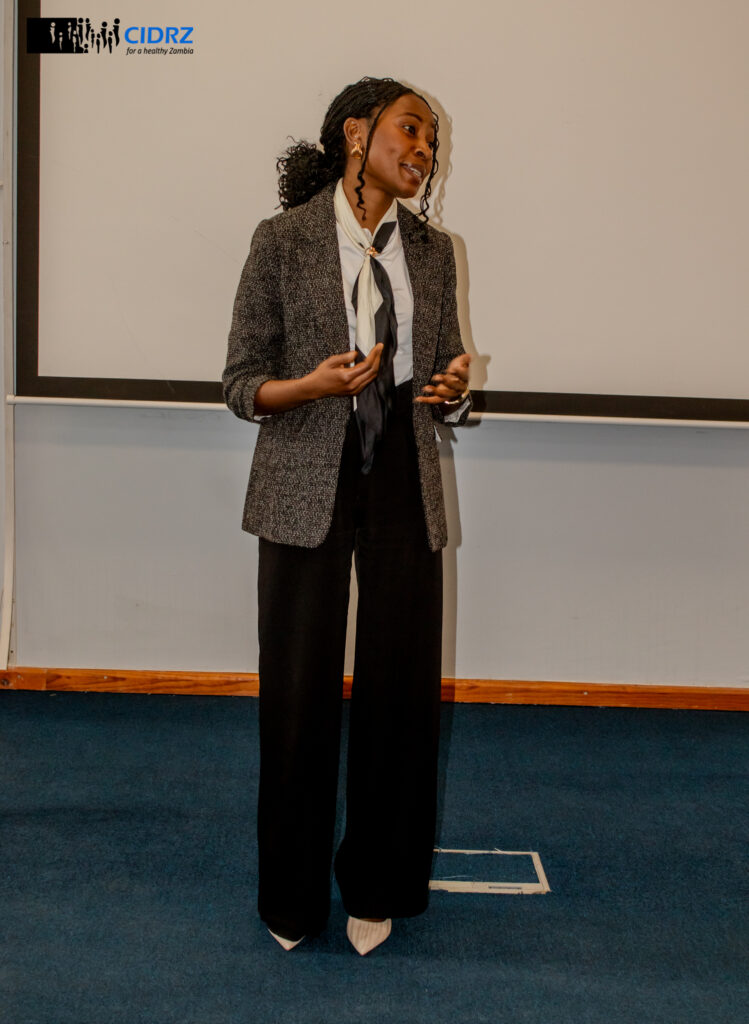
CIDRZ TRAILS Project, Chief of Party, Powell Choonga, emphasised the importance of deliberate risk management, noting, “Every laboratory handling infectious material is managing biological risk. The question is whether it’s doing so deliberately. That’s what this week changes.”
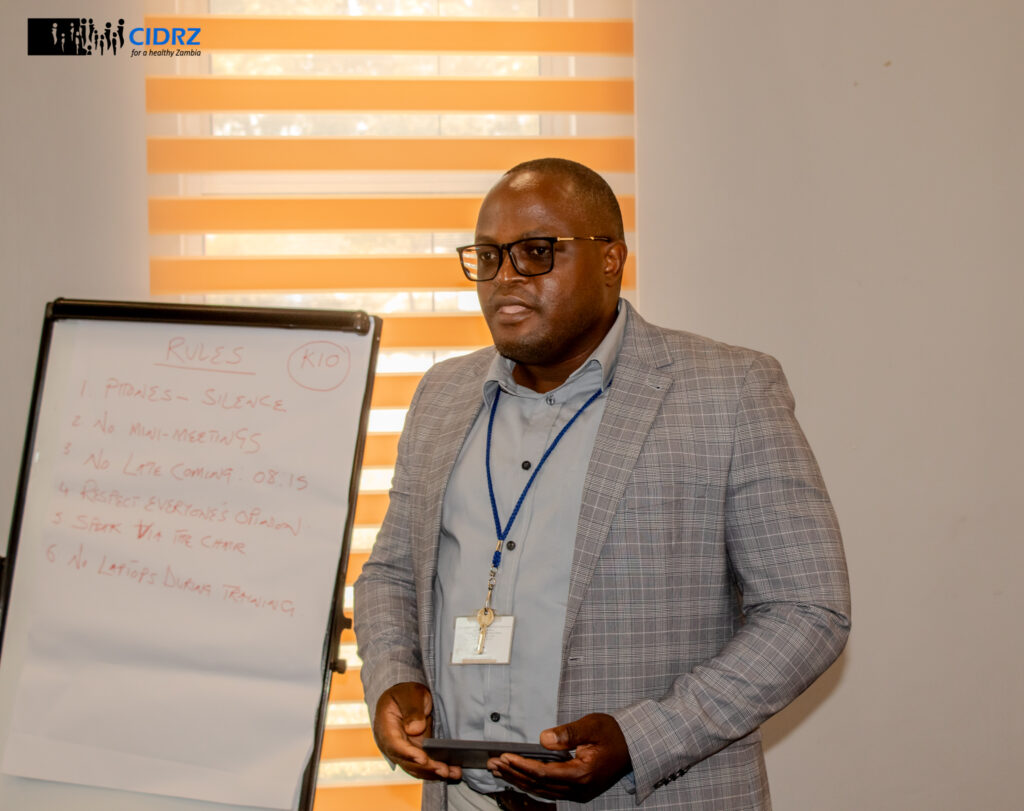
The training underscored the importance of investing in Zambia’s laboratory workforce as a critical component of preparedness and protection against biological threats.
By strengthening laboratory professionals’ capacity to recognise and manage risks, the TRAILs Project is contributing to safer laboratories, stronger health systems, and improved national preparedness for biological threats.
CIDRZ remains committed to strengthening Zambia’s laboratory systems and investing in skilled professionals who play a vital role in protecting public health.