CIDRZ Strengthens Research through Community Engagement and Participant Retention Training.

CIDRZ CEO Kick starts his Familiarisation Tour with visit to CIDRZ Central Laboratory
January 9, 2026
CIDRZ Strengthens Research Staff Capacity in Infection Prevention and Control (IPC).
January 15, 2026
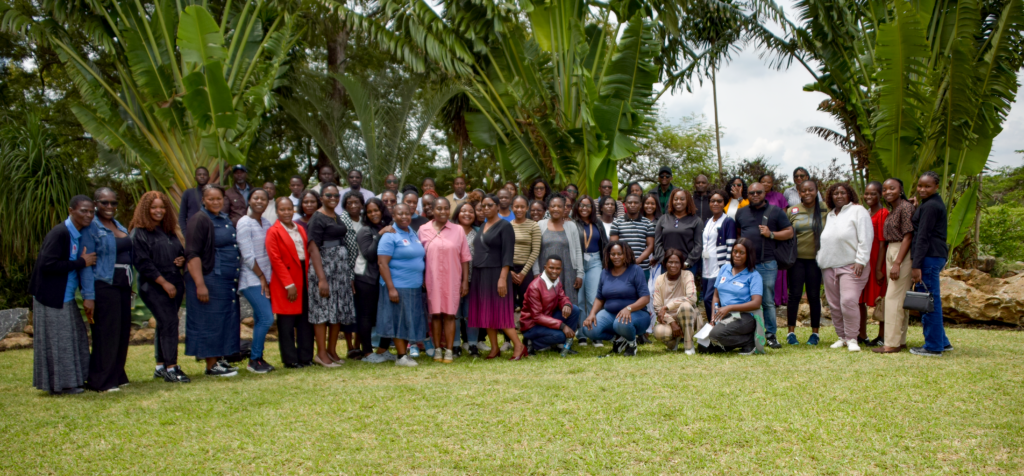
The Centre for Infectious Disease Research in Zambia (CIDRZ) recently conducted a Standard Operating Procedures (SOP) training aimed at strengthening programme strategies, ensuring compliance, and enhancing research quality across its projects.
The training featured several expert-led presentations covering a wide range of topics, equipping participants with practical insights and guidance to strengthen research processes and uphold high standards across all studies.
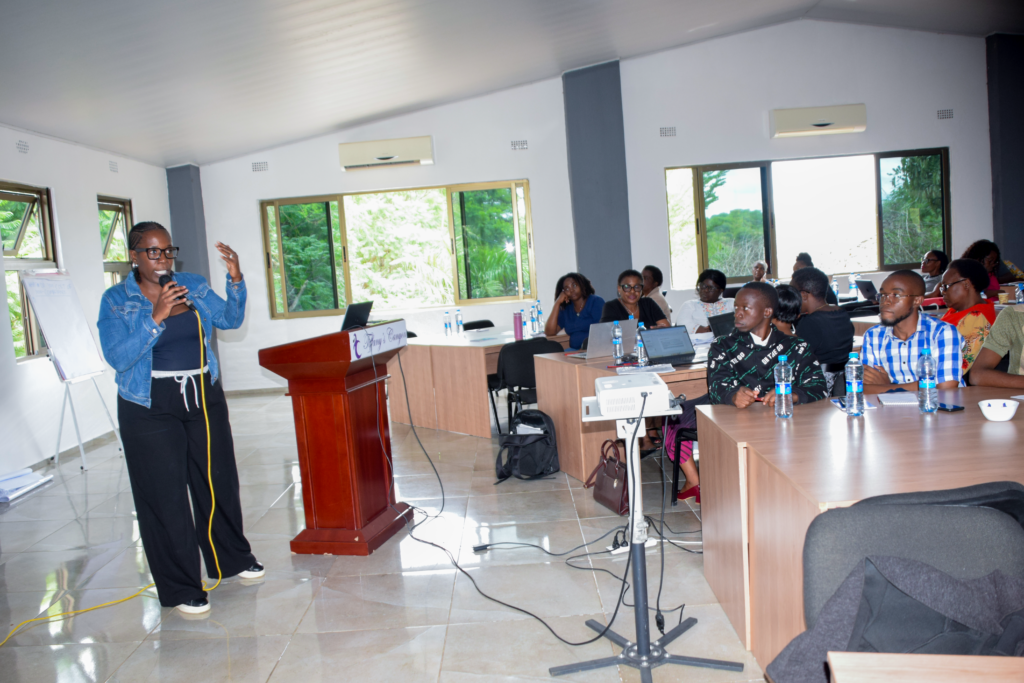
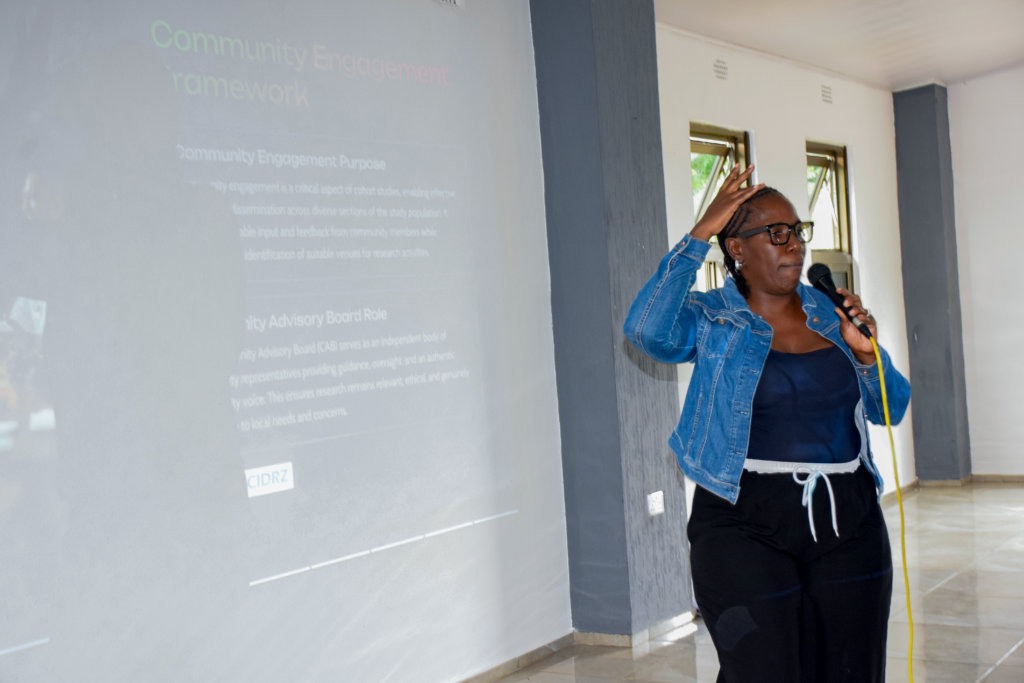
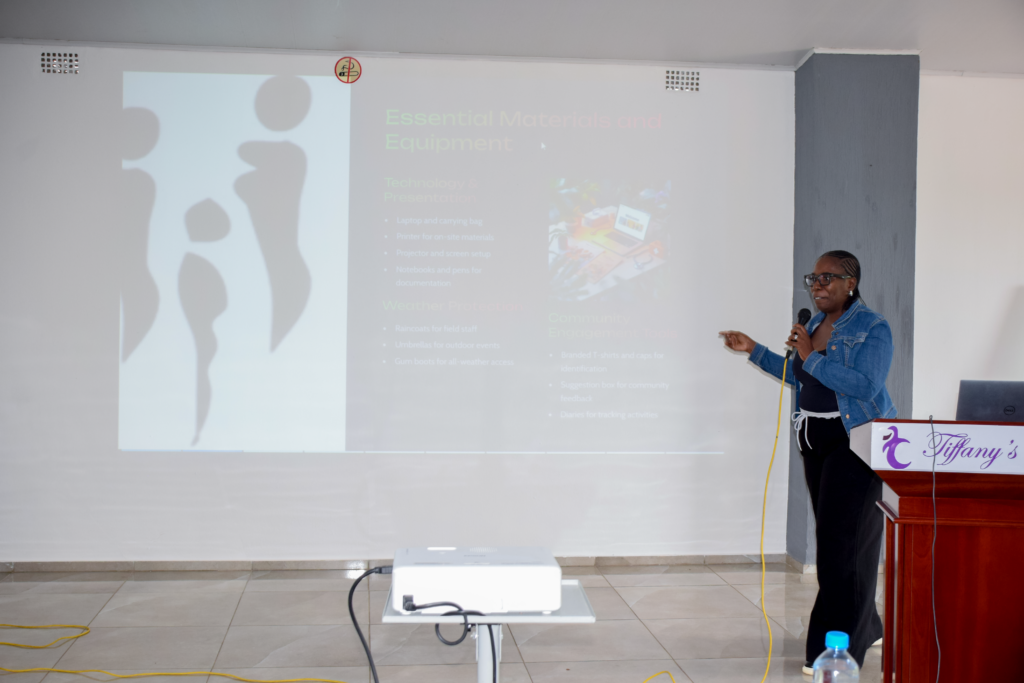
Agness Kabamba Chitoshi, Community Liaison Officer at CIDRZ, delivered a presentation on community engagement, participant recruitment, and retention. She underscored the critical role of community engagement in the success of research studies.
“Engaging communities provides a platform to disseminate information to key stakeholders, gather valuable feedback, and promote cooperation and integration in research activities,” she said.
Agness emphasised the critical role of strong community engagement in effective participant recruitment,underscoring the need for researchers to work closely with key stakeholders such as Community Advisory Boards (CABs) and Neighbourhood Health Committees (NHCs).
She explained that these partnerships are essential in developing appropriate recruitment strategies and identifying suitable venues that are responsive to the needs of the study population.
Agness further noted that participant recruitment is not a one-off activity but a continuous process that remains in place until all study targets are fully achieved.
Participant retention was also highlighted as a key priority, with Agness emphasising the importance of maintaining retention rates of 90 percent or higher across all studies. She noted that high retention levels are vital to ensuring robust, reliable, and high-quality research outcomes, as they strengthen the validity of findings and support the overall success of research programmes.