CIDRZ, U.S. Department of State Strengthen Partnership to Support HIV Response in Copperbelt Province.

CIDRZ Showcases Innovation and Research at RDAZ AGM 2026 in Siavonga.
April 16, 2026
CIDRZ, Ministry of Health, and U.S. Department of State Strengthen HIV Prevention Through PrEP and PEP Training.
April 21, 2026
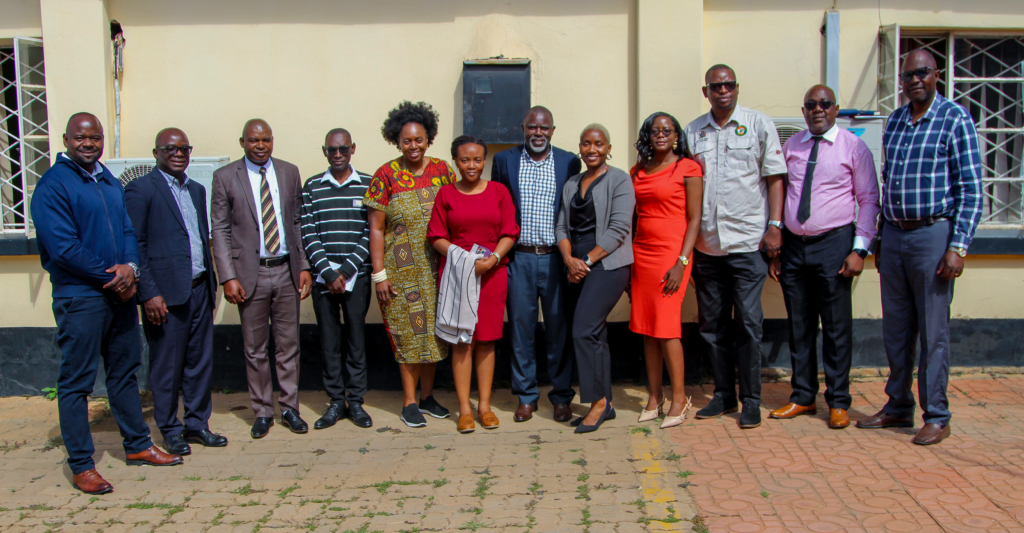
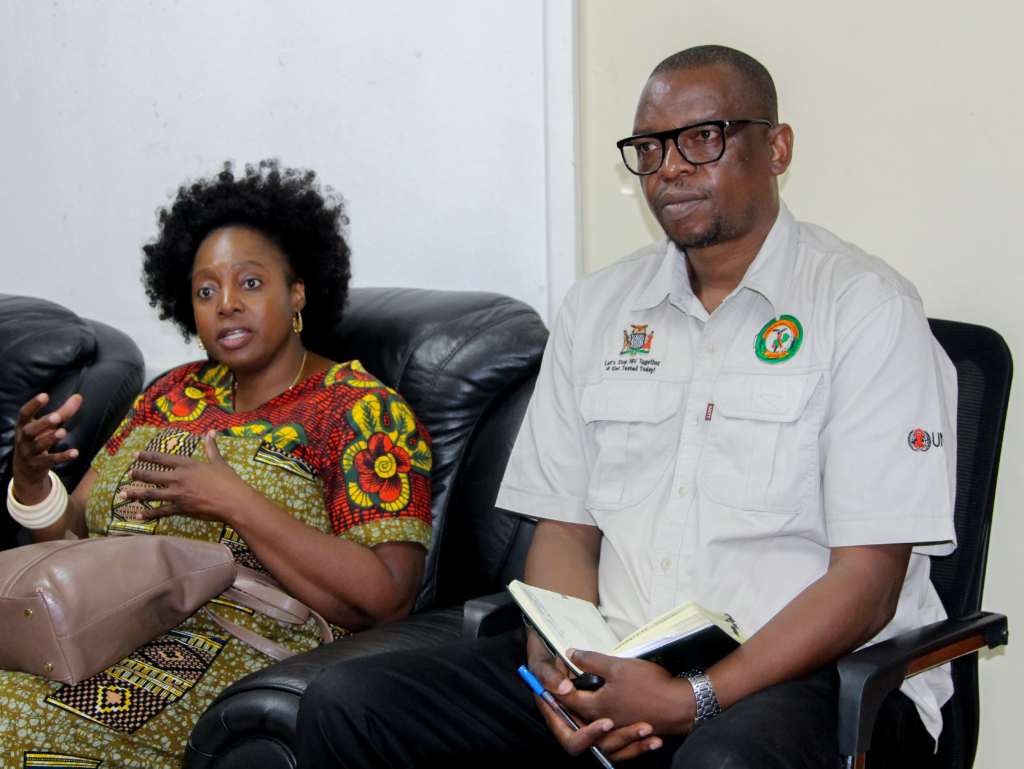
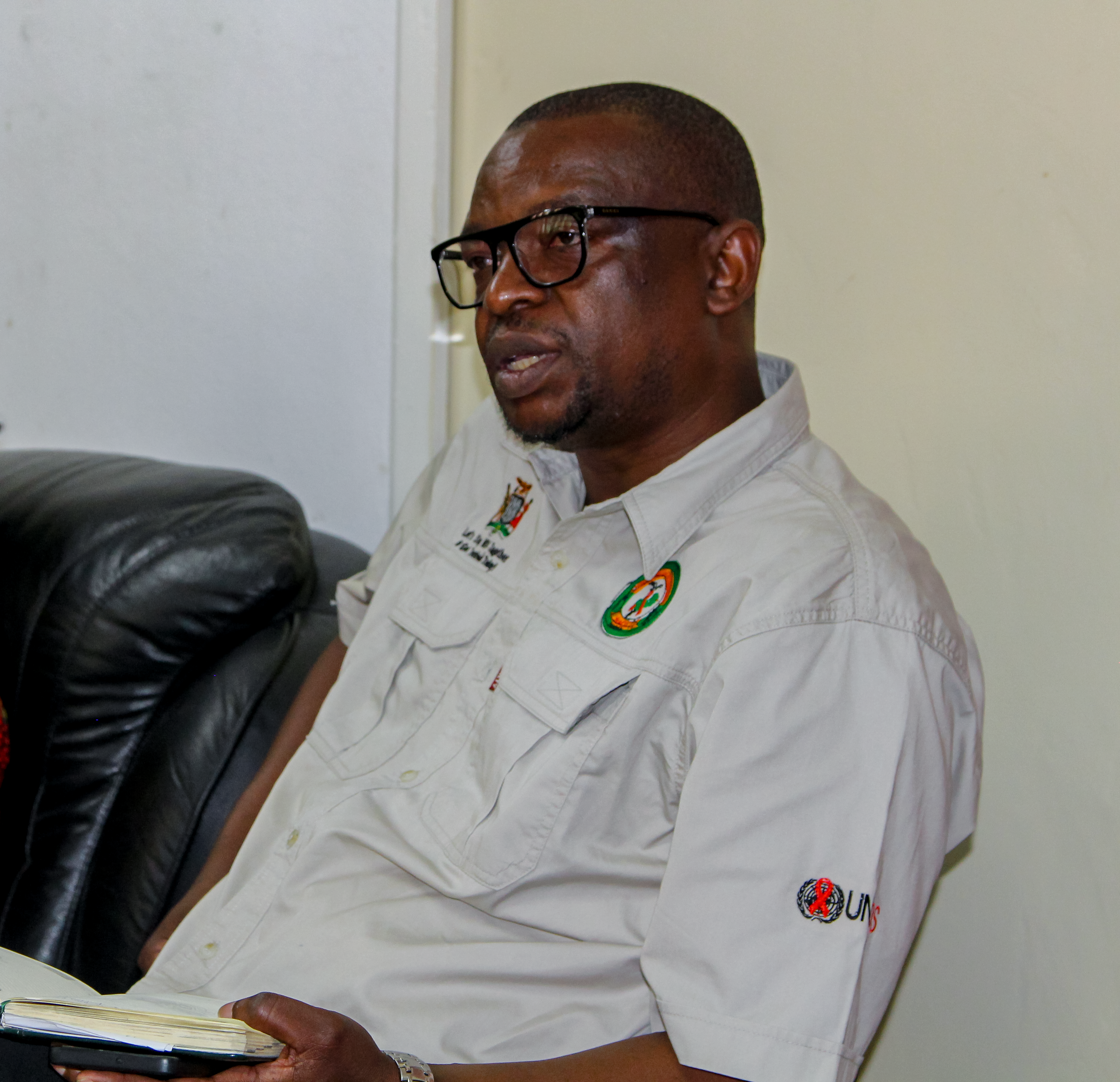
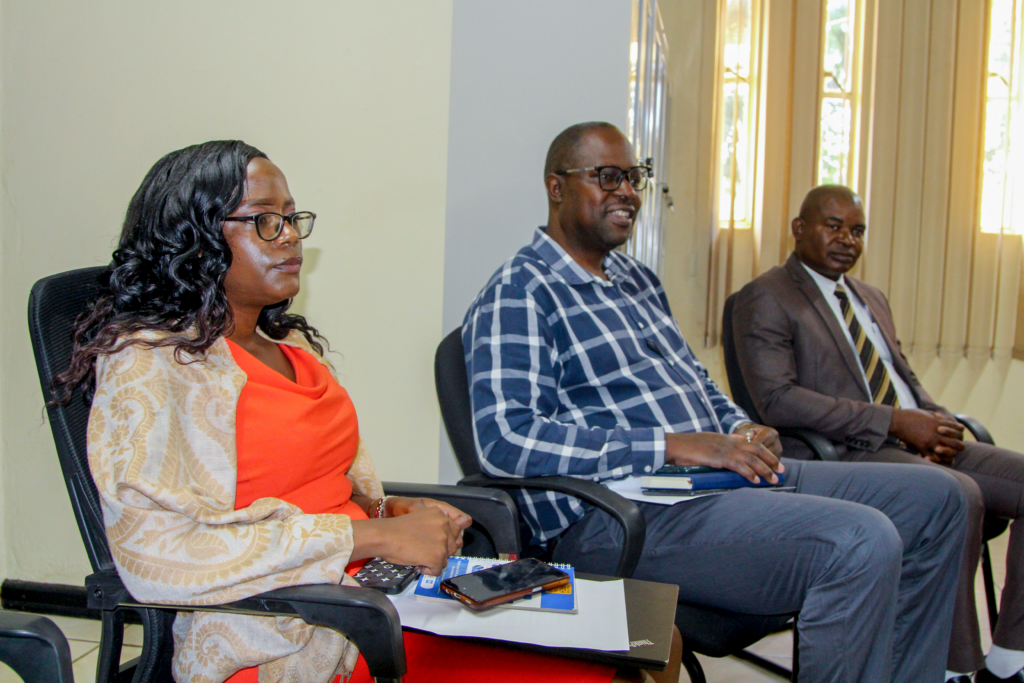
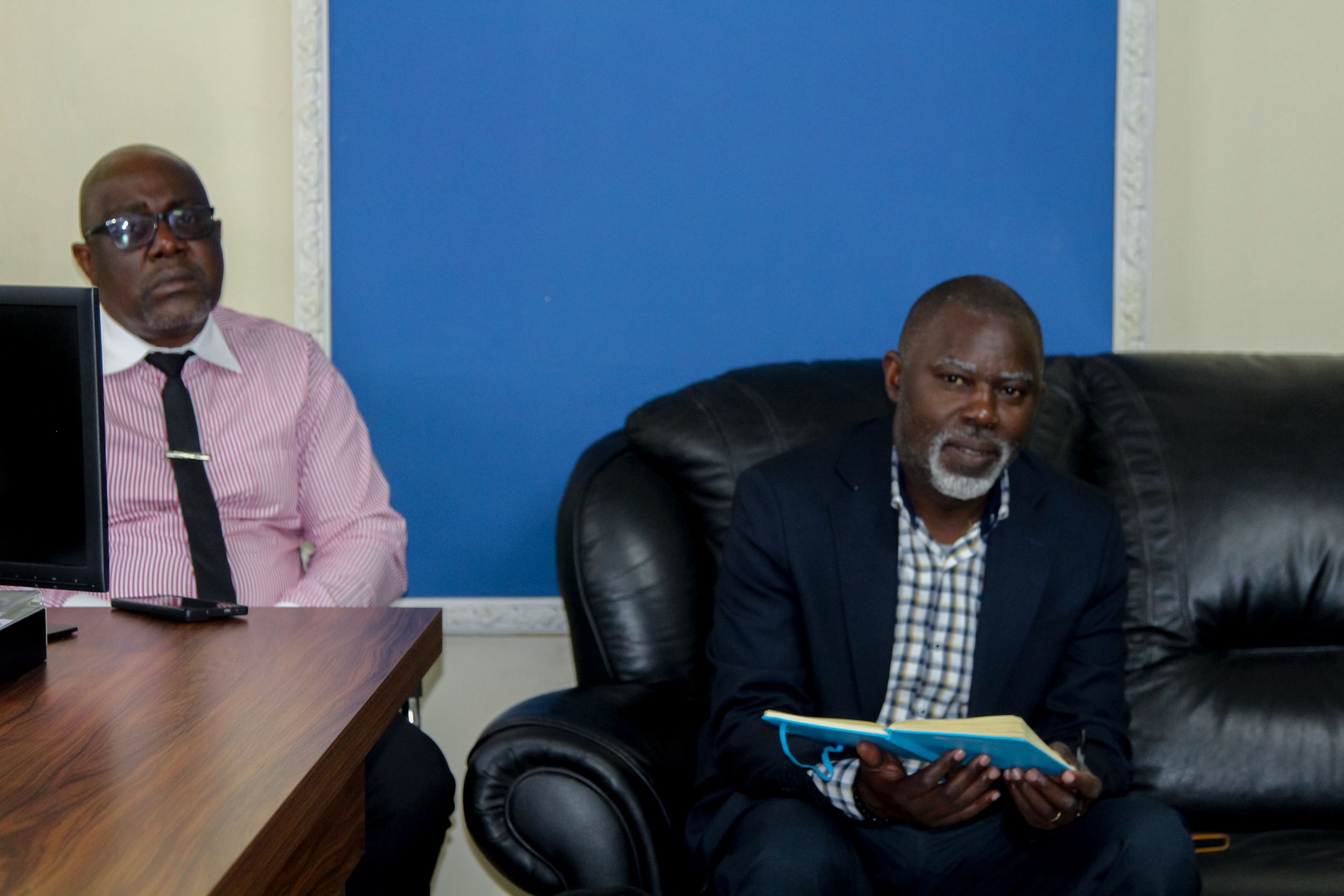
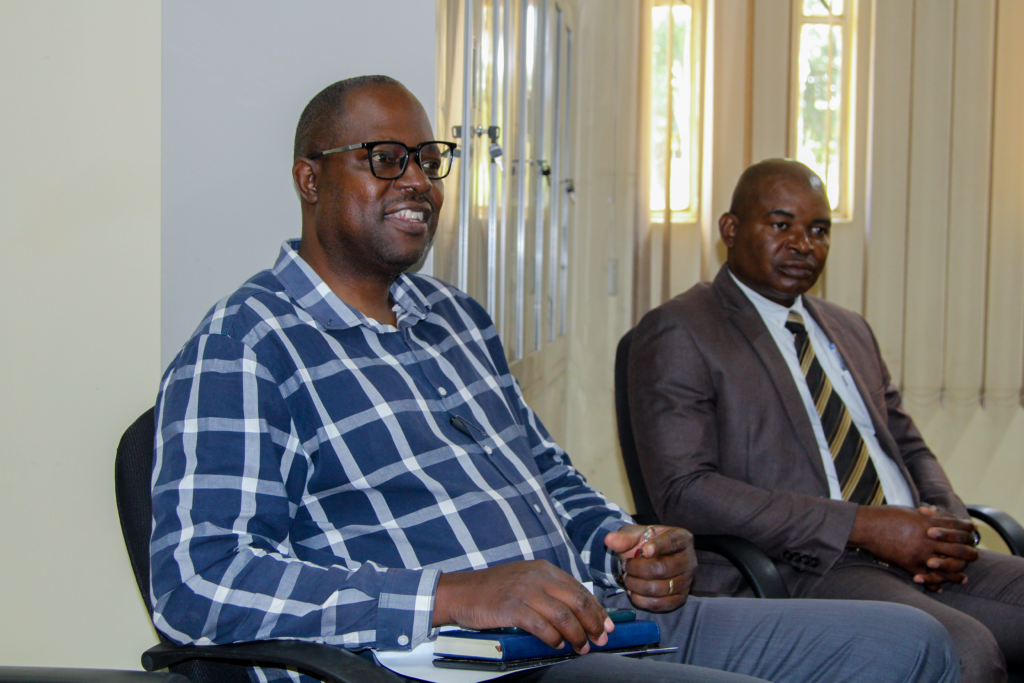
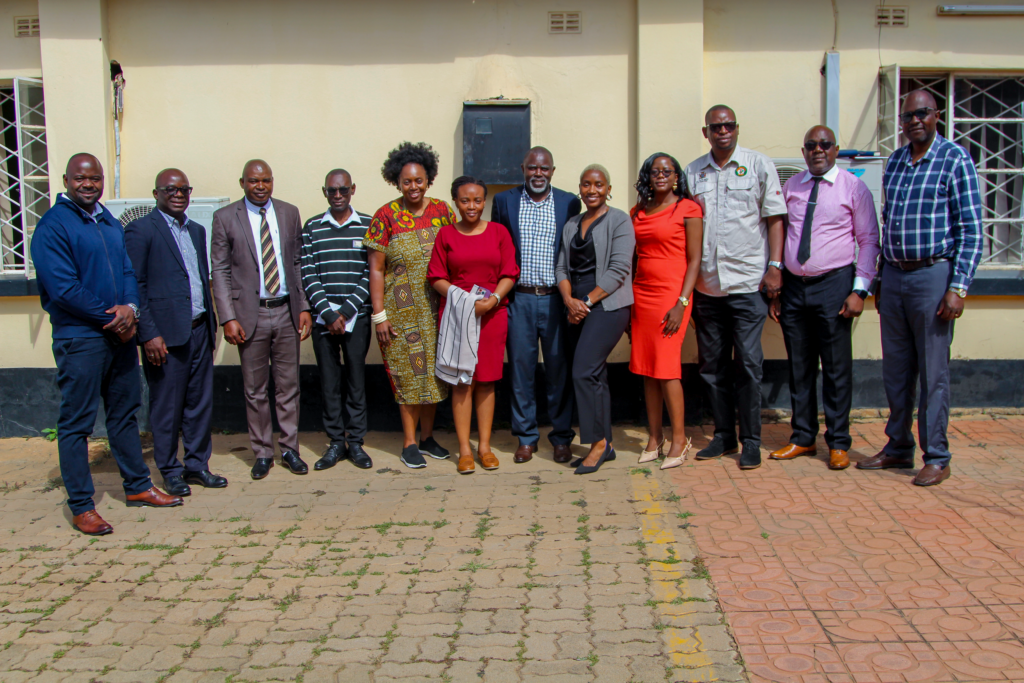
The Centre for Infectious Disease Research in Zambia, together with officials from the U.S Department of State, recently visited the Copperbelt Provincial Health Office to strengthen collaboration and support the transition of a key HIV programme in the province.
The visit focused on introducing the Controlling HIV Epidemic Project (CHEP), formerly known as CHEKUP 1, Following its transition from Pact Zambia, the programme will now be implemented by CIDRZ, reflecting a shift towards local partners in delivering health services.
During the meeting, Dr Christopher Dube from the Copperbelt District Health Office, highlighted progress made and key challenges, including the need to improve data quality, increase viral load suppression, and address gaps in adolescent and paediatric HIV, as well as advanced HIV disease.
“We are making progress, but there are still critical areas that need focused attention if we are to achieve better outcomes,” he noted.
Representing the U.S. government, Ms Musonda Musonda, CHEP grants office representative, reaffirmed continued support and emphasised the importance of a smooth, collaborative transition. She encouraged openness in sharing challenges to ensure continuity of services.
Additionally, Ms Lungowe Mwenda-Mwapela Deputy Coordinator, Strategic Information at the U.S Department of State, highlighted the critical role of accurate data in guiding interventions. She encouraged the province to retain successful strategies from previous programmes while focusing on high-burden areas. “We need true and accurate numbers in our systems.
This helps us understand the real burden of HIV and design interventions that reach the right people. With limited resources, we must focus where the need is greatest,” she explained.
Meanwhile, CIDRZ’s Dr Maurice Musheke outlined priorities under CHEP, including strengthening health worker capacity through Training of Trainers and cascade trainings.
He also reflected on previous investments, including the DREAMS initiative, which focused on preventing HIV among adolescent girls and young women. He noted that discussions are underway on how to sustain gains from such programmes using existing structures.