CIDRZ, Ministry of Health, and U.S. Department of State Strengthen HIV Prevention Through PrEP and PEP Training.

CIDRZ, U.S. Department of State Strengthen Partnership to Support HIV Response in Copperbelt Province.
April 20, 2026
CIDRZ, Ministry of Health Train HIV Specialists in Advanced PrEP Delivery to Strengthen Prevention Efforts.
April 22, 2026
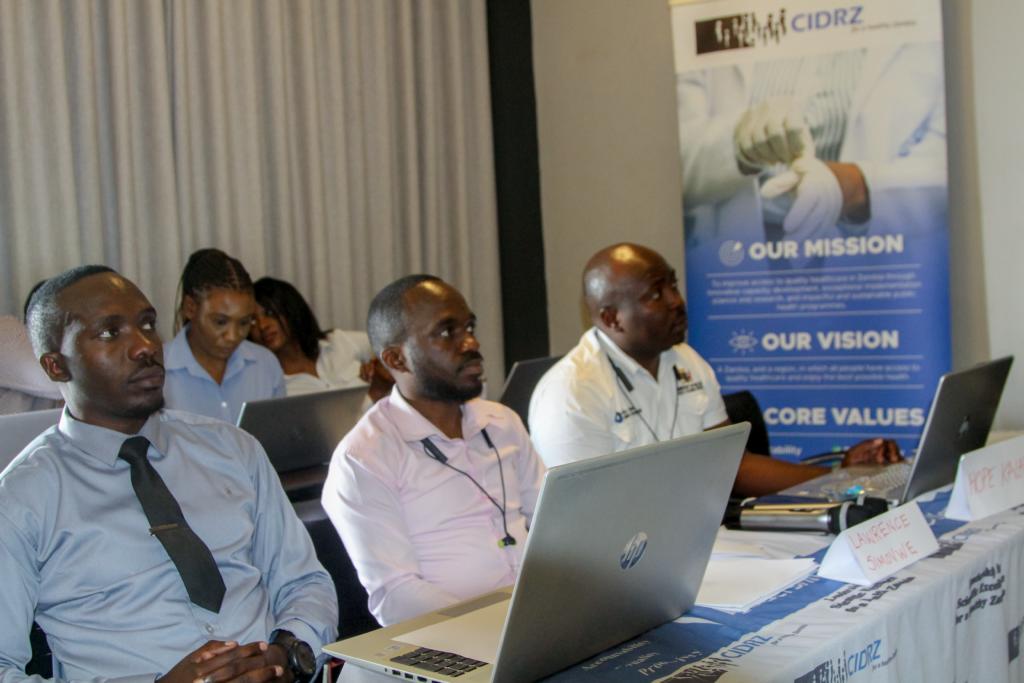
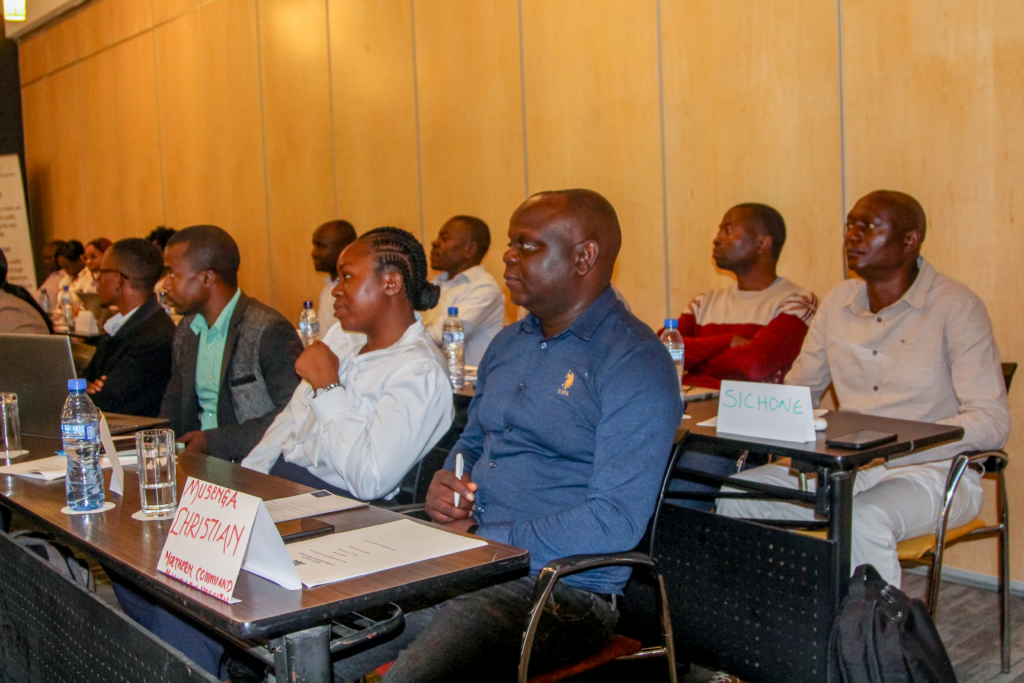
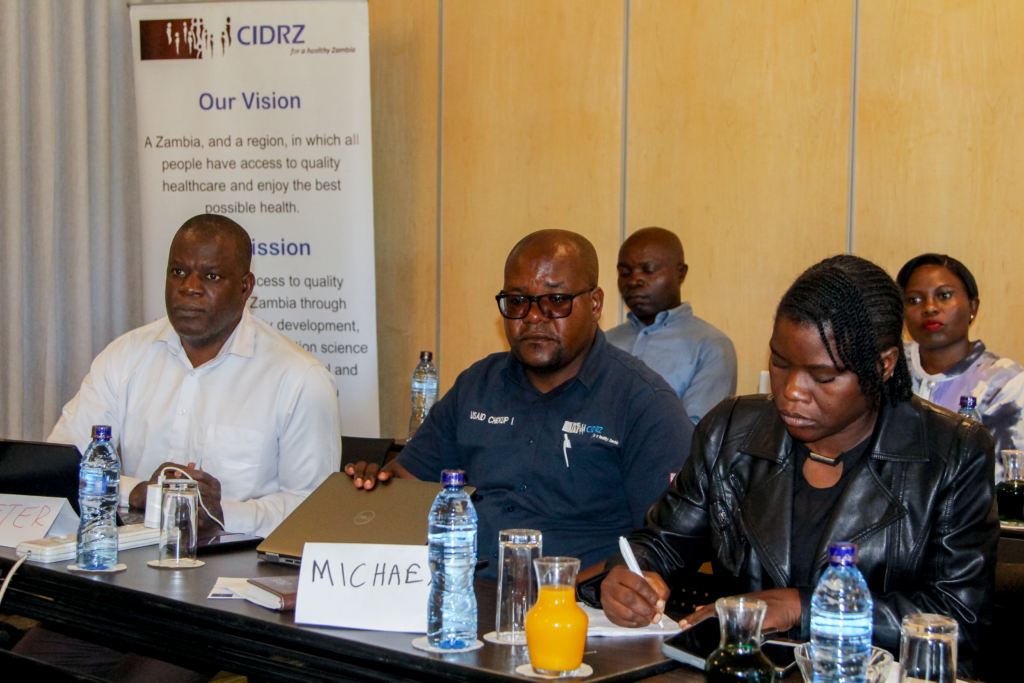
The Centre for Infectious Disease Research in Zambia (CIDRZ), through its Controlling HIV Epidemic Project (CHEP), in collaboration with the Ministry of Health and with support from the United States Department of State, recently conducted a Training of Trainers (ToT) on Pre- and Post-Exposure Prophylaxis (PrEP and PEP).
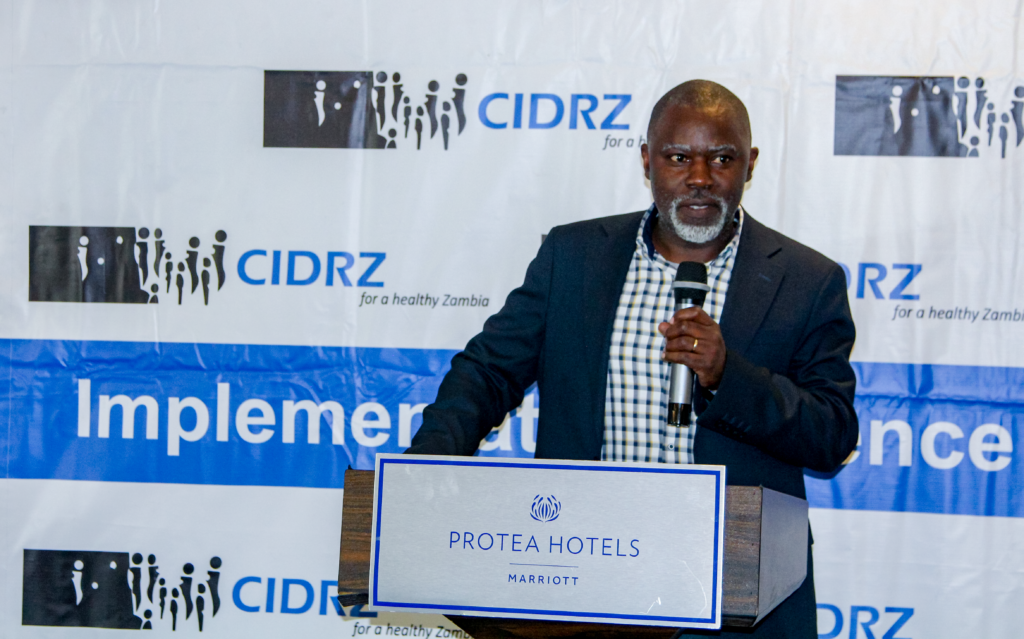
Speaking during the training, Dr Maurice Musheke, Chief of Party for CIDRZ’s CHEP, said the initiative is designed to equip participants with the knowledge and skills needed to strengthen HIV prevention efforts across the Copperbelt Province.
He highlighted the growing focus on expanding prevention options, including the introduction of Lenacapavir, a twice-yearly injectable PrEP product, as part of a broader HIV prevention toolkit.
Dr Musheke noted that participants drawn from various districts will play a critical role in improving community-level access to and utilisation of PrEP and PEP services.
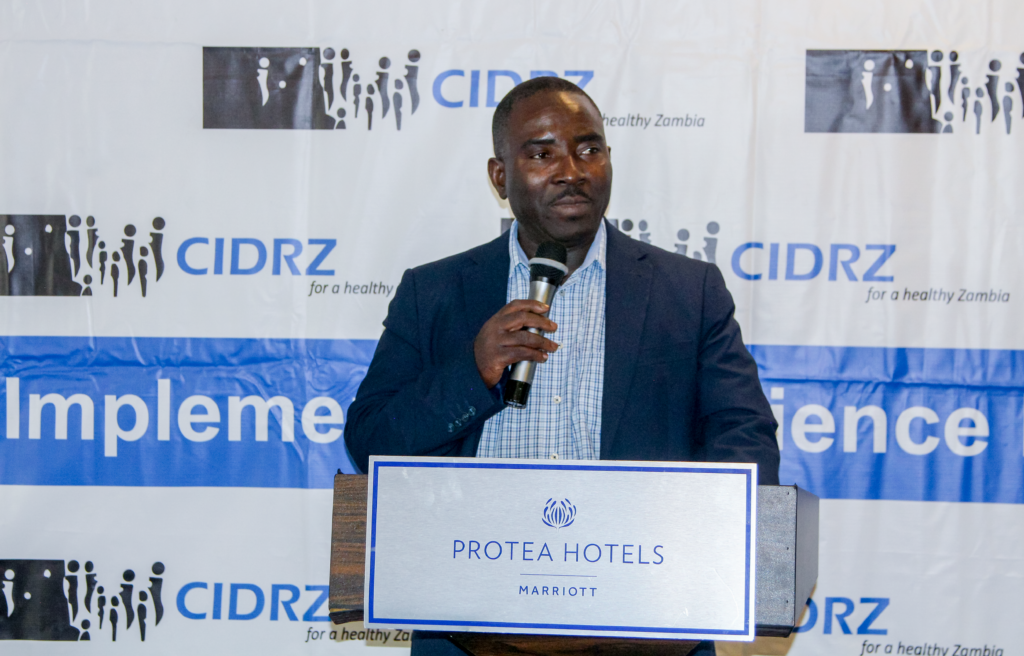
In his opening remarks, Copperbelt Provincial Health Director Dr Charles Mwinuna underscored the importance of the training in accelerating HIV prevention efforts. While acknowledging progress made, he noted that gaps remain, particularly among populations at higher risk.
He emphasised that innovations such as Lenacapavir present new opportunities to improve prevention outcomes, especially when healthcare providers are equipped with the right knowledge and skills.
Dr Mwinuna expressed confidence that the training will enhance service delivery and support efforts to reduce new HIV infections across communities.
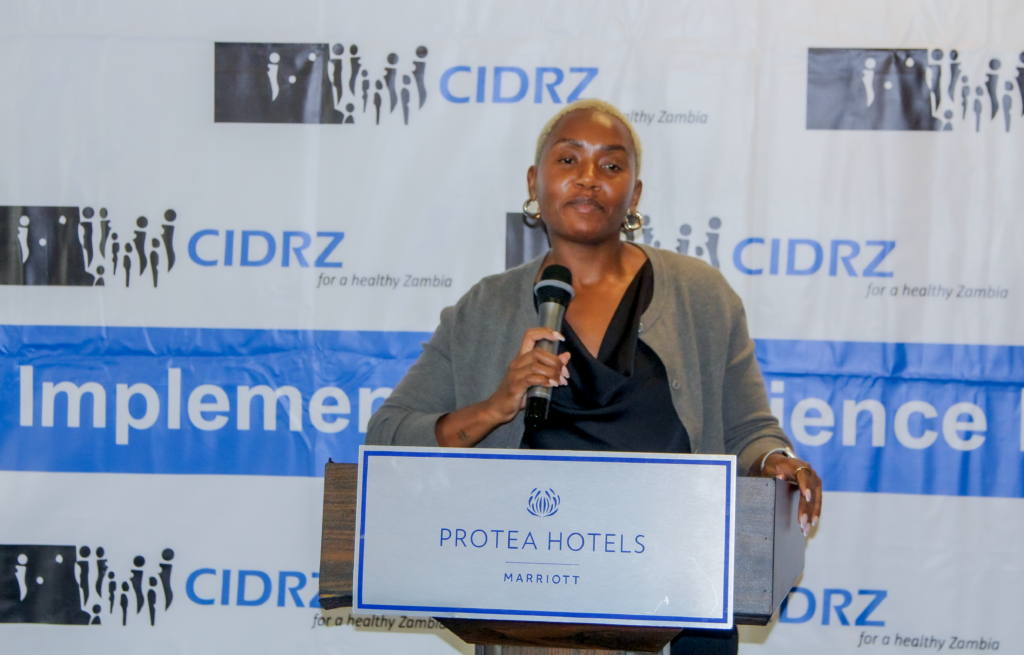
Ms Musonda Musonda from the U.S. Department of State Health Coordination Office highlighted the role of the training in addressing persistent prevention challenges, particularly in high-burden areas like the Copperbelt.
While noting progress in treatment coverage and viral suppression, she pointed to ongoing challenges with adherence to daily oral PrEP.
“This is where innovations like Lenacapavir become especially important,” she said. “It offers an opportunity to expand choice, improve adherence, and reach individuals who may not fully benefit from existing prevention options.”
Ms Musonda commended the Ministry of Health for its leadership in adopting evidence-based approaches and reaffirmed the importance of continued collaboration with partners to ensure the successful rollout of new HIV prevention interventions.