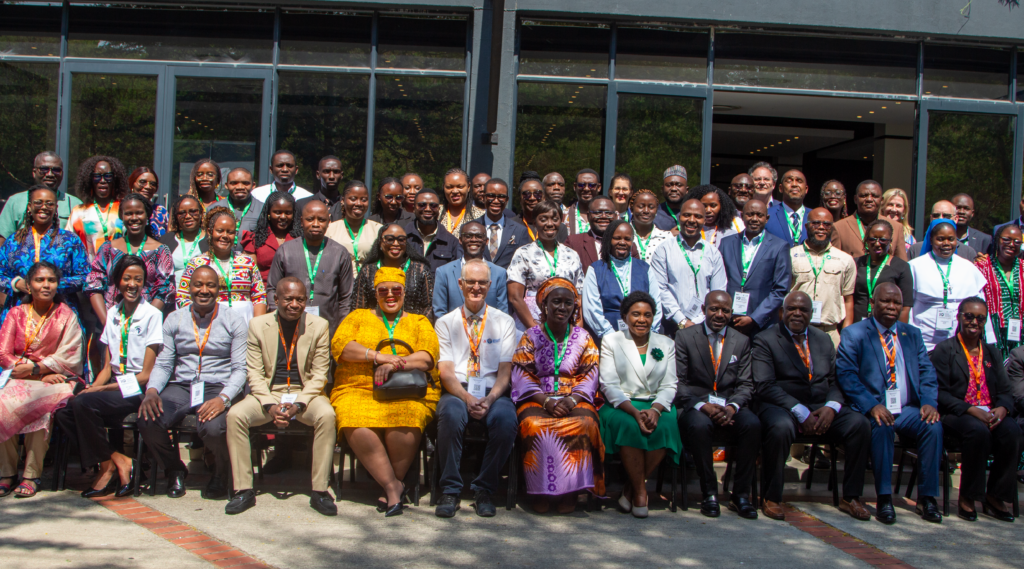
The U.S. Department of State and CIDRZ Conduct Site Visits to Drop-In Centres on the Copperbelt to Assess HIV Service Delivery During CHEP Transition.

CIDRZ Hosts Johns Hopkins Team Ahead of Clinical Trial on Childhood Shigella Diarrhoea
April 30, 2026
Folic Acid Salt Study Launched to Improve Folic Acid Levels among Women of Reproductive Age in Zambia.
May 5, 2026

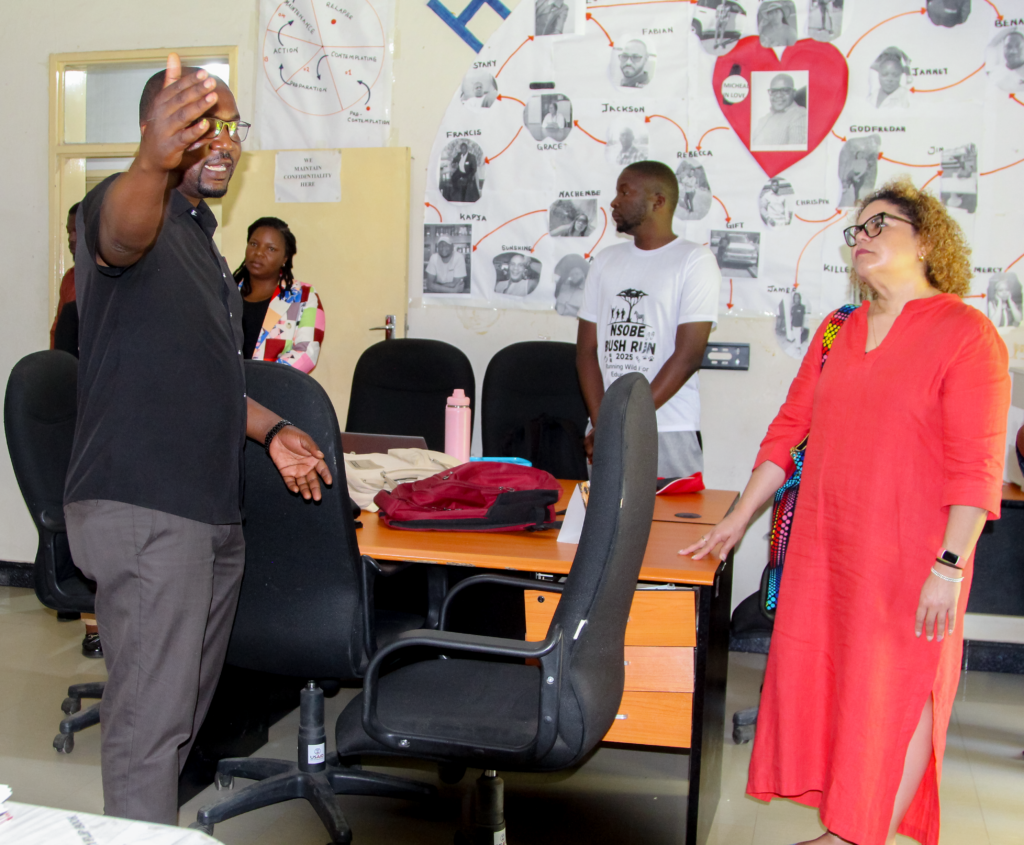
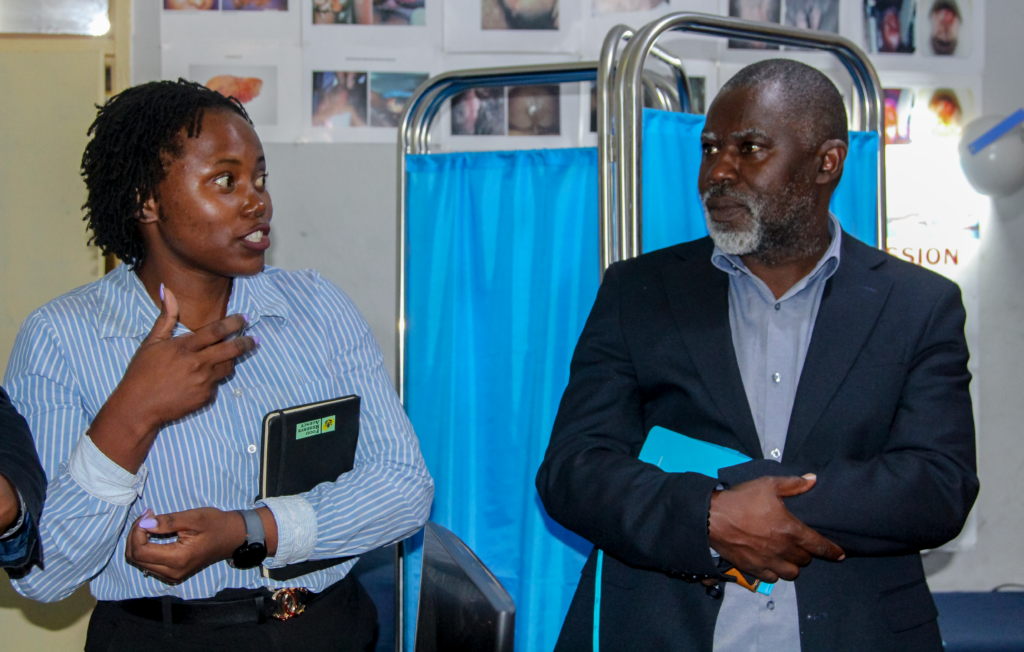
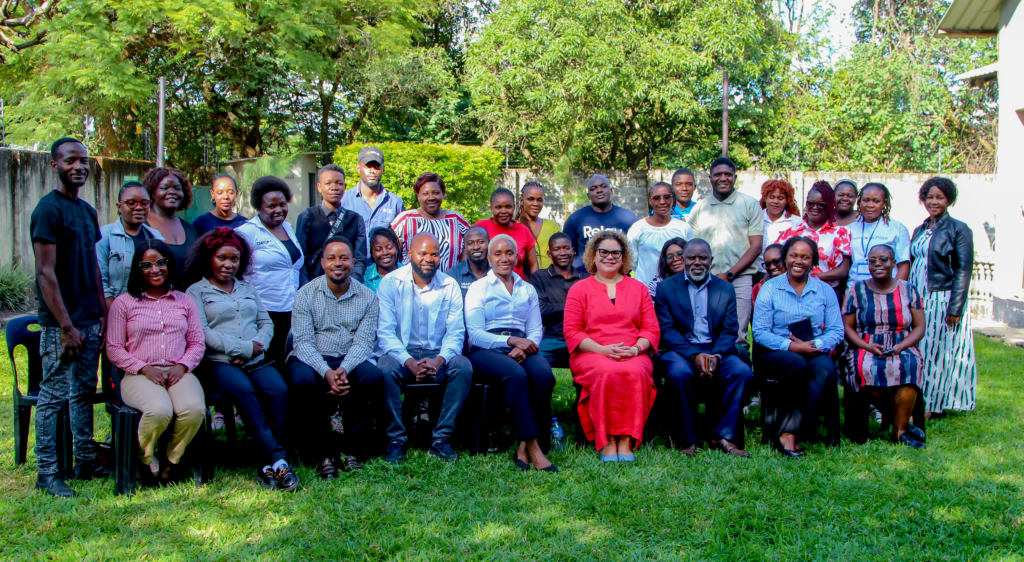
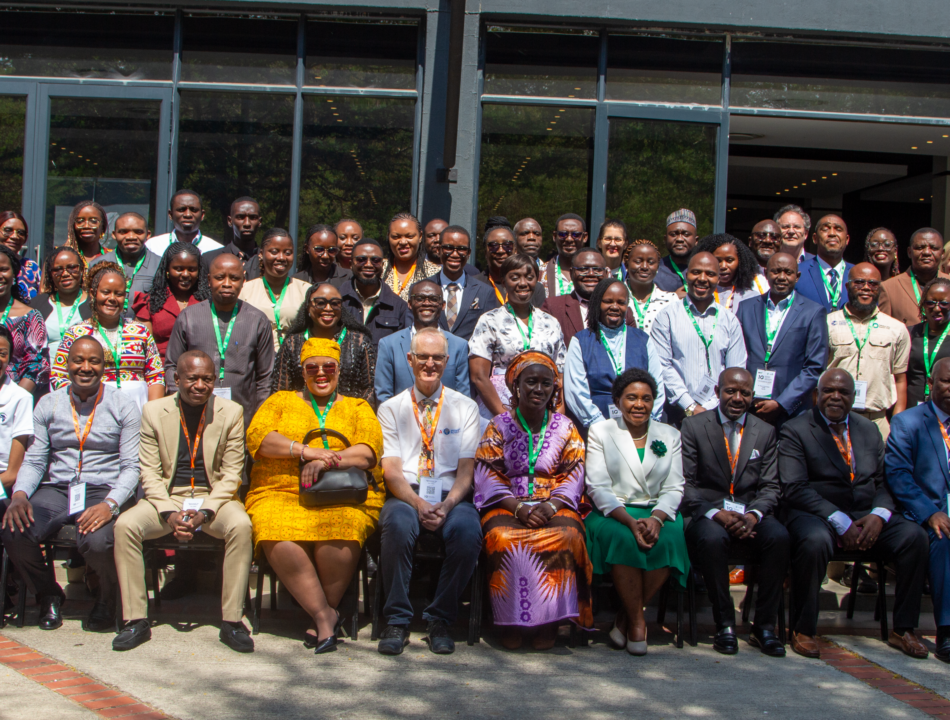
As part of the transition of the Zambia Integrated Health (ZIH) Project to CIDRZ’s Controlling HIV Epidemic Project (CHEP), the United States Department of State and the Centre for Infectious Disease Research in Zambia (CIDRZ) conducted site visits to Ndola and Luanshya Drop-In Centres to assess HIV service delivery and support a smooth programme transition.
CIDRZ operates six Drop-In Centres on the Copperbelt as part of differentiated service delivery (DSD). These are located in Ndola, Luanshya, Kitwe, Chingola, Mufulira and Chililabombwe, providing a holistic, client-centred community-based model of HIV care. Services include HIV testing, antiretroviral therapy (ART), STI screening and treatment, pre-exposure prophylaxis (PrEP) and comprehensive follow-up and retention of individuals on ART. The centres promote continuity of care through viral load monitoring, re-engagement of clients lost to follow-up, and ongoing clinical reviews. They also strengthen HIV prevention by initiating PrEP for pregnant and breastfeeding women. In addition, the centres offer referral services for family planning, STI treatment, PrEP, and PEP to Ministry of Health (MOH) facilities, demonstrating strong collaboration.
During the visits, CIDRZ staff shared achievements, challenges, and recommendations to enhance programme performance.
Ms. Francheskie Velez, Director of the Health Coordination Office at the U.S. Embassy, commended the Drop-in Centre staff for extending services into communities and emphasised their important role in linking communities to care and sustainable ownership of the HIV response.
She highlighted the importance of quality service delivery and accurate data, noting that community-level data can help identify gaps, such as low PrEP uptake or high ART treatment failure, and guide targeted interventions.
Meanwhile, Dr. Maurice Musheke, Chief of Party for CIDRZ’s CHEP, noted the programme’s expanded footprint across the Copperbelt, Central, and North-Western Provinces, urging teams to strengthen community engagement and outreach, and collaboration with government and community structures for ownership and sustainability.
He encouraged staff to remain committed and dedicated to HIV service delivery to ensure improved health outcomes.