Strengthening Zambia’s TB Response Through Evidence-Based Action, a Case of Early Tuberculosis Detection Through Repeat Contact Investigation.
Copperbelt health workers commend the U.S. Department of State and CIDRZ for their role in strengthening HIV prevention capacity.
May 6, 2026
CIDRZ’s Dr Ethel Kamuti honoured at the HIV Vaccine Trials Network full group meeting for outstanding work at the Matero Clinical Research Site.
May 8, 2026Strengthening Zambia’s TB Response Through Evidence-Based Action, a Case of Early Tuberculosis Detection Through Repeat Contact Investigation.

Tuberculosis (TB) remains a leading infectious disease globally, and Zambia continues to face a high burden. In response, the U.S. Government-supported Tuberculosis Local Organisations Network (TBLON) Project is supporting the Ministry of Health to advance research-informed approaches to strengthen TB detection, prevention, and care nationwide.
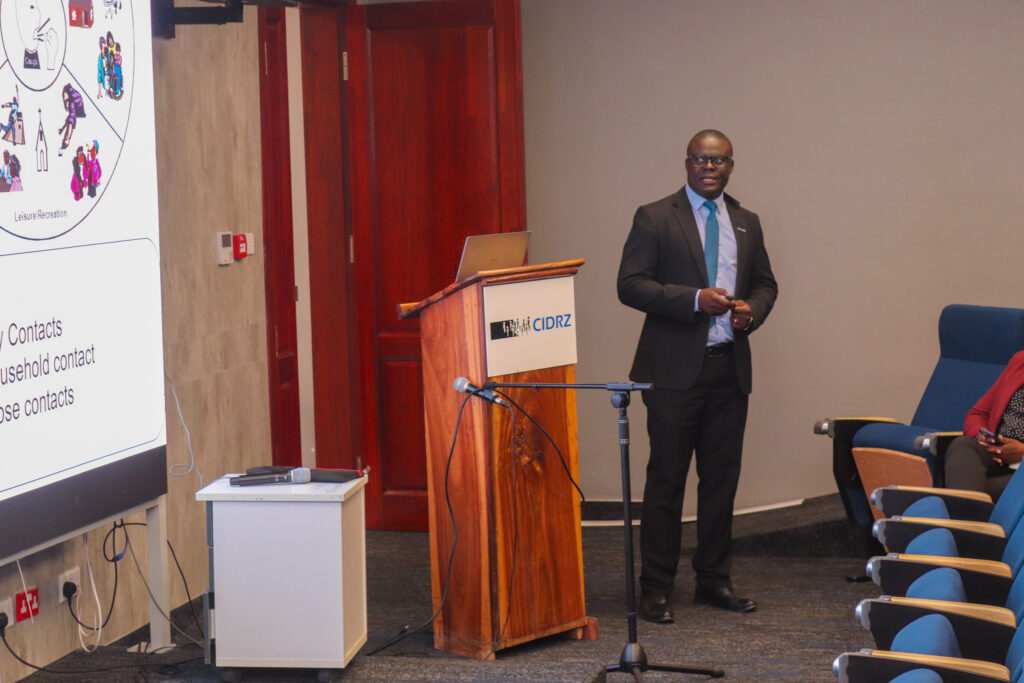
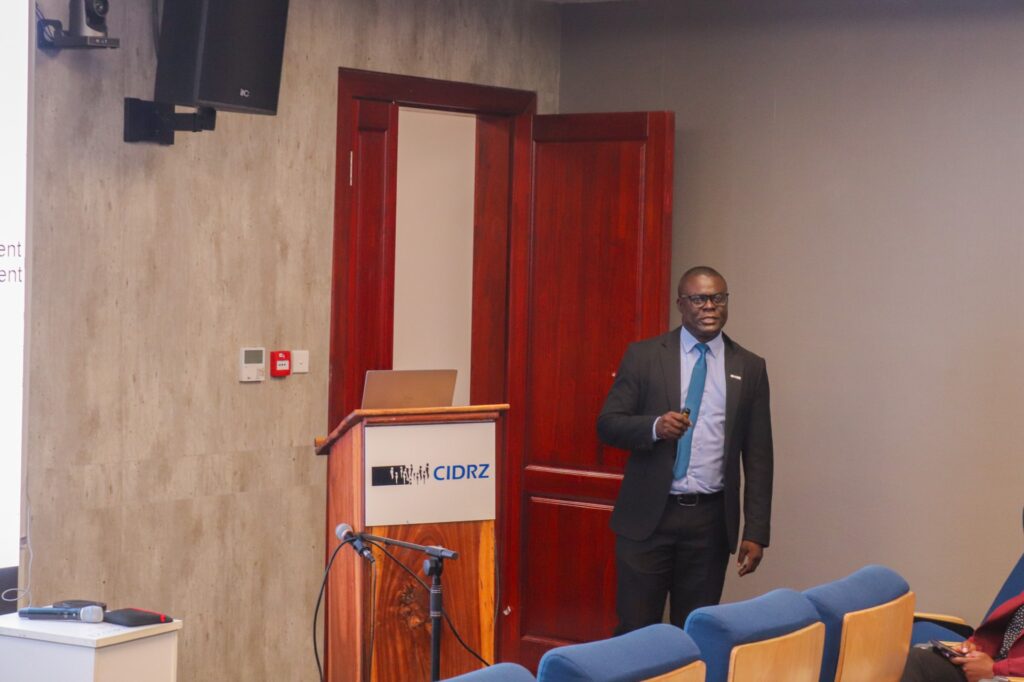
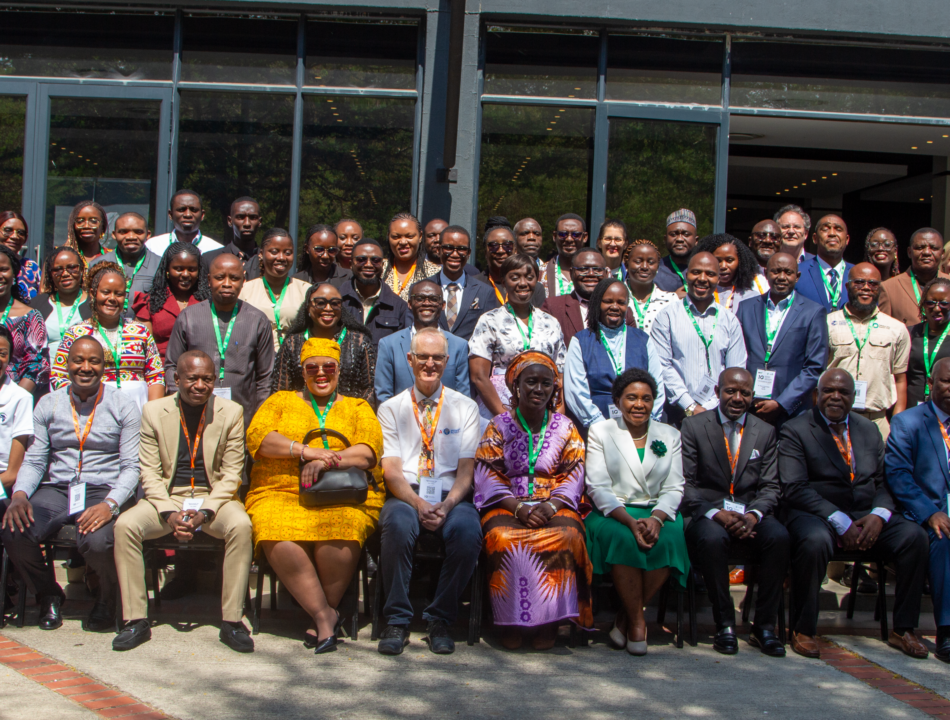
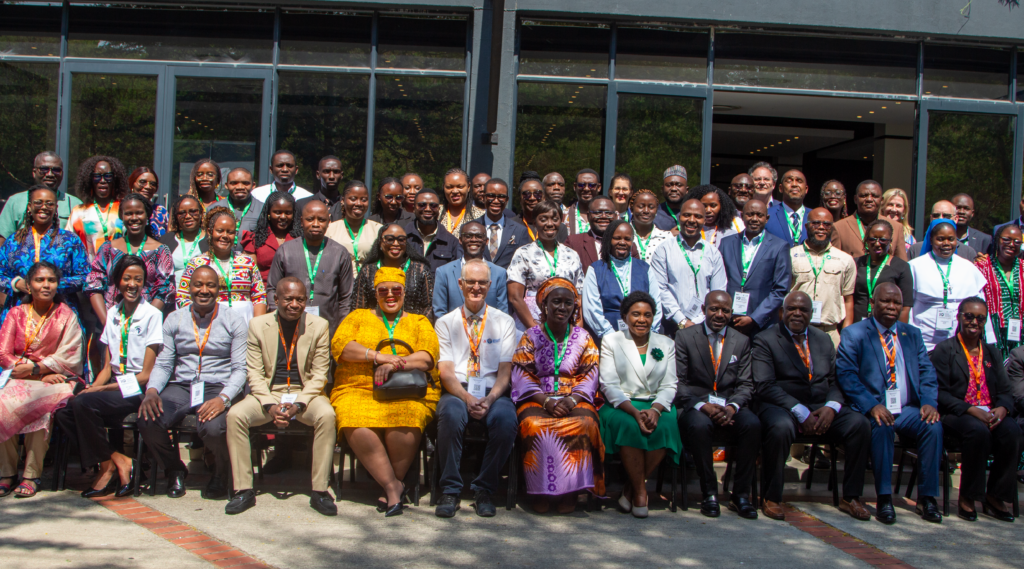
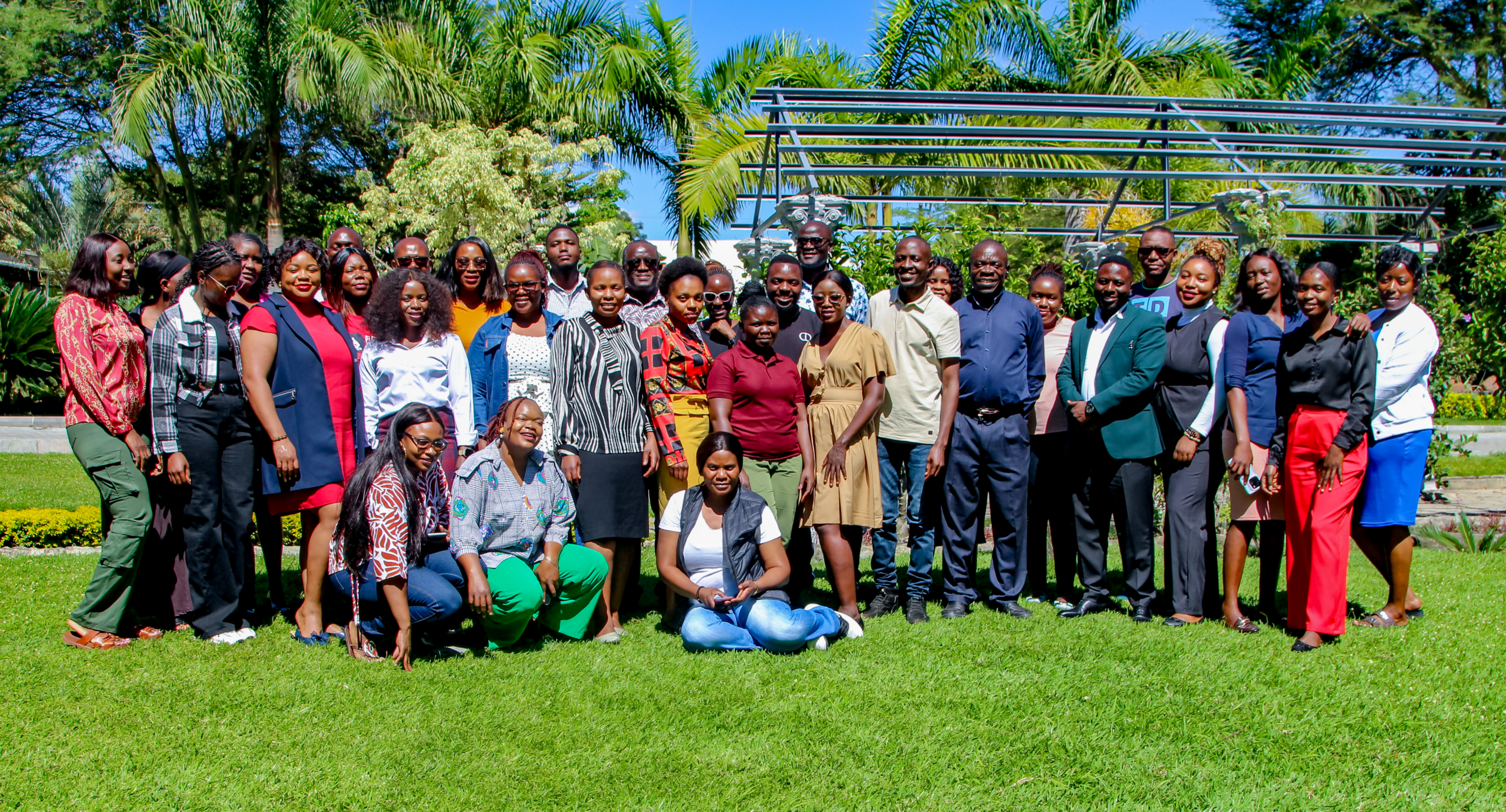
During a scientific dissemination meeting at CIDRZ headquarters in Lusaka, Dr Phallon Mwaba, Deputy Chief of Party for TBLON, presented findings from the Kasama District pilot study, “Early Tuberculosis Detection Through Repeat Contact Investigation.” The meeting convened health professionals, researchers, scientists, and implementing partners supporting Zambia’s national TB response.
The study found that repeat TB screening at 6 and 12 months among contacts of index cases improves case detection by identifying individuals who develop active TB after initial screening. While the number of new cases detected decreased at follow-up, the results indicate that periodic screening enhances early detection, reduces transmission, and supports timely treatment initiation, thereby improving treatment outcomes.
These results support integrating repeat contact investigation into routine TB control strategies, especially in high-burden settings. TBLON, implemented by CIDRZ across eight provinces, continues to strengthen laboratory systems, diagnostic networks, and community-based TB case finding to help Zambia achieve its goal of ending TB by 2030.