U.S. Embassy Emphasises Critical Role of High-Quality Health Data During Copperbelt Data Verification Exercise.

CIDRZ’s Dr Ethel Kamuti honoured at the HIV Vaccine Trials Network full group meeting for outstanding work at the Matero Clinical Research Site.
May 8, 2026
Copperbelt Provincial Health Office Welcomes CIDRZ CHEP to Strengthen HIV Response.
May 12, 2026
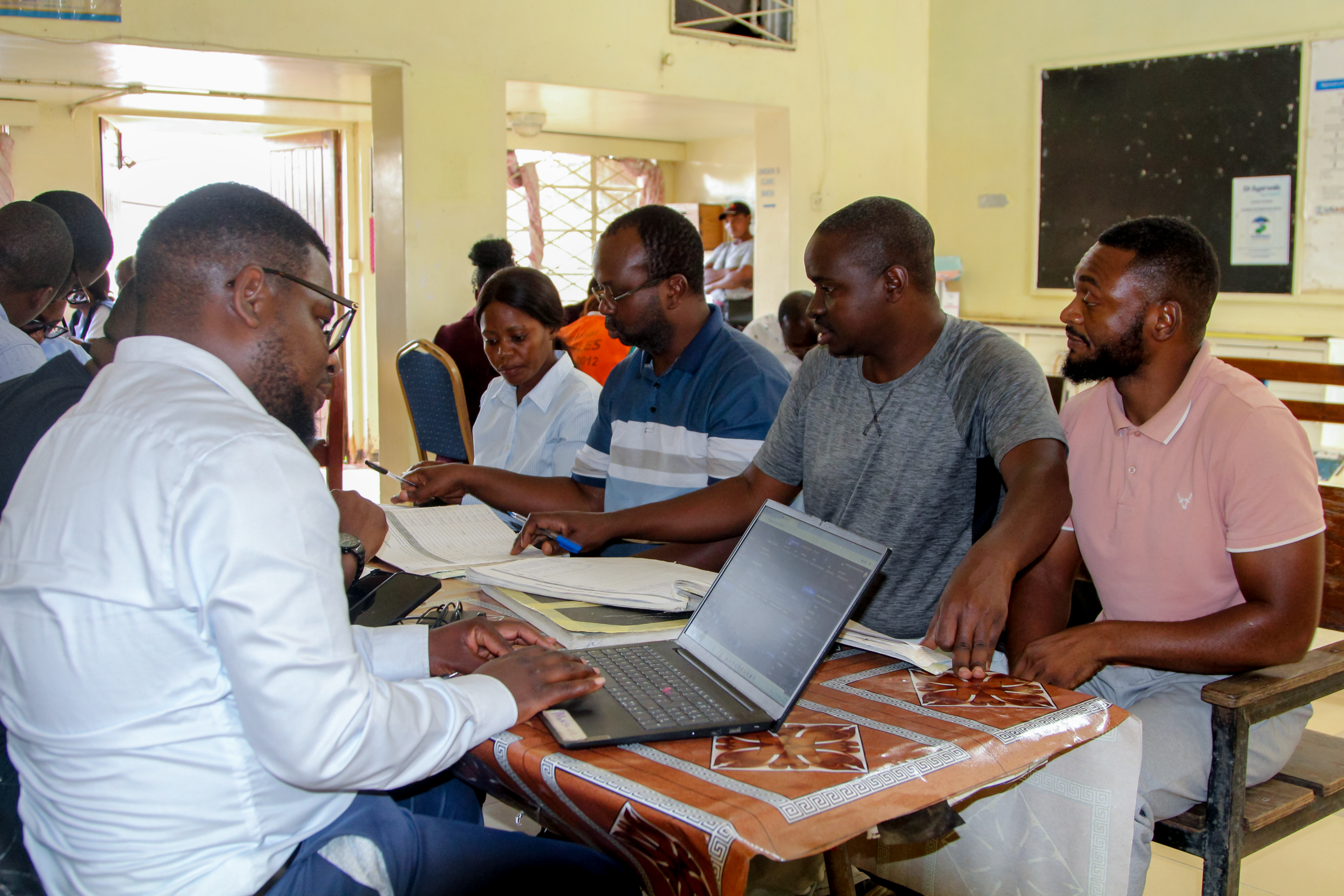
CIDRZ’s Controlling HIV Epidemic Project (CHEP) is conducting an Enhanced Data Quality Assessment (e-DQA) across the Copperbelt Province to strengthen the accuracy, completeness, and consistency of HIV treatment and viral load data systems.
This process is aimed at establishing baseline data for CHEP, and to establish a more accurate picture of client outcomes and overall programme performance.
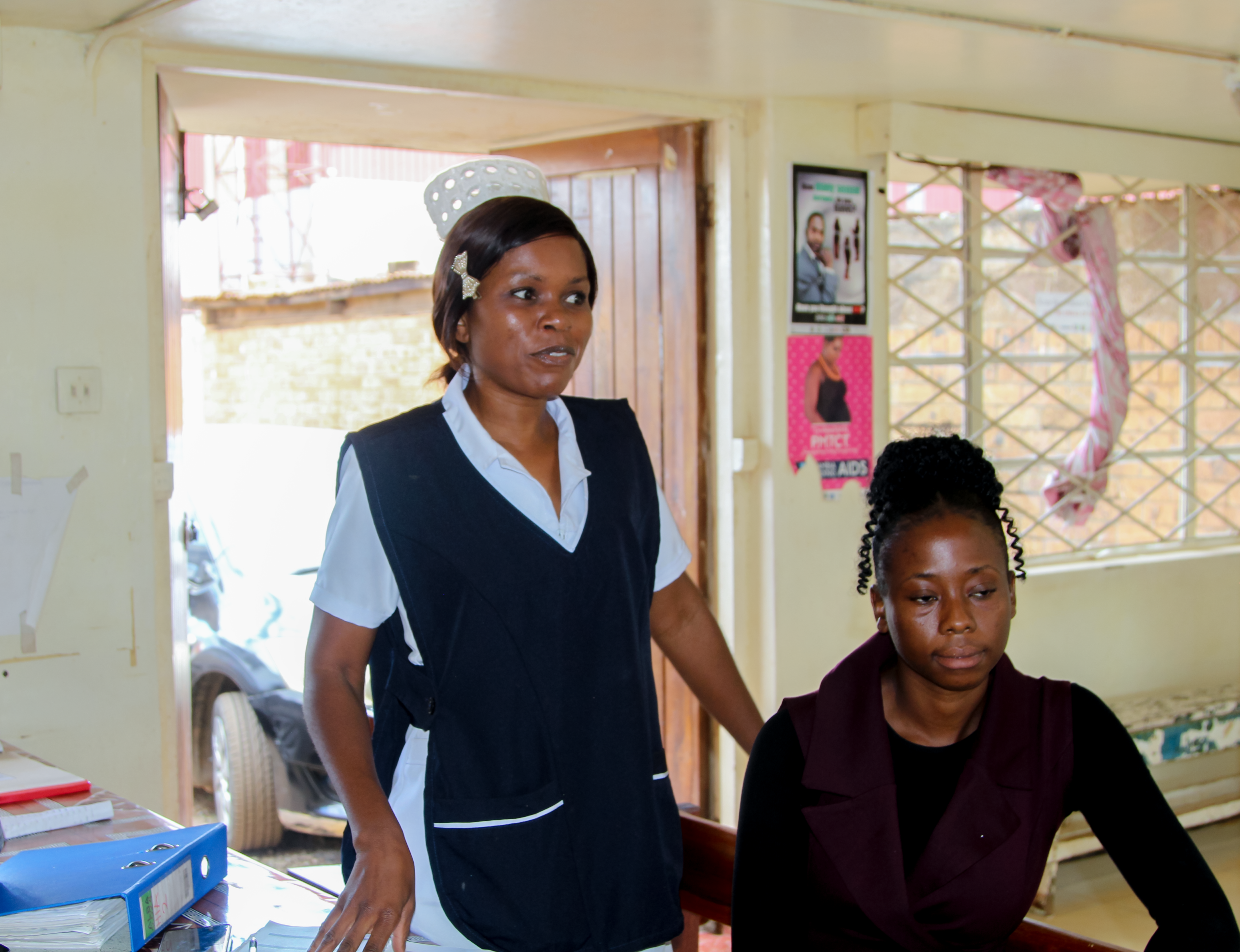
As part of the ongoing verification exercise, a delegation led by the U.S. Embassy visited Kamitondo Clinic in Kitwe to observe data quality processes, assess data quality and engage with frontline health workers.
Speaking during the visit, Ms. Francheskie Velez, Director of the Health Coordination Office at the U.S. Embassy, commended health workers for their dedication and commitment to saving lives and serving their communities. She underscored that high-quality health data is the foundation of effective healthcare delivery, as it informs accurate allocation of resources.
Ms. Velez further urged all health workers involved in data management to ensure accuracy and diligence when entering information into health systems, stressing that “data is key” to strengthening health services. She noted that beyond clinical care, reliable data is essential for resource mobilisation, as it converts fragmented information into credible, actionable evidence that helps secure funding, justify investments, and build confidence among development partners.
She added that accurate, timely, and complete data enables health institutions to clearly demonstrate needs, measure impact, and improve operational efficiency, ensuring that limited resources are directed to priority and high-impact areas of healthcare delivery.
Overall, the e-DQA initiative is expected to address the root causes of data gaps, strengthen data management systems, inform capacity strengthening of healthcare workers, and ultimately improve health outcomes across the province.