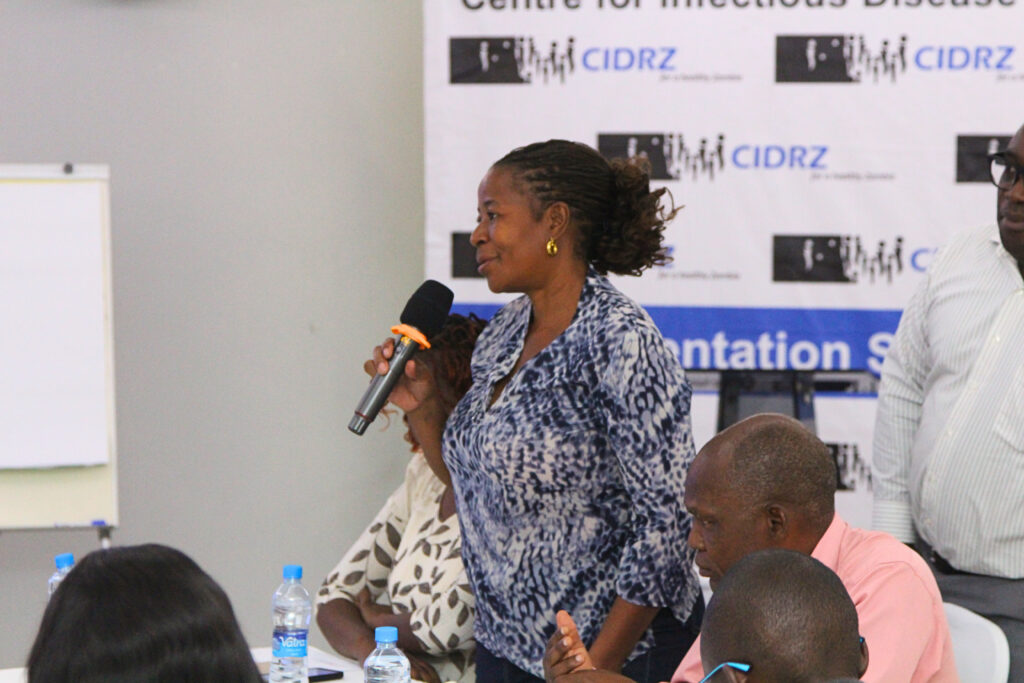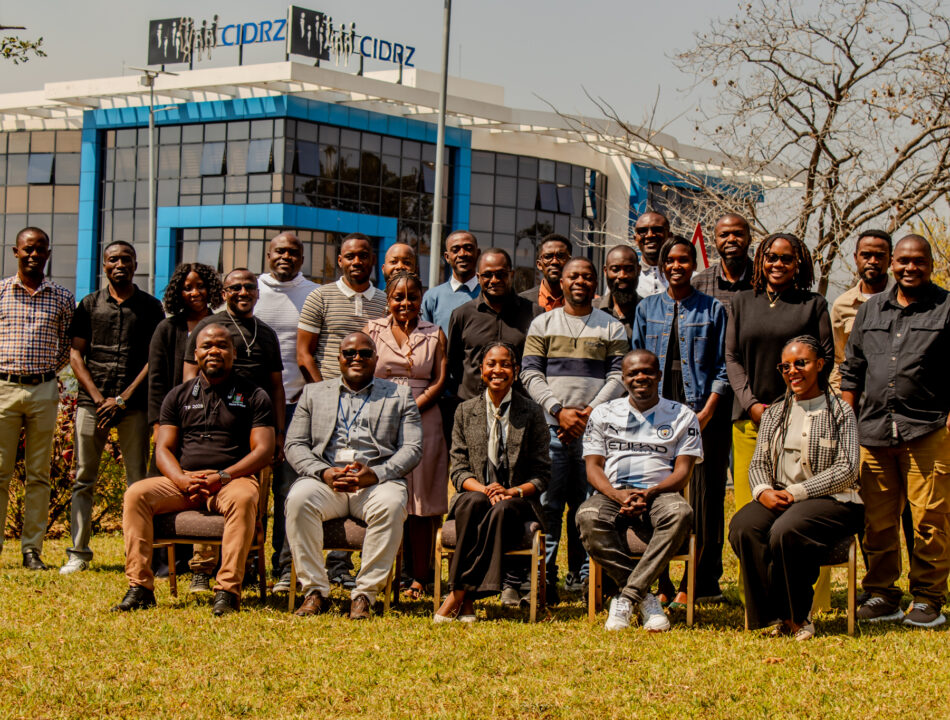
CIDRZ, MOH and U.S. Department of State Launch Lenacapavir Training to Strengthen HIV Prevention Efforts in Kabwe, Zambia.
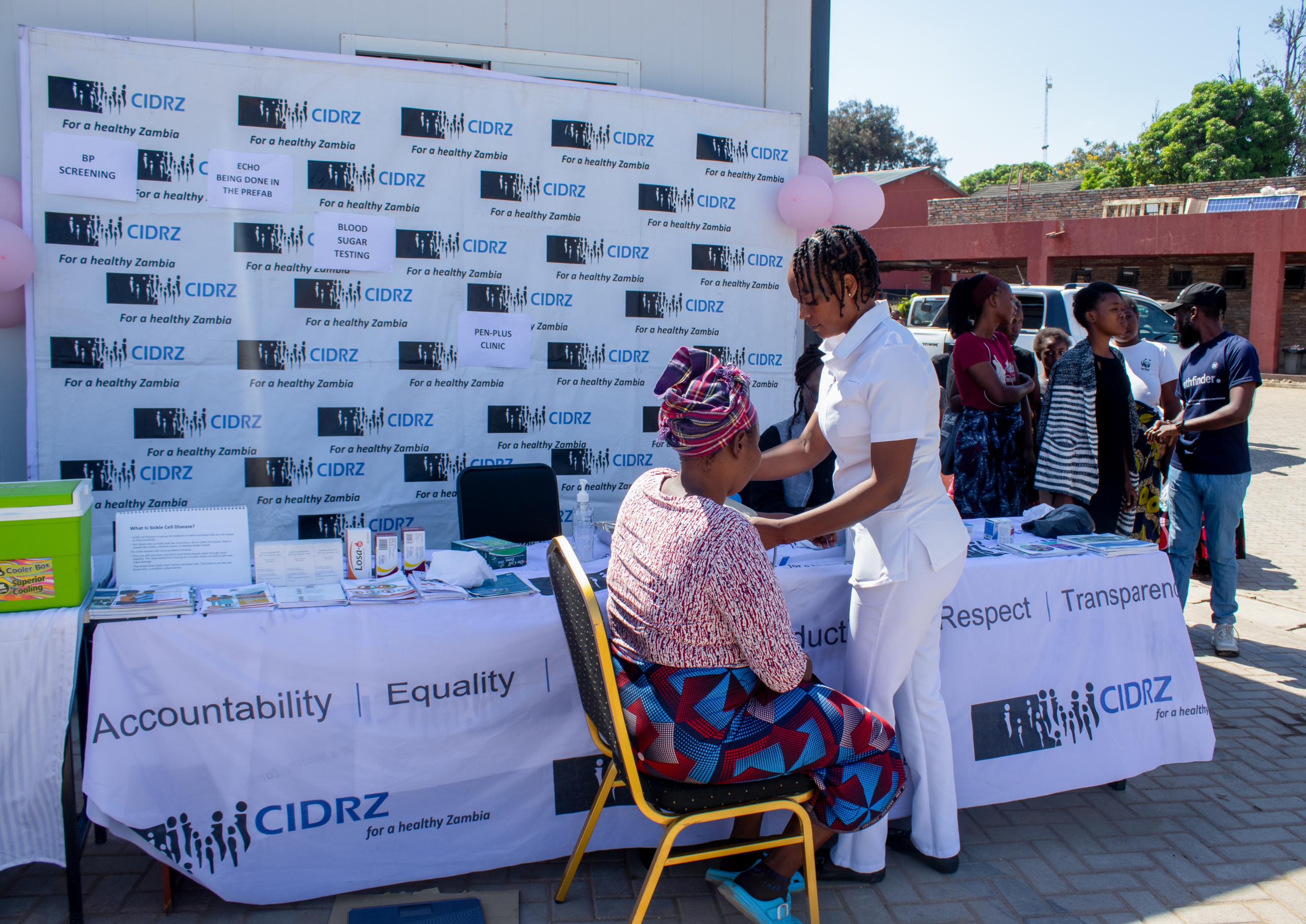
CIDRZ’s PEN-Plus Programme Strengthens Community Trust and Promotes Preventive Healthcare at Matero First Level Hospital Open Day.
May 20, 2026
CLINICAL VALIDATION OF A DISPOSABLE PLASMA SEPARATOR FOR HIV VIRAL LOAD TESTING IN ZAMBIA.
May 26, 2026
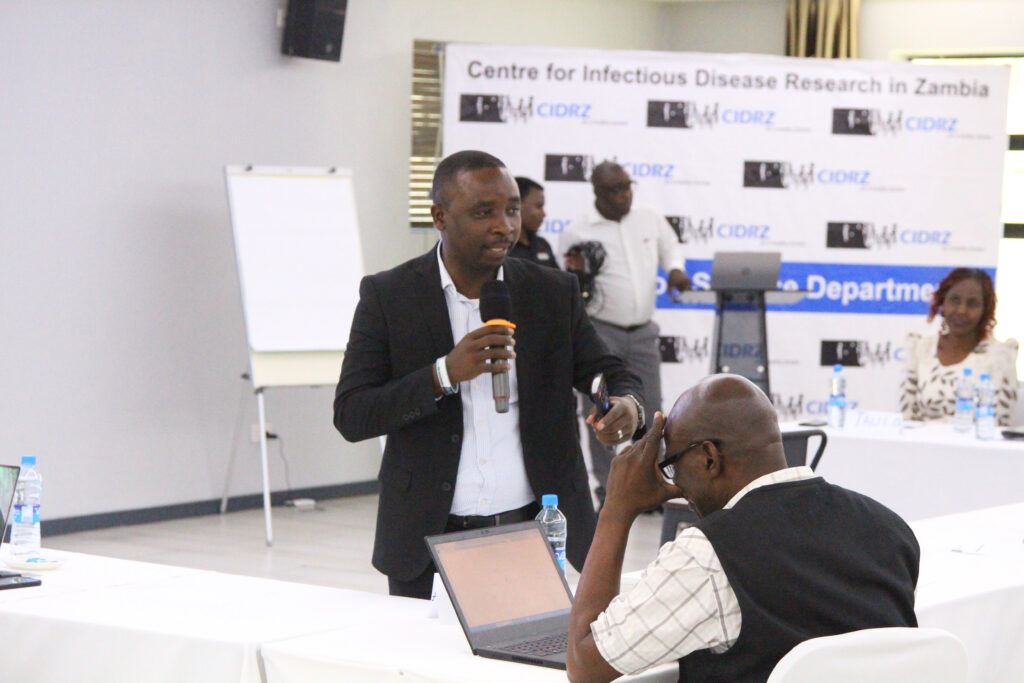
A significant training programme aimed at rolling out Lenacapavir, a groundbreaking HIV prevention product, commenced today in Kabwe as part of ongoing efforts to strengthen Zambia’s HIV response and move closer towards epidemic control.
The training has been organised by the Centre for Infectious Disease Research in Zambia (CIDRZ) through the Controlling HIV Epidemic Project (CHEP), funded by the U.S. Government through the Department of State..
The initiative seeks to equip frontline healthcare workers with the knowledge and skills required to effectively implement Lenacapavir, which experts have described as the closest alternative to an HIV vaccine.
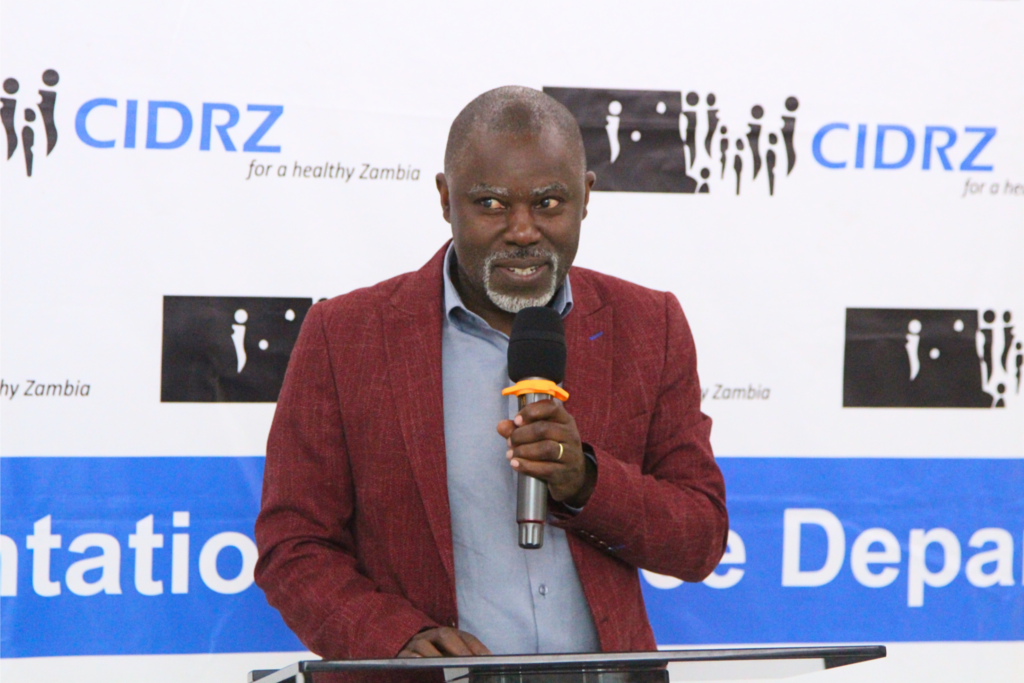
Speaking during the opening session, CHEP Chief of Party Dr. Maurice Musheke underscored the importance of the training and the critical role healthcare workers continue to play in the fight against HIV.
“This training is an important milestone in strengthening HIV prevention efforts. Healthcare workers remain at the centre of delivering life-saving interventions and ensuring communities have access to innovative prevention options,” he said.
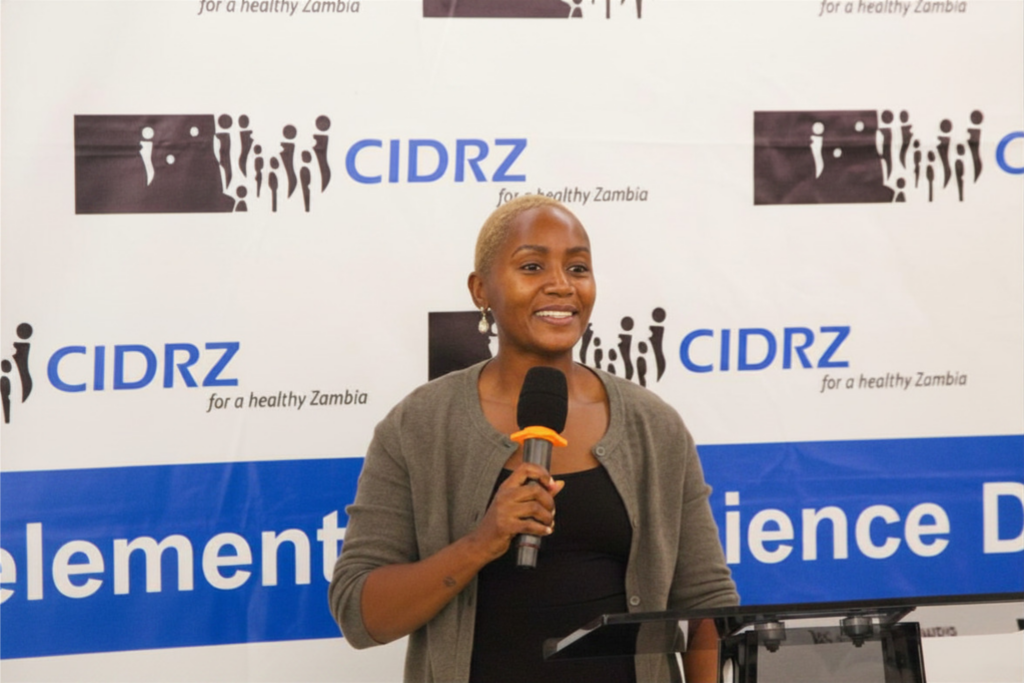
Senior Public Health Advisor at the U.S. Department of State, Ms. Musonda Musonda, highlighted Zambia’s unique position as one of only ten countries selected to receive support for the innovative and life-saving product.
She noted that Kabwe had demonstrated strong leadership and commitment in HIV prevention efforts over the years.
“Kabwe has been fortunate,” she stated, referring to the district’s previous successes in managing HIV.
She acknowledged the dedication of local healthcare workers, who have tirelessly worked to prevent HIV infection and fostered a spirit of collaboration and commitment to health.
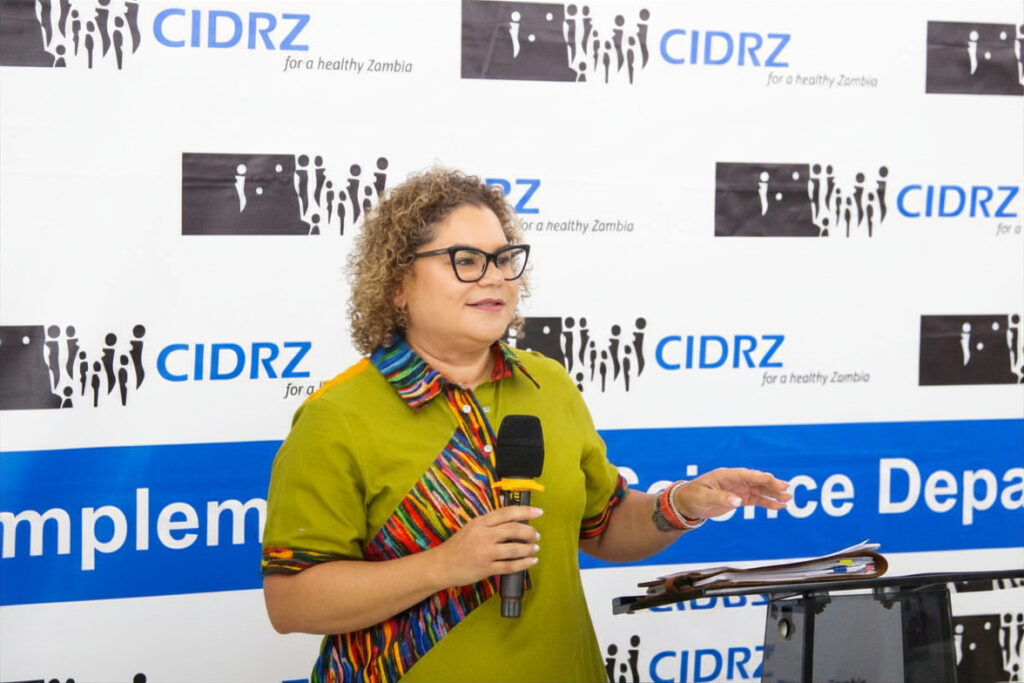
Meanwhile, Director of the Health Coordination Office at the U.S. Embassy in Zambia, Ms. Francheskie Vélez, emphasised the transformative potential of Lenacapavir in HIV prevention strategies.
She expressed optimism that the intervention could significantly reduce the burden of frequent clinic visits to access HIV prevention services.
“With Lenacapavir, individuals may only need to visit healthcare facilities twice a year for HIV prevention services, instead of taking daily or monthly medication. This has the potential to transform how HIV prevention services are delivered,” she said.
Ms. Vélez further stressed that the success of health programmes depends on the commitment and dedication of healthcare professionals implementing them at community level.
“Programmes are about people,” she said. “Your participation in this training, your willingness to share knowledge, and your commitment to your communities are what will make this intervention successful.”
CIDRZ continues to complement efforts aimed at addressing Zambia’s health challenges through research, innovation, and strategic partnerships. The rollout of Lenacapavir represents another important step towards strengthening HIV prevention services and improving public health outcomes in Zambia.
As the training progresses, the collaboration between CIDRZ, Ministry of Health, and the U.S. Government is expected to enhance the country’s capacity to deliver innovative HIV prevention services and advance the fight against HIV.