Advancing Sexual and Reproductive Health Research in Zambia.

SCAM ALERT.
May 27, 2026
CIDRZ Recognises Workforce Excellence at Labour Day Awards Ceremony.
May 28, 2026
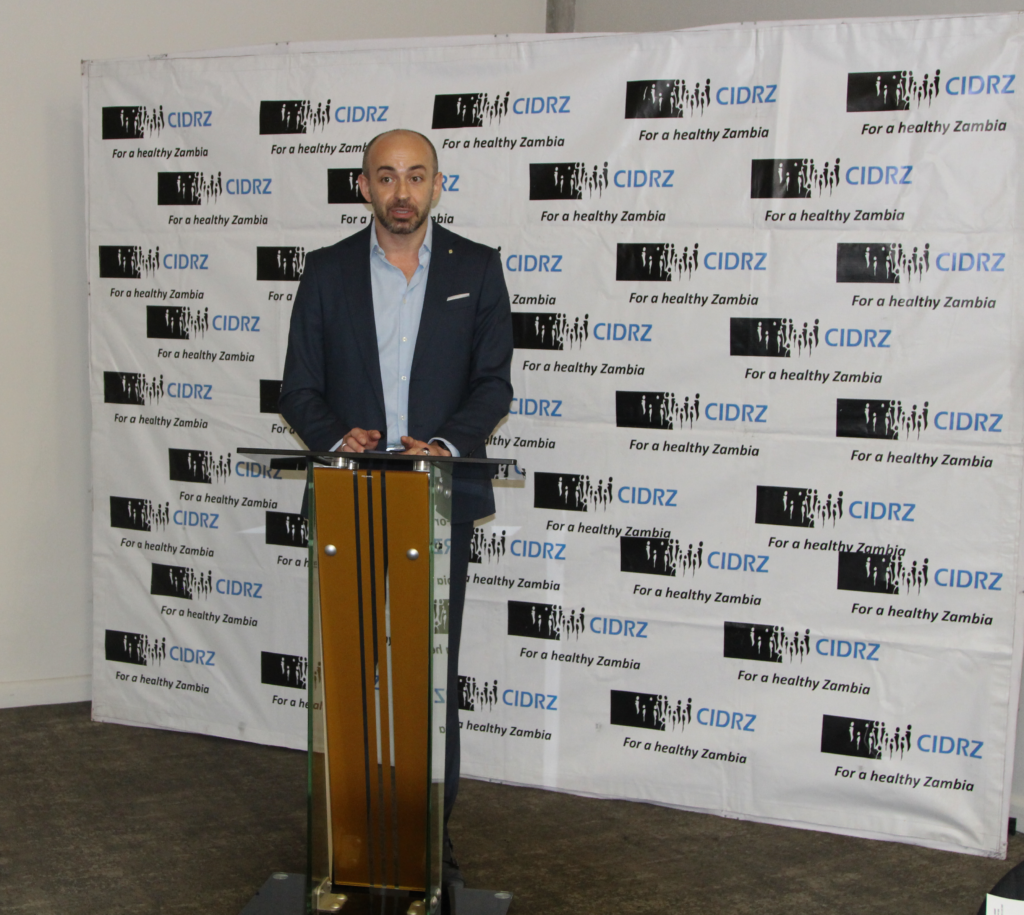
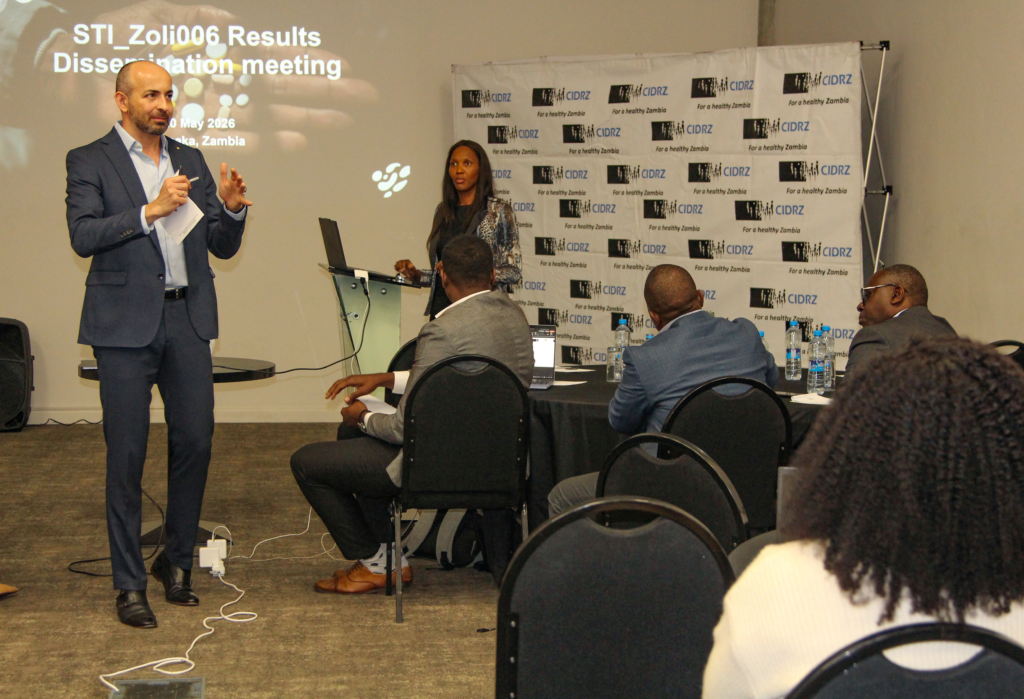
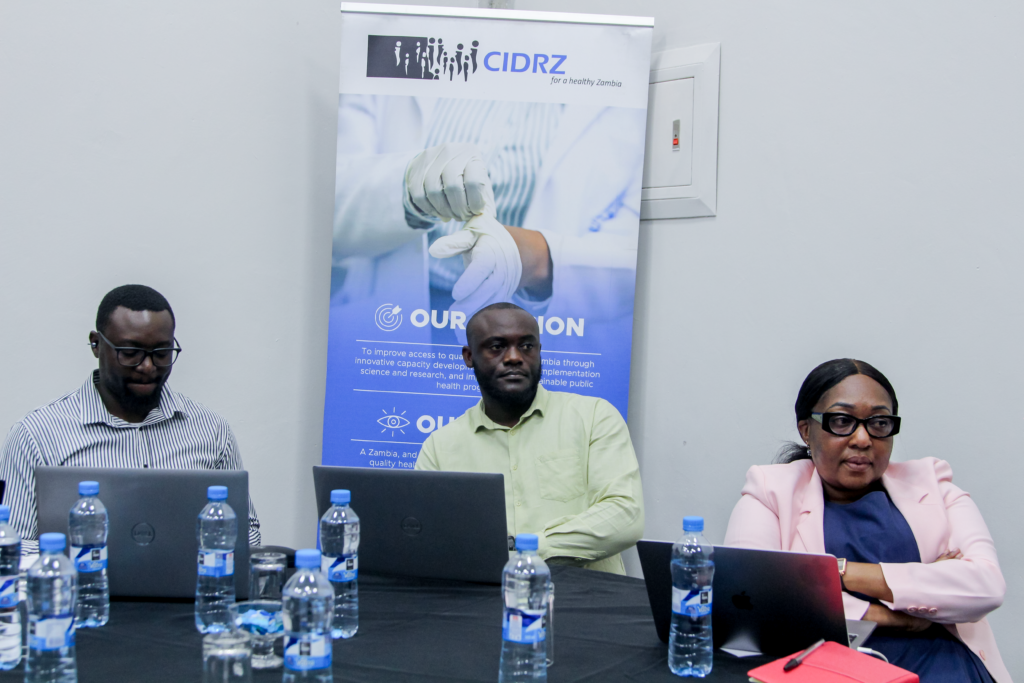
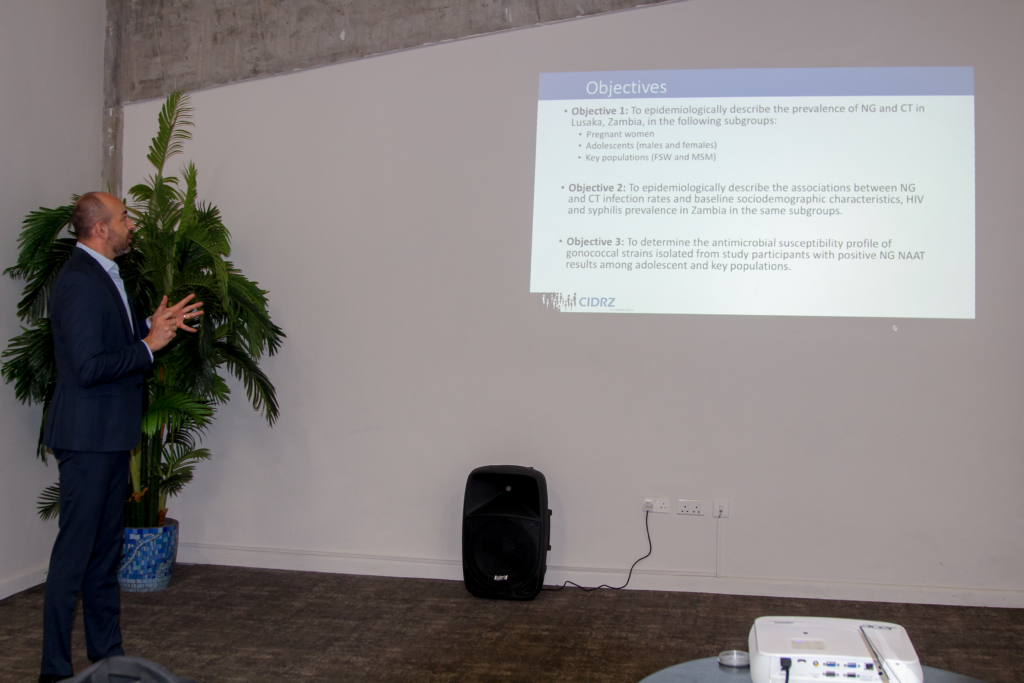
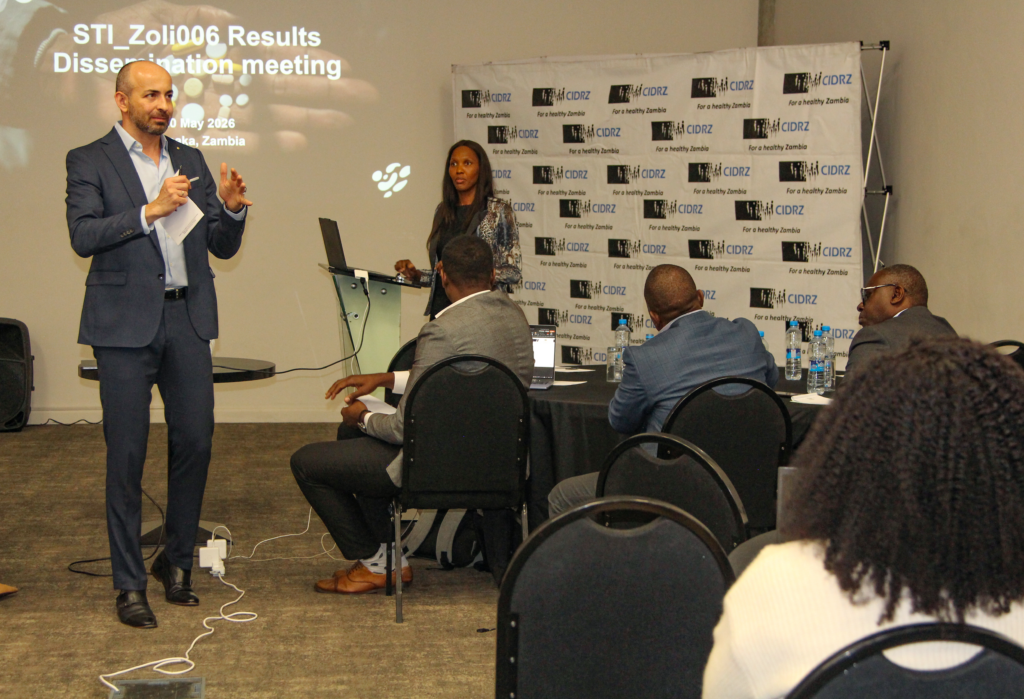
Our RMNCH department recently held a stakeholder dissemination meeting to share key findings from our STI research portfolio. The meeting brought together a strong coalition of partners including ZNPHI, NAC, UNZABREC, NHRA, GARDP, CHAI, UNICEF, Evidence Action and many others whose engagement is essential to turning evidence into policy and programs that improve the health and well-being of Zambians.
CT/NG Burden in Priority Populations in Lusaka, Zambia: Implications for STI Screening and AMR Surveillance
In the largest prevalence study conducted in Zambia among pregnant women, adolescents, and key populations (KP), we found that NG prevalence was up to 3X higher while CT aligned with regional estimates with KPs bearing the highest burden. Additionally, NG isolates showed resistance to Ciprofloxacin and Tetracycline. These findings make a compelling case for routine point-of-care NAAT-based screening and for integrating AMR surveillance into Zambia’s national STI programs.
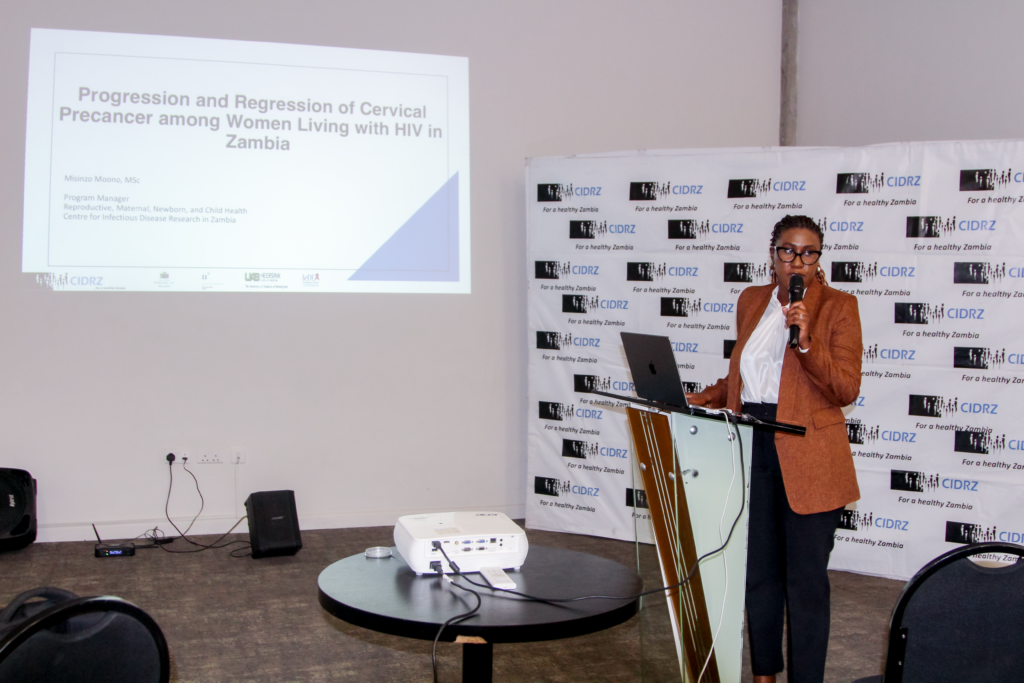
Progression and Regression of Cervical Precancer among Women Living with HIV in Zambia
A longitudinal follow-up of 241 women living with HIV showed that high-risk HPV prevalence and high-grade cervical disease decreased over time. Precancer treatment was strongly associated with disease regression, yet not all treatment was effective, underscoring the need for better biomarkers to guide decisions and reduce overtreatment.
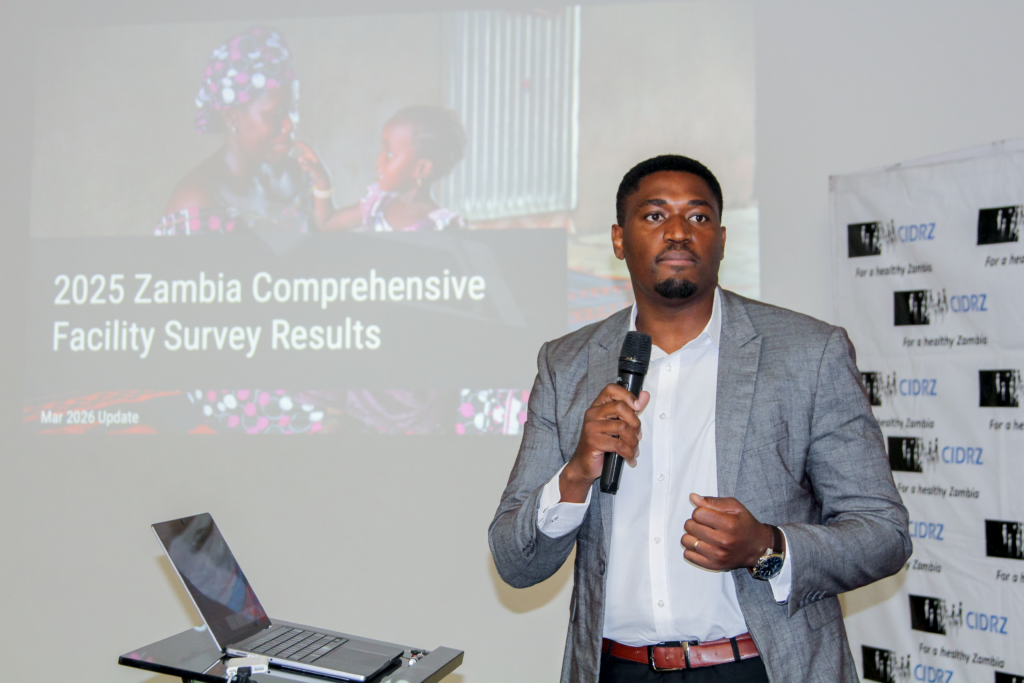
2025 Zambia Comprehensive Facility Survey: National Evaluation of the Maternal HIV/Syphilis Dual Testing Program
This survey assessed syphilis screening and treatment at ANC facilities nationwide. After Ministry of Health trained 23,000+ health workers across 3,100+ facilities, national syphilis screening coverage rose from 46% in 2023 to 87% in 2025, approaching the 95% WHO screening target. Syphilis treatment coverage stood at approximately 90% among trained facilities. Key gaps remain in provider counselling knowledge, stock continuity, and data quality.