CIDRZ and Ministry of Health Strengthen Advanced HIV Disease Care in Western Province

CIDRZ and Ministry of Health Advance National Drive for Quality Laboratory Services
October 2, 2026
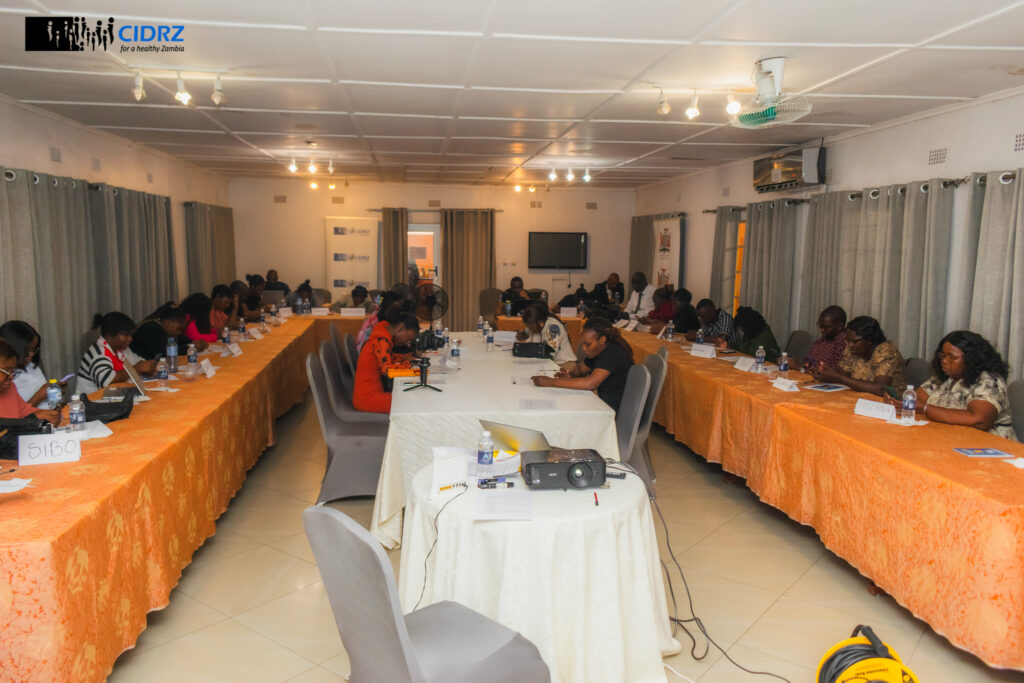
For many people living with HIV, surviving the virus is only part of the challenge. Advanced HIV disease (AHD) can leave patients vulnerable to serious opportunistic infections such as tuberculosis (TB) and cryptococcal meningitis, which can lead to severe illness and death when diagnosis and treatment are delayed. Bringing timely AHD screening and care closer to where patients seek health services is therefore critical to improving outcomes.
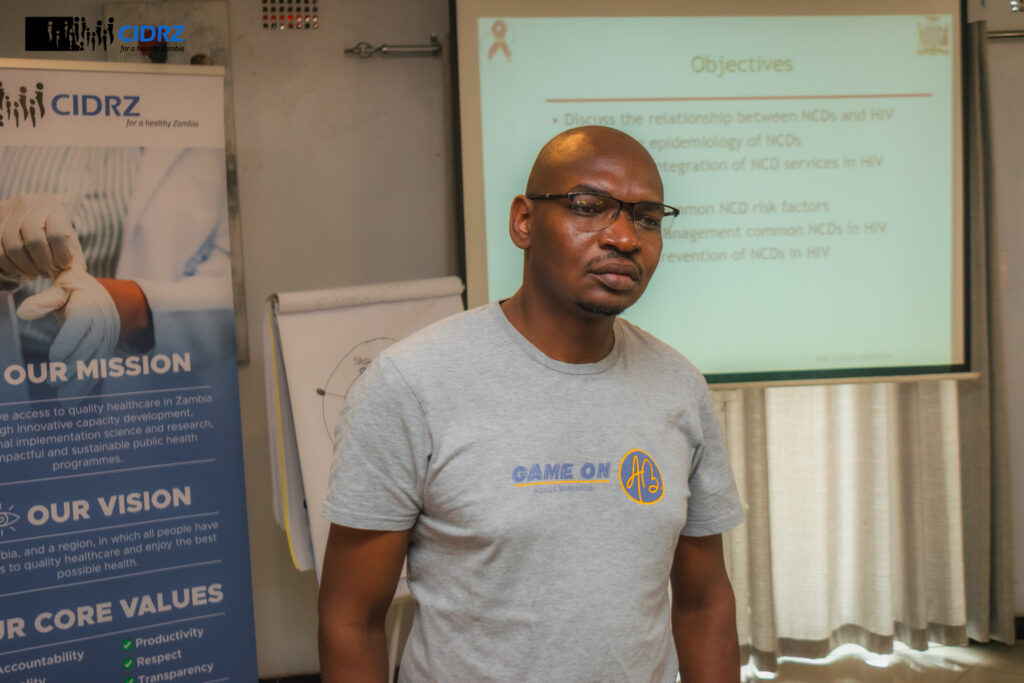
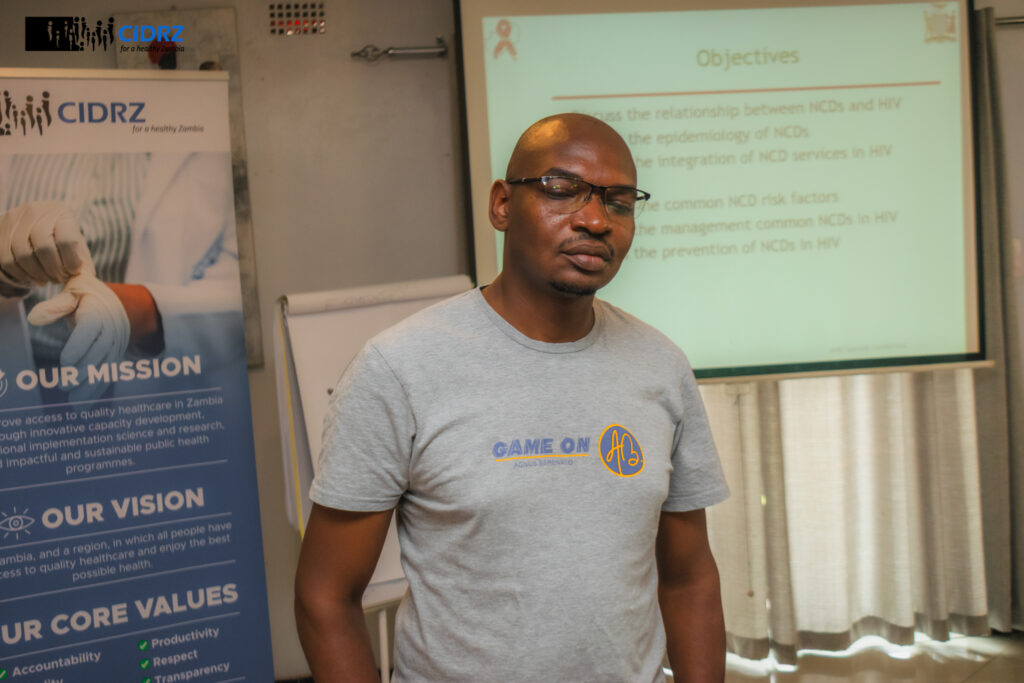
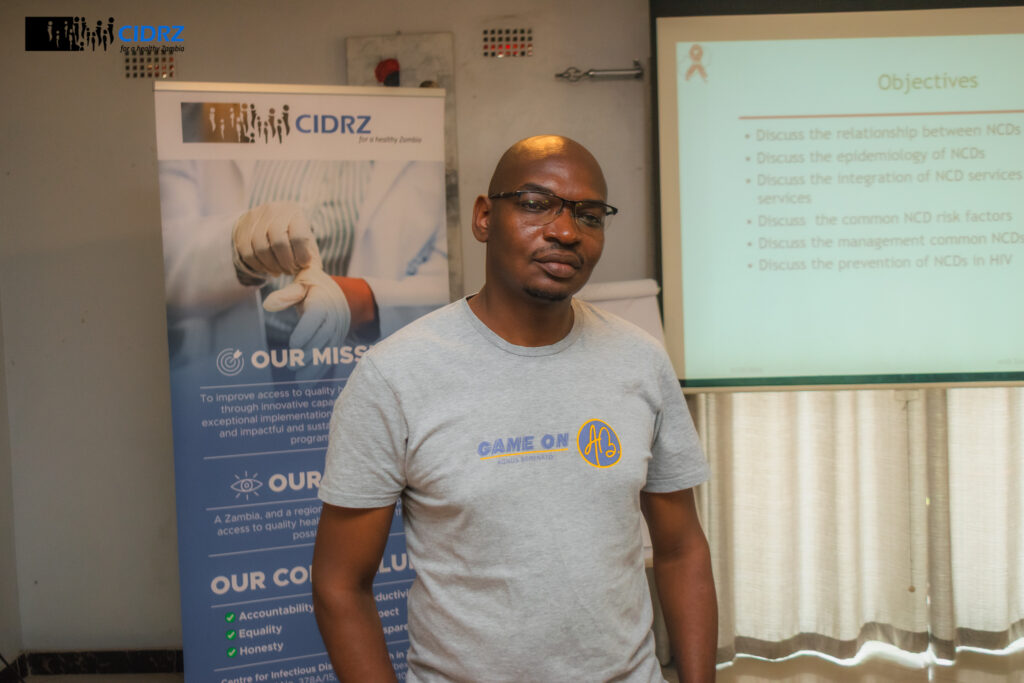
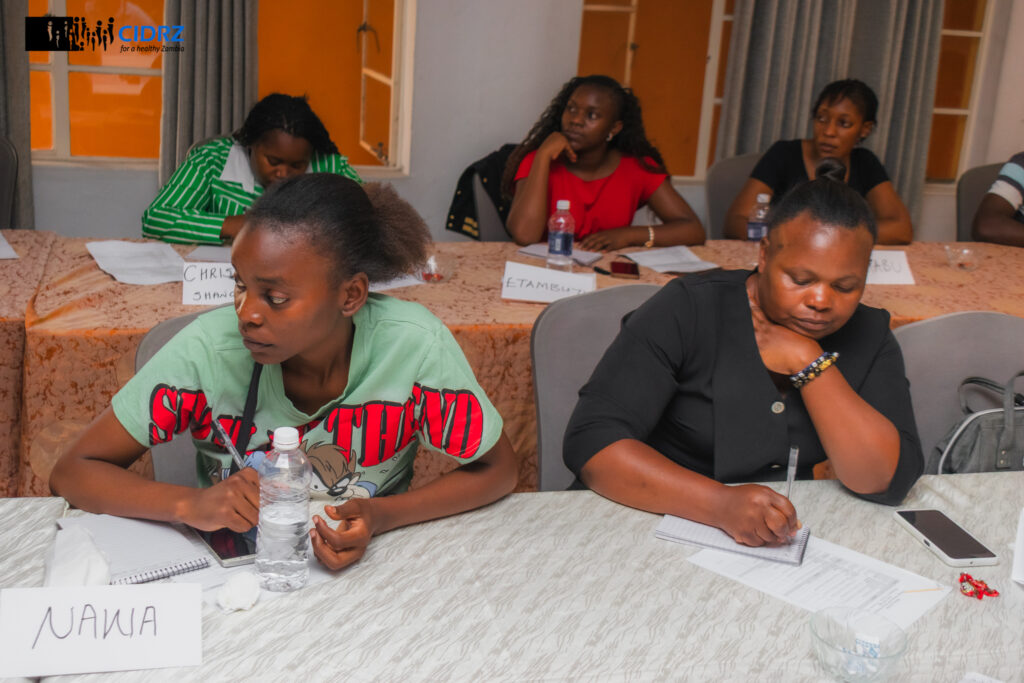
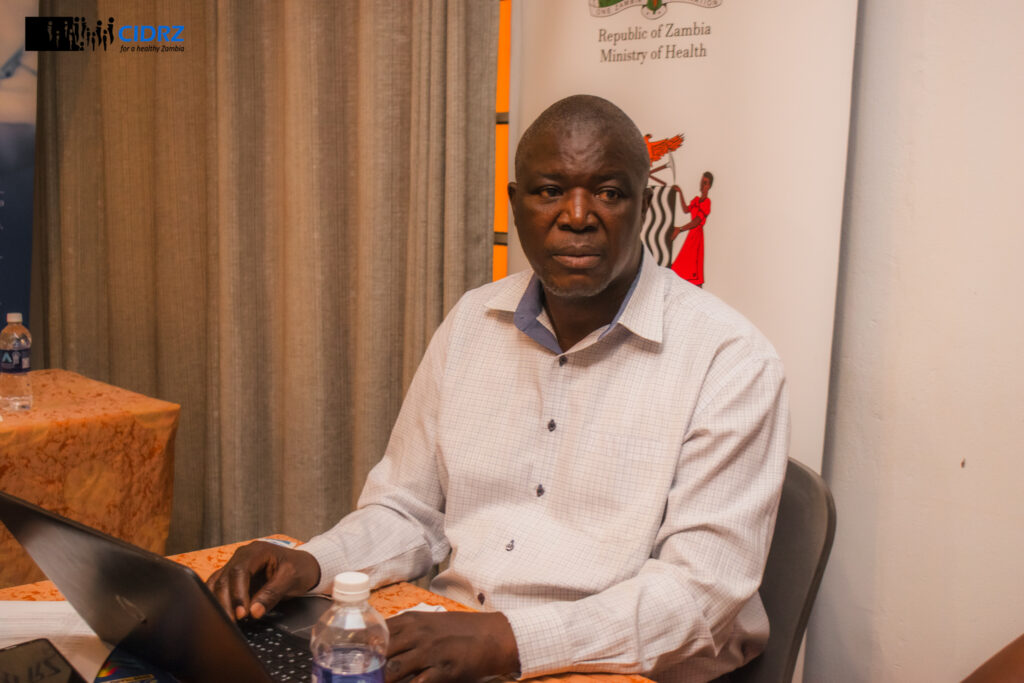
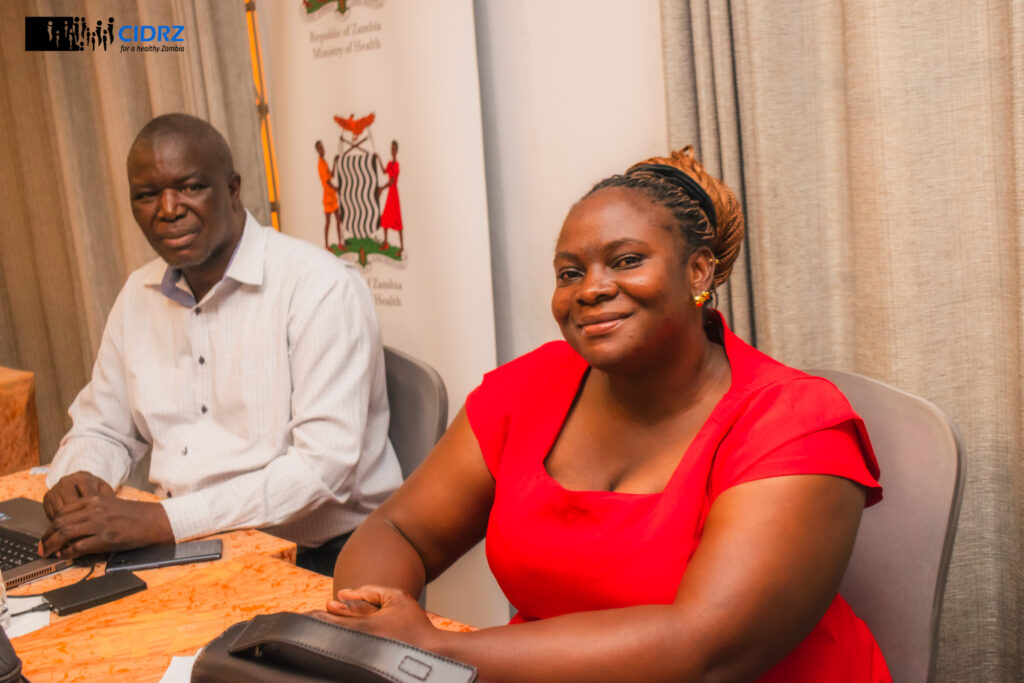
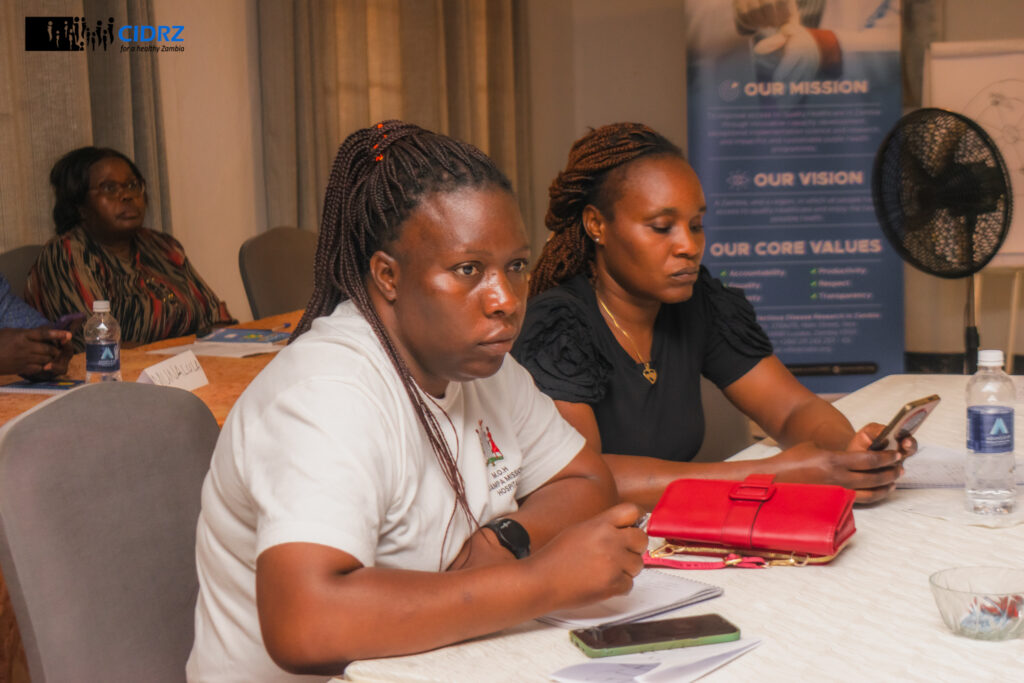
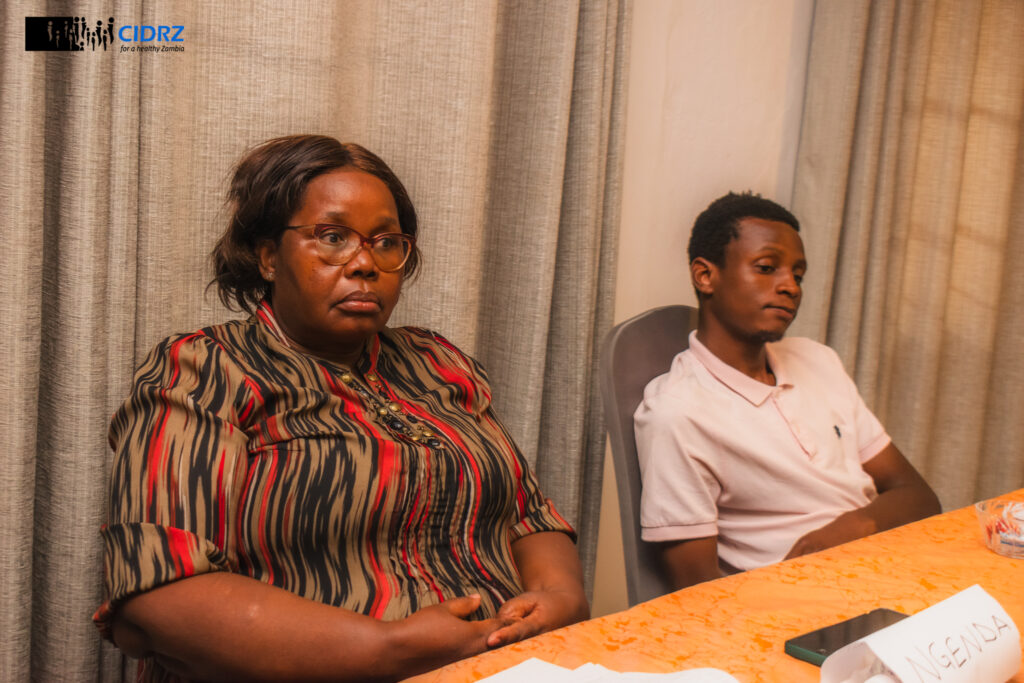
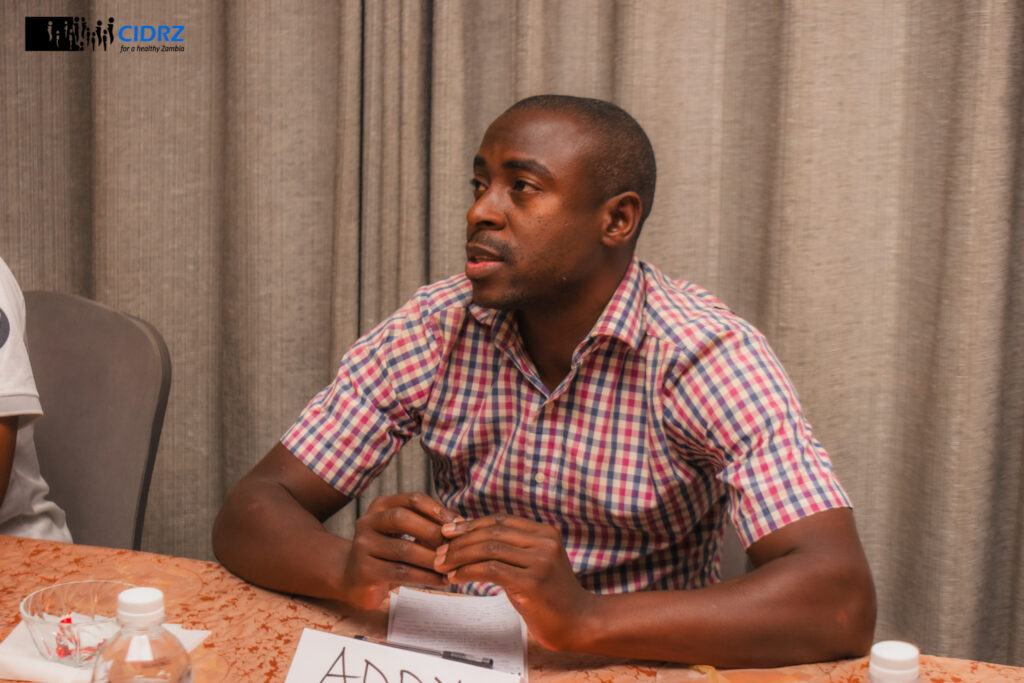
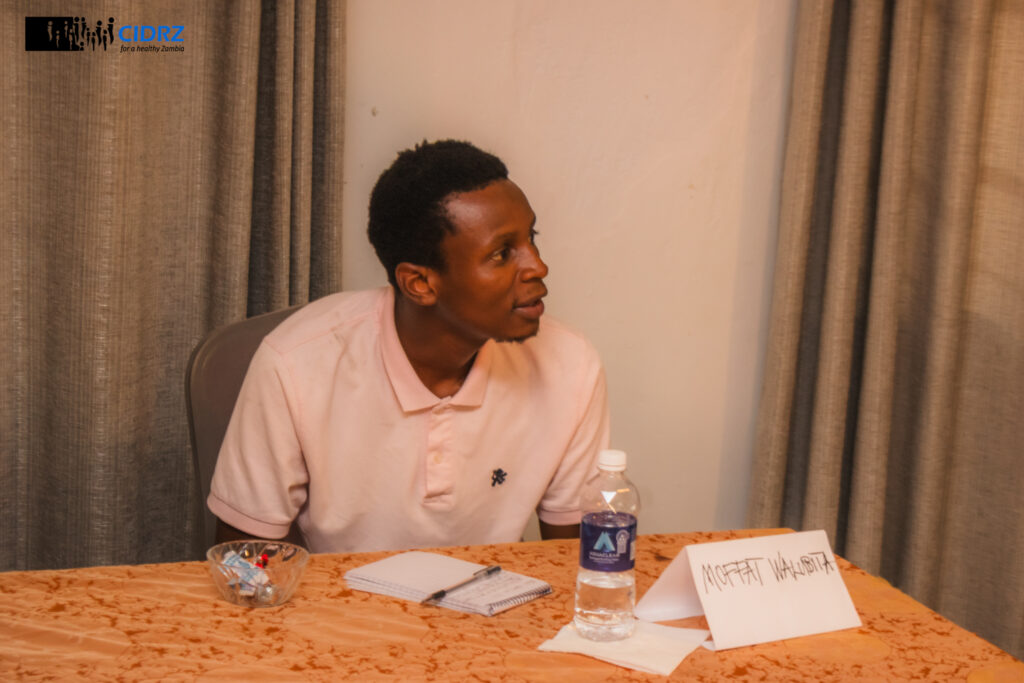
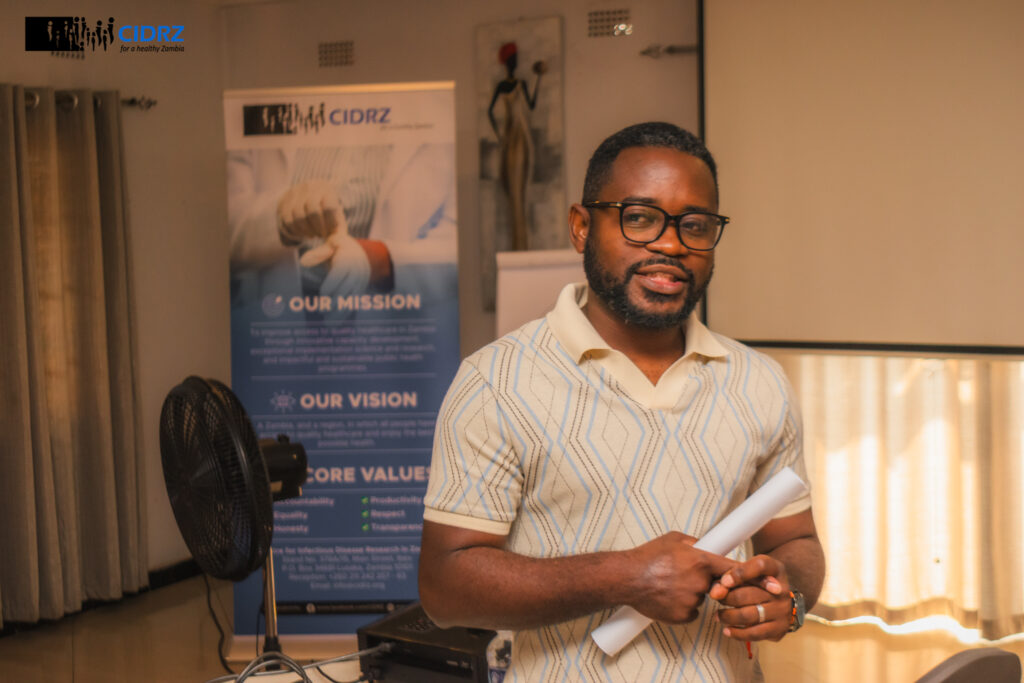
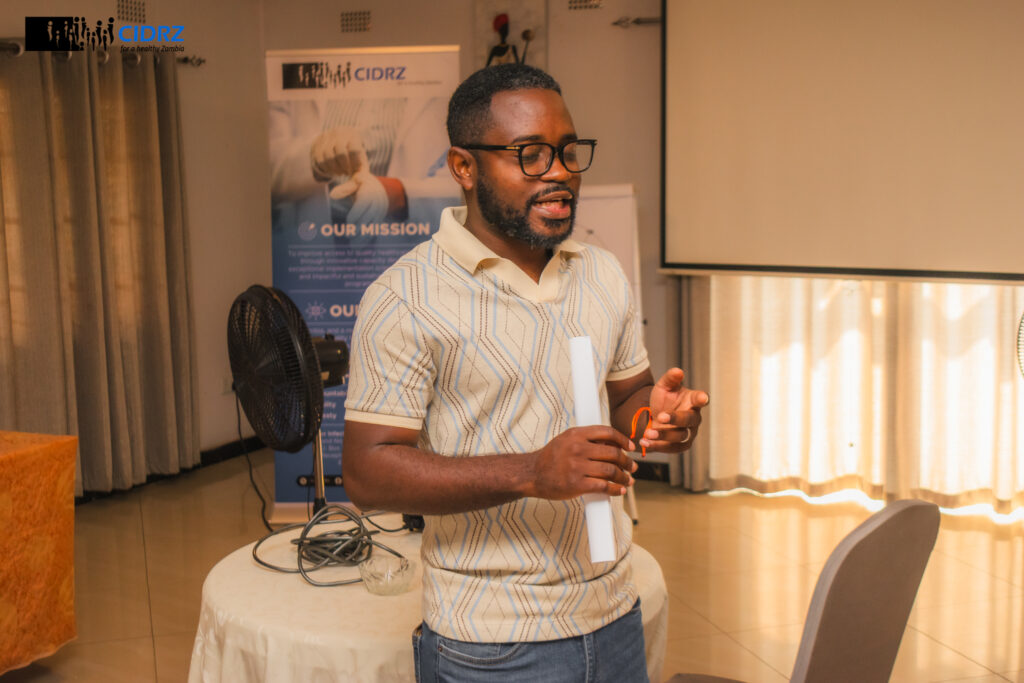
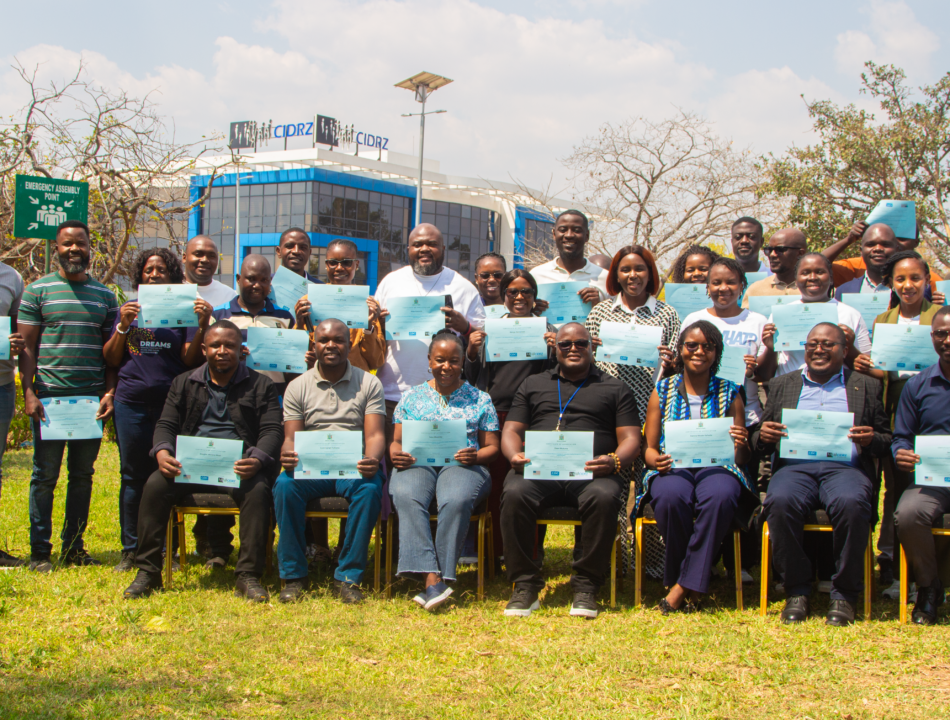
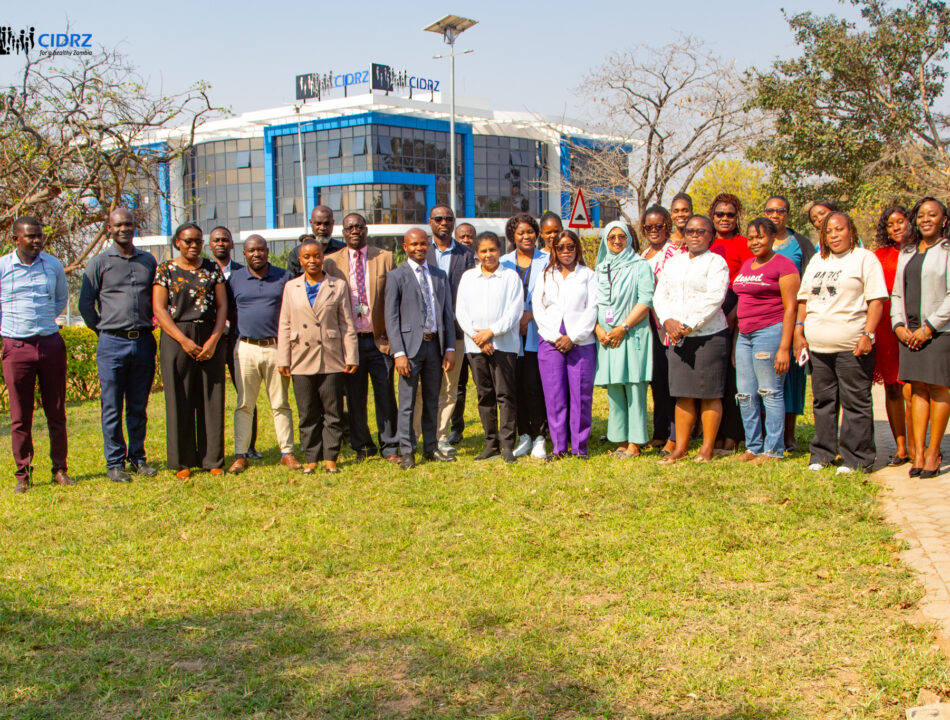
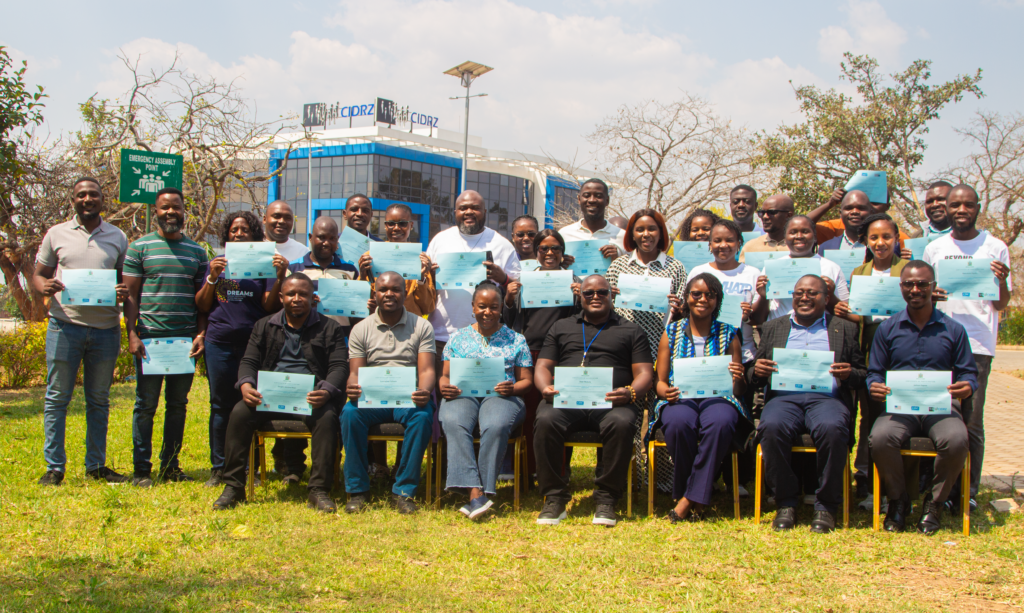
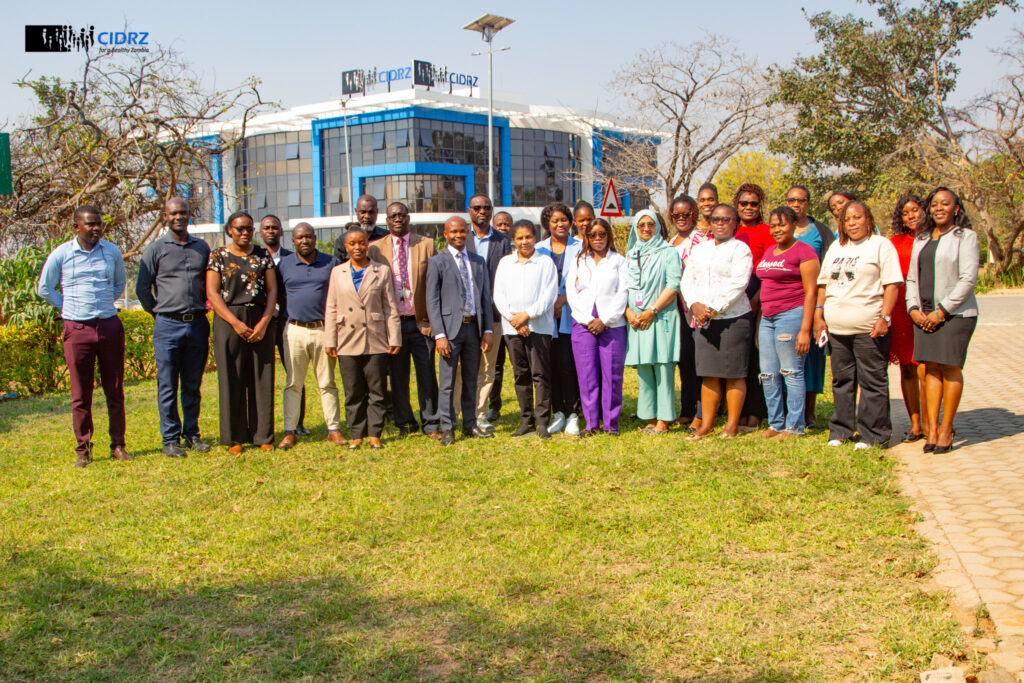
To strengthen frontline capacity, the Ministry of Health, in partnership with the Centre for Infectious Disease Research in Zambia (CIDRZ) through the PROUD-Z Project, is conducting an intensive AHD management training in Western Province.
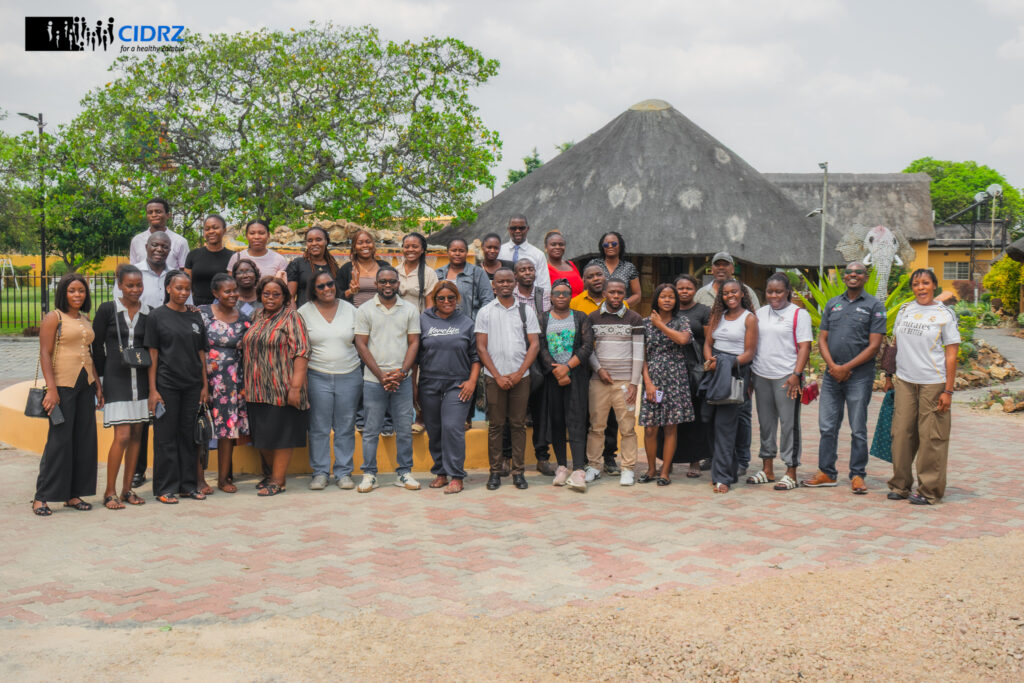
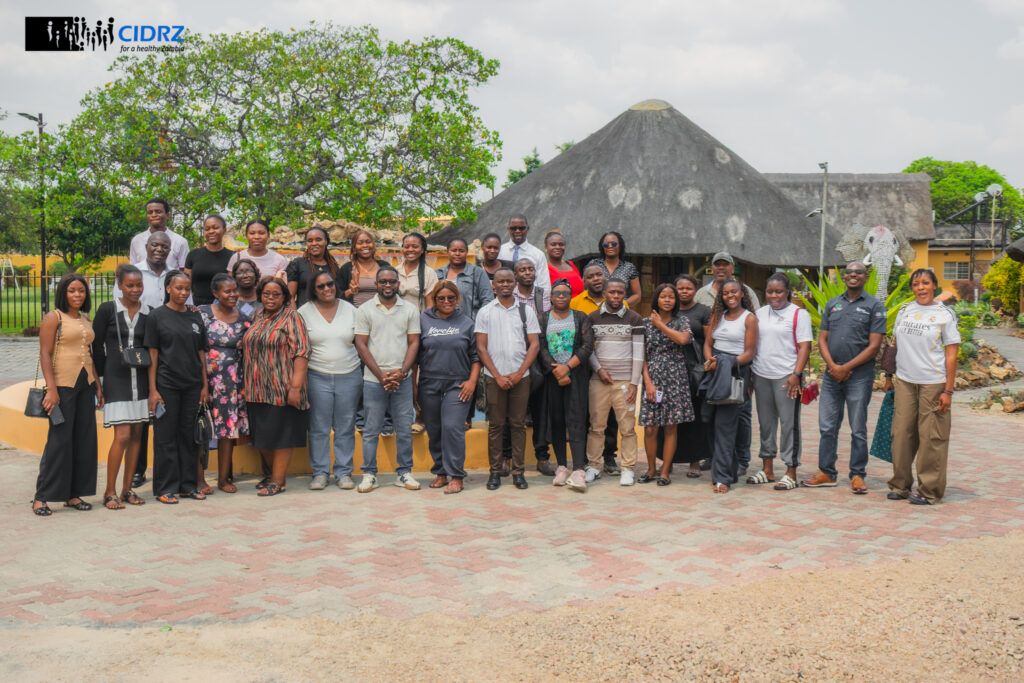
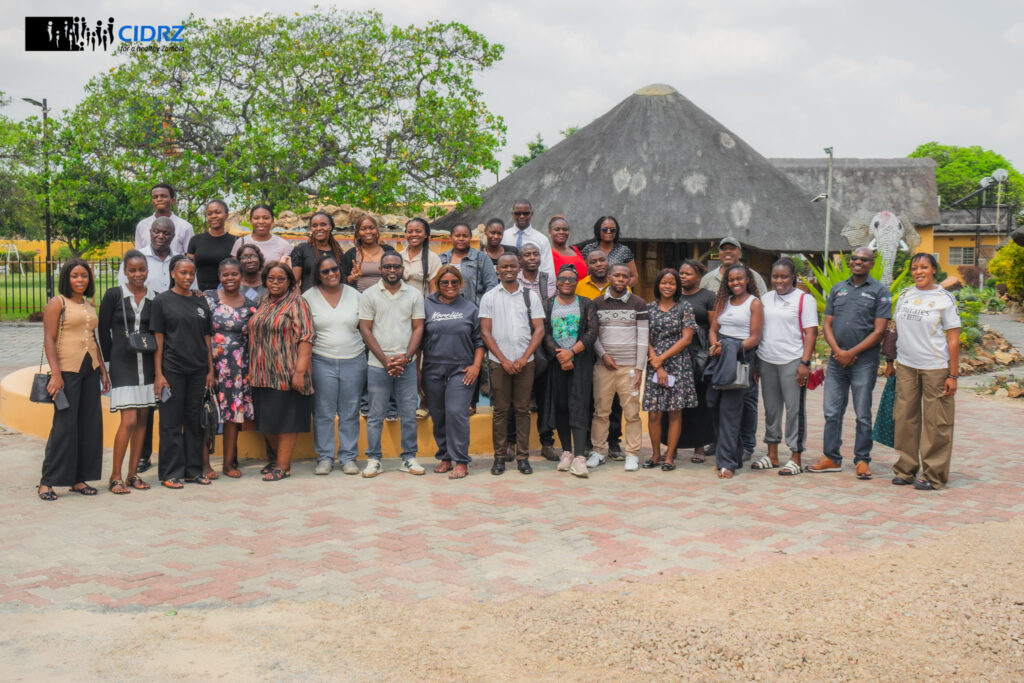
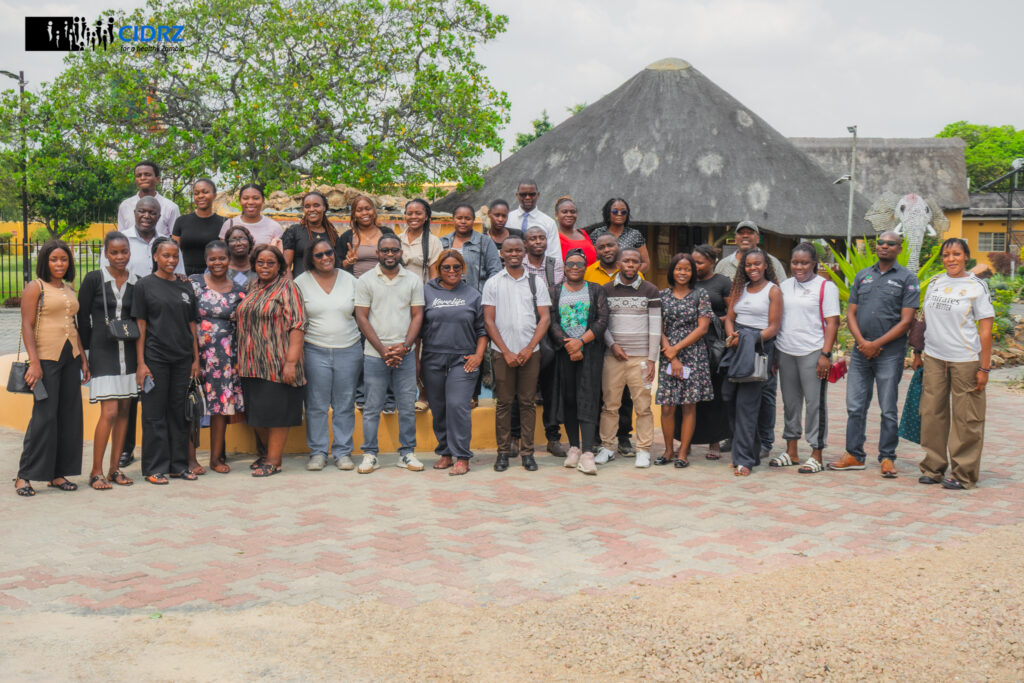
The training brings together 28 frontline health workers from all 16 districts of Western Province, equipping them with practical skills to identify and manage AHD earlier and strengthen the delivery of life-saving services at primary healthcare level.
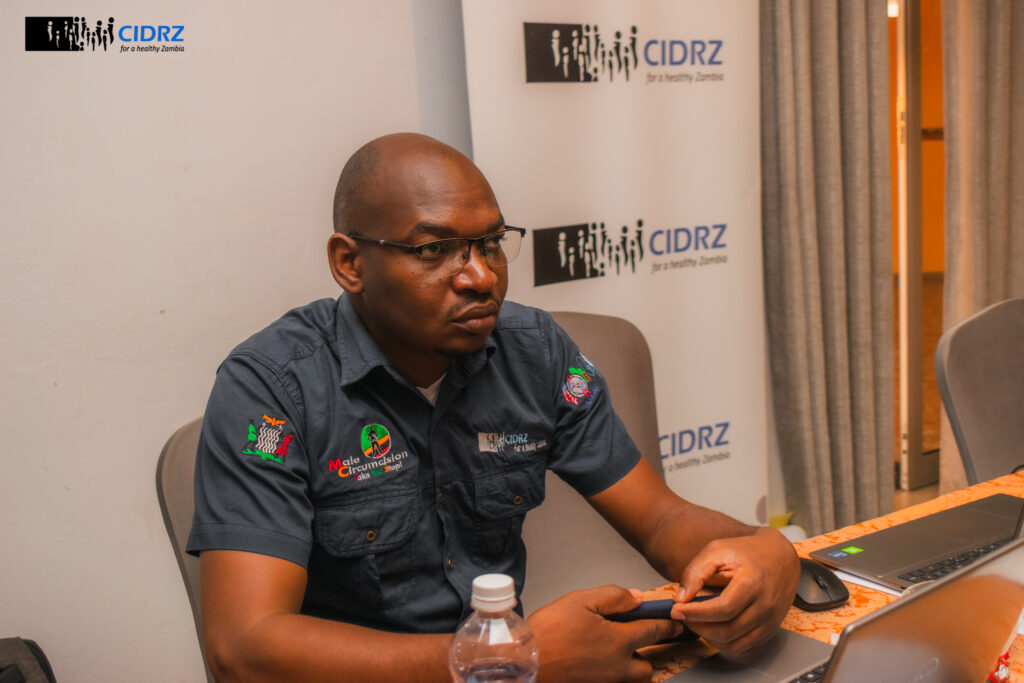
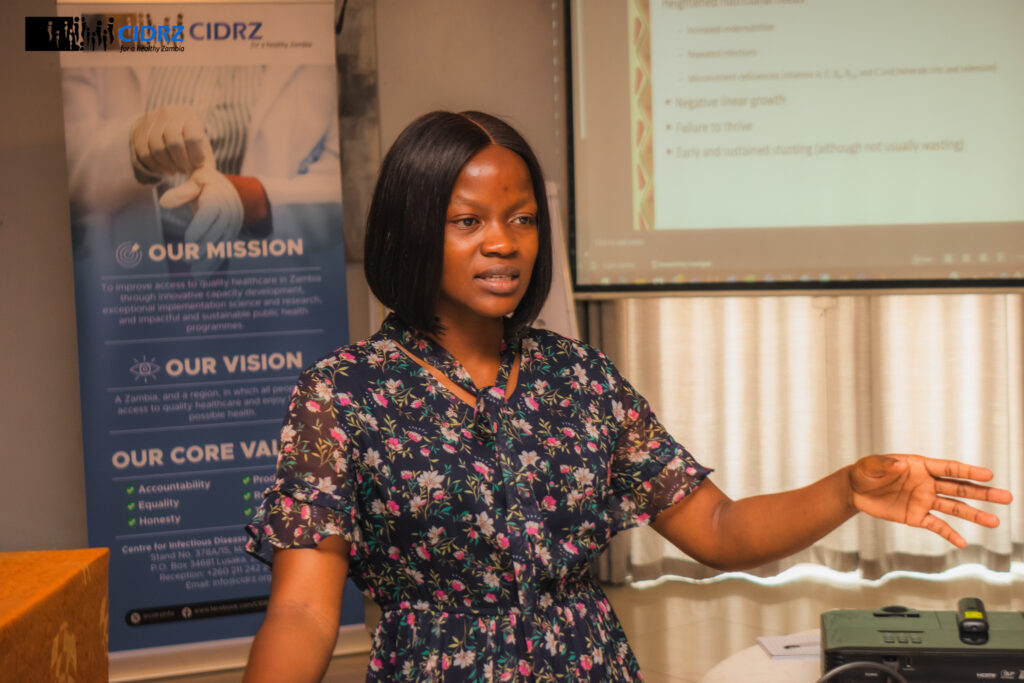
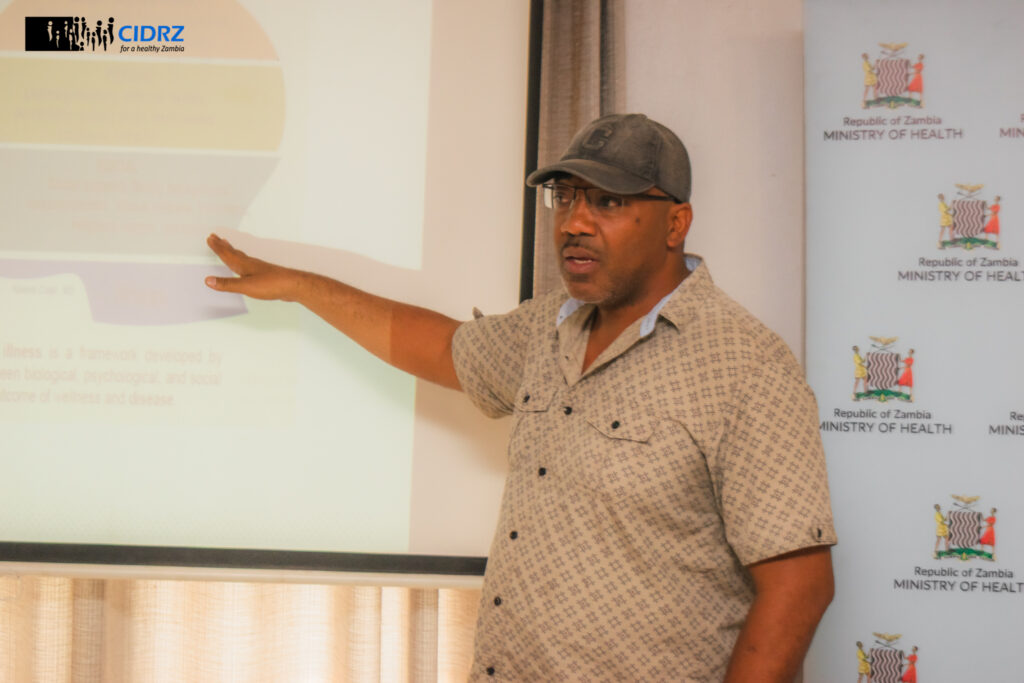
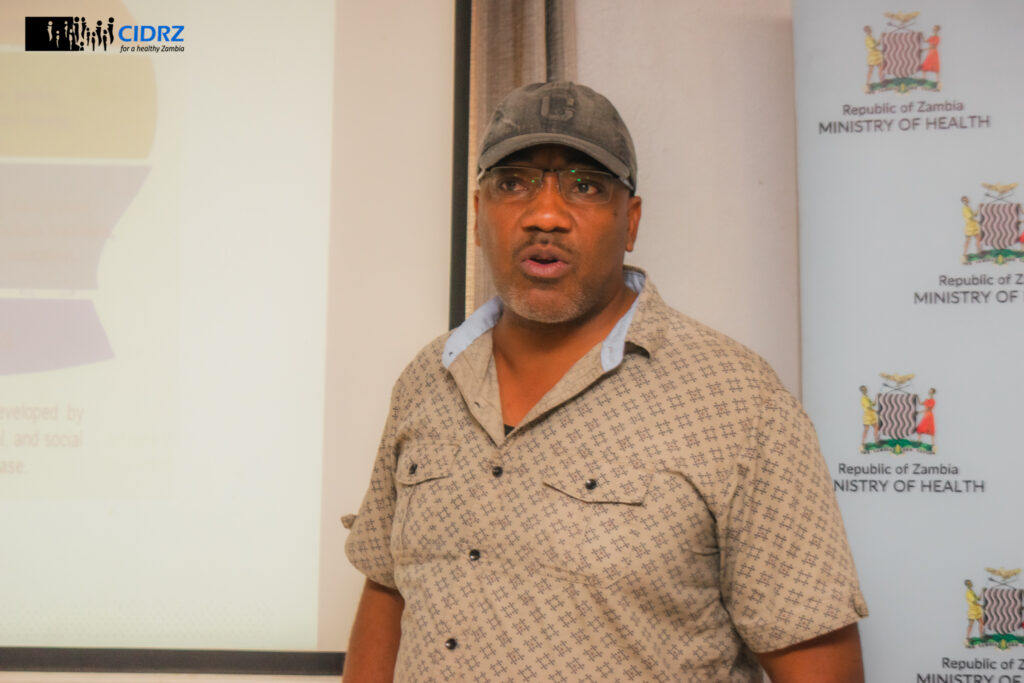
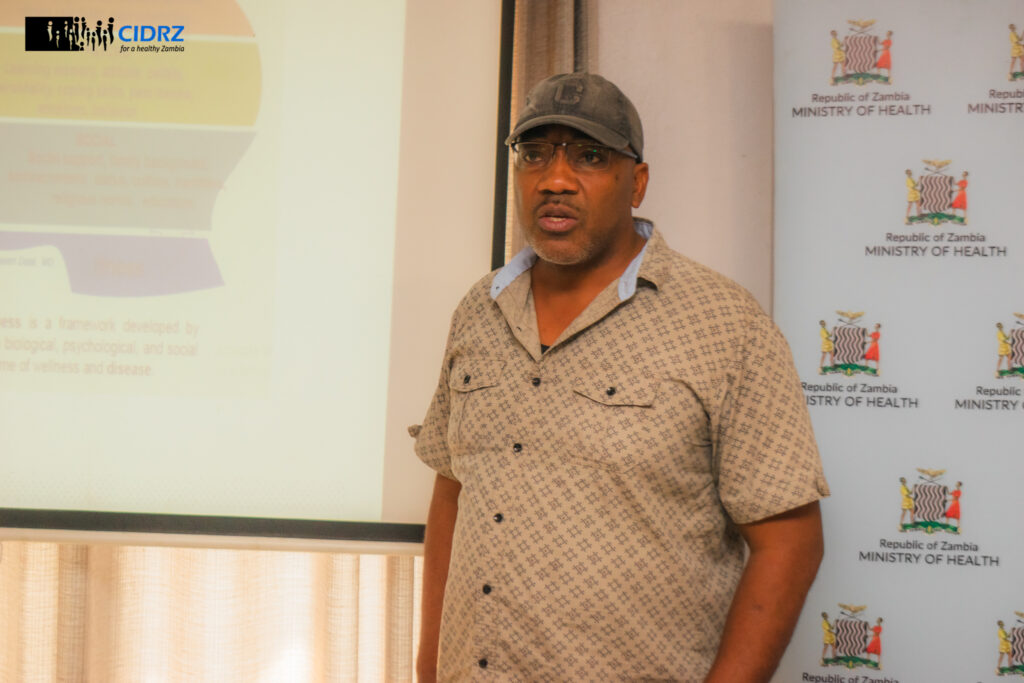
Dr Sydney Mwamba, a medical doctor with CIDRZ under the PROUD-Z Project, said the training is focused on strengthening healthcare workers’ knowledge and skills to identify AHD early, screen eligible patients and provide comprehensive management.
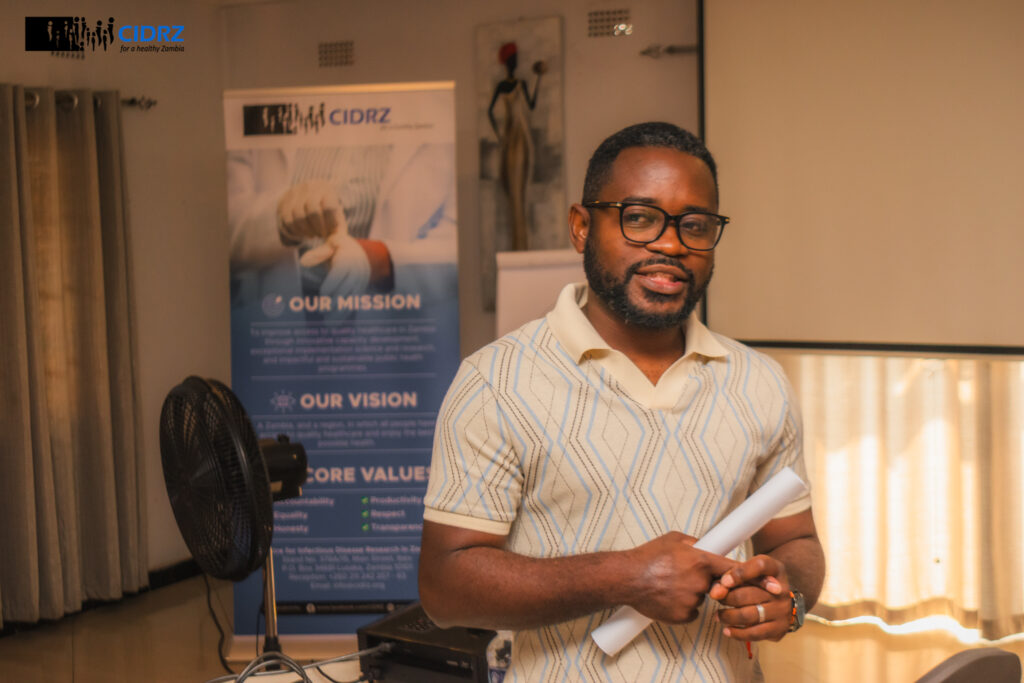
“Our ultimate goal is that the healthcare workers will be equipped with skills which will translate into quality services that they are providing in the facilities, thereby improving the services for AHD and reducing the illnesses and deaths that are due to the opportunistic infections that the people living with advanced HIV disease present with.”
Participants are receiving training in key areas of AHD management, including early identification of patients at risk, CD4 testing and VISITECT point-of-care screening, and the diagnosis and management of severe HIV-related co-infections.
For Hillary Sikapila, a Senior Clinical Officer at Lewanika General Hospital, the training is important in helping health workers recognise patients who should be screened for AHD.

“This training is important because it will strengthen service delivery across the province. The skills we are gaining will help ensure that patients are diagnosed as quickly as possible when they present at these facilities.”Mr Sikapila added that the delayed diagnosis comes as a result of inadequate knowledge for the staff who are manning facility areas or the ART departments.
“So, with the skills which we are learning here, it will make sure that these clients or rather patients are diagnosed as quick as possible as they are coming to our facilities.”
The training responds to continued gaps in AHD screening and case management at primary healthcare level. Strengthening the ability of frontline health workers to recognise AHD and rapidly initiate appropriate investigations and treatment can help reduce delays in care and improve outcomes for patients during the critical early months of HIV treatment.
Beyond the training, CIDRZ through the PROUD-Z Project remains committed to supporting the Ministry of Health and frontline teams through ongoing technical assistance, mentorship and data quality improvement, helping strengthen and sustain AHD services across supported provinces.