CIDRZ and Ministry of Health Advance National Drive for Quality Laboratory Services

CIDRZ and Ministry of Health Continue Efforts to Strengthen Paediatric HIV Care in Zambia
September 30, 2026CIDRZ and Ministry of Health Advance National Drive for Quality Laboratory Services

Strengthening laboratory quality systems is therefore an important part of supporting safe and effective healthcare.
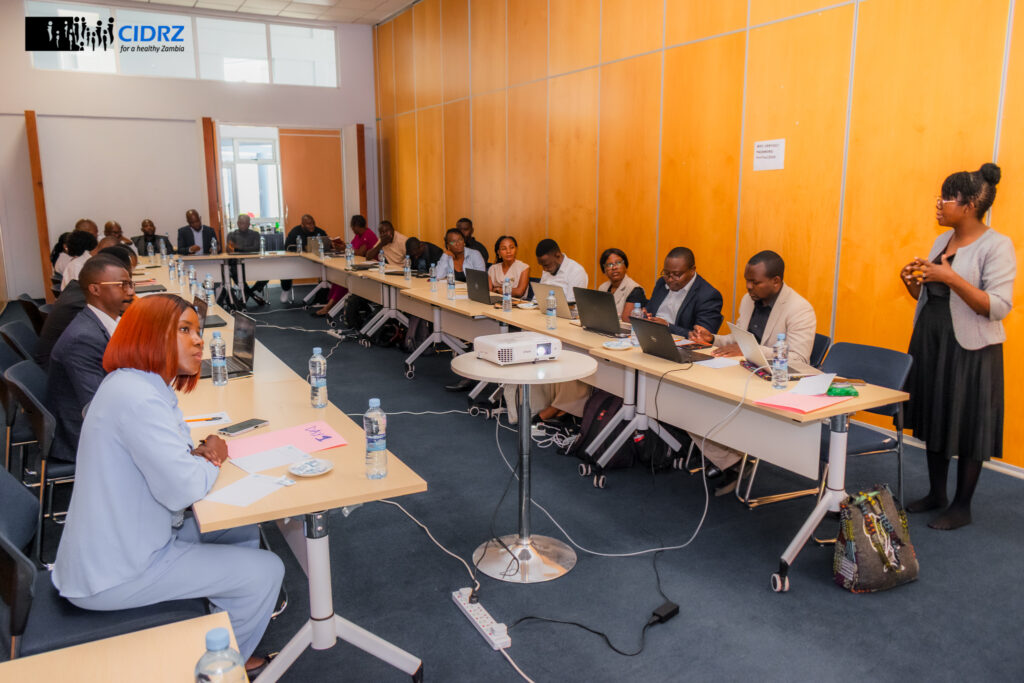
To contribute to these efforts, the Centre for Infectious Disease Research in Zambia (CIDRZ), in partnership with the Ministry of Health’s Pathology and Laboratory Services Unit, has launched a national orientation on the Quality Management System (QMS) Minimum Package.
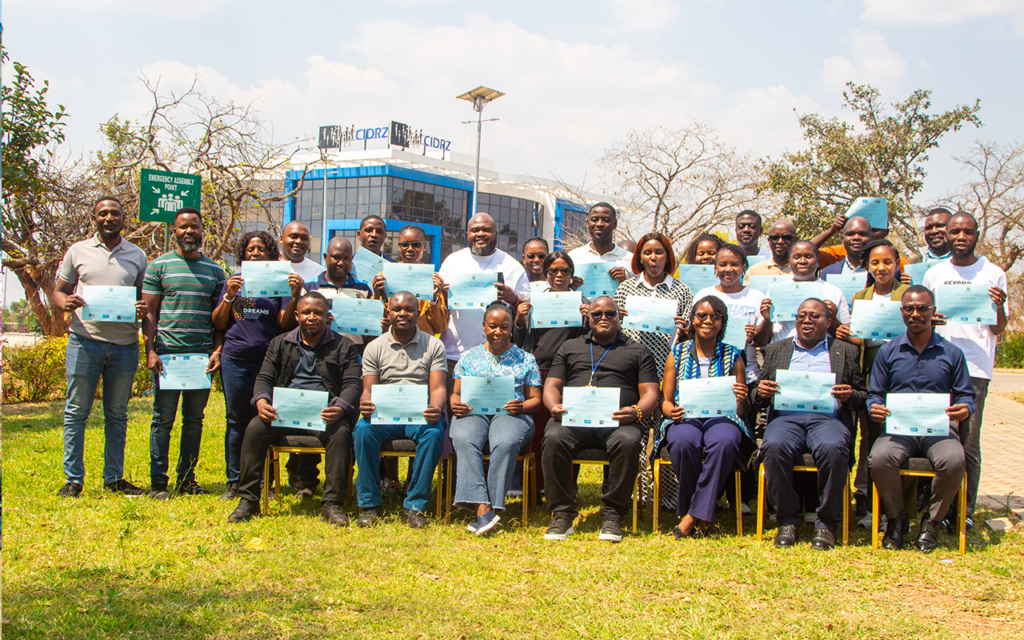
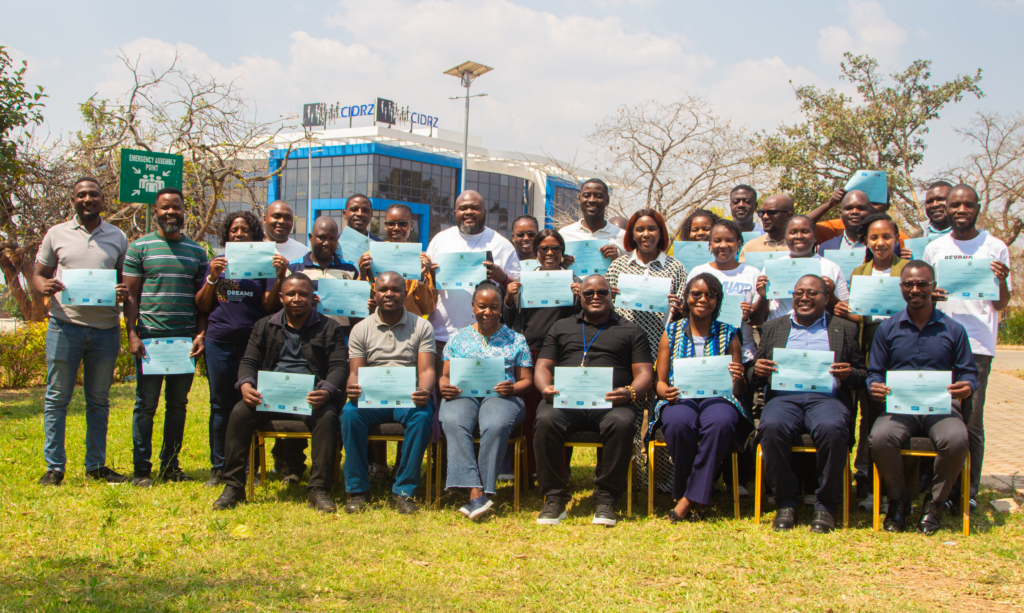
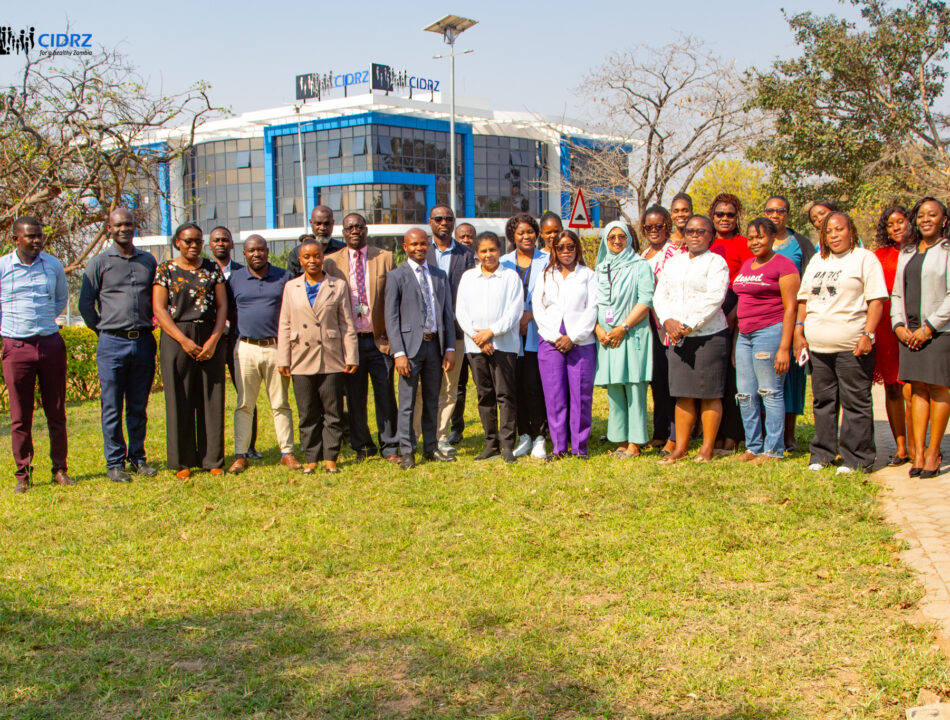
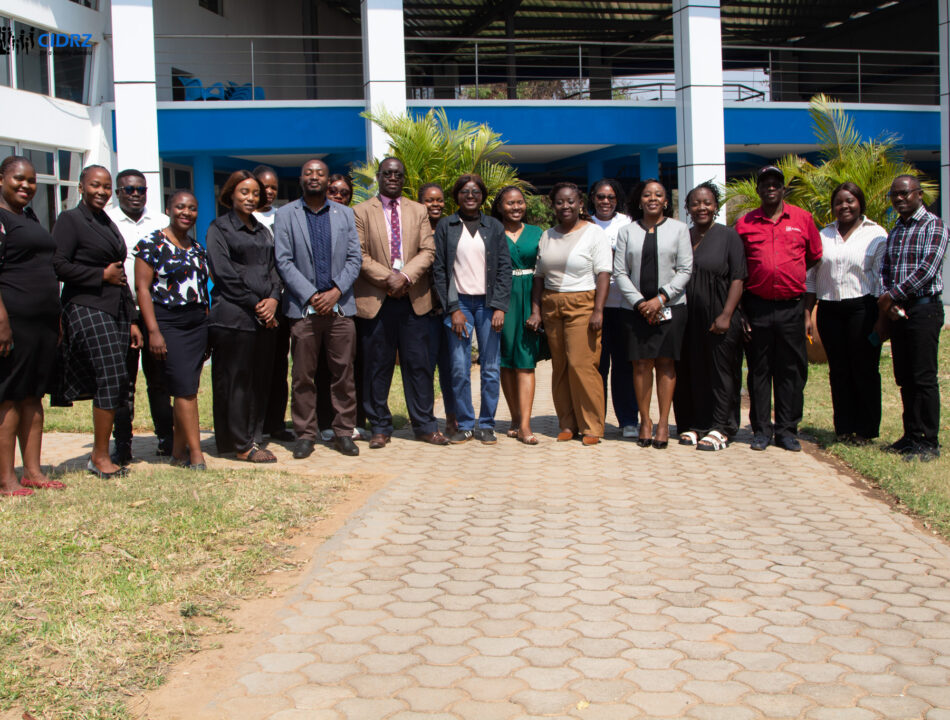
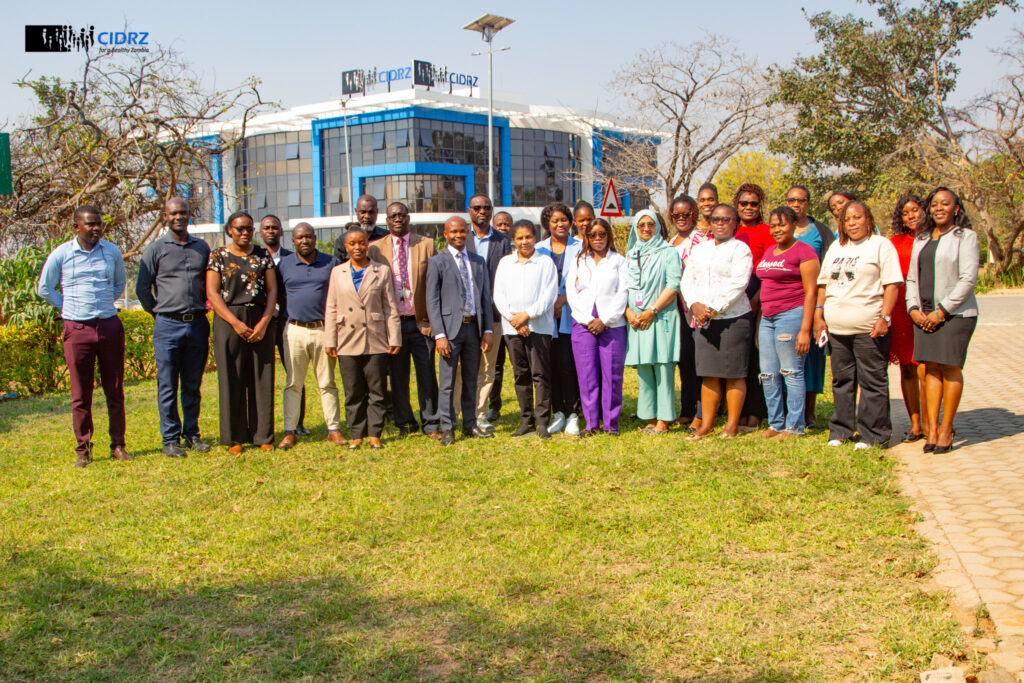
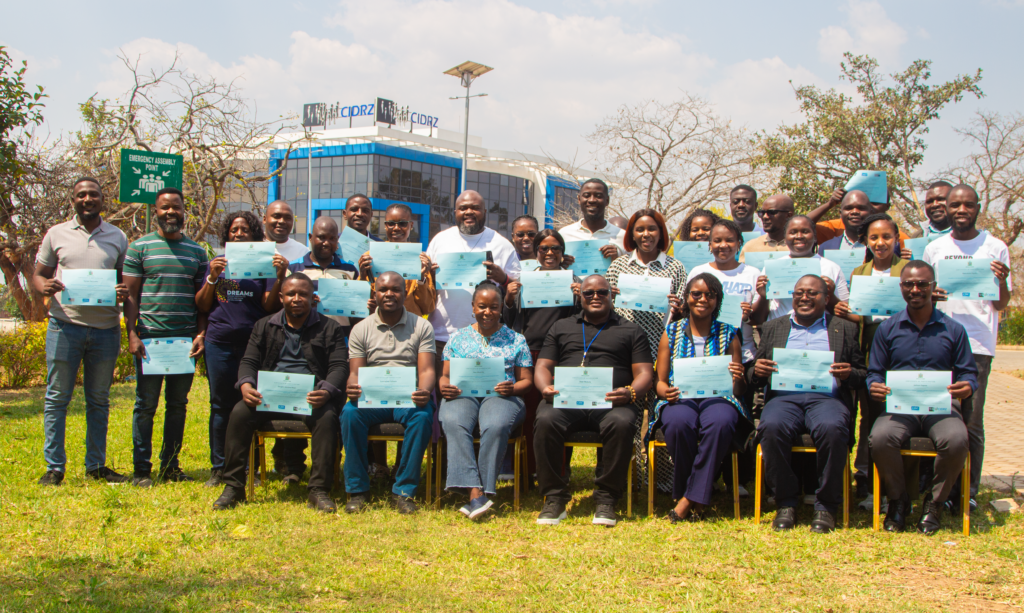
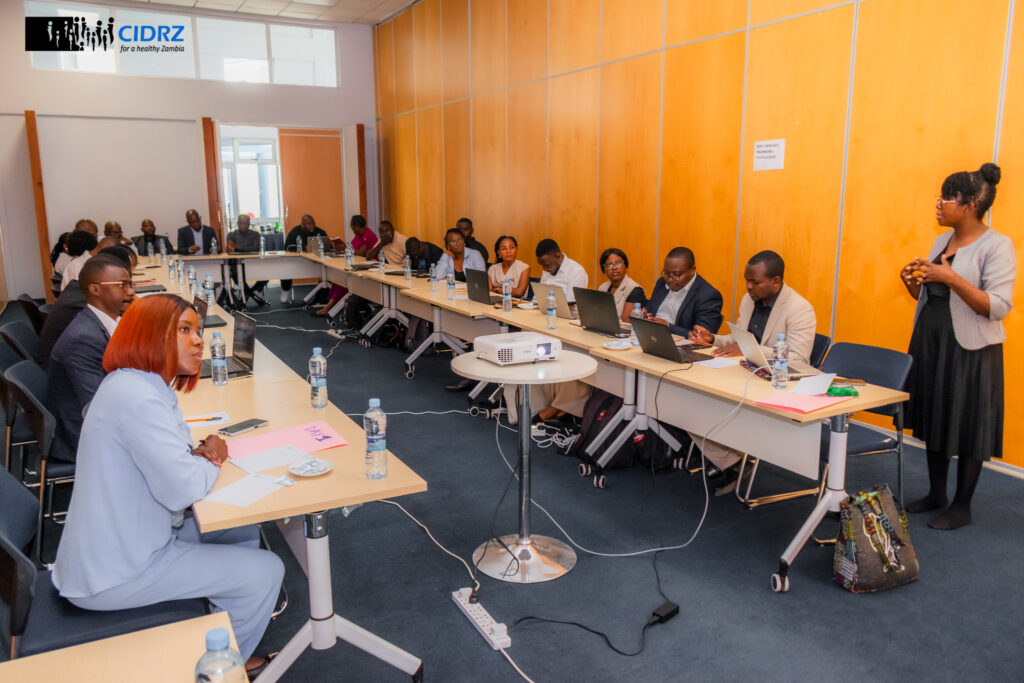
The orientation brought together laboratory professionals, quality officers, provincial laboratory coordinators and programme staff to build a shared understanding of the Minimum Package and prepare for its implementation across the country.
Through the Transitioning and Integrating Laboratory Services (TRAILS) Project, CIDRZ is supporting the Ministry of Health in strengthening laboratory systems and making quality improvement more practical and accessible for laboratories across different levels of the health system.
The orientation focused on turning quality standards into practical action. Participants worked through the QMS Implementation Checklist and real-world laboratory scenarios covering document
control, personnel management, auditing, nonconformity management and root cause analysis. They also began developing provincial rollout plans and identifying laboratories that will take forward implementation of the Minimum Package.
The Minimum Package provides laboratories with a structured and progressive starting point for quality improvement. It is designed to help facilities establish essential quality systems and gradually advance towards SLMTA, national QMS certification and ultimately ISO 15189 accreditation.
The approach is aligned with Health Professions Council of Zambia (HPCZ) licensing requirements, the International Health Regulations and Zambia’s National Biomedical Laboratory Strategic Plan 2023–2027.
The need for this approach is clear. Of Zambia’s 578 functional laboratories, only 19 currently hold ISO 15189 accreditation, while 82 (14.2%) are implementing a structured QMS. This leaves 496 laboratories (85.8%) without a structured QMS framework.
The Minimum Package offers these facilities a practical starting point for implementing systems to improve consistency, reliability, and quality of laboratory services.
CIDRZ TRAILS Project Chief of Party Powell Choonga commended the Ministry of Health for the vision behind the Minimum Package and encouraged participants to see it not simply as a compliance requirement, but as a commitment to the patients whose care depends on accurate and timely laboratory results.
The workshop was led by Patricia Mutale Kafweta, QA Manager in the Ministry of Health’s Pathology and Laboratory Services Unit, together with her team. The orientation marks an important step towards translating national quality standards into practical improvements at the facility level and preparing provinces for broader rollout.
Through the TRAILS Project, CIDRZ remains committed to working alongside the Ministry of Health and laboratory stakeholders to strengthen Zambia’s laboratory network. By supporting laboratories to establish and sustain quality systems, the initiative aims to help ensure that accurate, reliable and timely laboratory services reach health workers and ultimately, every patient who depends on them.