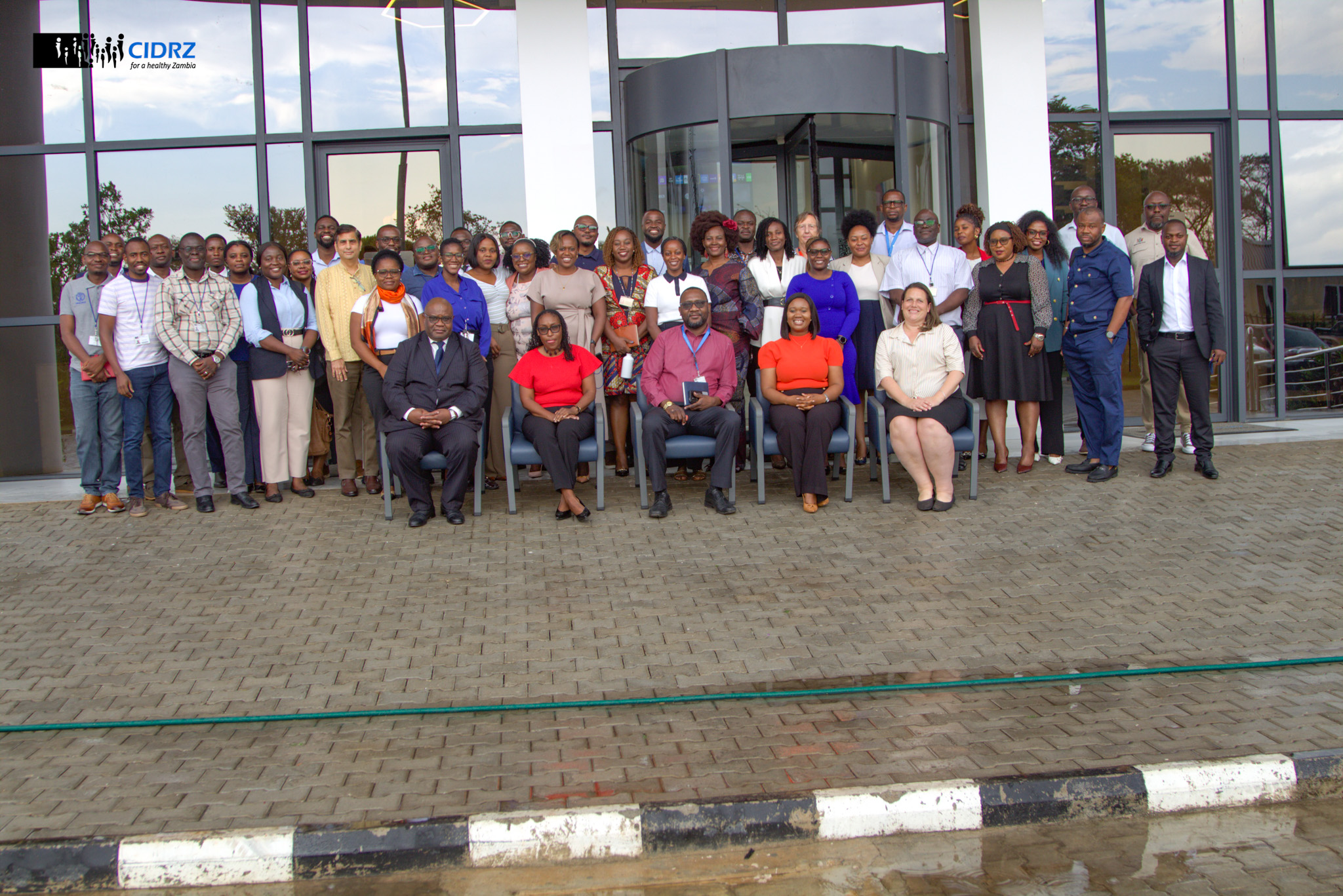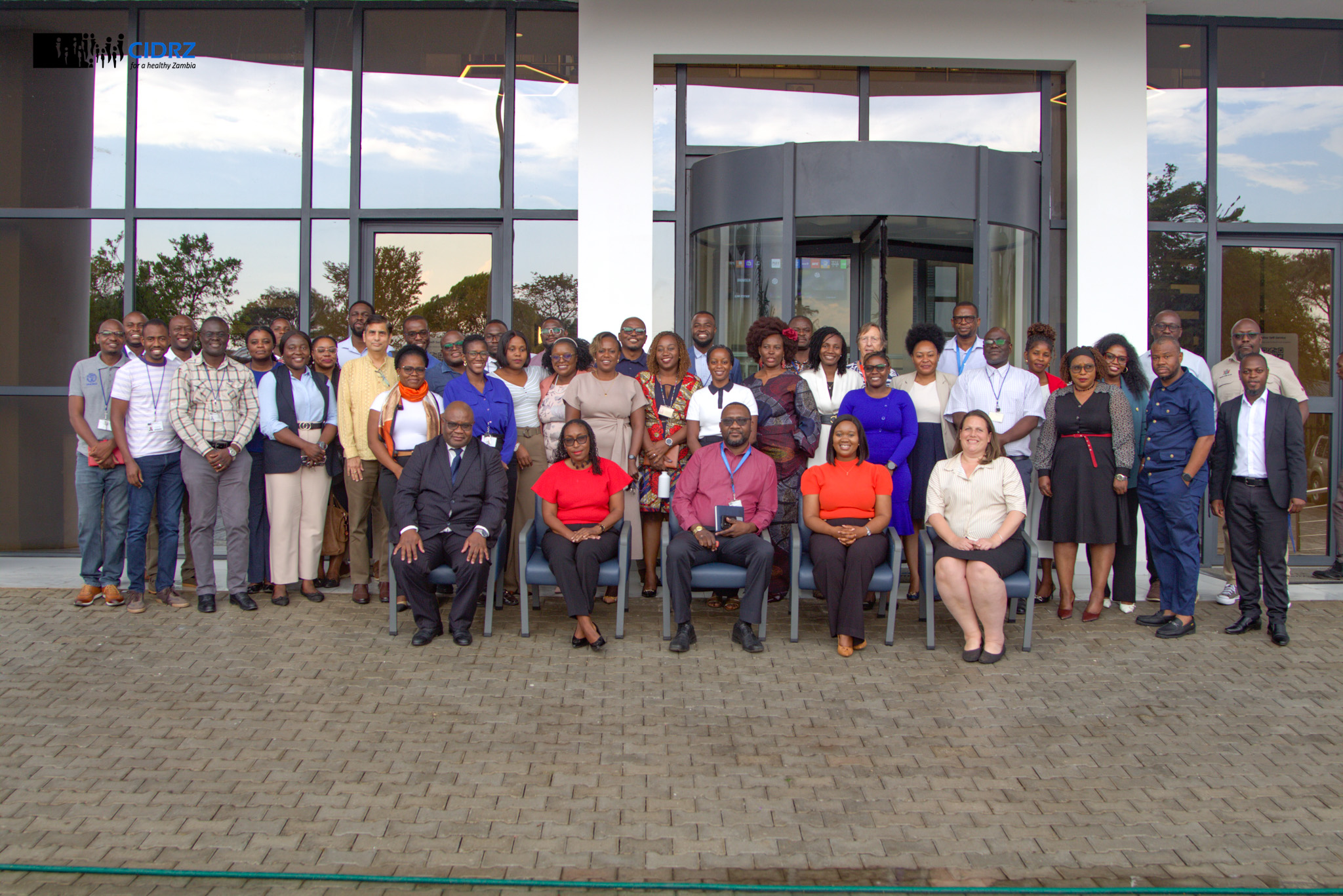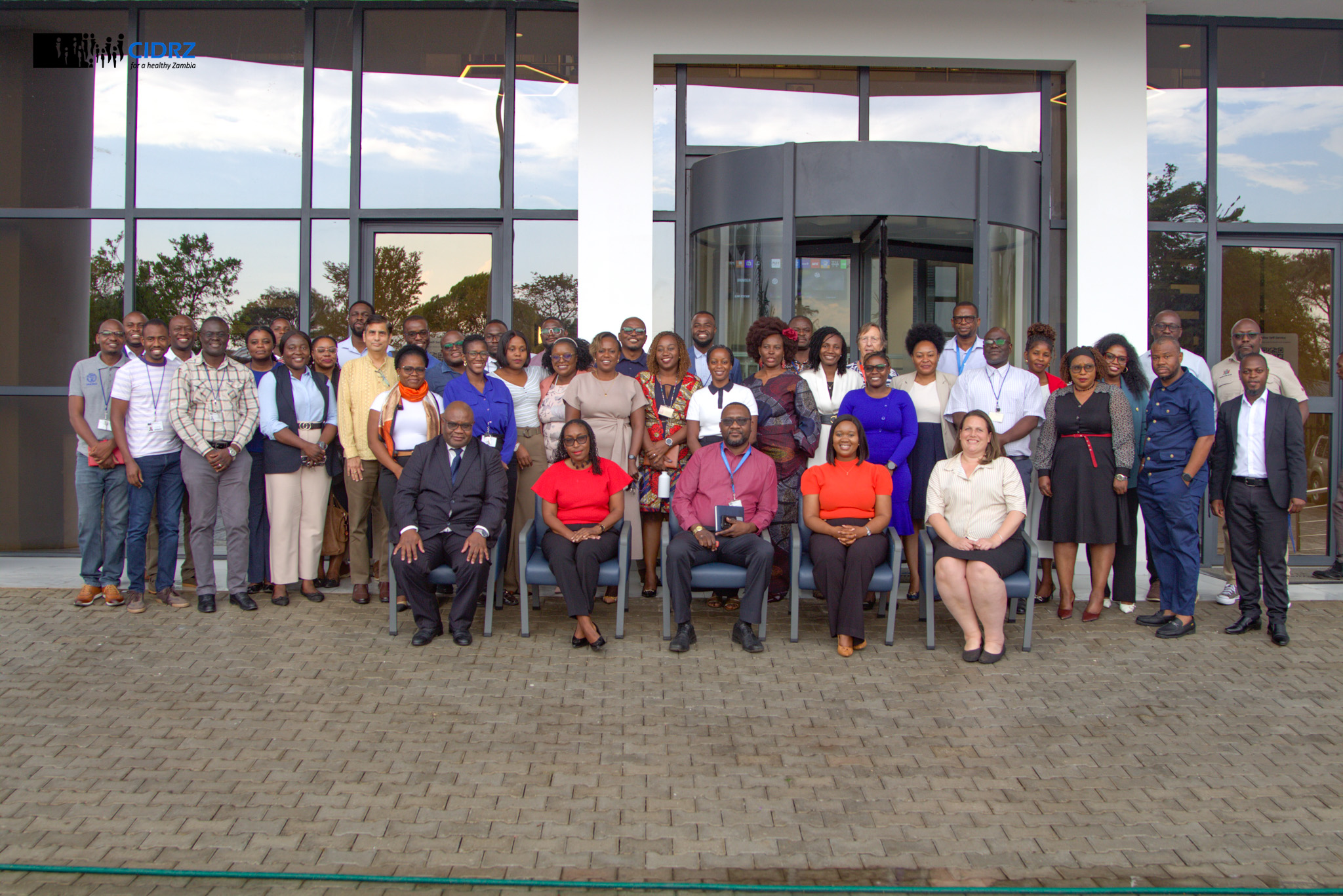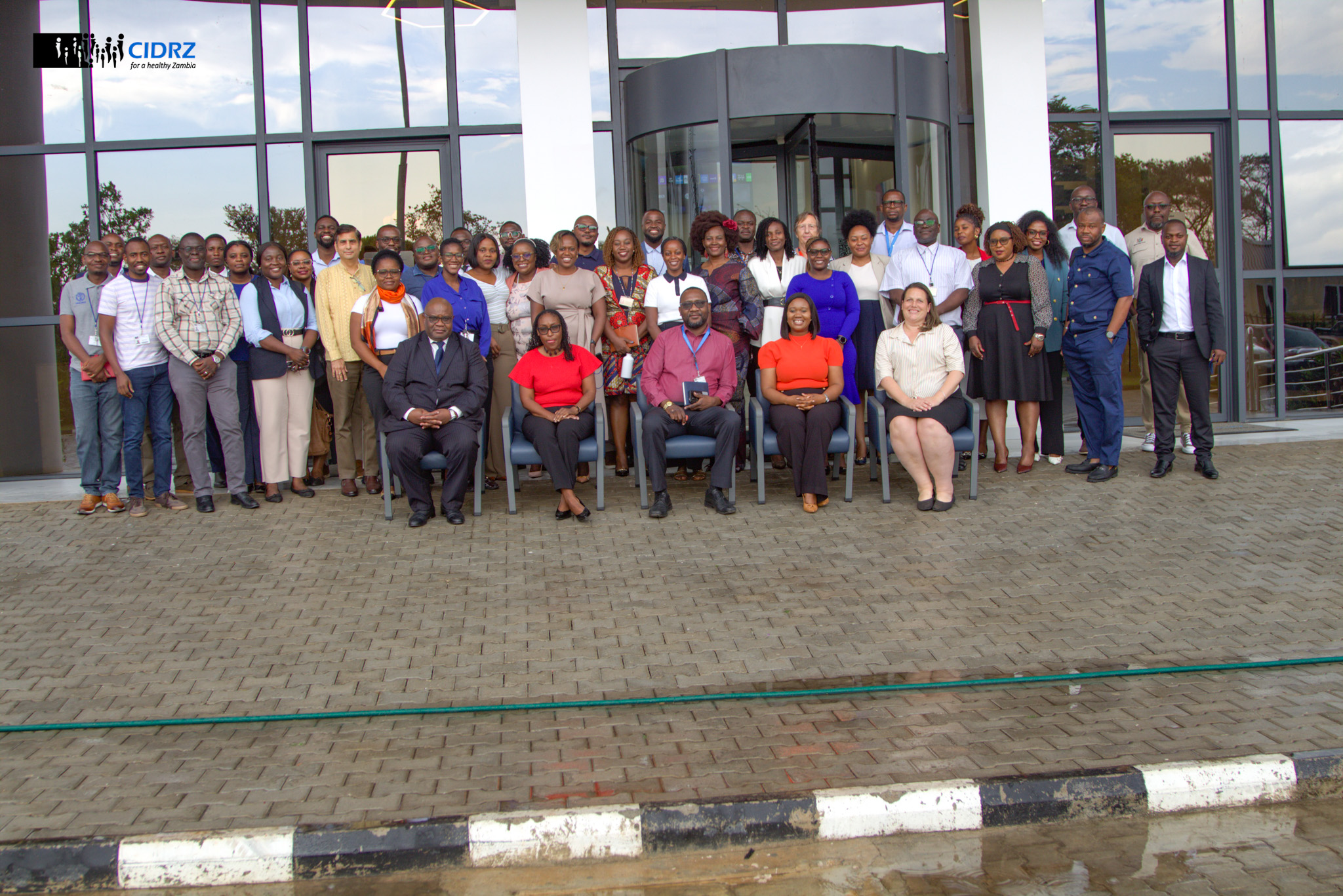
CIDRZ Unveils New Five-Year Organisational Strategy to Staff.

Bringing Advanced HIV Disease Care Closer to Patients in Western Province
October 8, 2026
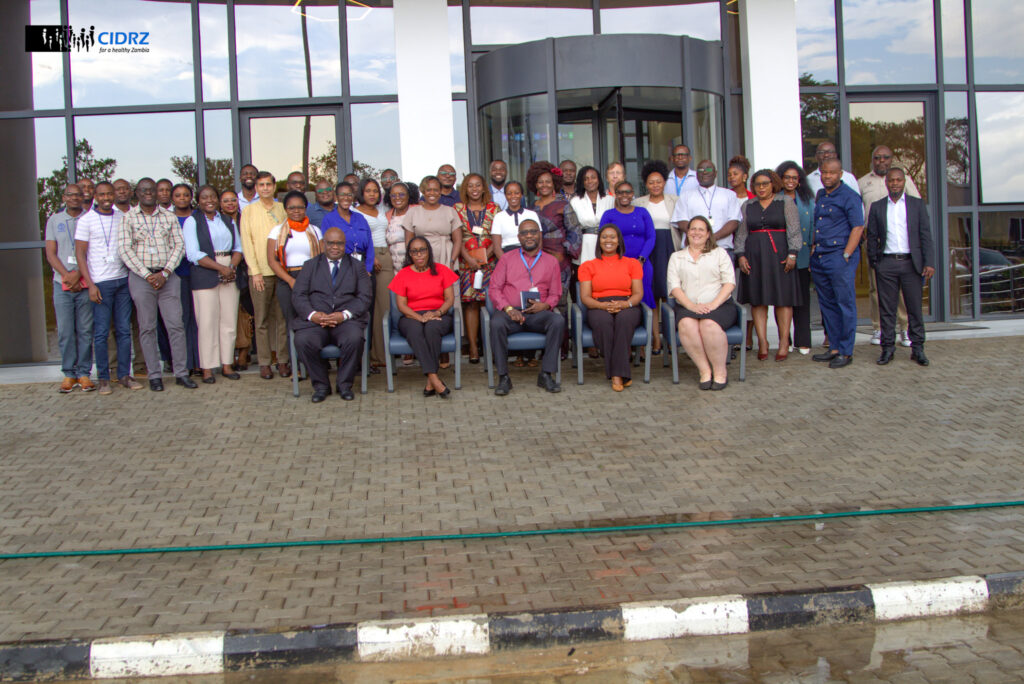
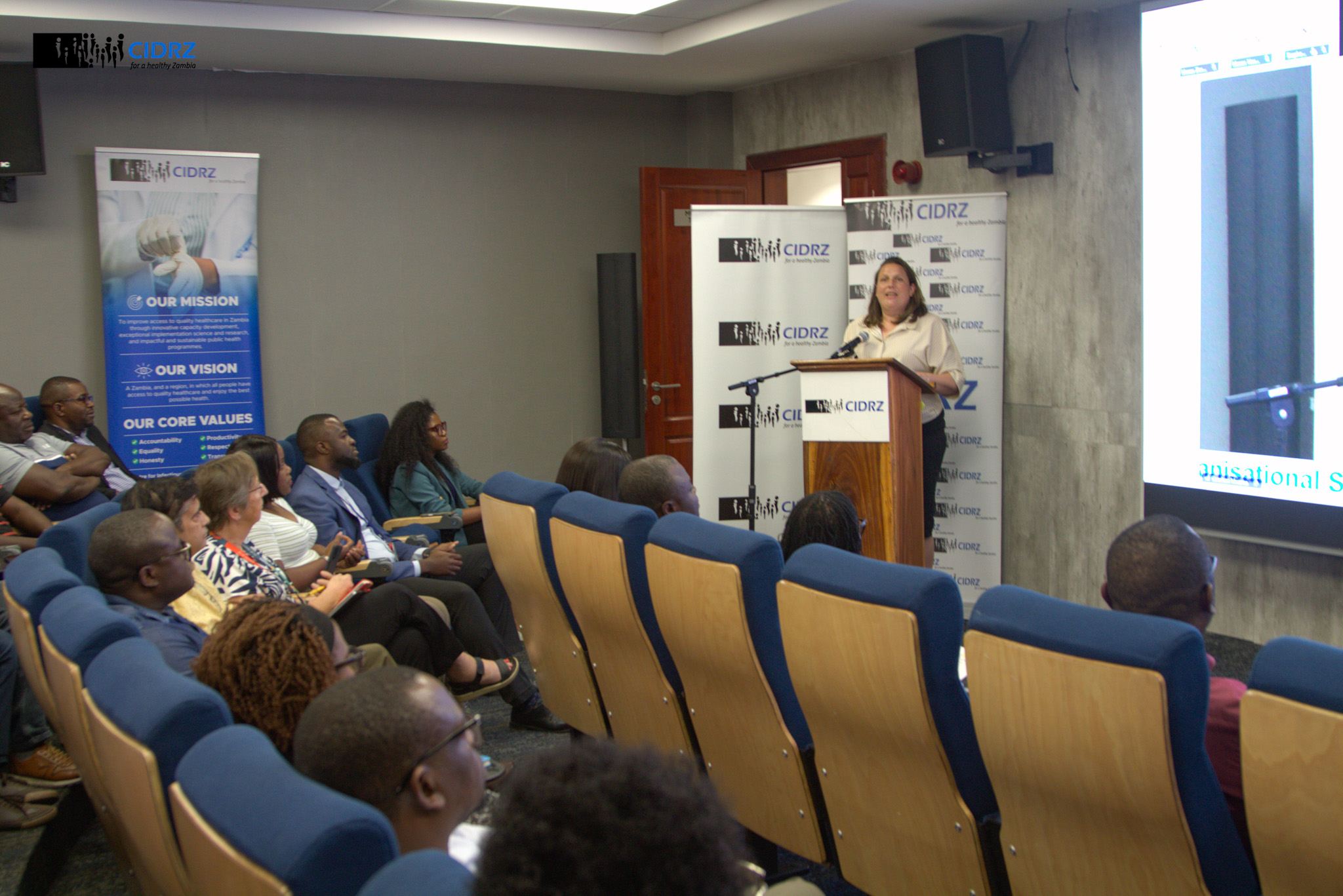
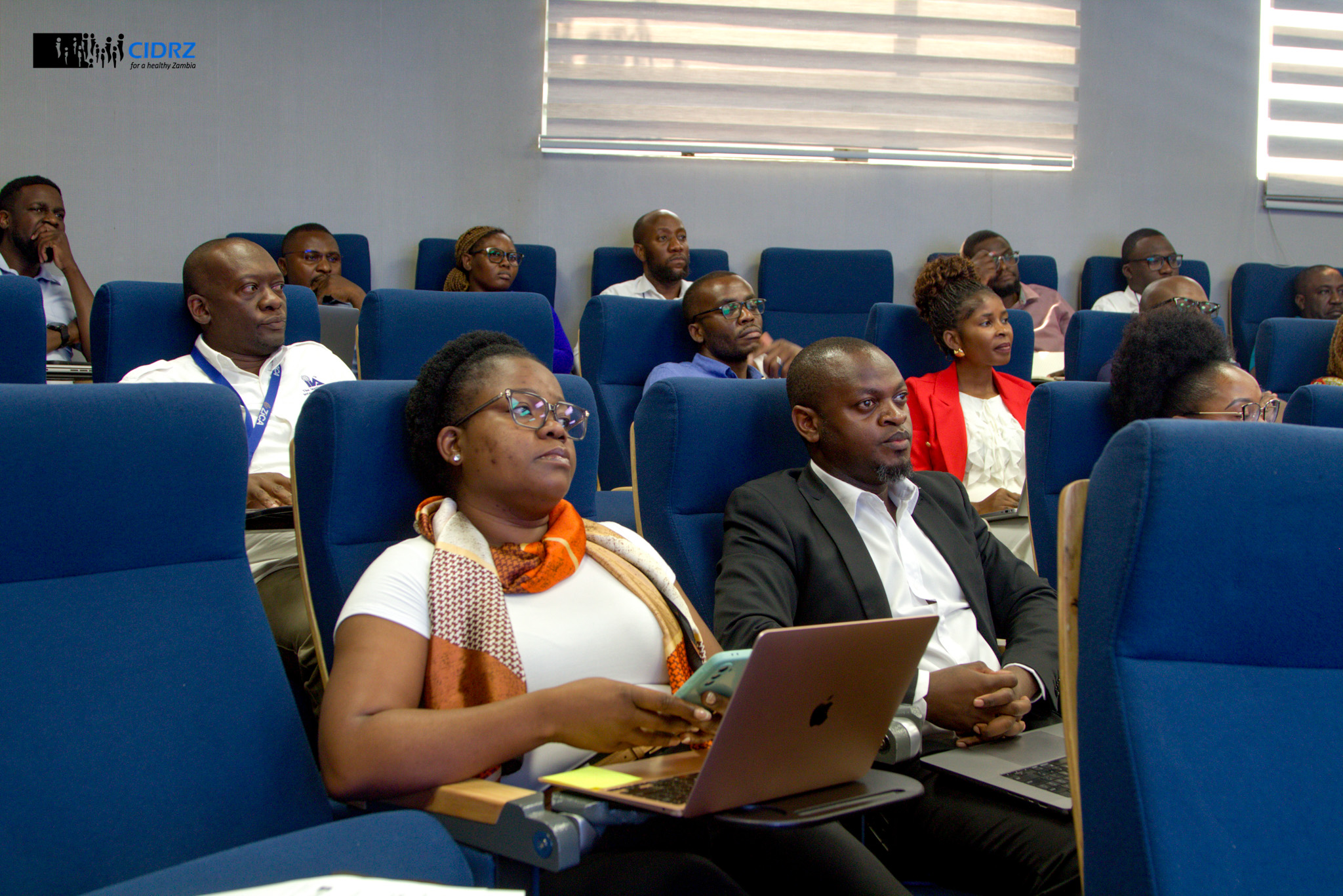
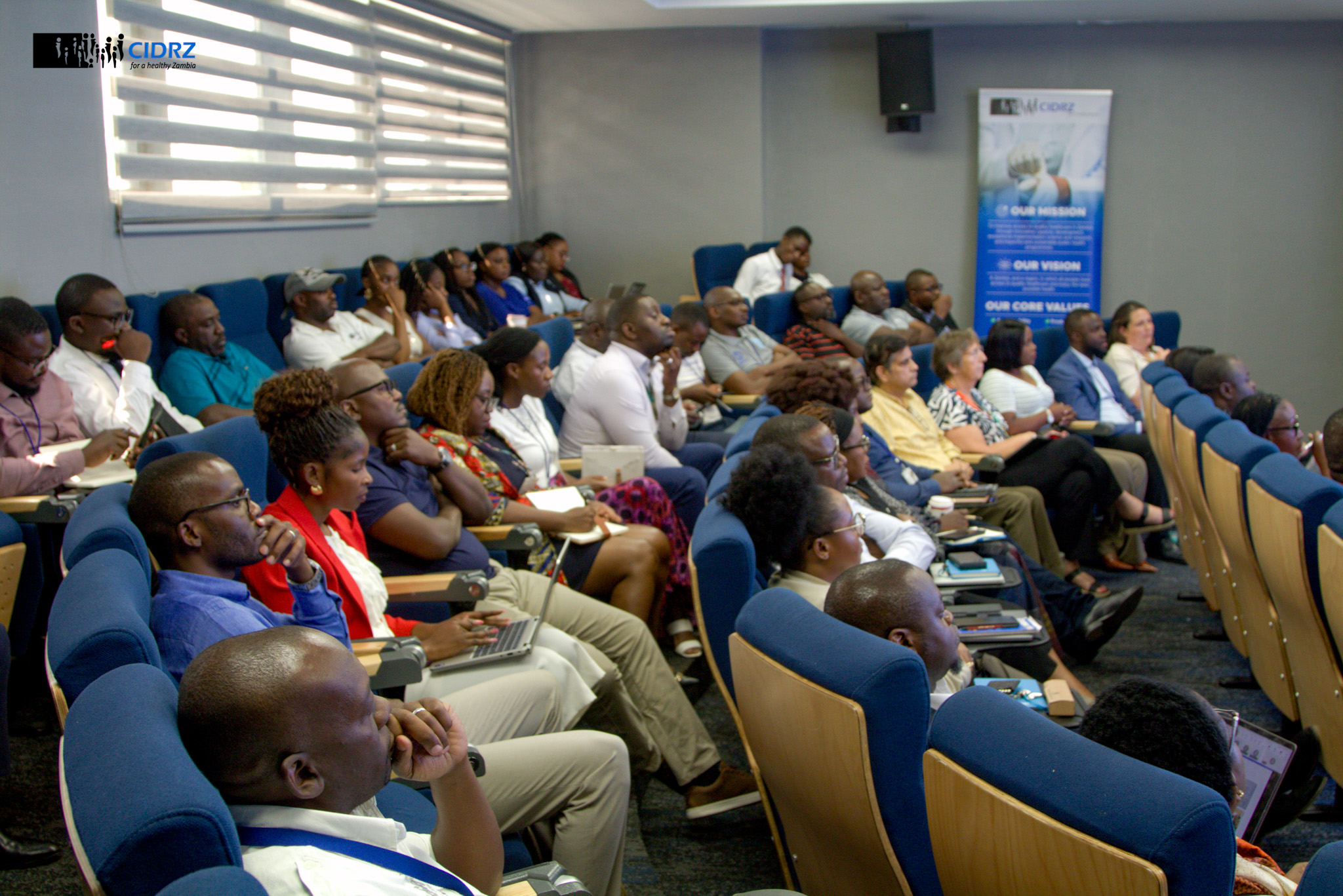
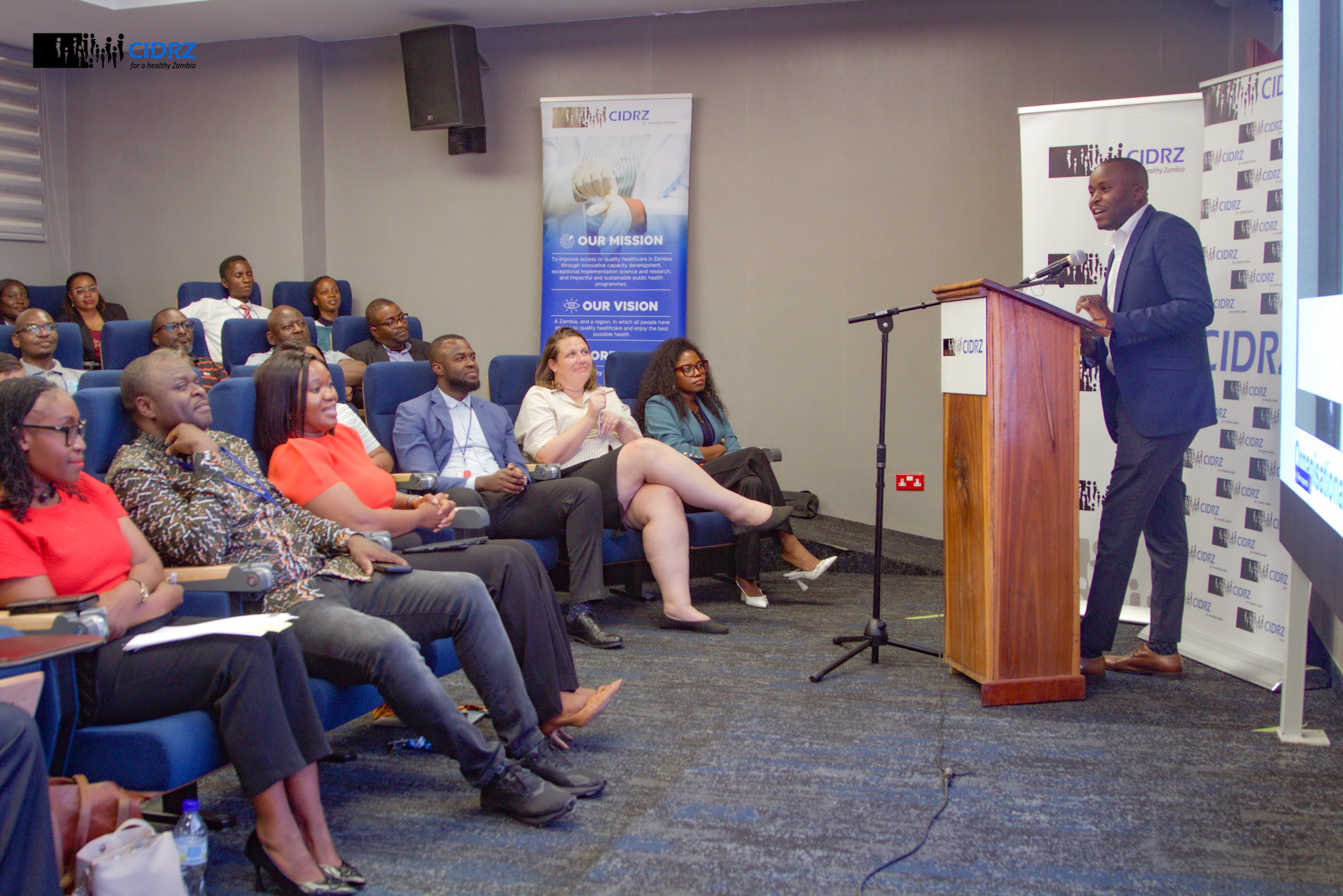
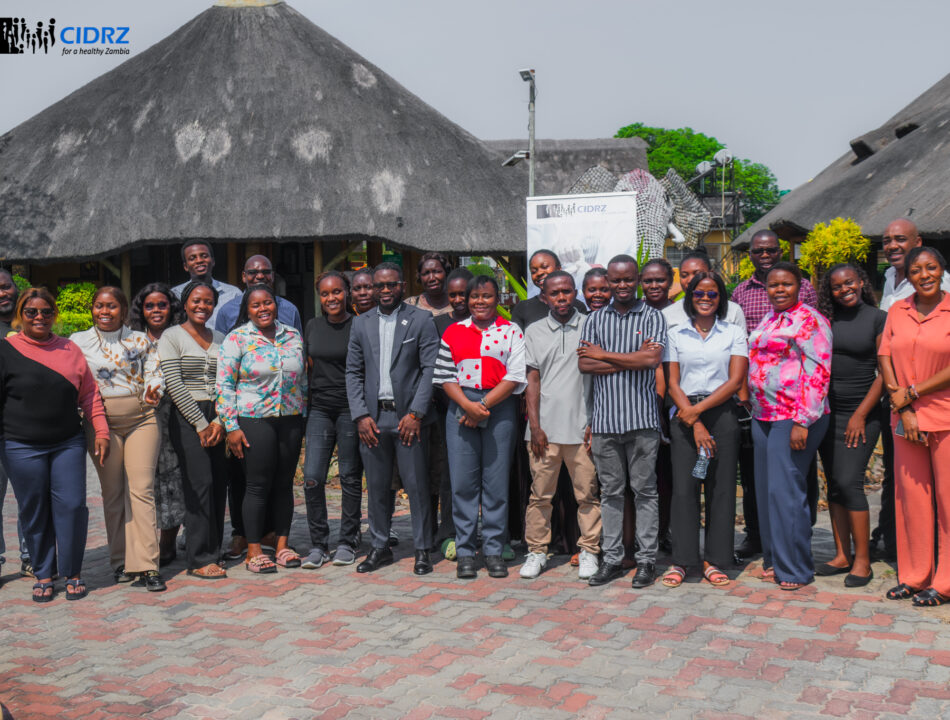
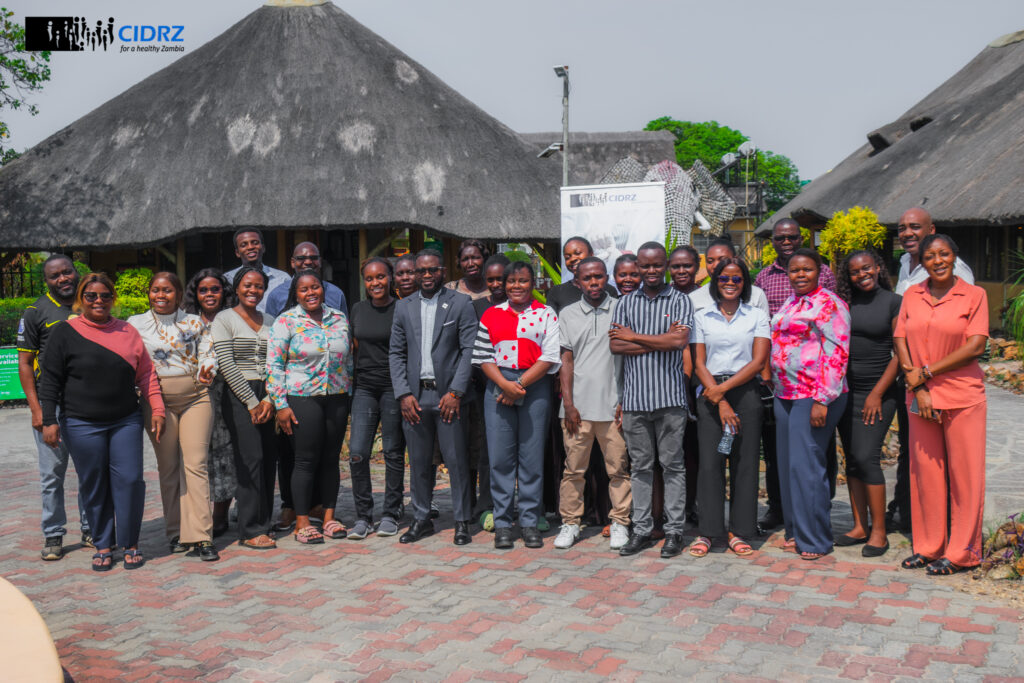
The Centre for Infectious Disease Research in Zambia (CIDRZ) has unveiled a new five-year Organisational Strategy to staff, aimed at strengthening its support for better health services in Zambia and the region by investing in its people, expanding its research and innovation, and building sustainable revenue.
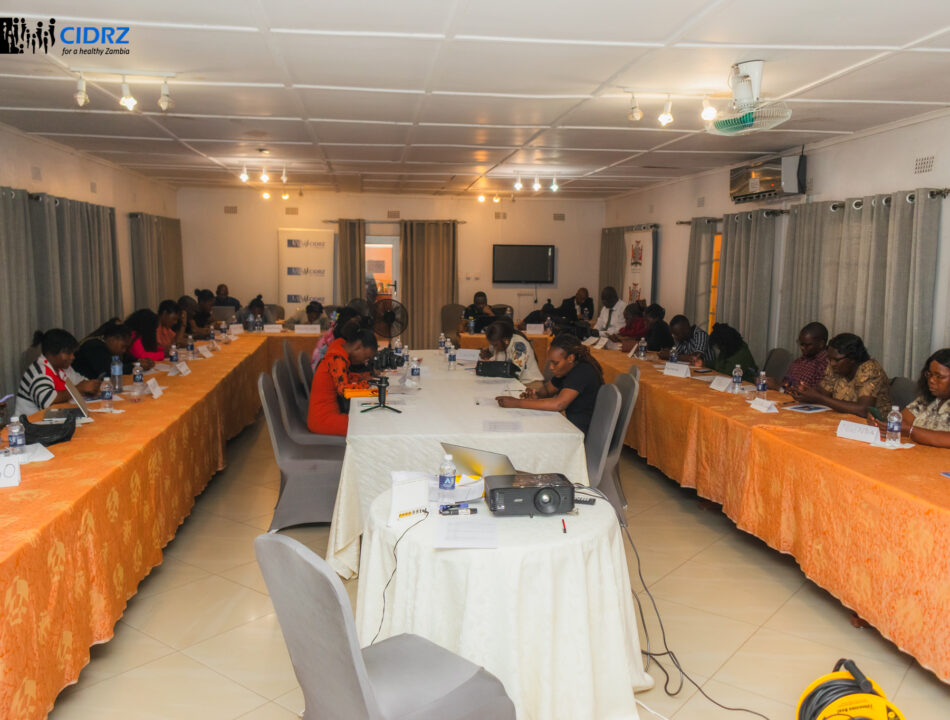
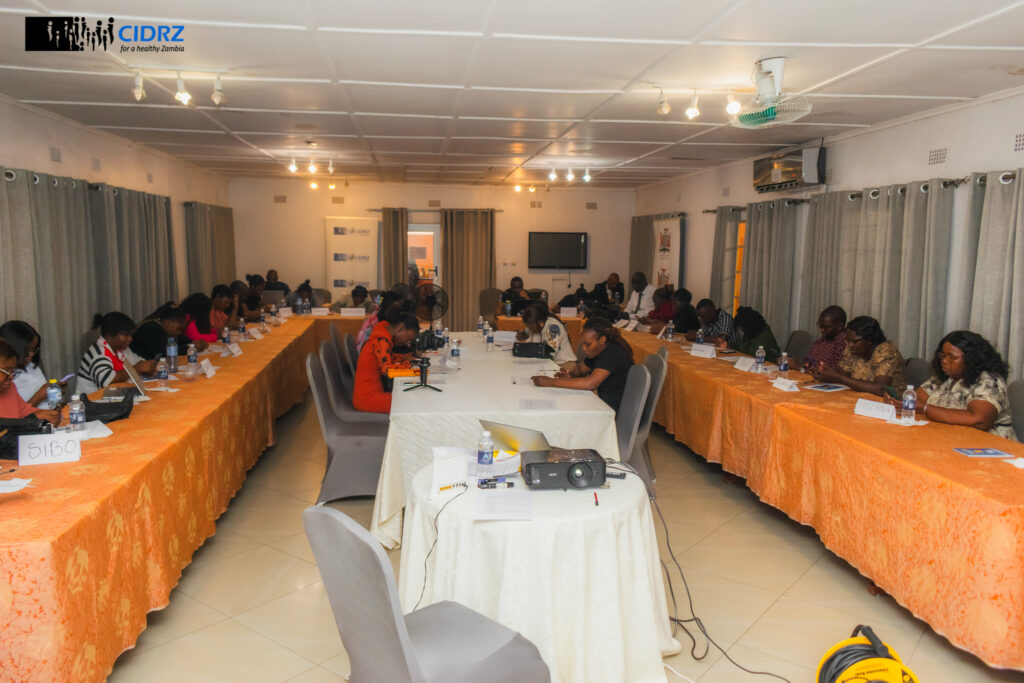
The FY2027–FY2032 strategy, presented at an internal event, builds on more than 25 years of research, innovation and public health impact. It will be reviewed every two and a half years to ensure it remains relevant and responsive to changing health and funding needs.
The strategy is structured around three themes. People First will strengthen CIDRZ’s talent base through capacity building, a robust talent pipeline and recruitment for critical and emerging roles, supporting careers beyond individual grants. Cutting-Edge Solutions will build on CIDRZ’s research record while expanding basic science research and exploring new approaches to improving health outcomes. Thriving Revenue will focus on securing and diversifying funding to sustain and grow the organisation’s work.
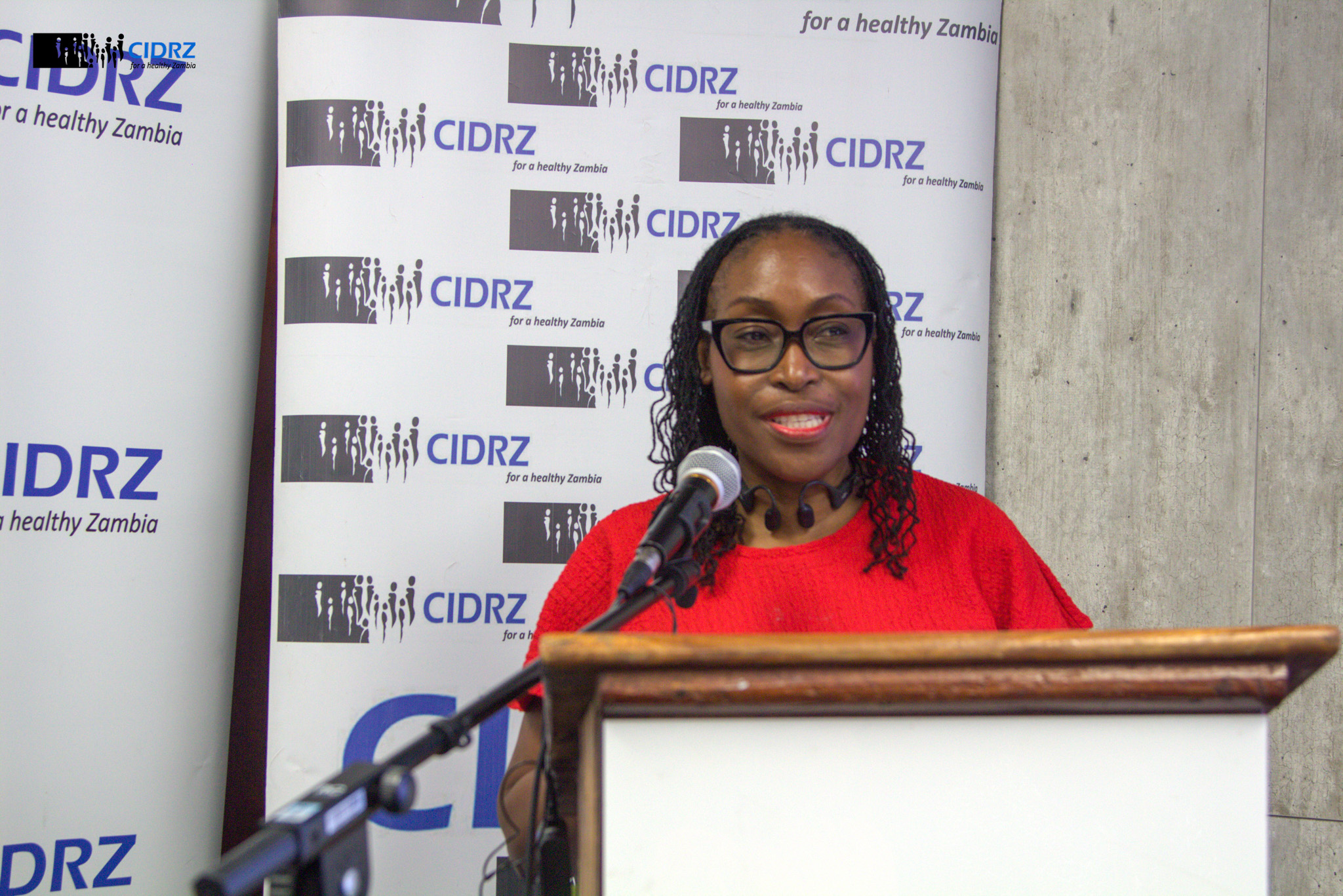
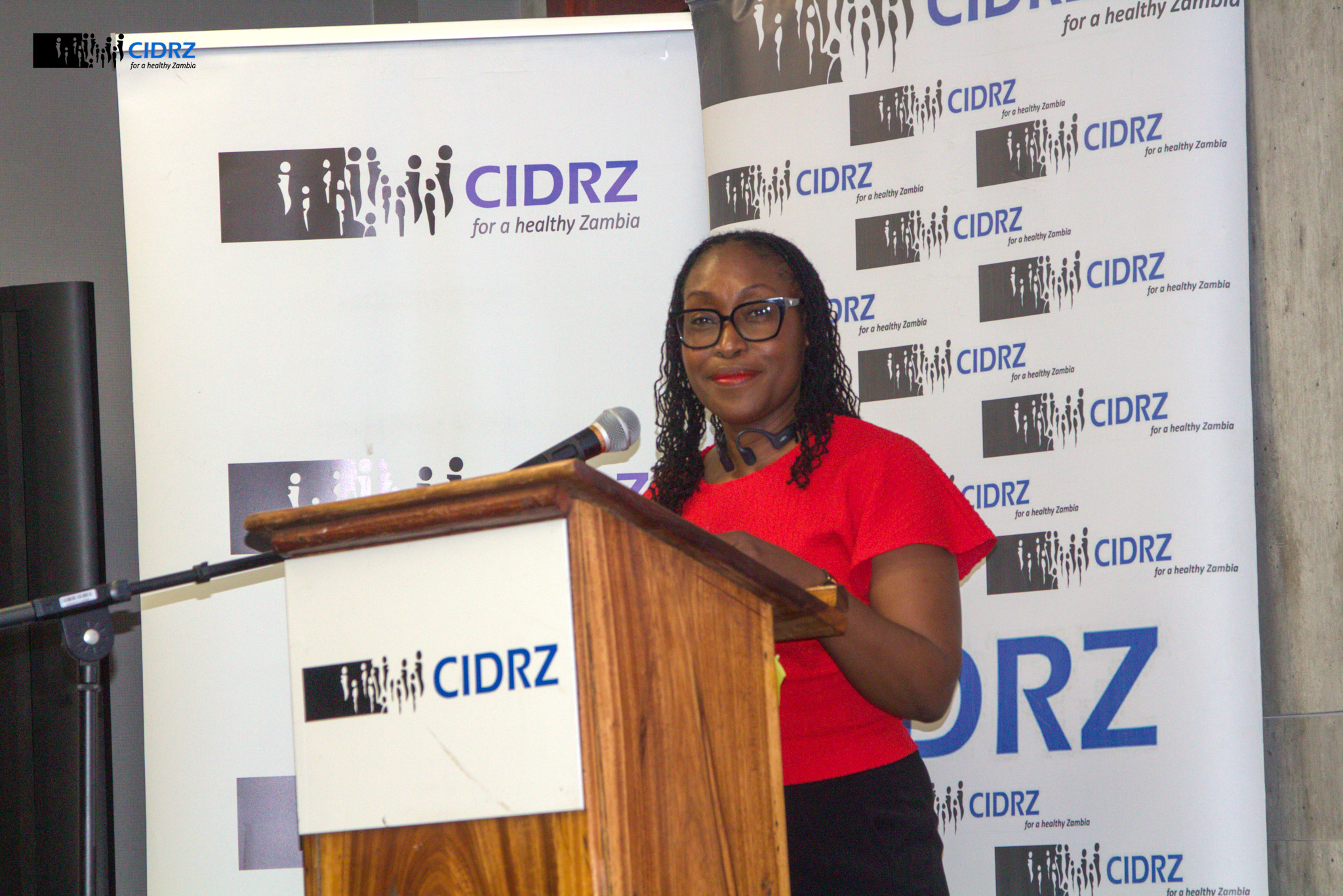
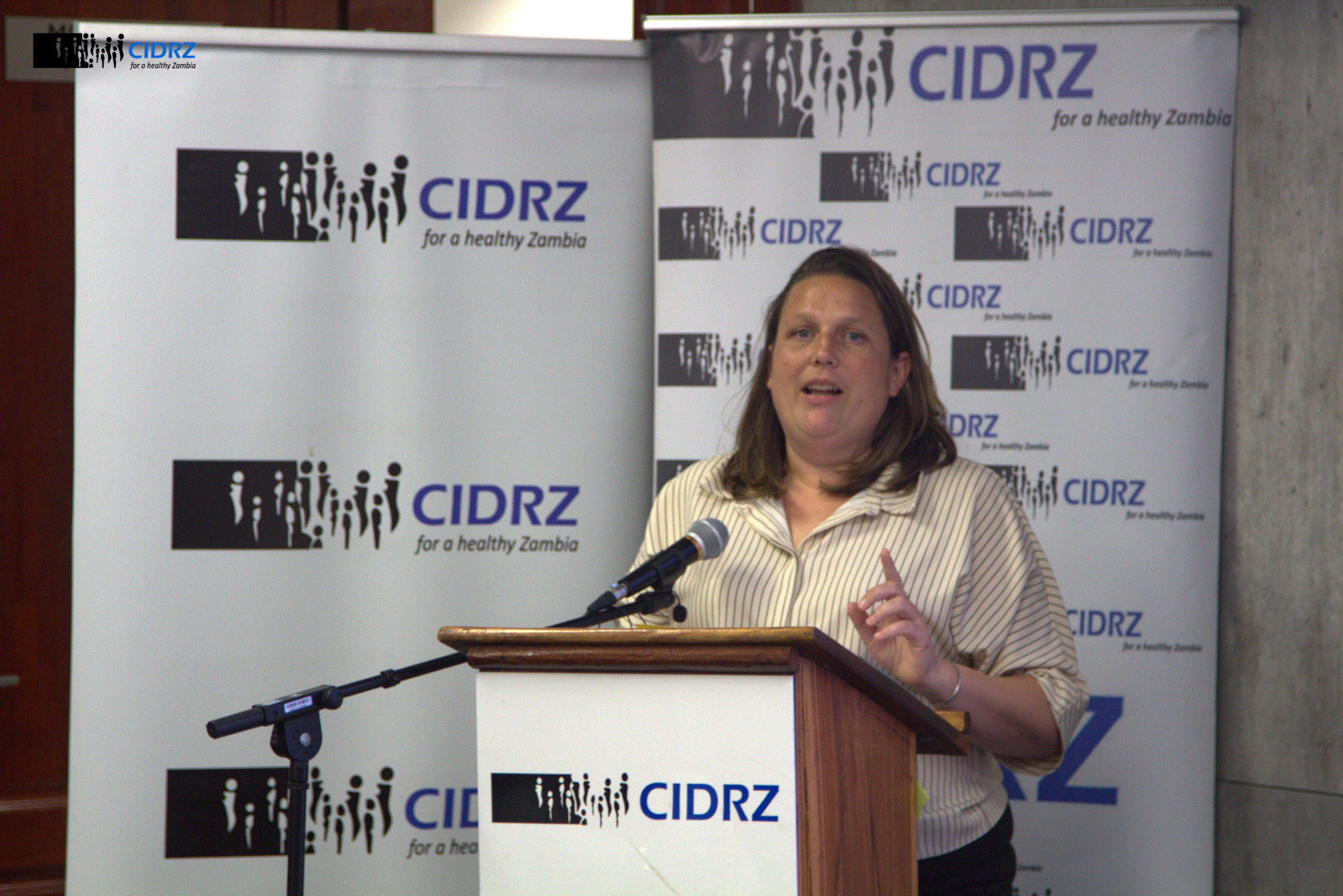
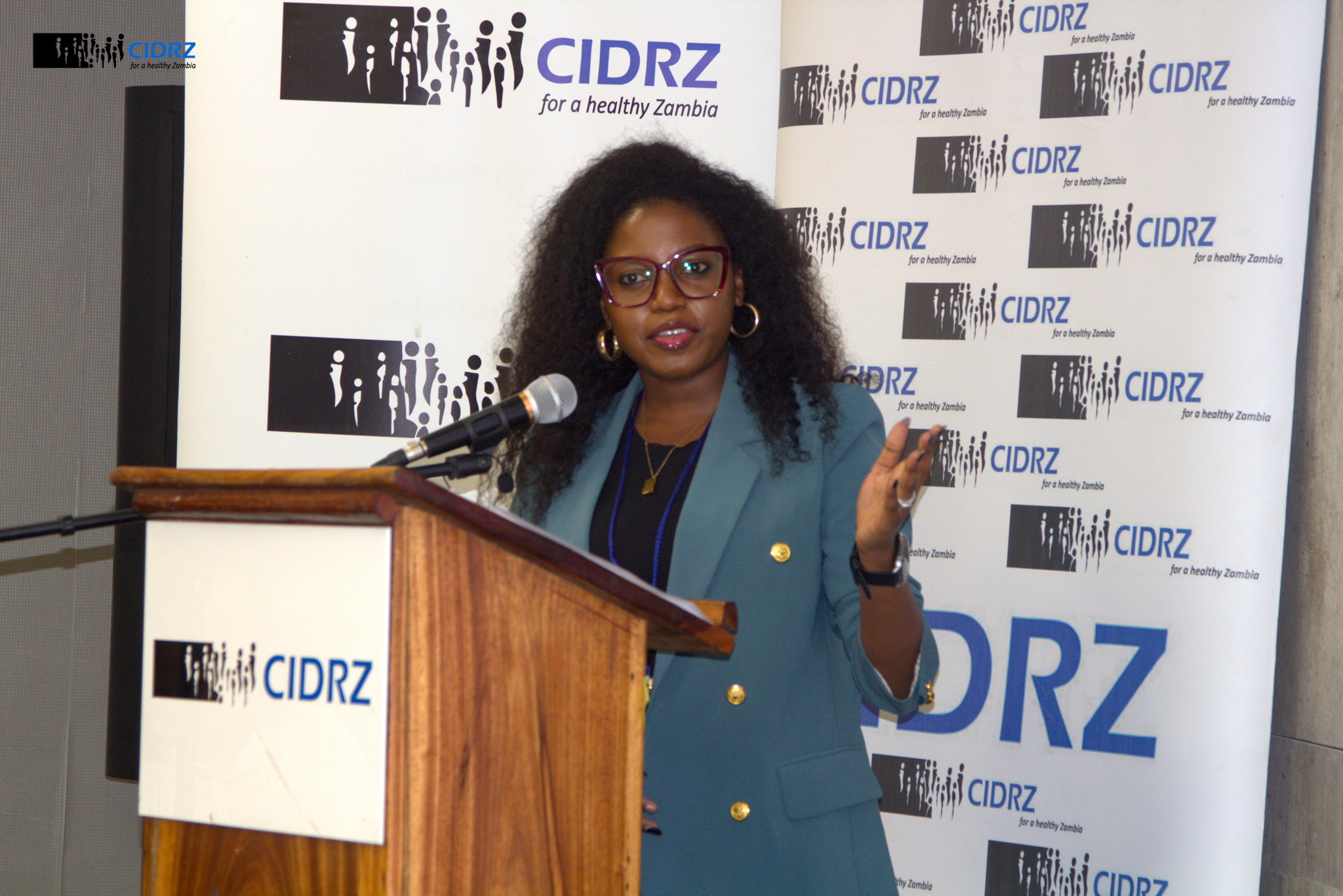
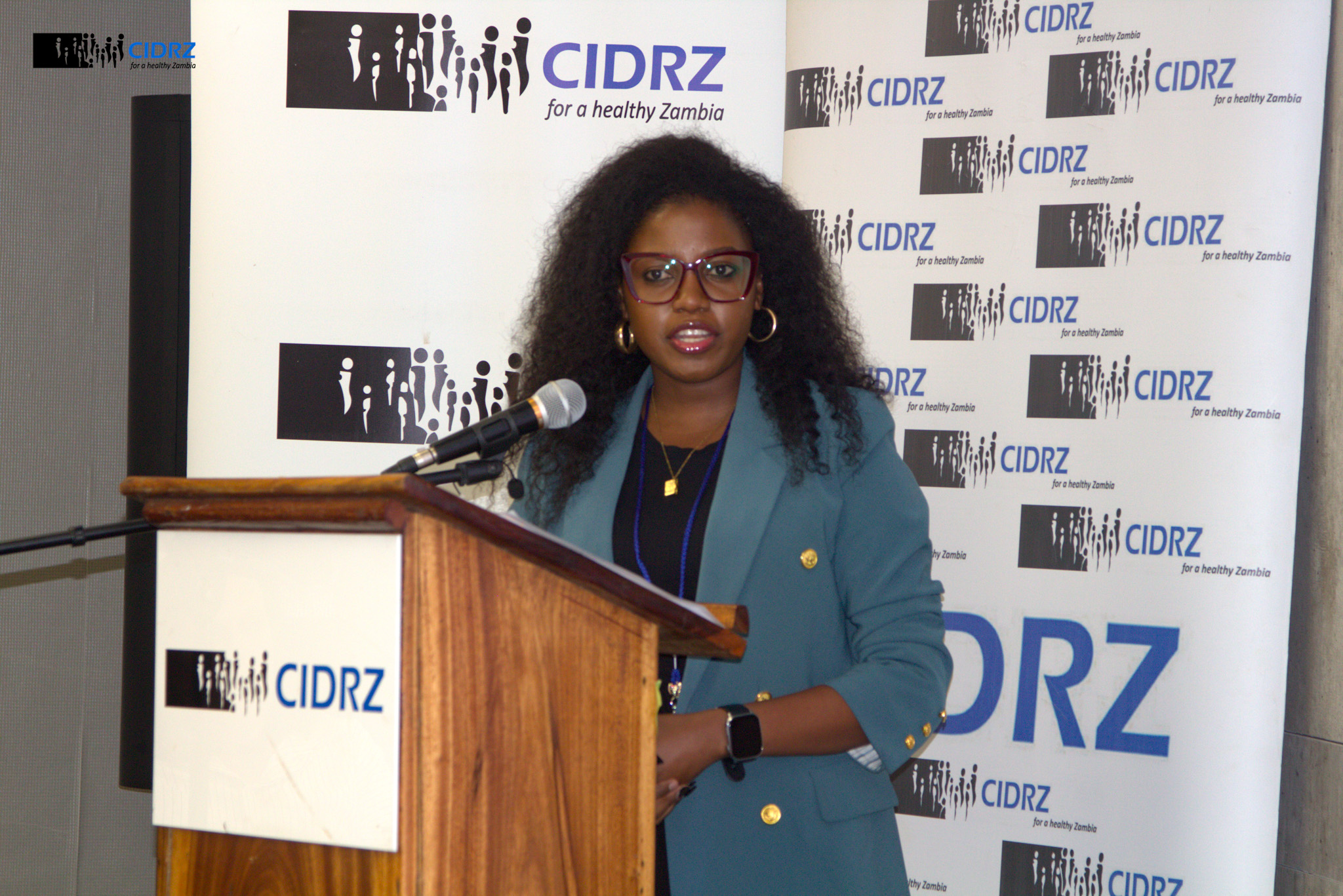
CIDRZ Chief Scientific Officer Dr Monde Muyoyeta said the organisation’s scientific record, particularly in Zambia’s HIV and tuberculosis (TB) response, places it in a strong position to continue supporting national health priorities. She cited CIDRZ’s role in establishing prison-based HIV and TB entry screening, now standard practice across Zambia, and its contribution to vaccine preparedness through Phase II and III clinical trials that inform national and global vaccine policy.
Dr Muyoyeta also highlighted CIDRZ research showing that essential newborn care reduces neonatal mortality, describing it as a low-cost intervention with significant potential to save lives. She said CIDRZ is now building its basic science research capacity to create opportunities for new advances in discovery medicine.
“We should all be proud of our record and impact in Zambia and beyond,” she said.
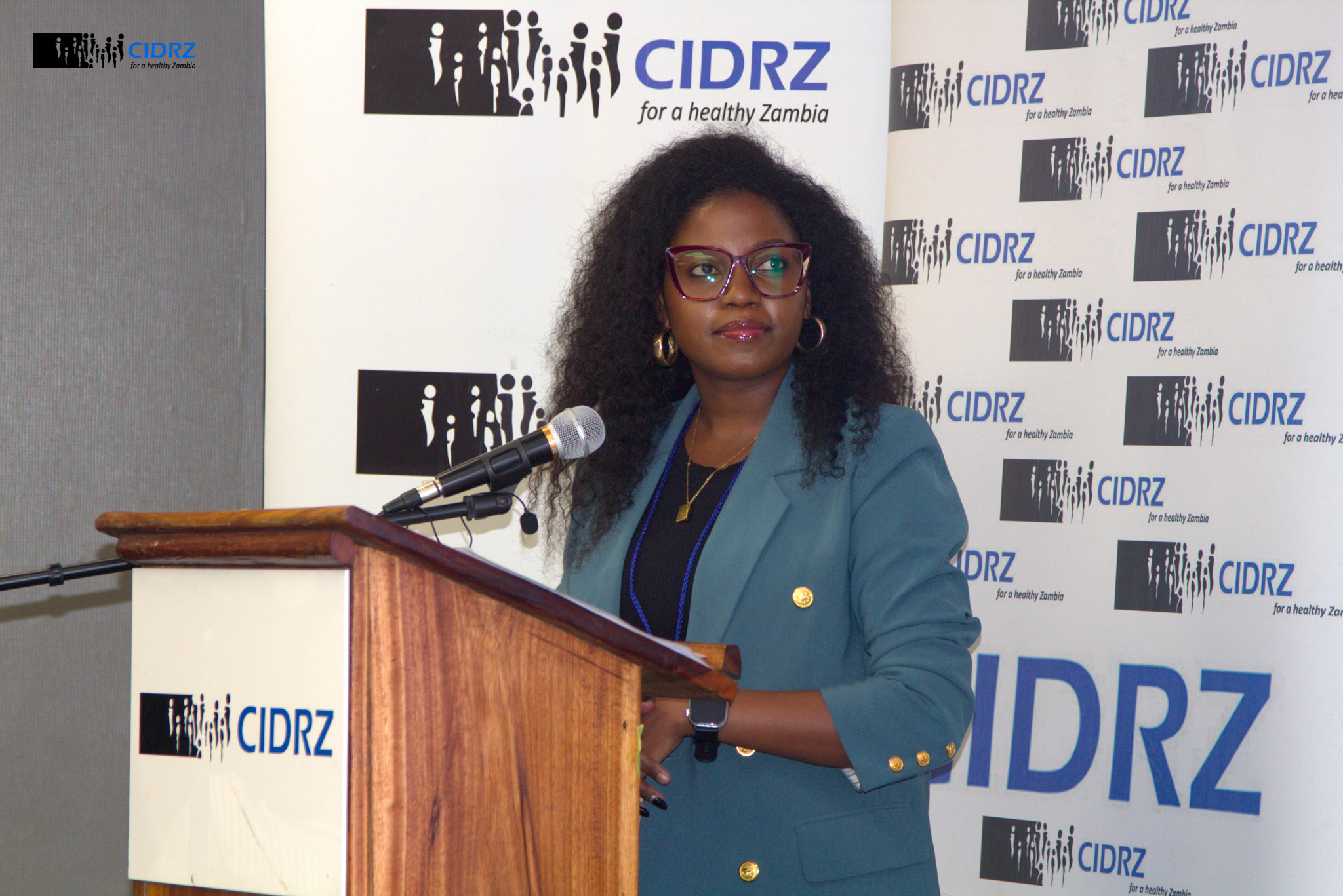
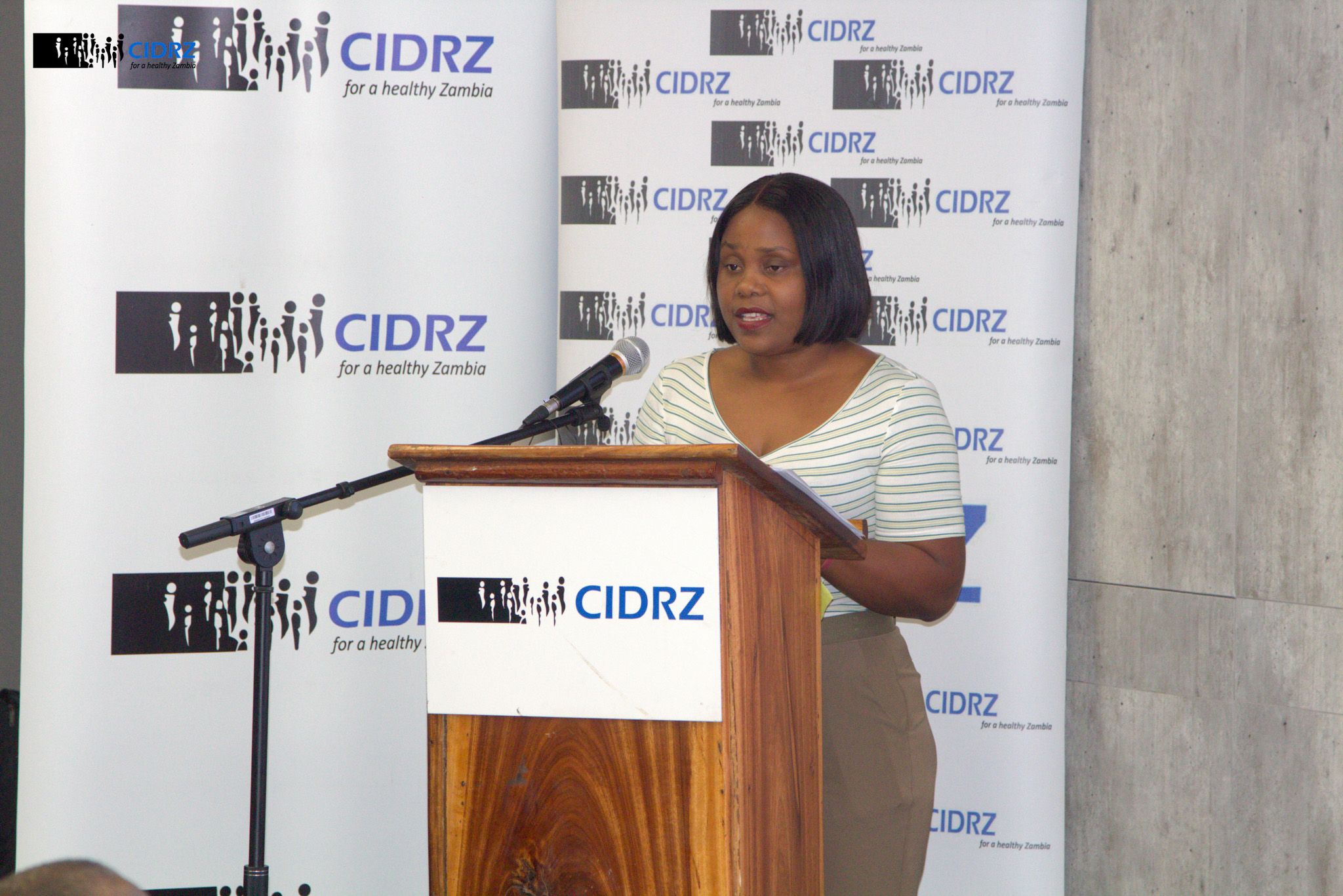
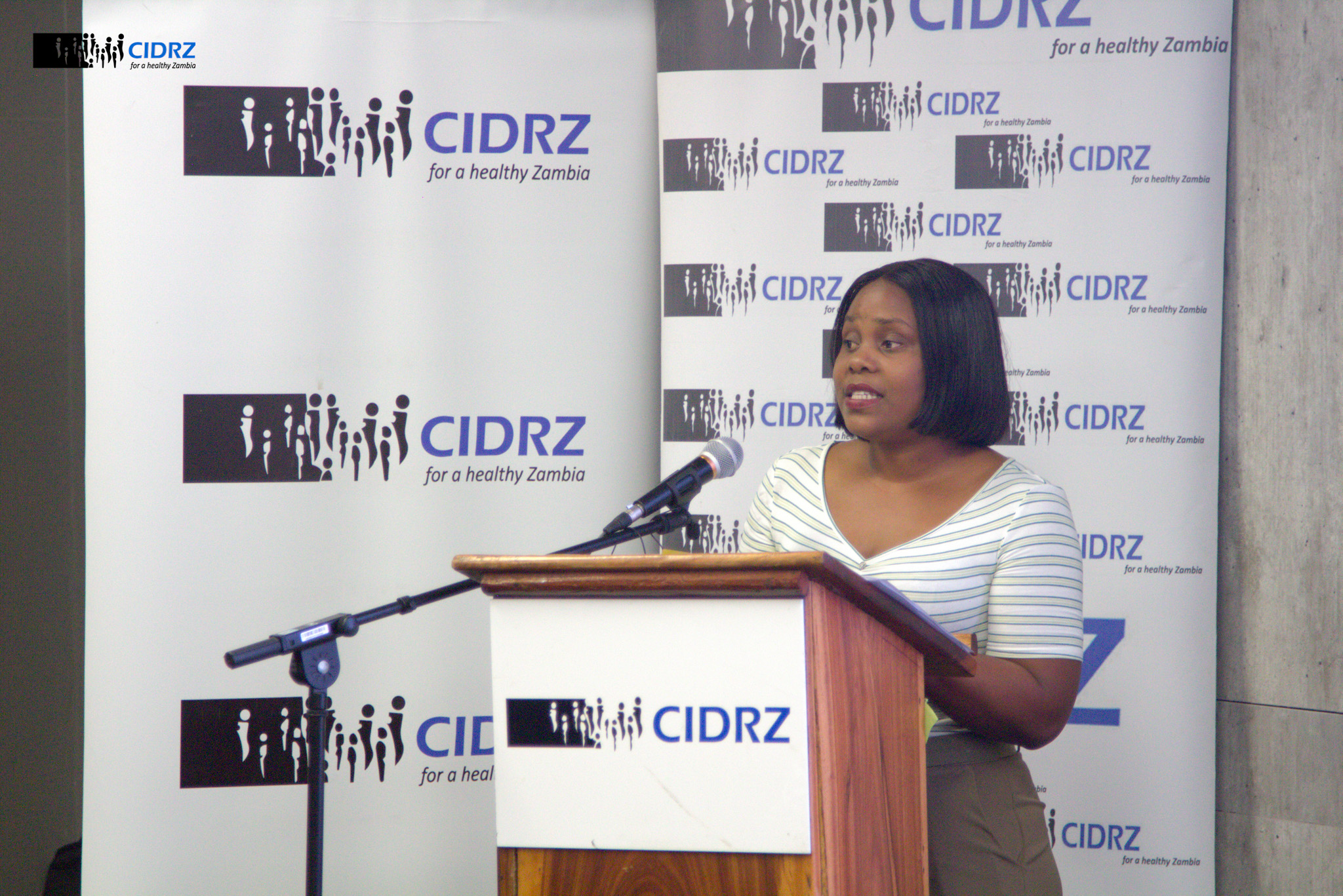
Director of Human Resource Ms Mwansa Lombe explained that the strategy builds on the previous plan rather than starting anew, and introduces a more focused set of key performance indicators (KPIs) to simplify progress tracking and align institutional priorities with individual performance.
“Fewer, sharper measures mean this strategy will be far easier to cascade through the organisation, and far easier for all of us to track and report on as we go,” Ms Lombe said.
She said staff will now have clearer individual objectives showing how their work supports CIDRZ’s broader goals.
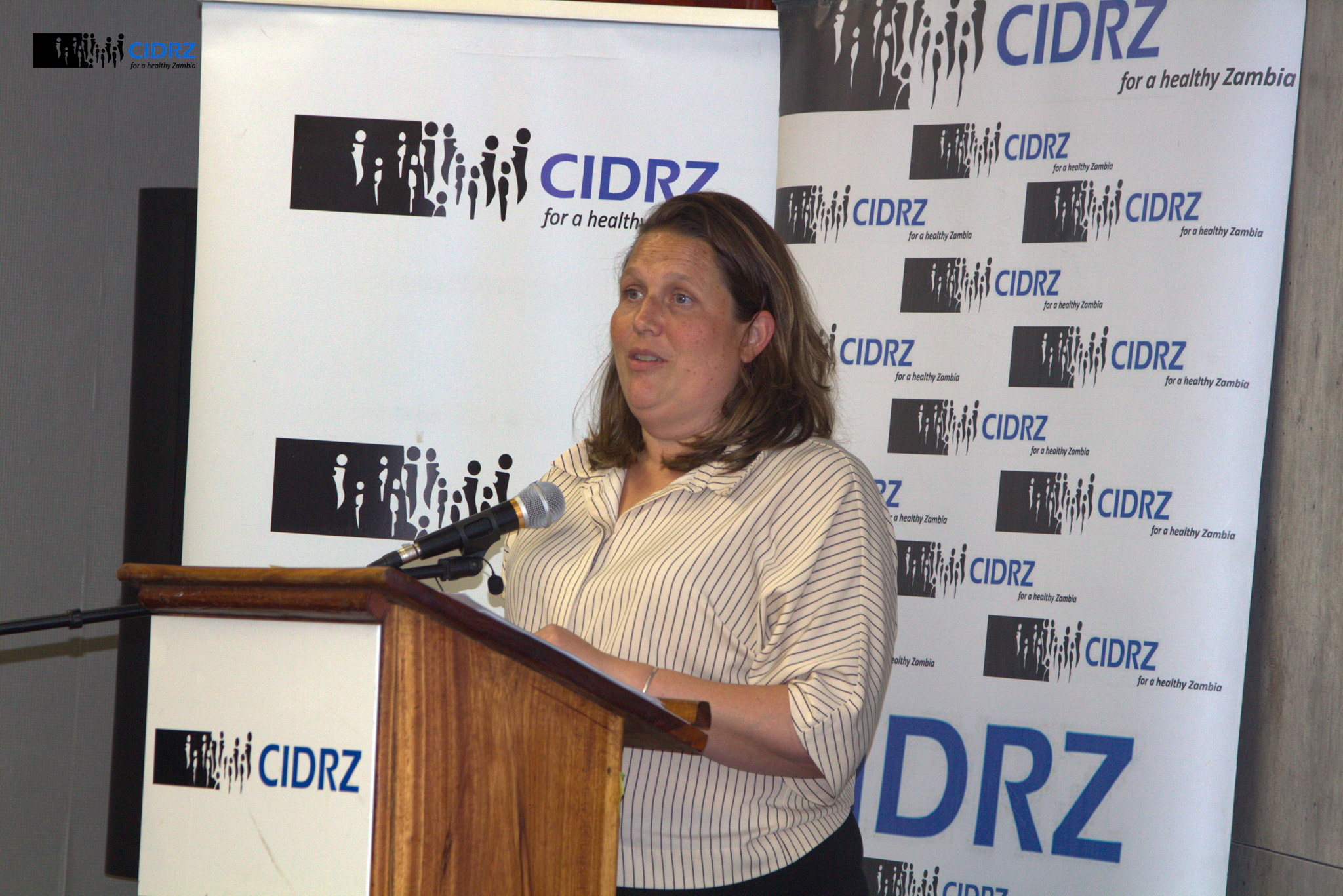
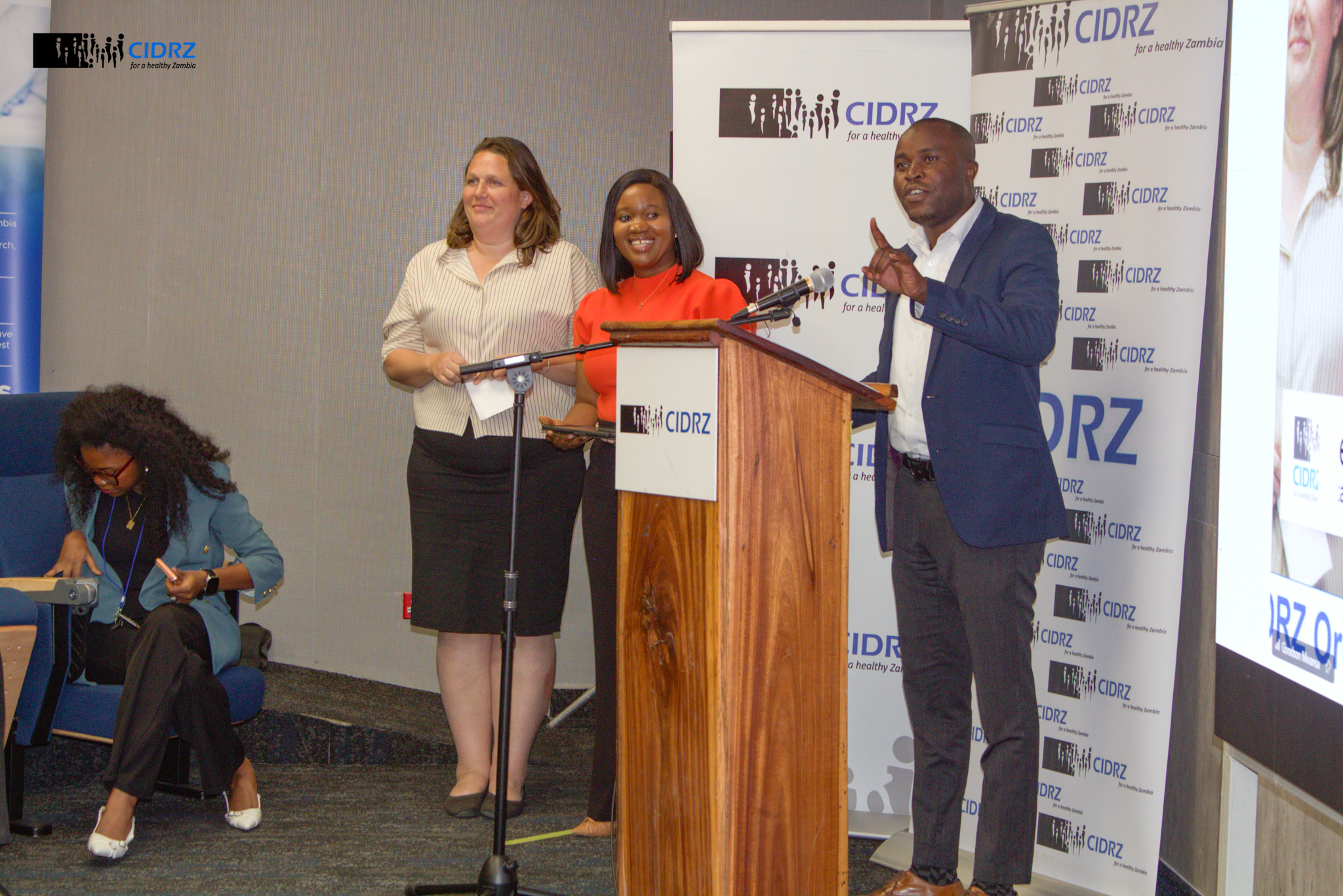
Director of Business Strategy and Development Ms Jill Morse said an external impact evaluation had found that while CIDRZ’s technical model was strong, its operating model was holding the organisation back. The new strategy is designed to address that gap and strengthen CIDRZ’s capacity to deliver for the health systems and communities it serves.
“The plan you will hear today commits to three things: our people, solutions and revenue,” Ms Morse told staff.
She credited CIDRZ staff at all levels for the organisation’s impact over the past 25 years, saying their work demonstrates the capacity of Zambian scientists, public health professionals and leaders to address complex health challenges.
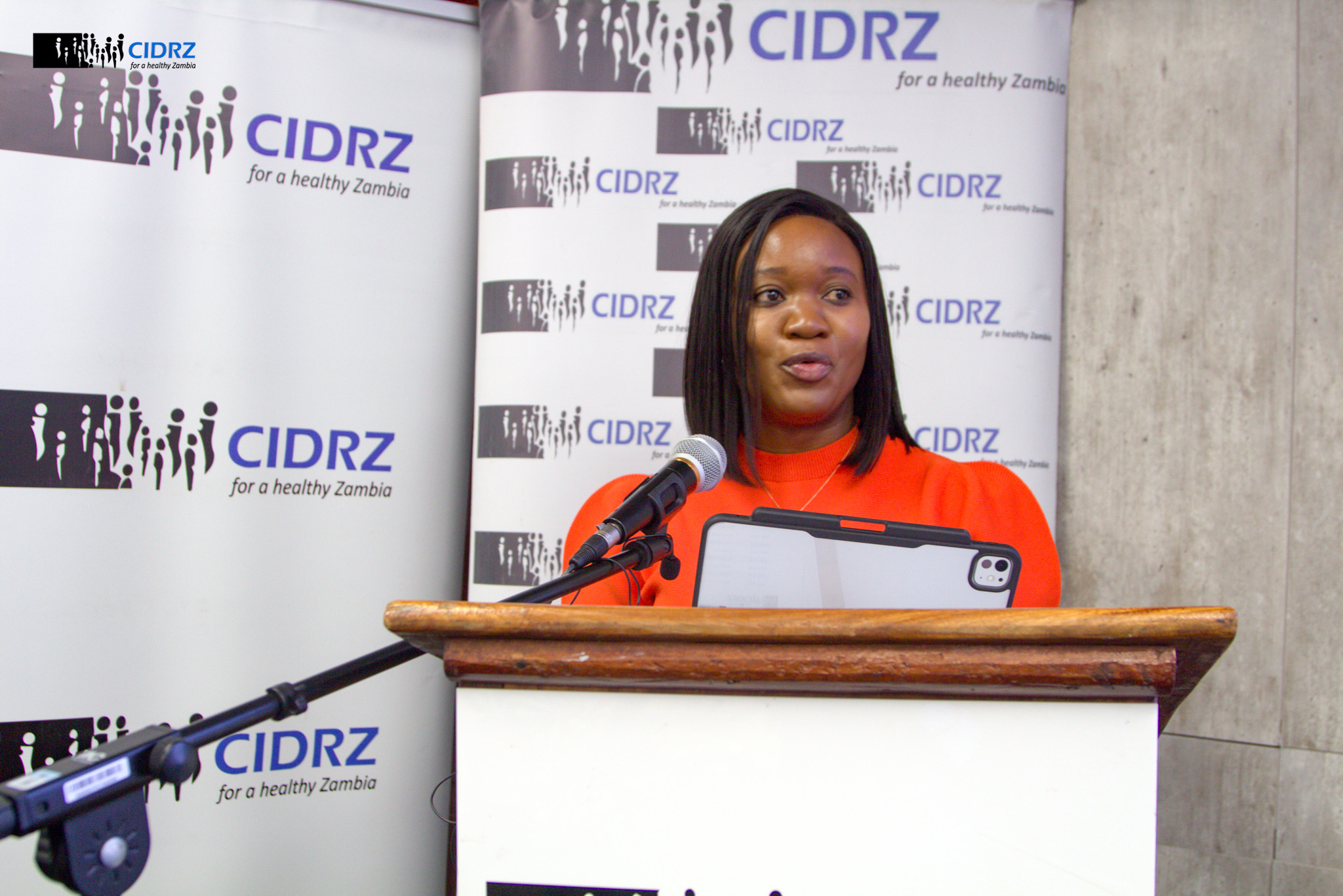
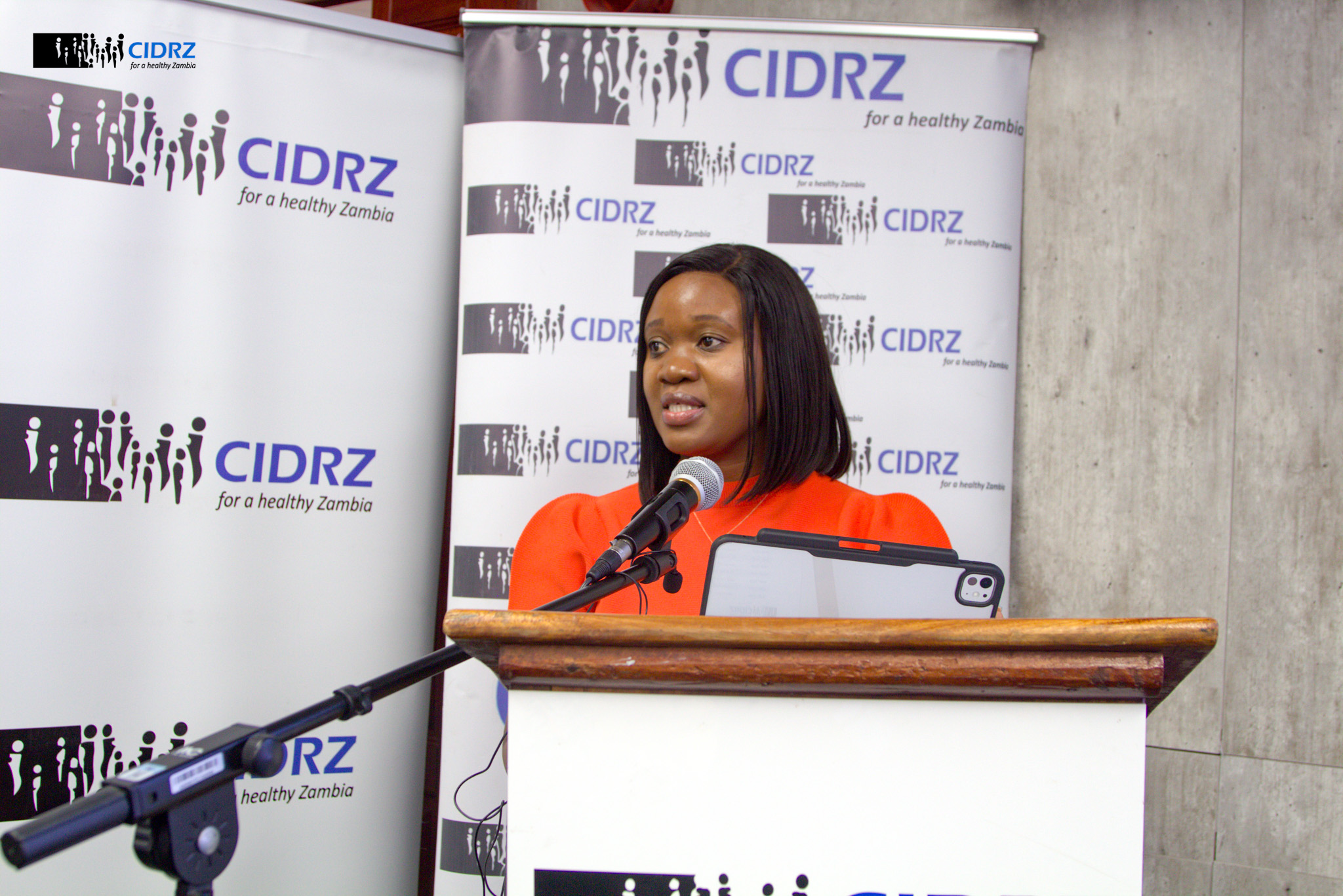
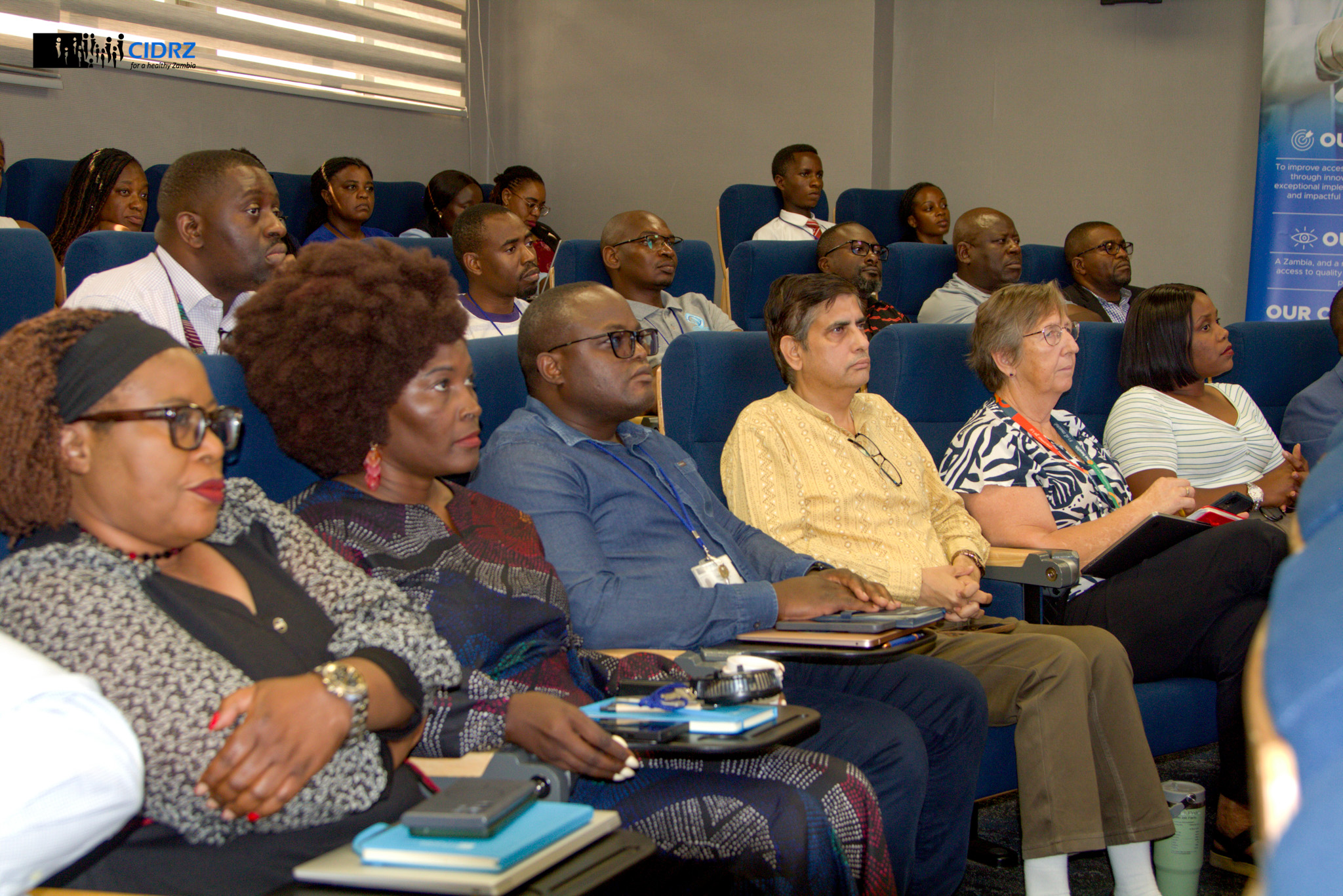
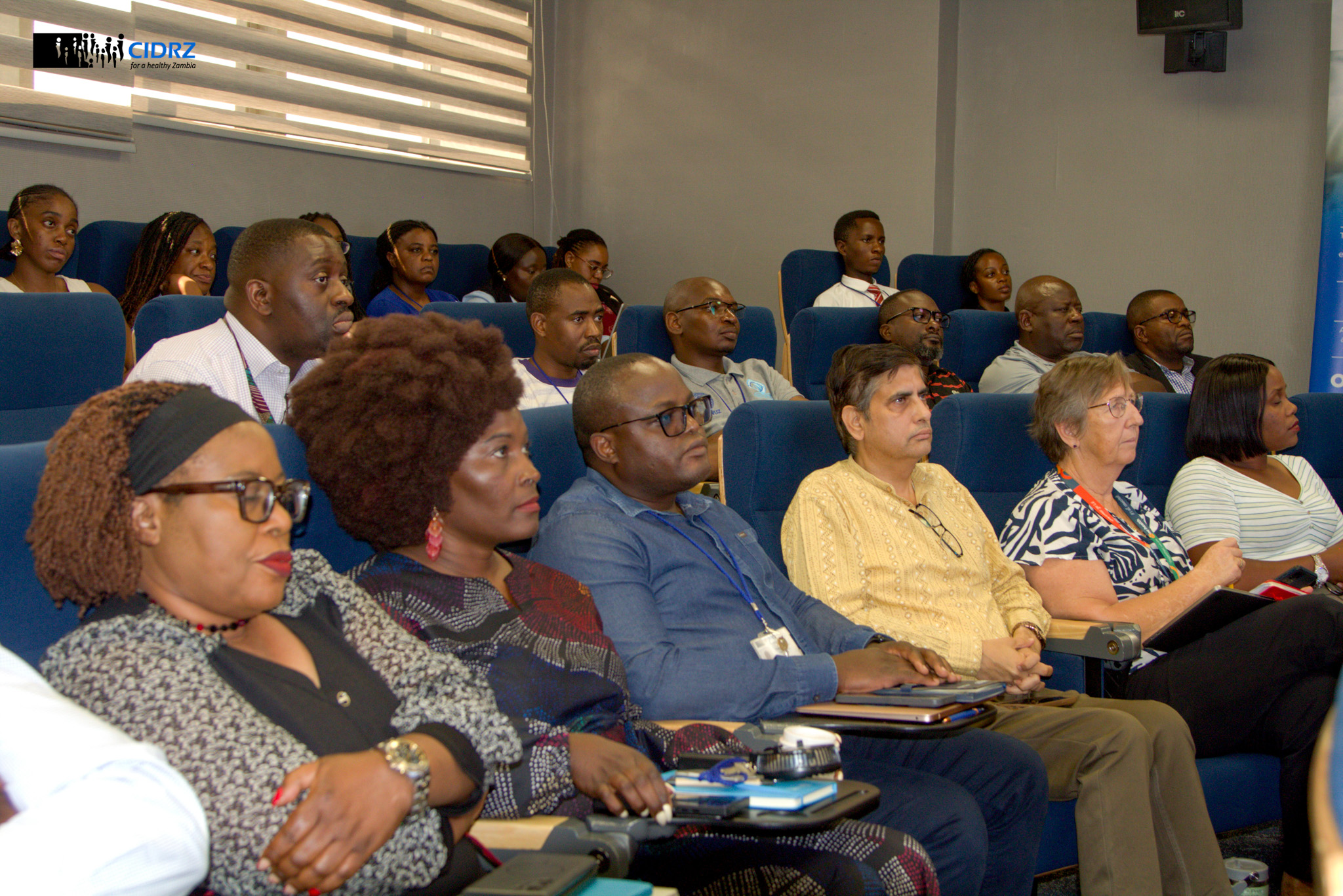
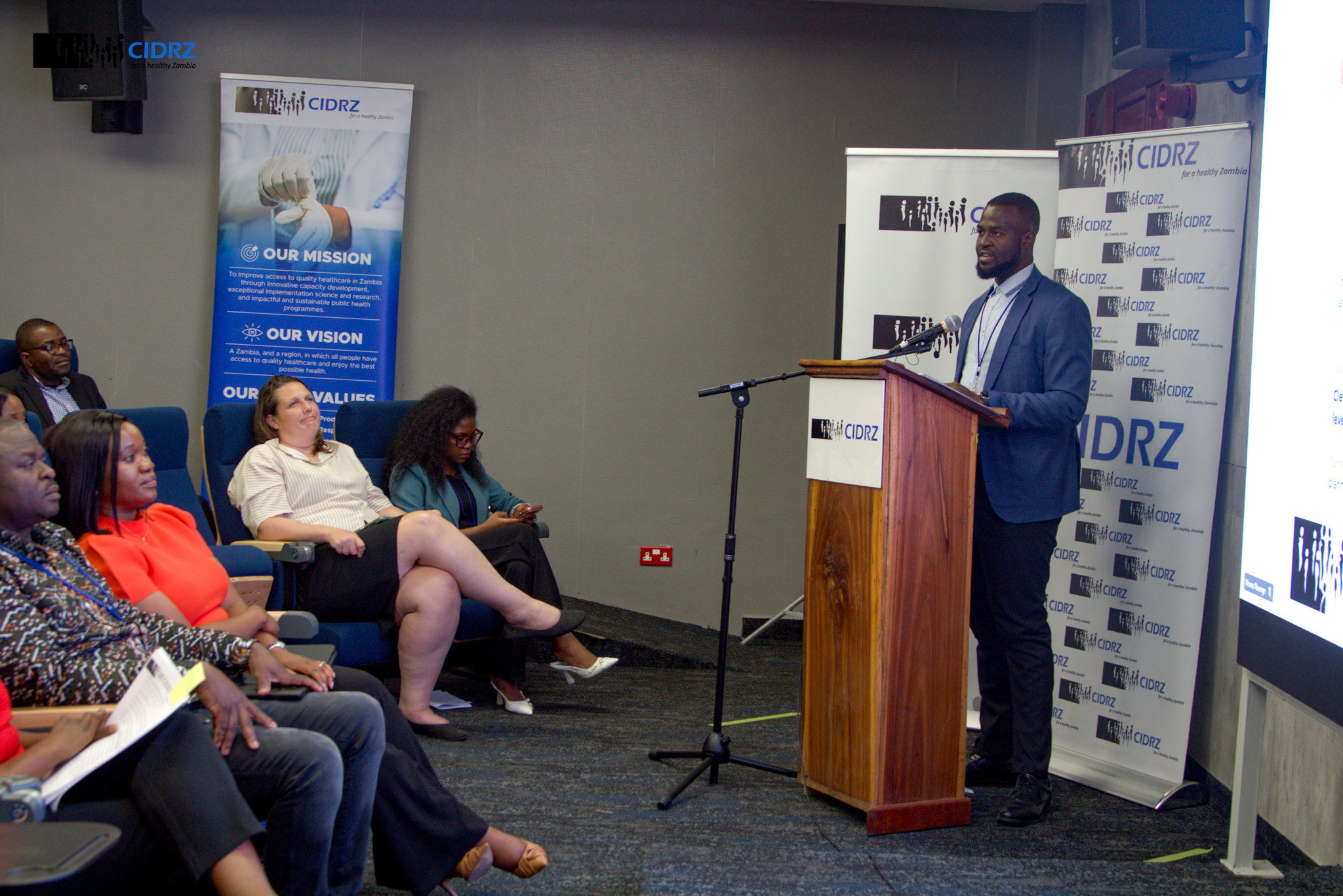
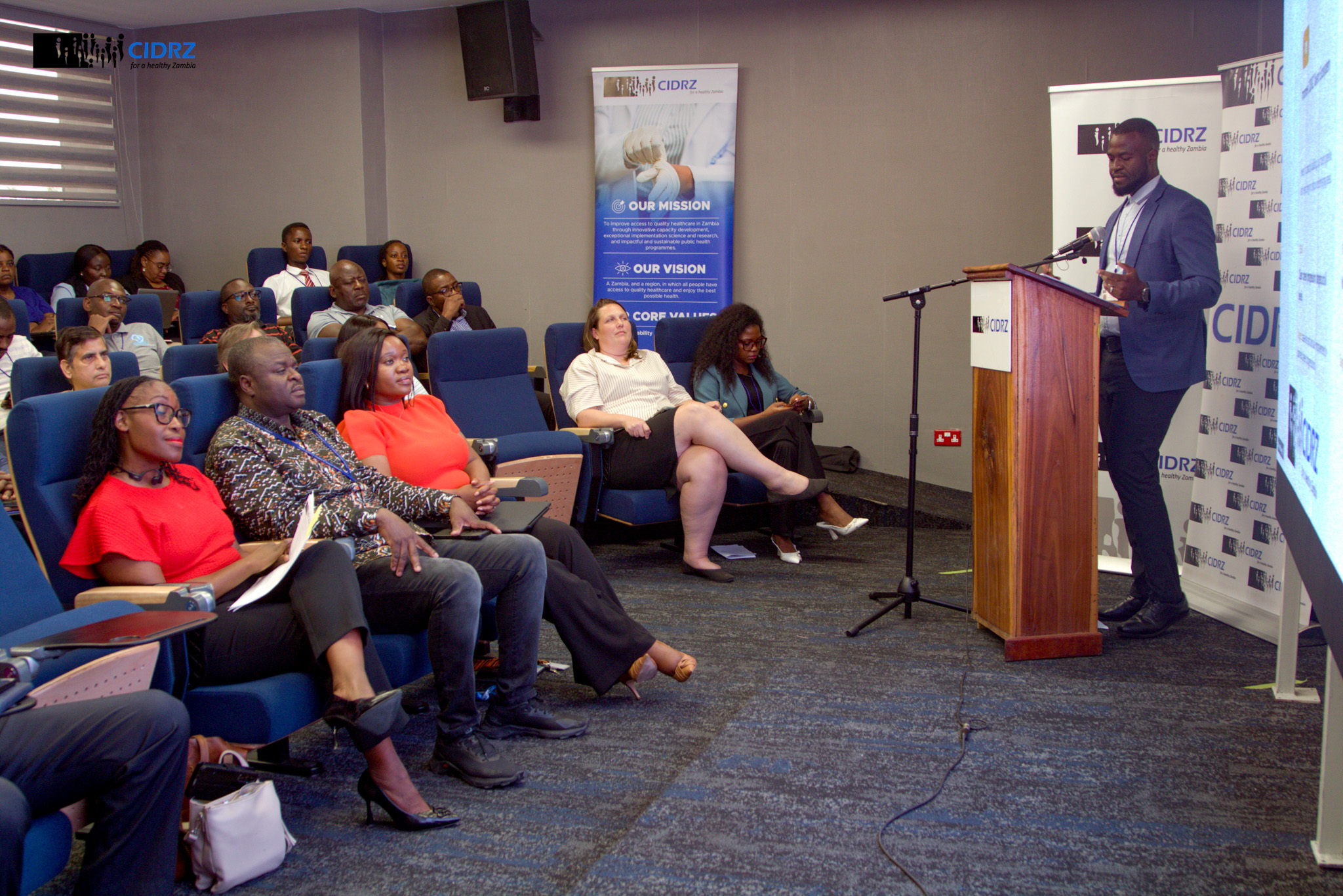
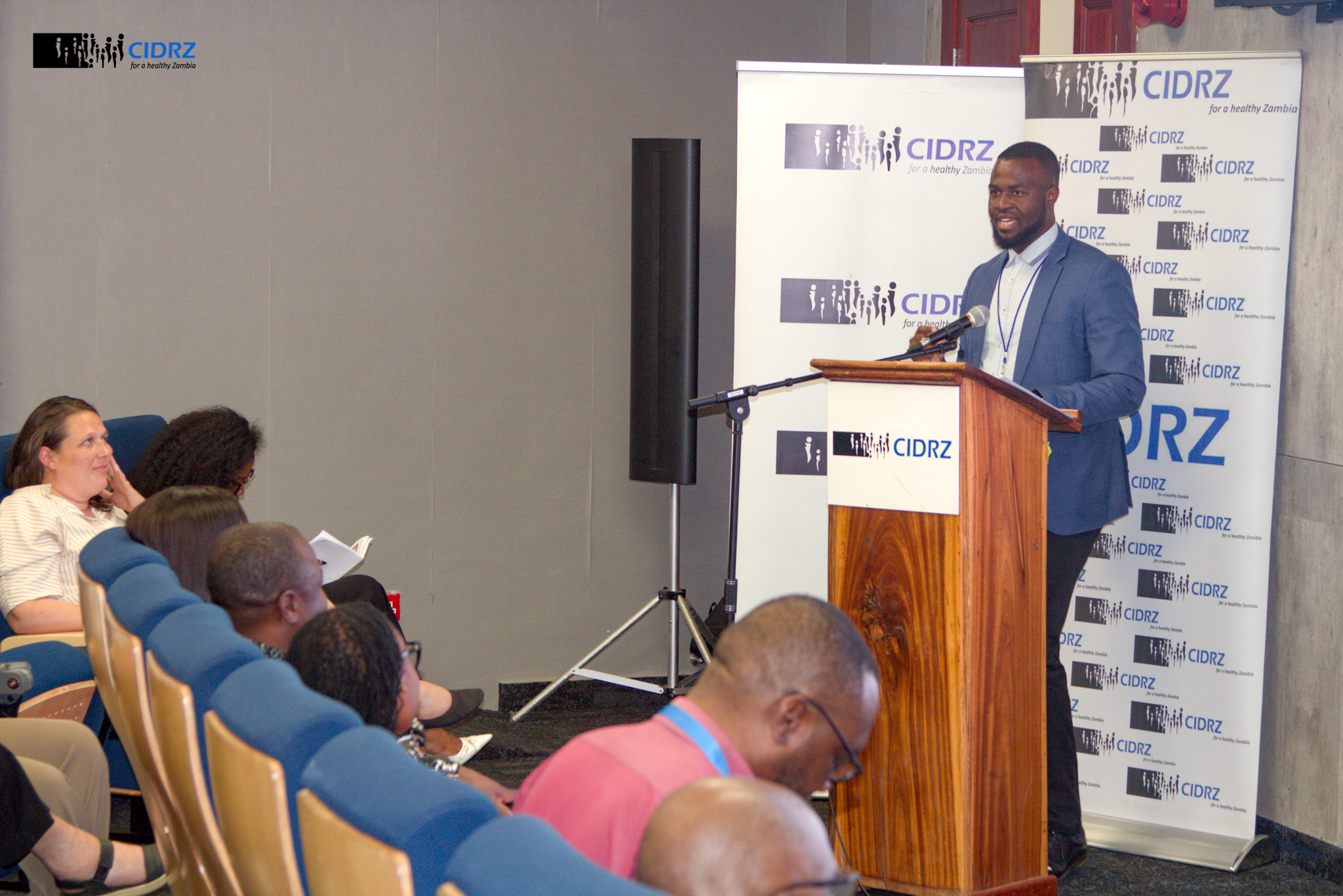
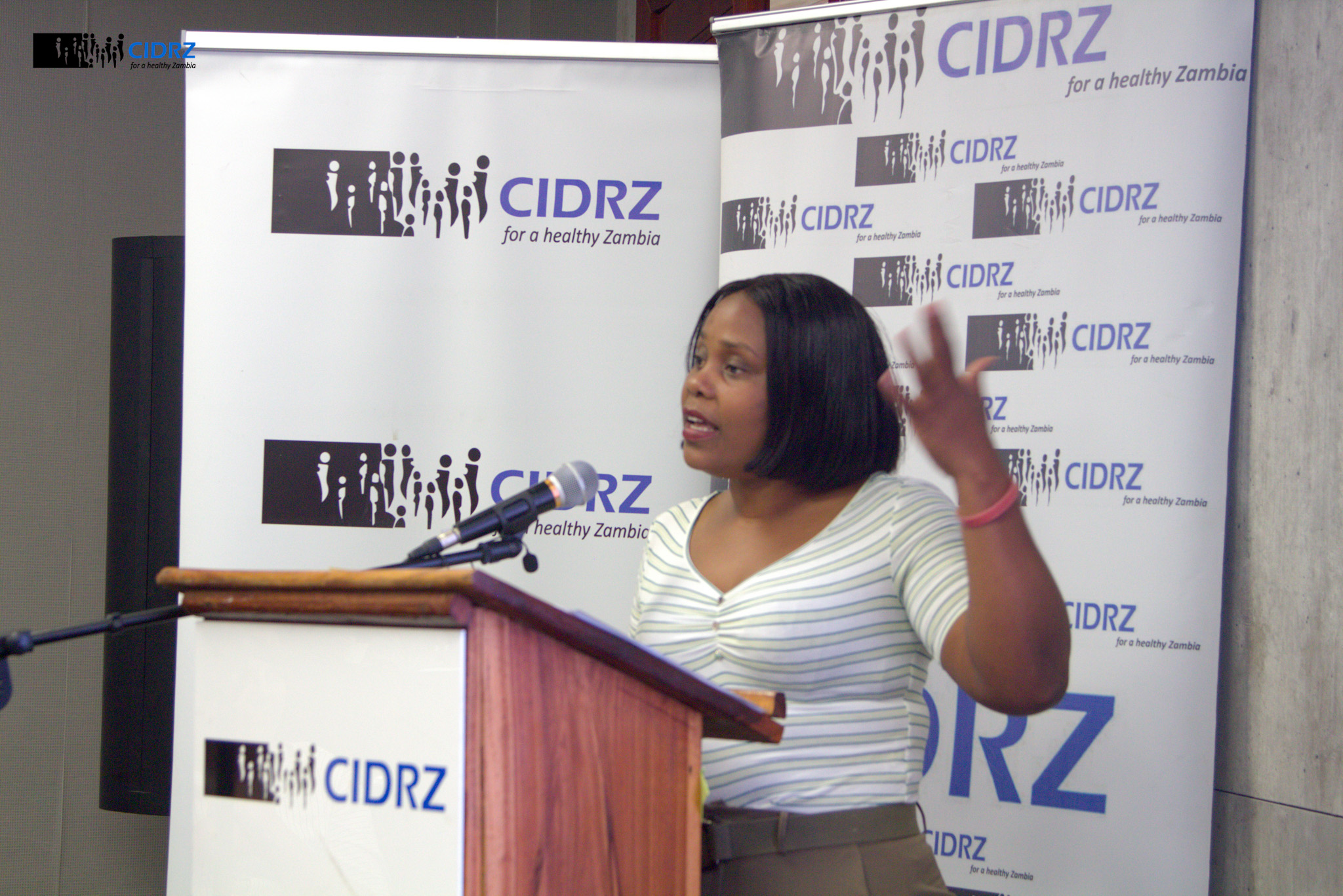
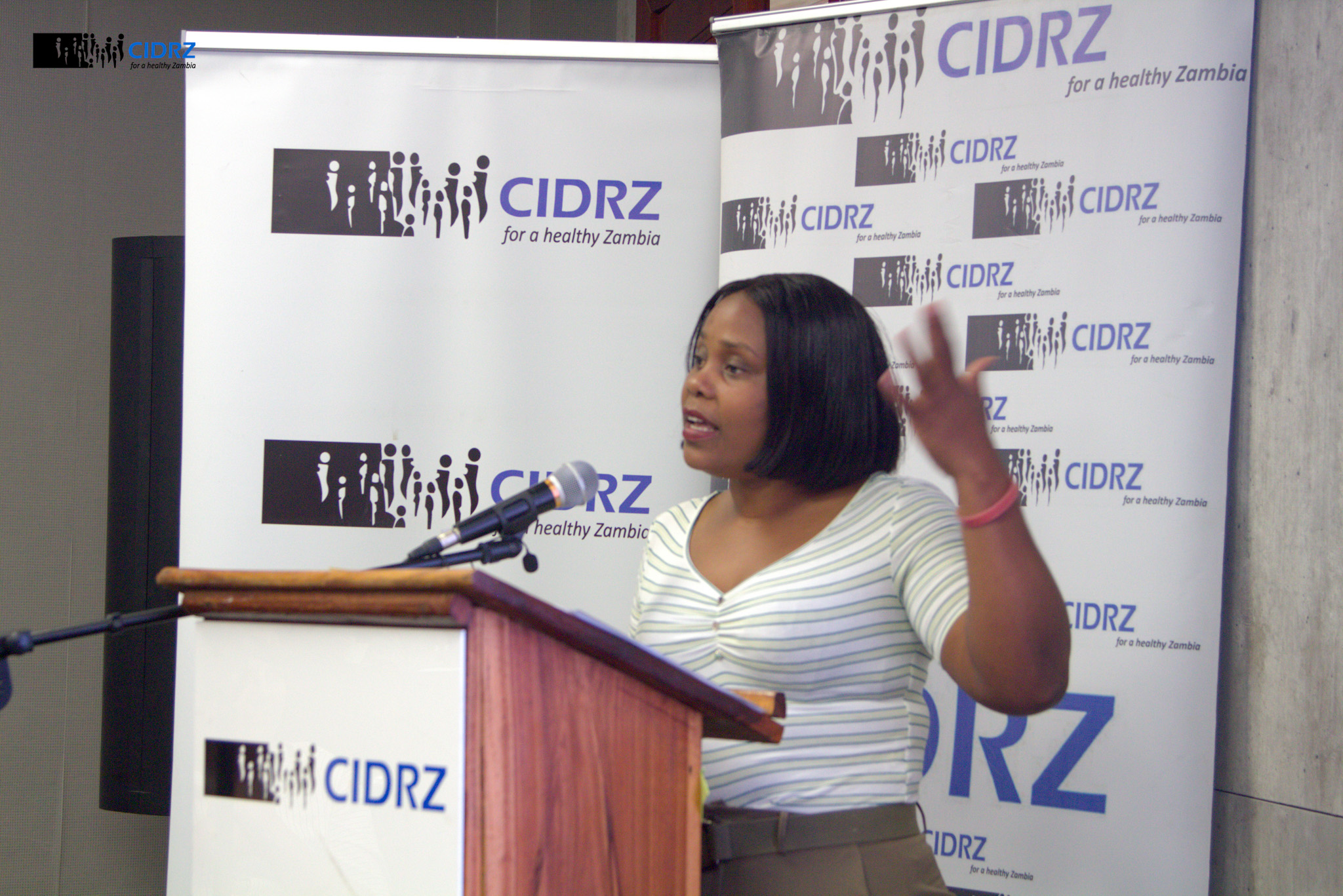
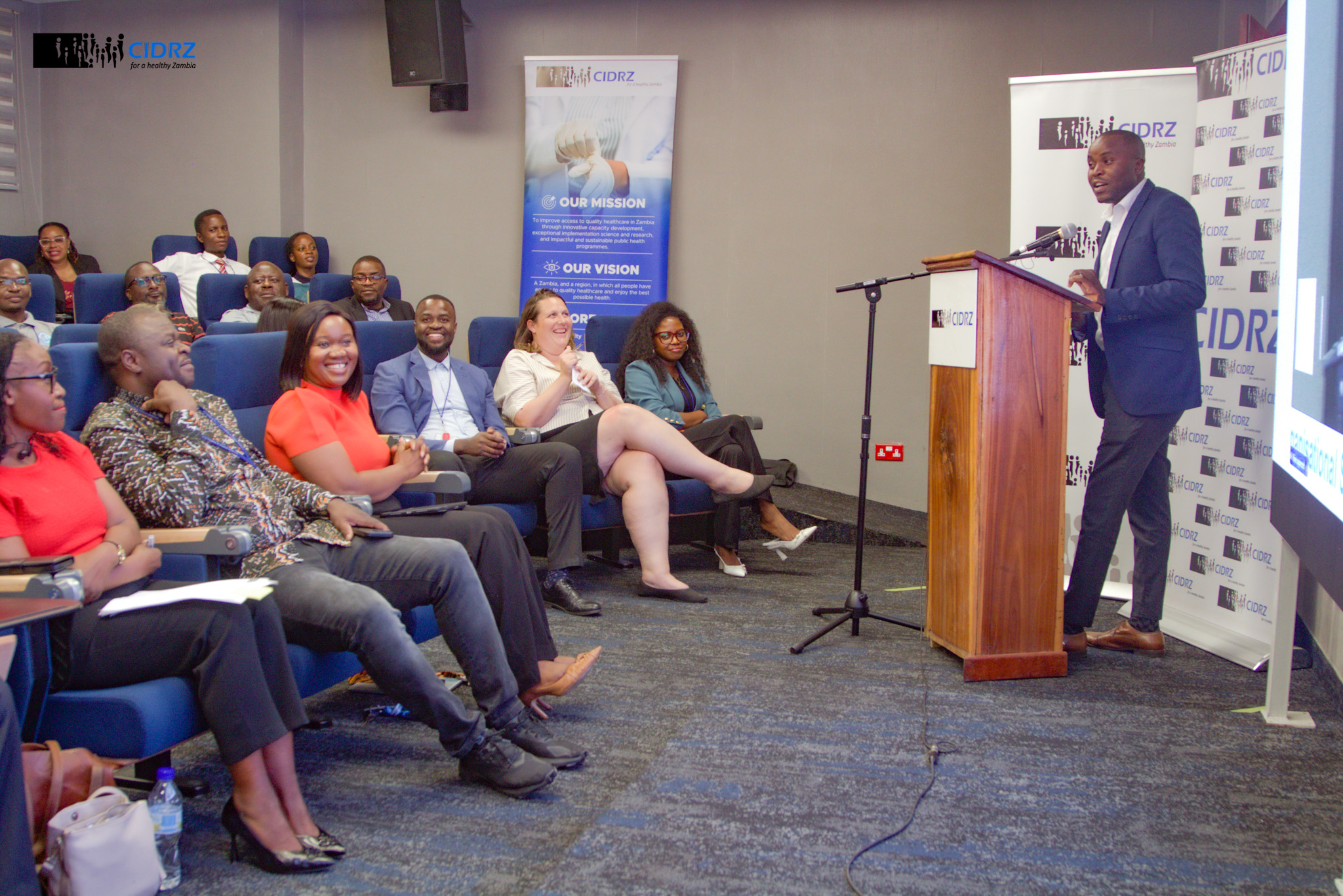
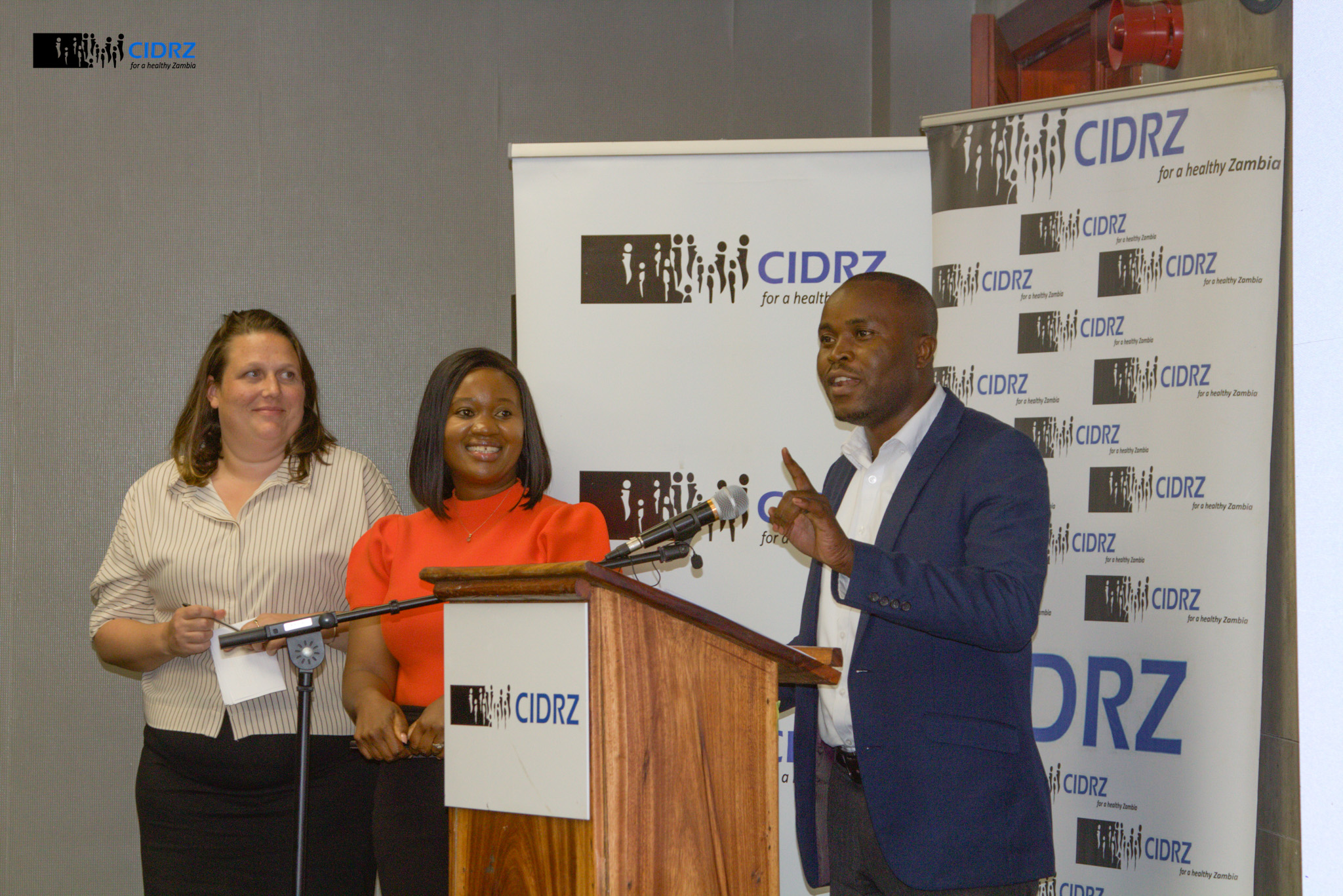
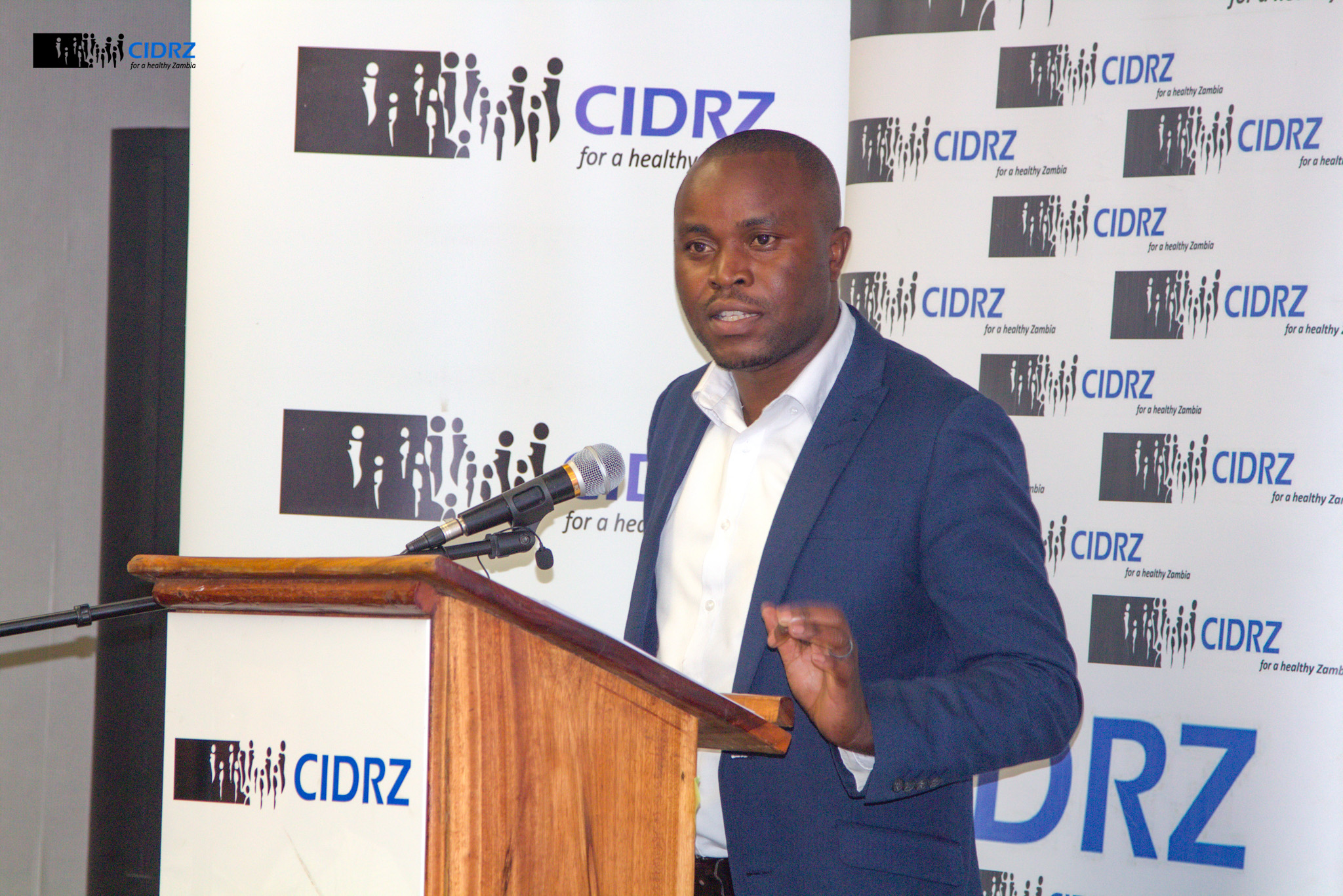
During the event, Business Development Specialists Lukundo Kalengo and Daniel Chibutu presented the lessons that informed the strategy and the new strategic direction, respectively. The lessons were drawn from the previous strategic plan, an external evaluation and an internal performance assessment. Human Resource Specialist Dorcus Lwiimba explained how the strategy’s priorities will translate into individual KPIs for staff.
With the strategy now in place, CIDRZ says staff have a clear framework to guide their work, align individual performance with organisational priorities, and extend the organisation’s impact on health outcomes in Zambia and beyond.