Bringing Advanced HIV Disease Care Closer to Patients in Western Province

CIDRZ and Ministry of Health Strengthen Advanced HIV Disease Care in Western Province
October 5, 2026Bringing Advanced HIV Disease Care Closer to Patients in Western Province

For Zambia to achieve national HIV epidemic control, preventing avoidable deaths among people living with HIV remains critical. Advanced HIV disease (AHD) can lead to serious opportunistic infections and other complications, particularly when patients are diagnosed late or do not receive timely screening and treatment. Bringing standardised AHD services closer to patients at the primary healthcare level is therefore essential to improving outcomes.
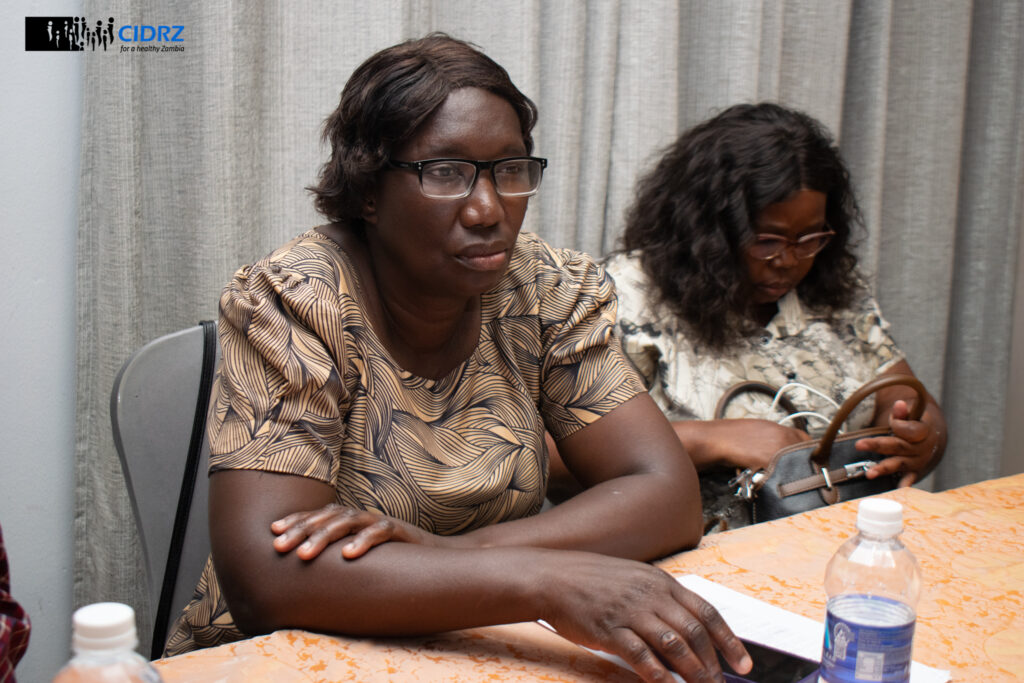
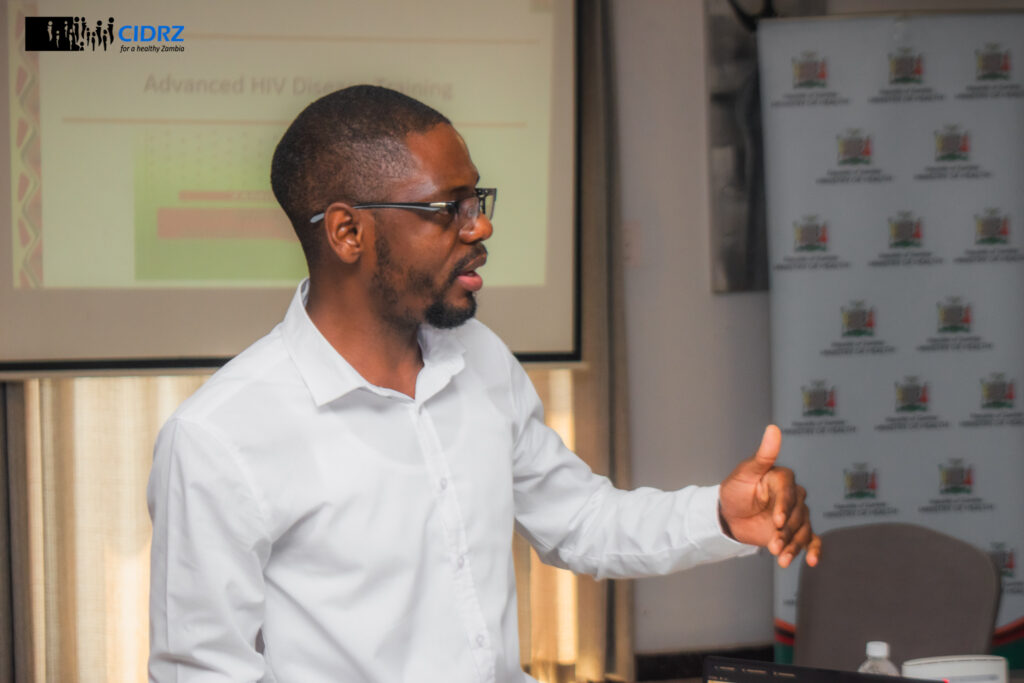
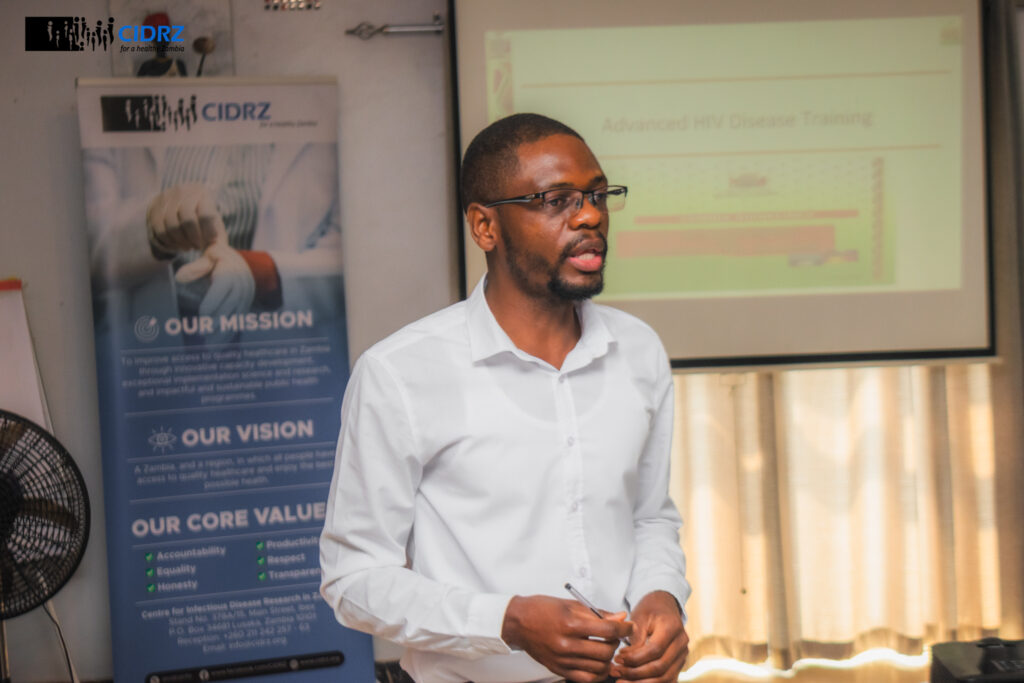
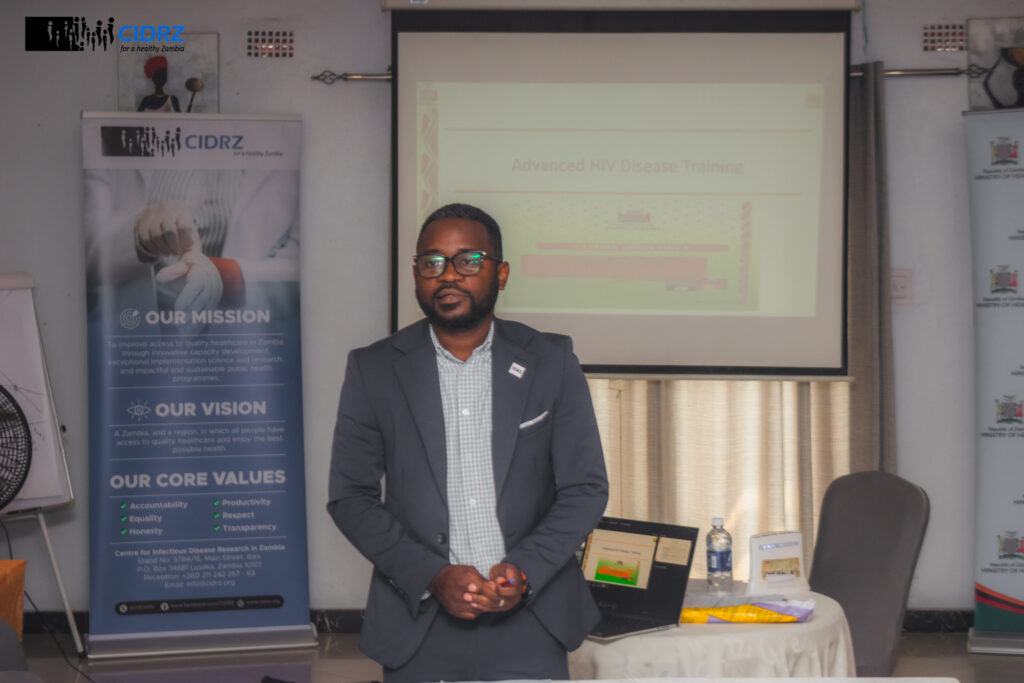
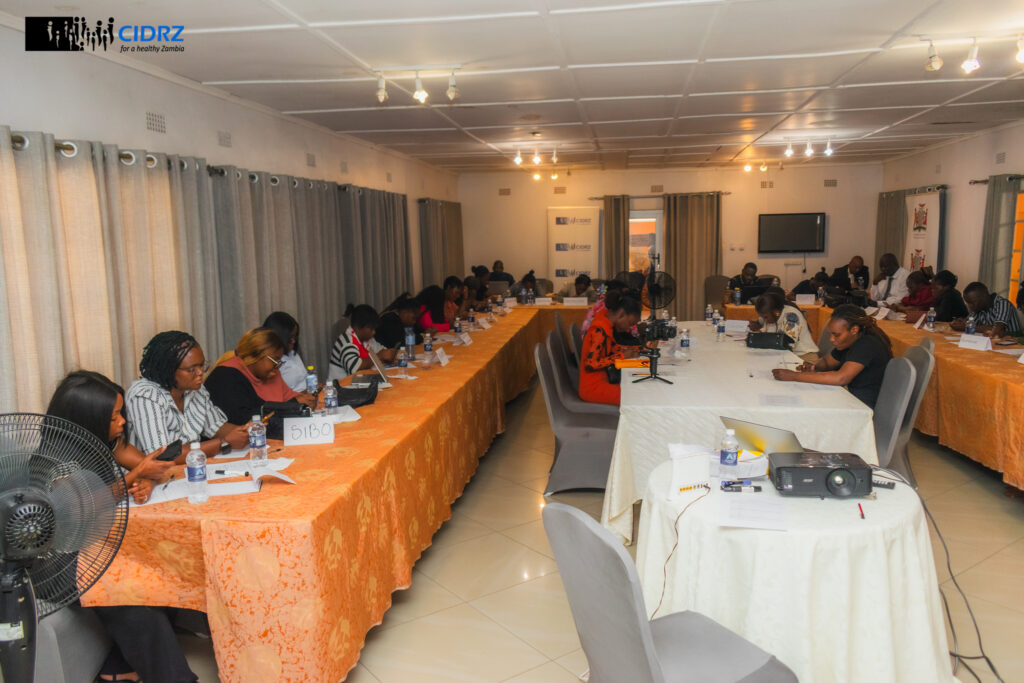
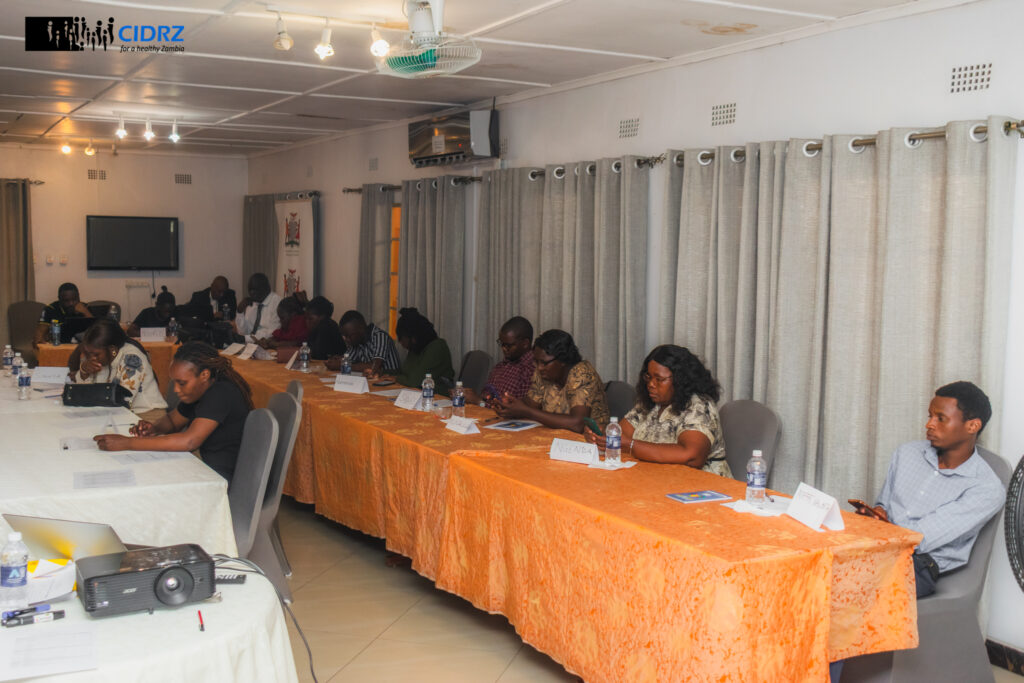
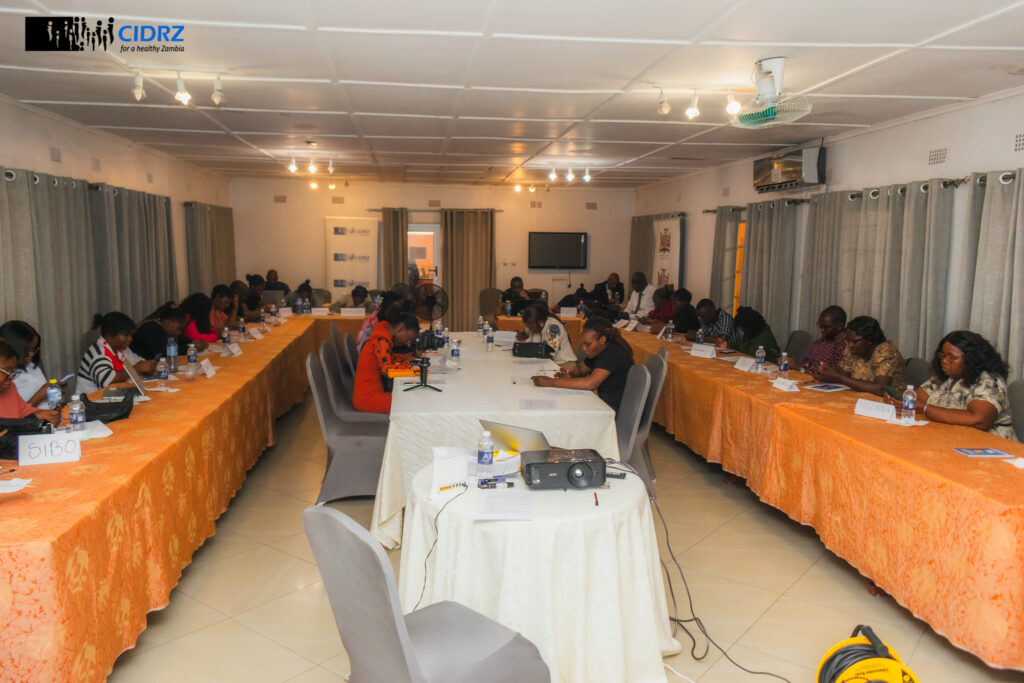
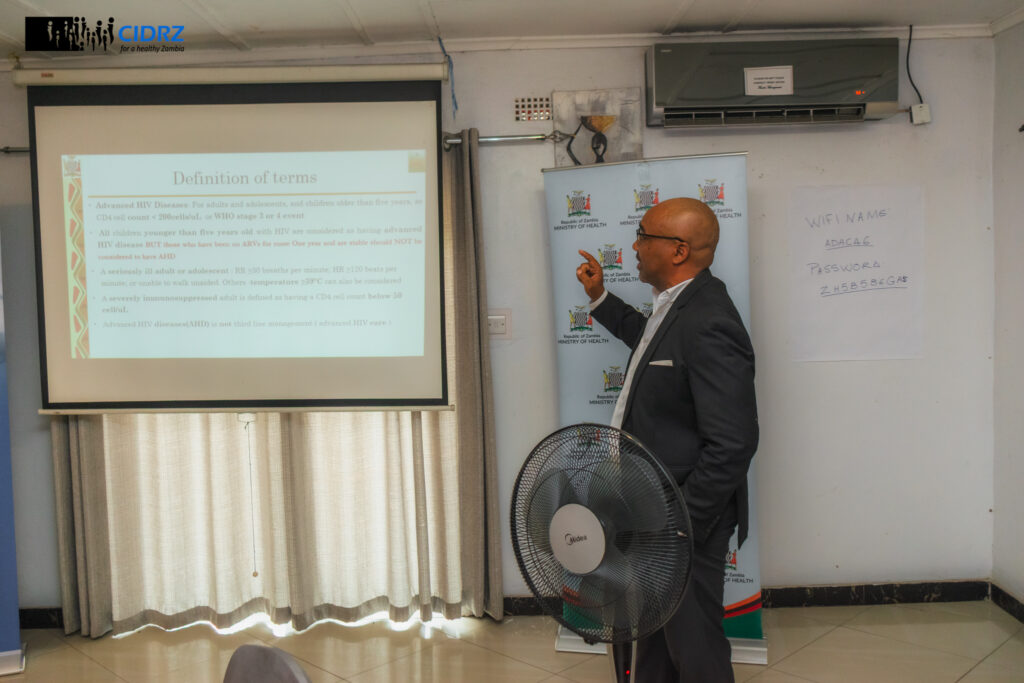
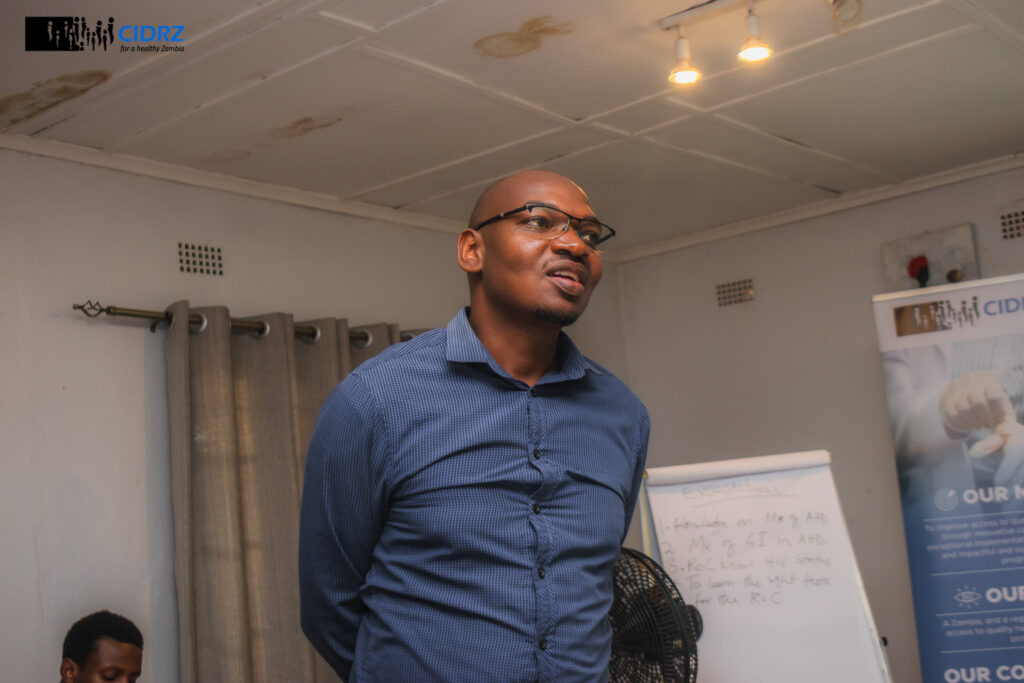
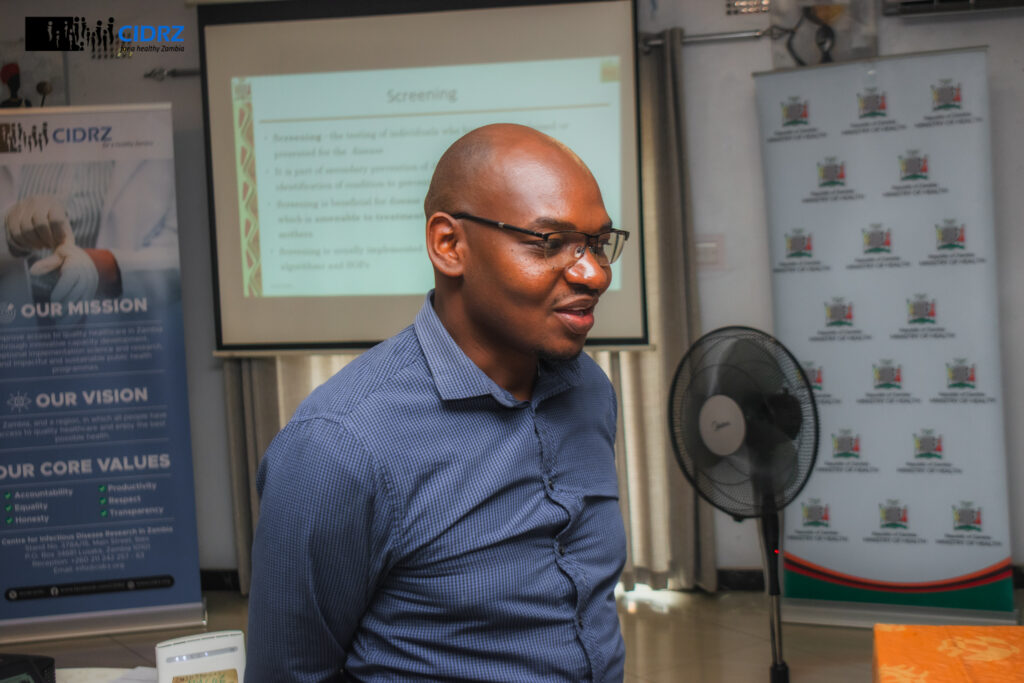
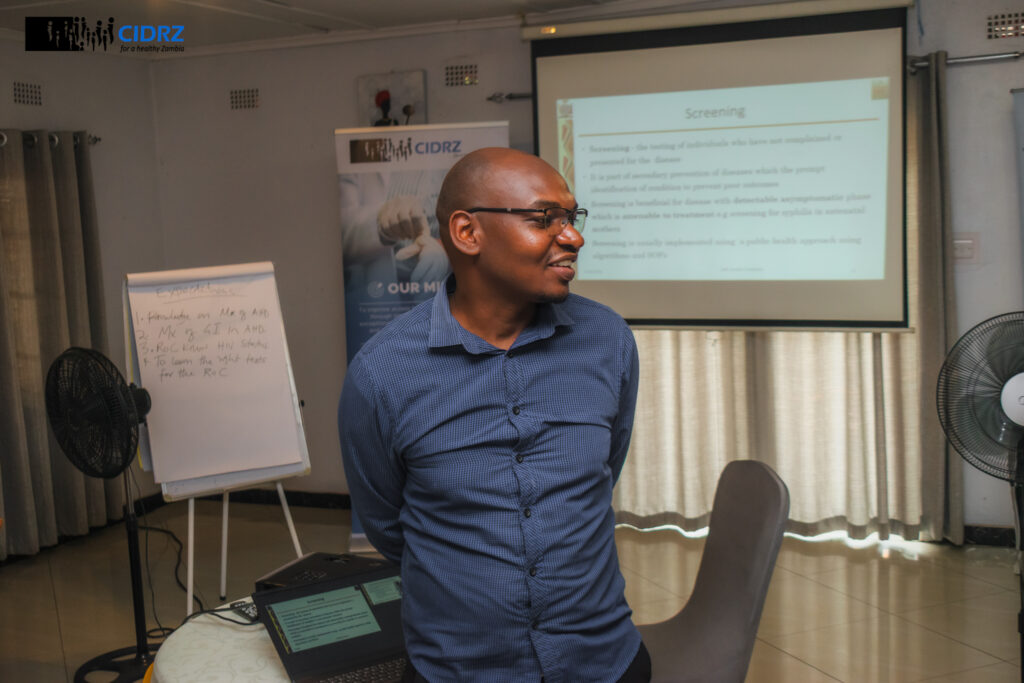
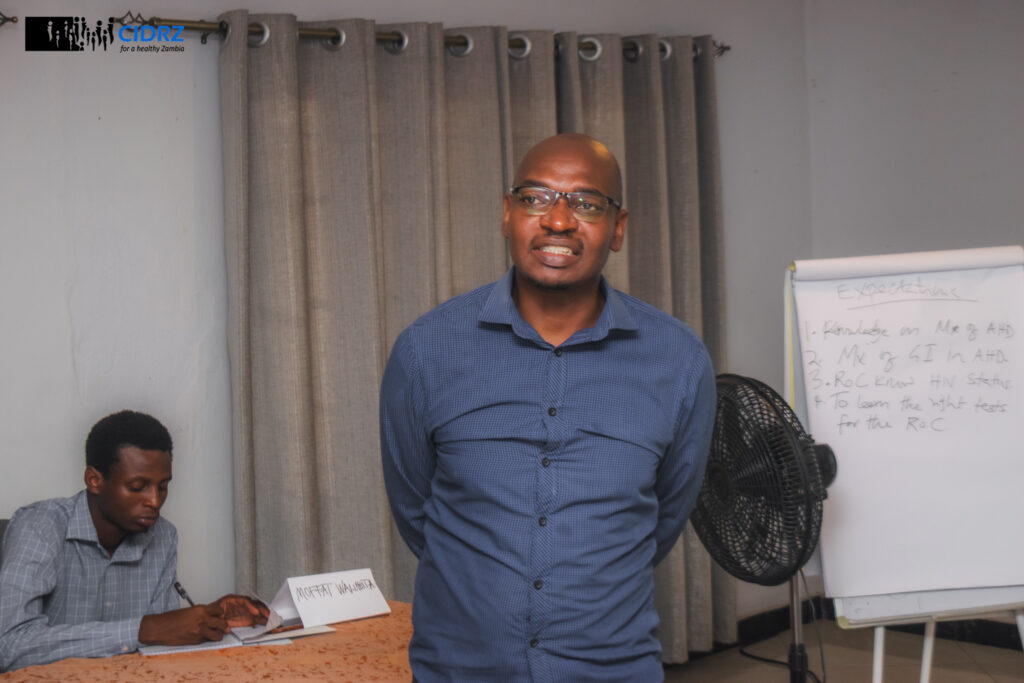
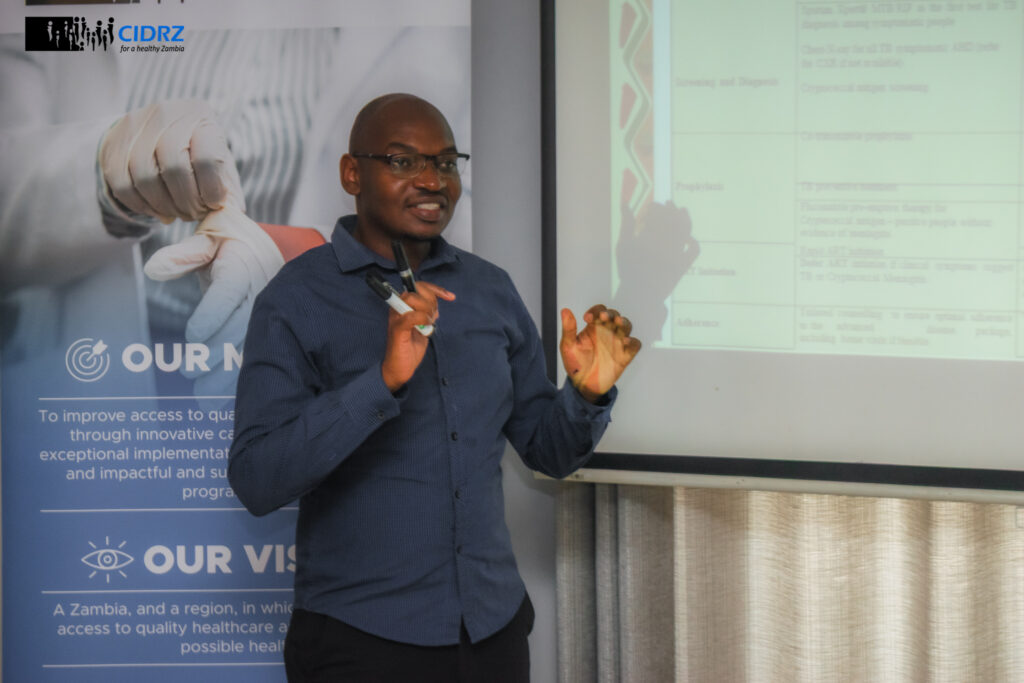
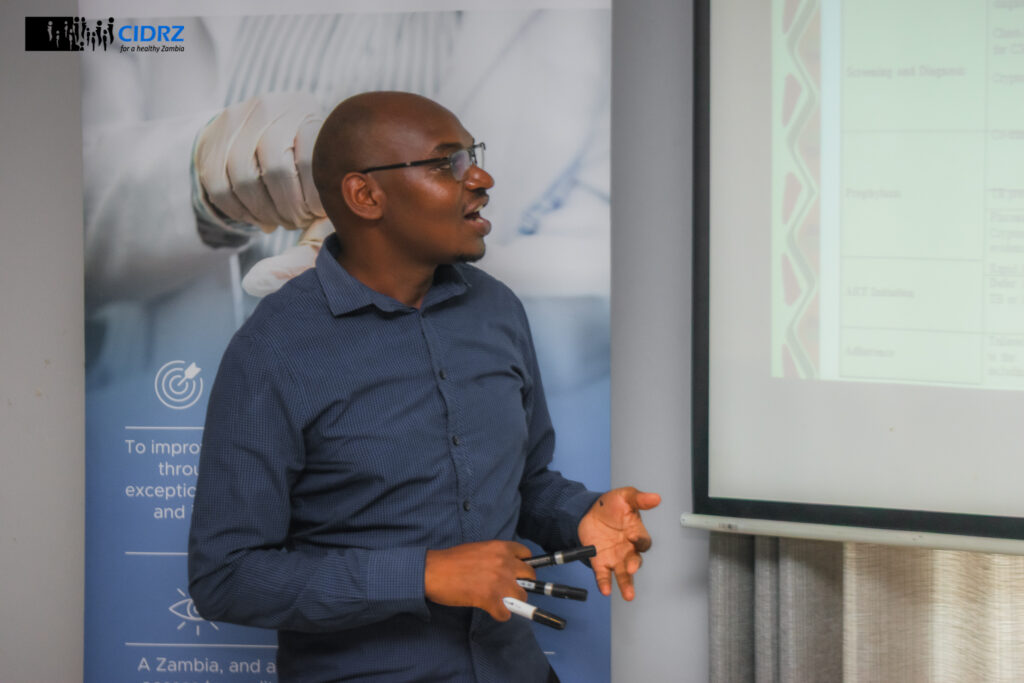
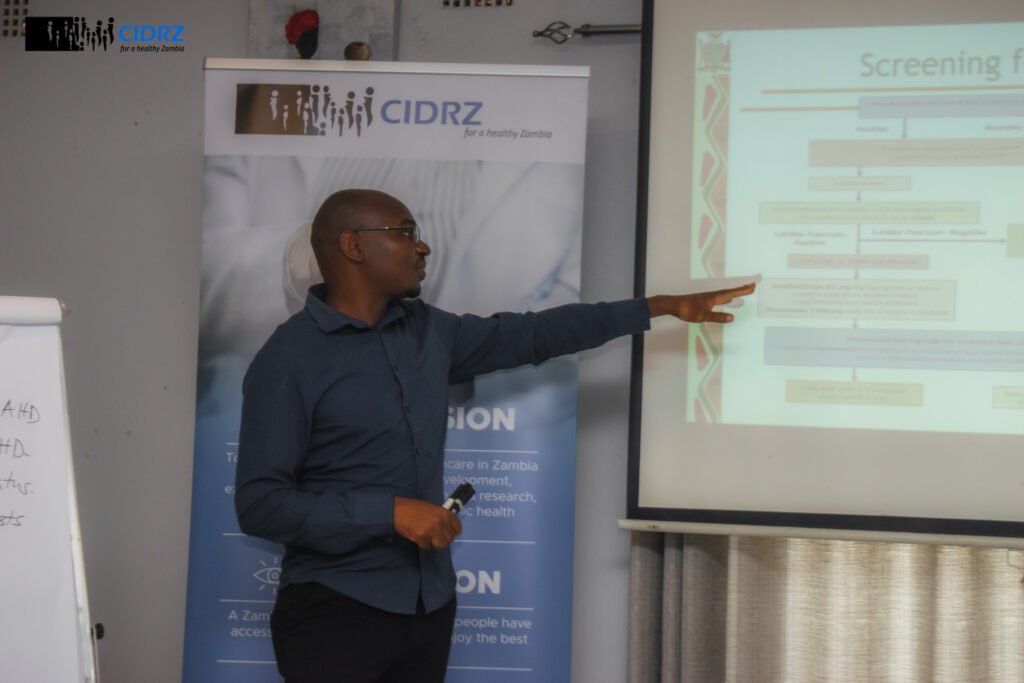
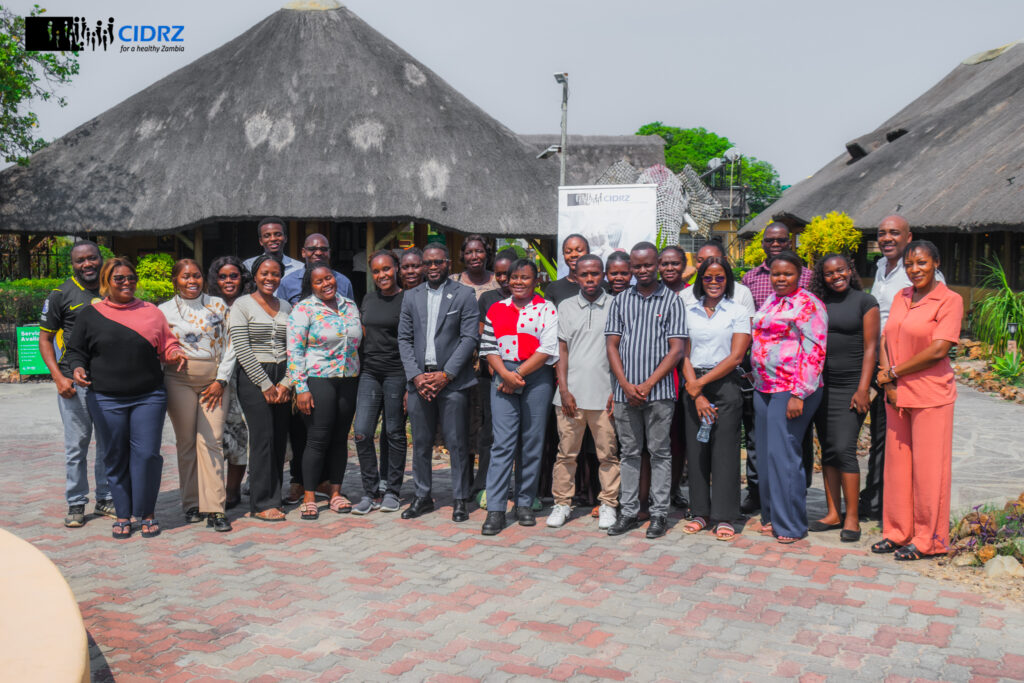
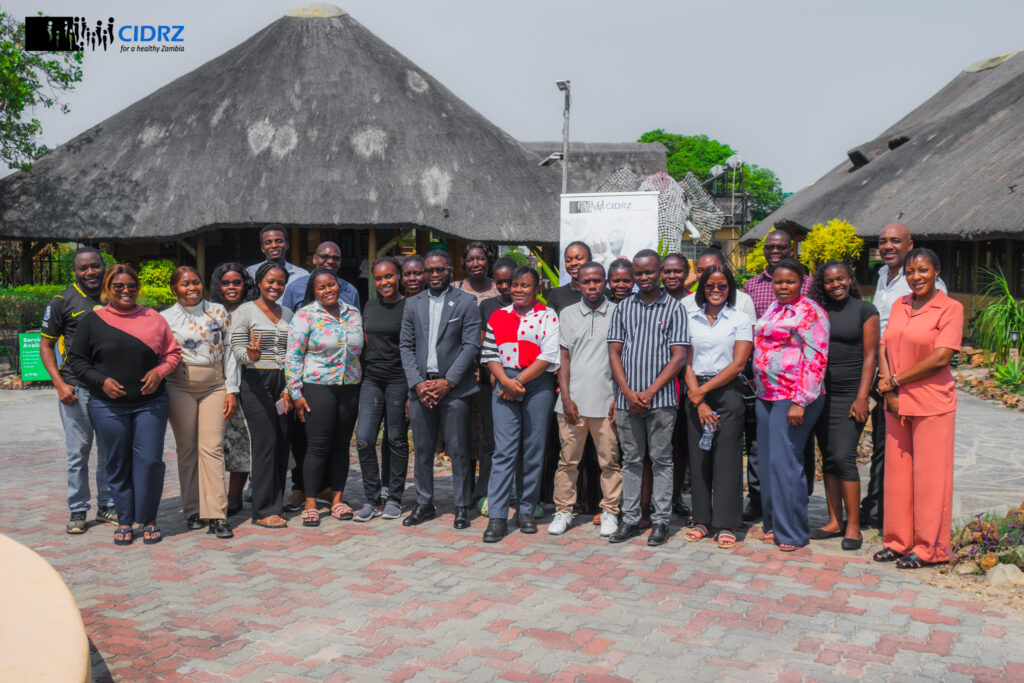
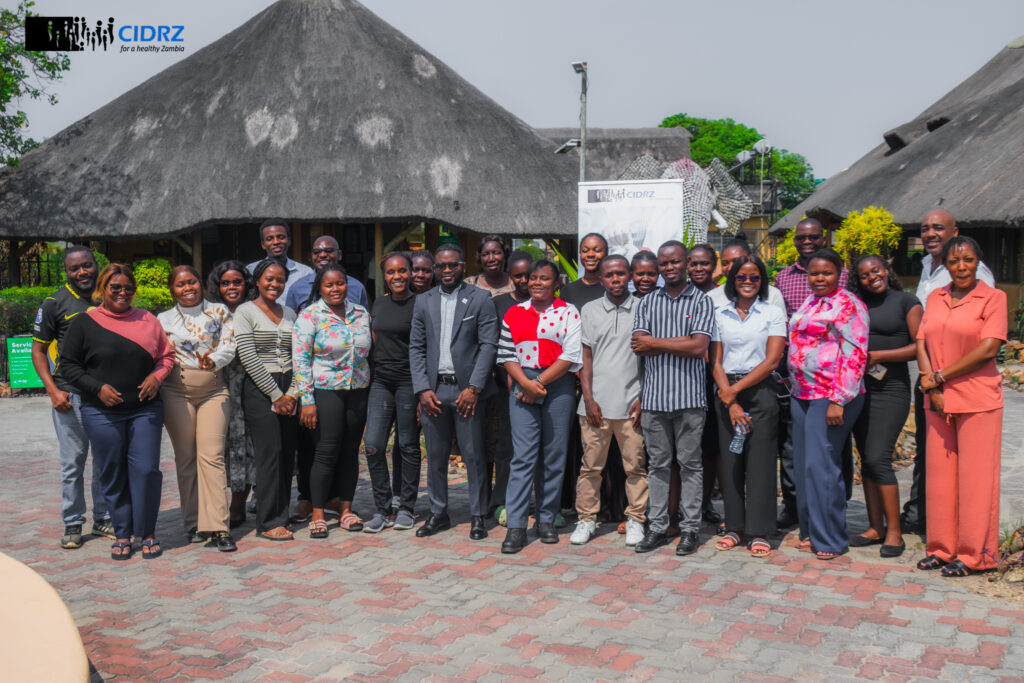
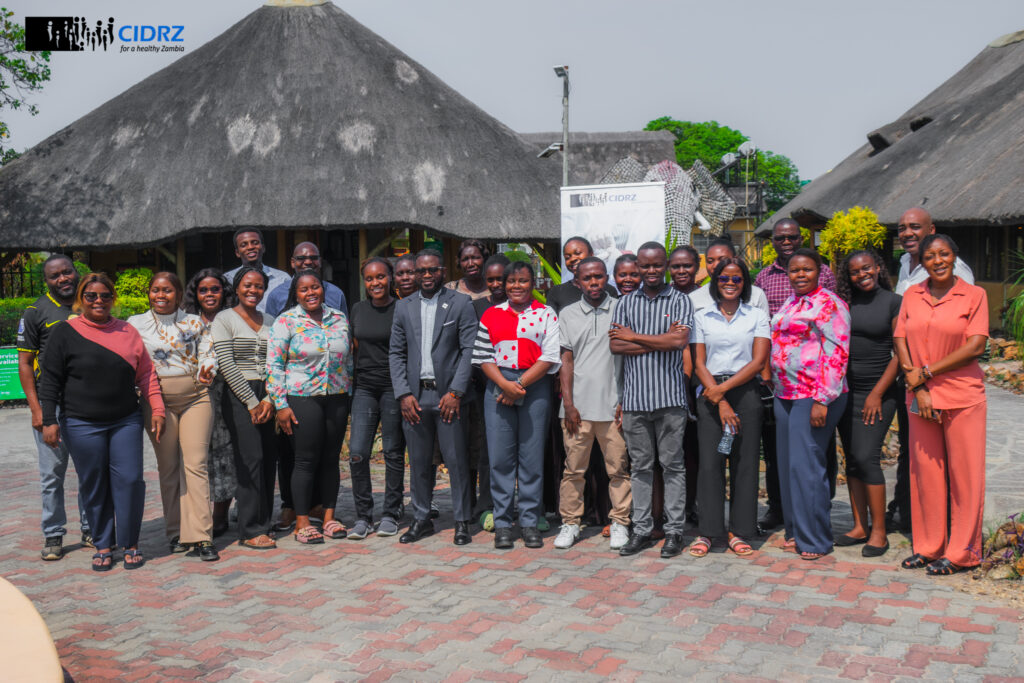
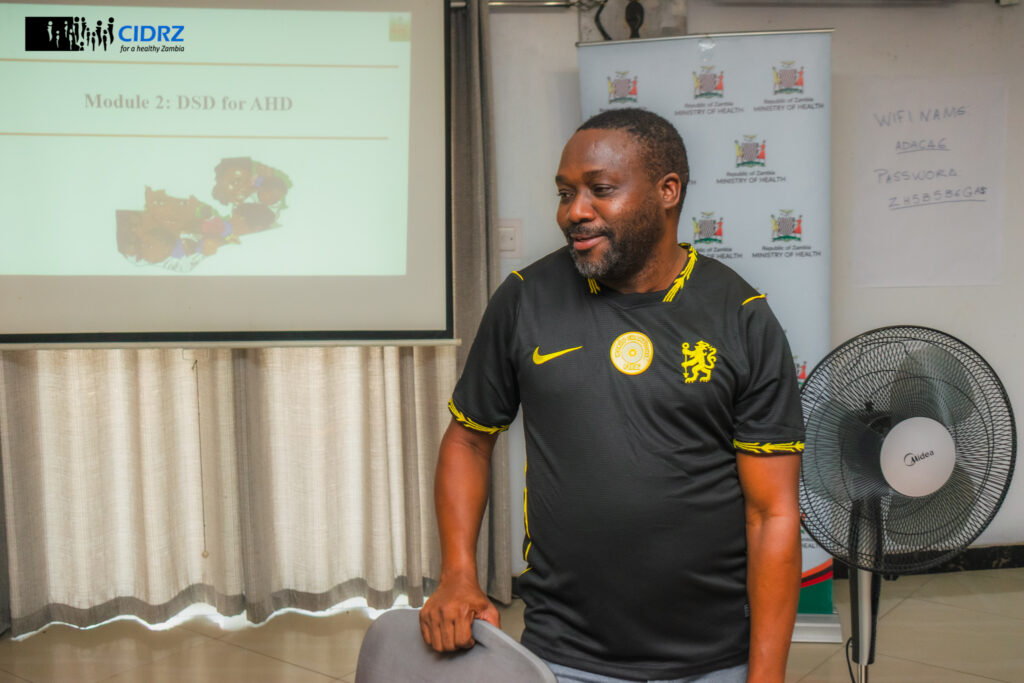
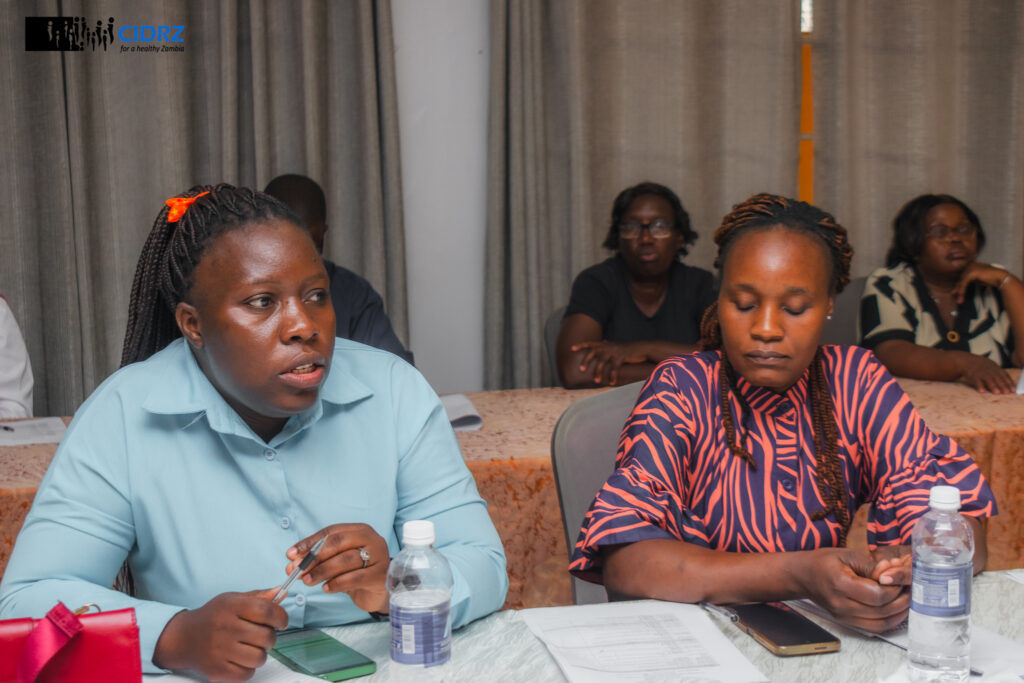
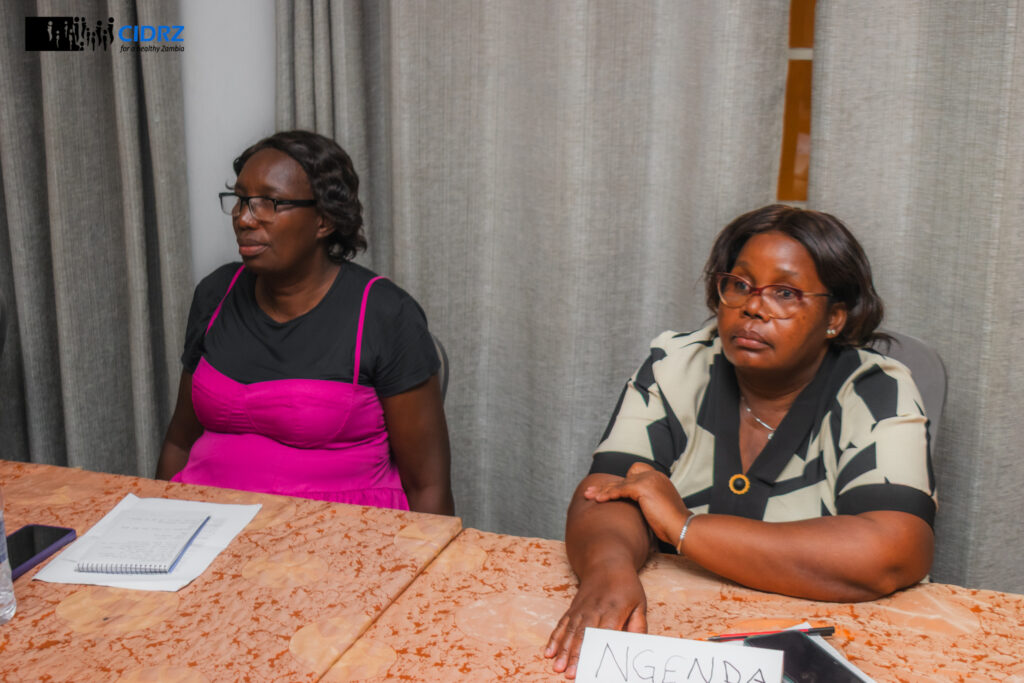
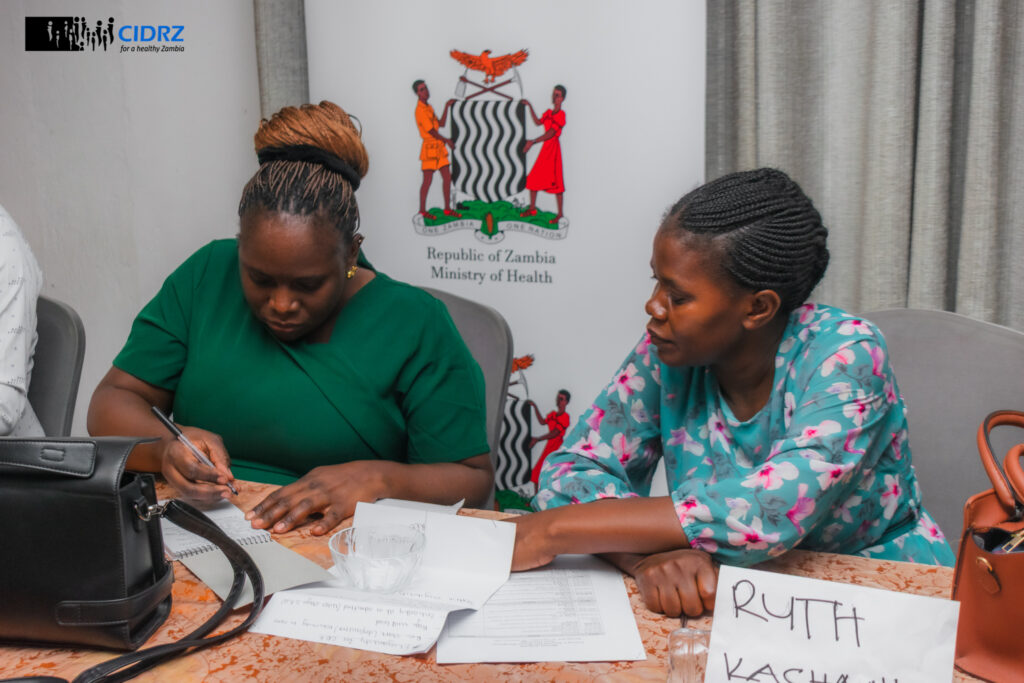
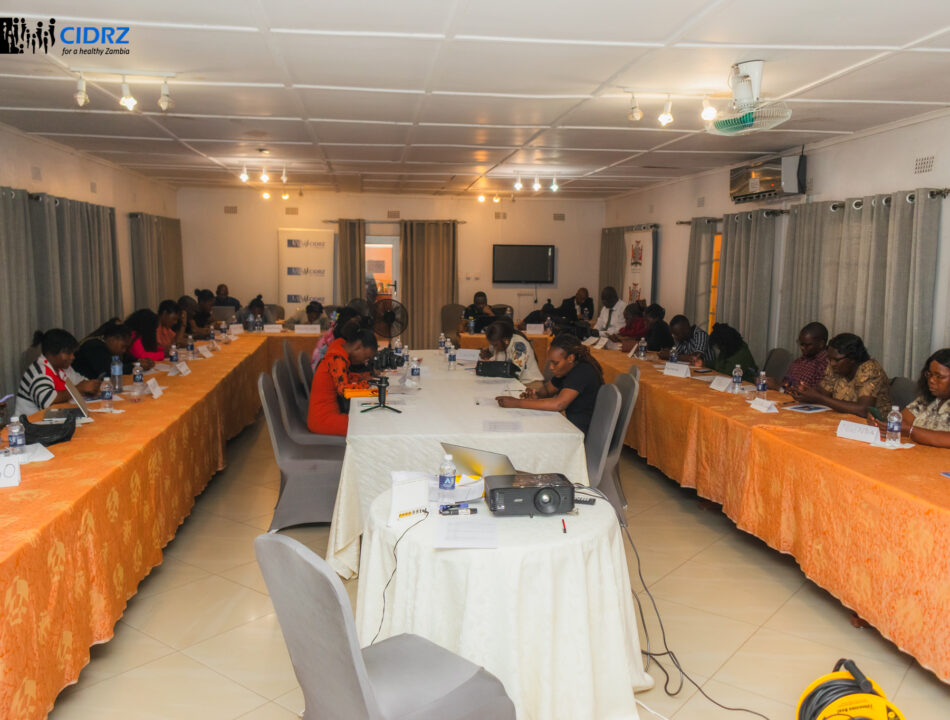
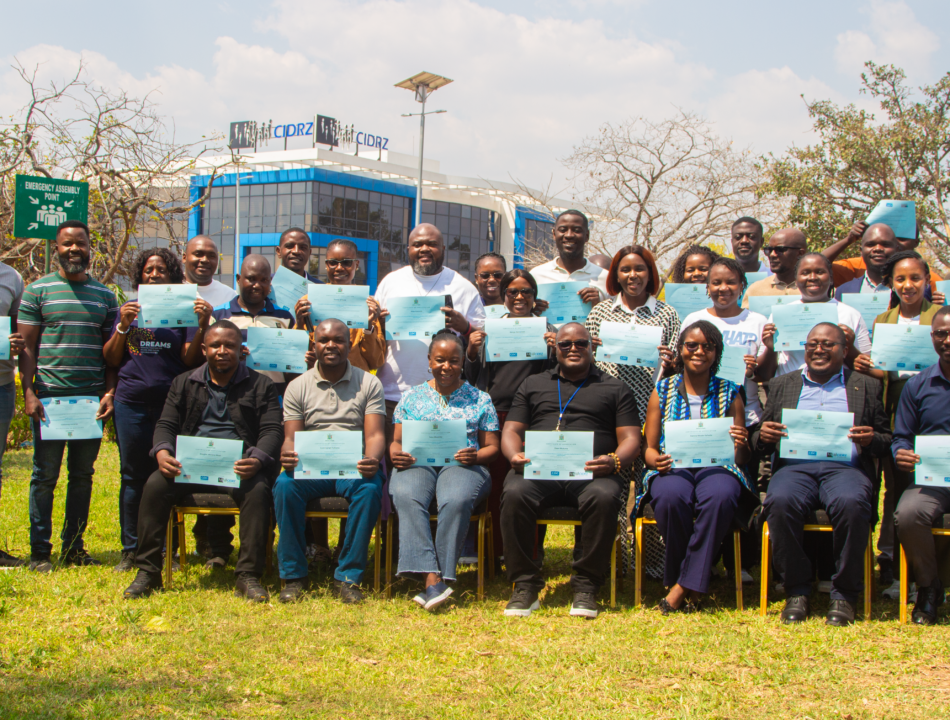
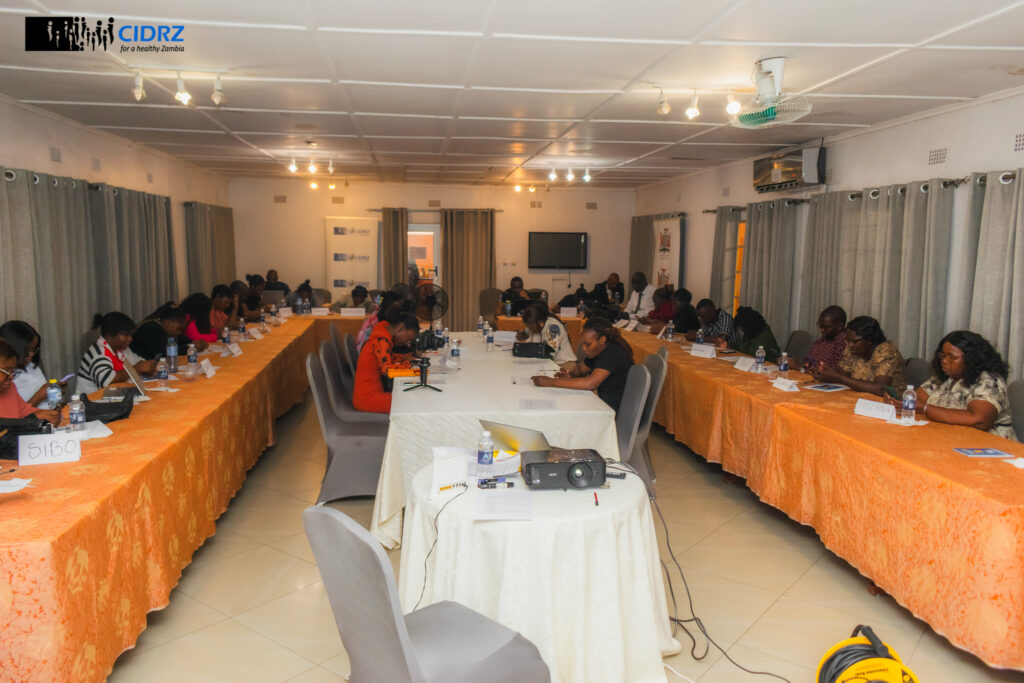
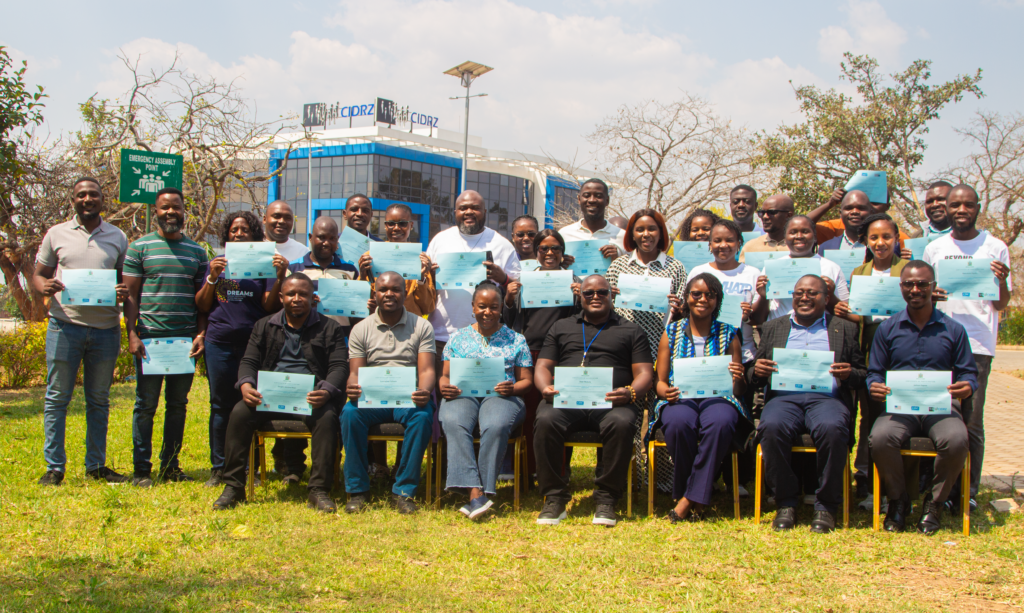
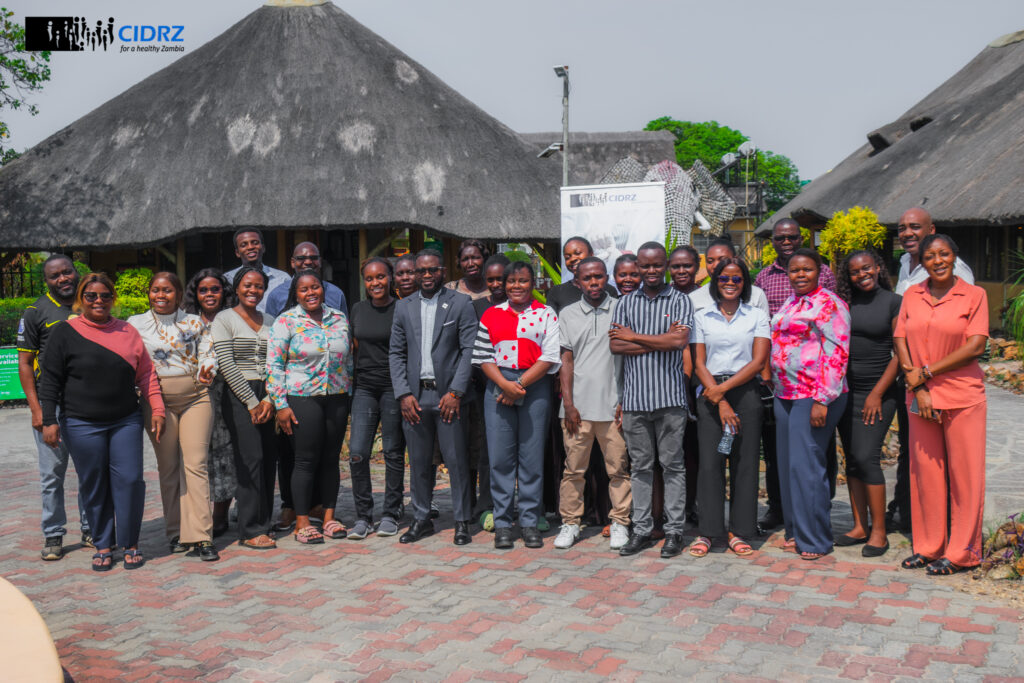
To strengthen this response, the Ministry of Health, in partnership with the Centre for Infectious Disease Research in Zambia (CIDRZ) through PROUD-Z, conducted a three-day AHD management in Western Province from 28th September 2026 to 30th September 2026. The training brought together health workers from all 16 districts of the province, equipping them with skills to establish and sustain AHD screening, treatment and monitoring at the facility level.
Western Province has an estimated HIV prevalence of 10.6%, making the early identification and management of advanced disease particularly important. The training focused on strengthening frontline capacity to identify patients at risk of AHD, conduct CD4 testing and VISITECT point-of-care screening, and manage severe HIV-related opportunistic infections.
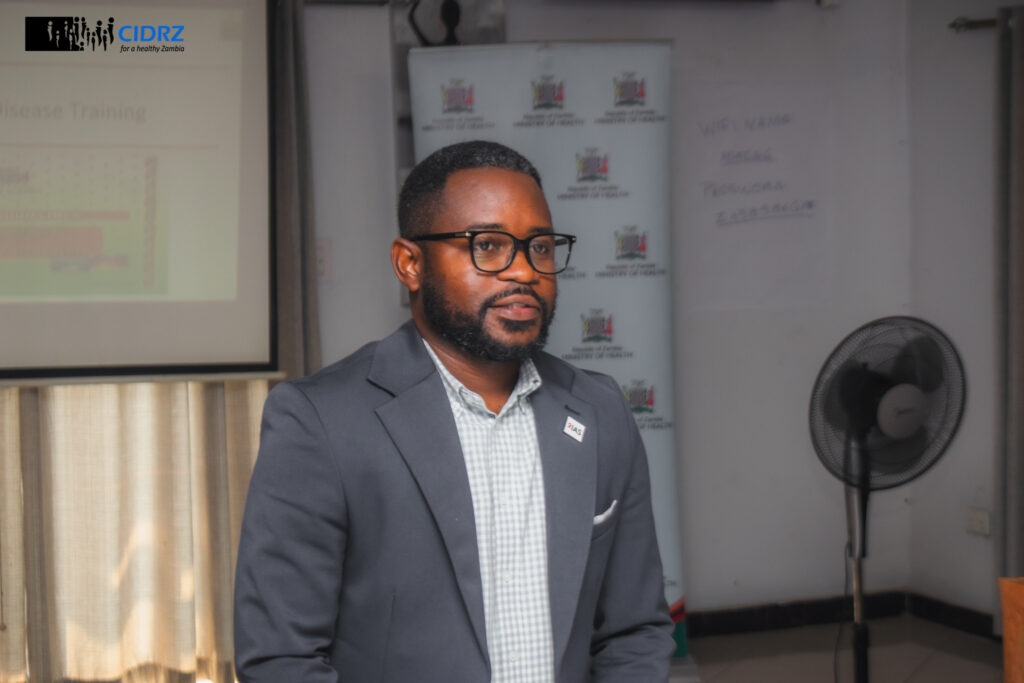
Charles Osman, Public Health Scientist and TB-HIV Trainer in Senanga, said institutionalising AHD interventions at an early stage is important to reducing preventable mortality, particularly during the first months of HIV treatment.

“Advanced HIV care is one of the ways we are contributing to epidemic control. Looking at Western Province with a prevalence around 10.6%, we need to institutionalise these innovations so that interventions are made at an early stage, reducing mortalities that occur during the first six months of treatment.”
The training was designed not only to build individual clinical skills, but also to support the institutionalisation and scale-up of the national AHD package down to the primary health centre level. This approach was intended to make AHD screening and management part of routine care, including in rural districts where access to specialised services may be limited.
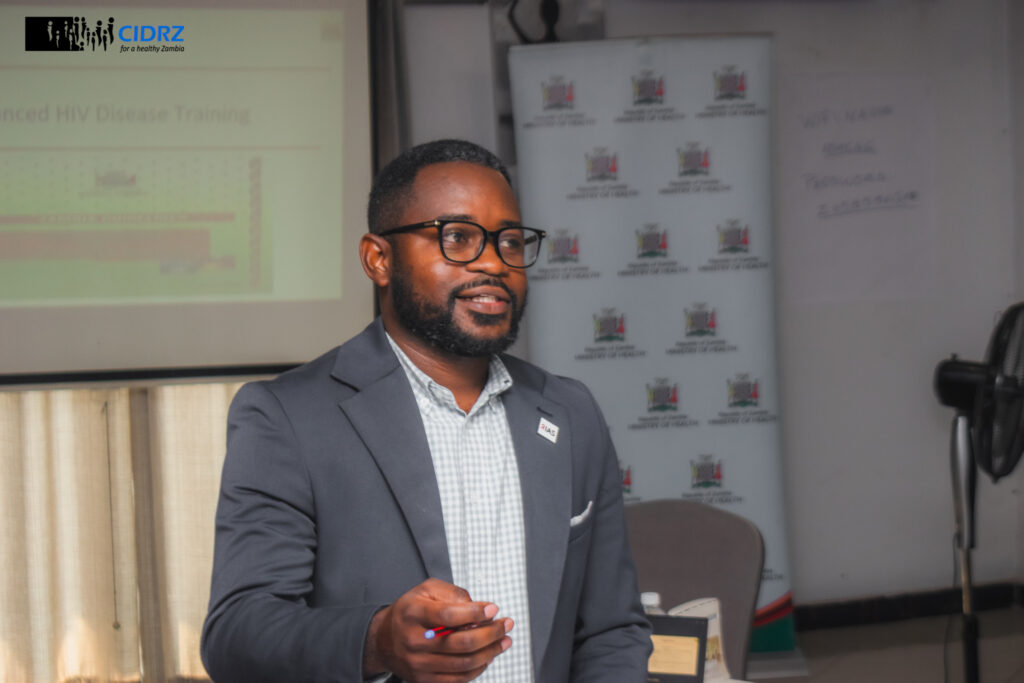
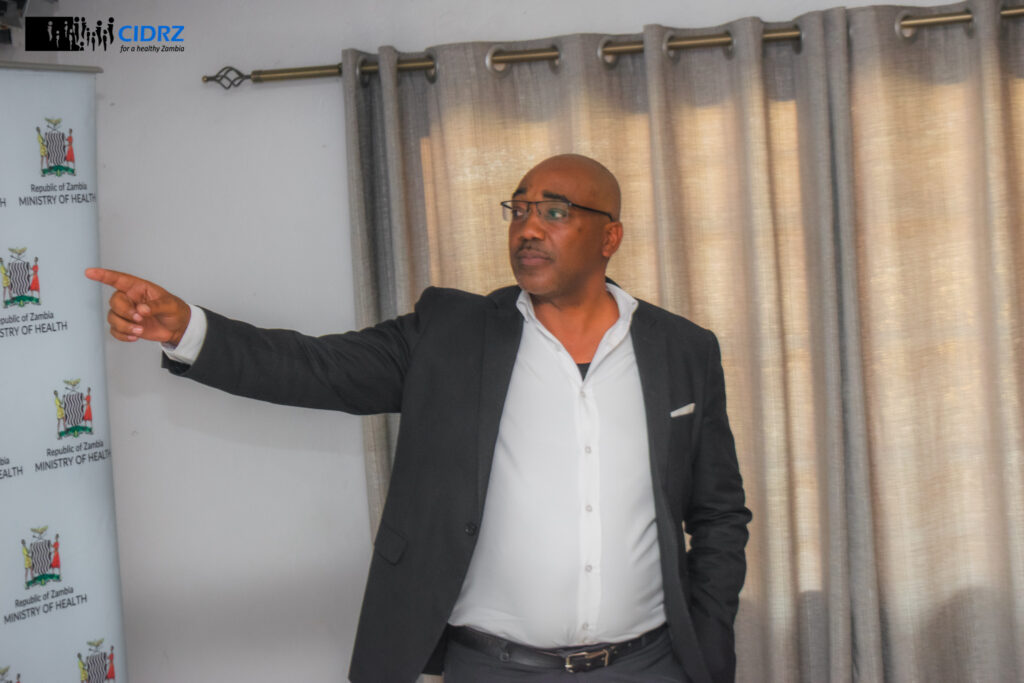
Dr Sydney Mwamba, a medical doctor with CIDRZ under the PROUD-Z Project, said the training is focused on ensuring that healthcare workers can identify AHD early and provide comprehensive care.
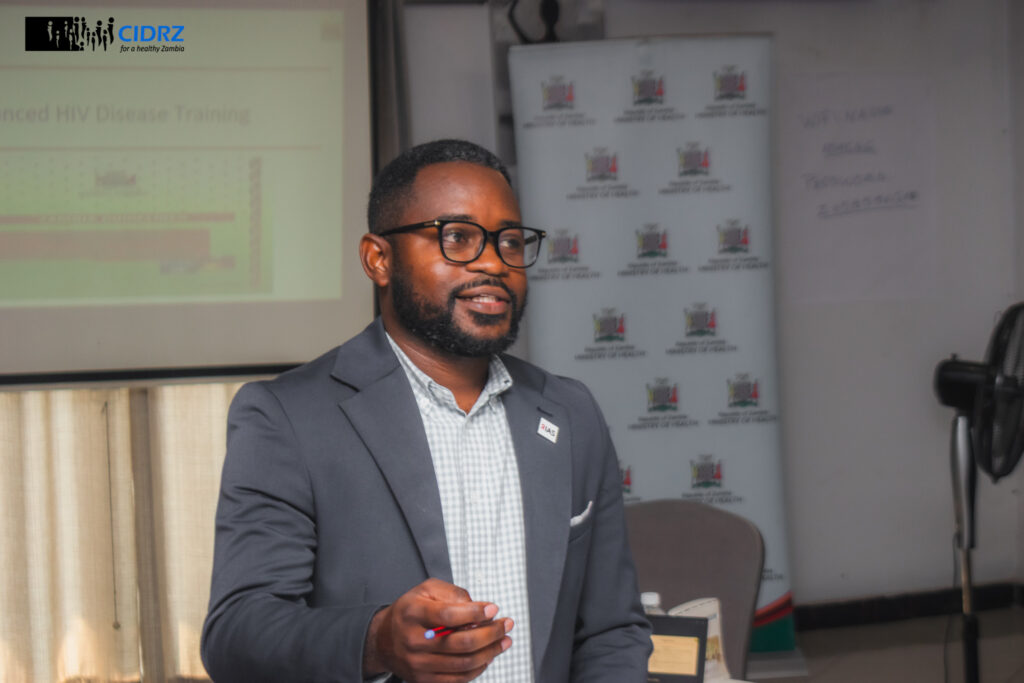
“Our ultimate goal is that the healthcare workers will be equipped with skills which will translate into quality services that they are providing in the facilities, thereby improving the services for AHD and reducing the illnesses, more in particular the opportunistic infections that the people living with advanced HIV disease present with.”
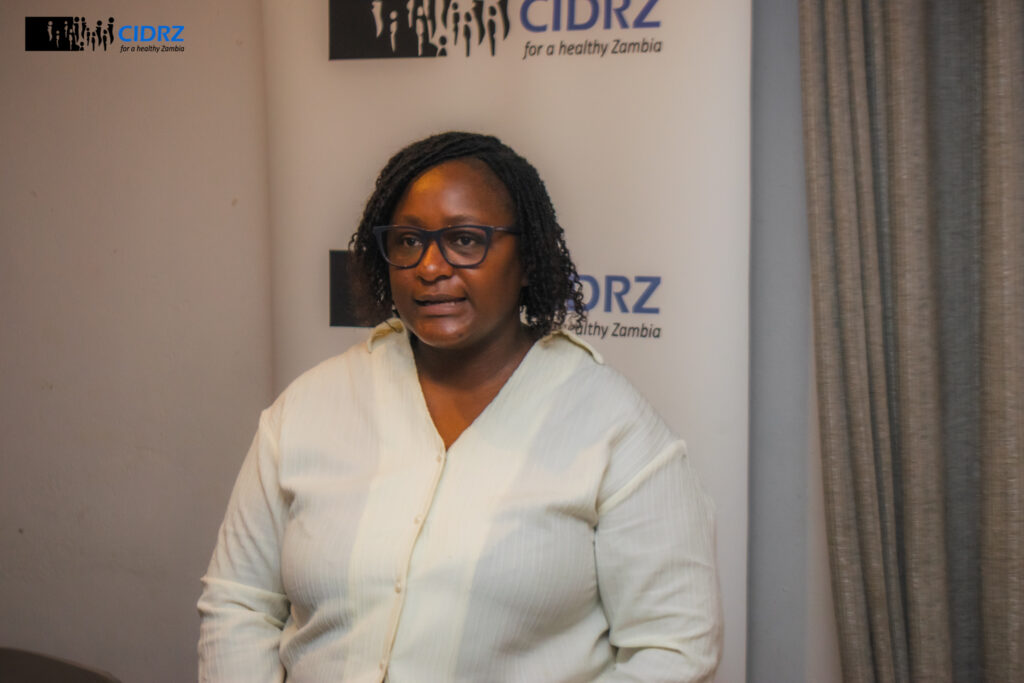
For Dr Tembo Isaac, who works in the ART department at Lewanika General Hospital, strengthening human resource capacity across districts is key to ensuring patients receive consistent, evidence-based care regardless of where they seek treatment.

“Building human resource capacity across every single district is essential for sustainable healthcare delivery. Equipping our frontline clinicians with standardised, evidence-based skills ensures that regardless of where a patient seeks care in Western Province, they receive the highest standard of AHD intervention.”
The training also supported health workers to identify patients who may require AHD screening, including people newly initiating HIV treatment, those who are virally unsuppressed, those returning to care after prolonged treatment interruption, and patients who are severely ill or admitted to the hospital.
The experience from Western Province demonstrates the importance of linking public health research, implementation science, clinical mentorship and national policy to build sustainable health systems. Through the PROUD-Z Project, CIDRZ remains committed to supporting the Ministry of Health with technical assistance, mentorship and data quality improvement to strengthen and sustain AHD services across supported provinces.
Through this partnership, CIDRZ and the Ministry of Health are working to ensure that people living with HIV, regardless of where they live or seek care, can access timely, standardised and quality AHD services that help prevent avoidable illness and death.